Loading Events

Bird Walk at Vada Talav, Vadodara, Gujarat

About Vada Talav

At the foot of the dramatic Pavagadh hill, about 45 km northeast of Vadodara, lies Vada Talav, a placid lake that mirrors the cliffs and temples rising above it. It sits beside the Champaner-Pavagadh Archaeological Park, a UNESCO World Heritage Site, and close to the ruins of Mahmud Begada’s palace, so history and nature share the same shoreline. The lake’s open water, muddy margins and reedy edges blend into dry deciduous scrub, grassland and farmland, with the forested slopes of Pavagadh rising behind. This mix of habitats draws a remarkable variety of birds, with nearly 190 species recorded on eBird, from shy crakes and bitterns in the reeds to wintering ducks, shorebirds, warblers and soaring raptors. For birders, it’s a rewarding place where every season brings new surprises.

Yet Vada Talav’s popularity is also its challenge. Heavy pilgrim and tourist traffic to Pavagadh brings litter, noise and disturbance to the lake edge. Changing water levels, grazing, fishing, and the gradual loss of reedbeds and scrub to development all reduce the quiet, sheltered spaces that sensitive birds need. Keeping the lake clean, protecting its vegetated margins and encouraging responsible, low-impact visits will help ensure that Vada Talav remains a haven for wildlife, not just a scenic backdrop.

Bird Guide: Het Bhatt

I have been birding since 2018, and can easily spot and identify all of the common resident birds and most of the migratory birds. I have visited most of the birding sites in and around Vadodara, which includes small lakes within the city as well as popular birding sites like Timbi, Ankodia, and Vadhvana.

Bird walk Location

Common birds of Vada Talav

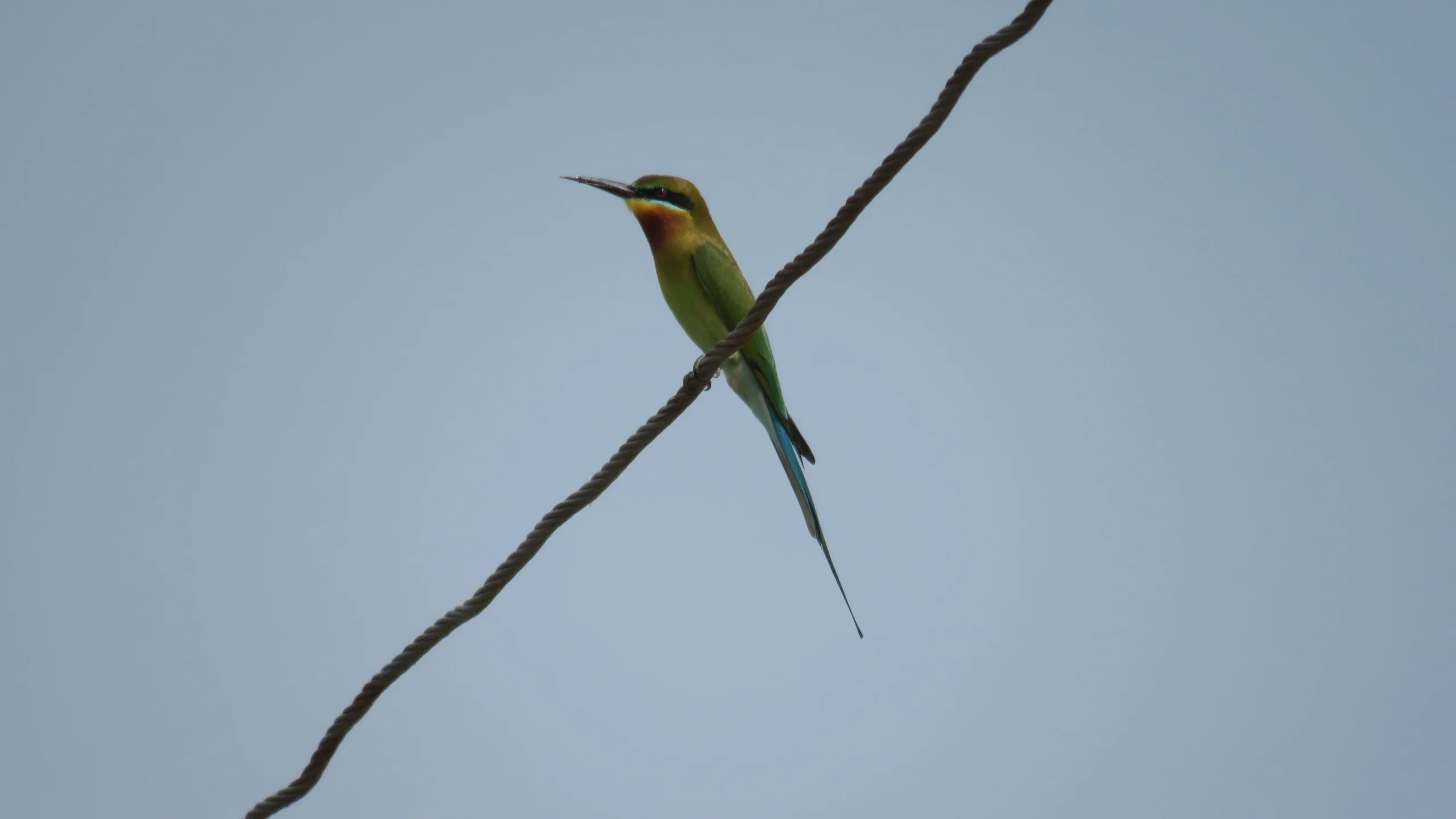
Vada Talav rewards patient birders with some genuinely special sightings. In the reeds and marshy edges, look for the secretive Black Bittern, the Brown Crake and the beautifully patterned Greater Painted-Snipe, while Eurasian Moorhens pick their way through the vegetation. In winter, Garganey drift in on the open water, elegant Pied Avocets sweep their upturned bills through the shallows, and Gray-headed Lapwings and flocks of Collared Pratincoles gather on the exposed mud. Indian Thick-knees stand still and well camouflaged on the dry banks. The surrounding scrub is alive with small birds: the oddly reptilian Eurasian Wryneck, Brown Shrikes on lookout perches, Siberian Stonechats, Black Redstarts, Lesser Whitethroats, Green and Sykes’s Warblers, Plain Prinias, noisy Common Babblers and tiny Red Avadavats flashing red in the grass. Blue-tailed Bee-eaters and Streak-throated Swallows hawk insects overhead, while raptors such as the Booted Eagle, Oriental Honey-buzzard and the swift Red-necked Falcon complete a remarkable list.

Eurasian Wryneck
Blue-tailed Bee-eater
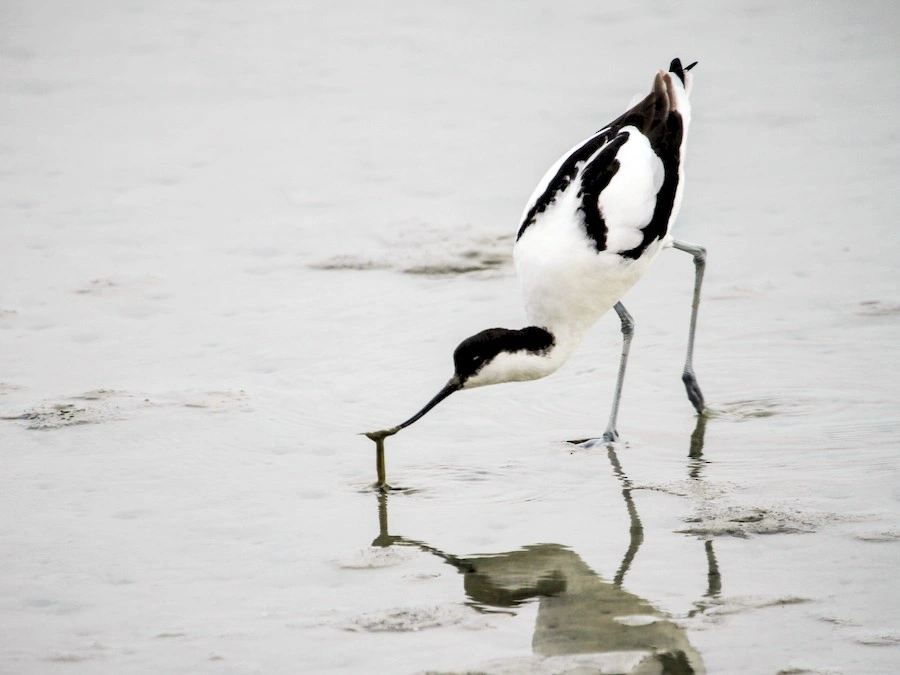
Pied Avocet
Brown Shrike
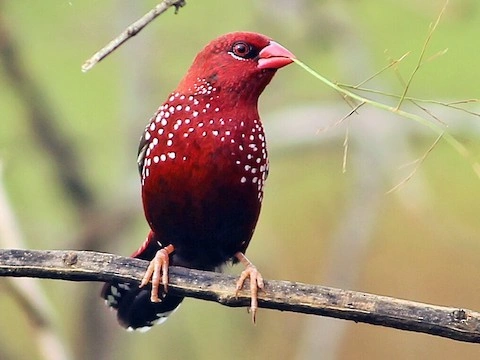
Red Avadavat

Streak-throated Swallow
Black Bittern
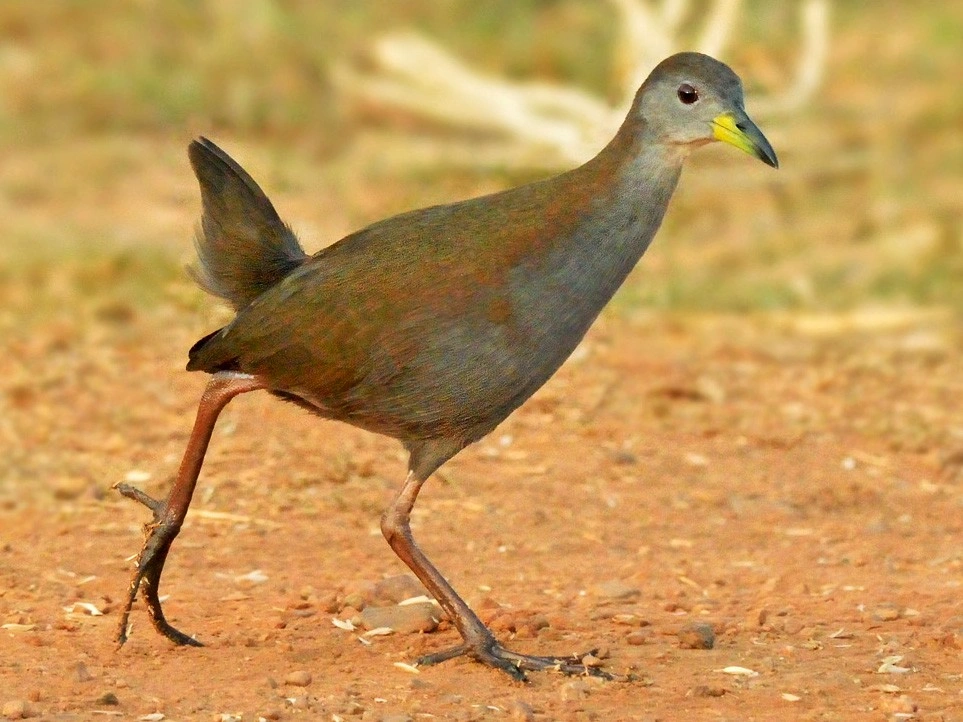
Brown Crake
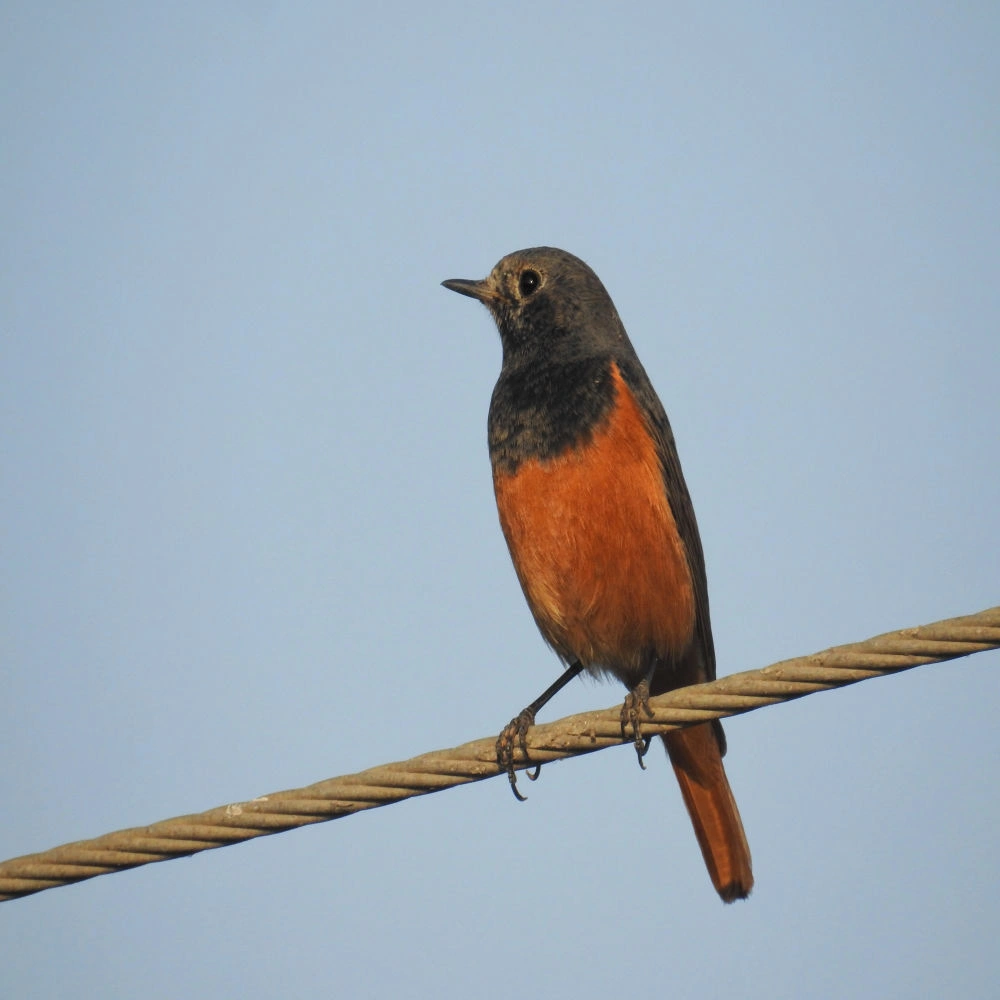
Black Redstart
Collared Pratincole
Eurasian Moorhen
Indian Thick-knee
Common Babbler
Greater Painted-Snipe
Sykes’s Warbler
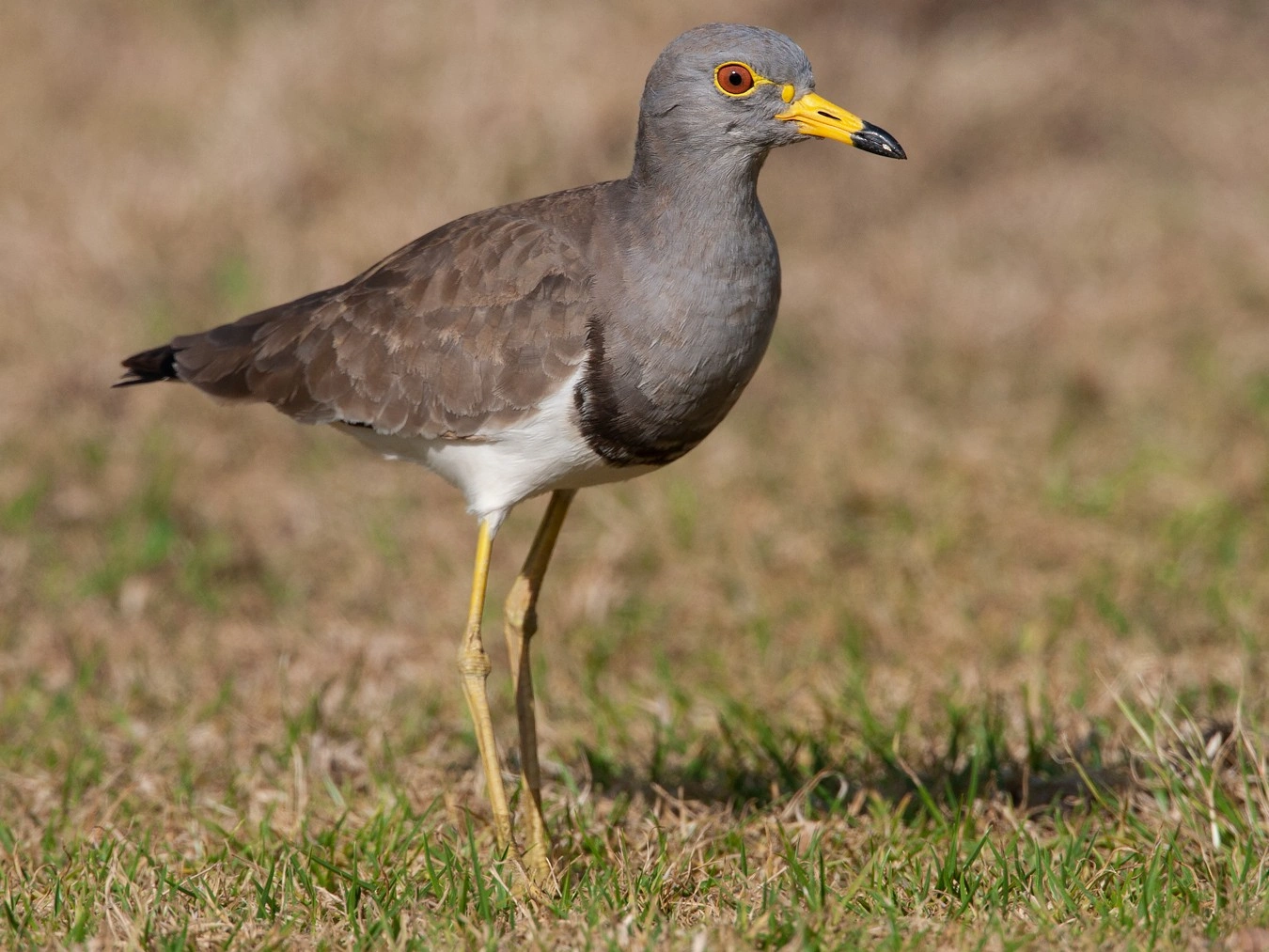
Gray-headed Lapwing
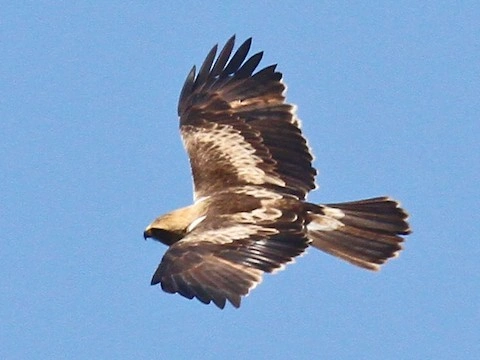
Booted Eagle
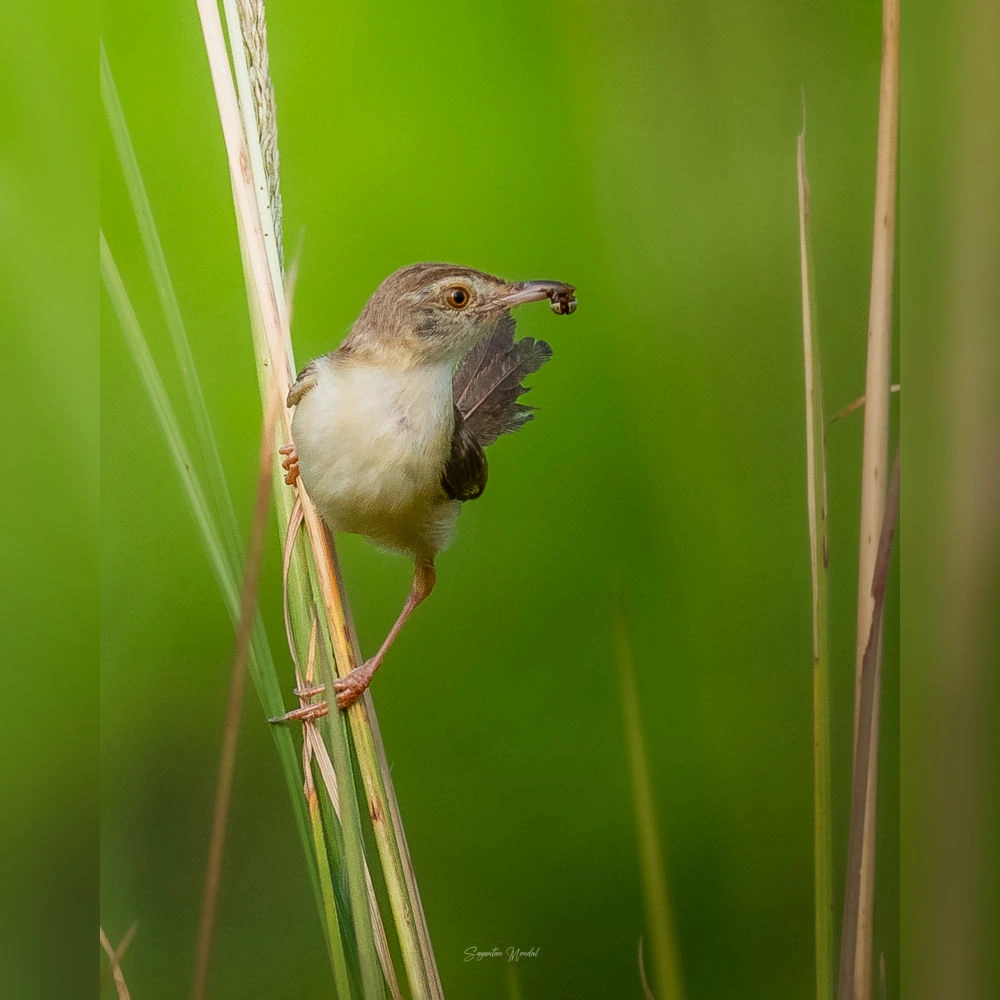
Plain Prinia
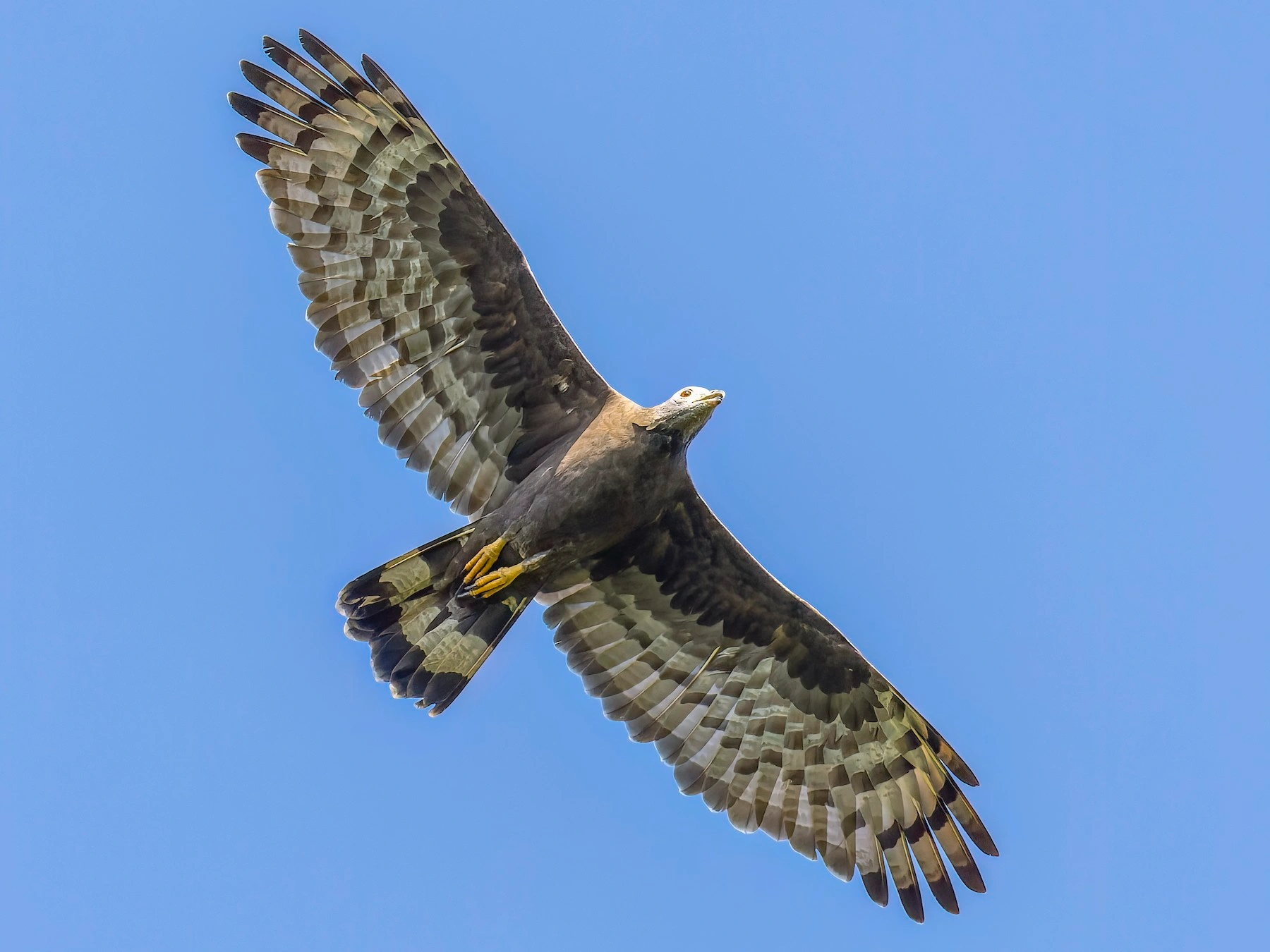
Oriental Honey-buzzard
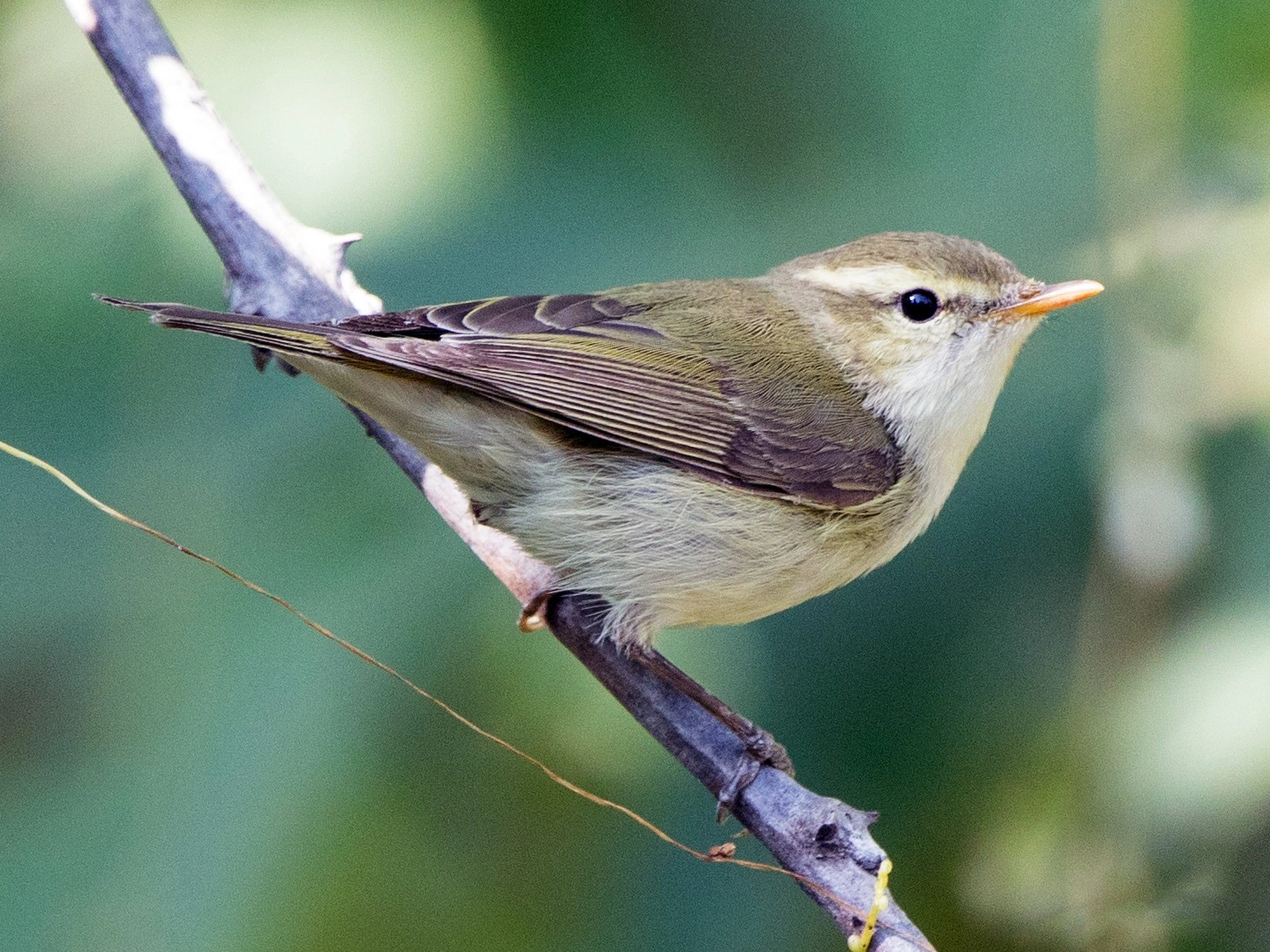
Green Warbler

Summary of Walk

Seventeen birders joined guide Het Bhatt at Vada Talav near Pavagadh on 15 November for a beautiful morning beneath the iconic Pavagadh Hill. The walk began with a stunning sunrise, followed by introductions and a short session on the habitat, bird identification and how to use the Ataavi app. Vada Talav’s open water, mudflats and grassy margins make it an excellent wetland for winter visitors, and the group soon found plenty to watch. 

Winter-visiting wagtails moved along the shore, Spot-billed Ducks showed off their fascinating feeding behaviour, and a Purple Heron flew in and landed close to the group for spectacular views. The waders included Common Redshanks, snipes and sandpipers, and a well-camouflaged group of Small Pratincoles rested on a mudflat with only their heads visible, a delightful find. Asian Pied Starlings were among the highlights, a nearby tree hosted a gathering of cormorants alongside a lone Grey Heron, and a pair of Garganeys swam among the Spot-billed Ducks. Het wrapped up the morning by distributing postcards, and the group took a photograph with the lake and Pavagadh Hill in the backdrop, a perfect memento of a morning spent observing and appreciating birds. 

Number of Participants
0
Scroll to Top