Bird Walk at Sultanpur National Park, Gurugram (Delhi NCR)
- Gurugram
- 18 October, 2026
- Anubhav Dhingra
About Sultanpur National Park
Sultanpur National Park in Gurugram is one of North India’s most important bird sanctuaries, known for its tranquil wetlands and open grasslands spread across 1.43 sq km. The park’s shallow lake, surrounded by acacia woodlands and marshy edges, provides excellent habitat for a rich variety of resident and migratory birds. During winter, the sanctuary transforms into a vibrant hub of avian life, attracting thousands of migratory species from Central Asia, Europe, and Siberia.
With over 366 bird species recorded, Sultanpur is a paradise for birdwatchers, photographers, and nature lovers alike. Iconic species such as Bar-headed Geese, Northern Shovelers, Eurasian Spoonbills, Painted Storks, and Lapwings are commonly seen, alongside residents like Kingfishers, Herons, Drongos, and Bulbuls. Well-maintained walking trails, watchtowers, and interpretation boards make wildlife viewing accessible, while ongoing conservation efforts help protect this precious wetland ecosystem from urban pressure and habitat degradation.

Bird Guide - Anubhav Dhingra
Passionate birder with 15 years of experience and a keen eye for detail, capturing the beauty of avian life through observation and photography. Always in pursuit of rare sightings and meaningful moments in nature, one bird at a time.
Bird walk Location
Common birds of Sultanpur National Park
Sultanpur National Park, with 366 bird species recorded, is one of India’s richest wetland habitats, hosting an impressive variety of winter migrants and resident waterbirds. Recent sightings highlight the park’s diversity, with large flocks of Greylag Geese, Northern Shovelers, Eurasian Wigeons, Gadwalls, Northern Pintails and a mix of pochards including Red-crested, Common, Ferruginous, and Tufted Ducks. The wetlands also support striking species like the Knob-billed Duck, Lesser Whistling-Duck, Painted Stork, Indian Cormorant, and Black-headed Ibis, while grassland edges provide habitat for unique birds such as the Indian Thick-knee. Raptors like the Oriental Honey-Buzzard add excitement for birders, reflecting the park’s healthy food web.

Northern Shoveler

Gadwall

Northern Pintail

Knob-billed Duck
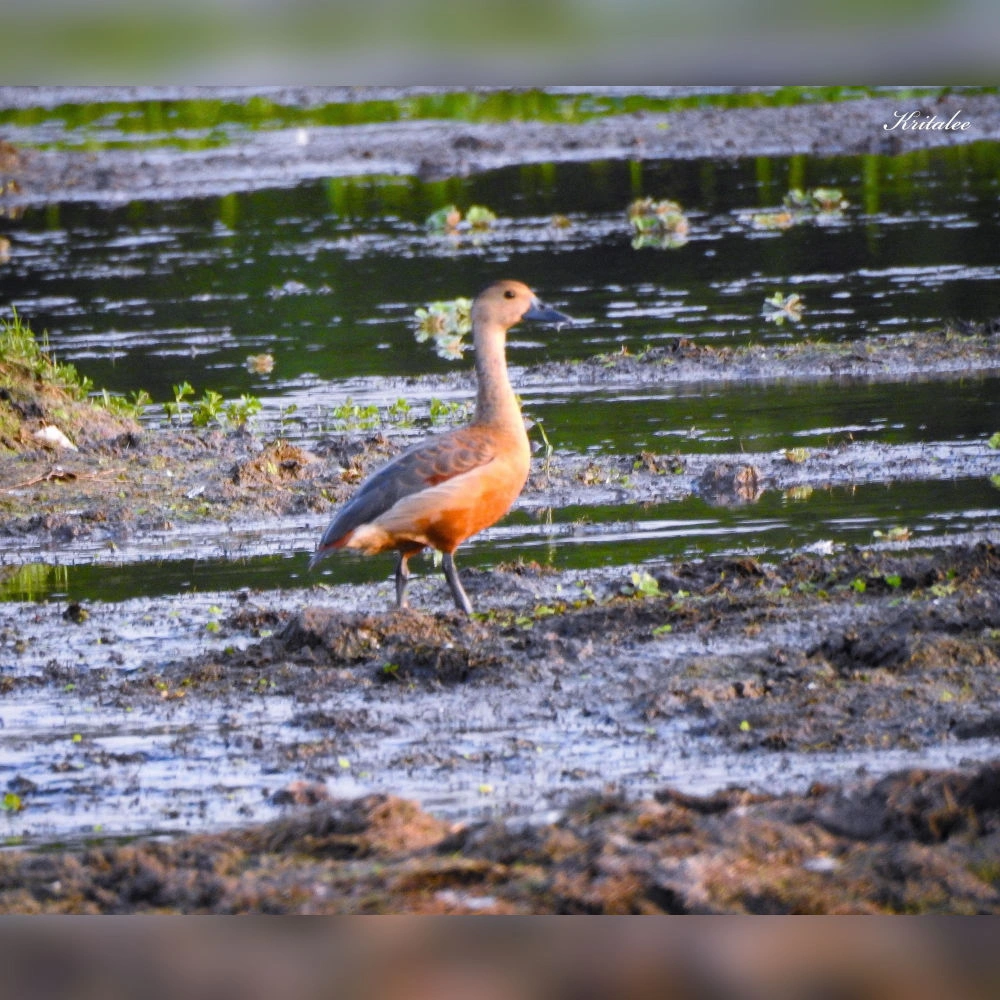
Lesser Whistling Duck
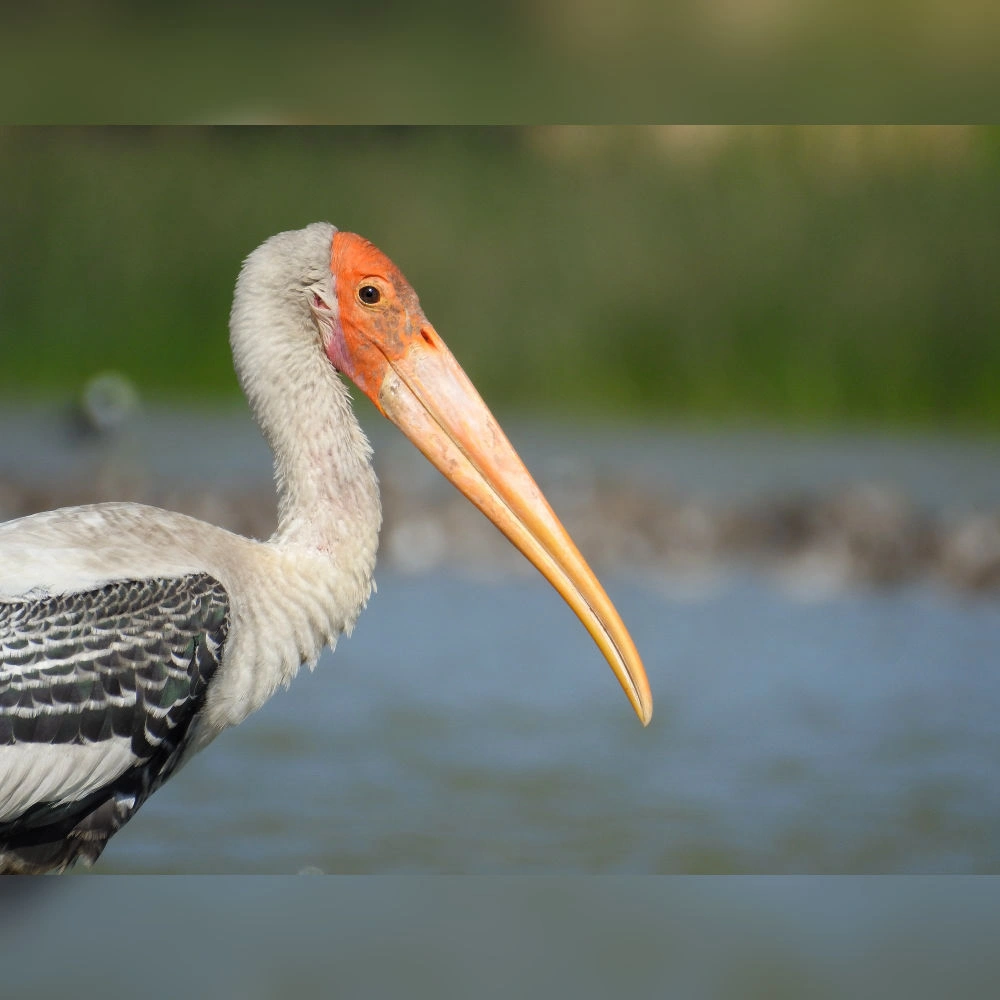
Painted Stork

Purple Heron

Oriental Honey Buzzard
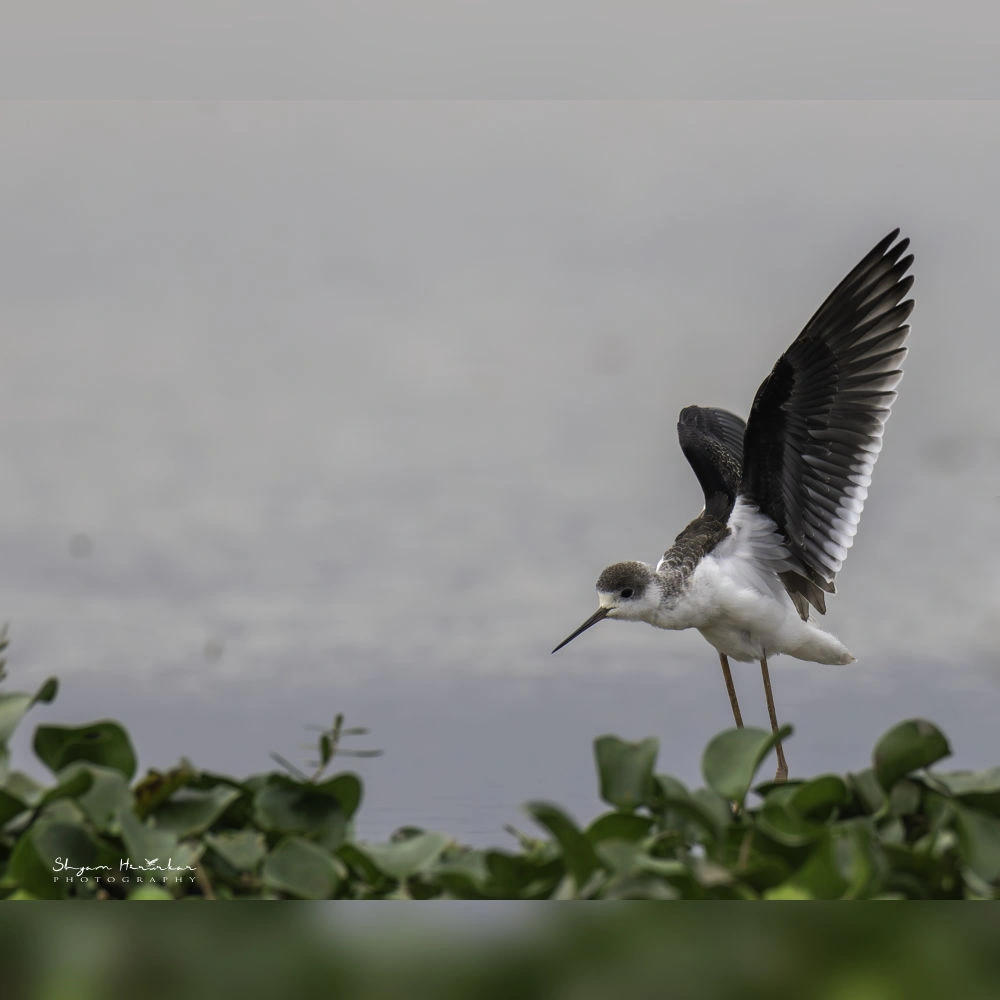
Black-winged Stilt

Rose-ringed Parakeet
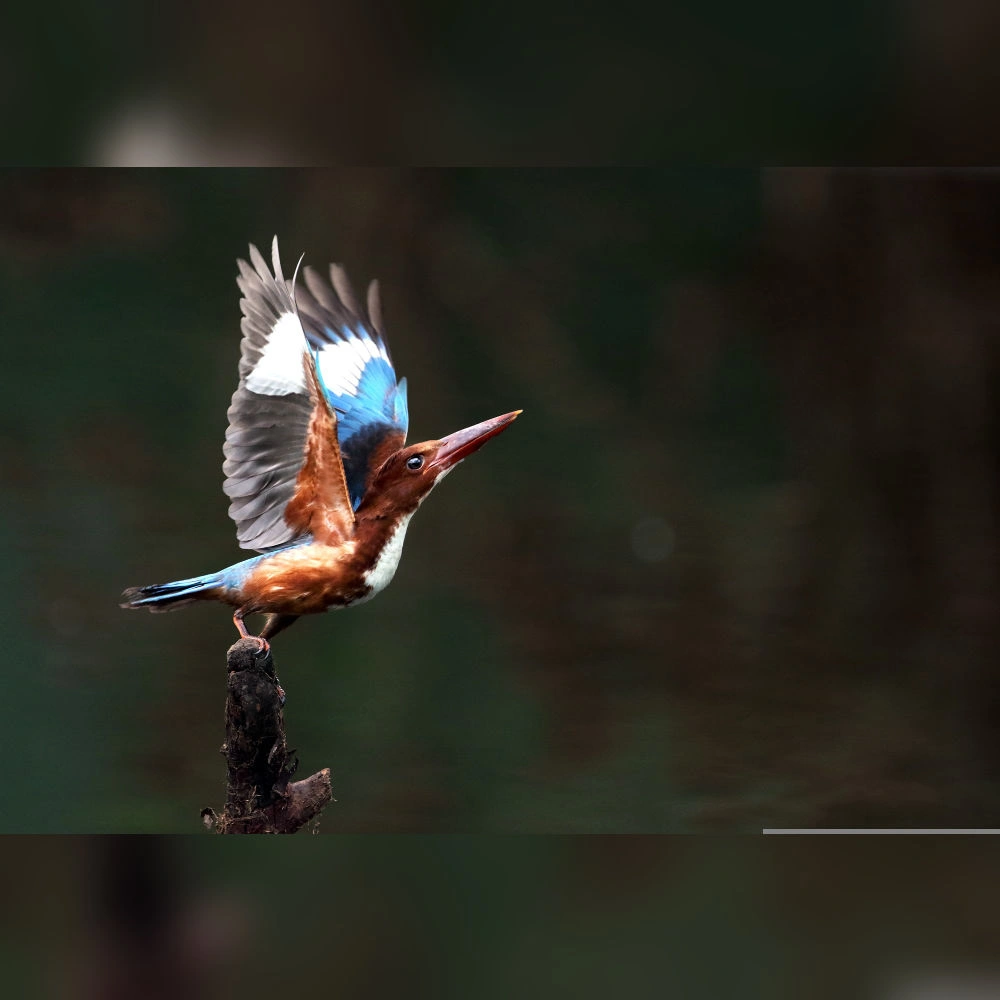
White-throated Kingfisher
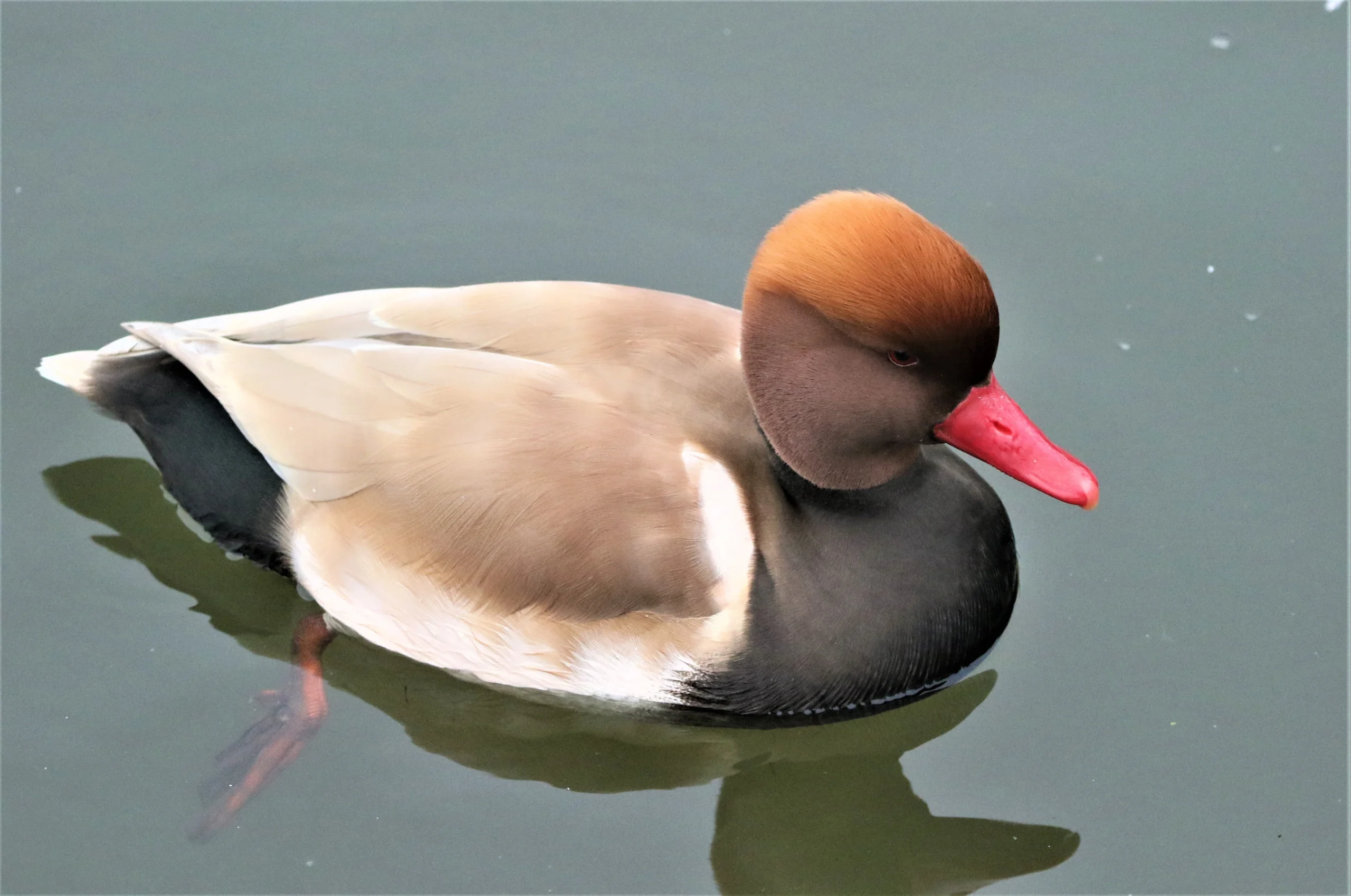
Red-crested Pochard
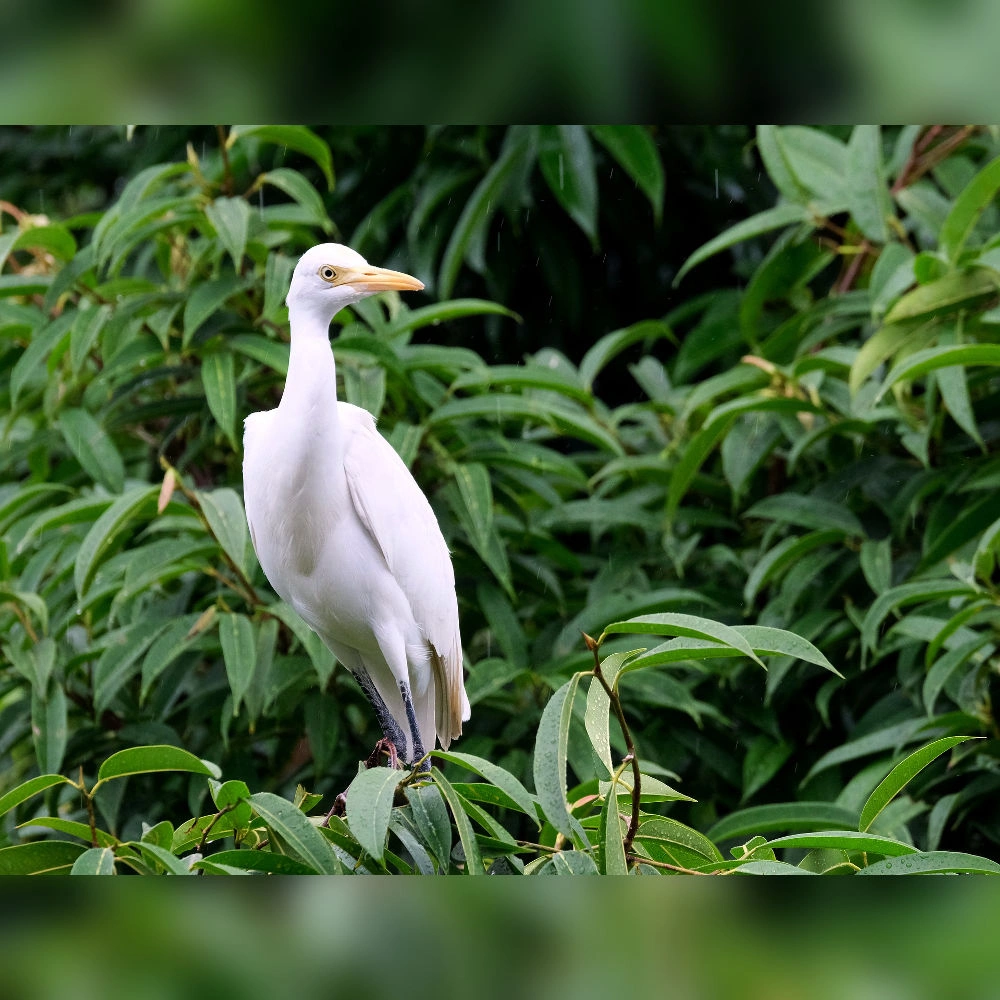
Eastern Cattle Egret

Common Kingfisher

Purple Sunbird
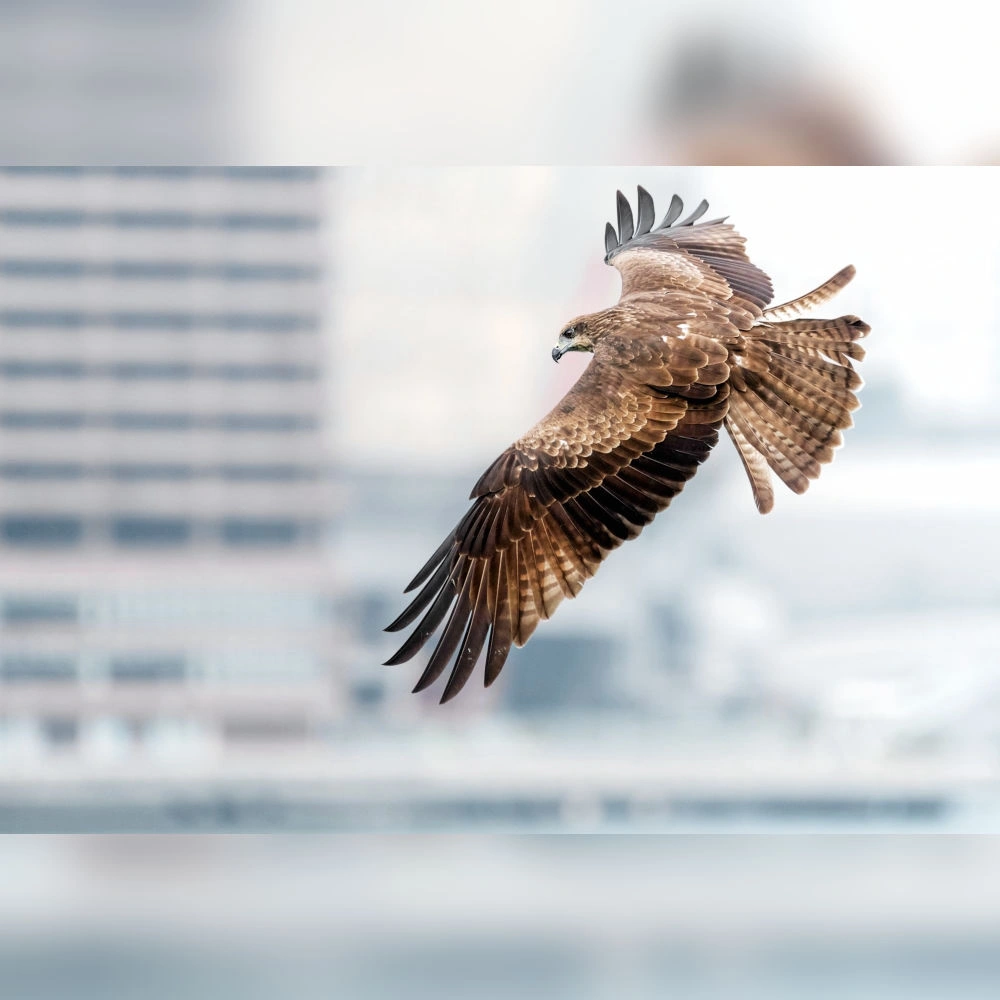
Black Kite
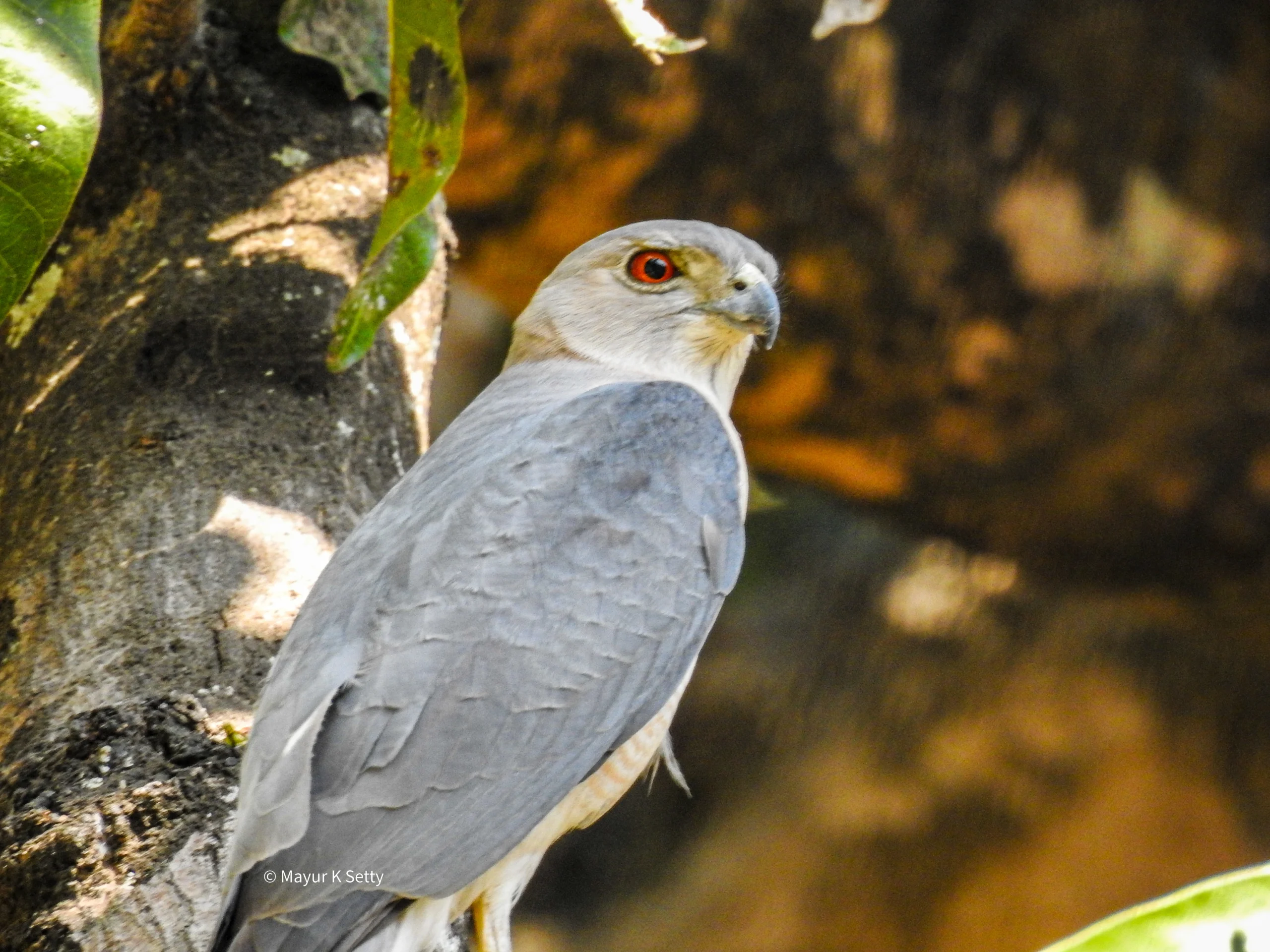
Shikra

Indian Pond Heron
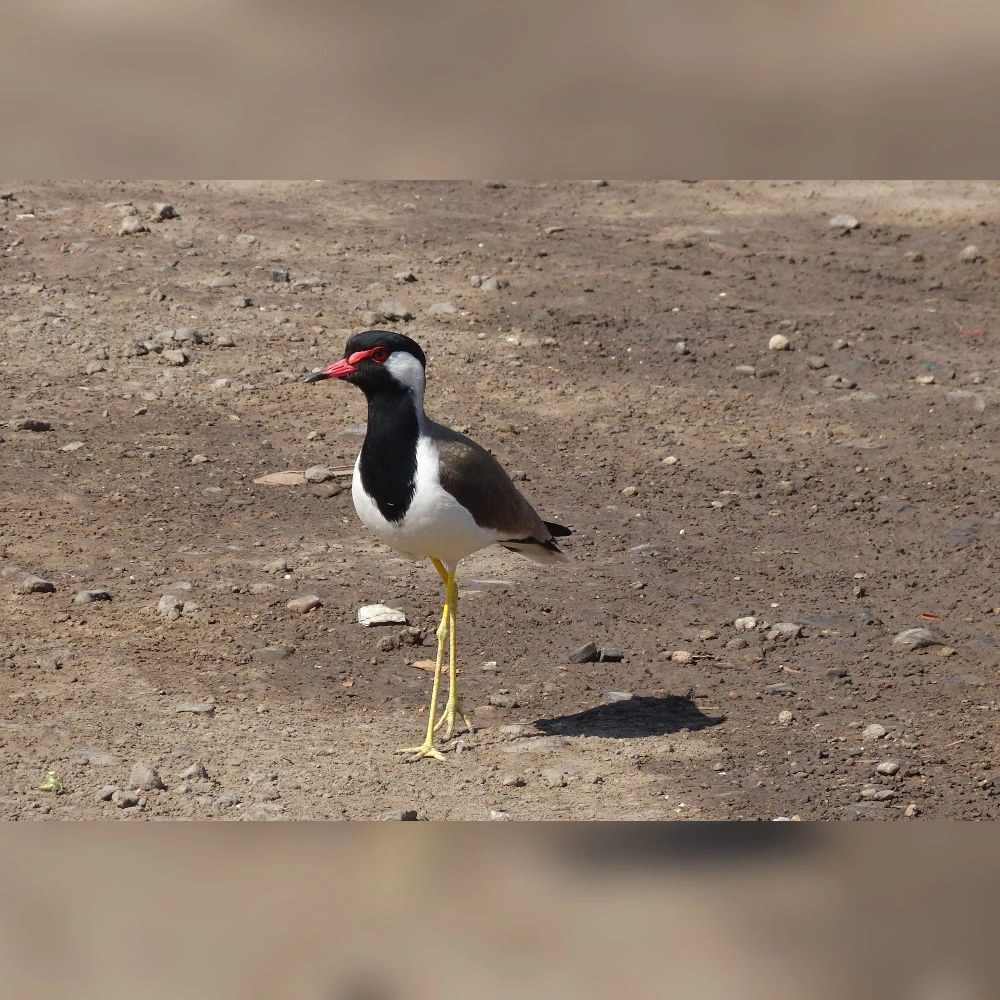
Red-wattled Lapwing
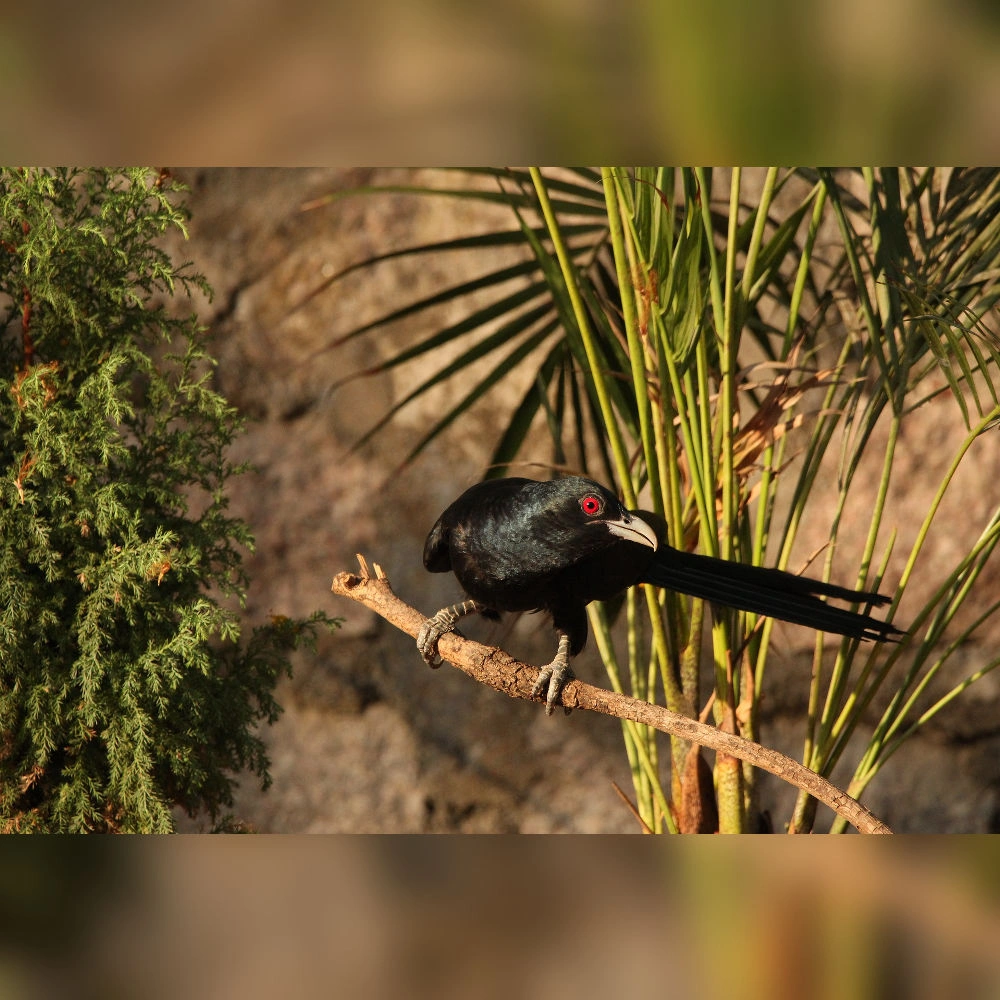
Asian Koel
Summary of Walk
Twelve birders joined guide Mansi Lodhi at Sultanpur National Park near Gurugram on 18 October for a morning of birding in one of North India’s best-known wetlands, and the group recorded 33 species. The park’s mix of open water, reedy margins, scrub and woodland makes it a magnet for birds at this time of year, and the group explored its trails at a relaxed pace, listening for calls and scanning the water and sky. One of the stars of the morning was the Northern Shoveler, a handsome winter duck with its huge, spoon-shaped bill and striking green head, whose arrival is a welcome sign that the migratory season has begun. The Greater Spotted Eagle, a powerful and majestic raptor that spends its winters in this region, soared overhead and gave the group a thrilling look at its broad wings and dark plumage. Around the lake, herons, egrets, cormorants and ducks went about their business, while the trees and scrub held a lively mix of resident songbirds, and the group enjoyed learning to separate species by their calls and shapes. Mansi guided the walk with warmth and clear explanations, helping newcomers learn how to use binoculars and how to read the behaviour of the birds. With twelve participants, there were plenty of pairs of eyes on the trail, and every discovery was shared with excitement. The calm of the park, the open skies and the steady stream of sightings made the morning a pleasure from start to finish. Participants left with beautiful memories, new birds on their lists and a strong wish to return as the winter visitors continue to arrive.
Number of Participants
0