Loading Events

Bird Walk at Shri Siddhanath Temple, Borim, Goa

About Shree Siddhanath Temple, Borim

Shree Siddhanath Temple at Borim is set within a semi-rural landscape along the Zuari river basin, surrounded by riverine vegetation, sacred groves, agricultural fields, and seasonal wetlands. While smaller in size compared to large wetlands, the temple landscape forms an important micro-habitat with mature trees, riparian vegetation, and open water patches that support diverse flora and fauna. Native trees, fruiting species, and dense canopy cover attract a rich assemblage of birds, including woodland species, riverine birds, and migratory visitors during winter.
The area also supports butterflies, small mammals, reptiles, and aquatic life linked to the river system. Increasing pressure from infrastructure development, waste disposal, noise, and reduced water quality threaten the ecological integrity of this sacred landscape. Conservation efforts here can be strengthened by safeguarding temple groves, maintaining river health, regulating human disturbance, and integrating traditional religious values with biodiversity conservation to protect this culturally and ecologically significant site.

Bird Guide: Ankush Sahani

With over two years of birding experience, he has documented 357 species across Goa. He feels most at home in the field while observing birds and understanding their habitats. His approach to guiding goes beyond identification, focusing on behavior and deeper connections. His aim is to inspire curiosity and encourage people to care about bird conservation through every walk.
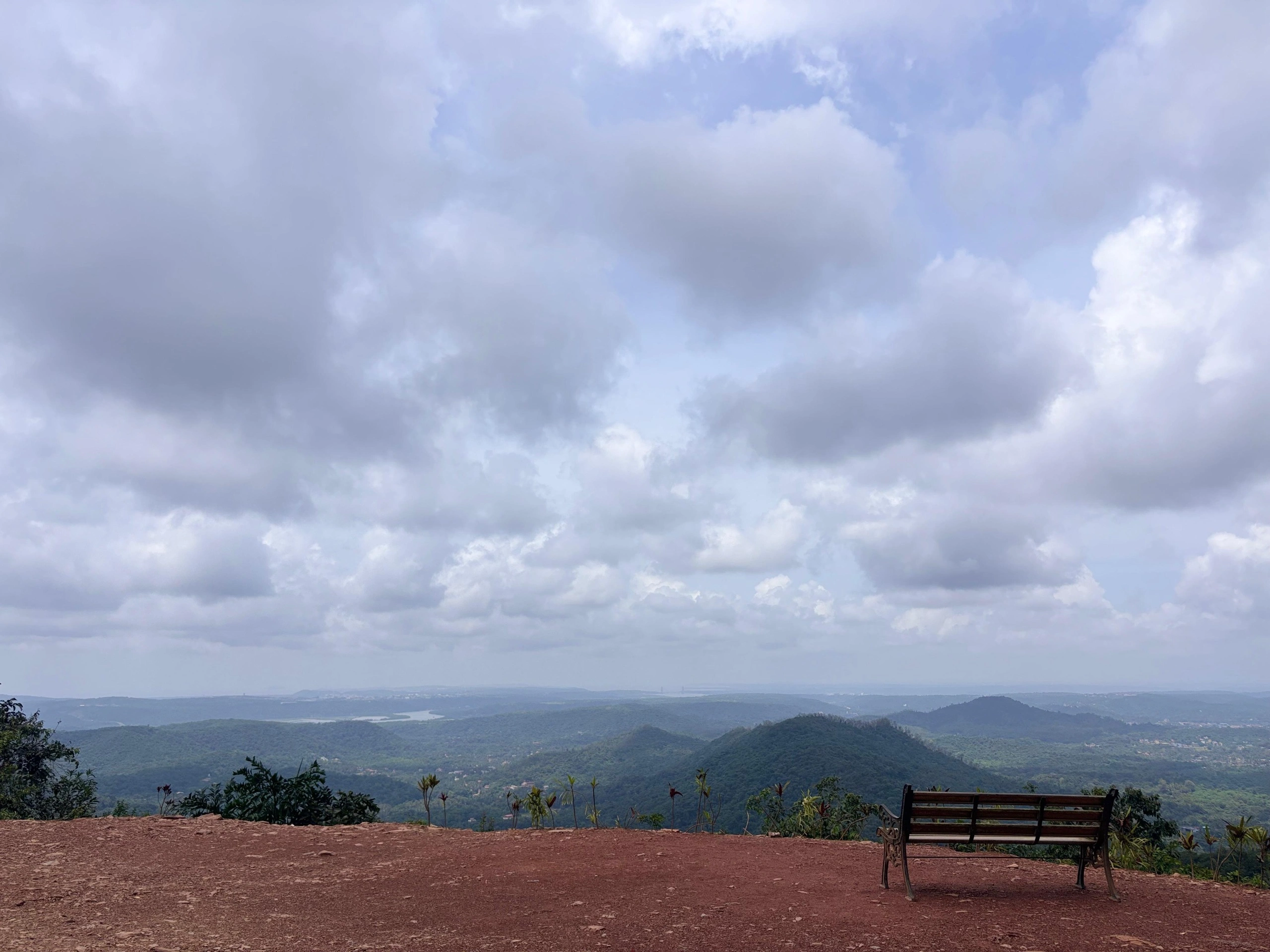
Bird walk Location

Common birds of Shree Siddhanath Temple

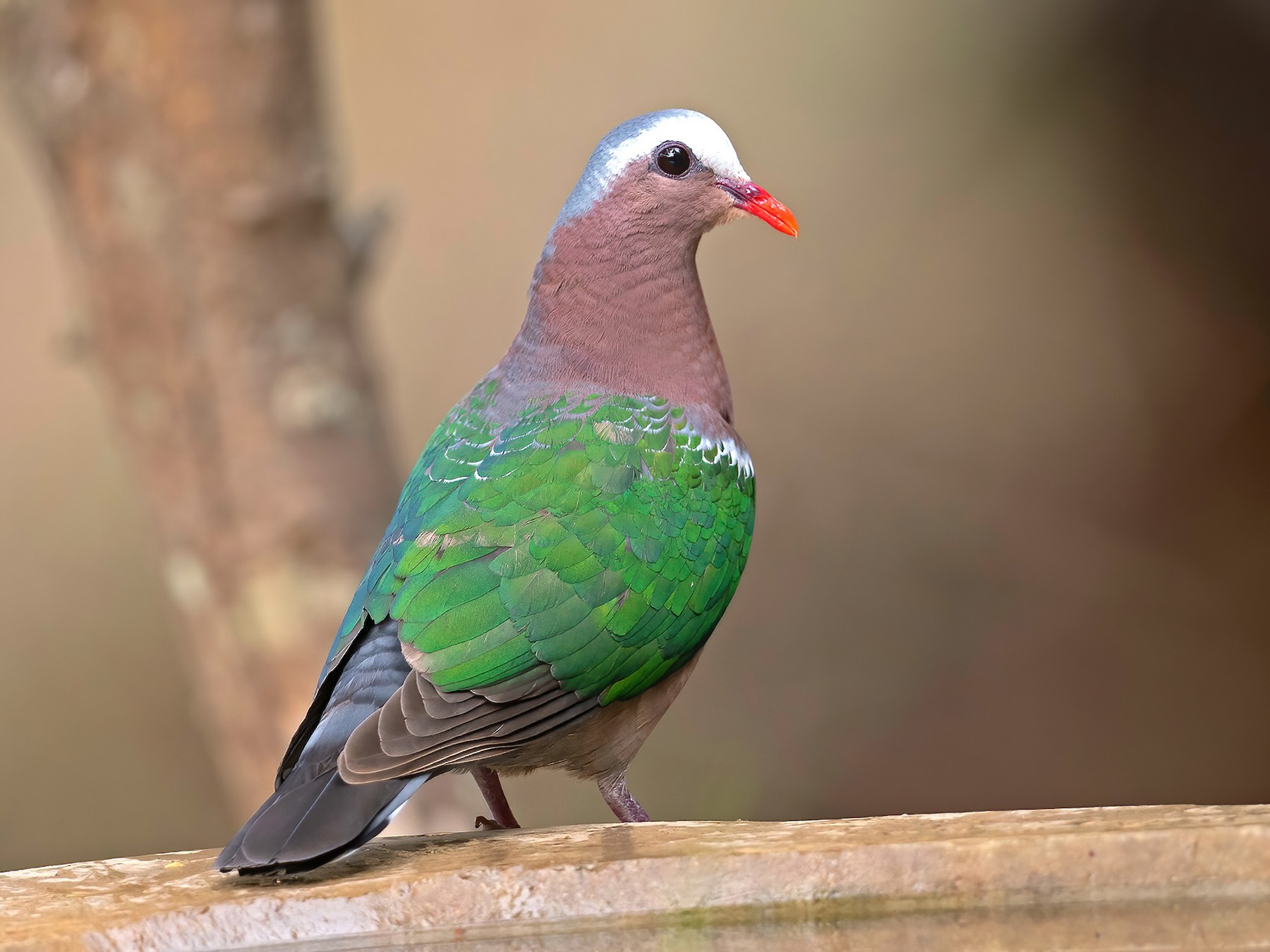
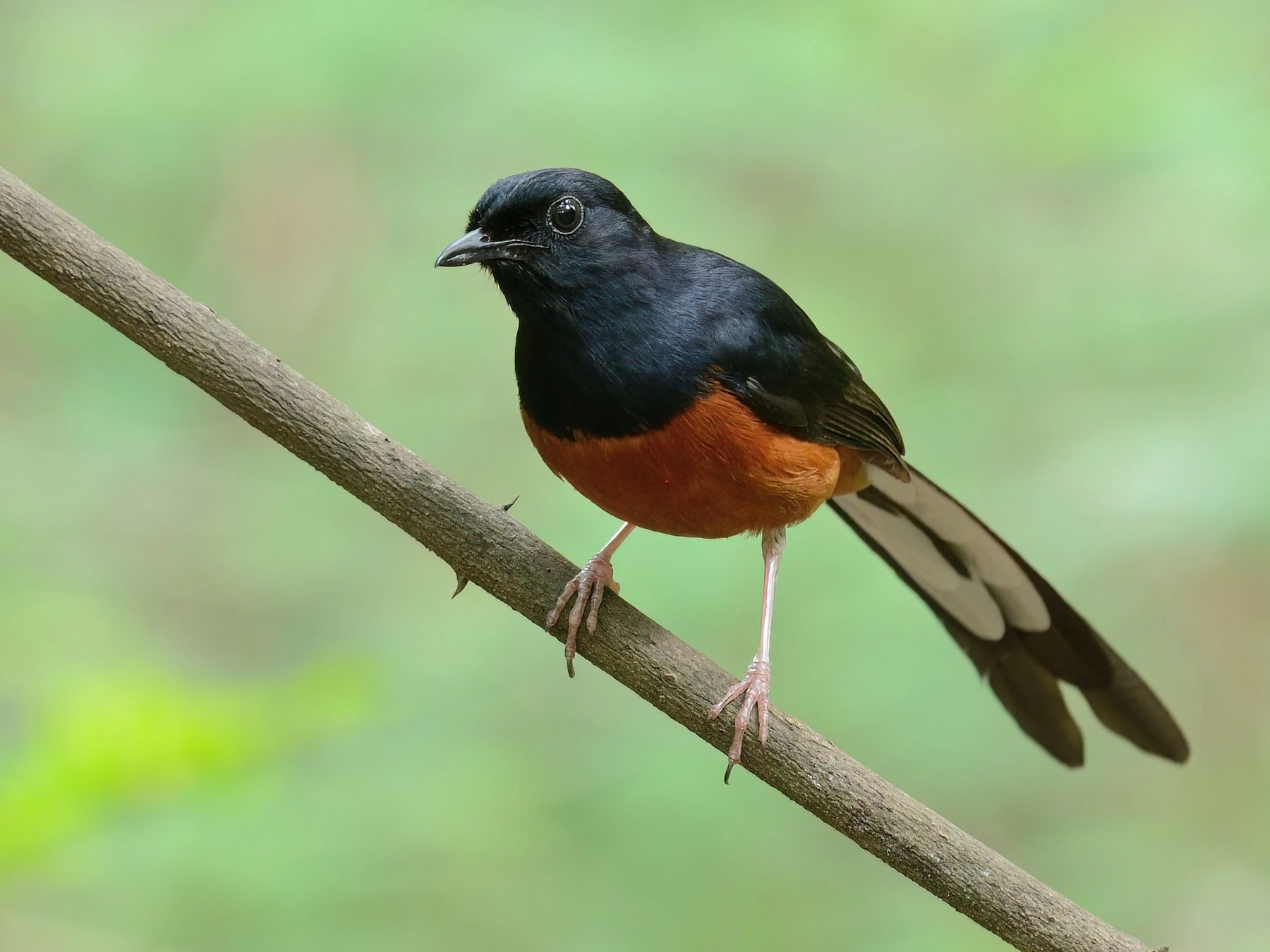
Shree Siddhanath Temple landscape supports an exceptionally rich assemblage of forest and riverine birds, reflecting the intact canopy, sacred groves, and surrounding semi-evergreen habitat. Ground and understorey species such as Indian Peafowl, Grey Junglefowl, Asian Emerald Dove, White-rumped Shama, babblers, fulvettas, and the frequently recorded Indian Scimitar-Babbler indicate healthy forest structure, while fruiting trees attract Malabar Imperial-Pigeon, Malabar Grey Hornbill, barbets, bulbuls, and leafbirds. The area also supports an impressive raptor diversity, including Lesser Adjutant, Crested Serpent-Eagle, Changeable Hawk-Eagle, and Crested Goshawk, highlighting its ecological importance. Canopy and edge habitats are animated by minivets, woodshrikes, flycatcher-shrikes, drongos, monarchs, paradise-flycatchers, and sunbirds, with Crimson-backed Sunbird being particularly abundant. The presence of Western Ghats endemics and forest specialists such as Vigors’s Sunbird, Flame-throated Bulbul, Nilgiri Flowerpecker, Malabar Barbet, and Asian Fairy-bluebird underscores the site’s high conservation value and the role of temple landscapes in safeguarding biodiversity in Goa.
White-rumped Shama
Asian Emarald Dove
Indian Peafowl
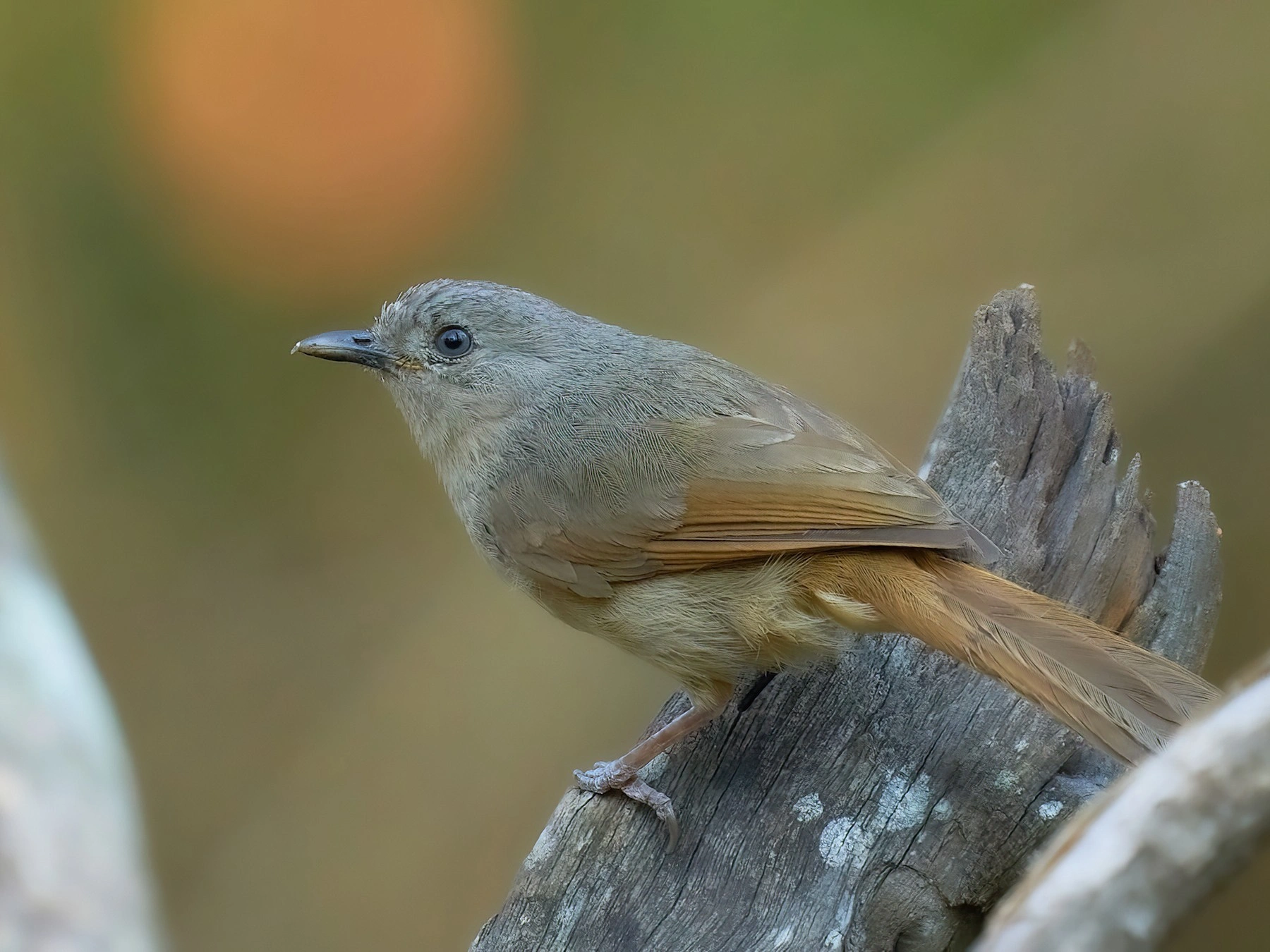
Brown-cheeked Fulvetta
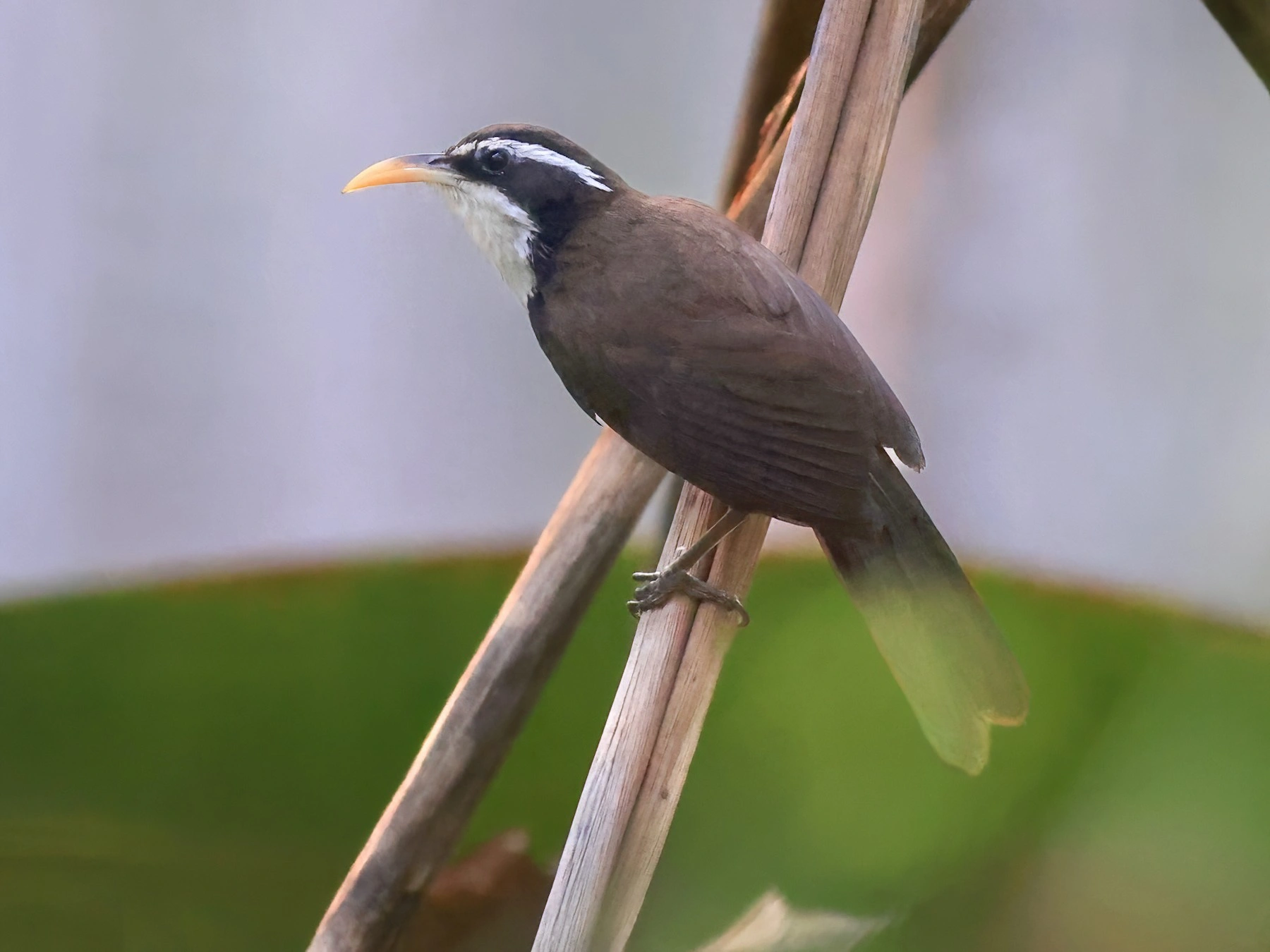
Indian Scimitar Babbler
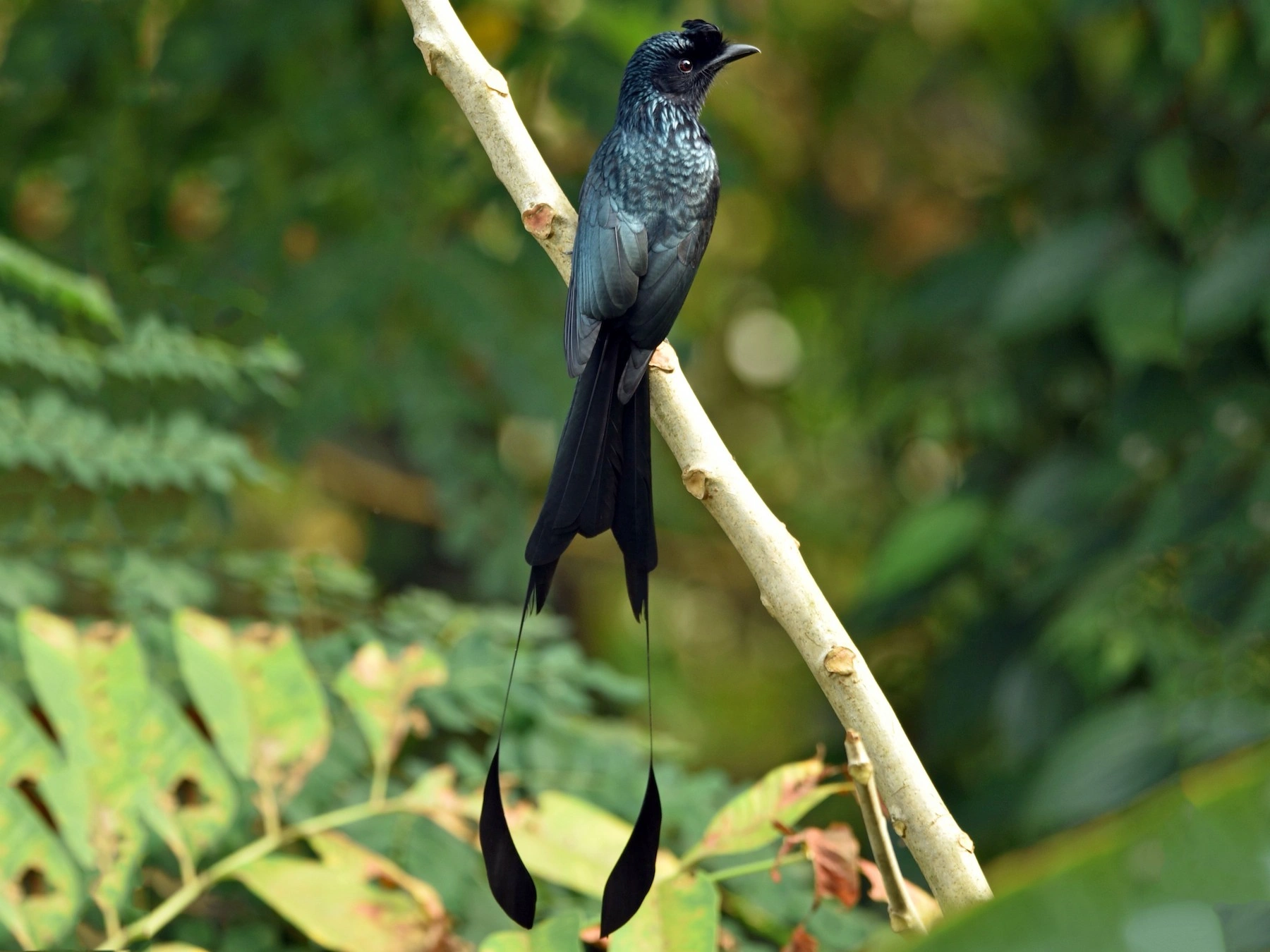
Greater-racket tailed Drongo
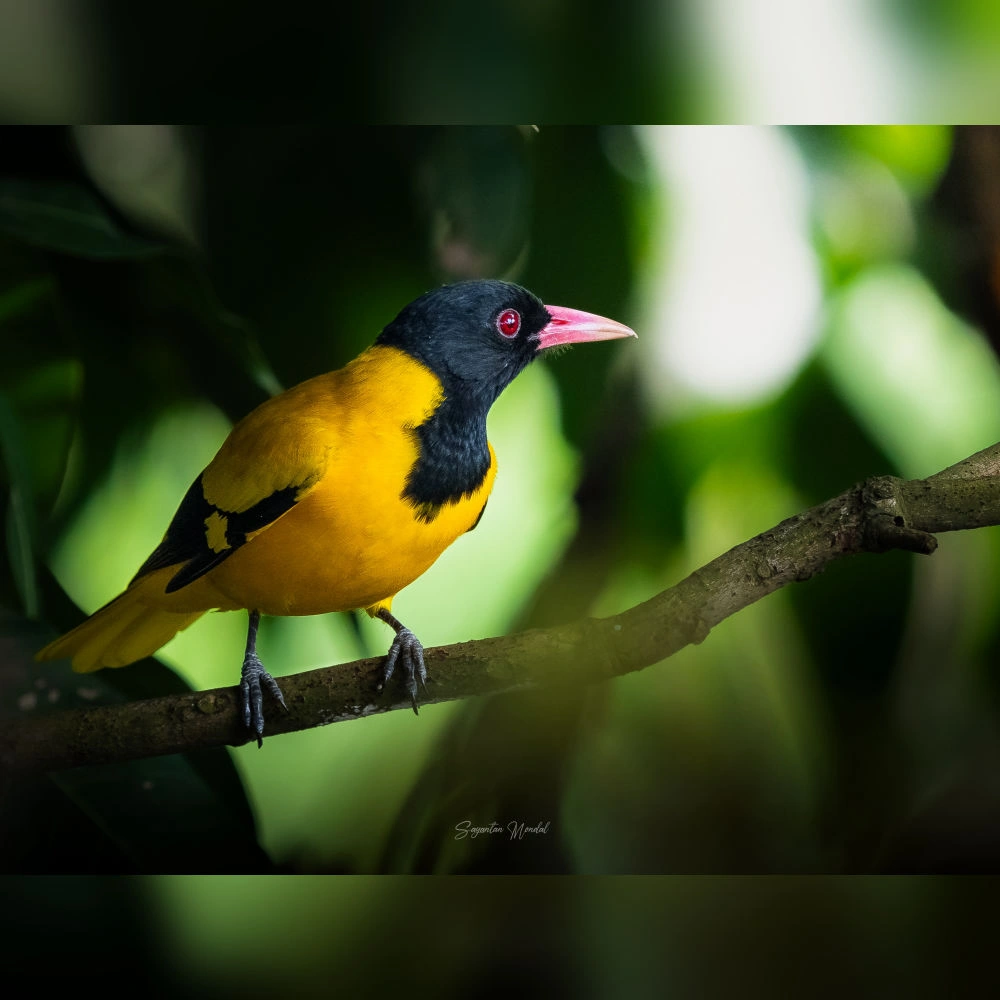
Black-hooded Oriole
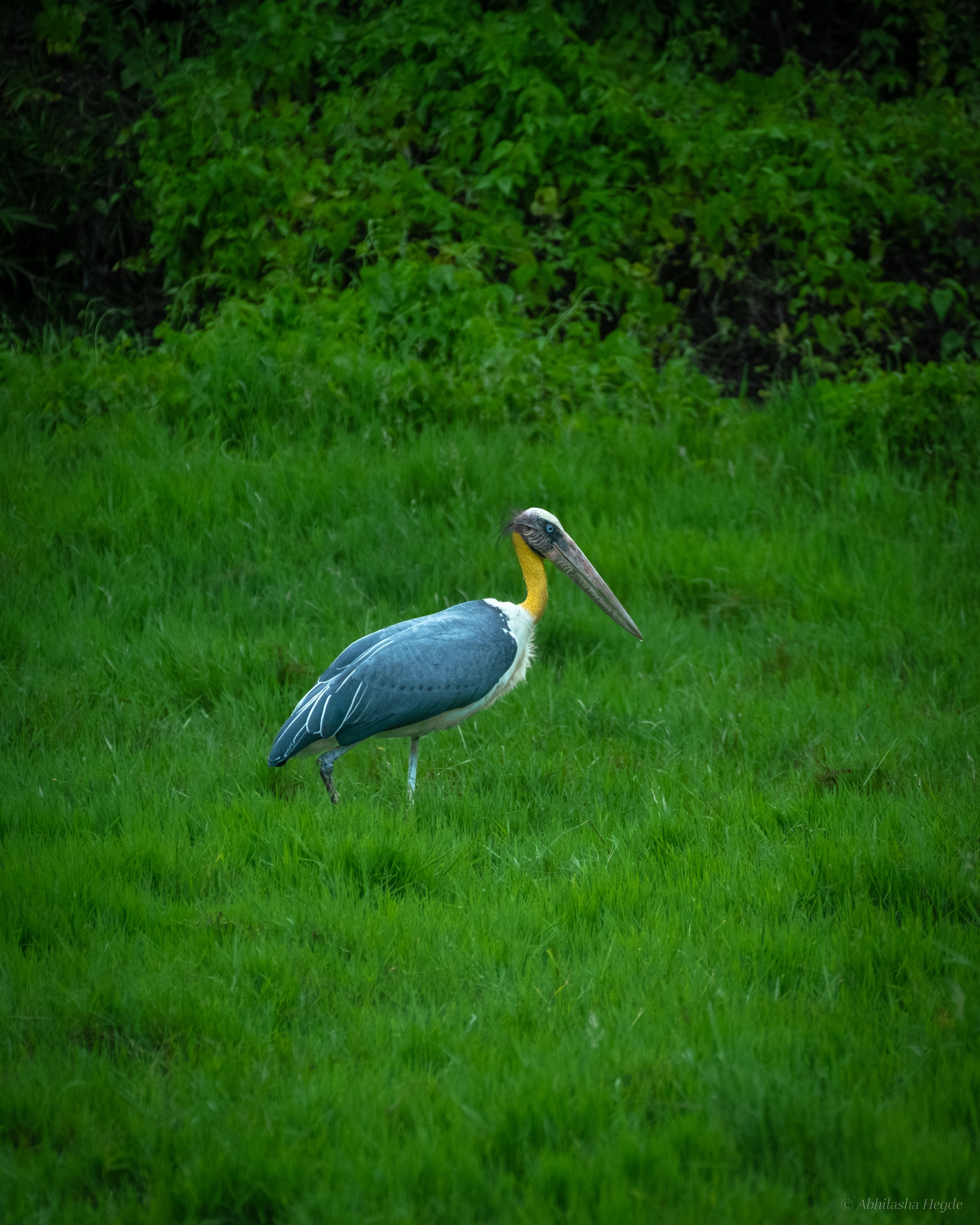
Lesser Adjutant Stork
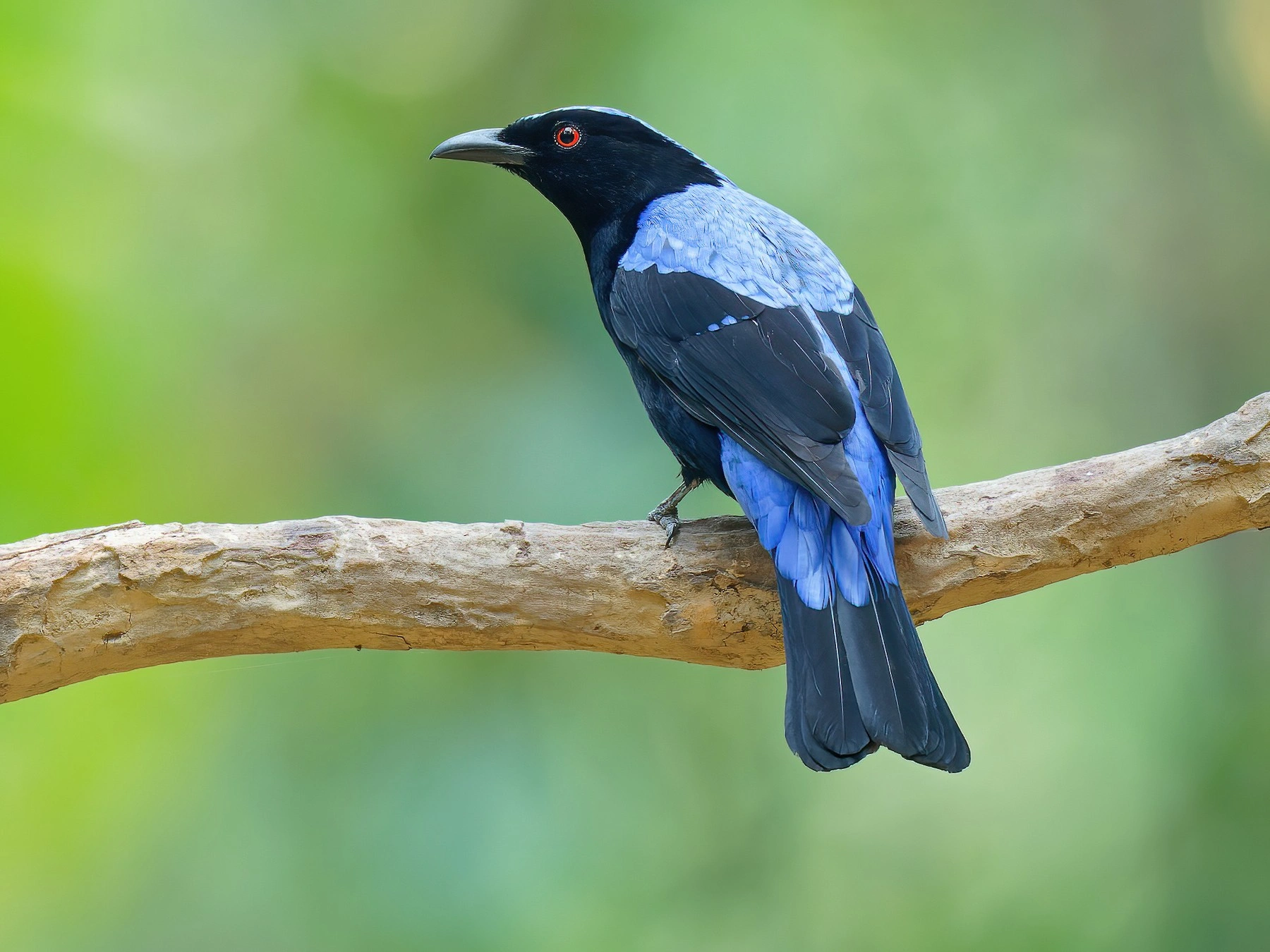
Asian Fairy Bluebird
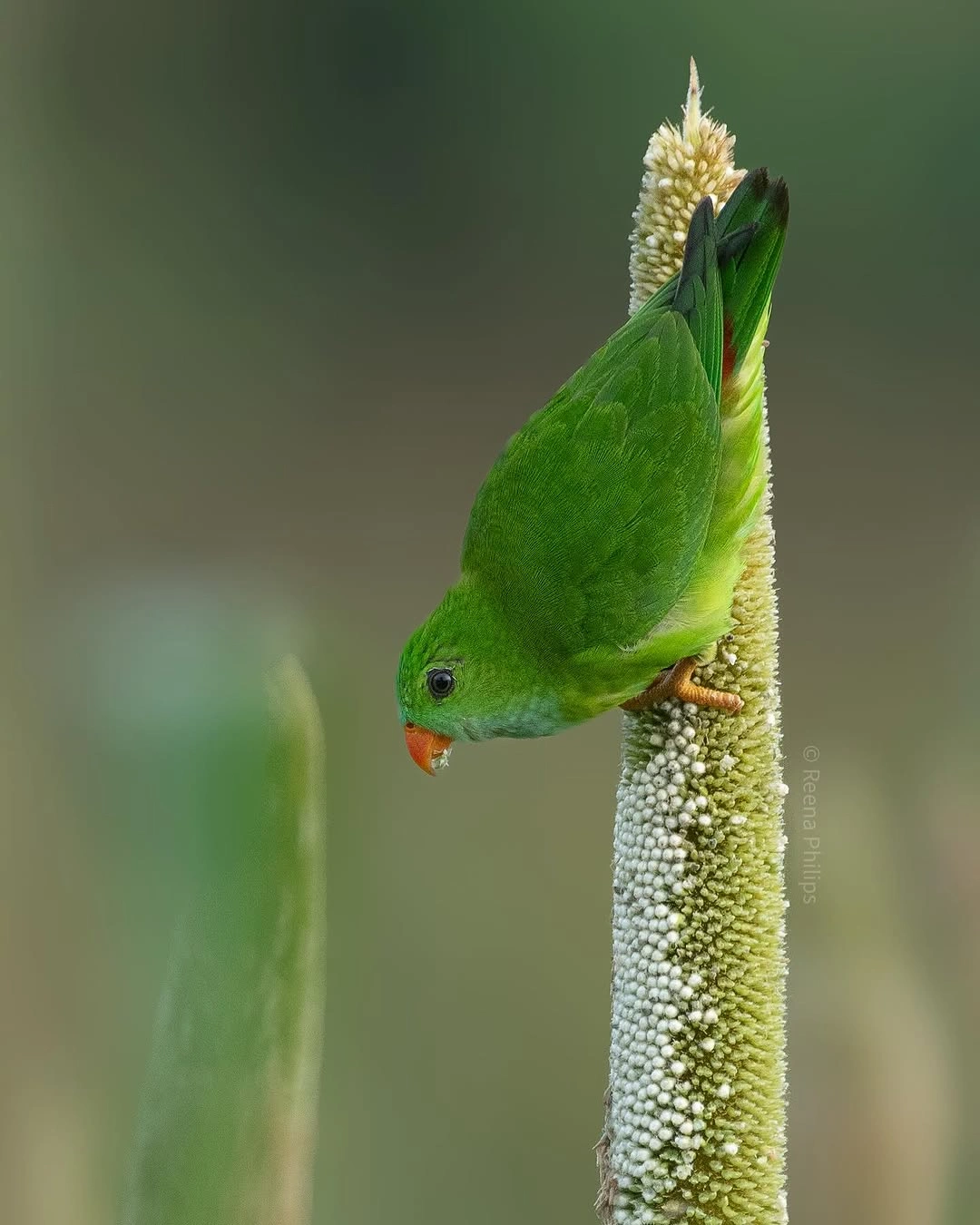
Vernal hanging-Parrot
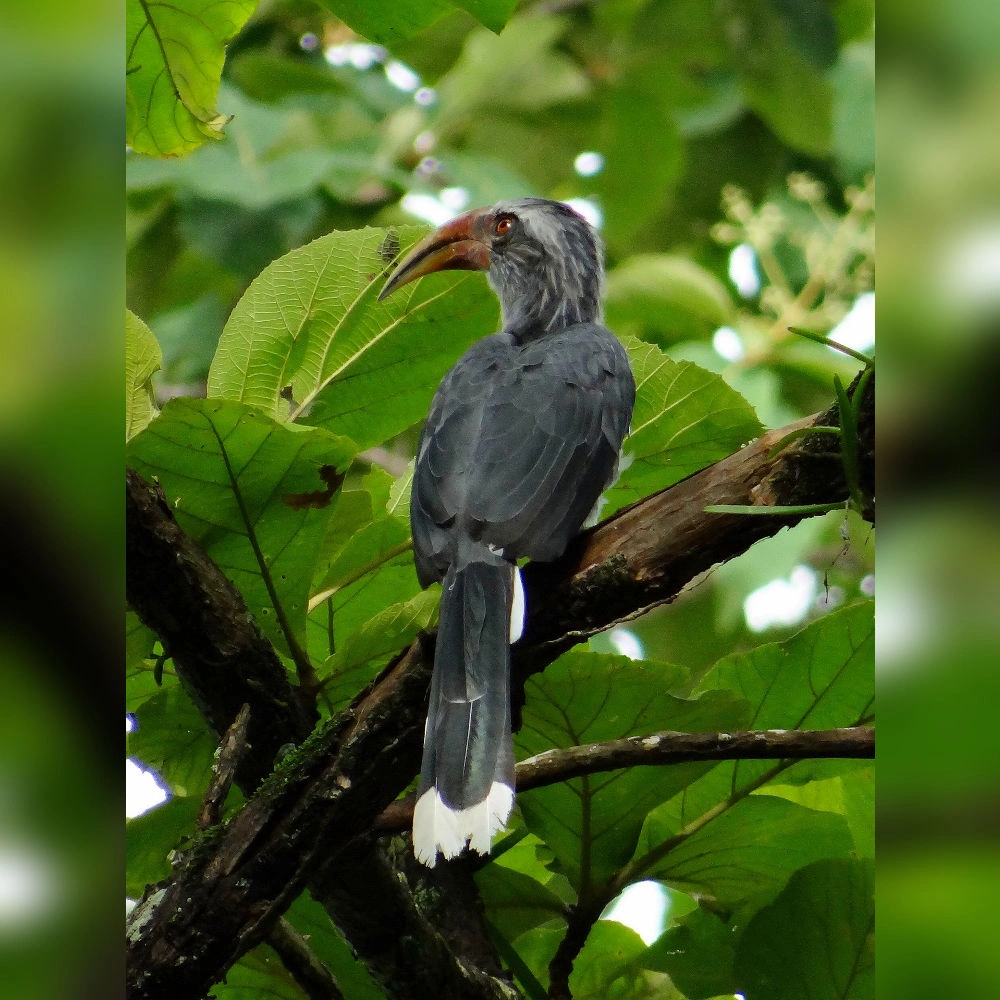
Malabar Grey hornbill
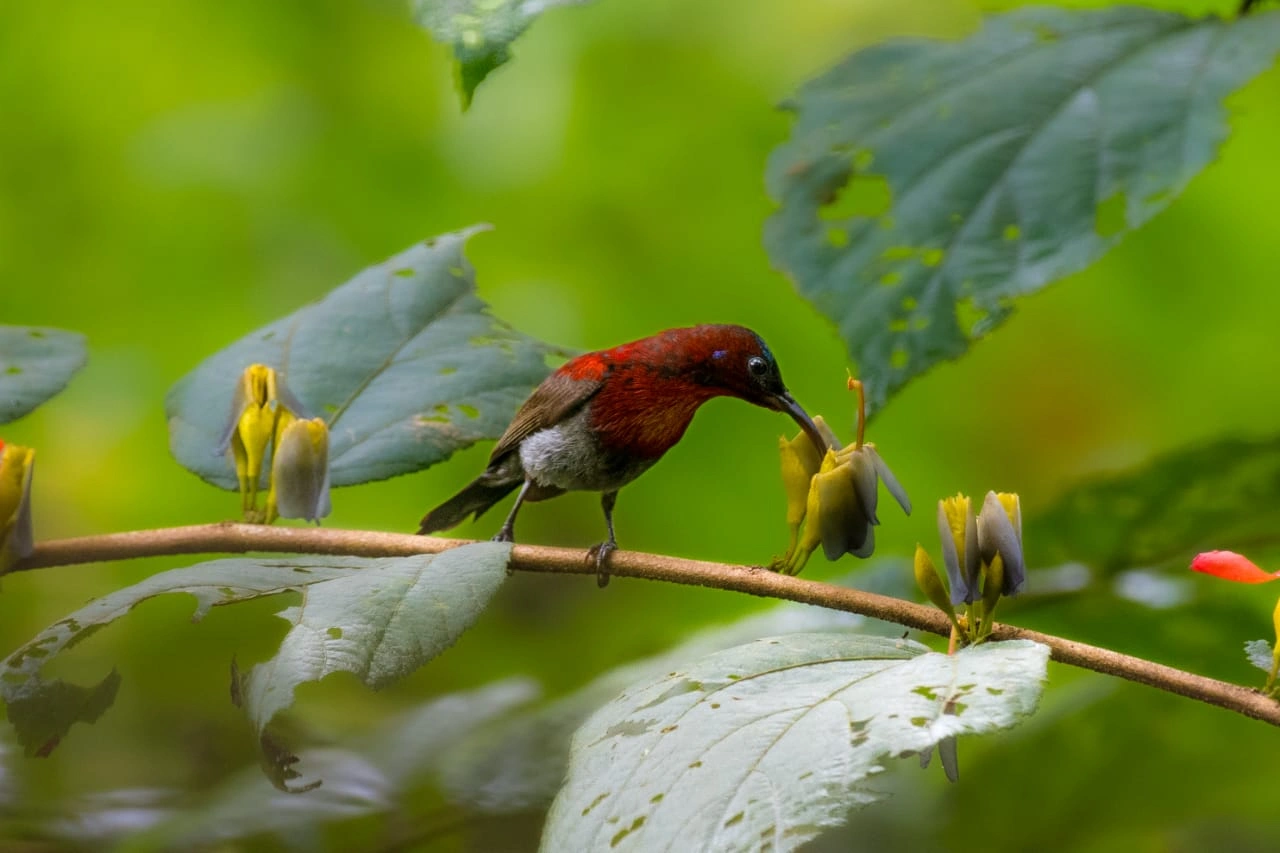
Vigor's Sunbird
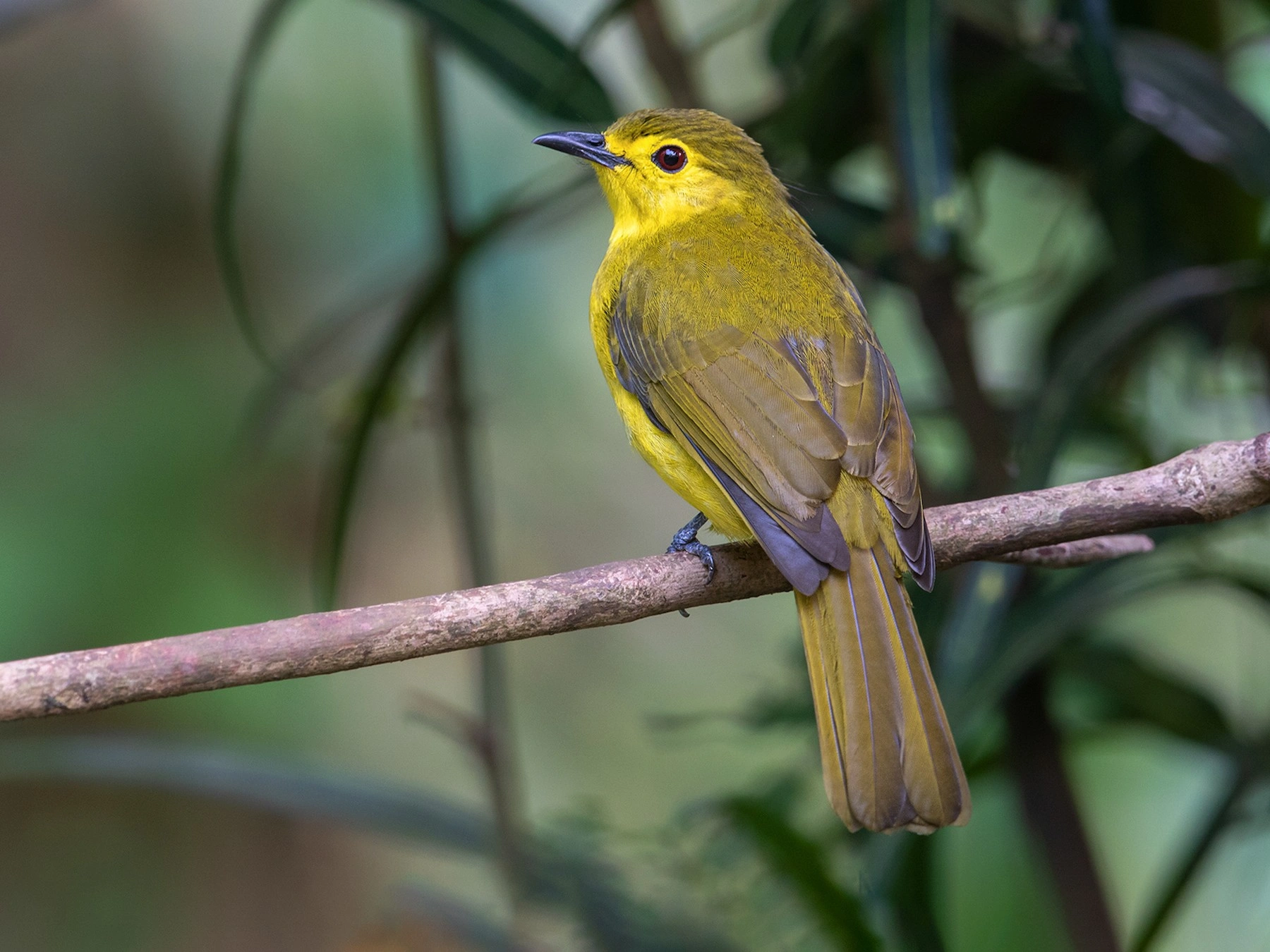
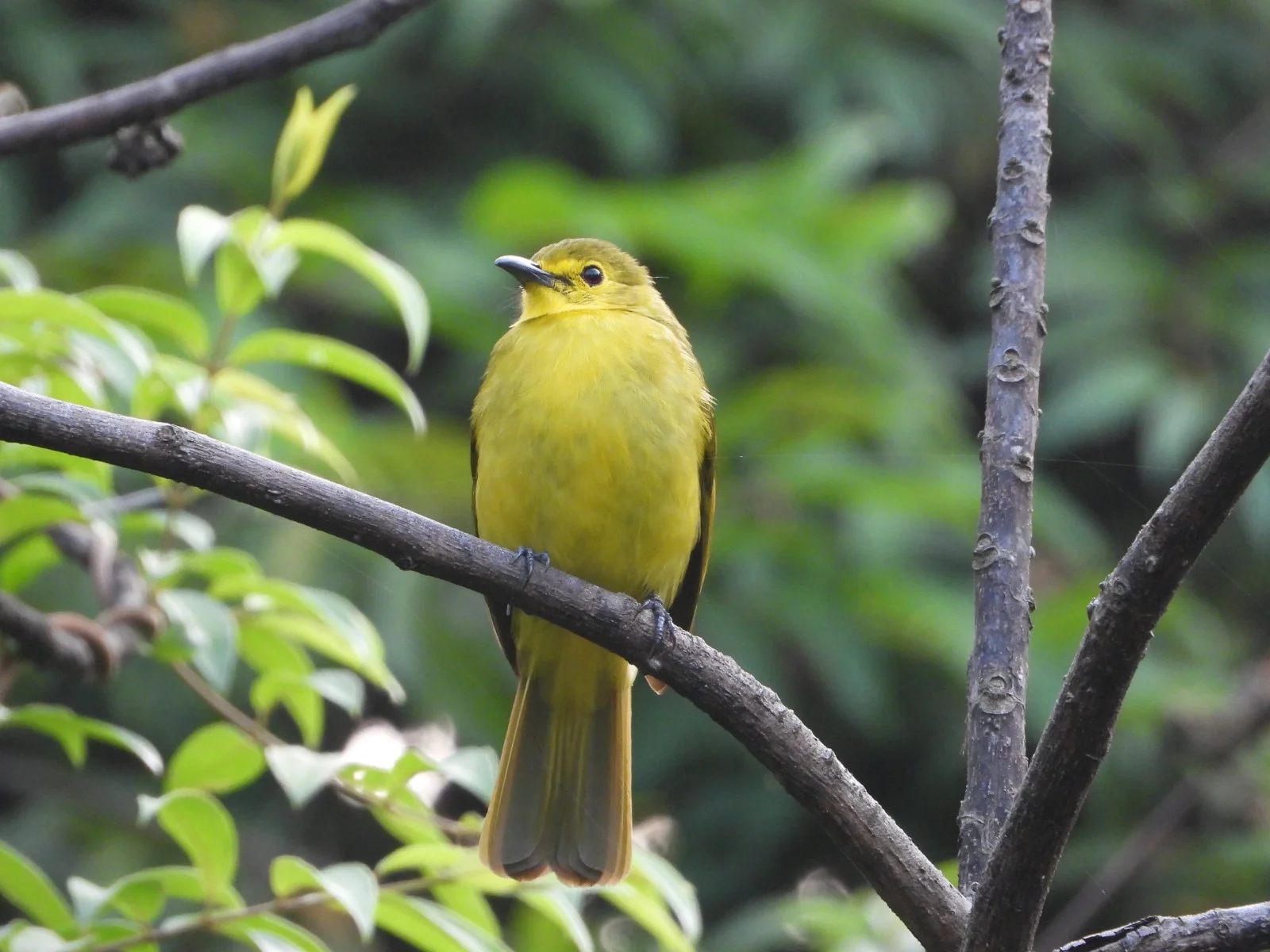
Yellow-browed Bulbul
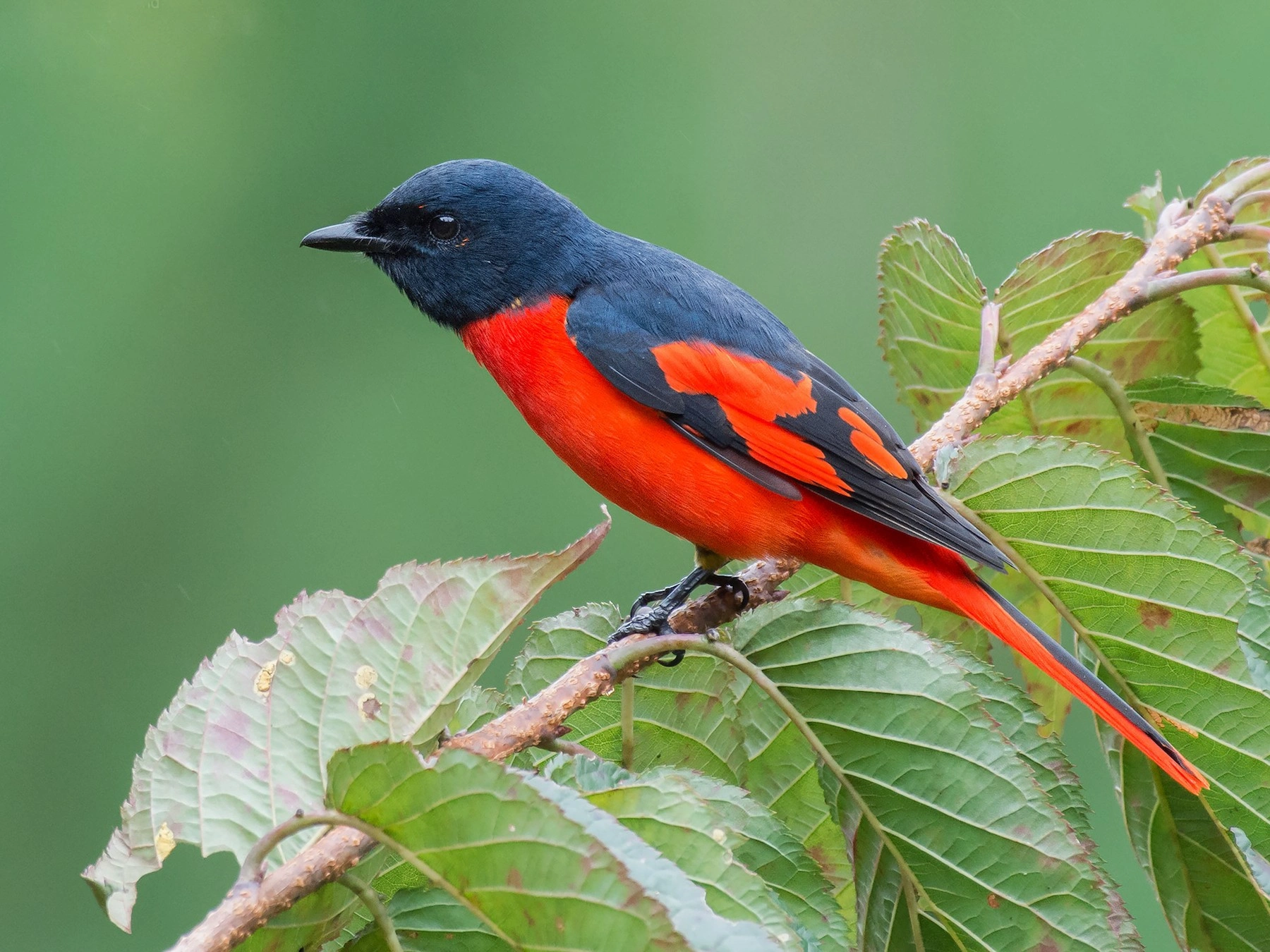
Scarlet Minivet
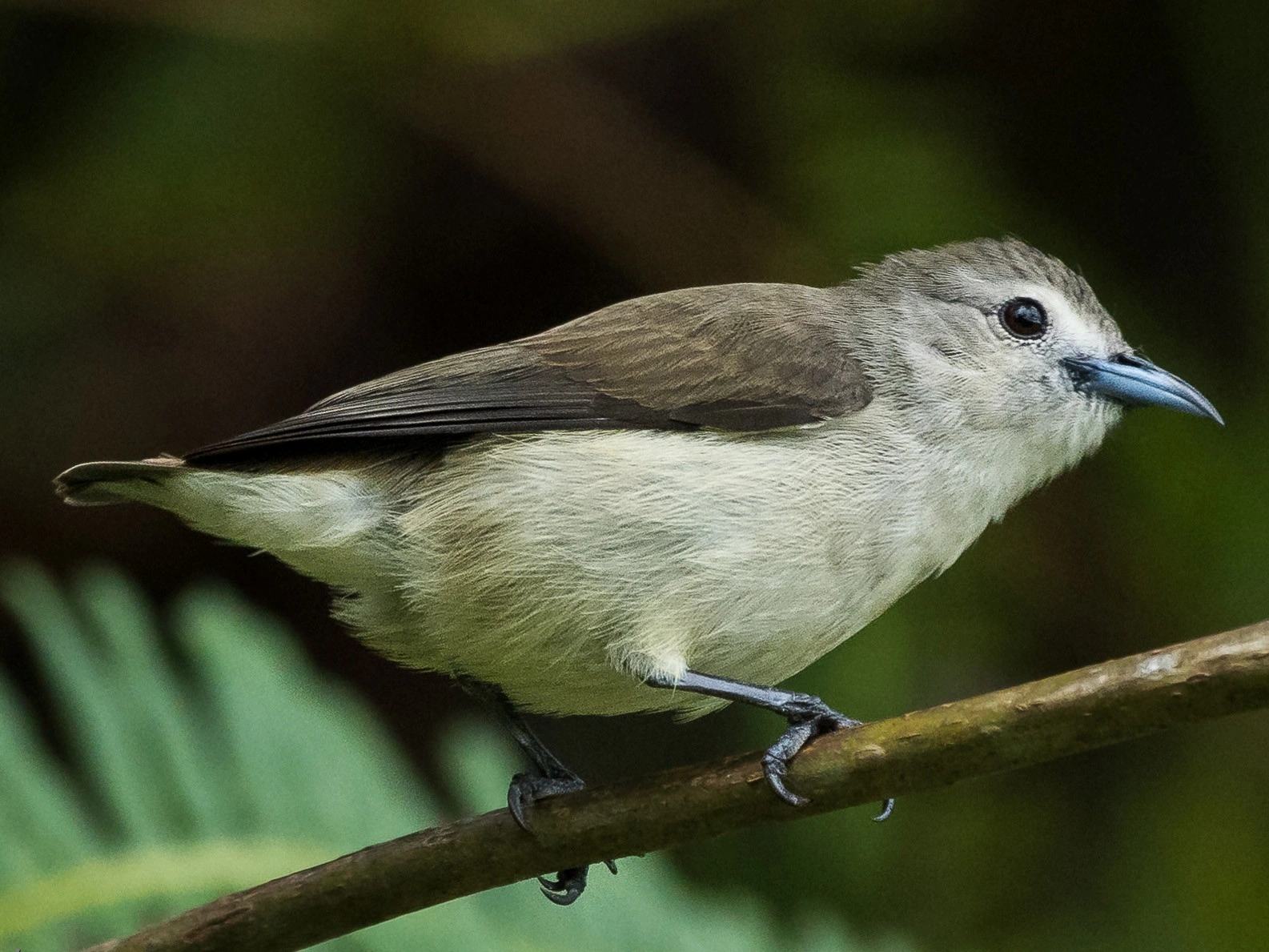
Nilgiri Flowerpecker
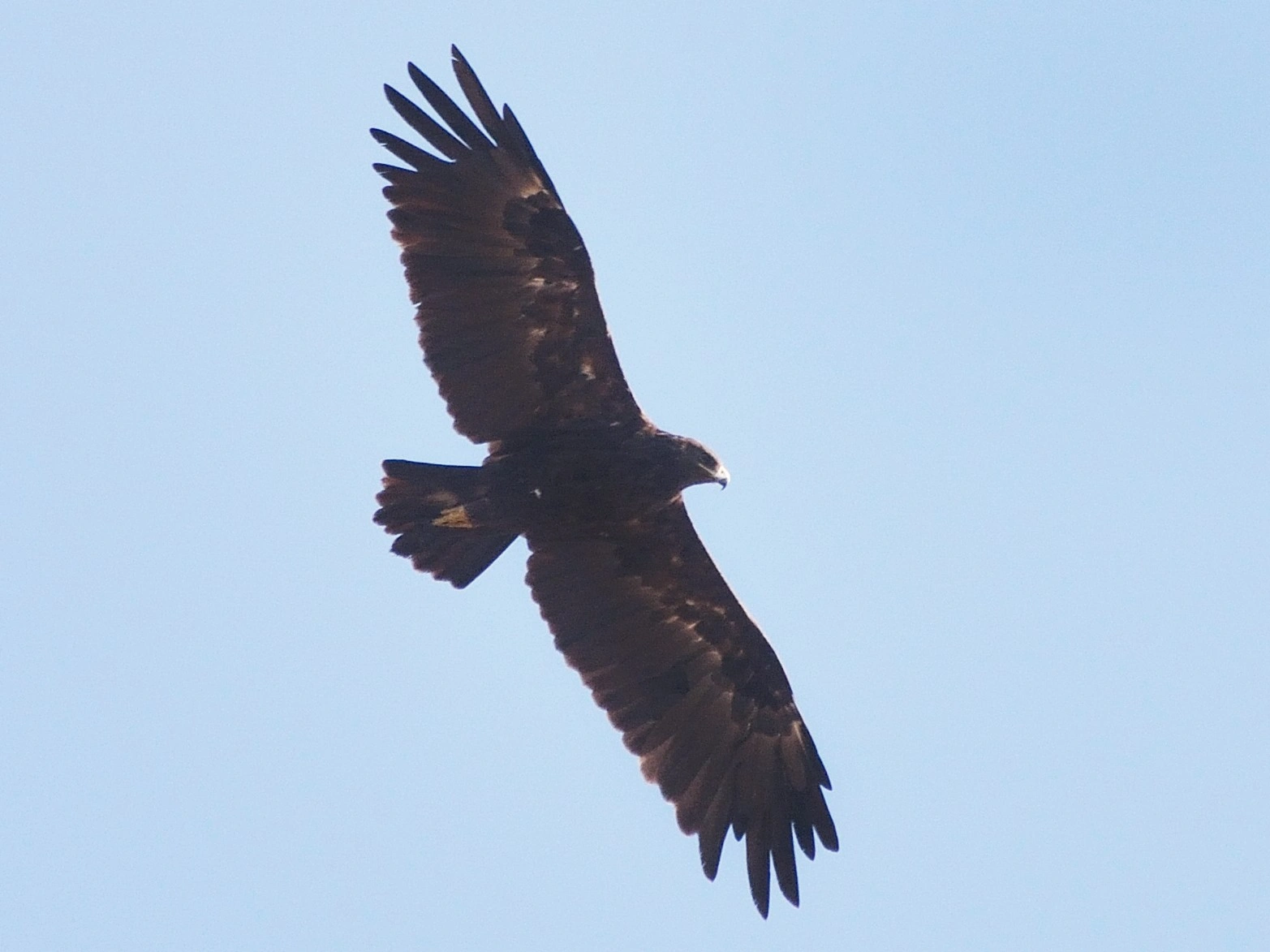
Greater Spotted Eagle
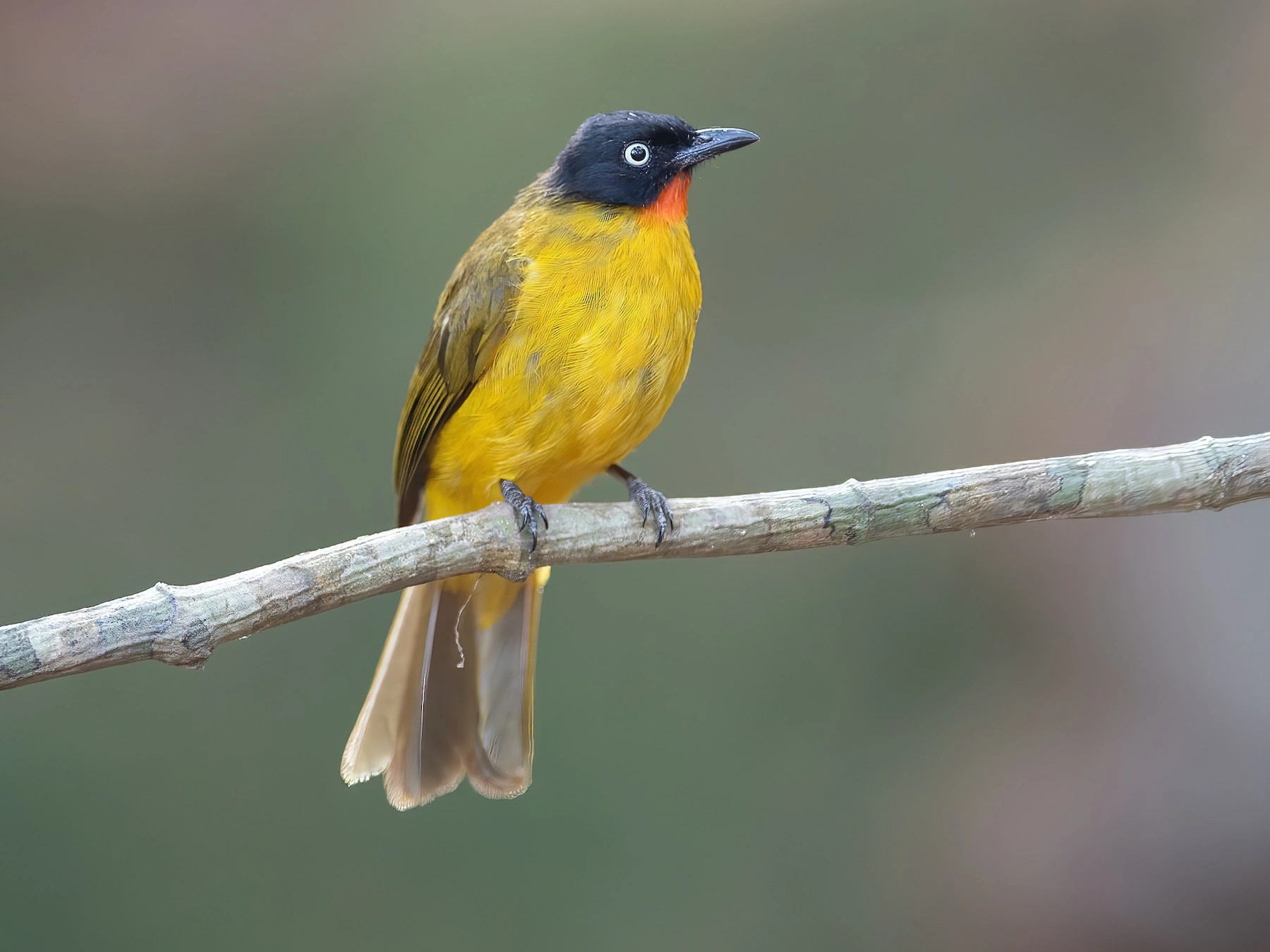
Flame-throated Bulbul
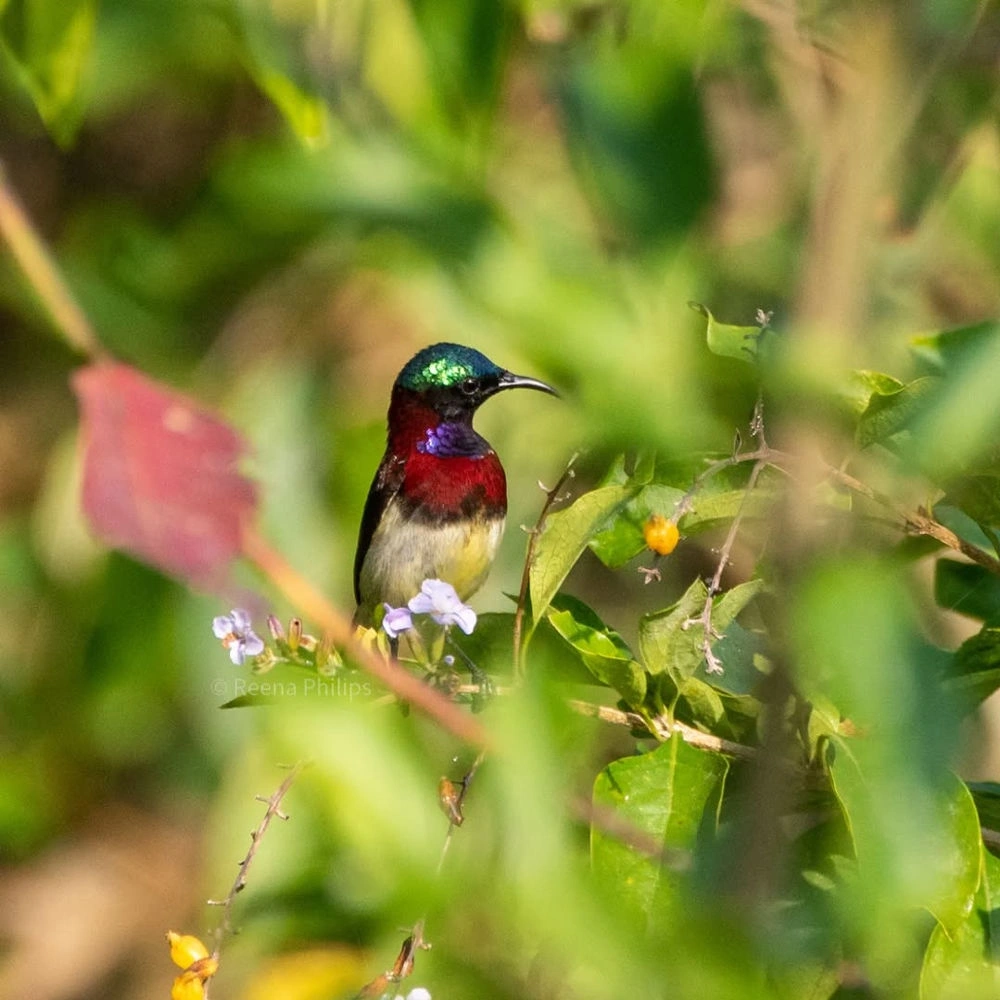
Crimson-backed Sunbird
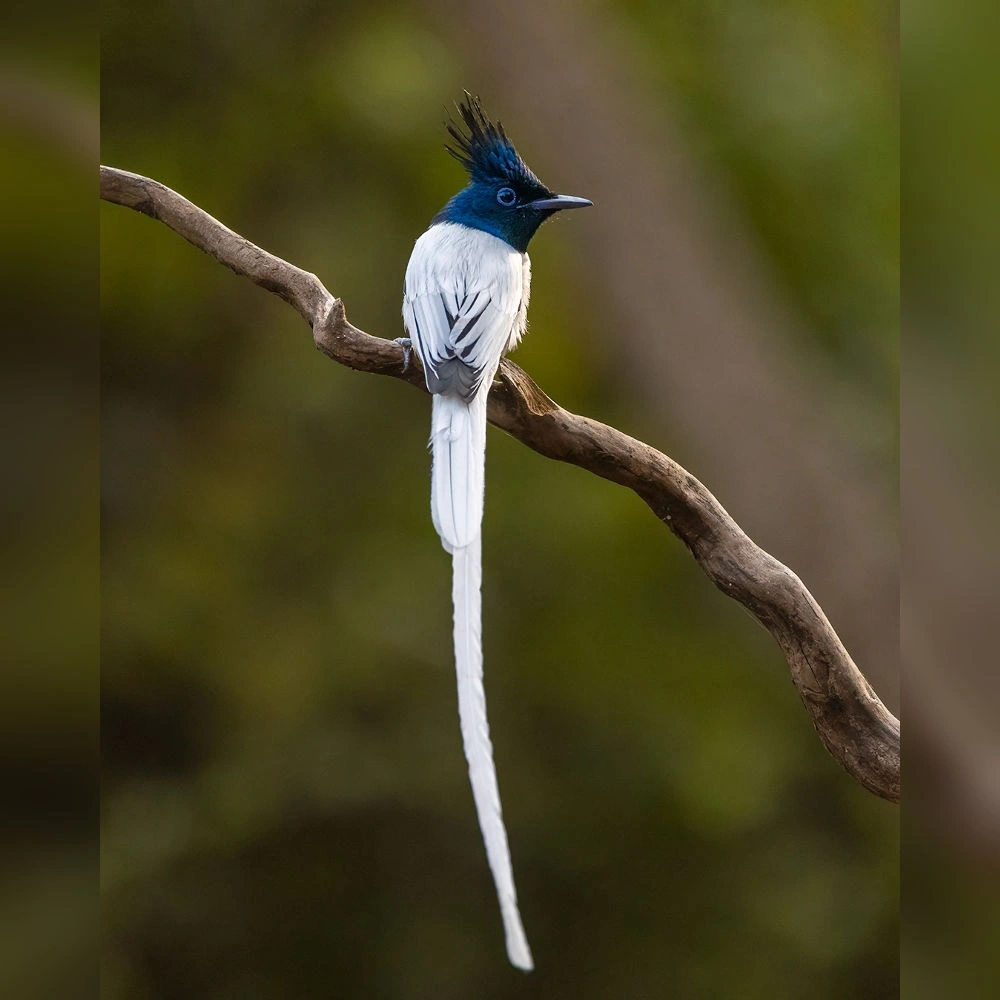
Indian Paradise Flycatcher
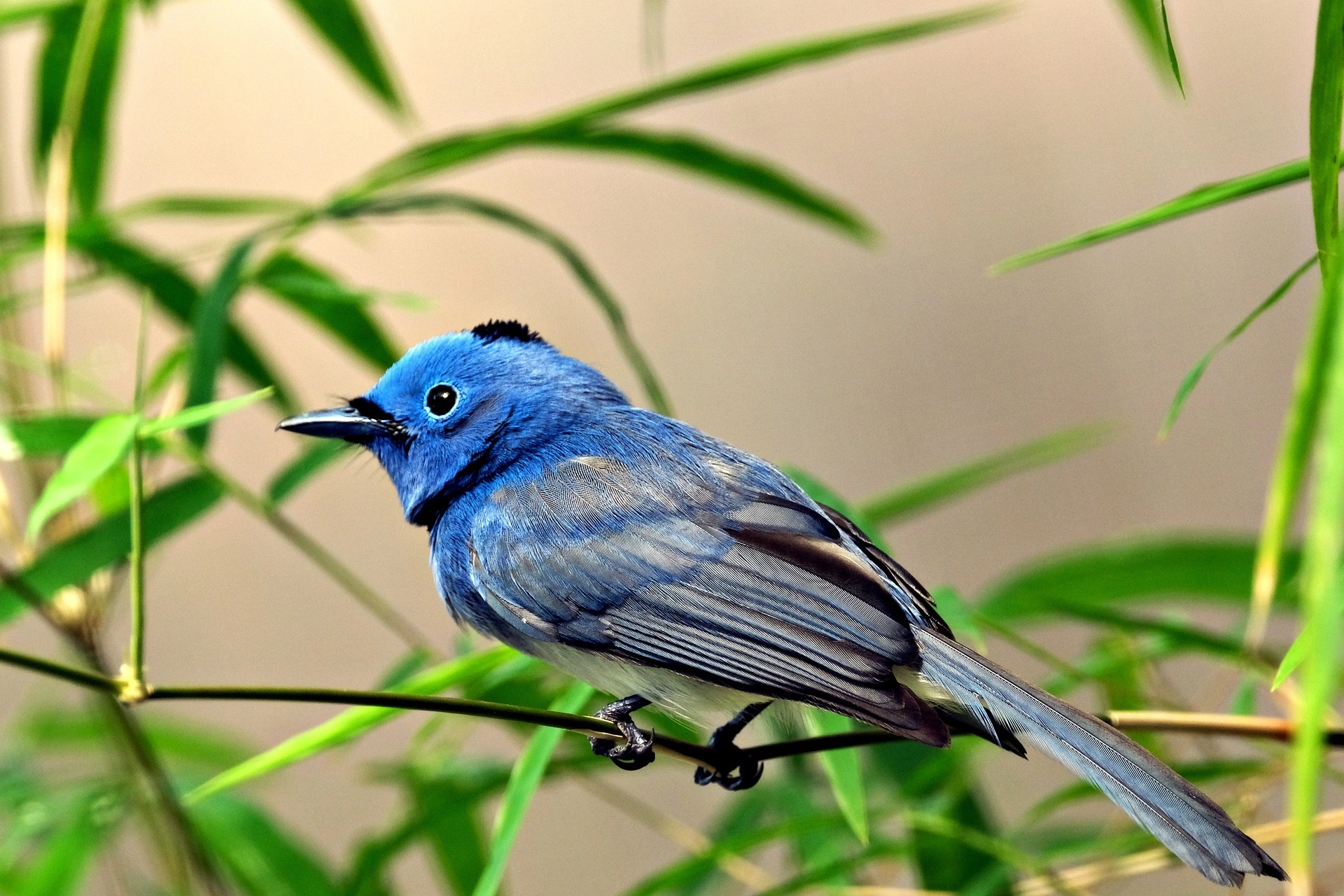
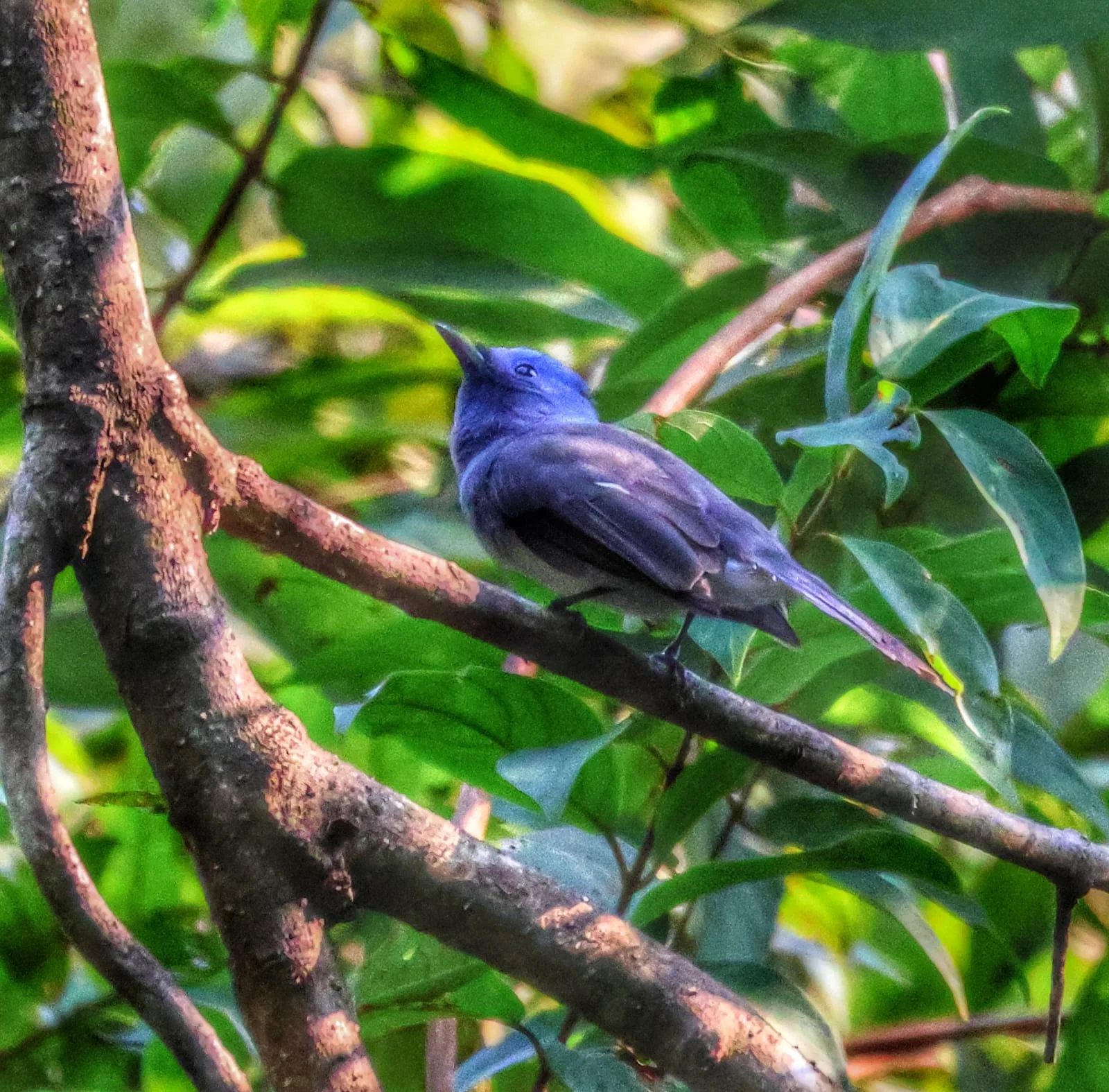
Black-naped Monarch

Summary of Walk

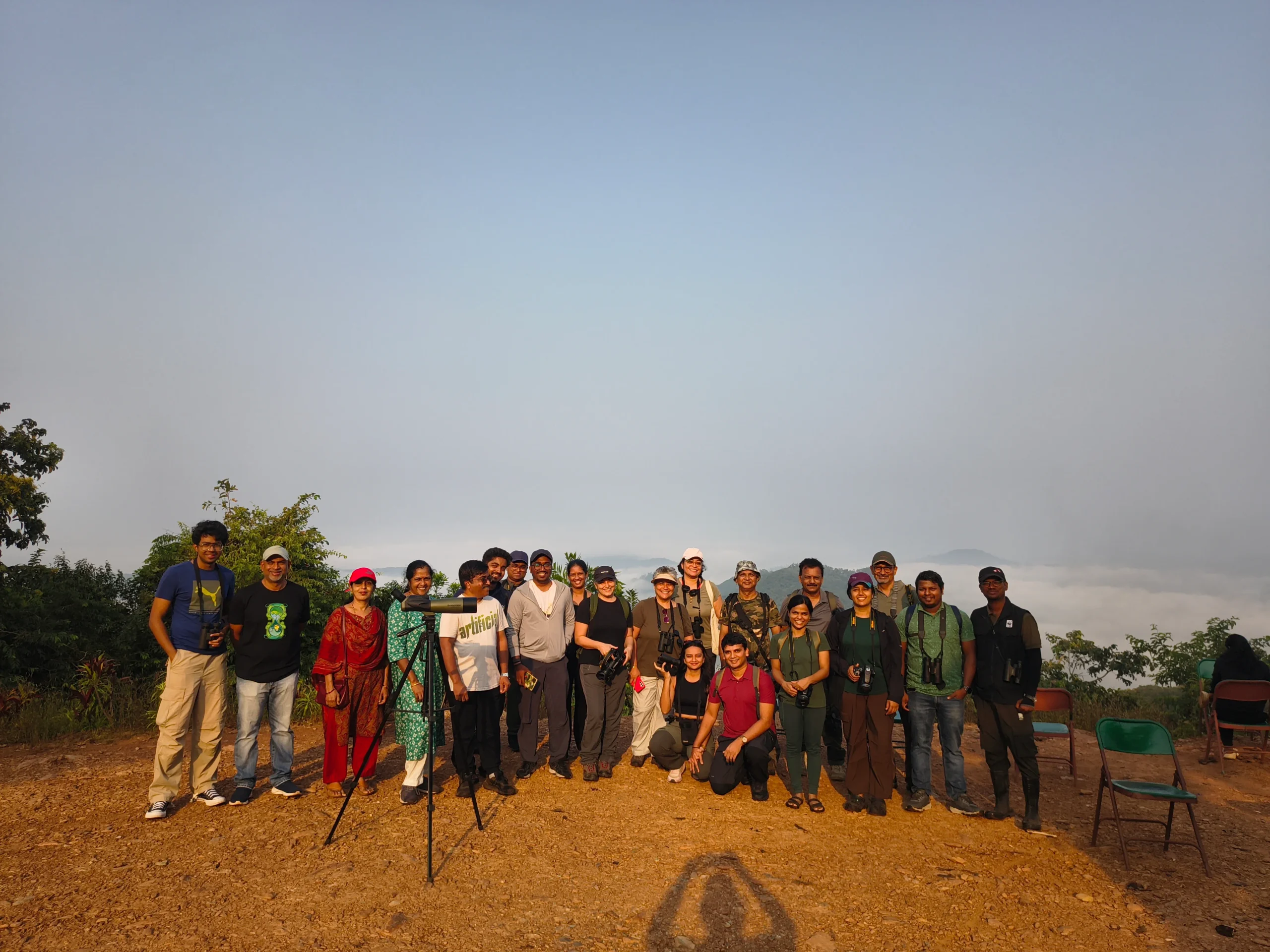
On 1 November 2026, 21 participants joined Ankush Sahani for a lovely forest bird walk around Shri Siddhanath Temple in Borim, Goa. The walk began on a foggy morning with an amazing view from Siddhanath Parvat, a forested hill rising above the Zuari river landscape and clothed in the lush greenery of the Western Ghats foothills. Participants shared their interests and birding experiences, and topics like Young Birders Month and the endemic birds of the Western Ghats were discussed, setting a wonderful tone for the morning. The group recorded 41 species on a slow and steady walk, with several forest birds keeping them company along the way. The highlight was seeing five Blue-capped Rock Thrushes, a winter visitor with a striking blue cap and chestnut underparts, along with a white-morph Indian Paradise-Flycatcher, its long white tail streaming through the trees. The Malabar Imperial Pigeon, a large pigeon of the Western Ghats forests, was another exciting sighting. The tiny, jewel-like Crimson-backed Sunbird, a Western Ghats endemic, and the Little Spiderhunter, with its long curved bill, added to the magic of the walk. It was a beautiful introduction to the forest birdlife of Goa.
Number of Participants
0
Scroll to Top