

Bird Walk at Saul Kere, Bengaluru
- Bengaluru
- 11 October, 2026
- Mehvish Khan
About Saul Kere
Tucked away in the heart of southeast Bengaluru, Saul Kere is a thriving urban wetland that has transformed into one of the city’s most vibrant biodiversity hotspots. Once a neglected lake, it has been steadily revived through community efforts and now supports a remarkable diversity of life — over 214 species of birds, alongside butterflies, reptiles, amphibians, and a rich wetland flora. From resident waterbirds like Purple Swamphens and Spot-billed Ducks to winter migrants such as Garganeys and Marsh Harriers, the lake teems with avian activity throughout the year.
Spread across nearly 61 acres, Saul Kere features open water, reed beds, marshy patches, and tree-lined bunds that create diverse habitats for wildlife. Its wetlands not only attract birdwatchers, photographers, and walkers, but also serve as a crucial stopover for migratory species navigating the Central Asian Flyway. For the local community, the lake offers both a peaceful refuge amidst Bengaluru’s urban sprawl and a vital outdoor classroom for environmental learning.
Ecologically, Saul Kere plays an indispensable role in the city’s health — moderating floods, aiding groundwater recharge, improving air quality, and acting as a green lung for surrounding neighborhoods. It stands today as a testament to the power of ecological restoration and citizen participation in conserving urban lakes.

Bird Guide: Mehvish khan
Bangalore-based birding enthusiast who grew up in Kanha National Park, surrounded by forests and wildlife. From a young age, she developed a strong understanding of bird behavior, calls, and identification. With hands-on experience and a passion for nature, she now enjoys guiding others and helping them connect with birds through Atavi birdwalks.
Bird walk Location
Common birds of Saul Kere
Saul Kere, one of Bengaluru’s most vibrant urban wetlands, combines open waters, reedbeds, and wooded bunds to host an exceptional range of birdlife. Its marshes are alive with Gray-headed Swamphens, Eurasian Moorhens, Coots, and White-breasted Waterhens, while the floating vegetation supports Bronze-winged and Pheasant-tailed Jacanas alongside Red-wattled Lapwings. Little Grebes dive in the open waters, Oriental Darters and cormorants fish with ease, and large waterbirds like Painted Storks, Spot-billed Pelicans, Black-headed Ibises, and Asian Openbills forage in the shallows. The edges of the lake attract herons and egrets in variety, from the small Pond-Heron and Little Egret to the stately Purple, Gray, and Great Herons. Raptors such as the Black Kite, Brahminy Kite, Shikra, and Black-winged Kite are often seen circling above, while swallows, swifts, and martins skim gracefully across the water.
The surrounding scrub and wooded patches add further richness, supporting a chorus of Rose-ringed and Alexandrine Parakeets, barbets, bulbuls, babblers, and mynas. Insectivores like the Common Tailorbird, Ashy and Plain Prinias, Indian White-eye, and Oriental Magpie-Robin thrive in the undergrowth, while open patches host Indian Robins, Pied Bushchats, wagtails, and pipits. Nectar-feeders such as Purple-rumped and Purple Sunbirds and the Pale-billed Flowerpecker flit among flowering trees, while Scaly-breasted Munias gather in grasslands. With this lively mix of wetland specialists and woodland birds, Saul Kere offers a compact yet diverse birding experience, making it one of Bengaluru’s most rewarding spots for both seasoned birdwatchers and casual visitors.

Little Cormorant

Oriental Darter

Grey-headed Swamphen
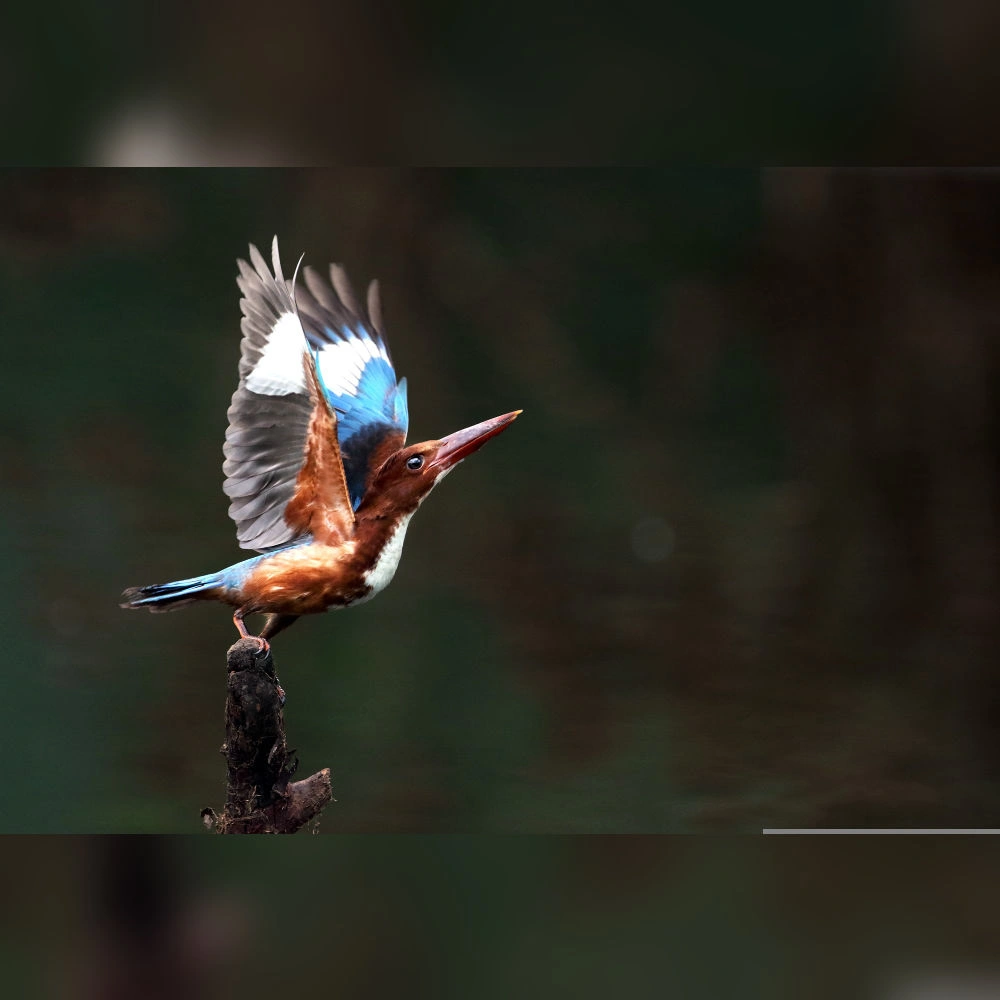
White-throated Kingfisher

Spot-billed Pelican

Little Grebe
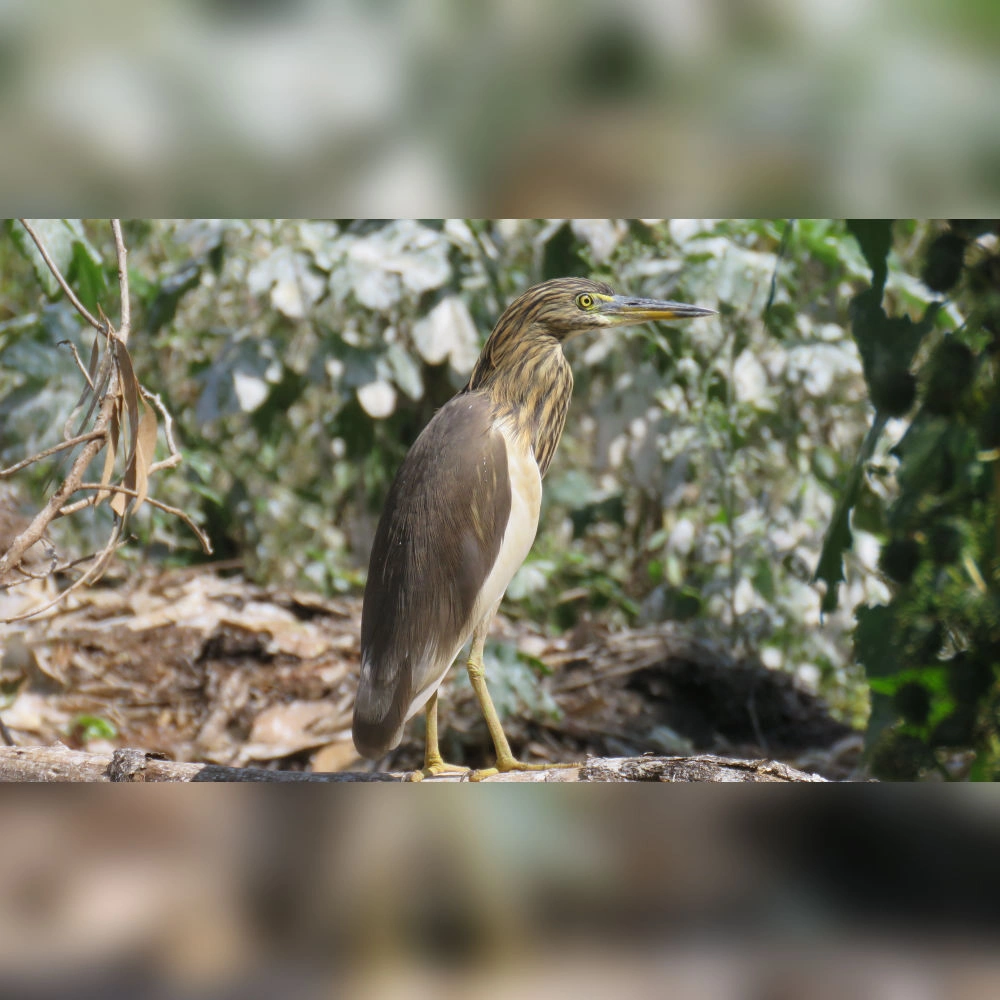
Indian Pond Heron
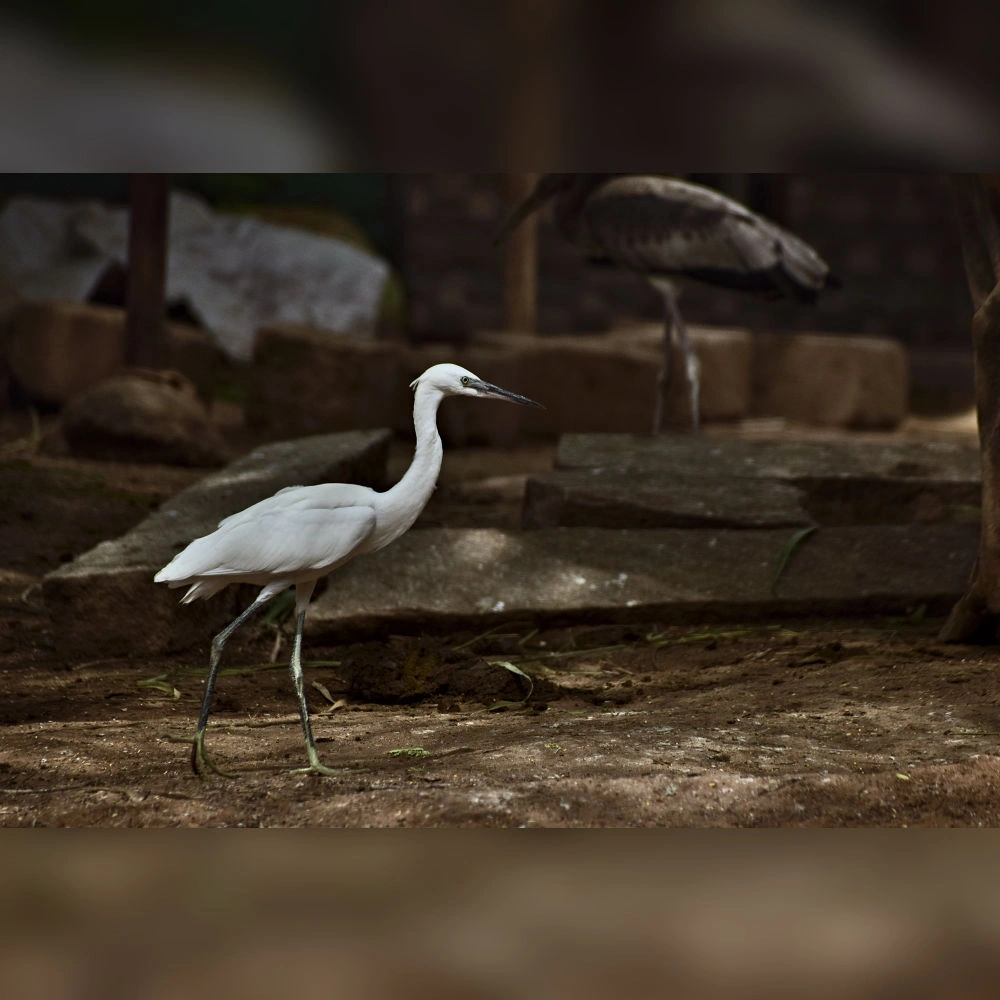
Little Egret
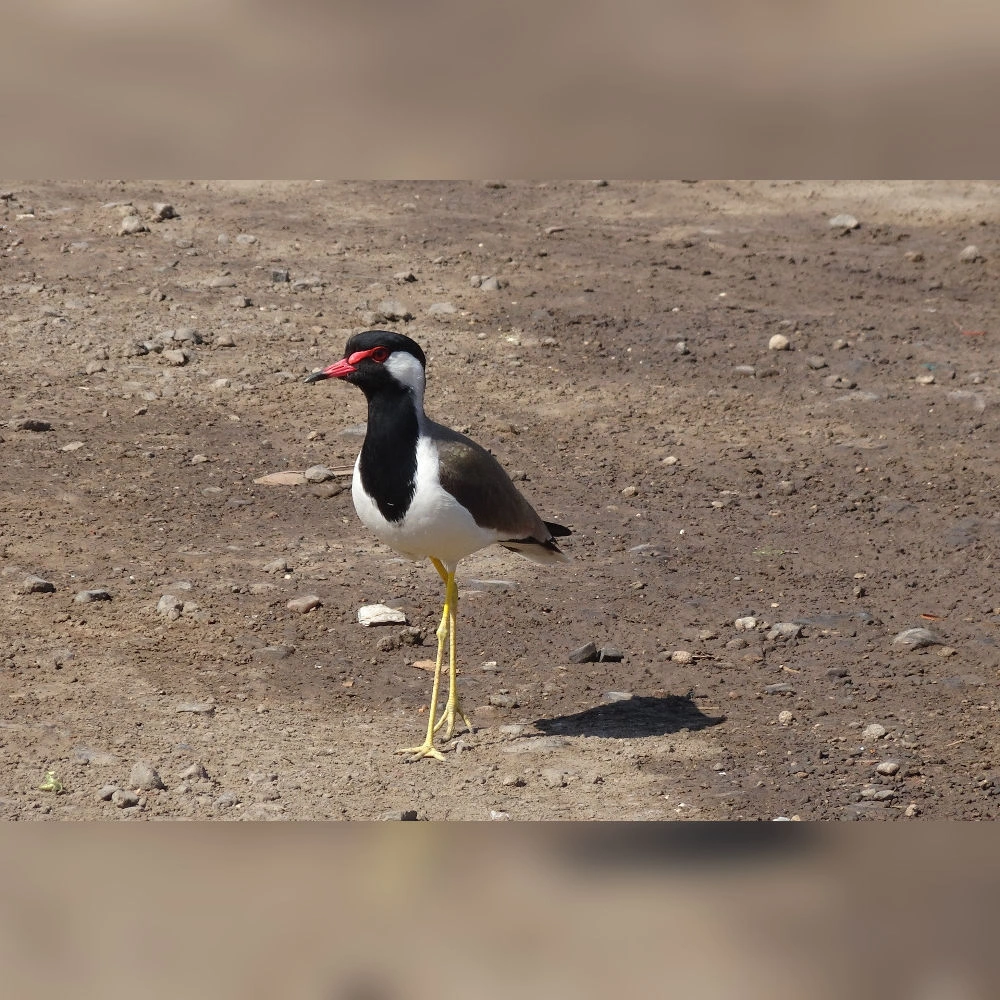
Red-wattled Lapwing

Indian Spot-billed Duck

Bronze-winged Jacana

Pale-billed Flowerpecker

Pheasant-tailed Jacana

Grey Heron

Purple Heron

Common Kingfisher

Brahminy Kite
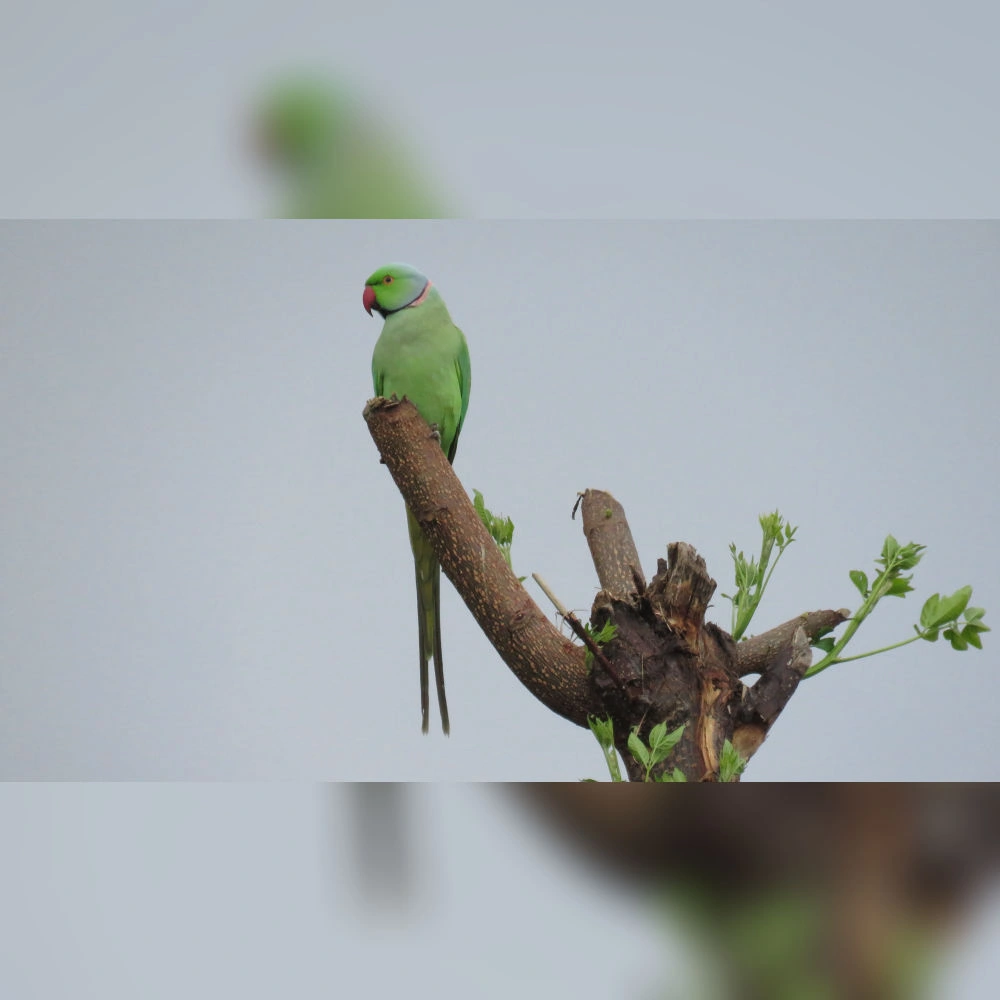
Rose-ringed Parakeet
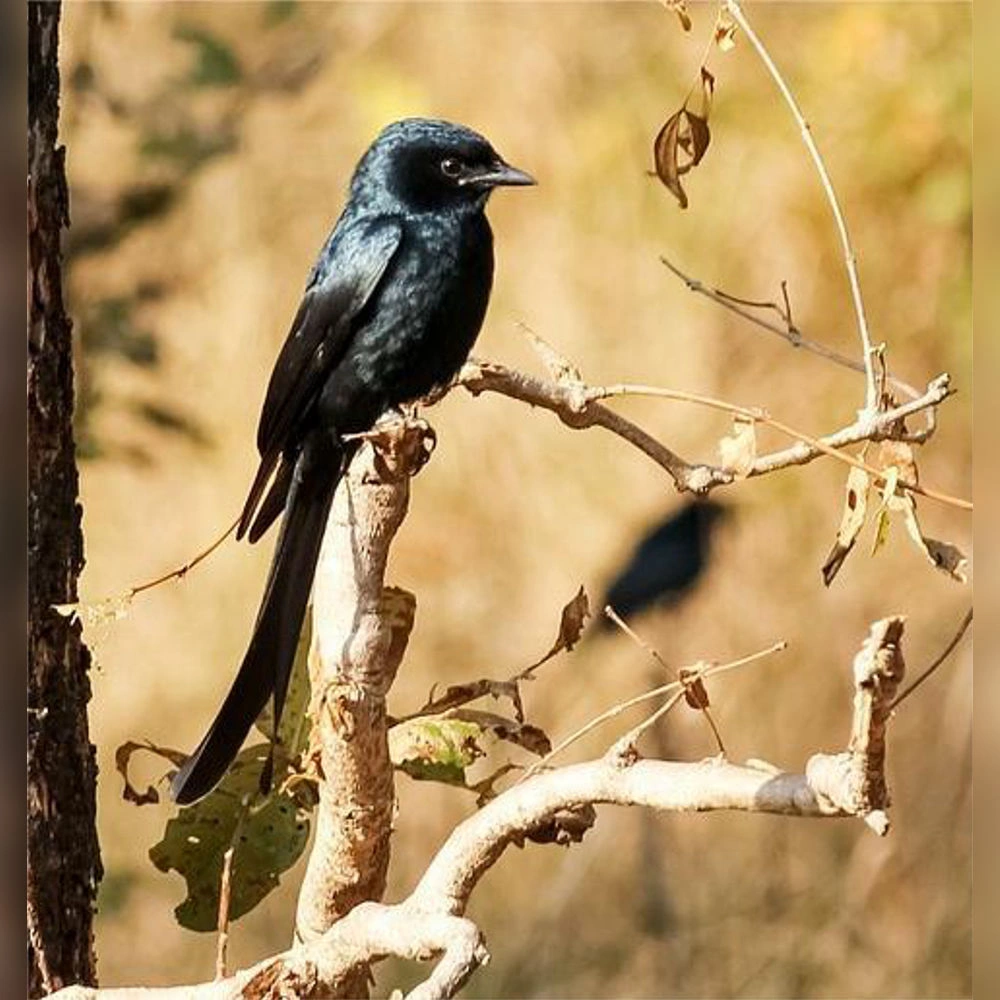
Black Drongo

Red-whiskered Bulbul
Summary of Walk
Three birders joined guide Mehvish Khan at Saul Kere in Bengaluru on 11 October for a walk that turned out to be a real treat, with an impressive 52 species recorded. The lake and its surroundings offer a wide variety of habitats, from open water and reedy edges to trees and scrub, and the small group had time to explore each carefully. One of the most exciting sightings of the morning was the Oriental Honey-buzzard, a striking migratory raptor that soared overhead and reminded everyone of the long journeys birds undertake every year. The Spot-billed Pelican, a large and graceful wetland bird, was another highlight, drifting across the water with its characteristic pink-spotted bill and drawing admiration from all. Around the lake, herons, egrets, cormorants and a variety of ducks and waders went about their business, while the trees and bushes held a lively community of songbirds. Mehvish led the walk with an attentive, friendly style, pointing out identification clues, explaining how habitats shape bird communities and encouraging every participant to ask questions. With a compact group, the conversation flowed easily and every sighting could be discussed in detail, which made the learning especially rewarding. The calm of the lake, the sound of birdsong and the steady stream of new species made the morning a pleasure from start to finish. A tally of 52 species is a fine achievement for any walk and a lovely reminder of how much life flourishes around Bengaluru’s lakes when we take the time to look.
Number of Participants
0
