Bird Walk at Sabarmati River Bank , Gandhinagar, Gujarat
- Gujarat
- 31 October, 2026
- Heet Contractor
About Sabarmati River Bank
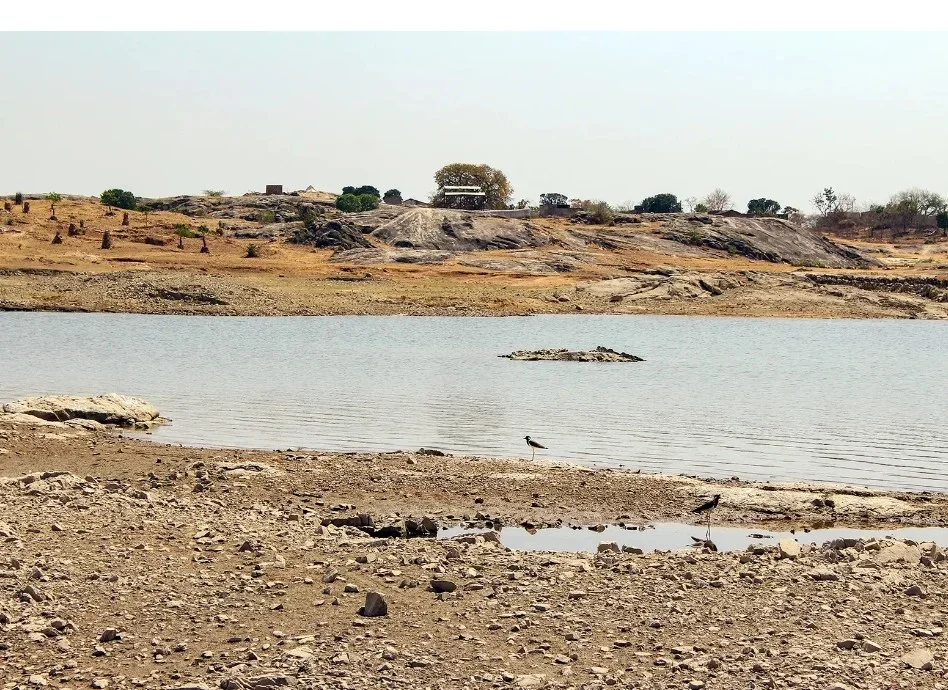
Along the eastern edge of Gandhinagar, the Sabarmati winds through a wide, sandy river valley that looks very different from the concrete riverfront downstream in Ahmedabad. The river changes sharply with the seasons. After the monsoon, braided channels run between sandbars, shallow pools and muddy margins. Through the dry months the water shrinks to a narrow stream across a broad bed of sand and silt. Steep, eroded ravines rise from the banks, covered in thorny scrub, babul, khejri and grasses, with farmland and the green belt of Indroda Nature Park beyond. Nilgai, jackals, mongooses, hares and monitor lizards use these ravines, and the riverbed is busy with fish, frogs and insects.
For birders, the Sabarmati bank combines river birds with dry-country birds. Painted Storks, cormorants, terns, stilts and plovers feed in the channels and on the sandbars. Lapwings, larks and bee-eaters use the open banks. Shrikes, babblers and owlets live in the scrubby ravines, and in winter harriers hunt low over the grassland. But the river is under pressure. Large-scale sand mining scars the riverbed, and sewage and industrial effluent reduce water quality. Fast urban growth, riverfront development and new infrastructure near GIFT City are eating into the floodplain and ravines. Dumping, invasive Prosopis and disturbance on the sandbars add to the strain. Protecting the natural riverbed, the sandbars and the scrubby ravines is vital for keeping the Sabarmati alive with birds.

Bird Guide: Heet Contractor
A passionate bird enthusiast with 5 years of experience dedicated to exploring nature and identifying bird species. My goal is to spread awareness about the importance of birds and inspire people to appreciate and conserve wildlife.
Bird walk Location
Common birds of Sabarmati River Bank
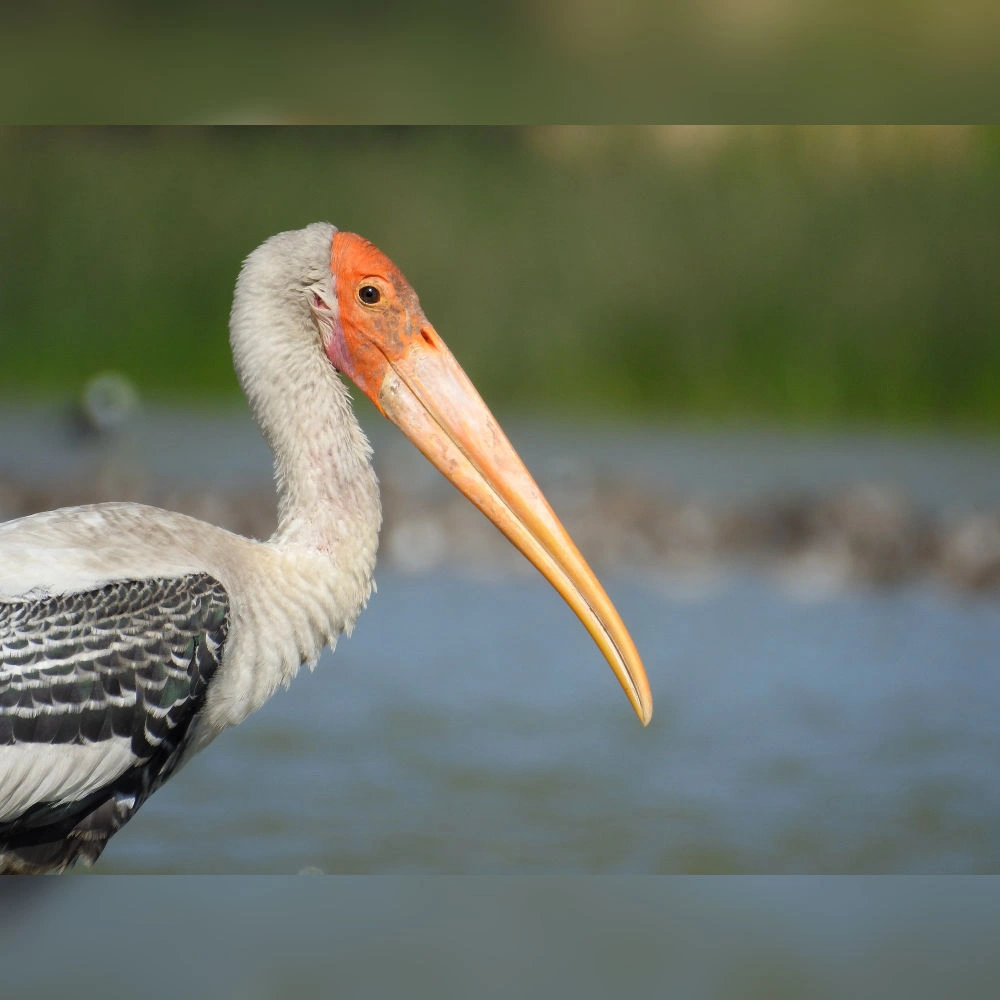
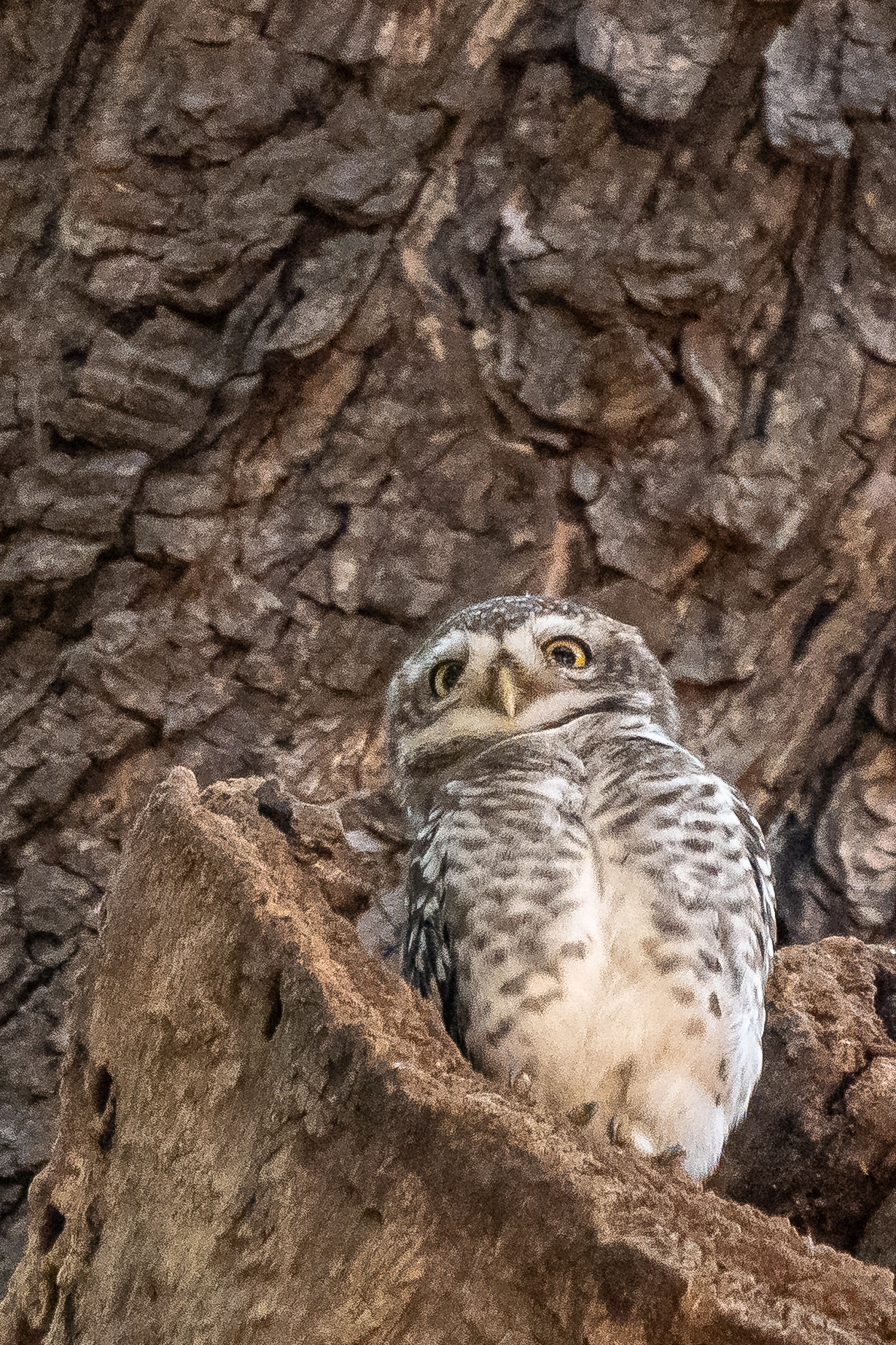
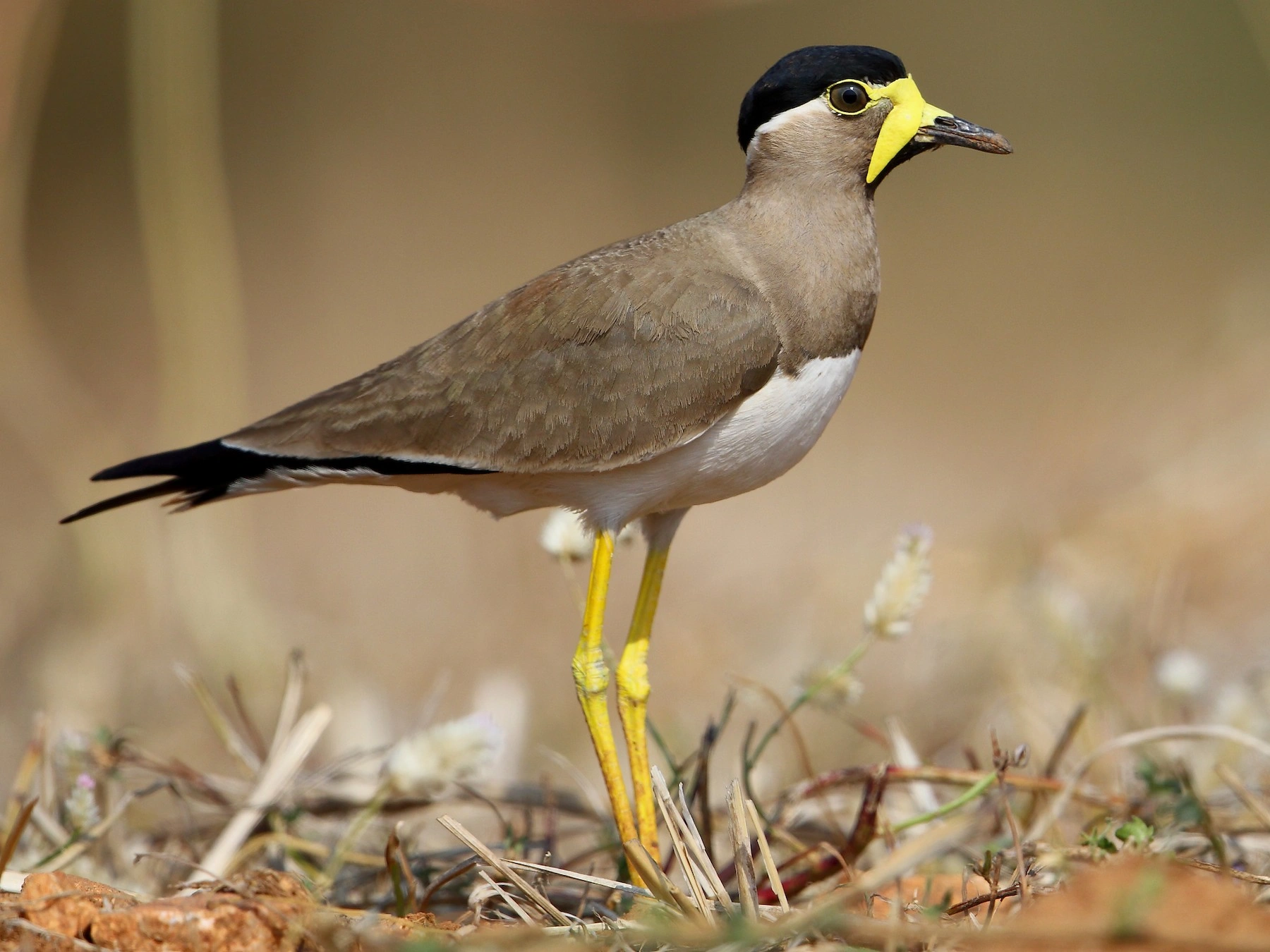
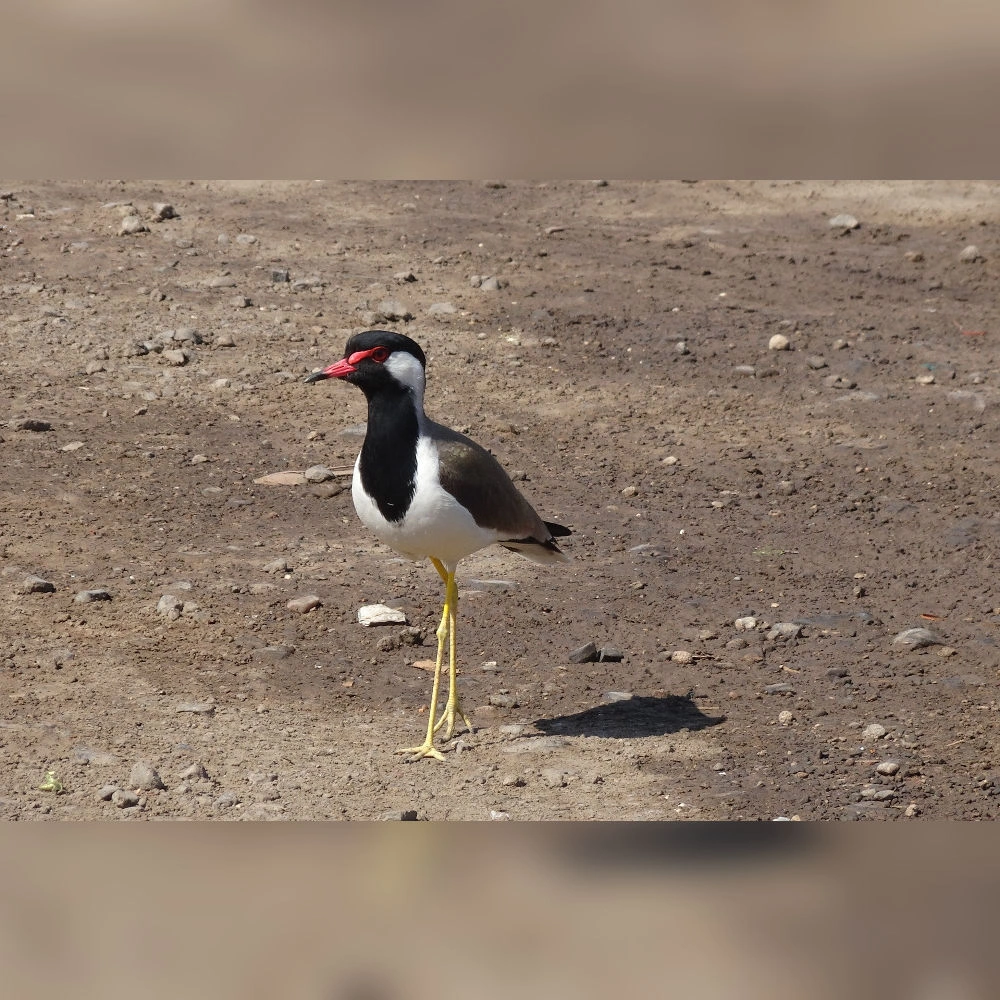
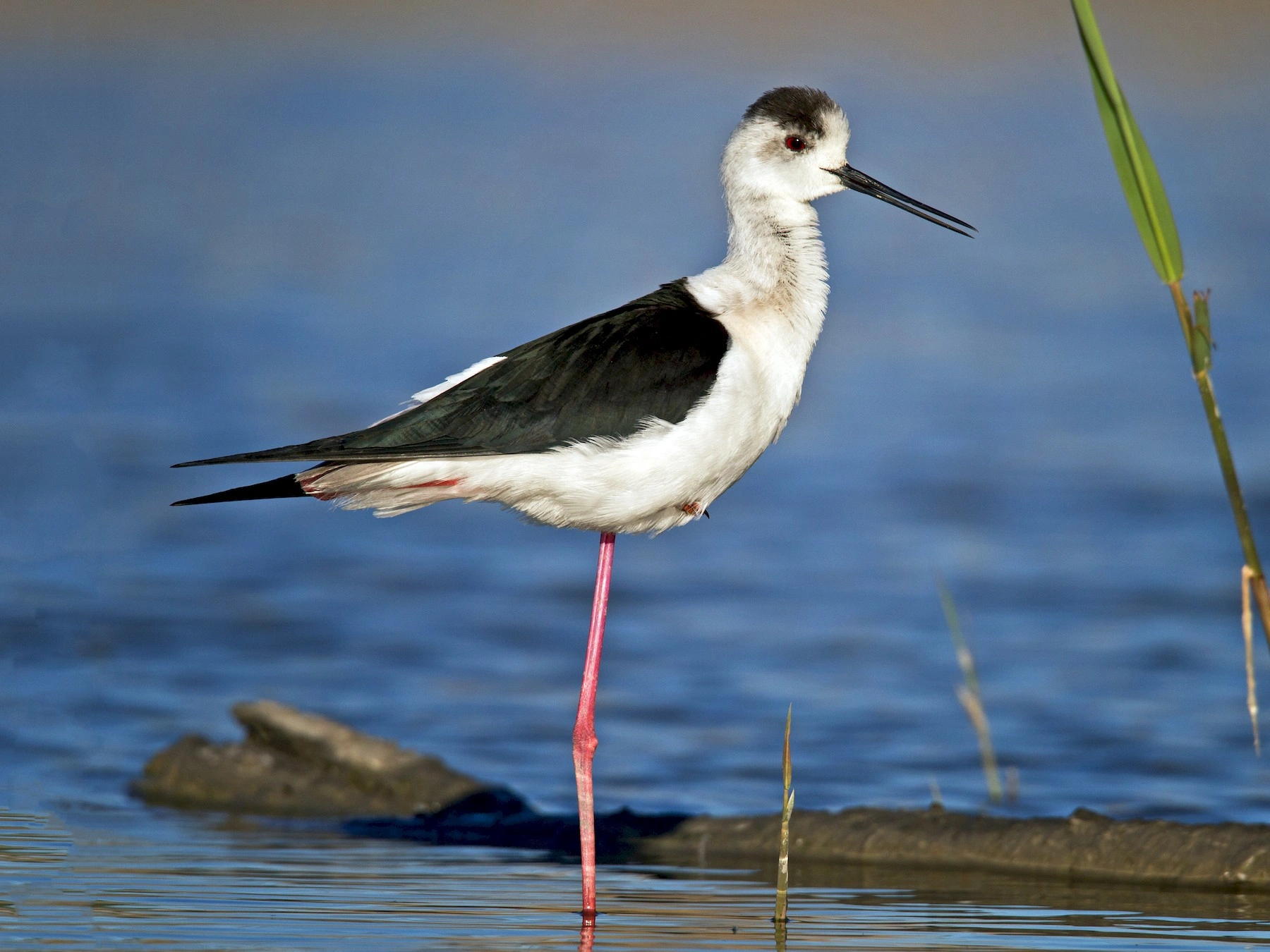
The Sabarmati’s sandbars and shallow channels draw some striking birds. Painted Storks wade slowly through the water, with rosy wing feathers and heavy yellow bills. River Terns, a globally threatened species, hover and plunge after fish, filling the air with sharp calls. In winter, the elegant Pallid Harrier, a pale grey migrant from Central Asia, glides low over the grassy banks hunting for prey. In the ravines, the little Spotted Owlet peers out from a tree hollow, often bobbing its head at passers-by. The Yellow-wattled Lapwing prefers the dry open ground, while its cousin the Red-wattled Lapwing keeps a noisy watch near the water. Black-winged Stilts step delicately on pink legs, and Little Ringed Plovers run and pause along the sand. Little Cormorants, Indian Pond-Herons and Little Egrets fish the channels. On the scrubby banks, Long-tailed and Bay-backed Shrikes perch on lookout posts, ready to pounce on insects and lizards. Large Gray Babblers forage in chattering groups, and Asian Green Bee-eaters swoop after insects. Wire-tailed and Barn Swallows skim the water, Purple Sunbirds visit flowering shrubs, and Black Kites circle overhead.

Painted Stork

River Tern

Spotted Owlet
Yellow-wattled Lapwing
Red-wattled Lapwing
Black-winged Stilt
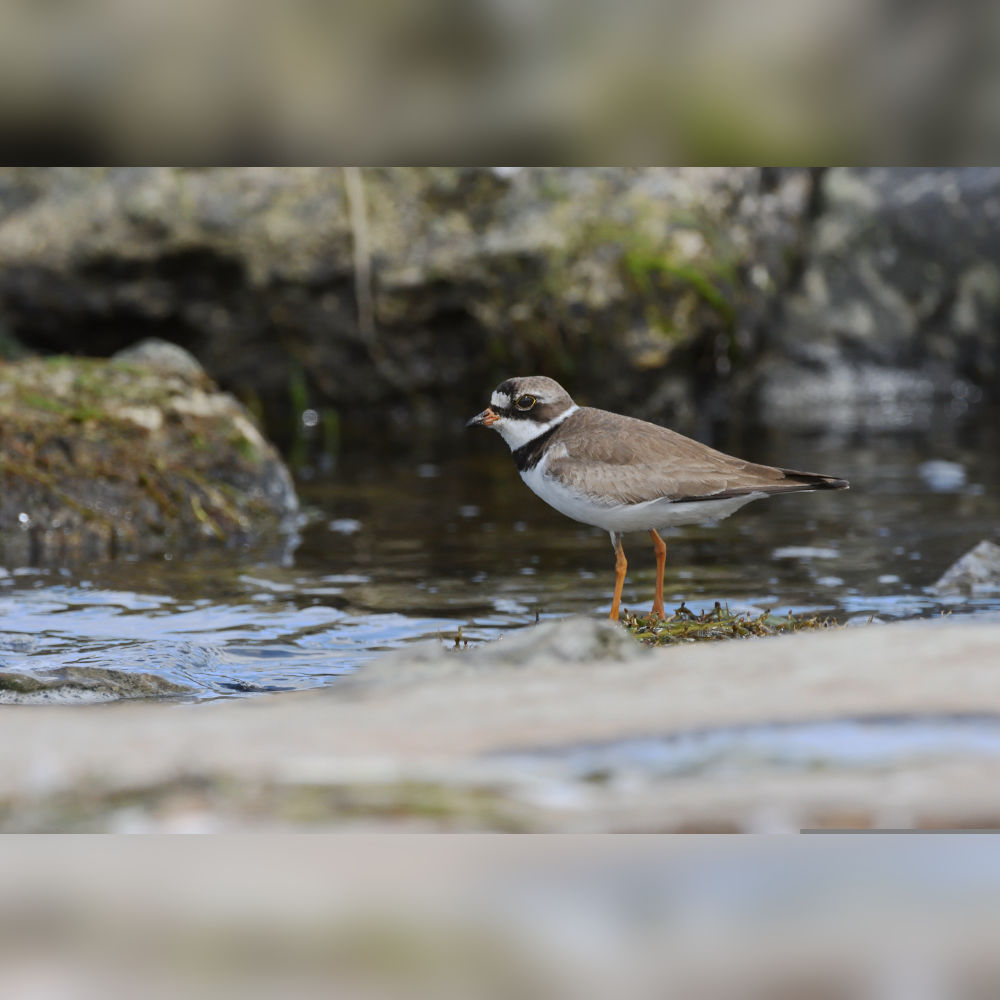
Little Ringed Plover

Little Cormorant
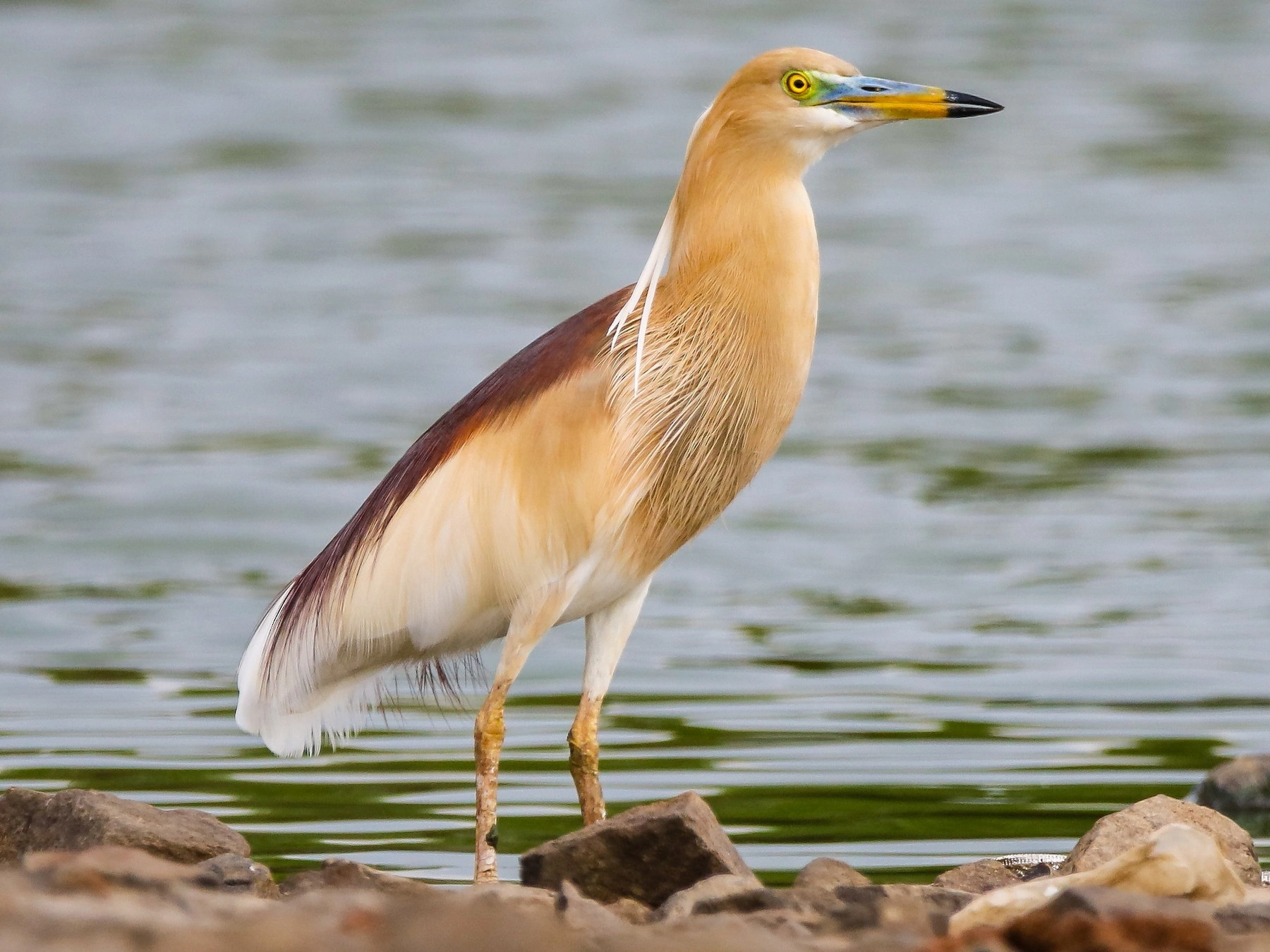
Indian Pond-Heron
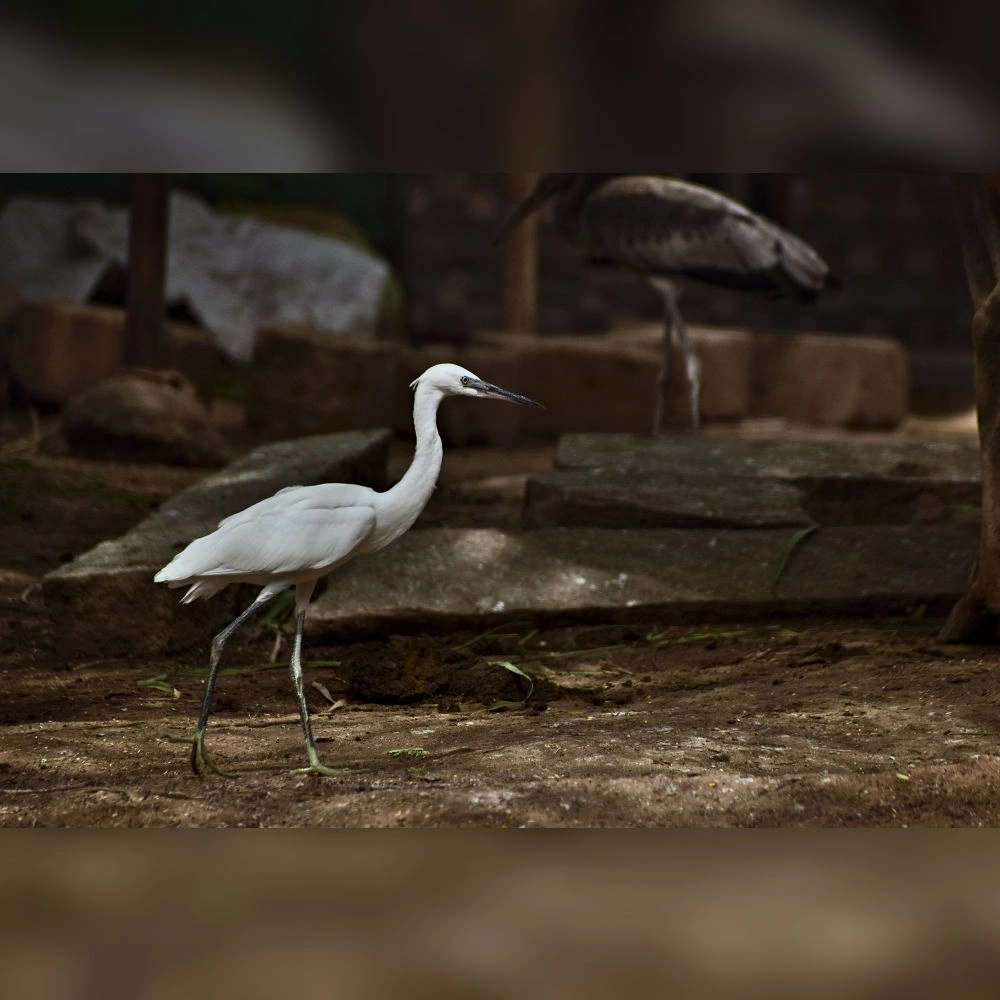
Little Egret
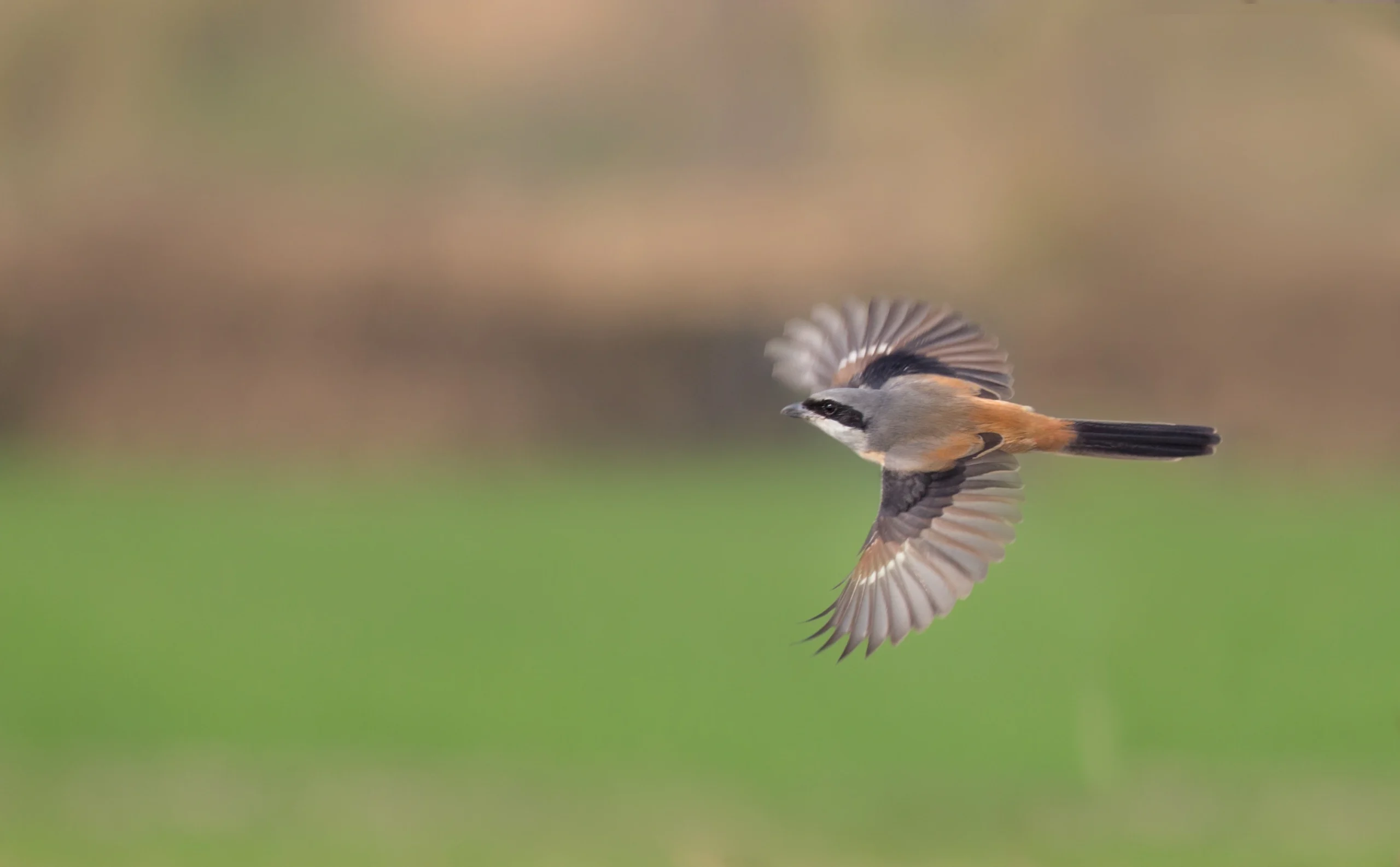
Long-tailed Shrike
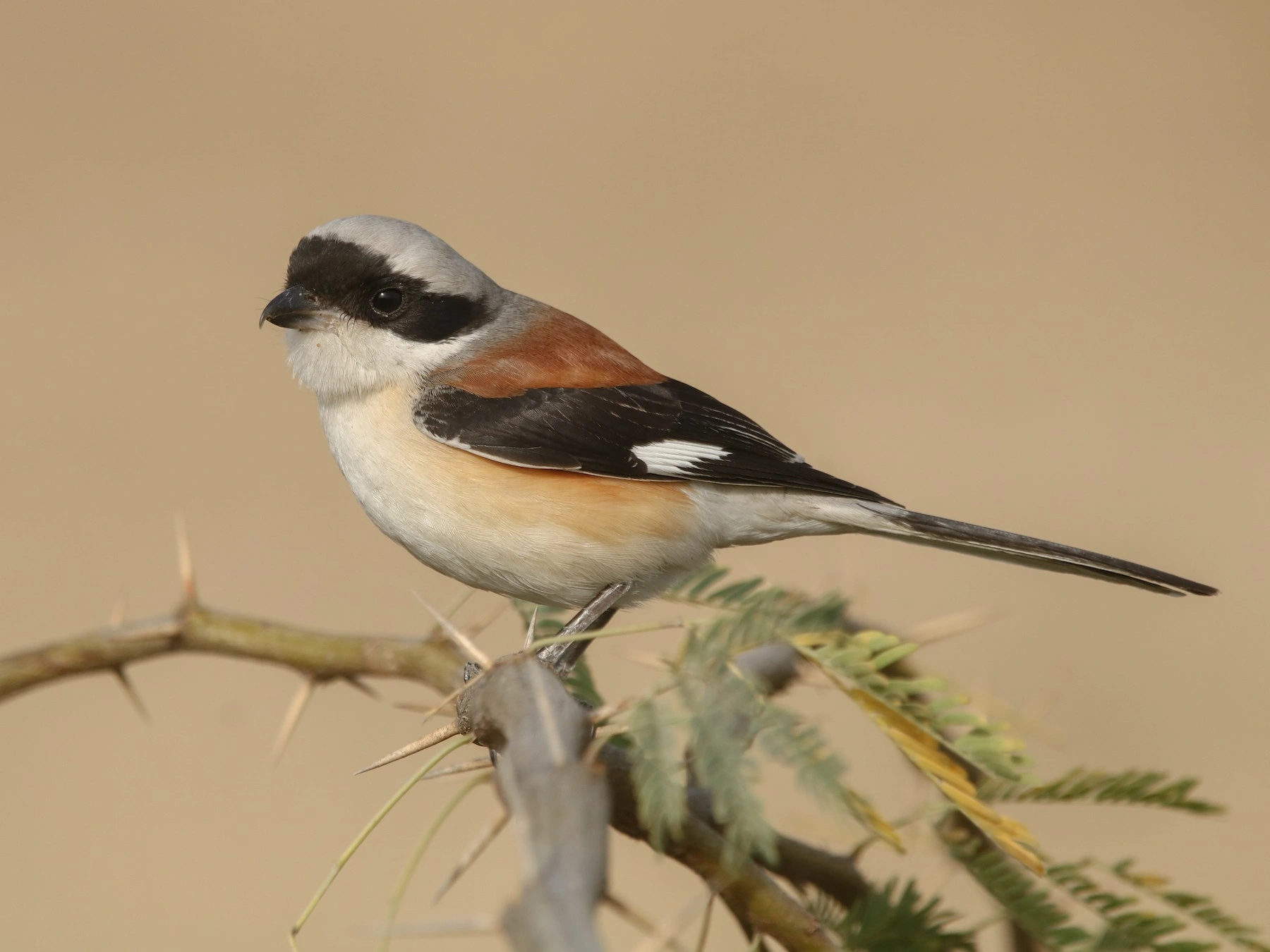
Bay-backed Shrike

Large Grey Babbler
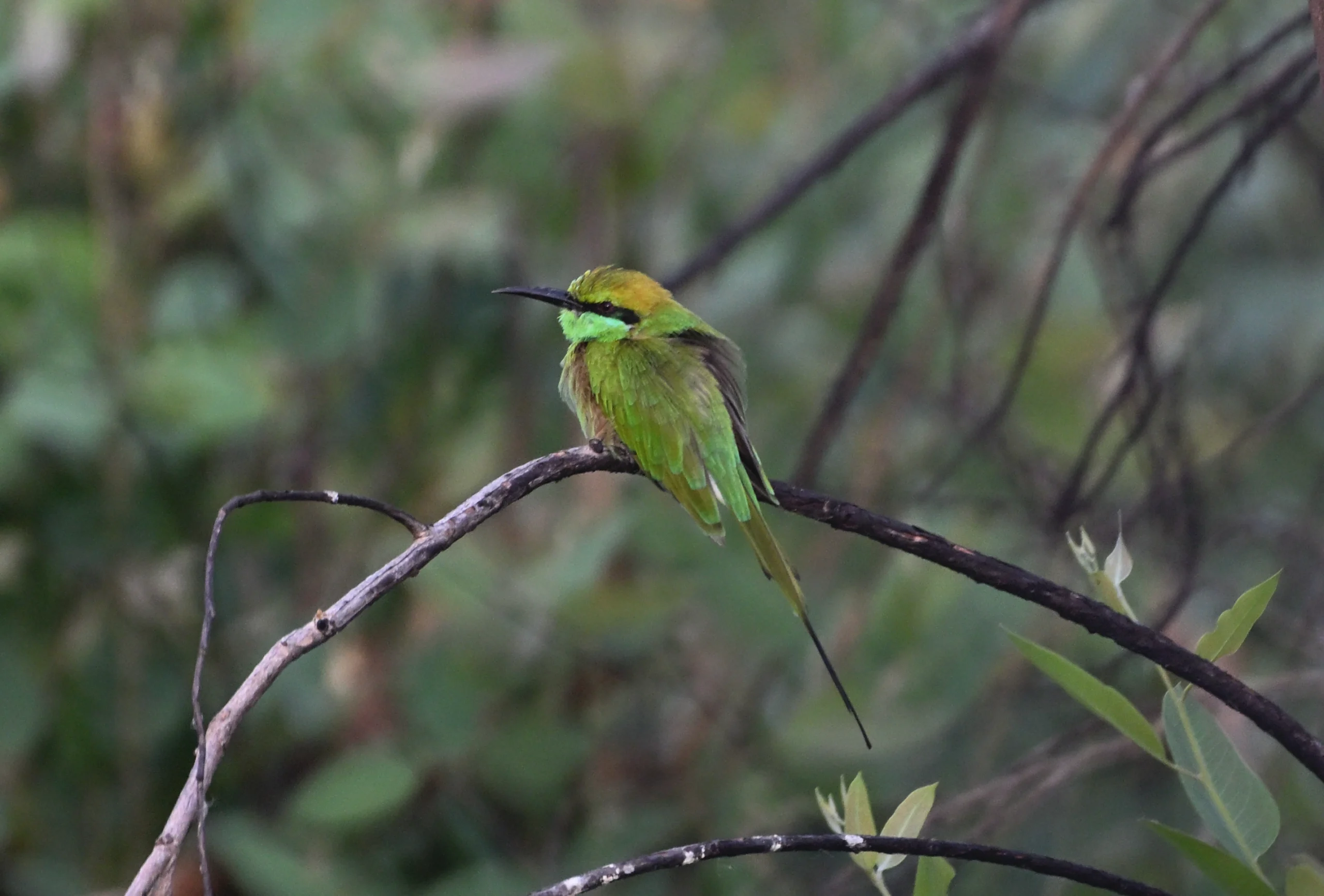
Asian Green Bee-eater
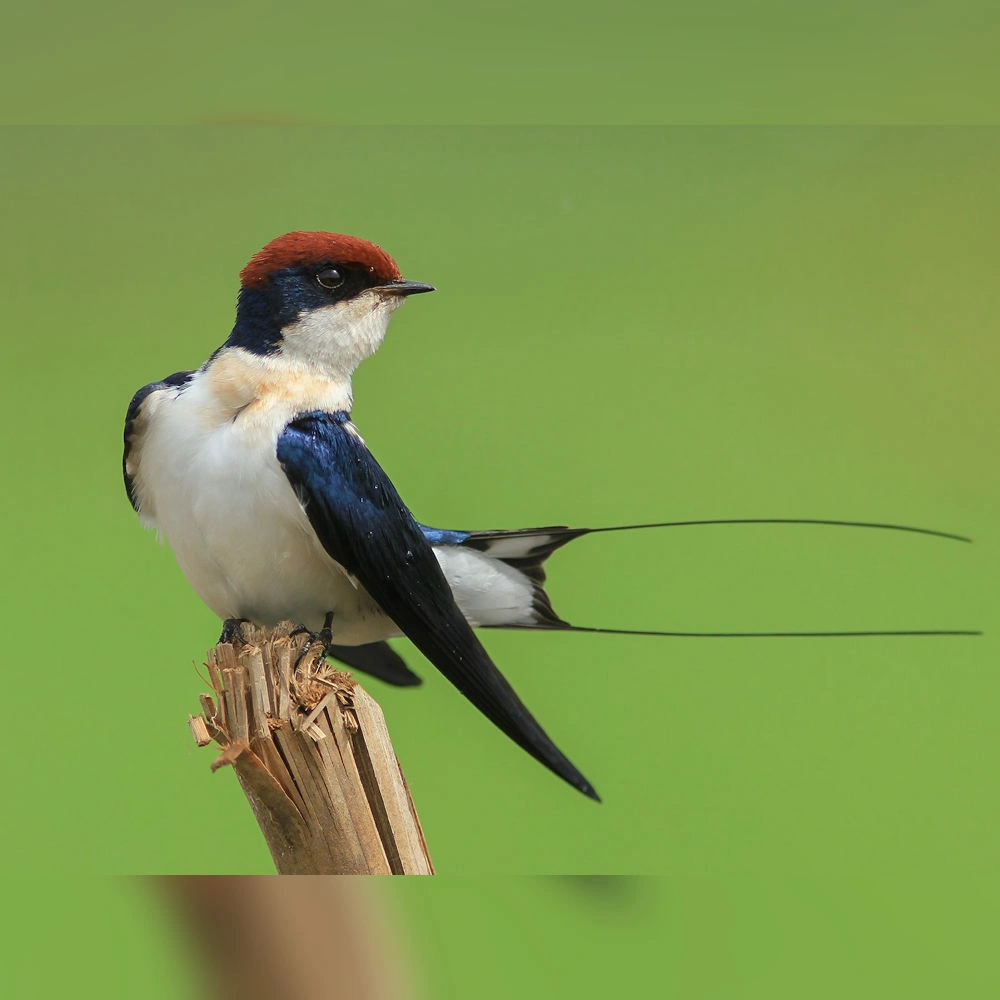
Wire-tailed Swallow
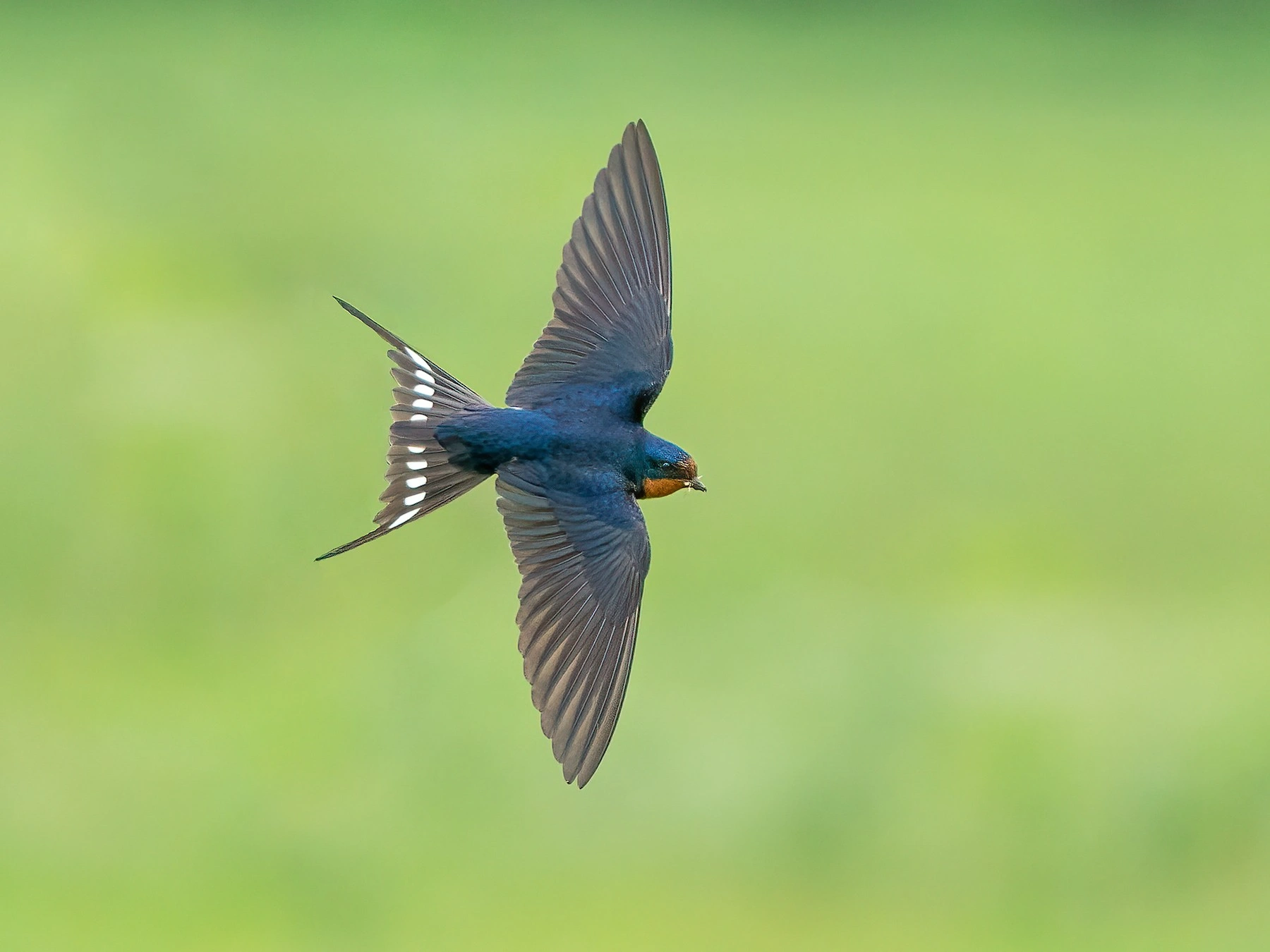
Barn Swallow

Purple Sunbird

Black Kite

House Sparrow
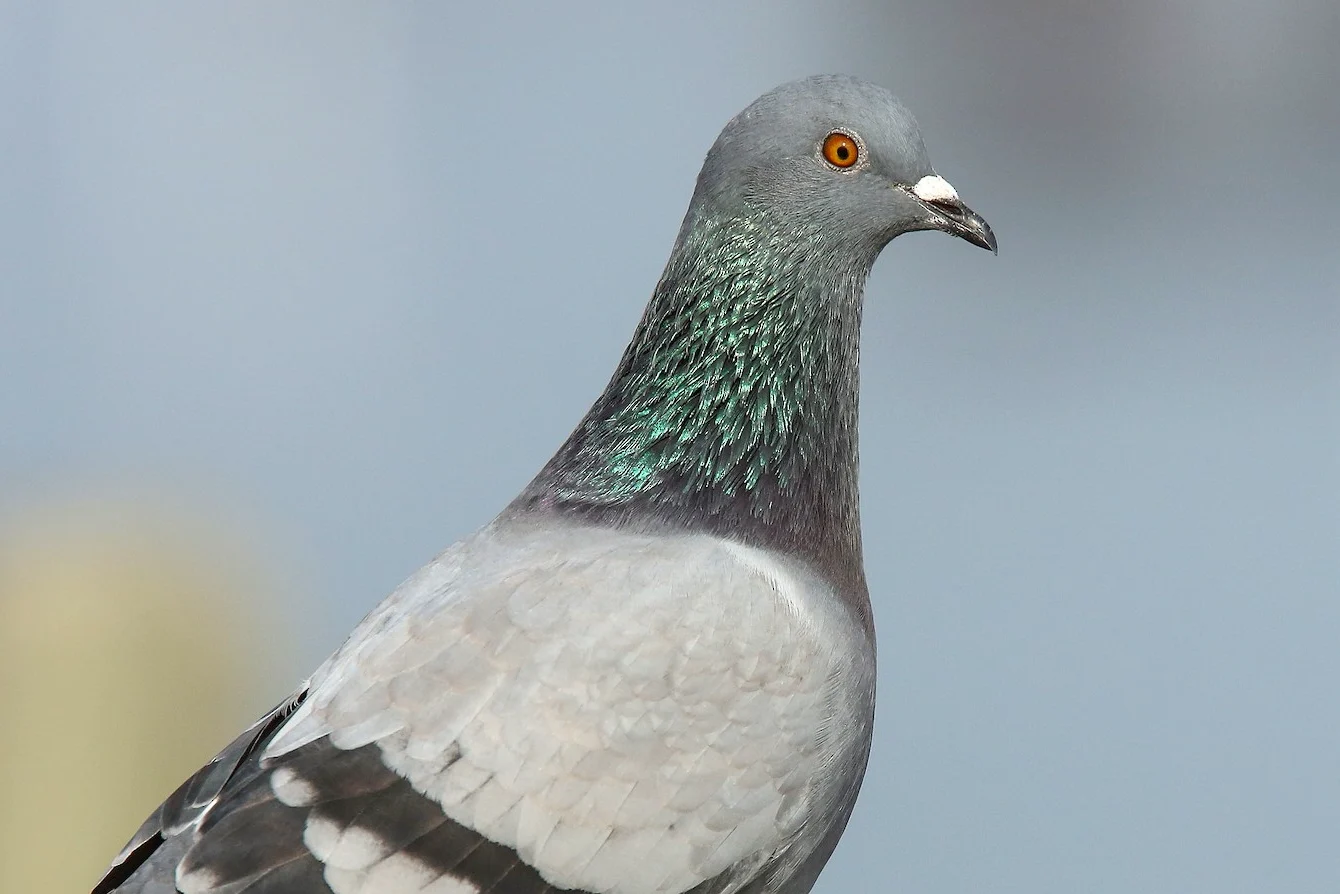

Rock Pigeon
Summary of Walk
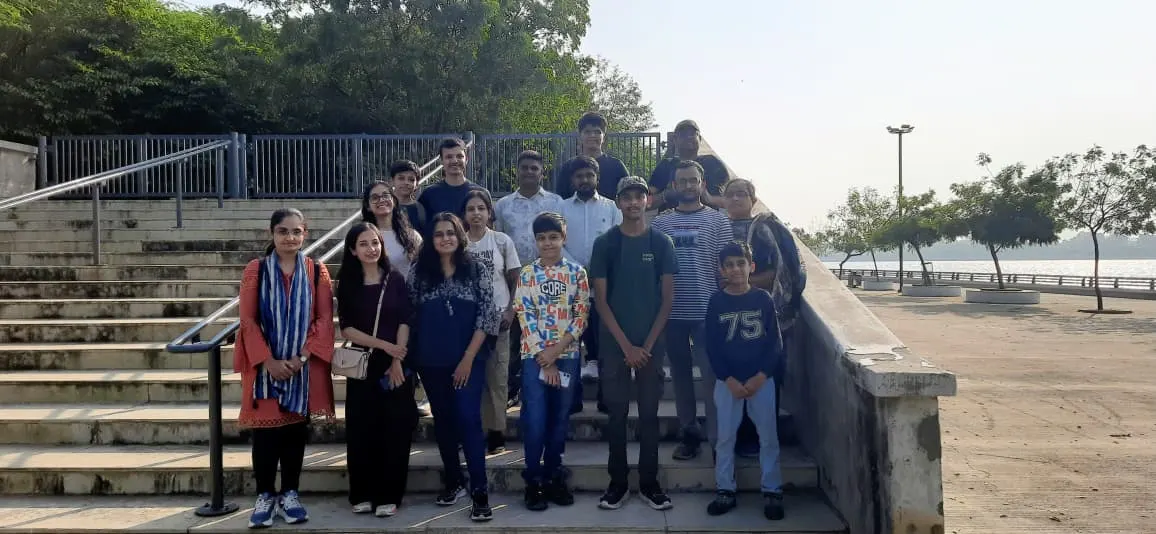
On 31 October 2026, 14 participants joined Heet Contractor for a morning bird walk at the Sabarmati Riverfront near Vasna Barrage in Ahmedabad. Where the Sabarmati’s waters are held back by the barrage, the river widens into calm stretches of open water, sandbanks, muddy shallows and vegetated edges, creating one of the city’s most productive birding spots. As winter sets in, this part of the river becomes a gathering ground for waterbirds and migrants, making it an ideal setting for a morning of discovery.
The area is known for its wonderful diversity of wetland birds, from herons, egrets, storks and ibises wading in the shallows to terns and cormorants working the open water, and kingfishers hunting from the banks. Along the riverside, Heet guided participants on how to scan the water and banks, identify birds by their shape, flight and feeding behaviour, and appreciate how the river supports such a rich community of birdlife. The group enjoyed a refreshing morning by the water, discovering how a stretch of river in the middle of a bustling city can be a haven for birds. The walk inspired everyone to look at Ahmedabad’s riverfront with new eyes.
Number of Participants
0