Loading Events

Bird Walk at Pasumamula Cheruvu, Hyderabad

About Pasumamula Cheruvu

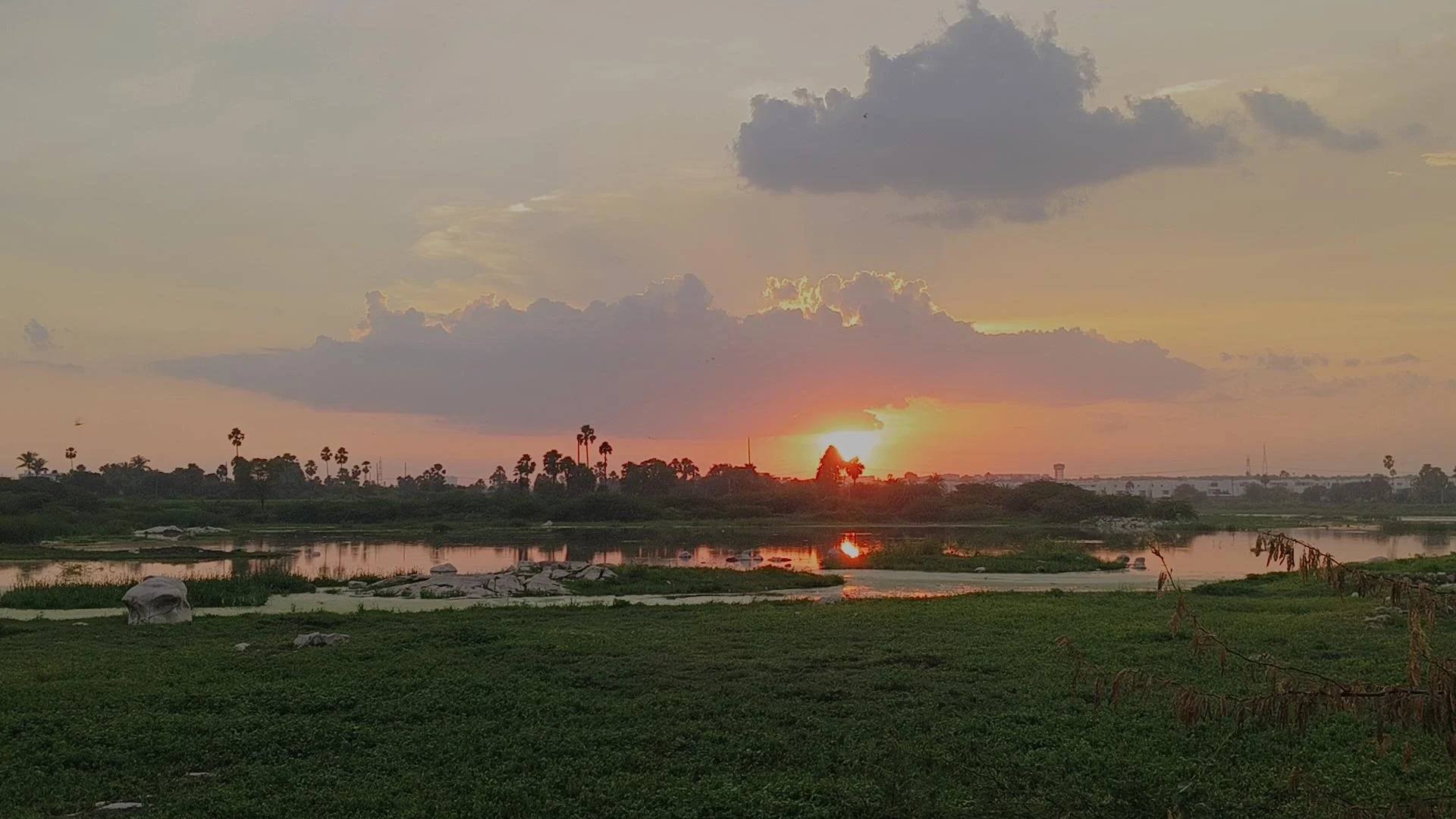
Pasumamula Cheruvu is a wetland located in Pasumamla village of Hayathnagar, on the outskirts of Hyderabad. The lake forms part of the network of waterbodies in the Hyderabad Metropolitan Region and is surrounded by a landscape of open areas, village settlements, agricultural land, trees, and seasonal drainage channels. The combination of open water, vegetated edges, and surrounding rural landscape creates a varied habitat that can support aquatic and terrestrial wildlife. Seasonal rainfall and changes in water levels further influence the character of the lake and its surroundings, making the area particularly interesting for nature and birdwatching.
The relatively open setting of Pasumamula Cheruvu provides a contrast to the rapidly urbanising landscape of Hyderabad. Maintaining the lake’s water spread, natural drainage, vegetation, and designated buffer area is important for retaining its ecological value. HMDA’s lake survey specifically maps a 30-metre buffer around the lake’s full-tank-level boundary, highlighting the importance of protecting the surrounding zone along with the waterbody itself. As development continues around Hyderabad’s peripheral areas, protecting such wetlands from encroachment, pollution, excessive disturbance, and changes to natural water flow will be important for sustaining their habitat value.

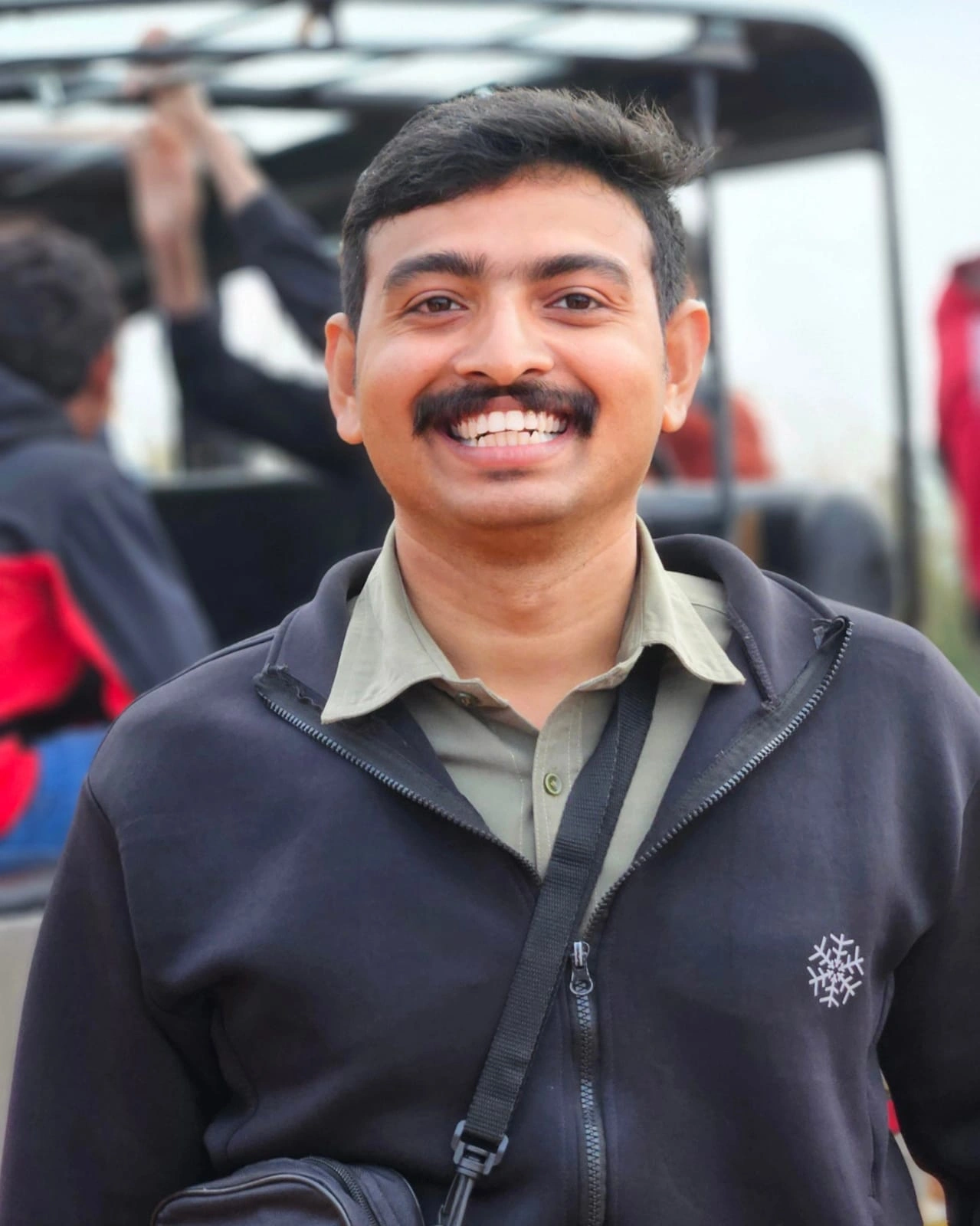
Bird Guide: Ashly Biji

He has over 4 years of experience as an official birder and has led nearly 500 nature walks across the Periyar Tiger Reserve and various parts of Telangana. His extensive field experience has deepened his understanding of birds, wildlife, and their habitats, while his work as a nature guide reflects his passion for connecting people with the natural world.
Bird walk Location

Common birds of Pasumamula Cheruvu

Pasumamula Cheruvu supports a diverse assemblage of wetland, grassland, scrub, and open-country birds. The lake attracts several waterbirds, with Eurasian Coot, Black-winged Stilt, Eurasian Moorhen, Grey-headed Swamphen, White-breasted Waterhen, and Indian Spot-billed Duck making use of the open water and wetland margins. Black-winged Stilt was particularly well represented in the observations, while Yellow-wattled Lapwing, Red-wattled Lapwing, and Indian Thick-knee add to the diversity of birds associated with open and sparsely vegetated areas. The surrounding vegetation and drier habitats support Indian Peafowl, Grey Francolin, Spotted Dove, Laughing Dove, Greater Coucal, Blue-faced Malkoha, and several cuckoo species, including Asian Koel, Grey-bellied Cuckoo, and Common Hawk-Cuckoo. Indian Nightjar adds a nocturnal species to the area’s birdlife, while Little Swift and Asian Palm Swift represent the aerial insectivores. Together, these species highlight the variety of habitats around Pasumamula Cheruvu and its importance as a birdwatching site.
Indian Spot-billed Duck
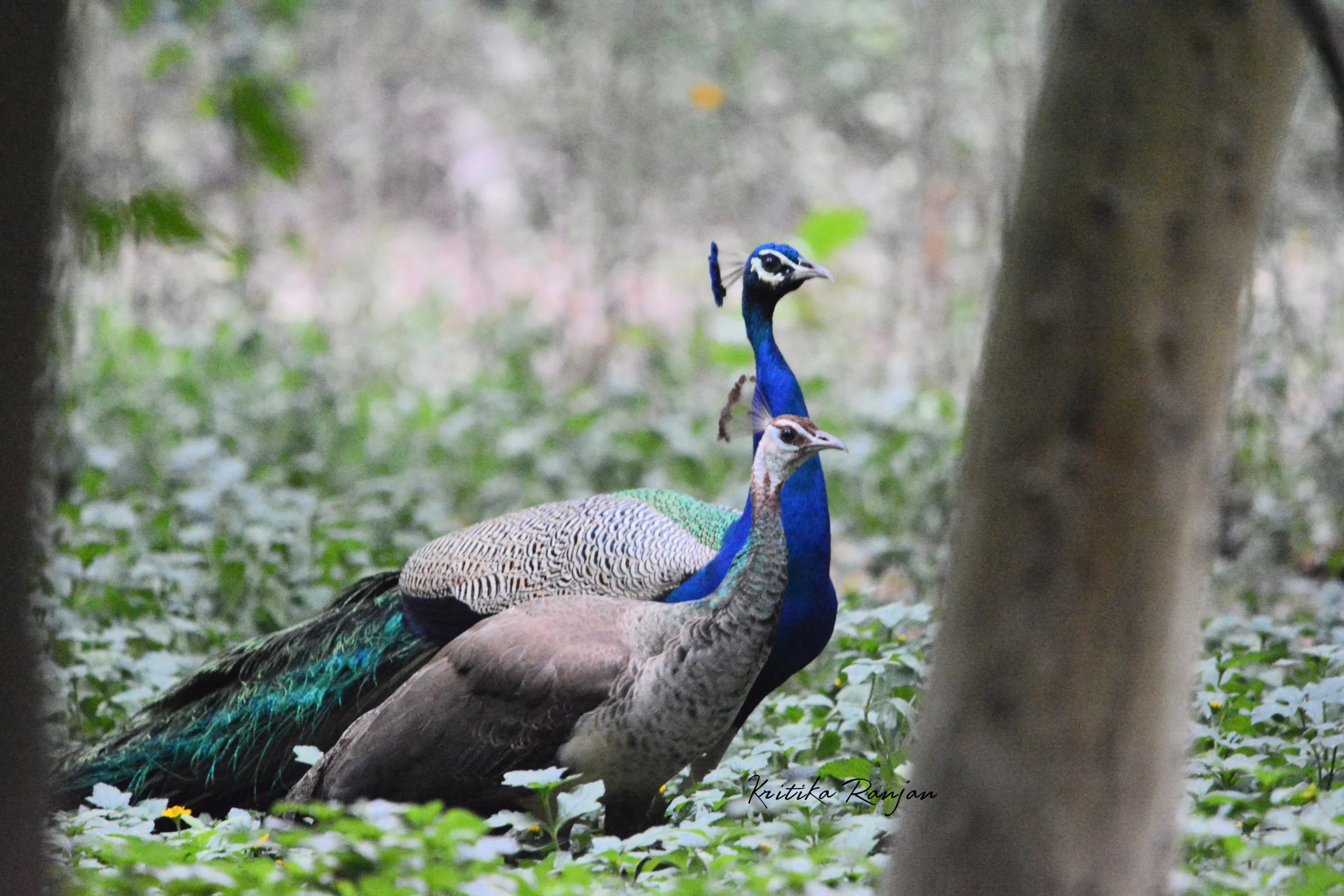
Indian Peafowl
Grey Francolin
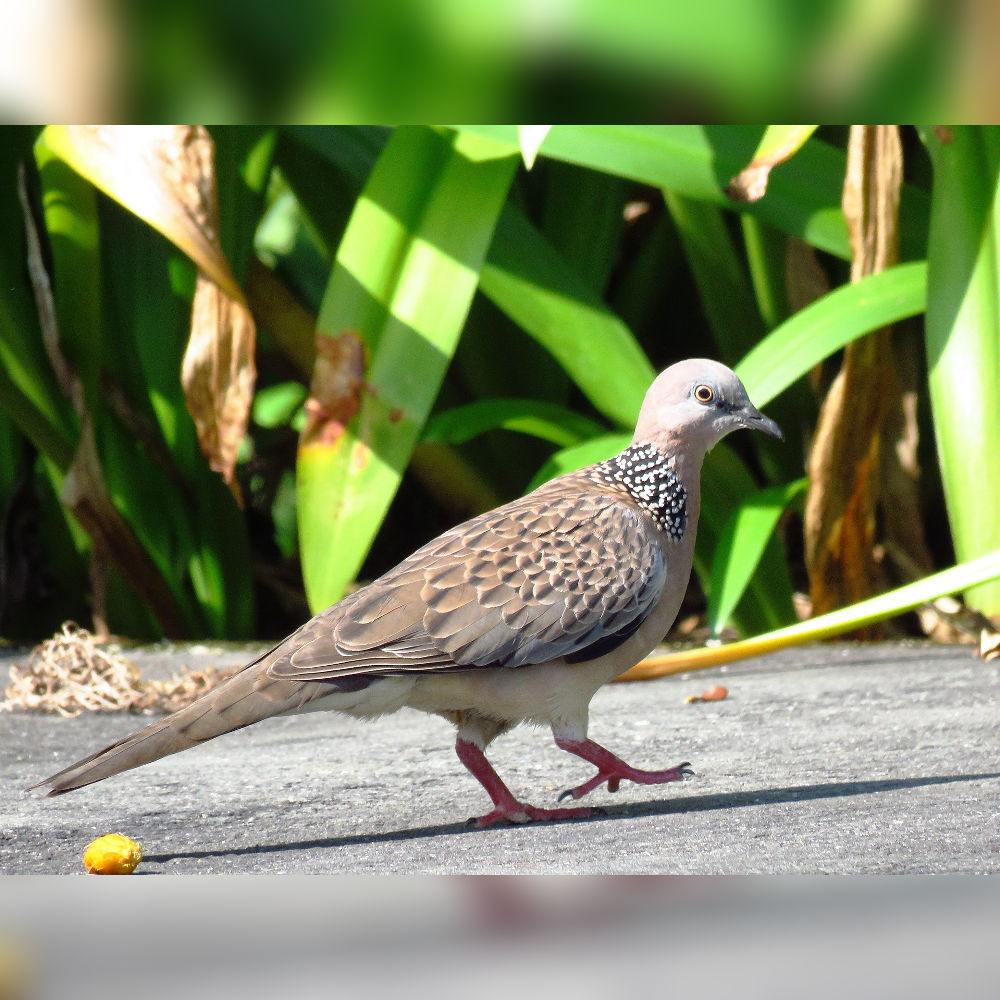
Spotted Dove
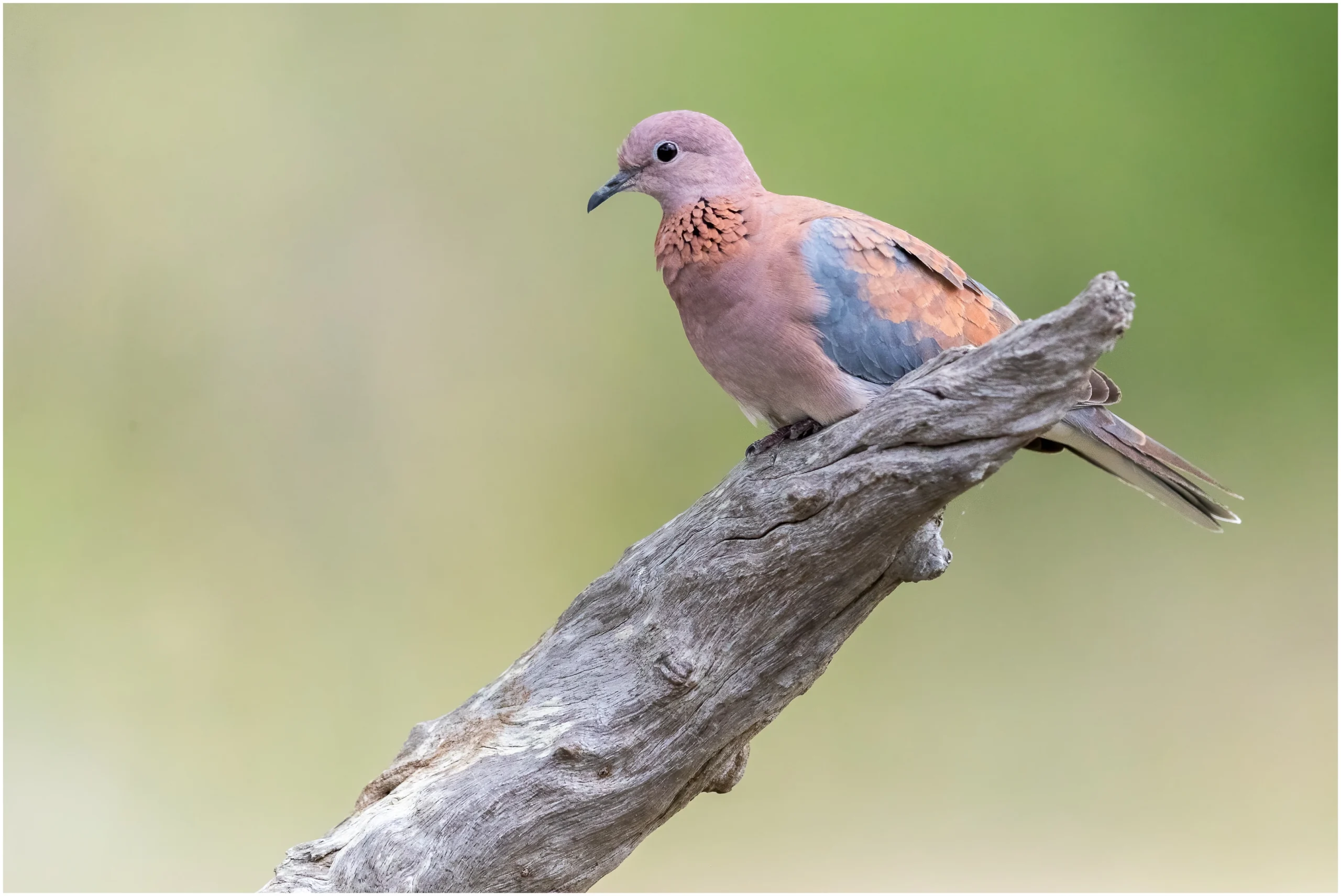
Laughing Dove
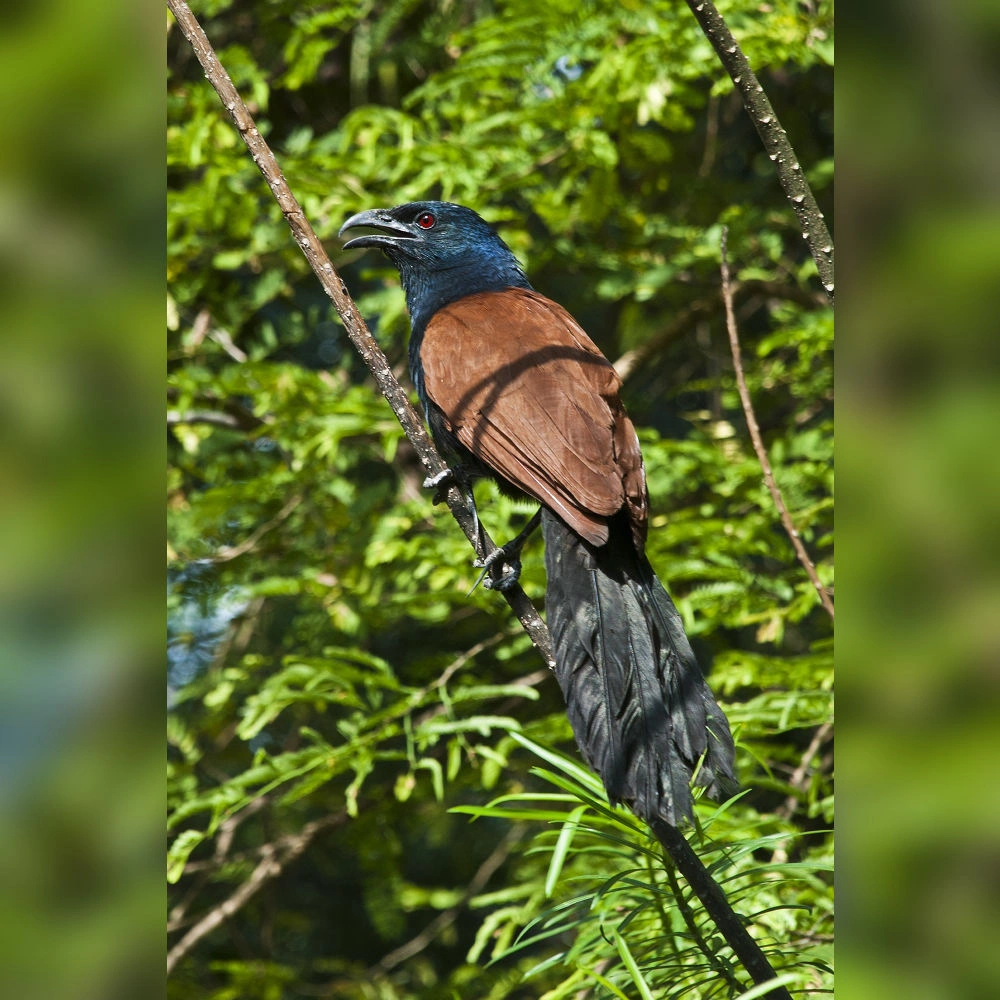
Greater Coucal
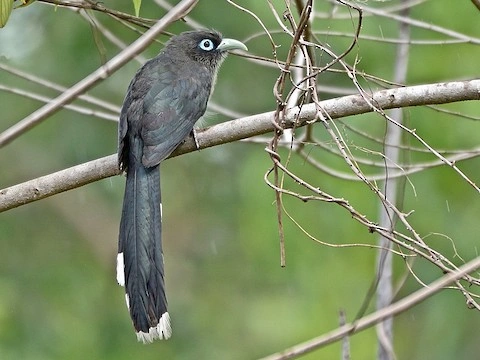
Blue-faced Malkoha
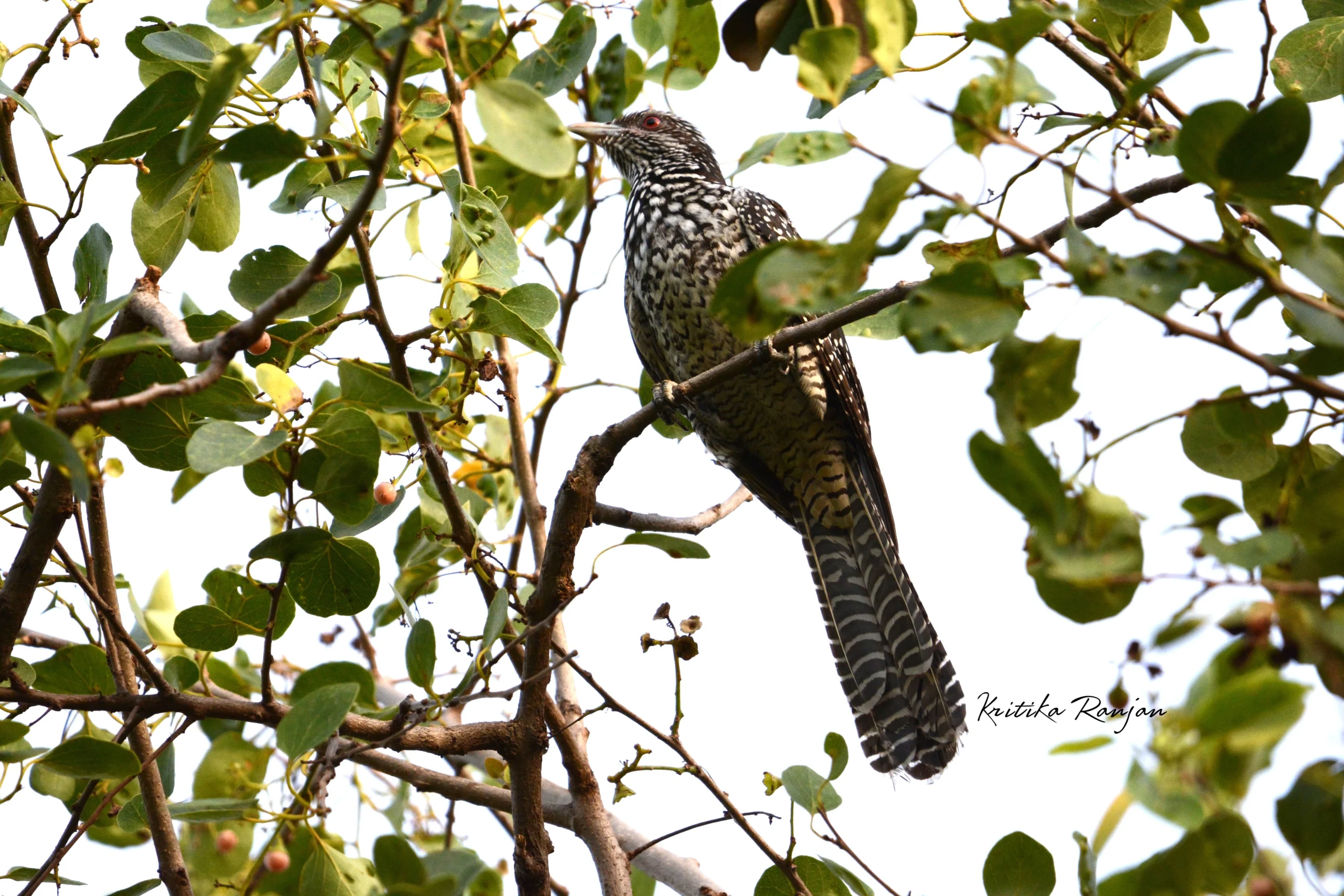
Asian Koel
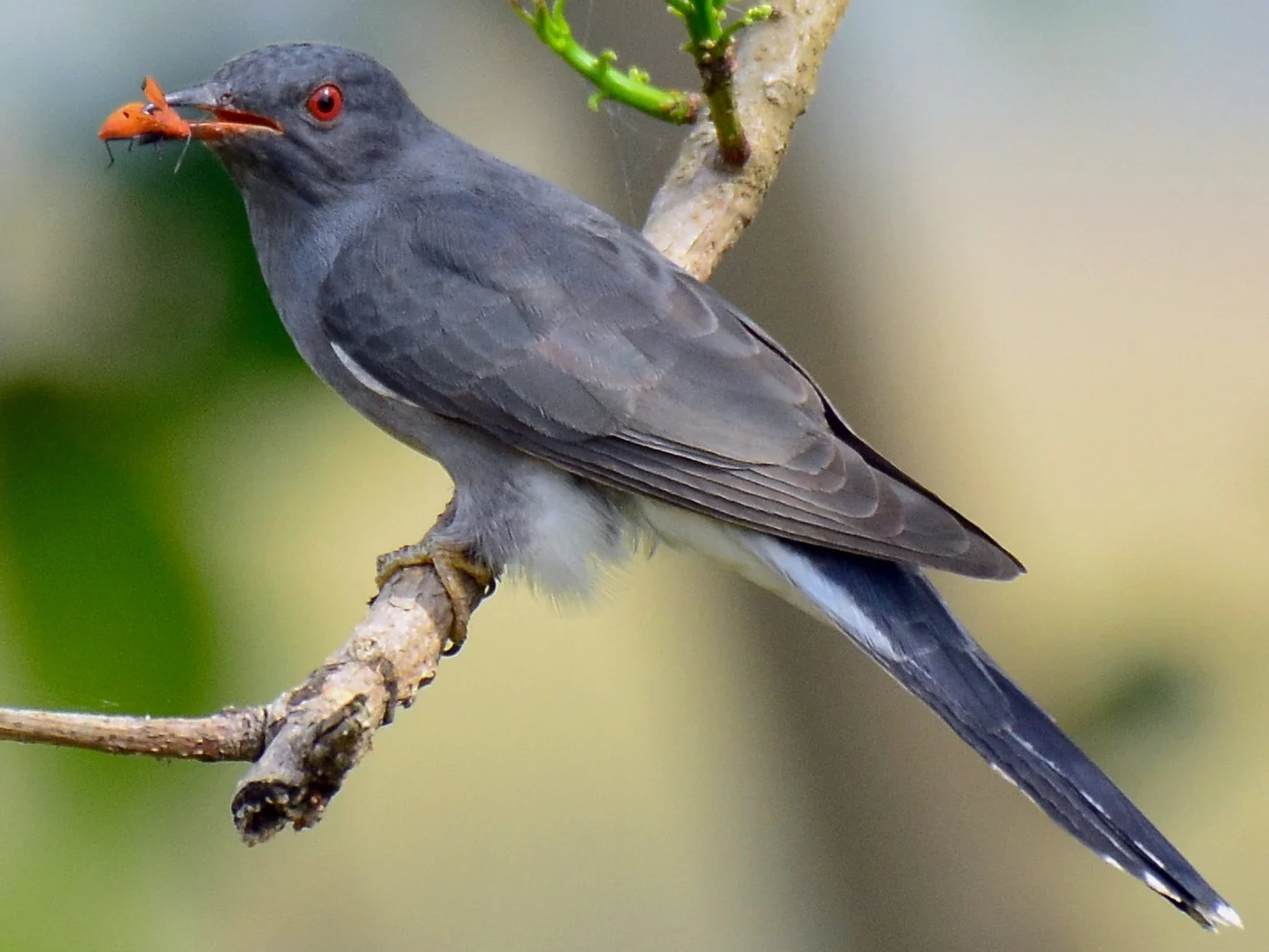
Grey-bellied Cuckoo
Common Hawk-Cuckoo
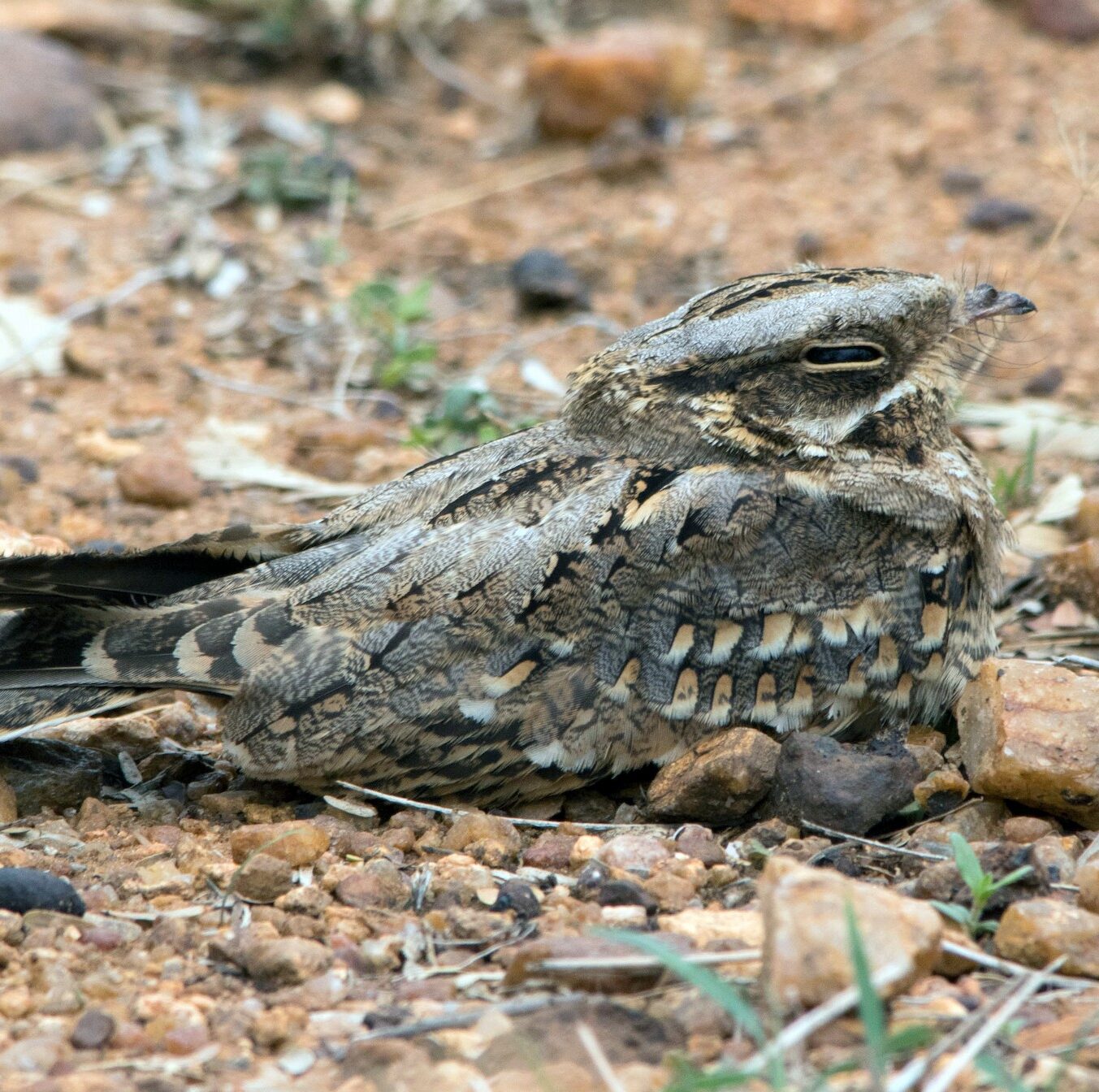
Indian Nightjar
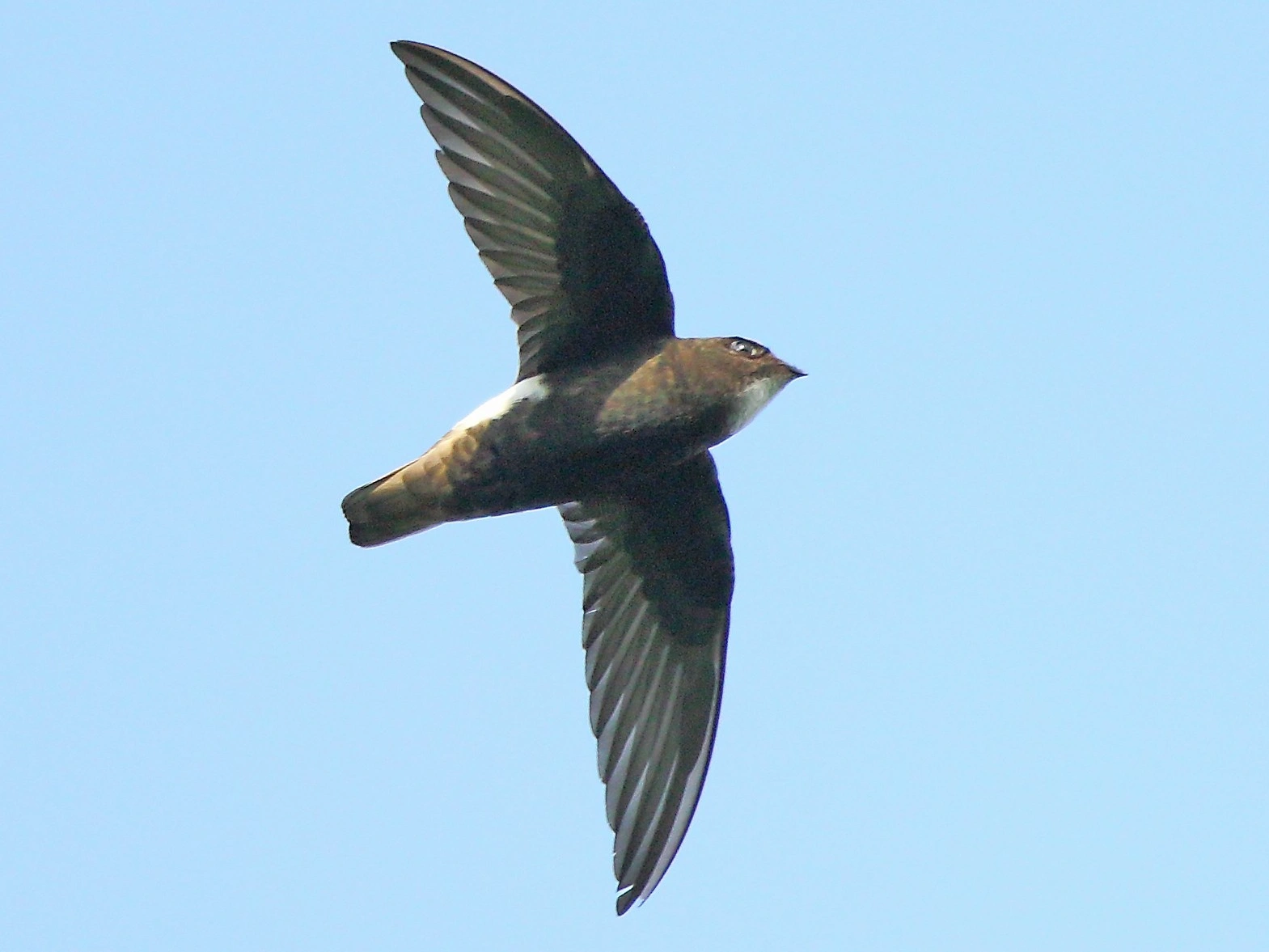
Little Swift
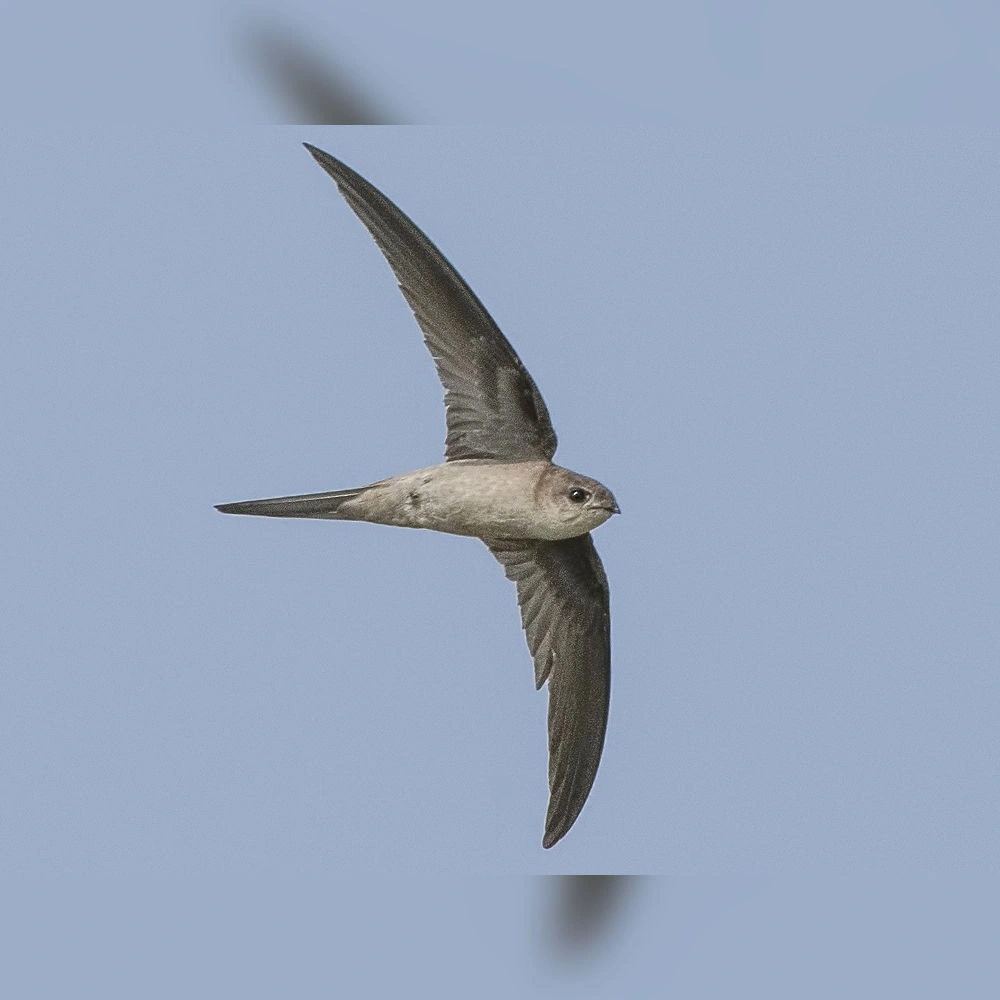
Asian Palm Swift
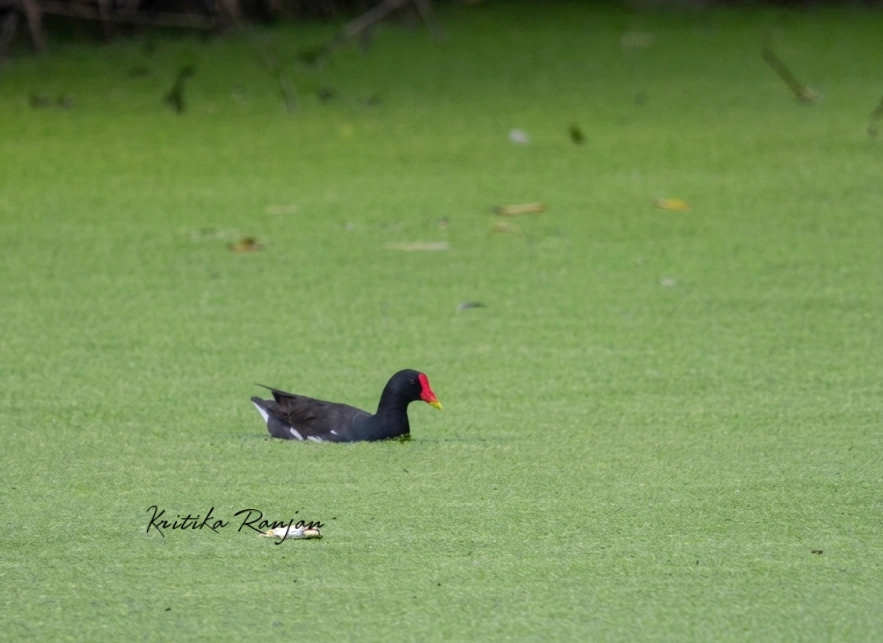
Eurasian Moorhen
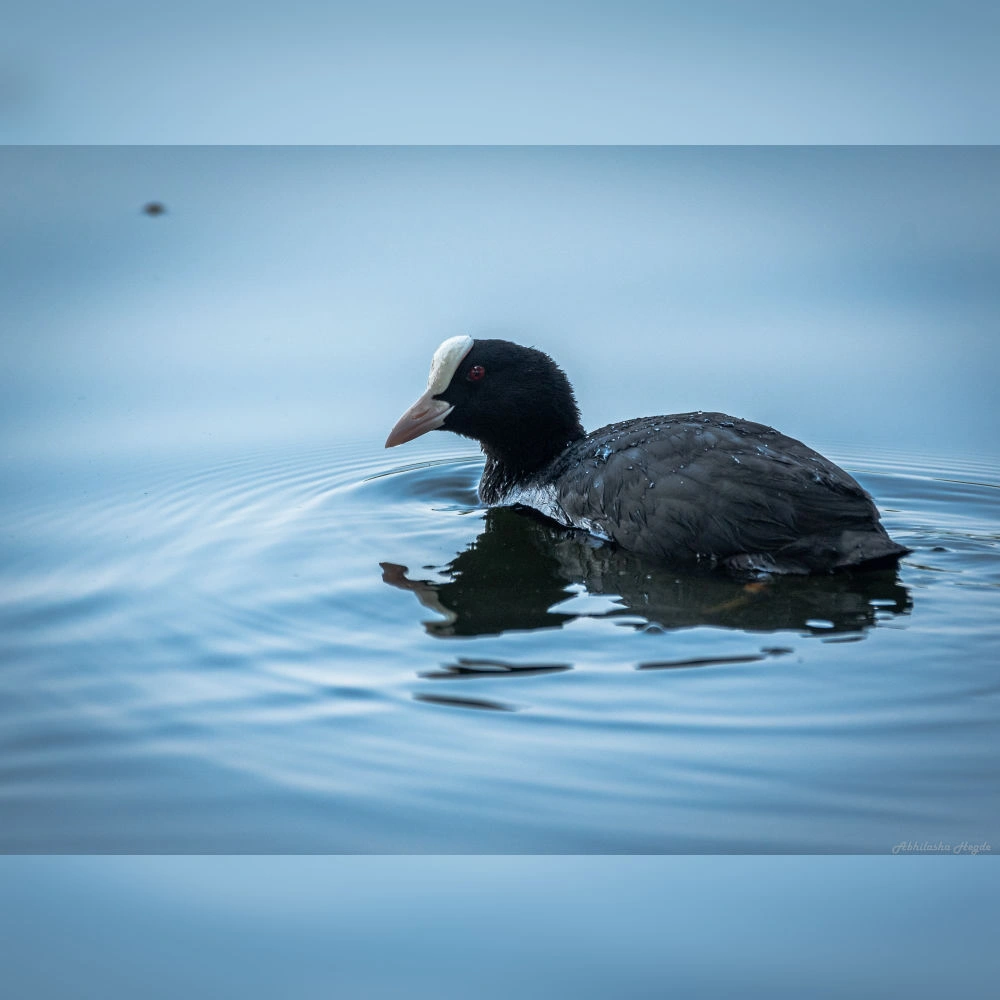
Eurasian Coot
Grey-headed Swamphen
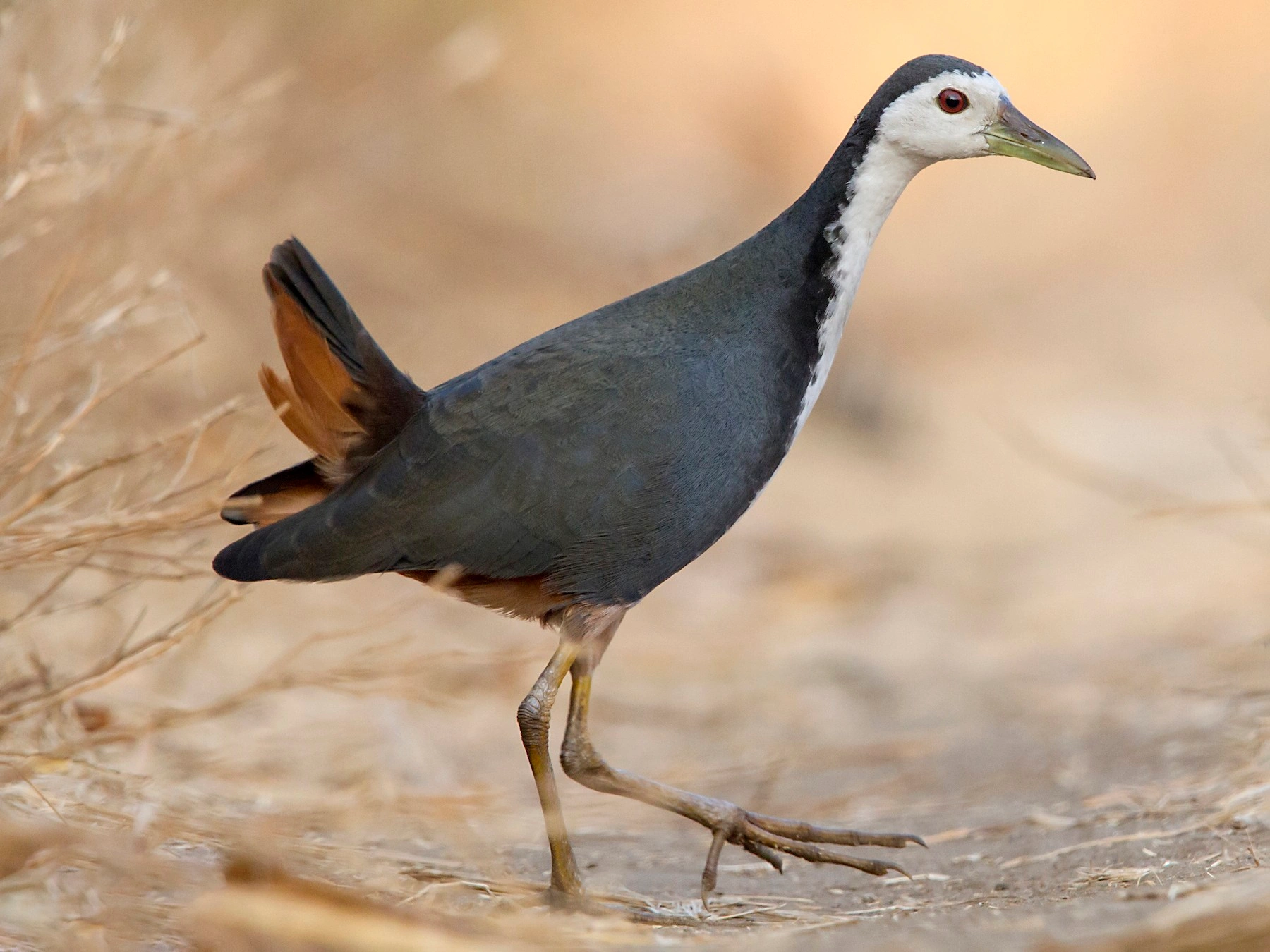
White-breasted Waterhen
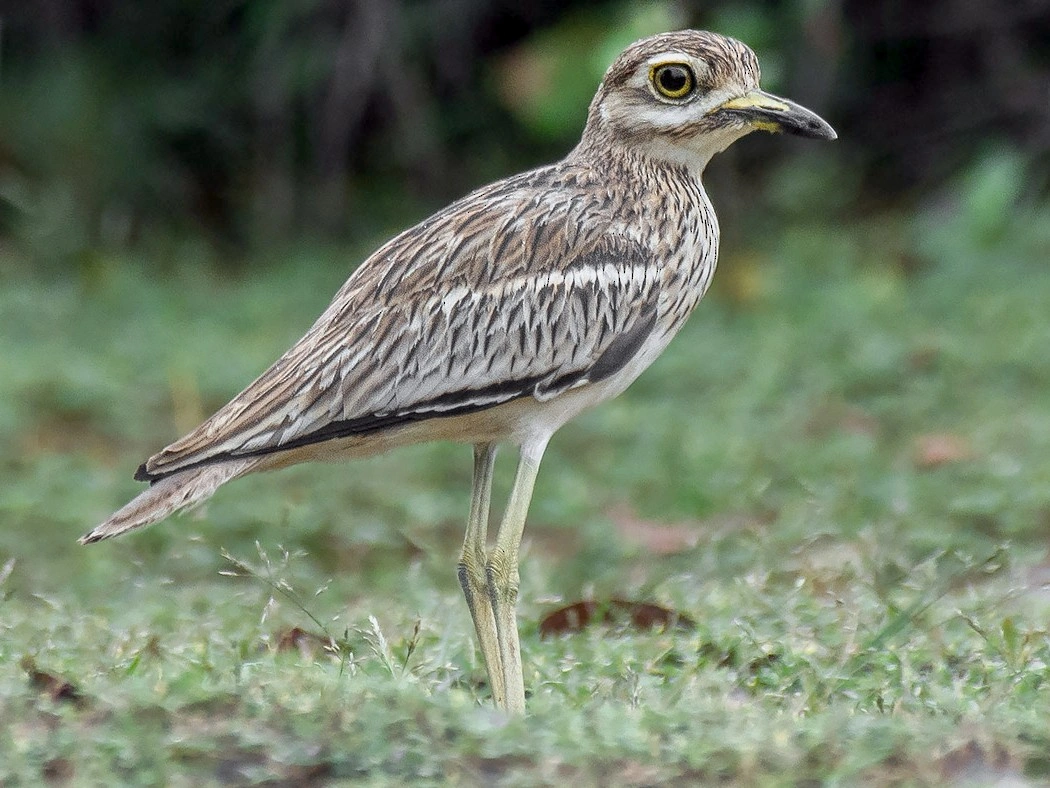
Indian Thick-knee
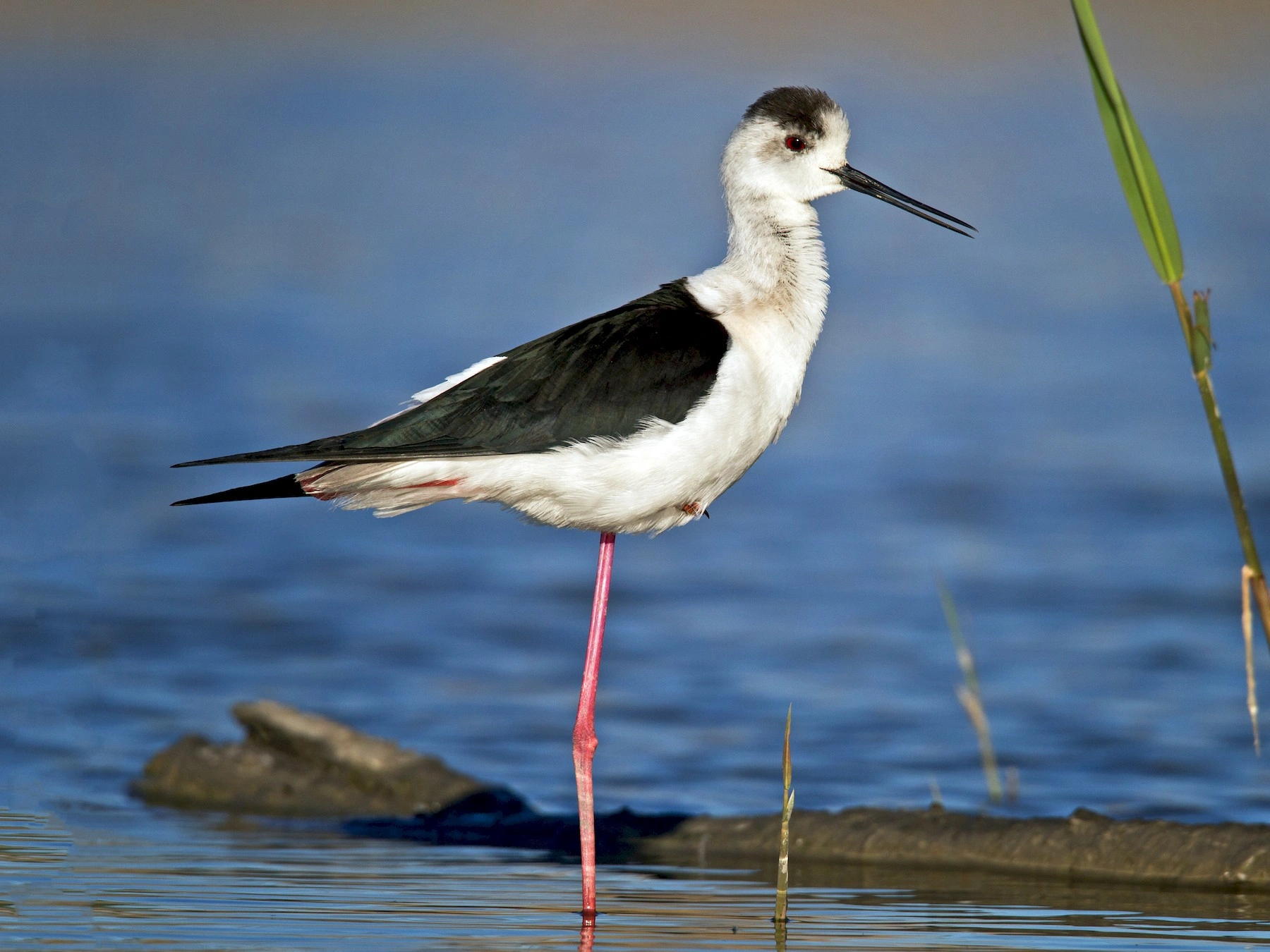
Black-winged Stilt
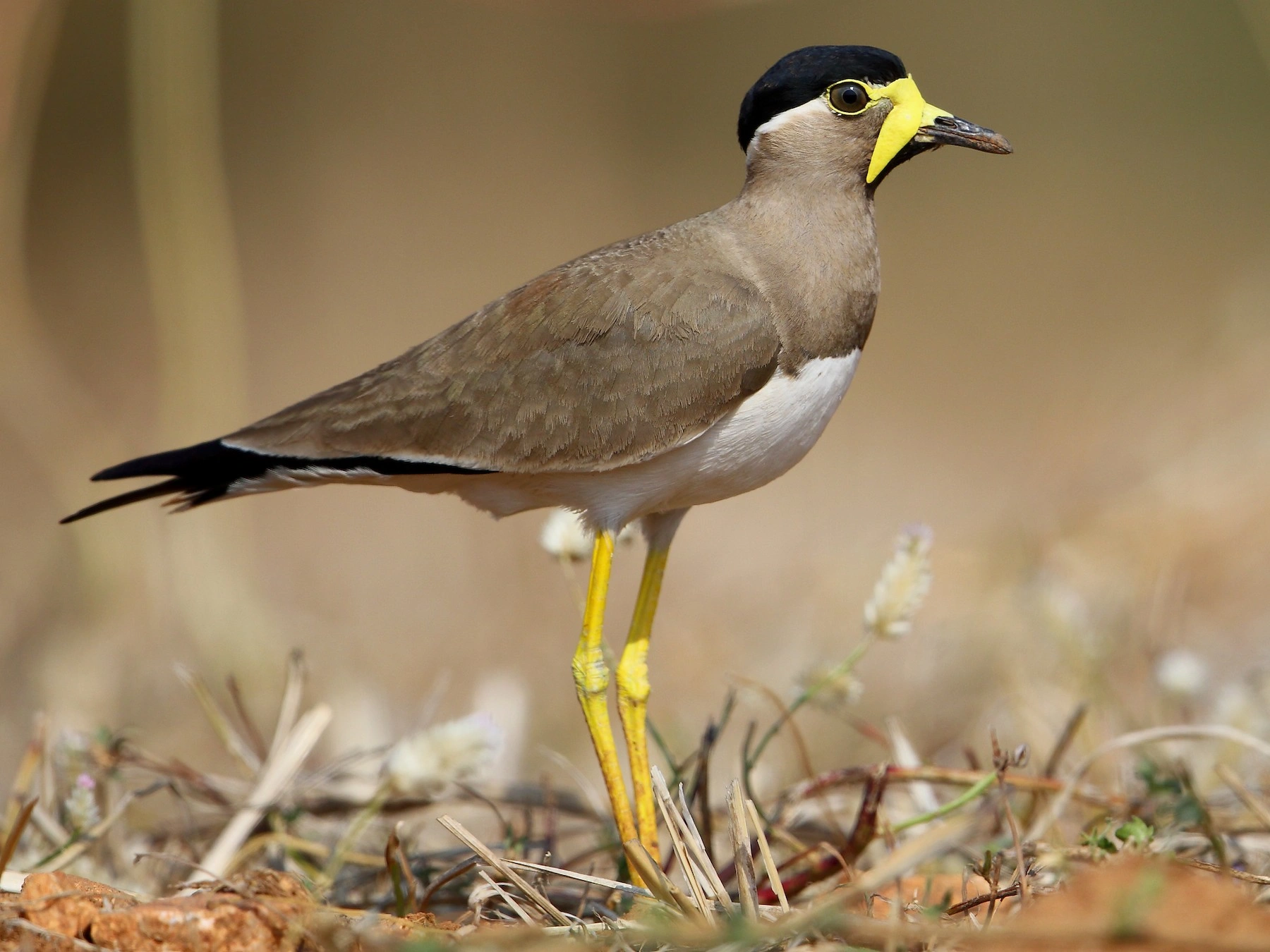
Yellow-wattled Lapwing

Summary of Walk

A second group of bird lovers joined guide Ashly Biji at Pasumamula Cheruvu in Hyderabad on 15 November for another rewarding morning at this lake on the city’s eastern edge. Back-to-back weekend walks gave more people the chance to discover a lake where rocky Deccan outcrops, grassy scrub and farmland meet open water, creating a mosaic of habitats rich in birdlife. The lake is a good place to see waterbirds such as the Spot-billed Pelican, Painted Stork, Asian Openbill, Little Grebe, Indian Spot-billed Duck, Purple Heron and Black-winged Stilt, while the scrub and fields hold the Indian Silverbill, Ashy-crowned Sparrow-Lark, Indian Roller, Green Bee-eater, Long-tailed Shrike and Black-winged Kite, and winter brings migrant ducks, wagtails and raptors. Ashly guided the walk with patience and enthusiasm, helping participants learn how to scan methodically, how to separate similar birds and how each habitat around the lake holds its own set of species. Every sighting was shared and discussed, and the group enjoyed the calm of the lake and the open skies. Participants left with new birds on their lists and a deeper connection with this special lake.
Number of Participants
0
Scroll to Top