Loading Events

Bird Walk at Pasumamula Cheruvu, Hyderabad

About Pasumamula Cheruvu

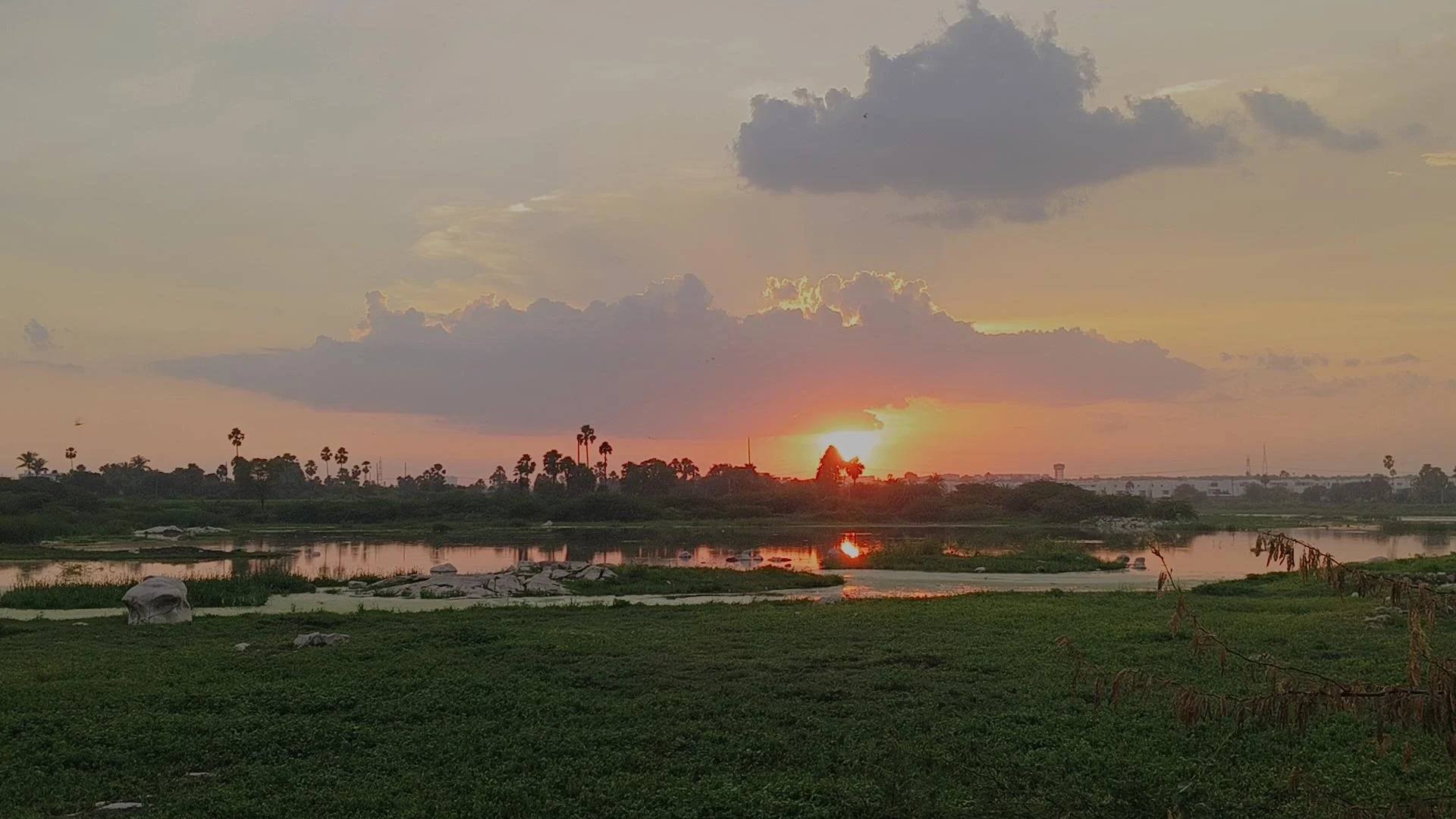
Pasumamula Cheruvu is a wetland located in Pasumamla village of Hayathnagar, on the outskirts of Hyderabad. The lake forms part of the network of waterbodies in the Hyderabad Metropolitan Region and is surrounded by a landscape of open areas, village settlements, agricultural land, trees, and seasonal drainage channels. The combination of open water, vegetated edges, and surrounding rural landscape creates a varied habitat that can support aquatic and terrestrial wildlife. Seasonal rainfall and changes in water levels further influence the character of the lake and its surroundings, making the area particularly interesting for nature and birdwatching.
The relatively open setting of Pasumamula Cheruvu provides a contrast to the rapidly urbanising landscape of Hyderabad. Maintaining the lake’s water spread, natural drainage, vegetation, and designated buffer area is important for retaining its ecological value. HMDA’s lake survey specifically maps a 30-metre buffer around the lake’s full-tank-level boundary, highlighting the importance of protecting the surrounding zone along with the waterbody itself. As development continues around Hyderabad’s peripheral areas, protecting such wetlands from encroachment, pollution, excessive disturbance, and changes to natural water flow will be important for sustaining their habitat value.

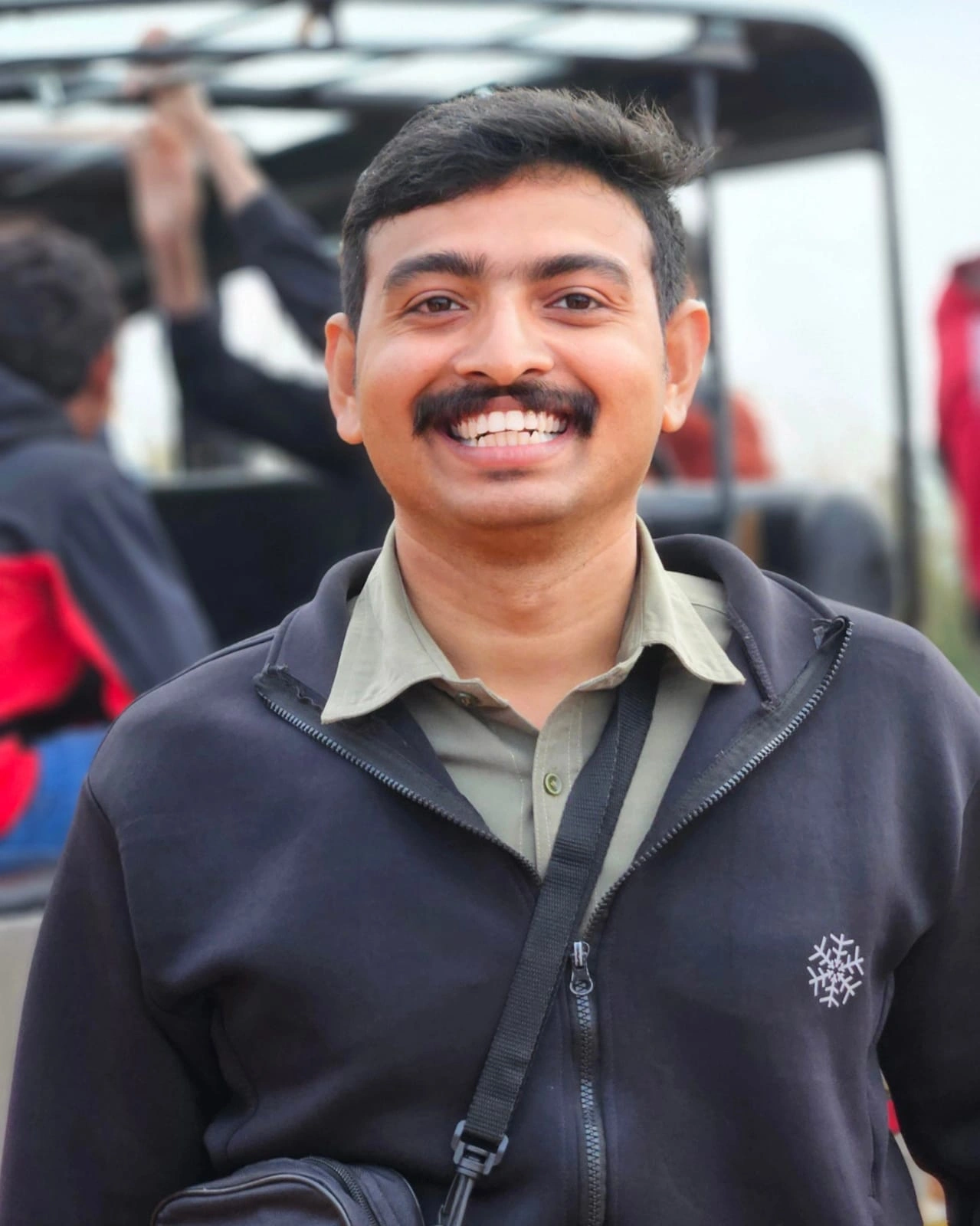
Bird Guide: Ashly Biji

He has over 4 years of experience as an official birder and has led nearly 500 nature walks across the Periyar Tiger Reserve and various parts of Telangana. His extensive field experience has deepened his understanding of birds, wildlife, and their habitats, while his work as a nature guide reflects his passion for connecting people with the natural world.
Bird walk Location

Common birds of Pasumamula Cheruvu

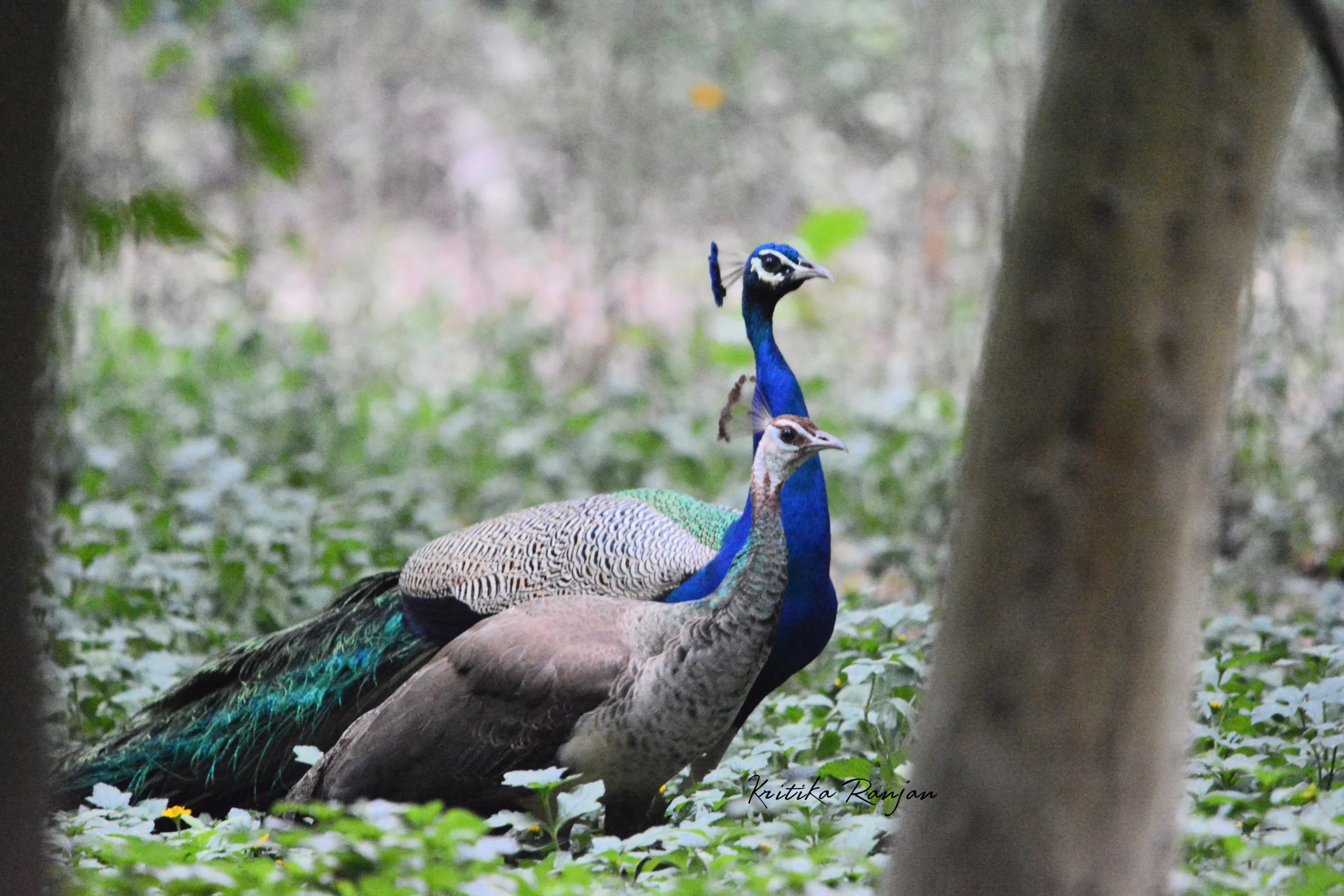
Pasumamula Cheruvu supports a diverse assemblage of wetland, grassland, scrub, and open-country birds. The lake attracts several waterbirds, with Eurasian Coot, Black-winged Stilt, Eurasian Moorhen, Grey-headed Swamphen, White-breasted Waterhen, and Indian Spot-billed Duck making use of the open water and wetland margins. Black-winged Stilt was particularly well represented in the observations, while Yellow-wattled Lapwing, Red-wattled Lapwing, and Indian Thick-knee add to the diversity of birds associated with open and sparsely vegetated areas. The surrounding vegetation and drier habitats support Indian Peafowl, Grey Francolin, Spotted Dove, Laughing Dove, Greater Coucal, Blue-faced Malkoha, and several cuckoo species, including Asian Koel, Grey-bellied Cuckoo, and Common Hawk-Cuckoo. Indian Nightjar adds a nocturnal species to the area’s birdlife, while Little Swift and Asian Palm Swift represent the aerial insectivores. Together, these species highlight the variety of habitats around Pasumamula Cheruvu and its importance as a birdwatching site.
Indian Spot-billed Duck
Indian Peafowl
Grey Francolin
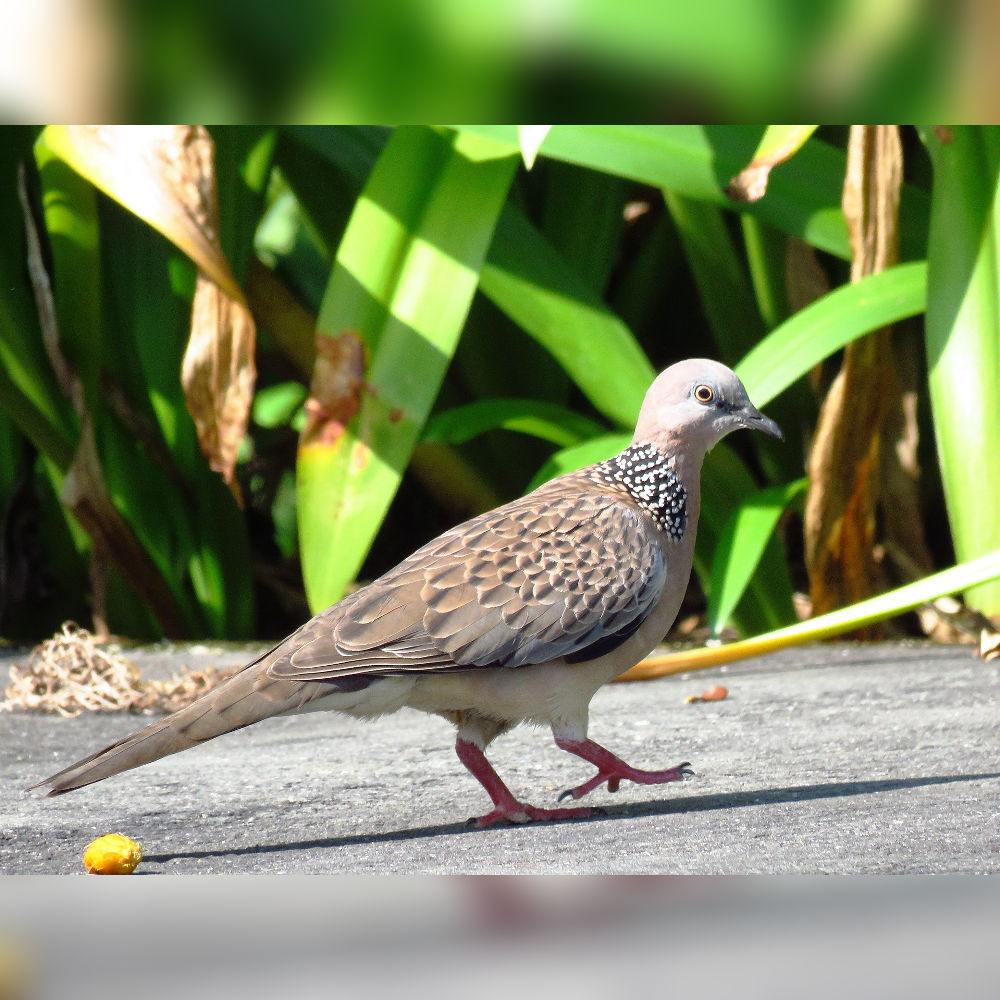
Spotted Dove
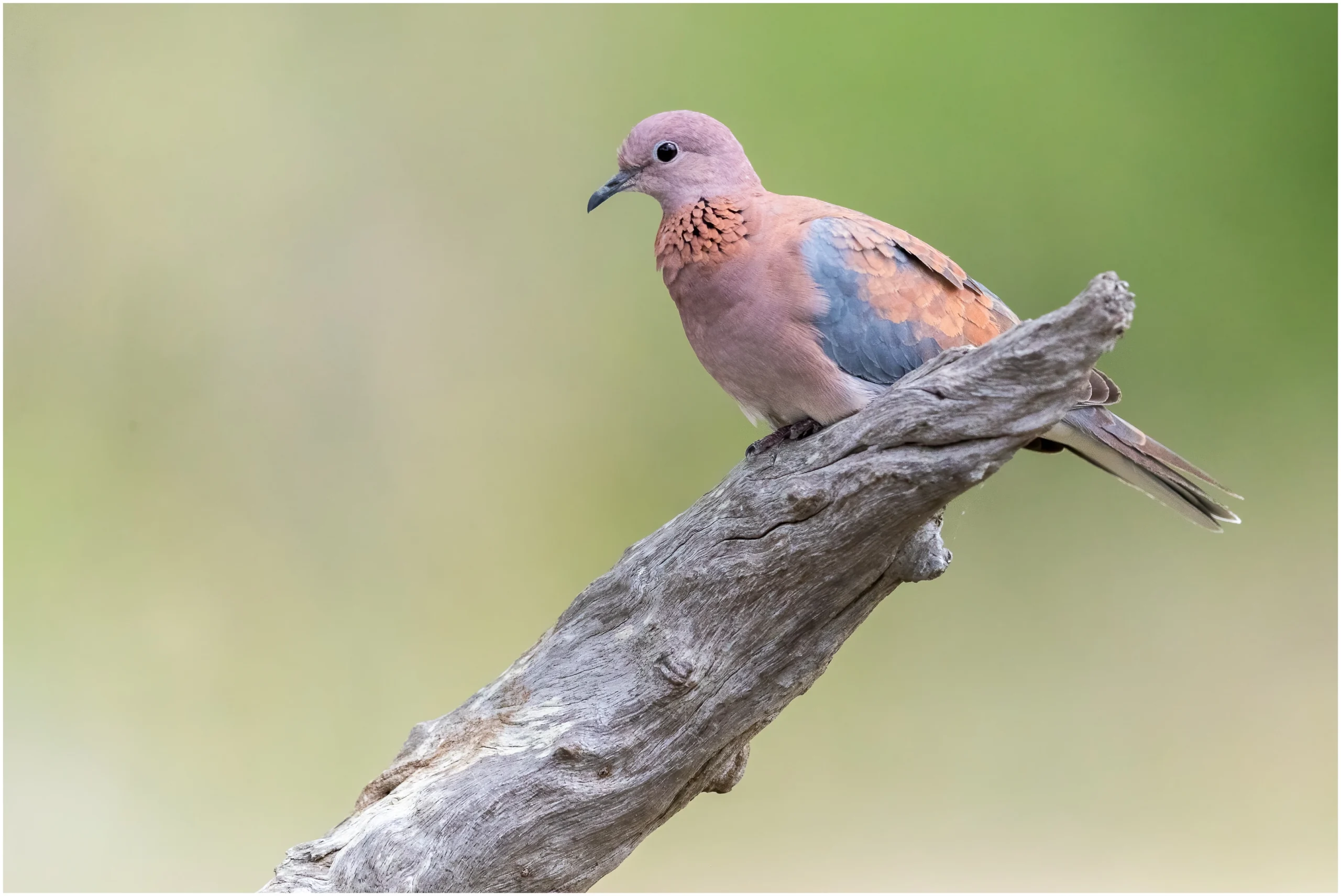
Laughing Dove
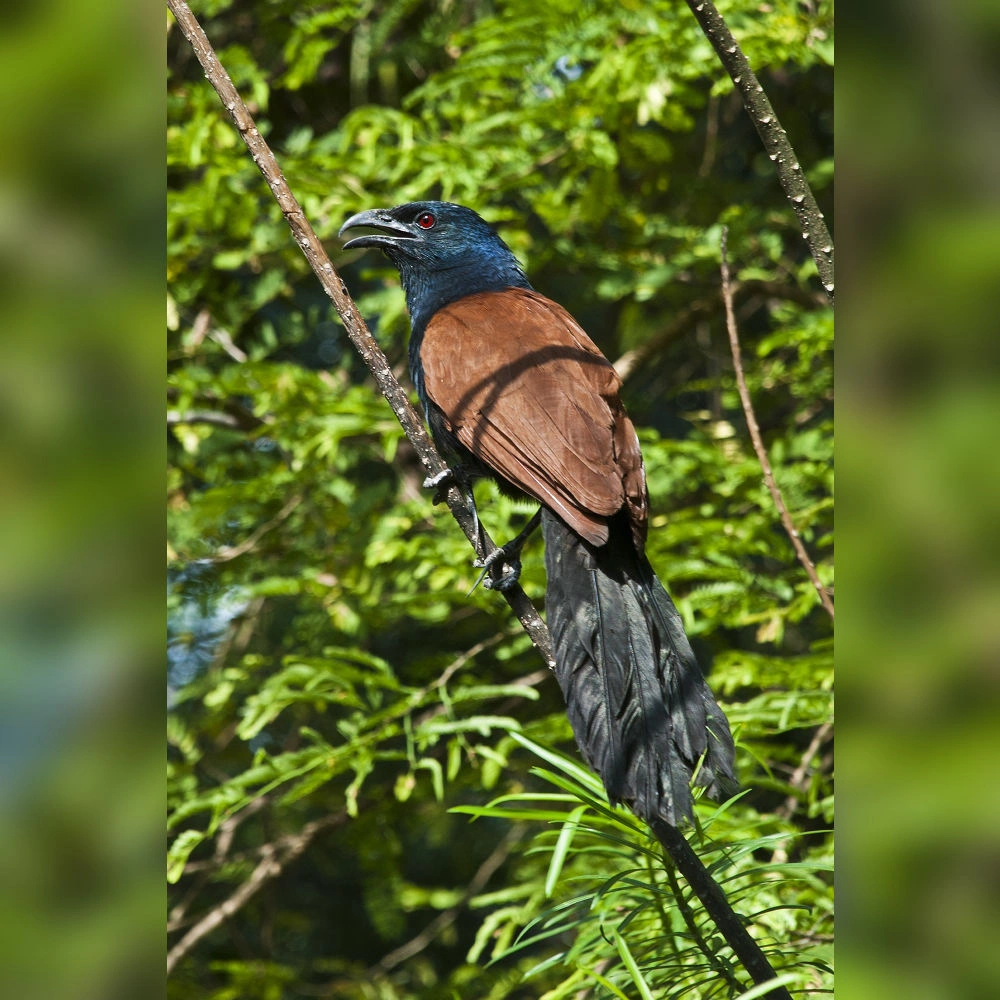
Greater Coucal
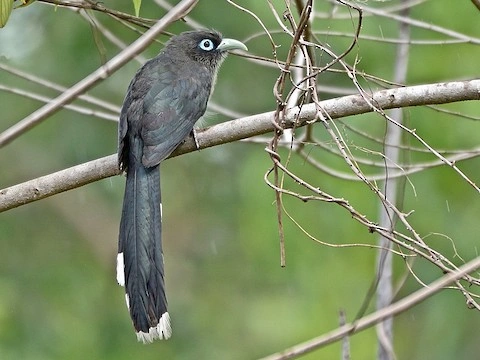
Blue-faced Malkoha
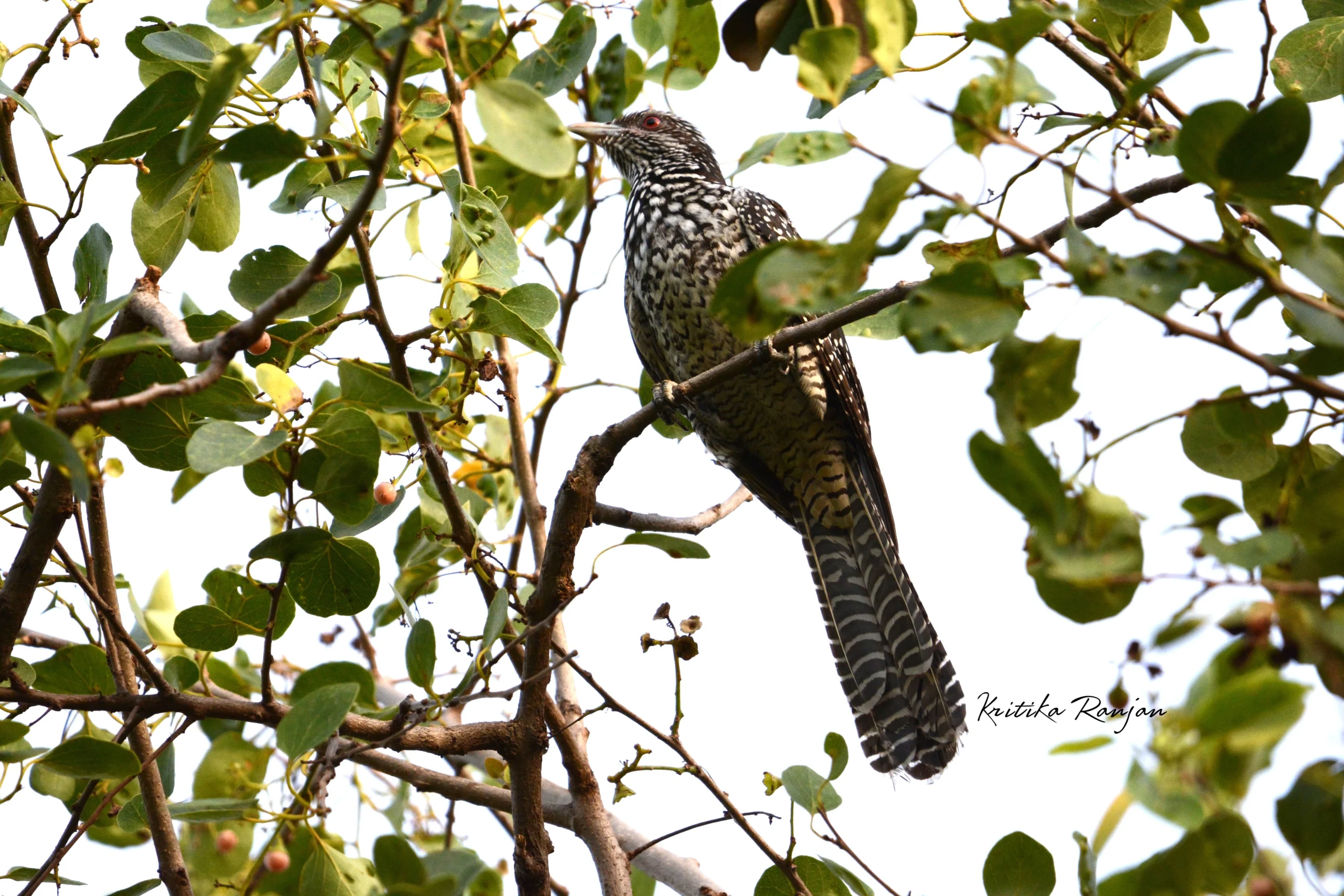
Asian Koel
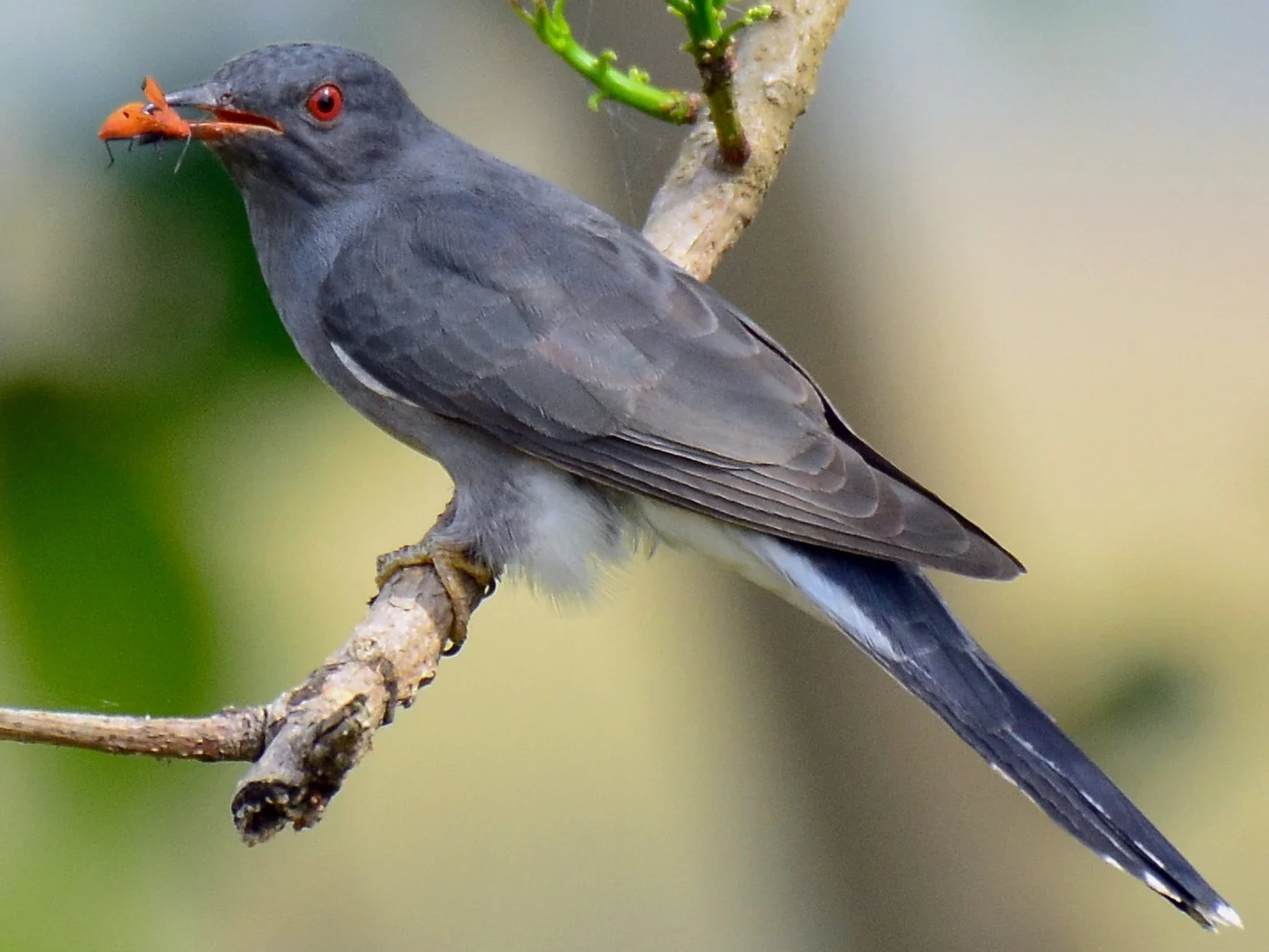
Grey-bellied Cuckoo
Common Hawk-Cuckoo
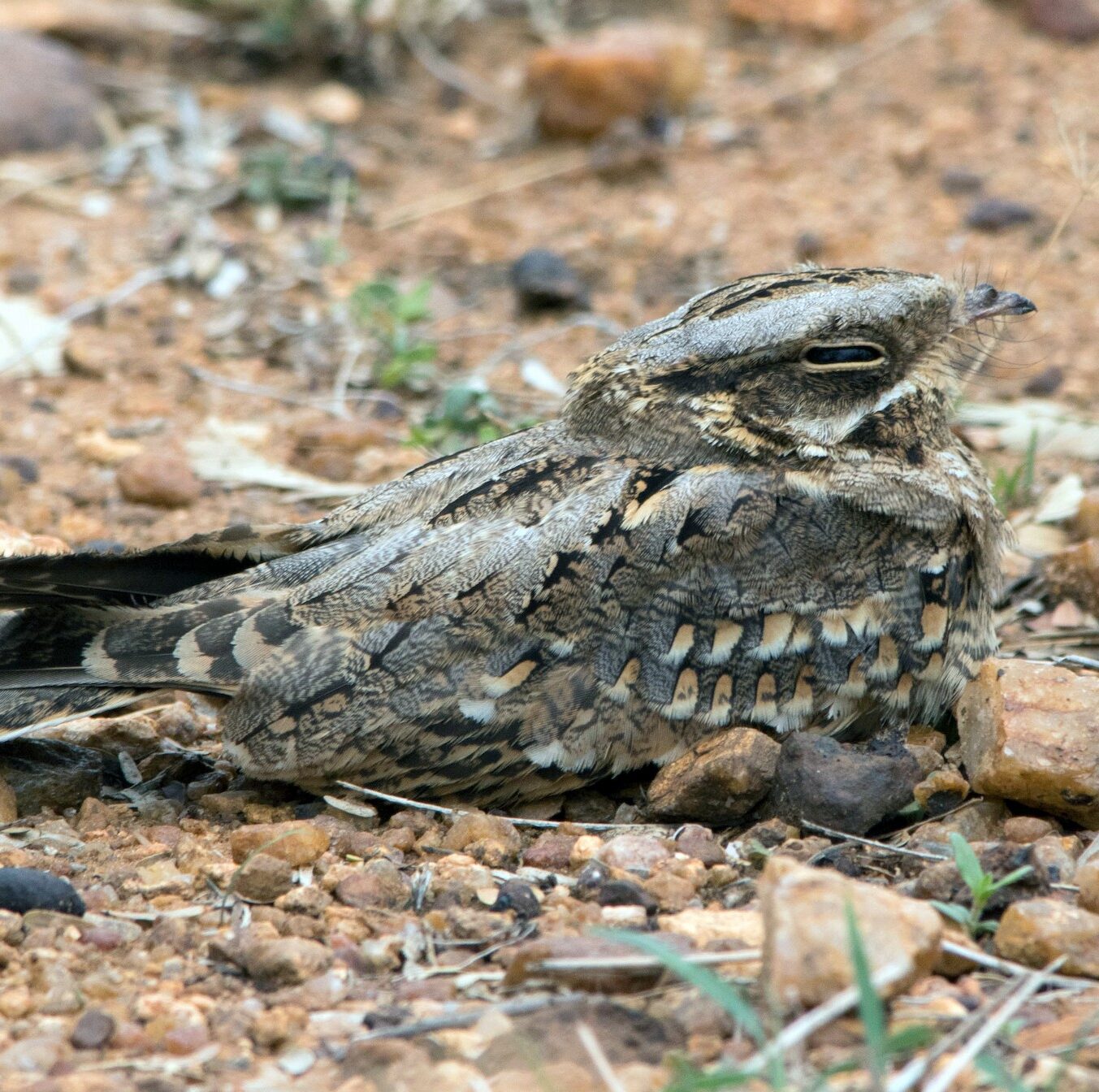
Indian Nightjar
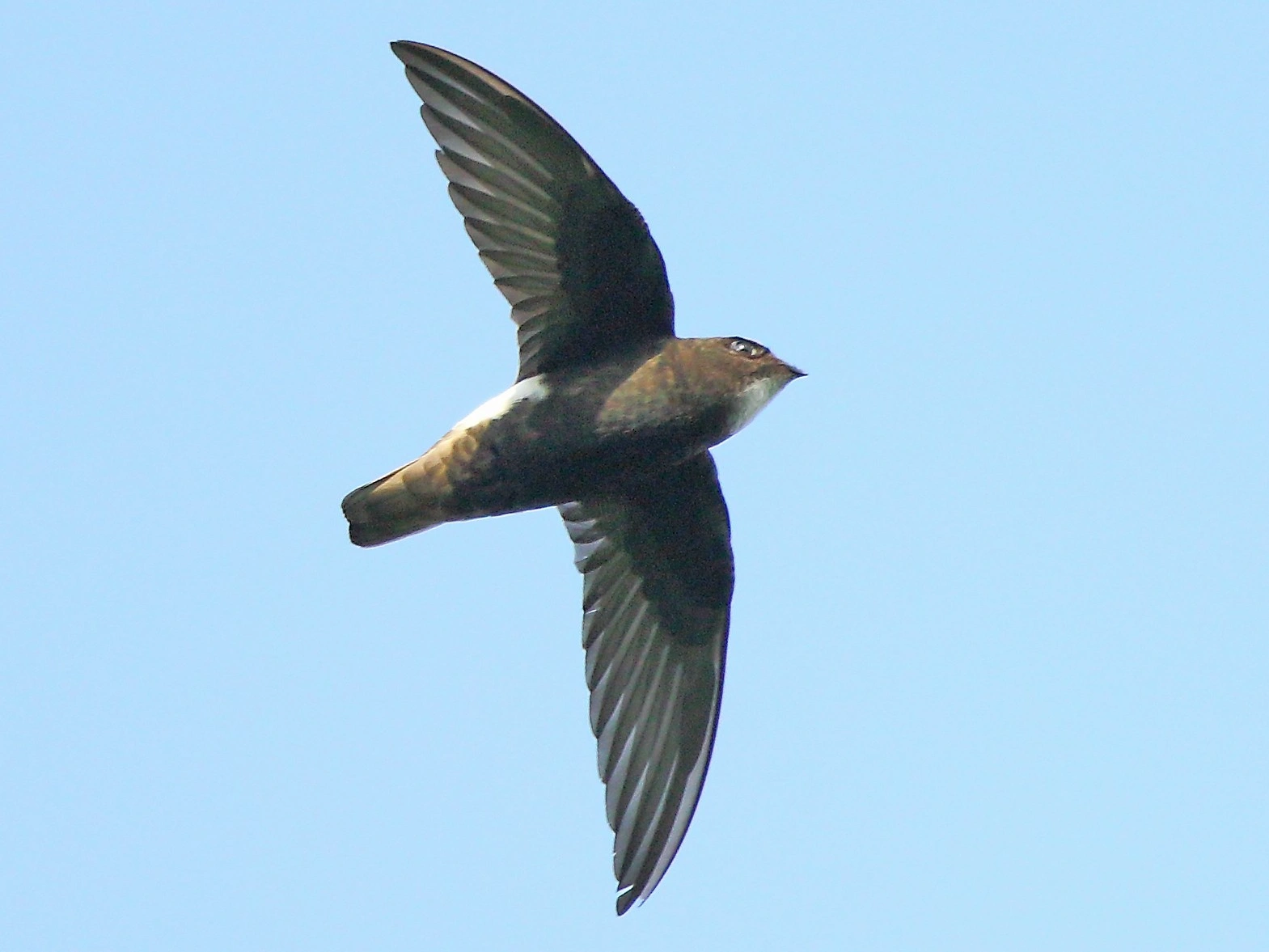
Little Swift
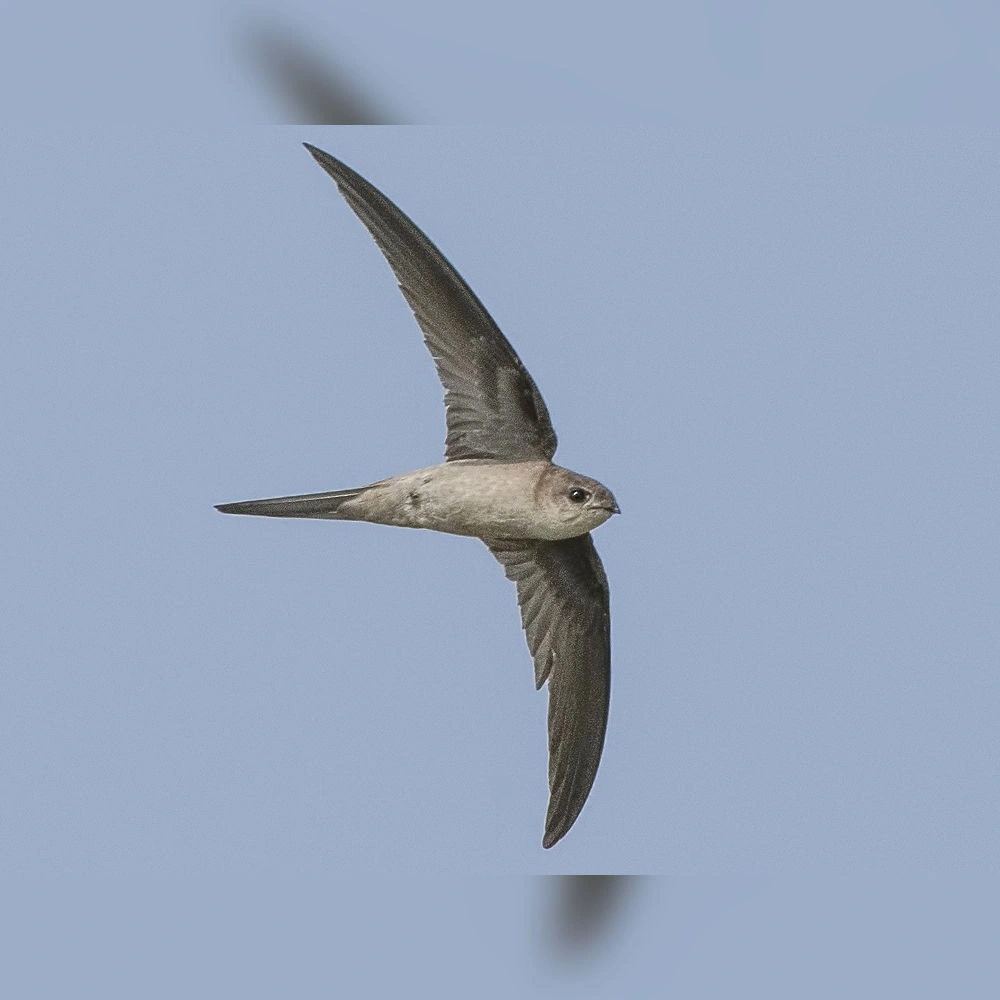
Asian Palm Swift
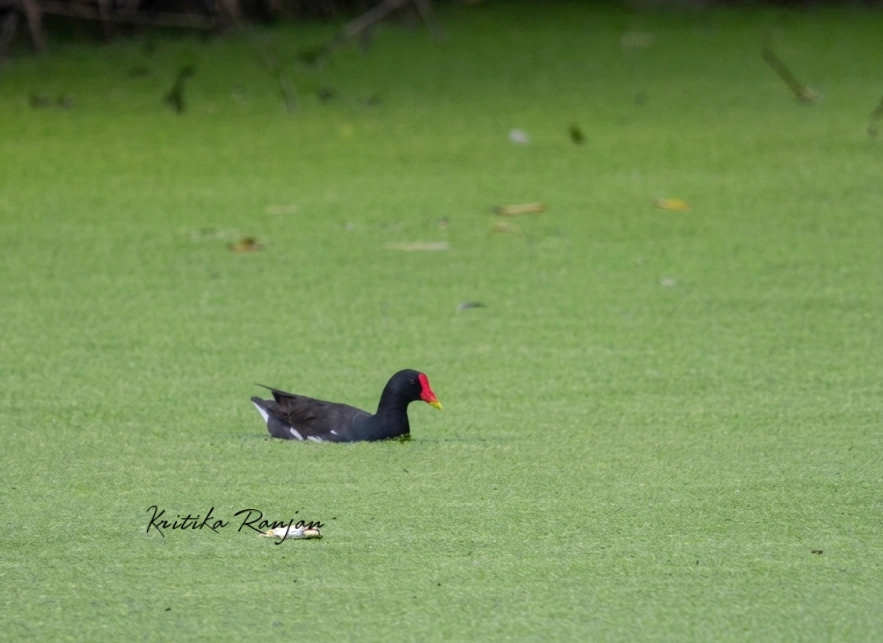
Eurasian Moorhen
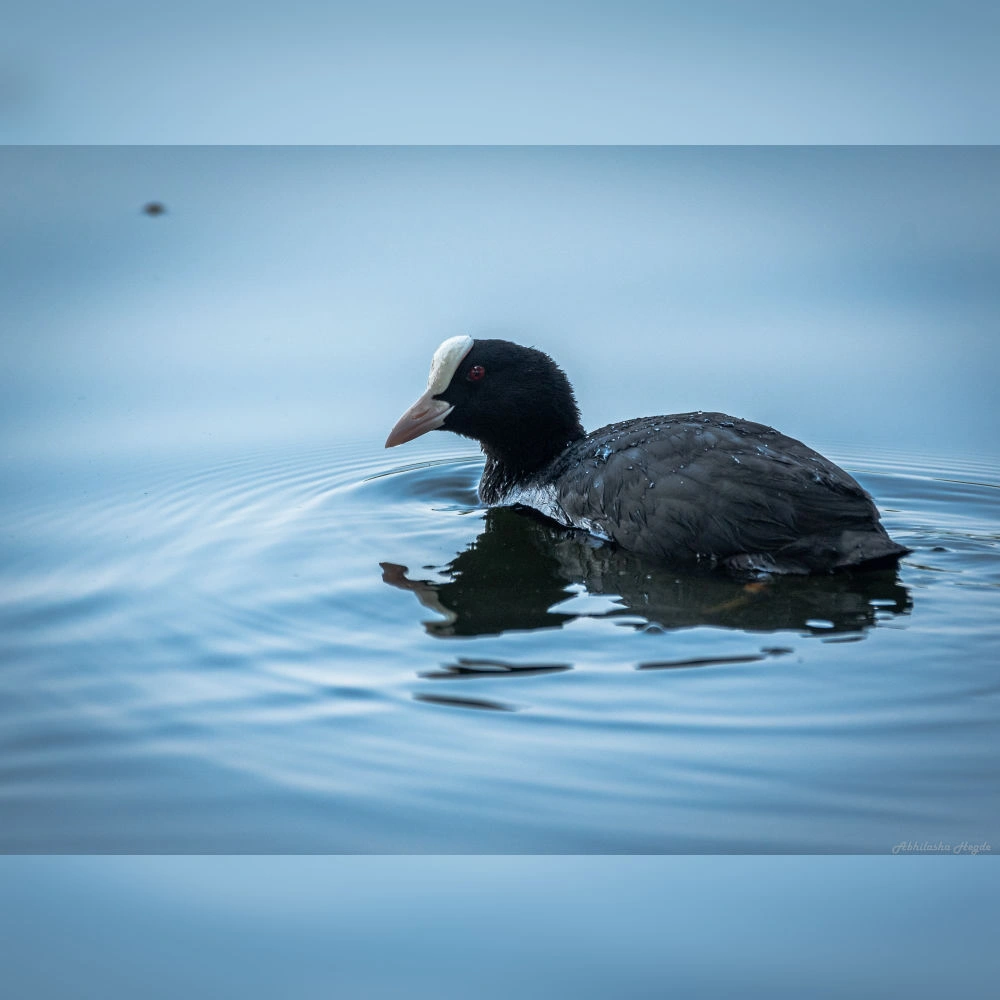
Eurasian Coot
Grey-headed Swamphen
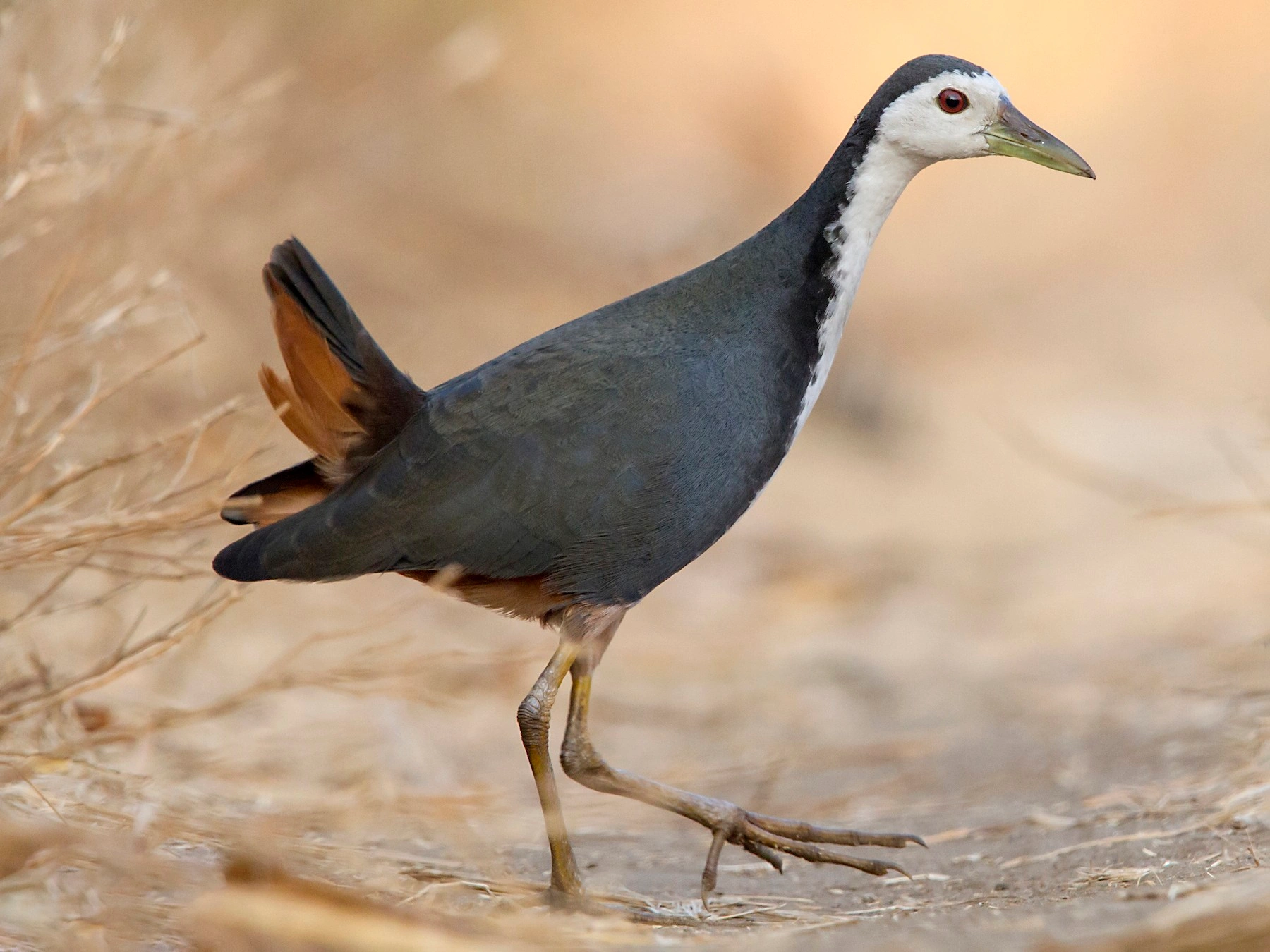
White-breasted Waterhen
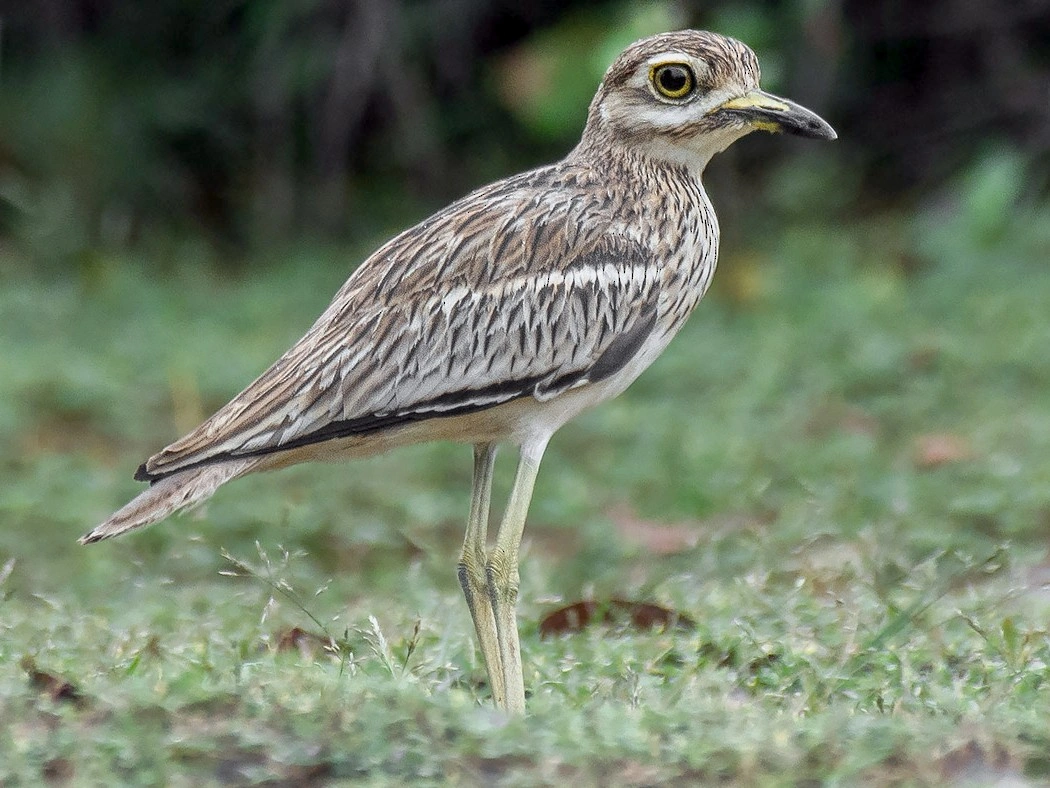
Indian Thick-knee
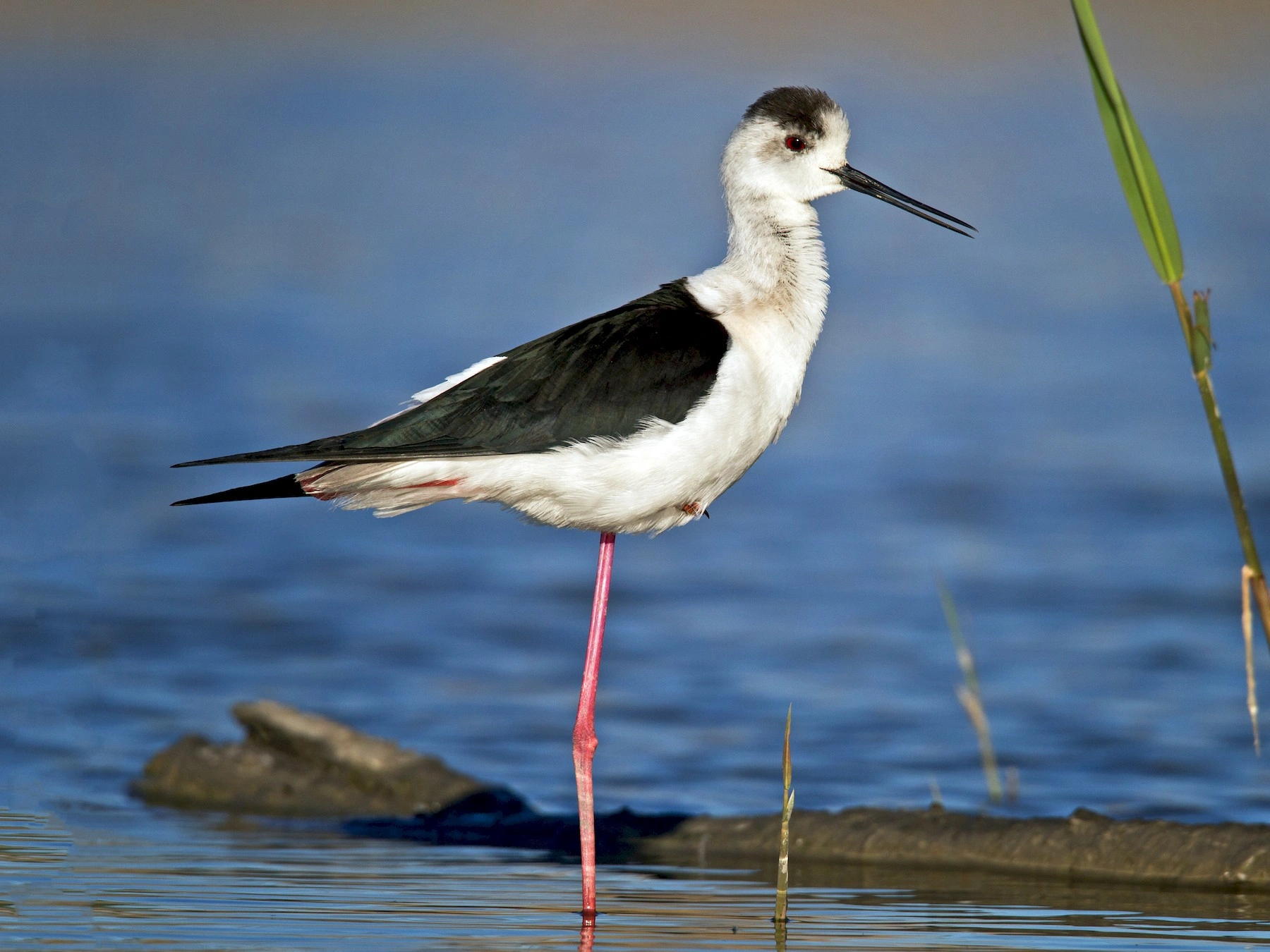
Black-winged Stilt
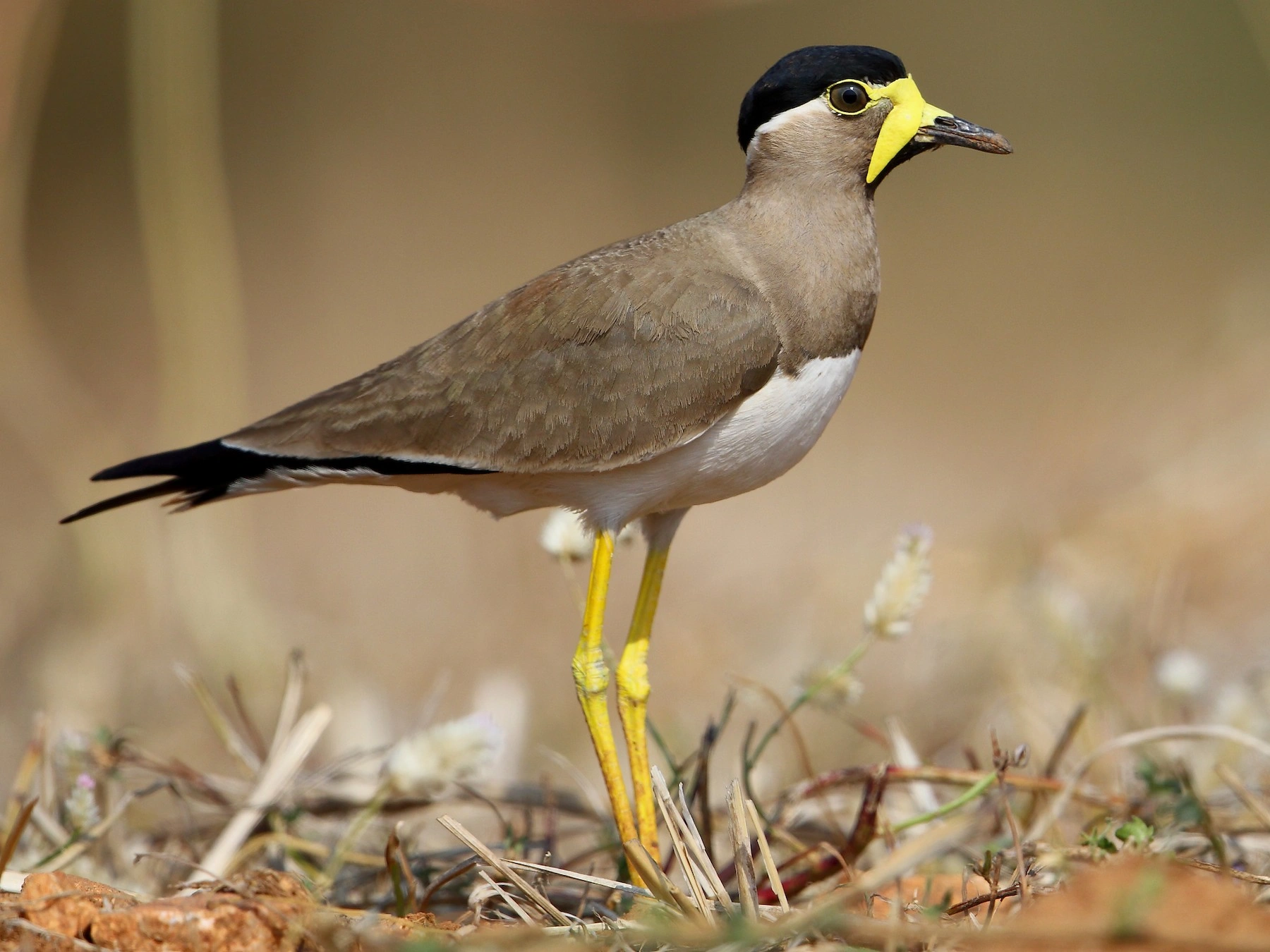
Yellow-wattled Lapwing

Summary of Walk

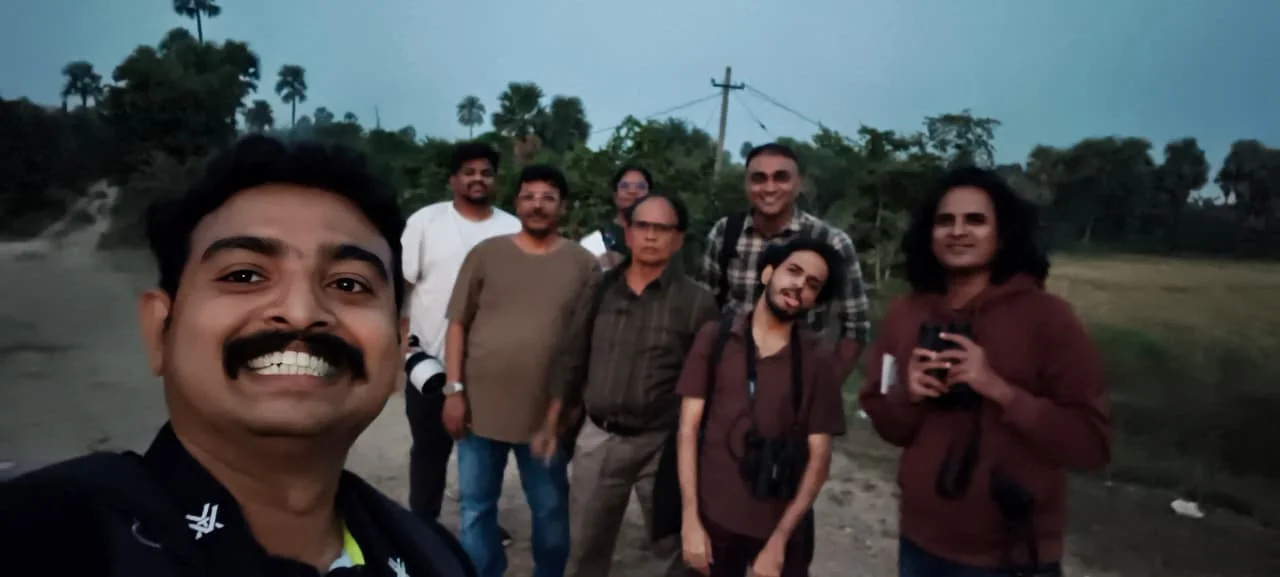
A group of bird enthusiasts joined guide Ashly Biji at Pasumamula Cheruvu on the eastern outskirts of Hyderabad on 14 November for a bright morning by the lake. Pasumamula is a large lake surrounded by rocky outcrops, scrub, grassland and farmland, a landscape typical of the Deccan plateau, and it has become a favourite spot for local birders thanks to the variety of habitats packed into one place.

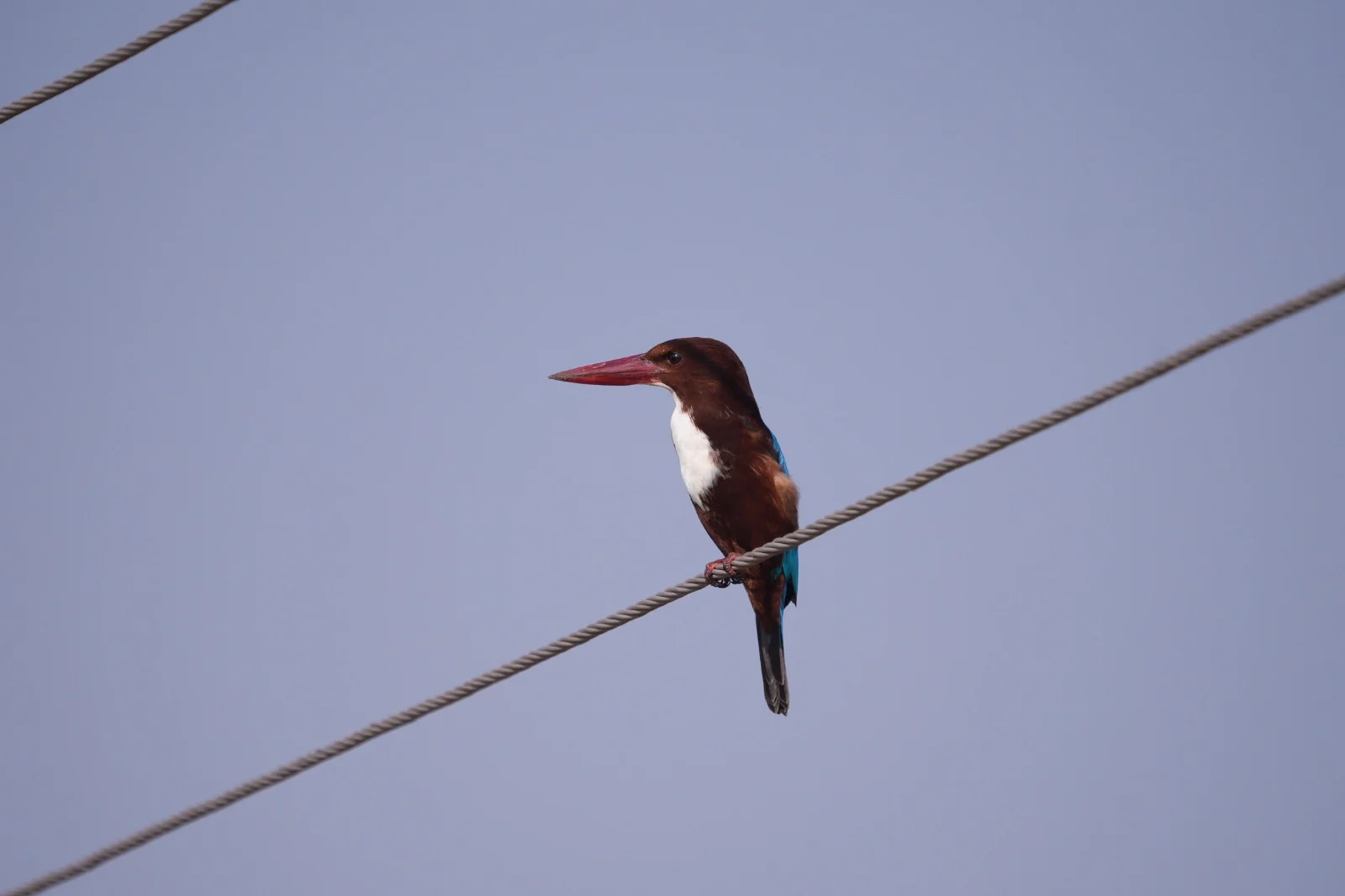
Lakes like Pasumamula are home to birds such as the Painted Stork, Spot-billed Pelican, Grey and Purple Herons, Glossy Ibis, Black-winged Stilt, River Tern and Pied Kingfisher, while the surrounding scrub and grassland hold larks, bee-eaters, shrikes, Indian Robins and raptors, and winter brings ducks, wagtails, harriers and sandpipers. Ashly led the walk with enthusiasm, helping participants scan the water and the shoreline, pick out birds by their silhouettes and calls, and understand how the lake and the rocky scrubland together support so many species. The pleasant November weather and the open skies made it a lovely morning, and participants enjoyed every moment of discovery. They left with new birds on their lists, plenty of photographs and a deeper appreciation for Hyderabad’s lakes as vital homes for wildlife.

Scroll to Top