Loading Events

Bird Walk at Near Rajghat Besant School, Varanasi

About Near Rajghat Besant School

In the north of Varanasi, the Varuna river meets the Ganga beside the leafy 400-acre campus of the Rajghat Education Centre. Jiddu Krishnamurti founded Rajghat Besant School there in 1934. Away from the crowded ghats, this high riverbank has groves of mango and other old trees, farmland, riverside scrub, and wide views over the Ganga’s sandbanks and floodplain. Along with ancient trees on the campus, open country and two rivers, the area has much richer wildlife than most of the city.
Birders come here for both river and woodland birds. On the Ganga, terns, lapwings, wagtails and cormorants use the sandbars. In winter, migrant ducks, gulls and waders often arrive. In the groves, barbets, orioles, woodpeckers and flycatchers are common, while kingfishers work the banks of the Varuna. The Ganges river dolphin, India’s national aquatic animal, still survives in this stretch of river. The ecosystem is fragile, though. Untreated sewage flowing into the Varuna, sand mining, riverfront construction, plastic waste and disturbance on the sandbanks all threaten it. Keeping the campus green, protecting the sandbars where birds nest, and cleaning up the rivers are essential to keeping this unusual corner of Kashi wild.

Bird Guide: Anjali Krishna

Certified Nature Guide by The Naturalist School. Daily lists one bird since 2021, at Sahyadri hills, Chennai, Nainital, Varanasi. eBird id is anjkrishna. She is a nature educator and has experience of over 25 years in birding.

Bird walk Location

Common birds of Near Rajghat Besant School

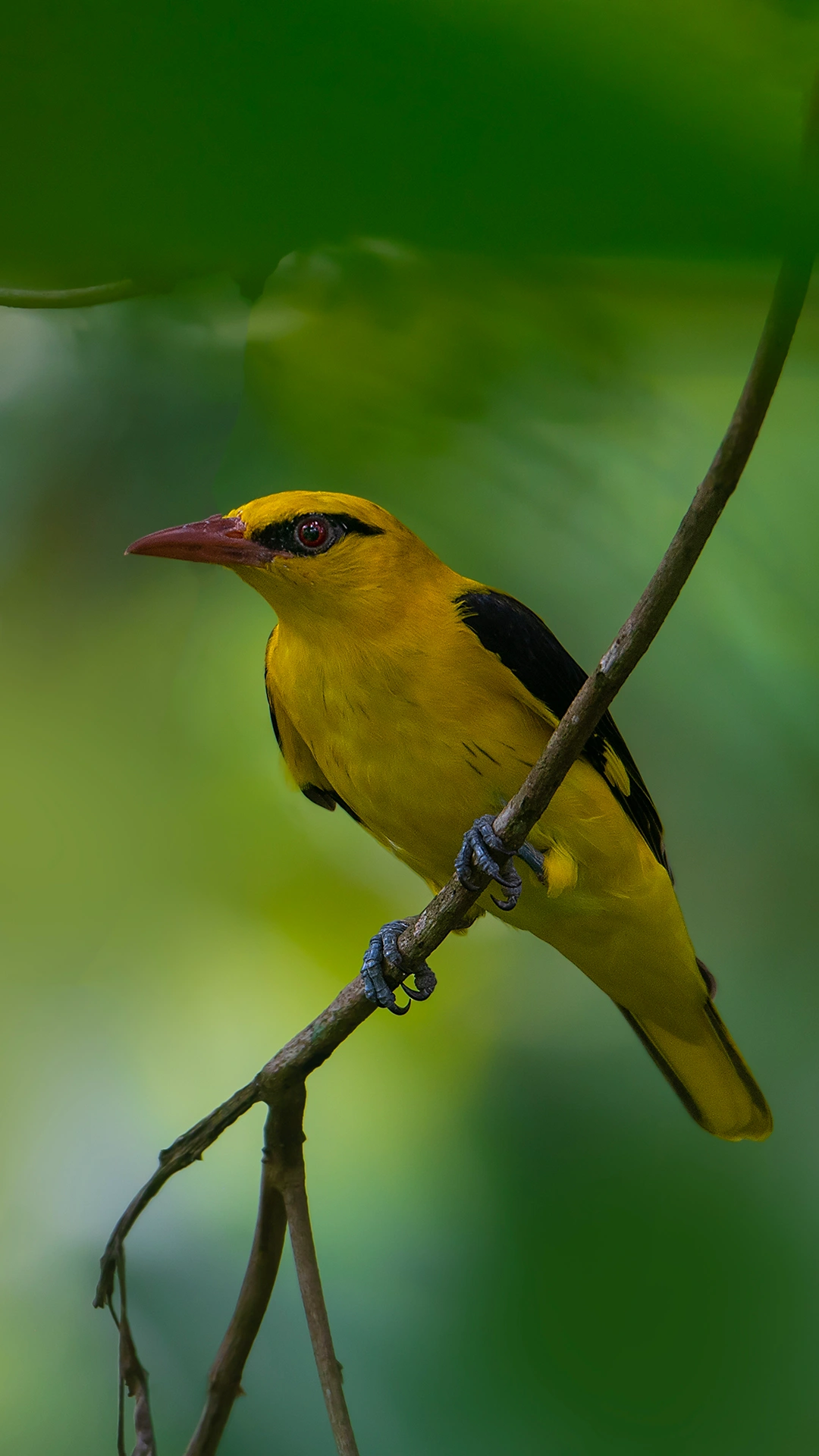
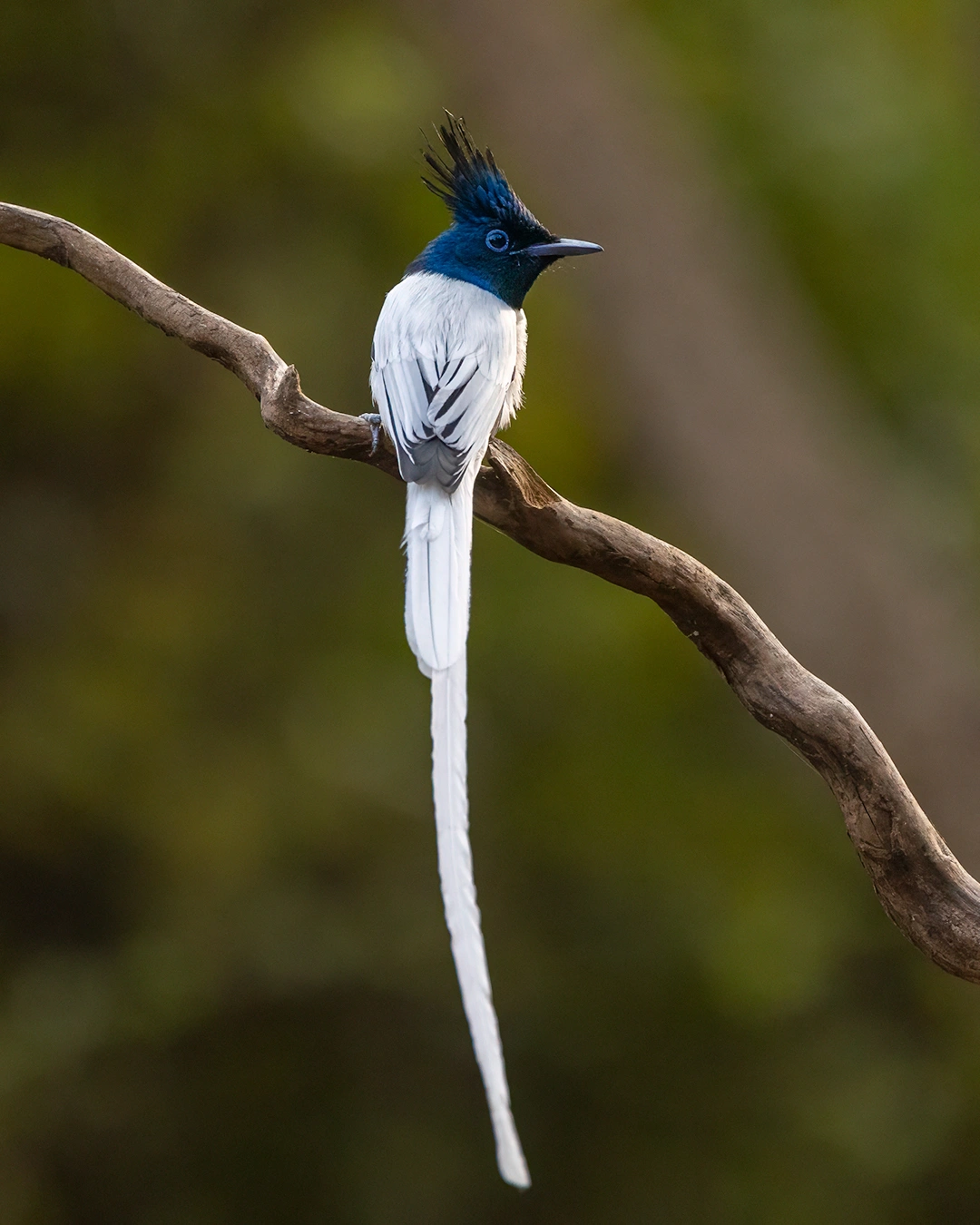
The old groves at Rajghat feel almost like a forest, and the birds match. The Indian Paradise-Flycatcher is the star, with its long, ribbon-like tail streaming through the shade. The Indian Golden Oriole and the Black-hooded Oriole add flashes of bright yellow and fluting calls to the canopy. The Yellow-footed Green-Pigeon, Uttar Pradesh’s state bird, feeds quietly on figs. The Plum-headed Parakeet, with its rosy head, is a gentler cousin of the noisy Rose-ringed Parakeet. Brown-headed Barbets call from the treetops and Black-rumped Flamebacks drum on old trunks. The Greenish Warbler stops here on its long migration and sings from the trees on campus. Closer to the Varuna, White-throated Kingfishers flash electric blue, Little Cormorants fish, and Black-crowned Night Herons roost out of sight until dusk. Red-wattled Lapwings keep watch on open ground. In the undergrowth, Large Gray and Jungle Babblers forage in chattering groups, the Oriental Magpie-Robin sings, and the Gray Francolin’s calls ring out across the fields. Rufous Treepies, Black Drongos and a hunting Shikra complete a list that shows how much birdlife a green, protected campus can hold.
Indian Paradise-Flycatcher
Indian Golden Oriole
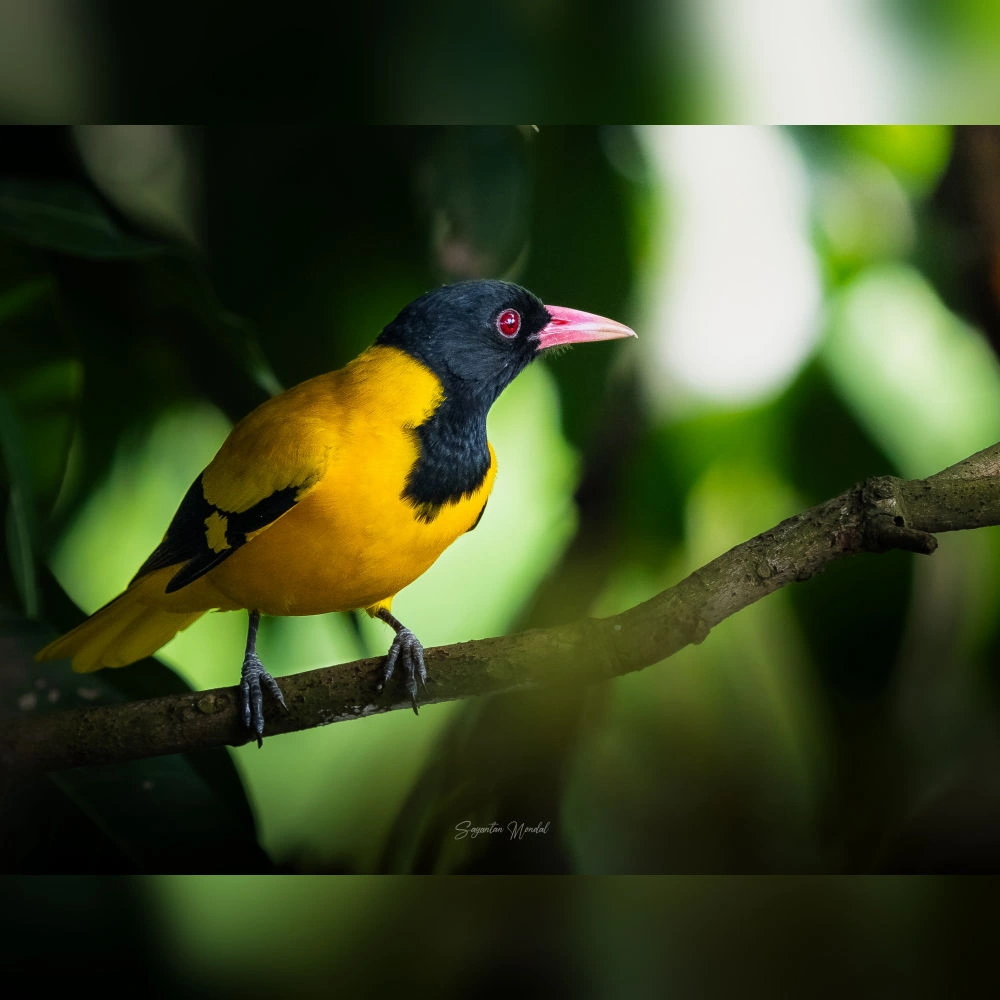
Black-hooded Oriole
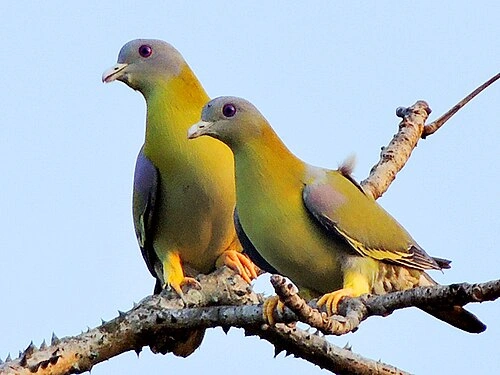
Yellow-footed Green-Pigeon
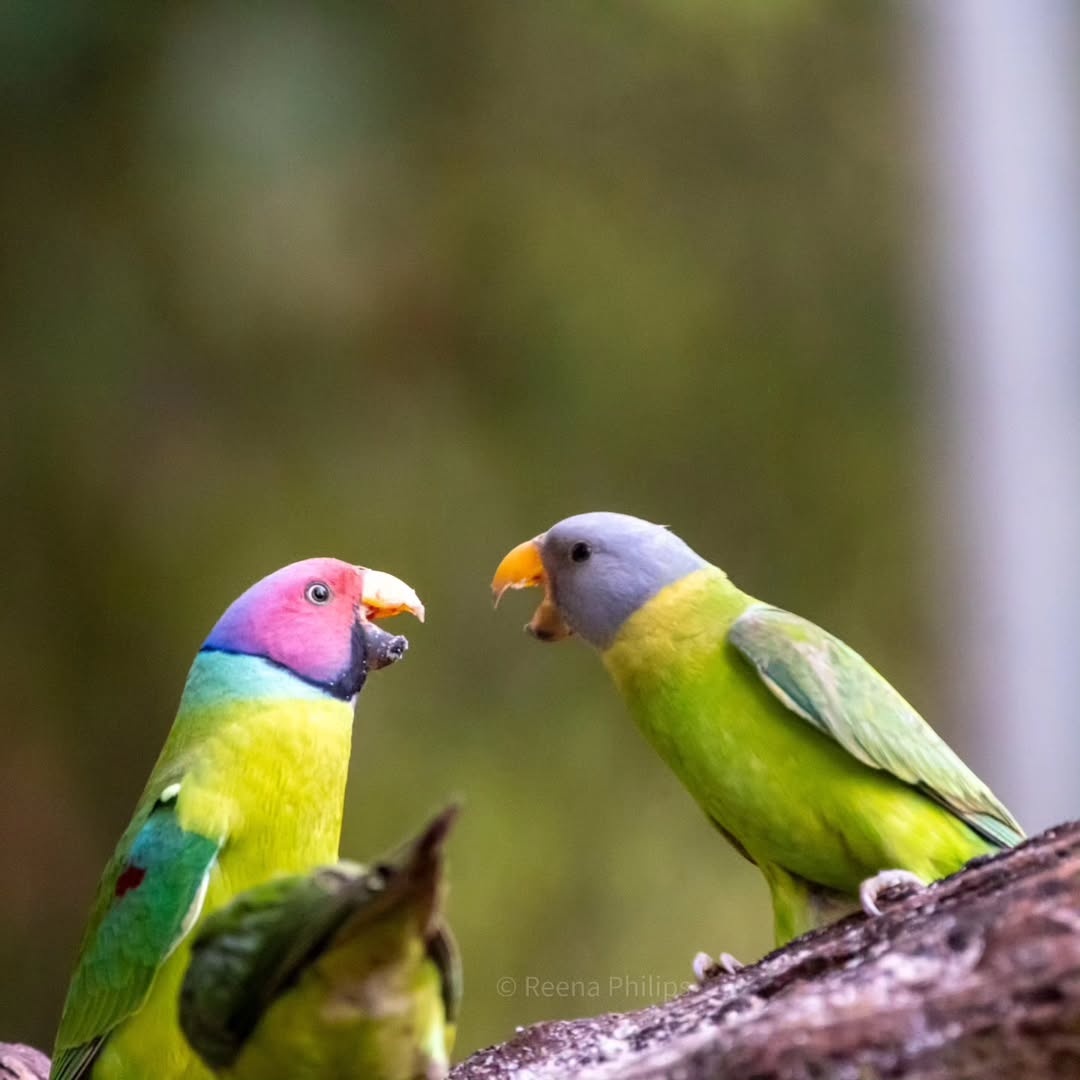
Plum-headed Parakeet
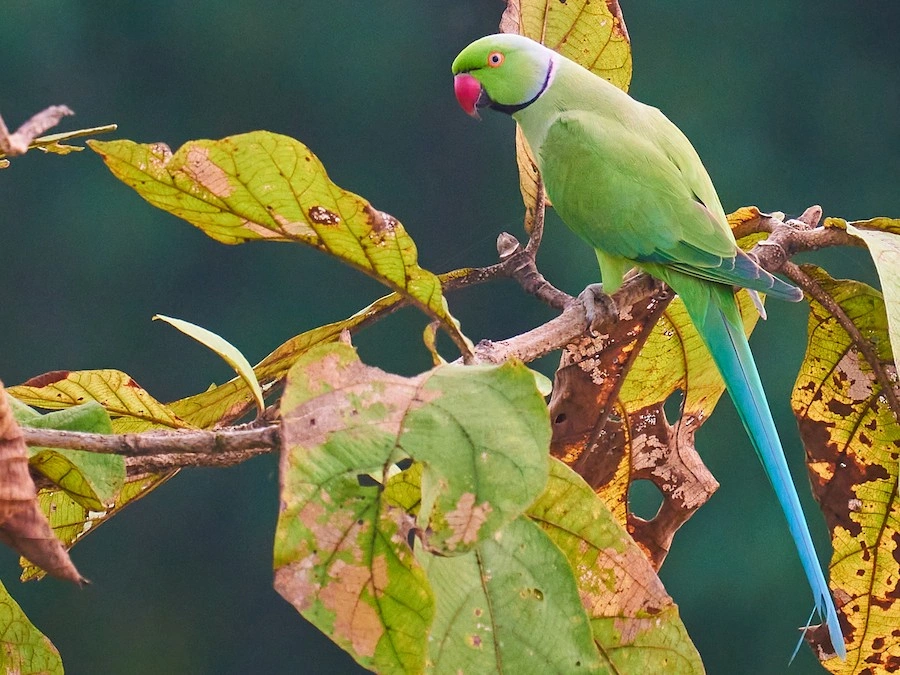
Rose-ringed Parakeet
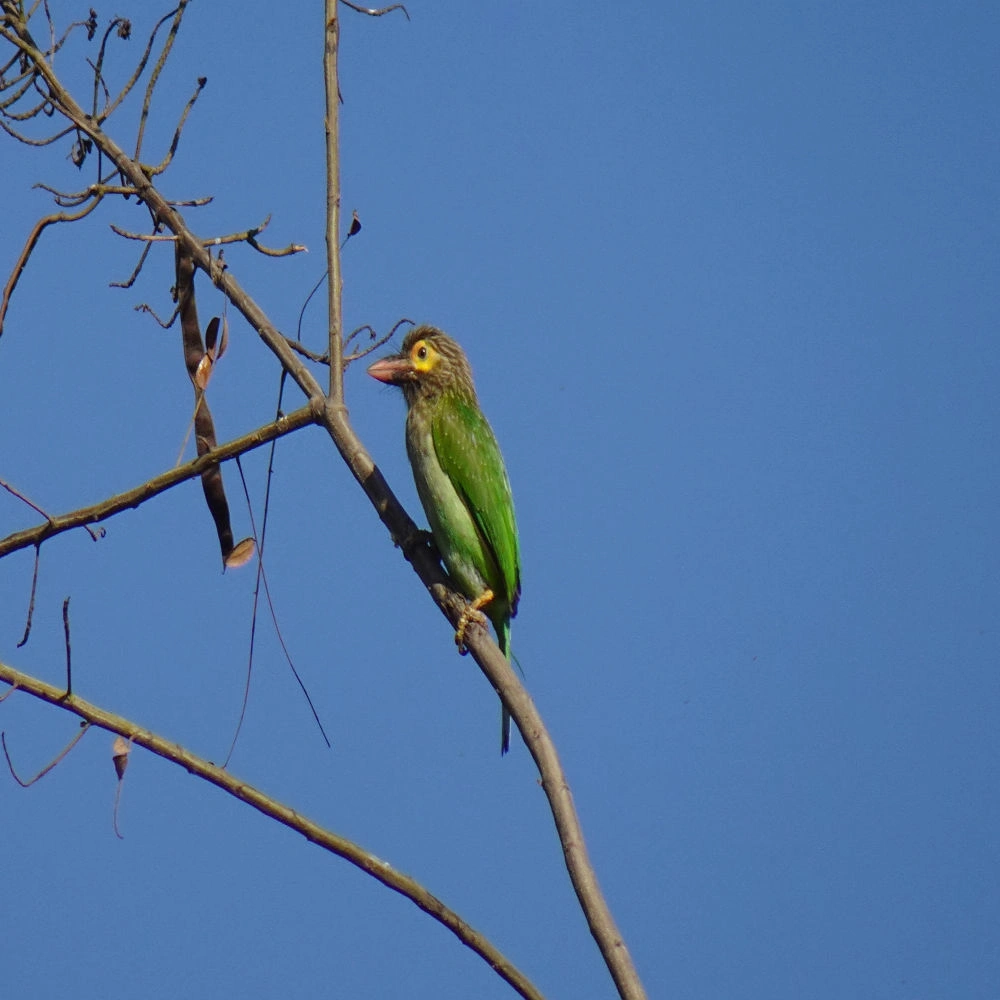
Brown-headed Barbet
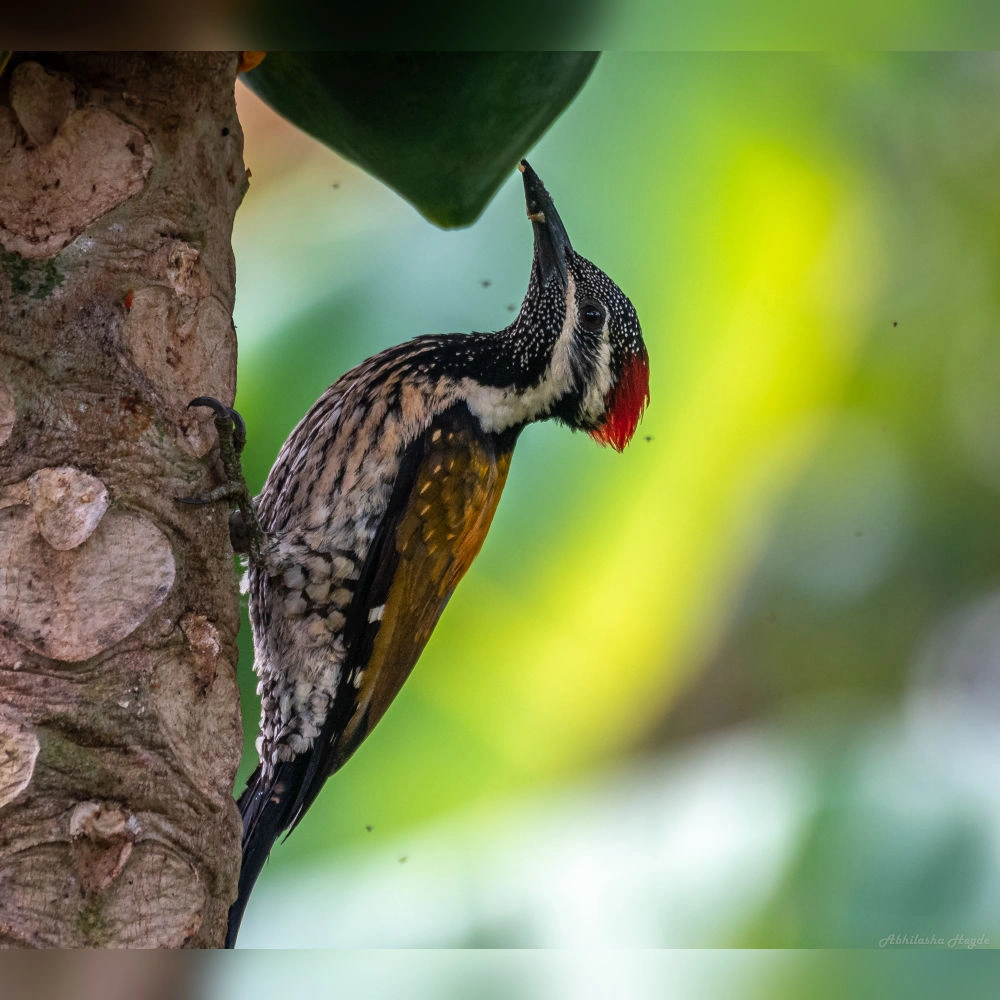
Black-rumped Flameback
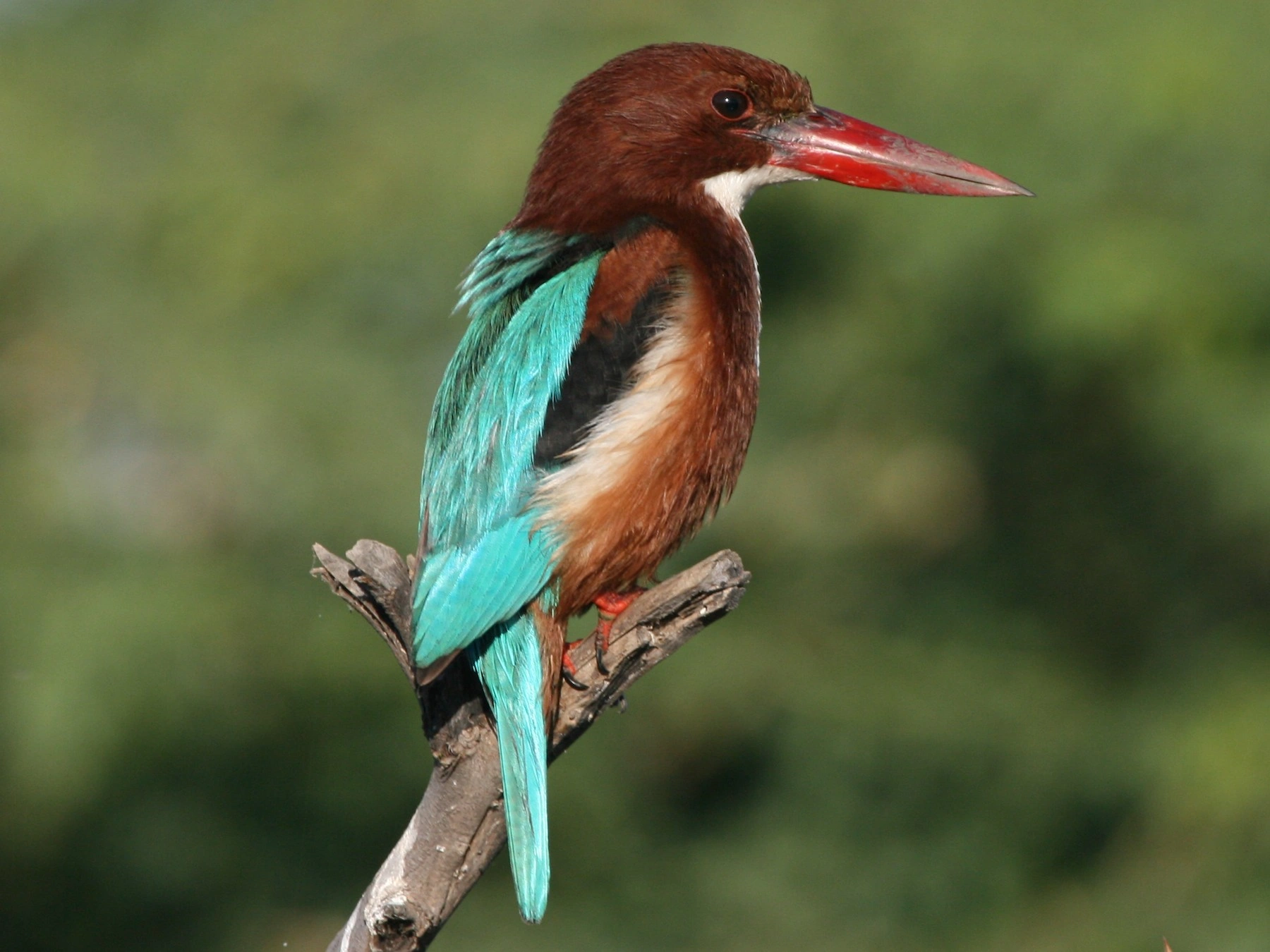
White-throated Kingfisher
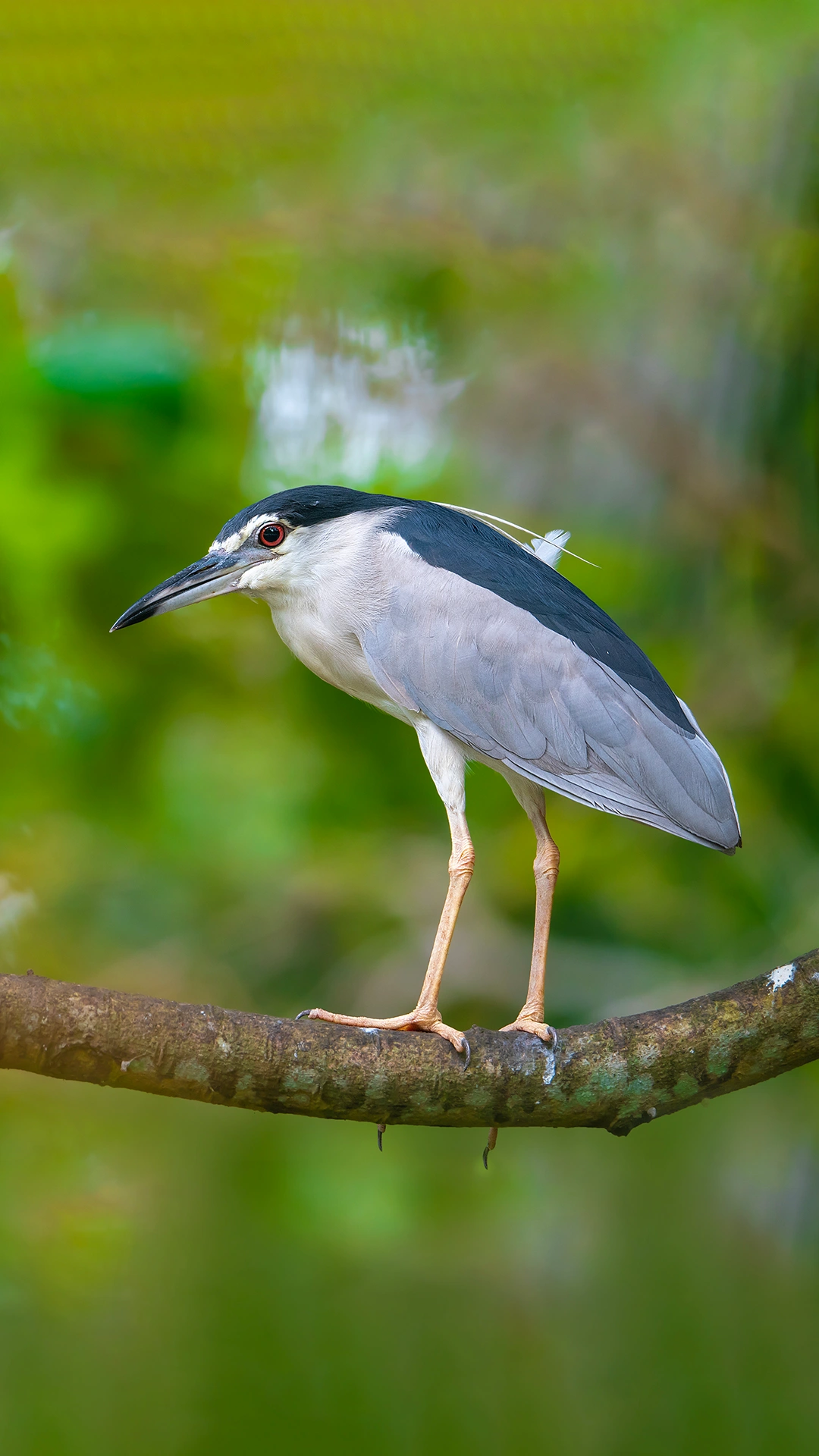
Black-crowned Night Heron
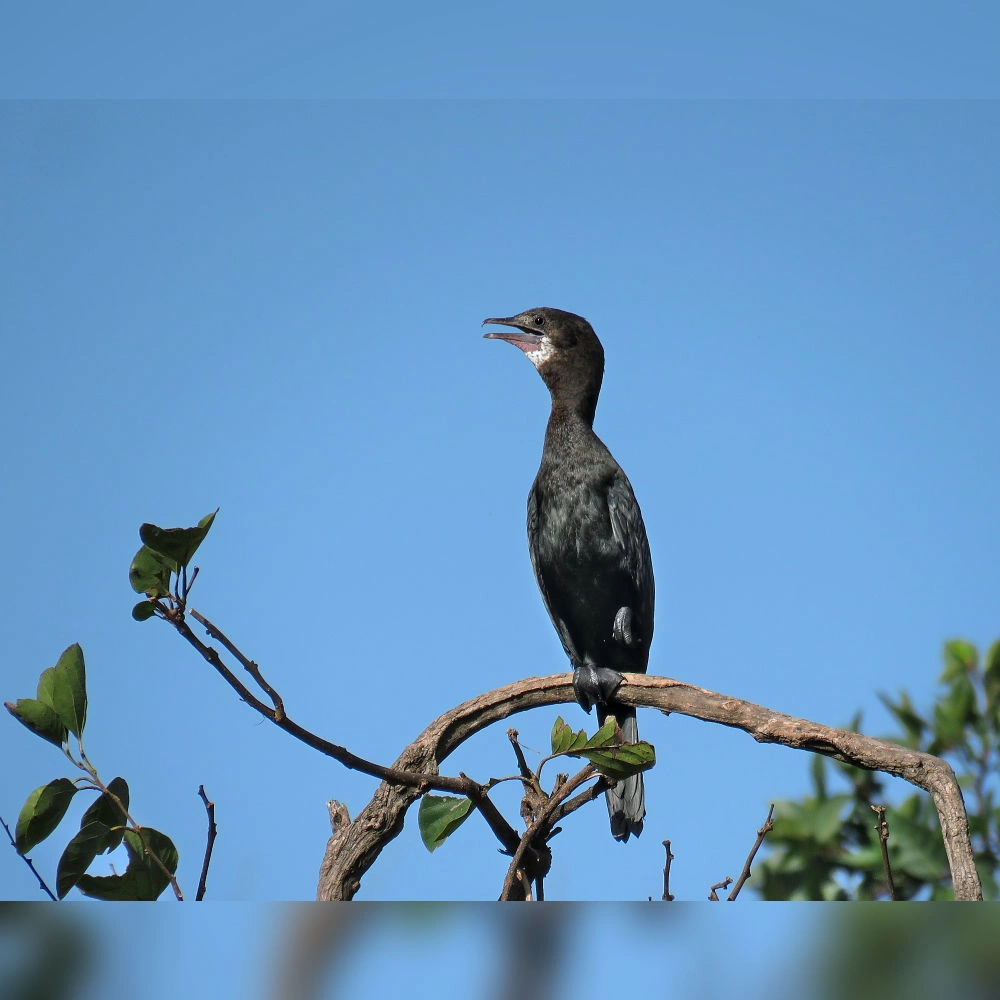
Little Cormorant
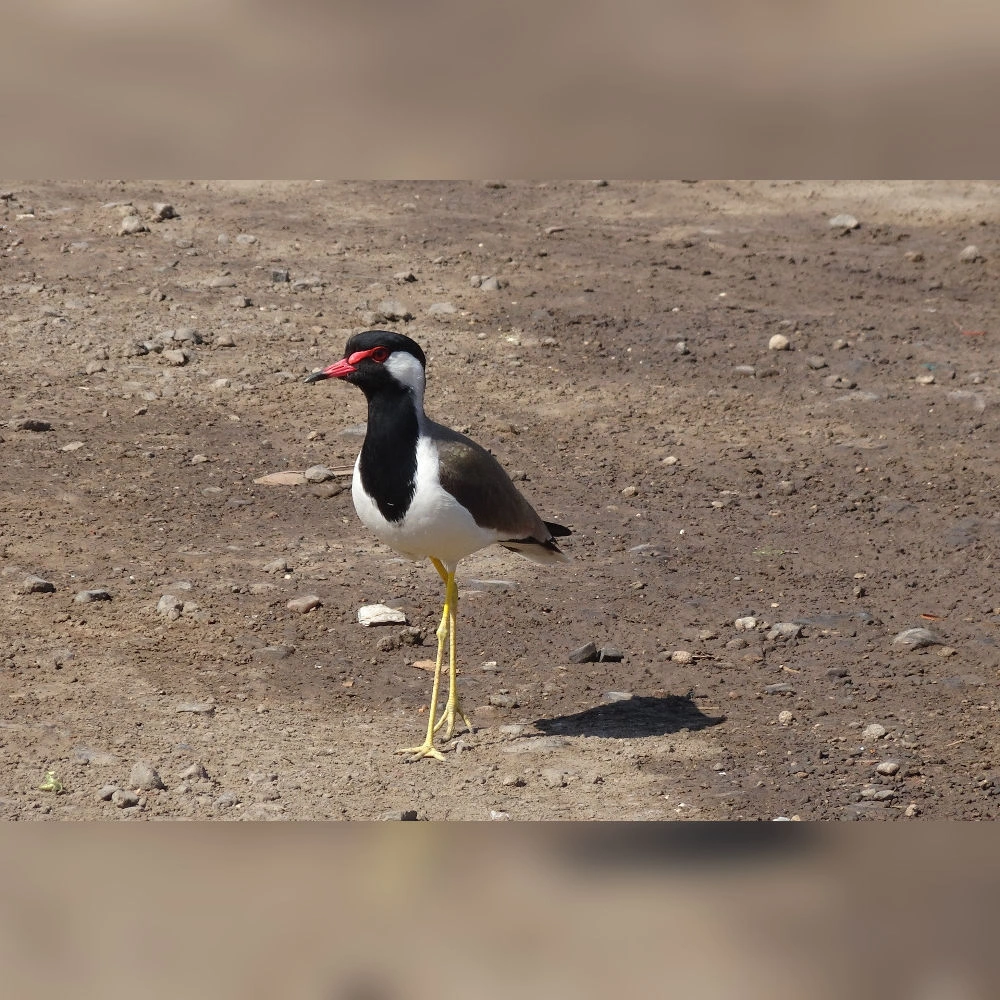
Red-wattled Lapwing
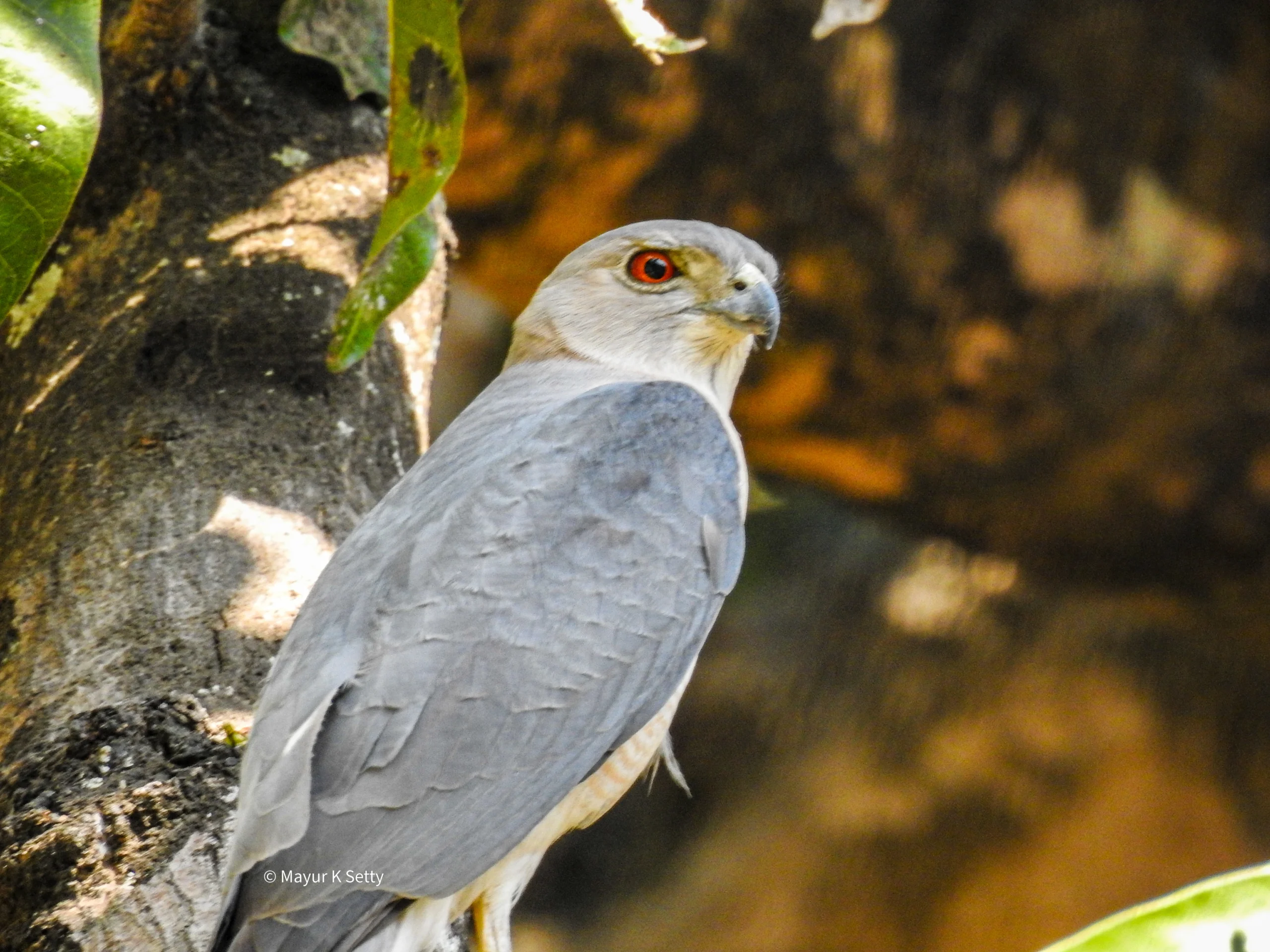
Shikra
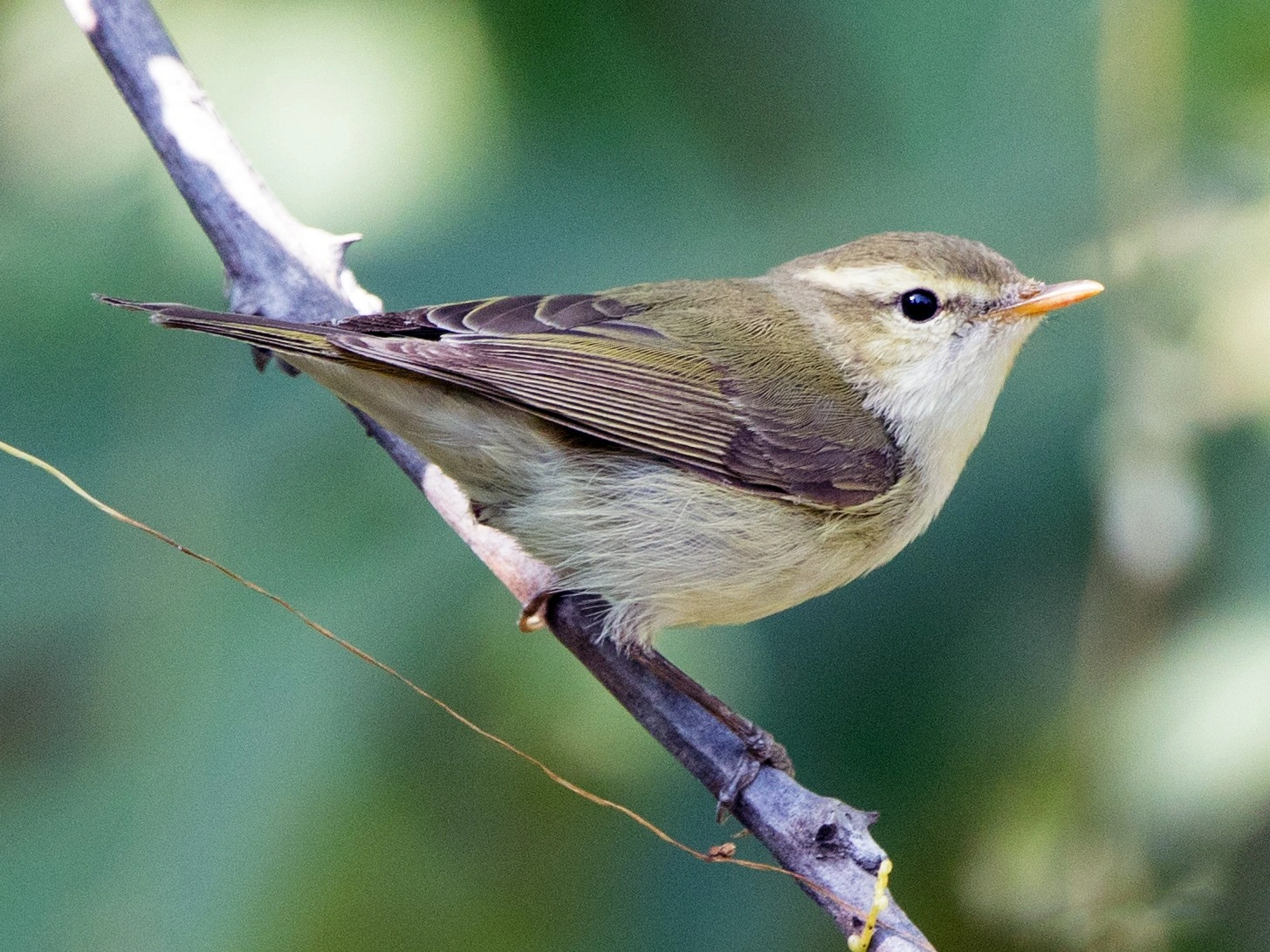
Greenish Warbler
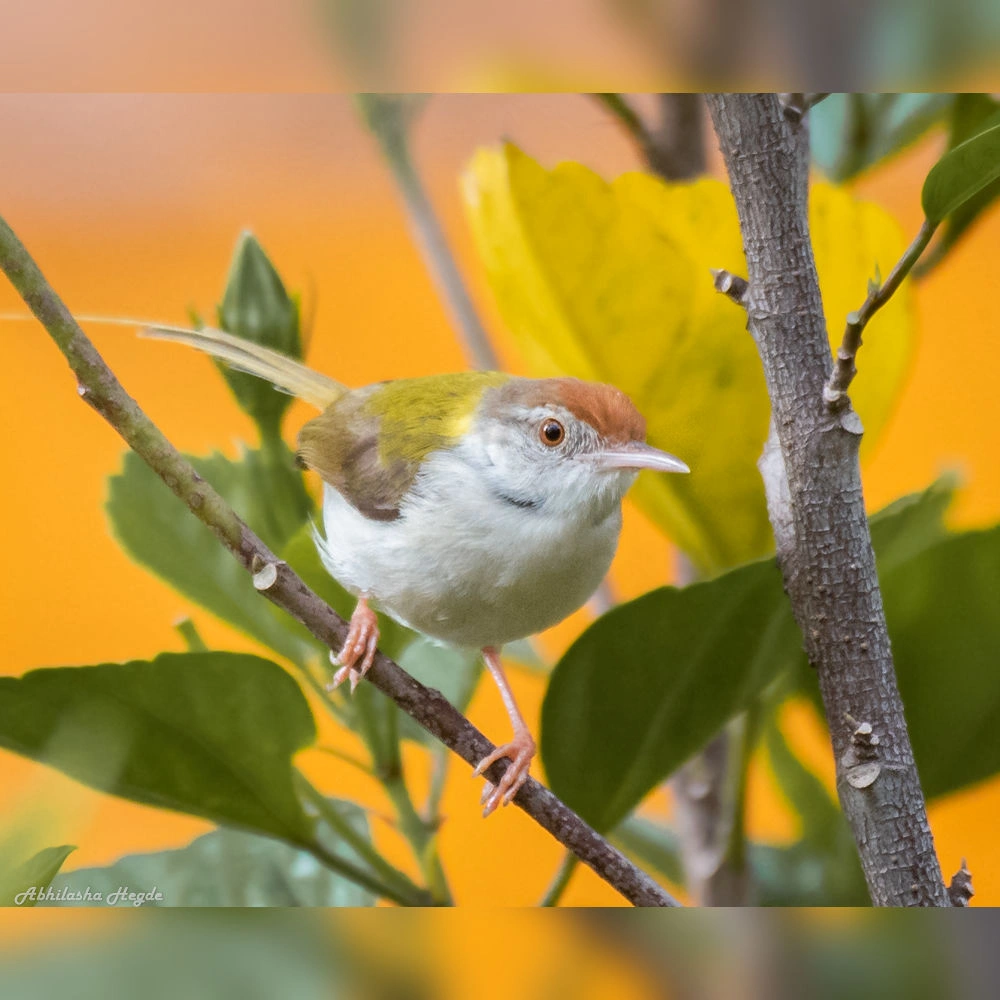
Common Tailorbird
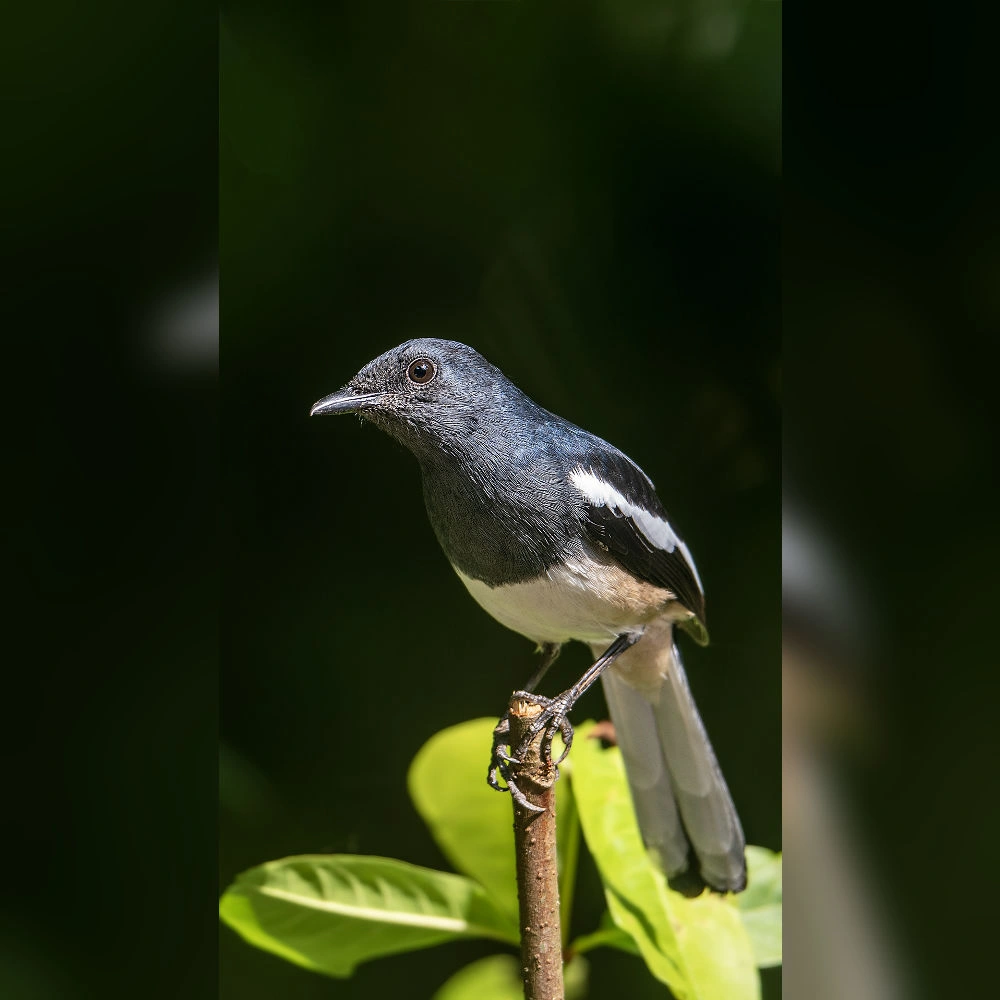
Oriental Magpie-Robin
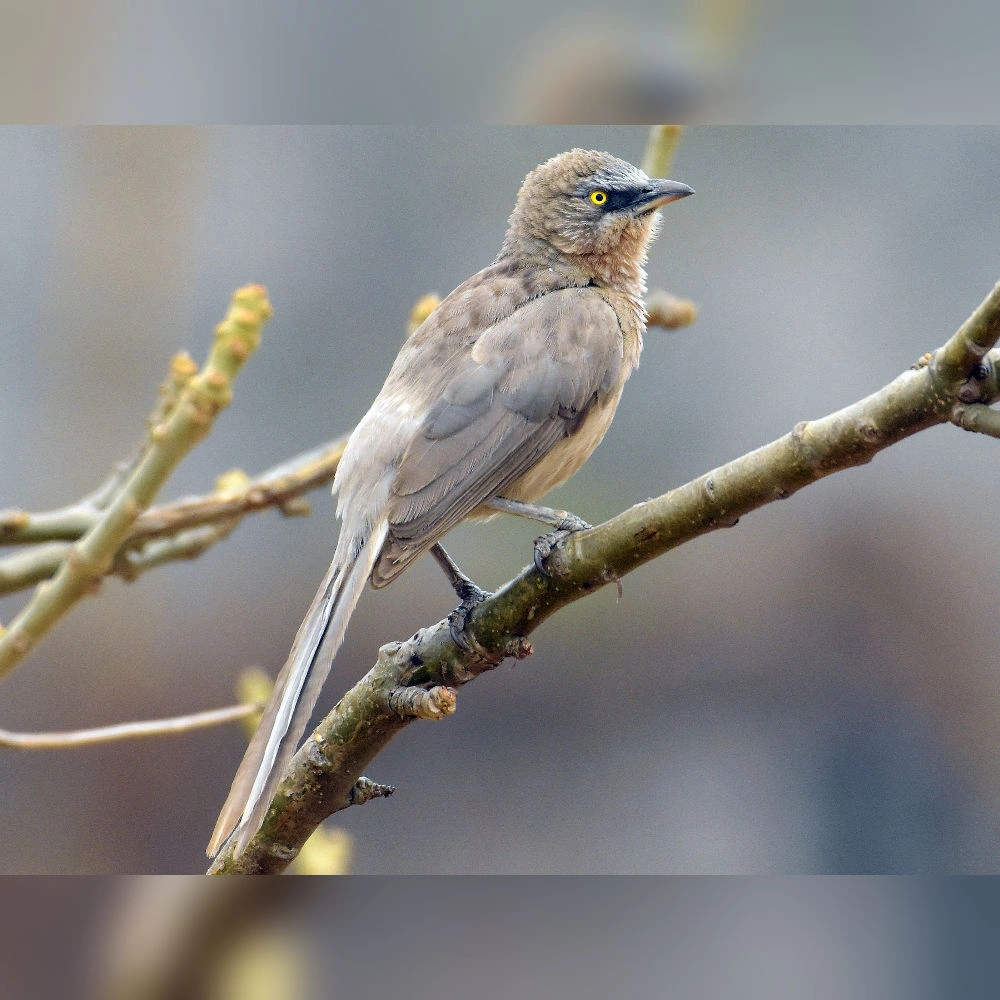
Large Gray Babbler
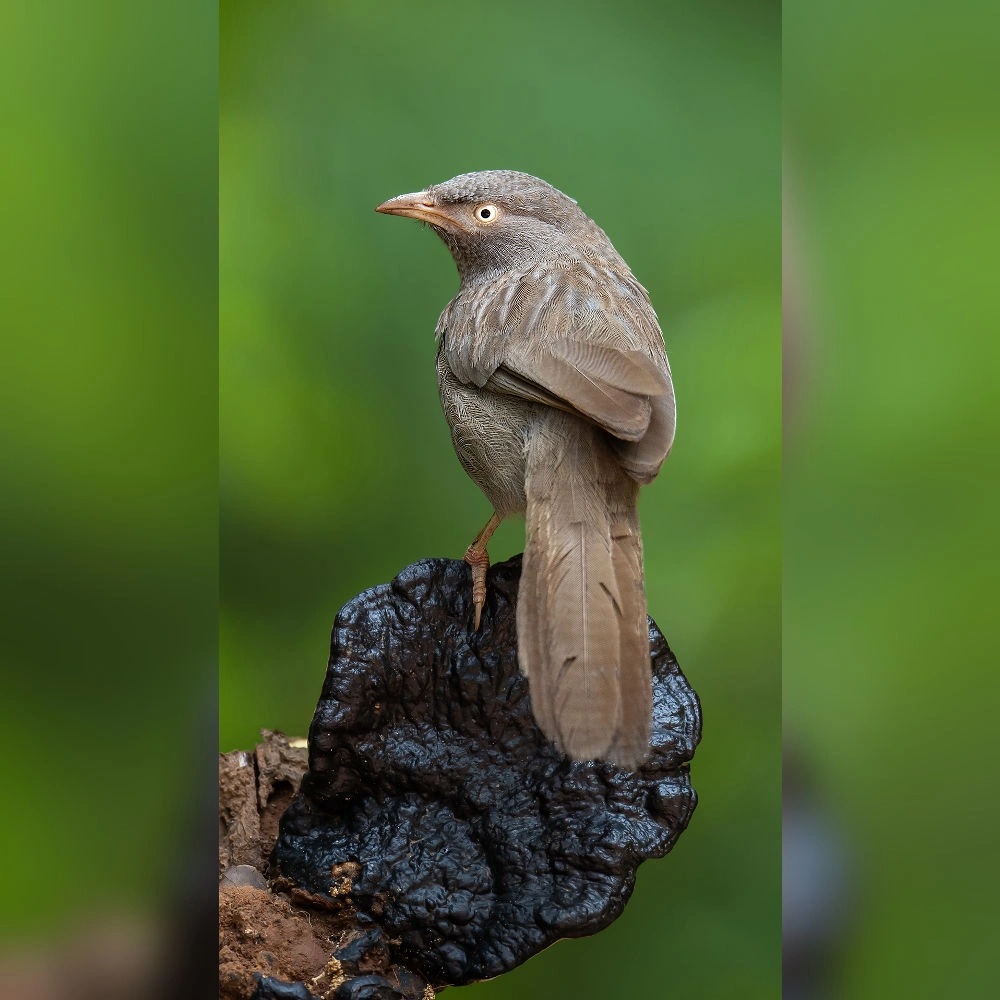
Jungle Babbler
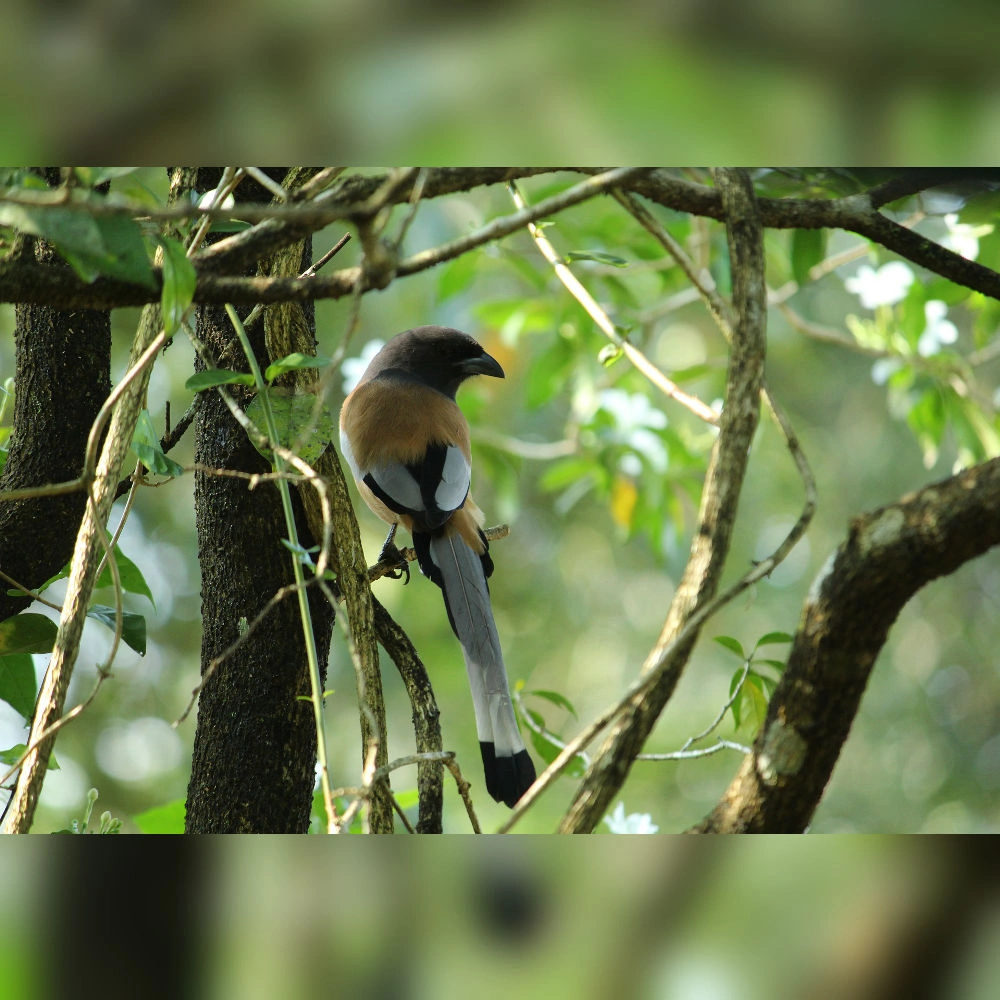
Rufous Treepie
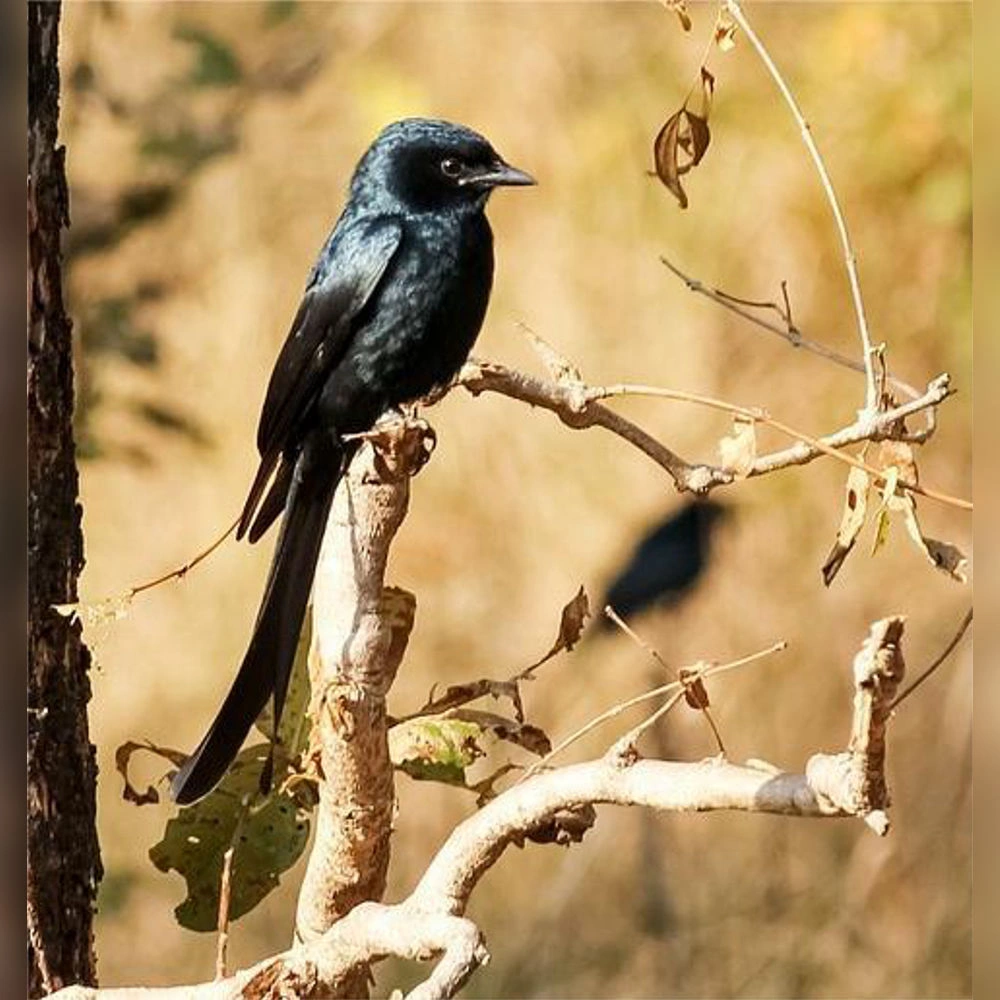
Black Drongo

Summary of Walk

On 31 October 2026, a small and close-knit group of 2 participants joined Anjali Krishna for a morning bird walk around Rajghat Besant School in Varanasi, a peaceful green campus set along the confluence of the Varuna and the Ganga. After two days of rain, the forest floor was soft and earthy, and the freshly washed landscape made for a beautiful setting. The walk turned into a rich wildlife experience early on, with the group observing a jackal and a nilgai moving through the area, a reminder of how much life this riverside habitat supports. In all, an impressive 35 bird species were recorded during the morning. By the banks of the Varuna, the group was delighted to spot five Common Redshanks, their bright red bills and legs glowing in the emerging sunshine. White Wagtails, River Lapwings, Red-wattled Lapwings, Black-winged Stilts and Indian Pond Herons kept the riverbank busy, while White-throated and Pied Kingfishers added flashes of colour and drama to the experience. Black Kites watched from their perches high in the trees, and the walk came to a perfect close with the call of a Jungle Owlet echoing through the woods, a memorable finale to a morning of quiet, immersive birding.
Number of Participants
0
Scroll to Top