
Bird Walk at Nagvasuki, Allahabad, Uttar Pradesh
- Allahabad
- 3 October, 2026
- Shreeta Agrahari
About Nagvasuki
Set along the sacred banks of the Ganges River in Prayagraj, Nagvasuki is a unique riverside landscape where culture and ecology meet. Known for the historic Nagvasuki Temple, the area is surrounded by sandy riverbanks, seasonal wetlands, and patches of riparian vegetation that shift with the river’s flow. These dynamic habitats support a range of flora adapted to flooding cycles, along with insects, fish, and small aquatic life that form the base of a thriving ecosystem. The open floodplains and shallow edges create ideal feeding grounds, making this stretch of the river both ecologically rich and visually striking through changing seasons.
For birders, Nagvasuki offers a rewarding glimpse into riverine birdlife. Waders, gulls, and terns gather along the sandbars, while herons, kingfishers, and other waterbirds patrol the shallows. Migratory species arrive in winter, transforming the landscape into a lively congregation of birds against the backdrop of the flowing Ganga. However, this fragile ecosystem faces growing pressures—from pollution, waste dumping, and religious activity-related disturbance to riverbank modification and urban expansion. Fluctuating water levels and habitat degradation further impact nesting and feeding grounds. Protecting such riverine habitats is essential, not only for birdlife but for preserving the ecological health of one of India’s most important rivers.
Partnered with

Bird Guide - Shreeta Agrahari
A passionate birdwatcher with 7 years of experience, I’ve found birding to be both emotionally grounding and mentally enriching. I’m driven to share the joy and transformative power of birding with others, helping more people discover and connect with the natural world.

Bird walk Location
Common birds of Nagvasuki
Along the sandy riverbanks of Nagvasuki in Prayagraj, the avian life reflects the rhythm and richness of the Ganga’s floodplains. Large gatherings of River Lapwing and Black-winged Stilt dominate the open stretches, their calls carrying across the water’s edge, while flocks of herons and egrets—including Gray Heron and Eastern Cattle Egret—stand poised in the shallows. The swift flight of Little Tern and the hovering precision of Pied Kingfisher bring constant motion above the river, while sandpipers and wagtails quietly forage along the muddy edges. In the surrounding open areas, birds like Ashy-crowned Sparrow Lark and Bank Myna add to the lively scene, creating a dynamic mix of waterbirds and grassland species. This blend of abundant waders, aerial hunters, and ground foragers makes Nagvasuki a vibrant and ever-changing birding landscape.

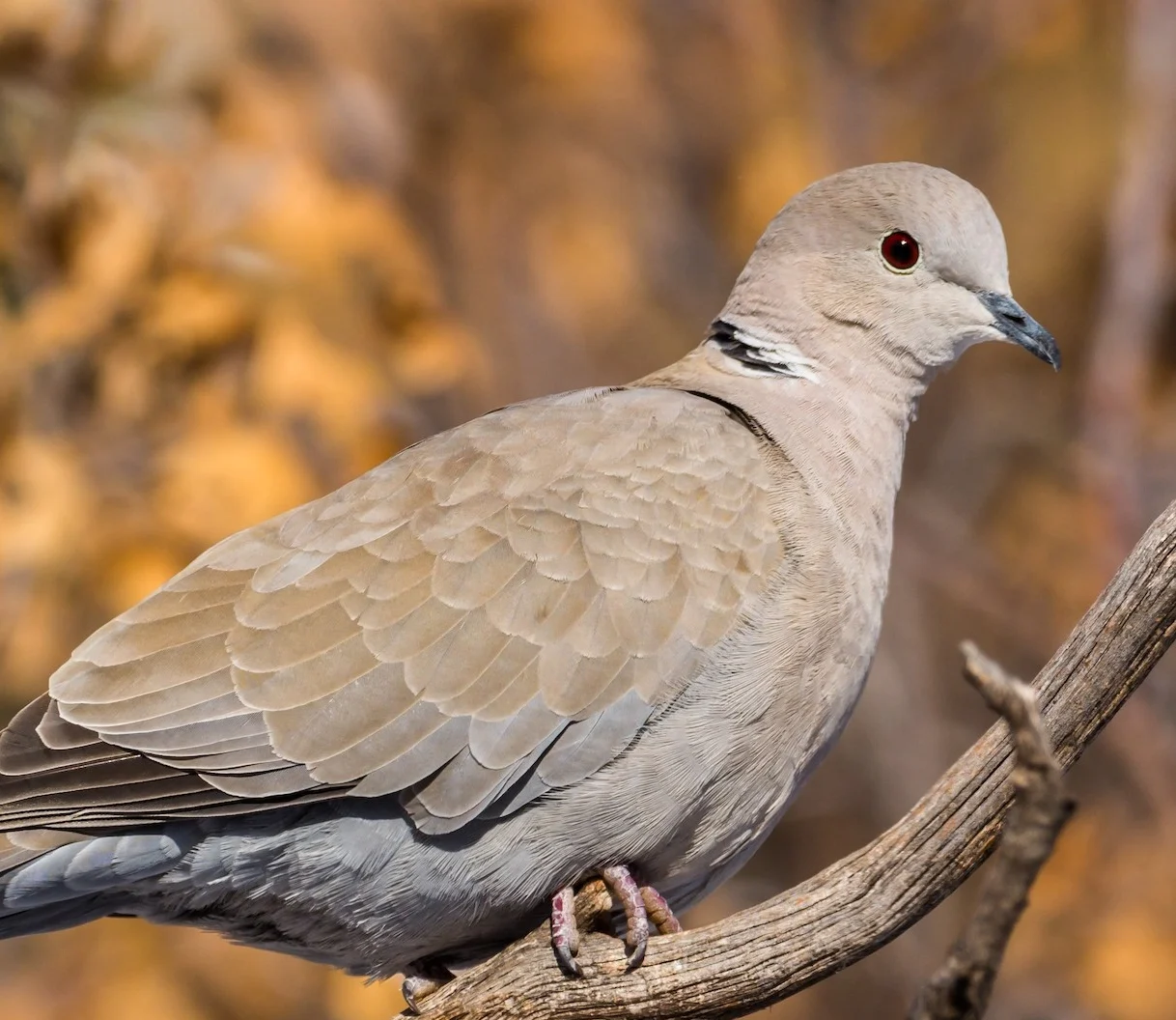
Eurasian Collared Dove

Laughing Dove
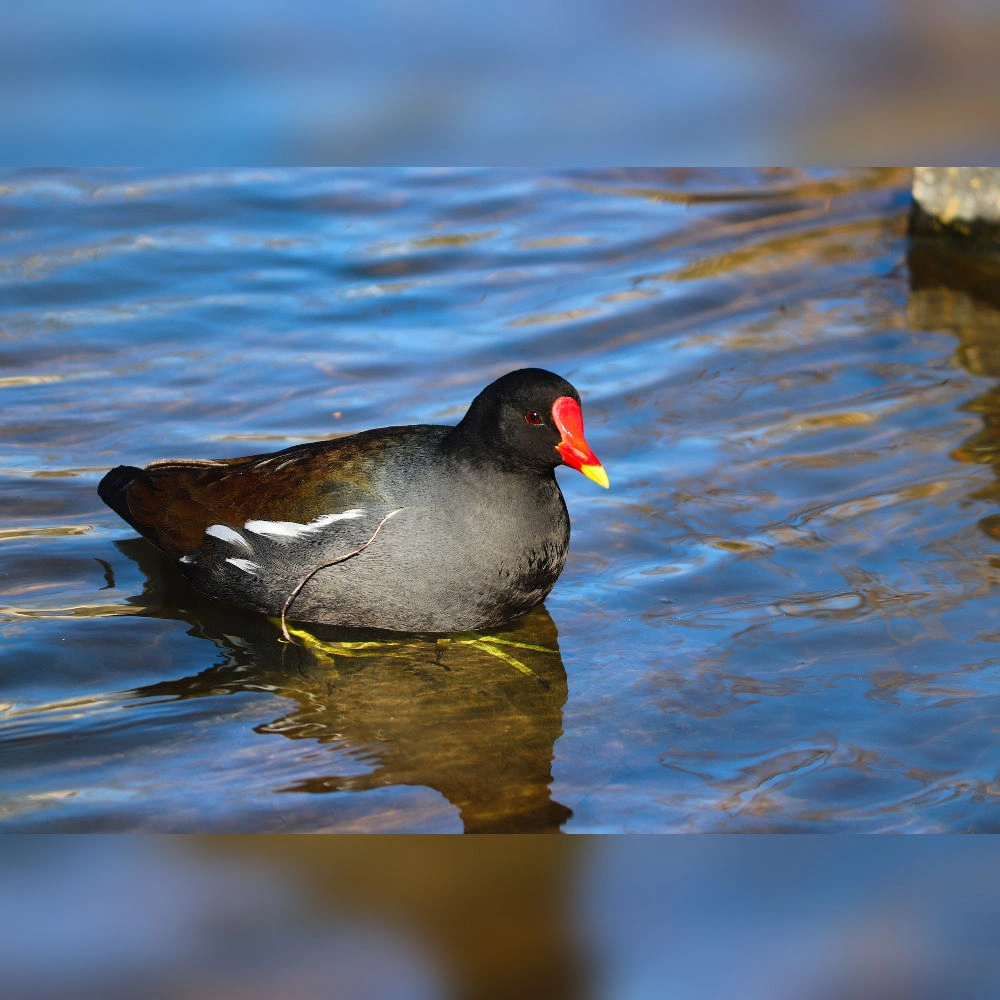
Eurasian Moorhen

Red Collared-Dove
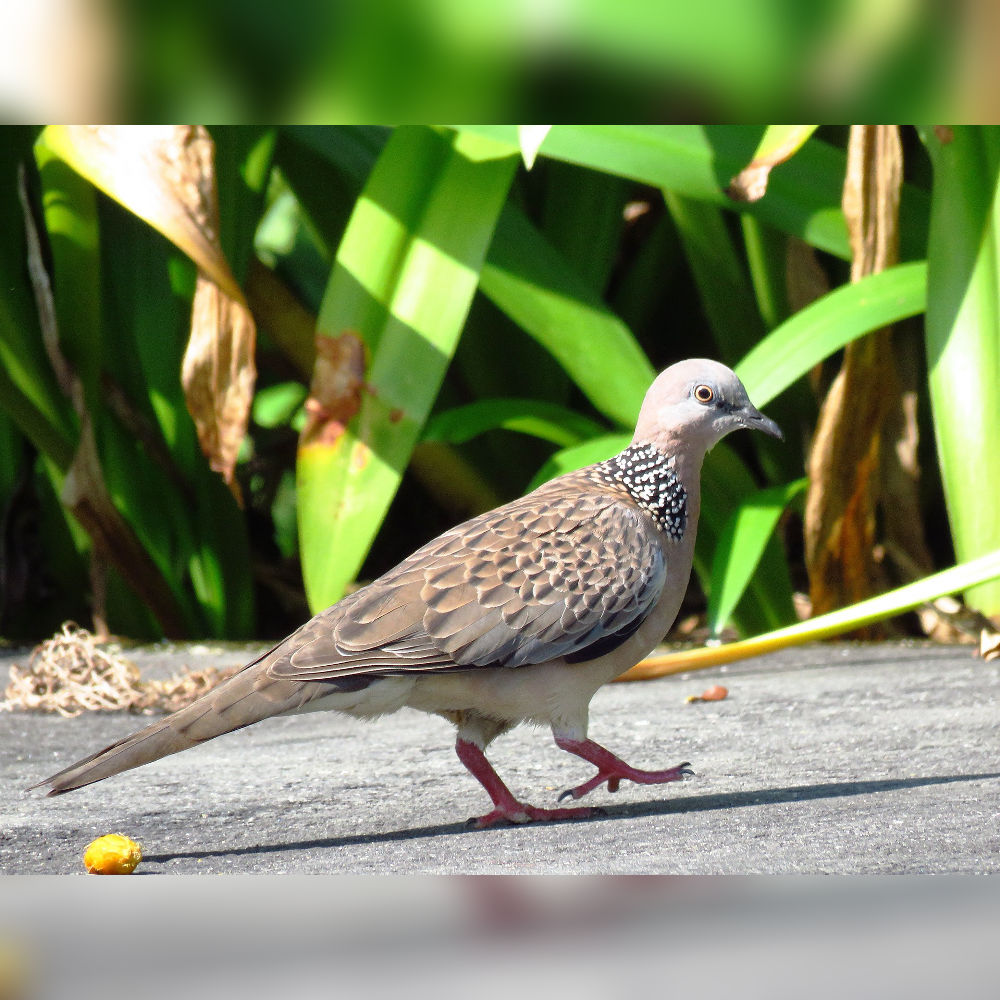
Spotted Dove
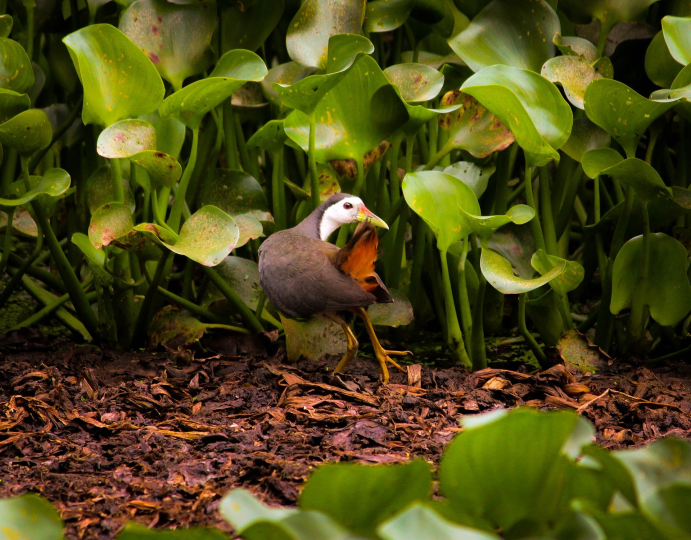
White-breasted Waterhen
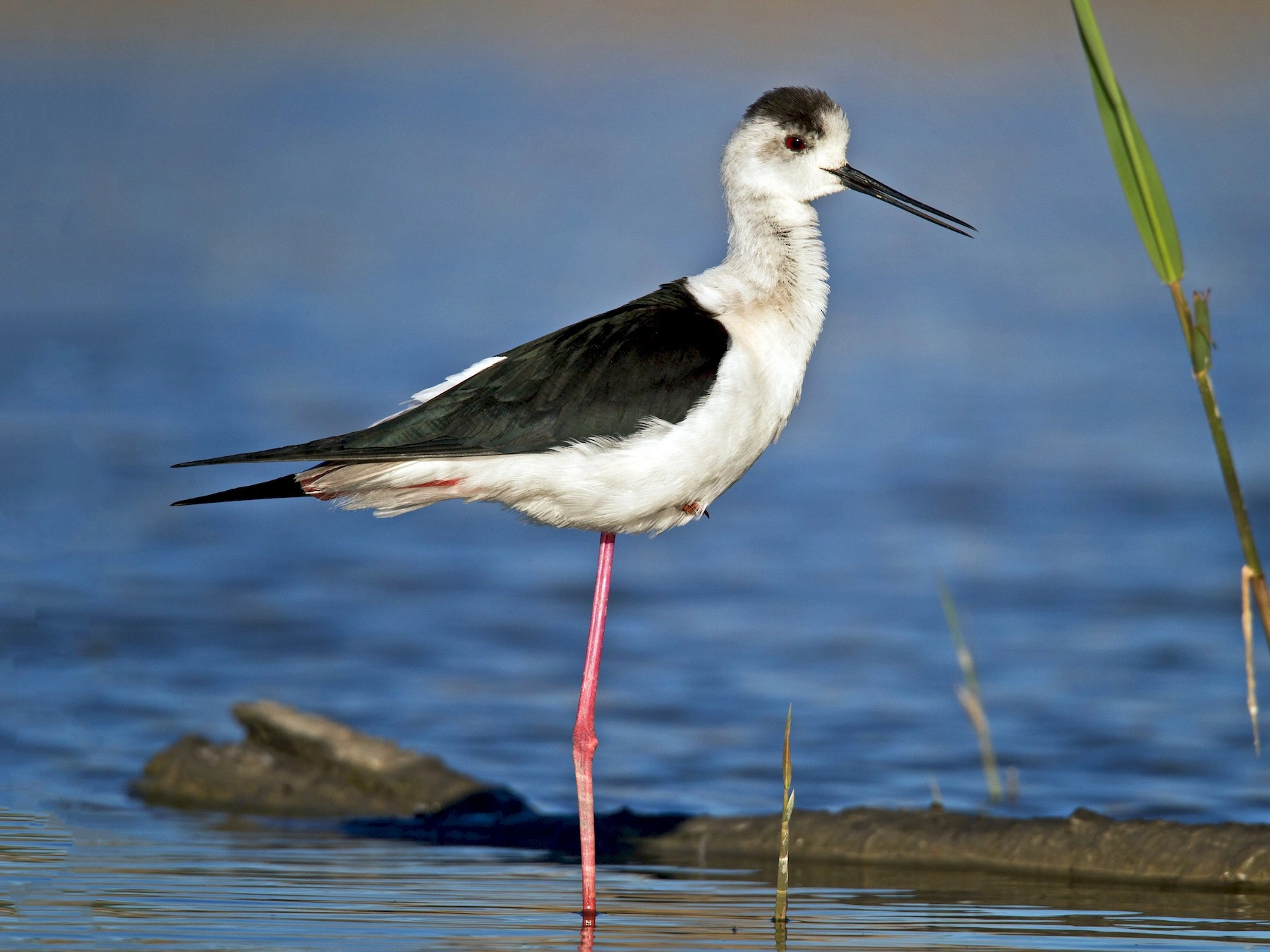
Black-winged Stilt
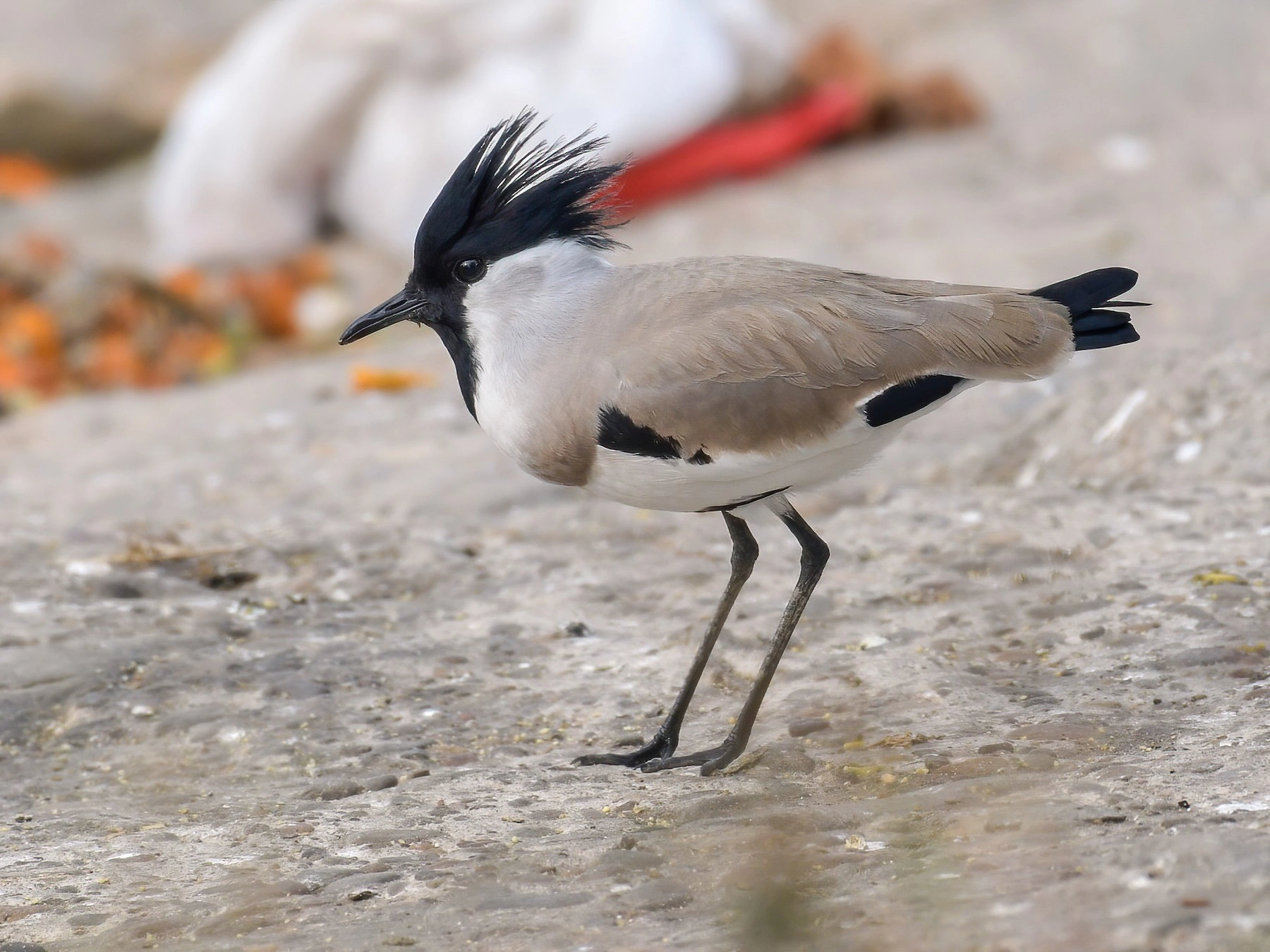
River Lapwing
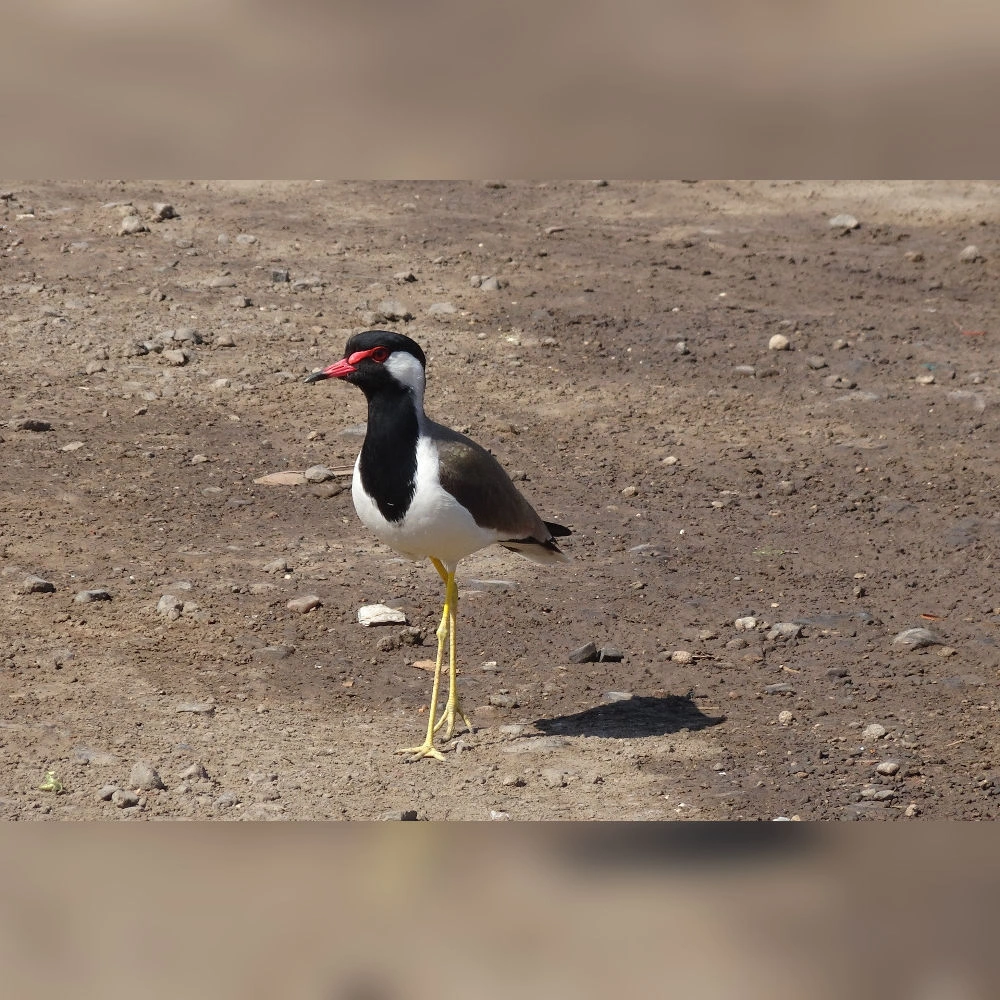
Red-Wattled Lapwing
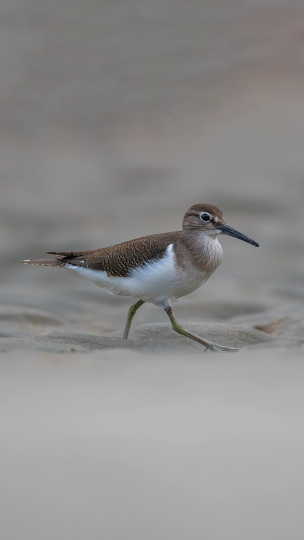
Common Sandpiper
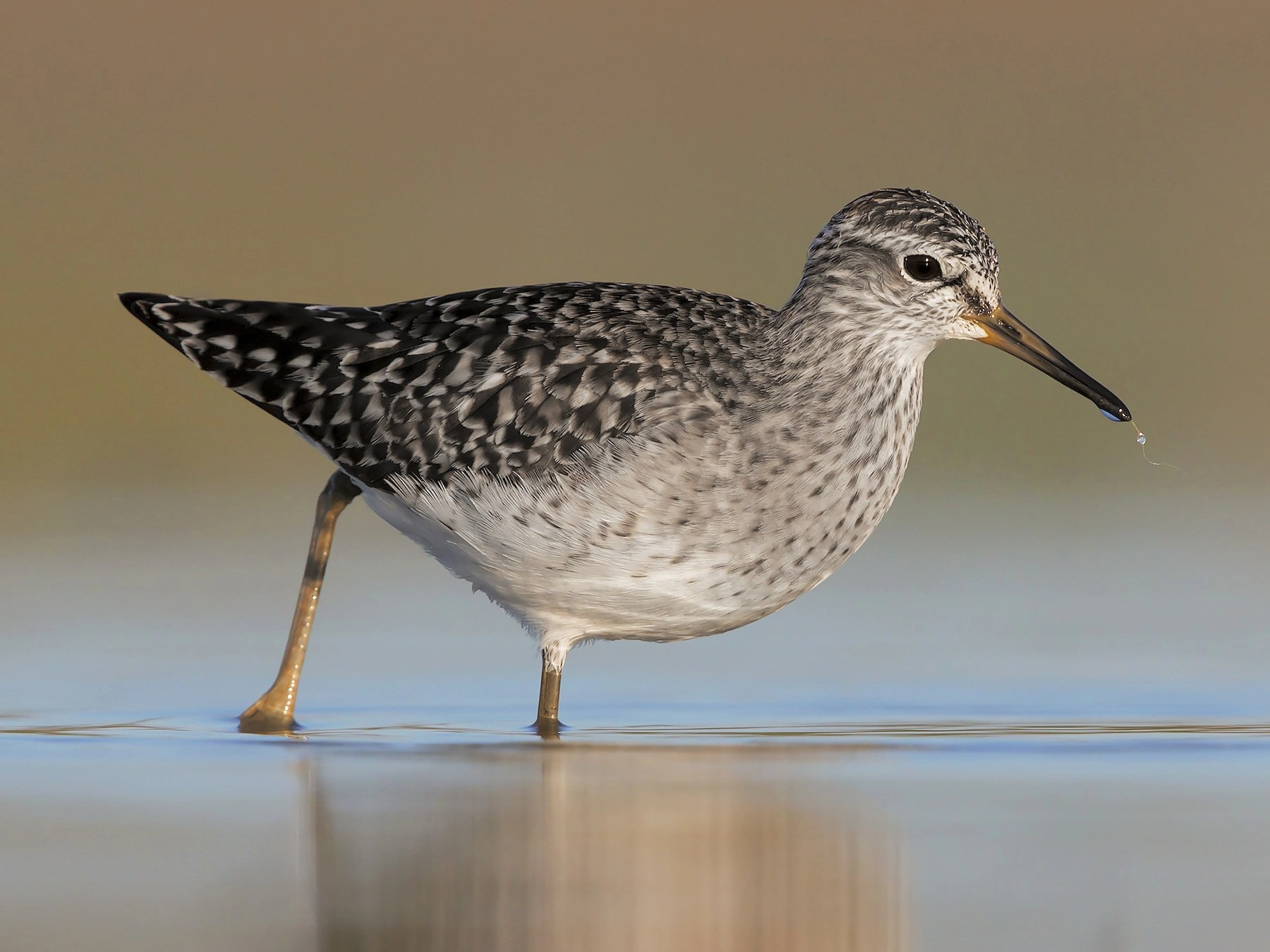
Wood Sandpiper
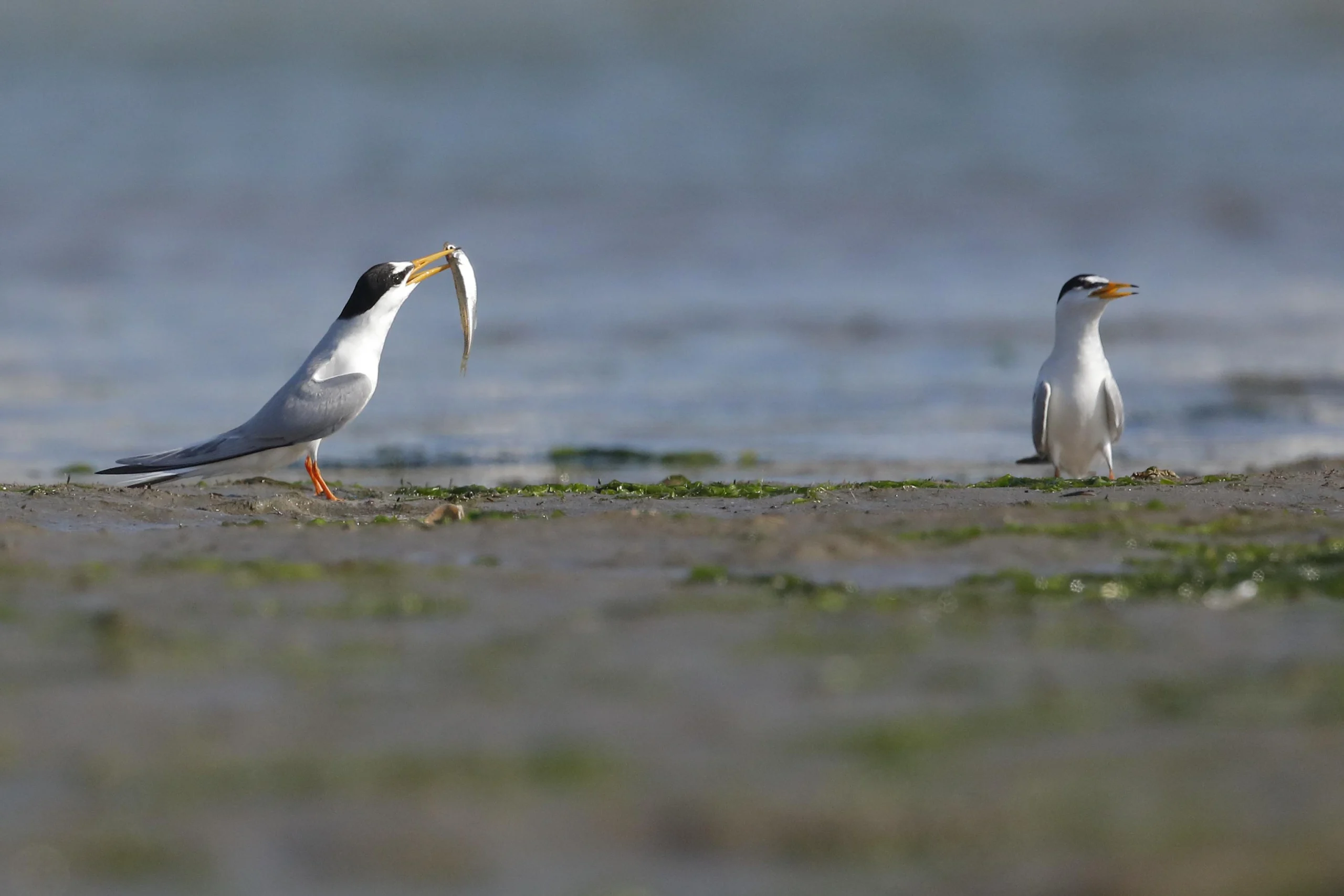
Little Tern
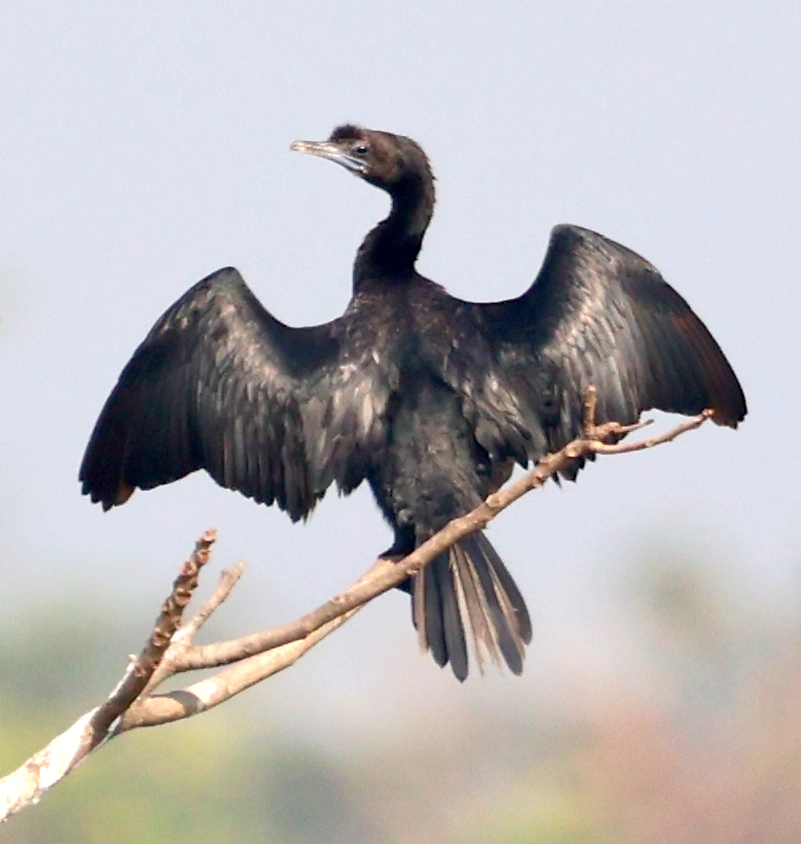
Little Cormorant
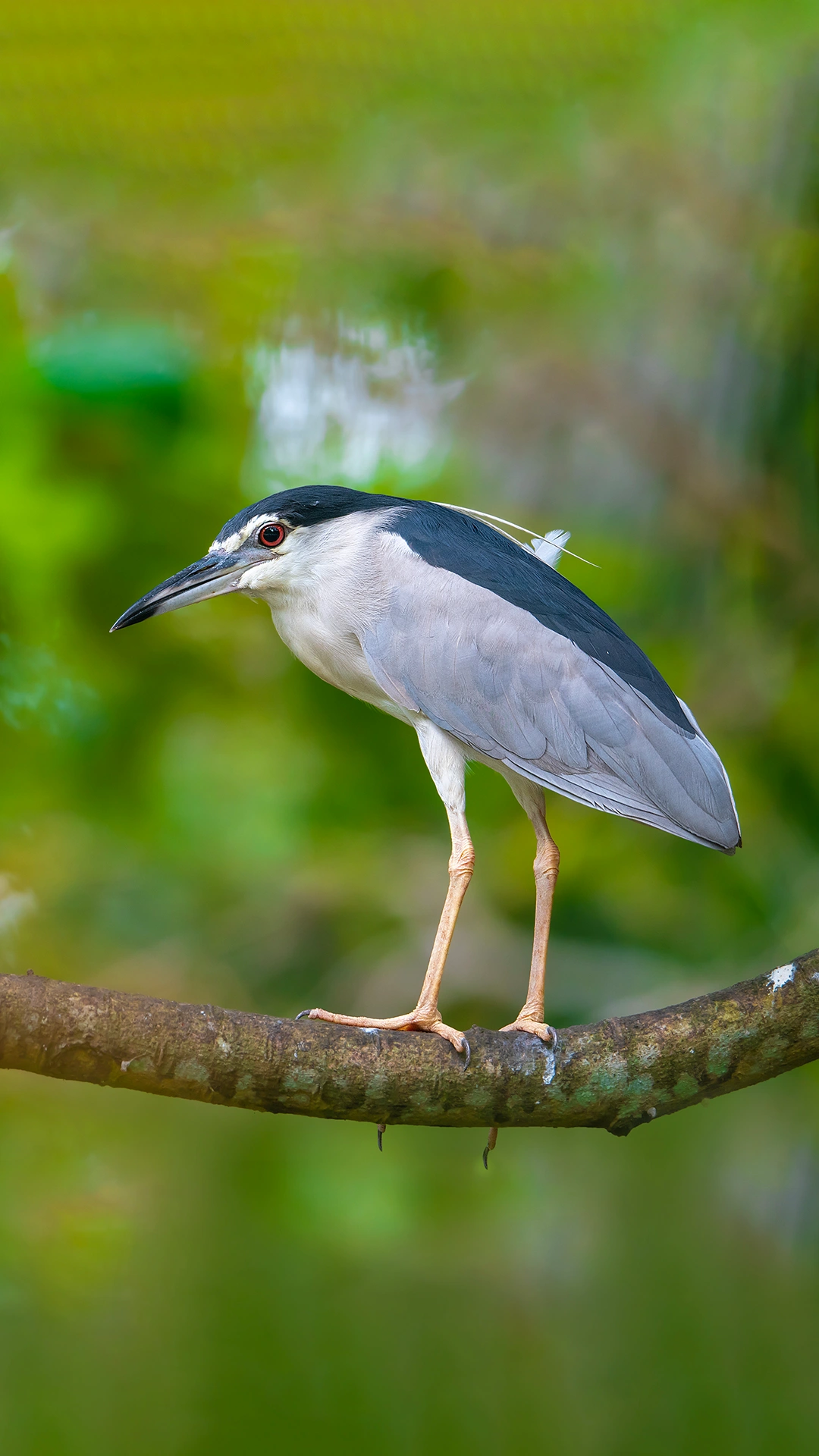
Black-crowned Night Heron
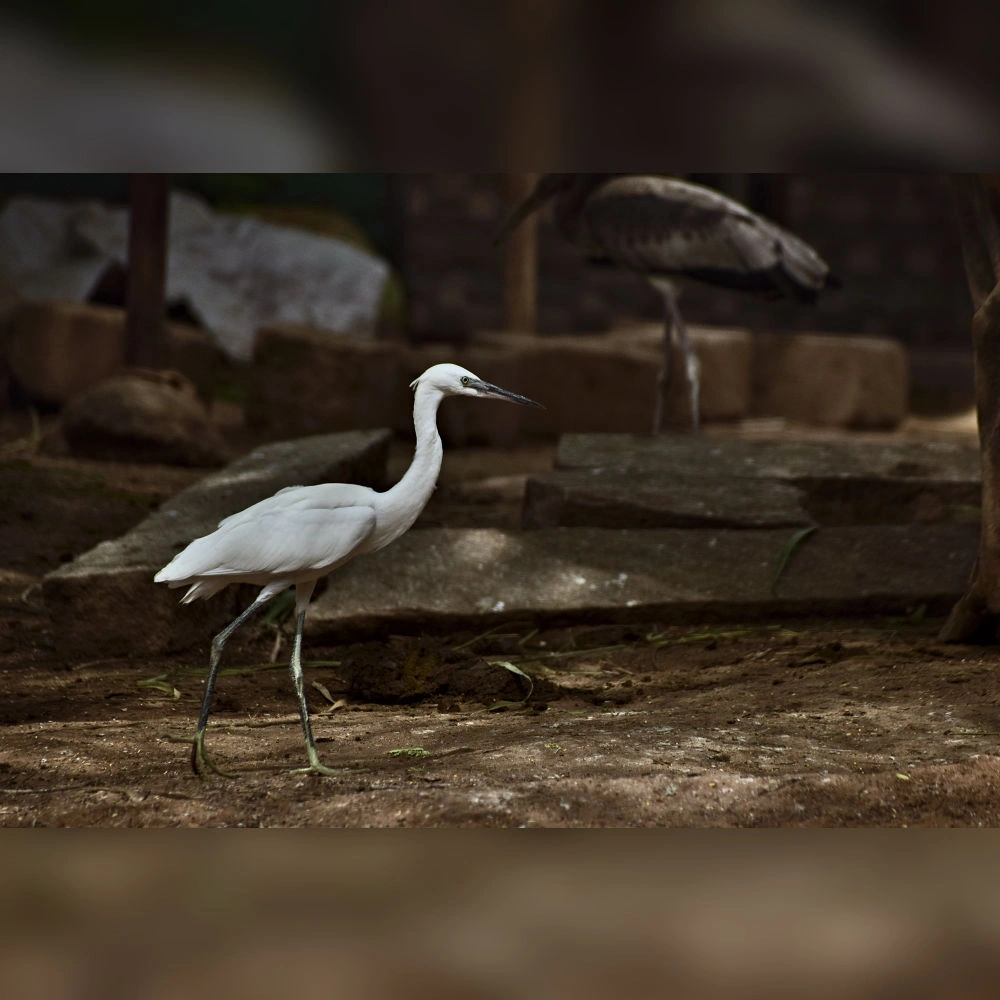
Little Egret
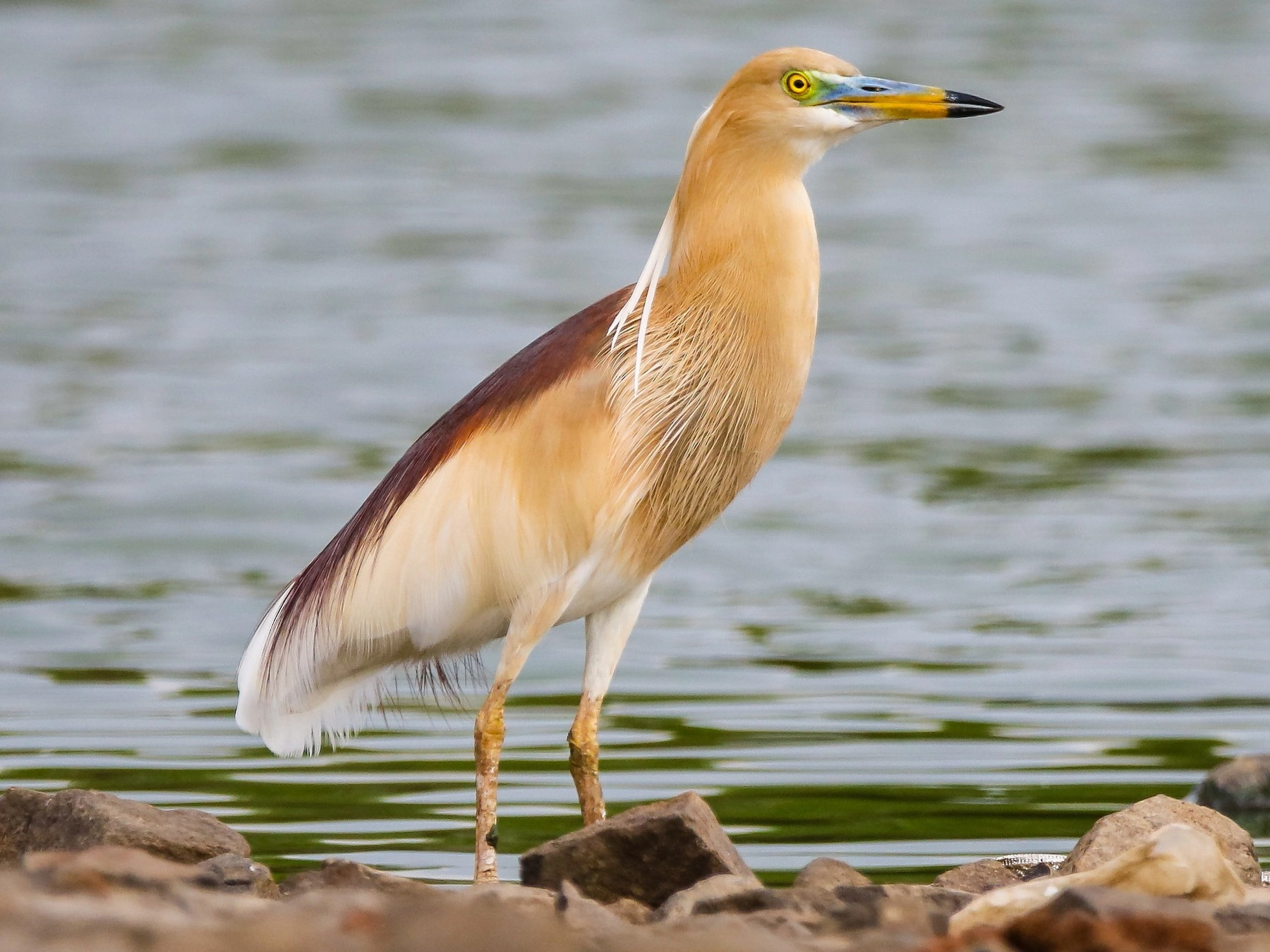
Indian Pond Heron
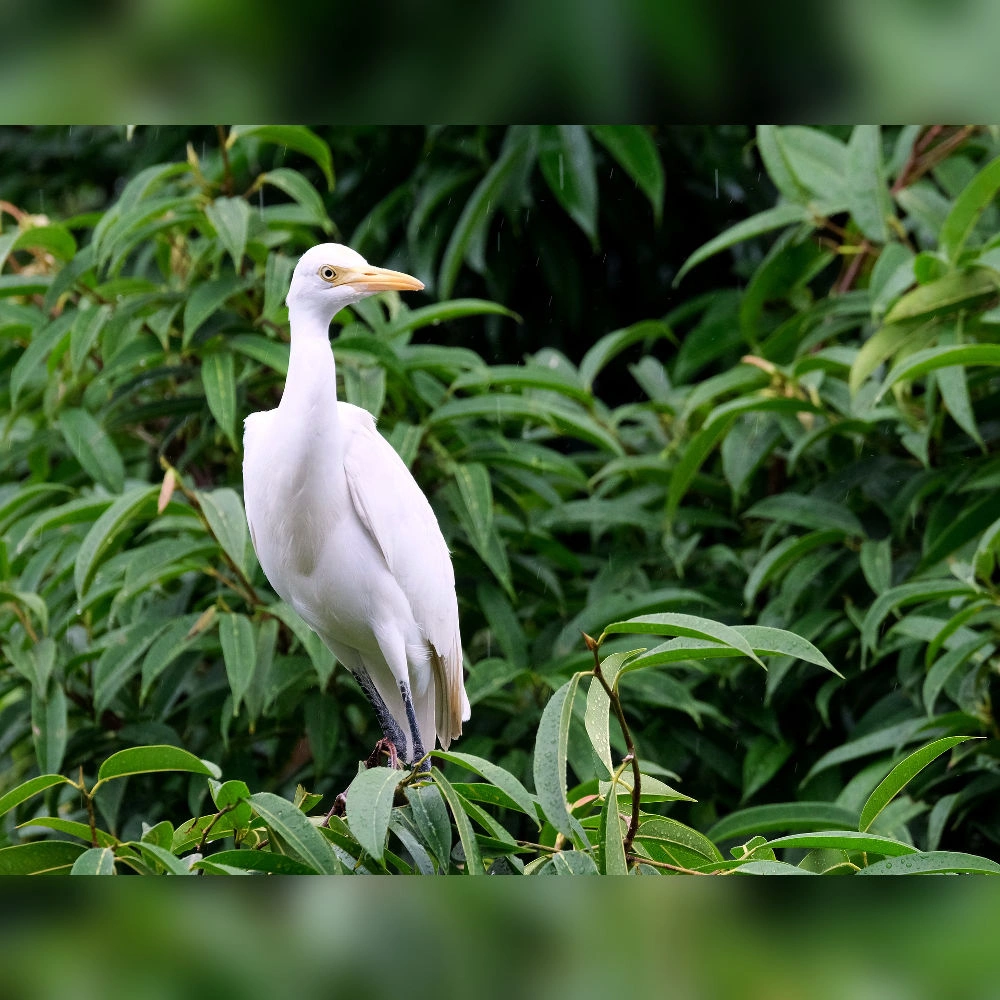
Eastern Cattle Egret
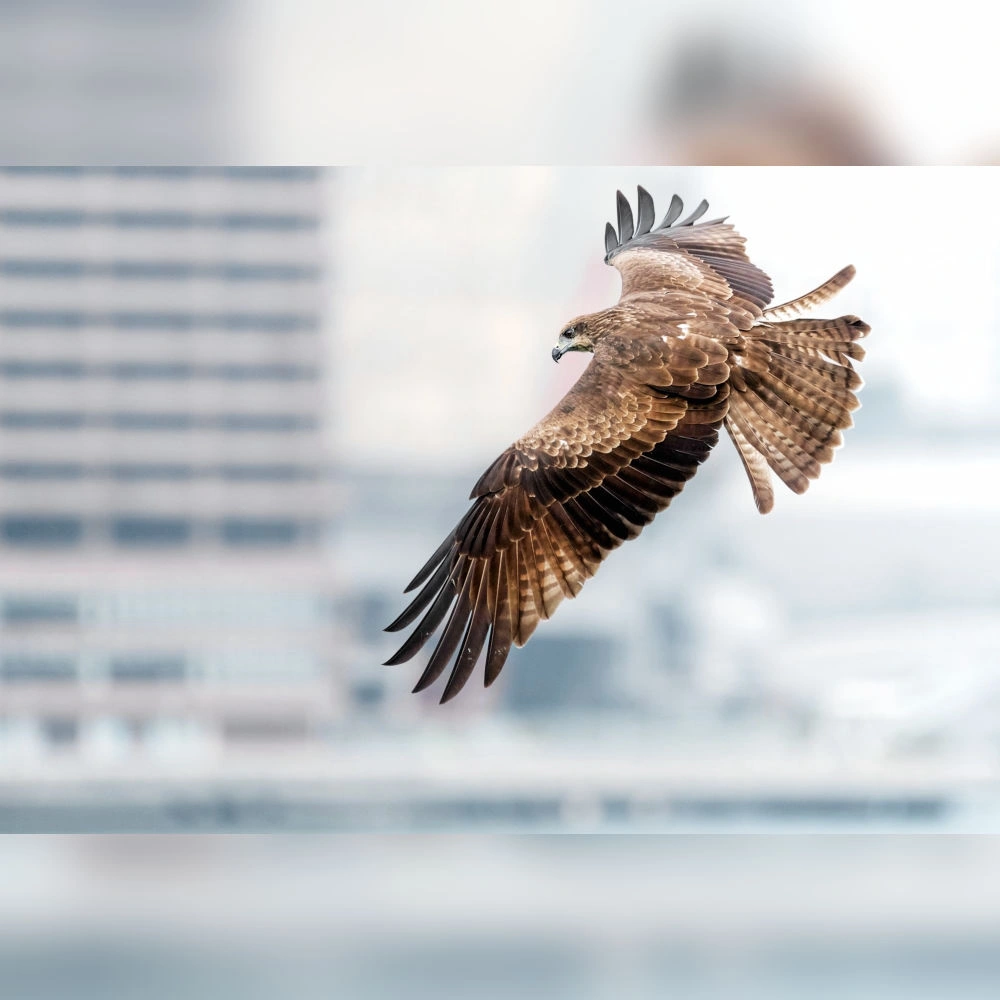
Black Kite
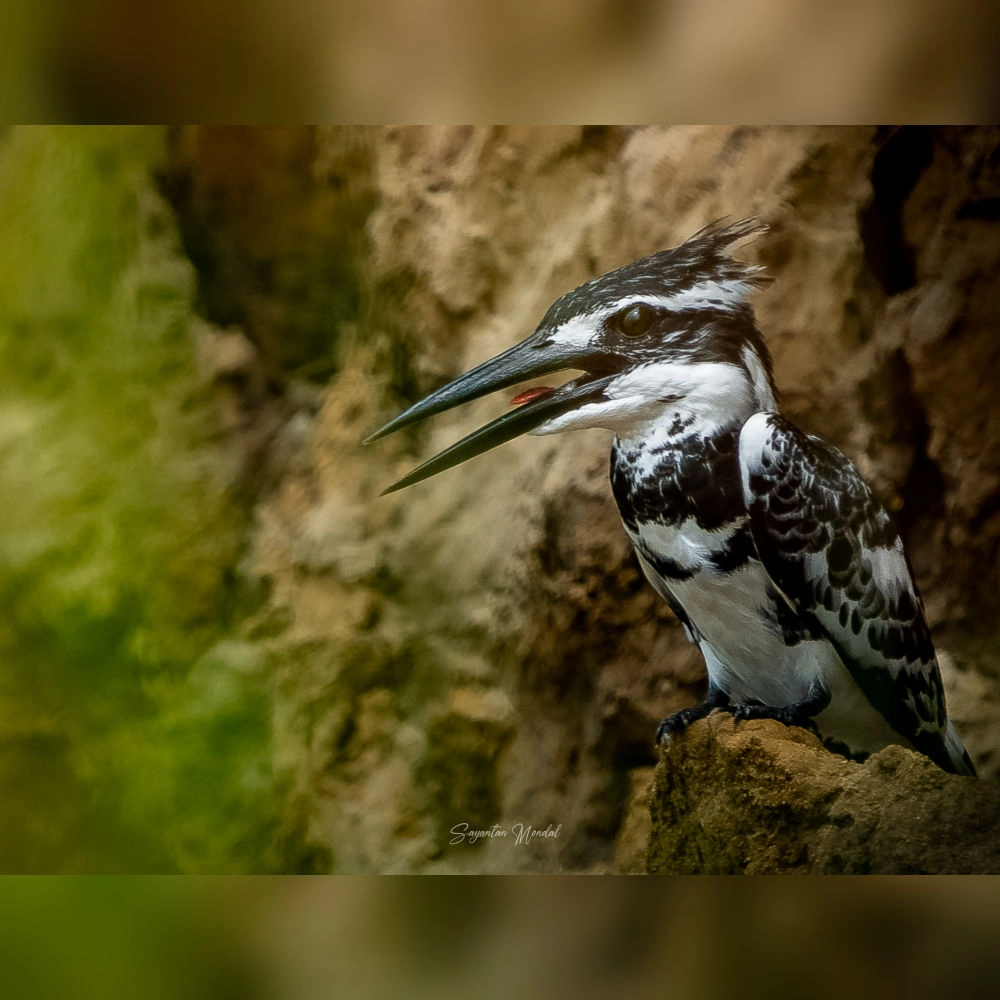
Pied Kingfisher
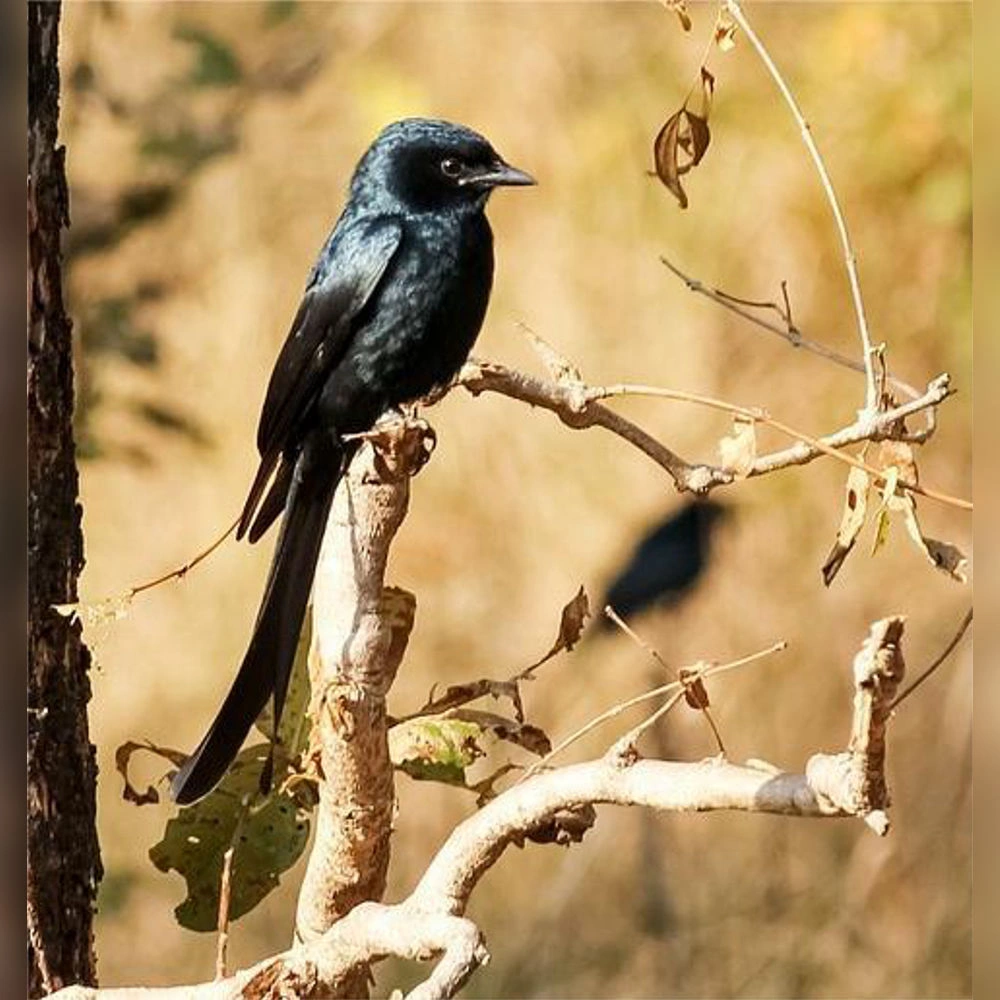

Black Drongo
Summary of Walk
Ten birders joined guide Shreeta Agrahari at Nagvasuki in Prayagraj on 3 October for a morning that turned out to be one of the most productive of the weekend, with an outstanding 60 species recorded. The riverside setting offers a lovely mosaic of habitats, including open water, sandy banks, grassy patches, scrub and mature trees, and the group enjoyed exploring each in turn, watching how different birds make use of the landscape. The Pied Kingfisher was one of the stars of the walk, hovering above the water with perfect balance before diving in pursuit of fish, a spectacle that drew admiring gasps from the group. Equally delightful was the tiny Zitting Cisticola, whose neat streaked plumage and bouncy display flight over the grass made it a favourite among those who love small birds with big personalities. Riverside areas like this are often rich in egrets, herons, wagtails, bulbuls and bee-eaters, and the group found plenty of variety, with sightings coming one after another. Shreeta’s enthusiasm for the birdlife of her city was infectious, and her guidance helped participants pay attention to calls, flight styles and feeding behaviour, turning every sighting into a small lesson. The relaxed pace allowed time for photographs, conversation and questions, and the group quickly formed a friendly bond over the shared excitement of the morning. With so many species on the day’s list, the walk was a beautiful reminder of the richness of the Ganga and Yamuna landscape and the importance of protecting its wetlands and riverbanks. Participants left with smiles, new knowledge and a strong desire to return for the next walk in this wonderful corner of Prayagraj.
Number of Participants
0