Bird Walk at Manipur Lake, Ahmedabad
- Ahmedabad
- 11 October, 2026
- Parth and Paahi Parikh
About Manipur Lake
Manipur Lake is a waterbody in the Sanand region of Ahmedabad district, situated near the villages of Godhavi and Palodiya. The lake lies within a landscape where open areas, agricultural land, village settlements, and developing urban infrastructure meet, creating a mix of natural and human-modified habitats. Its open water and surrounding vegetation provide an important local habitat for aquatic and terrestrial wildlife, while seasonal changes in rainfall and water levels influence the character of the wetland throughout the year. The relatively open surroundings also make the lake an interesting setting for observing birds and other wildlife away from the more densely built-up parts of Ahmedabad.
The landscape around Manipur Lake is undergoing gradual transformation as the Sanand region continues to develop. Maintaining the lake’s water quality, natural edges, surrounding vegetation, and drainage connections is therefore important for retaining its ecological value. Reducing pollution, disturbance, and encroachment around the waterbody can help protect the habitat available to wetland and open-country species. As an urbanising landscape expands around Ahmedabad, smaller lakes such as Manipur Lake can provide valuable pockets of open habitat and contribute to the wider network of wetlands and green spaces in the region.

Bird Guide - Parth and Paahi Parikh
With over 25 years of birdwatching experience, he has participated in more than 12 wildlife surveys and contributed two articles to vernacular magazines. He has also appeared in two television interviews on DD Girnar and showcased his wildlife photography through six exhibitions. As an iNaturalist Ambassador for the Ahmedabad region, he actively promotes citizen science and biodiversity awareness. He has also conducted wildlife and birdwatching workshops for schools and colleges, sharing his knowledge and passion for nature with the next generation.
Paahi is a 9 year old bird enthusiast who loves to lead bird walks with her father.
Bird walk Location
Common birds of Manipur Lake
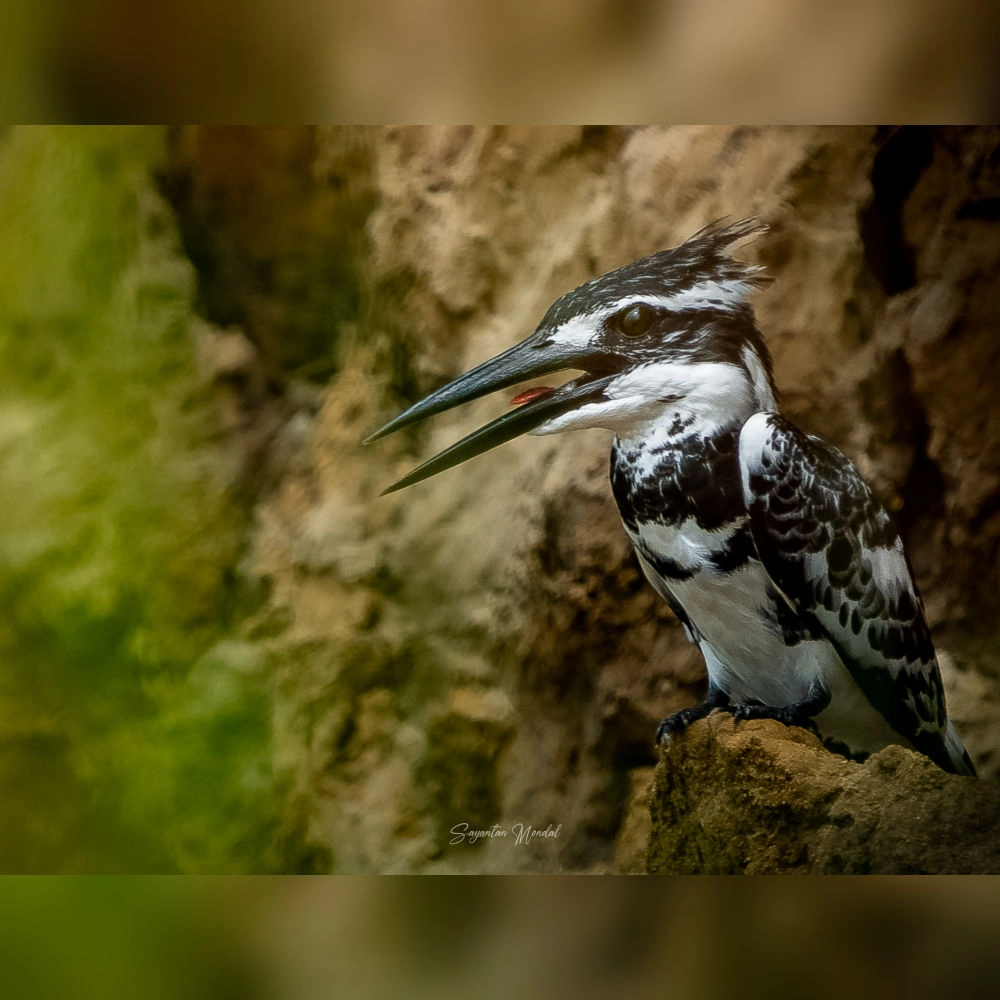
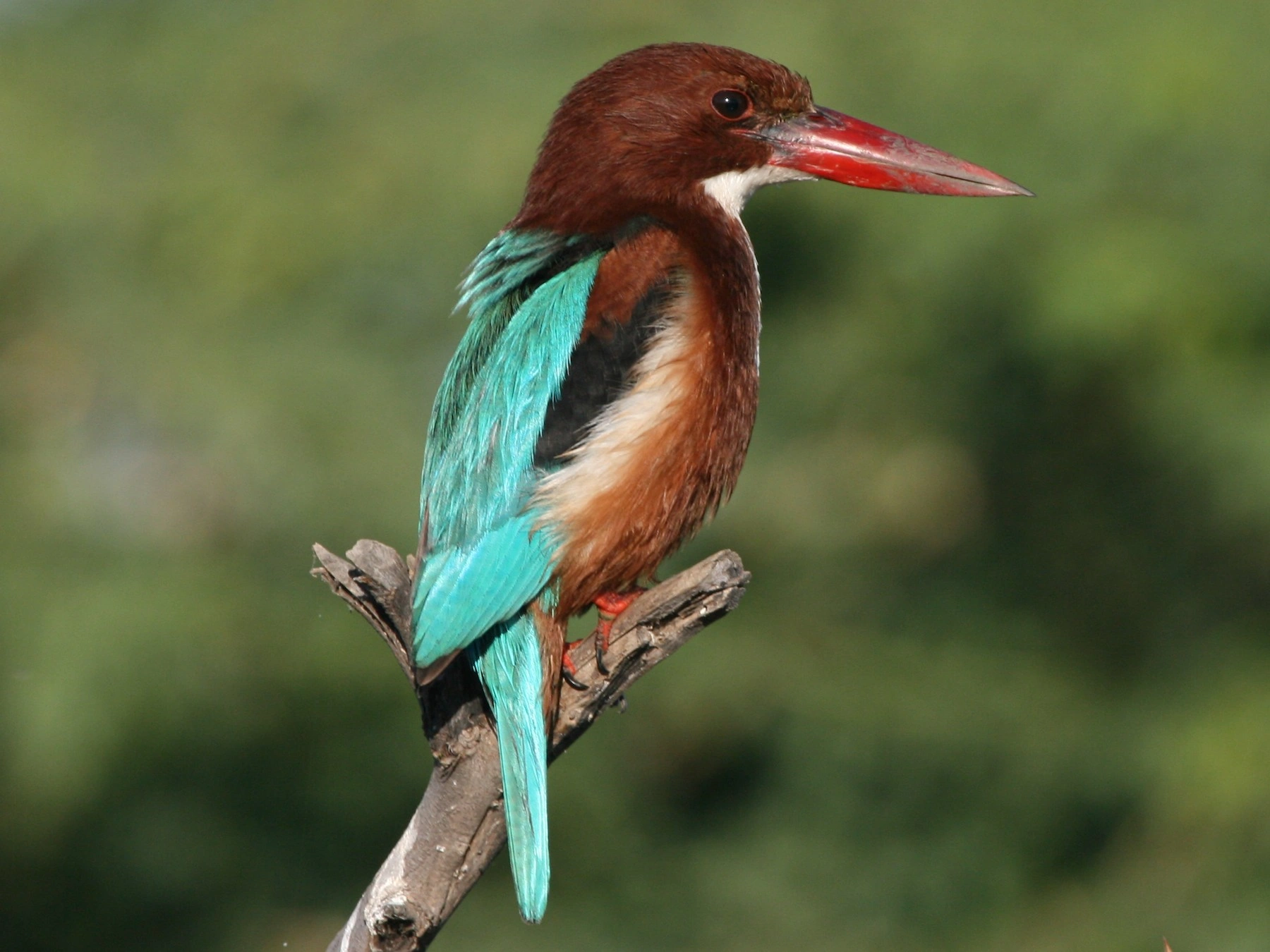
Manipur Lake supports a diverse range of wetland, shoreline, and woodland birds, reflecting the variety of habitats around the waterbody. The lake attracts several kingfishers, including Pied Kingfisher, White-throated Kingfisher, and Common Kingfisher, while Indian Snakebird and Little Cormorant make use of the open water. Bronze-winged Jacana, Pheasant-tailed Jacana, Black-winged Stilt, Little Grebe, Striated Heron, and White-breasted Waterhen add to the wetland diversity, while Wood Sandpiper and Common Sandpiper are associated with the lake’s shallow edges. The surrounding vegetation supports species such as Little Green Bee-eater, Spotted Owlet, Plum-headed Parakeet, Rose-ringed Parakeet, Grey Hornbill, Coppersmith Barbet, and Sykes’s Warbler. Together, these birds highlight the importance of Manipur Lake as a habitat supporting both aquatic and terrestrial birdlife.

Pied Kingfisher

White-throated Kingfisher
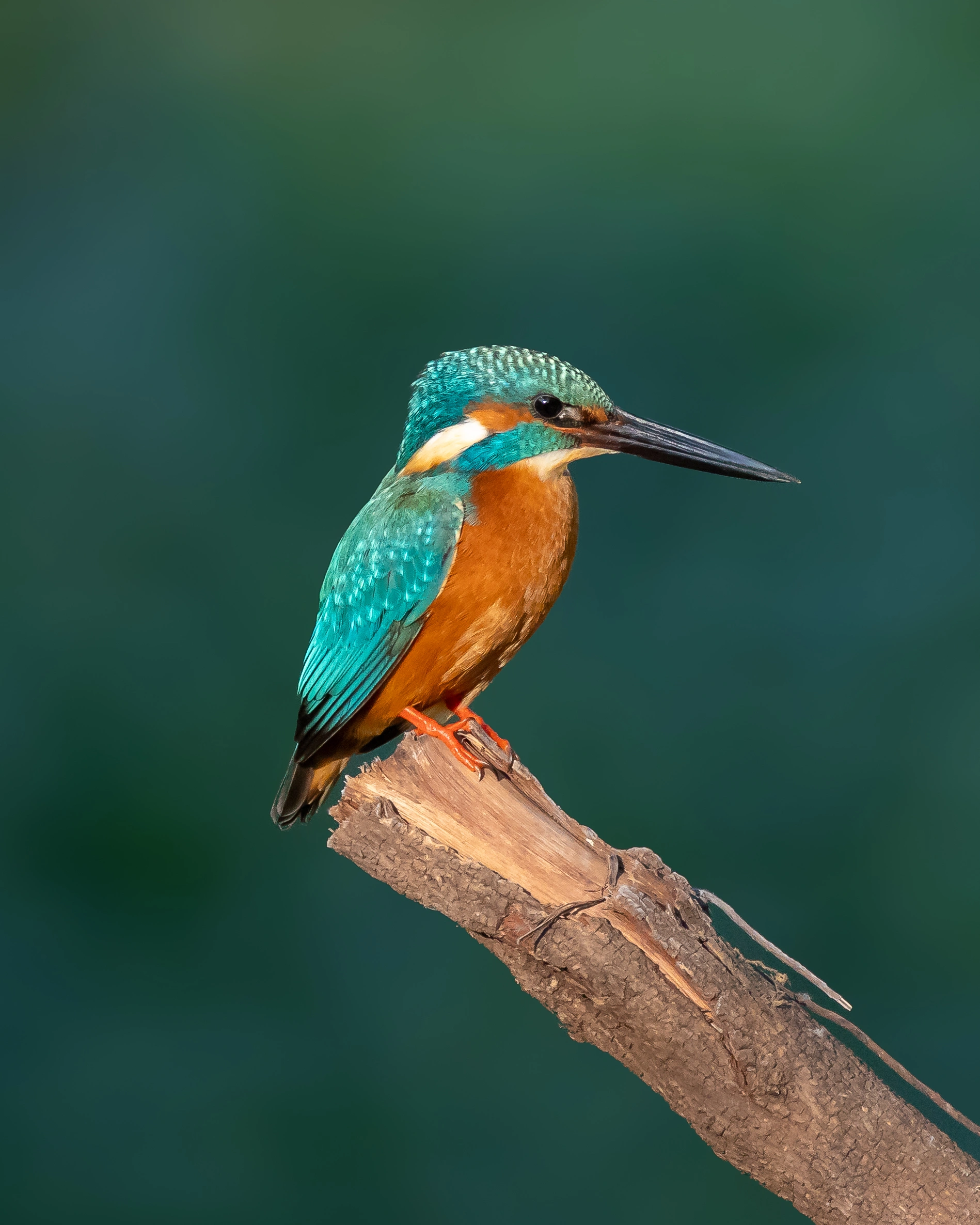
Common Kingfisher
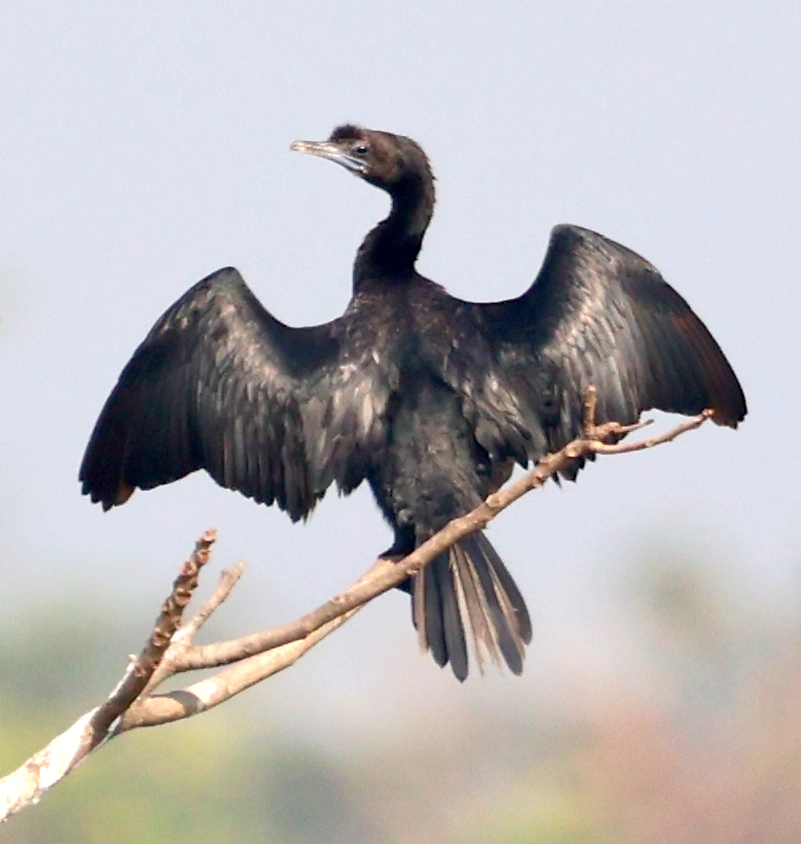
Little Cormorant
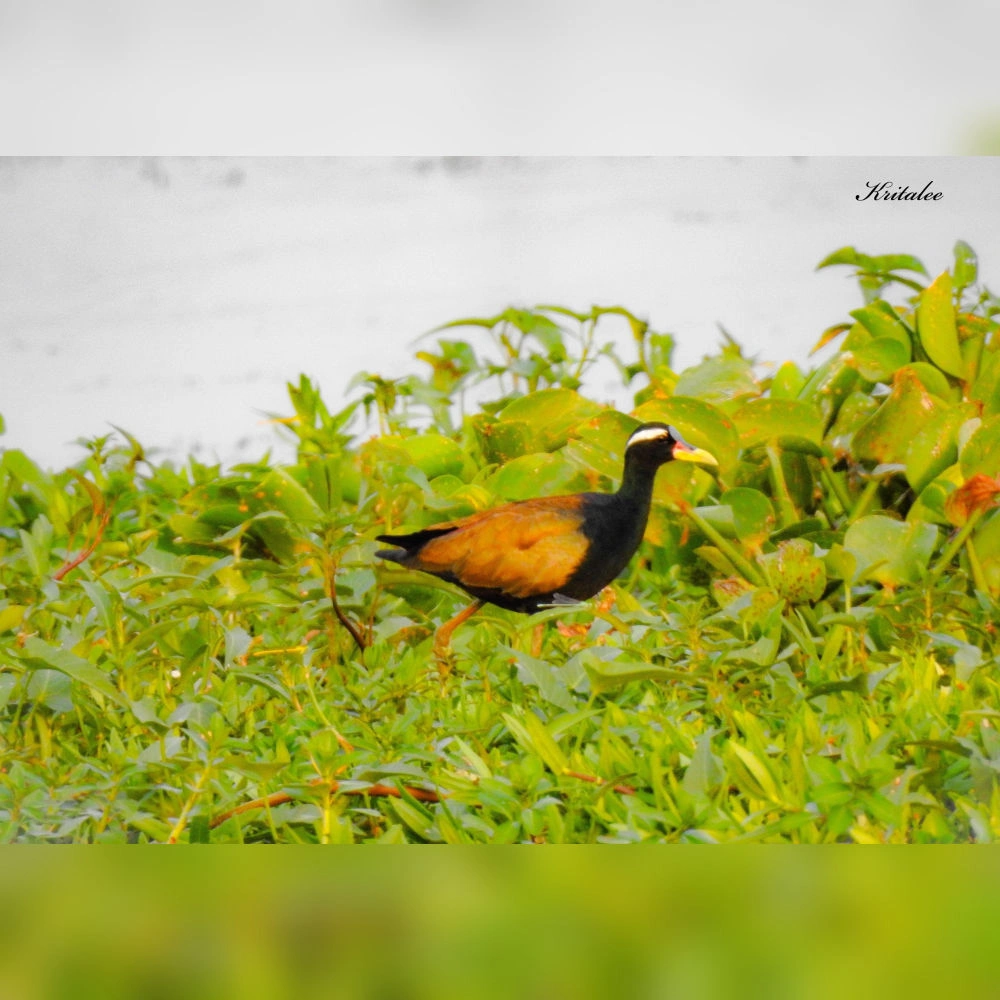
Bronze-winged Jacana
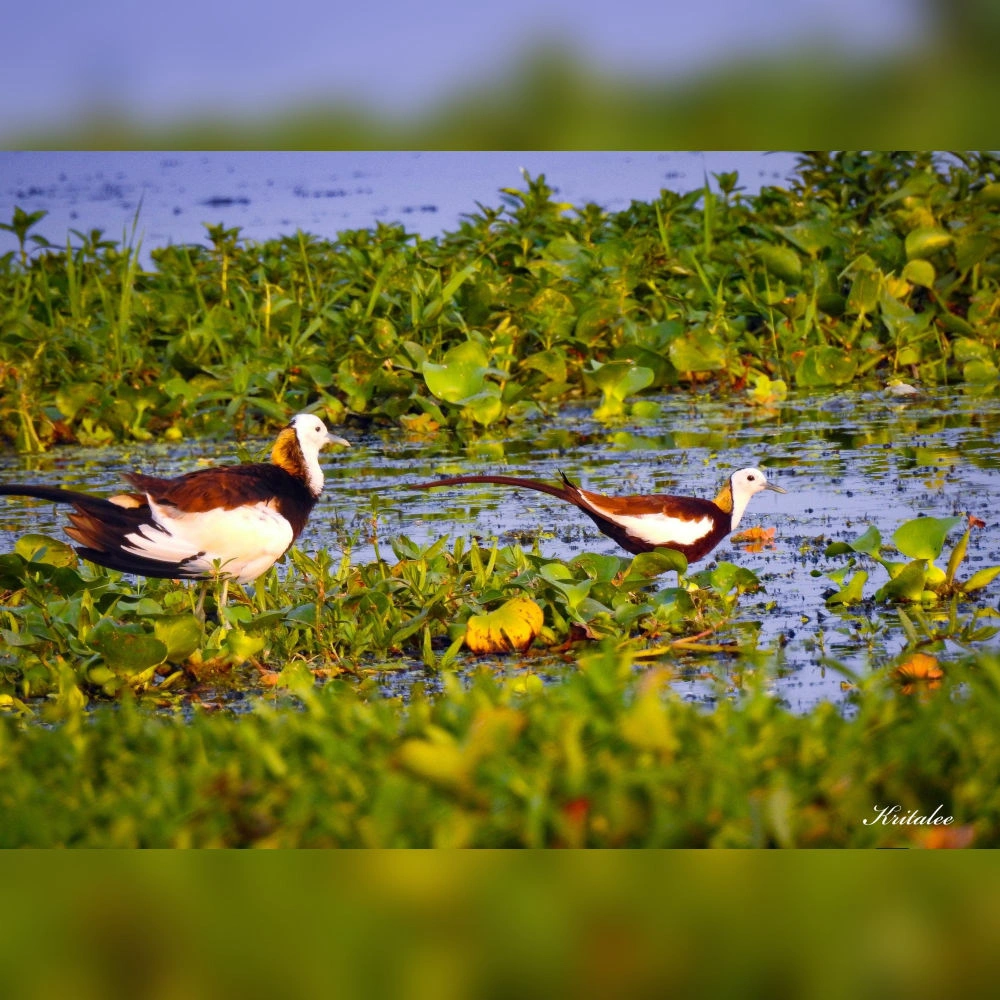
Pheasant-tailed Jacana

Asian Green Bee-eater

Spotted Owlet
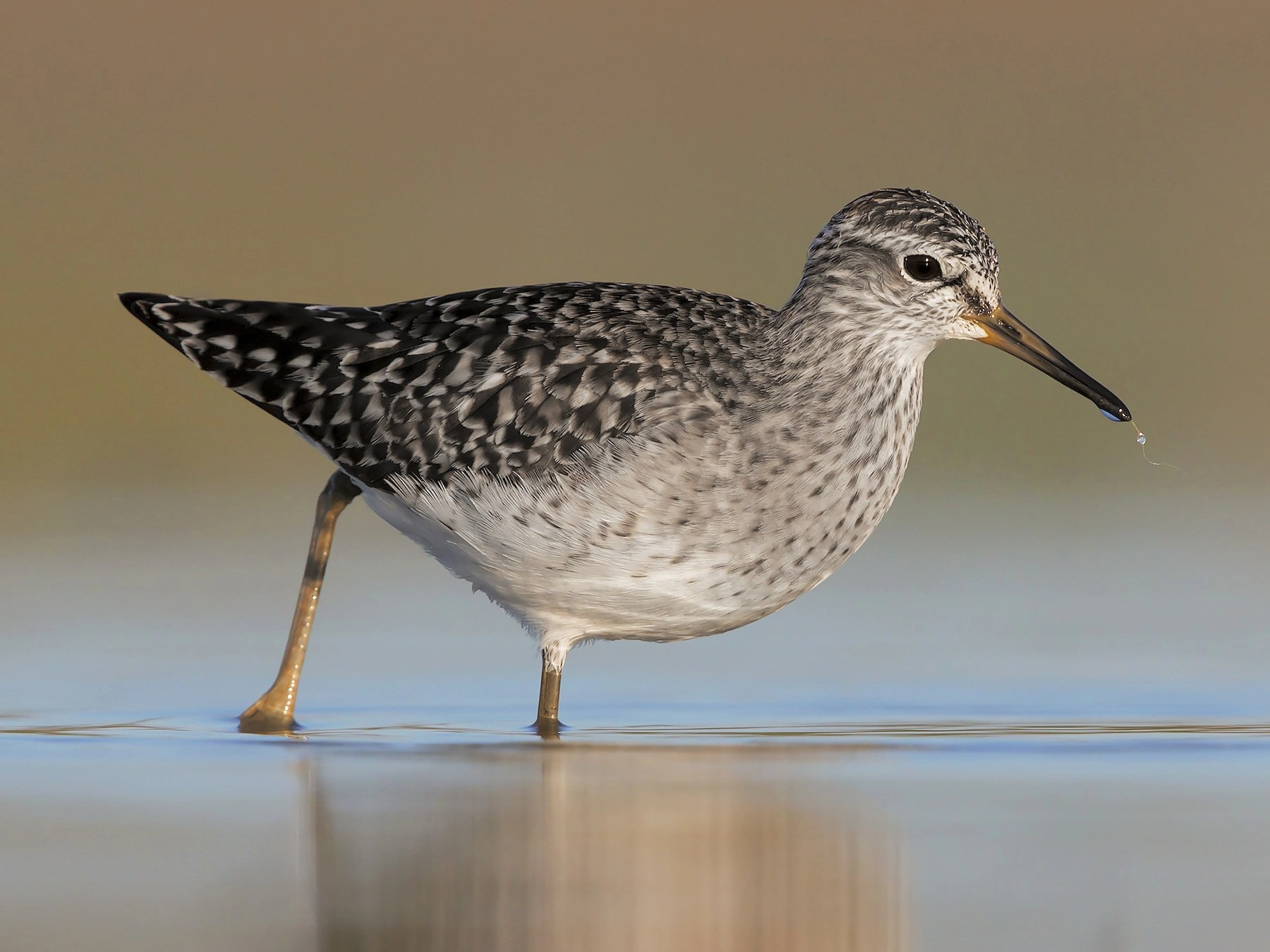
Wood Sandpiper
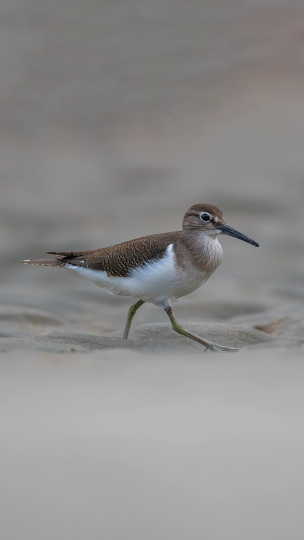
Common Sandpiper
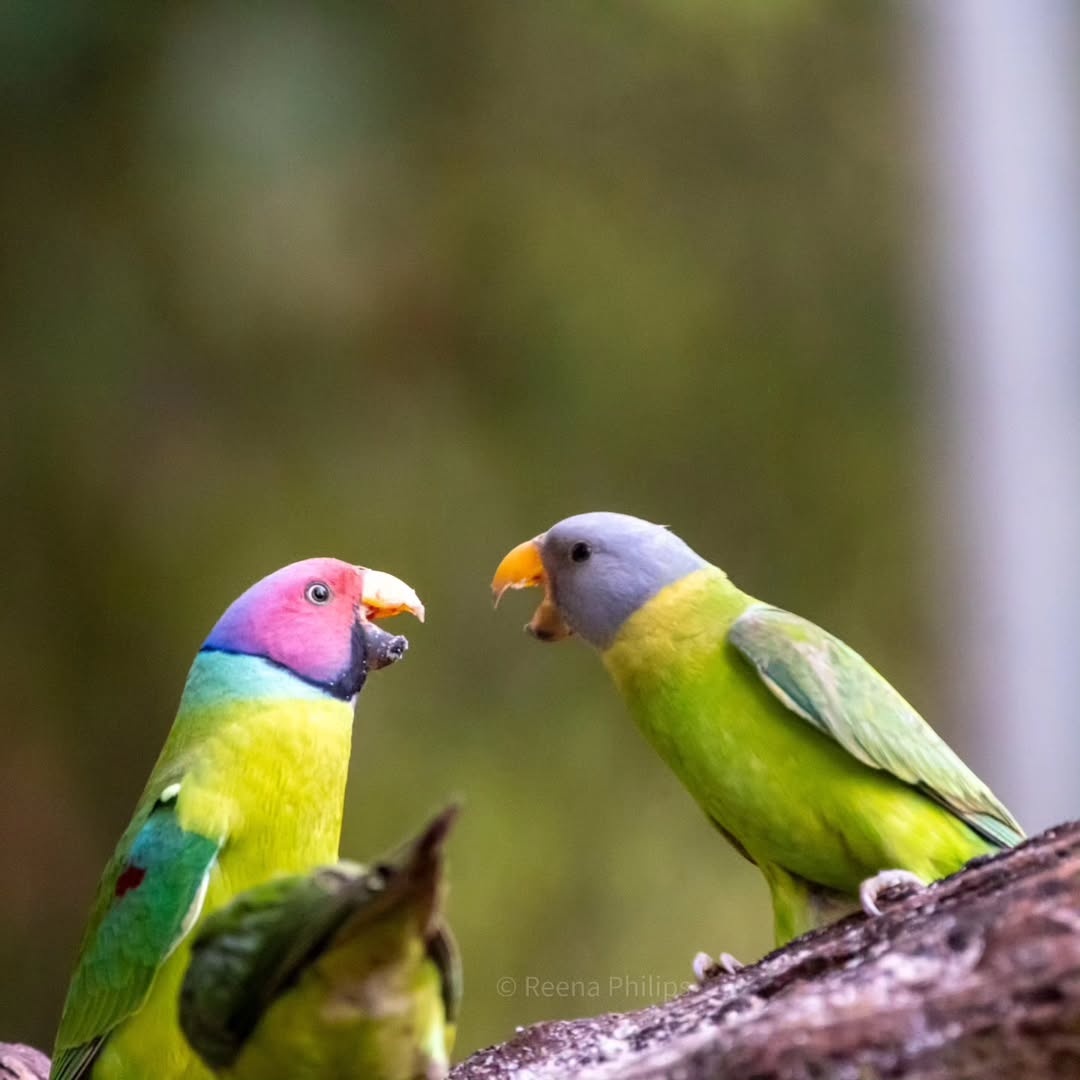
Plum-headed Parakeet
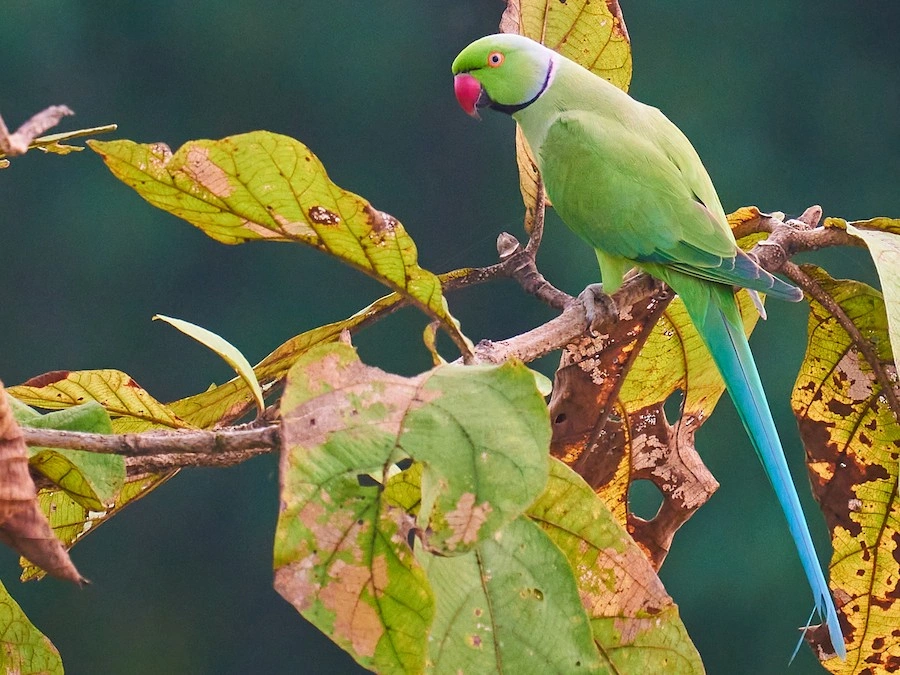
Rose-ringed Parakeet
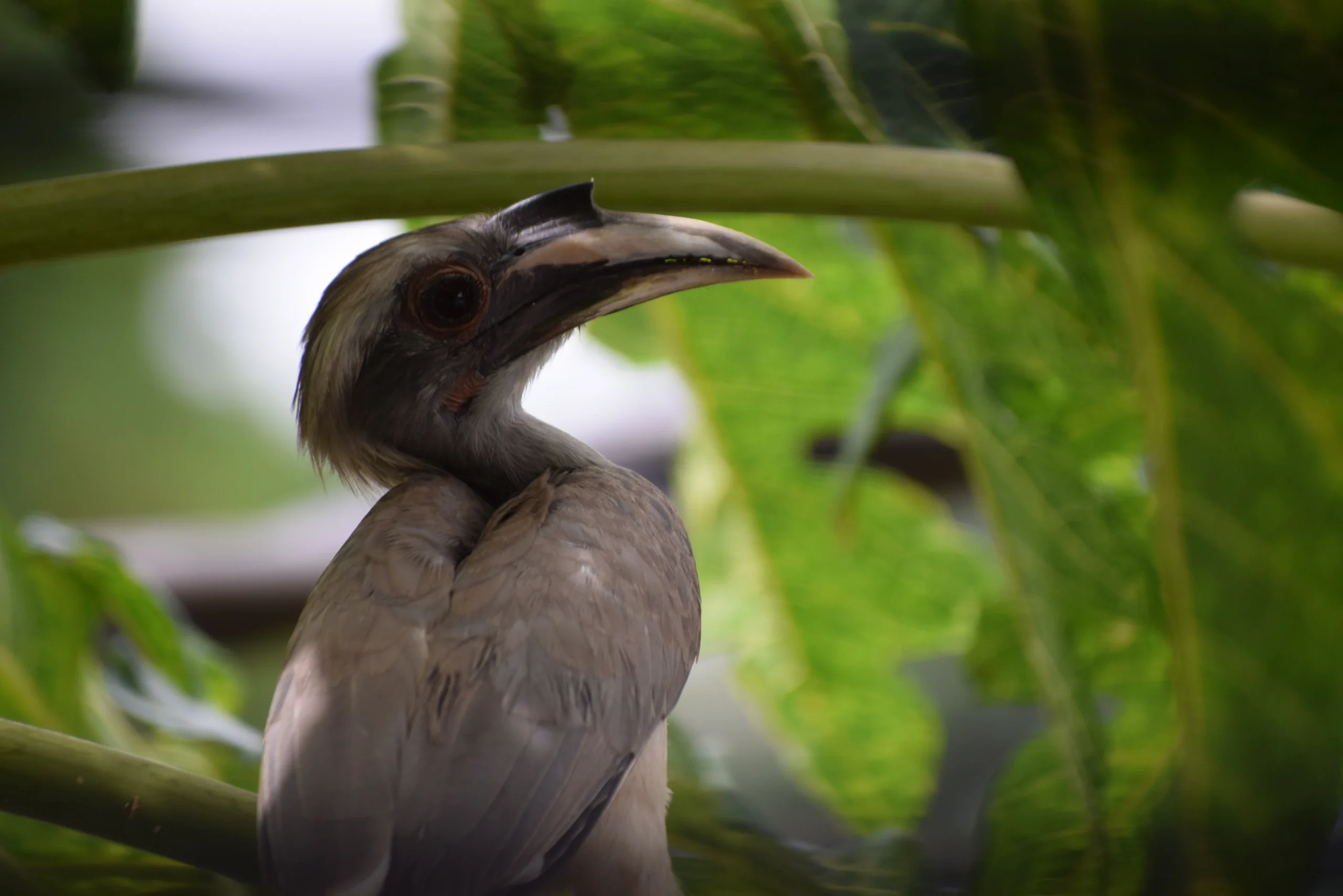
Indian Grey Hornbill
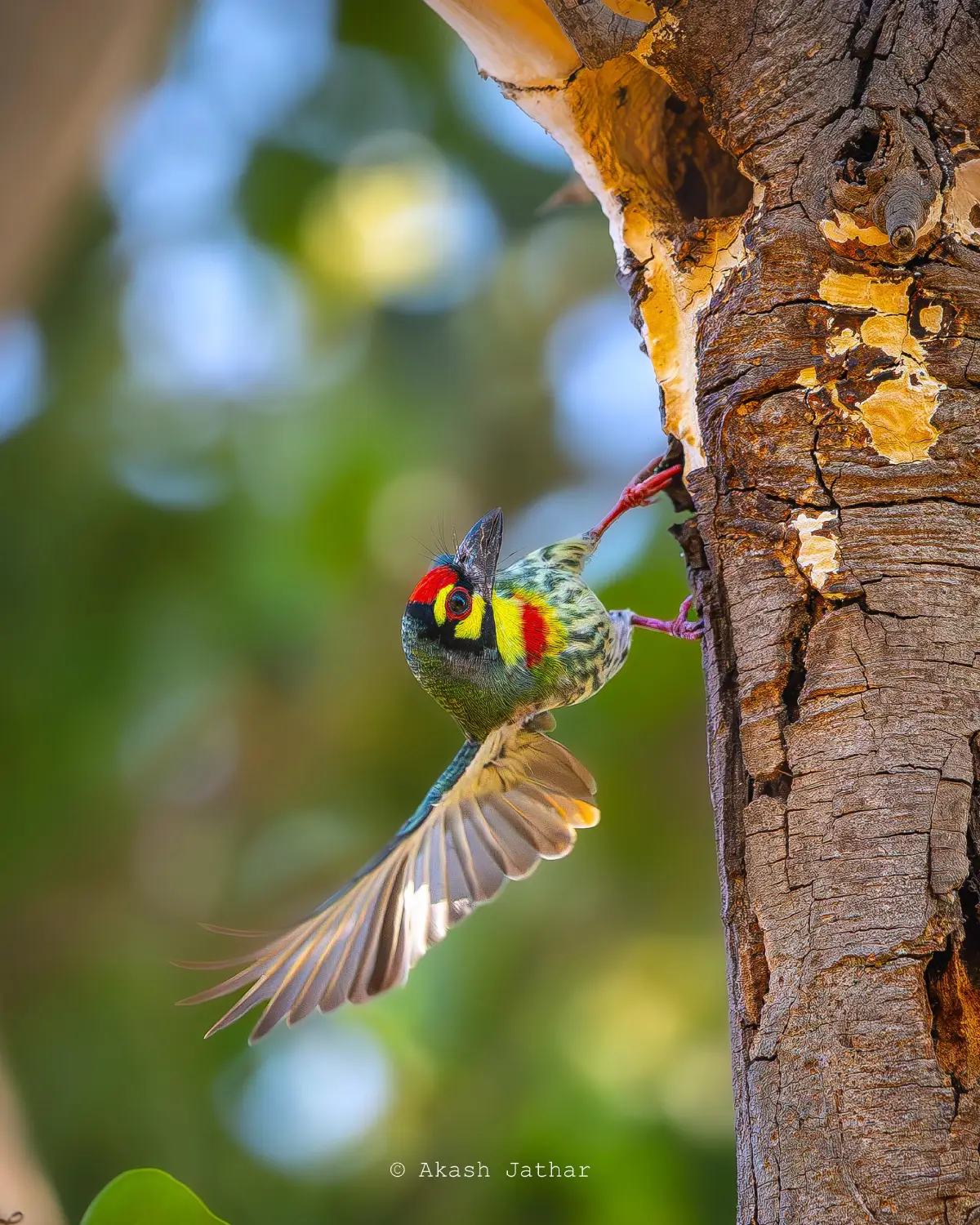
Coppersmith Barbet

Little Grebe

Striated Heron
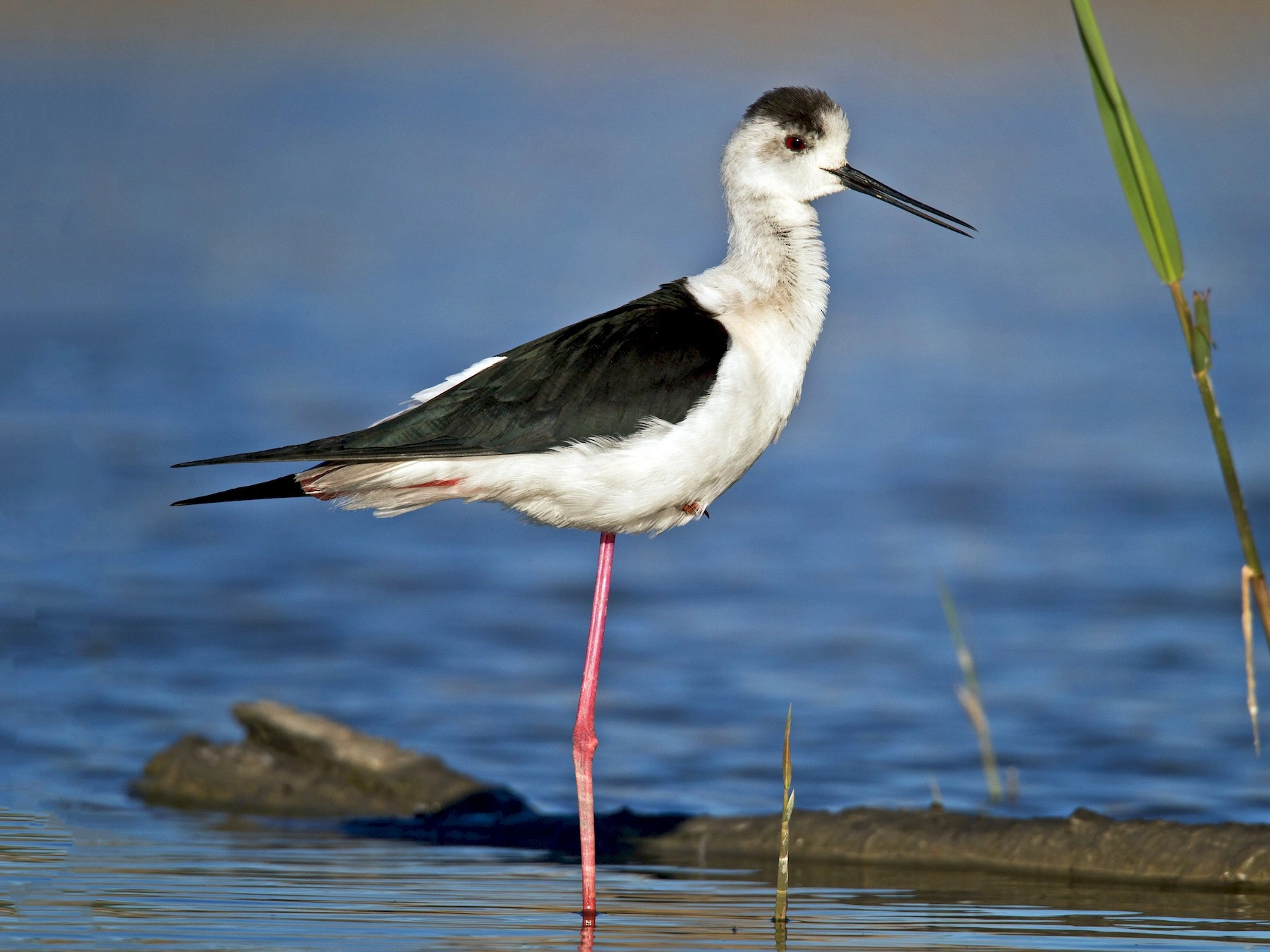
Black-winged Stilt

White-breasted Waterhen
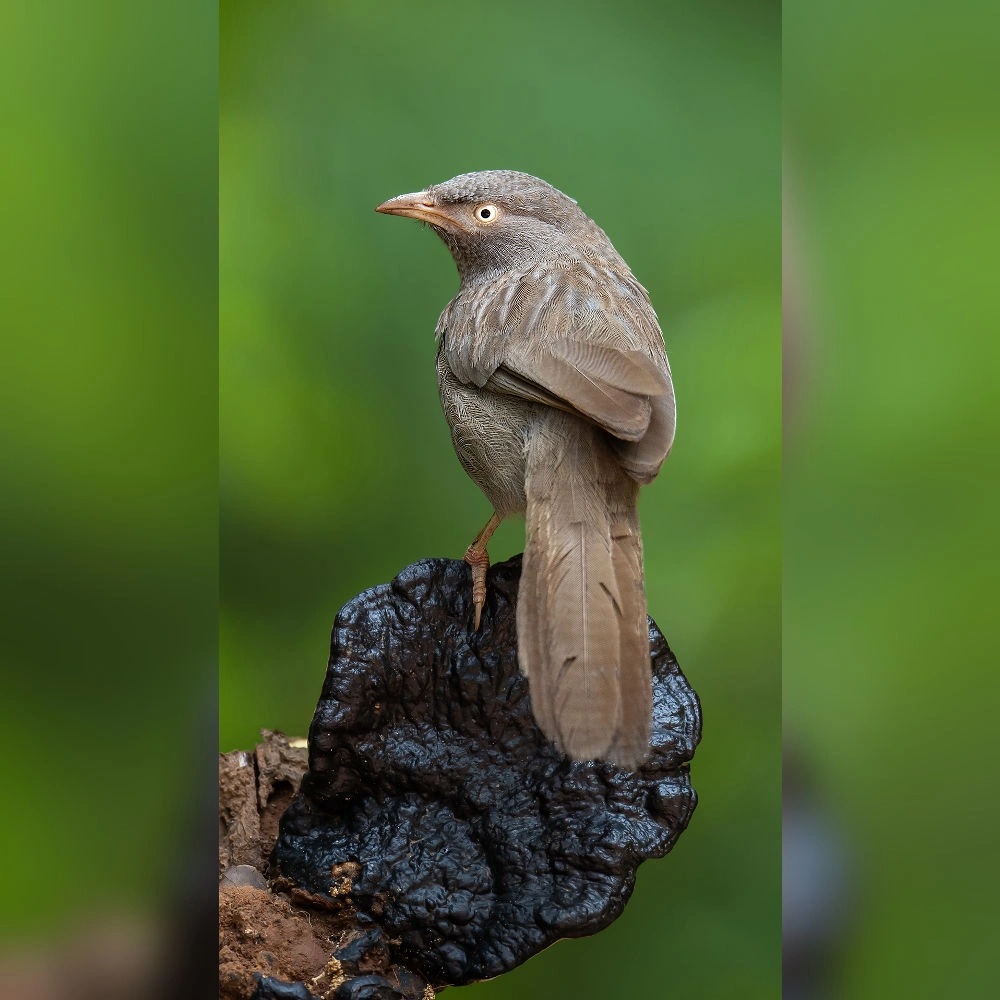
Jungle Babbler


Asian Koel
Summary of Walk
Twenty birders joined guides Parth and Paahi Parikh at Manipur Lake near Ahmedabad on 11 October for what Parth described as one of the most memorable bird walks so far, and it also happened to be his tenth walk with Ataavi. The group was greeted by more than forty Yellow-footed Green Pigeons, Bronze-winged Jacanas with chicks and a pair of Grey Hornbills, and Parth explained the nesting behaviour of the hornbills, drawing on his earlier television talk on Doordarshan. Two to four banyan trees with ripe fruits were feasting sites for the green pigeons and Coppersmith Barbets, and the birds came so close that participants could photograph them with their mobile phones. The morning brought dramatic action too, as a Shikra attacked some White-browed Fantails and four or five fantails put up a bold fight together. A Yellow Bittern turned up by serendipity when two photographs, assumed to show an Indian Pond Heron, revealed a much rarer bird, and Parth turned the moment into a lesson in careful identification. The group saw more than six raptors in a single walk, including Shikra, Black Kite, Oriental Honey-buzzard, Greater Spotted Eagle, Booted Eagle and Short-toed Snake-Eagle, and they also met five Spotted Owlets, which led to a fascinating explanation of how owls regurgitate pellets that reveal what they eat. The walk also touched on the food cycle and the effect of chemical pesticides on birds and insects. With 70 species recorded, including the Eurasian Spoonbill, it was a joyful, educational and unforgettable morning.
Number of Participants
0