Loading Events

Bird Walk at Mahatma Tekdi, Pune

About Mahatma Hill

Mahatma Hill in Pune is a peaceful natural escape located near the bustling cityscape, offering a refreshing environment surrounded by greenery, gentle slopes, and panoramic views. Known for its quiet walking trails and scenic vantage points, the hill attracts morning walkers, nature lovers, and families seeking a serene spot to unwind. The hilltop provides a beautiful overlook of the surrounding neighborhoods, allowing visitors to enjoy sunrise and sunset moments while appreciating the cool breeze and songs of local birds.
The hill also carries cultural and recreational value, often serving as a gathering place for community activities and informal fitness routines. With increasing urbanization around Pune, Mahatma Hill stands as a reminder of the city’s natural beauty and ecological heritage. Whether it’s for meditation, photography, exercise, or simply a moment of peace away from daily routine, the spot continues to be a cherished green pocket for residents and visitors alike.

Bird Guide - Yashraj Thakare

Currently pursuing his MS in Wildlife Conservation Action, he has been active in the field for three years and leading trails for the past two. With a deep interest in entomology and herpetofauna, he brings a well-rounded, curious perspective to every nature walk.
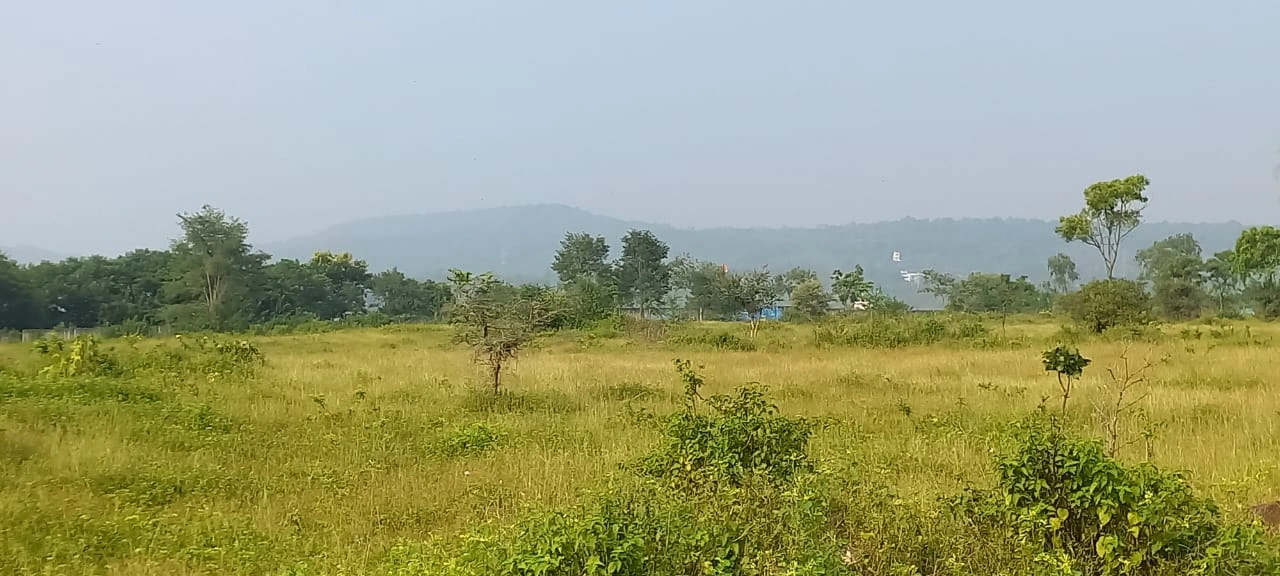

Bird walk Location

Common birds of Mahatma Hill

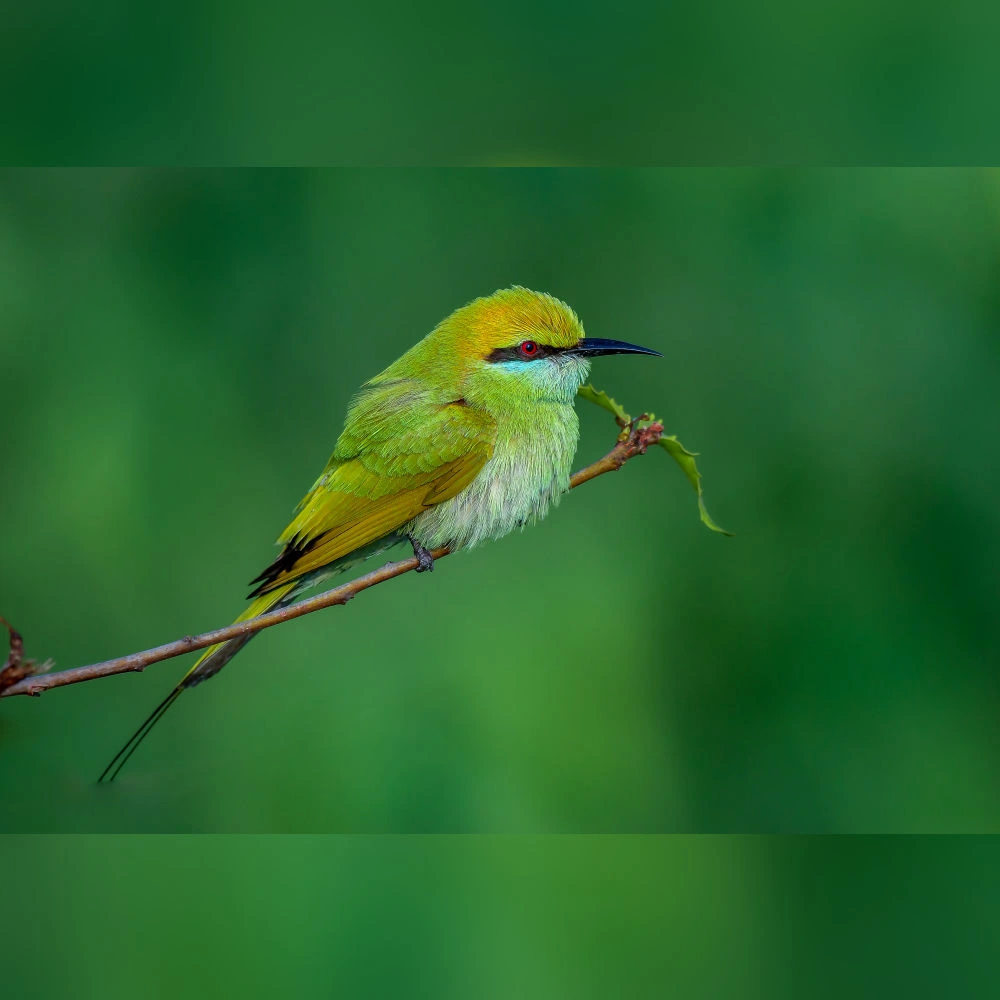
Mahatma Hill in Pune is a thriving birding hotspot, with an impressive 168 species recorded, reflecting its diverse habitats of scrubland, grass patches, and scattered trees. Common sightings include ground-foraging birds such as the Laughing Dove and Red-wattled Lapwing, while water bodies around the hill support species like Little Grebe, Glossy Ibis, and Eastern Cattle Egret. Raptors such as the Black-winged Kite and occasional Booted Eagle add excitement for birders, soaring above the slopes in search of prey. Classic open-country species like the Asian Green Bee-eater, Black Drongo, and Long-tailed Shrike are frequently seen perched on wires or shrubs, actively hunting insects and contributing to the lively bird activity around the hill.
The hill also hosts a beautiful mix of woodland and urban-edge birds, from the melodic Indian Golden Oriole and Purple Sunbird to the playful Rufous Treepie and social Large Gray Babbler. Swallows such as the Wire-tailed Swallow skim gracefully over open spaces, while insect-hunters like Indian Robin and Black Redstart flit across rocks and bushy patches. Wetland visitors, including Little Cormorant and White-throated Kingfisher, reflect the presence of nearby water sources. With wagtails, kingfishers, sunbirds, shrikes, and raptors all appearing on a single walk, Mahatma Hill offers birders a vibrant and rewarding experience, making it one of Pune’s beloved nature pockets and a refuge for both migratory and resident birds.
Black Kite
Asian Green Bee-eater
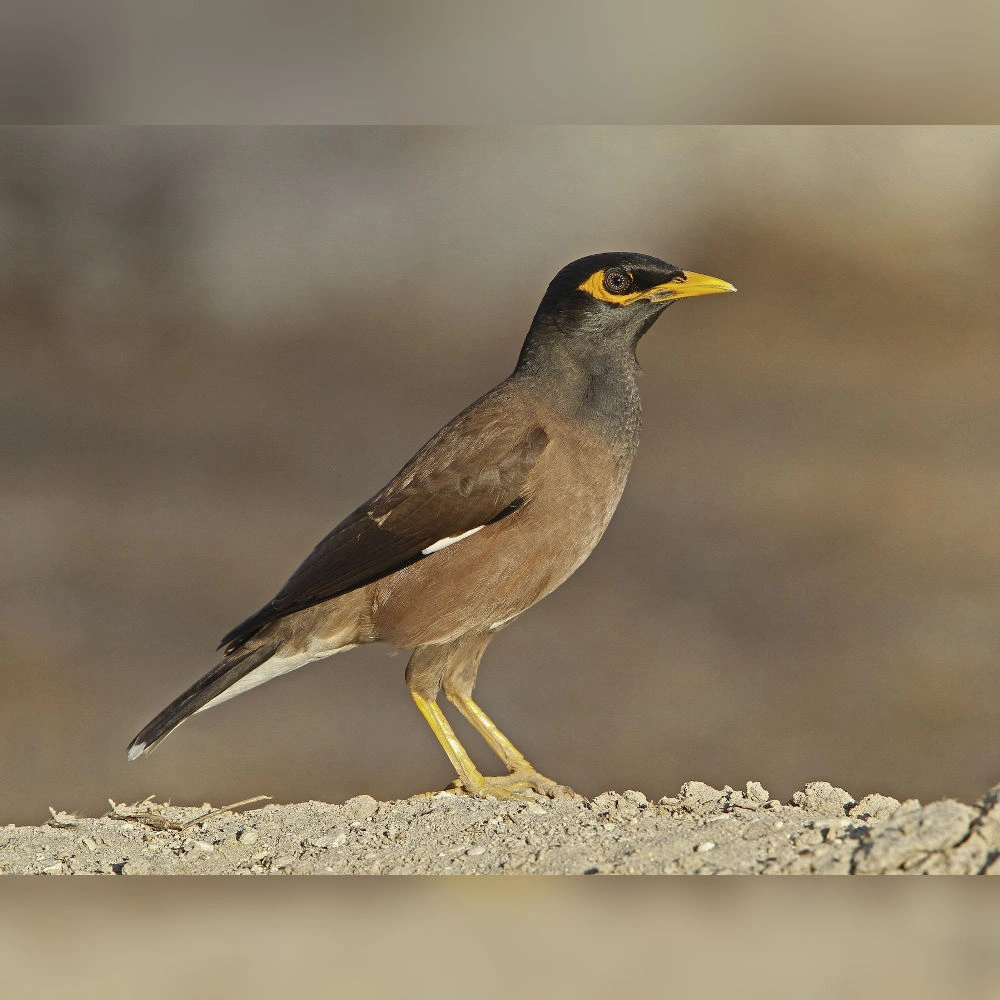
Common Myna
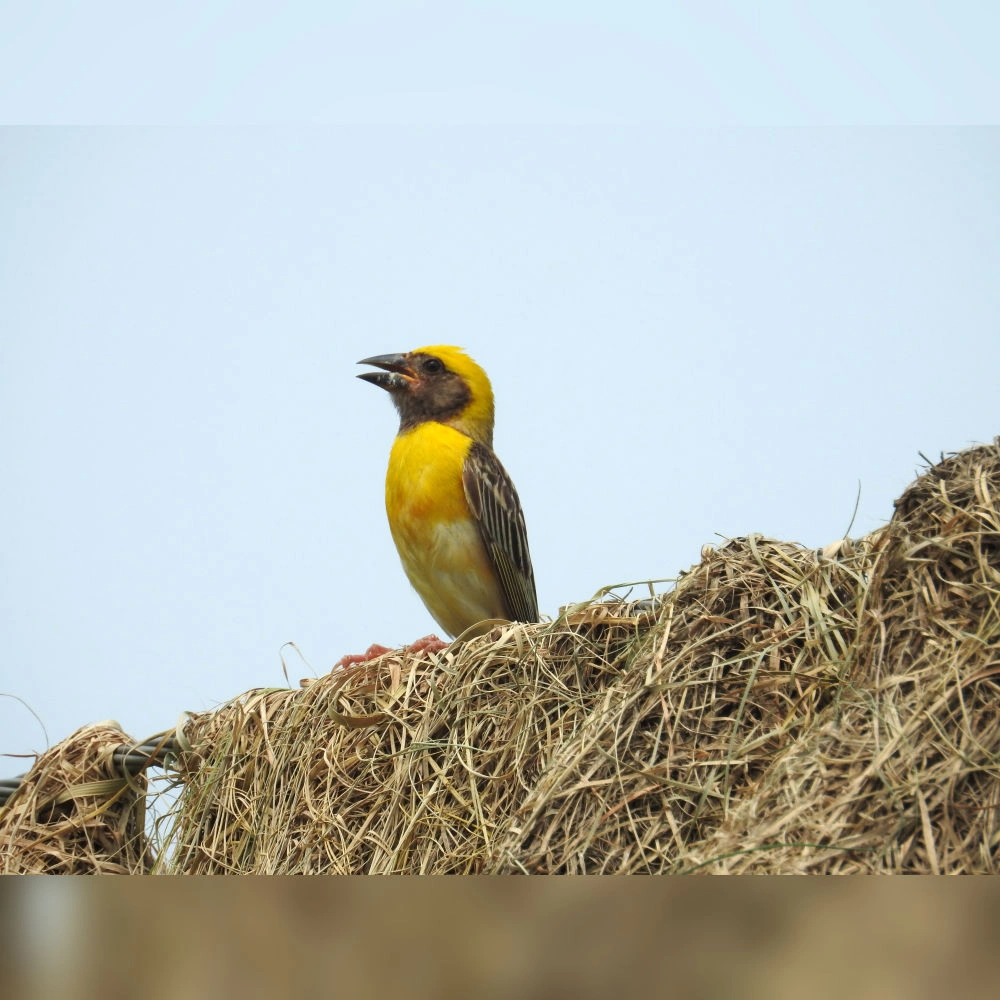
Baya Weaver
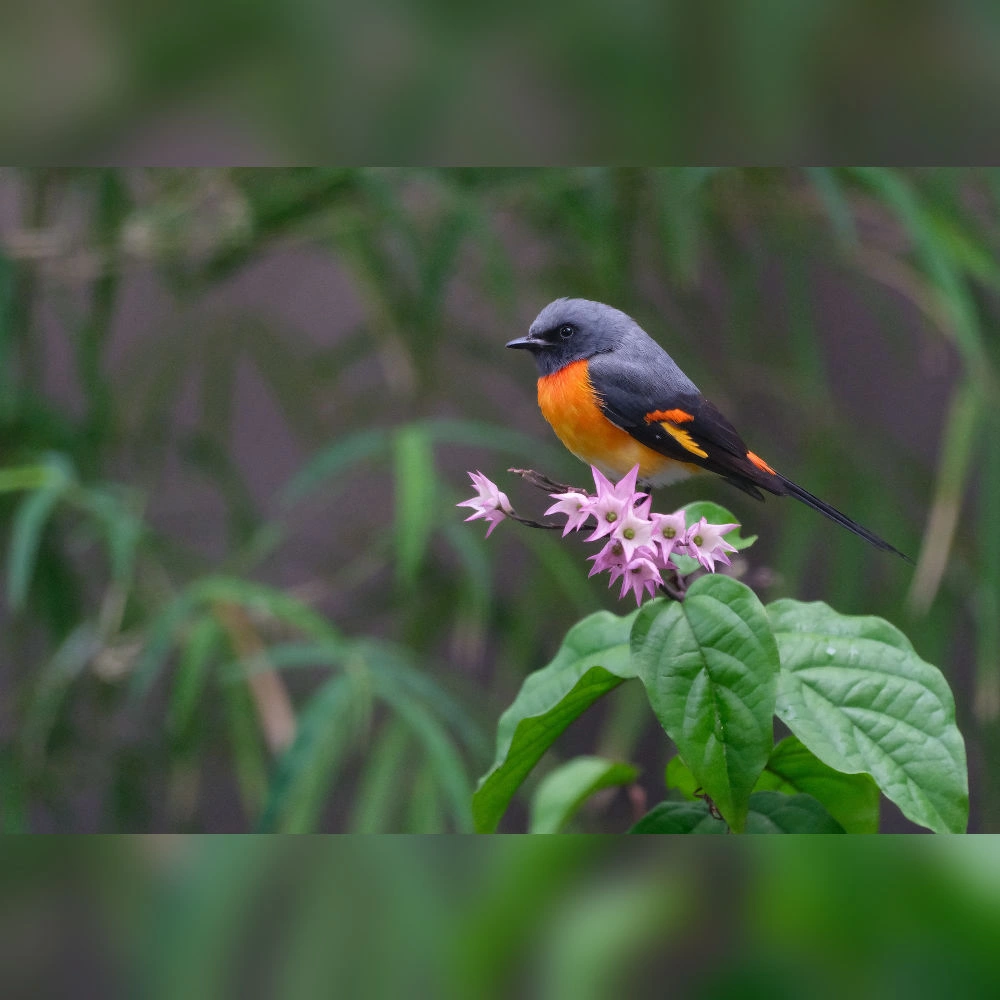
Small Minivet
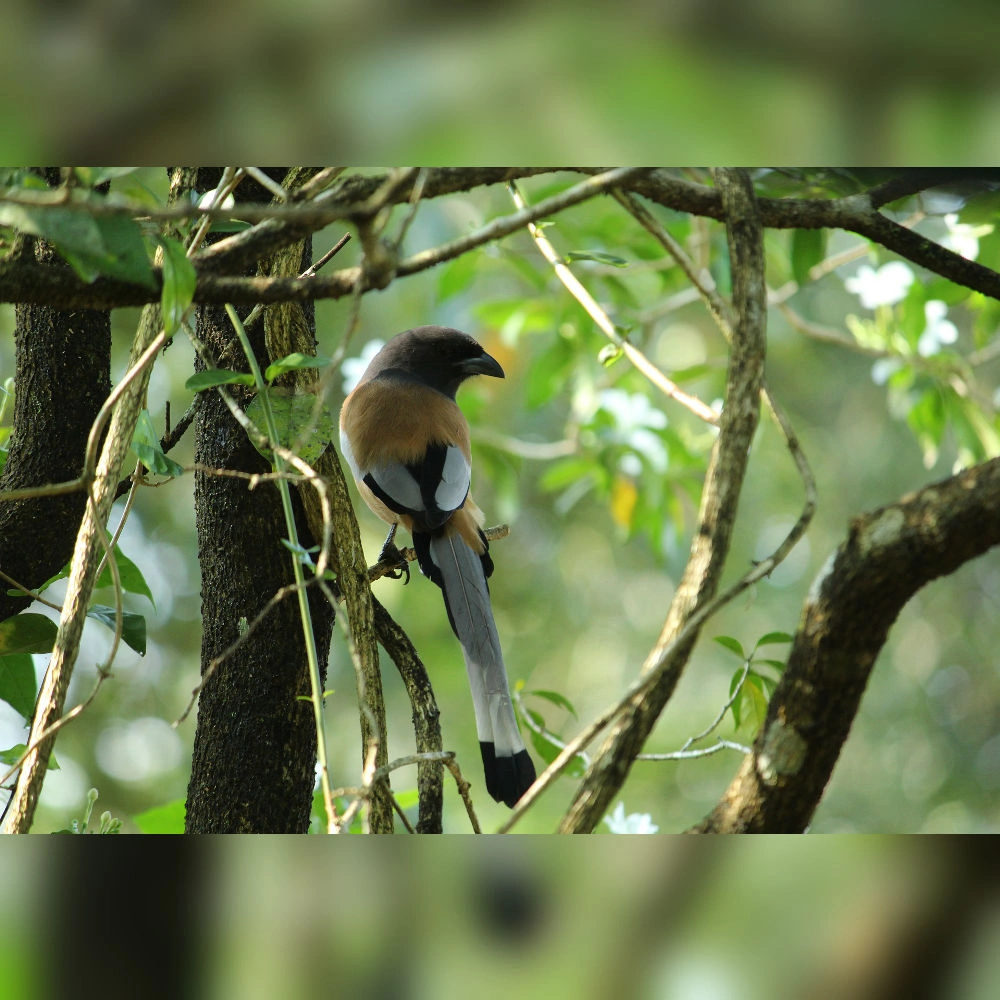
Rufous Treepie
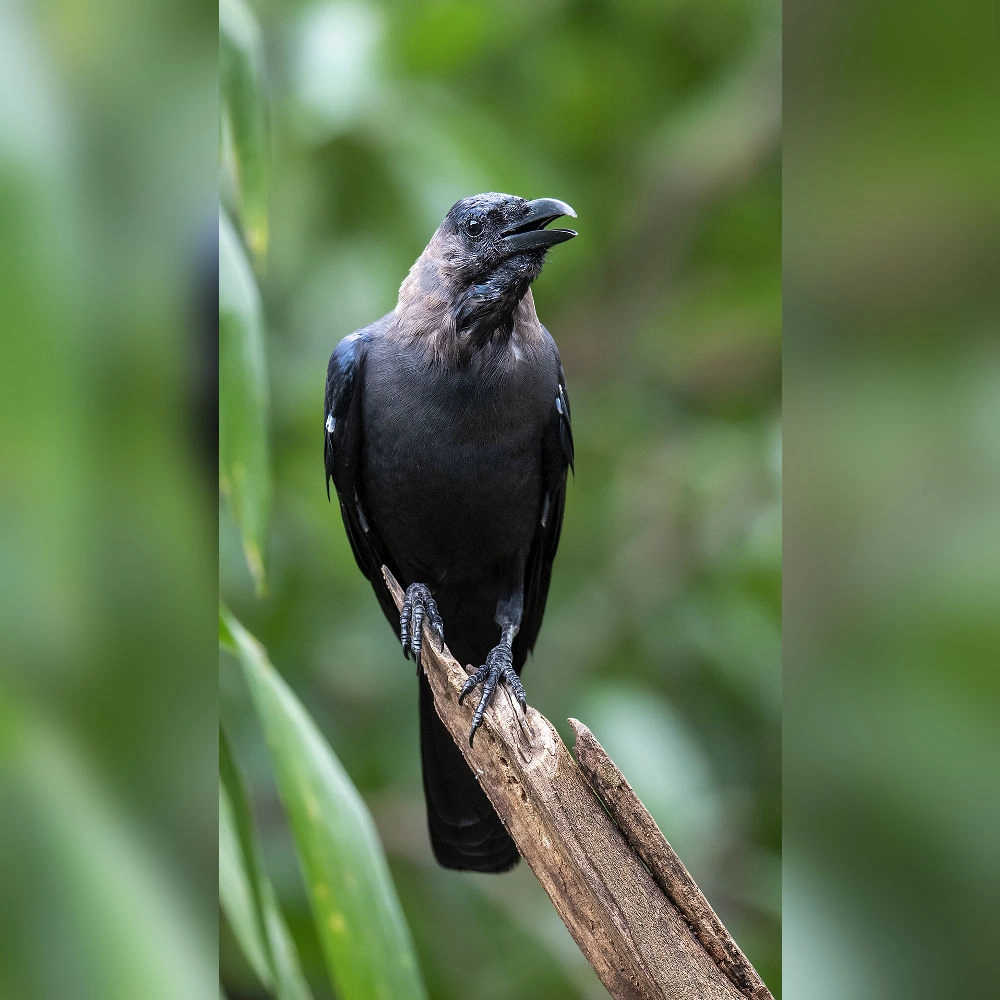
House Crow
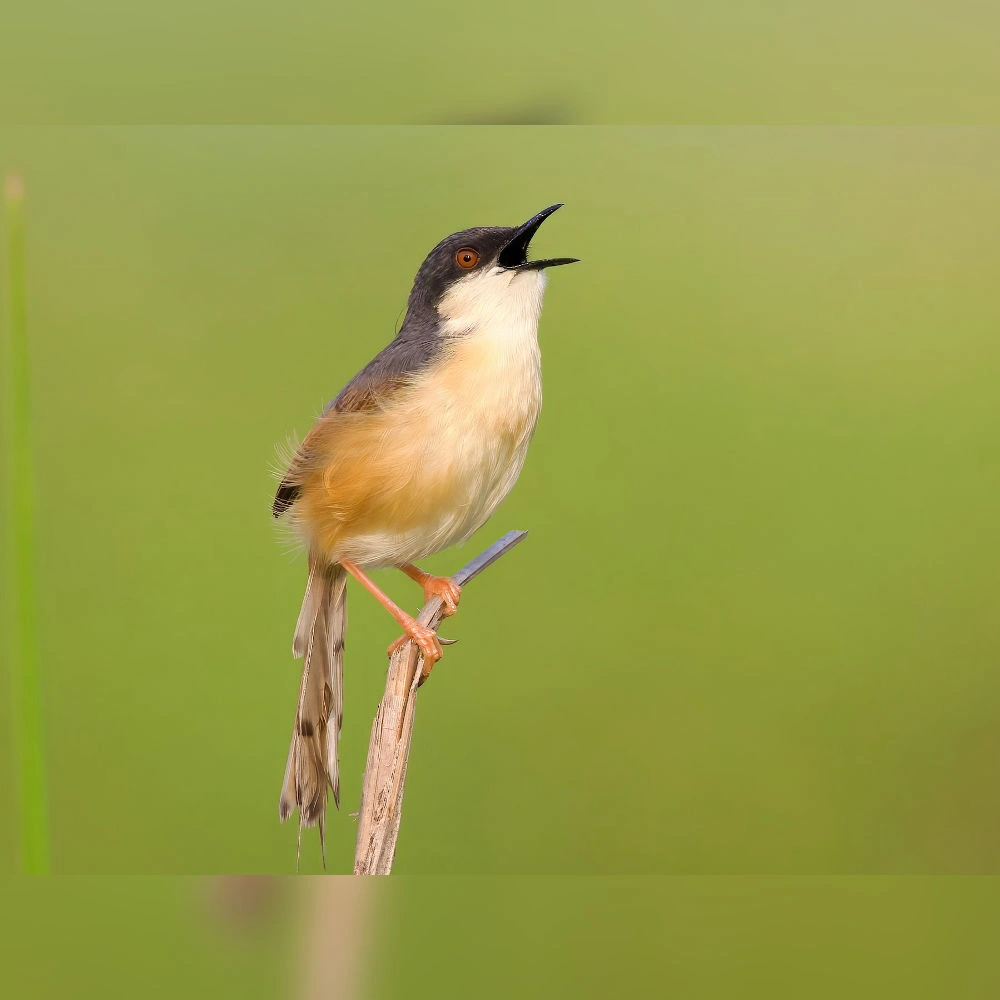
Ashy Prinia
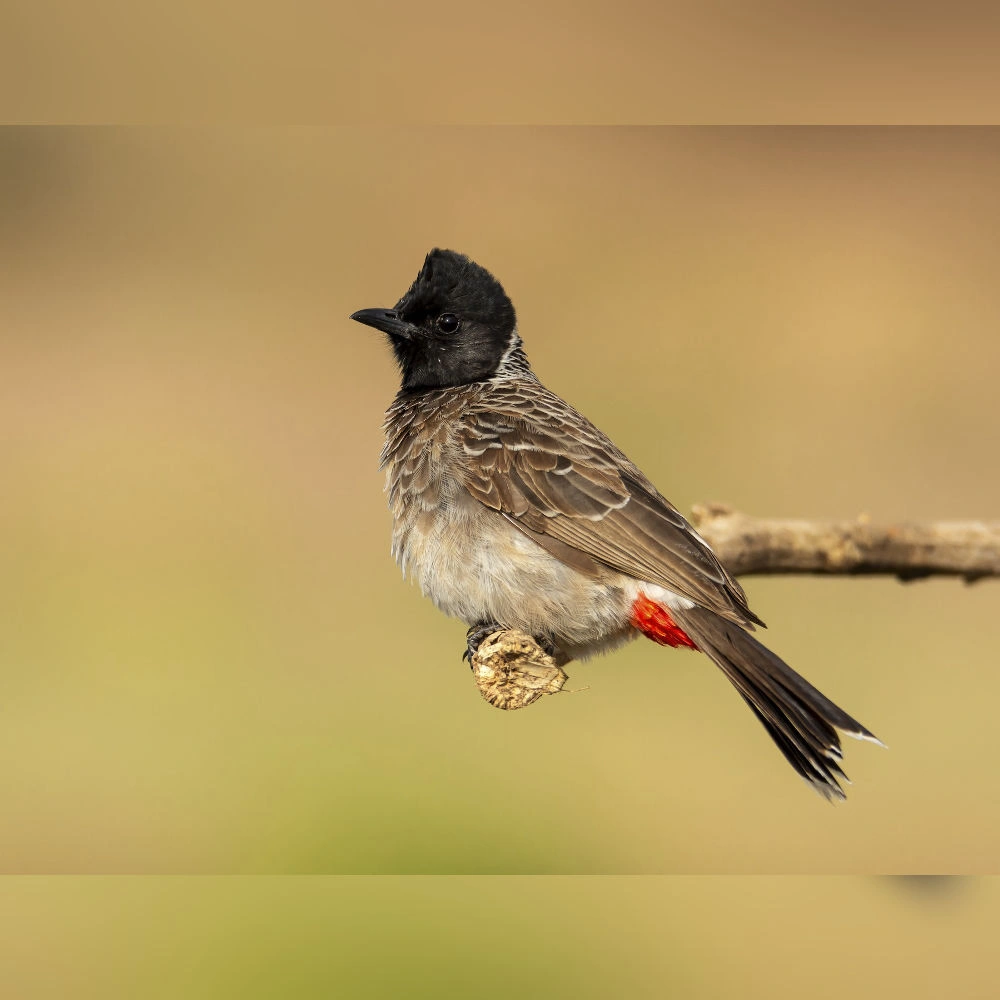
Red-vented Bulbul
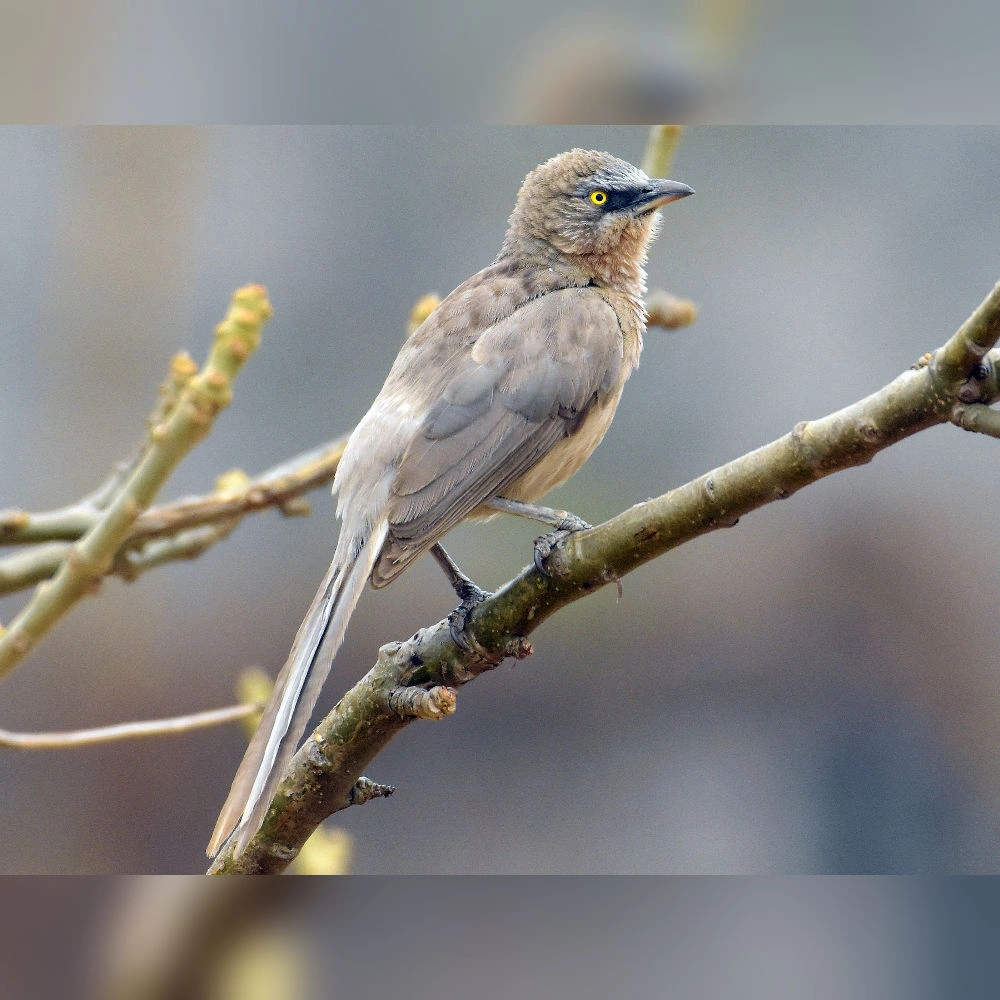
Large Grey Babbler
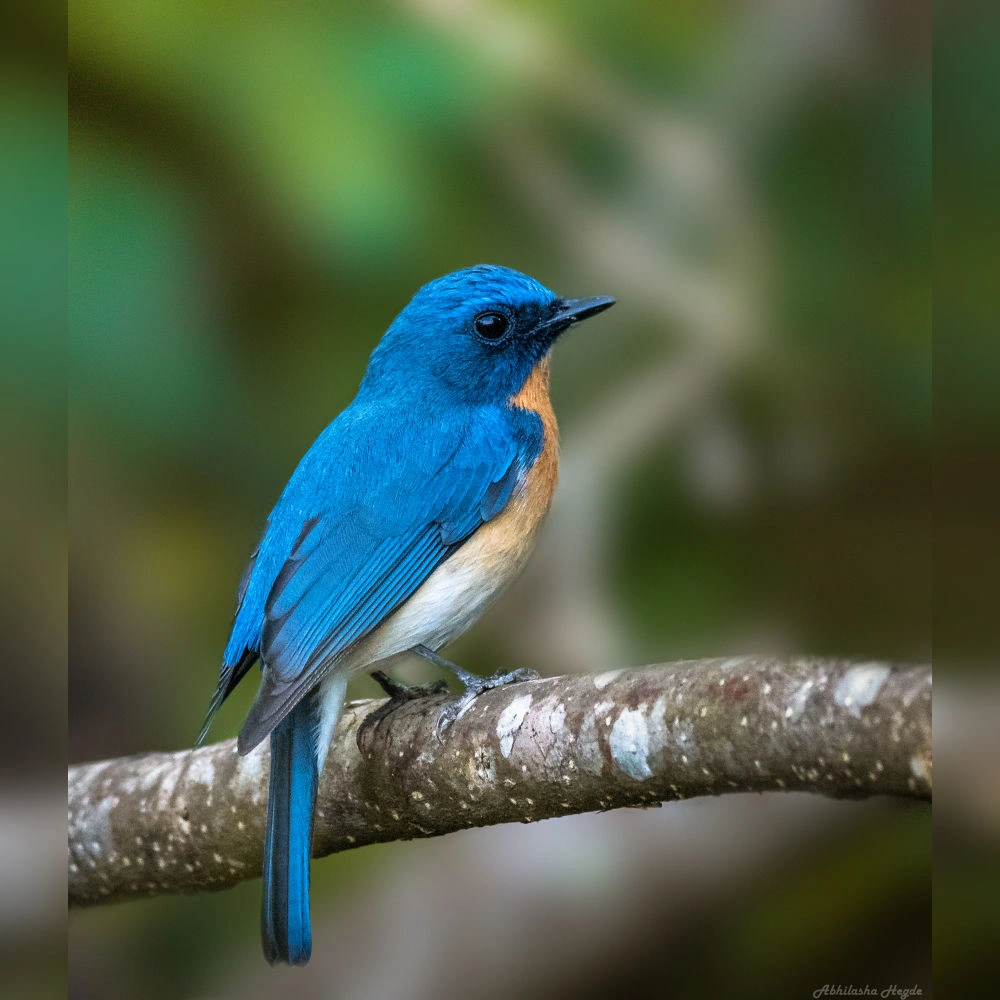
Tickell's Blue Flycatcher
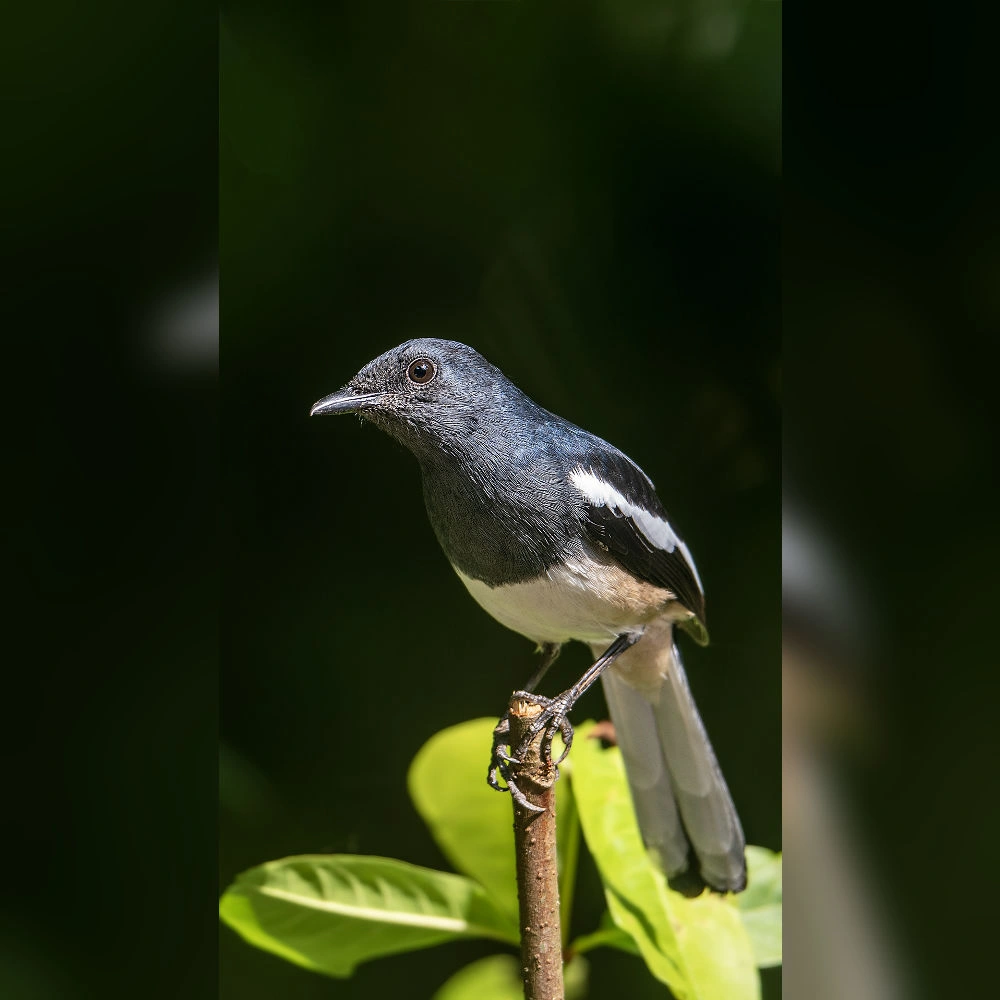
Oriental Magpie Robin
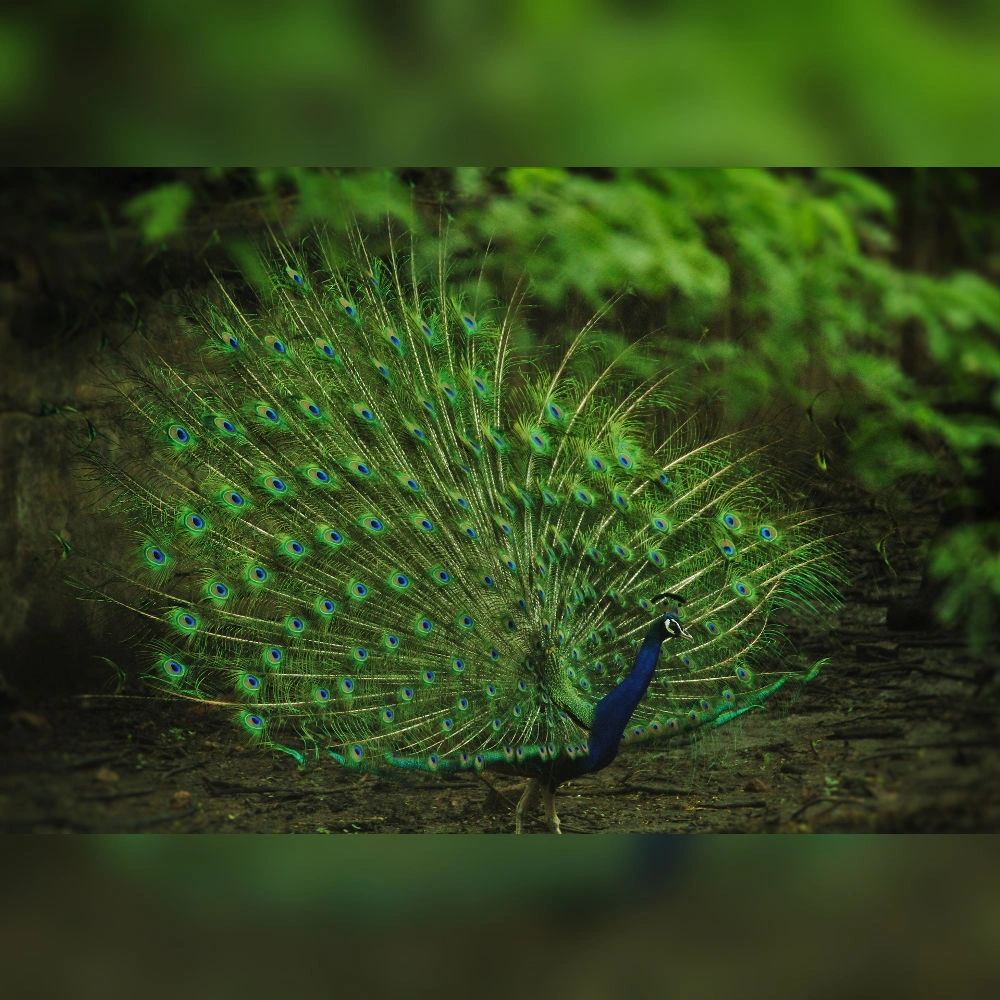
Indian Peafowl
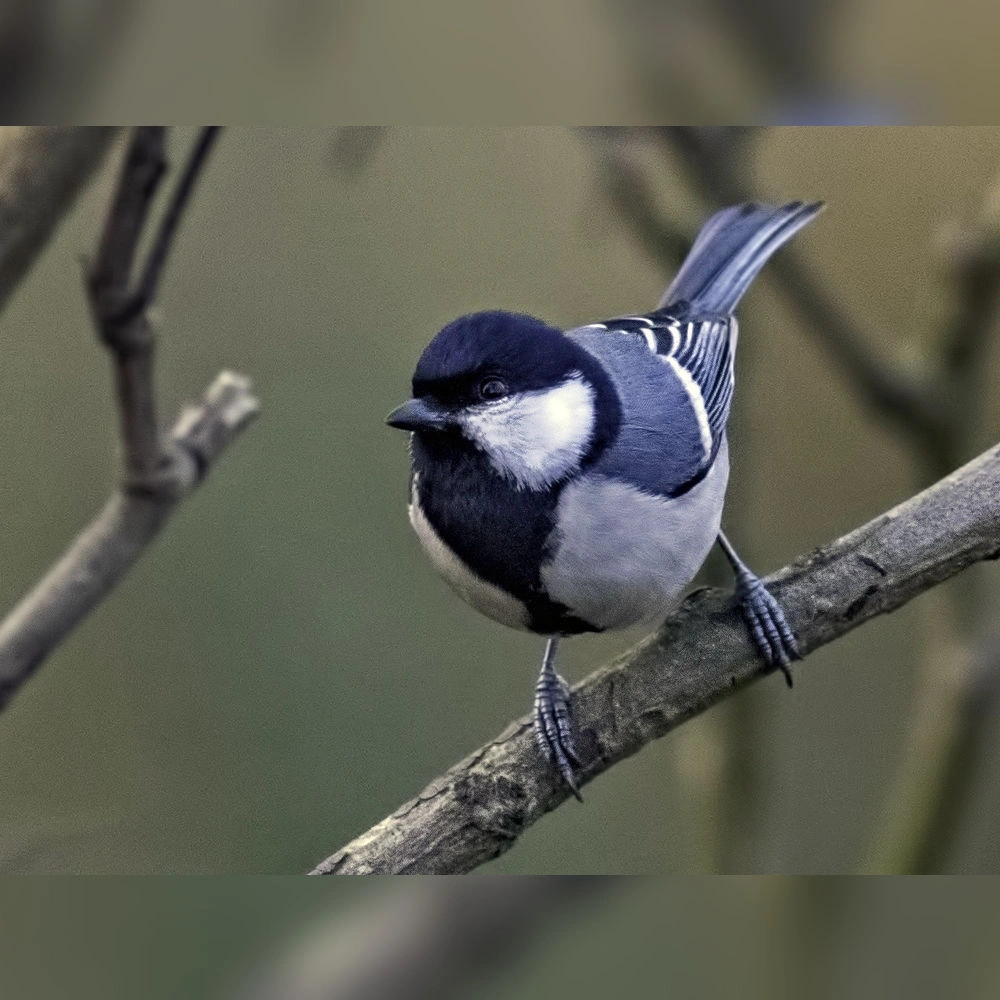
Asian Tit
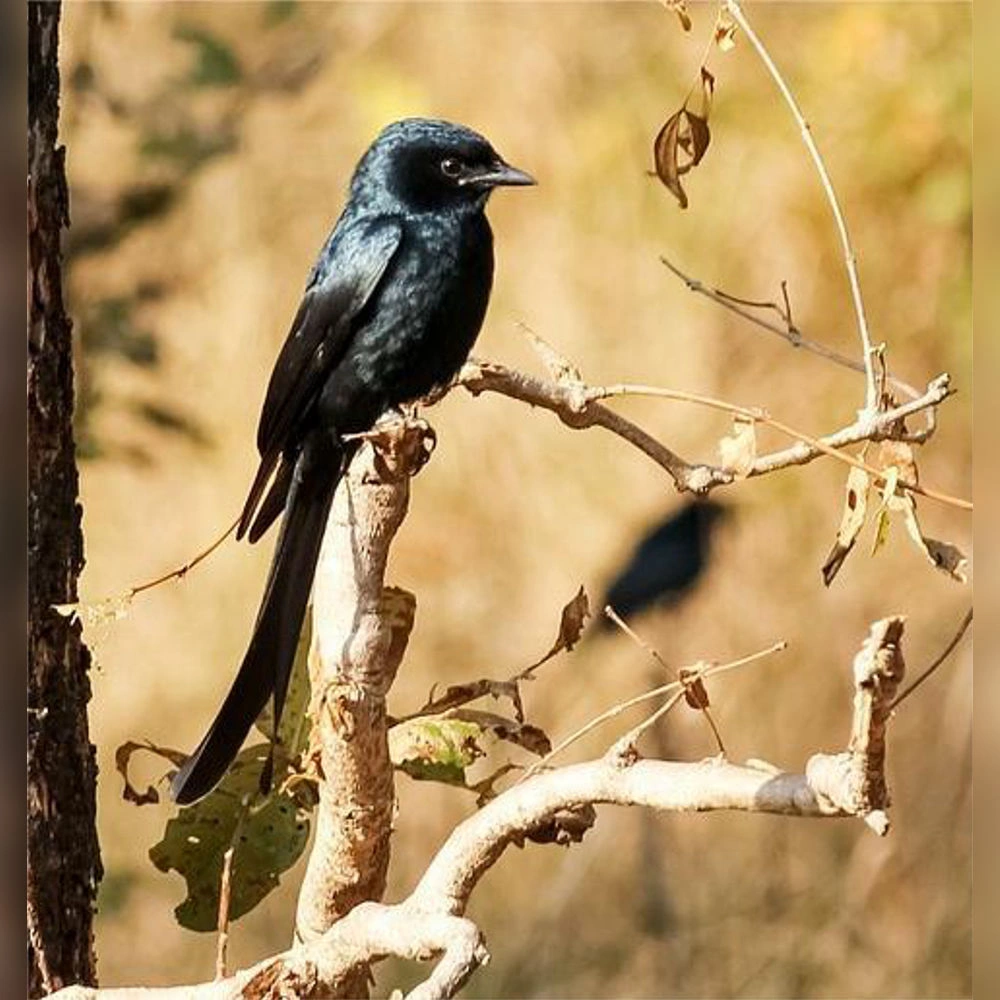
Black Drongo
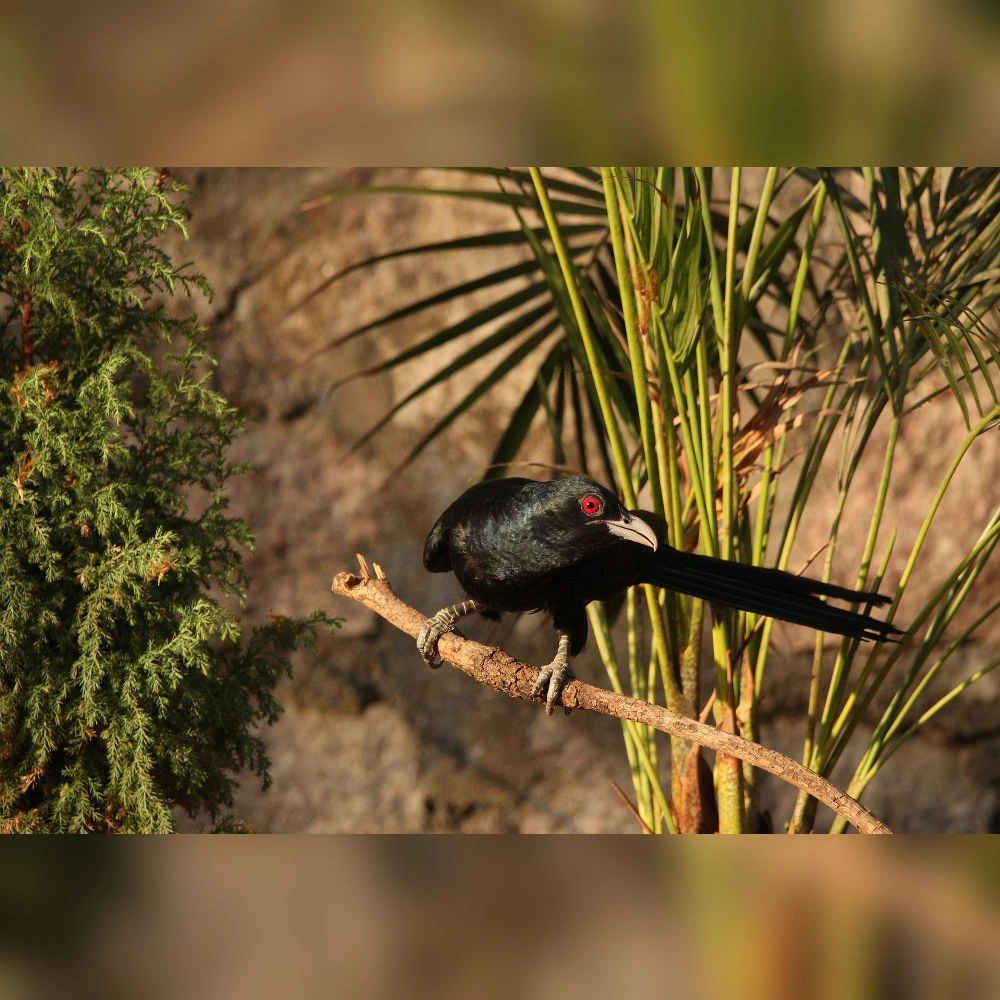
Asian Koel
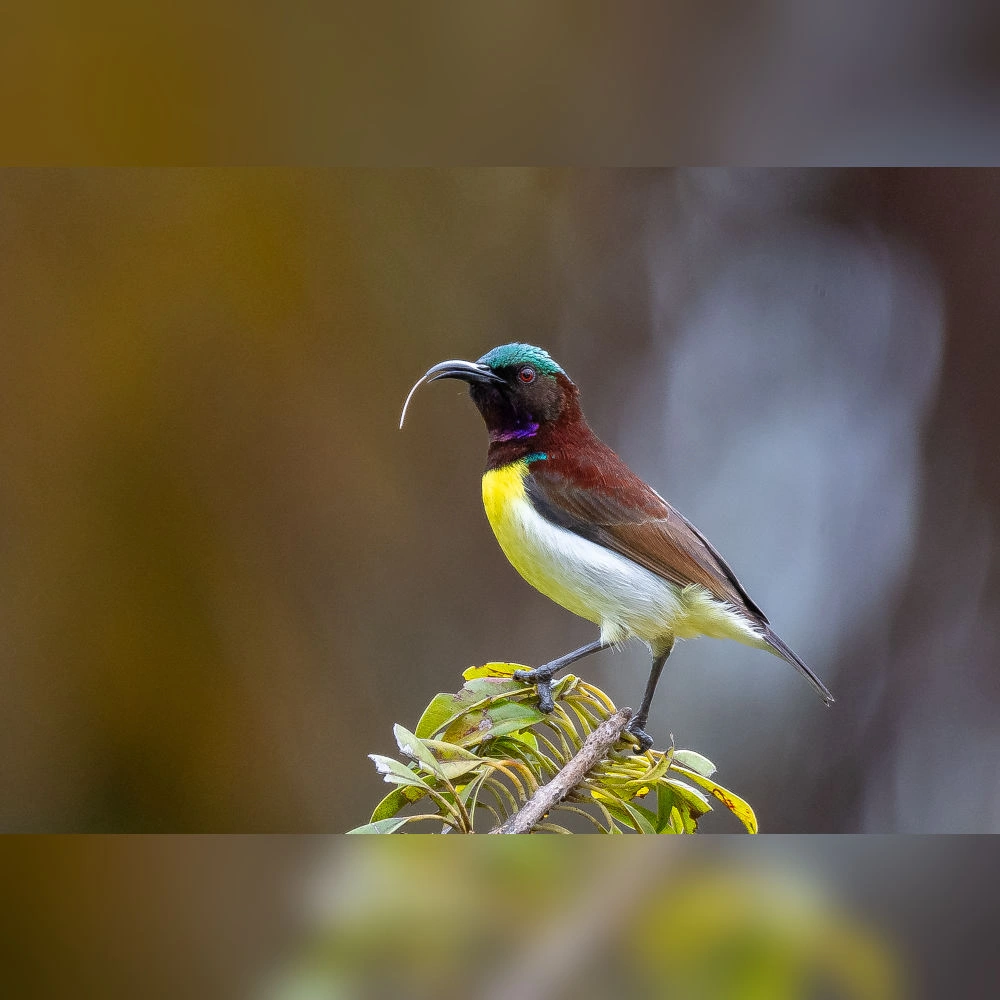
Purple-rumped Sunbird
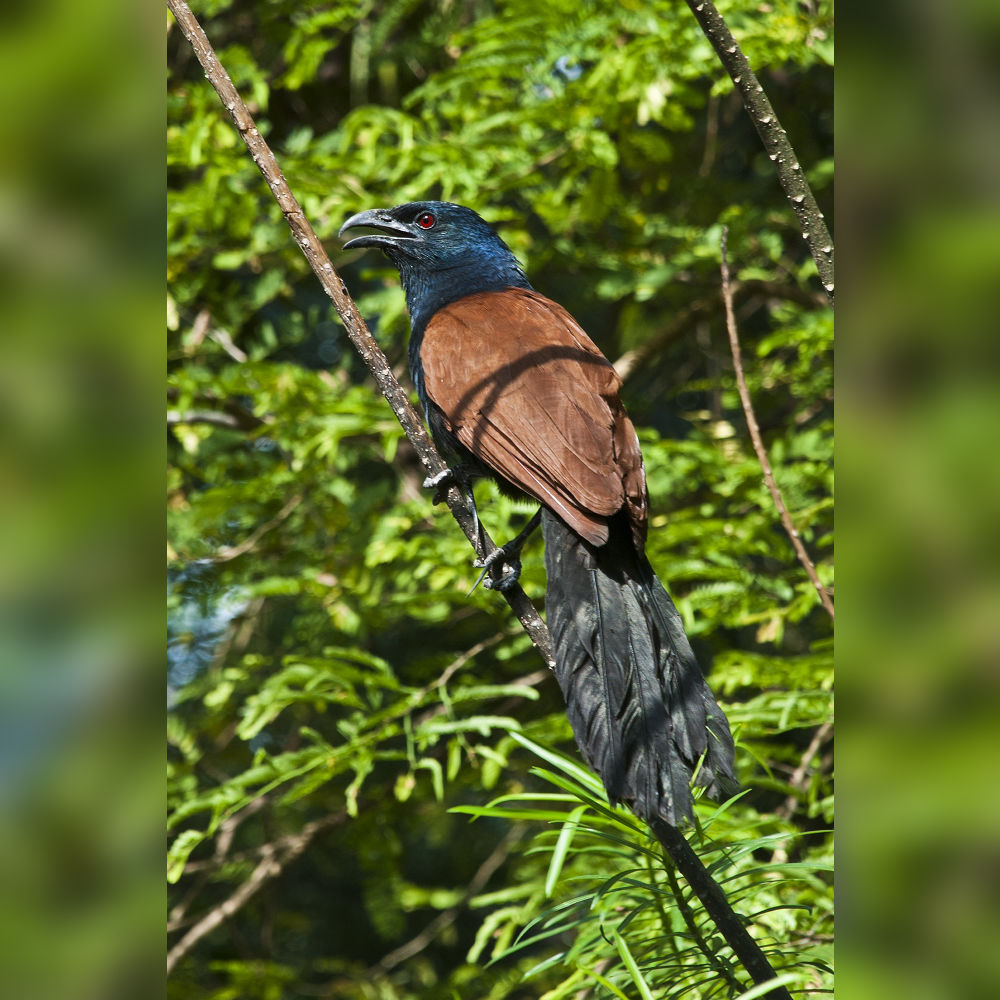
Greater Coucal
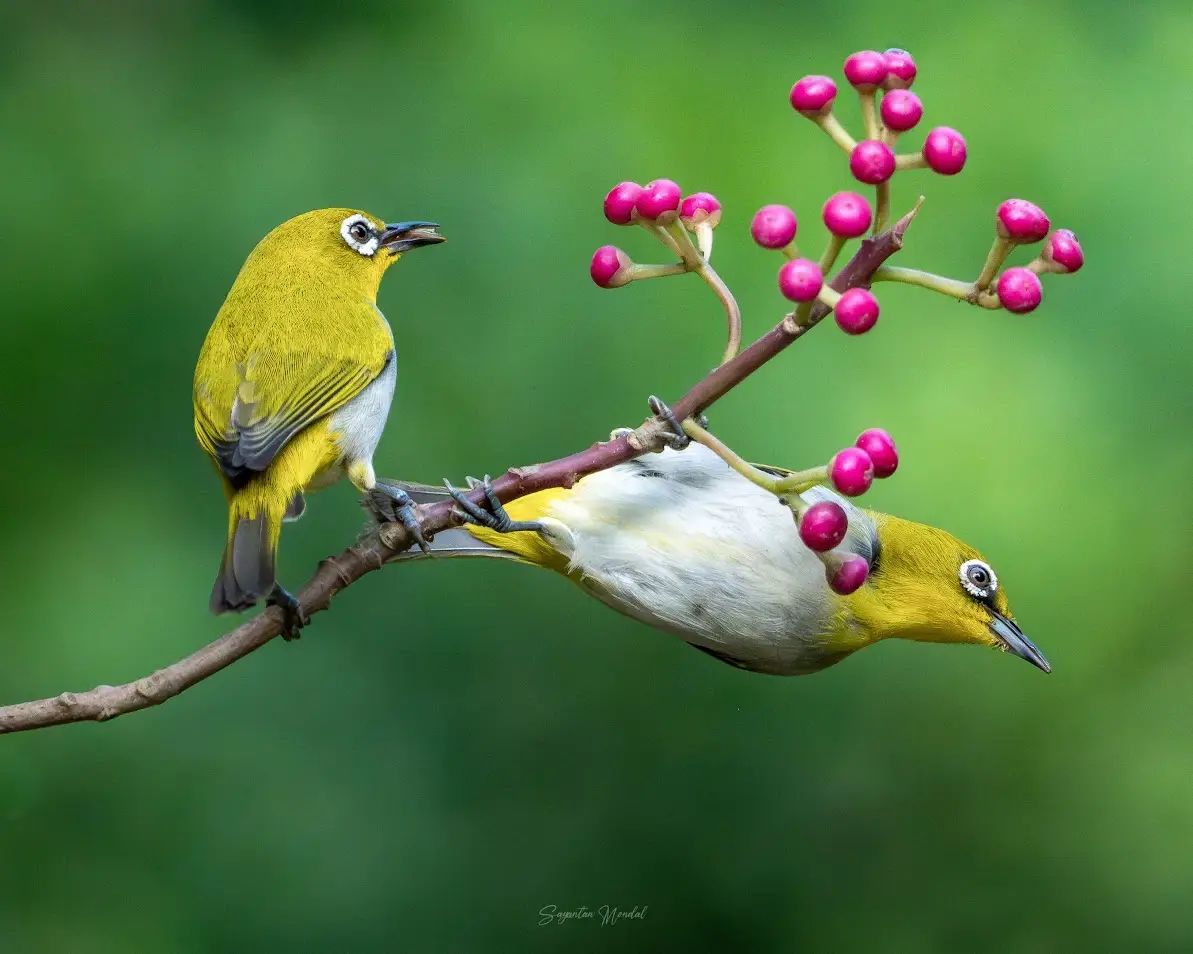
Indian White-eye
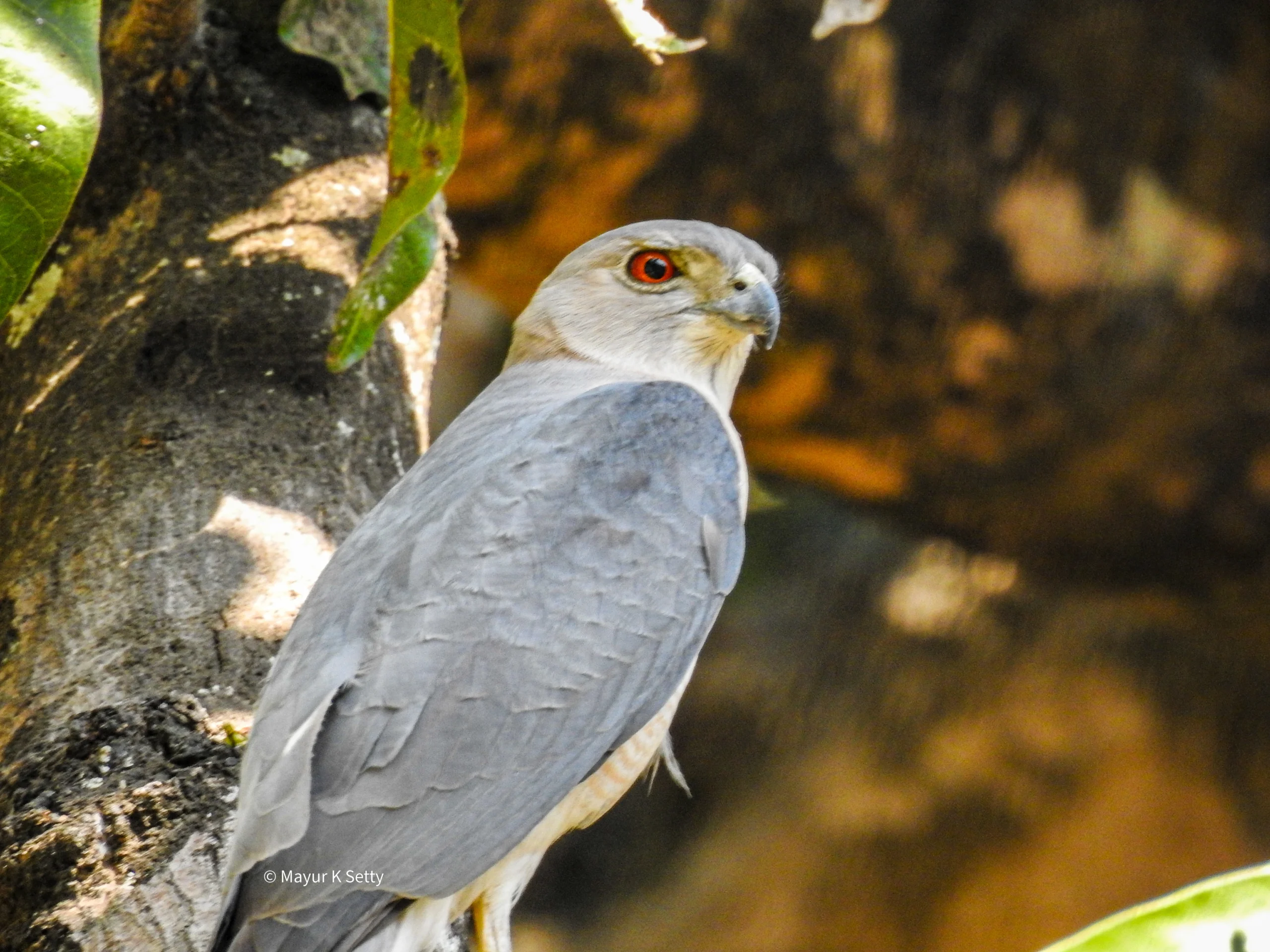
Shikra

Summary of Walk

On 1 November 2026, 6 enthusiastic participants joined Yashraj Thakare for a rewarding birding trail at Mahatma Tekdi in Pune. This hill in the city’s Kothrud area is a mix of open grassland, scrub and wooded pockets, making it a haven for grassland specialists, scrub foragers and winter migrants. The group’s keen observations and lively curiosity kept the session engaging throughout as they explored the hill’s varied habitats. The group spotted and identified an impressive 35 species. Sightings ranged from striking residents like the Indian Peafowl, Painted Francolin and Small Minivet to agile foragers including the Spot-breasted Fantail, Common Tailorbird, Plain Prinia and Zitting Cisticola. The checklist highlighted the seasonal richness of the tekdi, featuring winter migrants such as the Eurasian Kestrel, Siberian Stonechat, Sykes’s Warbler and Chestnut-tailed Starling, alongside the Eurasian Hoopoe, Long-tailed Shrike, Asian Green Bee-eater and Paddyfield Pipit. Participants enjoyed comparing similar pairs in the field, including Purple and Purple-rumped Sunbirds, Alexandrine and Rose-ringed Parakeets, and Indian and Oriental Magpie-Robins, while rounding out the tally with the Baya Weaver, Scaly-breasted Munia, Brahminy Starling, Greater Coucal and Dusky Crag-Martin.
Number of Participants
0
Scroll to Top