Bird Walk at Madhure Lake and Grassland, Bangalore
- Bangalore
- 3 October, 2026
- Guruprasad KR
About Madhure Lake and Grassland
About an hour north of Bengaluru, near Doddaballapur, Madhure Kere is a broad, shallow lake set in open Deccan countryside, surrounded by grassland, thorny scrub and farmland. The lake’s level rises and falls with the monsoon, and that cycle is what makes it special. As the water retreats, it leaves wide, muddy shores and shallow pools that become ideal feeding grounds. The surrounding grassland is one of the open patches that are fast disappearing around the city. Habitats like this are often dismissed as “wasteland”, but they support a rich community of insects, reptiles, small mammals and ground-nesting birds.
For birders, Madhure is one of the best places near Bengaluru to watch waders. From late monsoon through winter, plovers, sandpipers and greenshanks stop off on their long migrations from Central Asia and the Himalayas, joined by large flocks of stilts and ducks. The surrounding grassland and scrub hold doves, coucals, peafowl and other dry-country birds, and raptors often hunt over the open ground in winter. Nearby Hesaraghatta was declared a conservation reserve in 2025, but Madhure is still largely unprotected. Its threats include conversion of grassland to farms and plantations, tree planting on natural grassland, real estate expansion, dumping, and disturbance of the lakeshore. Protecting both the lake and its open grasslands as one landscape is the key to keeping Madhure’s birds coming back.

Bird Guide: Gurprasad K R
He is a passionate nature lover, birding photographer, and conservation advocate, with over a decade of experience observing and documenting birds. Deeply connected to nature and community, he finds joy and inspiration in birds, insects, and butterflies, and is driven to share this wonder to inspire others to connect with the natural world.
Bird walk Location
Common birds of Madhure Lake and Grassland
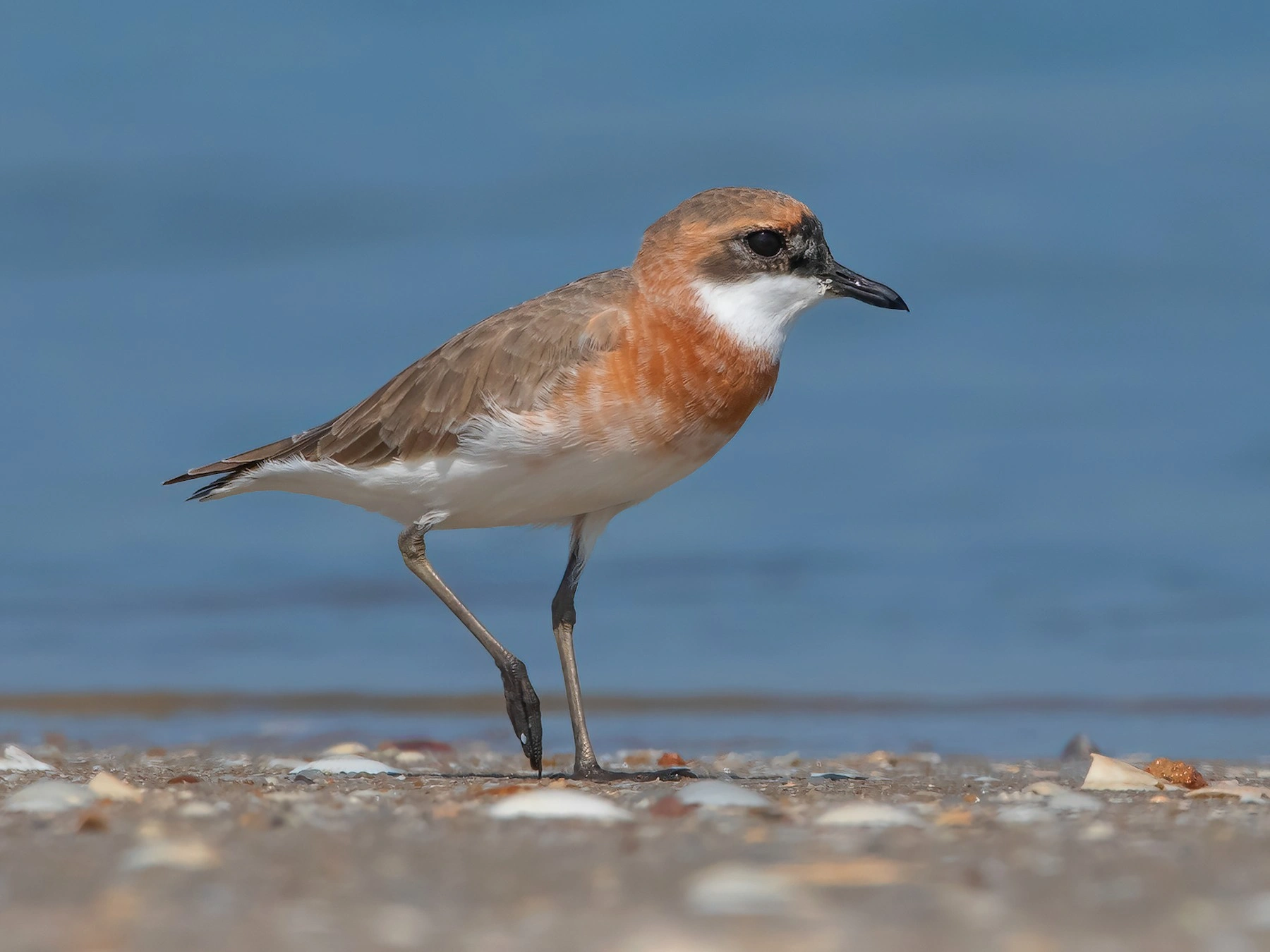
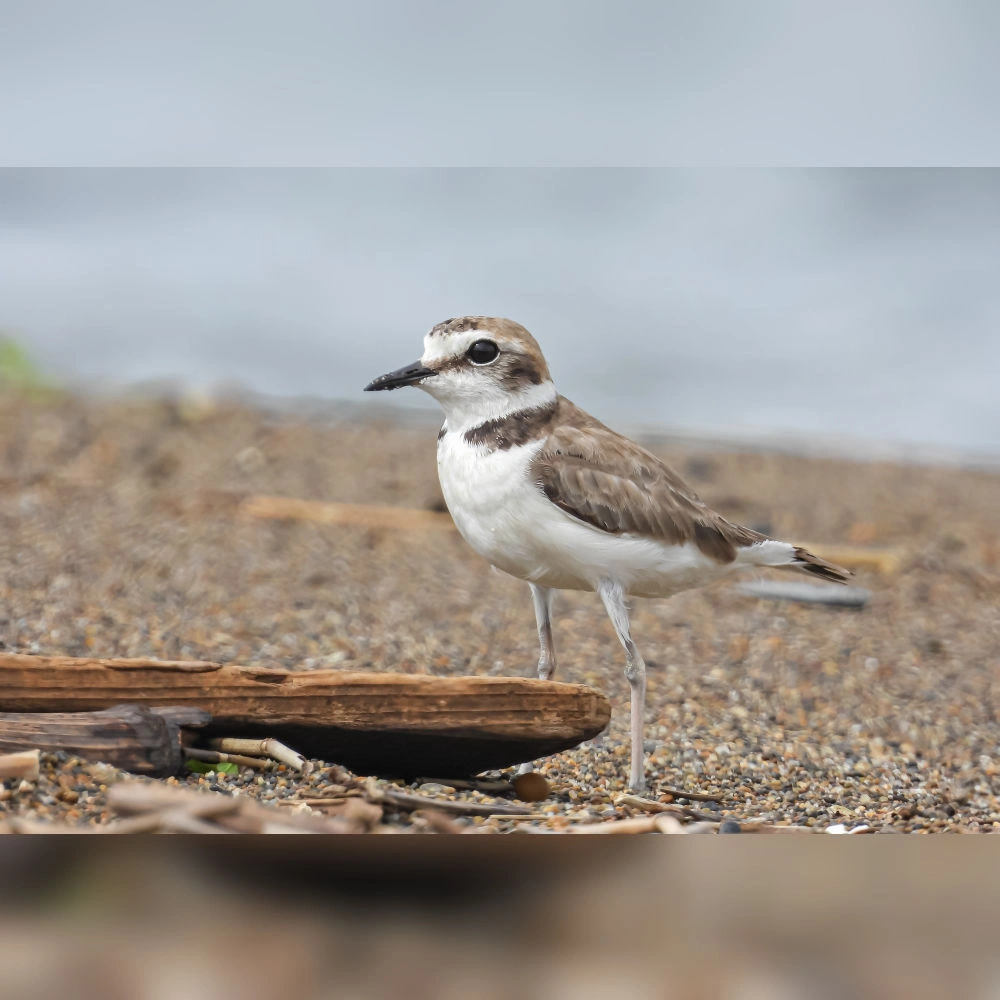
When Madhure Kere’s water drops and leaves wide, muddy shores, it becomes a stopover for waders on long journeys. The Tibetan Sand-Plover, which breeds on the high plateaus of Central Asia, runs across the flats alongside the pale Kentish Plover and the golden-eyed Little Ringed Plover. Marsh, Green, Wood and Common Sandpipers pick along the water’s edge, each with its own style of feeding. The Common Greenshank strides through the shallows, calling a ringing “tew-tew-tew” when disturbed. Flocks of Black-winged Stilts wade on long pink legs, and Red-wattled Lapwings sound the alarm when anyone comes near. Big rafts of Indian Spot-billed Ducks float on the open water. Gray-headed Swamphens and White-breasted Waterhens move along the weedy margins. The surrounding dry country has its own residents: Red Collared, Spotted, Laughing and Eurasian Collared Doves, the booming Greater Coucal, the loud Asian Koel, and Indian Peafowl displaying in the open. Little Swifts sweep low overhead, finishing off the picture of a lake that is small but full of life.

Tibetan Sand-Plover

Kentish Plover
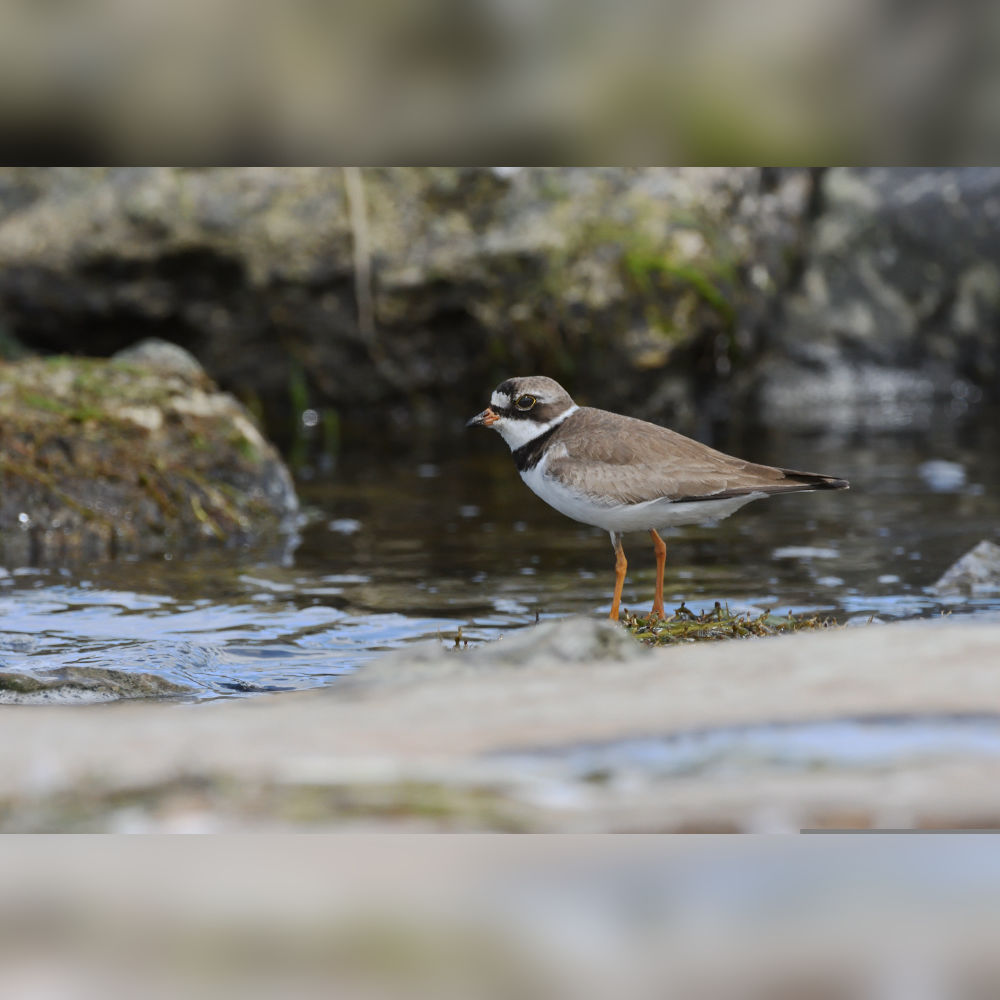
Little Ringed Plover

Marsh Sandpiper
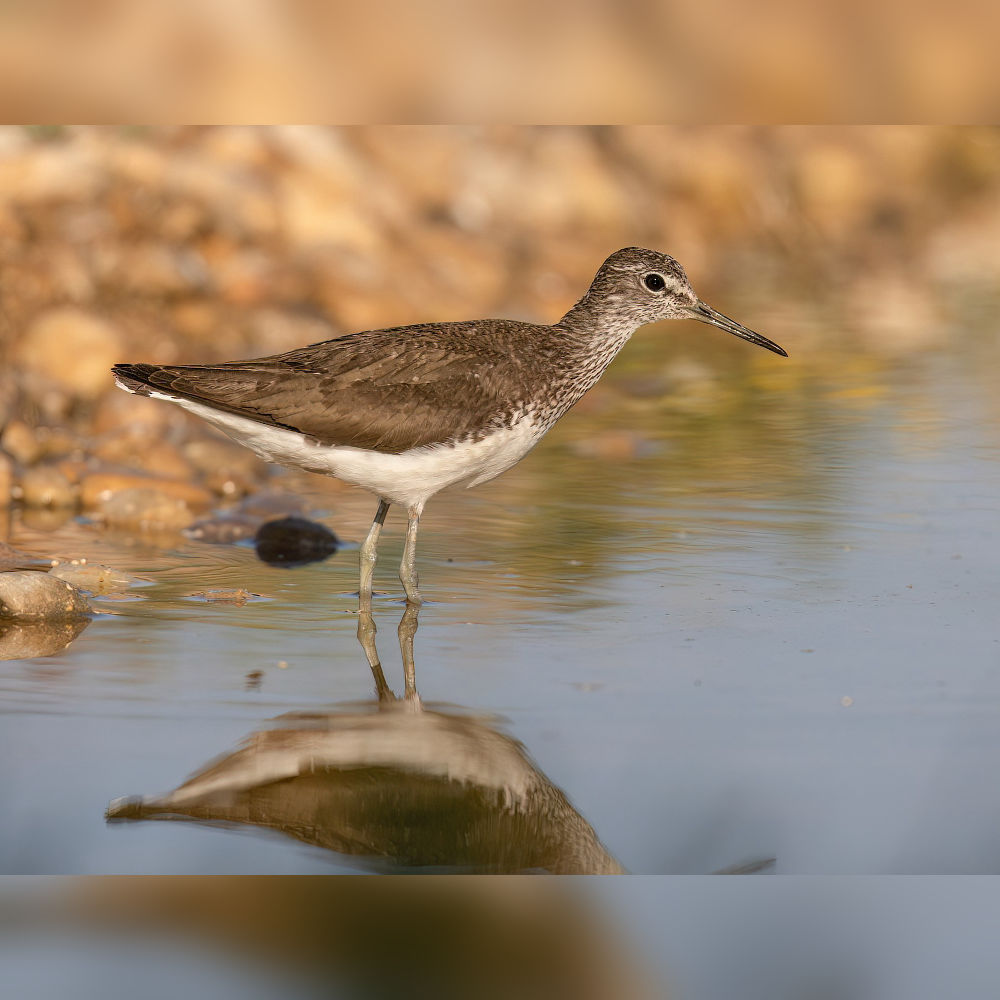
Green Sandpiper
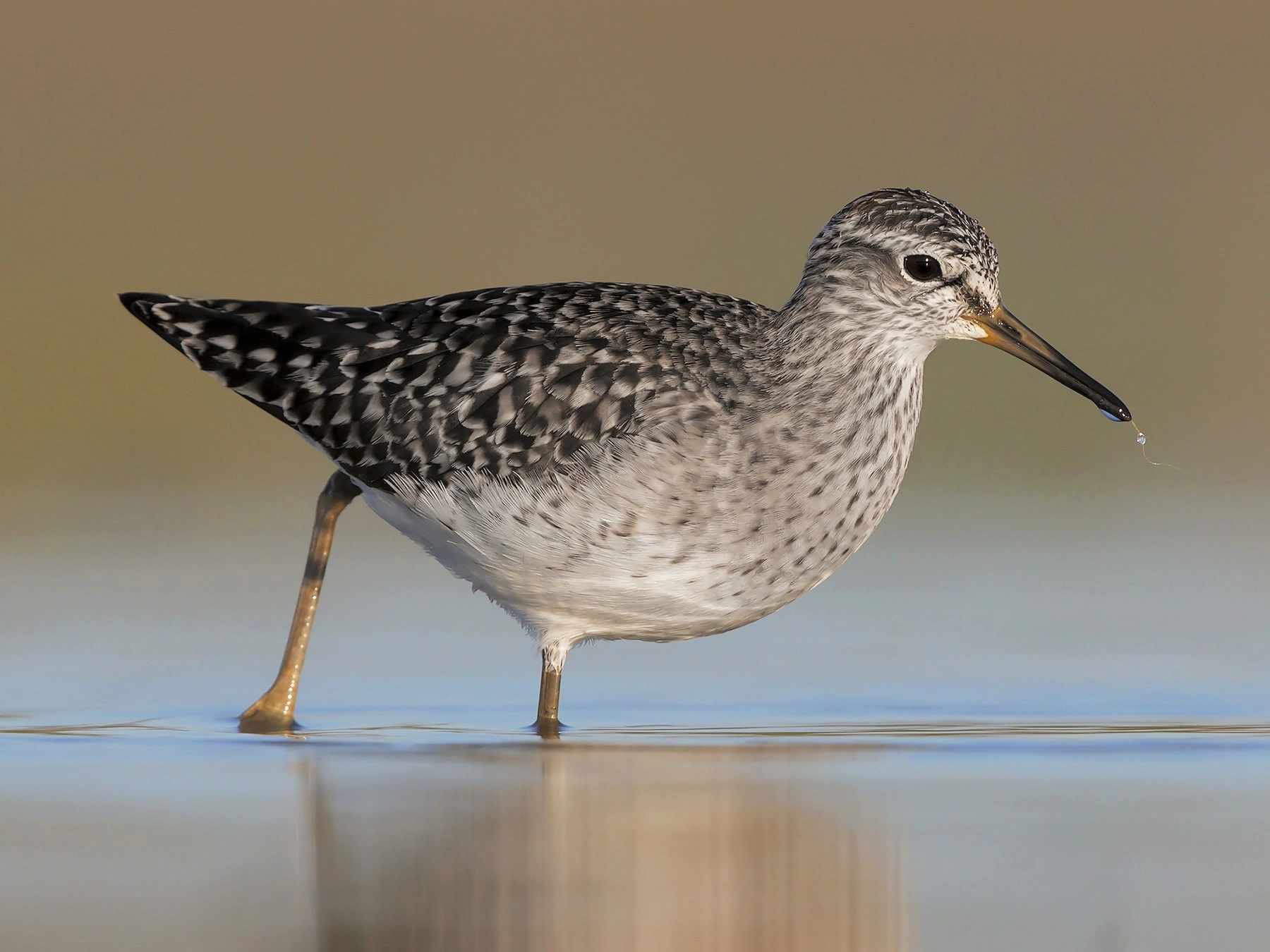
Wood Sandpiper
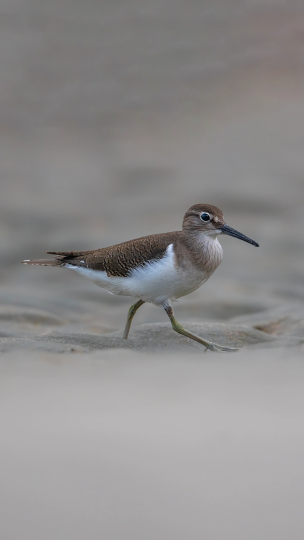
Common Sandpiper
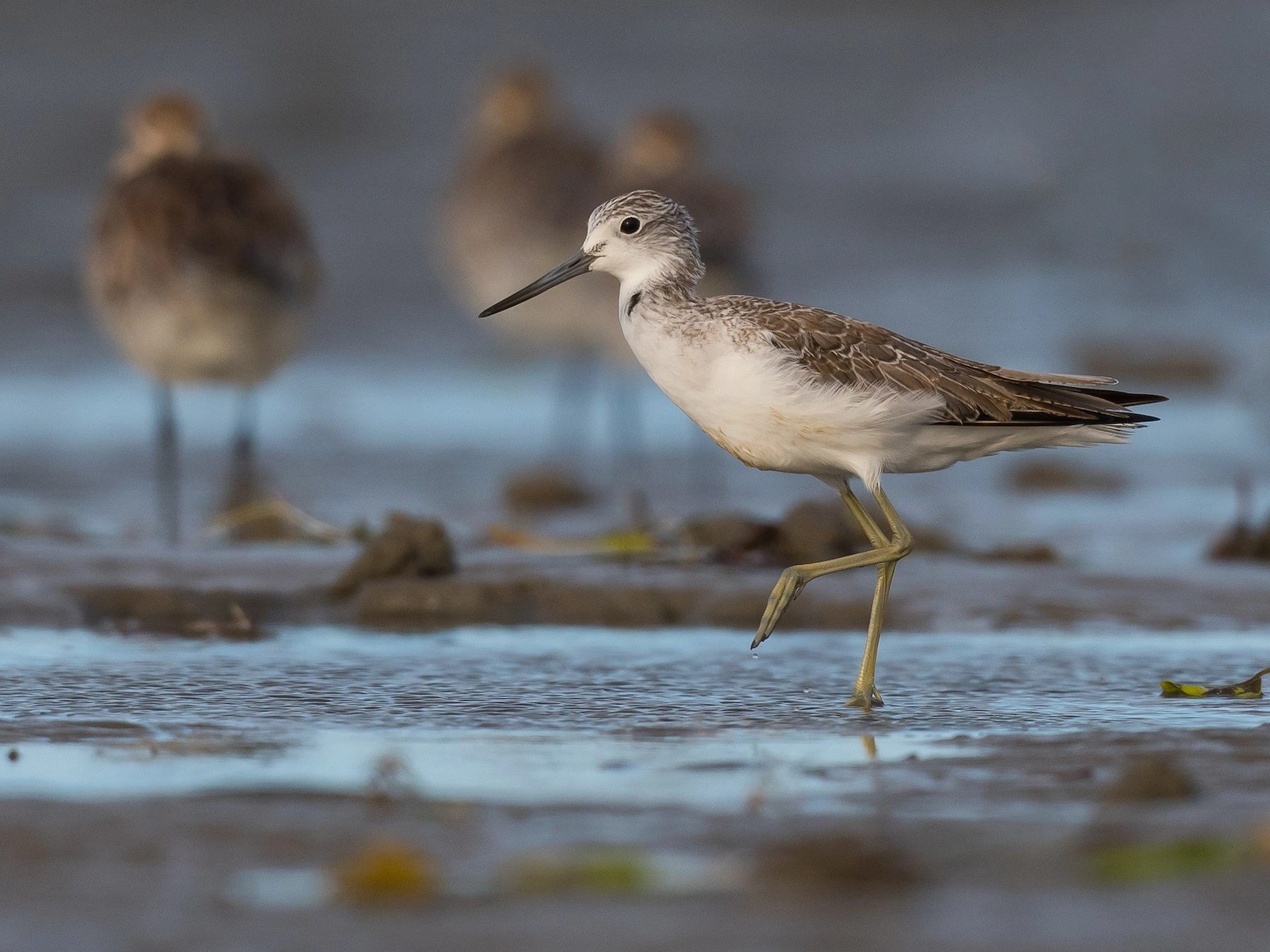
Common Greenshank
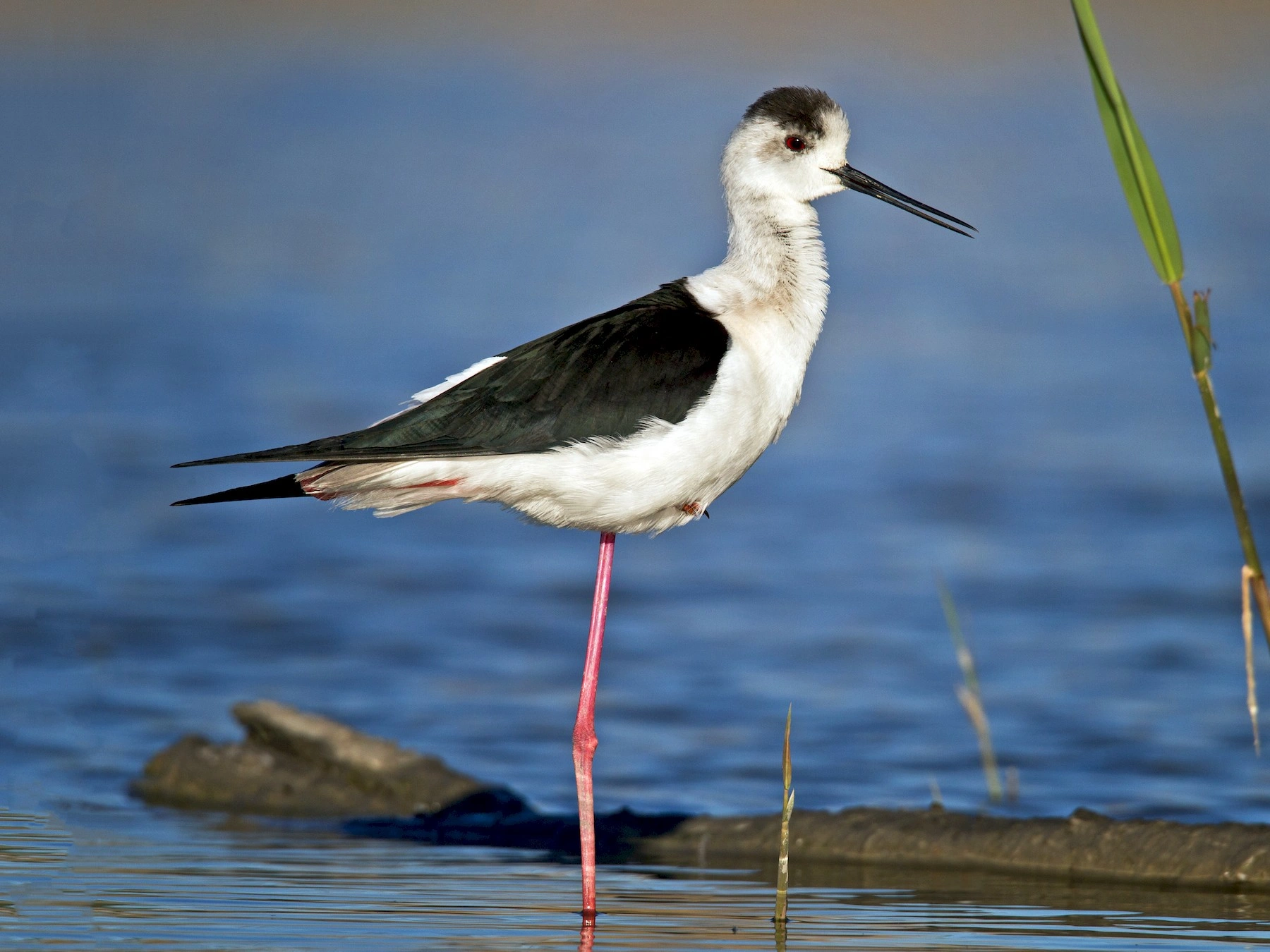
Black-winged Stilt
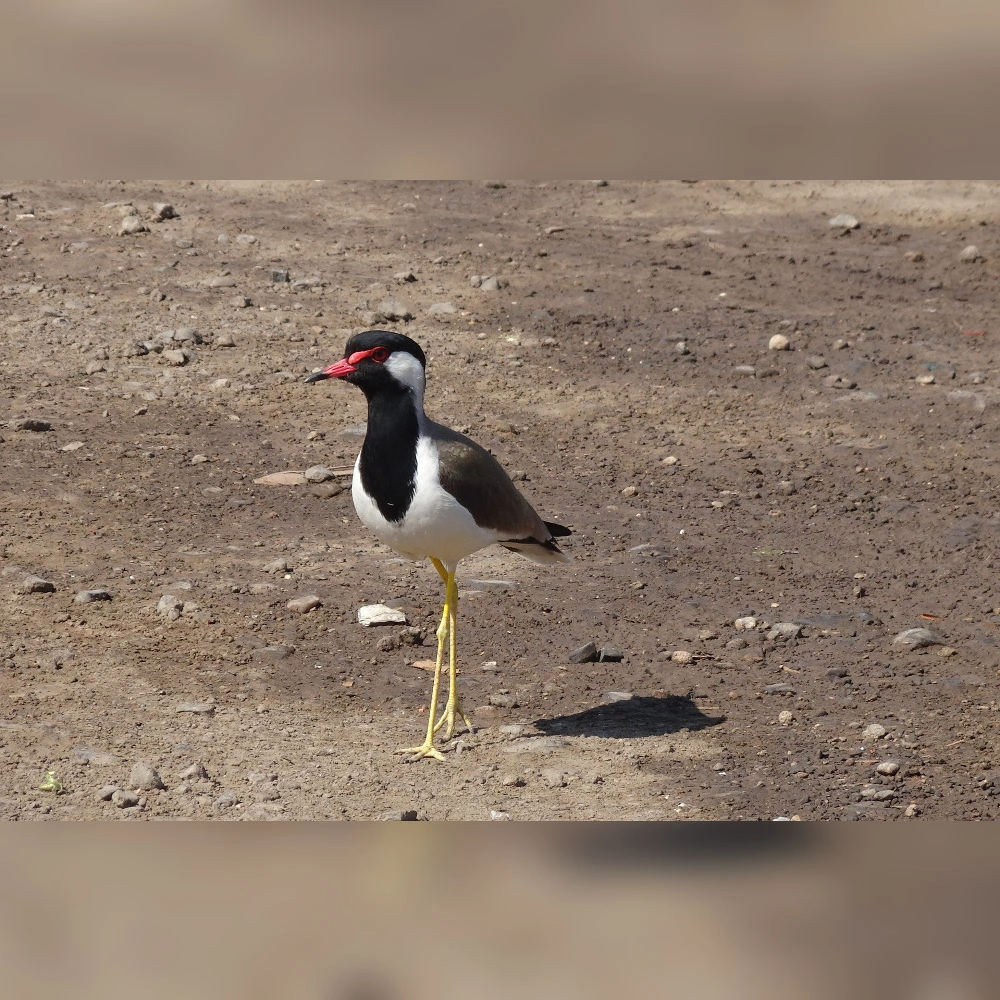
Red-wattled Lapwing

Indian Spot-billed Duck
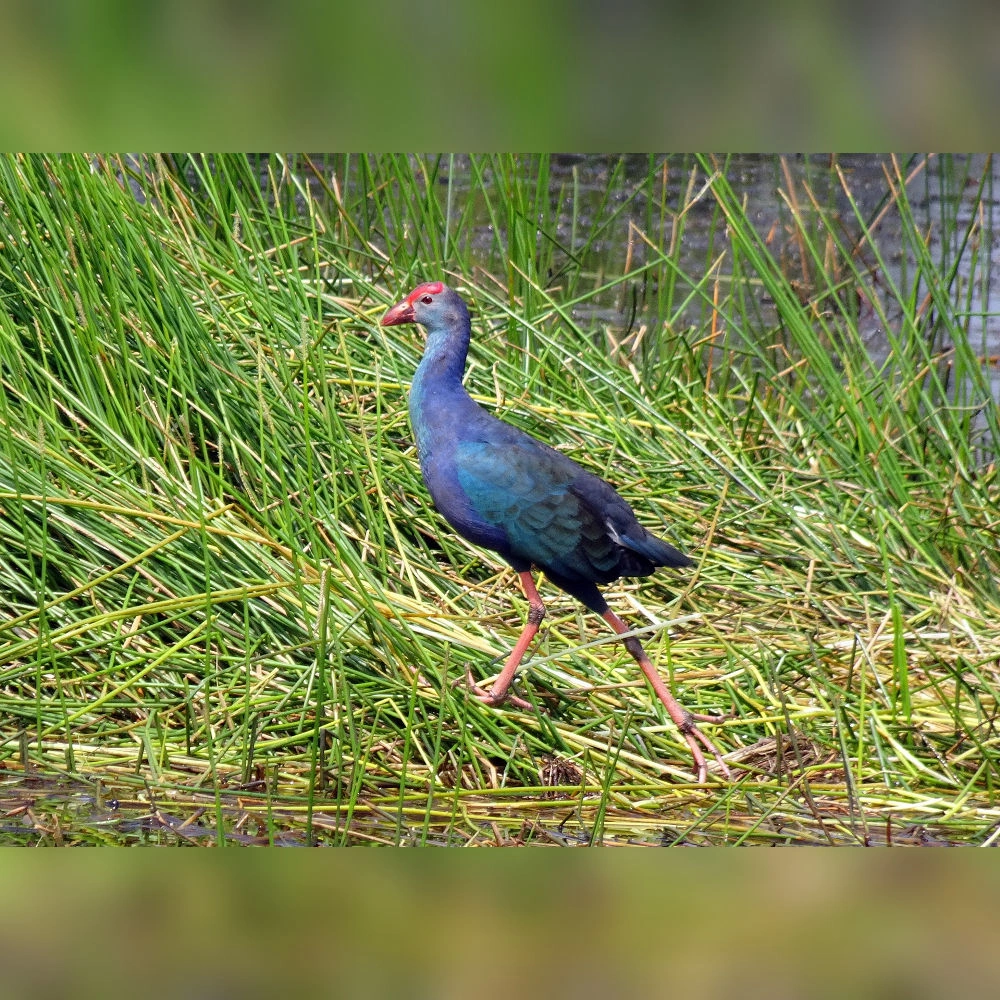
Grey-headed Swamphen

White-breasted Waterhen
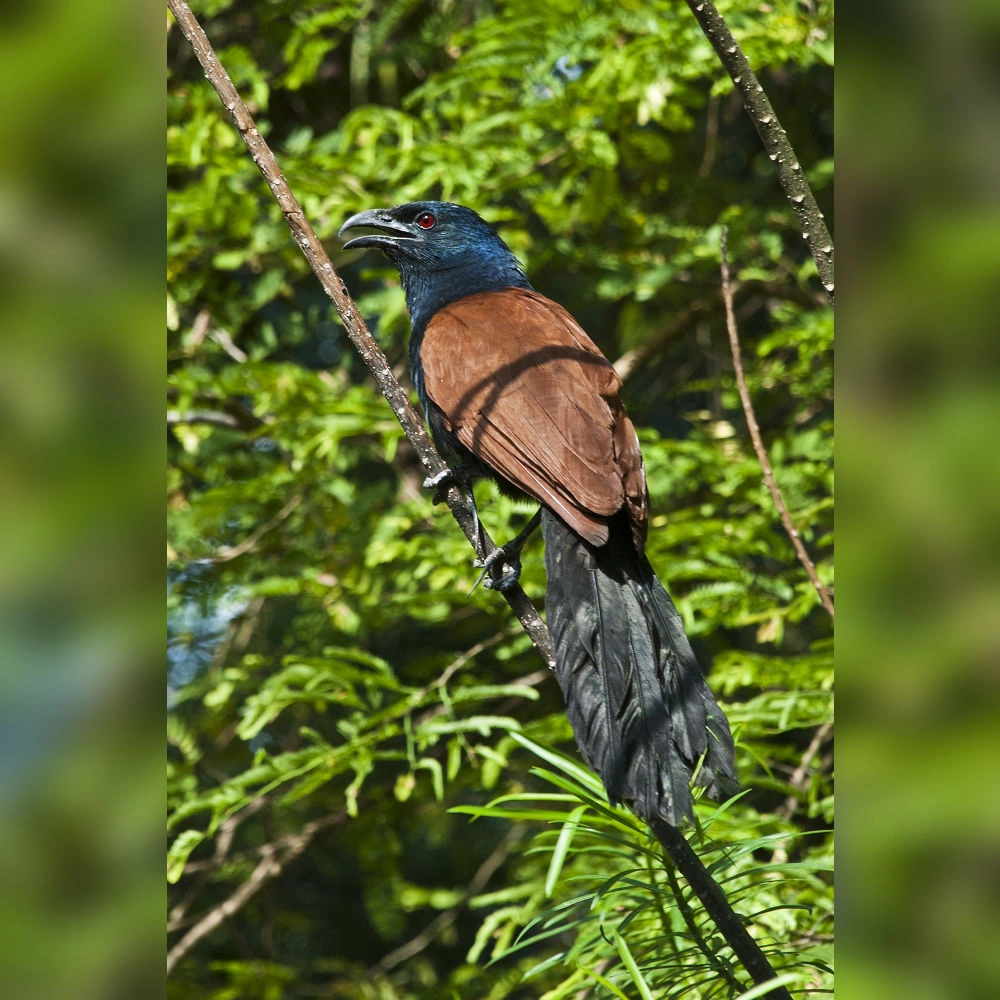
Greater Coucal
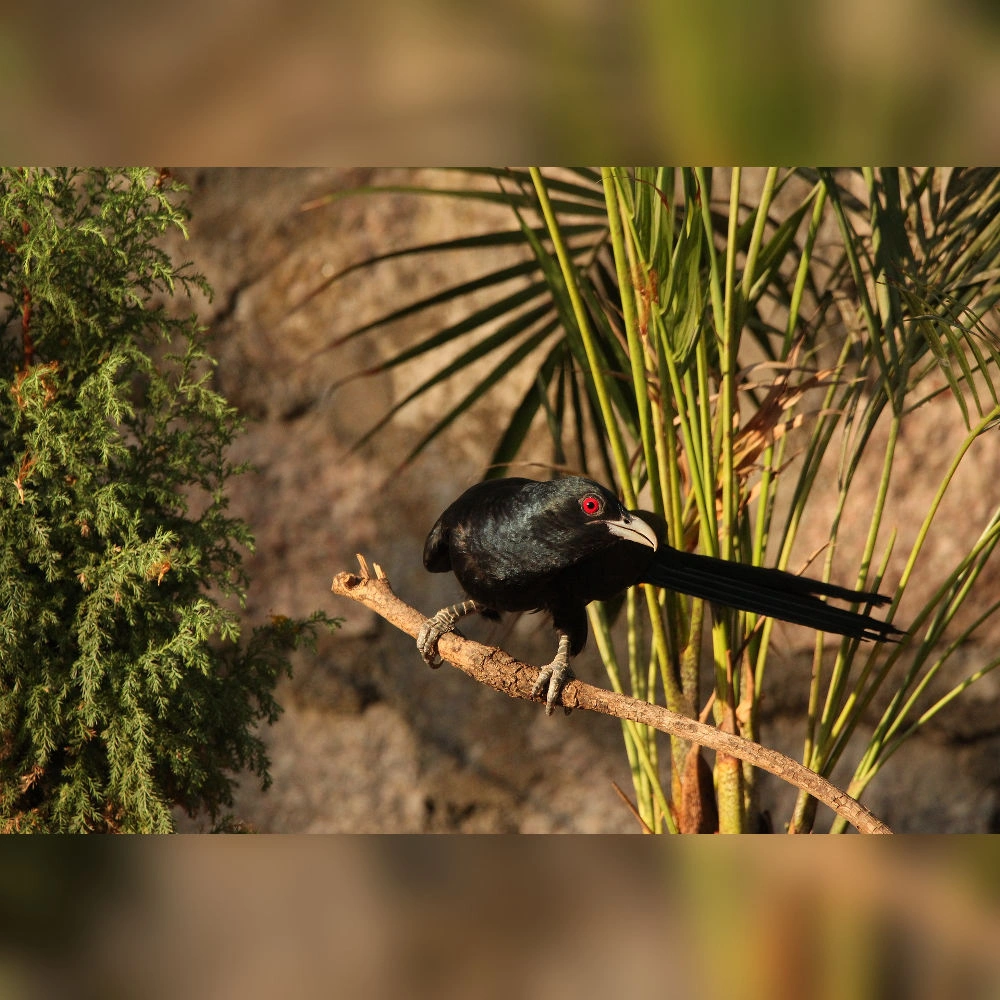
Asian Koel

Little Swift
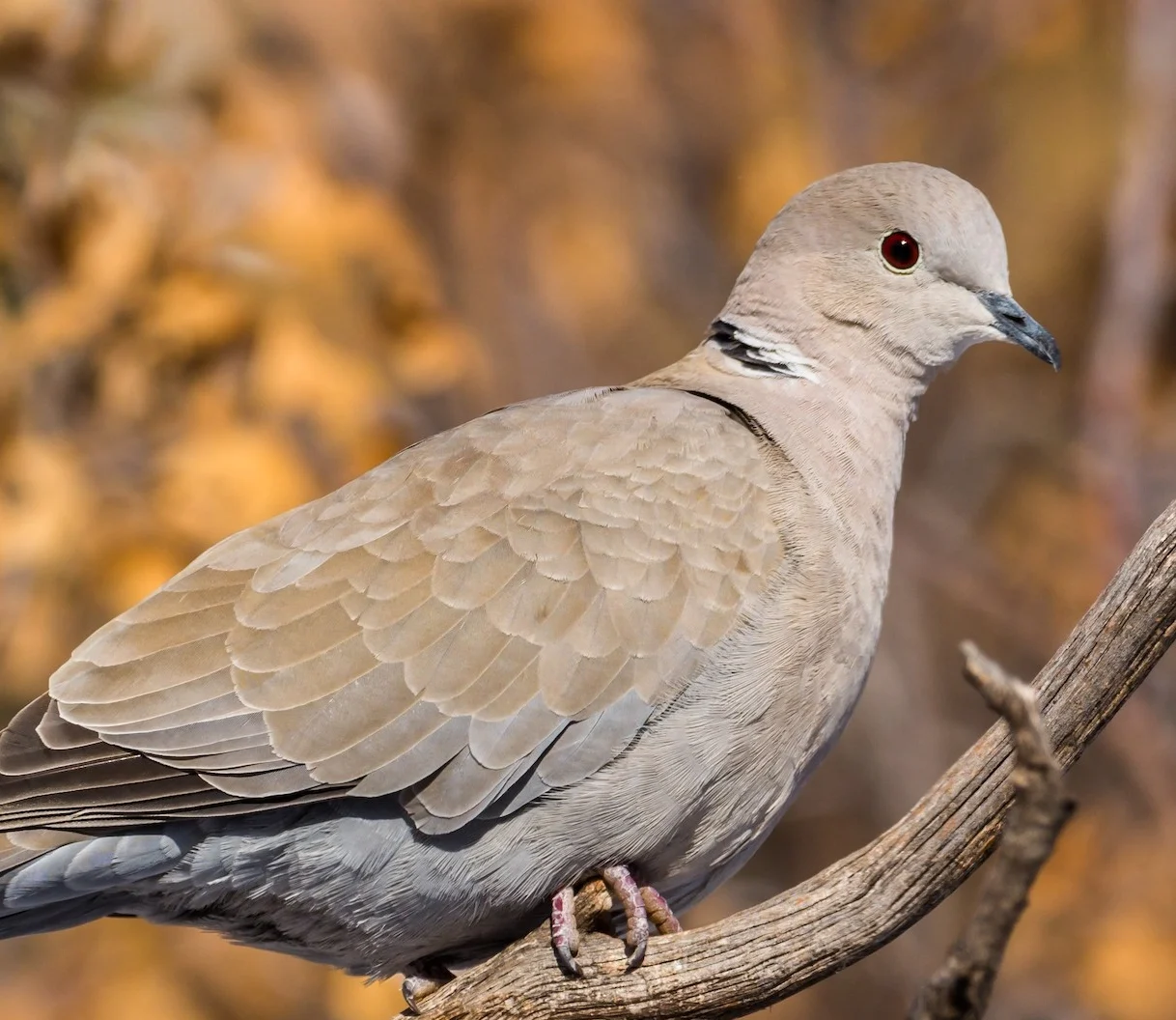
Red Collared-Dove
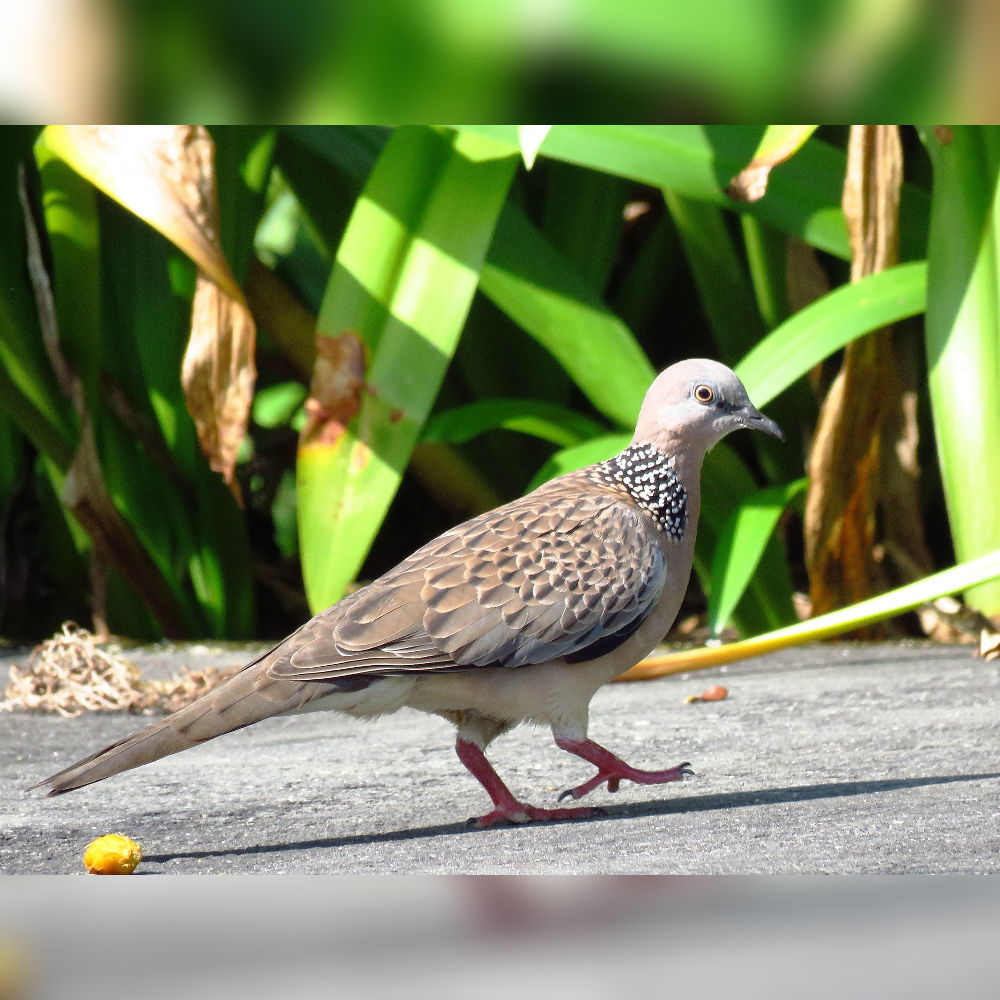
Spotted Dove
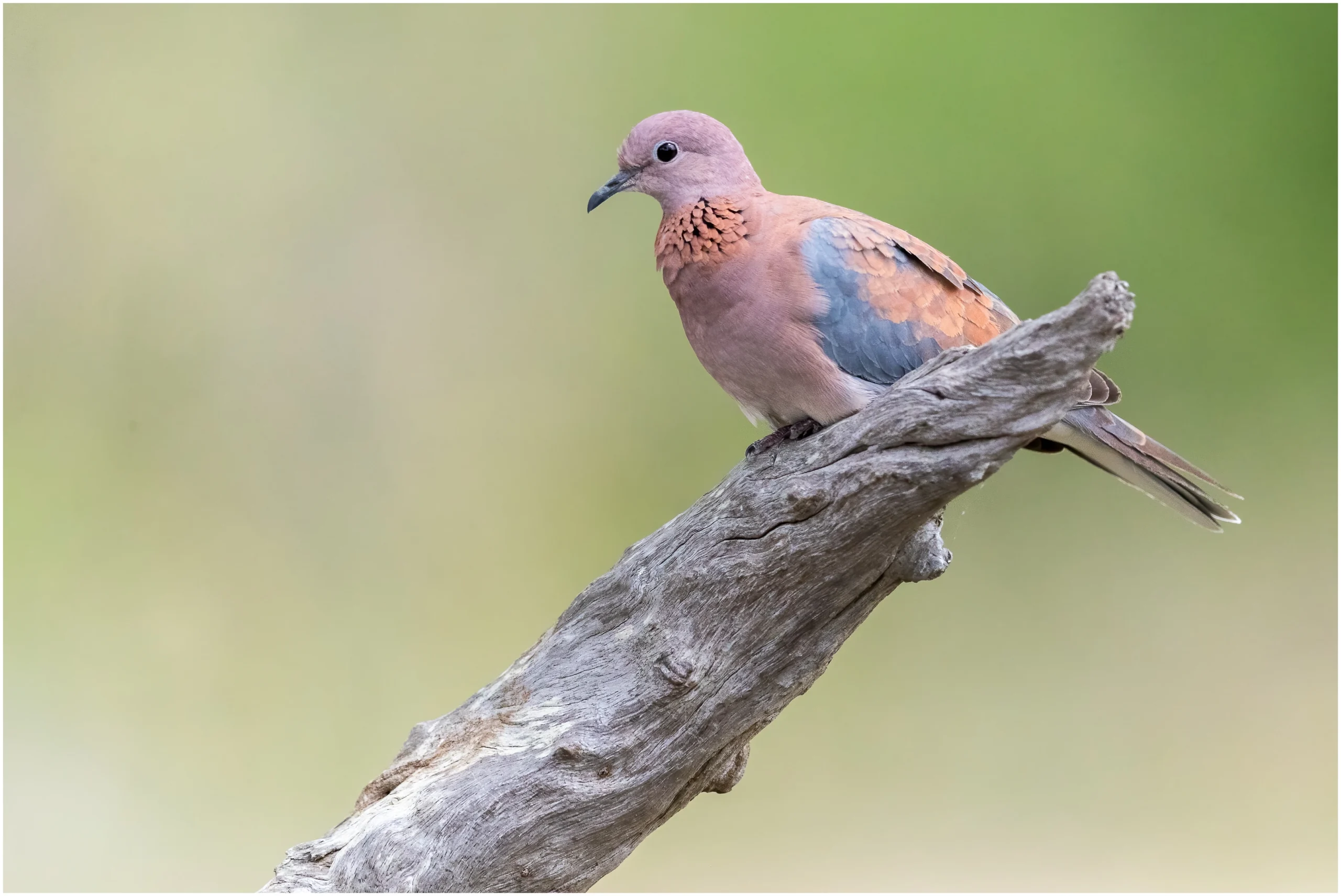
Laughing Dove

Eurasian Collared-Dove
Summary of Walk
Ten participants joined guide Guru Prasad at Madhure Lake and its surrounding grasslands in Bengaluru on 3 October, and the morning began beautifully under a misty and sunny sky. Soft light fell across the water and the grass, creating a magical setting for a walk that turned out to be a wonderful showcase of winter visitors arriving in the region. The group recorded 42 species in total, and the variety of habitats, from open water to reed edges to grassland, meant there was always something new to look at. Spoonbills were among the first stars of the day, sweeping their bills through the shallows with that unmistakable side-to-side motion, while Asian Openbills stood tall at the water’s edge. Northern Pintails, elegant migratory ducks with their long pointed tails, were a welcome sight so early in the season, and Yellow Wagtails darted across the grass in a flash of sunshine yellow. The Little Ringed Plover, a tiny wader with a bold black collar, was one of the most charming finds, and the Indian Golden Oriole added a splash of brilliant yellow from the treetops, thrilling those who spotted it. Guru Prasad guided the group with patience and good humour, explaining how migrants choose their stopovers and how to tell similar waders apart. Participants enjoyed the quiet beauty of the grassland and the steady stream of sightings, and every member of the team thoroughly enjoyed the experience. It was a fine reminder of the importance of wetlands and open grasslands as habitats, and of the joy of watching the season turn through the arrival of new birds.
Number of Participants
0