Loading Events

Bird Walk at Kurichi Kulam, Coimbatore, Tamil Nadu

About Kurichi Kulam

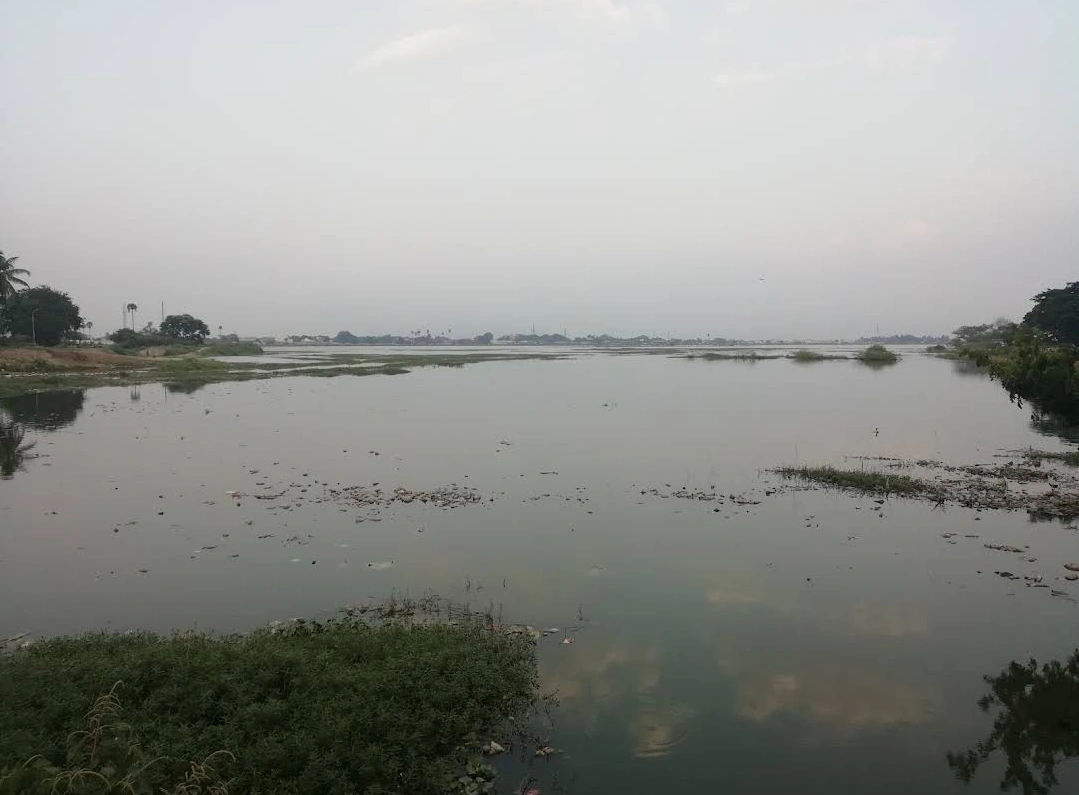
Tucked into the fast-growing city of Coimbatore, Kurichi Kulam is one of the district’s oldest surviving irrigation tanks, part of a chain of roughly thirty tanks first built during the Kongu Chola era of the 8th and 9th centuries to water the fields of the Noyyal river basin. Spread across some 335 acres, the tank was designed to do double duty: storing the monsoon’s runoff for irrigation across thousands of acres of farmland while also acting as a flood buffer for the growing town around it. Recently brought back from years of neglect and encroachment under Coimbatore’s Smart City Mission, the lake today combines open water, reed-lined shallows, and patches of native scrub and tree cover along its banks, including the wooded campus of the Salim Ali Centre for Ornithology and Natural History (SACON) that borders it.
That mix of habitats makes Kurichi Kulam a rewarding stop for birders, drawing everything from open-water specialists to canopy dwellers. Restoration work has visibly paid off, with migratory birds returning to the tank in the years since its clean-up, alongside residents such as pittas, minivets, and bee-eaters that favour its shaded margins. Like most of Coimbatore’s historic tanks, though, Kurichi Kulam still contends with sewage inflow, plastic waste, and the slow creep of construction along the Noyyal basin’s edges — pressures that citizen groups such as Kurichi Lake–Save Wetlands and the city’s own restoration drive are working to hold back.

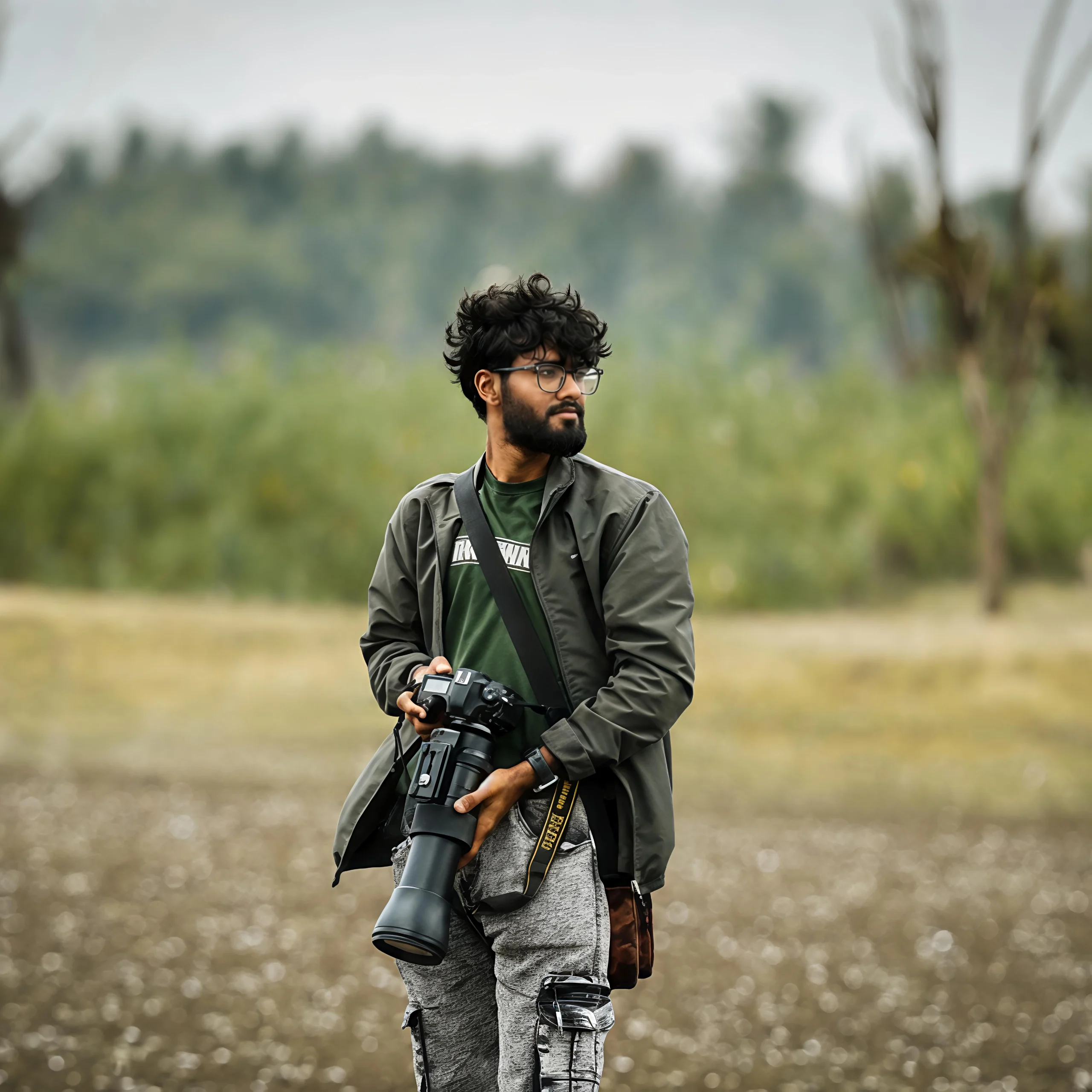
Bird Guide: Kavin- TREE NGO

Kavin Kumar is an enthusiastic birder and wildlife photographer with 3 years of field experience. He has good knowledge of bird identification, behaviour and habitats, and actively participates in birding and nature exploration activities. He also serves as the Student Volunteer Head of TREE NGO.
Bird walk Location

Common birds of Kurichi Kulam

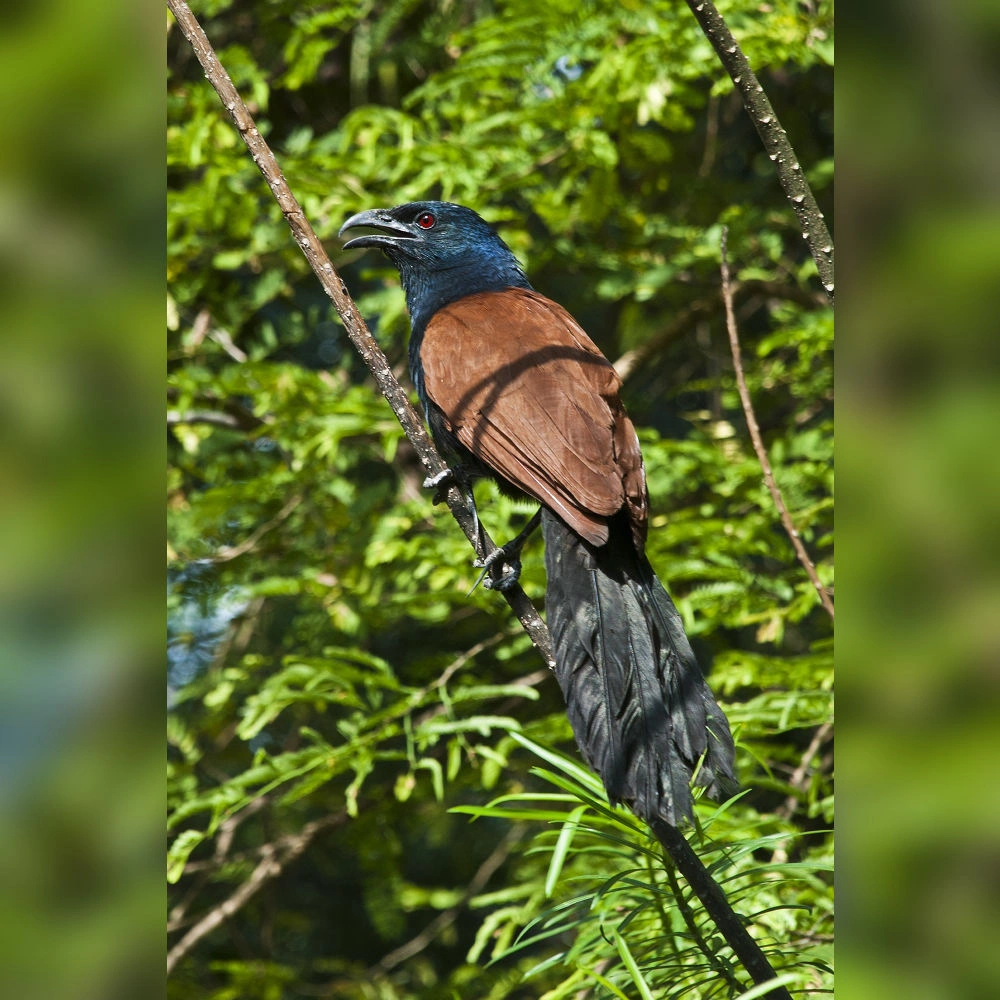
Birders visiting Kurichi Kulam and its wooded margins have recorded a pleasing mix of waterside and woodland species, reflecting the tank’s blend of open water and shaded scrub cover. Regulars include the Spotted Dove, Greater Coucal, Alpine Swift, Crested Treeswift, Changeable Hawk-Eagle, Asian Green Bee-eater, Chestnut-headed Bee-eater, Indian Pitta, Small Minivet, Cinereous Tit, Common Tailorbird, Red-whiskered Bulbul, Red-vented Bulbul, Greenish Warbler, Indian Robin, and Purple-rumped Sunbird. The presence of a shy forest specialist like the Indian Pitta alongside an open-country raptor such as the Changeable Hawk-Eagle hints at just how much habitat variety this modest urban tank still packs in, making it a satisfying outing for local birdwatchers.
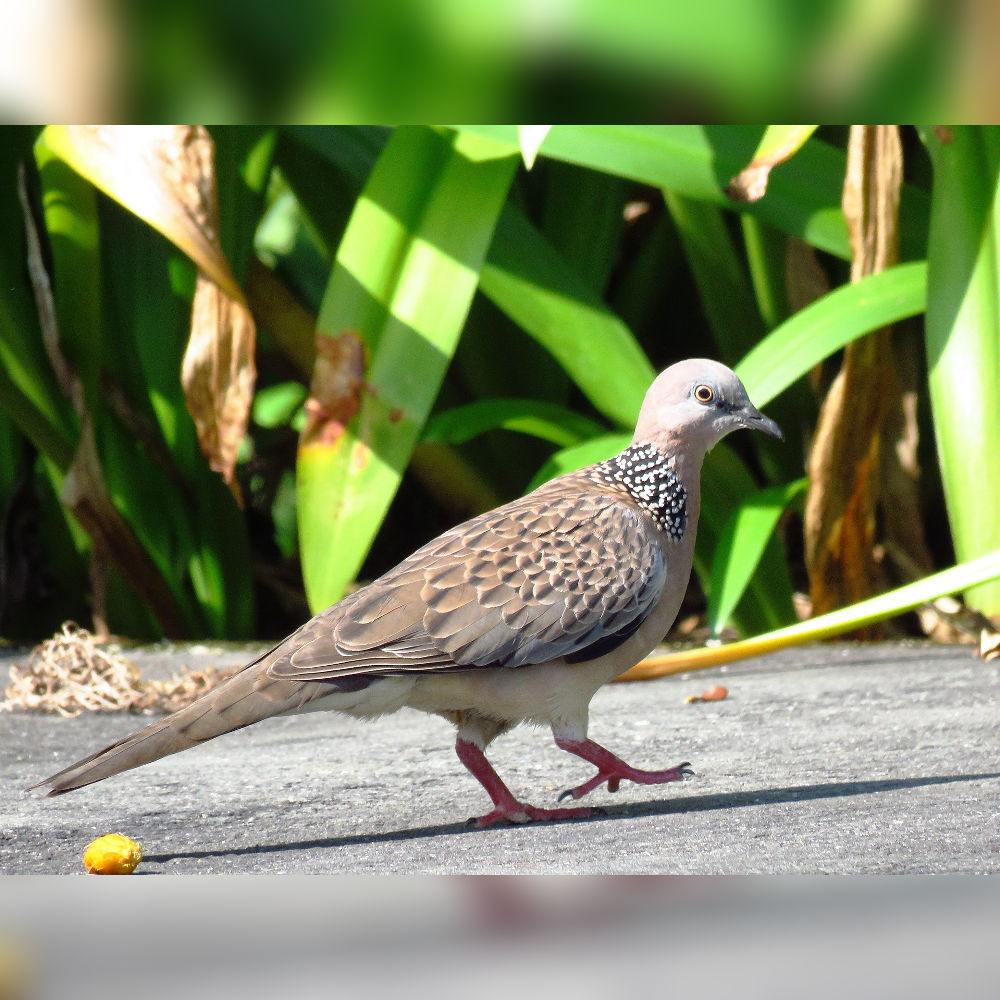
Spotted Dove
Indian Peafowl
Greater Coucal
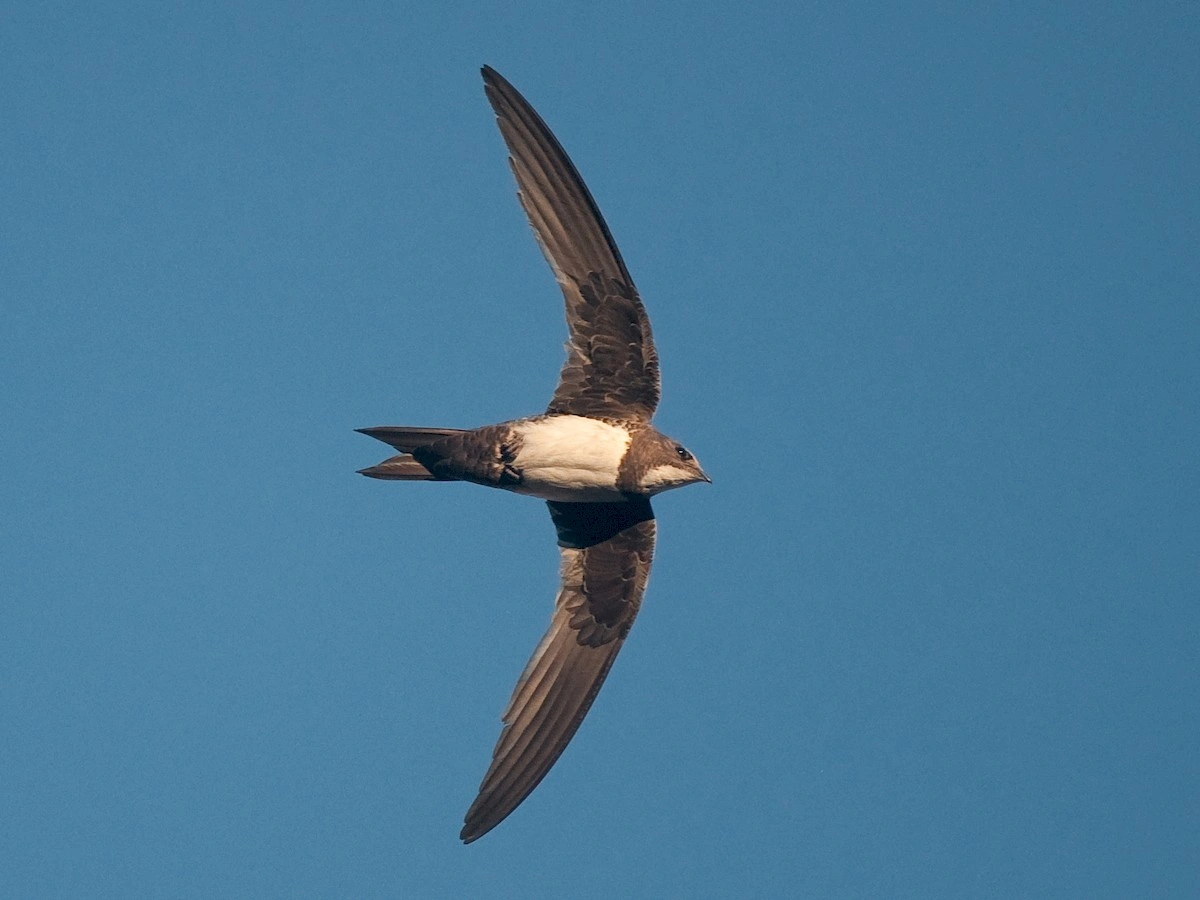
Alpine Swift
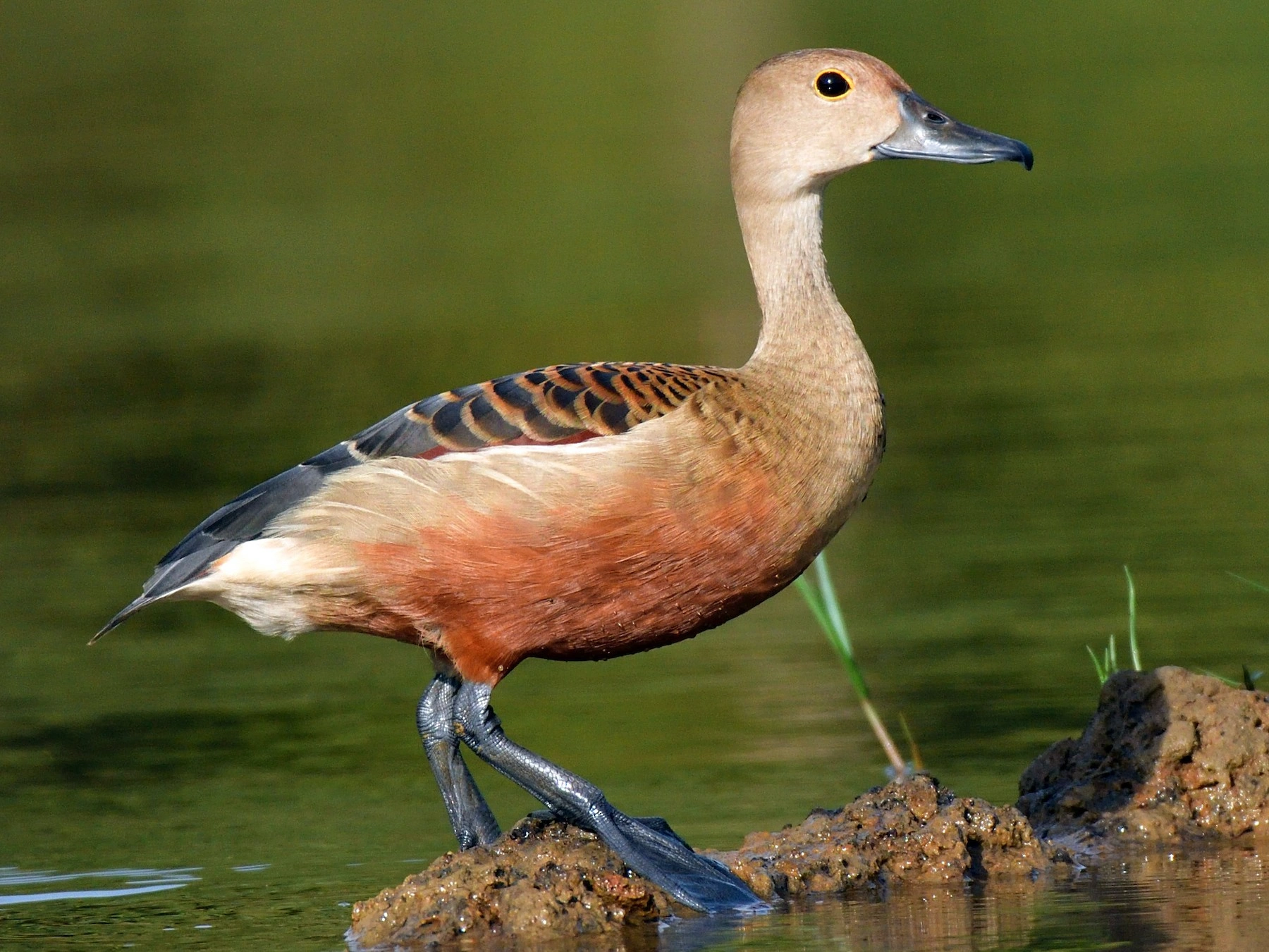
Lesser Whistling-Duck

Indian Spot Billed-Duck
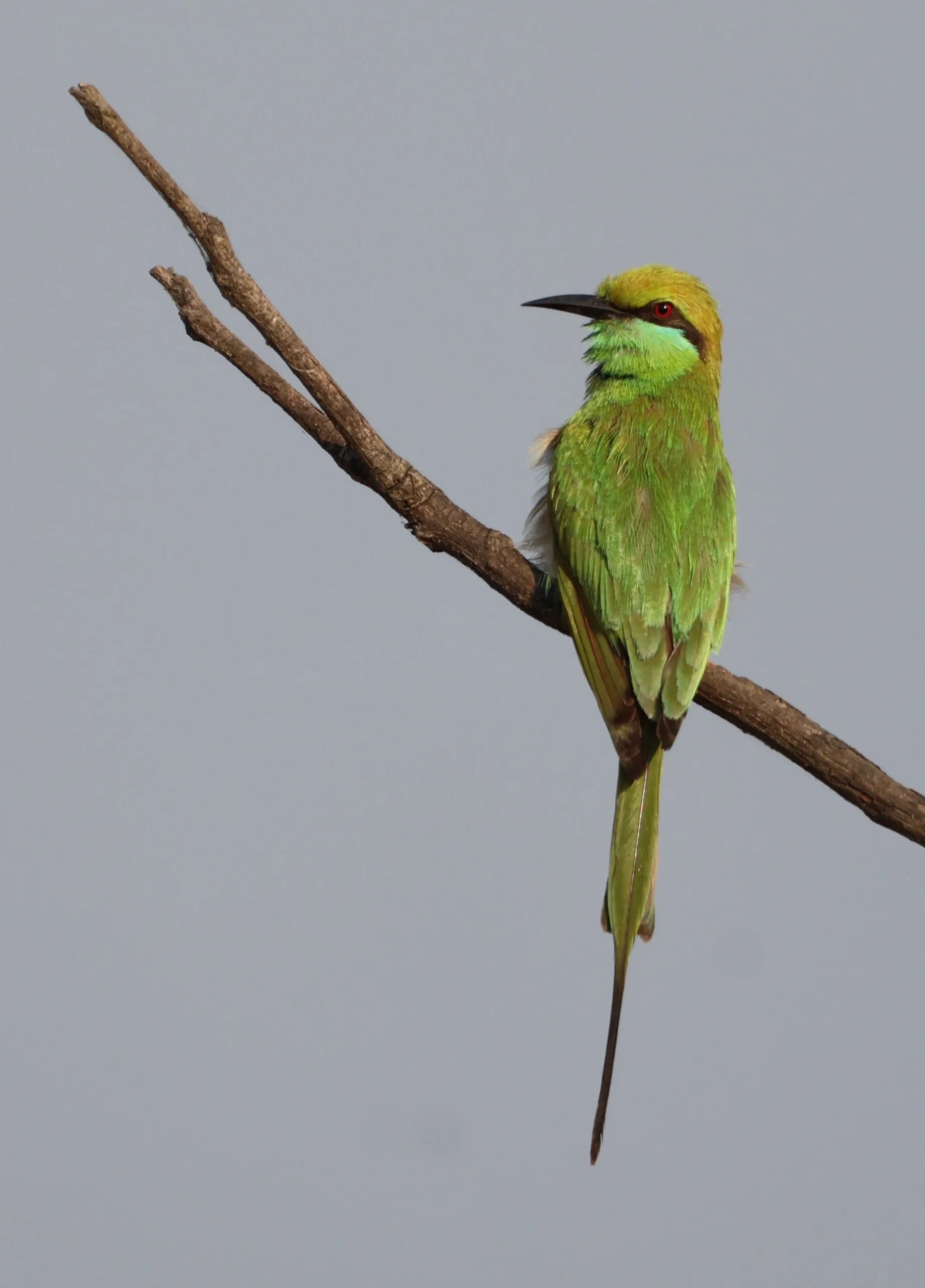
Asian Green Bee-eater
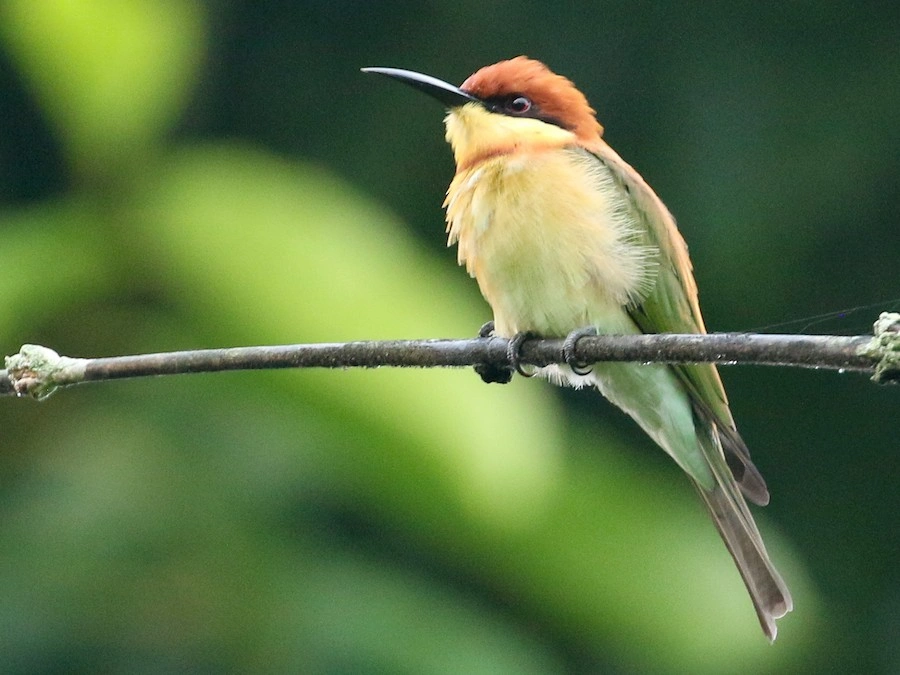
Chestnut-headed Bee-eater
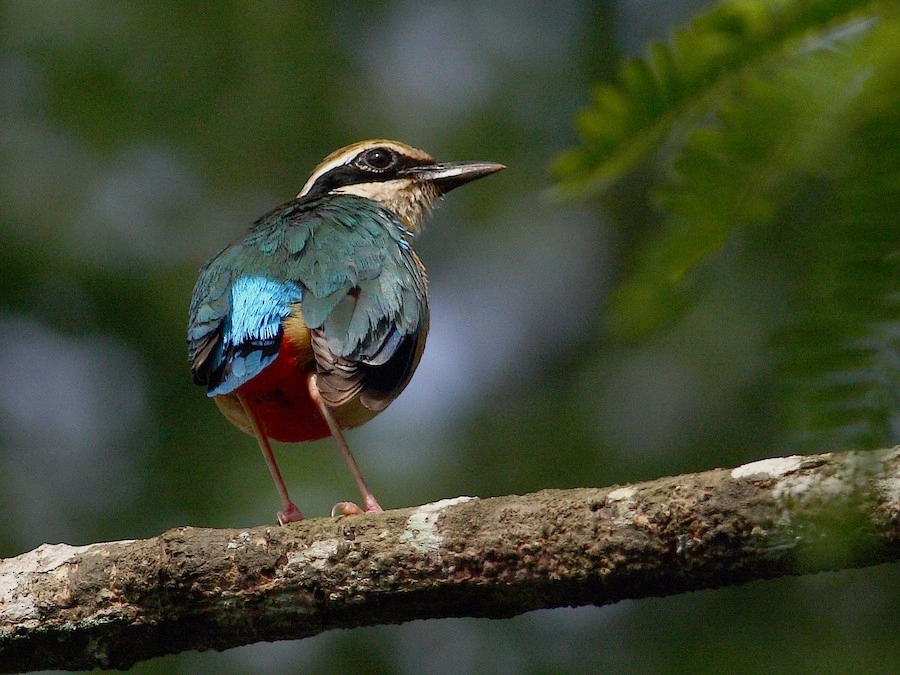
Indian Pitta
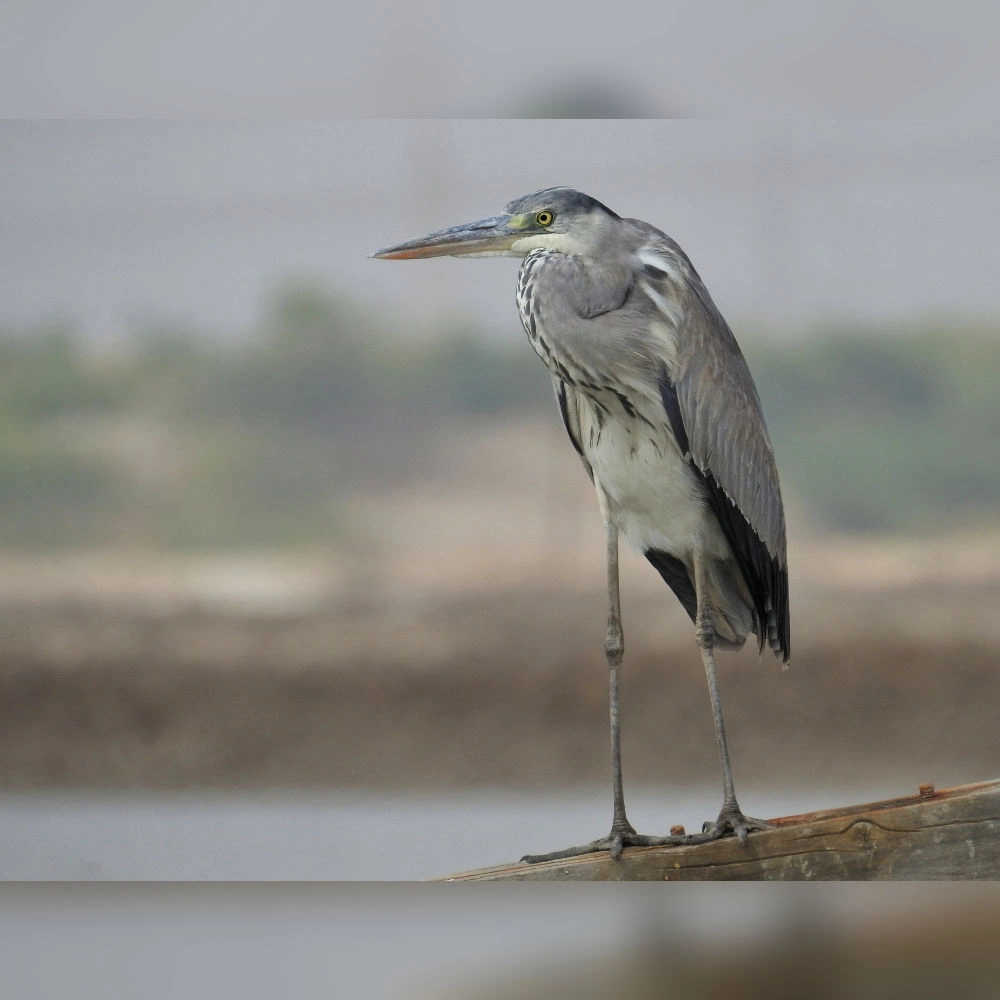
Grey Heron
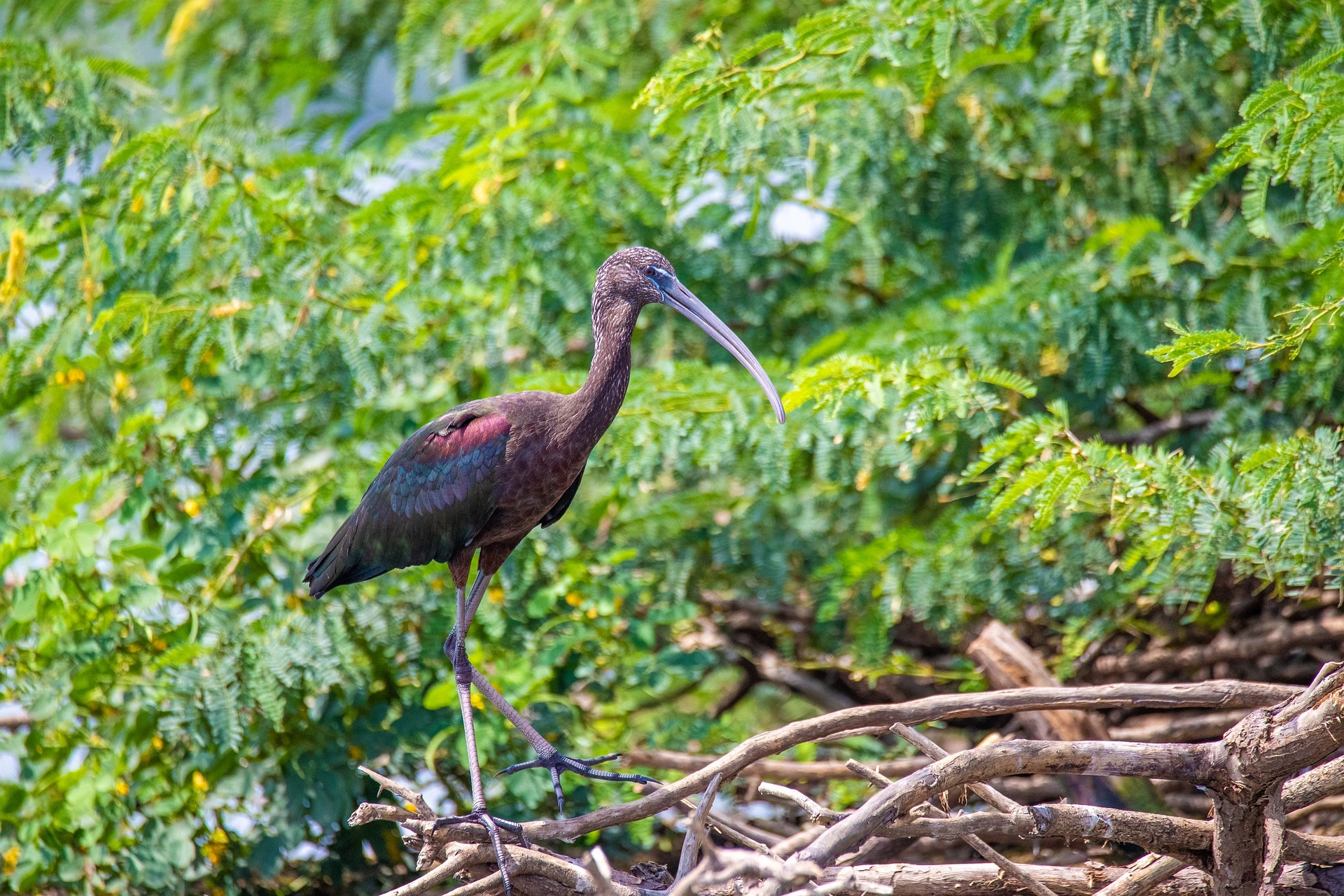
Glossy Ibis
Common Tailorbird
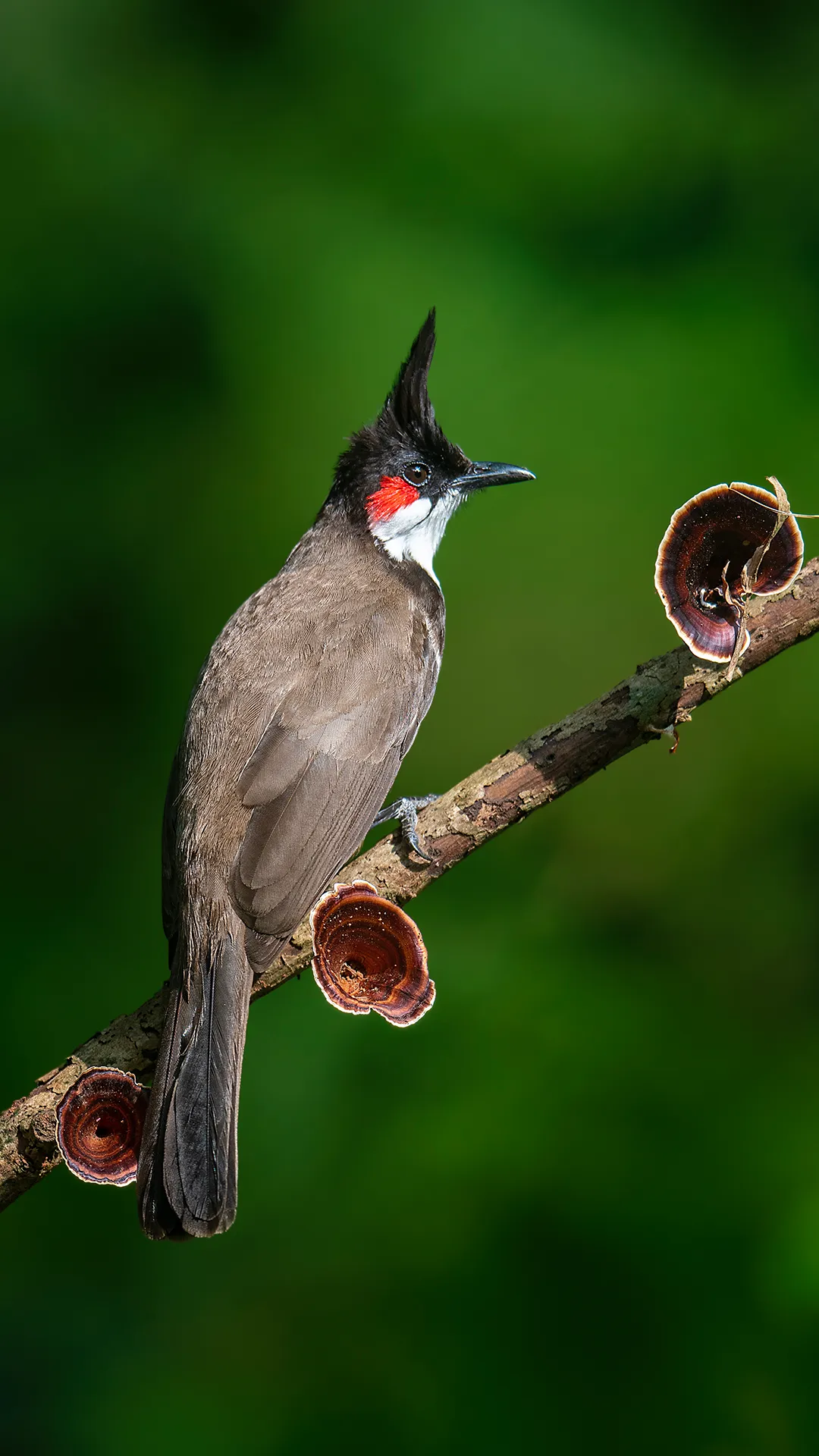
Red-whiskered Bulbul
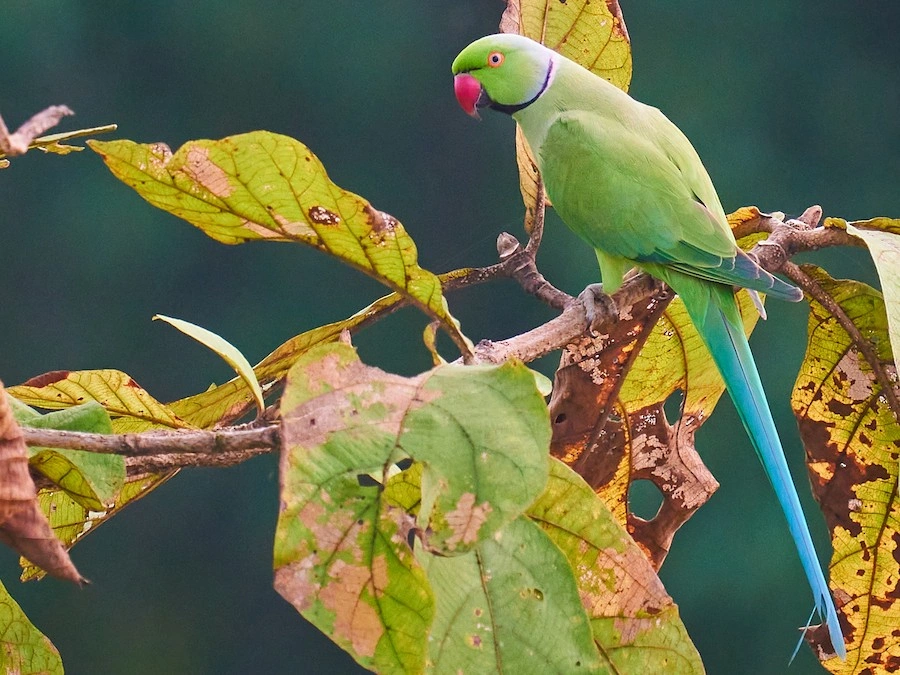
Rose-Ringed Parakeet
Red-vented Bulbul
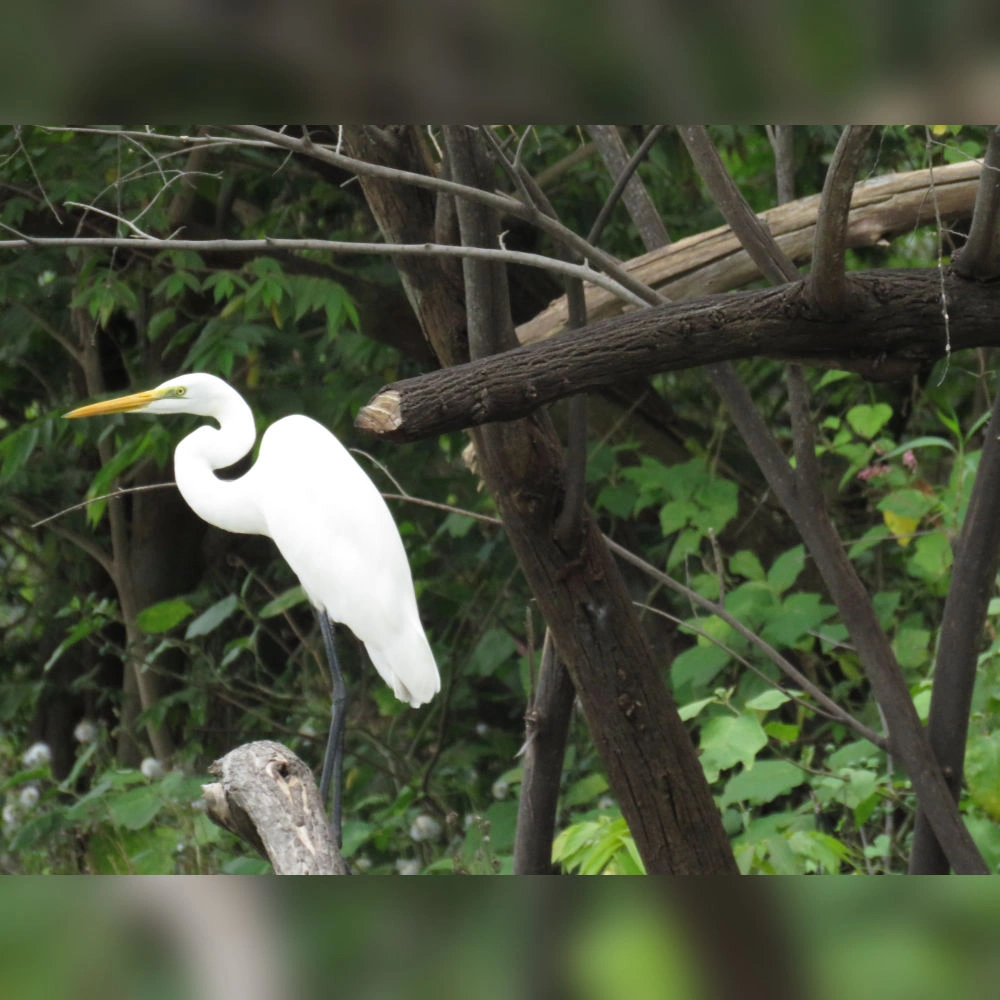
Great Egret
Indian Robin
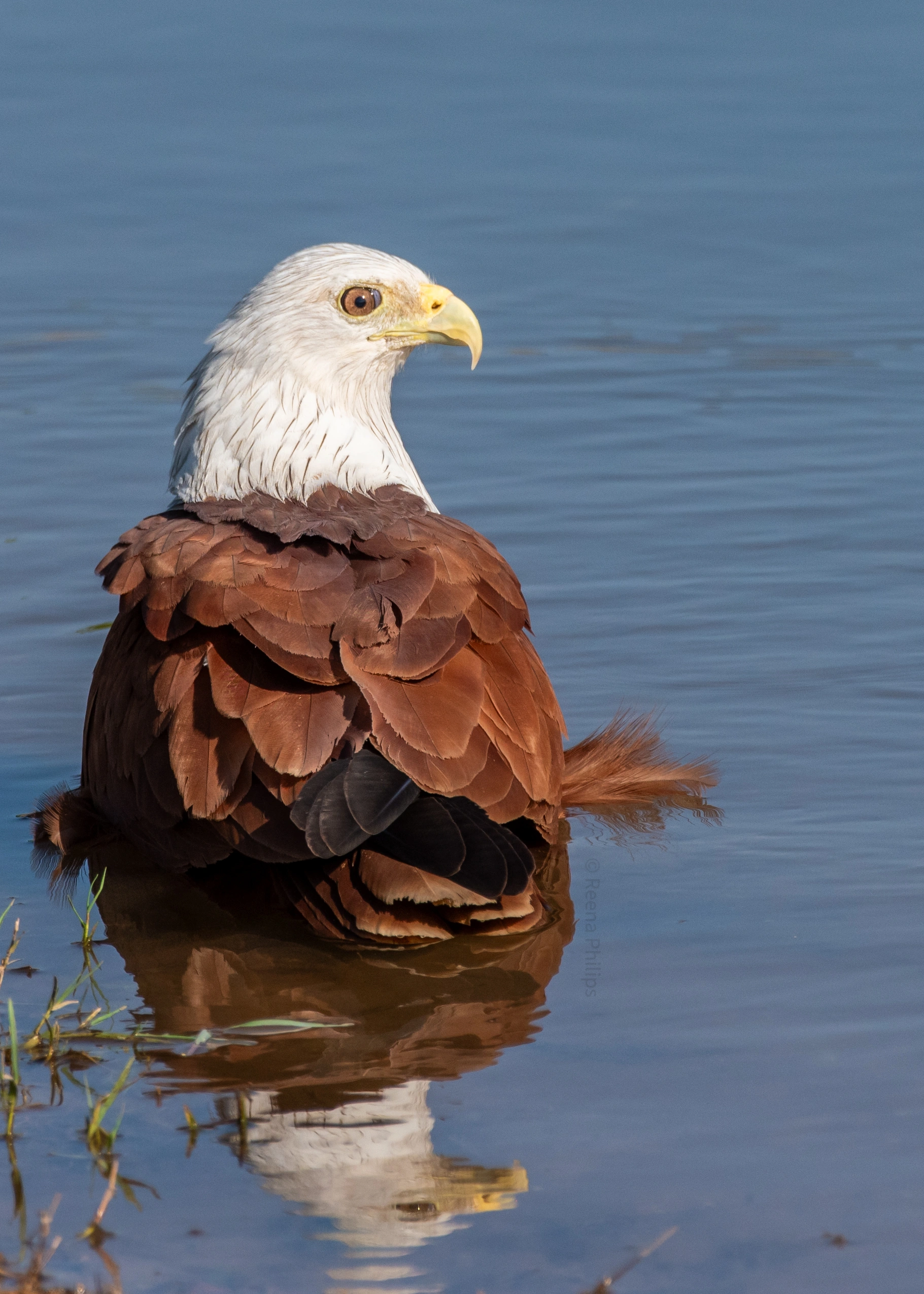
Brahminy Kite
Purple-rumped Sunbird
Purple Sunbird

Summary of Walk

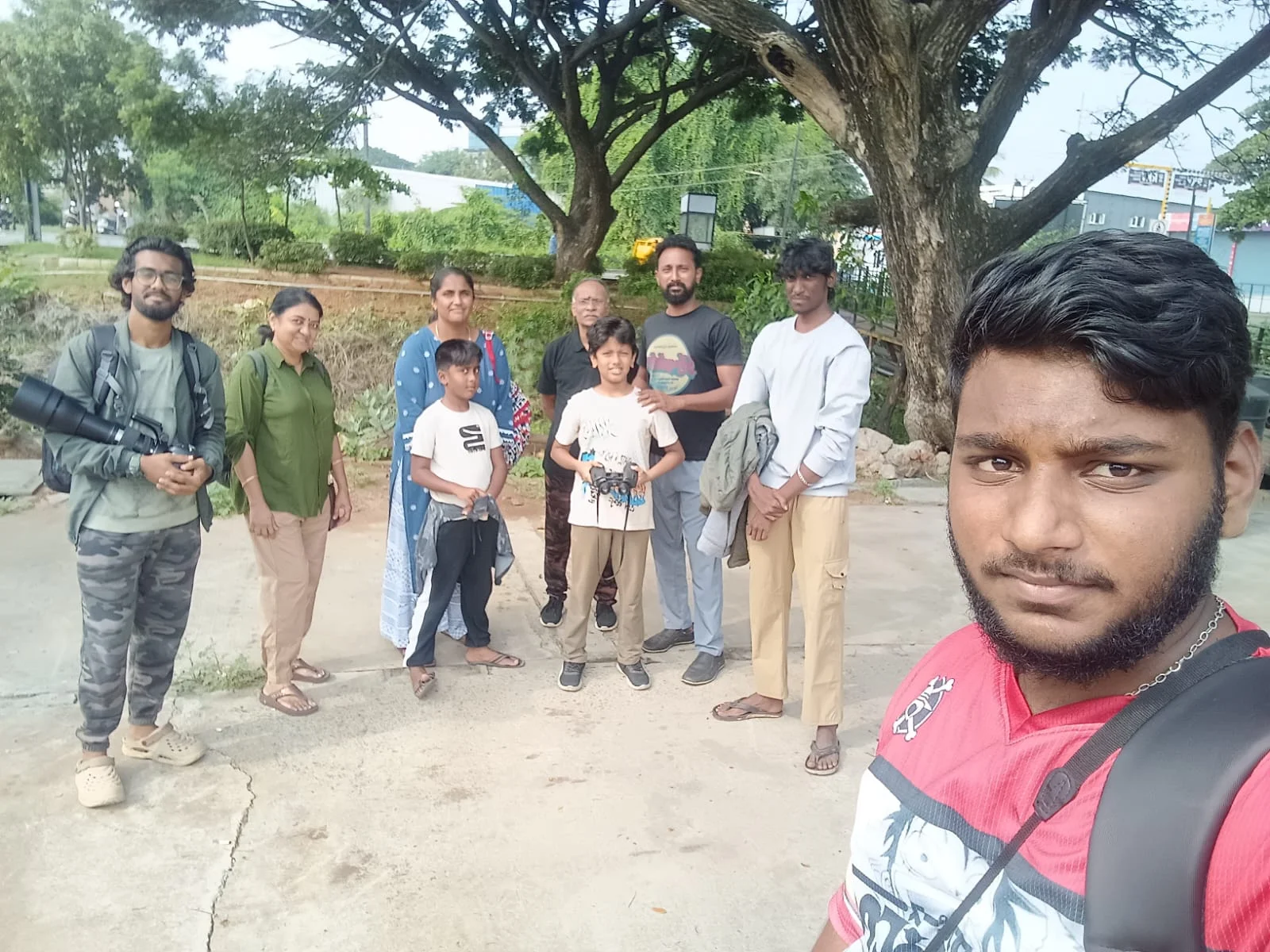
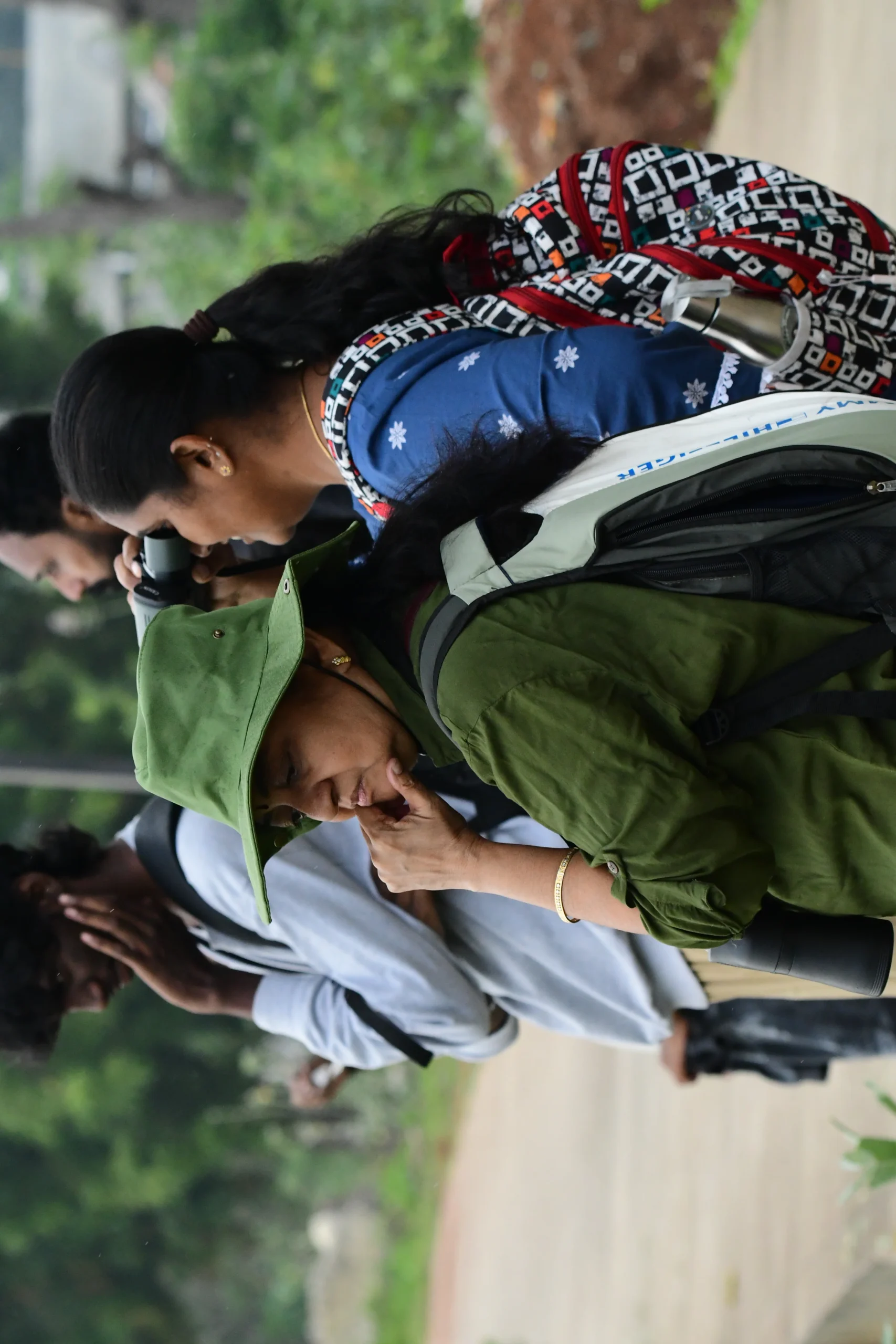
On 1 November 2026, 12 participants joined Kavin Kumar for a lively morning bird walk at Kurichi Kulam in Coimbatore. One of the largest tank wetlands in the southern part of the city and part of the historic Noyyal river system, Kurichi Kulam combines a wide expanse of open water with reedy margins, shallow edges, tree-lined bunds and a lakeside walkway. This mix of habitats makes it a favourite spot for waterbirds, waders and garden birds, and as the winter season begins, the lake buzzes with activity from morning till late. The group recorded an impressive 54 species, a wonderful tally that showed just how rich this urban lake is. A highlight of the morning was the White-browed Wagtail, a striking black-and-white bird with a bold white eyebrow, seen bobbing its tail along the water’s edge. Participants also enjoyed a lovely side-by-side lesson in identification with the Purple Sunbird and the Purple-rumped Sunbird, two tiny, glittering nectar-feeders that are easy to confuse. Kavin helped everyone pick out the differences in colour and markings as the birds flitted between flowering shrubs. The walk was a vibrant celebration of Coimbatore’s wetlands and left the group eager to explore more of the birdlife around their city
Number of Participants
0
Scroll to Top