
Loading Events

Bird Walk at Kuntloor Pedda Cheruvu , Hyderabad

About Kuntloor Pedda Cheruvu

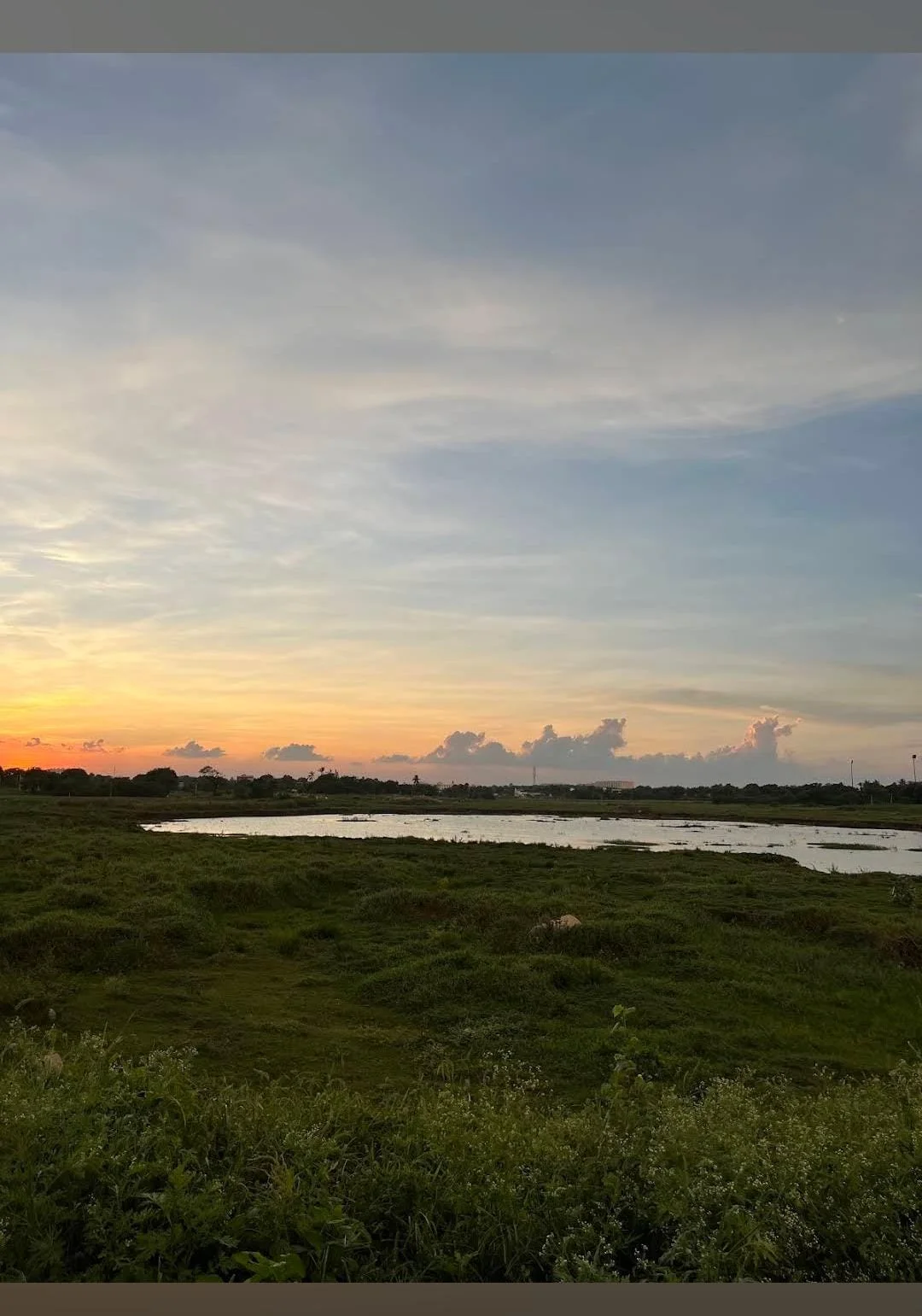
On Hyderabad’s fast-growing eastern edge, Kuntloor Pedda Cheruvu is a big, old tank that the city hasn’t swallowed yet. Like many Deccan lakes, it was built long ago to store monsoon rain. Its shallow edges, reedy margins and scattered granite boulders give way to scrub, open fields and the Tatti Khana urban forest nearby. That mix of water, grassland and dry woodland lets a small area hold a surprising range of wildlife. Babul and neem grow along the bunds. Water plants and sedges fill the shallows. Blackbuck and peafowl are sometimes seen in the surrounding scrub.
For birders, Kuntloor changes with the seasons. Herons, egrets, cormorants and kingfishers work the water all year. Prinias, bee-eaters and larks fill the open country. In winter, migrant waders, wagtails, pipits and flycatchers arrive, and raptors circle overhead. The lake is also under steady pressure. Sewage inflow, garbage dumping, encroachment on the shoreline and weeds like water hyacinth all threaten it, and new construction keeps closing in. Protecting the catchment, keeping the natural edges instead of concreting them, and having local birders record what lives here are the lake’s best defence.

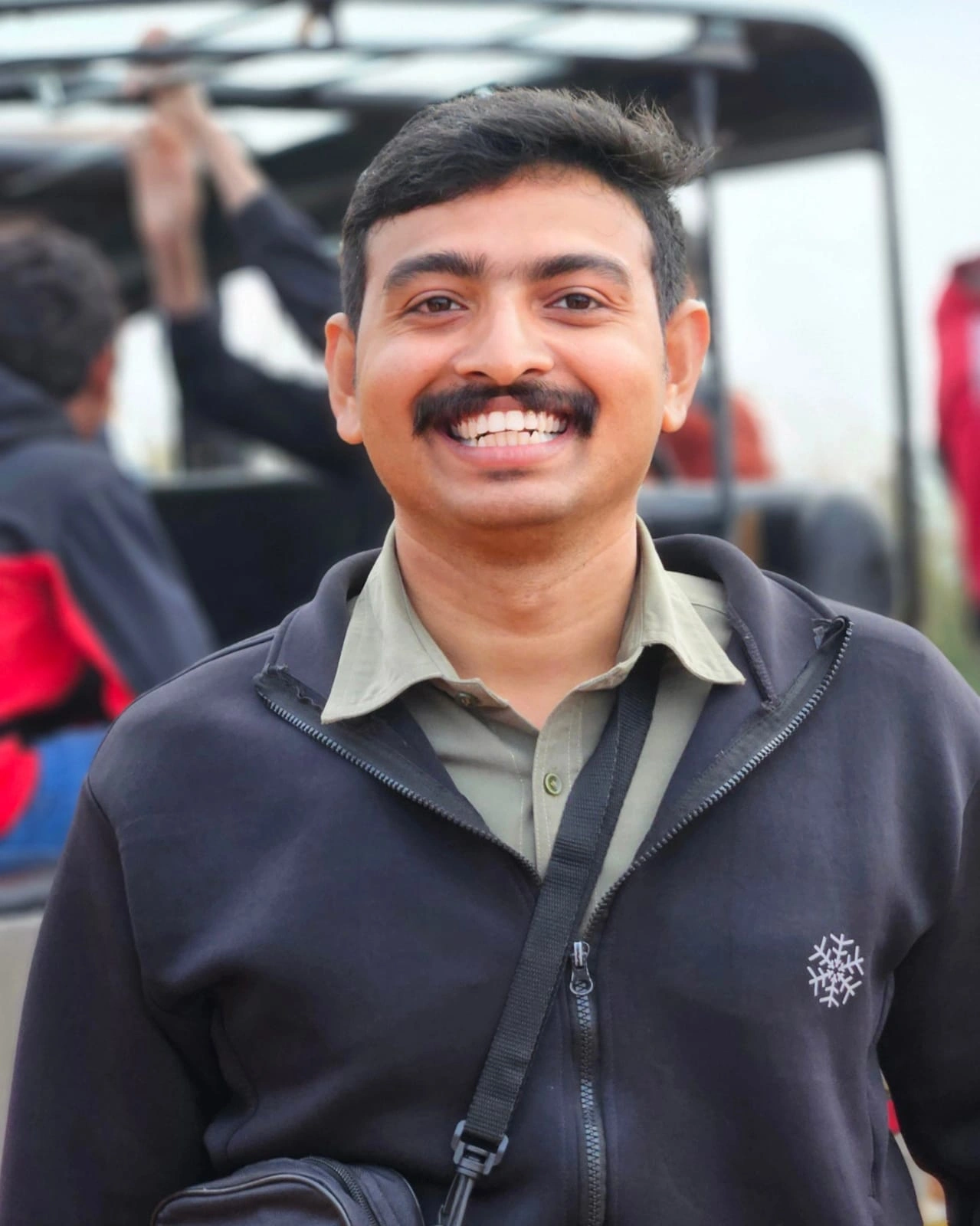
Bird Guide: Ashly Biji

He has over 4 years of experience as an official birder and has led nearly 500 nature walks across the Periyar Tiger Reserve and various parts of Telangana. His extensive field experience has deepened his understanding of birds, wildlife, and their habitats, while his work as a nature guide reflects his passion for connecting people with the natural world.
Bird walk Location

Common birds of Kuntloor Pedda Cheruvu

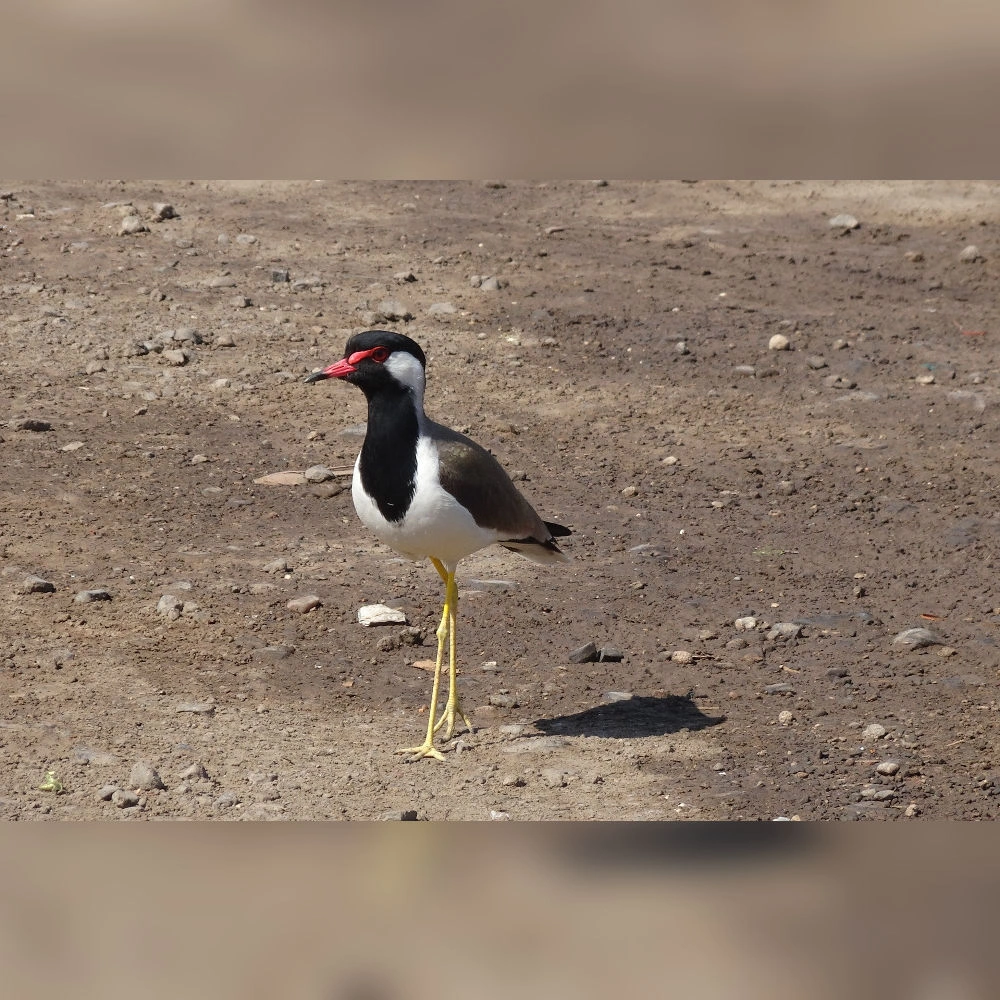
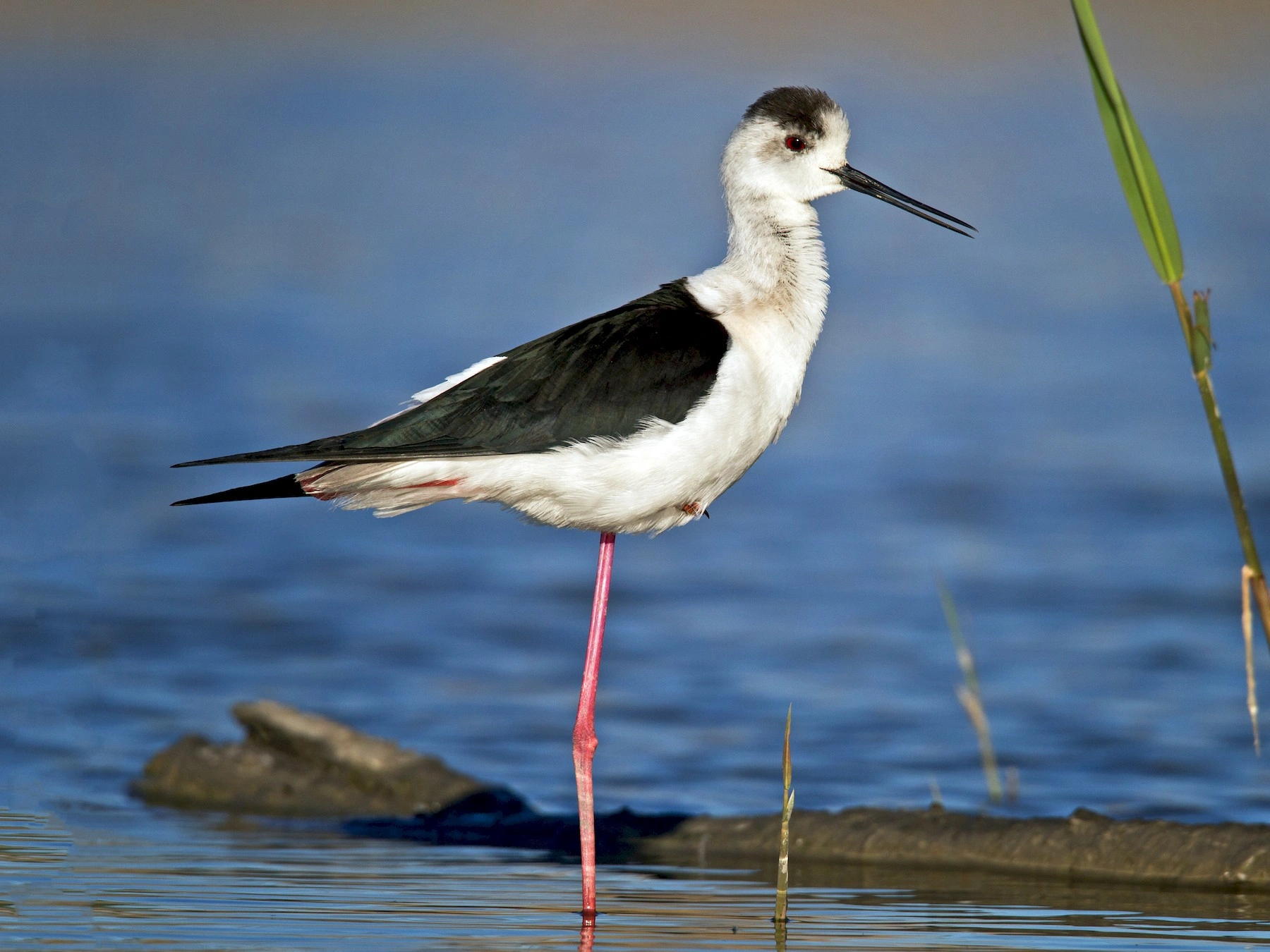
At Kuntloor, the edge of the water is where most of the action happens. Black-winged Stilts wade the shallows on long, bright pink legs. Red-wattled Lapwings shriek “did-he-do-it!” at anyone who comes too close. Little Egrets, Indian Pond-Herons and big flocks of Eastern Cattle-Egrets hunt in the mud and grass. Little and Great Cormorants dive for fish and then sit with their wings spread out to dry. The shy White-breasted Waterhen slips between the reeds, and the White-browed Wagtail, a black-and-white resident, bobs along the rocks on the shore. In the monsoon, Baya Weavers get busy weaving their famous hanging nests, and Asian Green Bee-eaters sweep out after insects from wires and branches. The scrub is full of small birds: Ashy Prinias, Common Tailorbirds, Purple Sunbirds and the Indian Robin, which cocks its tail. The Gray Francolin’s loud calls ring out at dawn, and Indian Peafowl stroll along the bunds. Asian Palm Swifts race overhead, and the Asian Koel’s rising call carries across the lake. Together they make Kuntloor a lively example of the Deccan’s wetland birds.
Black-winged Stilt
Red-wattled Lapwing
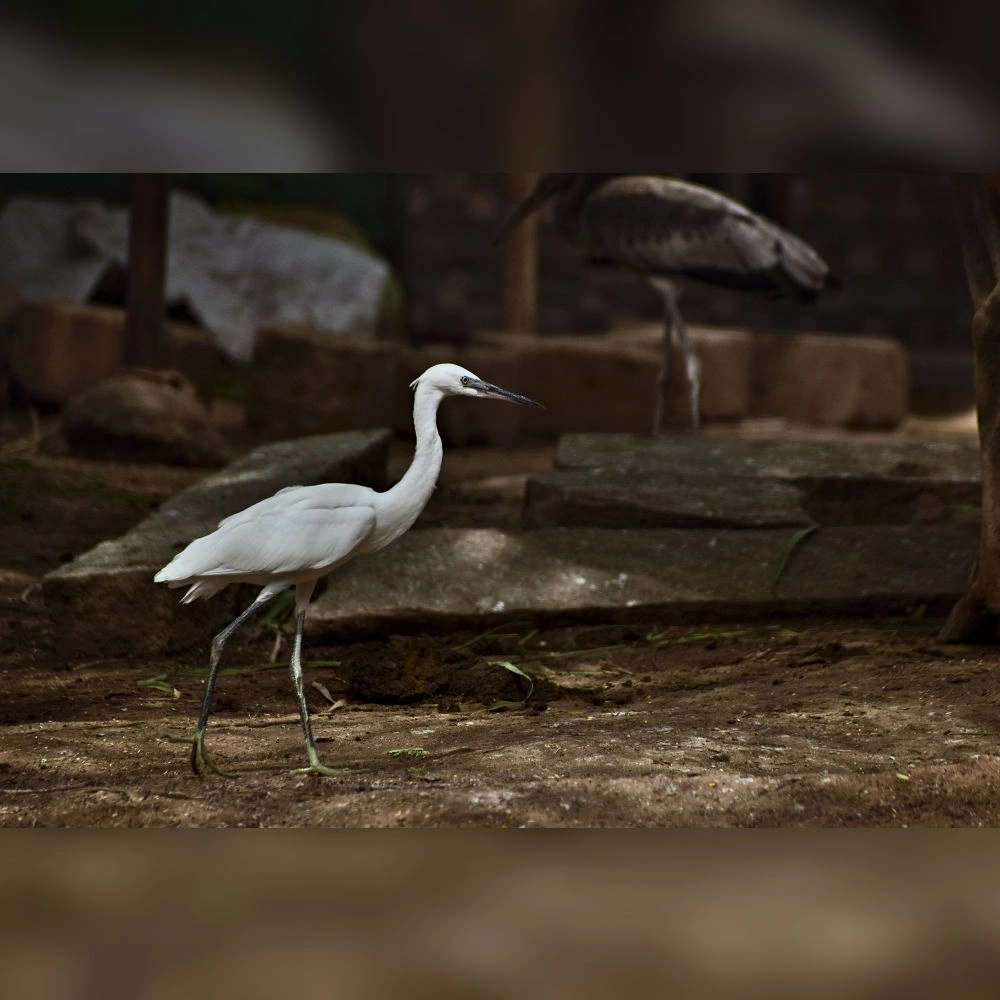
Little Egret
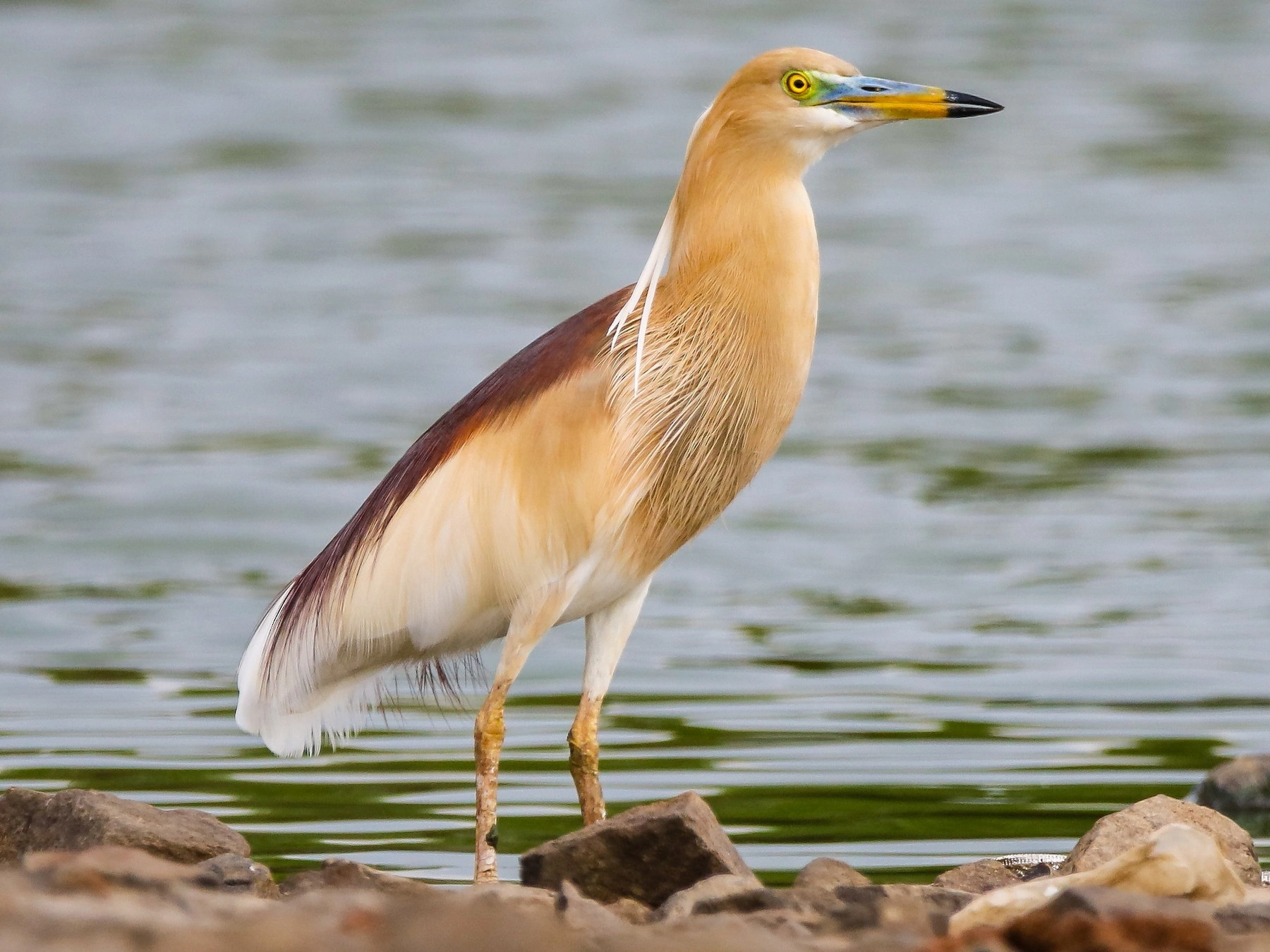
Indian Pond-Heron
Eastern Cattle-Egret
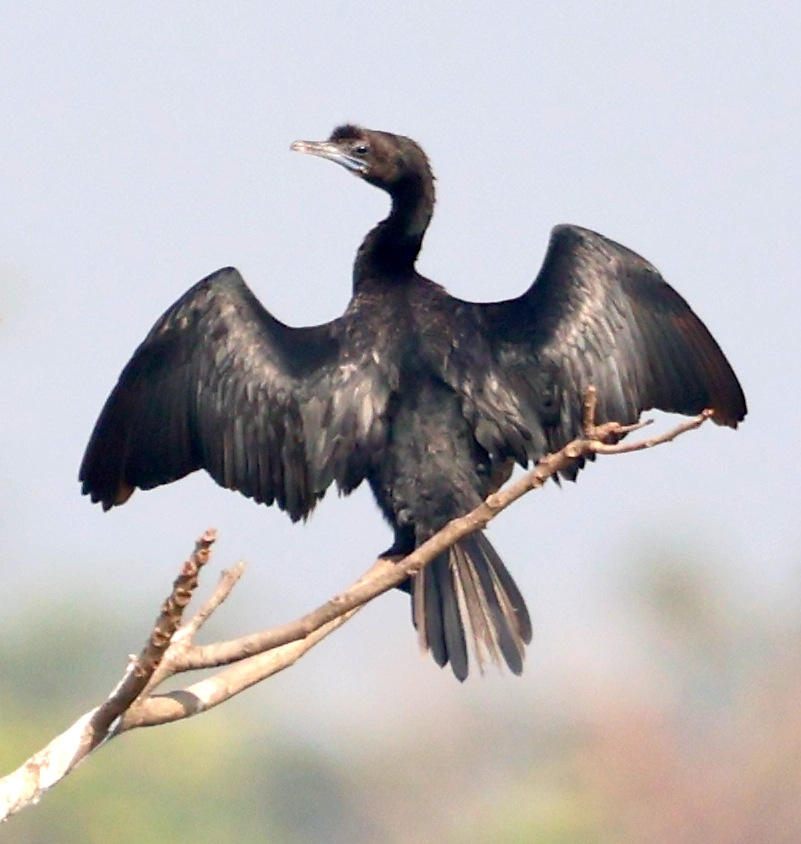
Little Cormorant
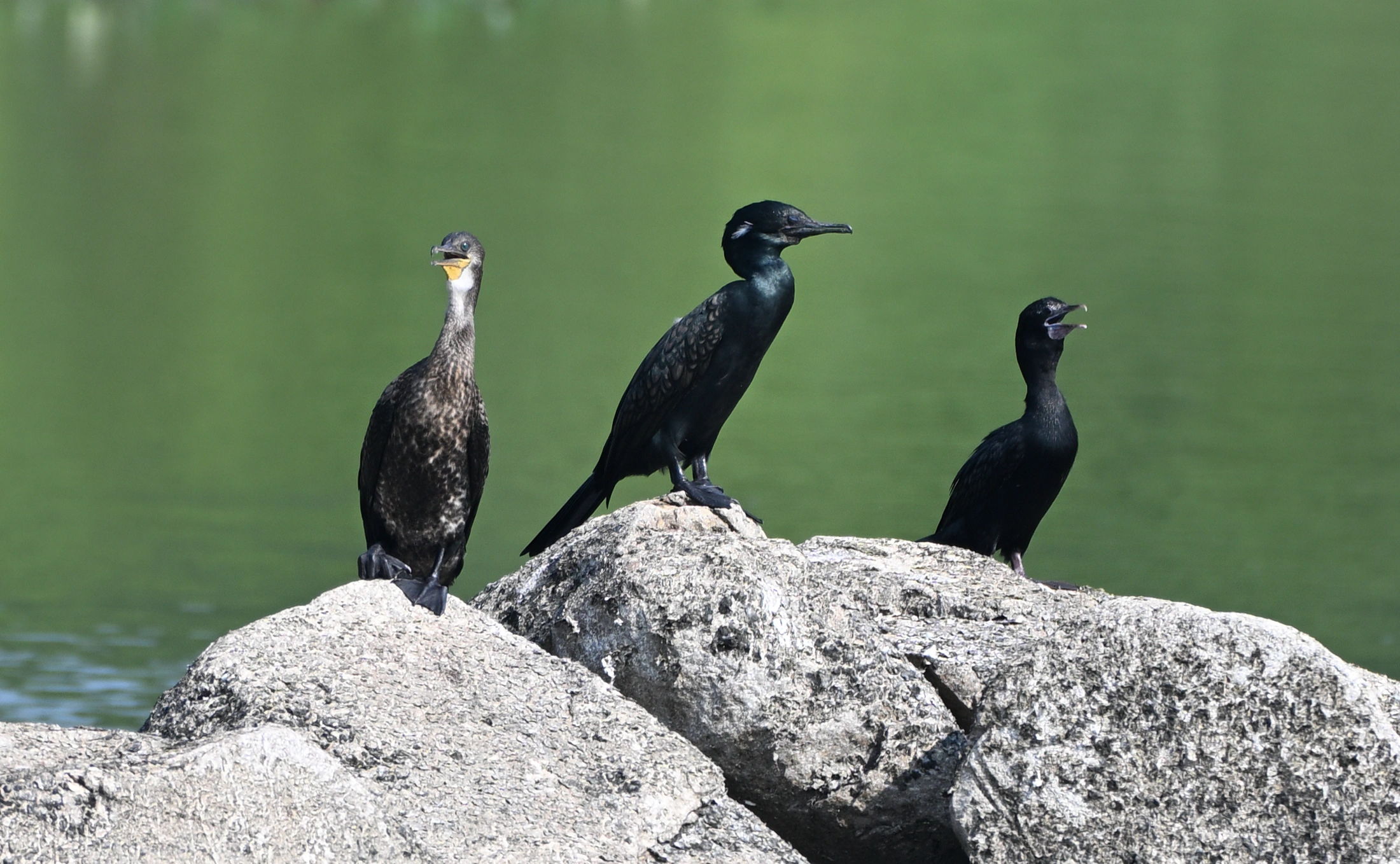
Great Cormorant
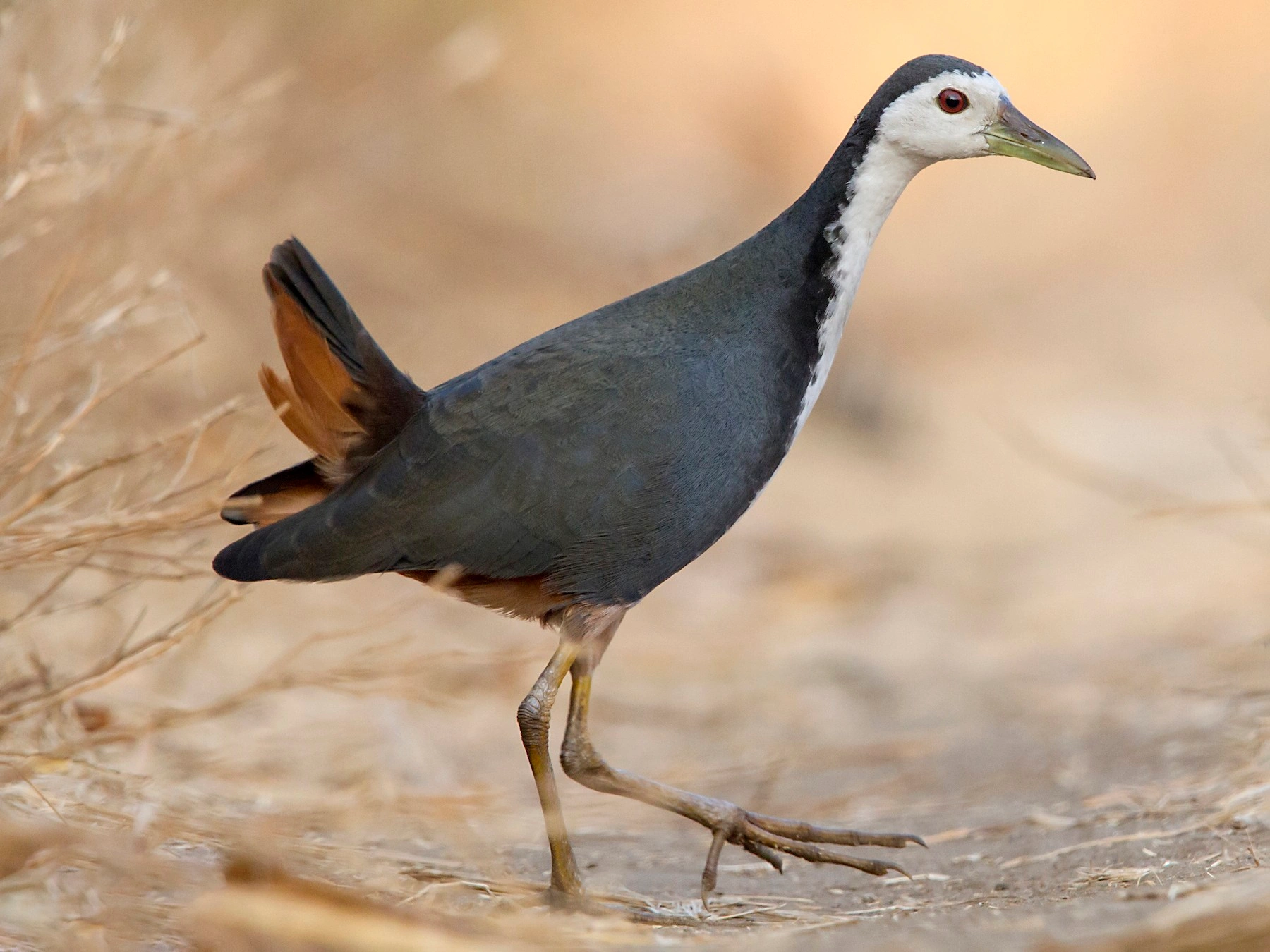
White-breasted Waterhen
White-browed Wagtail
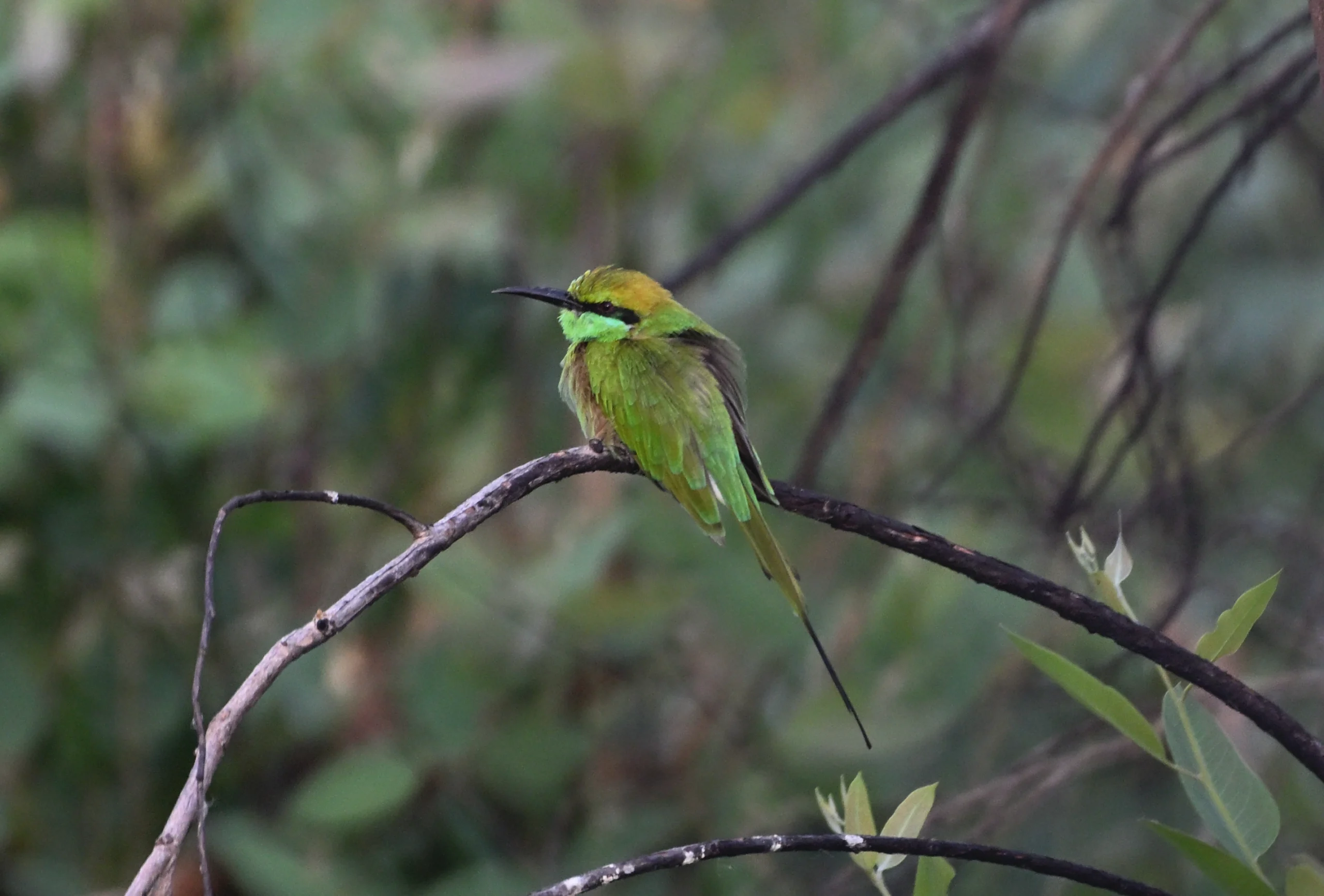
Asian Green Bee-eater
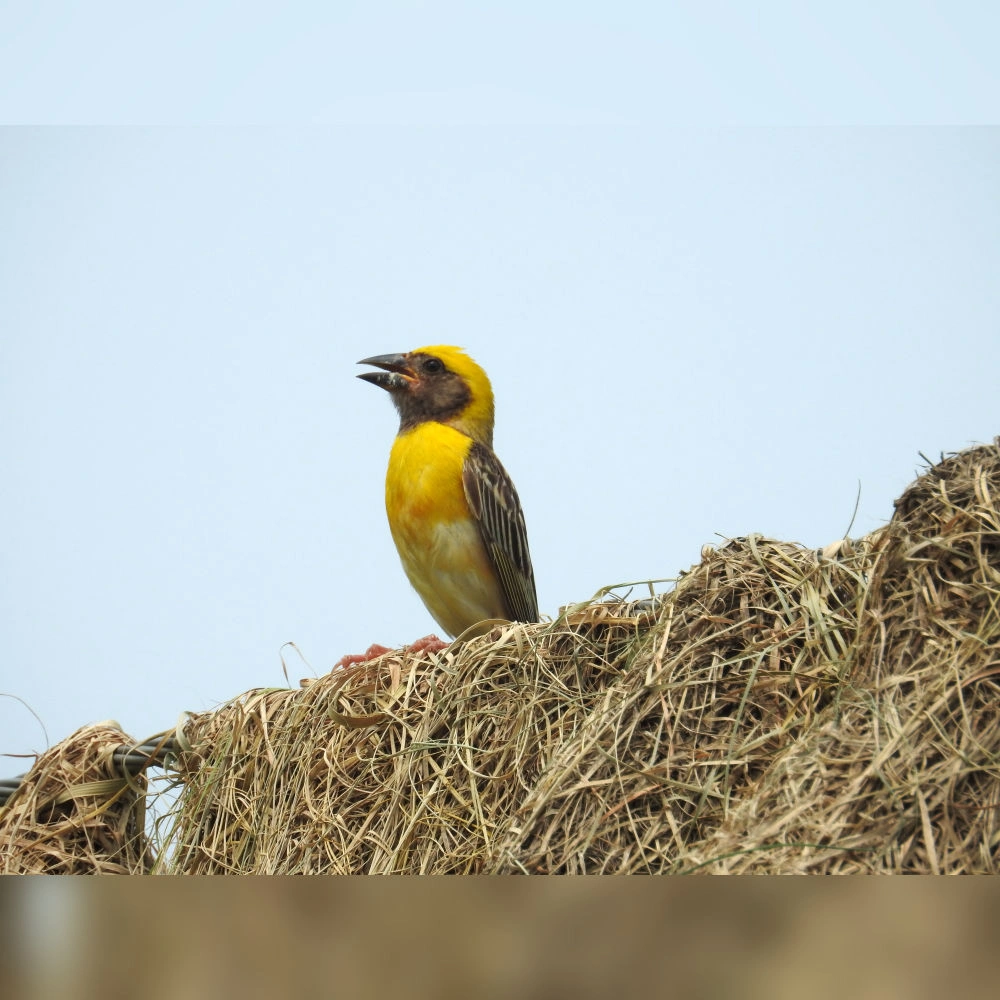
Baya Weaver
Purple Sunbird
Ashy Prinia
Common Tailorbird
Indian Robin
Red-vented Bulbul
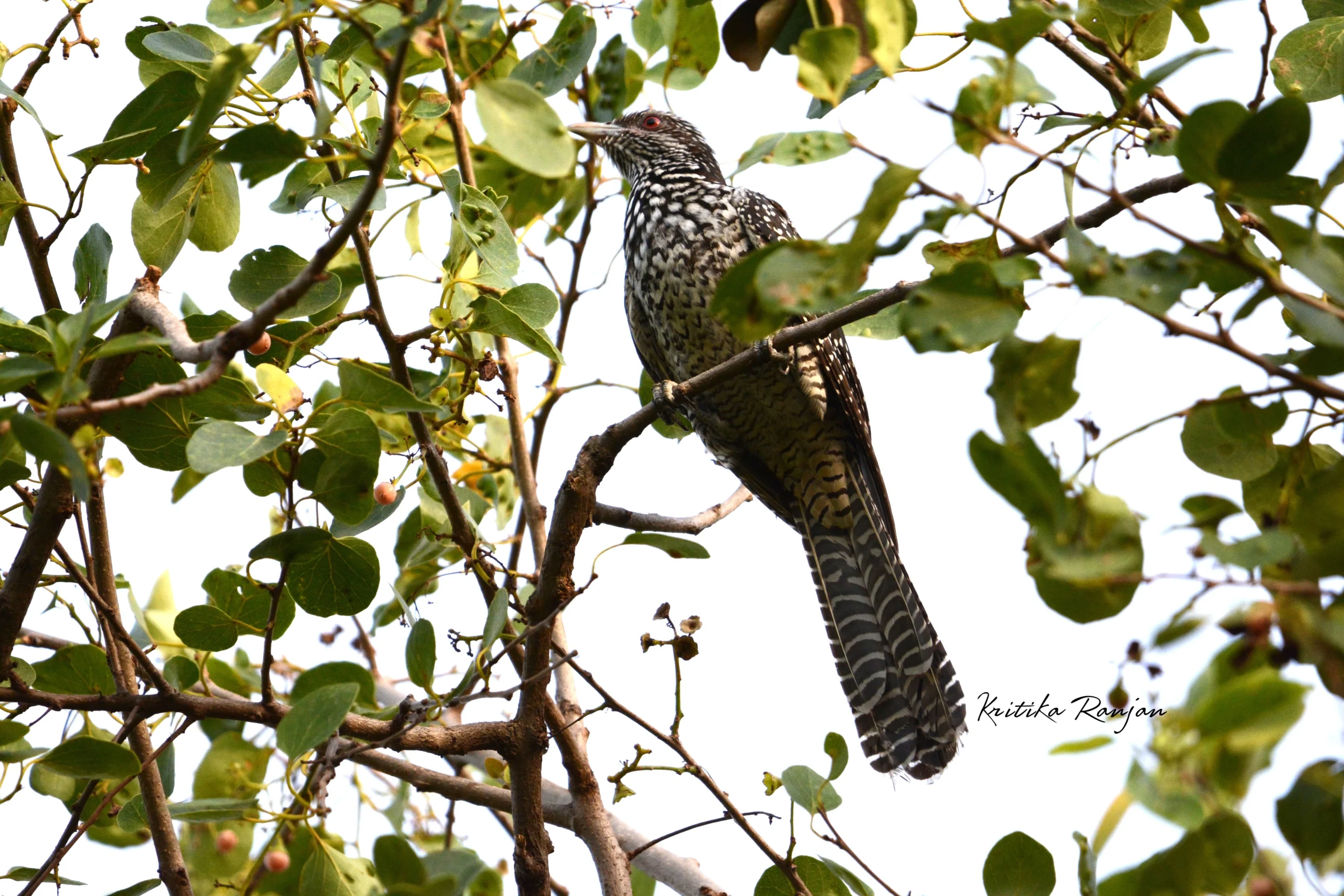
Asian Koel
Asian Palm Swift
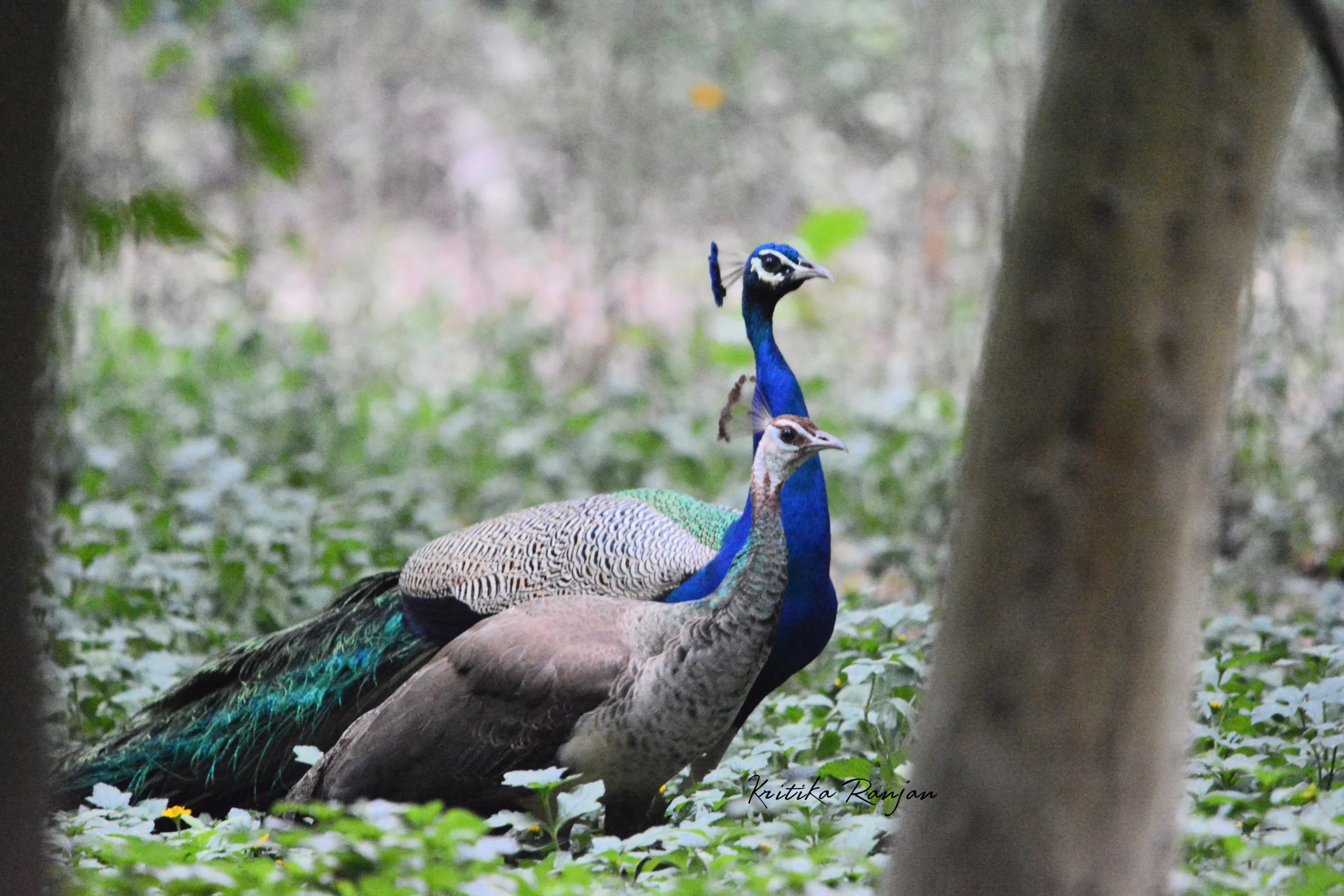
Indian Peafowl
Grey Francolin

Summary of Walk

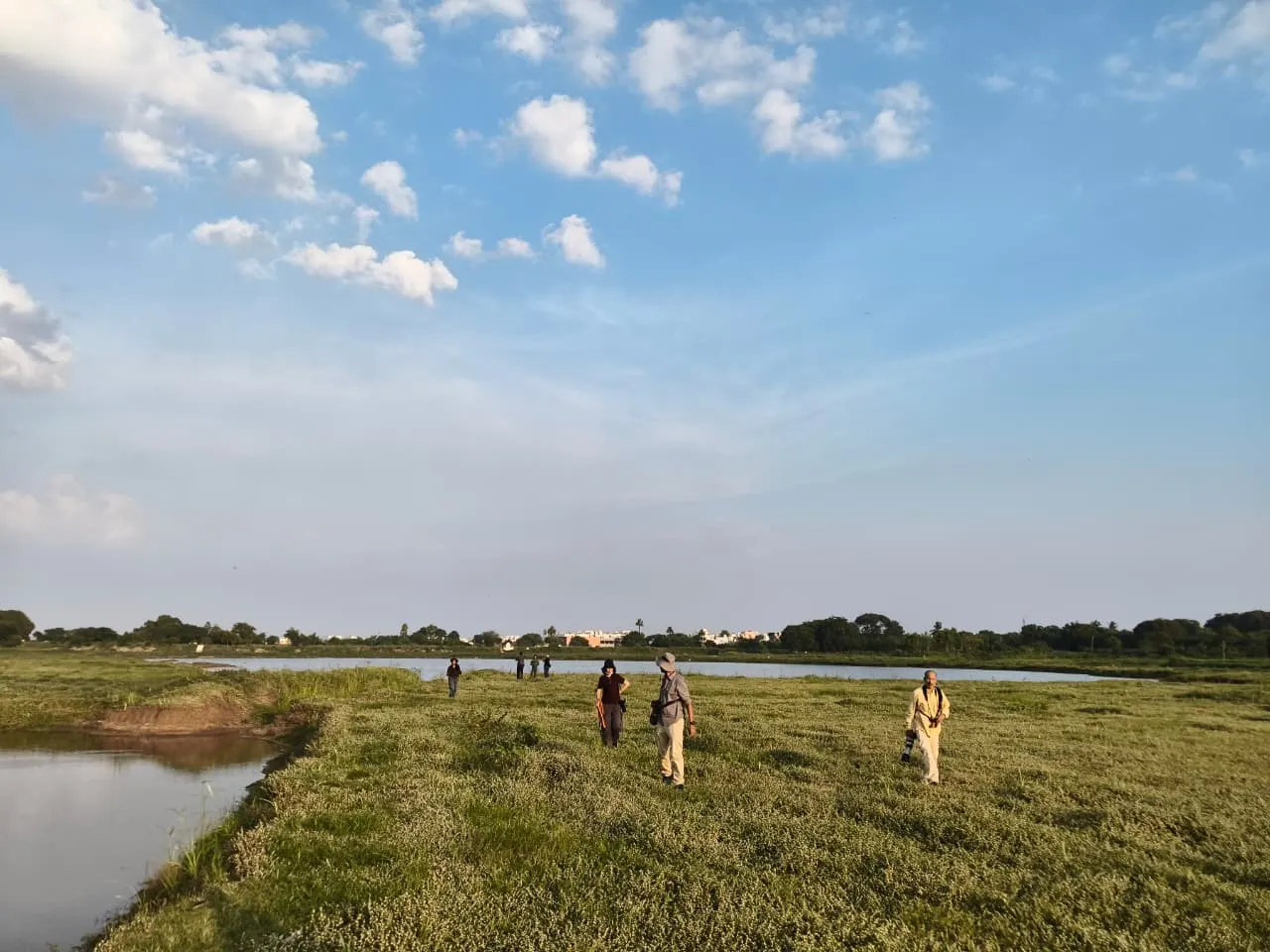
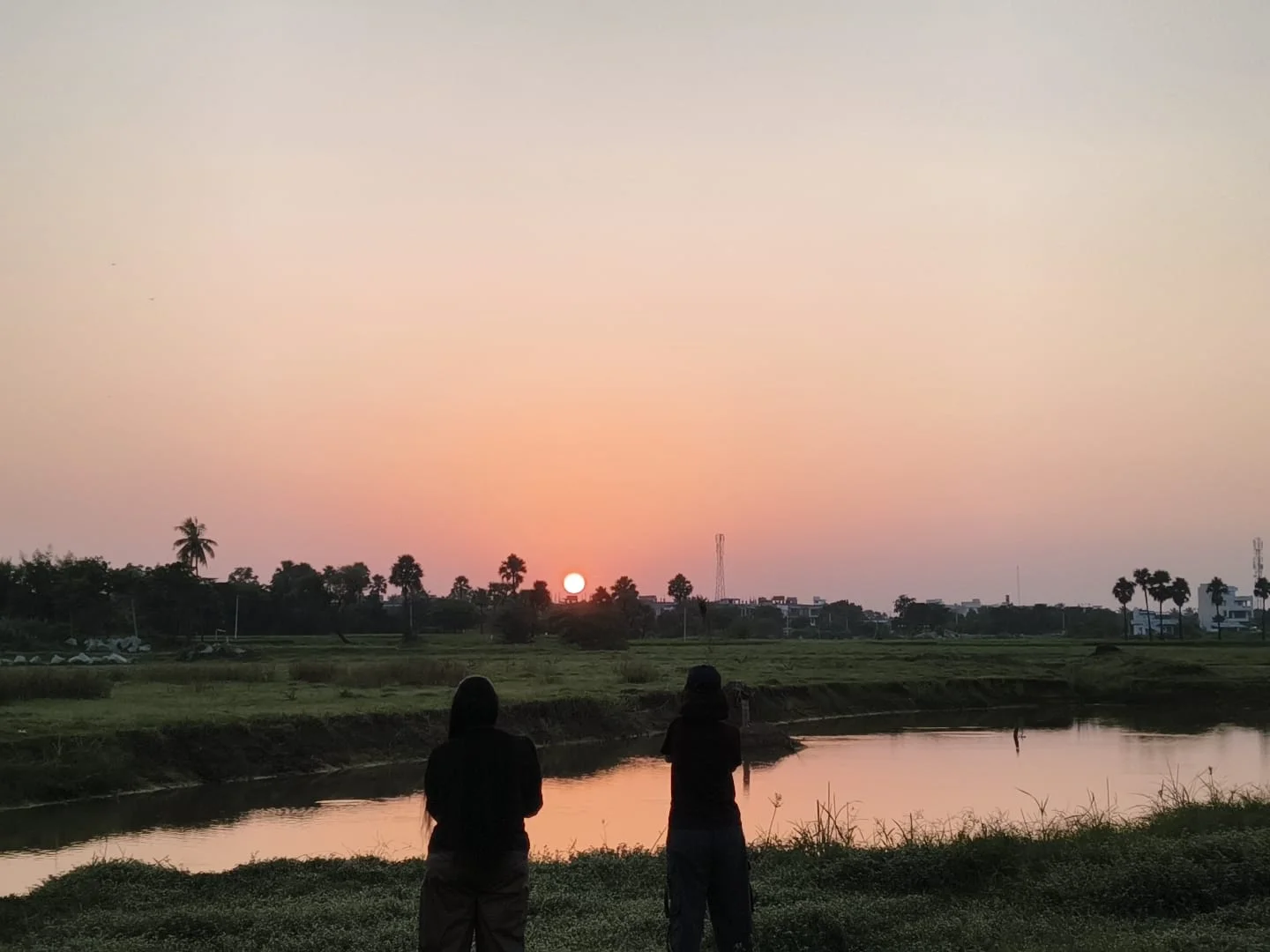
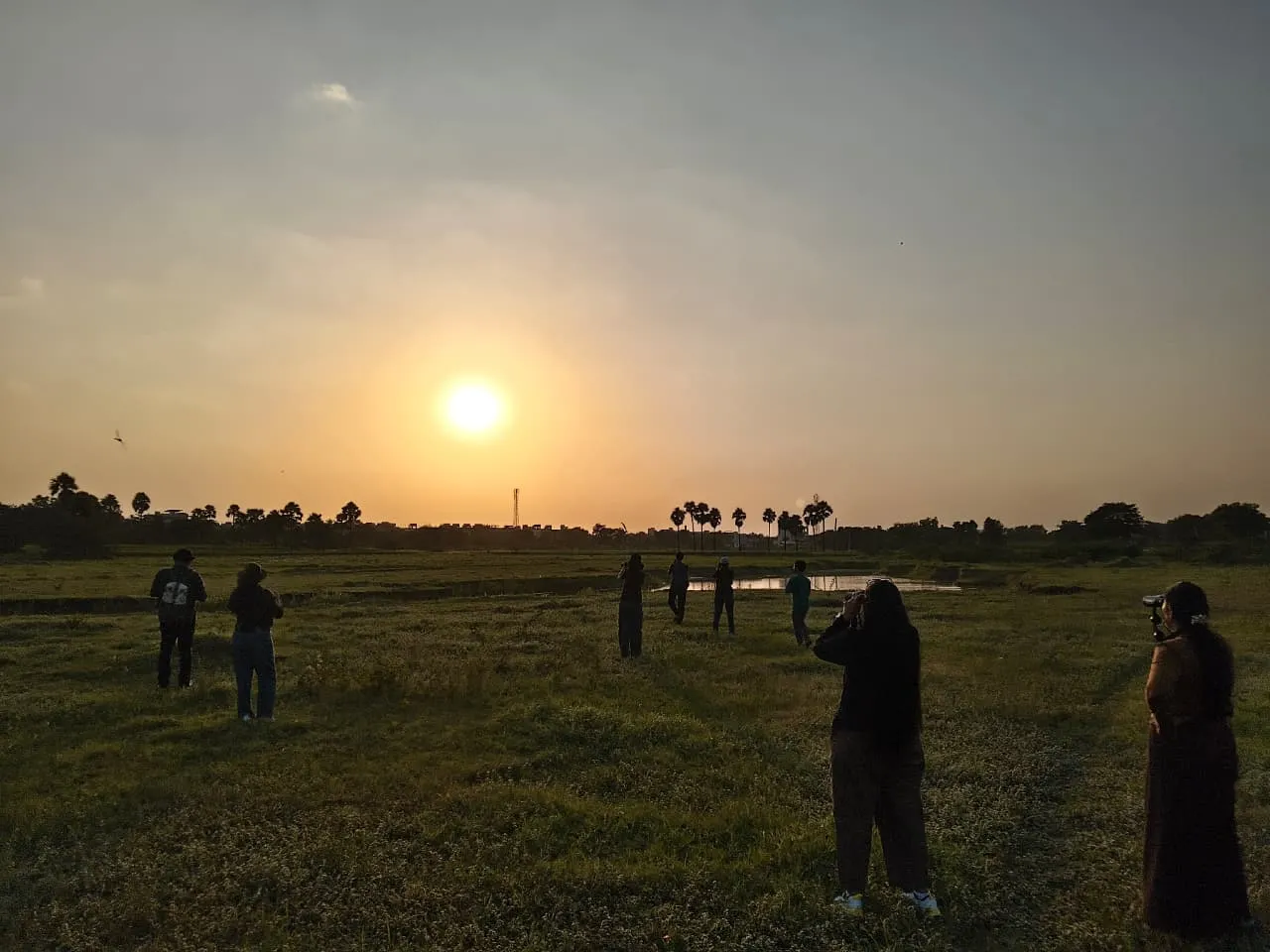
Nine birders joined guide Ashly Biji at Kuntloor Pedda Cheruvu in Hyderabad on 2 October for a pleasant morning beside one of the city’s much-loved lakes. Reedy margins, open water and patches of grass create the kind of varied habitat that birds love, and the group moved along the bund with binoculars ready, watching the edges for movement. By the end of the walk they had recorded 26 species, a rewarding total that reflects the richness of the wetland. Two of the most charming sightings of the day were small birds of the reeds and grasses: the Zitting Cisticola, whose tiny frame and jerky display flight surprised those seeing it for the first time, and the Red Avadavat, a bright little finch whose crimson plumage stood out against the greenery. Lakes like this one commonly host herons, egrets, cormorants and kingfishers, and the group enjoyed learning how each of them hunts, rests and moves through the shallows. Ashly shared simple identification tips, helping participants recognise birds through shape, call and behaviour, and encouraged everyone to take their time and let the birds reveal themselves. With a compact group, there was room for conversation and questions, and the walk felt personal and relaxed. The soft morning light, the calm water and the steady hum of birdsong made it easy to forget that a busy city lay just beyond the trees. Participants departed with new species on their lists and a stronger connection to the place, a reminder that even a short walk beside a local lake can open the door to a whole world of birds.
Number of Participants
9
Scroll to Top