

Loading Events

Bird Walk at Kukrail Picnic Phase – I, Lucknow, UP

About Kukrail Picnic Phase - I

Kukrail Forest is a green and relatively quiet birding area within the extensive forest landscape of Lucknow. The trail passes through a mix of mature trees, woodland, scrub and open patches, creating varied habitats for birds throughout the year. The dense tree cover provides nesting and roosting sites, while flowering and fruiting trees offer important food resources for frugivorous and nectar-feeding species. The surrounding forest also supports a range of insect-rich vegetation, making the area suitable for insectivorous birds. Early mornings are particularly rewarding, when bird activity is high and the calls of different species can be heard throughout the forest.

The trail provides a useful opportunity to experience relatively natural woodland habitat within an urban setting. Its tree-lined surroundings and connected forest patches make it valuable for maintaining local bird diversity and providing refuge for species that are less commonly encountered in built-up parts of Lucknow. The combination of canopy, understory and open areas allows birdwatchers to observe species occupying different levels of the habitat. Responsible birdwatching, particularly avoiding playback, nest disturbance and excessive noise, is important in such forest environments. With its accessible trails and diverse vegetation, Nursery Trail is a promising location for both beginners and experienced birdwatchers interested in exploring the birdlife of Lucknow’s Kukrail forest landscape.

Bird Guide: Abhishek Singh

A passionate wildlife enthusiast with 3 years of birding experience, he enjoys exploring forests and understanding birds in their natural habitats. He is keen on observing behavior and sharing his knowledge to help others connect with nature.

Bird walk Location

Common birds of Kukrail Picnic Phase - I

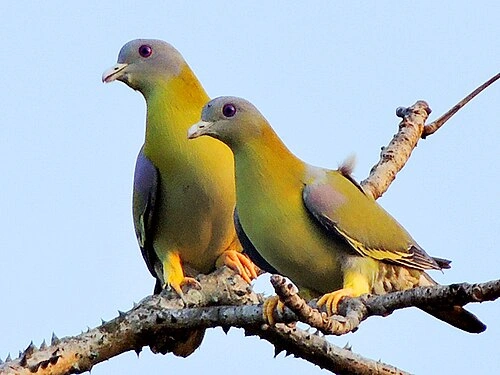
Trail supports a diverse community of woodland and urban-edge birds, with several species closely associated with mature tree cover. The birding highlights include the Yellow-footed Green Pigeon, Indian Gray Hornbill, Brown-headed Barbet, Coppersmith Barbet and Alexandrine Parakeet, reflecting the availability of fruiting trees, tree cavities and woodland habitat. The presence of both Rose-ringed Parakeet and Alexandrine Parakeet adds to the diversity of canopy birds, while Indian White-eye, Oriental Magpie-Robin, Red-vented Bulbul and Red-whiskered Bulbul are associated with the foliage and understory. The forest also provides habitat for predatory and insectivorous species such as the Common Hawk-Cuckoo and Black Kite. Ground and lower vegetation support Jungle Babbler, while the presence of Jungle Owlet and Forest Owlet makes the site particularly interesting for birdwatchers interested in owls. Common species such as Common Myna, House Crow, Large-billed Crow, Eurasian Collared-Dove, Spotted Dove and Laughing Dove add to the overall bird diversity. Together, these records highlight the ecological value of the Kukrail forest within Lucknow’s urban landscape.

Yellow-footed Green Pigeon
Common Hawk-Cuckoo
Brown-headed Barbet
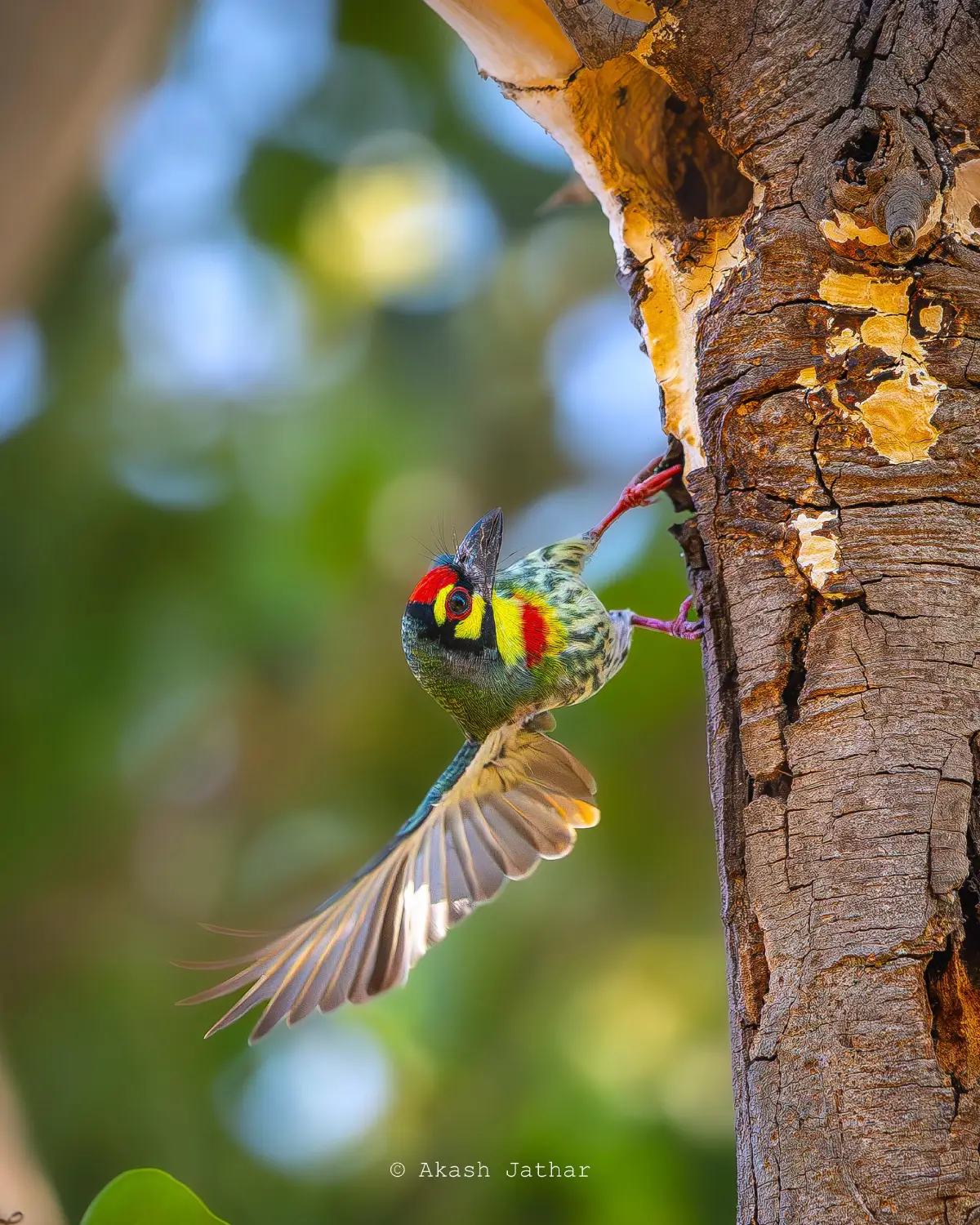
Coppersmith Barbet
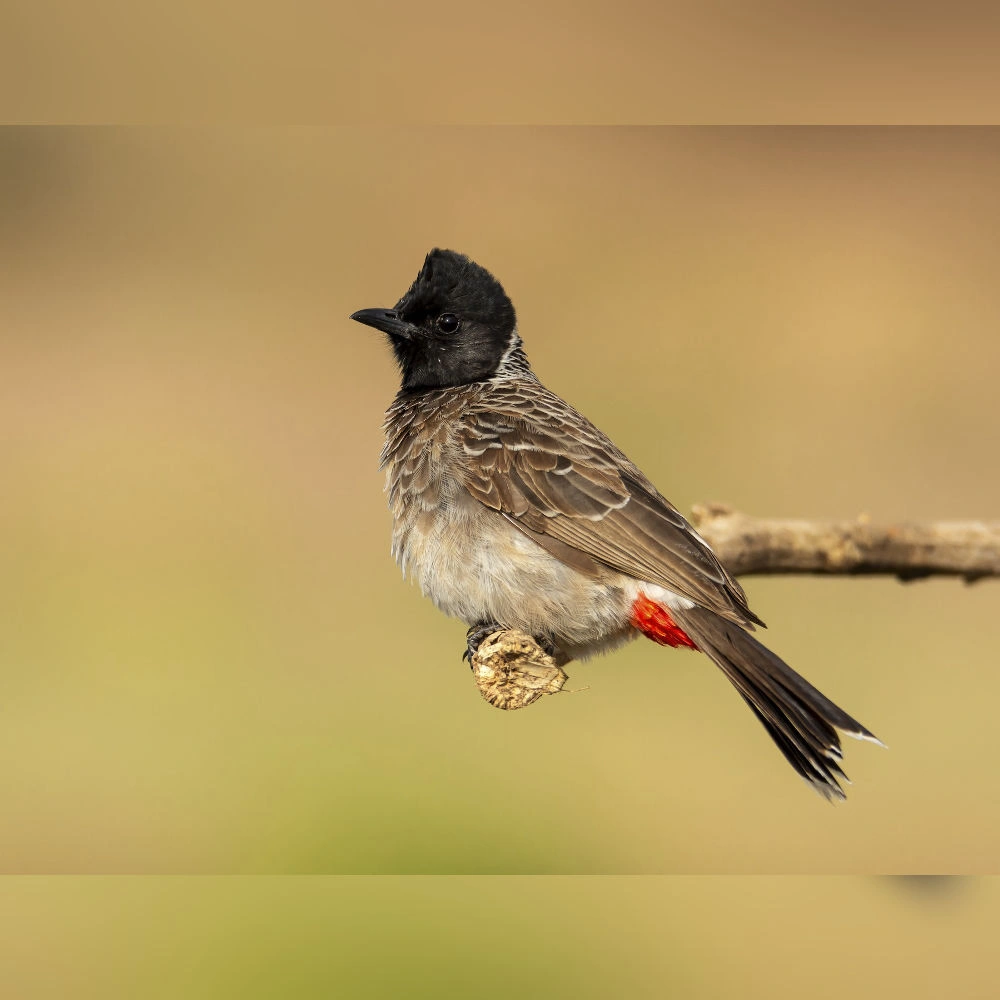
Red-vented Bulbul

Red-whiskered Bulbul
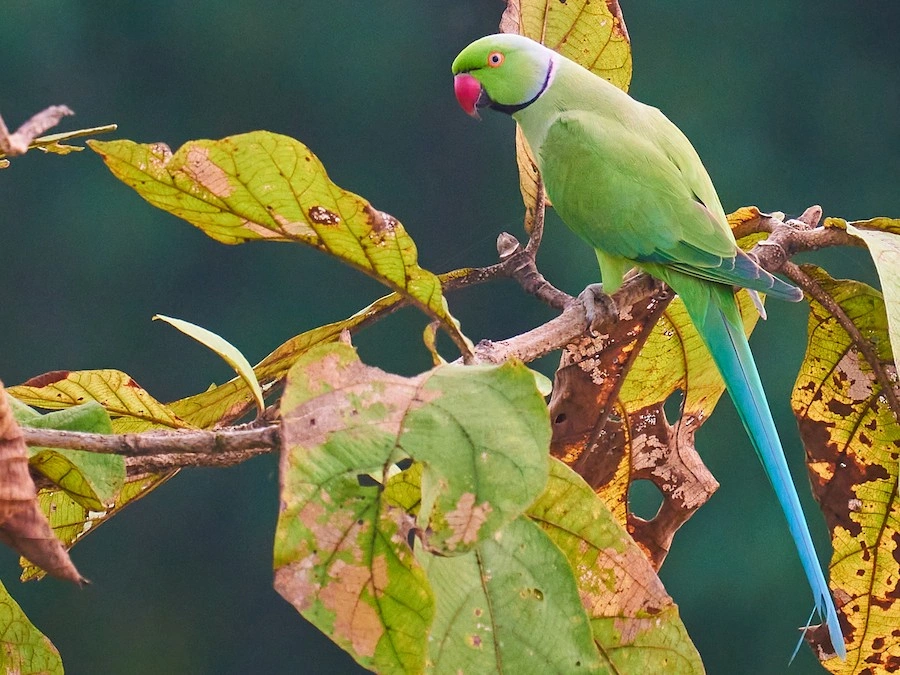
Rose-ringed Parakeet
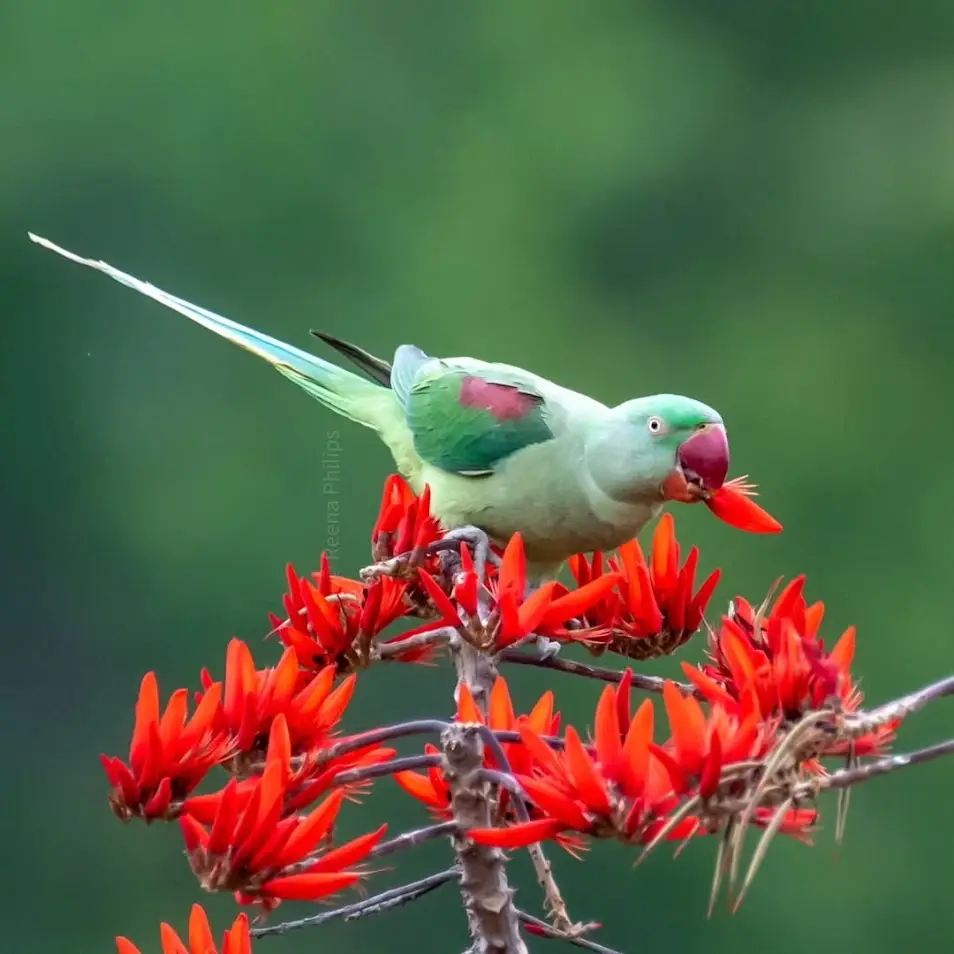
Alexandrine Parakeet
Indian Grey Hornbill
Indian White-eye
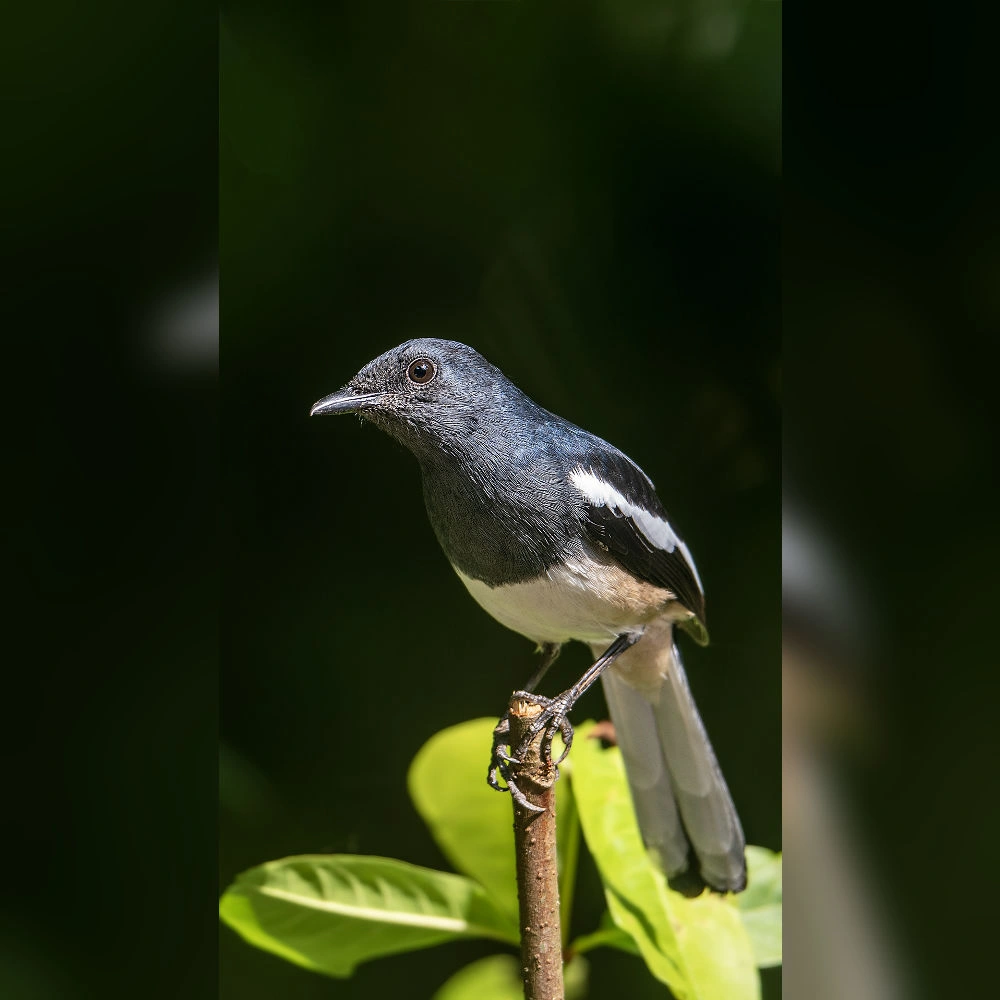
Oriental Magpie-Robin
House Crow
Large-billed Crow
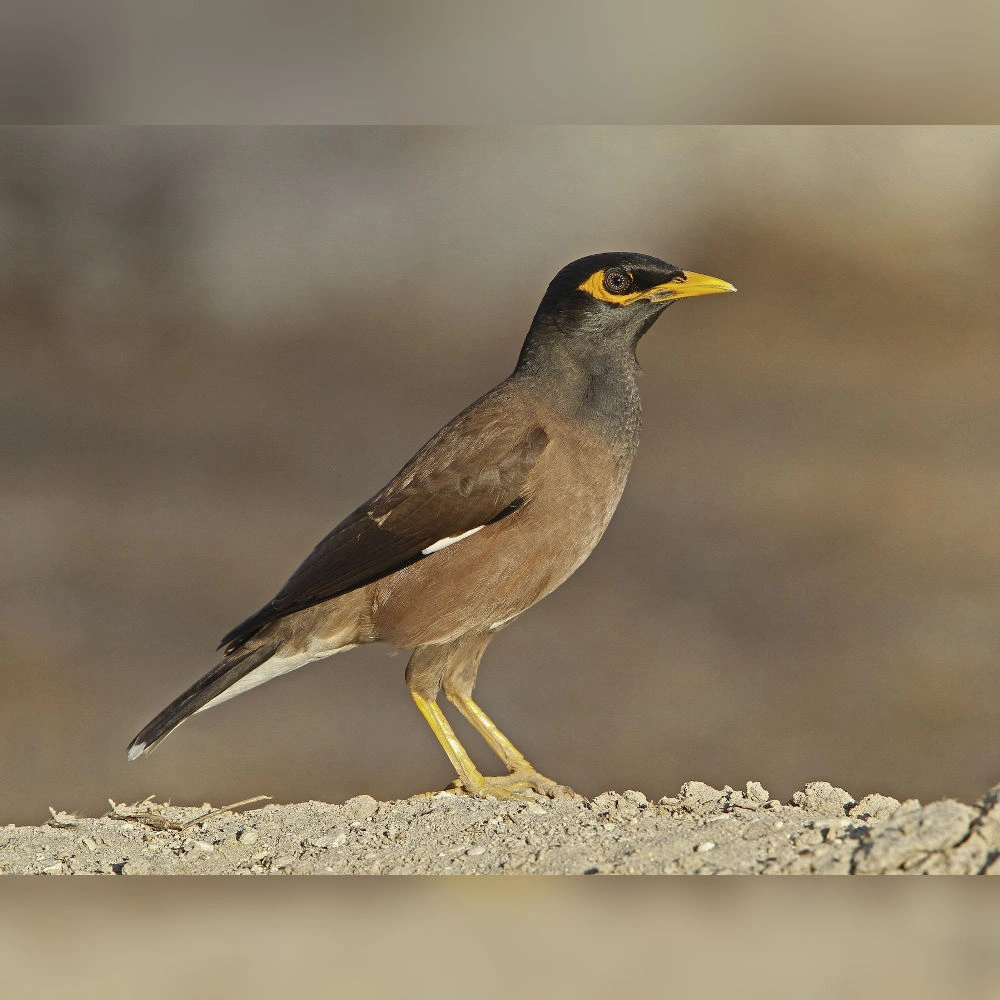
Indian Grey Hornbill
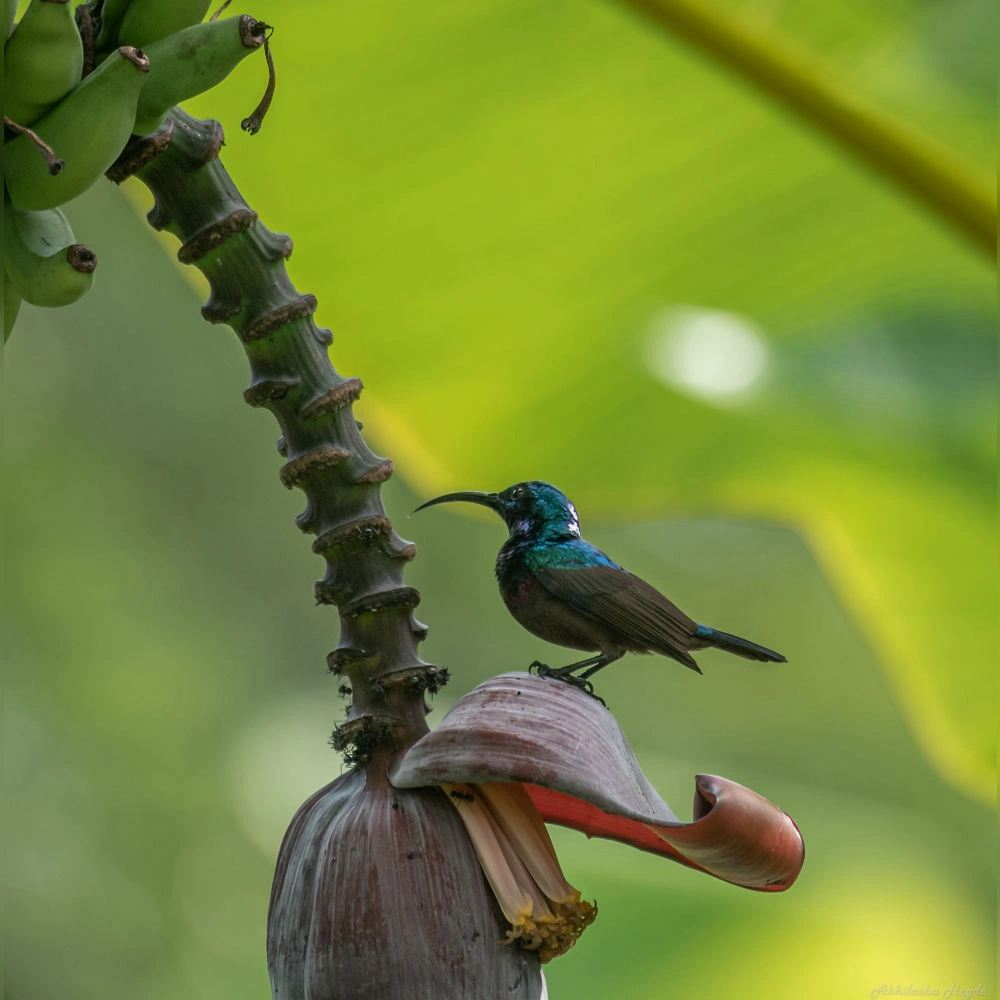
Purple Sunbird

Black Kite
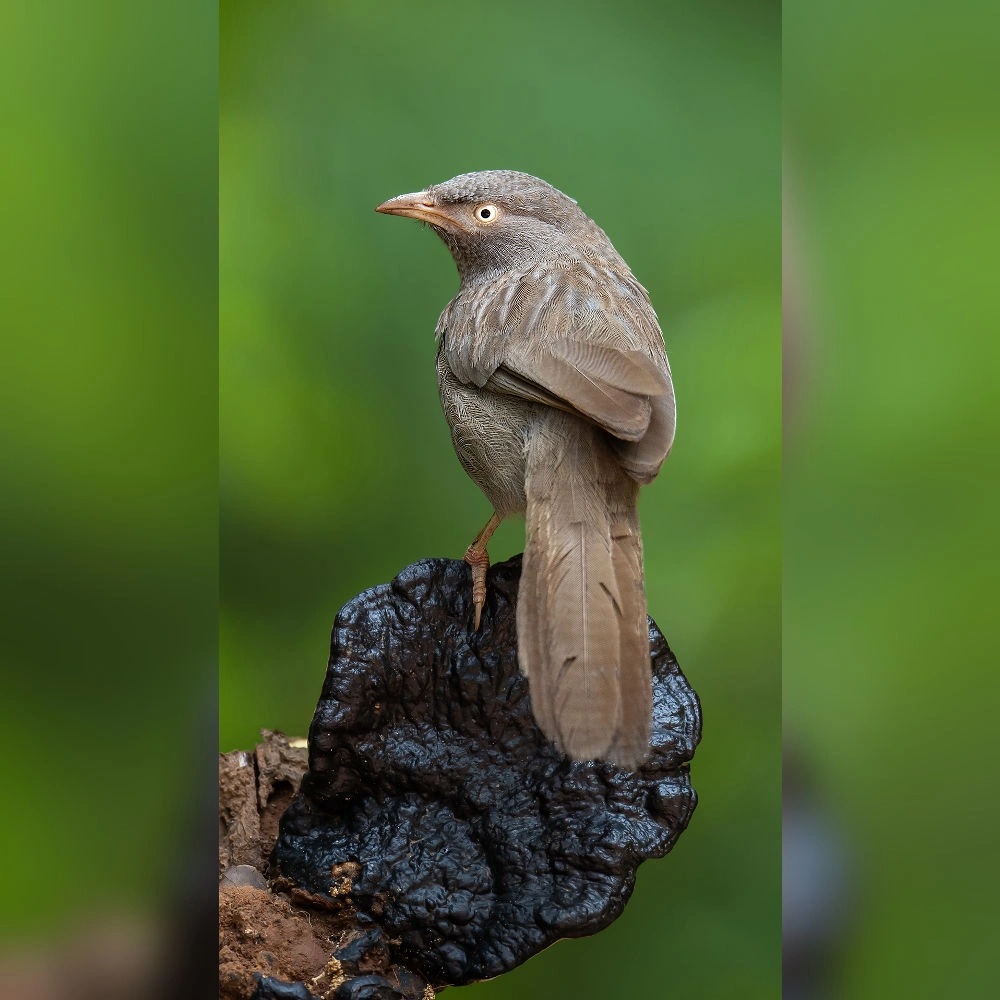
Jungle Babbler
Eurasian Collared Dove
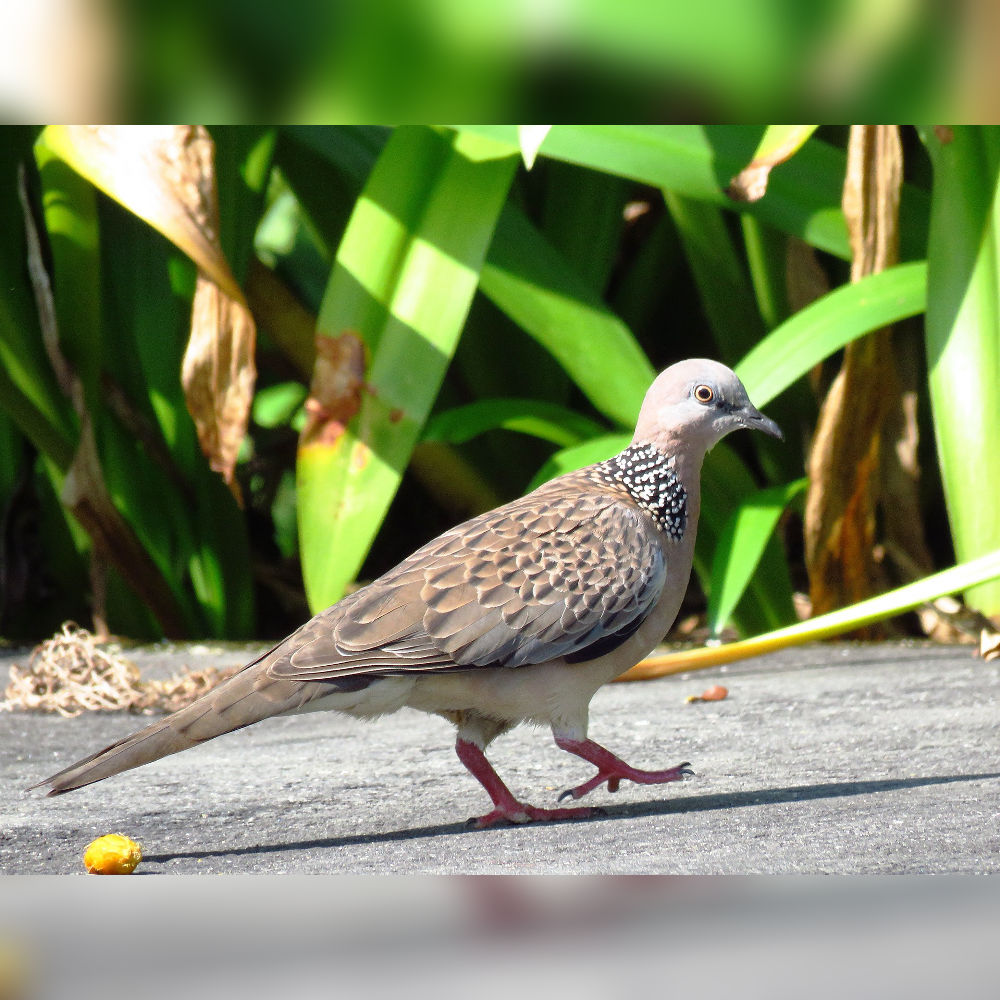
Spotted Dove
Laughing Dove

Summary of Walk

Eight birders joined guide Abhishek Singh at Kukrail Picnic Spot, Phase I, in Lucknow on 18 October for a walk through one of the city’s most cherished green spaces, and the forest delivered a superb 50 species. The tall trees, shaded paths and quiet corners of Kukrail make it a haven for birds, and the group moved at an easy pace, listening carefully for calls and scanning the canopy. Among the highlights was the Grey-headed Canary-Flycatcher, a tiny, vivid songbird with a grey head and a bright yellow body that flits through the foliage with a sprightly energy. The White-bellied Drongo, with its glossy dark plumage and forked tail, was another stand-out, perched confidently on a branch and giving the group excellent views. Around them, the forest held a lively community of woodland birds, from babblers and bulbuls to barbets, flycatchers and warblers, and the group enjoyed learning to separate species by their calls and movements. Abhishek led the walk with warmth and clear explanations, helping newcomers learn how to use binoculars, spot movement in the leaves and listen for the calls that give birds away. With eight participants, there was time to discuss every sighting and answer every question, and the conversation flowed easily between the birds and the wider story of the forest. A tally of 50 species in a single morning is a fine achievement for a city forest and shows just how valuable such green spaces are for birds and for people. The group left with new species on their lists, happy memories and a strong wish to return, binoculars in hand.
Number of Participants
0
Scroll to Top