Loading Events

Bird Walk at Kotna, Vadodara, Gujarat

About Kotna

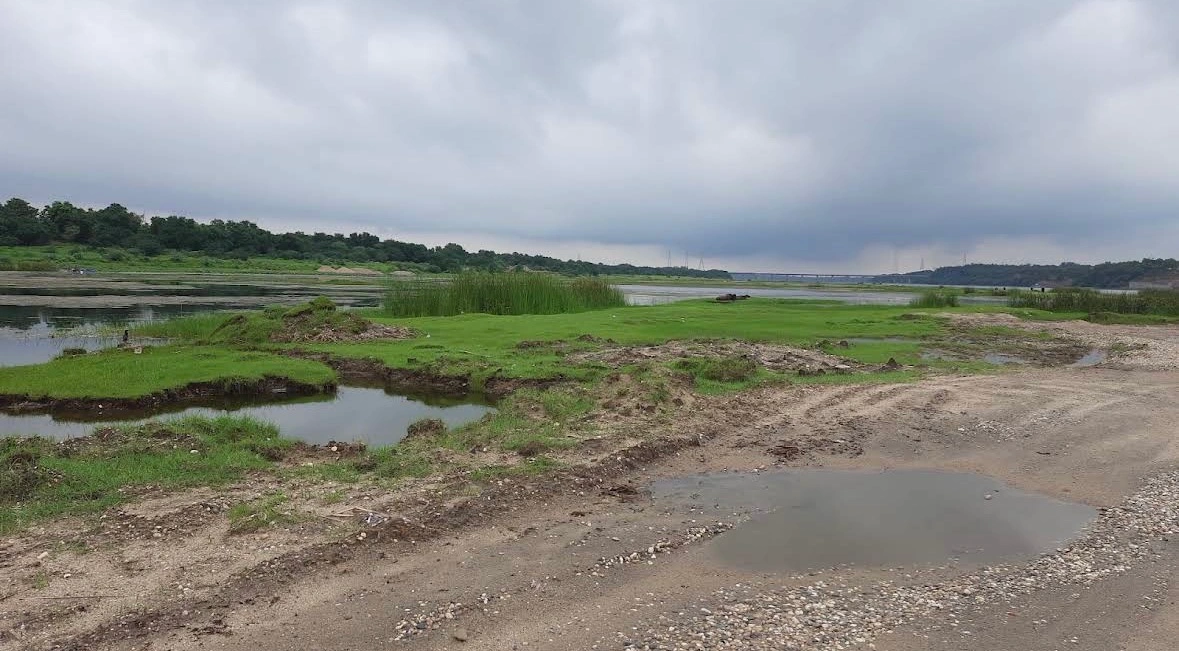
Kotna is a rural landscape near Vadodara in Gujarat, characterised by agricultural fields, open grasslands, scrub and patches of natural vegetation. The area is also influenced by nearby water bodies and seasonal wetlands, creating a varied mosaic of habitats that supports a range of bird species and other wildlife. The relatively open landscape, interspersed with cultivated areas and vegetation, provides feeding and nesting opportunities for birds associated with farmland, grassland and scrub.
The combination of open habitats and wetland areas makes Kotna an interesting destination for birdwatching around Vadodara. Water bodies and their surrounding margins can attract herons, egrets, waders, ducks and other waterbirds, while agricultural fields and scrub support bulbuls, prinias, weavers, doves and raptors. The landscape also serves as an important green refuge within the increasingly developed surroundings of Vadodara. Its mix of natural and human-modified habitats offers good opportunities to observe a diverse range of resident and seasonal birds.

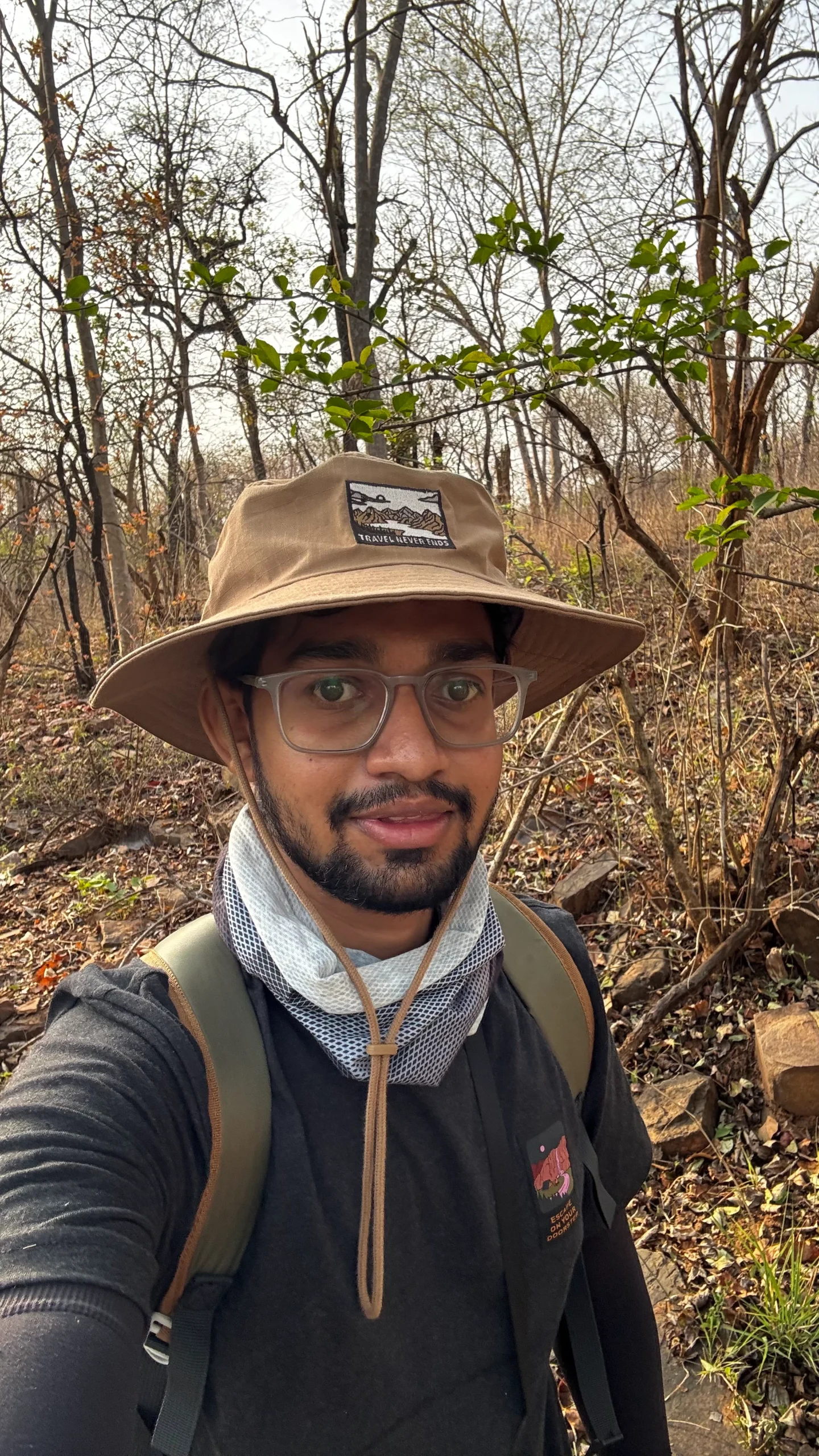
Bird Guide: Neel Vasava

Zoology graduate and passionate wildlife enthusiast with 3+ years of birding experience, deeply interested in animal behaviour, ecology, and conservation. I enjoy sharing field-based knowledge and real-world observations to build awareness and inspire people to connect with nature.
Bird walk Location

Common birds of Kotna

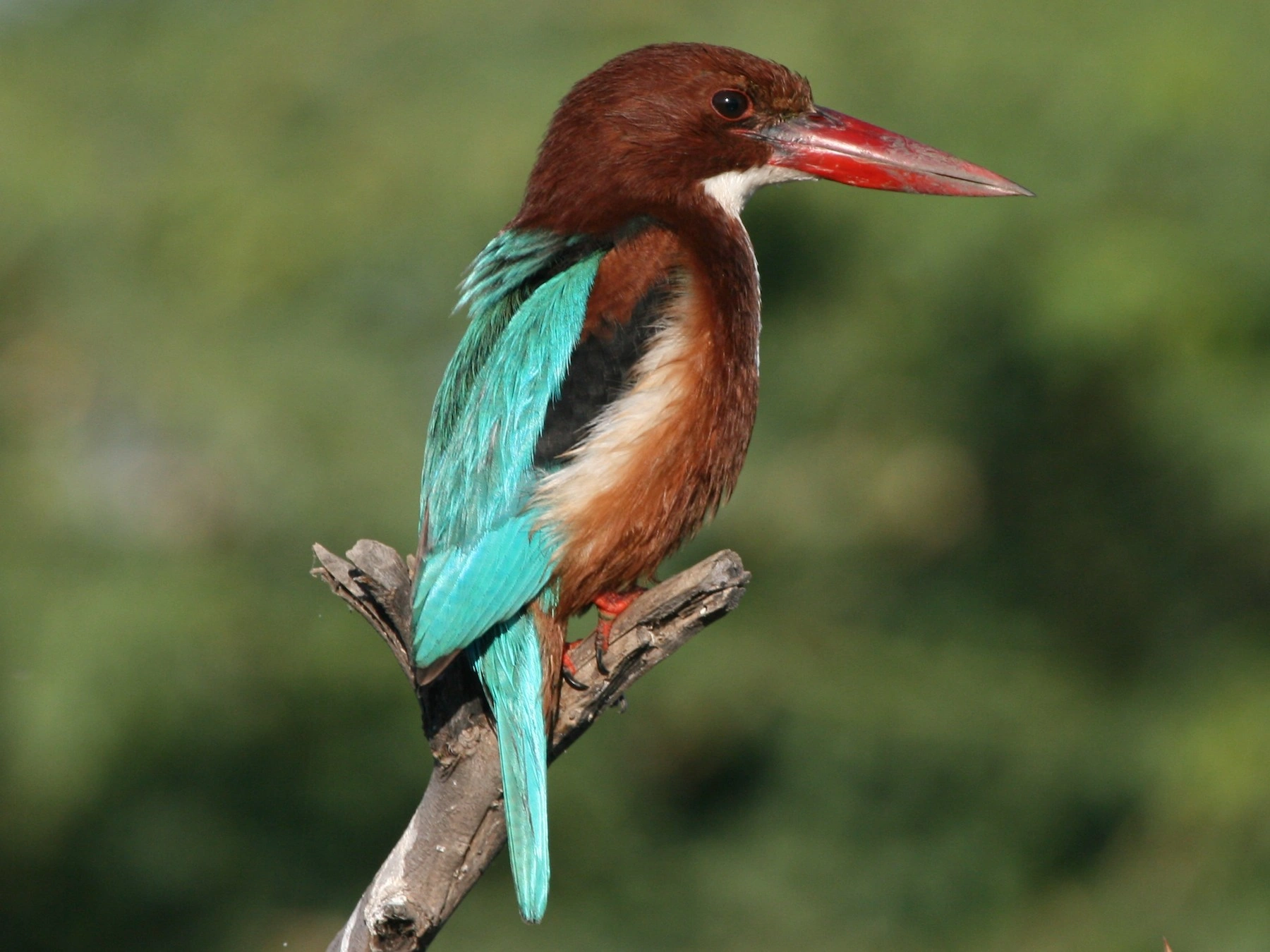
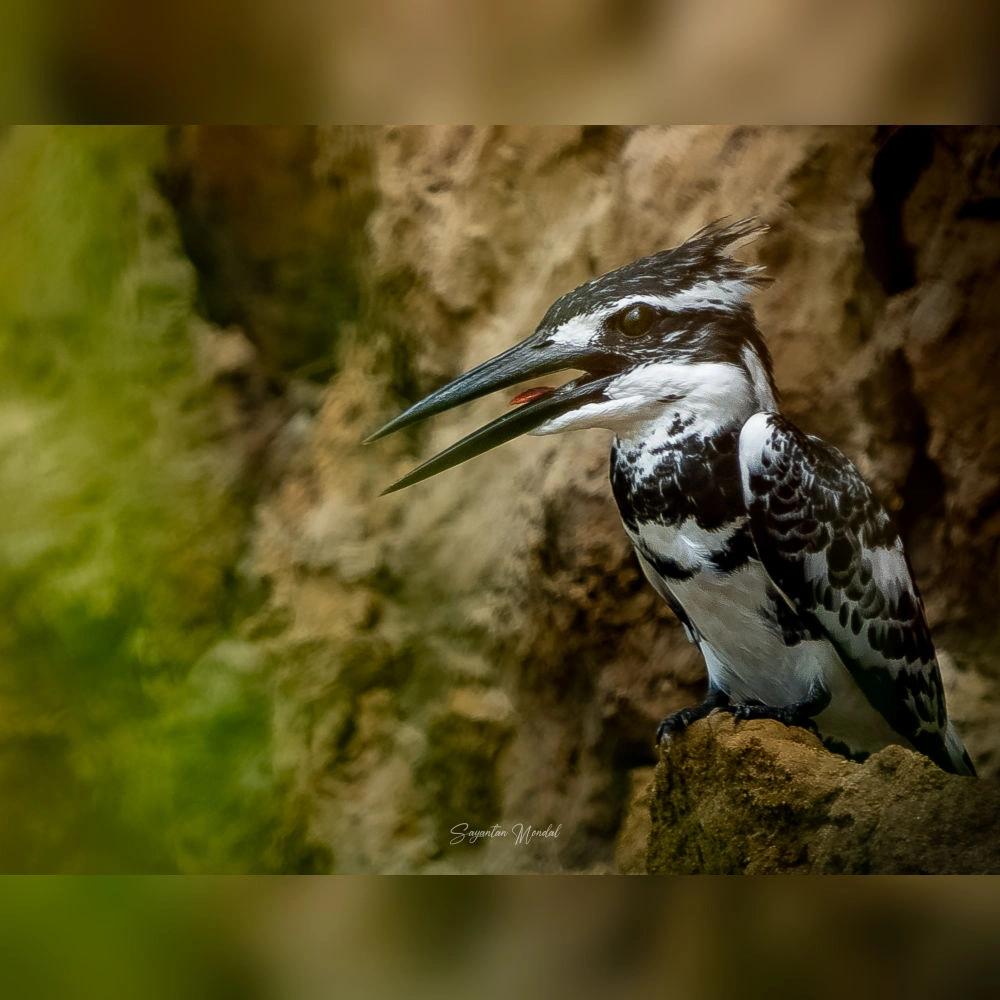
Kotna supports a diverse assemblage of wetland birds, reflecting the importance of its water bodies, marshy edges and surrounding open habitats. The wetland community includes several herons and egrets such as Indian Pond Heron, Little Egret and Great Egret, along with Little Cormorant and kingfishers including Pied Kingfisher and White-throated Kingfisher. Ducks such as Indian Spot-billed Duck and Lesser Whistling Duck use the open water, while Common Moorhen, White-breasted Waterhen and Grey-headed Swamphen are associated with marshy vegetation. The shallow wetland margins provide excellent habitat for waders and shorebirds, including Bronze-winged Jacana, Pheasant-tailed Jacana, Red-wattled Lapwing, Common Sandpiper, Green Sandpiper, Common Greenshank, Marsh Sandpiper and Common Redshank. Brahminy Kite adds a raptor presence to the wetland landscape. Together, these records highlight Kotna as an important birding area near Vadodara, supporting a rich mix of resident and migratory waterbirds across its aquatic and surrounding habitats.
Pied Kingfisher
White-throated Kingfisher
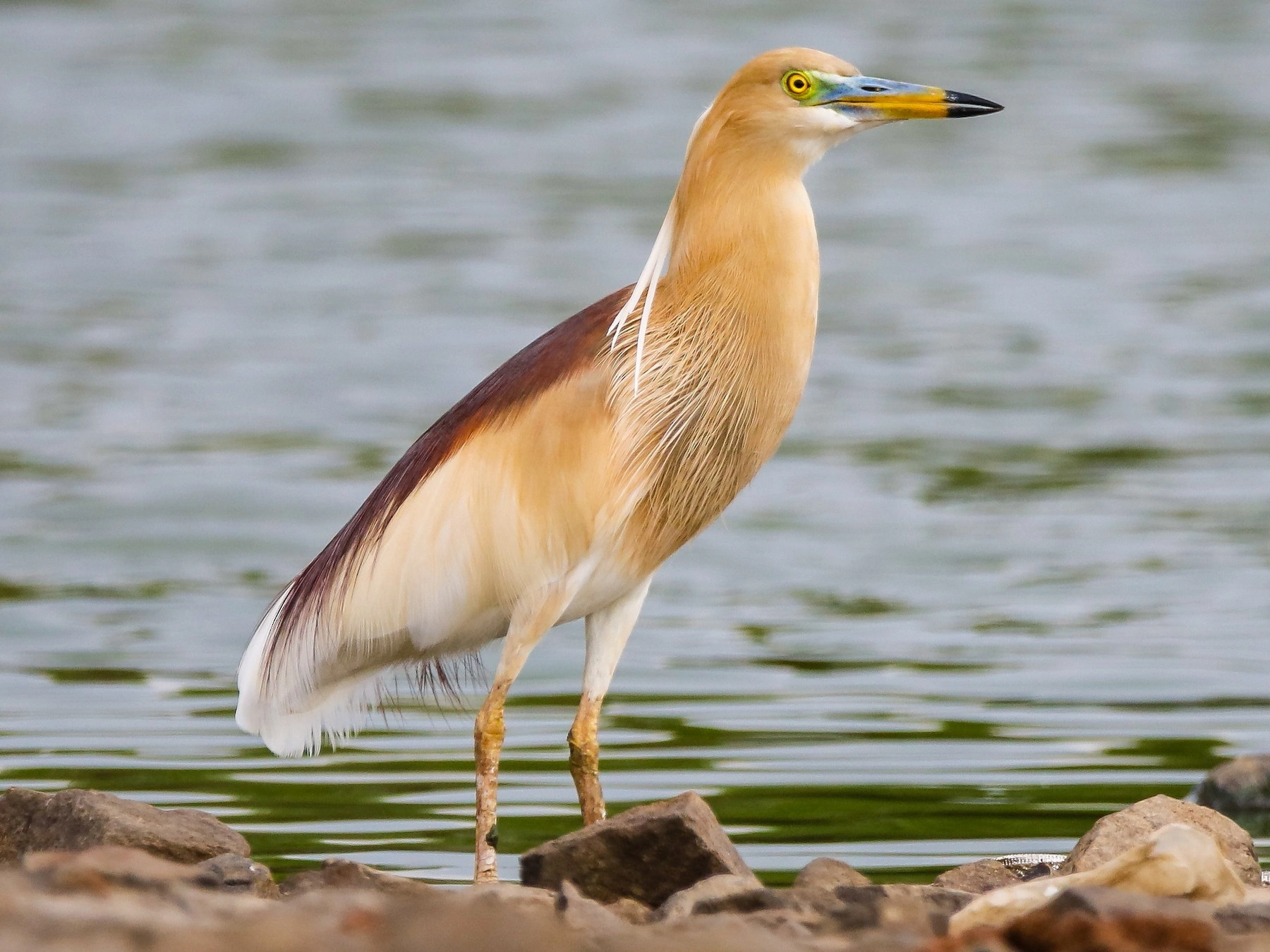
Indian Pond Heron
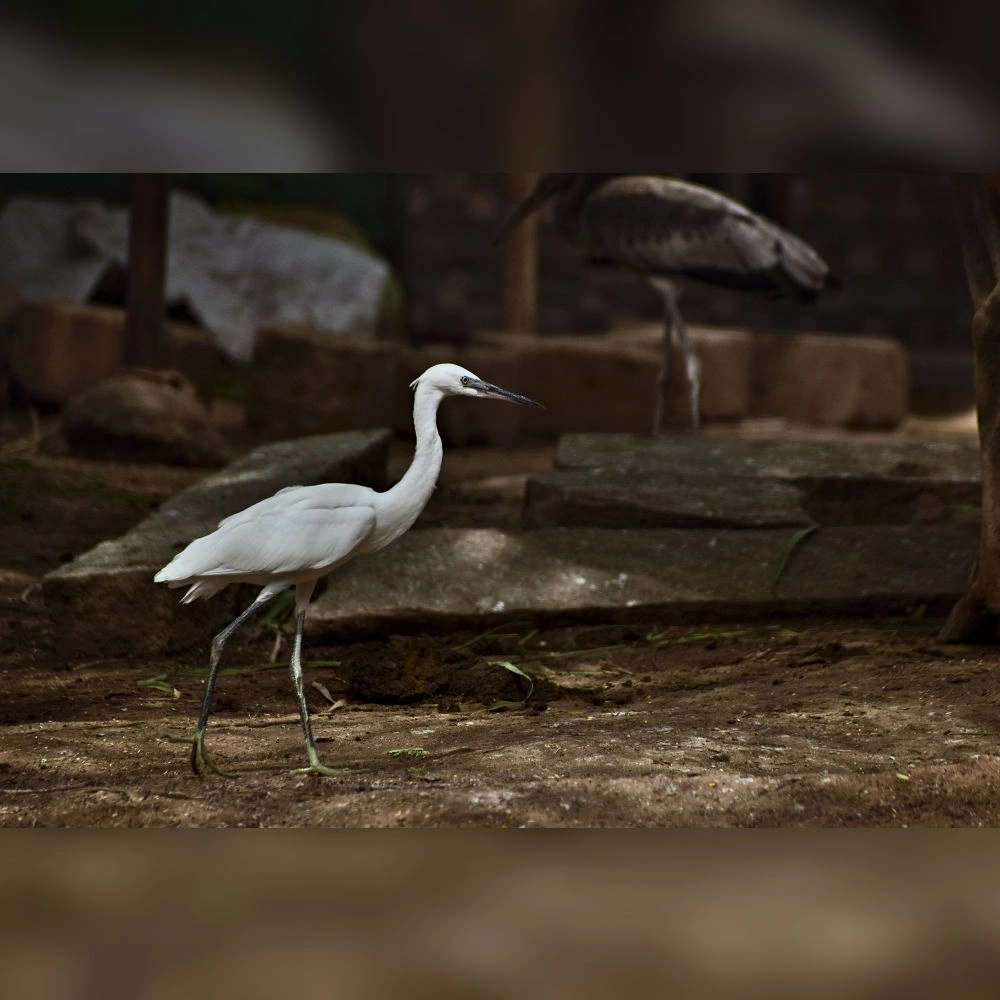
Little Egret
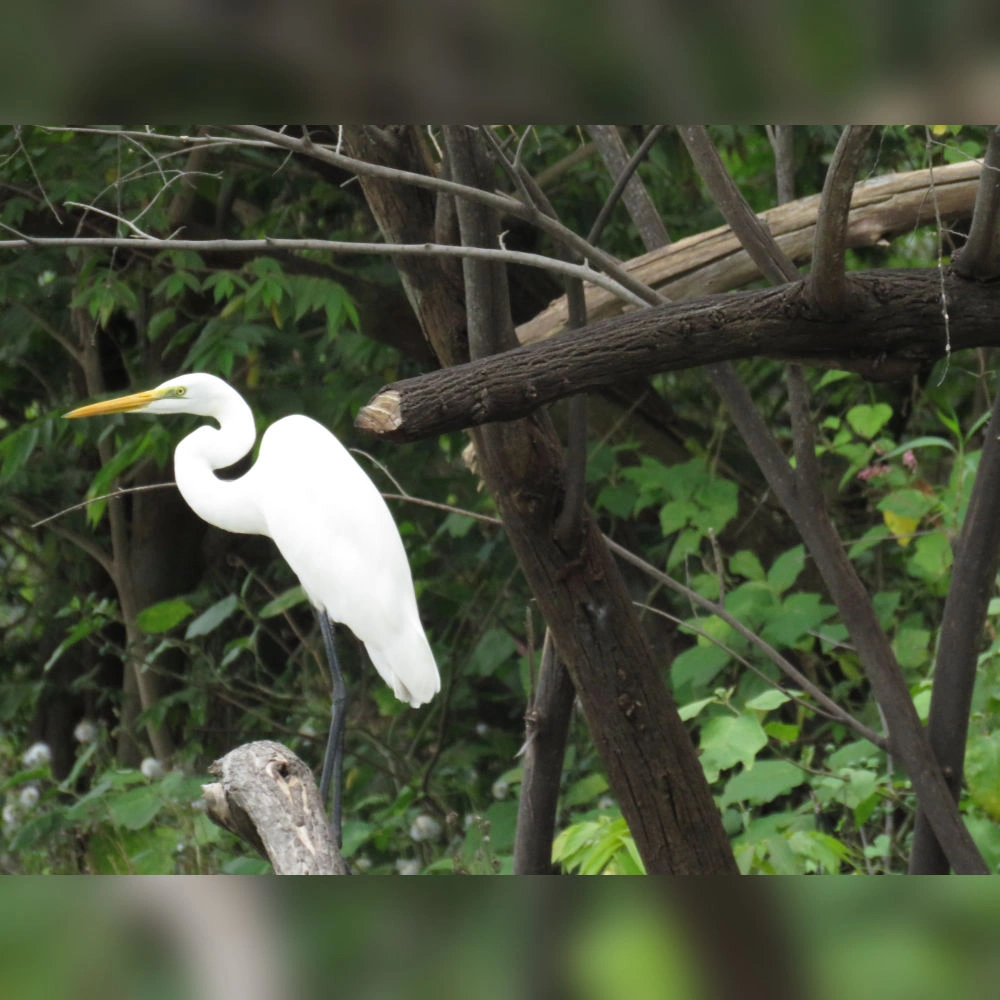
Great Egret
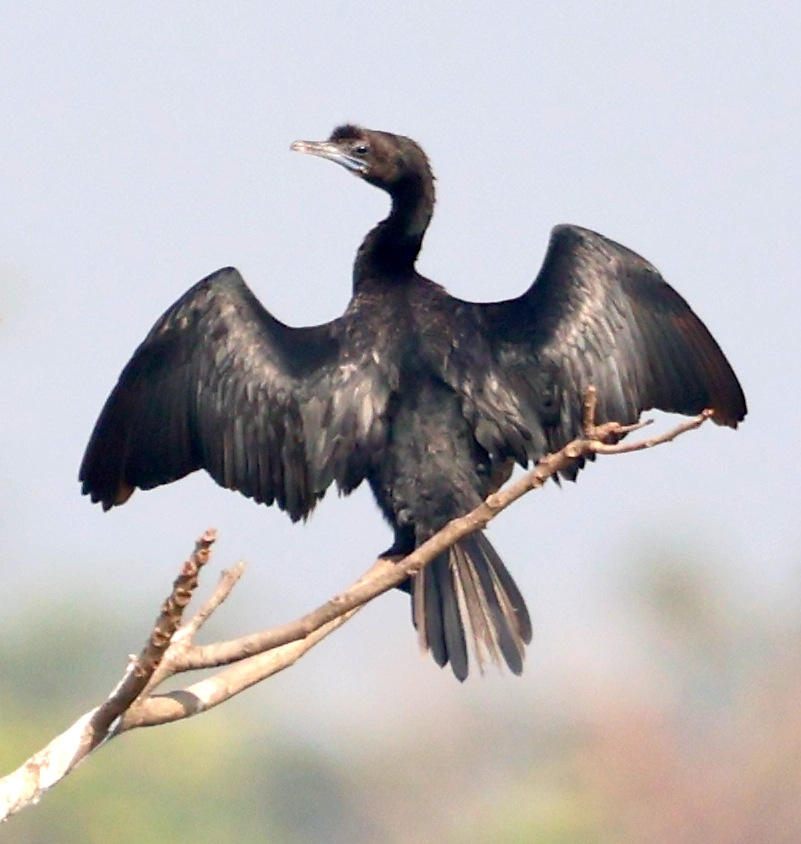
Little Cormorant
Indian Spot-billed Duck
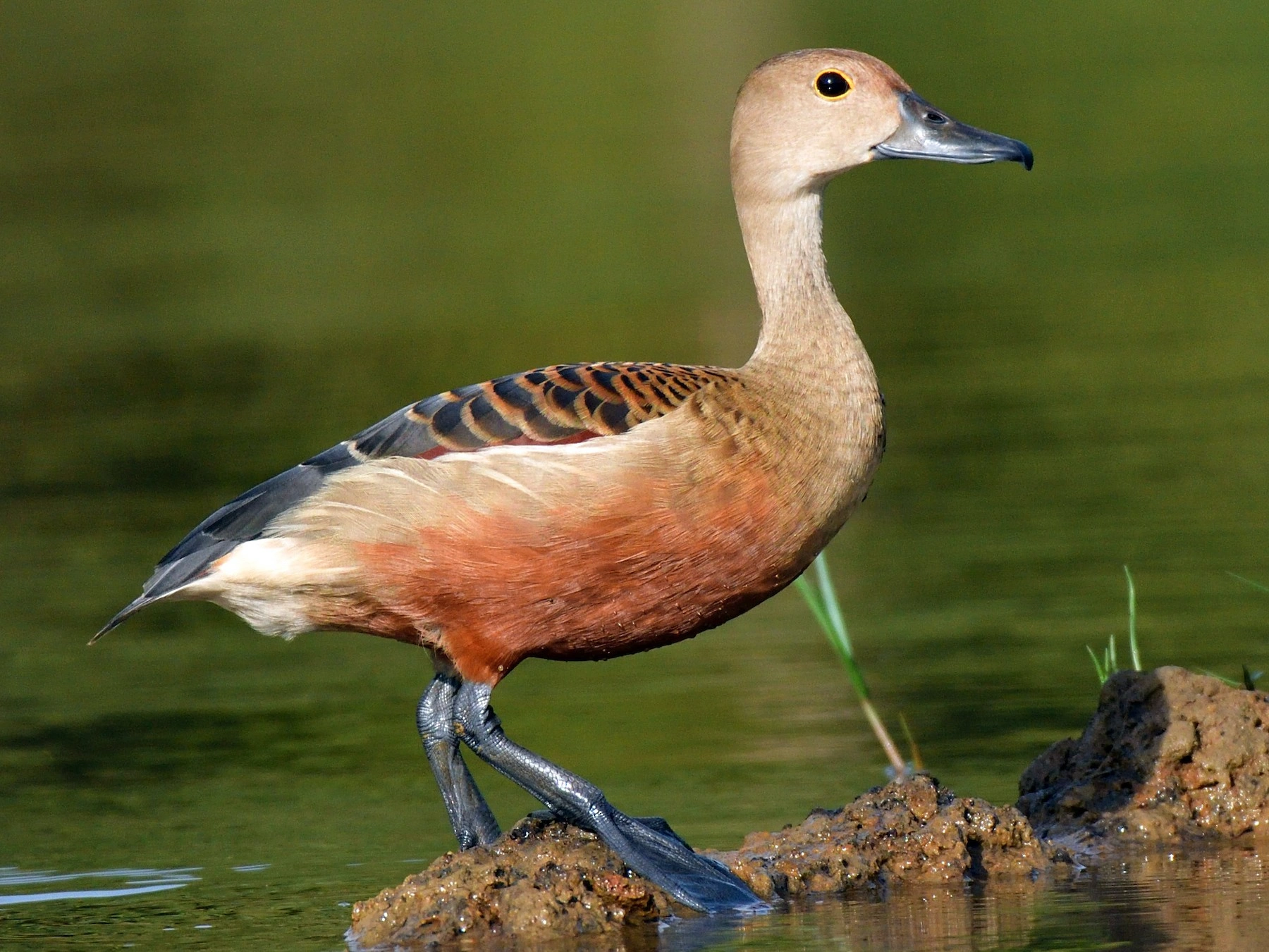
Lesser Whistling Duck
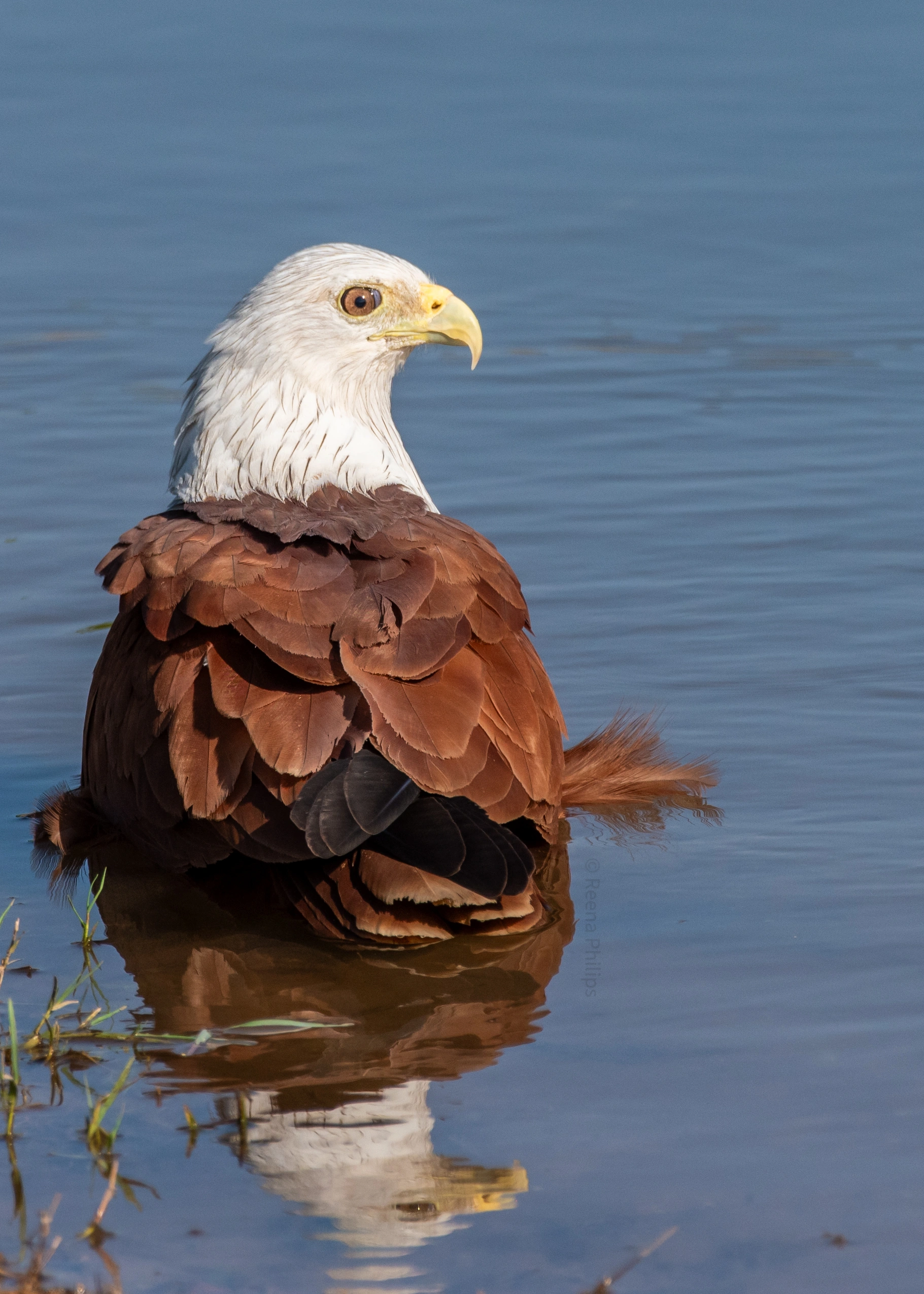
Brahminy Kite
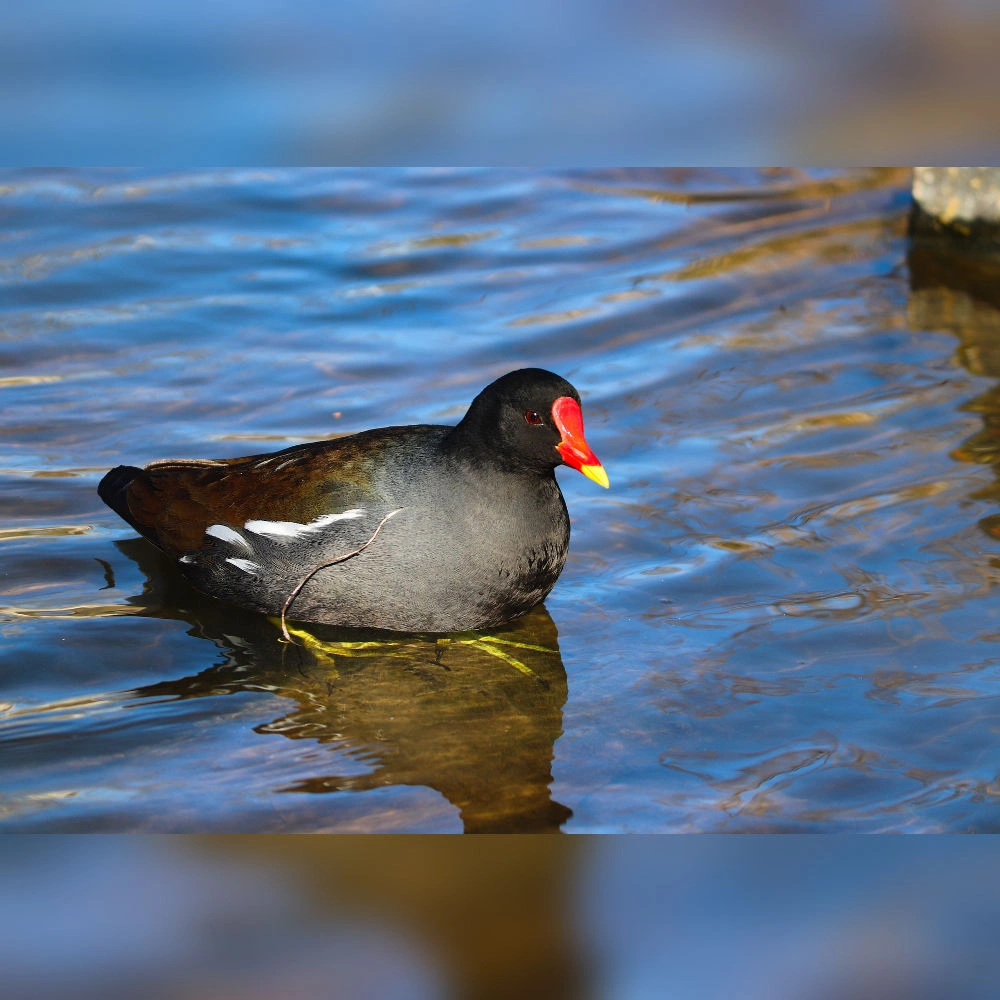
Common Moorhen
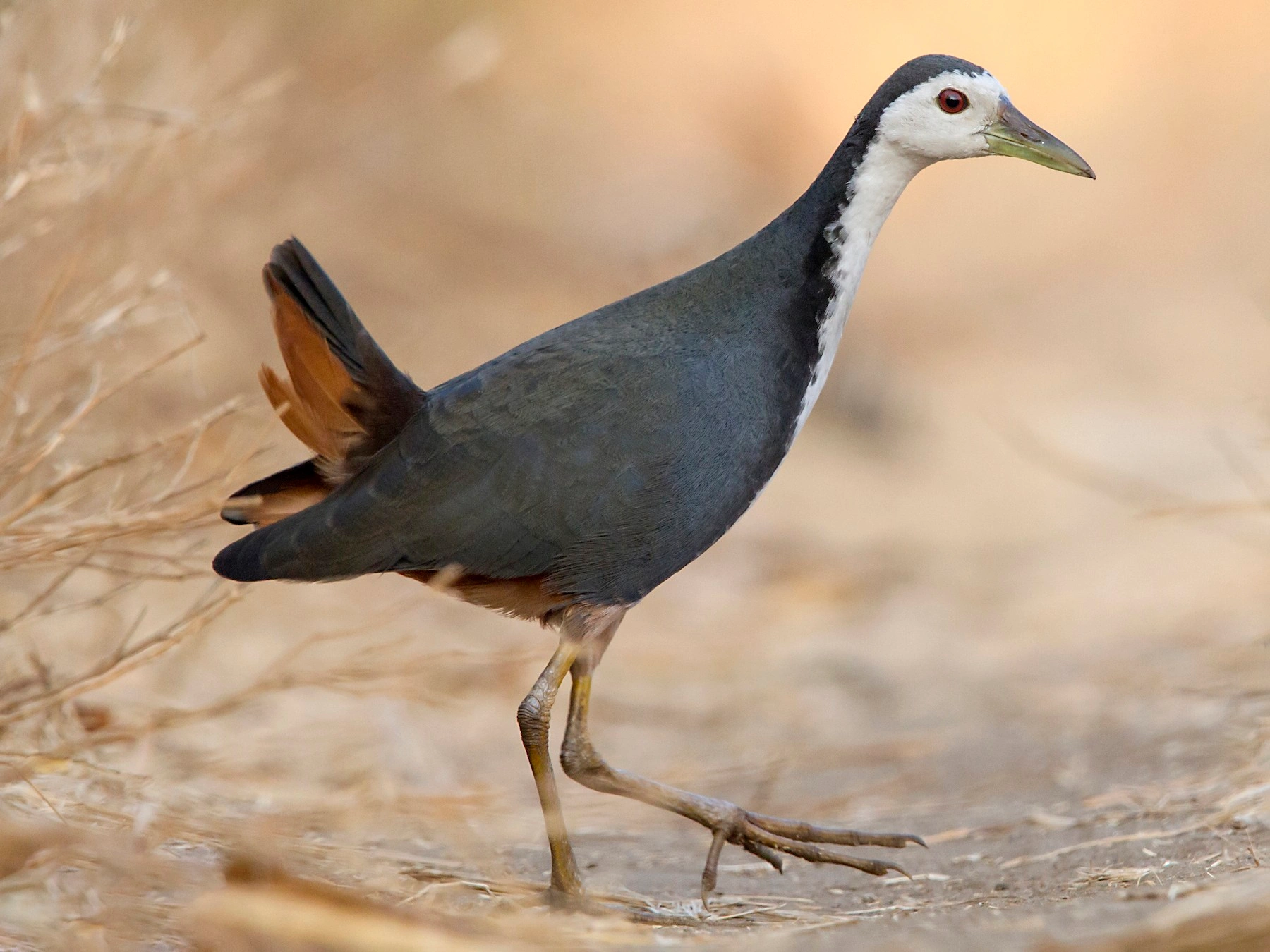
White-breasted Waterhen
Grey-headed Swamphen
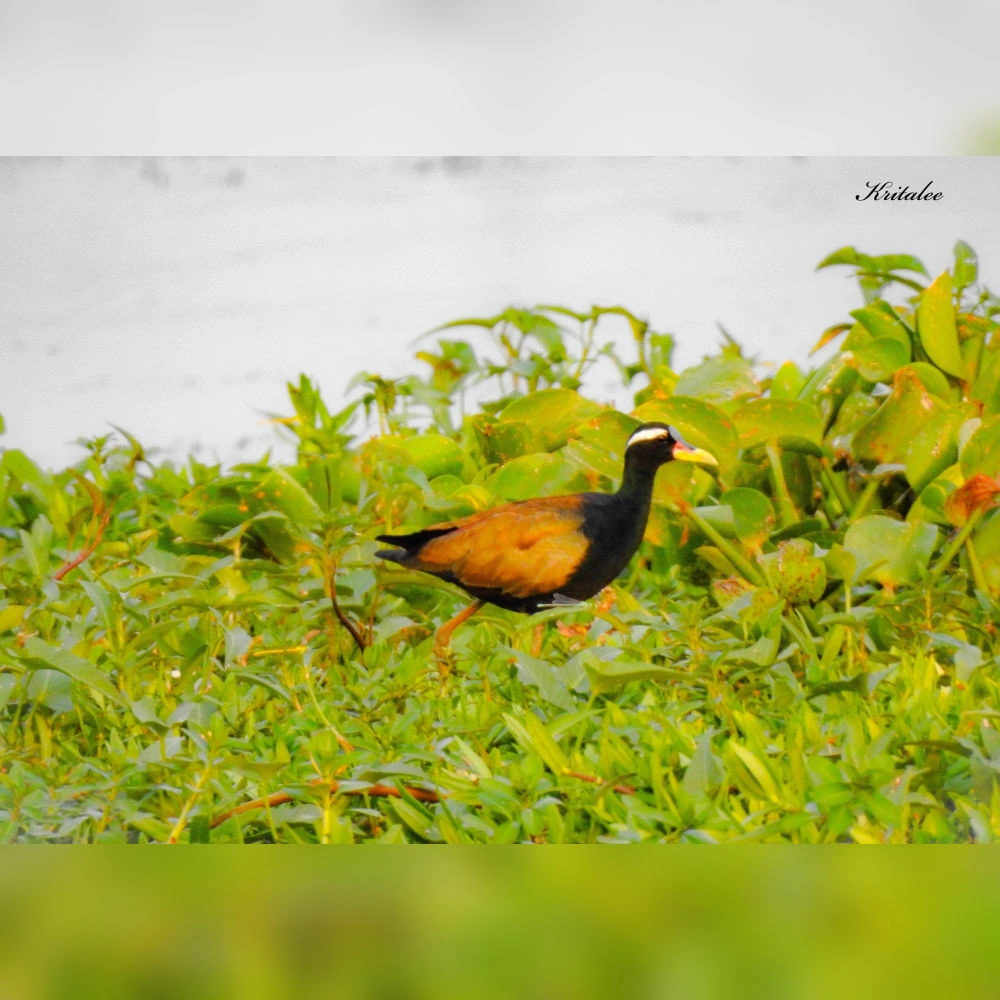
Bronze-winged Jacana
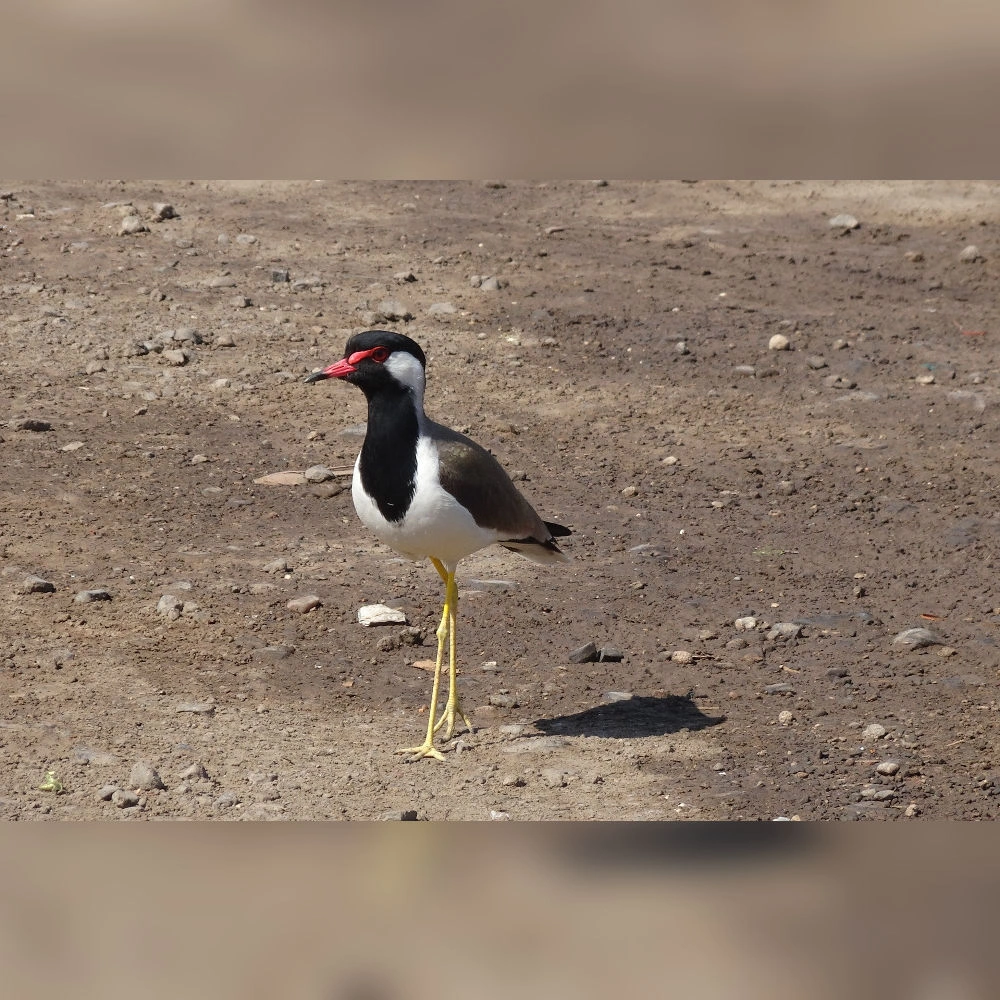
Red-wattled Lapwing
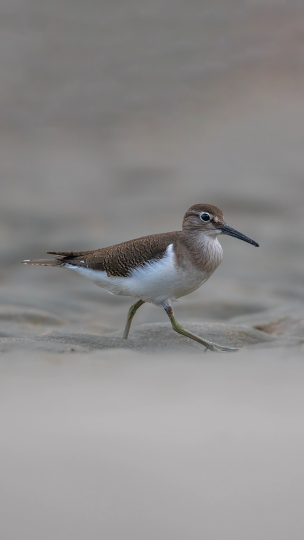
Common Sandpiper
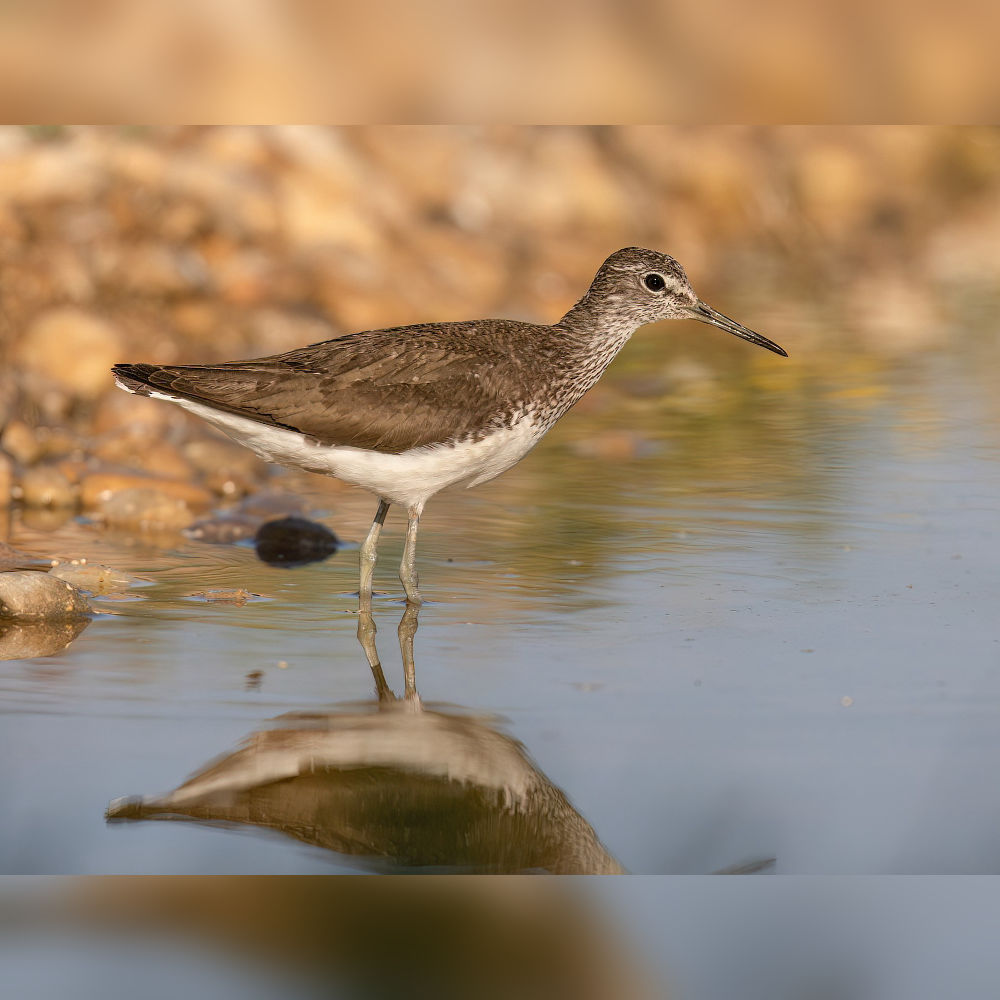
Green Sandpiper
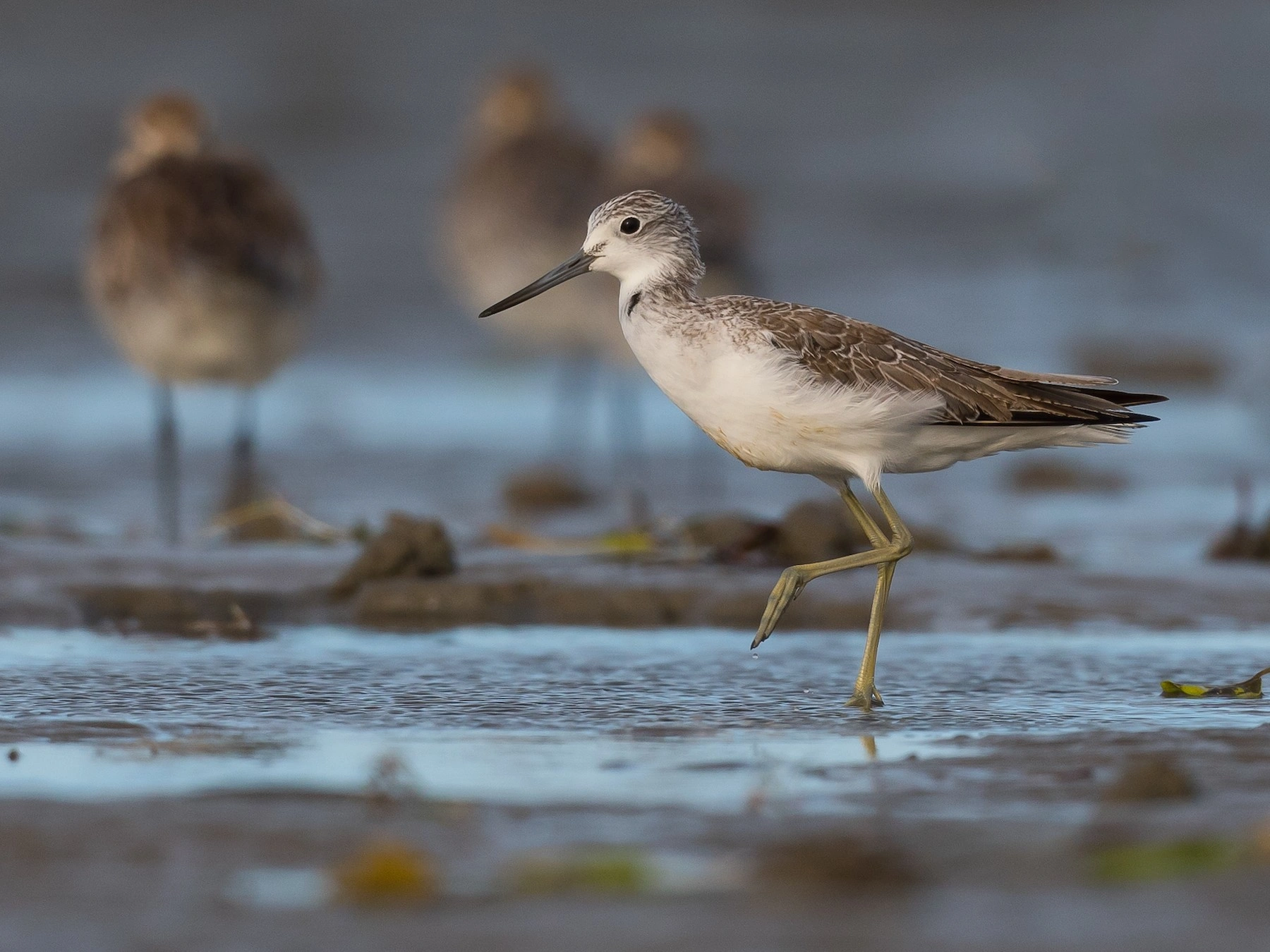
Common Greenshank
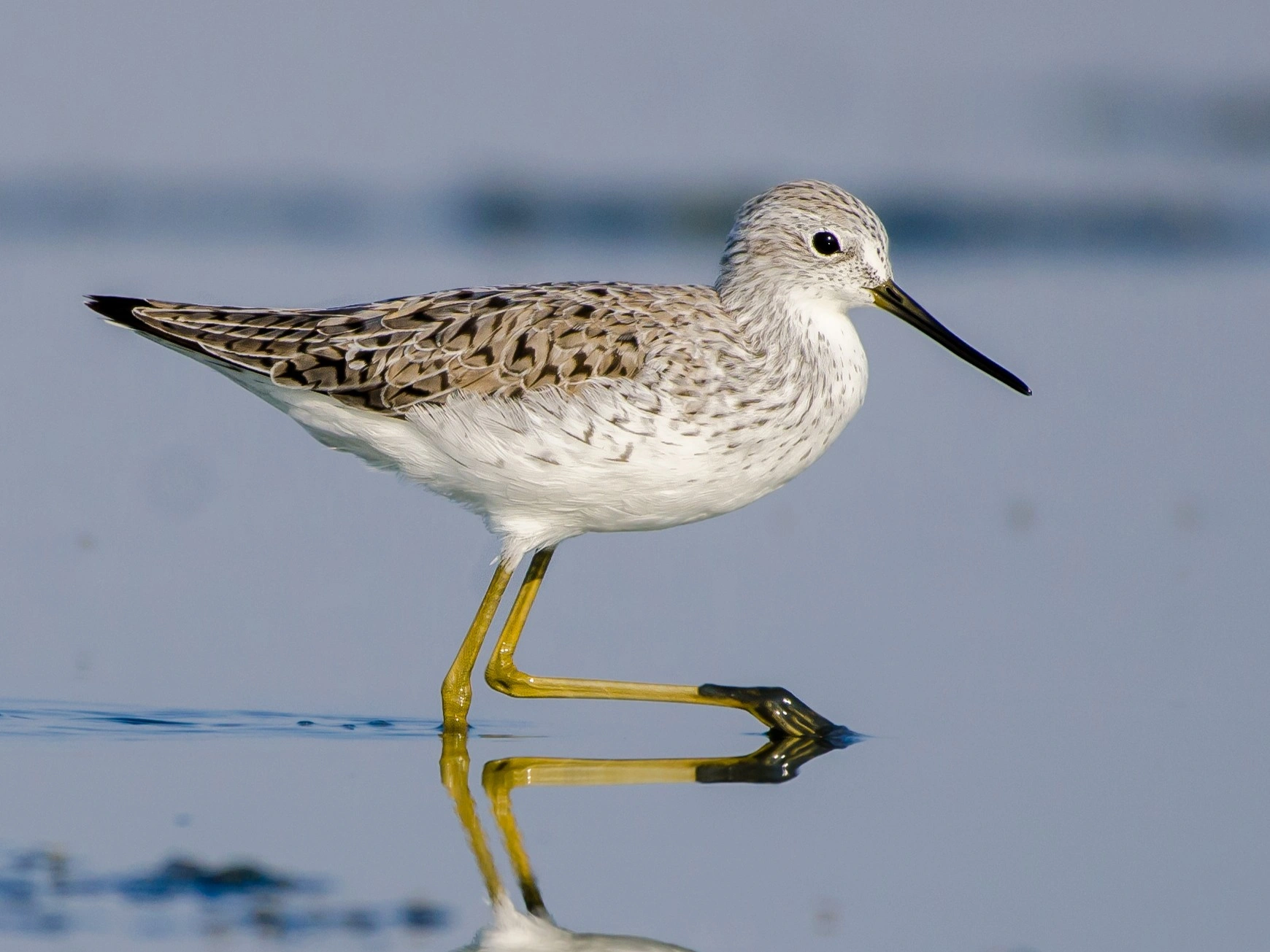
Marsh Sandpiper
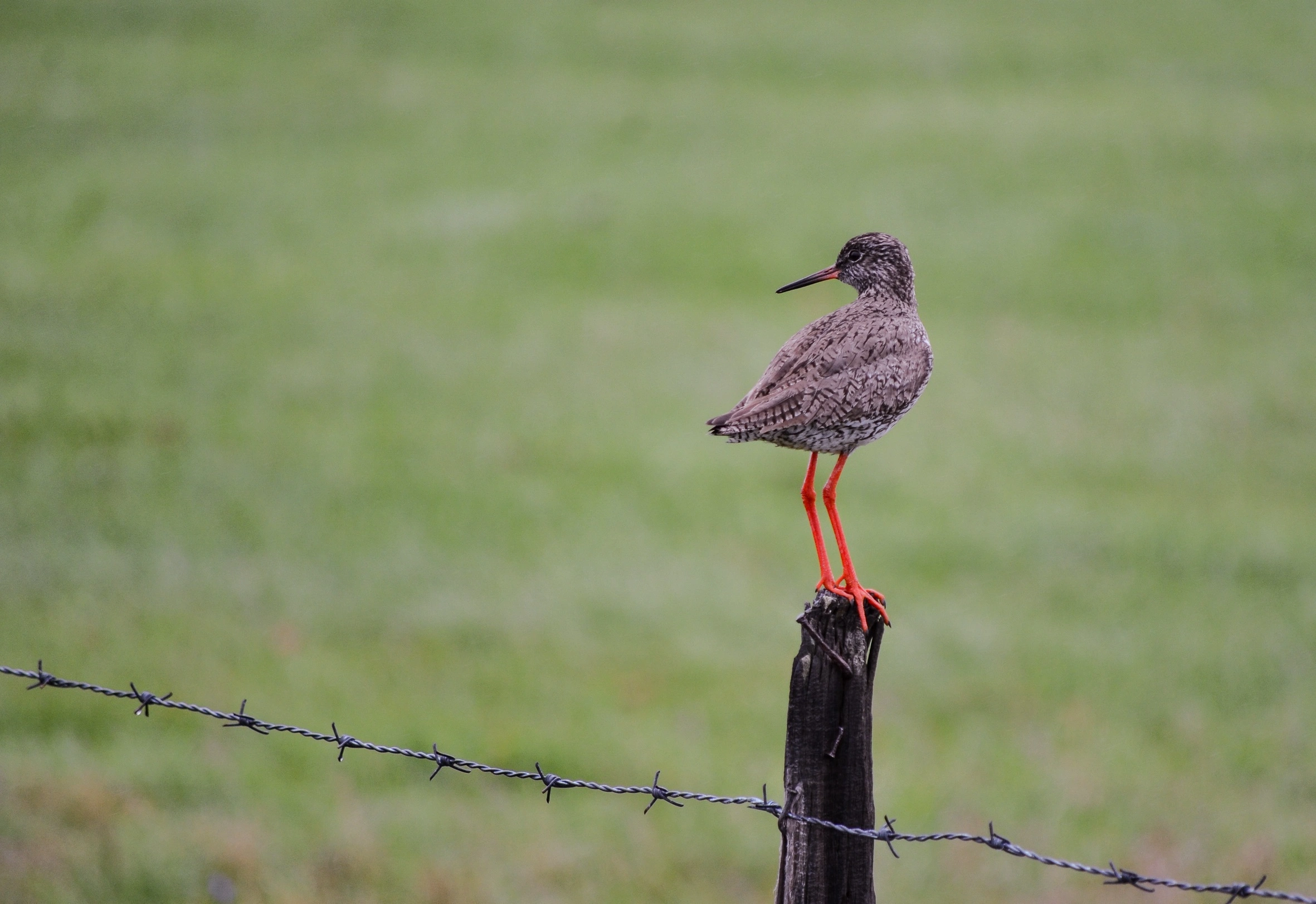
Common Redshank
Black-winged Stilt

Summary of Walk

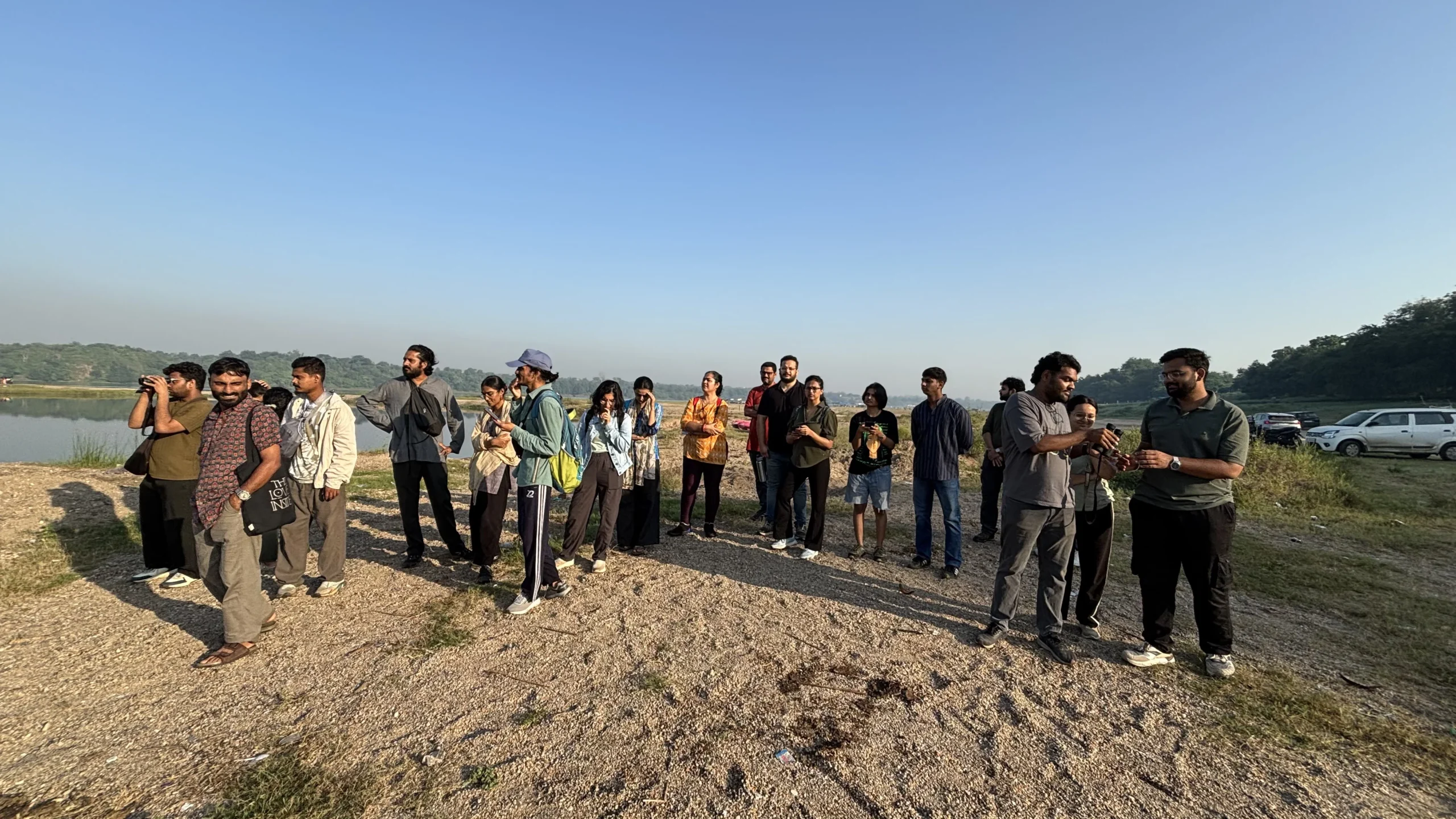
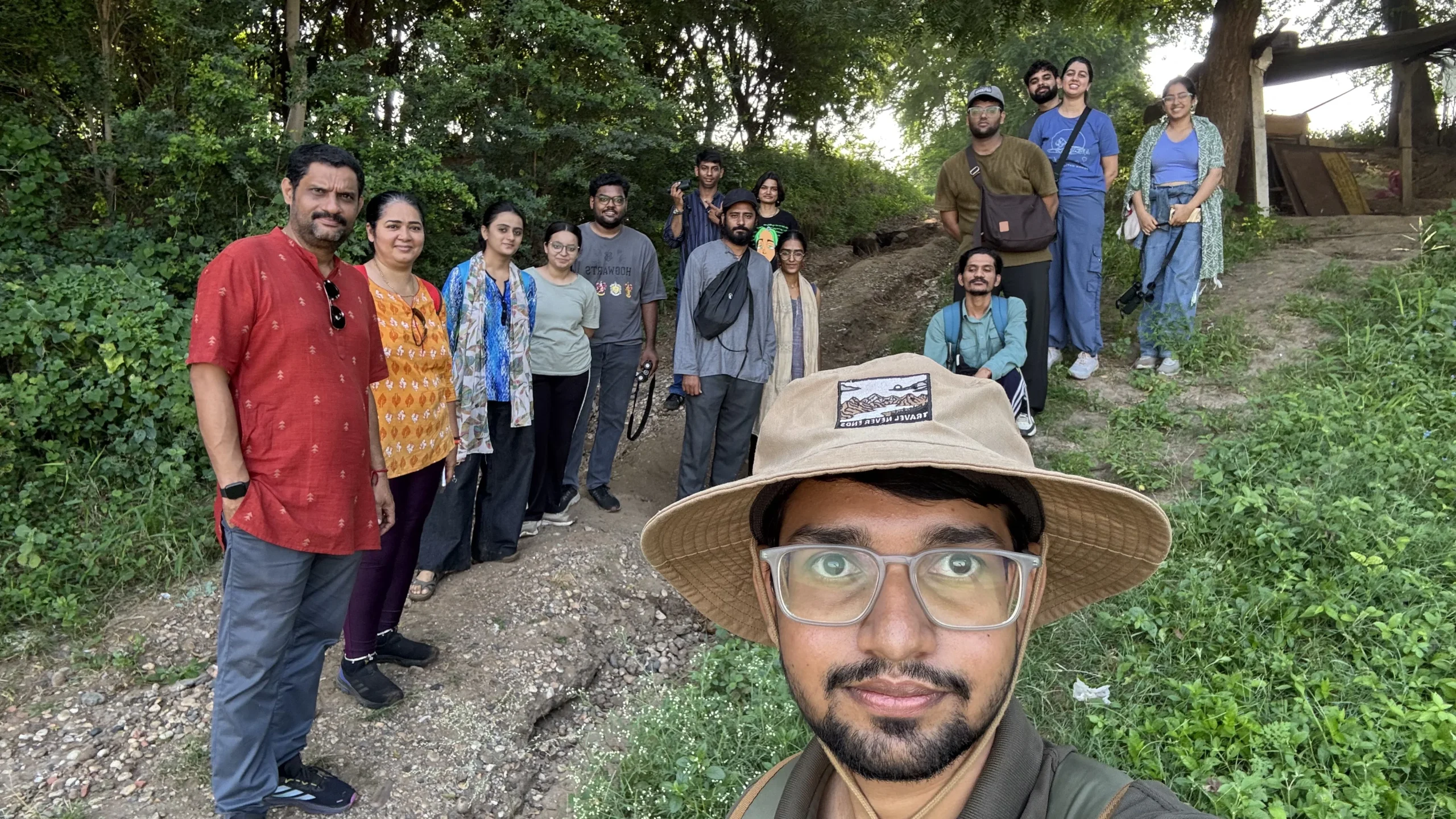
Twenty-one participants joined guide Neel Vasava at Kotna near Vadodara for the Sunday bird walk on 4 October, and the group enjoyed a diverse and engaging birding experience, recording 27 species. Participants observed and discussed bird identification, behaviour and habitat throughout the session, and the open landscape around the water gave plenty of room for discovery. Among the highlights were the Ashy-crowned Sparrow-Lark, a small and charming bird of open ground whose male has a striking black body and a pale crown, and the River Tern, which patrolled the water with graceful, buoyant flight. One of the most memorable moments came when a Pied Kingfisher hovered over the water, hanging in the air with fluttering wings as it searched for prey, a spectacular display of hunting skill that held the whole group spellbound. The group also had an exciting sighting of a crocodile near the water, which added another dimension to the experience beyond birdwatching and sent a ripple of excitement through the walkers. What made the walk especially rich was Neel’s gift for storytelling: the session offered opportunities to share wildlife stories and to discuss local culture and its connection with nature, and these conversations gave a lovely human dimension to the experience. Participants shared their own memories and observations, creating a warm and friendly atmosphere that made the walk feel like a gathering of friends. Overall, the walk was a great combination of birding, wildlife observation, storytelling and cultural discussion, and it left everyone with a memorable experience and a deeper sense of connection to the landscape and its creatures.
Number of Participants
0
Scroll to Top