Loading Events

Bird Walk at Kelambakkam Backwaters , Chennai, TN

About Kelambakkam Backwaters

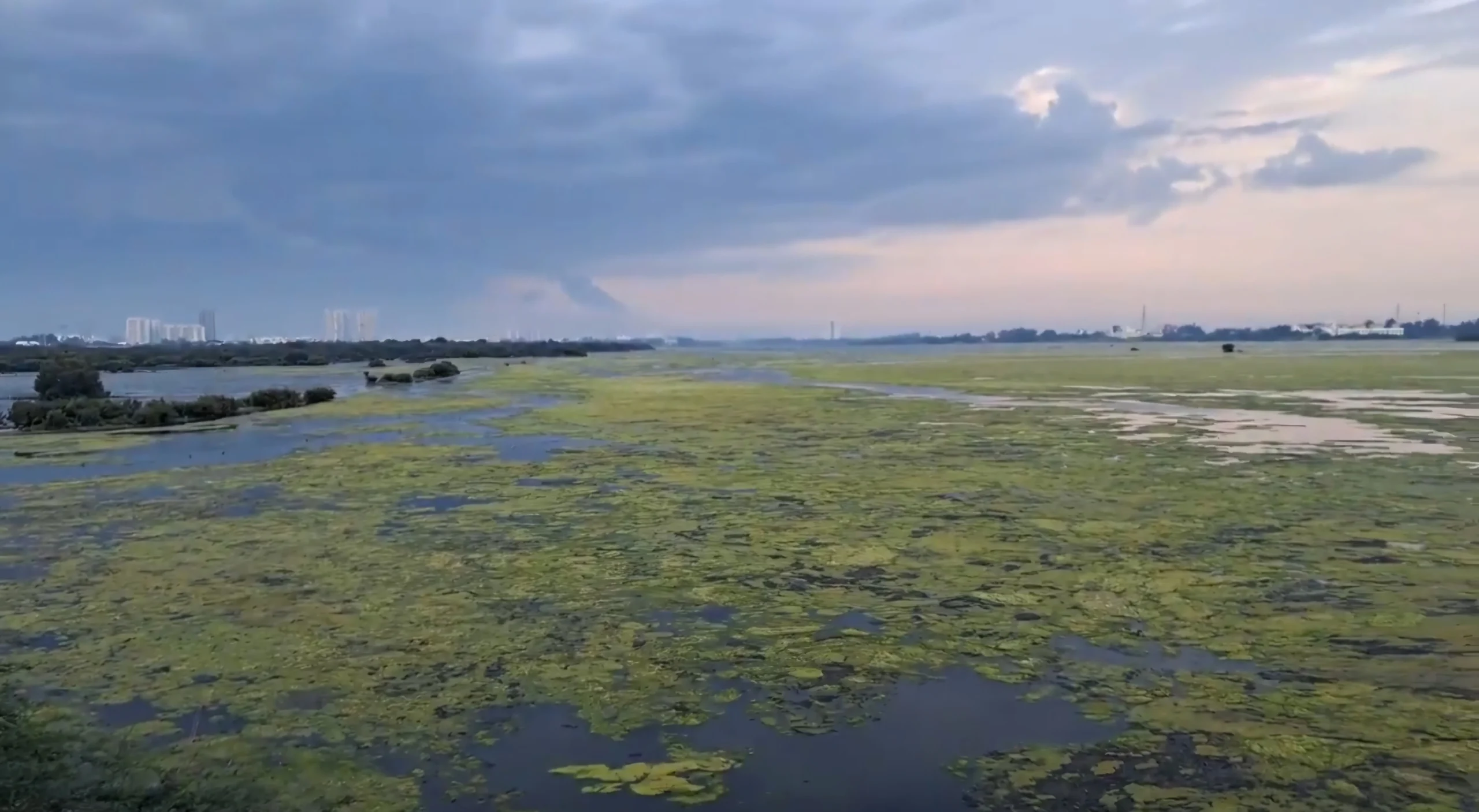
Kelambakkam Backwaters form an important coastal wetland landscape on the outskirts of Chennai, where tidal waters, mudflats, shallow pools and surrounding scrub create a productive habitat for a wide variety of waterbirds. The backwaters are particularly valuable for observing birds that depend on intertidal areas and shallow wetlands for feeding, resting and roosting. During suitable seasons, the exposed mudflats and water edges attract migratory waders, while resident herons, ibises, terns, ducks and wetland species use the area throughout the year. The changing water levels associated with tides continually alter the feeding habitat, making different sections of the backwaters productive at different times.
The open nature of the wetland provides good opportunities to observe birds in flight as well as feeding along the shoreline. Species such as flamingos and sandpipers can be especially rewarding sightings, while terns use the coastal waters and mudflats for feeding. The presence of species such as Black-winged Stilt, Glossy Ibis, Black-headed Ibis, Black-crowned Night Heron, Purple Heron and Gray Heron reflects the diversity of wetland habitats available here. The backwaters also provide important ecological services by supporting aquatic food webs and serving as feeding and resting grounds for migratory birds. Responsible birdwatching, maintaining distance from roosting flocks and avoiding disturbance are important for conserving this sensitive coastal ecosystem.

Bird Guide: Francis Anish

He is an ornithologist and avid birdwatcher with over three years of research experience at the Salim Ali Centre for Ornithology and Natural History (SACON), Coimbatore. His work includes research on the Critically Endangered White-bellied Heron, reflecting his strong interest in bird conservation and ecology. Beyond research, he regularly explores the field as a passionate birder, deepening his understanding of bird behavior and habitats. He has also volunteered as a bird expert for the Tamil Nadu Forest Department's raptor survey in Mudumalai Tiger Reserve, contributing to important wildlife monitoring and conservation efforts.
Bird walk Location

Common birds of Kelambakkam Backwaters

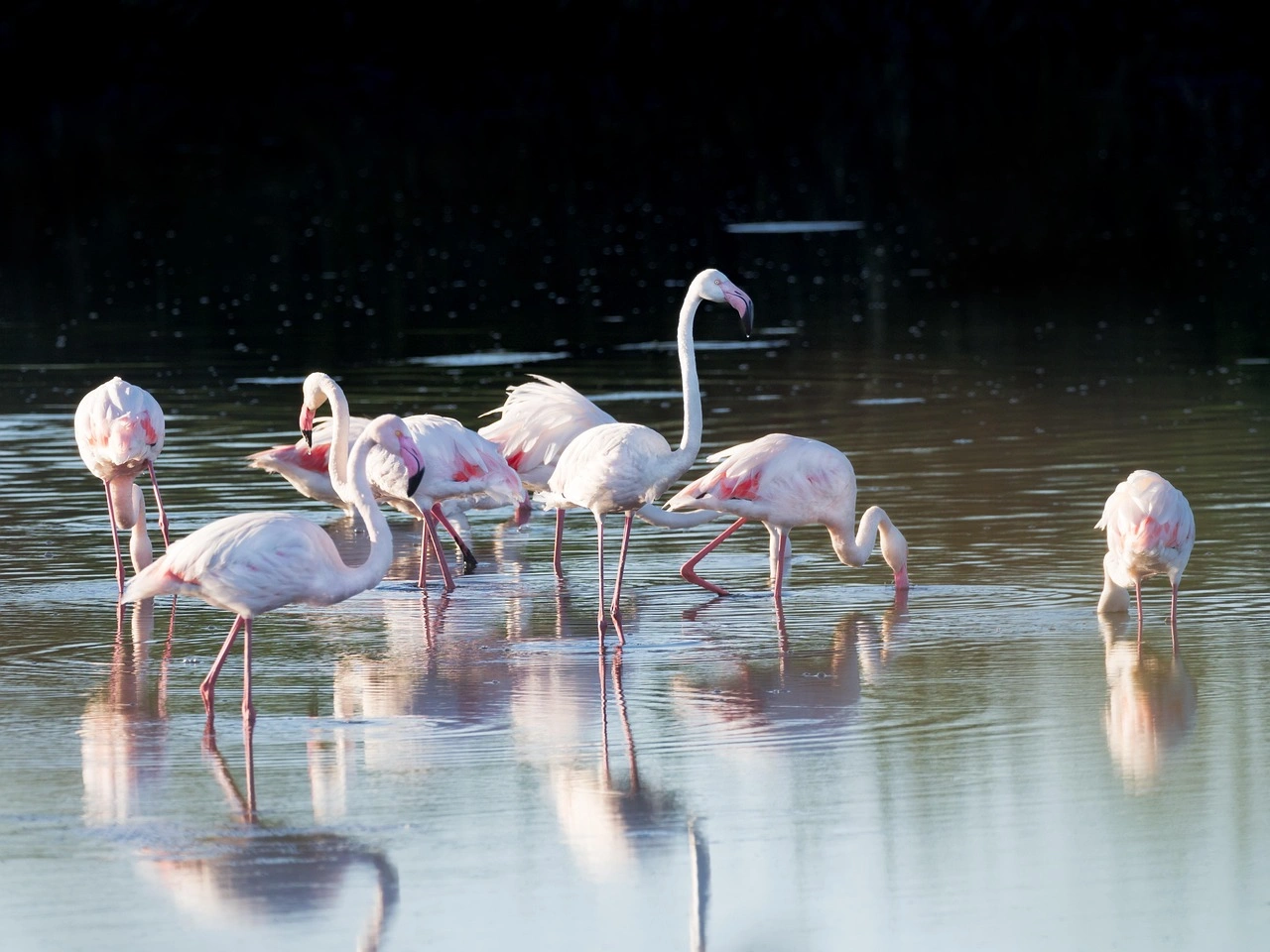
Kelambakkam Backwaters support a diverse assemblage of wetland and coastal birds, with the combination of mudflats, shallow water and tidal habitats providing important feeding and resting areas. The bird list includes several notable waterbirds such as Flamingos, Wood Sandpiper, Black-winged Stilt, Glossy Ibis, Black-headed Ibis and Black-crowned Night Heron. The presence of both resident and migratory species highlights the importance of these backwaters within Chennai’s coastal wetland network. Different sections of the wetland attract different species depending on water levels and tidal conditions. Great Crested Tern and Little Tern use the coastal waters and open areas, while Purple Heron, Gray Heron and Little Egret forage along the shallow edges. Ducks such as Fulvous Whistling Duck and Lesser Whistling Duck add diversity to the open-water habitats, while Gray-headed Swamphen, Indian Cormorant and Eurasian Coot are associated with freshwater and marshy sections. This combination makes Kelambakkam Backwaters particularly valuable for observing wetland bird diversity.
Greater Flamingo
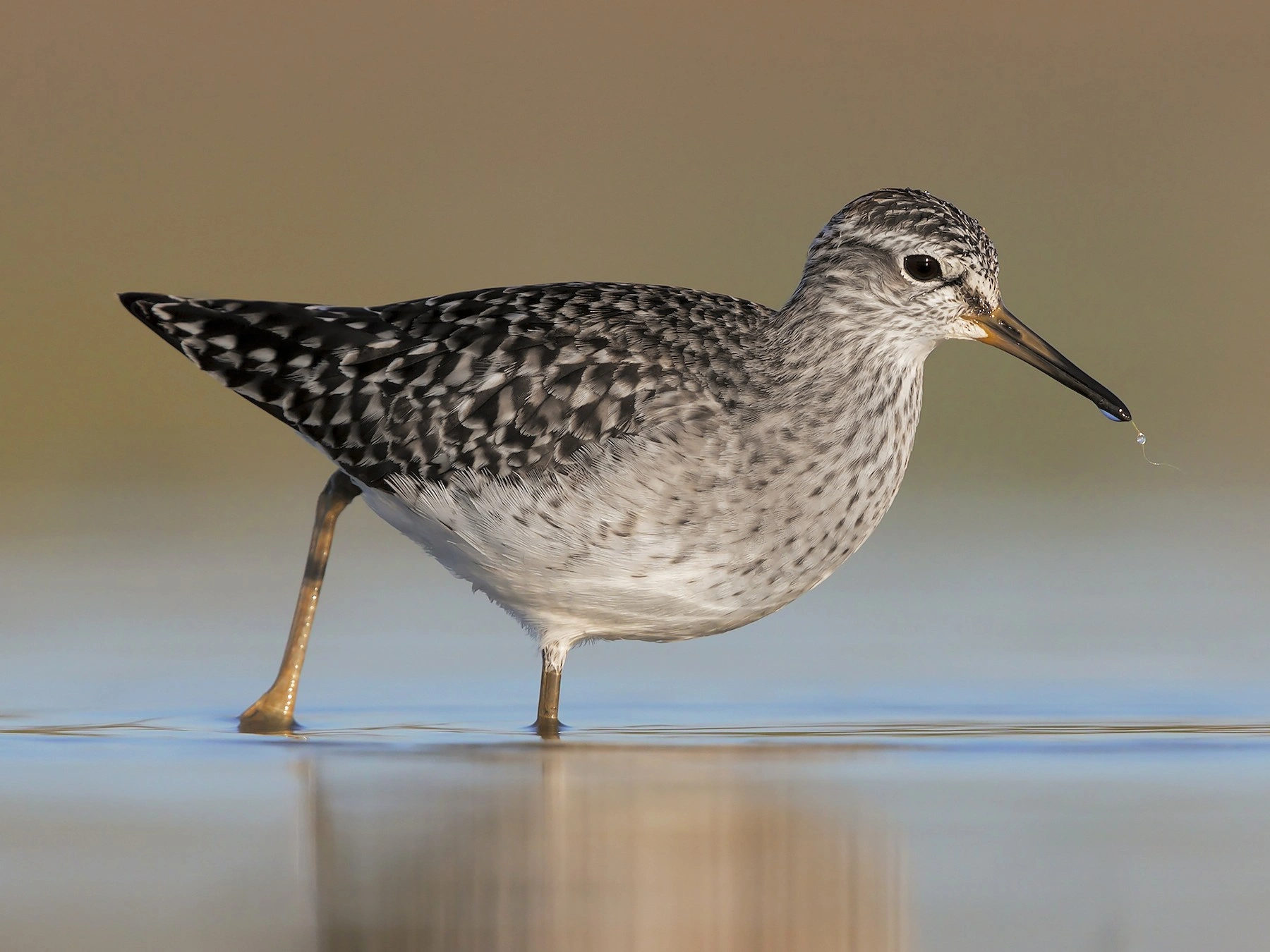
Wood Sandpiper
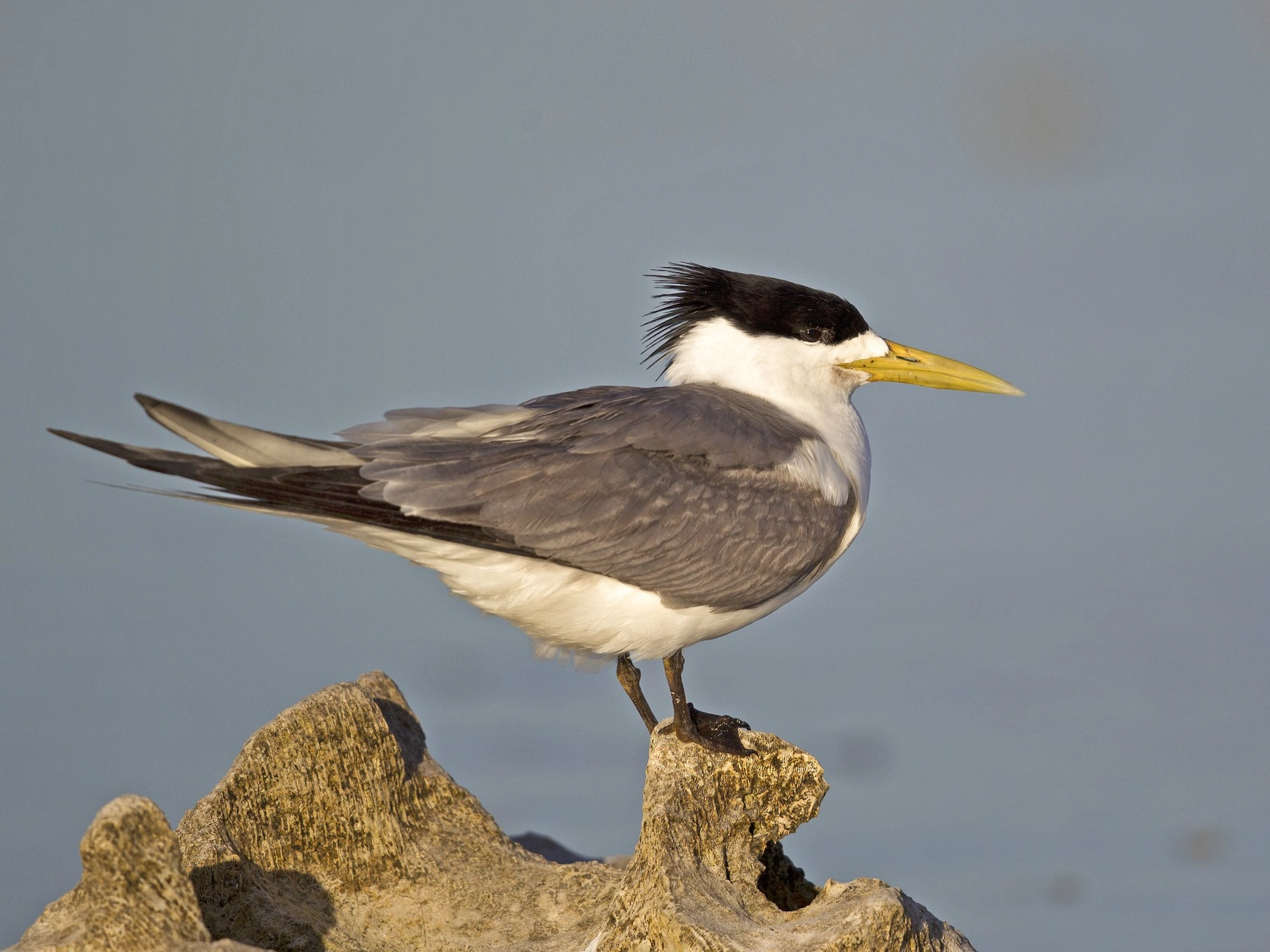
Great Crested Tern
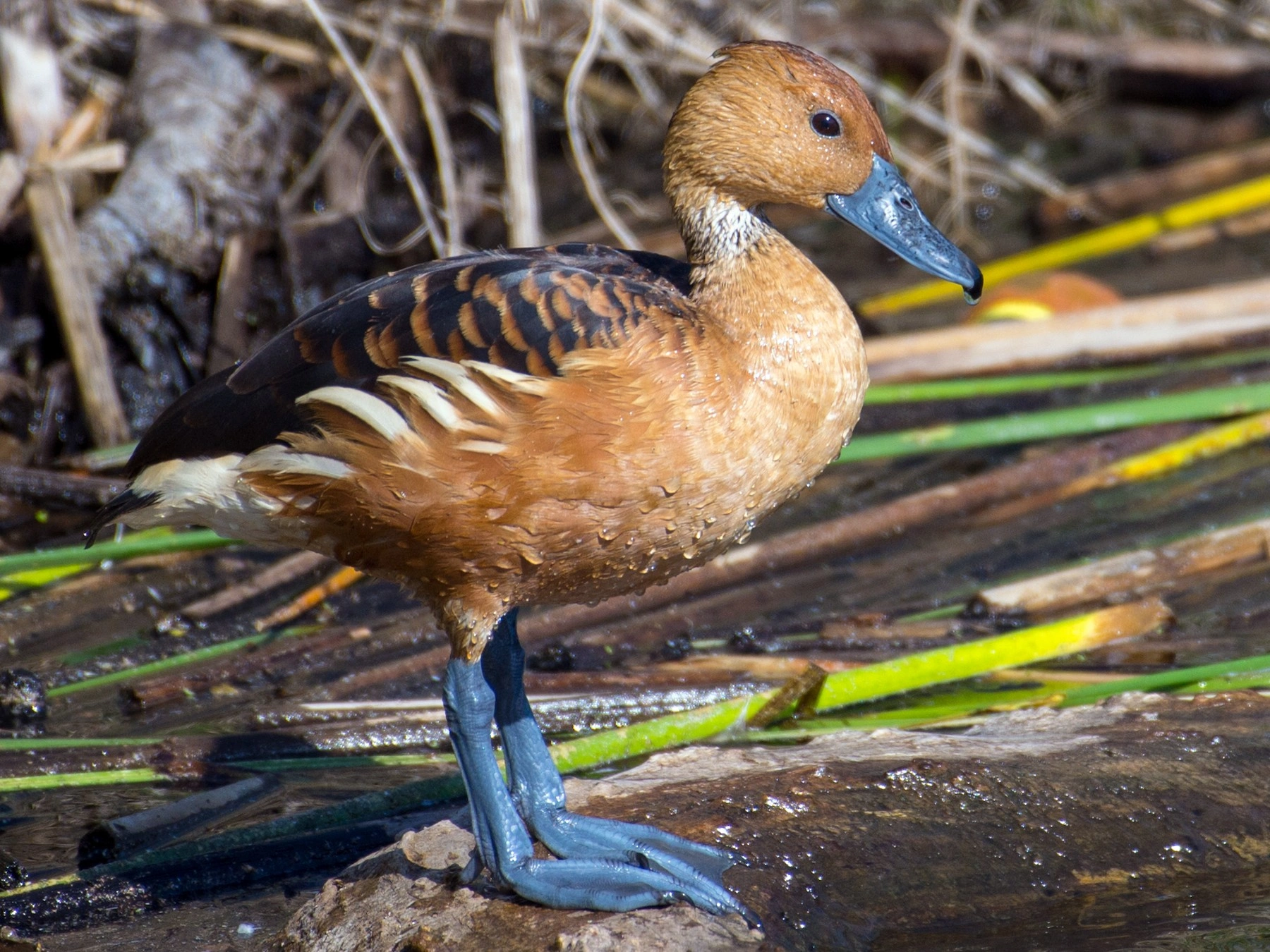
Fulvous Whistling Duck
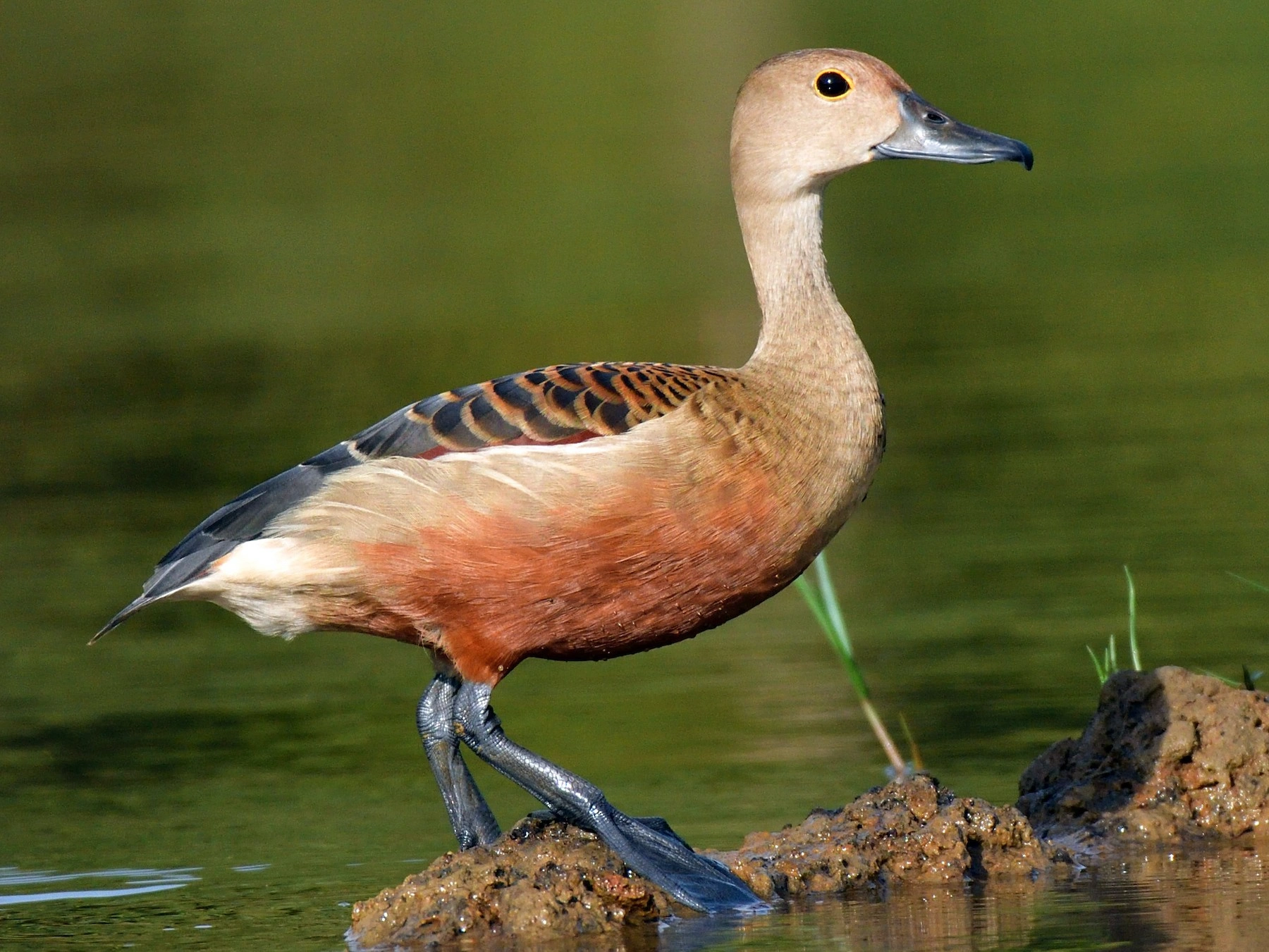
Lesser Whistling Duck
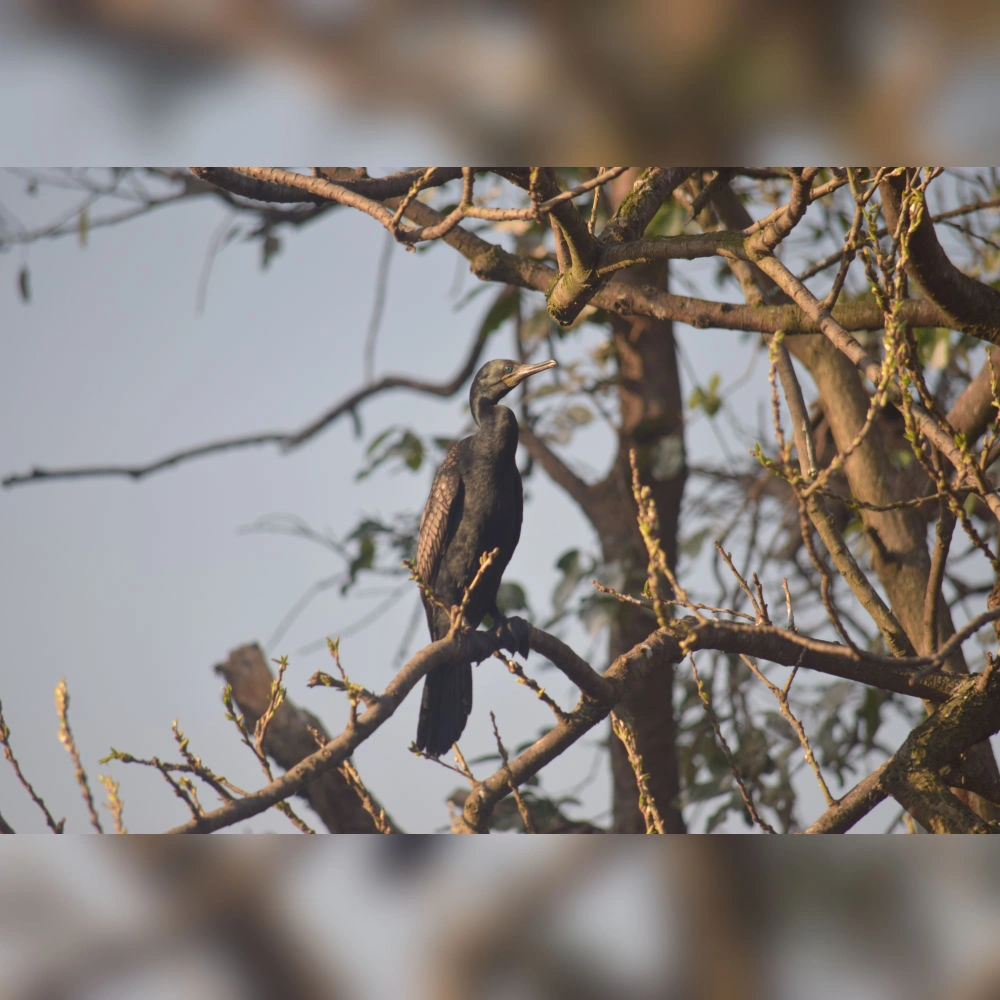
Indian Cormorant
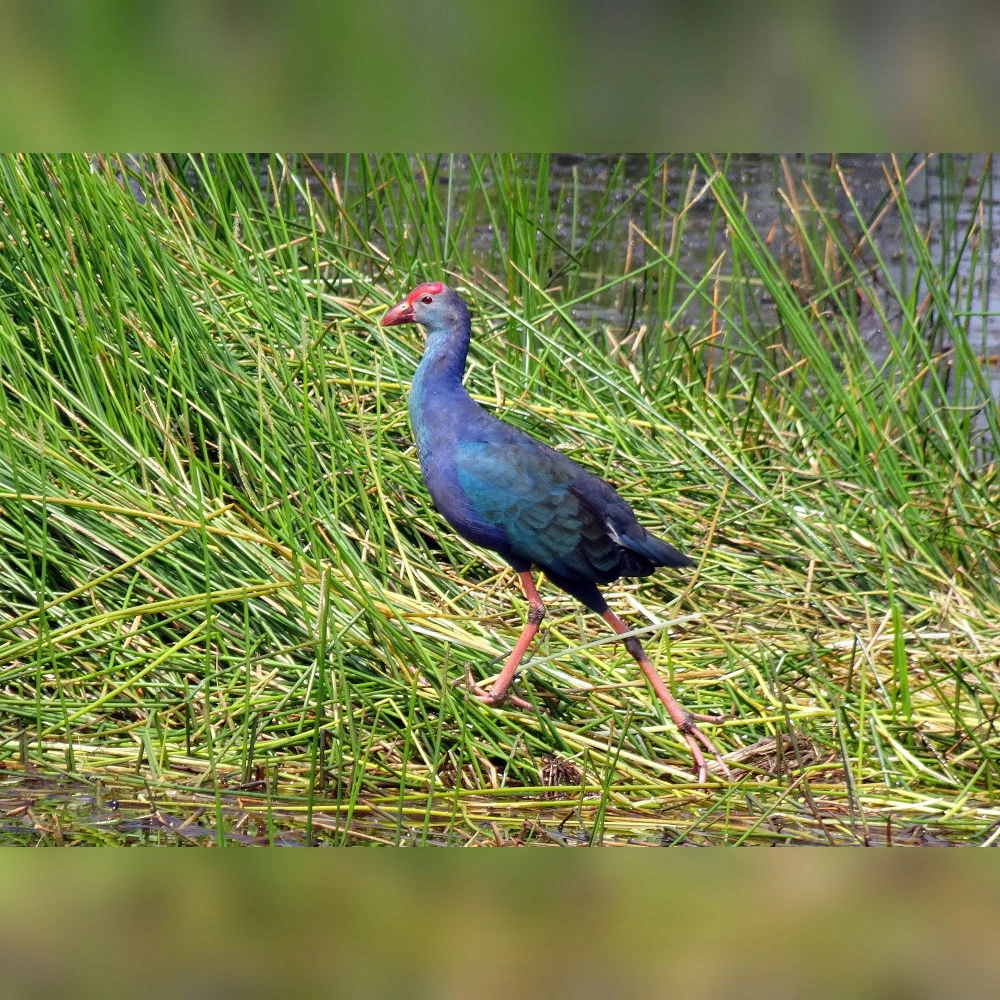
Gray-headed Swamphen
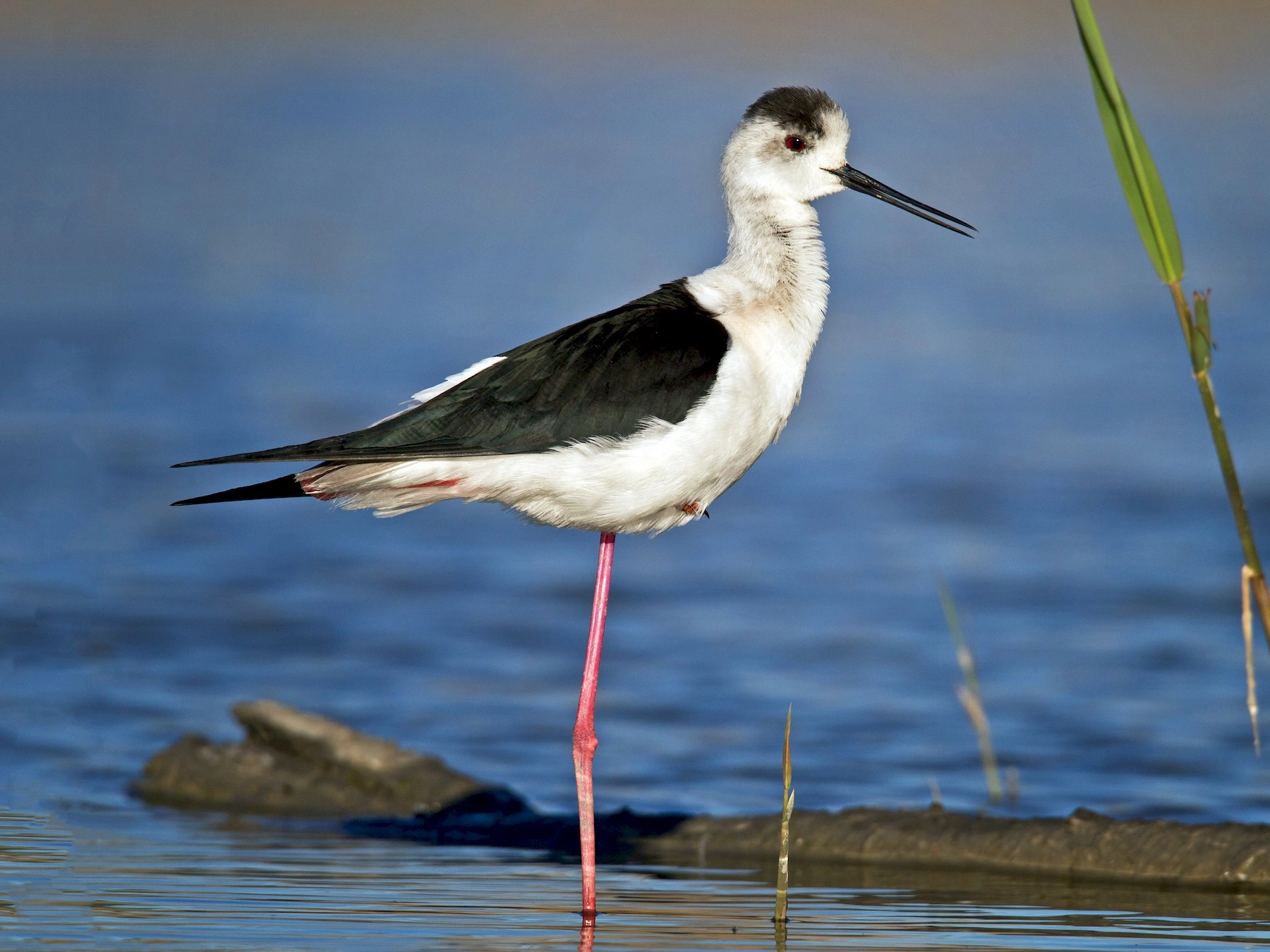
Black-winged Stilt
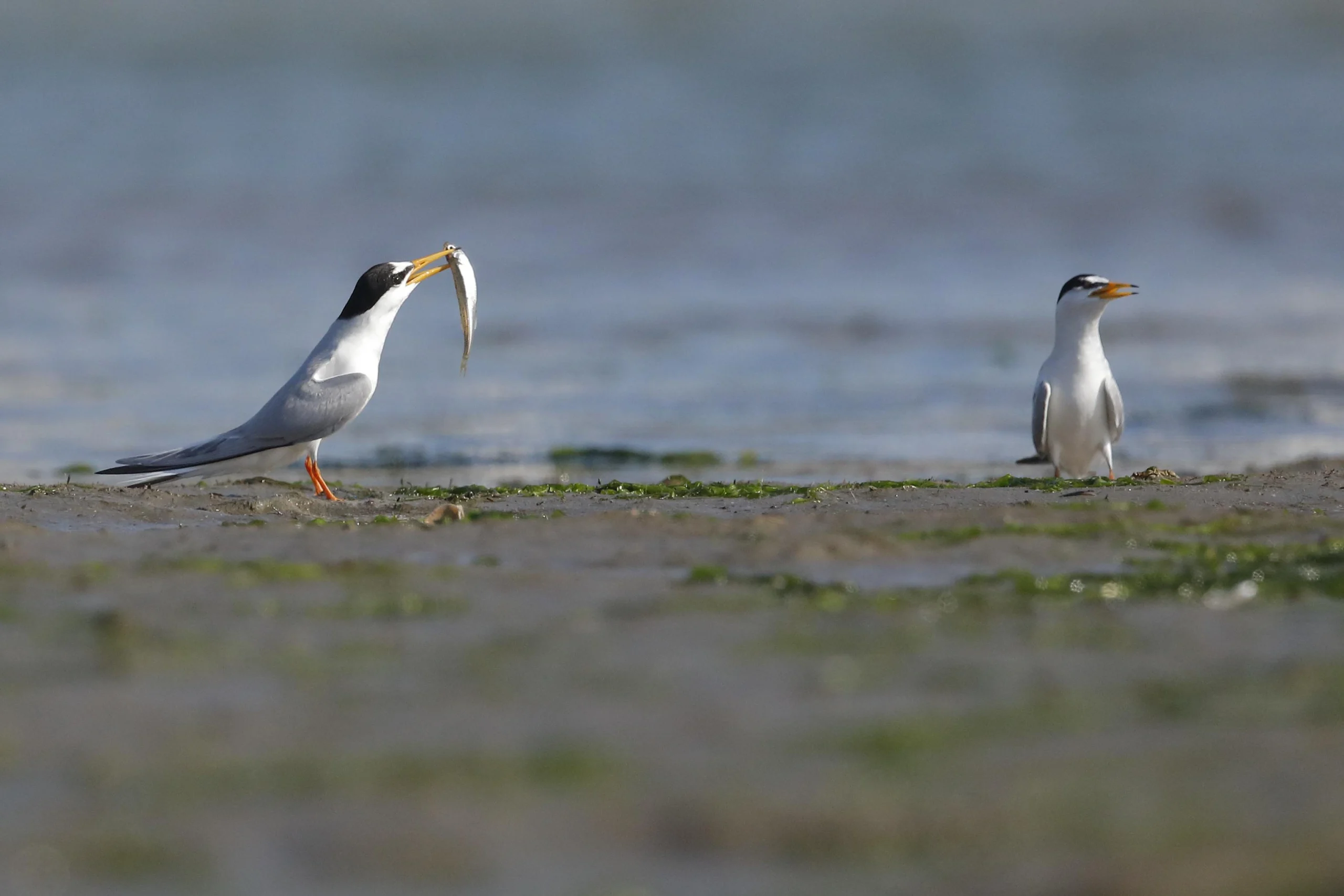
Little Tern
Glossy Ibis
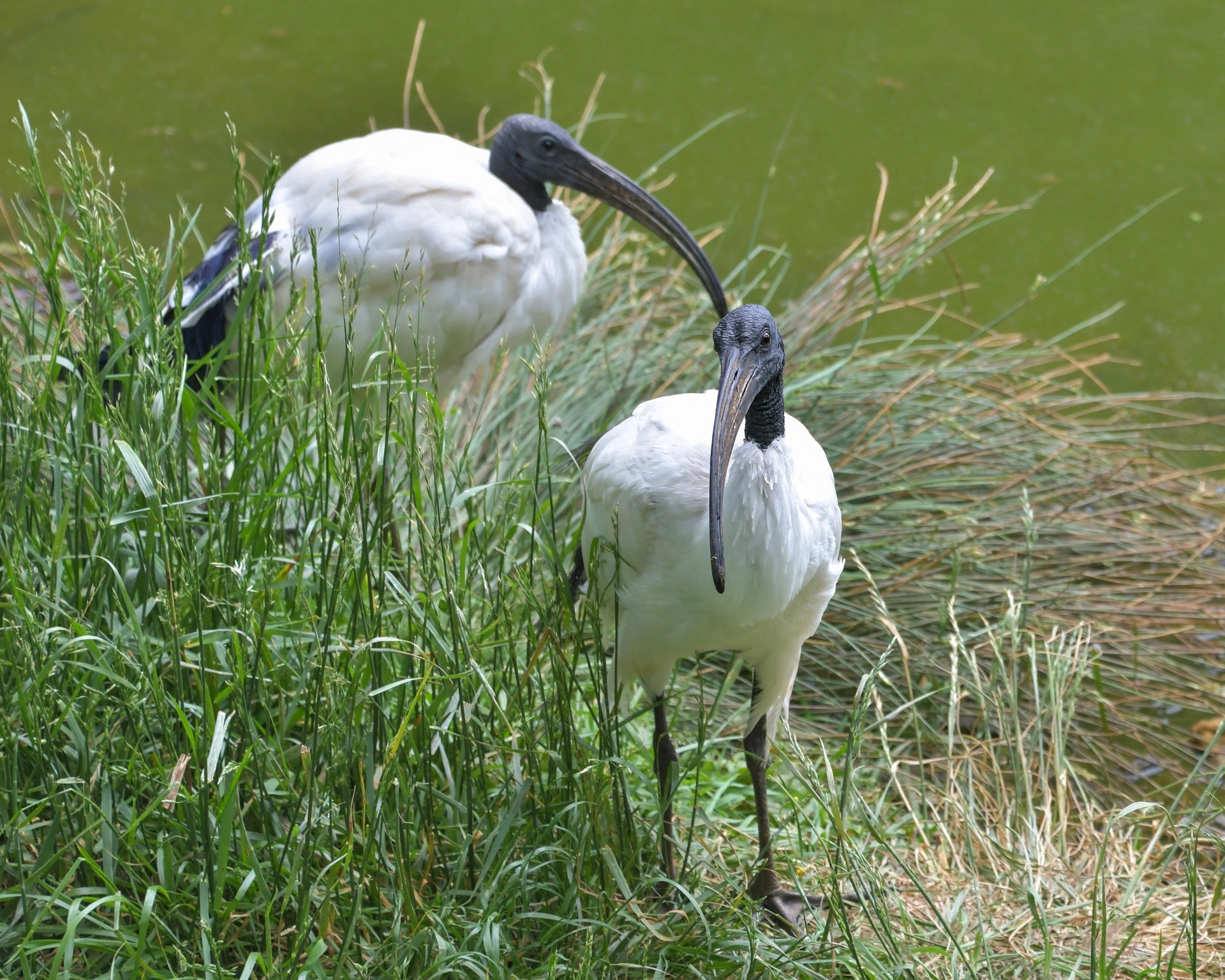
Black-headed Ibis
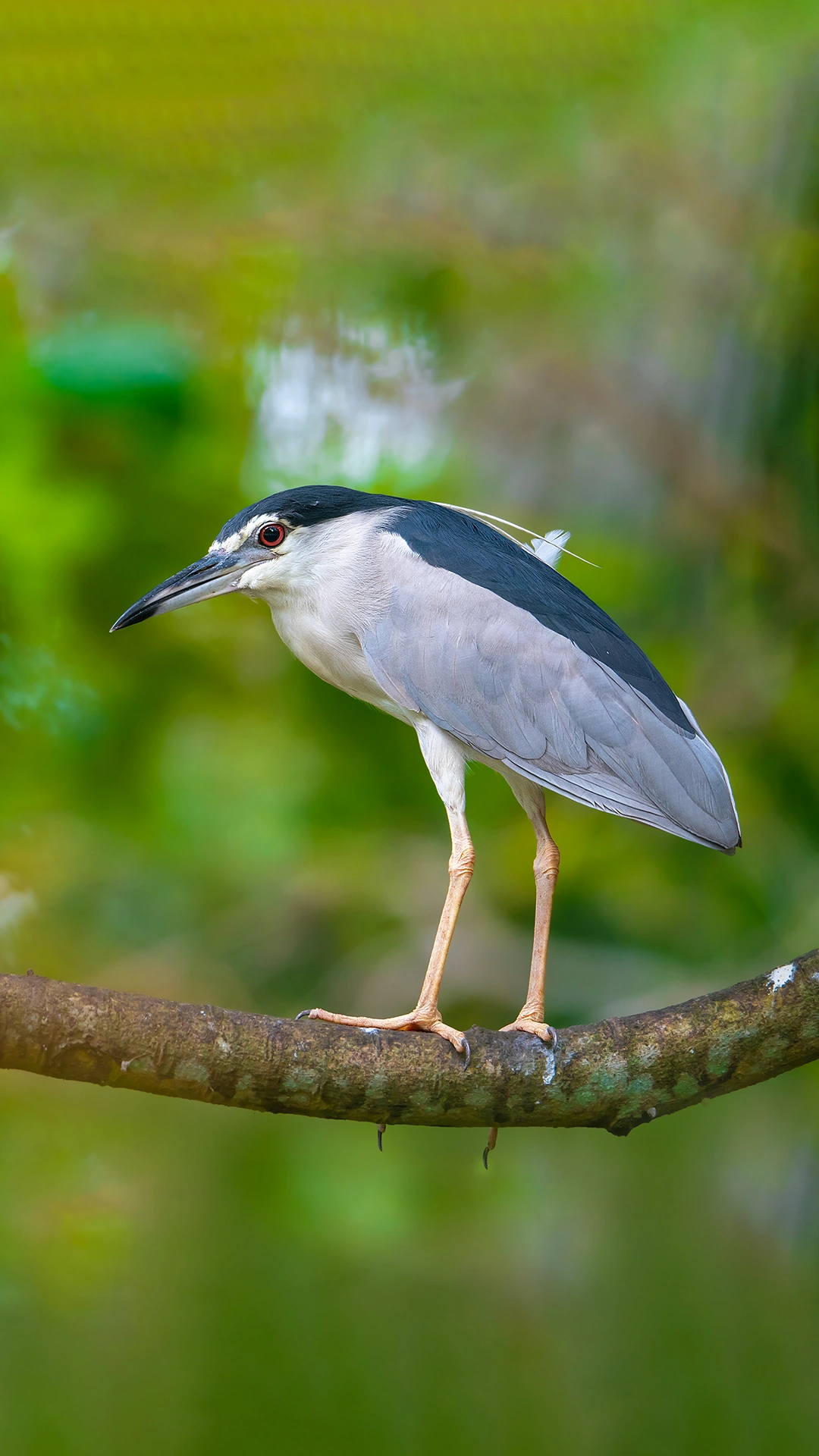
Black-crowned Night Heron
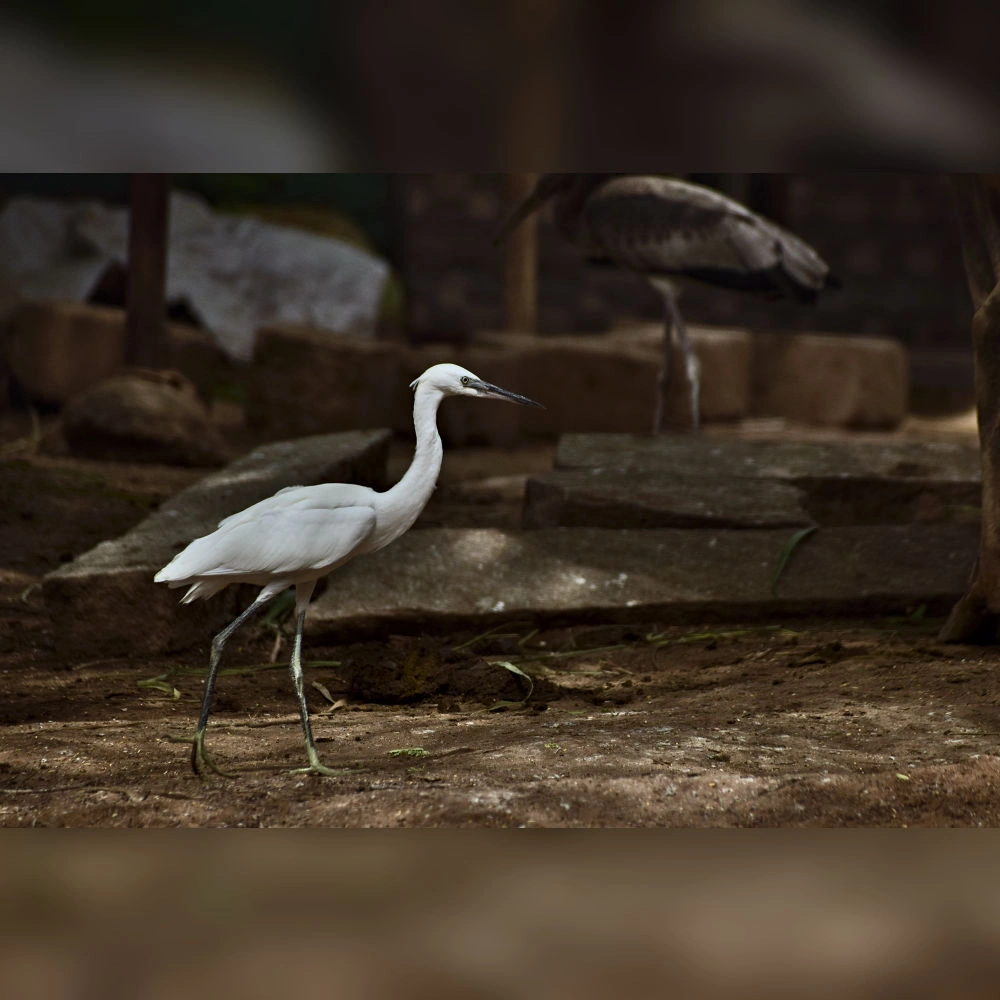
Little Egret
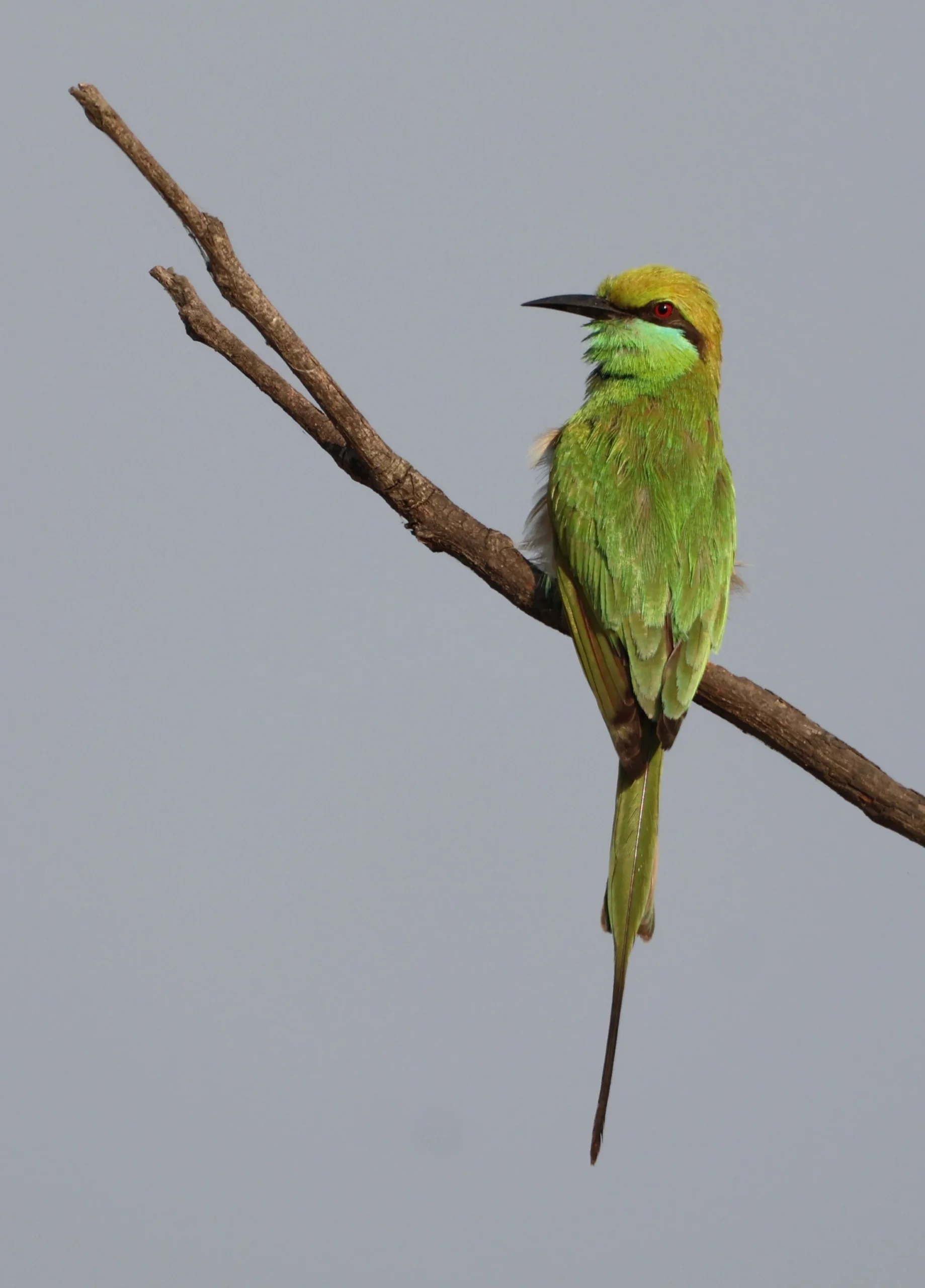
Asian Green Bee-eater
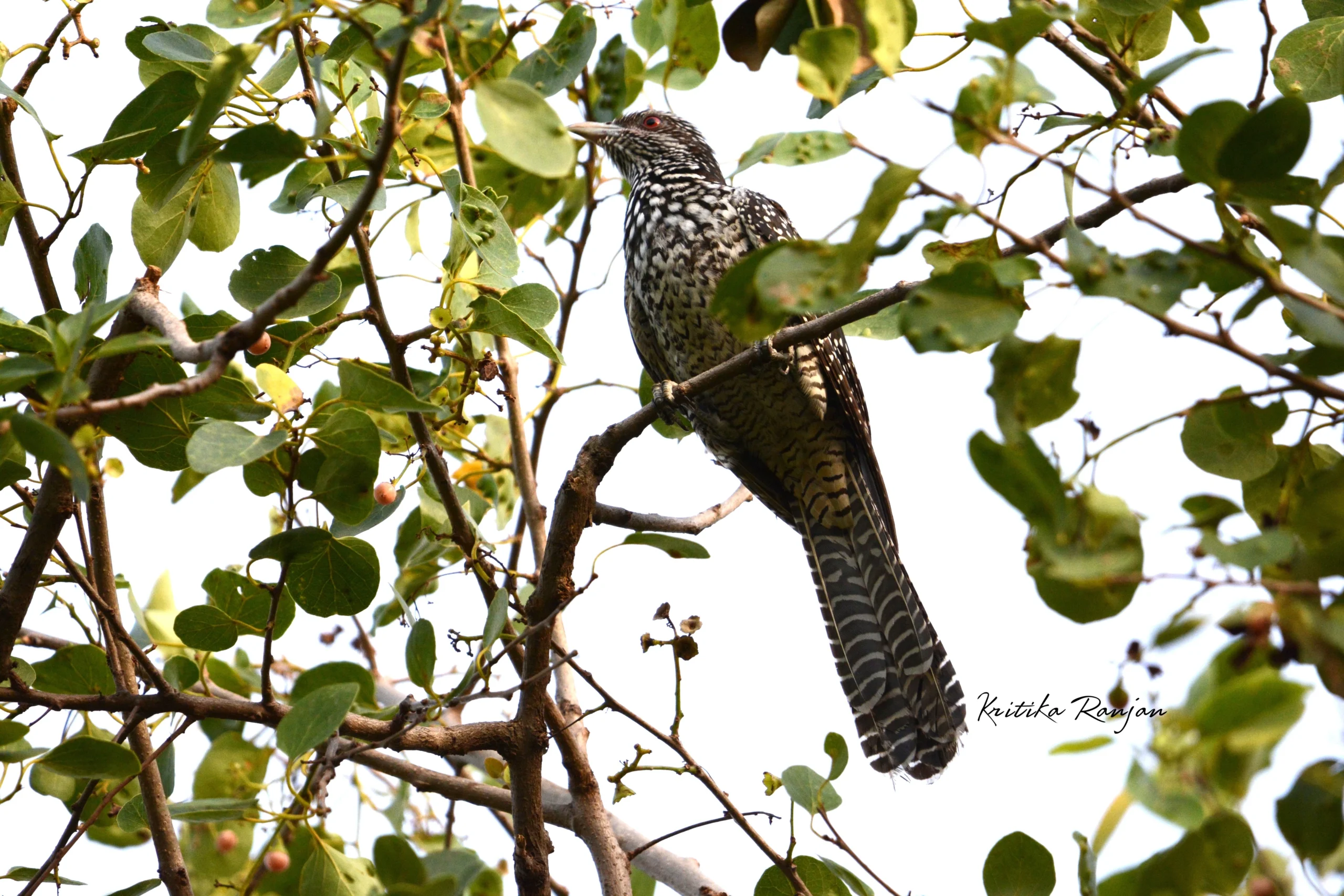
Asian Koel
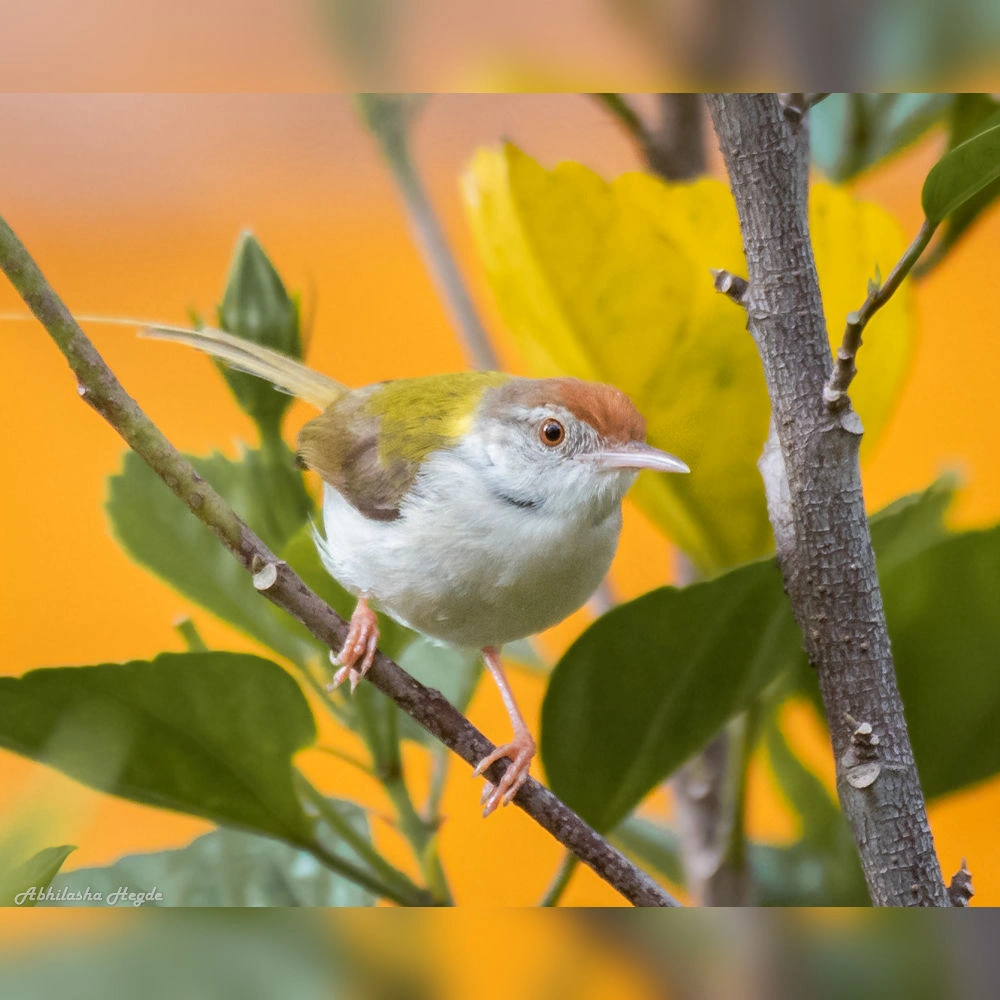
Common Tailorbird
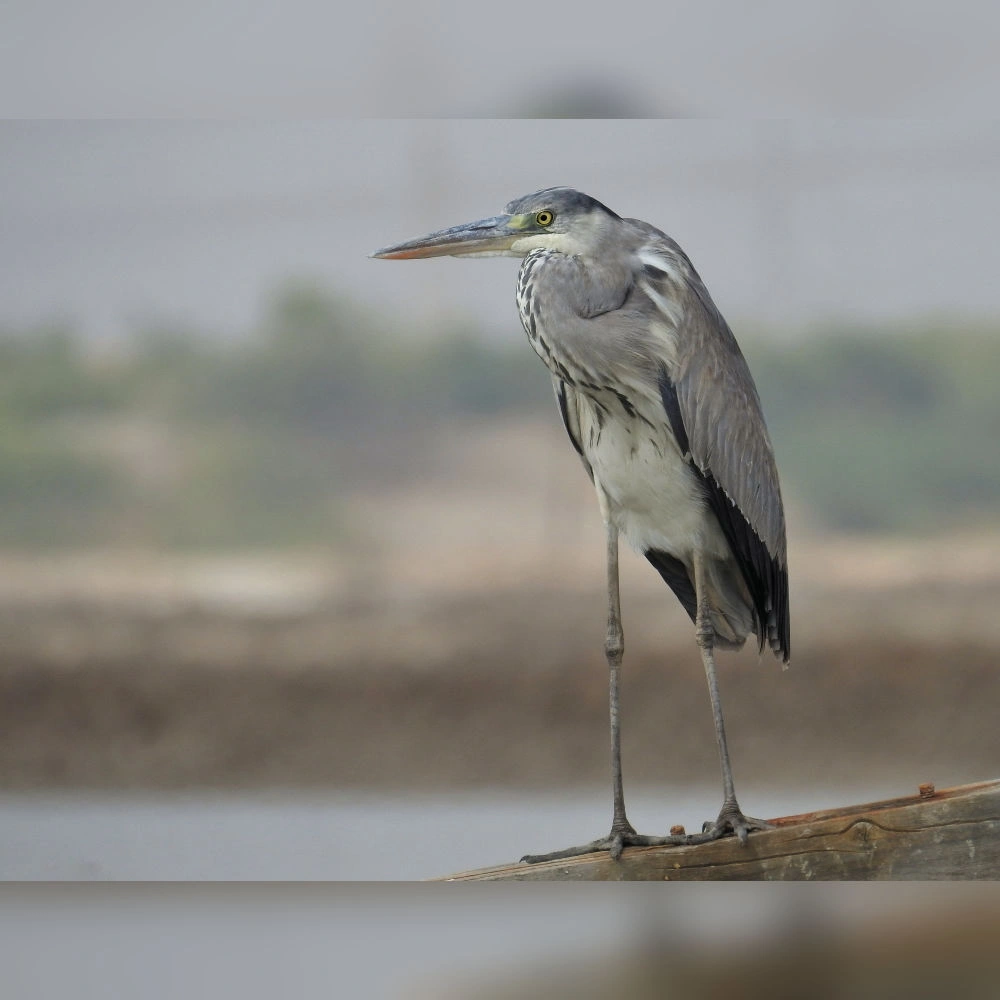
Gray Heron
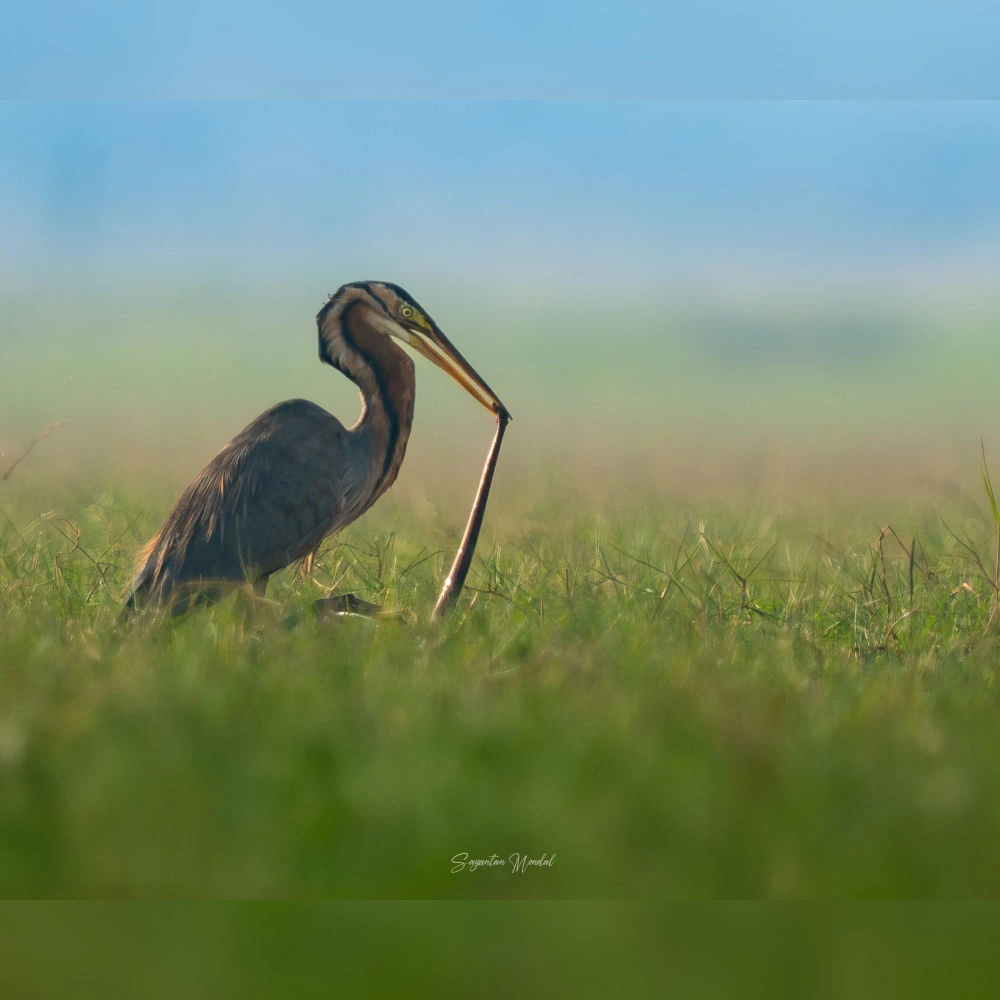
Purple Heron
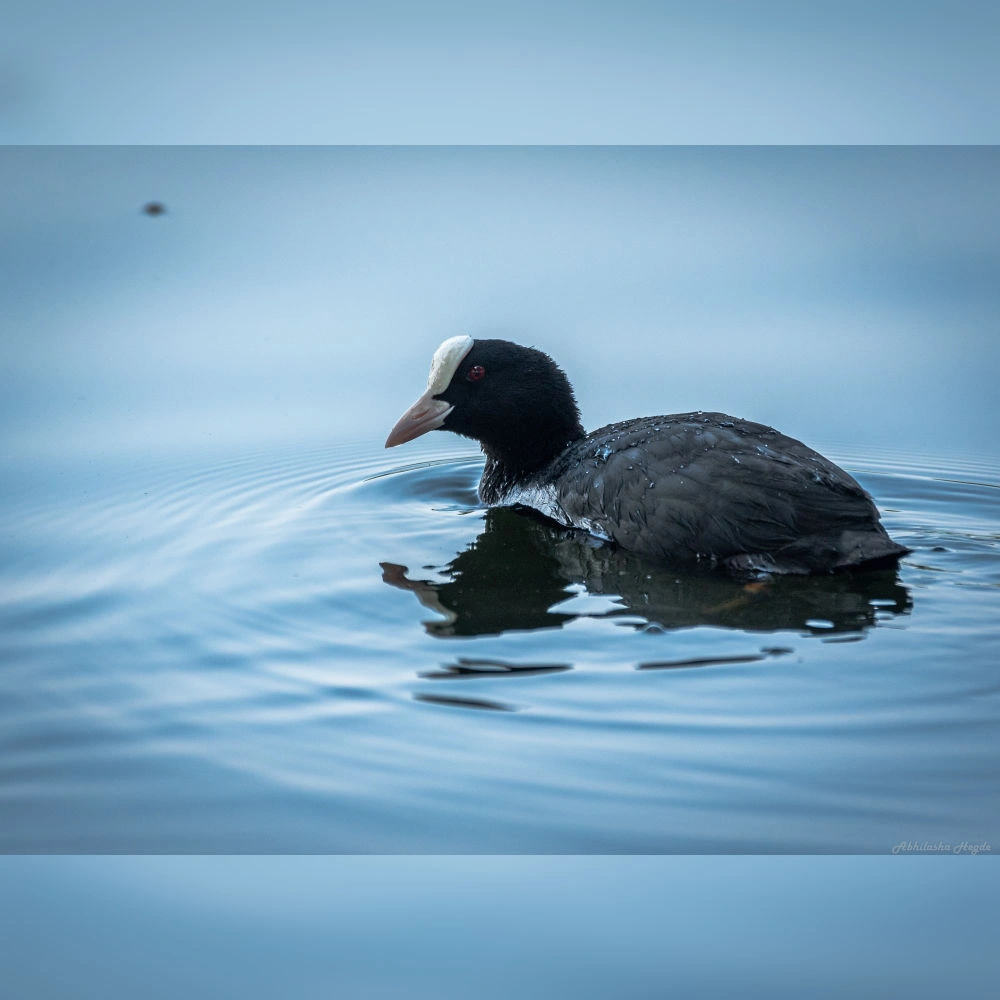
Eurasian Coot
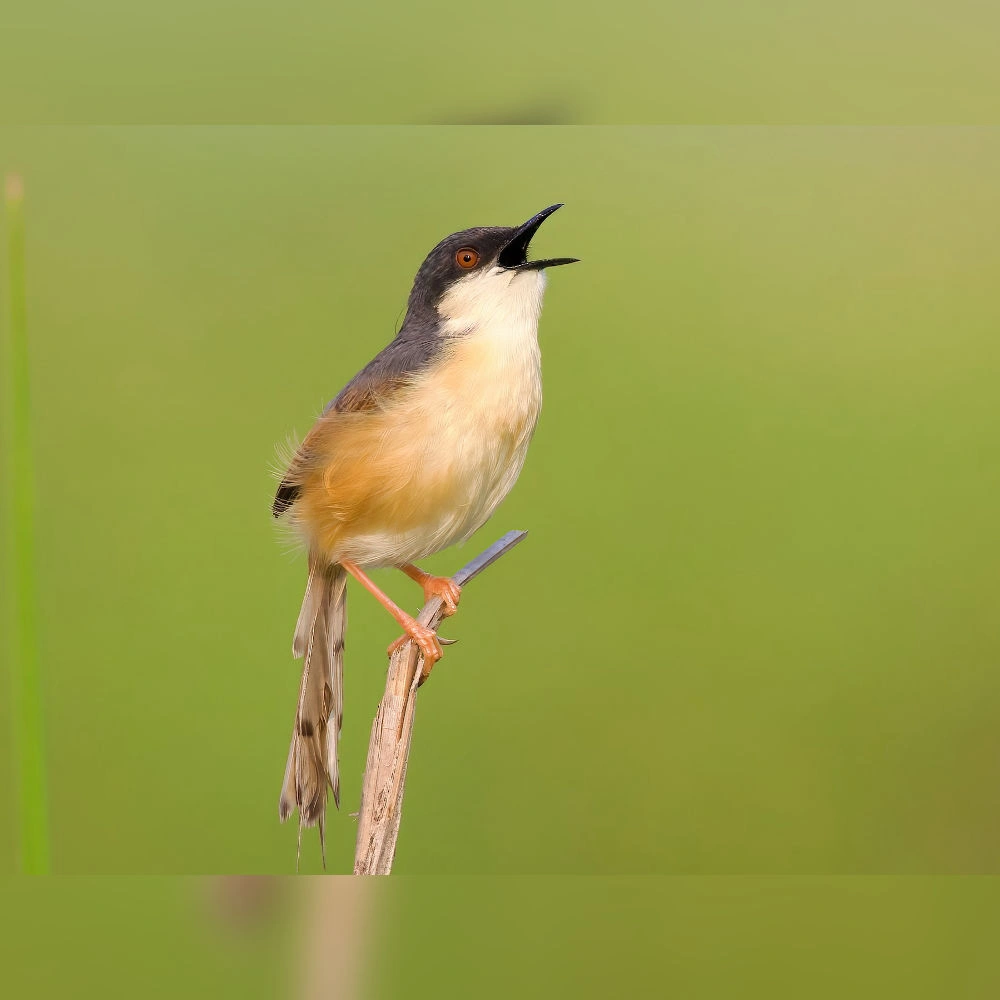
Ashy Prinia

Summary of Walk

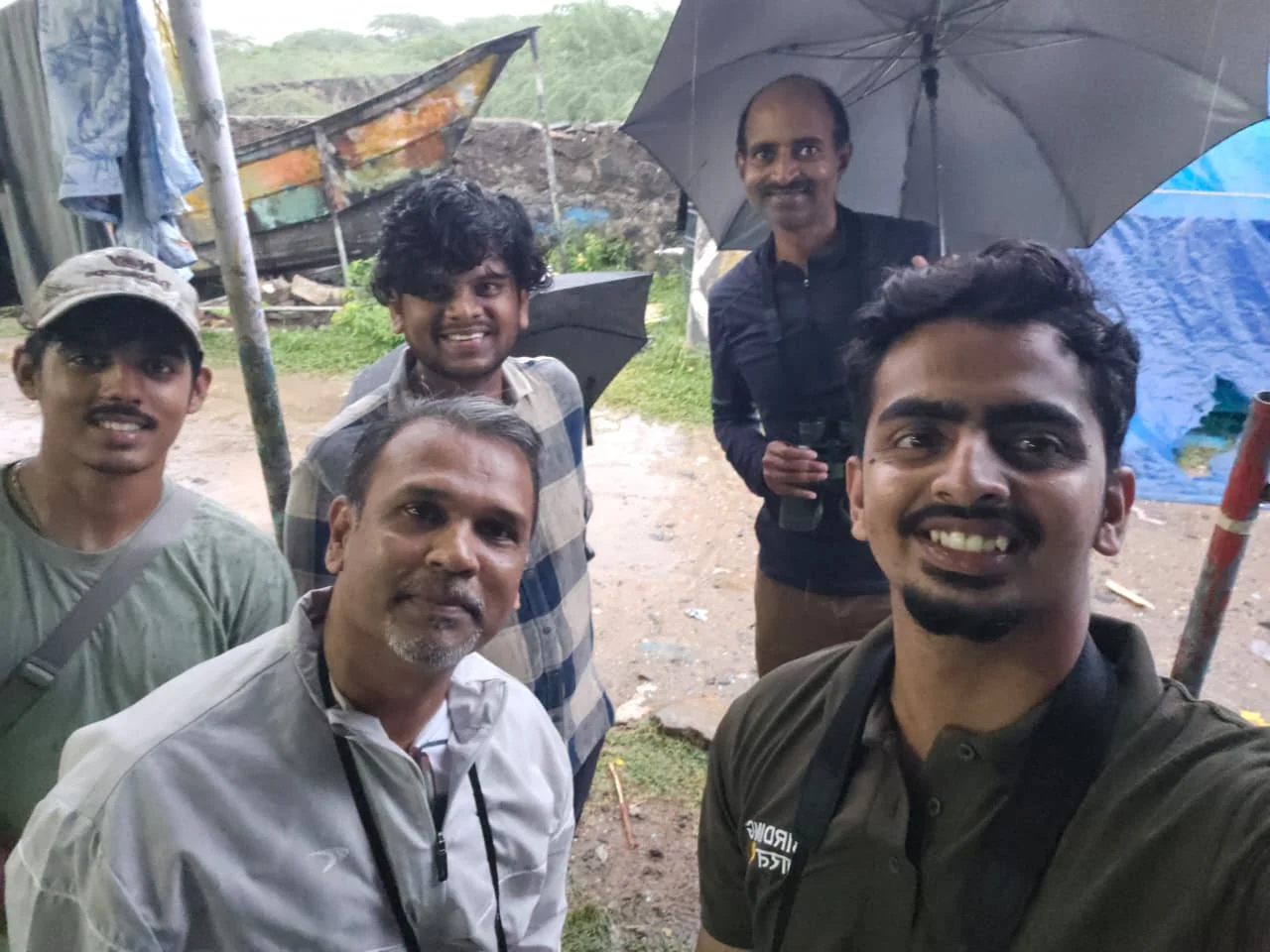
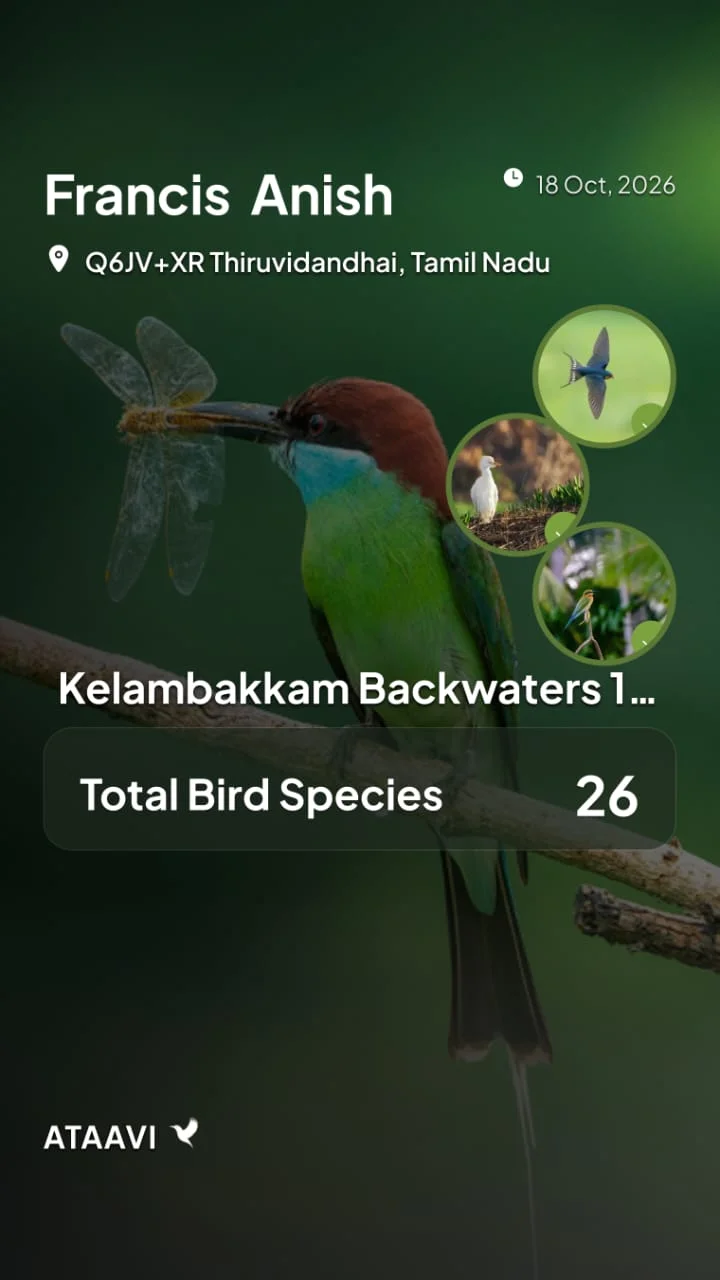
Four birders joined guide Francis Anish at the Kelambakkam Backwaters near Chennai on 17 October for an evening walk with a mood of its own, as light rain washed over the landscape and gave the backwaters a fresh, glistening look. The group recorded 26 species, and the walk gave a lovely mix of resident birds and migratory visitors. Among the residents were the Black Drongo, Black-winged Stilt, Asian Green Bee-eater, Yellow-billed Babbler, Red-vented Bulbul, Rose-ringed Parakeet, Black-headed Ibis and Red-wattled Lapwing, and the Grey Francolin added to the list with its distinctive calls from the scrub. The migrants brought extra excitement. The Eurasian Whimbrel, with its long, curved bill, was one of the stars, and the group also spotted the Wood Sandpiper, Blue-tailed Bee-eaters and Caspian Terns, with their huge red bills, a thrilling sign that the migratory season is well under way. Francis guided the group with his usual calm and knowledge, helping everyone spot the key features that separate similar waders and explaining how these birds travel thousands of kilometres between their breeding and wintering grounds. The mix of backwaters, mudflats and scrub made for rewarding birding, and the small group enjoyed the chance to discuss each sighting in detail. The glow of the evening light after the rain made the scenery a delight for photographers, and the group left with fresh memories and a handful of new birds on their lists. It was a lovely reminder that birding is a pleasure in every kind of weather, and that the backwaters are full of surprises.
Number of Participants
0
Scroll to Top