Bird Walk at Katraj Ghat, Pune
- Pune
- 29 November, 2026
- Rs. 200 per head
- Fee collected goes entirely to the bird guide. Ataavi does not retain or profit from this amount.
About Katraj Ghat
On Pune’s southern edge, the old Pune–Satara highway winds up through Katraj Ghat, a mountain pass on the Sinhagad–Bhuleshwar spur of the Sahyadri mountains. Since a new tunnel now carries most of the traffic, the old ghat road has become a quieter route through one of the city’s most important green belts. The surrounding Bhilarewadi forest area covers about 900 hectares of the Katraj range. Its slopes are a mosaic of dry deciduous woodland, thorny scrub, open grassland and rocky outcrops, cut by seasonal streams that turn into small waterfalls in the monsoon. The forests also support leopards, which are occasionally spotted crossing the ghat road. For birders, Katraj is a rewarding mix of hill and scrub habitats: francolins and quails call from the grass, raptors ride the thermals over the ridges, and bulbuls, prinias, robins and sunbirds fill the bushes, while winter brings migrant flycatchers and warblers to the woods.
Yet Katraj Ghat’s green cover is under growing pressure. In September 2026, nearly 1,000 trees began to be removed from about three acres of Forest Department land, raising concern among environmentalists over the loss of wildlife habitat. Illegal dumping of medical and construction waste in the ghat has also become a problem. Grassland fires, the spread of invasive plants and the creeping urban sprawl of south Pune add to the strain. Protecting Katraj’s forests, scrub and grassland is essential to keep this green gateway to Pune alive with birds.

Bird Guide - Samarth N Kedilaya
Samarth is a passionate birder with nearly a decade of field experience and is currently pursuing his Master’s in Wildlife Conservation Action. With a strong interest in endemic species and their adaptations, he aspires to build his future research around birds or reptiles.
Common birds of Katraj Ghat
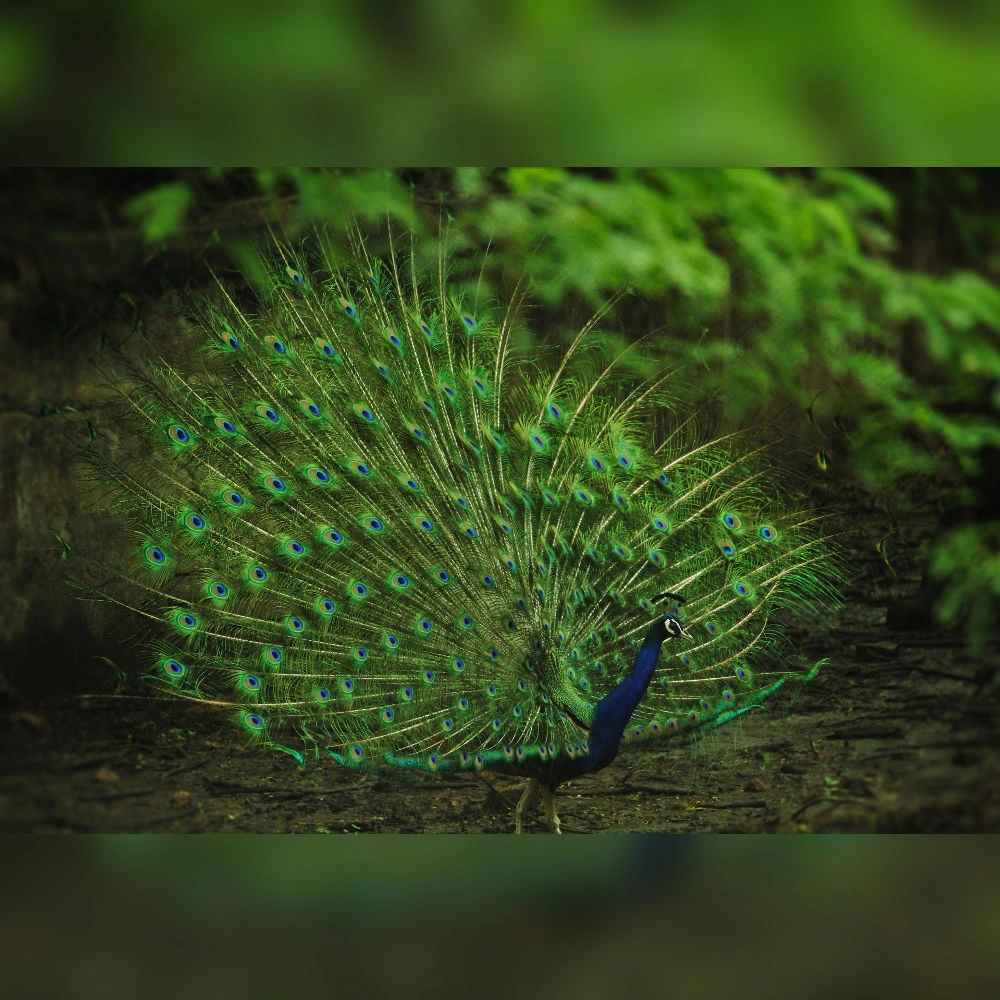
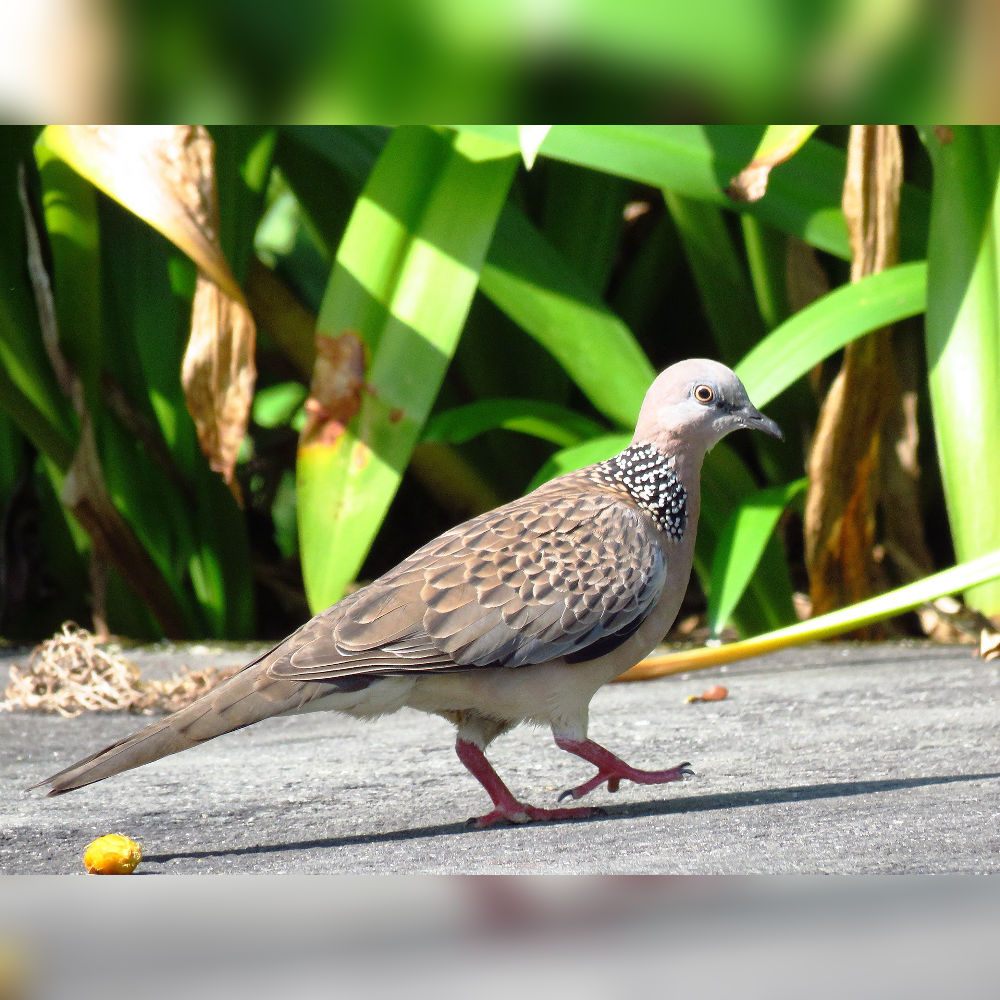
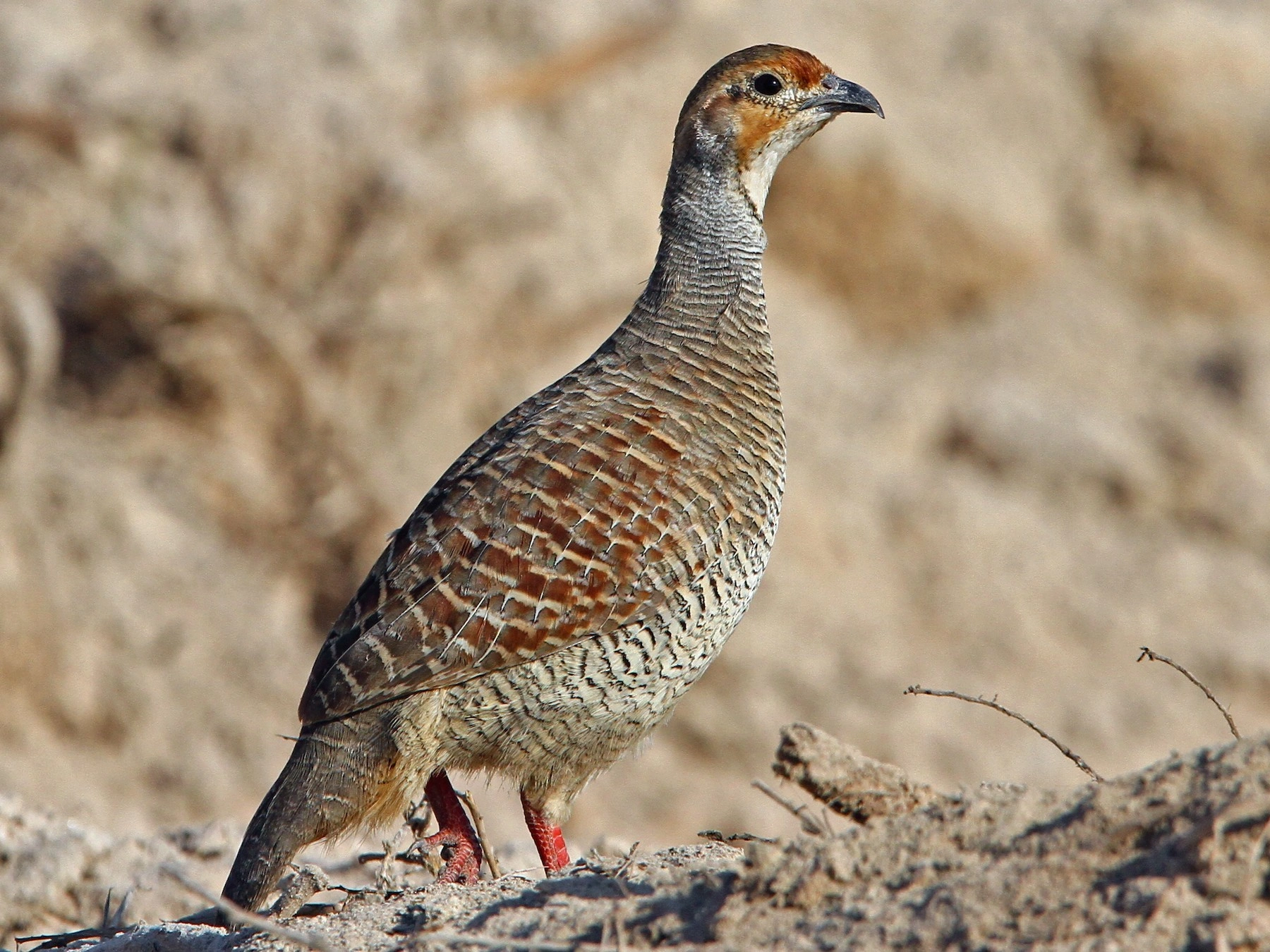
Katraj Ghat’s slopes are full of birdlife. In the grass and scrub, the Gray Francolin calls loudly at dawn, Jungle Bush-Quails scuttle between bushes, and Indian Peafowl wander along the hillsides. Laughing and Spotted Doves forage along the tracks, while Indian Robins and Pied Bushchats perch on rocks and bush tops. The Long-tailed Shrike keeps watch from exposed perches, Black Drongos sally after insects, and Indian Rollers flash brilliant blue in flight. Asian Green Bee-eaters gather on wires, and the White-throated Kingfisher calls from nearby branches. In the trees, the Coppersmith Barbet calls tirelessly, Rose-ringed Parakeets squabble noisily, and the Indian Golden Oriole glows bright yellow in the canopy. Red-vented and Red-whiskered Bulbuls chatter in the bushes, Ashy Prinias and Common Tailorbirds call from the undergrowth, Purple Sunbirds sip nectar from flowers, and the Crested Bunting sings from rocky outcrops. In winter, Tickell’s Blue Flycatchers add a splash of colour to the shady woods. Overhead, the Short-toed Snake-Eagle hovers over the slopes in search of snakes, Black Kites circle and the Shikra darts between the trees.

Gray Francolin

Indian Peafowl

Spotted Dove
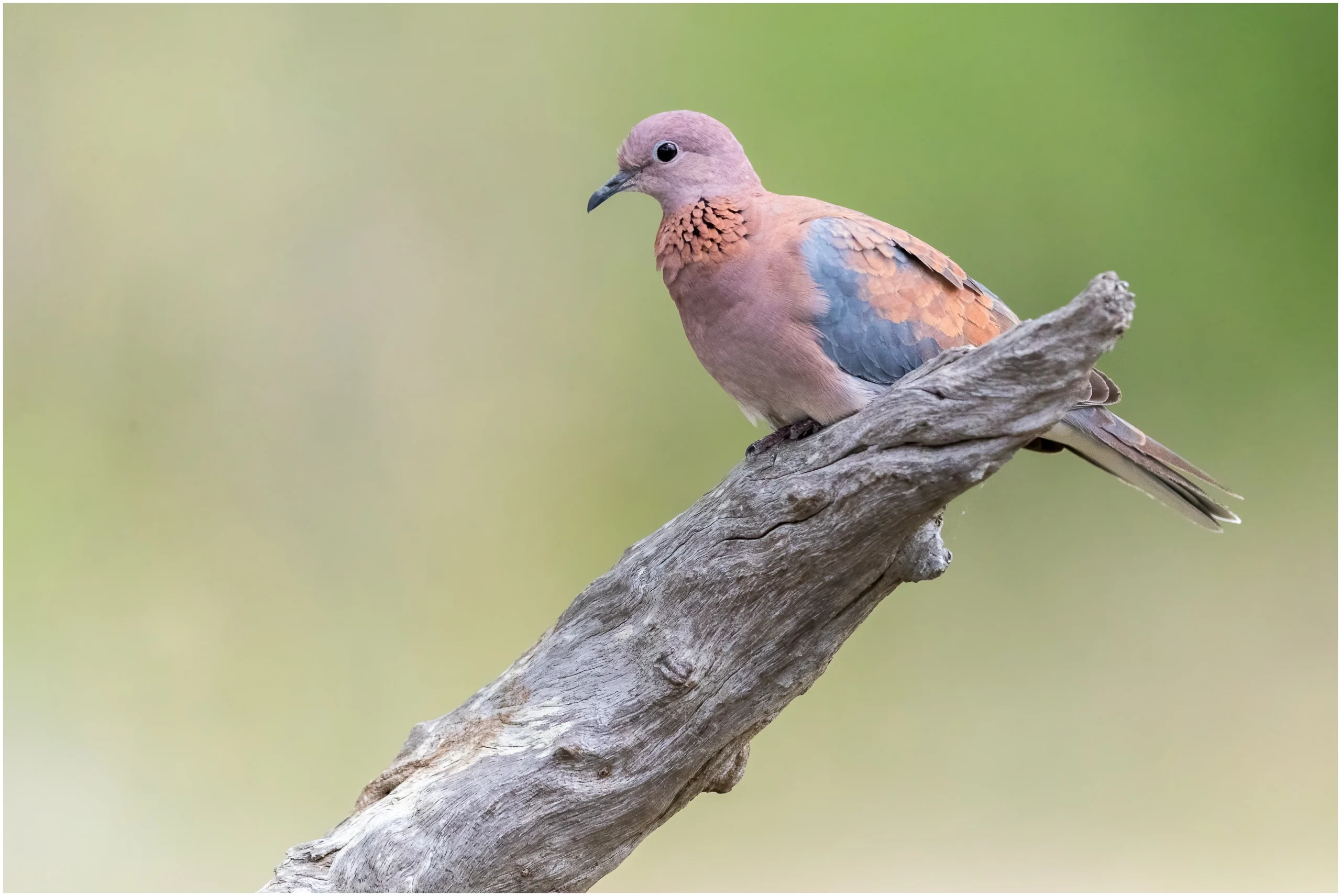
Laughing Dove
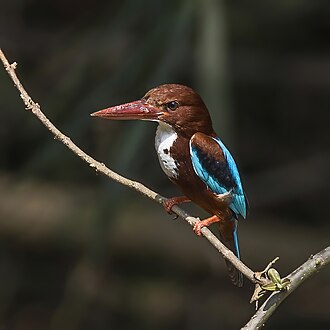
White-throated Kingfisher
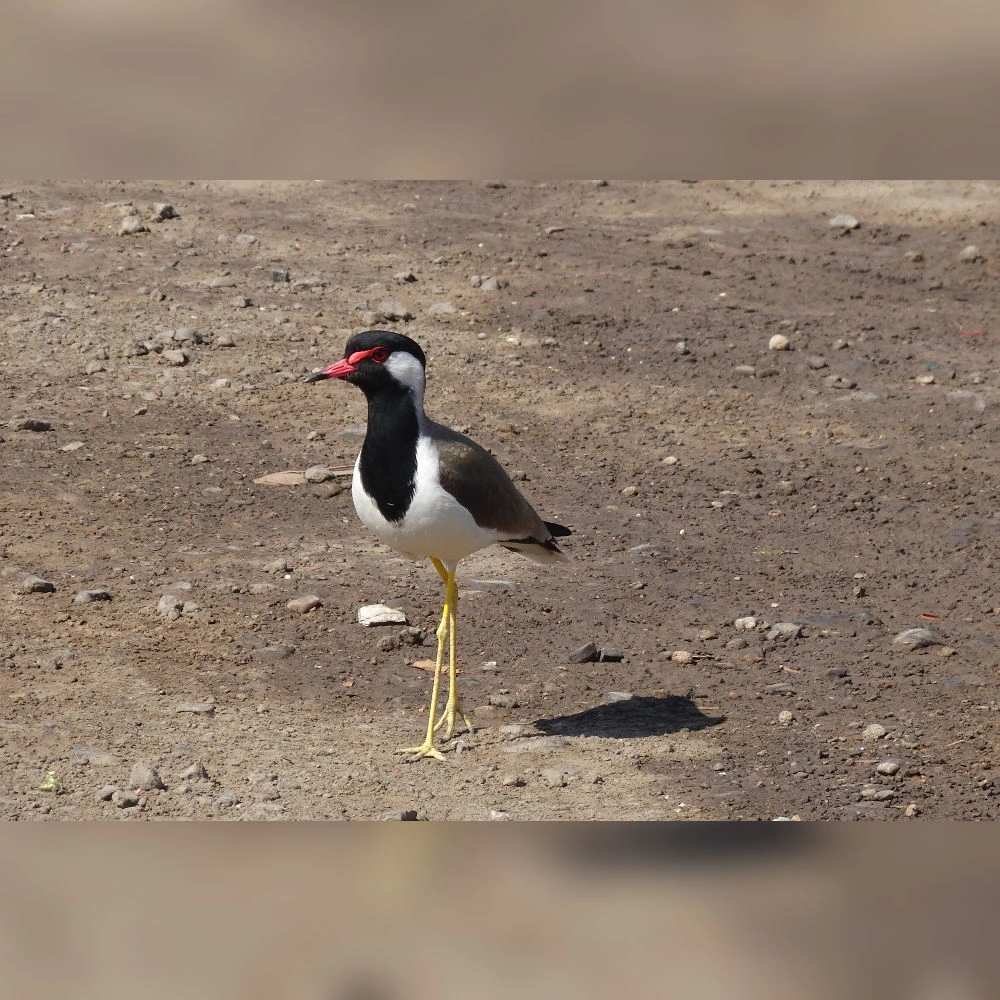
Red-wattled Lapwing

Common Sandpiper
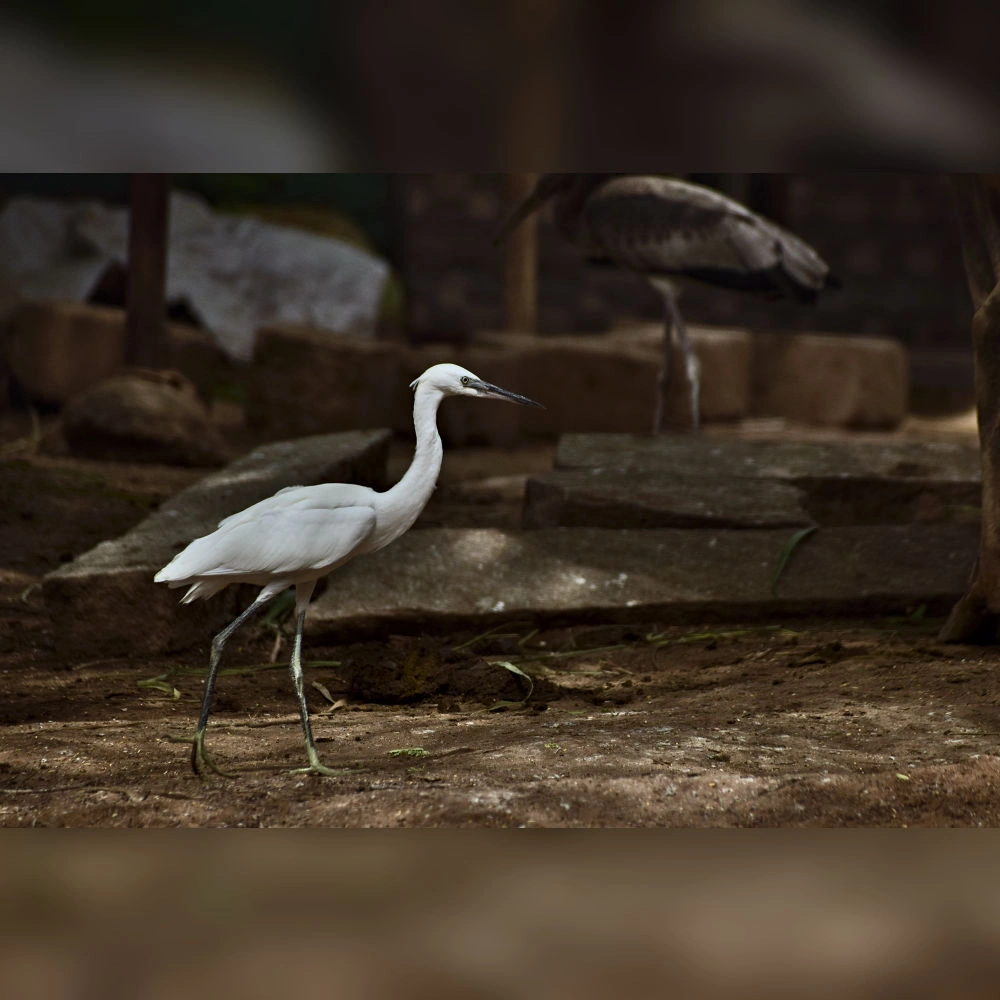
Little Egret
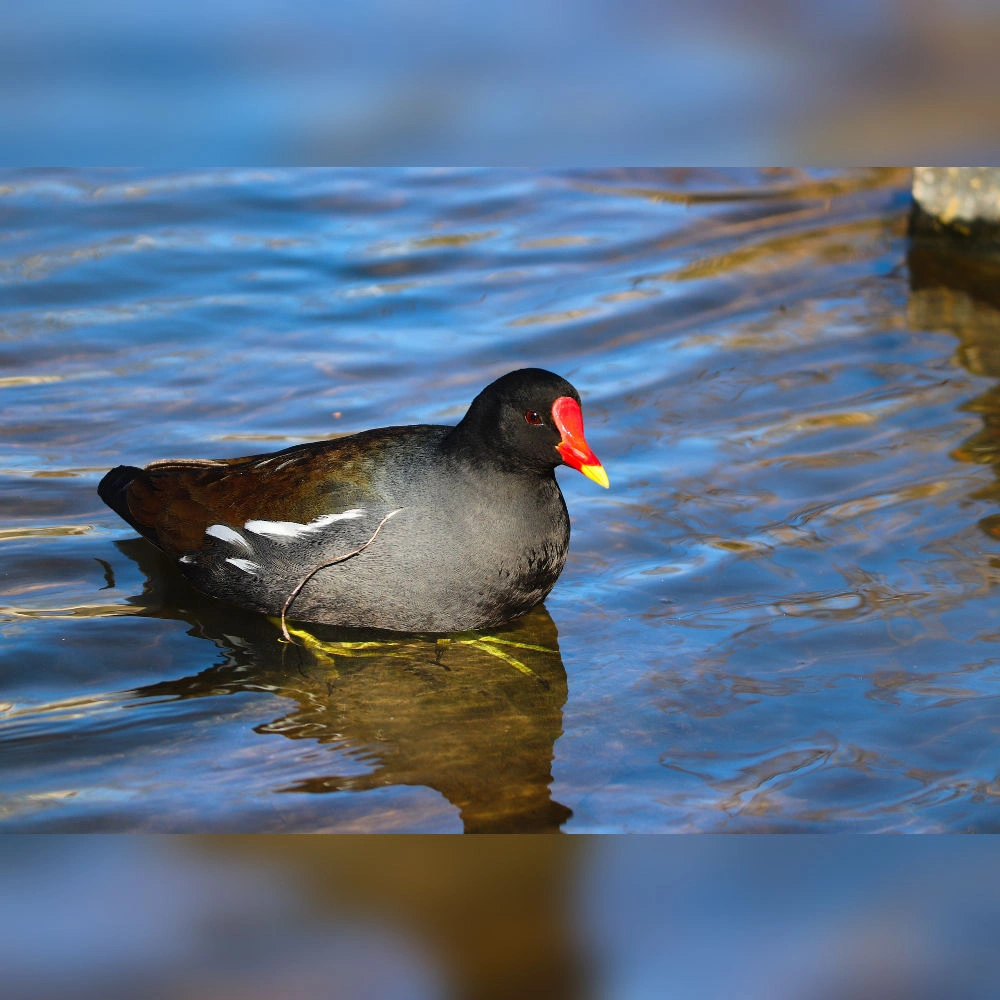
Eurasian Moorhen
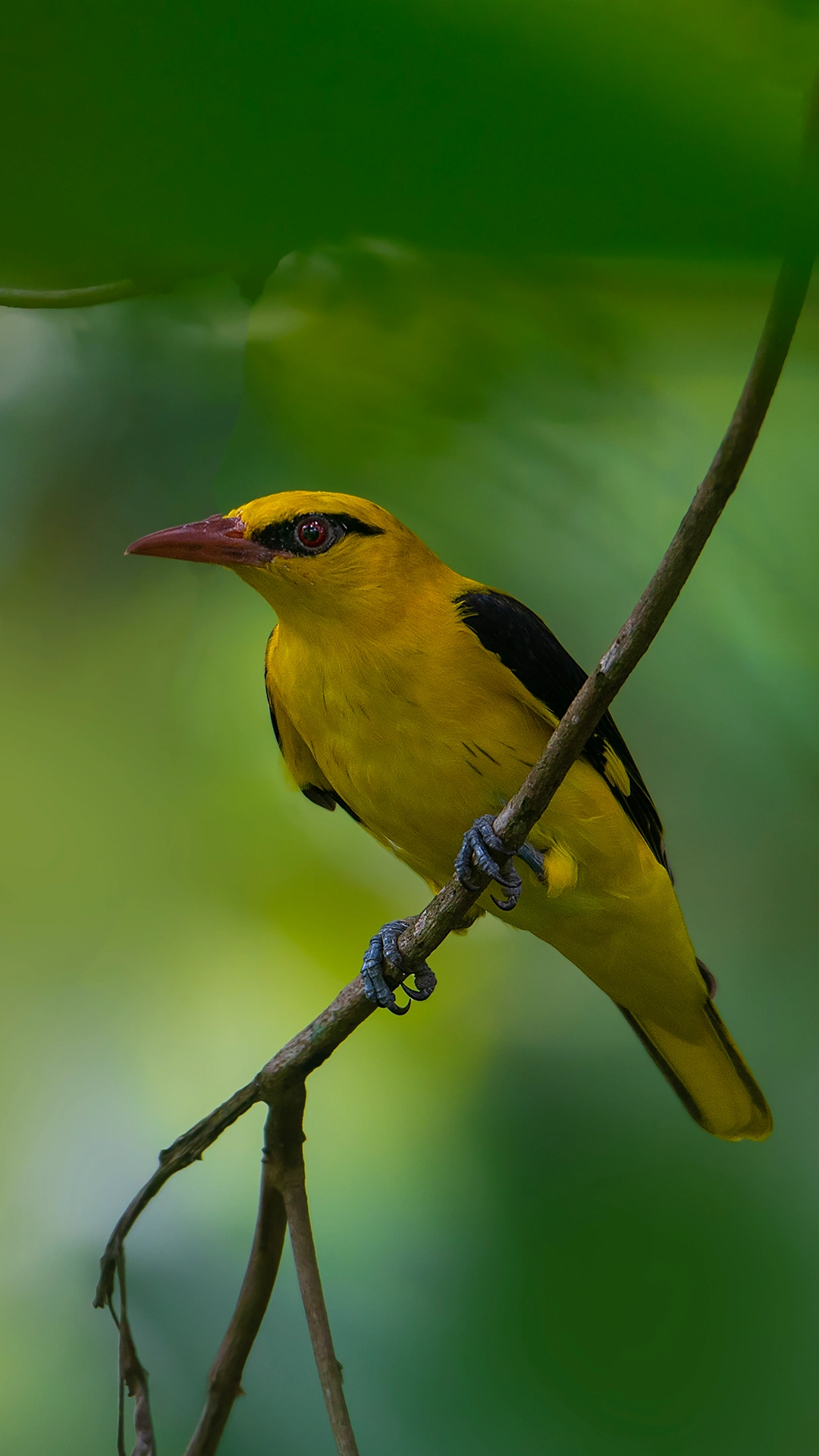
Indian Golden Oriole
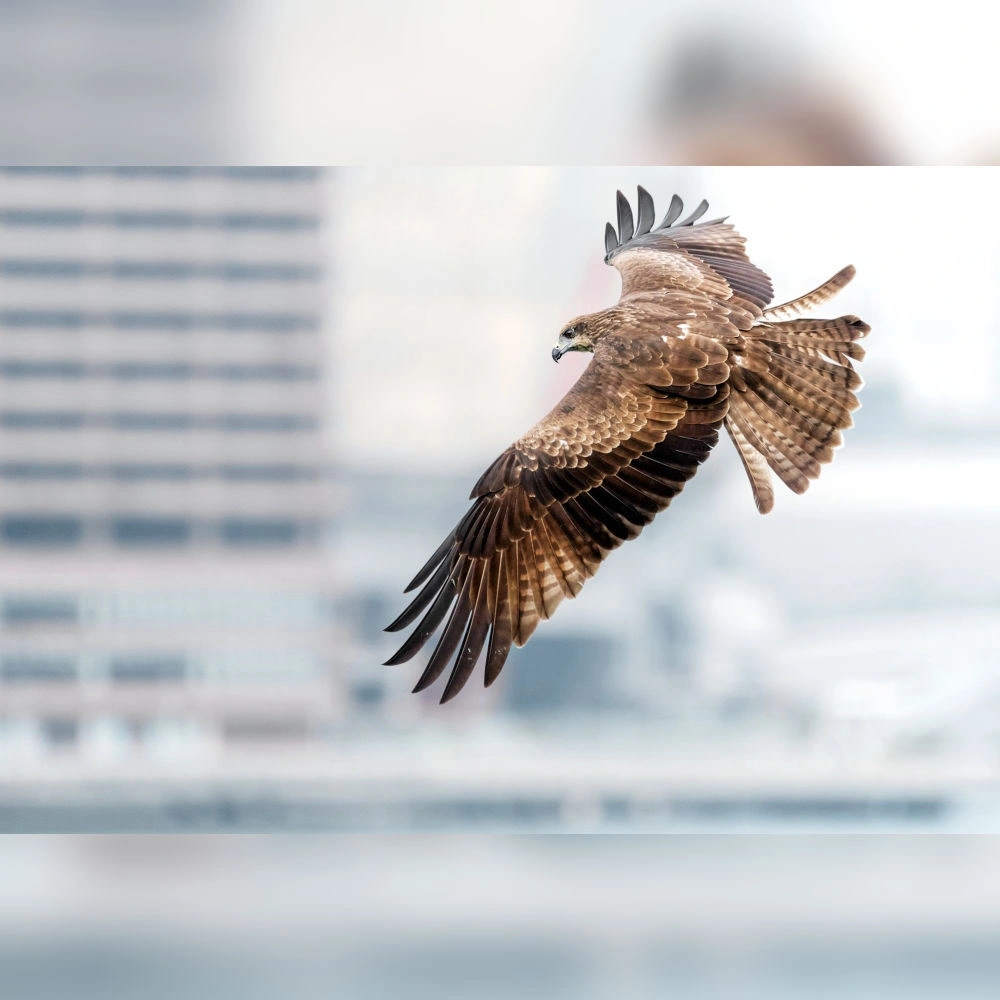
Black Kite
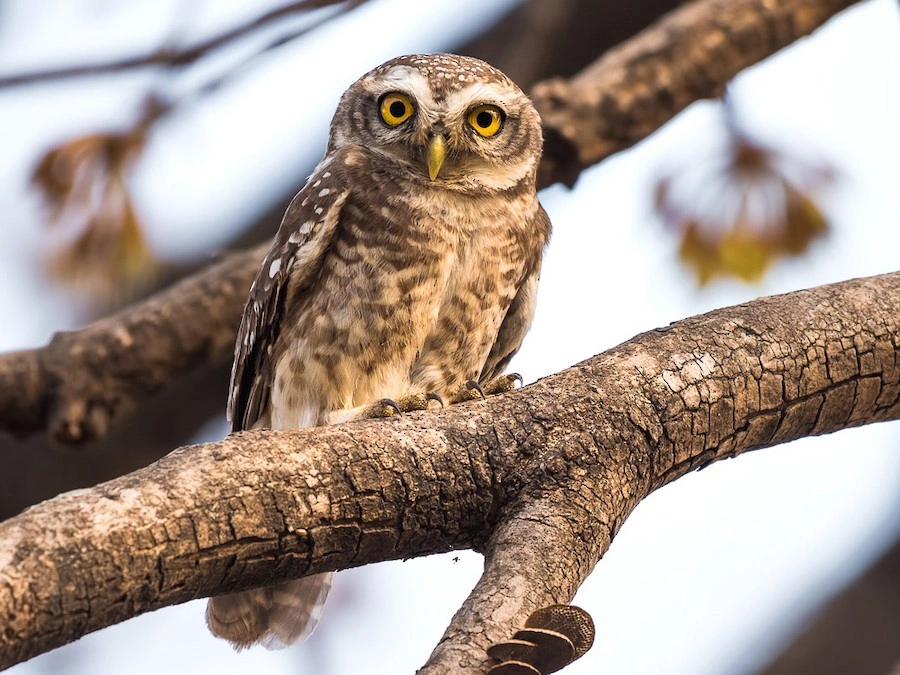
Spotted Owlet
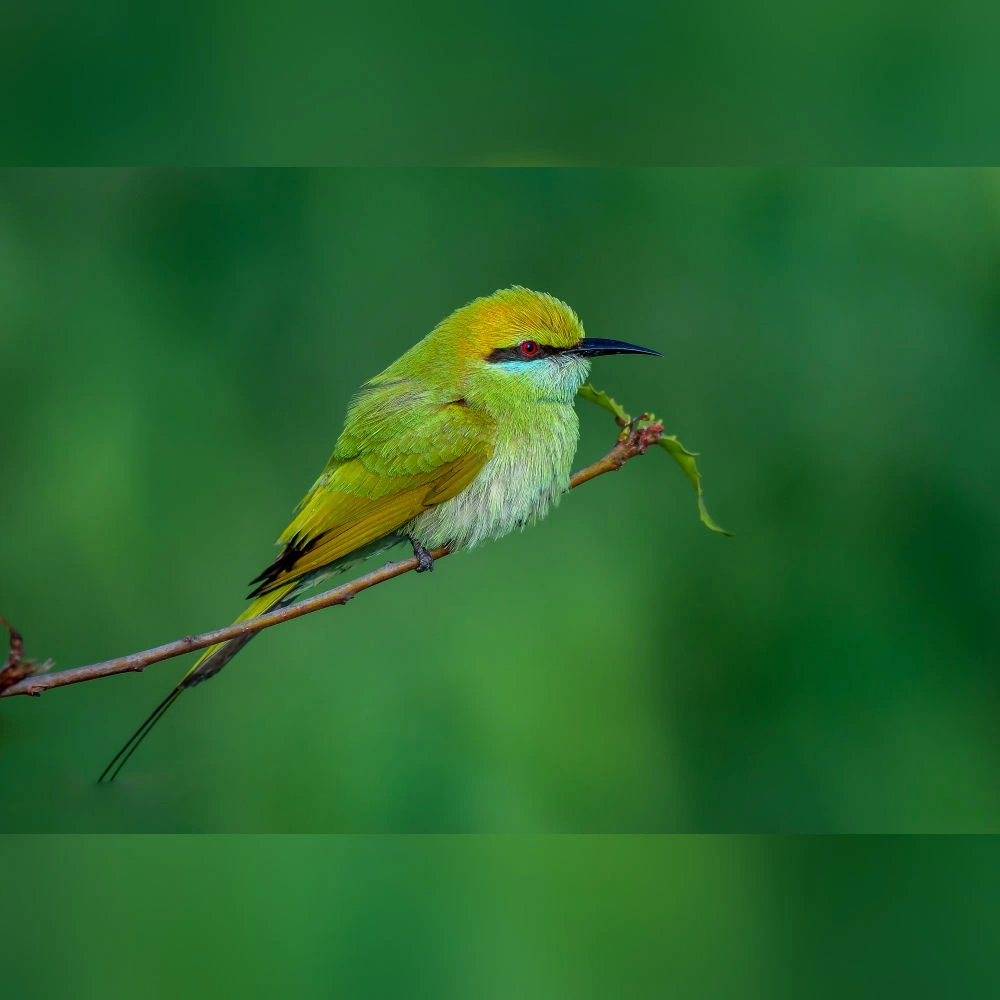
Asian Green Bee-eater
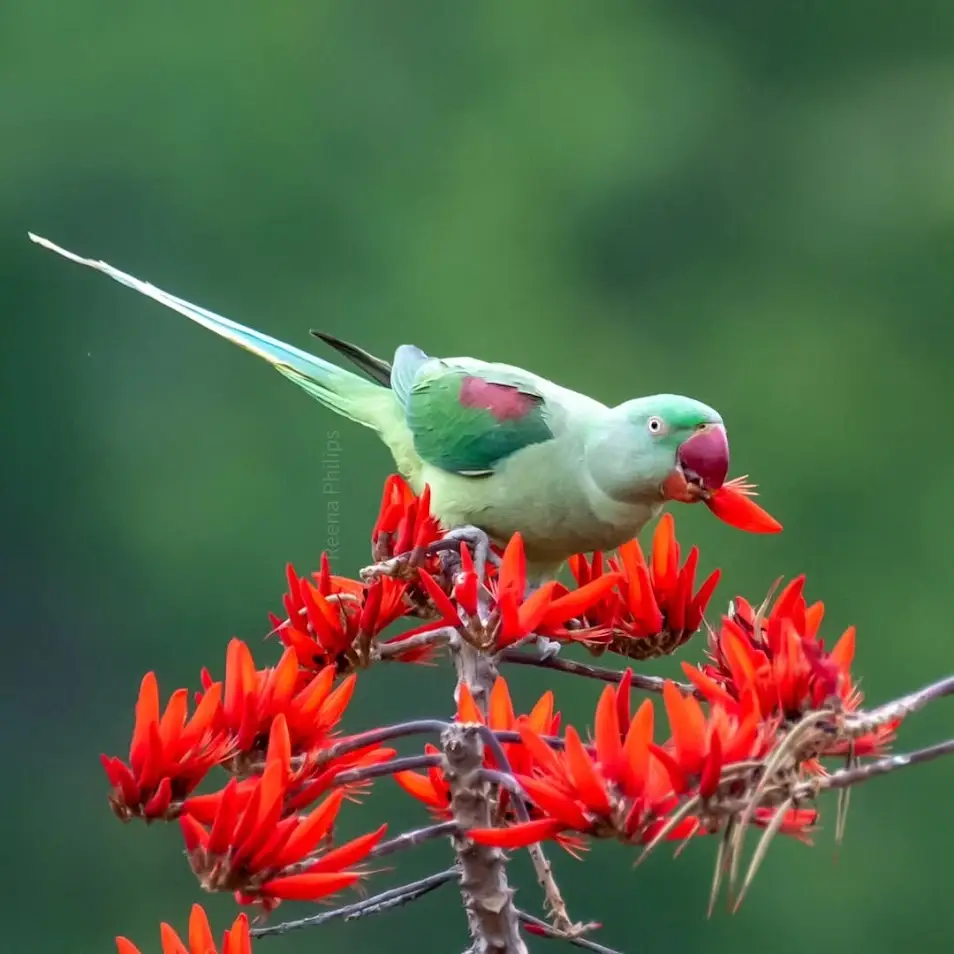
Alexandrine Parakeet
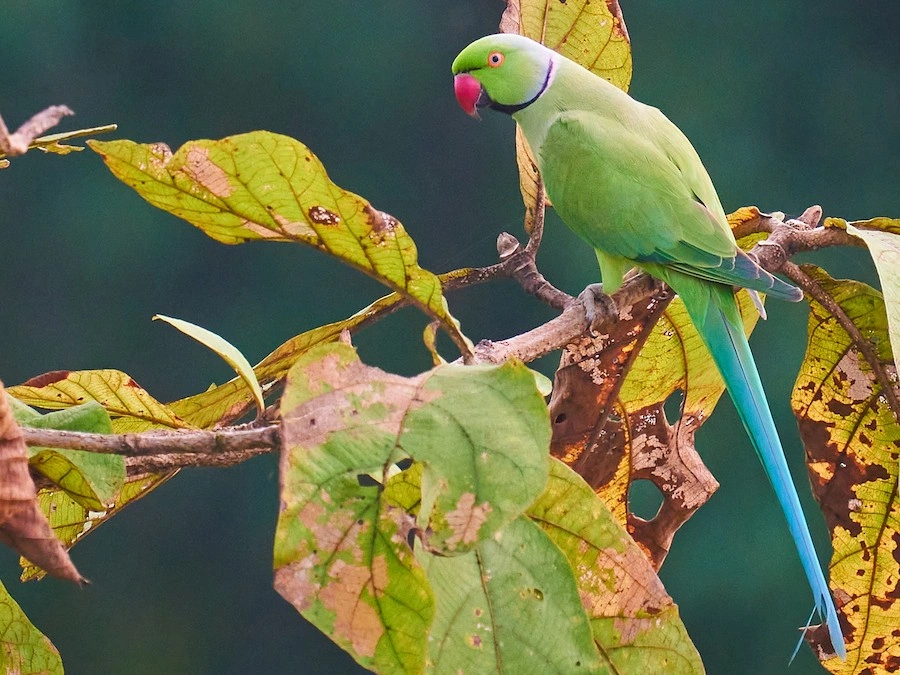
Rose-ringed Parakeet
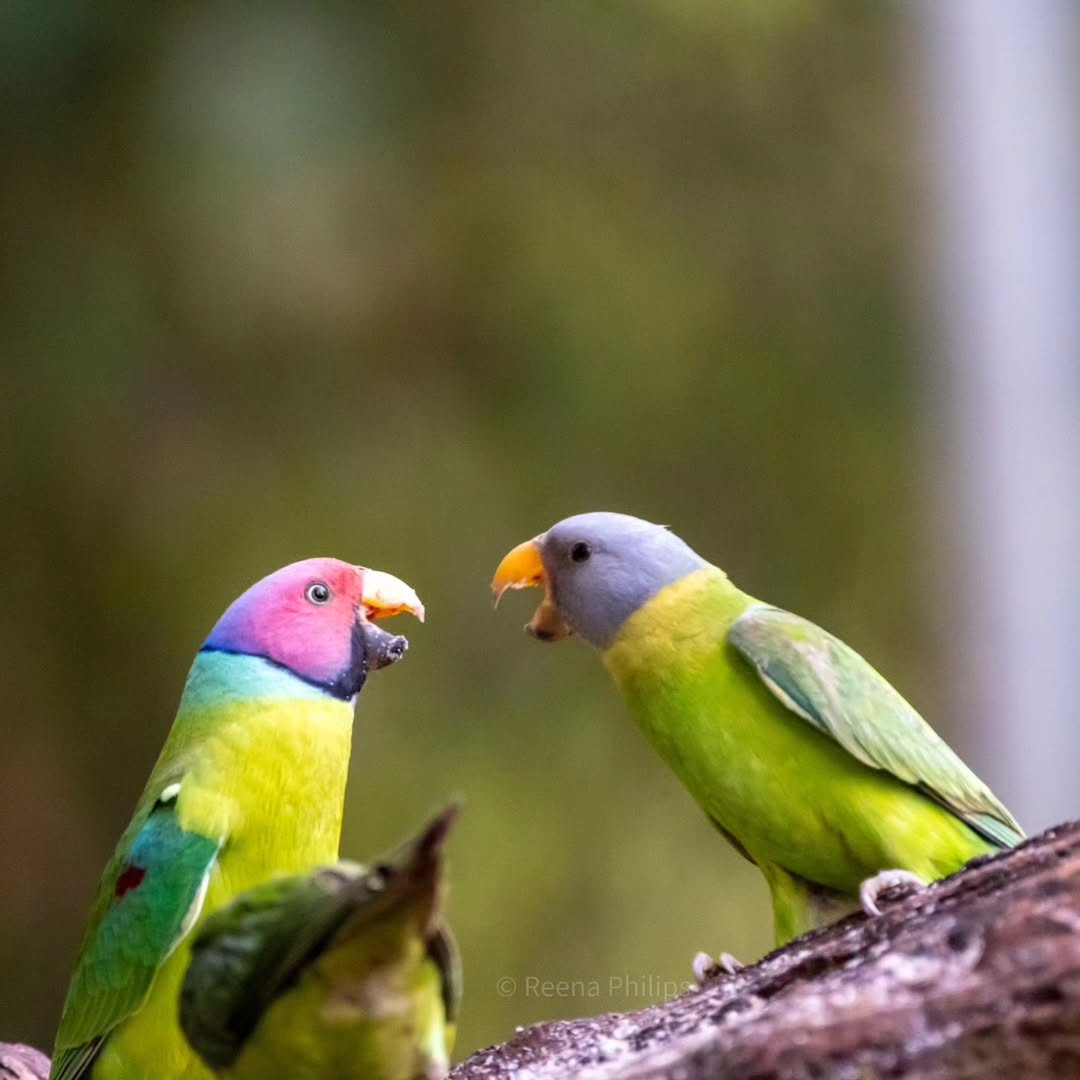
Plum-headed Parakeet
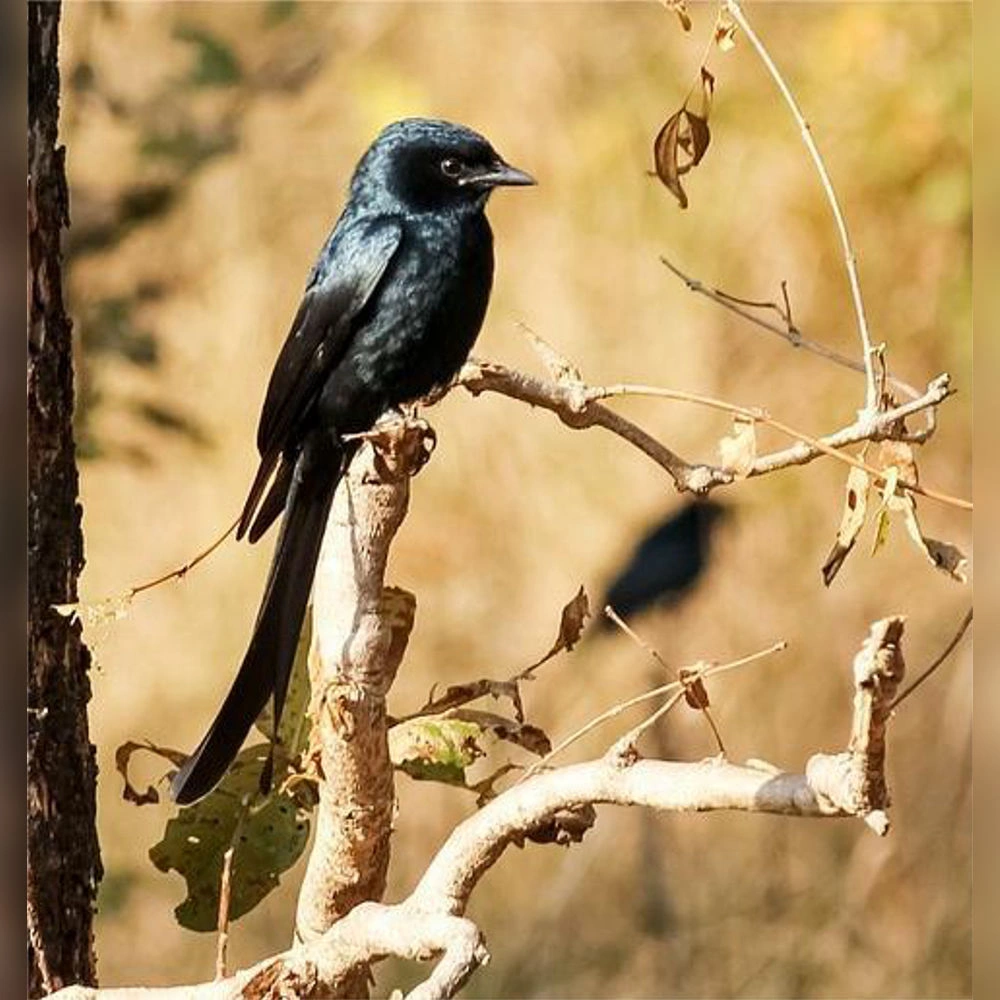
Black Drongo
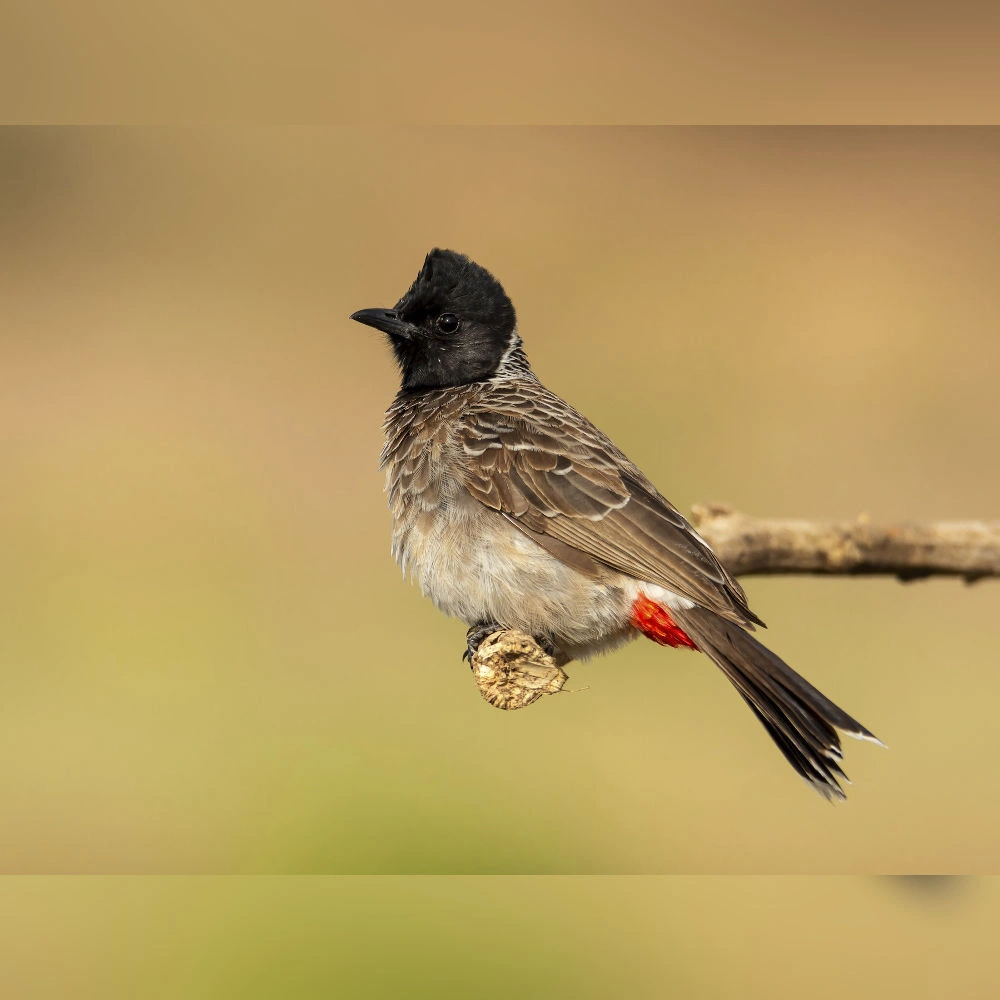
Red-vented Bulbul
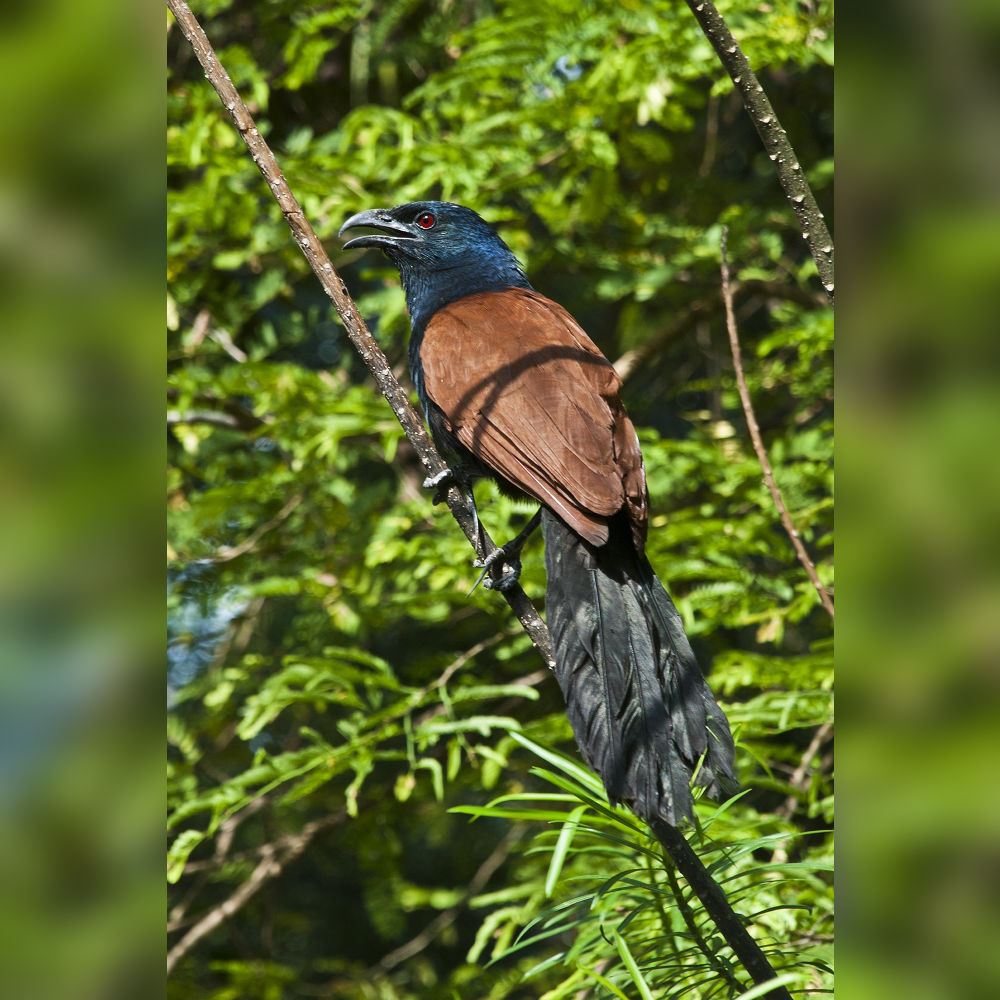
Greater Coucal
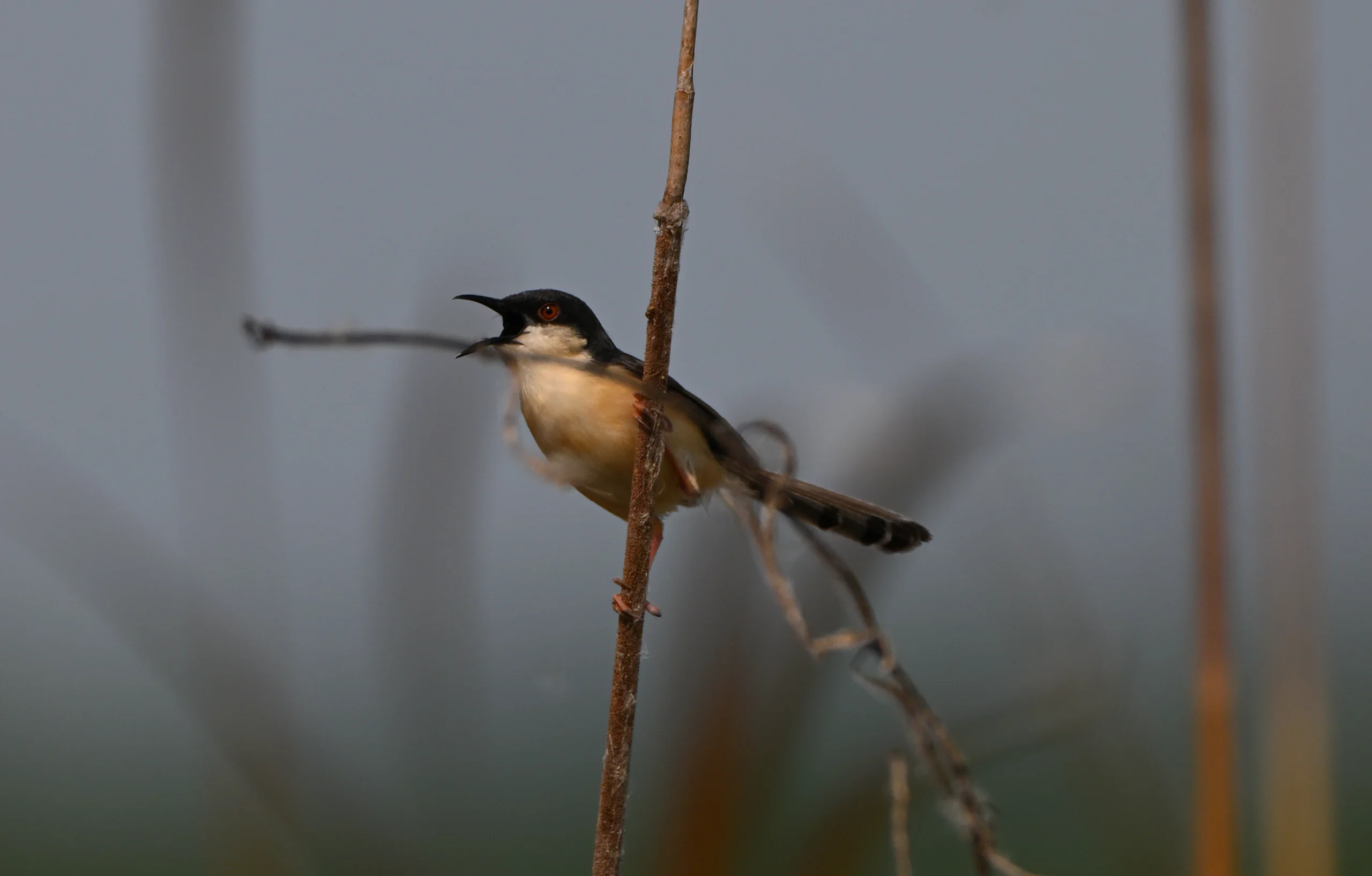
Ashy Prinia

- Fee collected goes entirely to the bird guide. Ataavi does not retain or profit from this amount.