Loading Events

Bird Walk at Kanota, Jaipur, Rajasthan

About Kanota

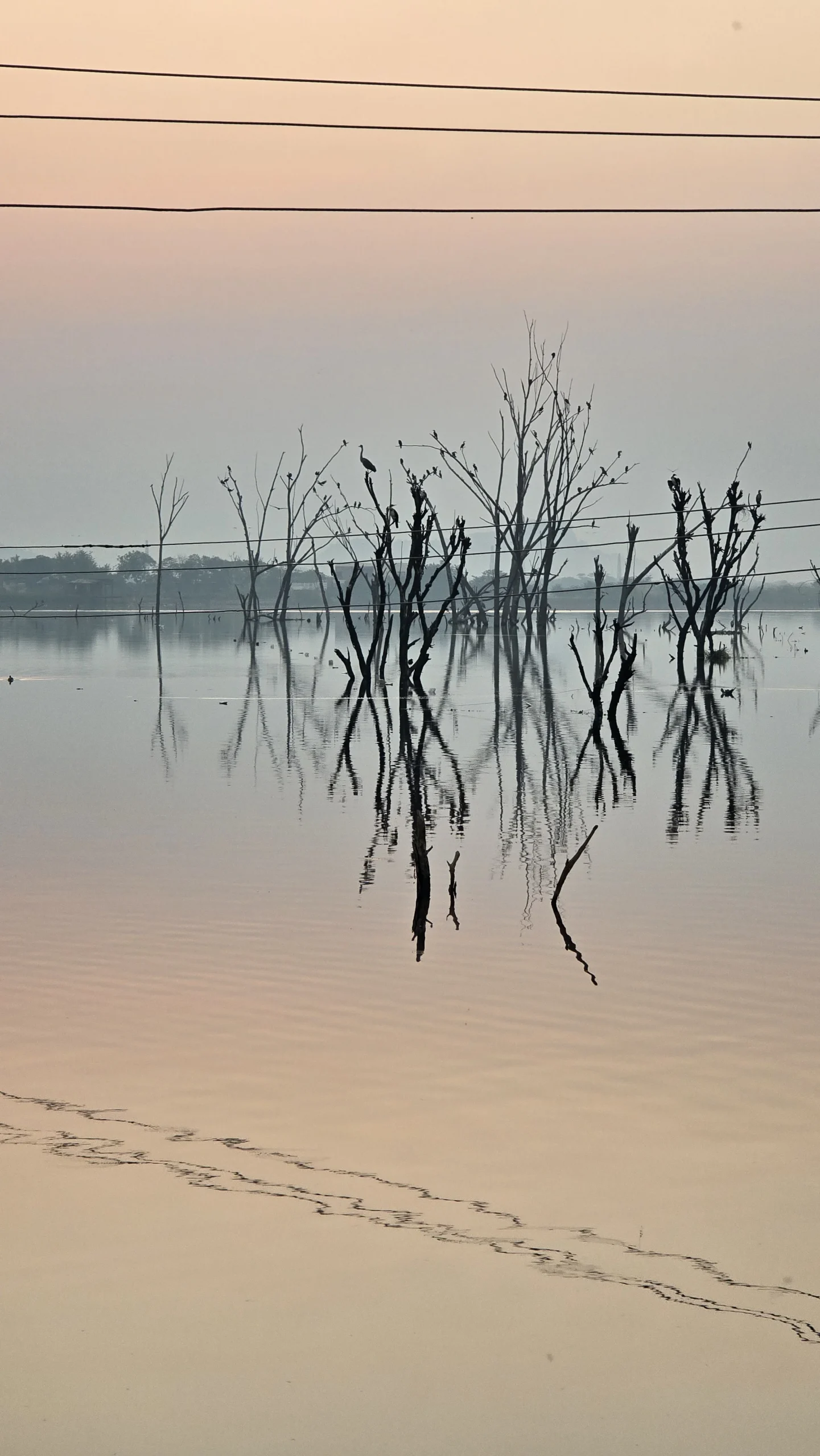
Just 15–20 km from Jaipur along the Jaipur–Agra Highway, Kanota Dam is a peaceful escape from the bustle of the Pink City. Built for irrigation and water storage, the reservoir is surrounded by open landscapes that turn green in the monsoon. Nearby, the historic Kanota Fort and Castle Kanota add a touch of royal heritage to a nature outing. In this semi-arid region, the dam’s open water, muddy shores and shallow, weedy margins merge into thorny scrub, rocky ground, grassland and farmland, creating a precious oasis for wildlife. For birders, Kanota offers a lively mix of waterbirds and dry-country species. Ducks, cormorants, herons and waders gather on the water, while larks, shrikes, francolins and raptors roam the surrounding scrub. Winter is especially rewarding, when migrant ducks and shorebirds join the resident birds.

Like many reservoirs around Jaipur, however, Kanota has suffered from neglect. Pollution, encroachment and limited maintenance have reduced the significance of the city’s older dams over the years. Garbage dumping, sewage inflow, invasive weeds and the city’s steady spread toward its outskirts add to the pressure. Encouragingly, a detailed scientific study of the Kanota, Chandlai and Nevta dams is now assessing water pollution and long-term conservation potential. With careful management, Kanota can remain a valuable refuge for birds on Jaipur’s doorstep.

Bird Guide: Sanyukta Papriwal

She is an animal and bird enthusiast from jaipur awaiting to share this experience with individuals who are willing to dive into the world of birding. She has been associated with Salim Ali Centre for Ornithology and Natural History for 1 year and had the opportunity to learn and research about the world of Aves.
Bird walk Location

Common birds of Kanota

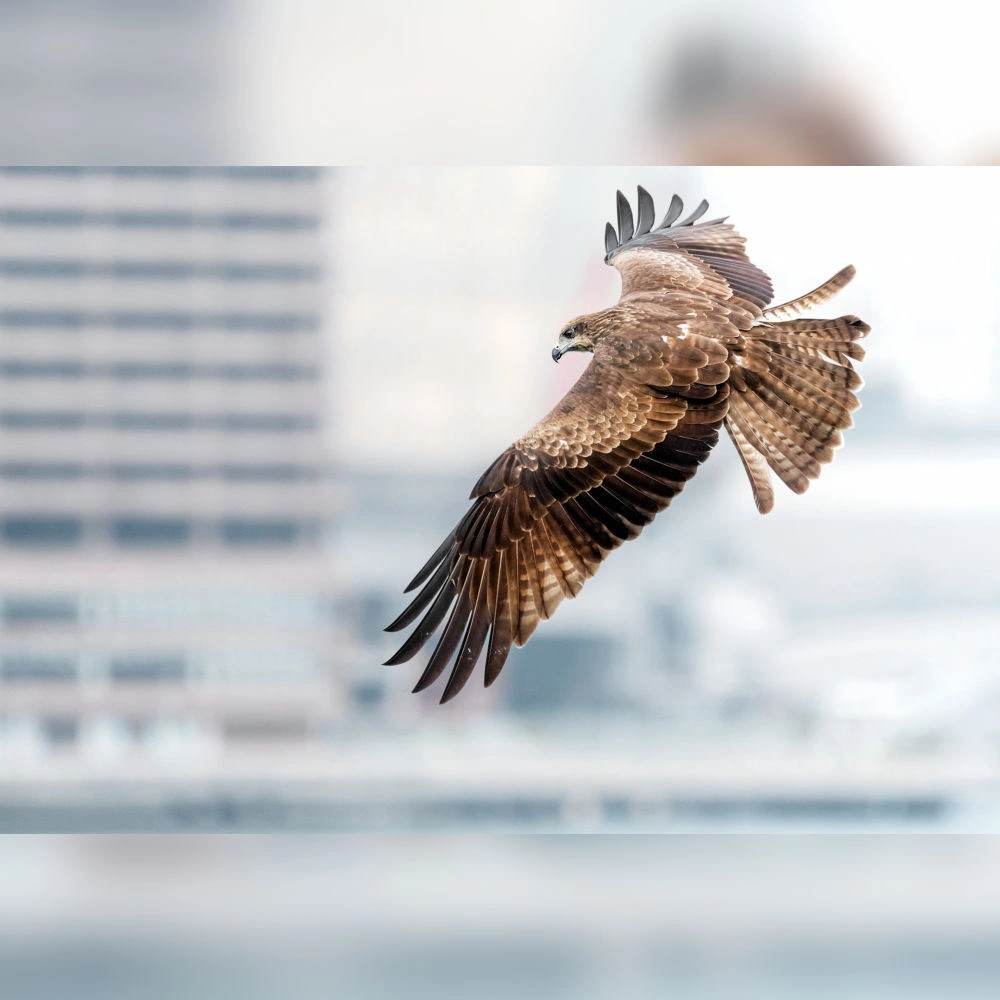
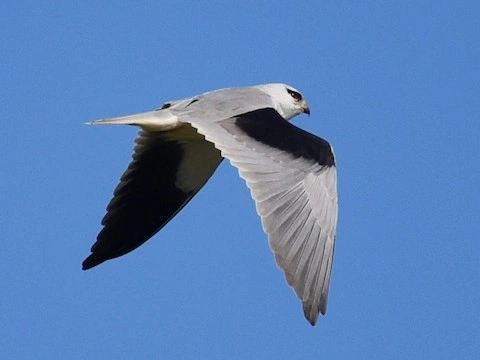
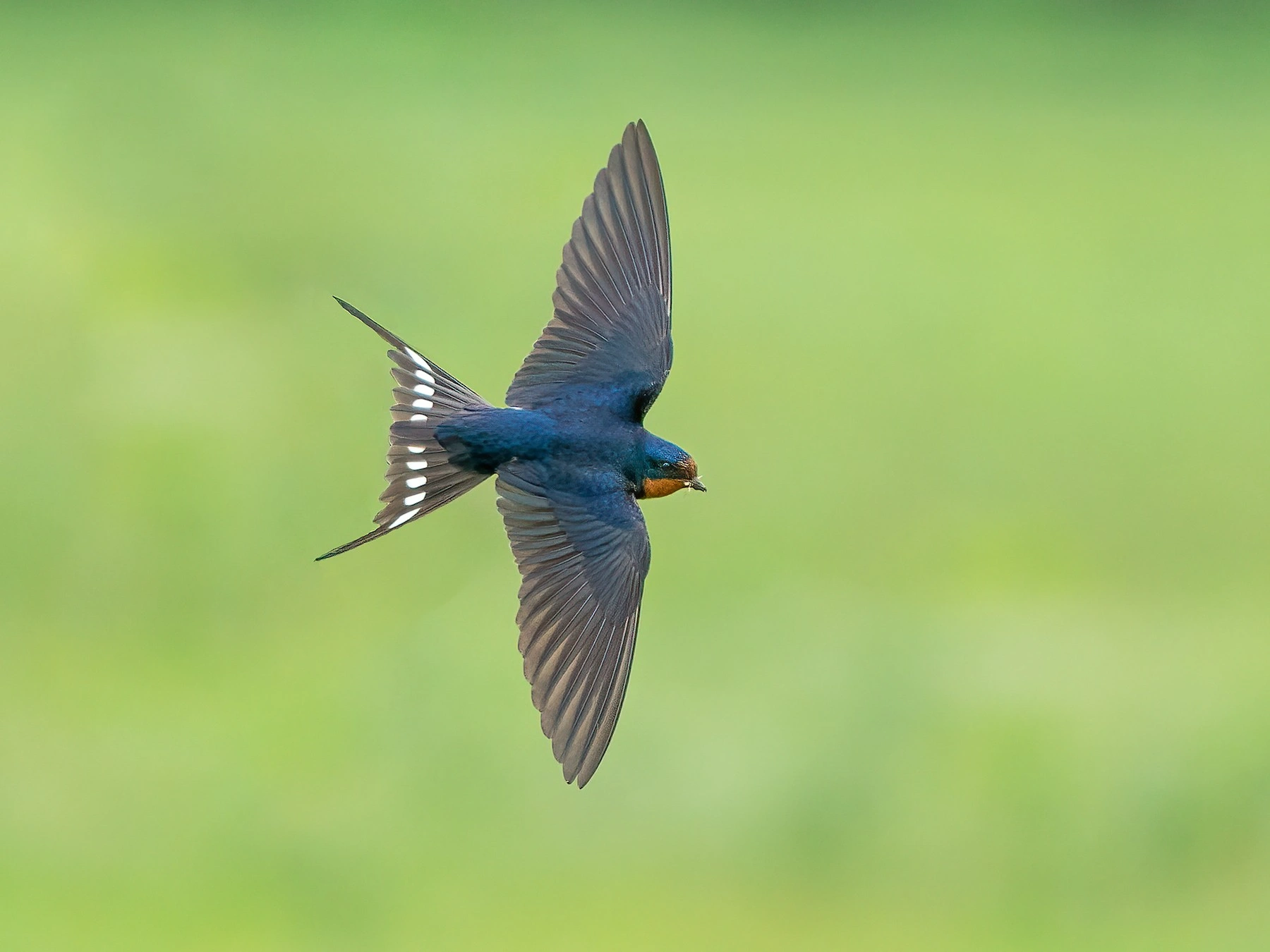
Kanota Dam is a lively gathering place for waterbirds. On the open water, Indian Spot-billed Ducks paddle quietly, Little Grebes dive and resurface, and Eurasian Coots bob in small groups, while Little, Indian and Great Cormorants fish together and then perch with wings outstretched to dry. River Terns patrol overhead with bright yellow bills before plunging for fish, and Painted Storks wade through the shallows in their pink-tinged plumage. The reedy margins are busy with Gray-headed Swamphens, Eurasian Moorhens and the shy White-breasted Waterhen, while Red-wattled Lapwings raise the alarm along the banks. Herons and egrets line the shore in every size, from the camouflaged Indian Pond Heron and the stately Gray Heron to the secretive Purple Heron and the Little, Medium and Eastern Cattle Egrets. Above the water, Barn Swallows and Little Swifts hawk insects, Black Kites circle overhead, and the elegant Black-winged Kite hovers over the surrounding fields. Nearby, the Greater Coucal stalks the undergrowth and Laughing Doves forage along the paths.

Barn Swallow
Black Kite
Black-winged Kite
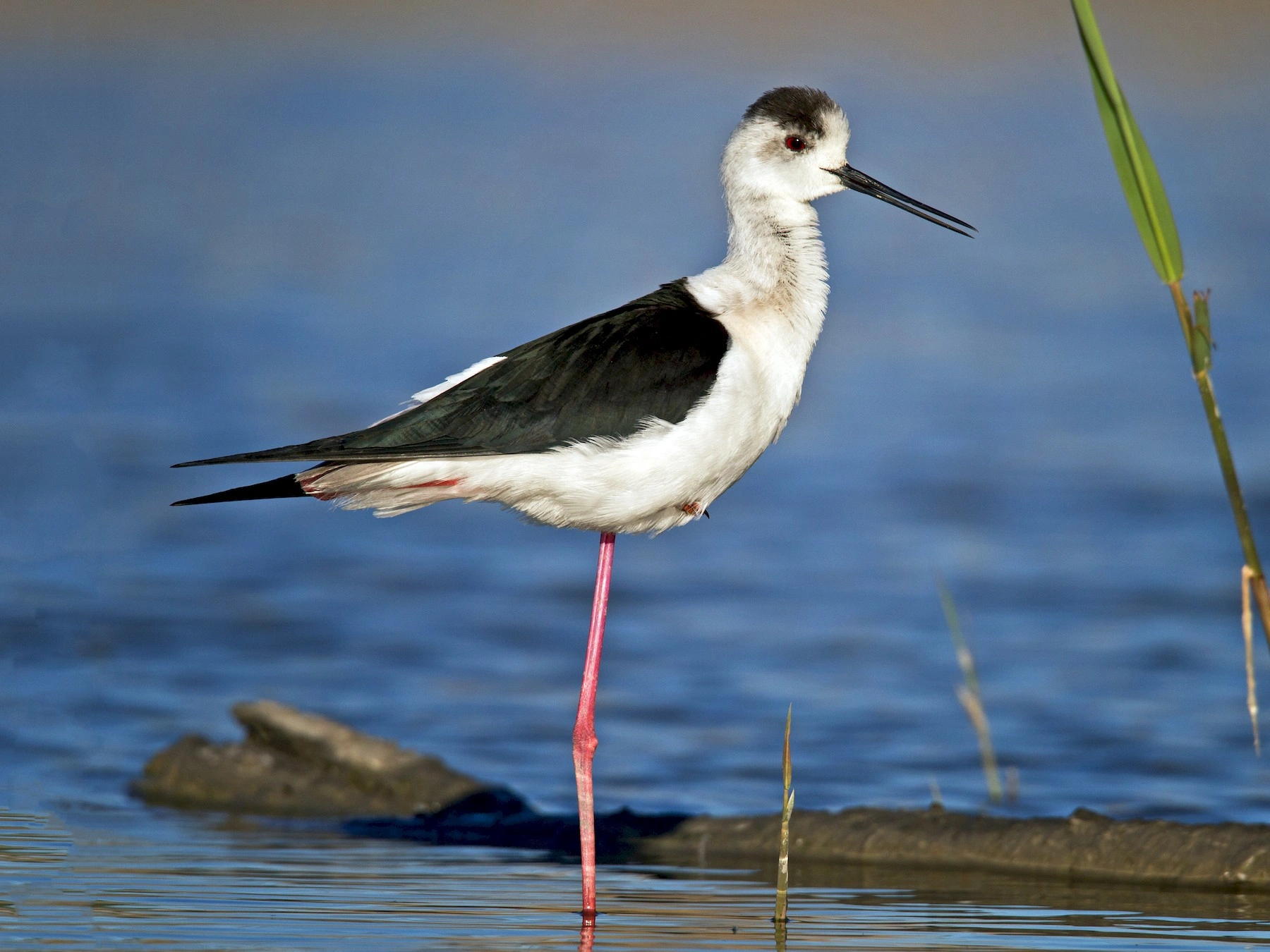
Black-winged Stilt
Cattle Egret
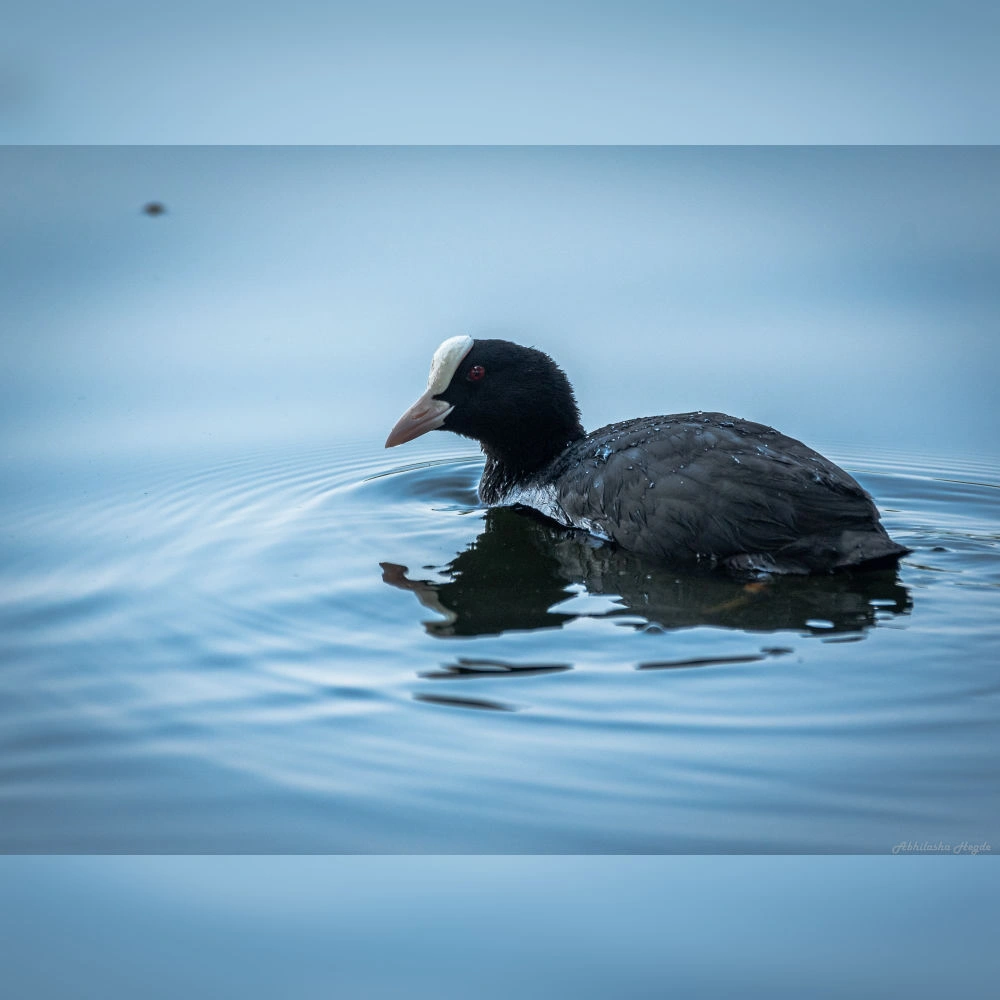
Eurasian Coot
Common Myna
Grey Francolin
Indian Robin
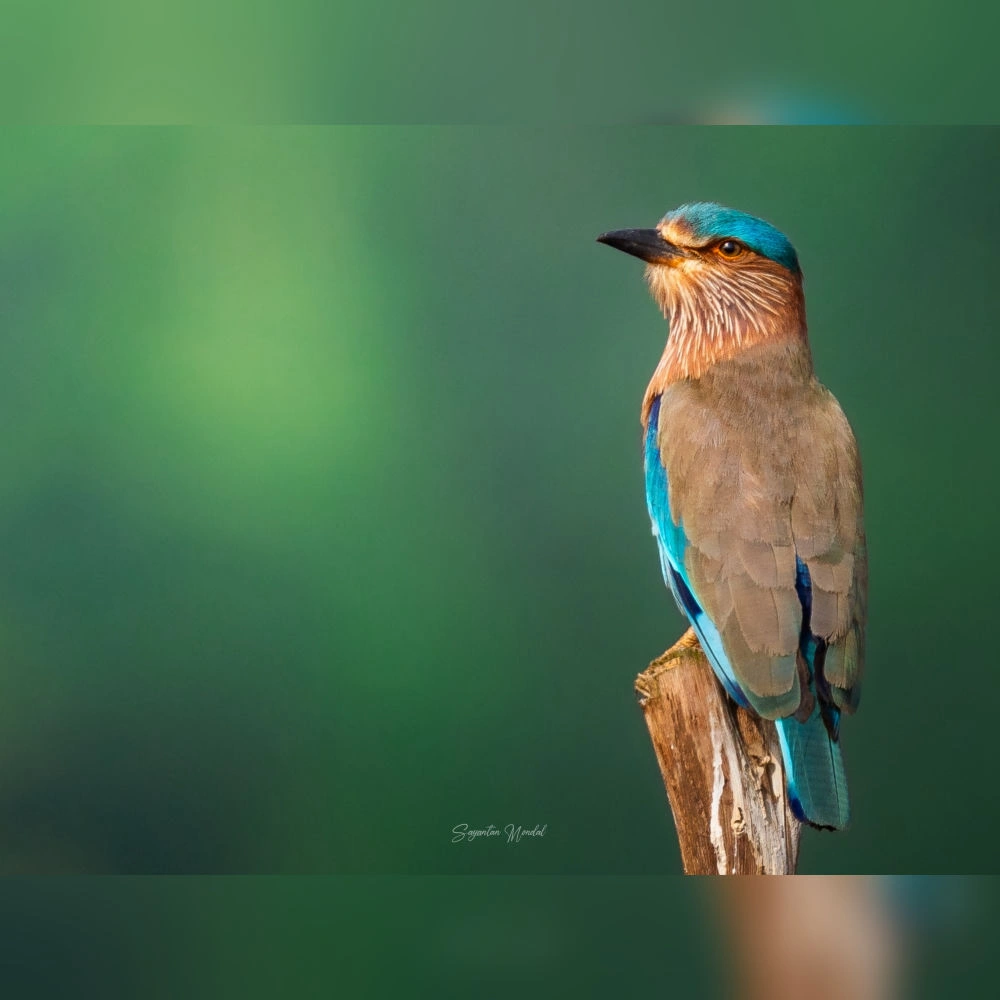
Indian Roller
Indian Spot-billed Duck
Jungle Babbler
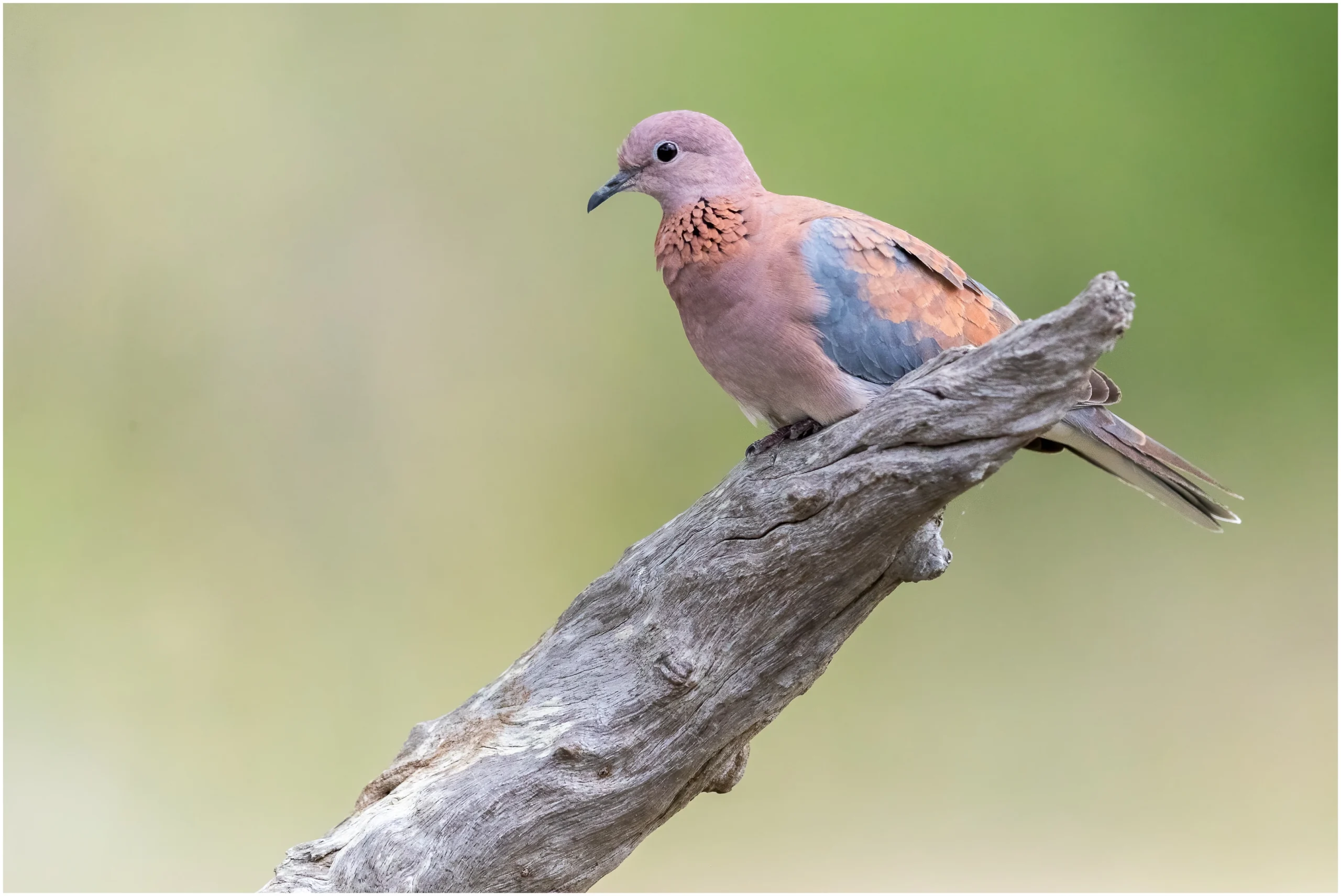
Laughing Dove
Little Cormorant
Little Grebe
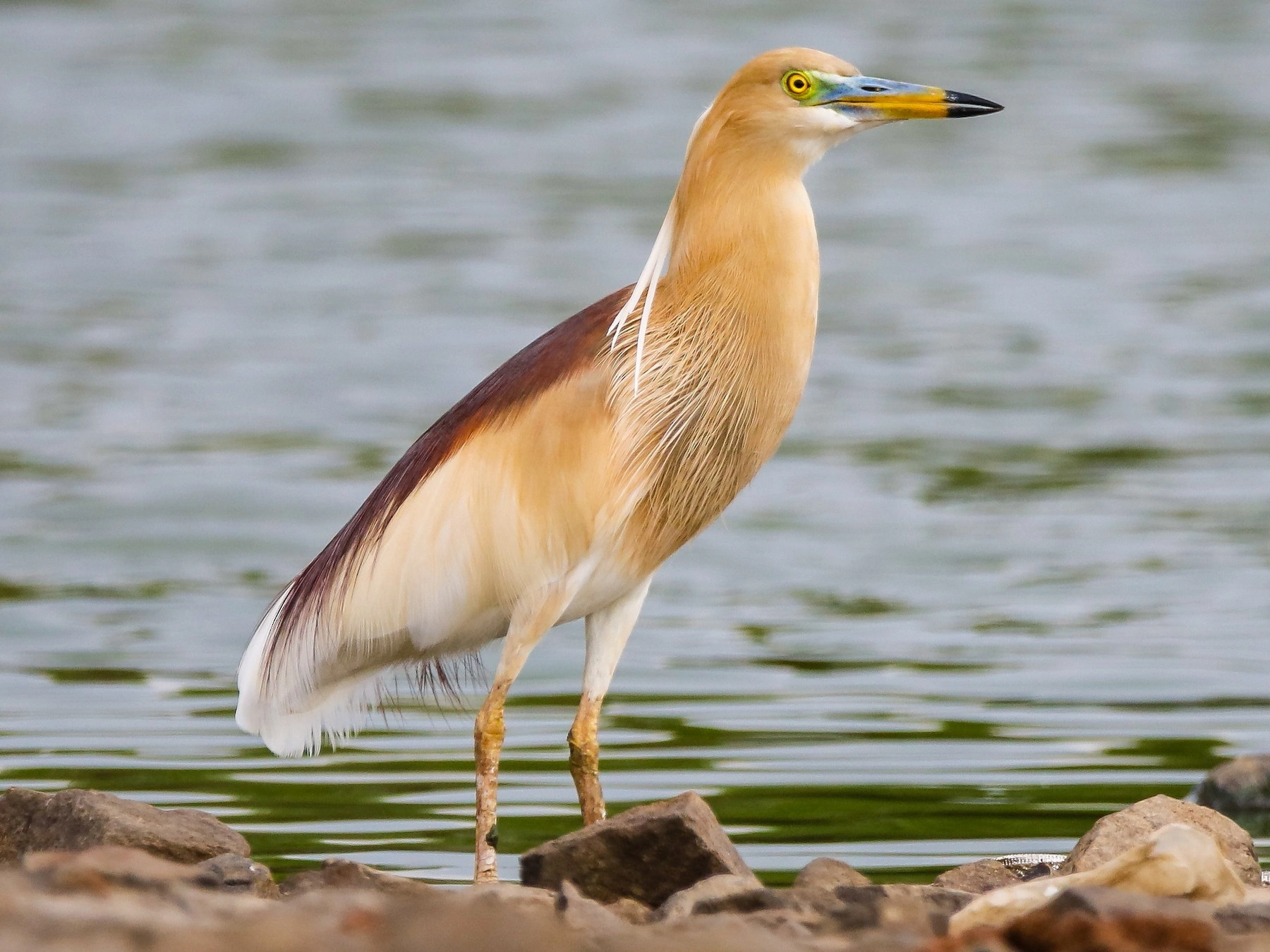
Indian Pond Heron
Red-vented Bulbul
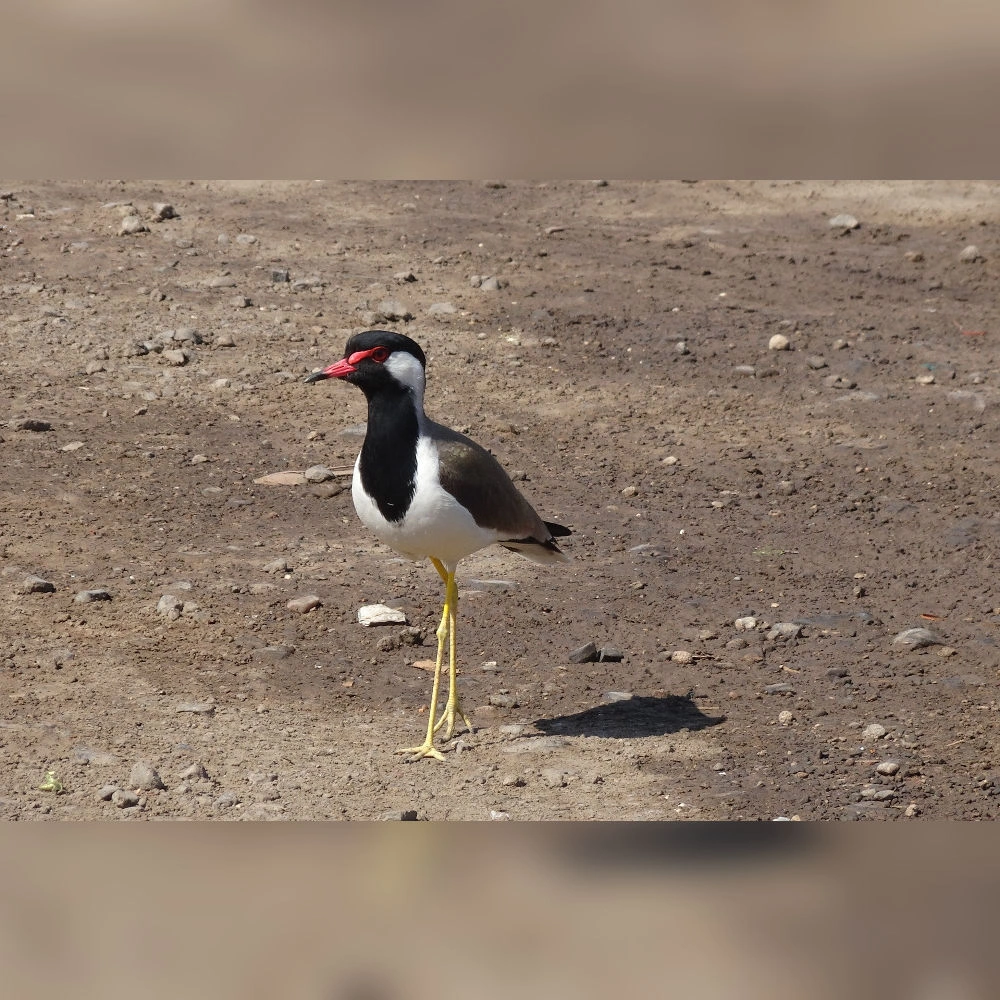
Red-wattled Lapwing
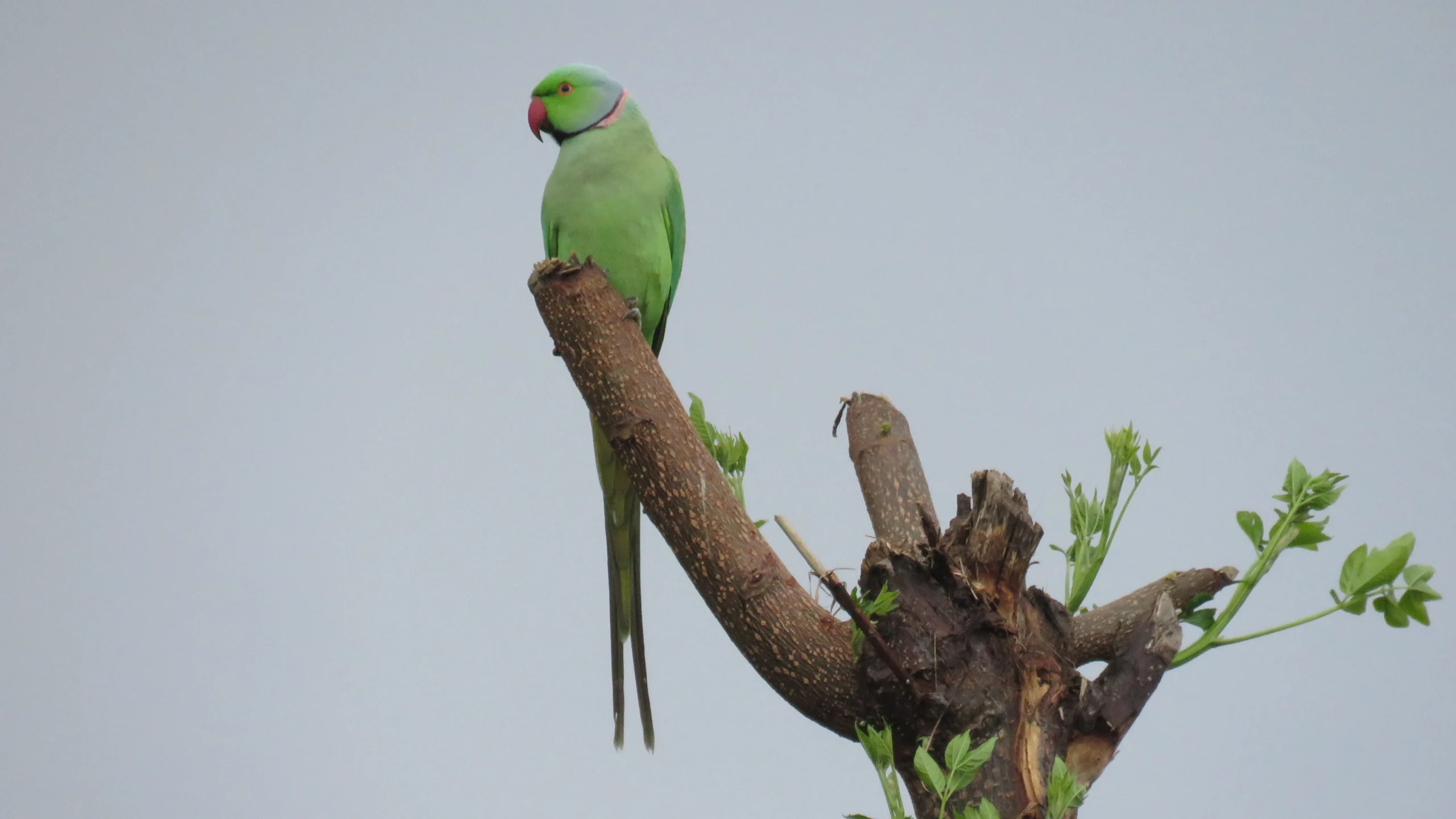
Rose-ringed Parakeet
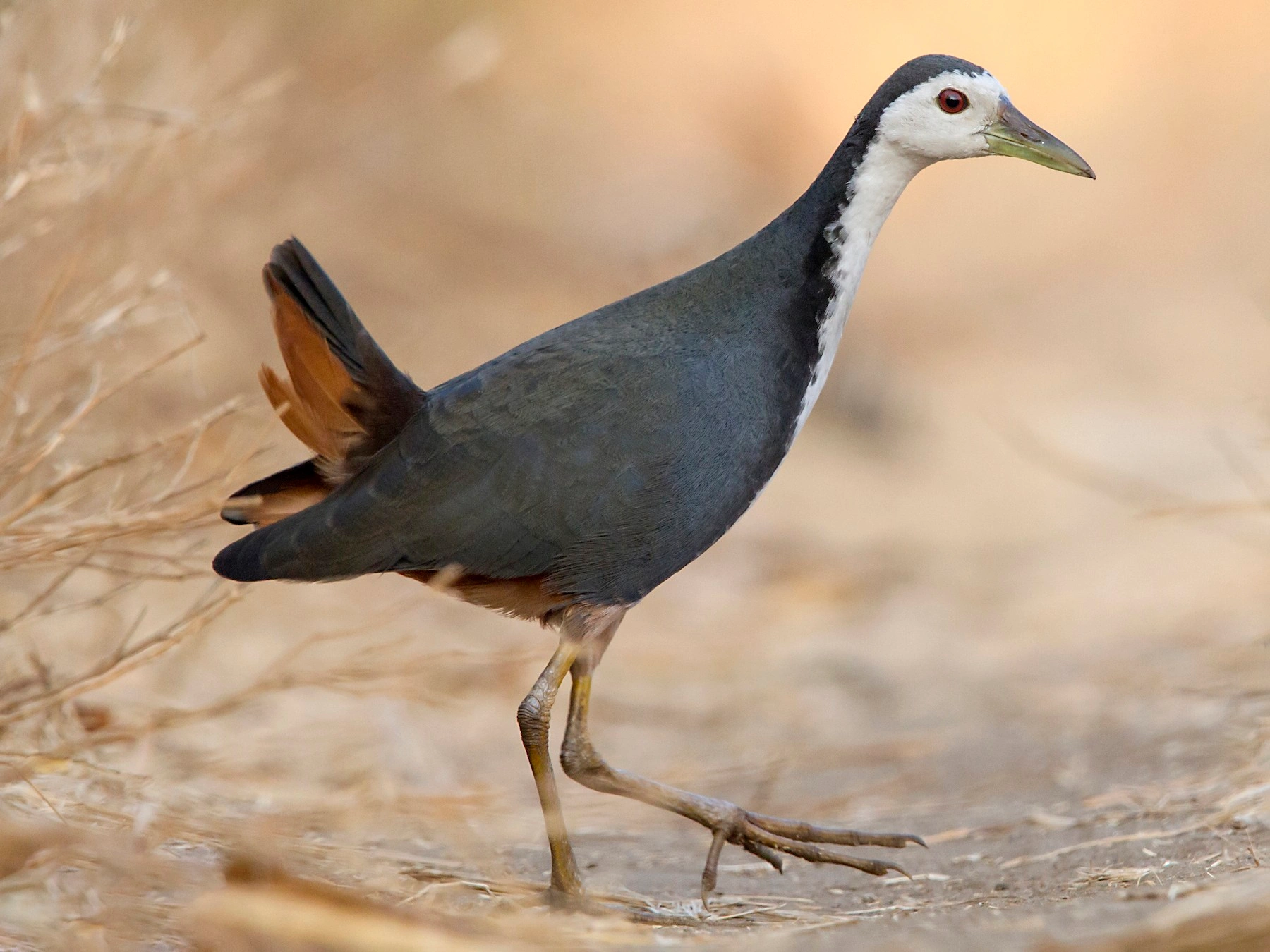
White-breasted Waterhen

Scroll to Top