Bird Walk at Jayanti Devi Dam, Mohali
- Mohali
- 20 September, 2026
- Gagandeep Singh
About Jayanti Devi Dam, Mohali
Jayanti Devi Dam is a scenic reservoir in the Mohali region, surrounded by a landscape of hills, open spaces, scrub, and patches of natural vegetation. The combination of the water body and its surrounding terrain creates a varied habitat, with the landscape changing noticeably across seasons. During wetter periods, the reservoir and adjoining areas hold more water, while drier months expose sections of the shoreline and open ground. The surrounding vegetation and undulating terrain add further ecological diversity, making the area a valuable natural space within the broader Mohali landscape.
The dam and its surroundings provide an opportunity to experience a relatively open and less urbanised landscape close to the city. The area also forms part of a larger mosaic of natural and human-influenced habitats, with agricultural land, villages, roads, and other developed areas occurring around the reservoir. Maintaining the quality of the water body, shoreline vegetation, and surrounding natural areas is important for preserving the ecological character of the site. Increasing disturbance, changes in land use, pollution, and alterations to water availability can gradually affect the habitat, highlighting the importance of responsible use and conservation of the area.

Bird Guide: Gagandeep Singh
His birding and nature documentation work began in 2019, covering a wide geographical area that includes Chandigarh, Panchkula, Mohali, Solan, Sirmaur, Morni Hills, Dehradun, and other nearby locations.
Bird walk Location
Common birds of Jayanti Devi Dam
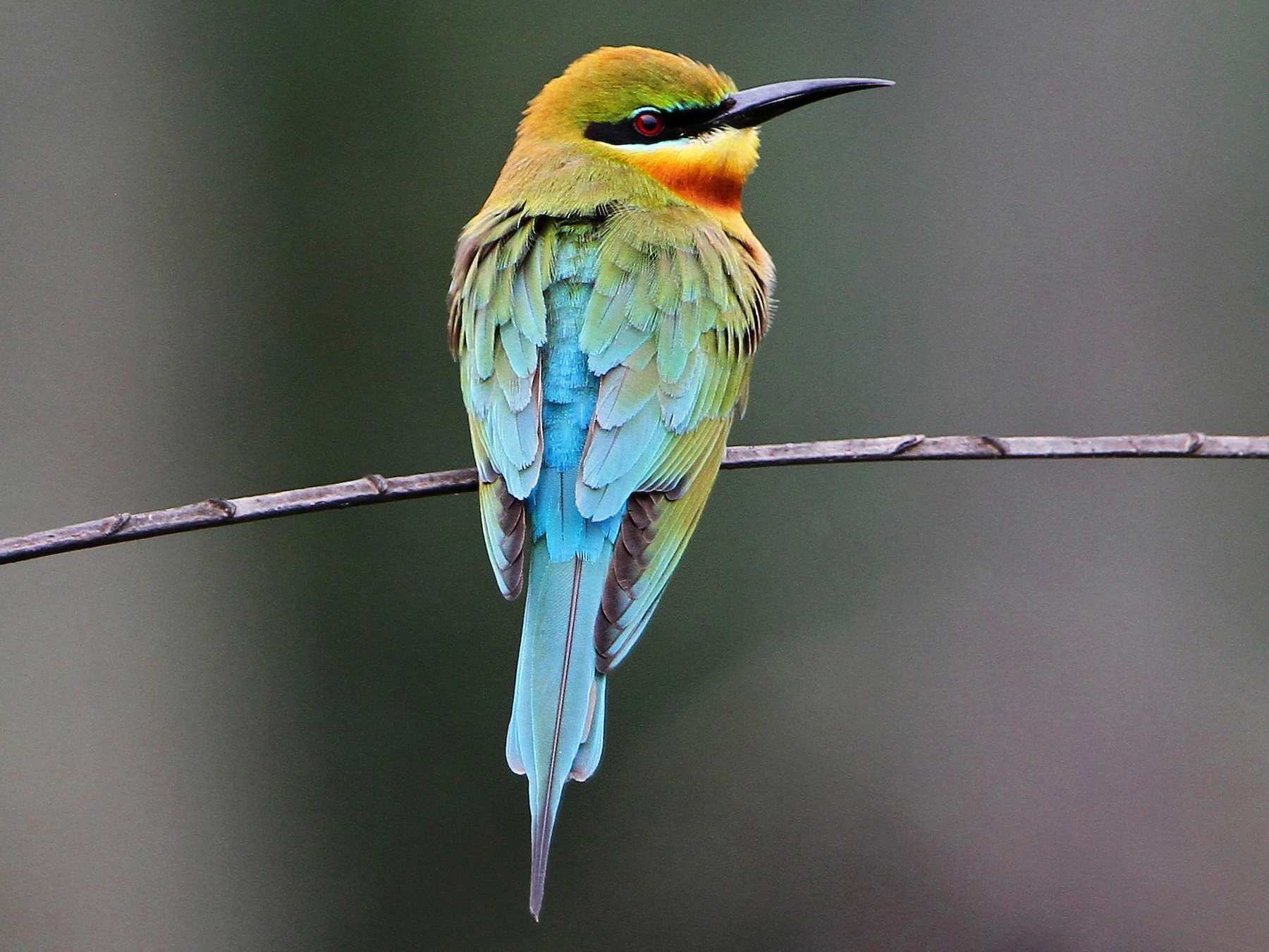
Jayanti Devi Dam supports a diverse bird community, with species associated with water bodies, open grassland, scrub, and surrounding woodland. Wetland birds recorded here include Lesser Whistling Duck, Indian Spot-billed Duck, Little Cormorant, Common Kingfisher, White-throated Kingfisher, and Black-winged Stilt. The open surroundings support insectivorous species such as Green Bee-eater and Blue-tailed Bee-eater, while Purple Sunbird, Ashy Prinia, Grey-breasted Prinia, Himalayan Bulbul, and Red-vented Bulbul represent the smaller birds found around the vegetation.
The site also supports a variety of raptors and ground-associated birds. Shikra, Black-winged Kite, and Black Kite add to the diversity of birds of prey, while Grey Francolin and Black Francolin are associated with the surrounding open and scrub habitats. Spotted Owlet and Indian Scops Owl represent the nocturnal birds recorded from the area, and White-browed Wagtail adds another species associated with open and wetland edges. Together, these records highlight the range of habitats around Jayanti Devi Dam and its value as a birdwatching site.

Asian Green Bee-eater

Blue-tailed Bee-eater
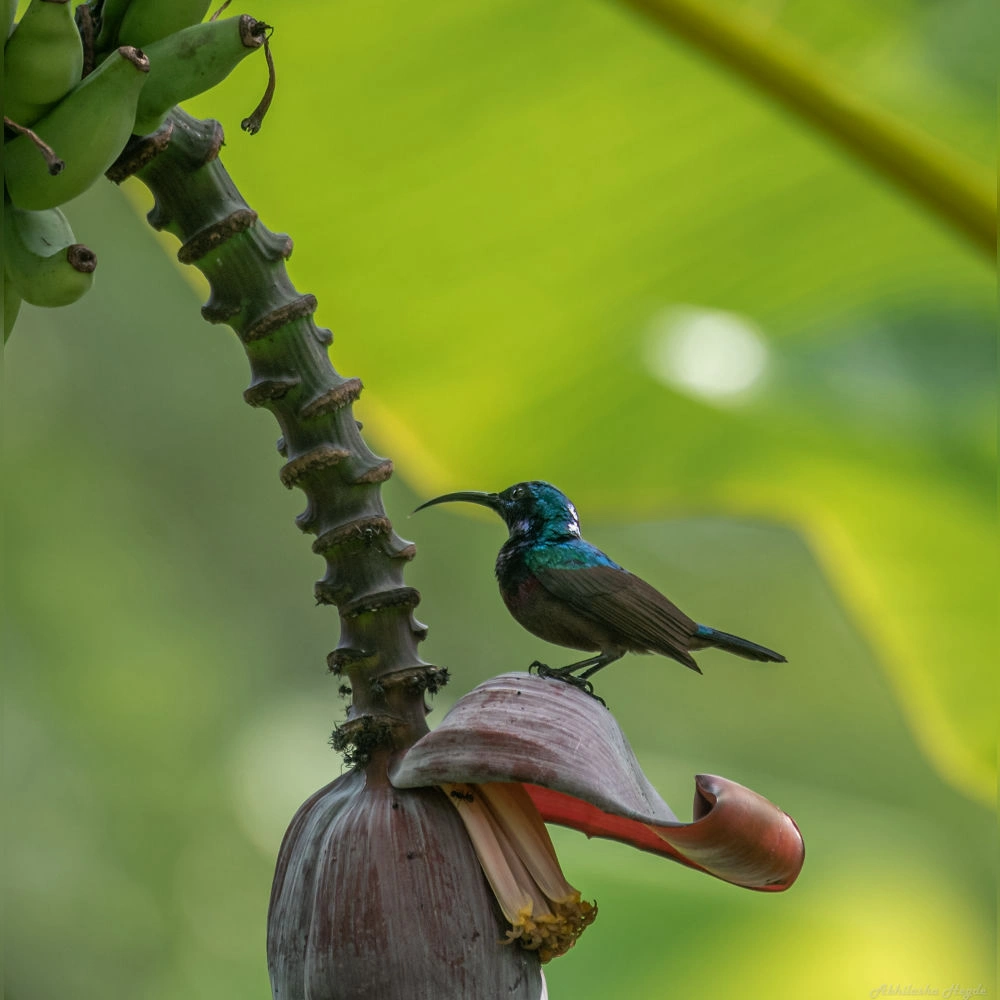
Purple Sunbird

Ashy Prinia
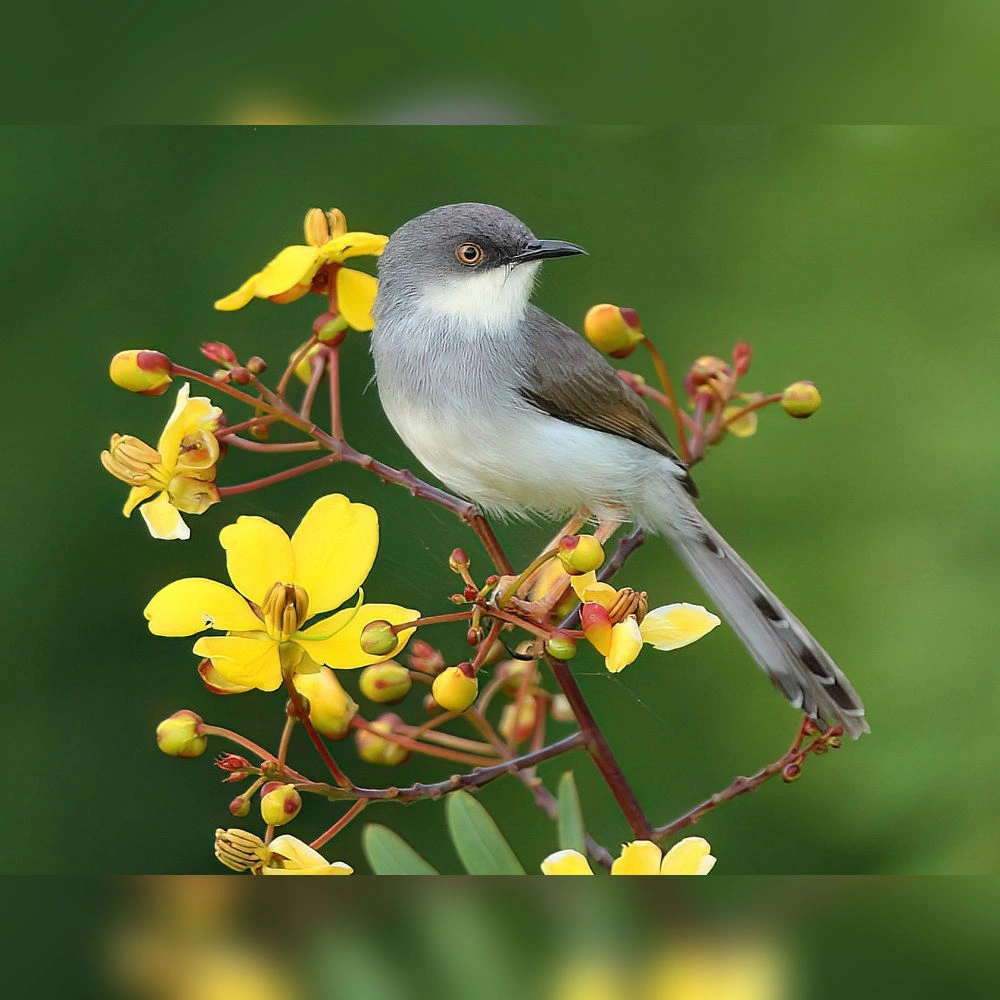
Grey-breasted Prinia
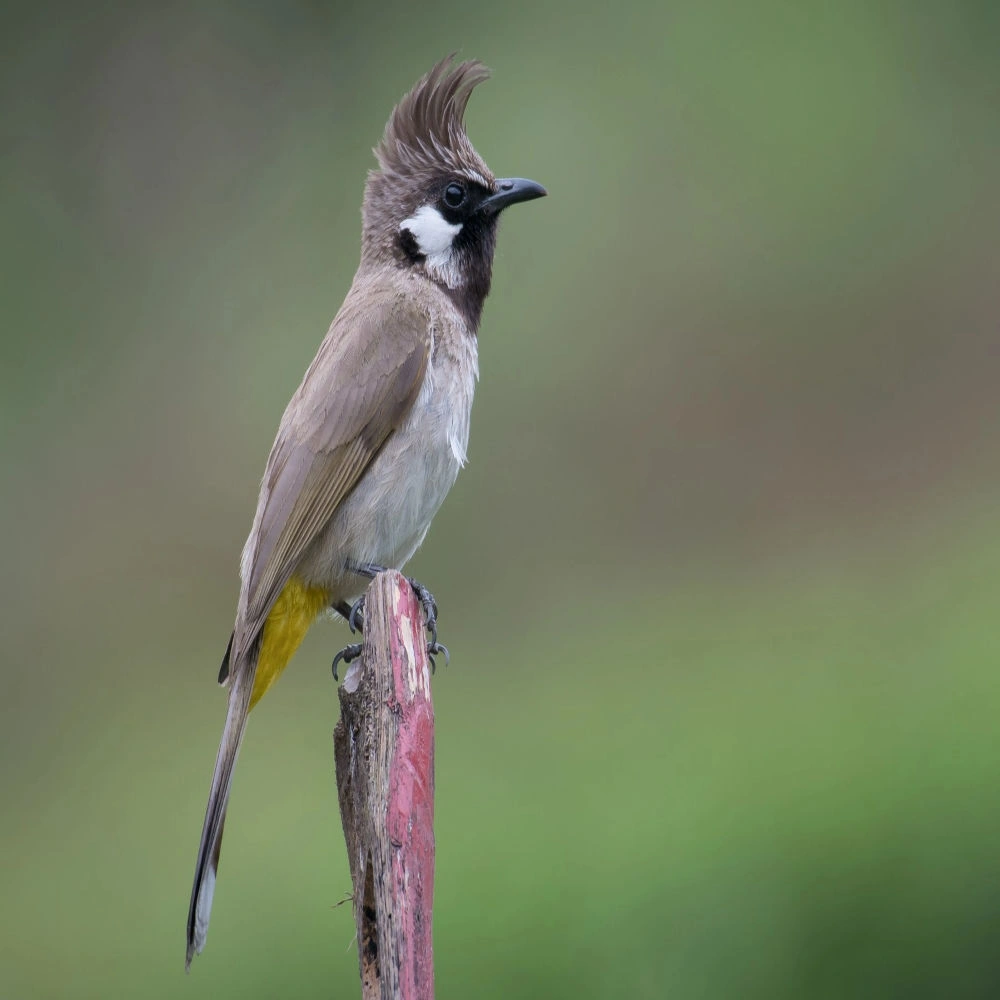
Himalayan Bulbul
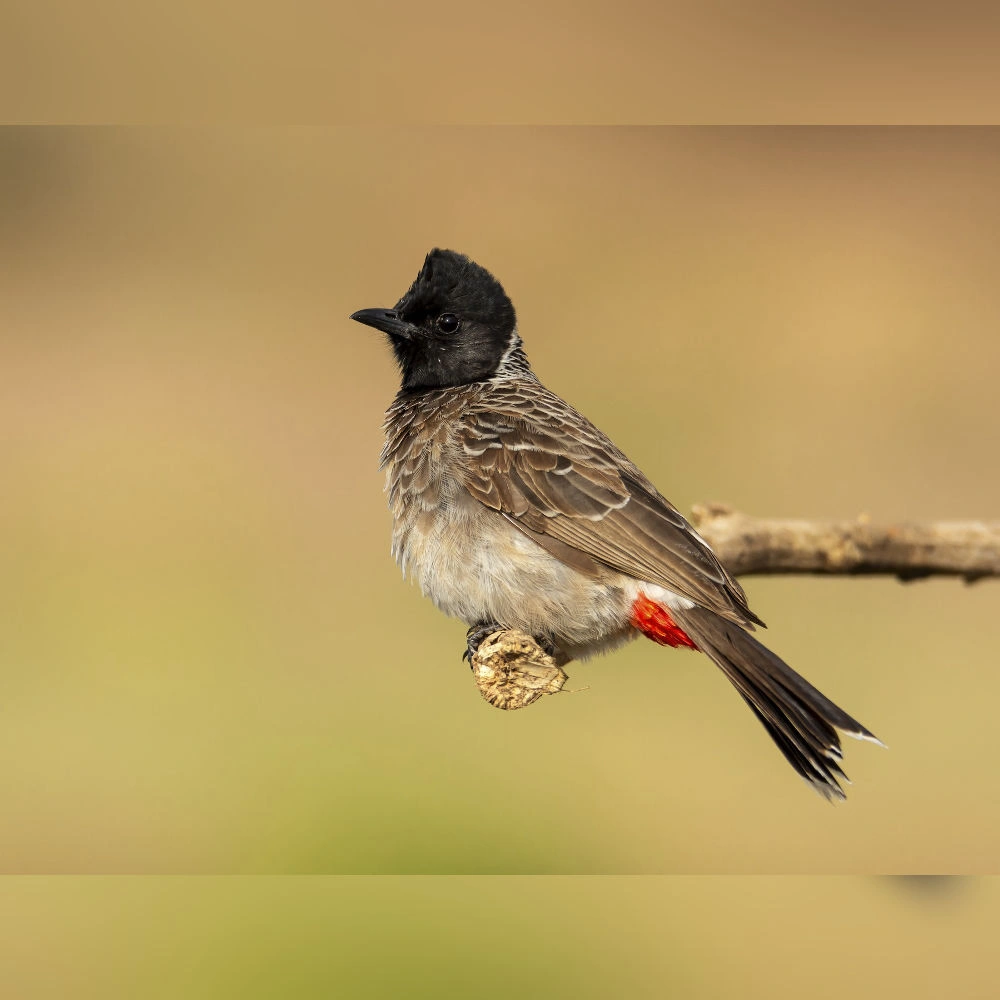
Red-vented Bulbul
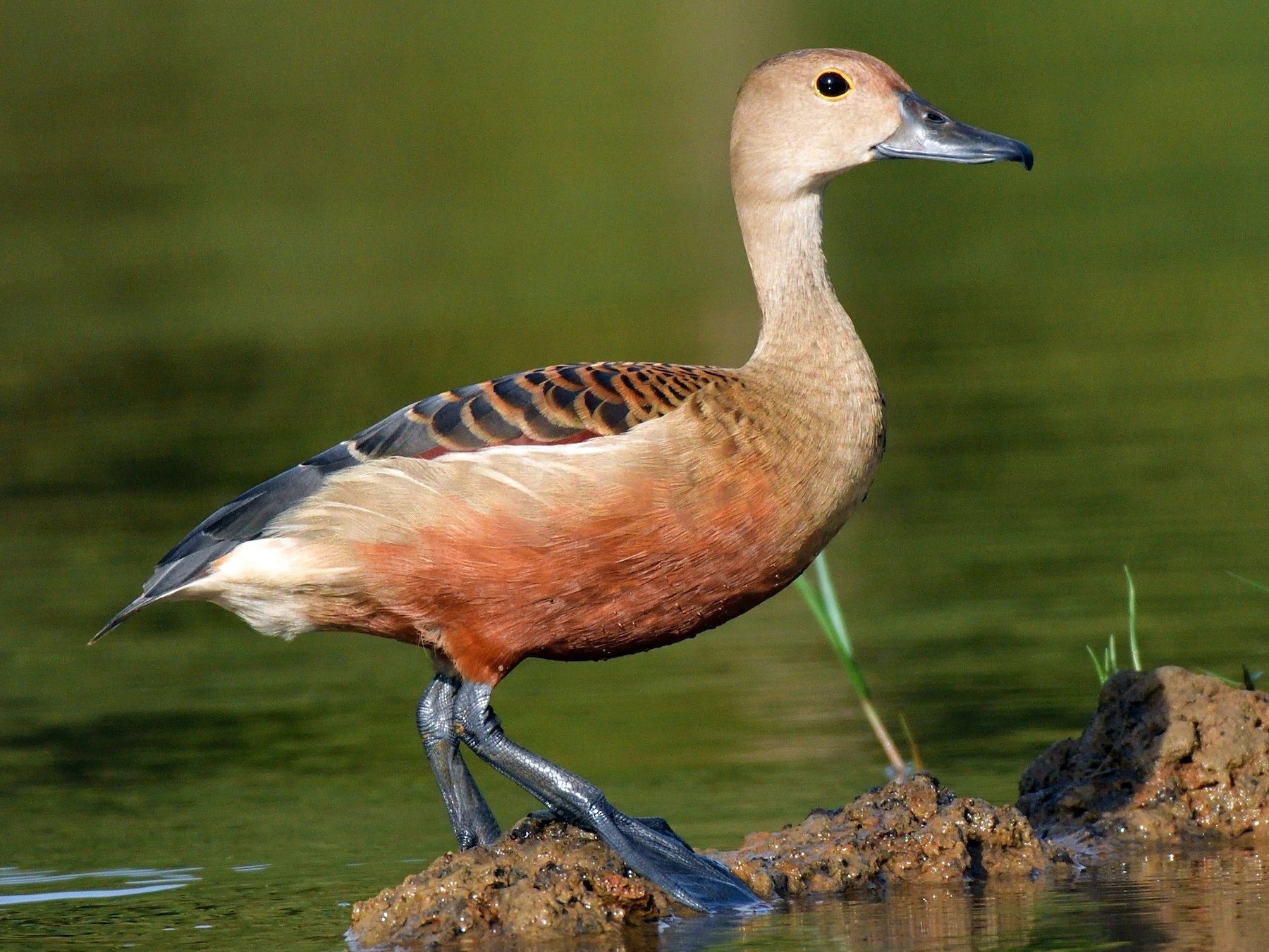
Lesser Whistling Duck
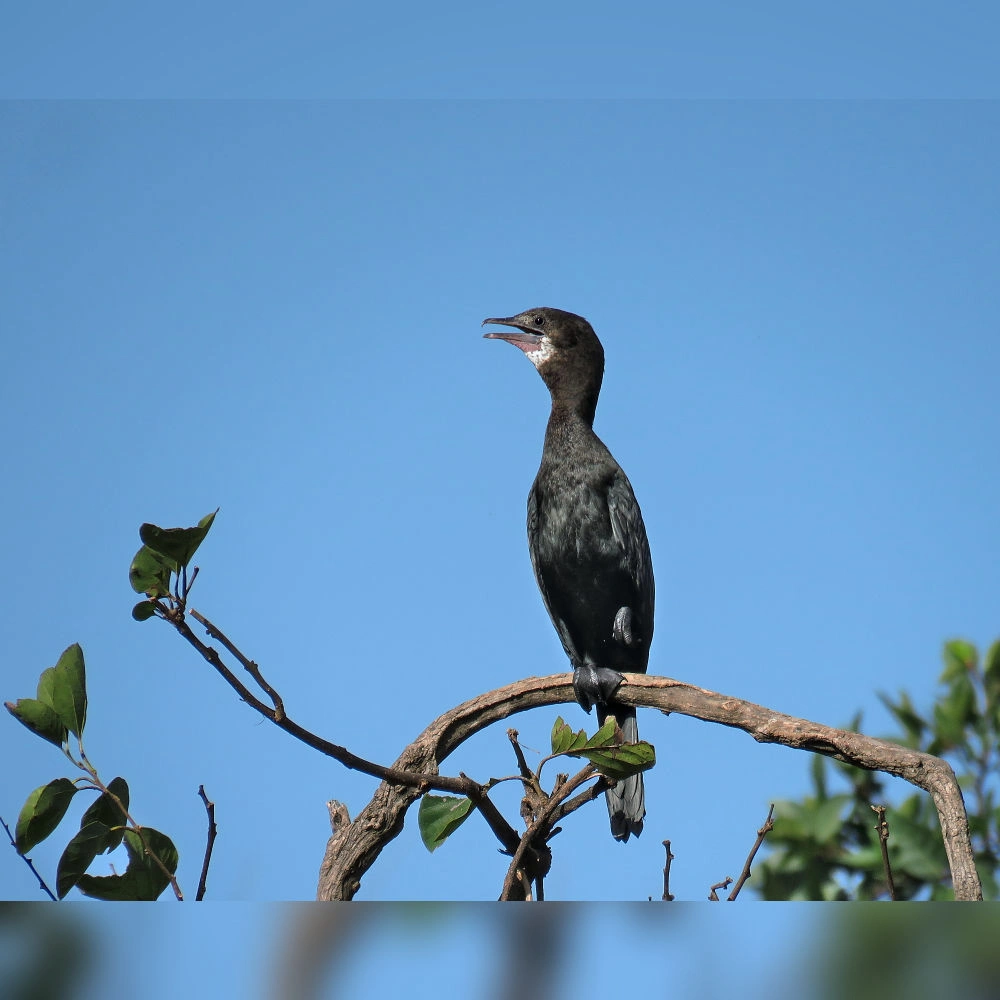
Little Cormorant

Indian Spot-billed Duck
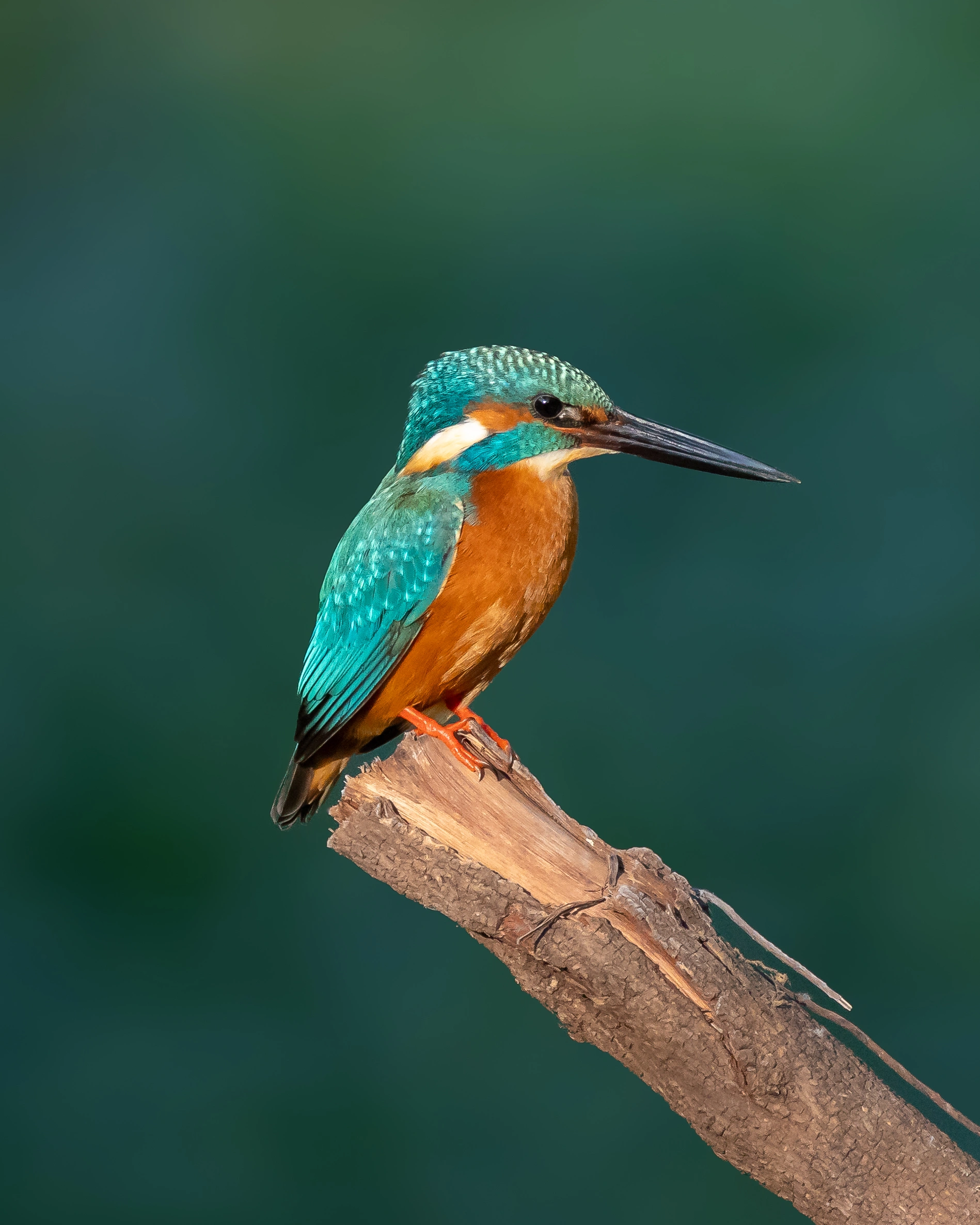
Common Kingfisher
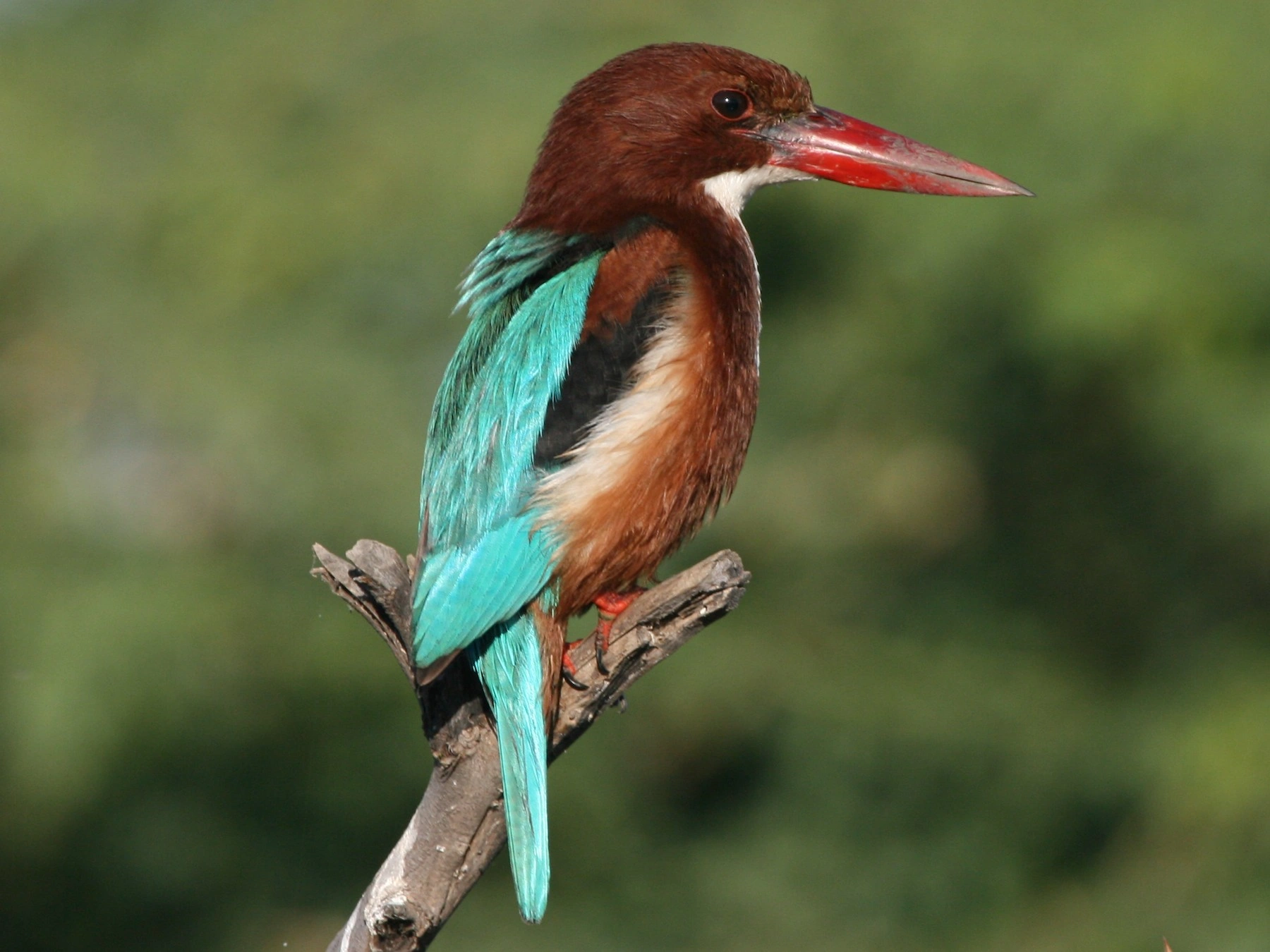
White-throated Kingfisher
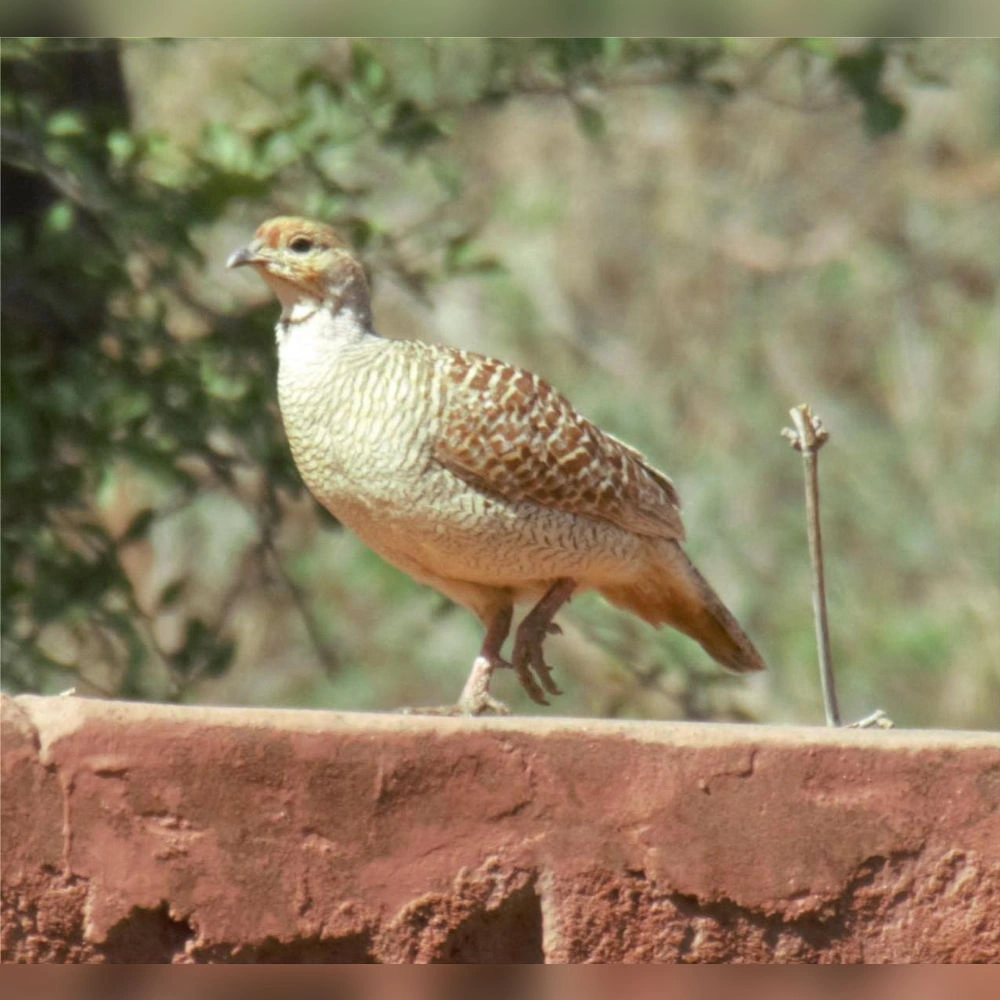
Grey Francolin
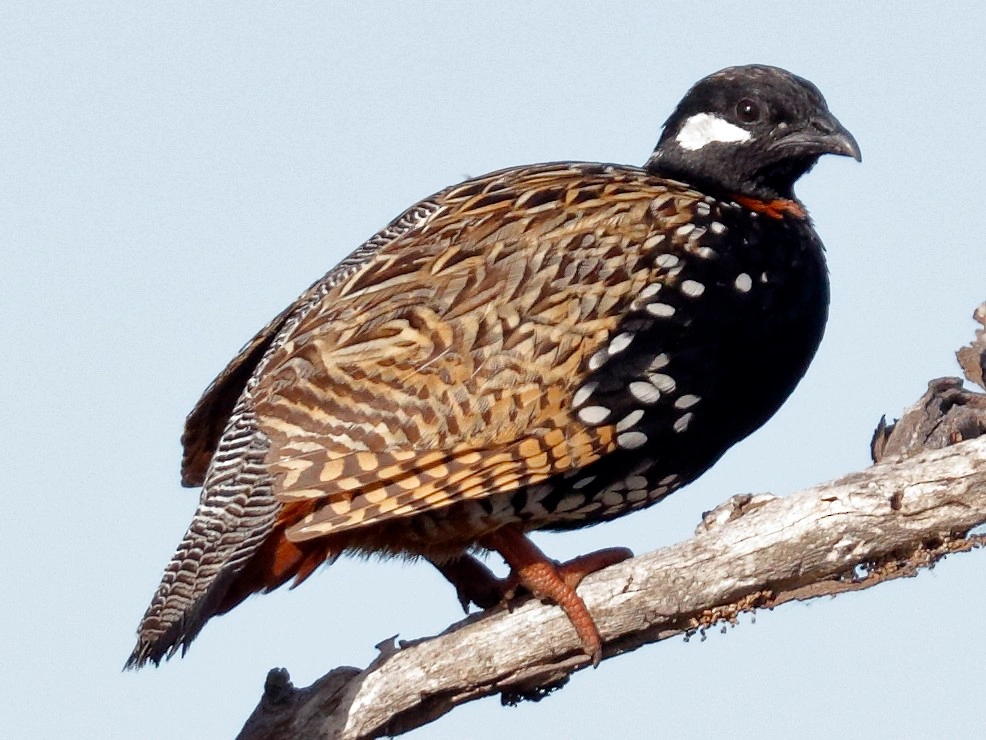
Black Francolin
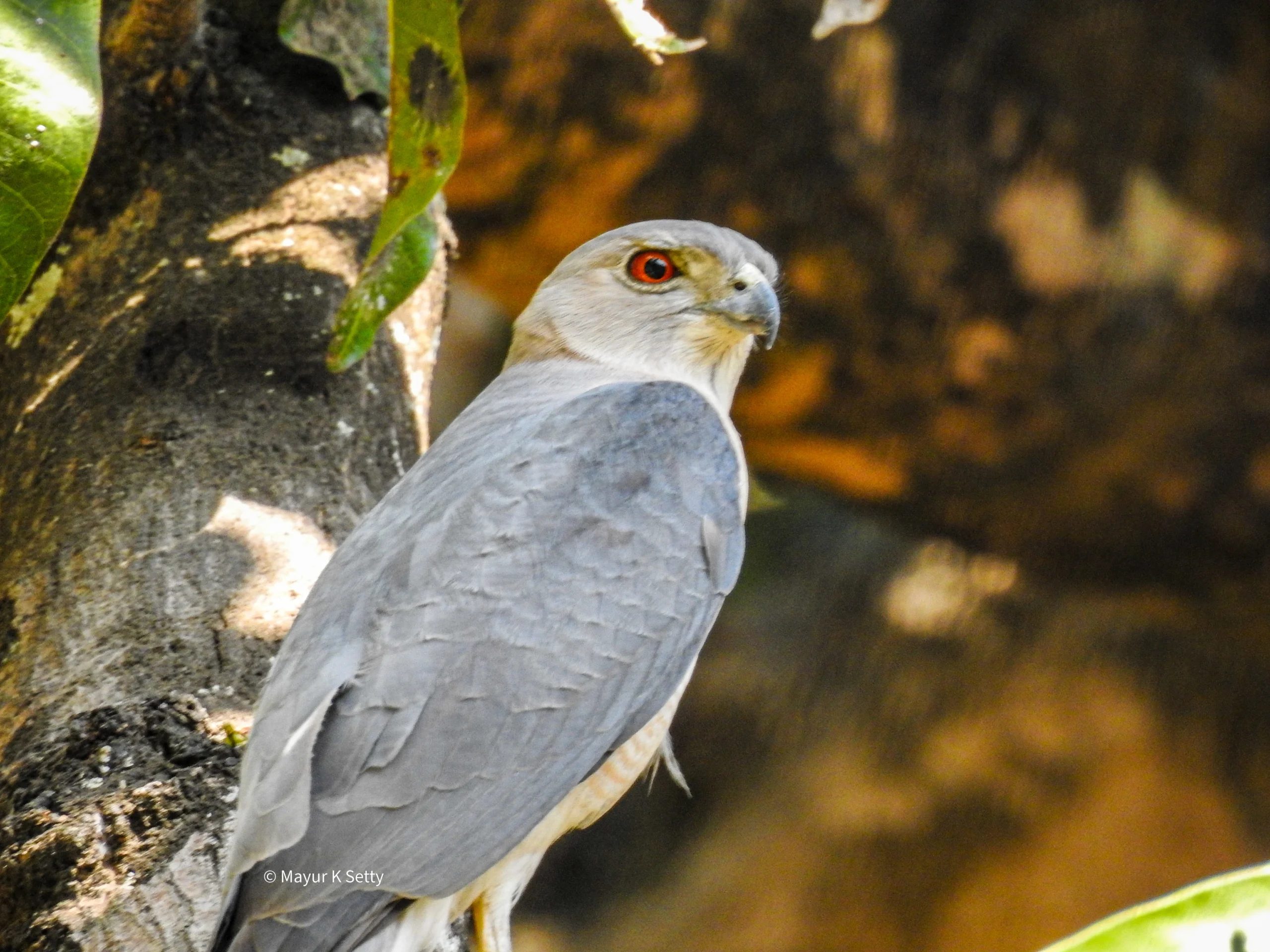
Shikra
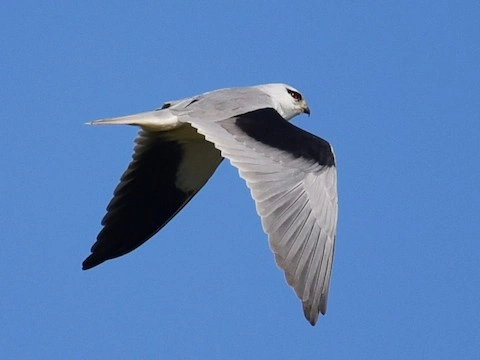
Black-winged Kite

Black Kite

Spotted Owlet

Indian Scops Owl
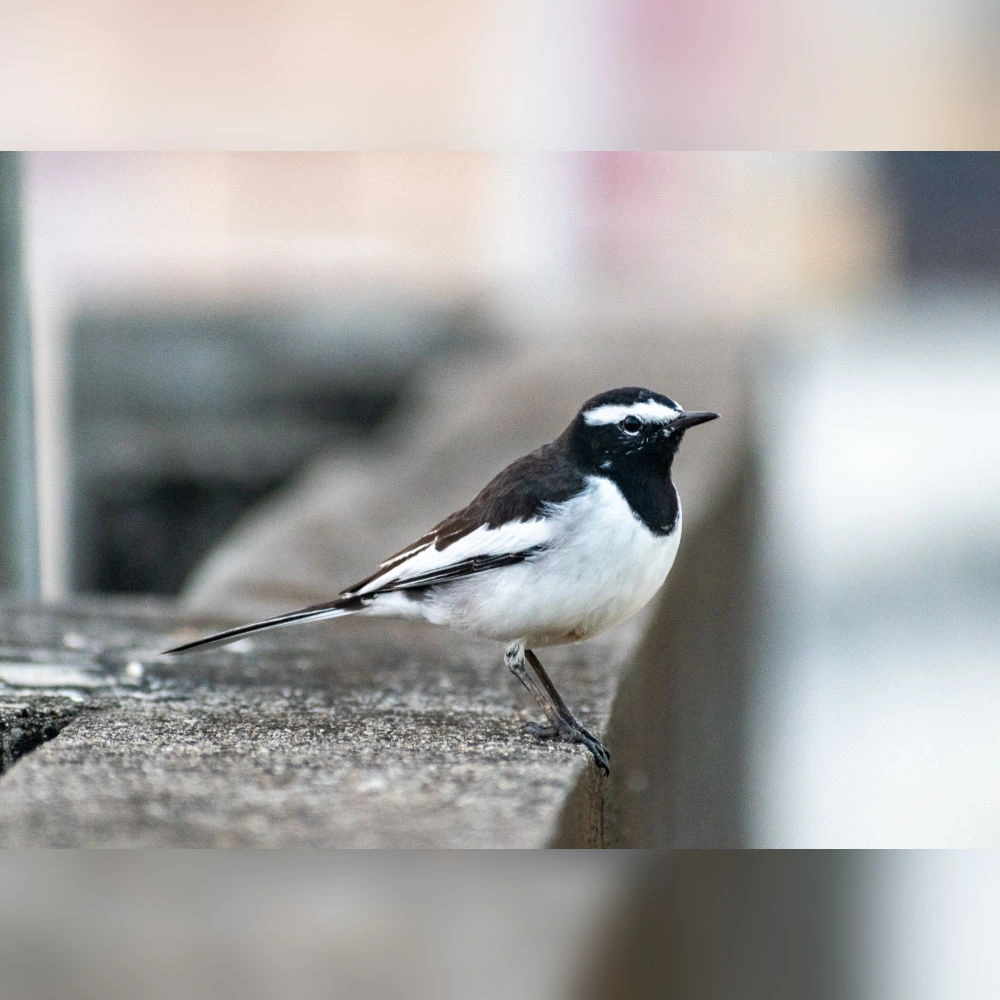
White-browed Wagtail
Summary of Walk
A strong group of 12 participants joined guide Gagandeep Singh for a bird walk around Jayanti Devi Dam near Mohali, drawn out by the promise of good birding around the dam’s open water and surrounding scrub. The sizeable turnout made for an energetic, sociable morning, with plenty of shared excitement as the group moved along the water’s edge.
Dam habitats like this one typically support a healthy mix of waterbirds alongside kingfishers, drongos and a range of songbirds in the neighbouring trees and scrub, and this walk was no exception, giving the group plenty to observe as they explored the area together. Gagandeep’s local knowledge of the site helped participants get the most out of the morning, and the group came away with a solid sense of the birdlife this dam supports through the changing season.
Number of Participants
0