Bird Walk at IIT Bombay, Mumbai, Maharashtra
- Mumbai
- 27 October, 2026
- Megha Gupta
About IIT Bombay
Nestled between the bustling suburbs of Mumbai and the serene expanse of Powai Lake, the IIT Bombay campus is a remarkable urban biodiversity hotspot. Spread across a vast green landscape, the campus hosts a mosaic of habitats—dense wooded patches, open grasslands, wetlands, and tree-lined avenues—that support a rich variety of flora and fauna. Native trees, flowering plants, and seasonal vegetation create layered habitats that attract everything from colorful butterflies and insects to a diverse array of birds. Early mornings here are especially magical, with calls of barbets, sunbirds, woodpeckers, and raptors echoing through the campus, making it a favorite among birders and nature enthusiasts alike.
However, maintaining this delicate balance within a rapidly urbanizing city comes with its challenges. Increasing human activity, infrastructure expansion, and habitat fragmentation pose risks to the biodiversity that thrives here. Changes in vegetation structure and disturbance to nesting sites can impact several species over time. Yet, IIT Bombay stands as a strong example of how green campuses can act as vital refuges for urban wildlife. With continued awareness, responsible use of spaces, and conservation-minded planning, it can remain a thriving ecosystem—offering not just a place for learning and innovation, but also a living classroom of nature.

Bird Guide - Megha Gupta
Megha is an avid birder with over 6 years of experience, based on the IIT Bombay campus. An AI professional and educator at heart, she has led multiple bird walks and completed formal birding courses. Her approach goes beyond identification, focusing on understanding bird behavior, habitats, and their role in the larger ecosystem.
Bird walk Location
Common birds of IIT Bombay
The IIT Bombay campus offers a vibrant birding experience where wetlands, wooded patches, and open spaces come together to support an impressive diversity of birdlife. Around its water bodies, species like Grey-headed Swamphens move gracefully through vegetation, while Bronze-winged Jacanas walk delicately over floating plants. Flocks of Whiskered Terns skim across the water, and herons—ranging from Purple Herons to Indian Pond-Herons—quietly hunt along the edges. The presence of ibises, including Glossy and Red-naped Ibises, adds depth to the wetland ecosystem, while large numbers of Black Kites soaring overhead bring constant motion to the sky.
Beyond the wetlands, the campus trees and open areas are alive with activity. Bright flashes of Indian Golden Orioles and the chatter of parakeets—both Alexandrine and Rose-ringed—bring color and sound to the landscape. Smaller birds like Coppersmith Barbets, Asian Green Bee-eaters, and Spot-breasted Fantails keep the canopy lively, while familiar species like Asian Koels and Black Drongos add to the everyday charm. Even the adaptable Rock Pigeon finds its place here, reflecting the blend of urban and natural habitats that define IIT Bombay as a thriving birding hotspot.

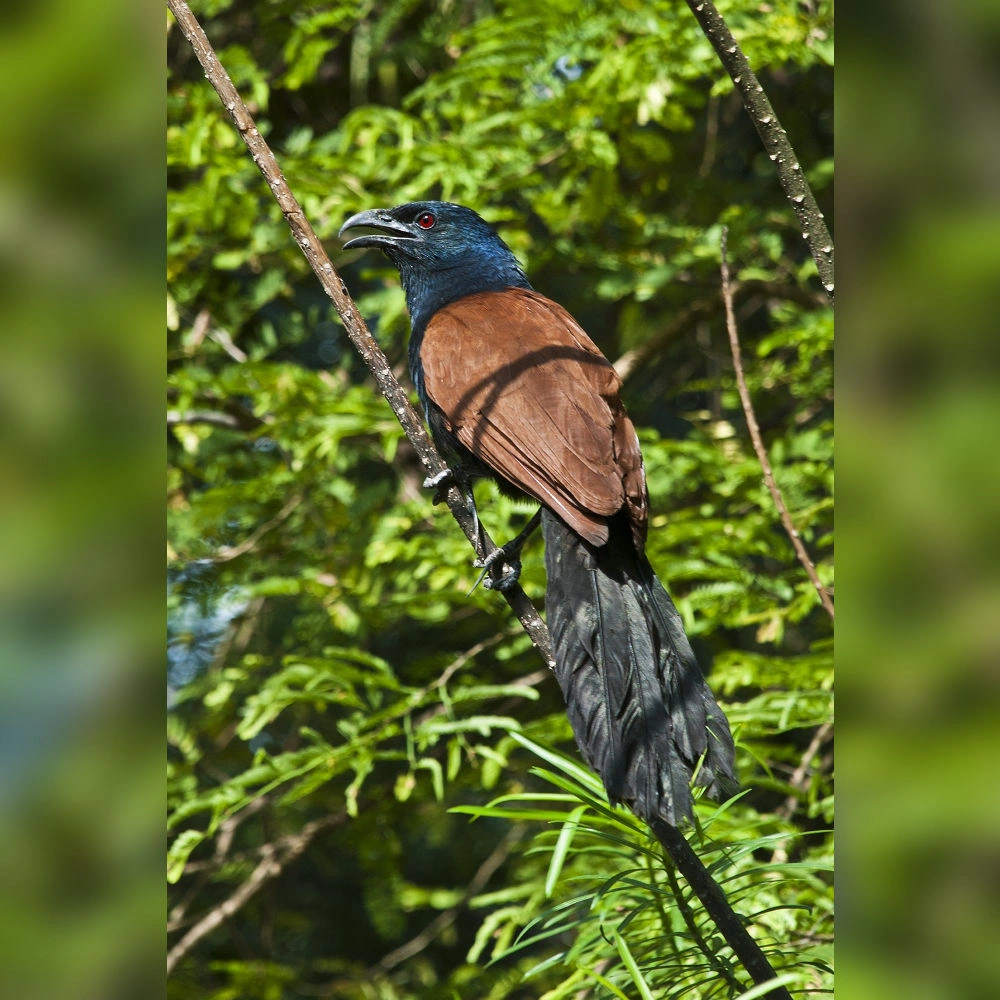
Greater Coucal

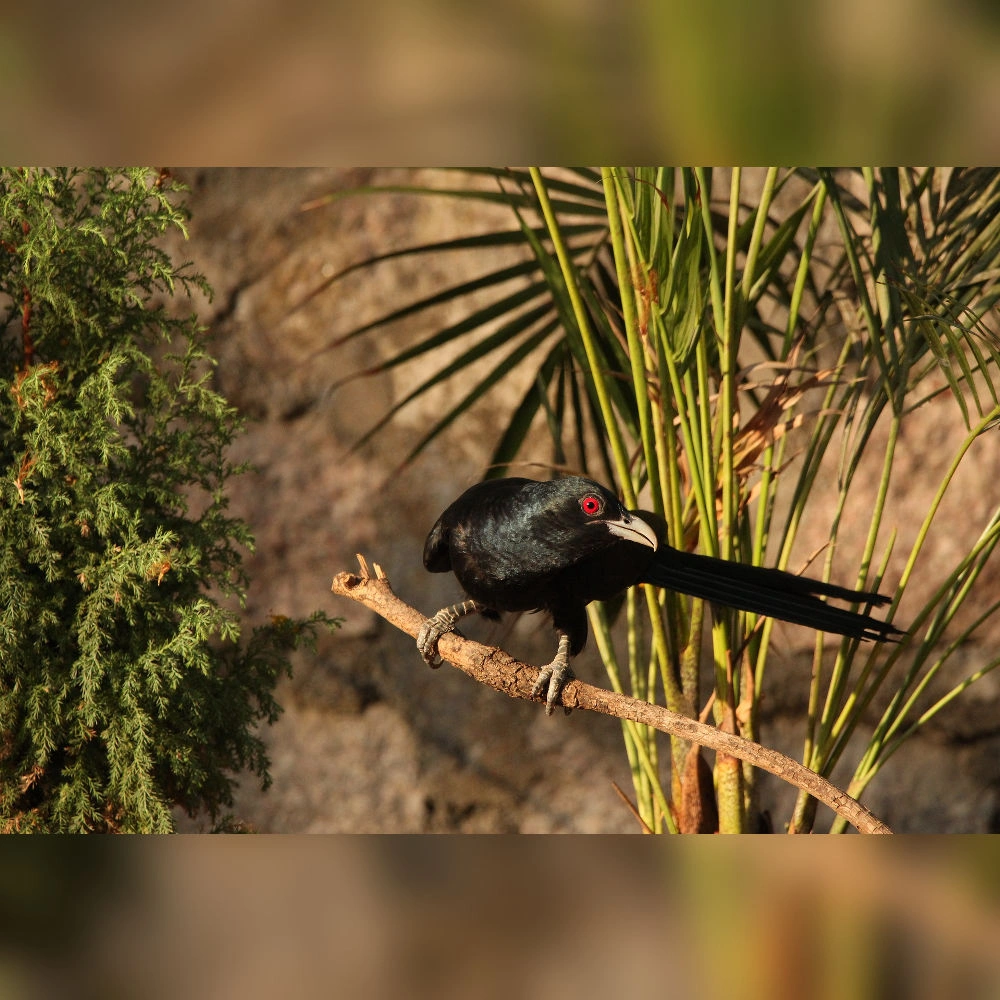
Asian Koel

Grey-headed Swamphen
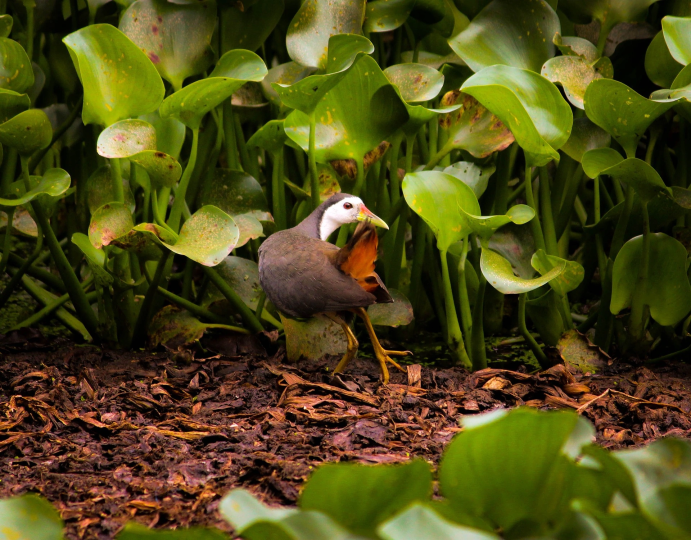
White-breasted Waterhen
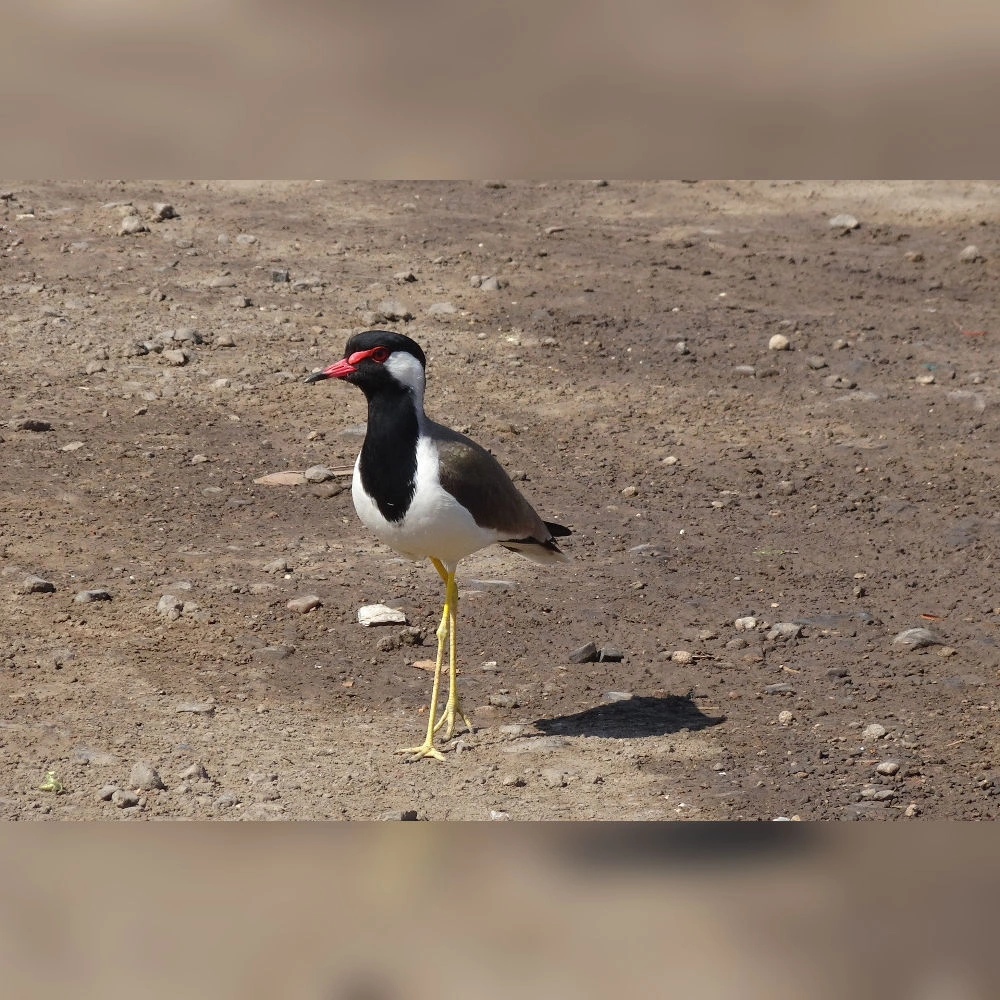
Red-wattled Lapwing
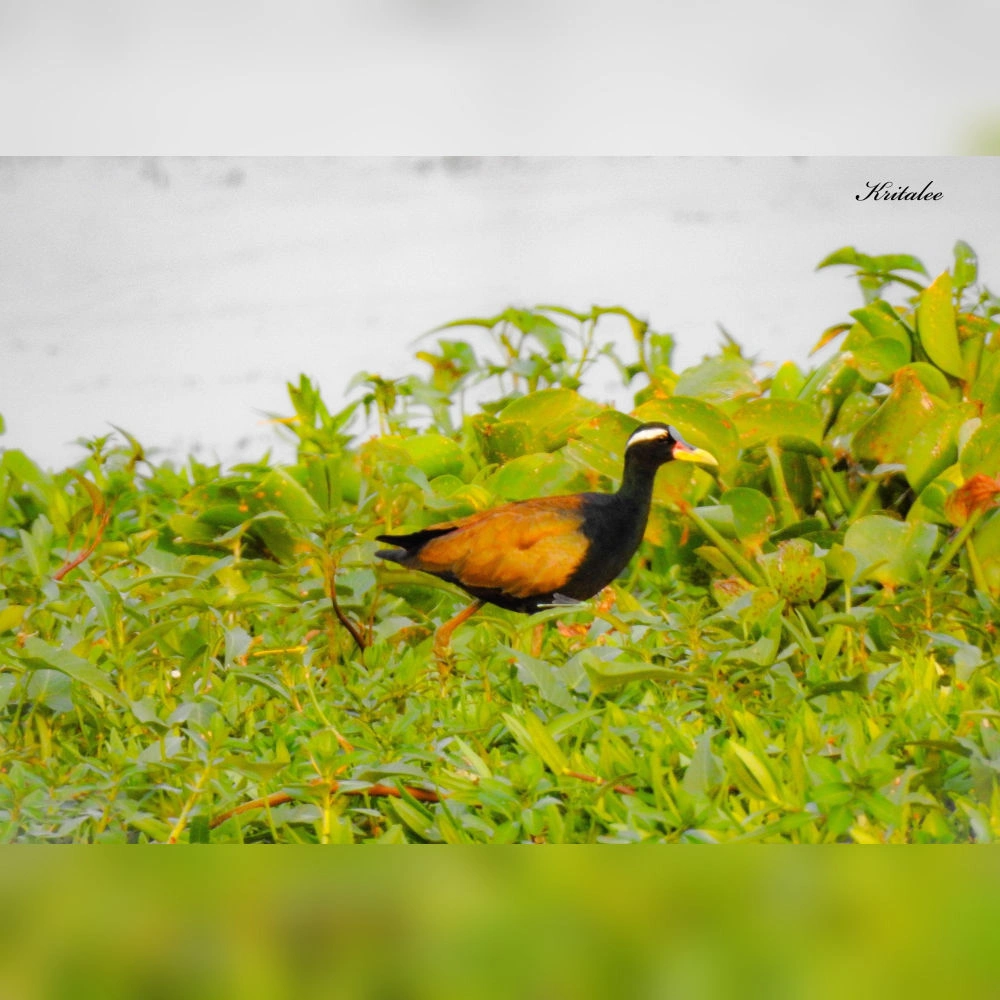
Bronze-winged Jacana
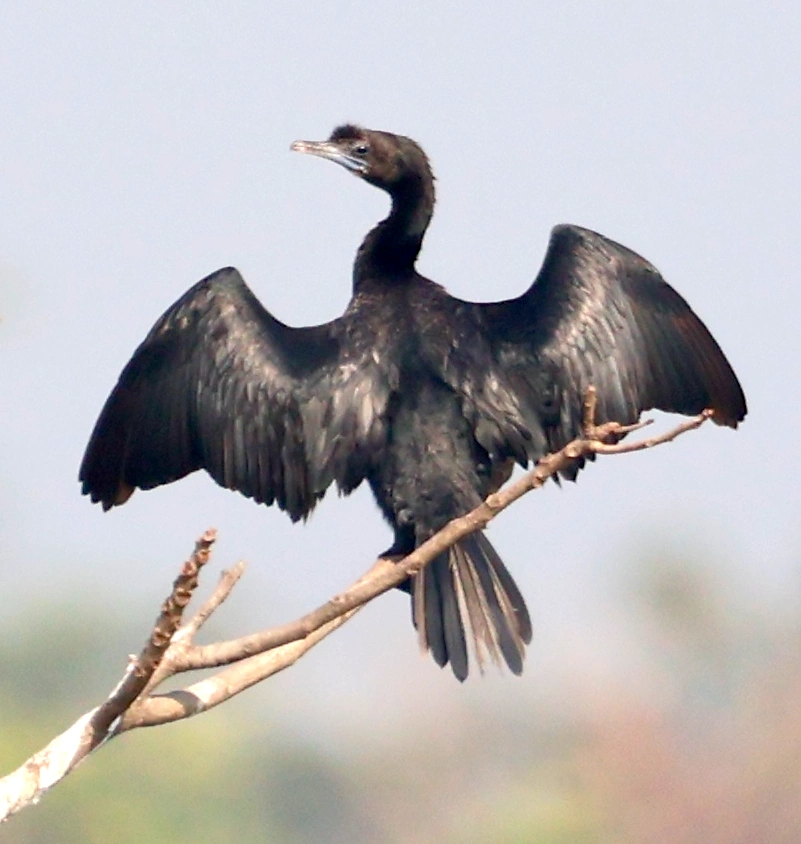
Little Cormorant
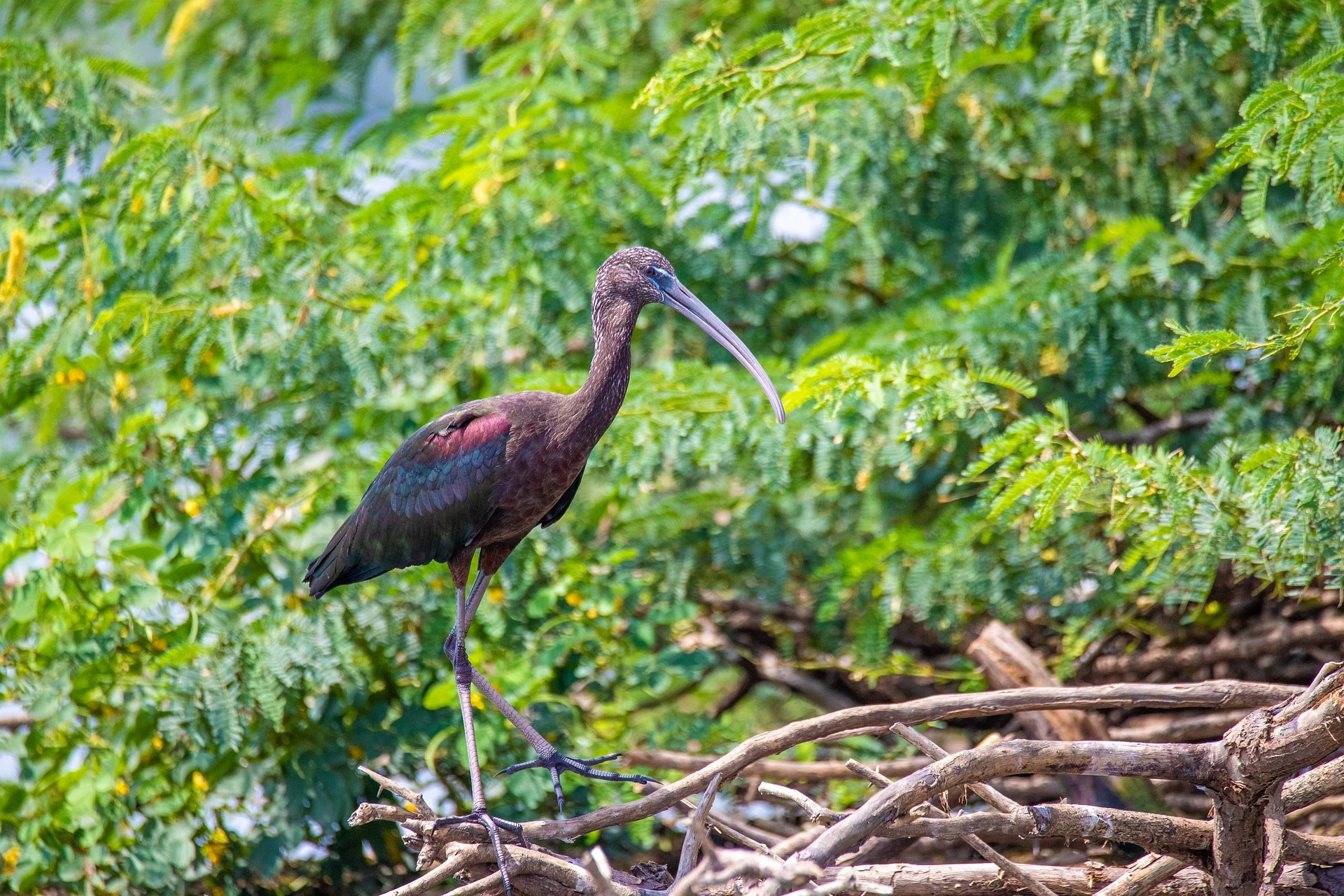
Glossy Ibis
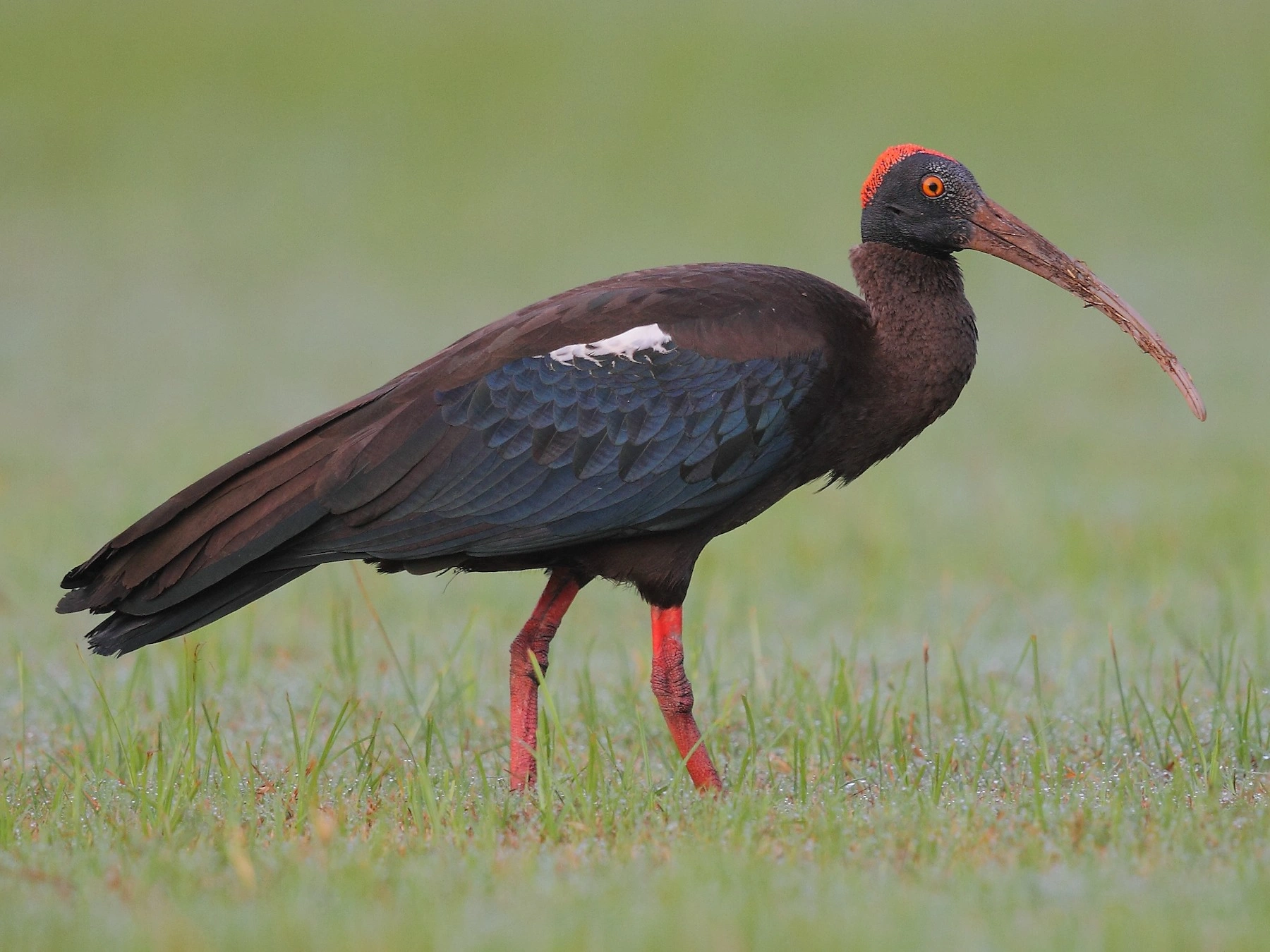
Red-naped Ibis
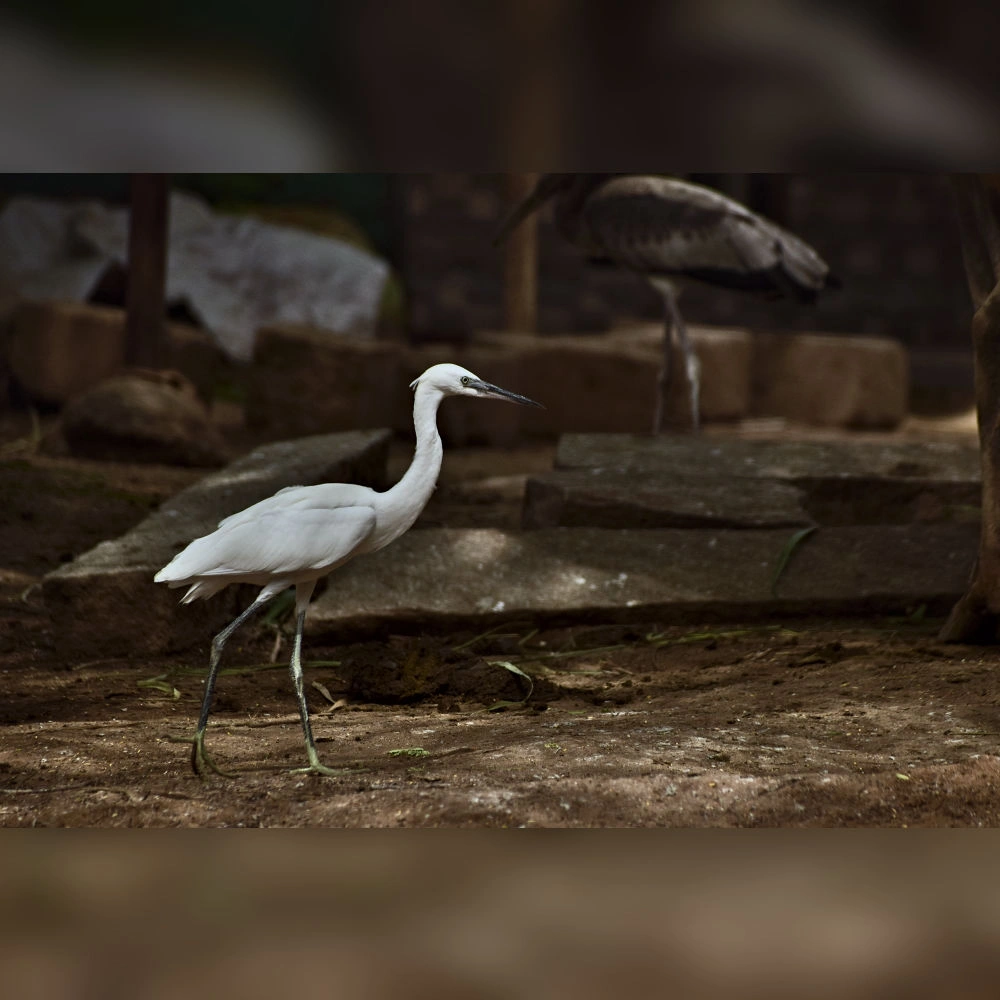
Little Egret
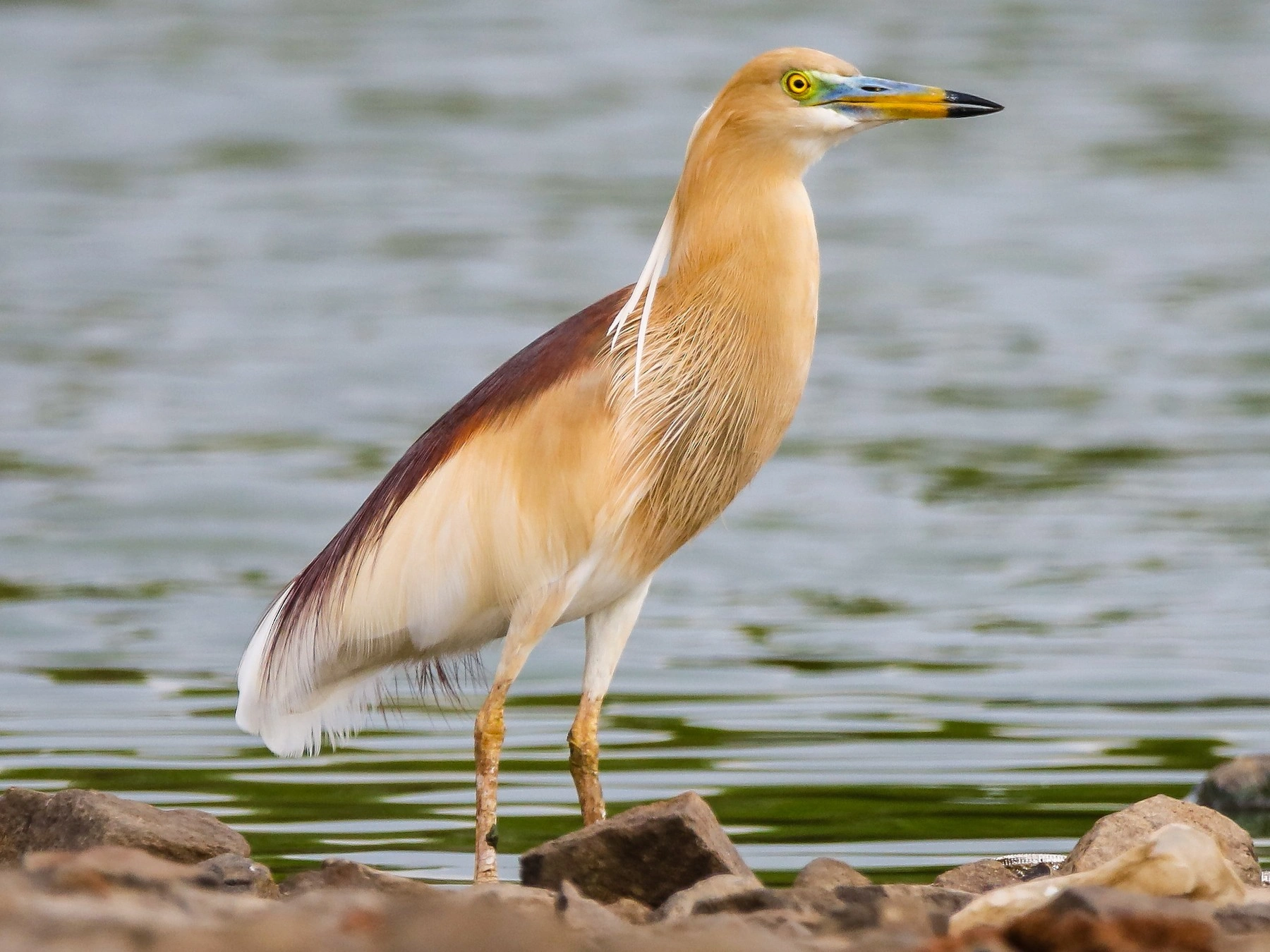
Indian Pond-Heron
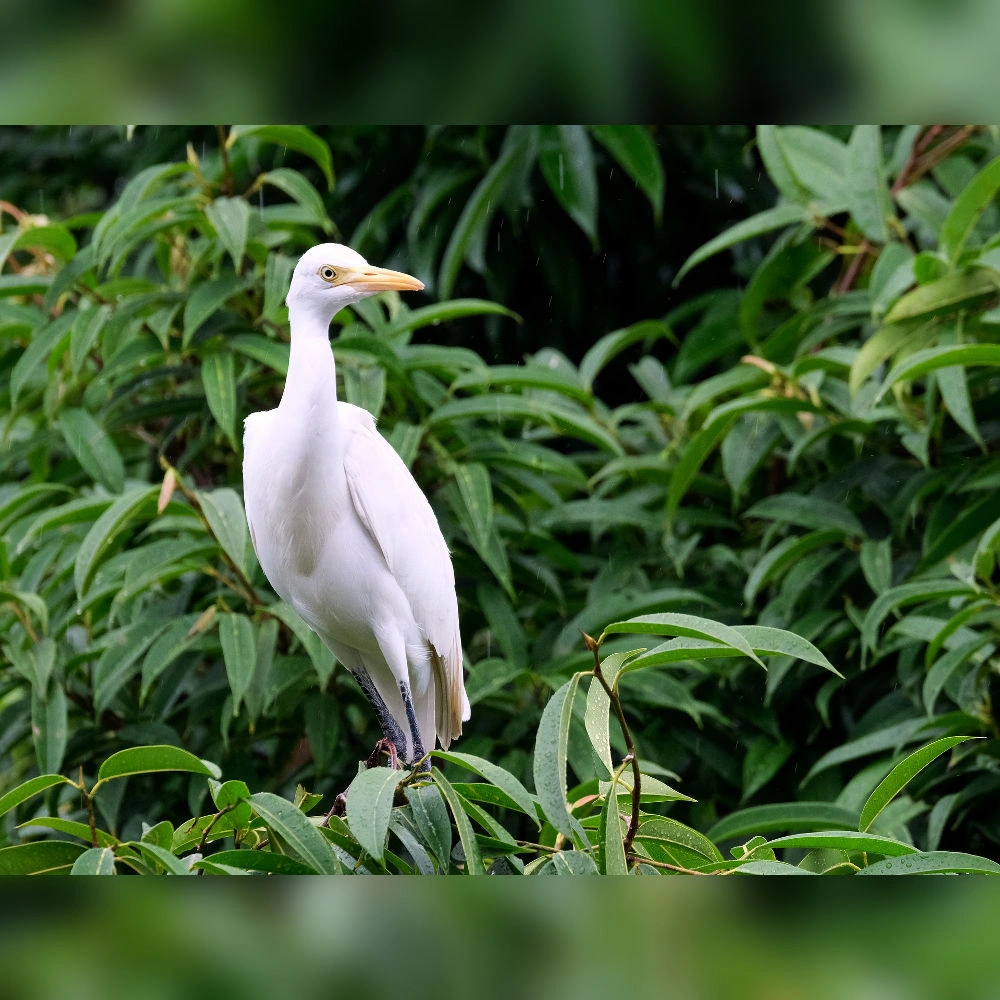
Eastern Cattle Egret
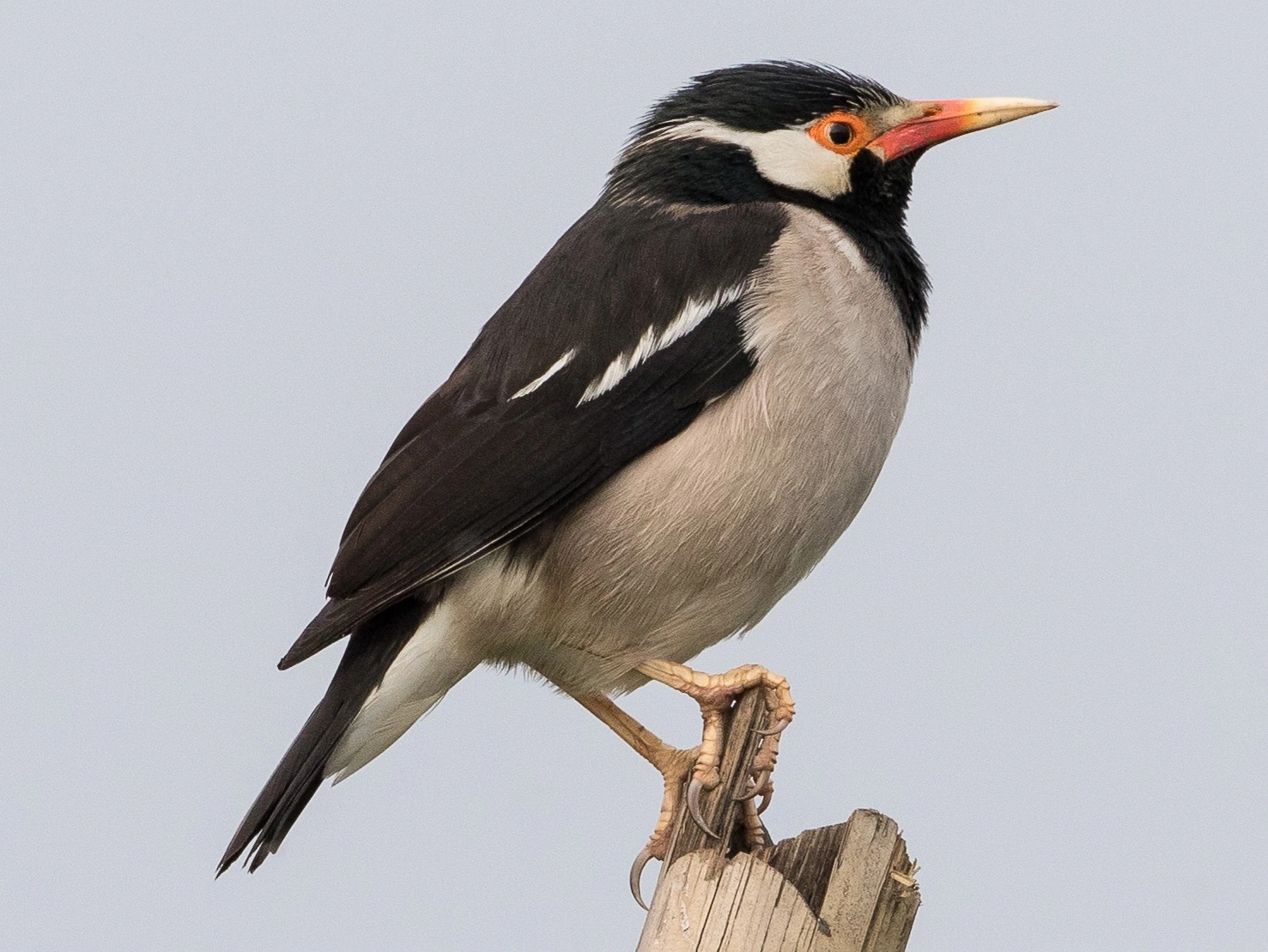
Asian Pied Starling
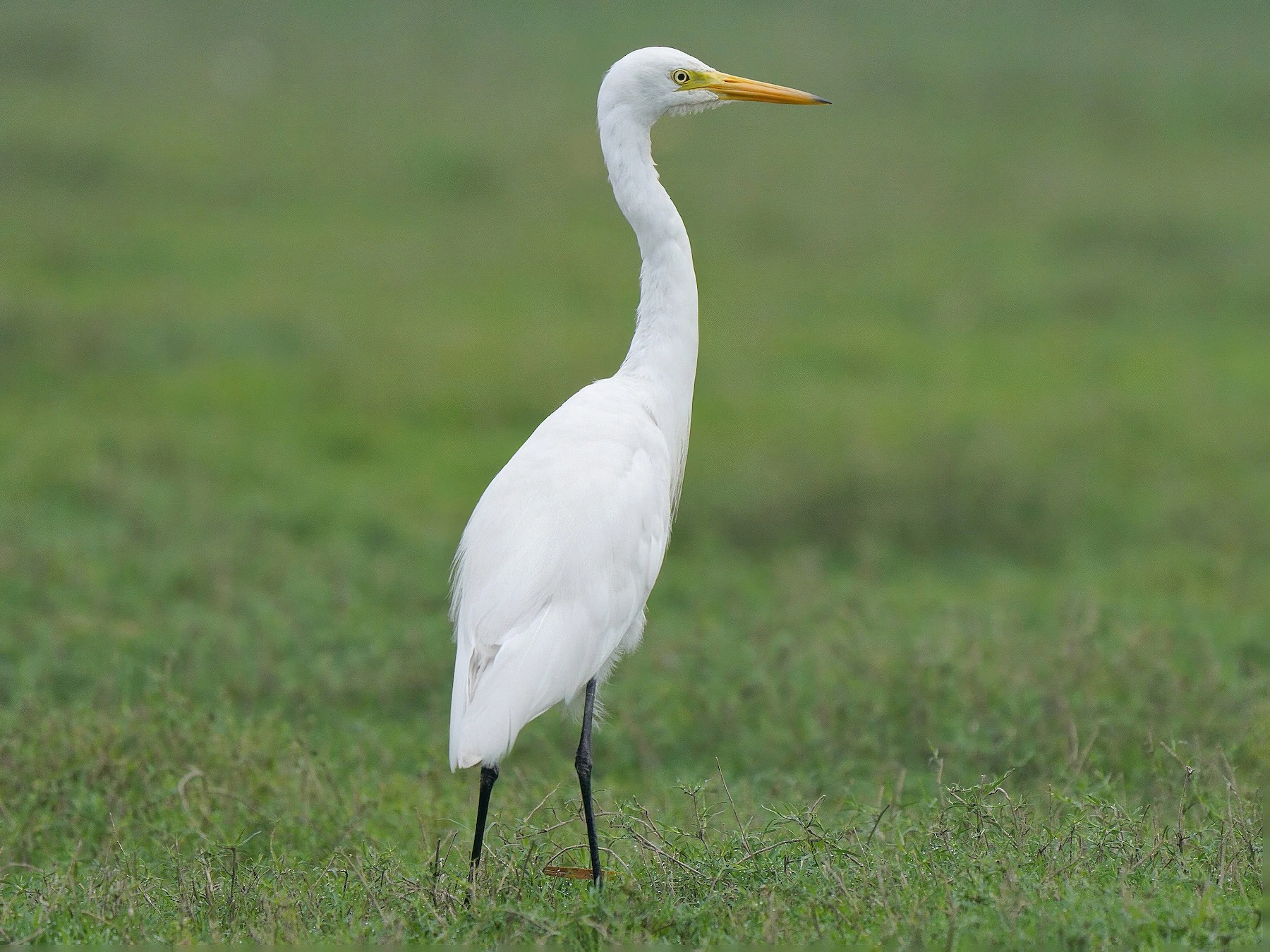
Intermediate Egret
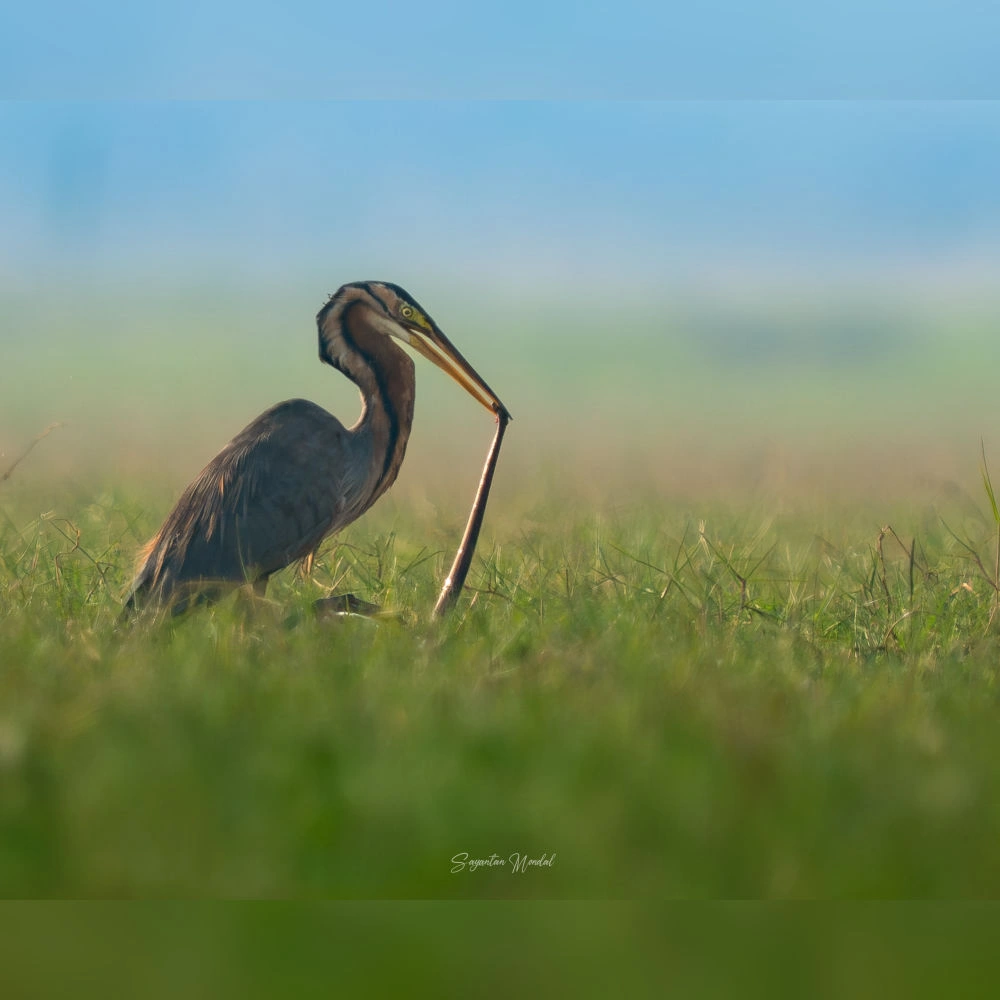
Purple Heron

Black Kite
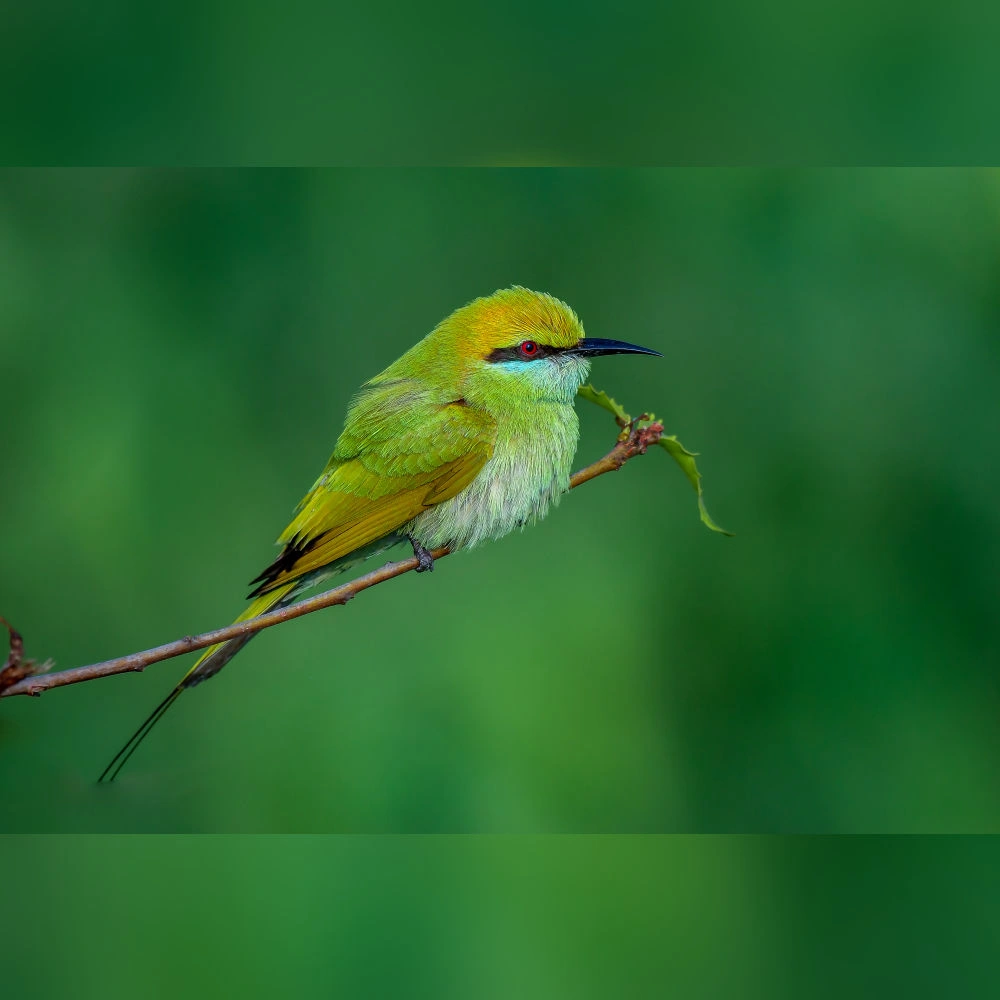
Asian Green Bee-eater
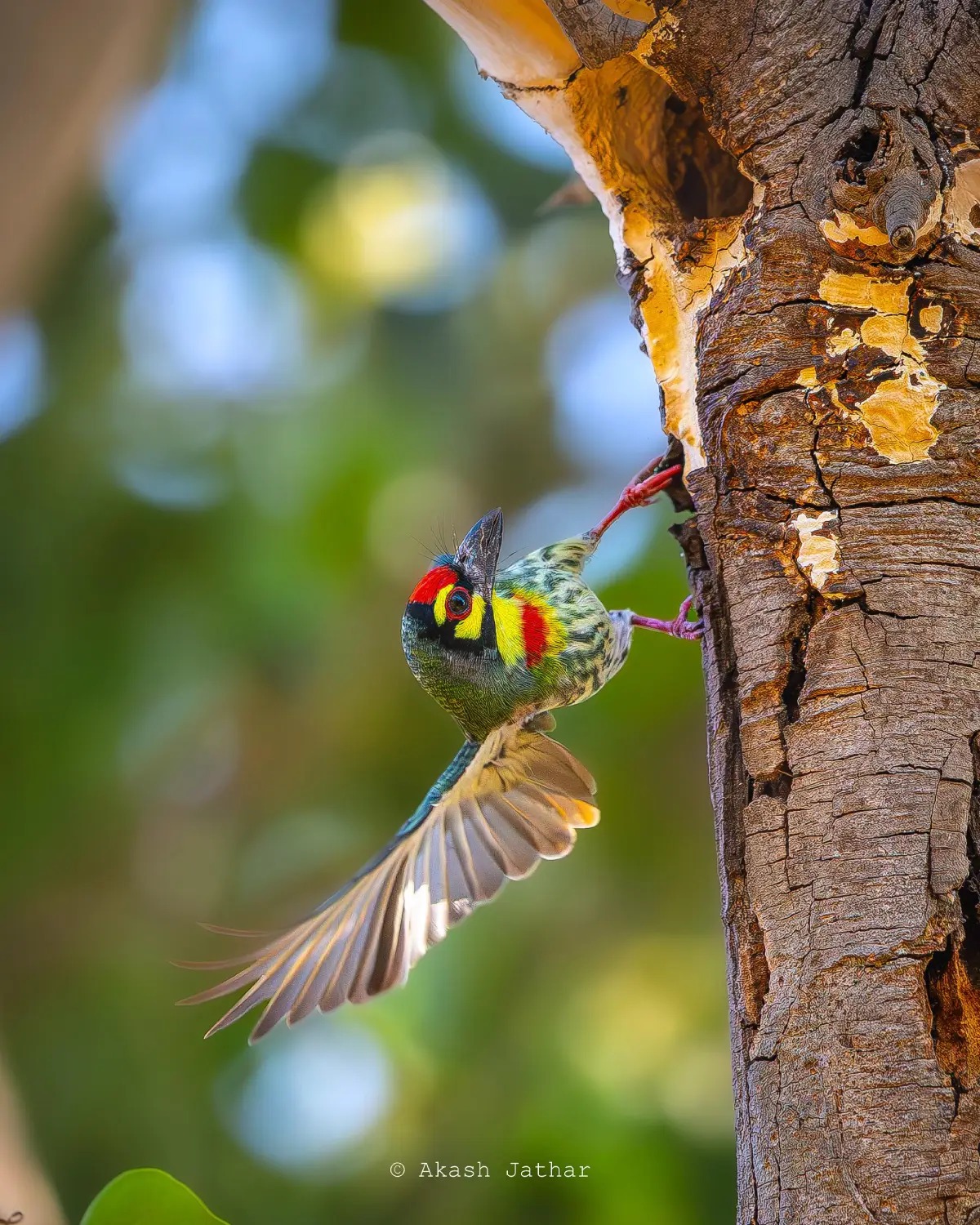
Coppersmith Barbet
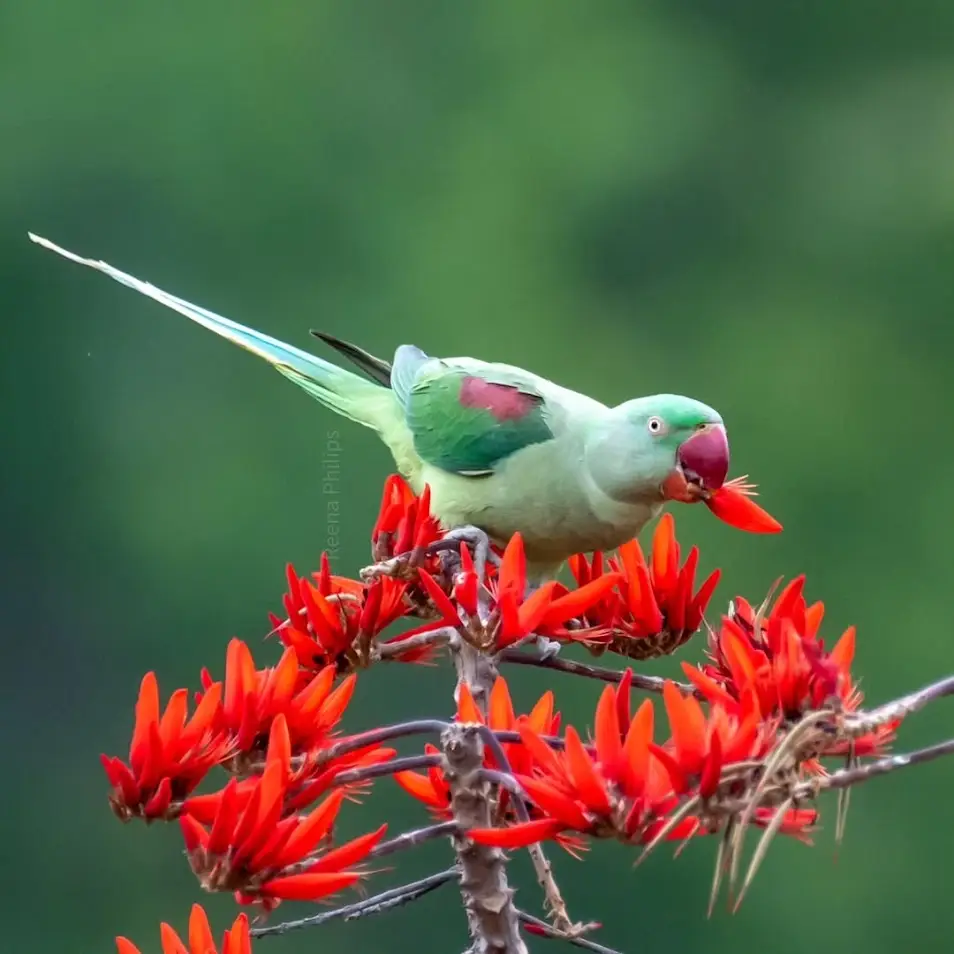
Alexandrine Parakeet
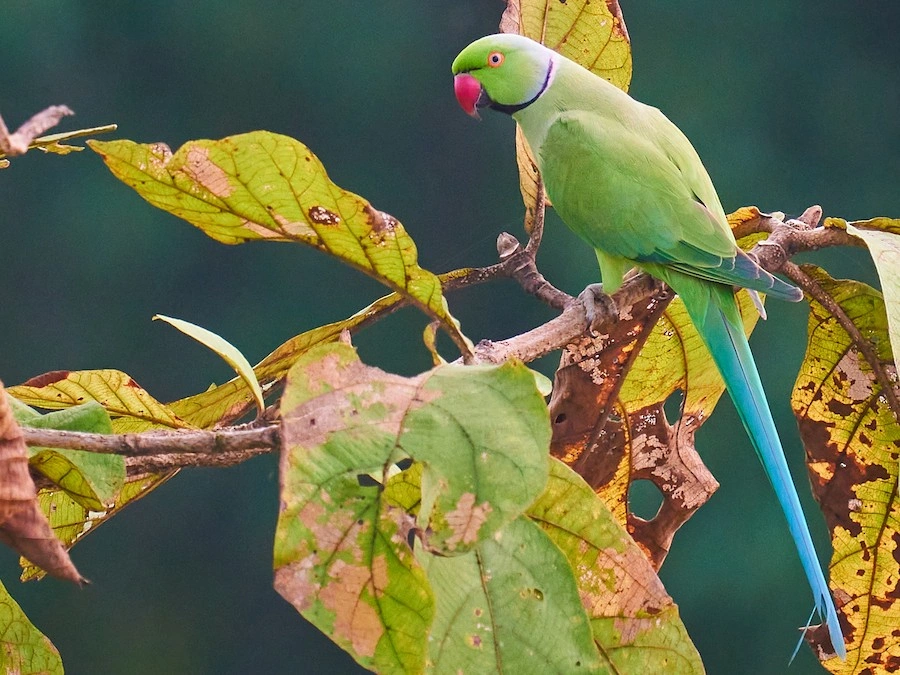

Rose-ringed Parakeet
Summary of Walk
Eight birders joined guide Megha Gupta at the IIT Bombay campus in Mumbai on 27 October for a walk that proved just how much wildlife thrives in the green heart of a great city. The campus, with its tall old trees, lakeside edges, shrubby patches and quiet lanes, offers a wonderful mix of habitats, and the group moved at an easy pace, stopping often to listen for calls and scan the branches. Together they recorded 37 species, a lovely tally for a single walk. One of the highlights was the Shikra, a swift and slender hunter that gave the group a thrilling look as it perched in the open, its barred chest and sharp eyes drawing admiring glances and a flurry of photographs. The Black-rumped Flameback, a golden-backed woodpecker, worked its way up a tree trunk in full view, and its bright crimson crest and tapping sound made it a favourite with beginners and regulars alike. Around them, the trees and lawns held a lively community of resident birds, from bulbuls, mynas and parakeets to sunbirds, barbets and babblers, and the group enjoyed learning to tell them apart by their calls, shapes and behaviour. Megha guided the walk with her usual warmth and enthusiasm, helping newcomers learn how to use binoculars, how to follow movement in the foliage and how to enjoy the small details that make each bird special. With eight participants, the conversation flowed easily and every sighting could be shared and discussed. The calm of the campus, the sound of birdsong and the steady stream of sightings made the morning a pleasure from start to finish, and participants left with new species on their lists, happy memories and a fresh appreciation for the birds that share the campus with its students and staff.
Number of Participants
0