



Loading Events

Bird Walk at Halali Dam, Bhopal, MP

About Halali Dam

Nestled near Vidisha in Madhya Pradesh, Halali Dam—built across the Halali River, a tributary of the Betwa—forms a vast reservoir surrounded by gentle hills, agricultural fields, and patches of dry deciduous forest. The landscape is a mosaic of open water, marshy edges, scrubland, and woodland, creating a rich variety of habitats within a relatively compact area. Native flora such as teak, tendu, acacia, and seasonal grasses fringe the reservoir, while aquatic vegetation flourishes along the shallows. This blend of terrestrial and wetland ecosystems supports an impressive range of fauna, from jackals and nilgai to reptiles and countless insects that sustain the food web. The tranquil setting, especially during sunrise and sunset, makes Halali not just ecologically important but visually breathtaking.
For birders, Halali Dam is a hidden gem of central India. The expansive waters attract winter migratory waterfowl, including ducks, geese, waders, and terns, while resident species such as herons, egrets, kingfishers, and raptors thrive year-round. Grassland patches host larks and pipits, and the surrounding woodland echoes with the calls of barbets, woodpeckers, and orioles. However, like many freshwater ecosystems, Halali faces growing pressures from unregulated tourism, fishing activities, water pollution, and habitat disturbance along its shoreline. Sustainable management, community awareness, and responsible birding practices are essential to safeguard this thriving wetland. With mindful conservation efforts, Halali Dam can continue to remain both a biodiversity hotspot and a peaceful retreat for nature lovers.

Partnered with

Bird Guide: Kritalee Chindarkar

She is the Founder of the Tarang Eco Tours where they organize nature trails and camps focused on sustainable tourism and to create environmental awareness among people.
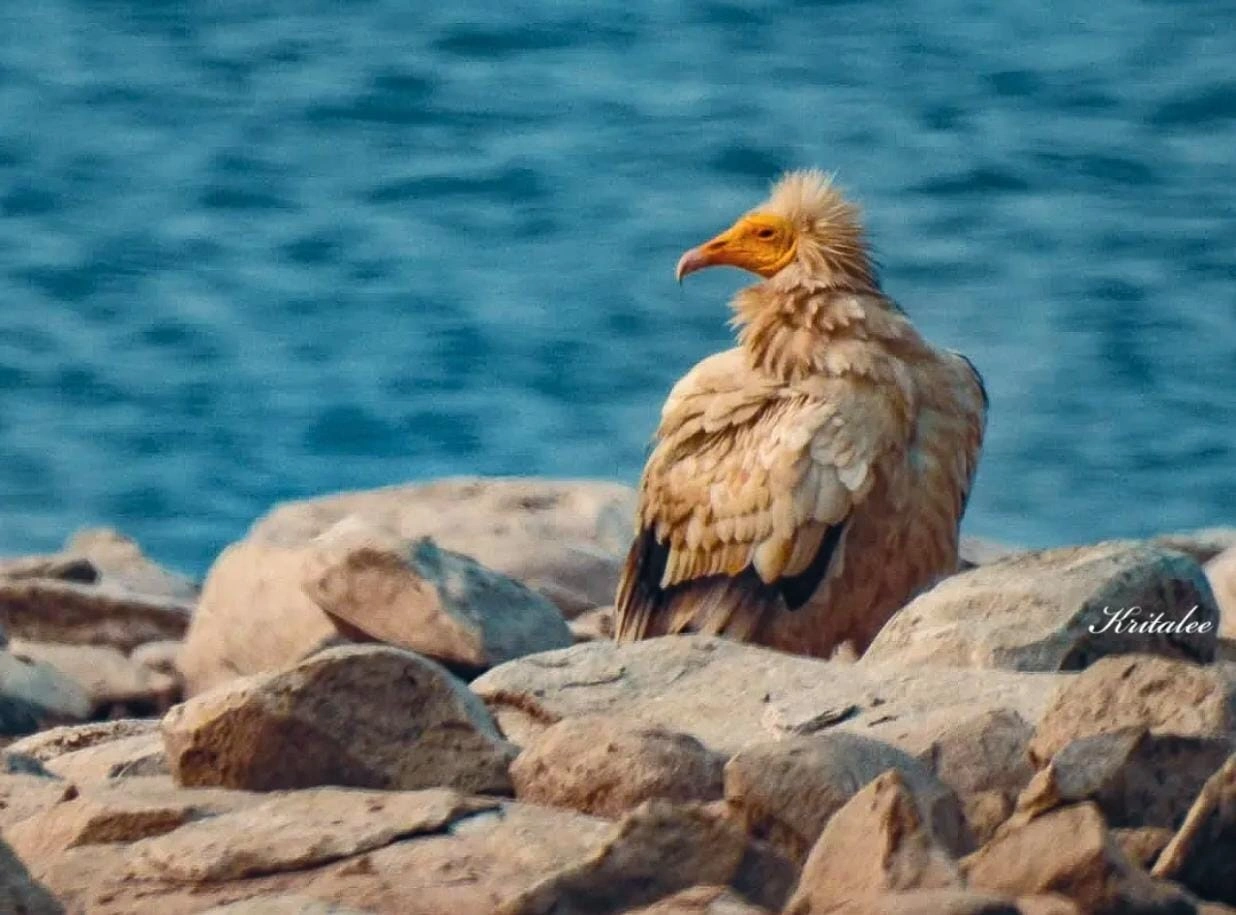
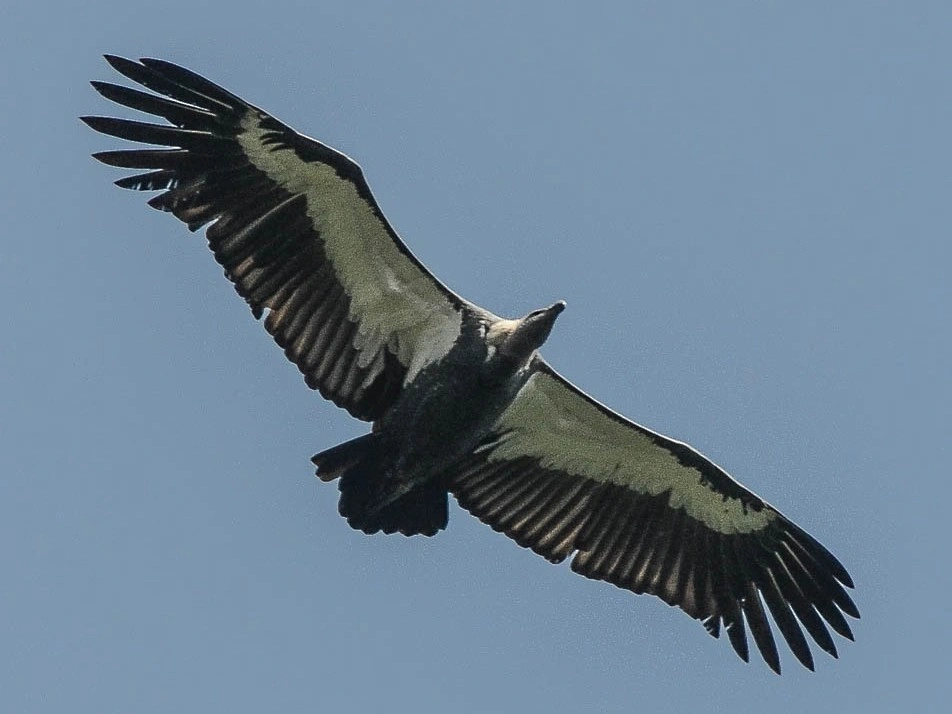
Bird walk Location

Common birds of Halali Dam

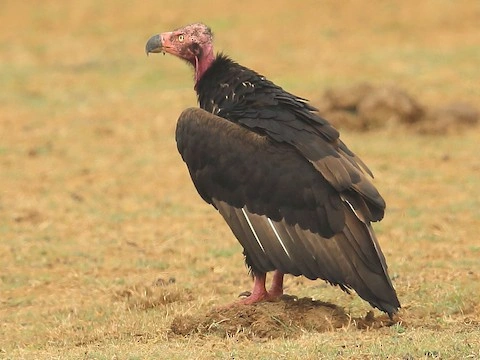
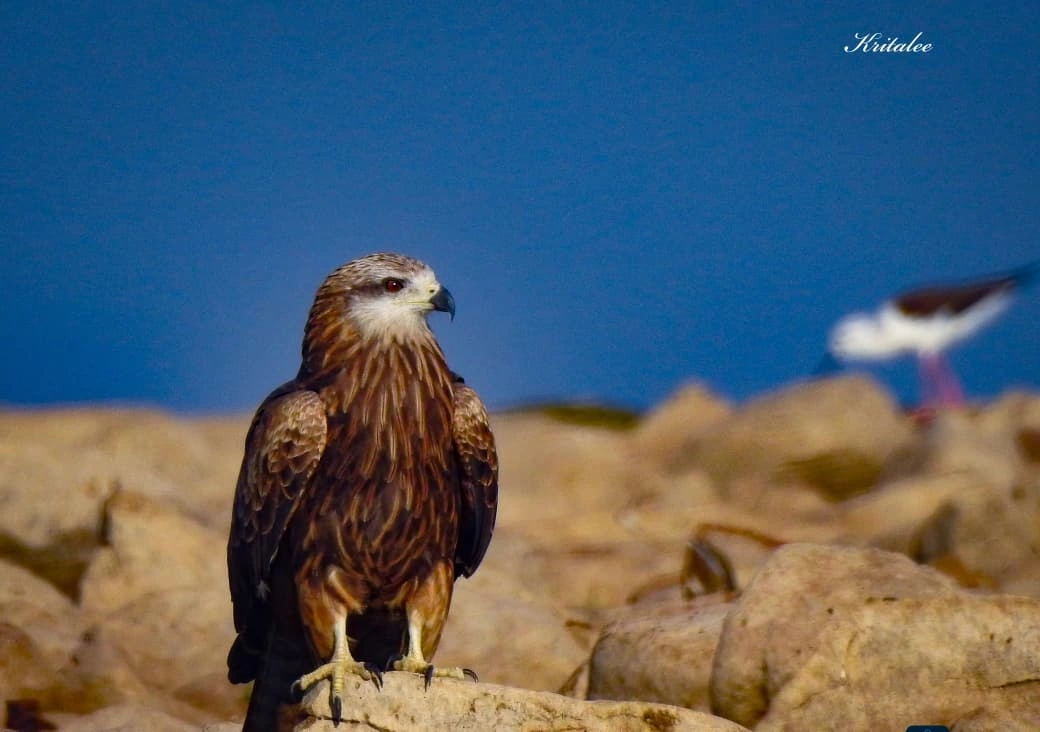
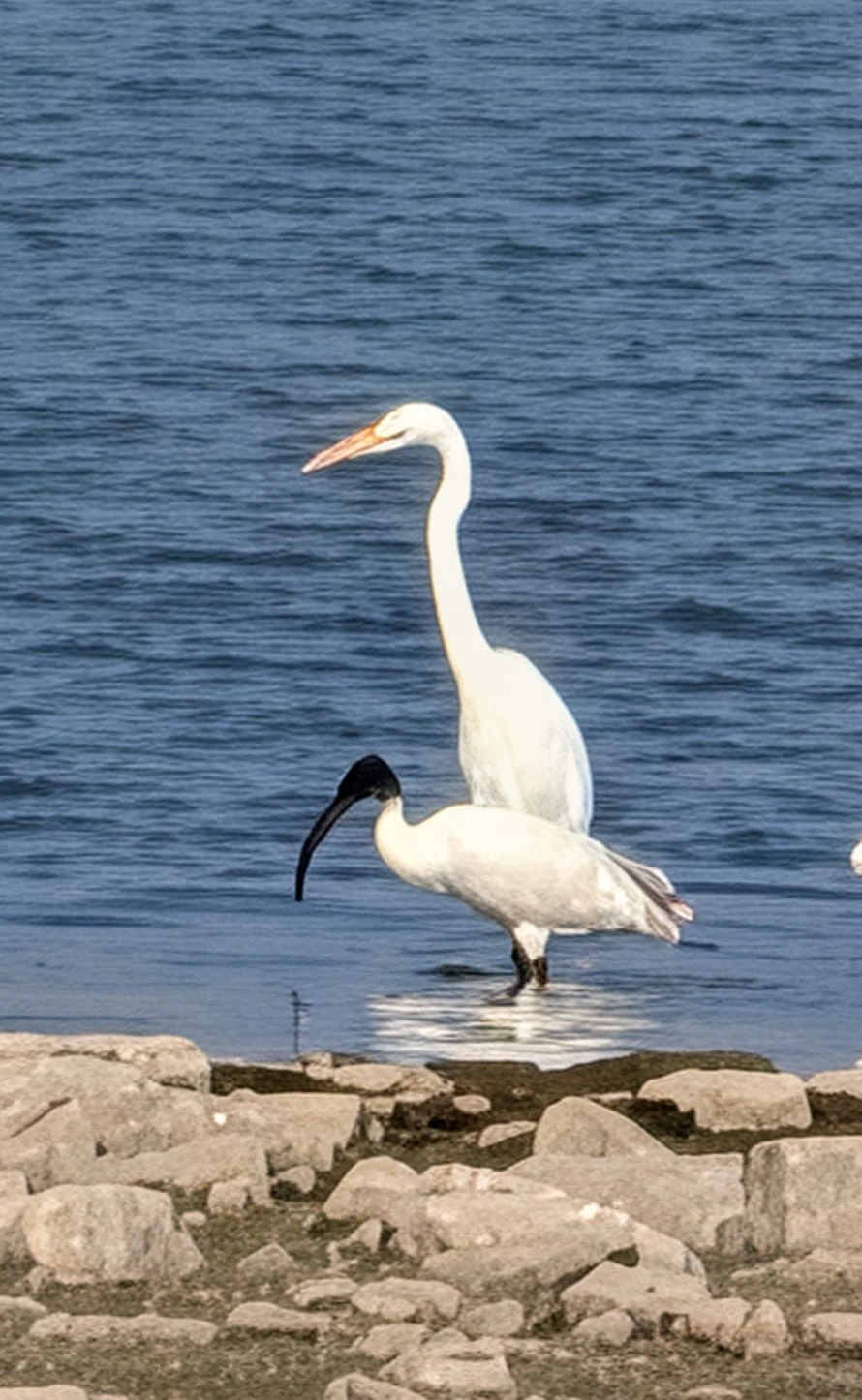
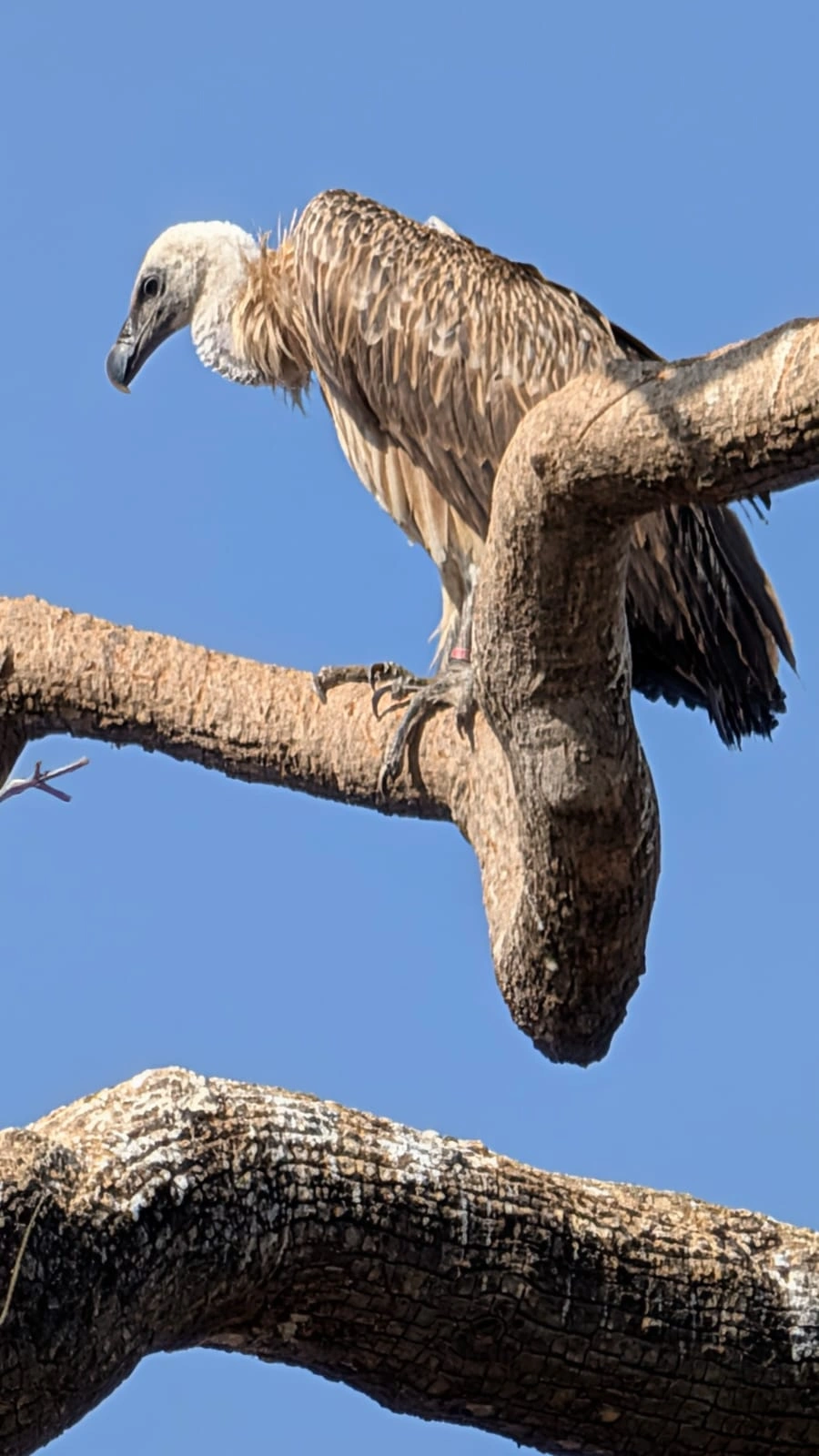
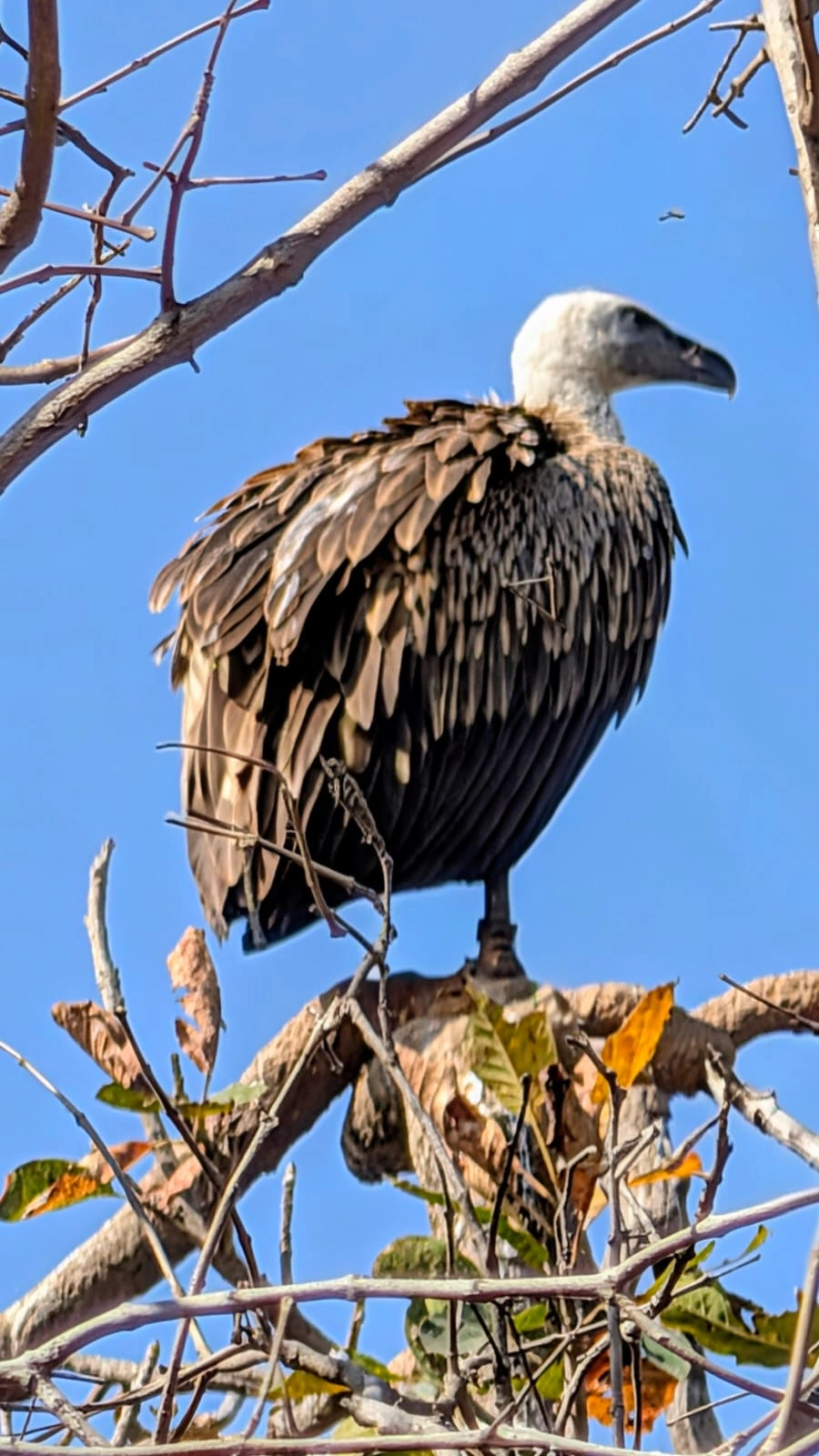
Halali’s skies and wetlands come alive with an extraordinary mix of resident and migratory birds, making every visit a thrilling experience for bird enthusiasts. Majestic vultures such as the White-rumped Vulture, Red-headed Vulture, Indian Vulture, Egyptian Vulture, and the imposing Cinereous Vulture often dominate the thermals, a powerful reminder of the region’s ecological importance for these threatened scavengers. Along the water’s edge, elegant waders like Black-winged Stilts, Little Ringed Plovers, Ruffs, and Common Sandpipers forage gracefully, while River Terns skim the shimmering surface. Flocks of Indian Spot-billed Ducks paddle calmly alongside cormorants, and herons—including Pond Herons and Cattle Egrets—stand poised in the shallows. The striking Black-headed Ibis and Asian Openbill add further drama to the wetland scenery, while the ever-alert Red-wattled Lapwing calls out loudly across the banks.

Beyond the water, the surrounding scrub and fields echo with the lively presence of Rose-ringed Parakeets, Jungle Babblers, and a chorus of doves—Spotted Dove, Laughing Dove, Rock Pigeon, and Eurasian Collared-Dove. The secretive Greater Coucal slips through dense vegetation, while the familiar calls of the Asian Koel and Common Hawk-Cuckoo ring through the trees. Open grasslands host species like the Siberian Stonechat, Western Yellow Wagtail, and Tree Pipit, adding vibrant seasonal color to the landscape. Even the understated Gray Francolin scurries through the undergrowth, completing this rich avian tapestry. Together, these species transform Halali into a dynamic birding haven, where every scan of the horizon or sweep of binoculars promises a new and memorable sighting.

White-Rumped Vulture
Red-headed Vulture
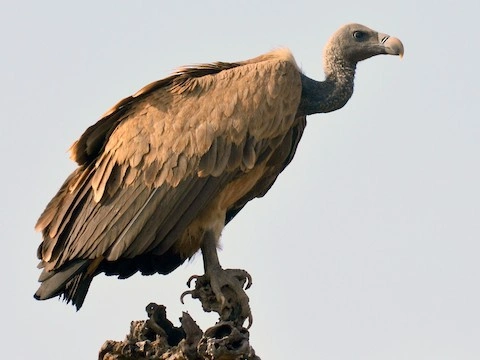
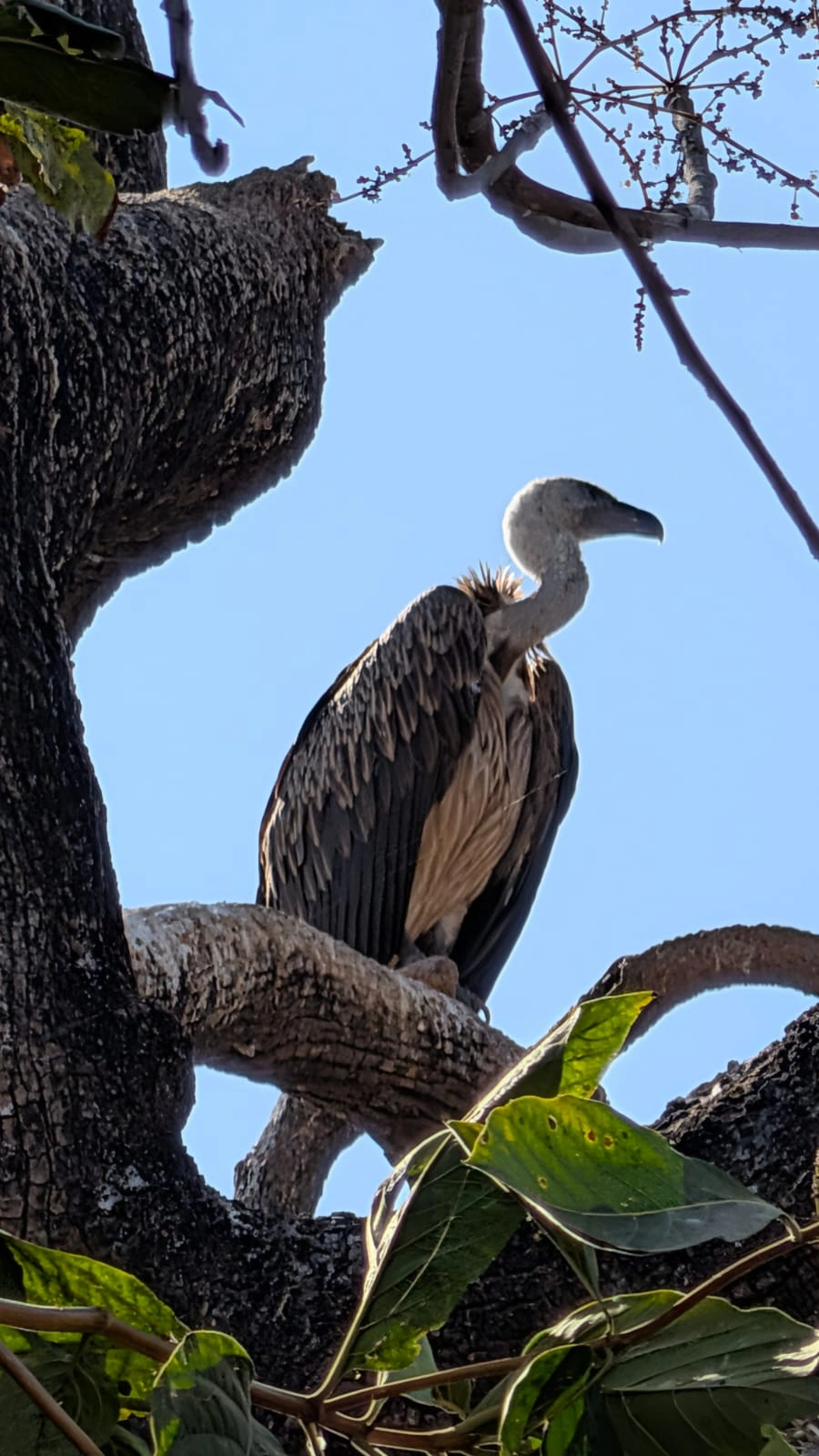
Indian Vulture
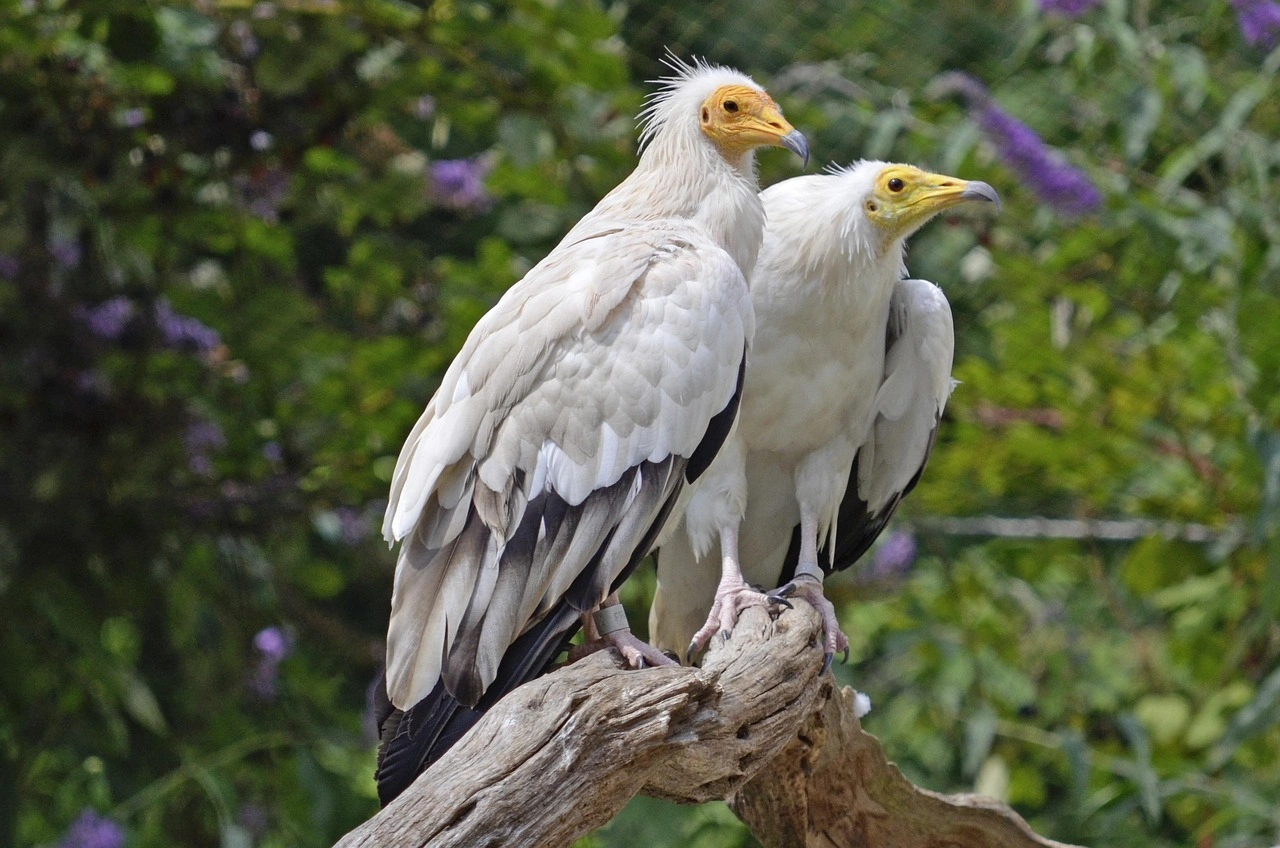
Egyptian Vulture
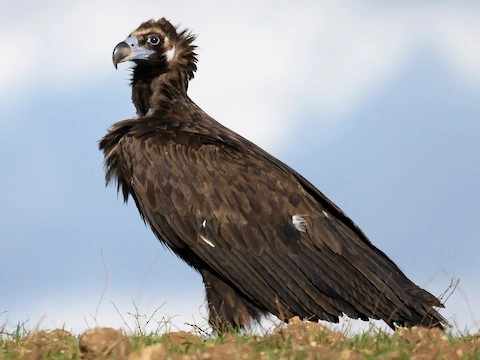
Cinereous Vulture
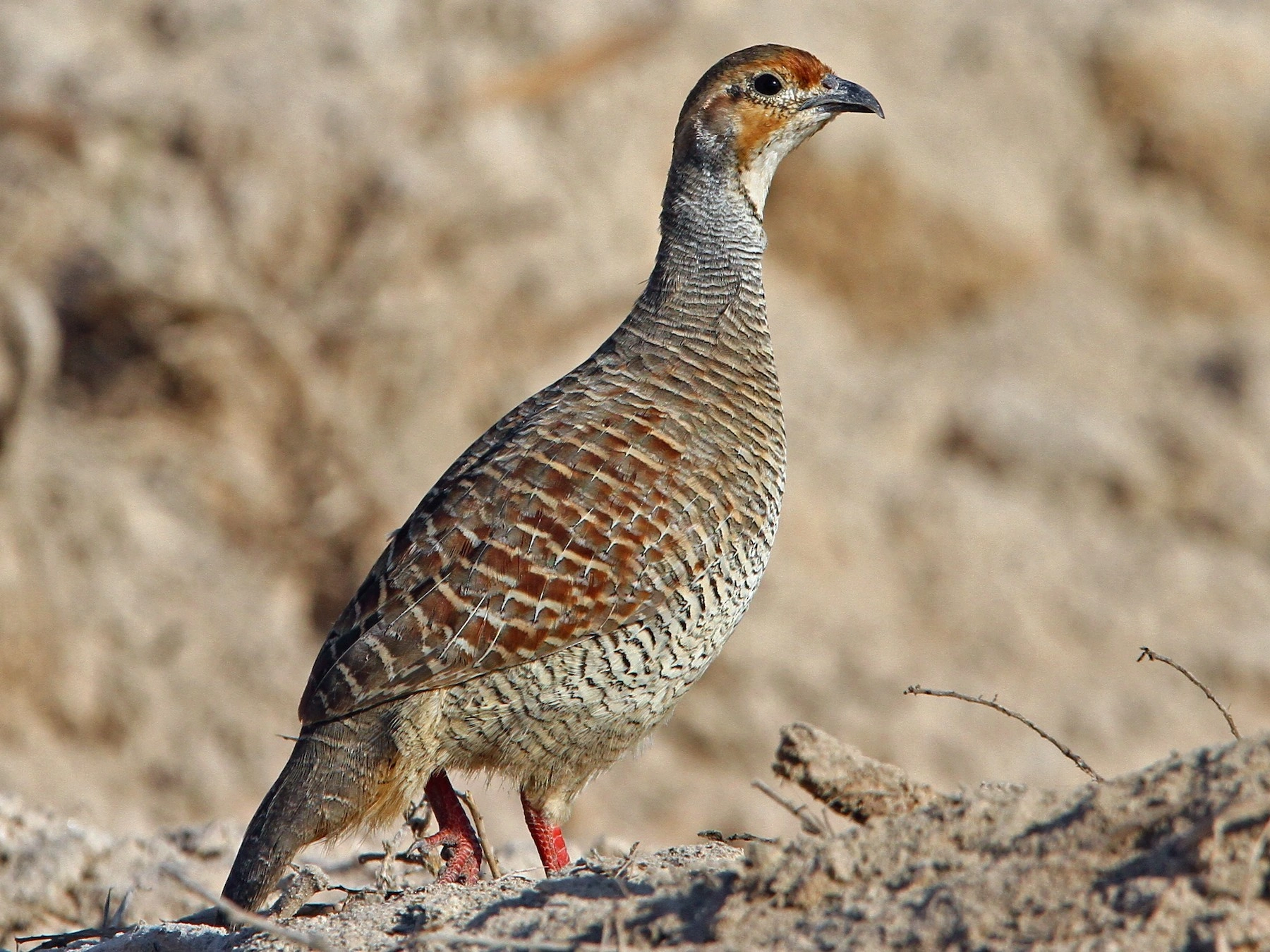
Grey Francolin
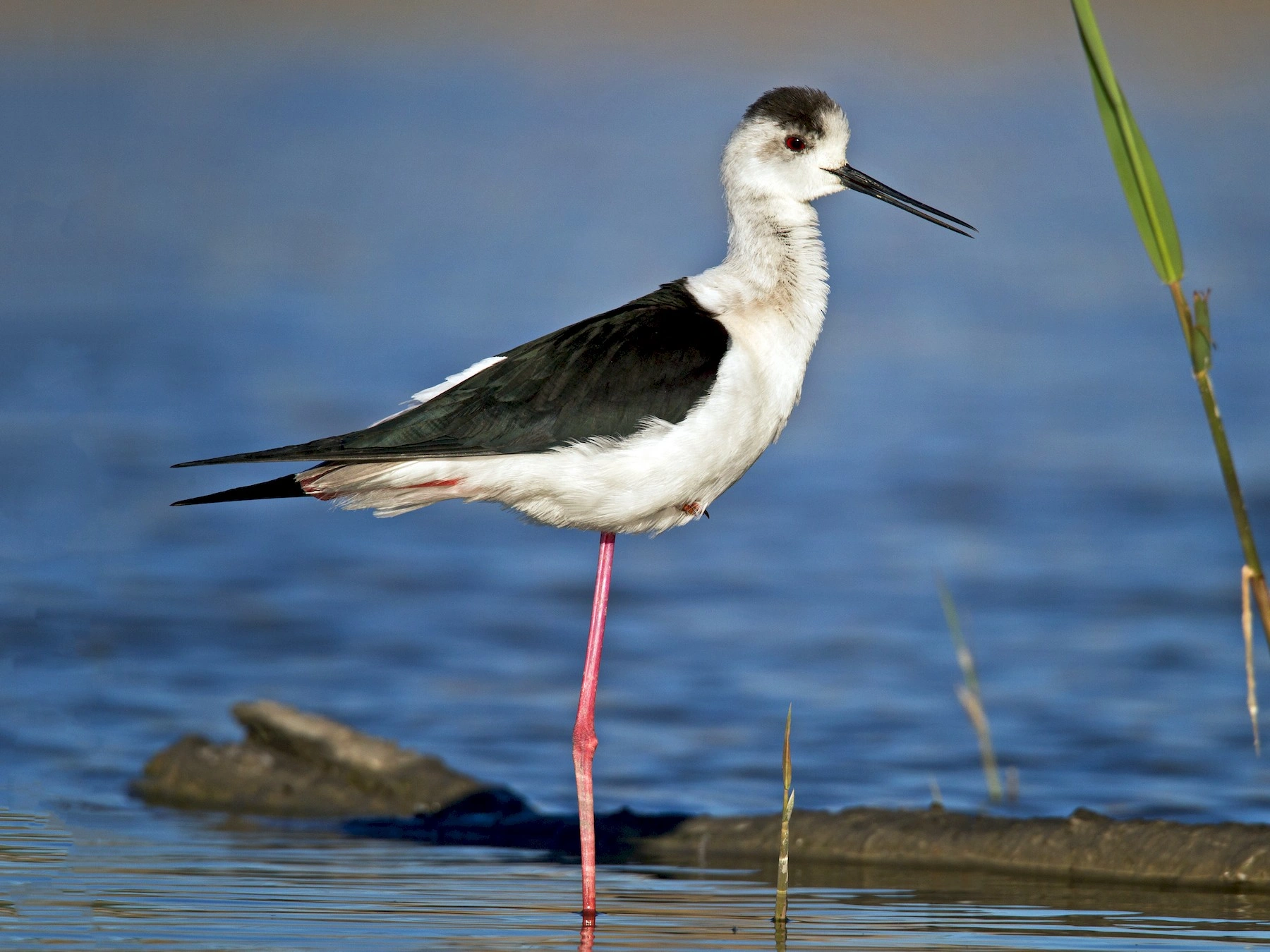
Black-winged Stilt
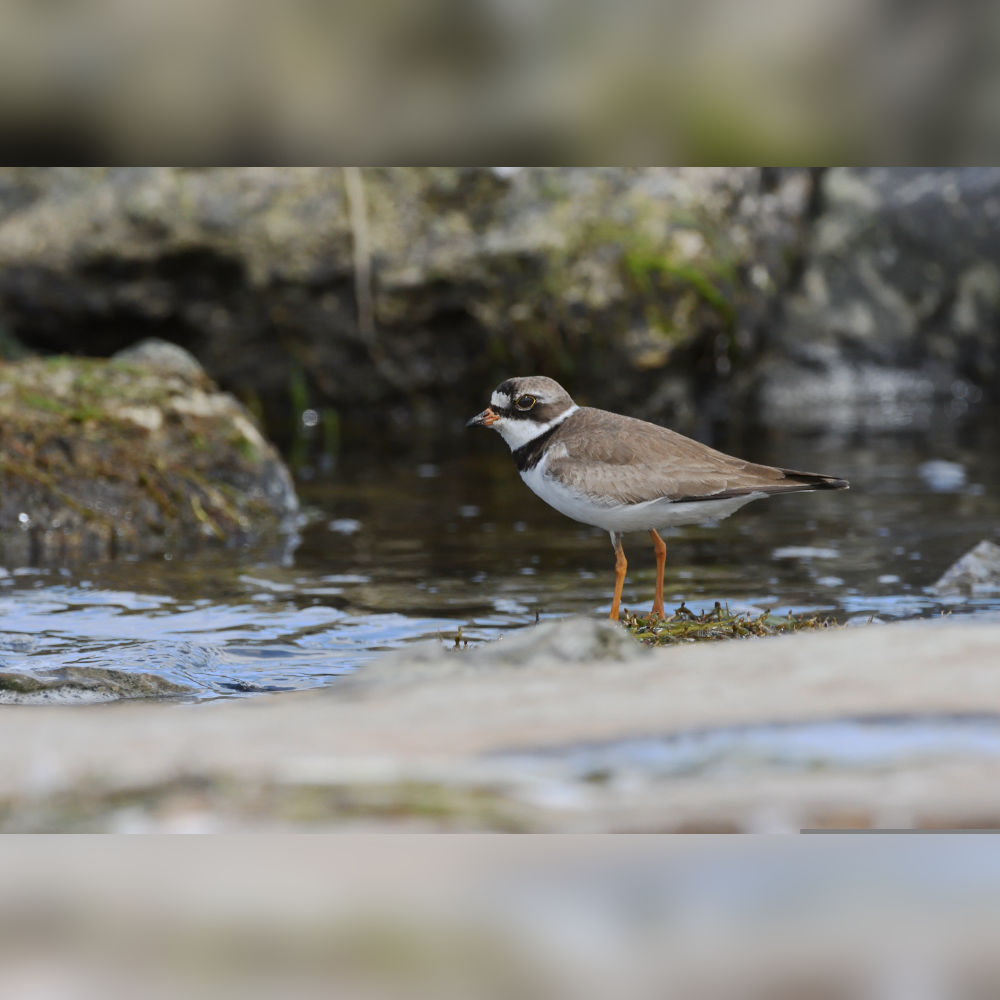
Little Ringed Plover
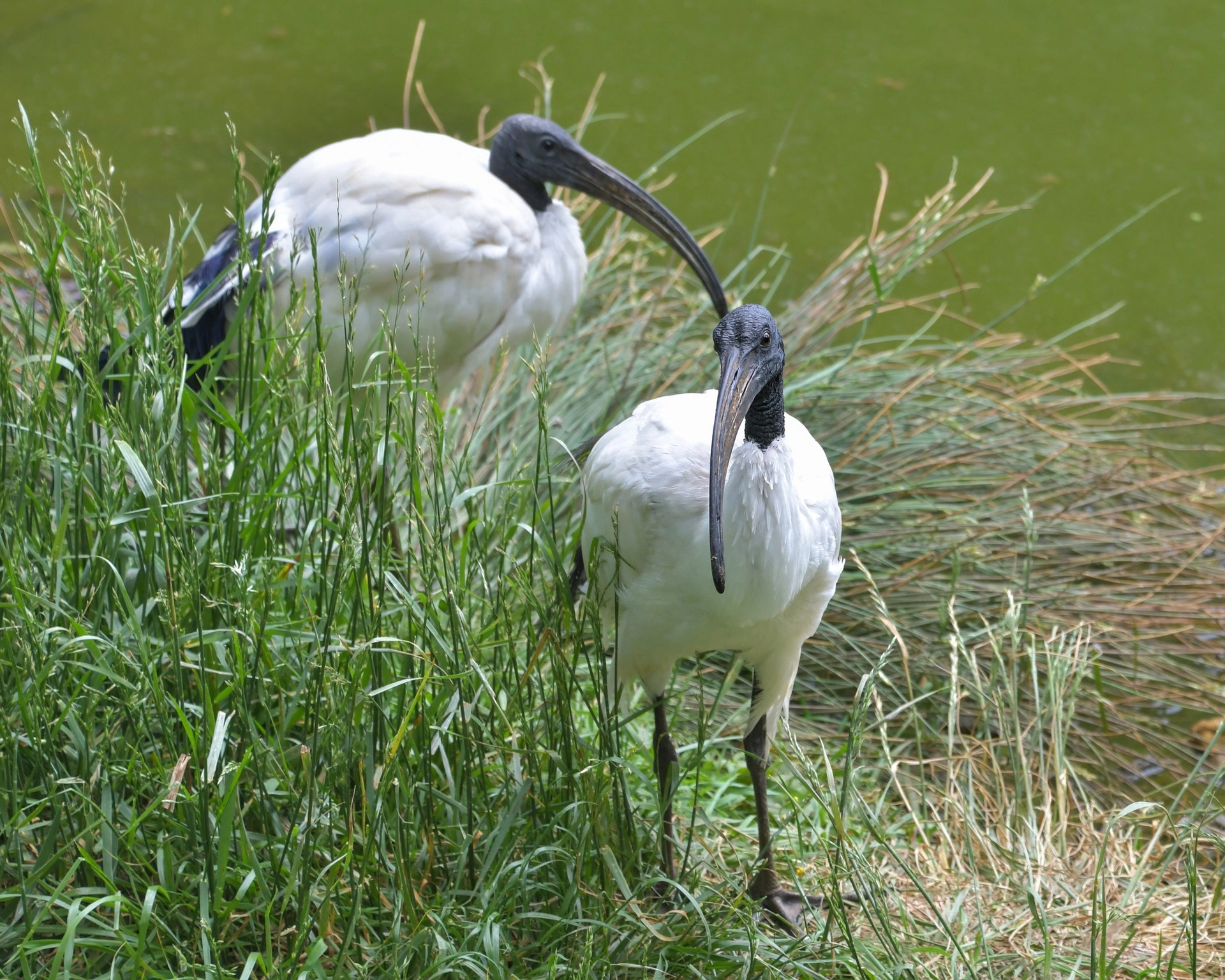
Black- headed Ibis
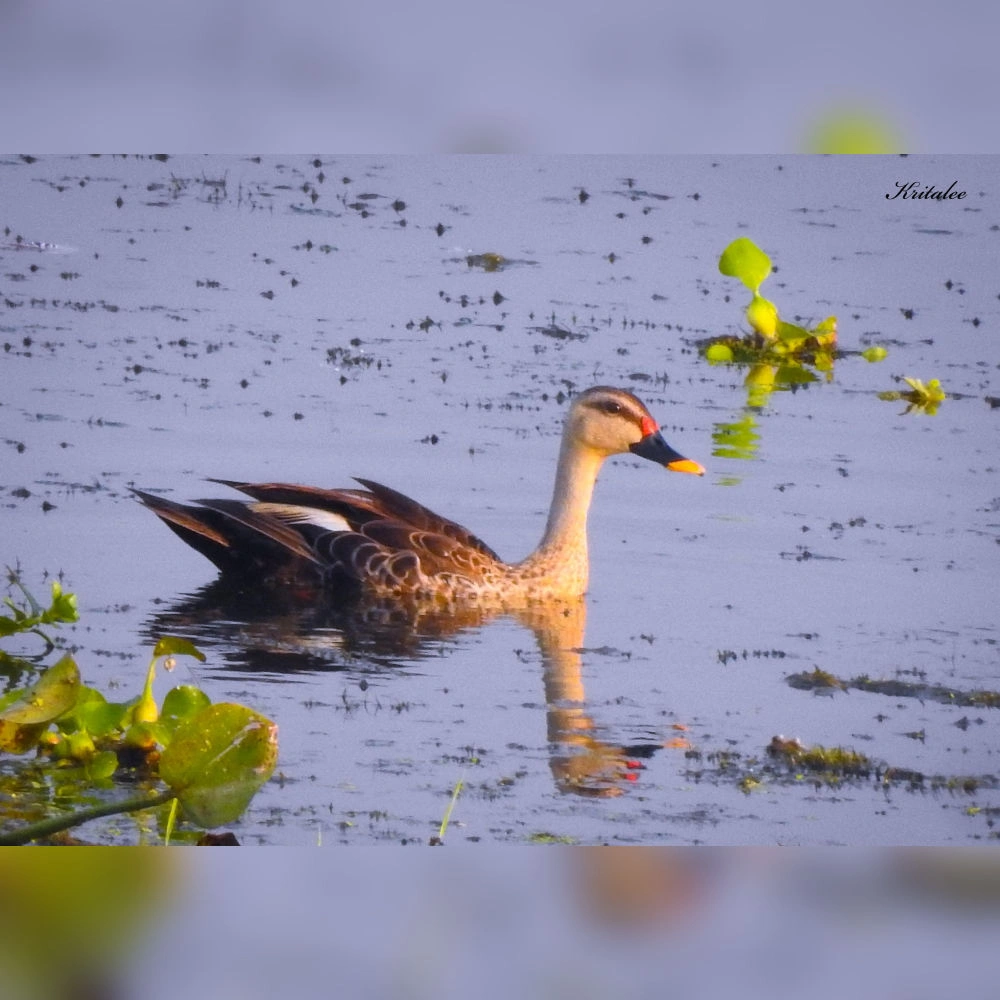
Indian Spot-billed Duck
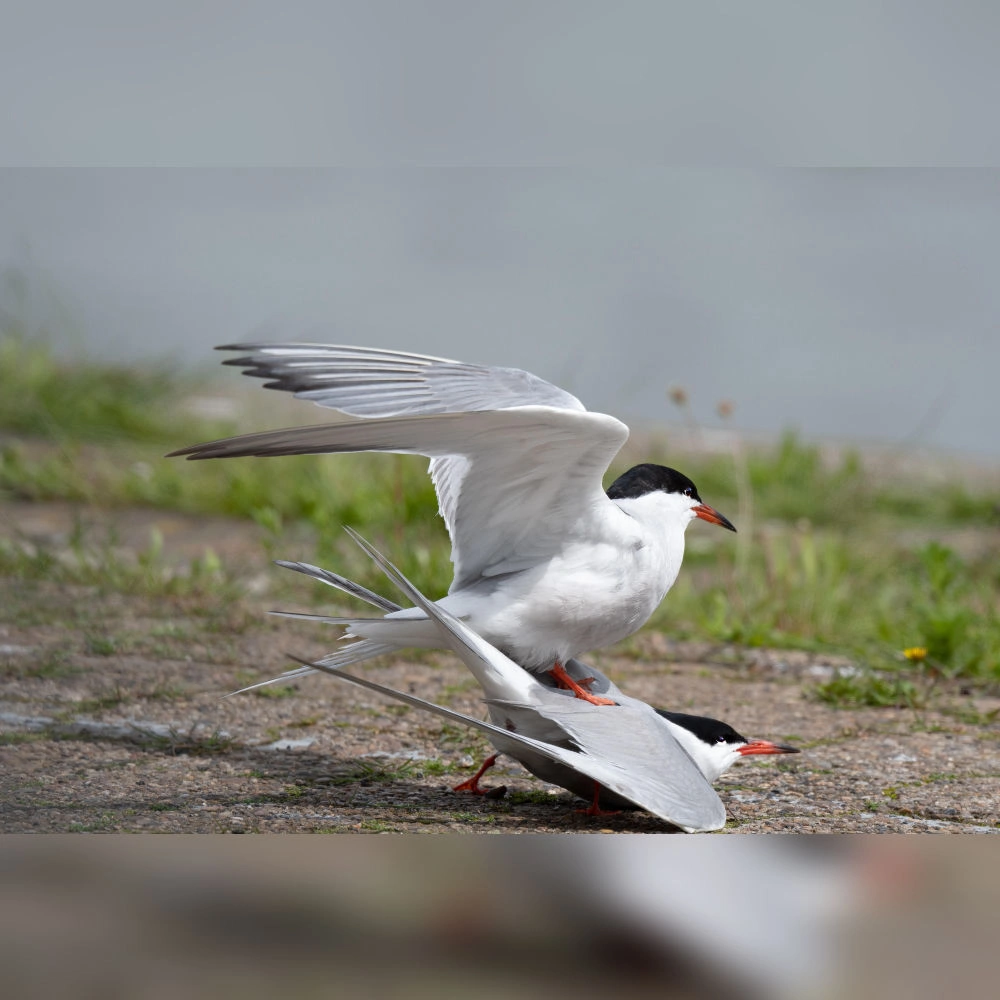
River Tern
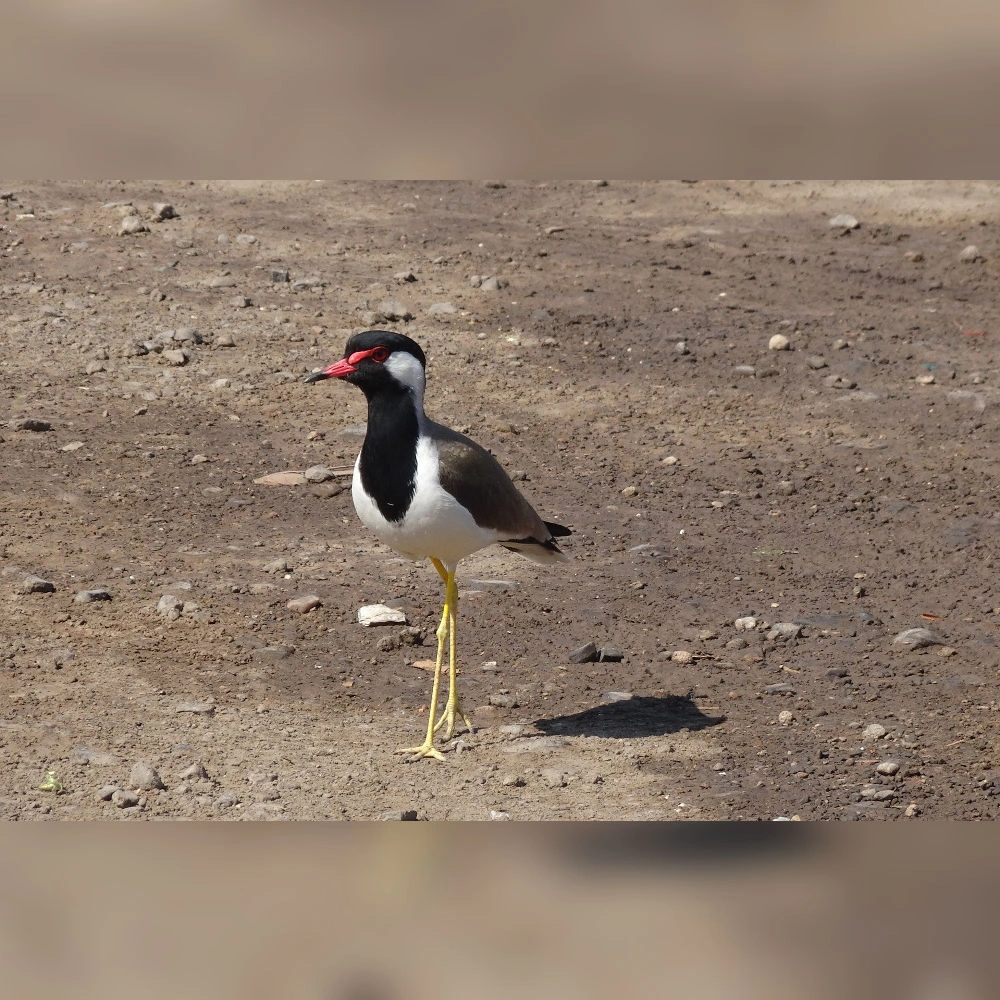
Red-wattled Lapwing
Common Sandpiper
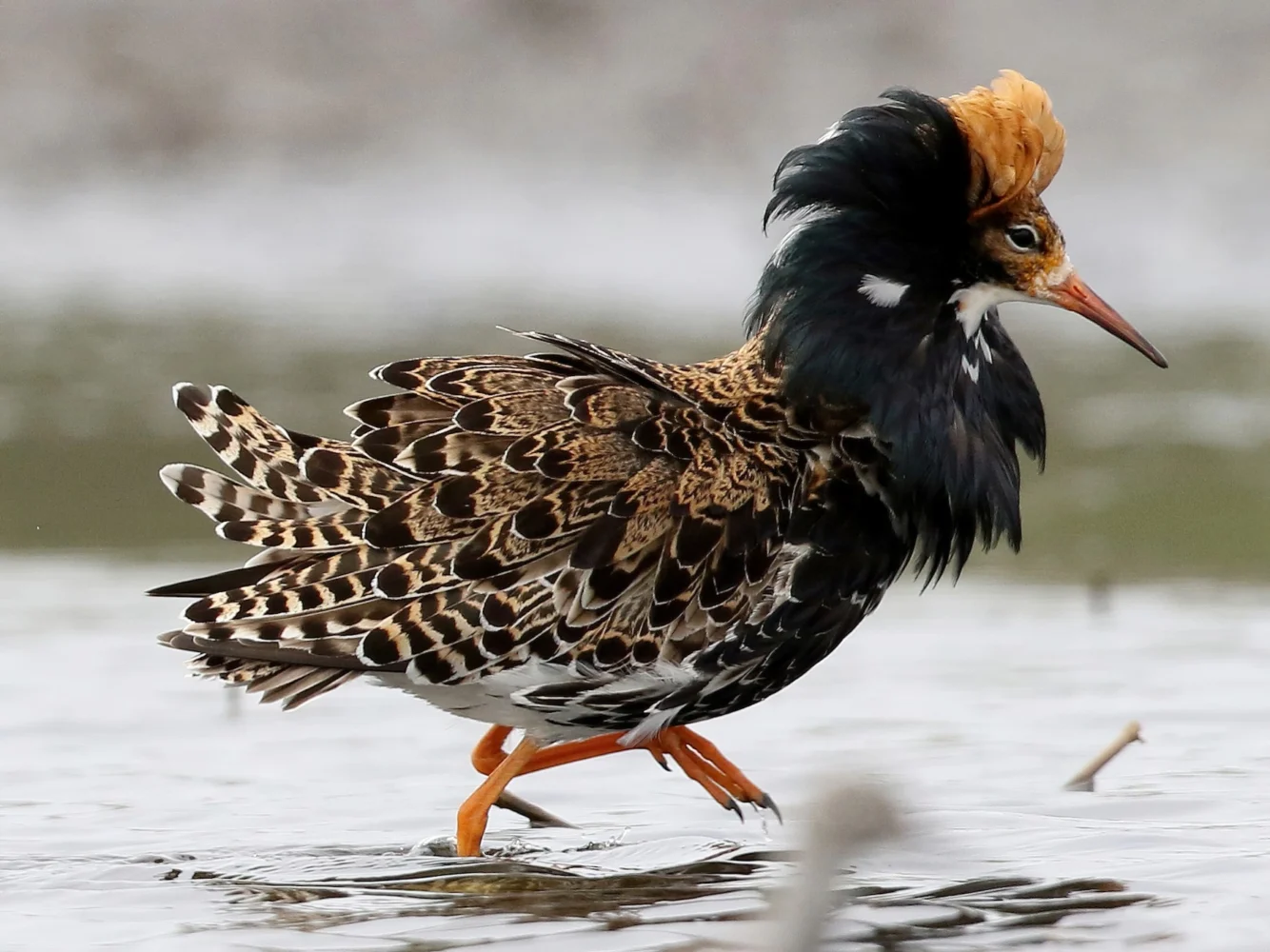
Ruff
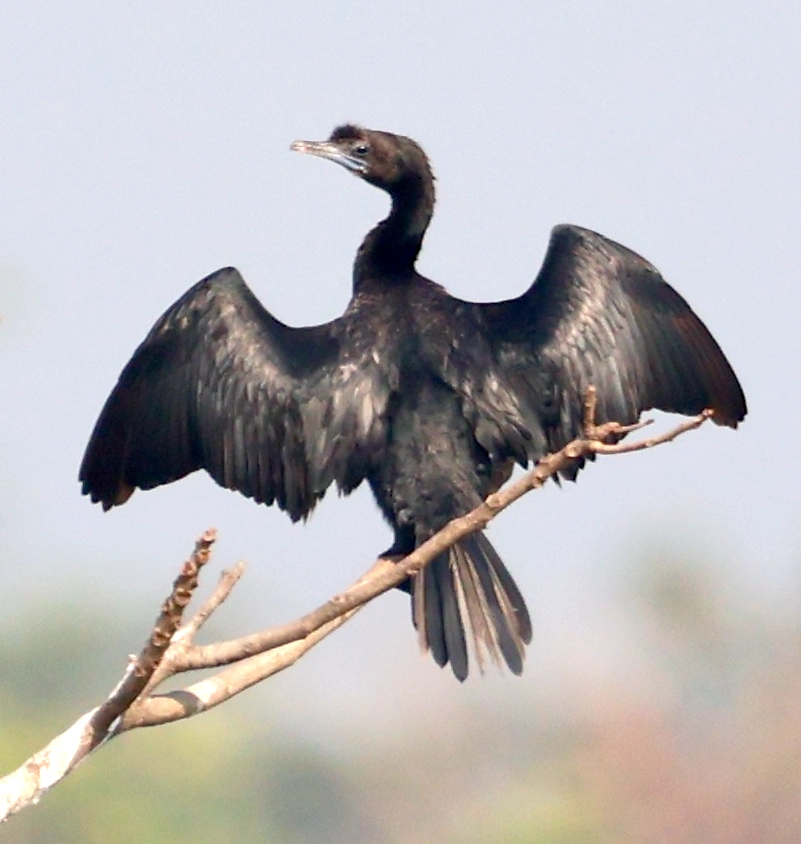
Little Cormorant
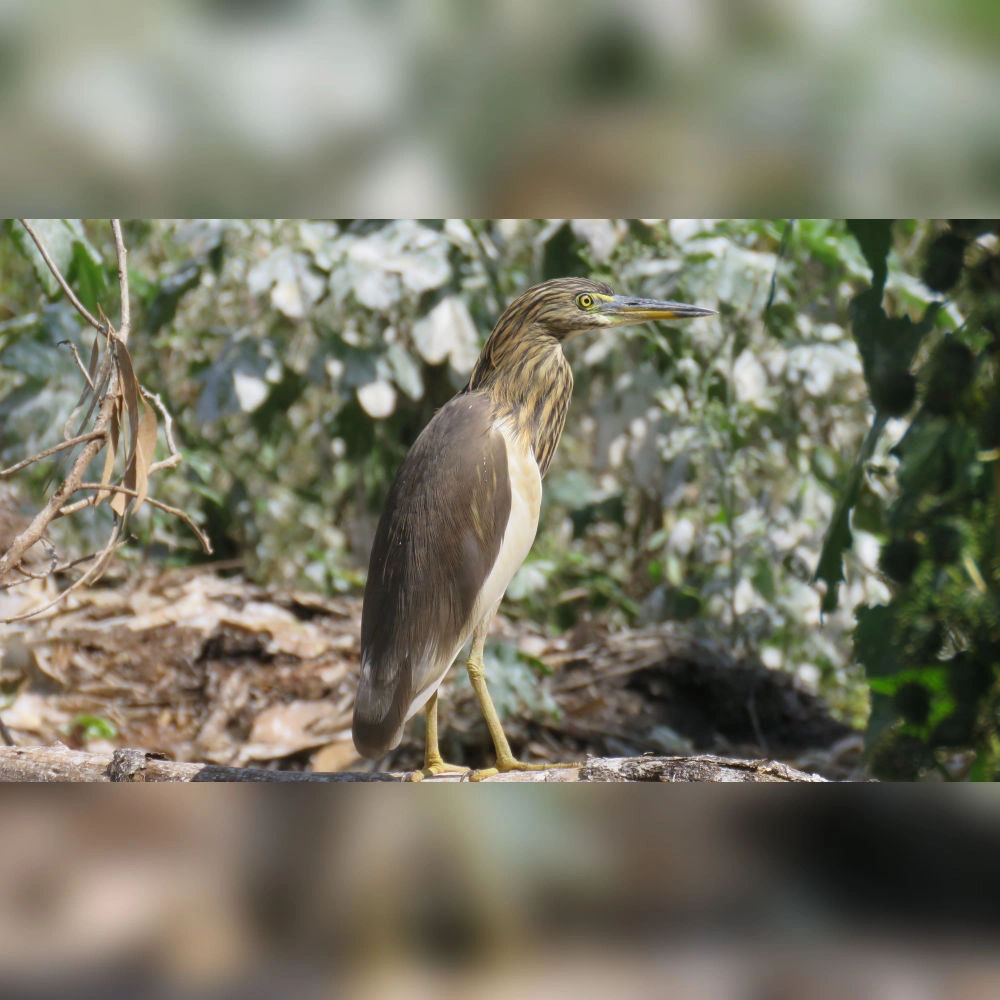
Pond Heron
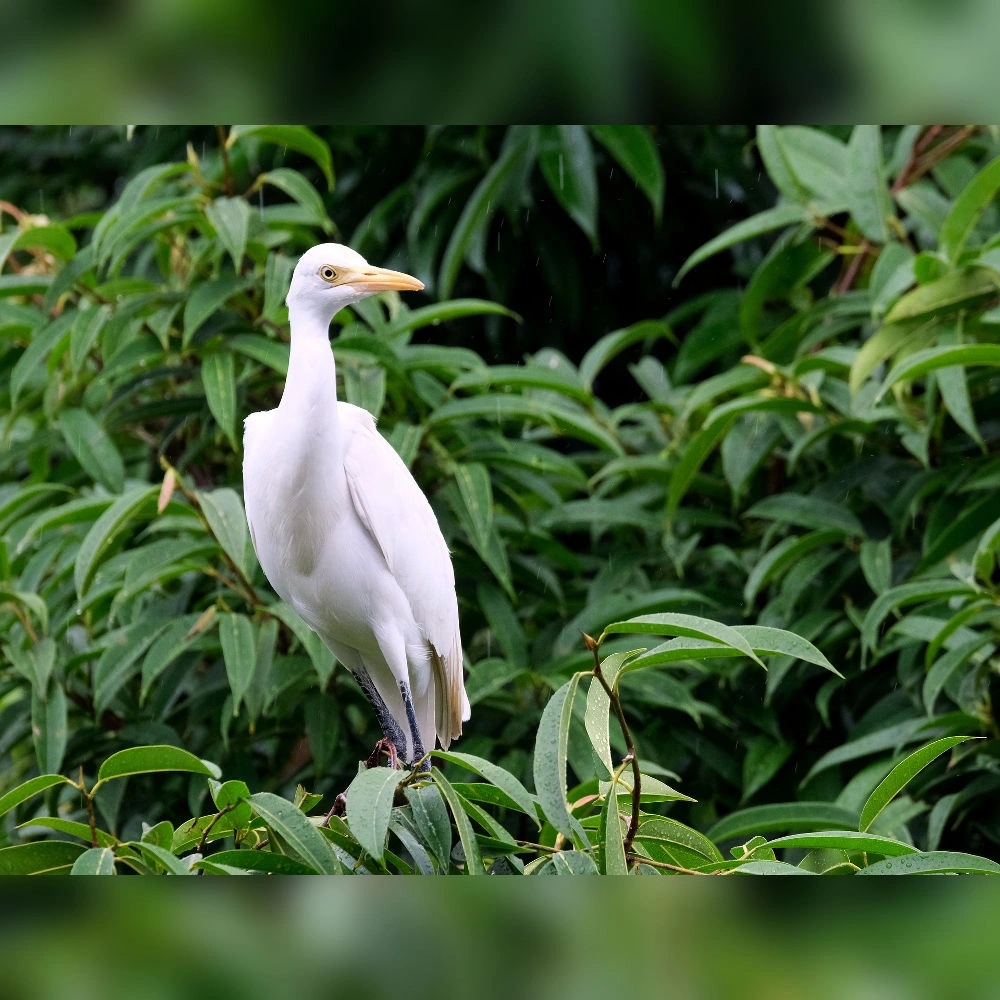
Cattle Egret
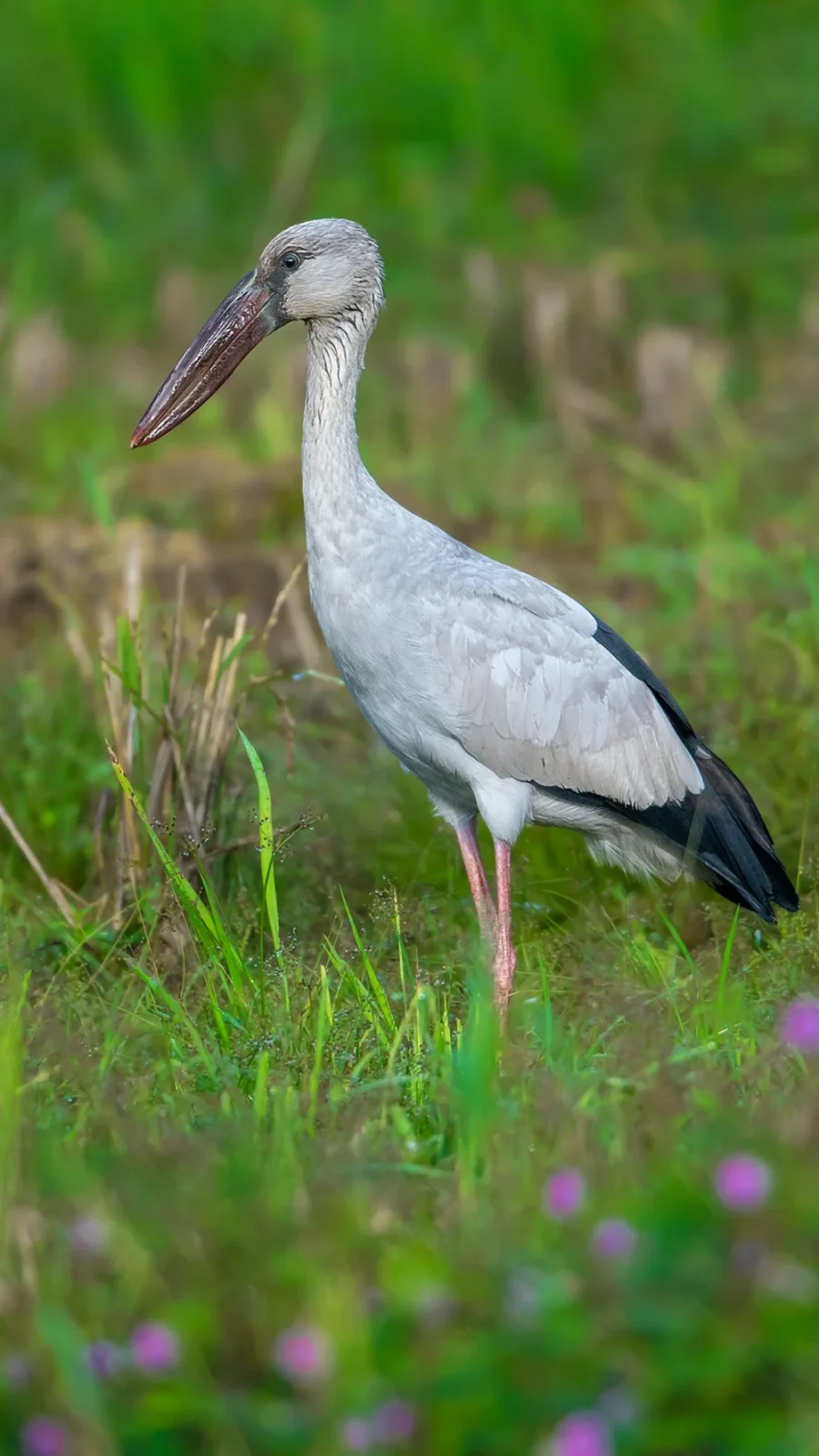
Great Egret
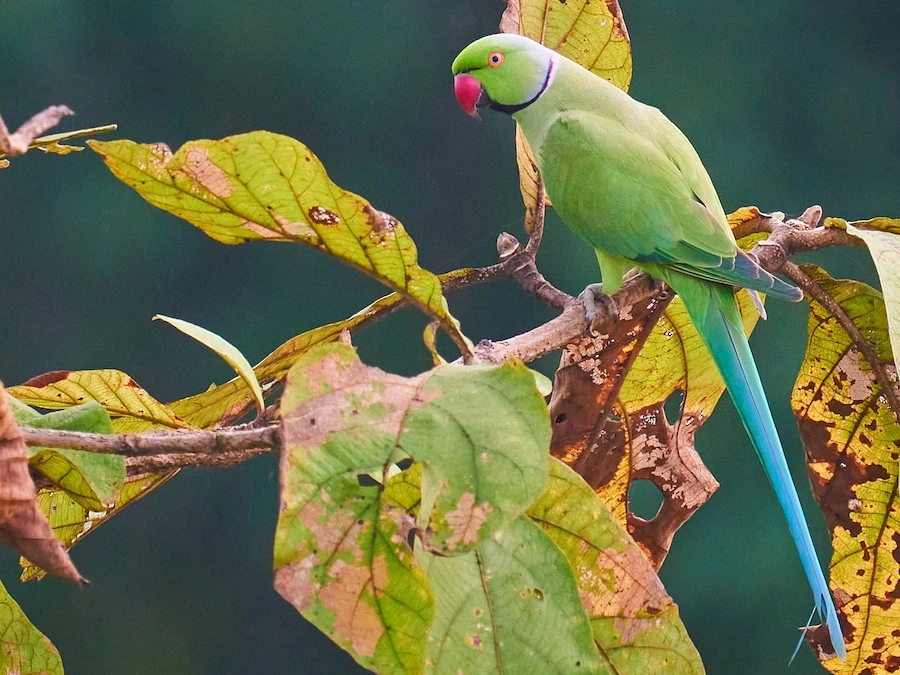
Rose-ringed Parakeet
Jungle Babbler

Summary of Walk

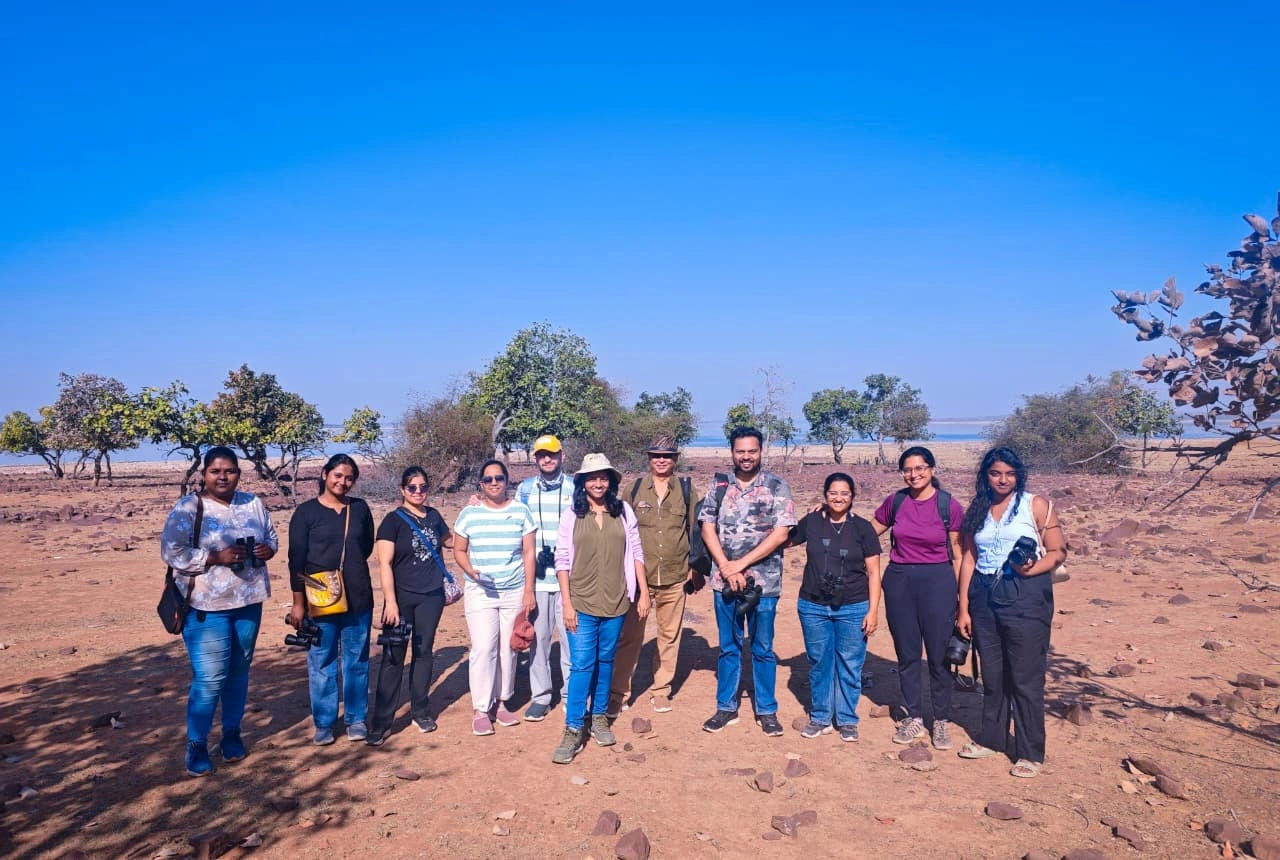
The bird walk at Halali Dam in Bhopal, led by bird expert Kritalee Chindarkar in collaboration with MP Tourism, brought together 15 enthusiastic participants for an enriching exploration of this scenic reservoir landscape. Surrounded by calm waters, rolling hills, and wooded patches, the location offered a perfect setting for birdwatching. The group recorded an impressive 40+ bird species, making the walk both productive and educational. As the walk was specially focused on vultures, participants were thrilled to spot three remarkable species — Indian Vulture, Egyptian Vulture, and Cinereous Vulture.
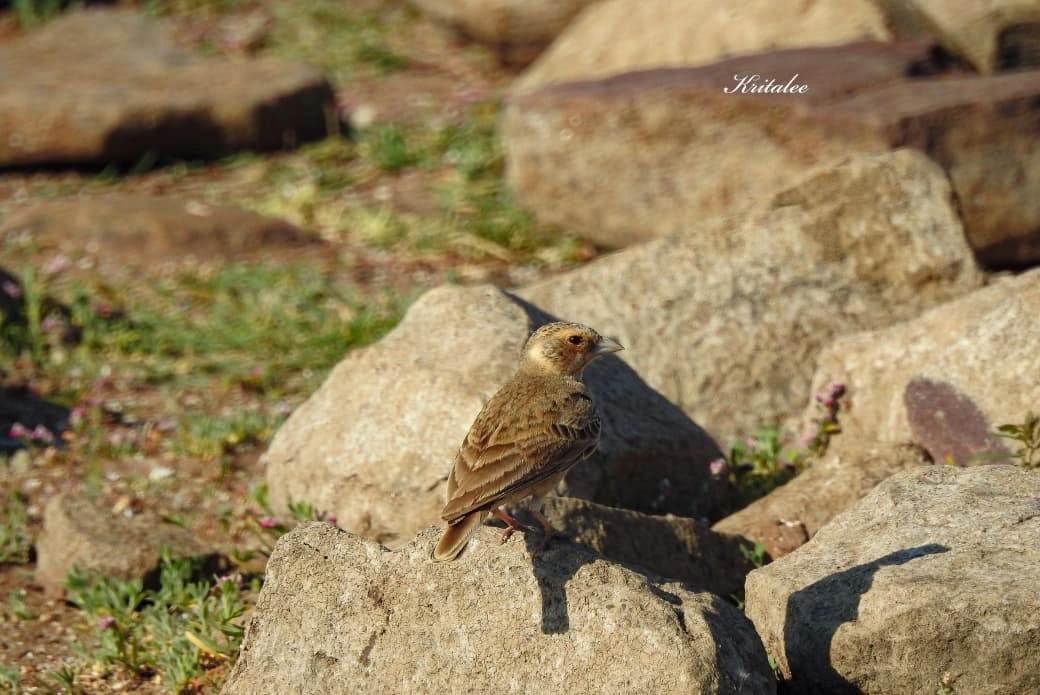
Apart from the vultures, the group also encountered a variety of fascinating birds including Blue Rock Thrush, Verditer Flycatcher, Ashy-crowned Sparrow-Lark, Woolly-necked Stork, Ruddy Shelduck, River Tern, Western Yellow Wagtail, and Siberian Stonechat among others. Kritalee enriched the experience by sharing insights on vulture identification, their ecological importance, conservation challenges, and the role of habitat and migration in shaping bird diversity. The engaging storytelling and discussions turned the walk into a deeply immersive and memorable learning experience for everyone involved.
Number of Participants
0
Scroll to Top