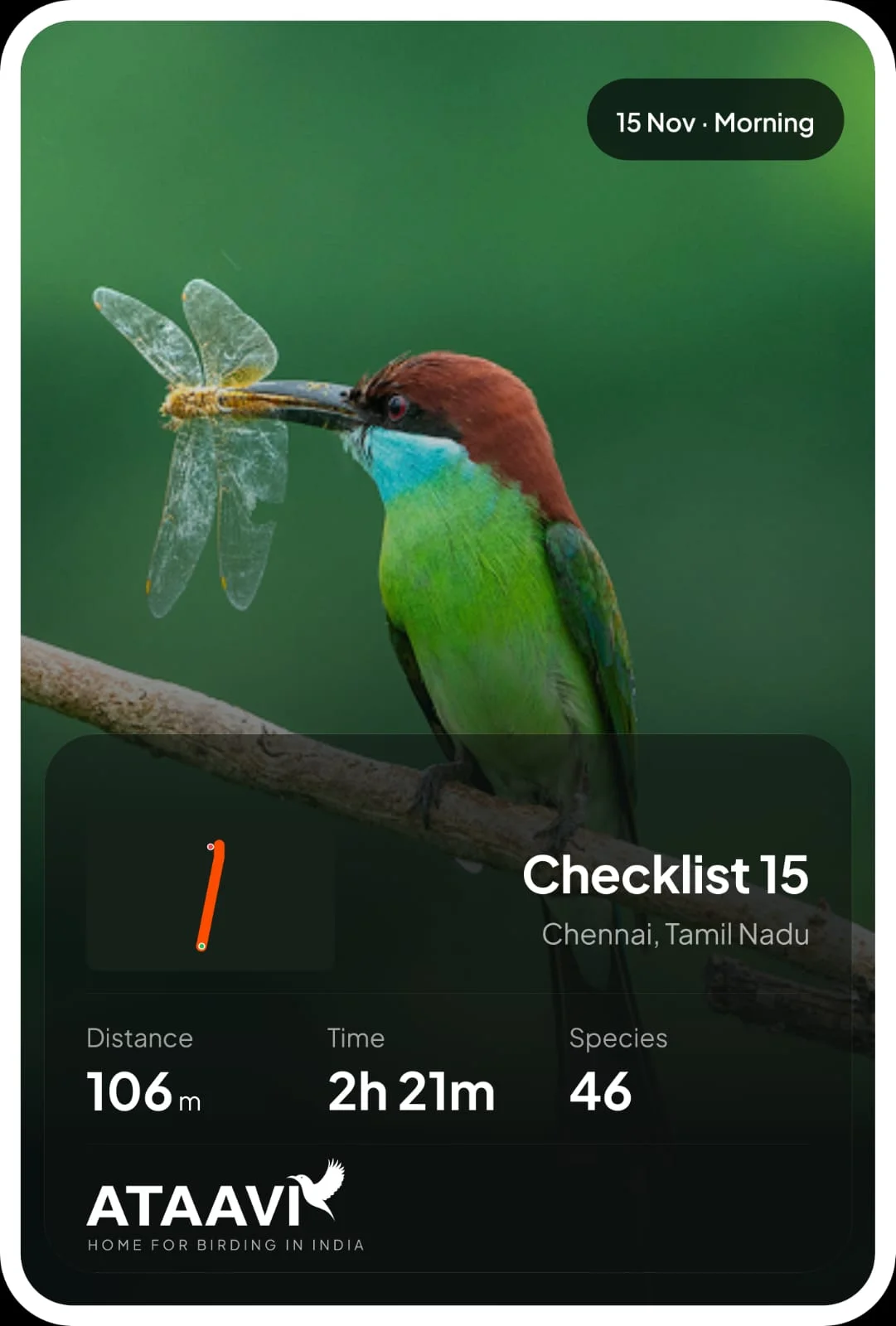
Bird Walk at Broken Bridge, Chennai, Tamil Nadu
- Chennai
- 15 November, 2026
- Sudharshan S
About Broken Bridge
Where the Adyar River meets the Bay of Bengal, a ruined bridge stretches out over the water and stops abruptly halfway. This is Chennai’s famous Broken Bridge, a single-lane crossing built in 1967 to link Pattinapakkam with Besant Nagar’s Elliot’s Beach, which partly collapsed in 1977 and was never rebuilt. Today, it is a “bridge to nowhere” and one of the best places in the city to watch birds. Around it, the Adyar estuary forms a mosaic of tidal mudflats, sandbars, small islands, shallow channels and restored mangroves, where fresh and salt water mix. The neighbouring Theosophical Society’s grounds have long helped shield this fragile ecosystem from development. In winter, the estuary comes alive with pelicans, storks, spoonbills, terns and flocks of migrant shorebirds feeding on the exposed mud at low tide.
The estuary has had a troubled history. Sewage and garbage polluted the Adyar for decades, and older birders recall far larger flocks than are seen today. Restoration efforts have brought some recovery: over 57,000 mangrove and 35,000 land-plant saplings have been planted after invasive species, debris and plastic were removed. Yet pressures remain, including fresh pollution after floods and periodic proposals to rebuild the bridge as a road link to ease traffic. Keeping the estuary open, clean and undisturbed is vital if its birds are to keep returning.

Bird Guide: Sudharshan S
He is an MSc Zoology student with a strong curiosity to learn about nature and wildlife. Trained as a naturalist, mountaineer, and birdwatcher, he has participated in various bird and wildlife censuses, gaining valuable field experience in observing and documenting species. His academic background and hands-on experiences continue to strengthen his passion for understanding and conserving the natural world.

Bird walk Location
Common birds of Broken Bridge
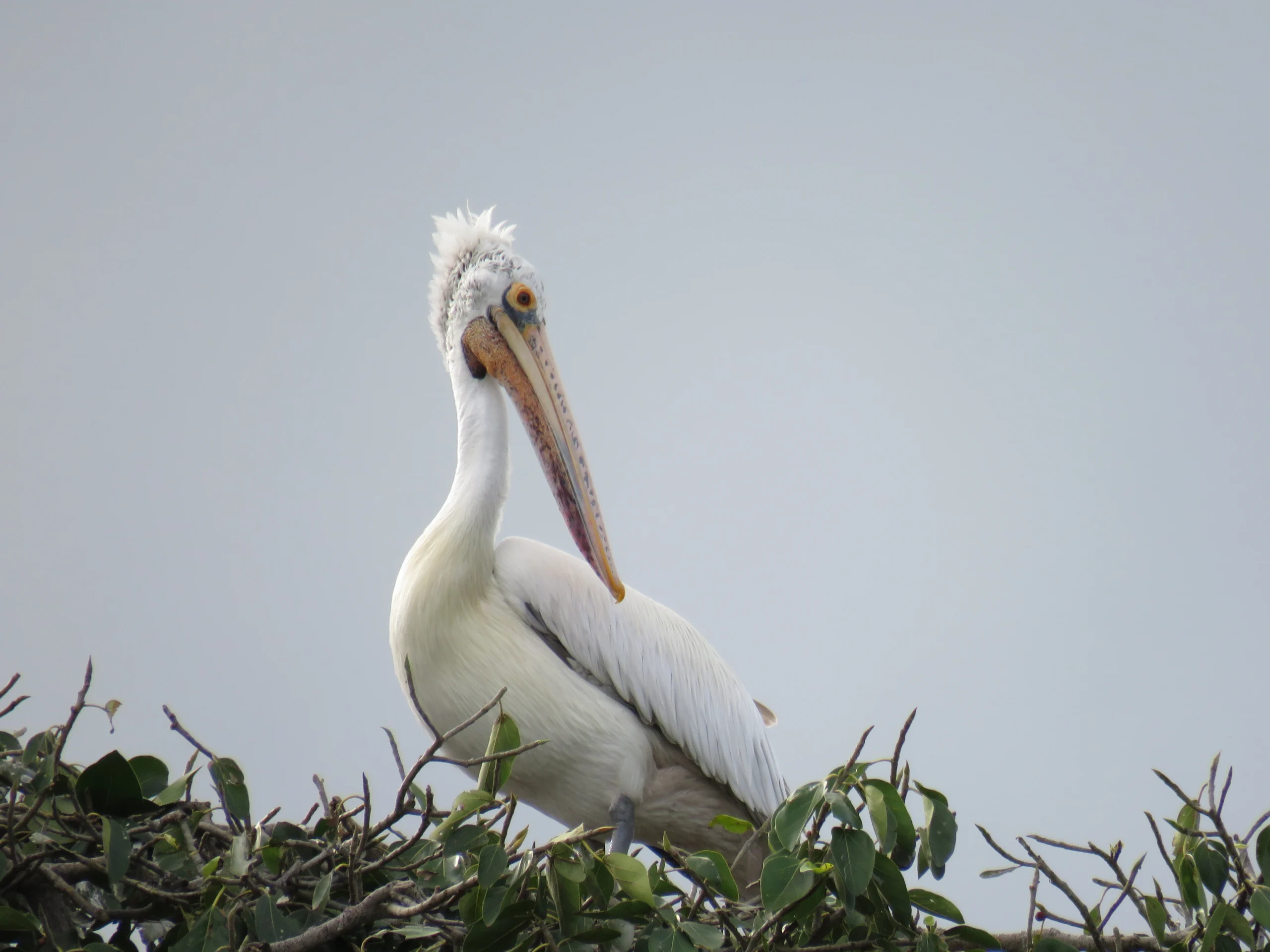
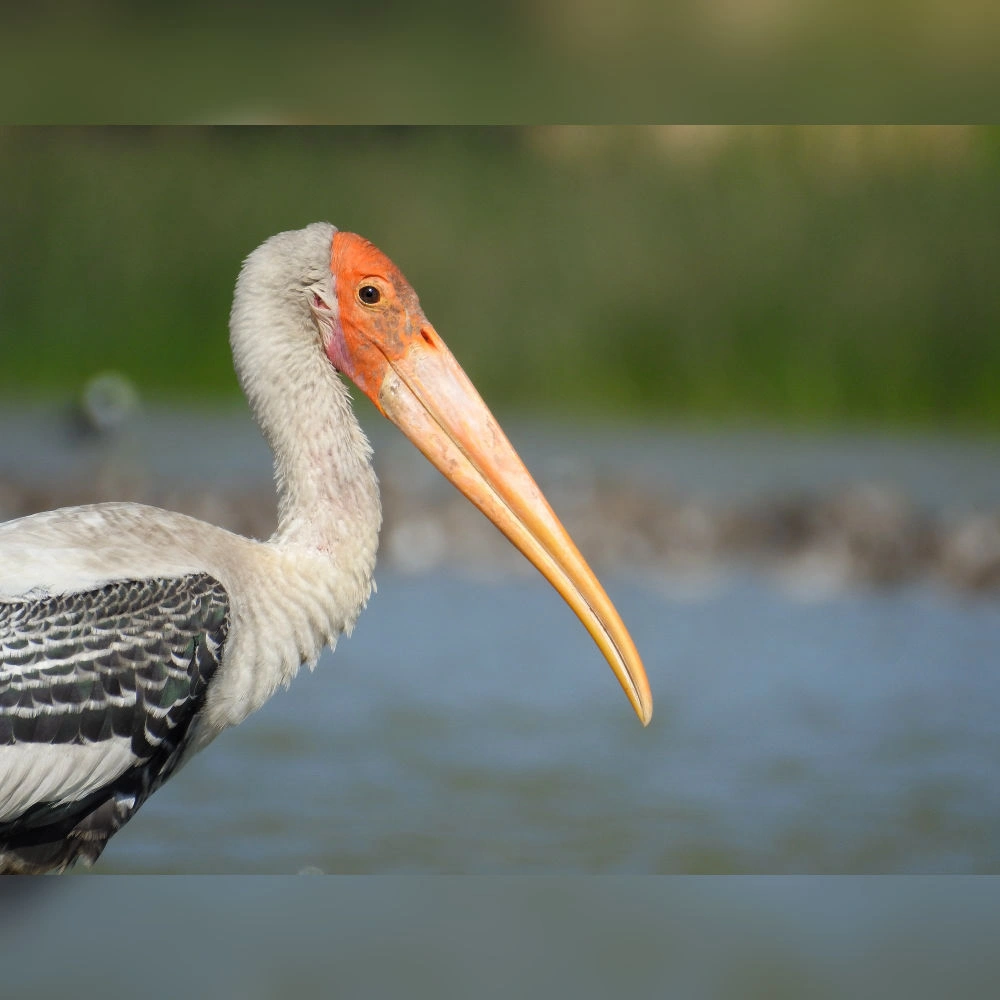
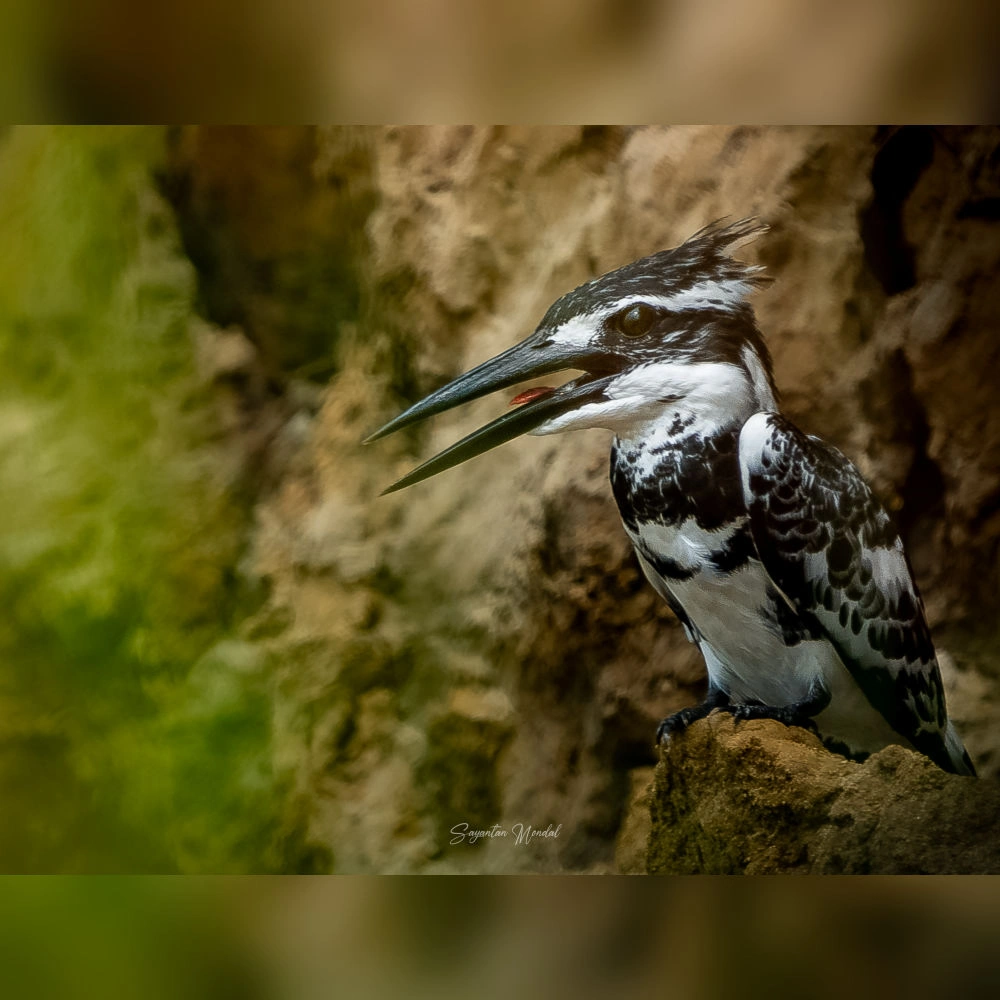
The Adyar estuary around the Broken Bridge is a winter showcase for coastal birds. Spot-billed Pelicans glide in on broad wings, Painted Storks sweep the shallows, and Eurasian Spoonbills swing their flat bills from side to side as they feed. Terns are a highlight here: the massive red-billed Caspian Tern, the elegant Greater Crested Tern, the Gull-billed Tern hawking over the mud, and Whiskered Terns dipping lightly over the water. At low tide, the mudflats fill with shorebirds: Pacific Golden Plovers, Lesser Sand Plovers and Kentish Plovers run and pause across the flats, while Common Redshanks, Wood Sandpipers, Ruffs and tiny Little Stints probe for food. The Pied Kingfisher hovers before plunging, and the White-throated Kingfisher watches from nearby perches. Asian Green and Blue-tailed Bee-eaters and Asian Palm Swifts hawk insects overhead, while Common Tailorbirds, Common Mynas and Spotted Doves keep the surrounding greenery lively.

Spot-billed Pelican

Painted Stork

Pied Kingfisher
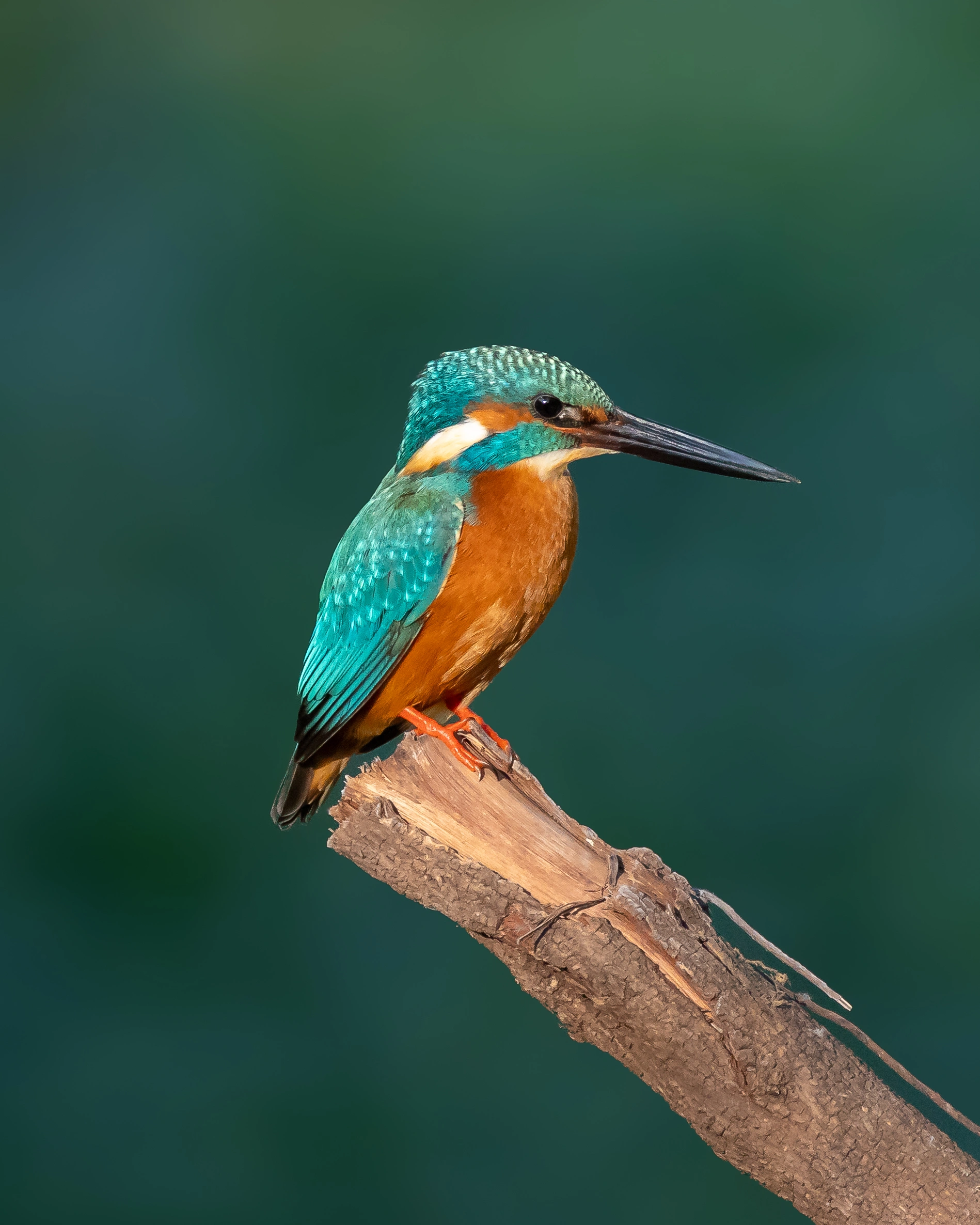
Common Kingfisher
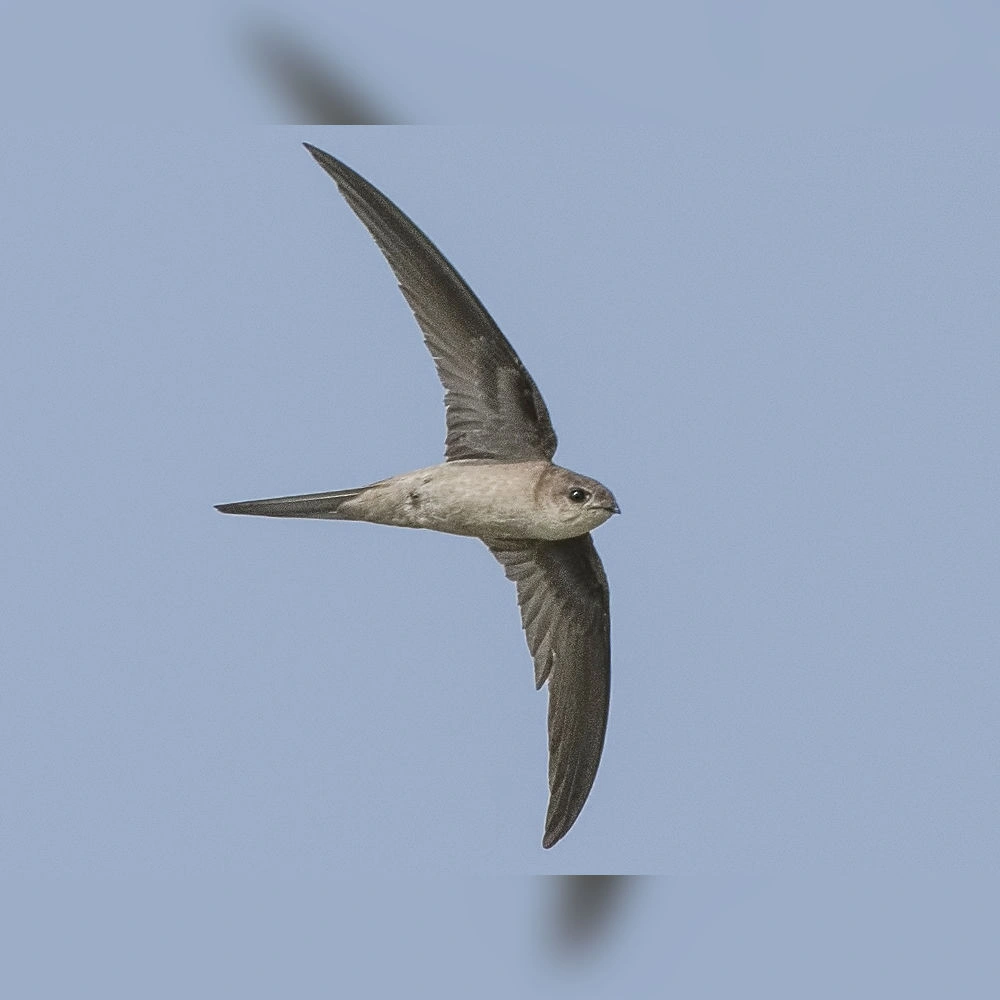
Asian Palm Swift
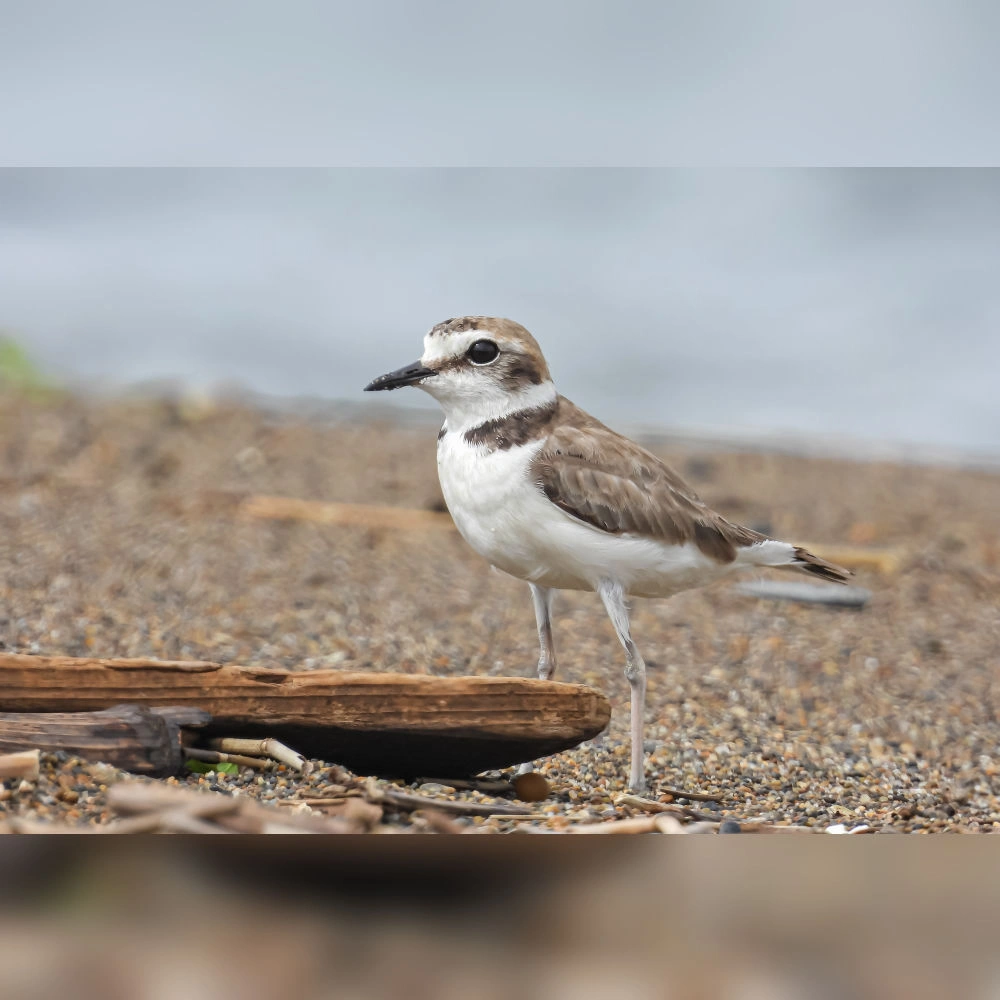
Kentish Plover
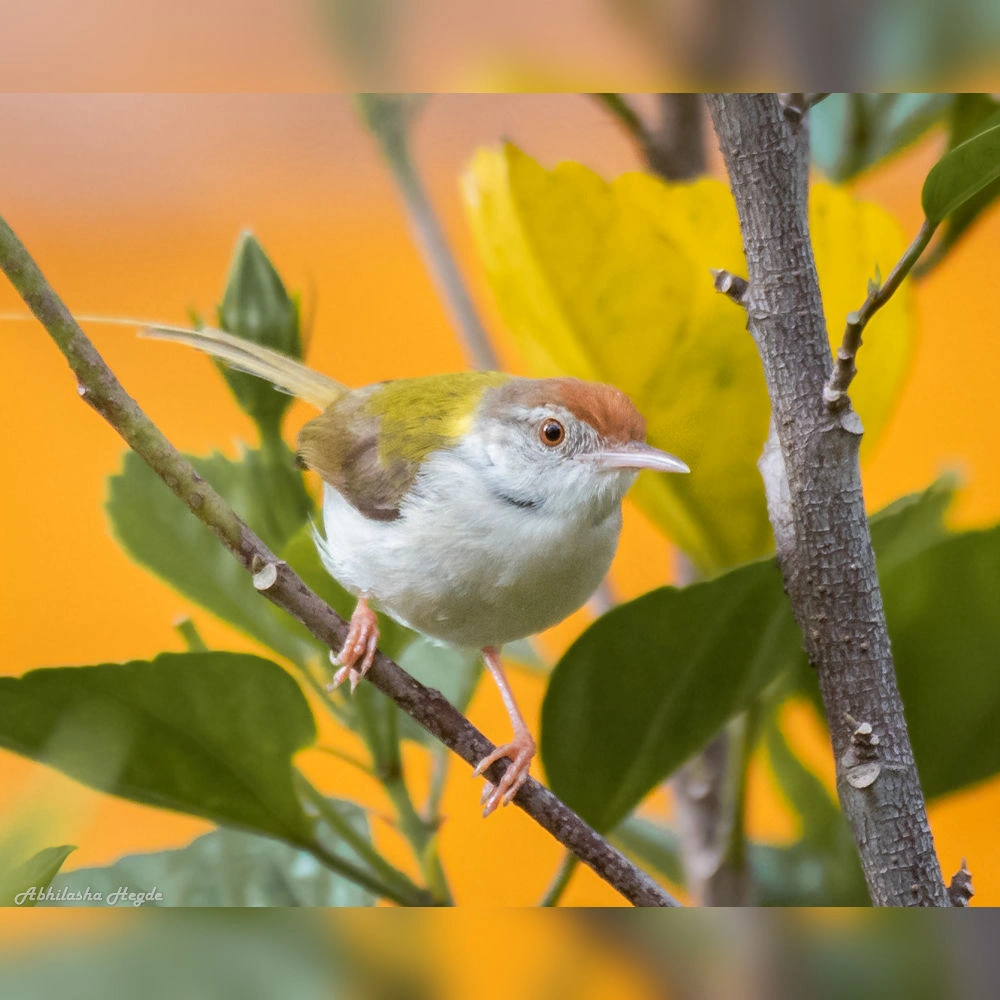
Common Tailorbird
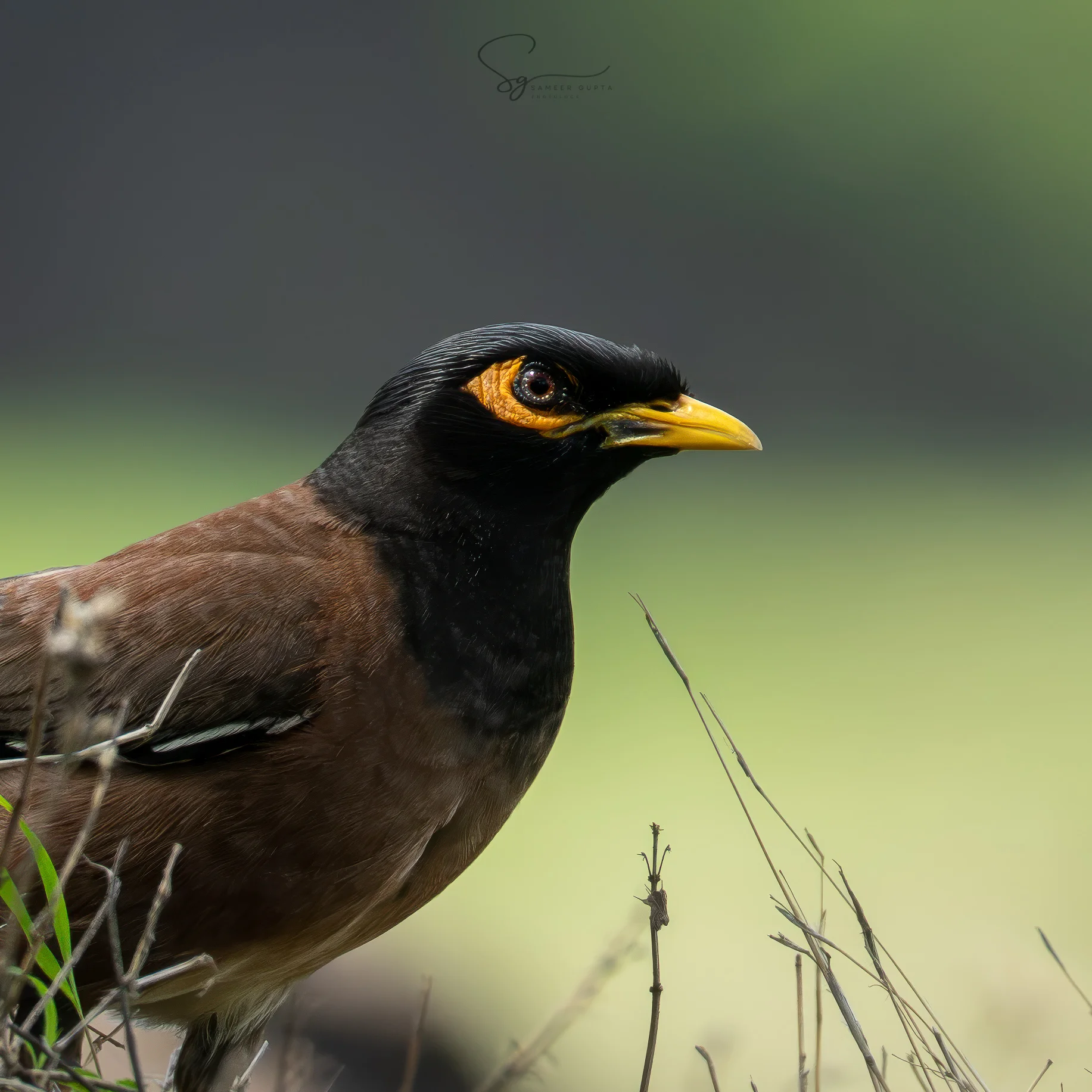
Common Myna
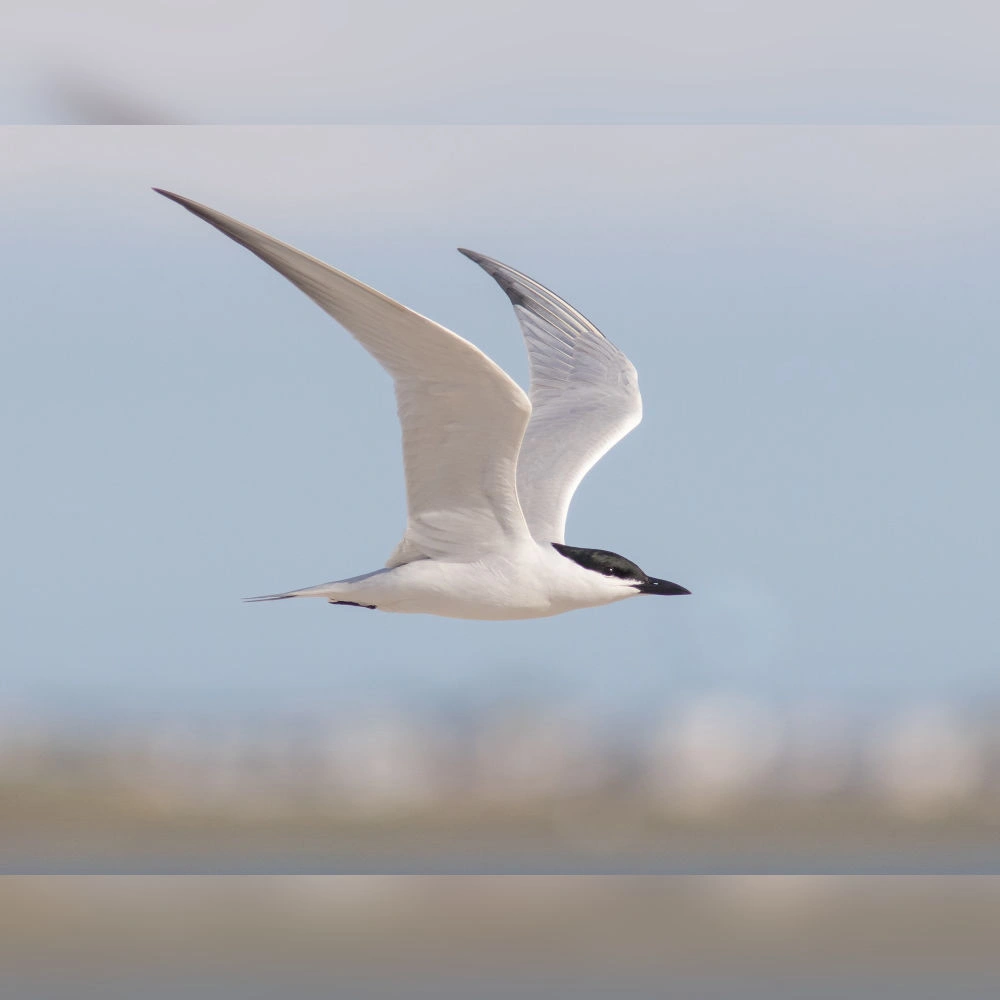
Gull-billed Tern
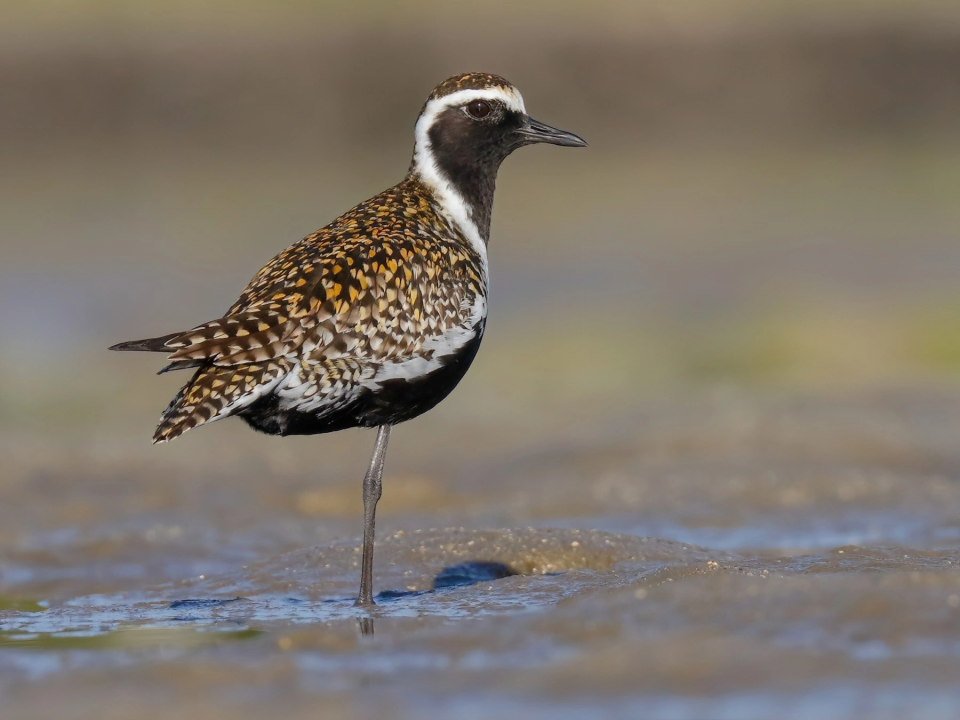
Pacific Golden Plover
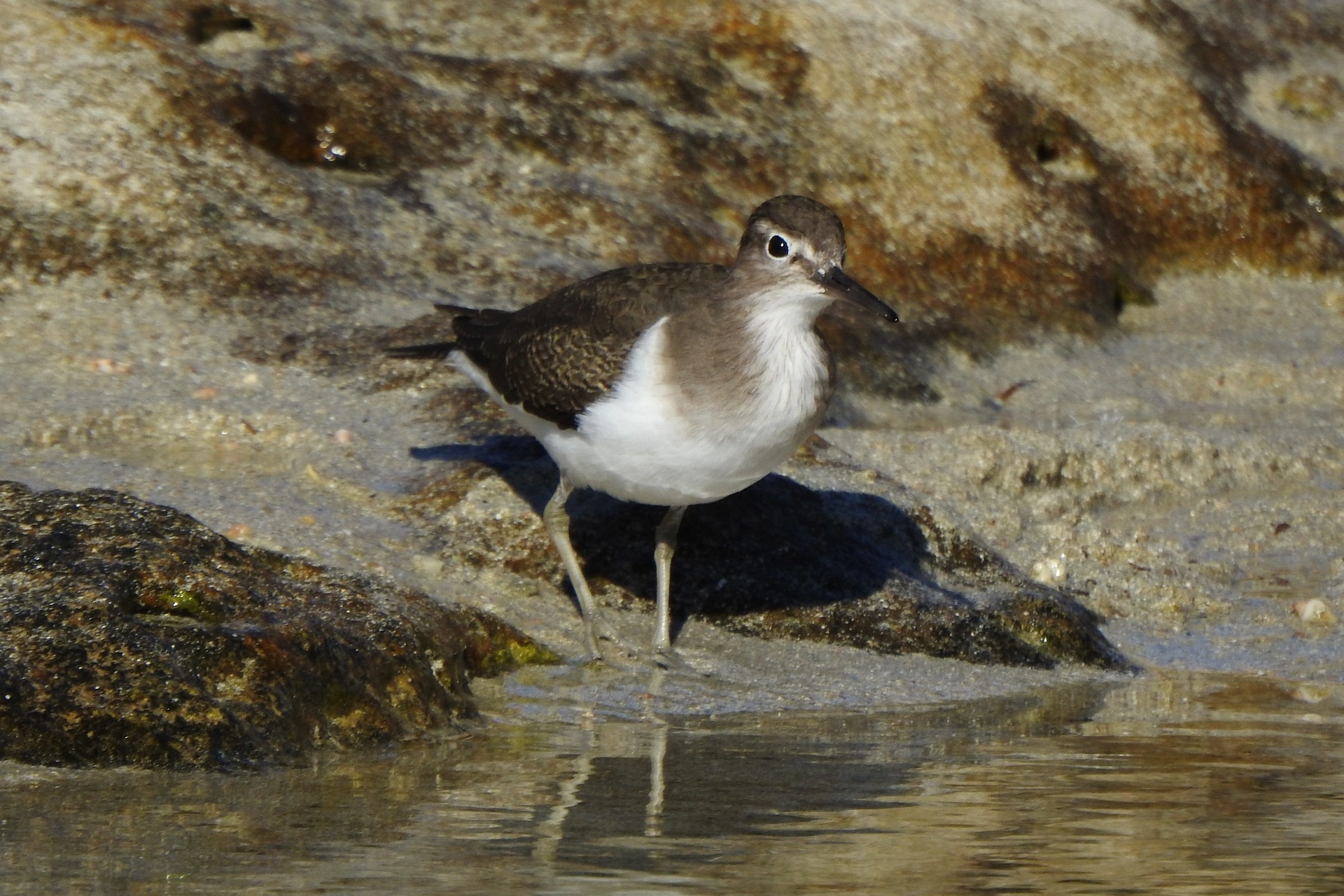
Little Stint
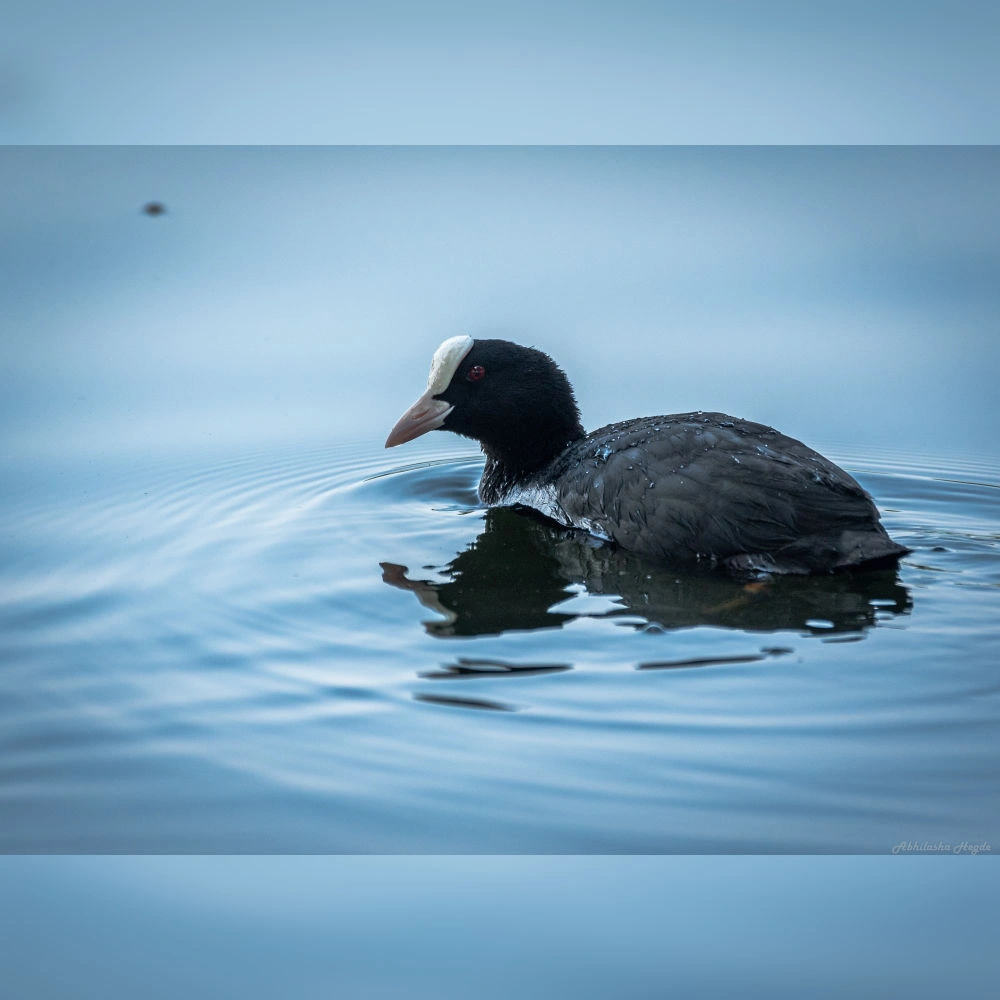
Eurasian Coot
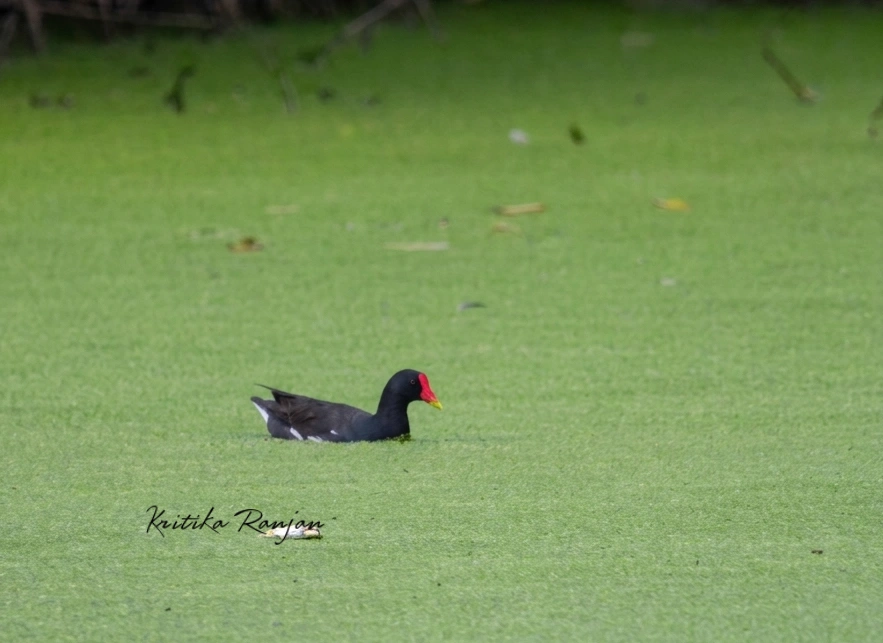
Eurasian Moorhen
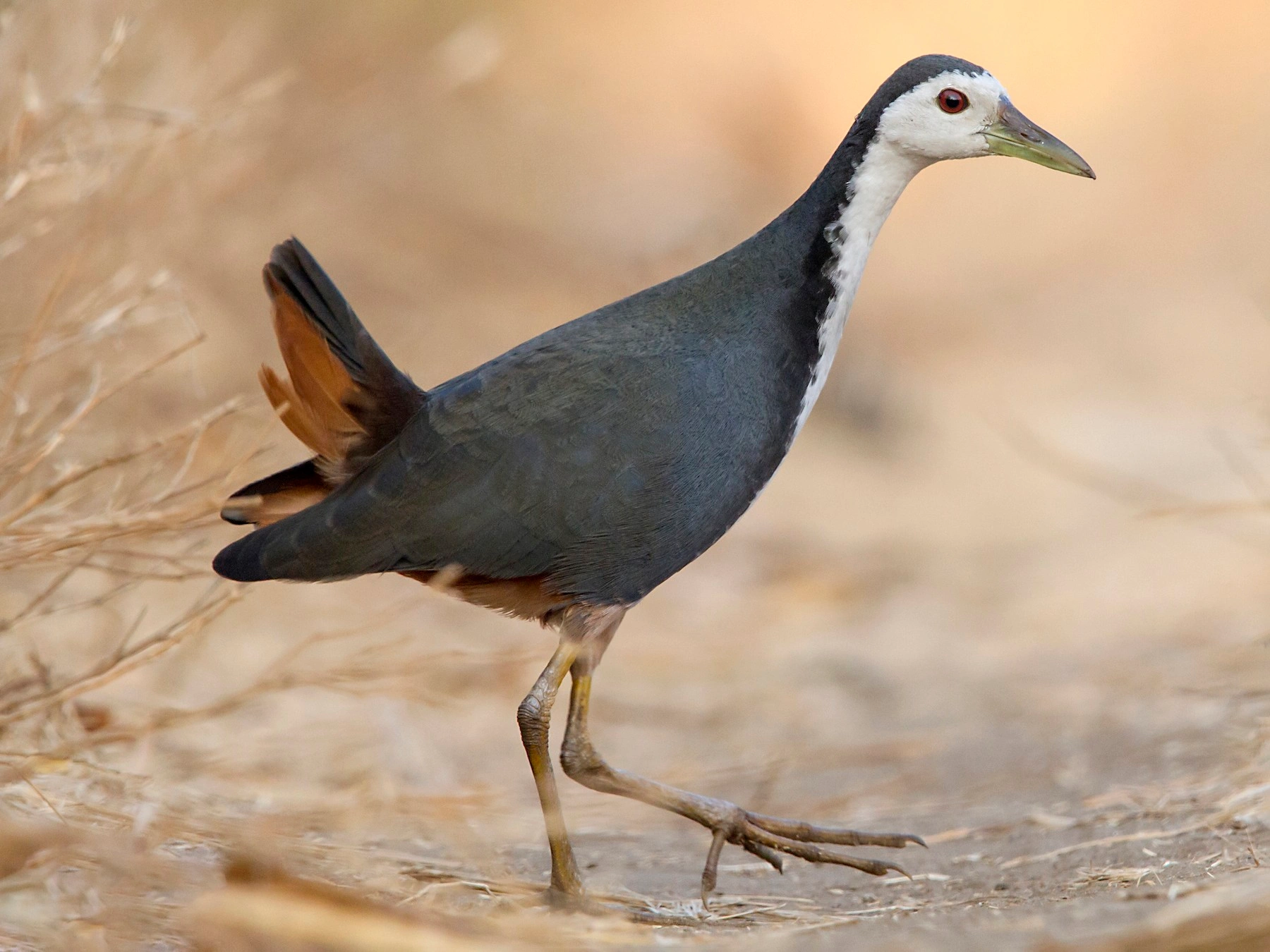
White-breasted Waterhen
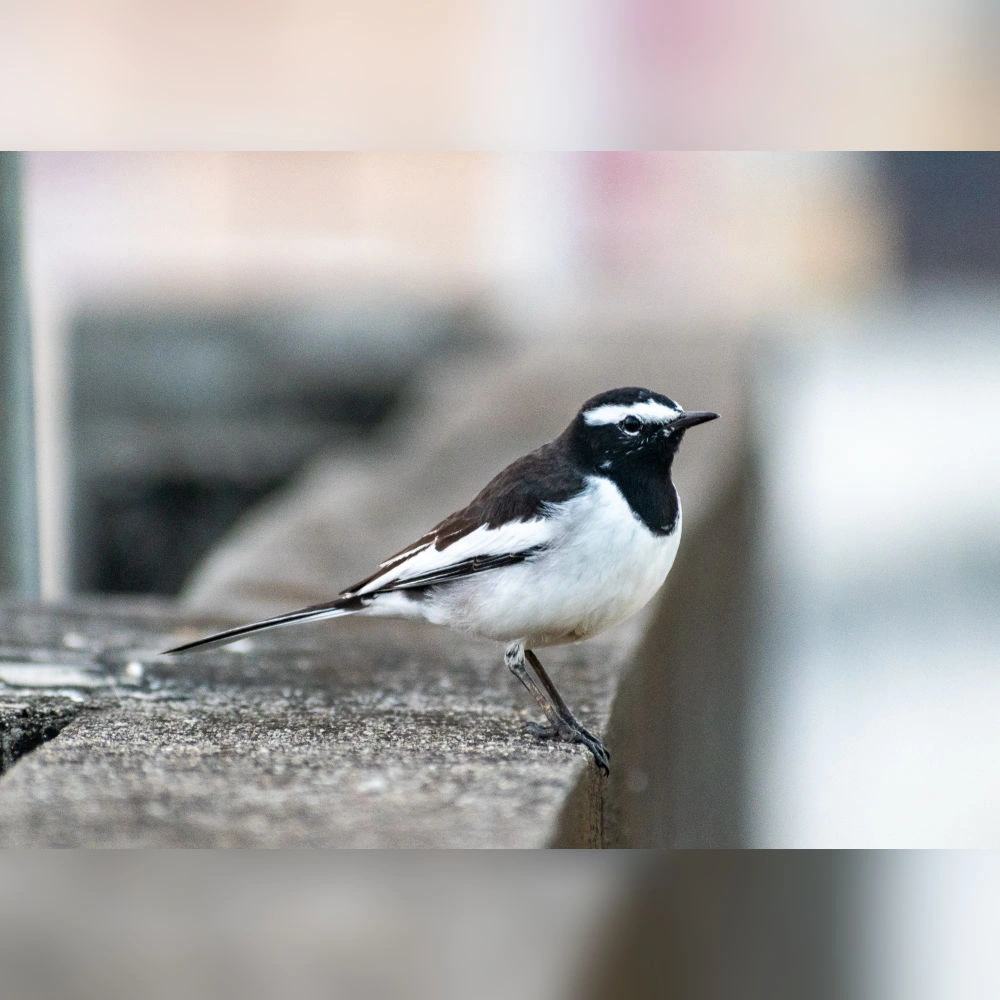
White-browed Wagtail
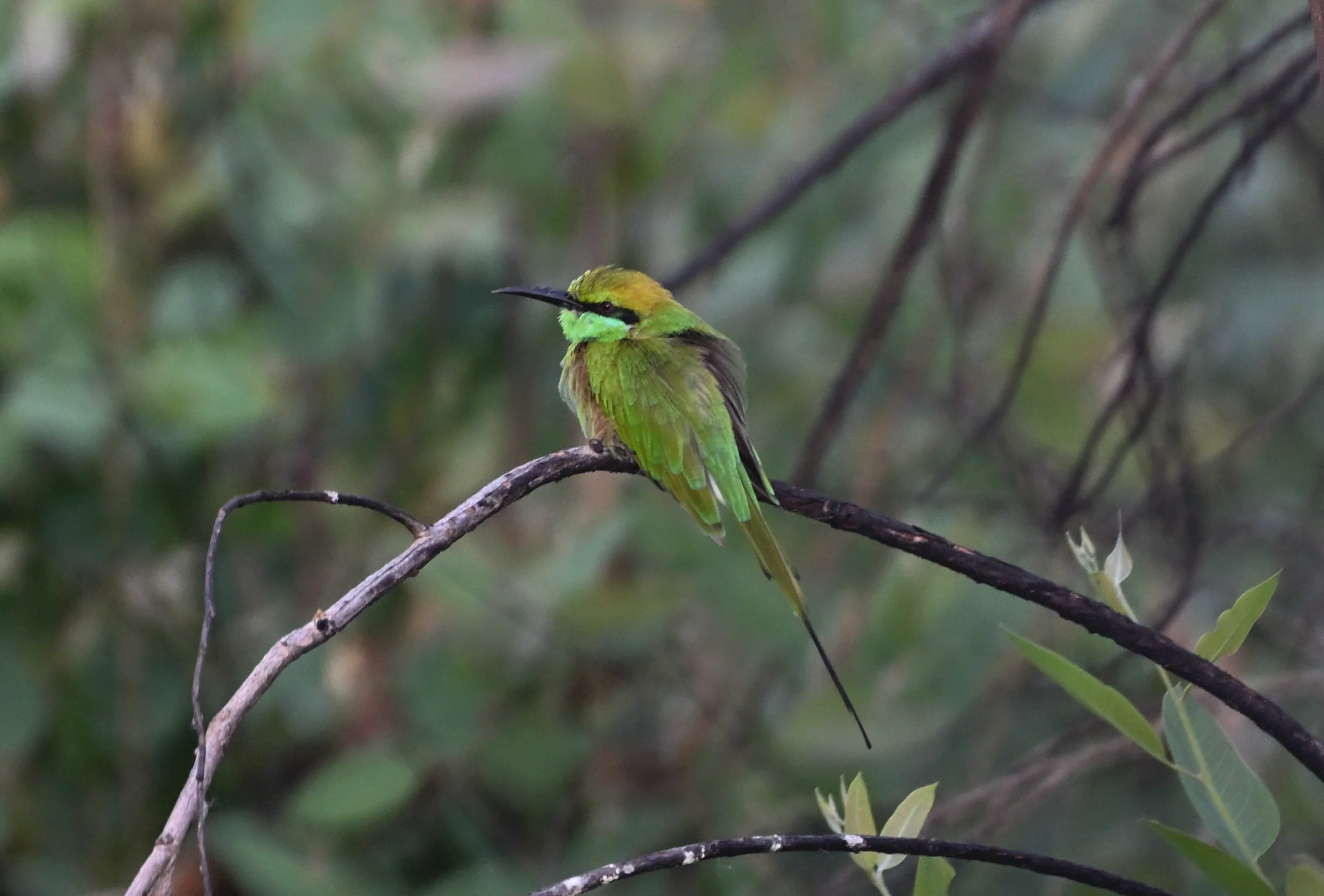
Asian Green Bee-eater
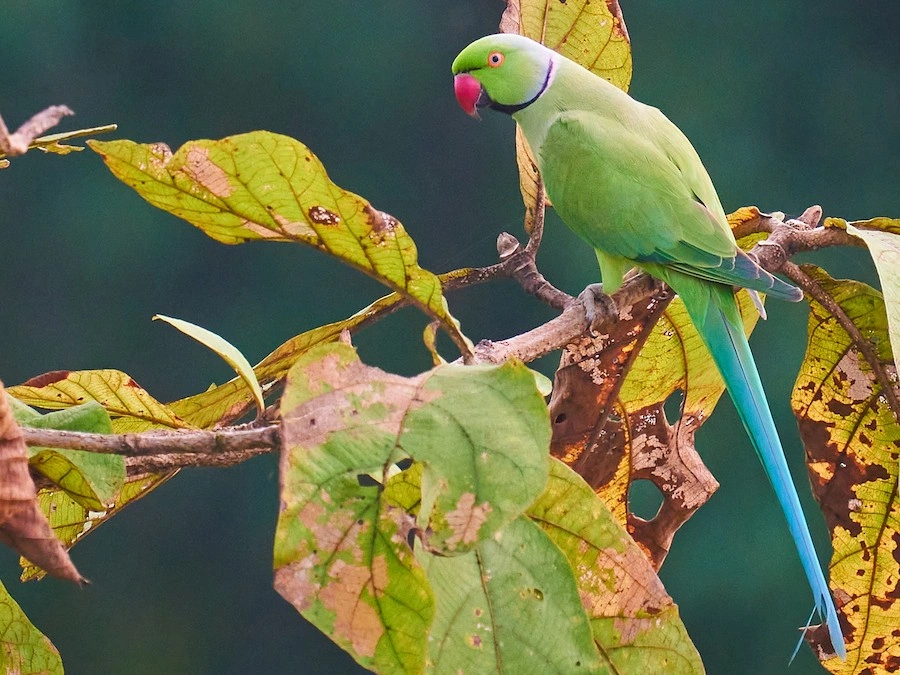
Rose-ringed Parakeet
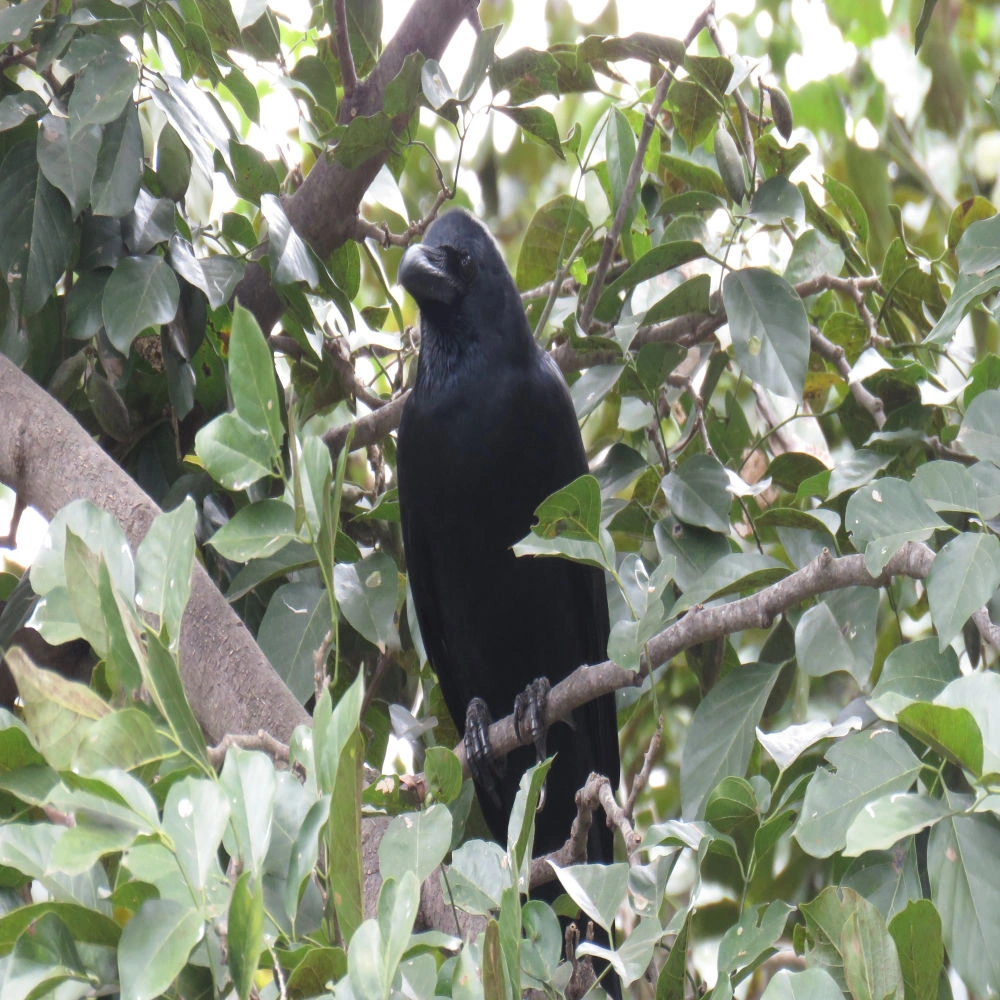
Large-billed Crow
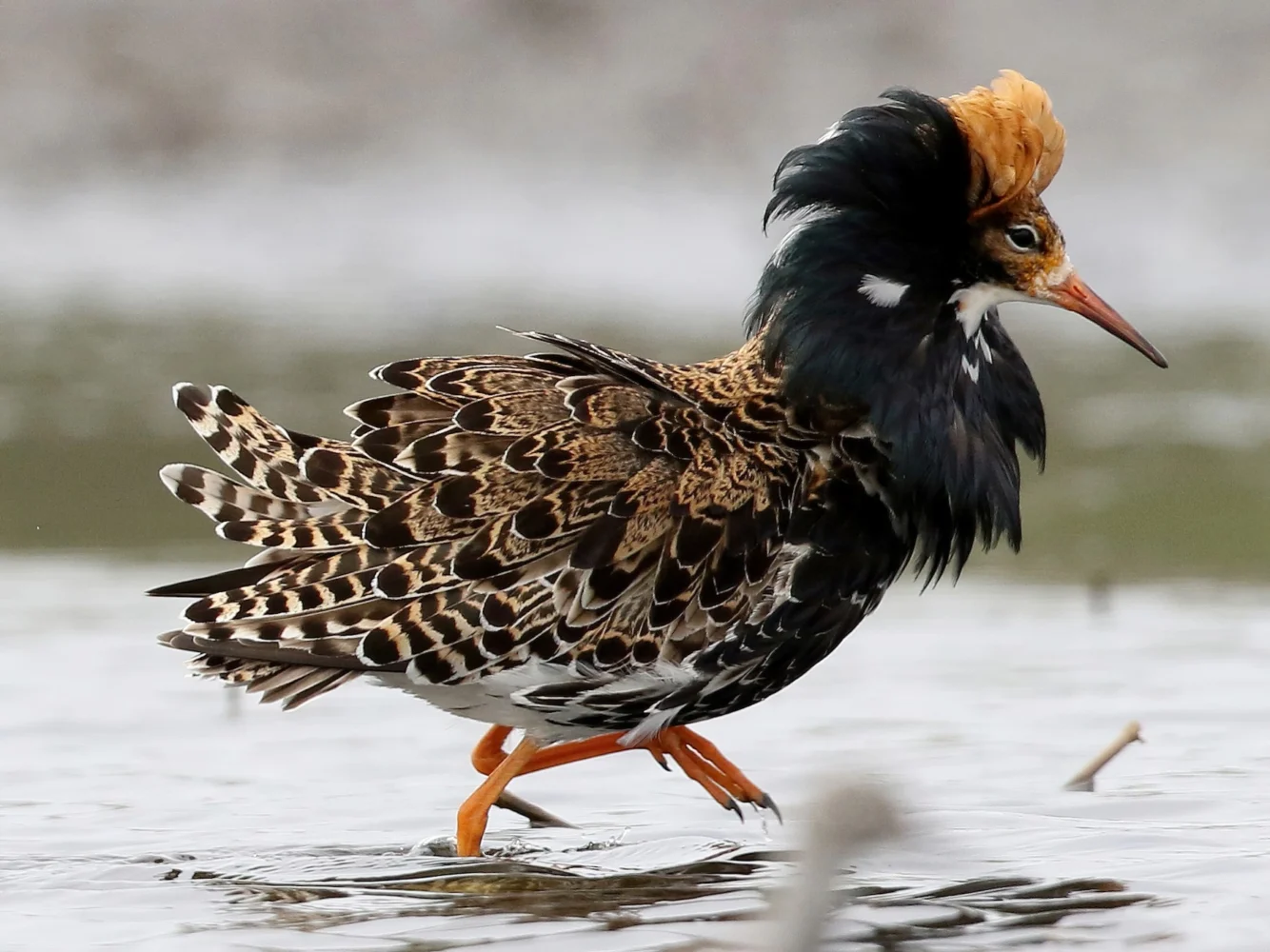
Ruff