Loading Events

Bird Walk at Hesarghatta lake, Bengaluru

About Hesarghatta lake

On Bengaluru’s northwestern edge, where the city finally gives way to open country, Hesaraghatta Lake sits at the heart of one of the region’s most precious wild landscapes. The lake is surrounded by a mosaic of savanna-like grassland and wetland, the last remaining grassland habitat in the Bengaluru region. Rolling grass, scattered scrub and rocky patches meet the lake’s open water and marshy margins, creating homes for hundreds of species of plants, mammals, reptiles, amphibians, birds, spiders and butterflies. For birders, Hesaraghatta is legendary: raptors quarter the grasslands, swallows and bee-eaters sweep over the water, and the scrub is busy with bulbuls, sunbirds and warblers. Each migration season brings surprises too, with rare passage migrants turning up among the familiar residents.

Hesaraghatta’s protection was hard-won. After more than a decade of advocacy by conservationists, the Karnataka government notified about 5,678 acres as the Greater Hesaraghatta Grassland Conservation Reserve in February 2025, safeguarding both wildlife and a vital catchment that is one of Bengaluru’s water sources. Yet challenges remain, including garbage dumping, unregulated human activity and inadequate management, along with mounting urban pressure on its edges. Hesaraghatta’s future depends on treating grasslands not as wastelands, but as ecosystems worth protecting.

Bird Guide: Uma Vaijnath

Uma Vaijnath is a Bengaluru-based avid birdwatcher, photographer and partial ornithologist from over half a decade. After a career as a software professional, she transitioned into environmental community work and creative arts. She is a prominent figure in the Bengaluru birding community, frequently leading and organizing nature walks and birding events.

Bird walk Location

Common birds of Hesarghatta lake

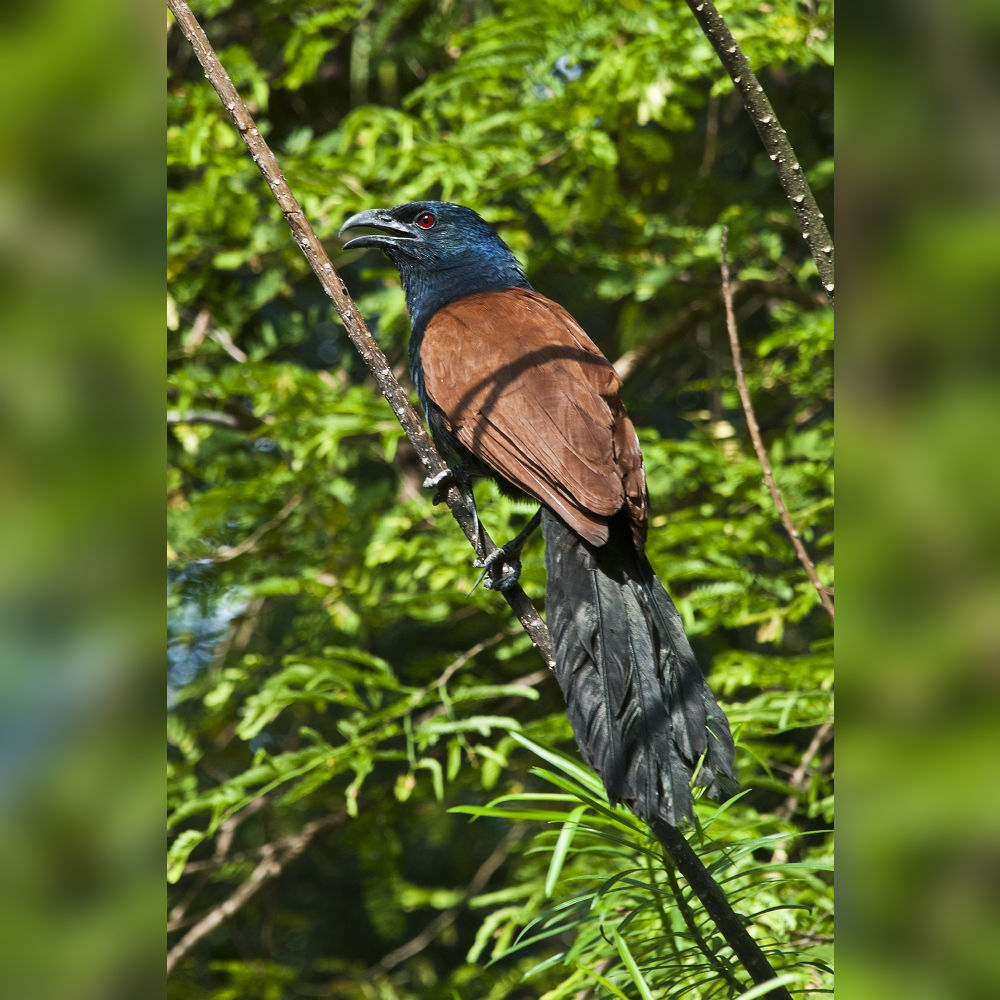
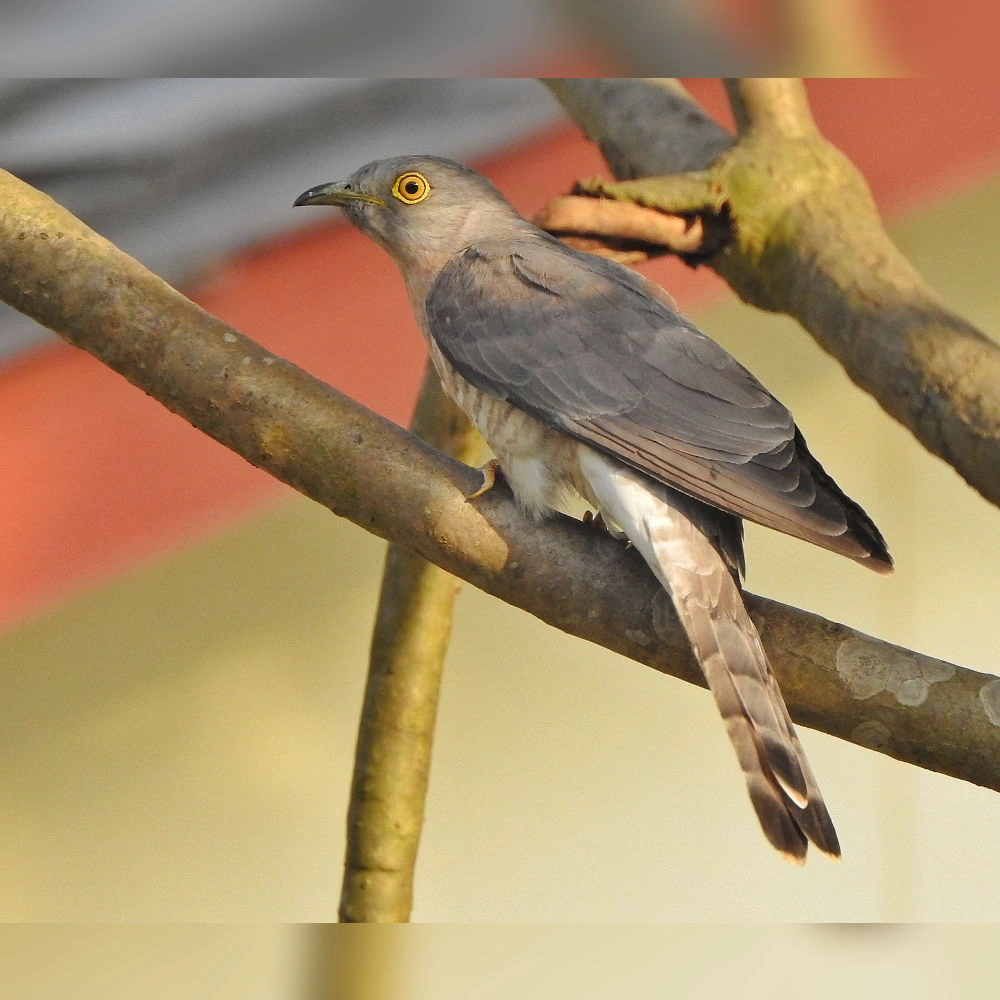
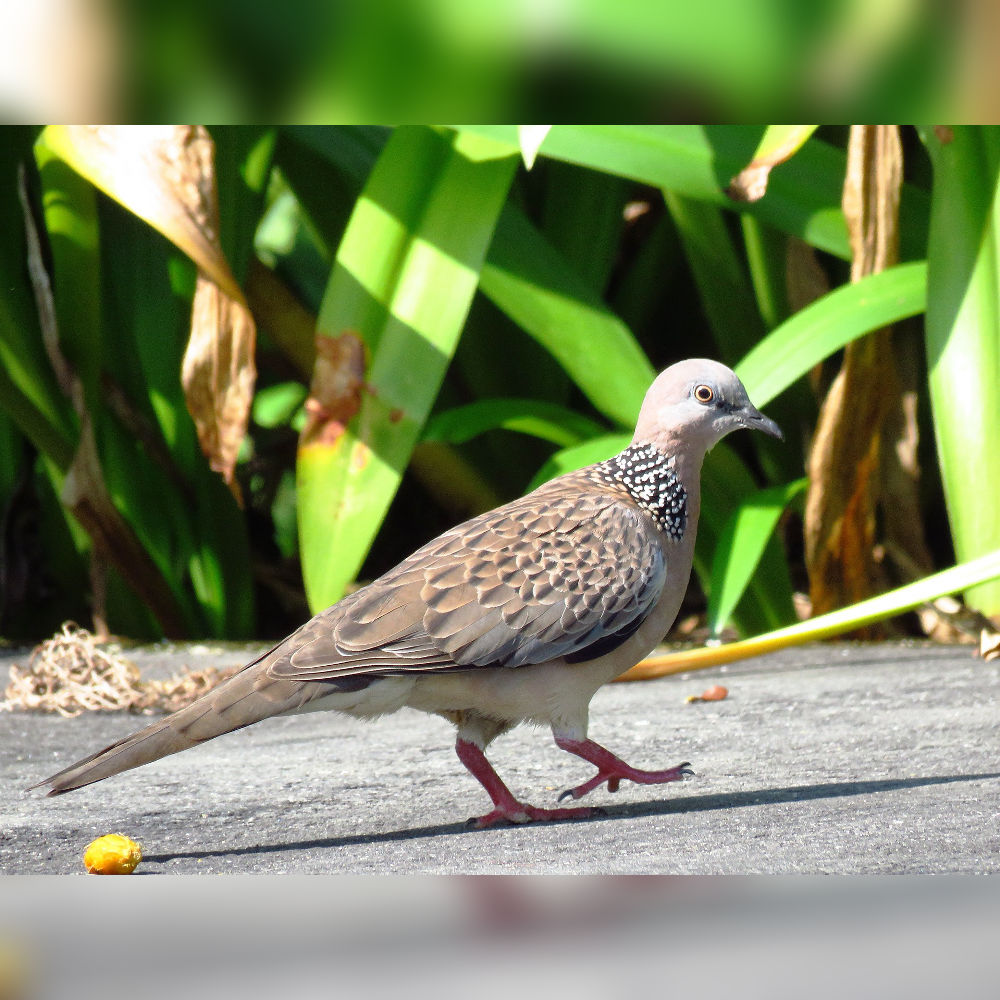
Hesaraghatta offers a lively mix of open-country and scrub birds. Raptors are the stars here: Brahminy and Black Kites gather in impressive numbers, circling over the lake and grasslands. Overhead, flocks of Eastern Red-rumped Swallows and Blue-tailed Bee-eaters hawk insects in graceful arcs, while White-browed Wagtails strut along the water’s edge. In the scrub and trees, the Common Hawk-Cuckoo’s “brain-fever” call rings out, and the Greater Coucal stalks through the undergrowth. Coppersmith and White-cheeked Barbets call from the canopy, while Red-whiskered and Red-vented Bulbuls, Indian White-eyes and the busy Common Tailorbird keep the bushes lively. Purple and Purple-rumped Sunbirds sip nectar from flowers, the Oriental Magpie-Robin sings from exposed perches, and Asian Tits, Sykes’s Warblers, Common Mynas, Rose-ringed Parakeets and Spotted Doves complete the scene. A recent highlight was a cooperative Spotted Flycatcher, an uncommon passage migrant that shows the surprises this site can hold.

Spotted Dove
Greater Coucal
Common Hawk-Cuckoo
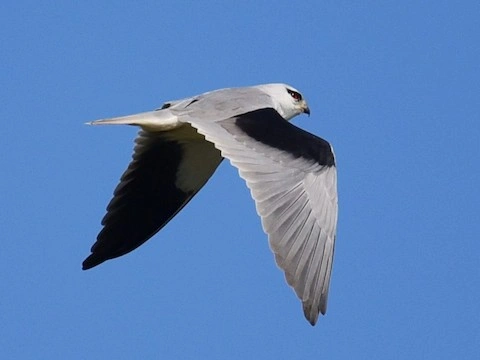
Black Kite
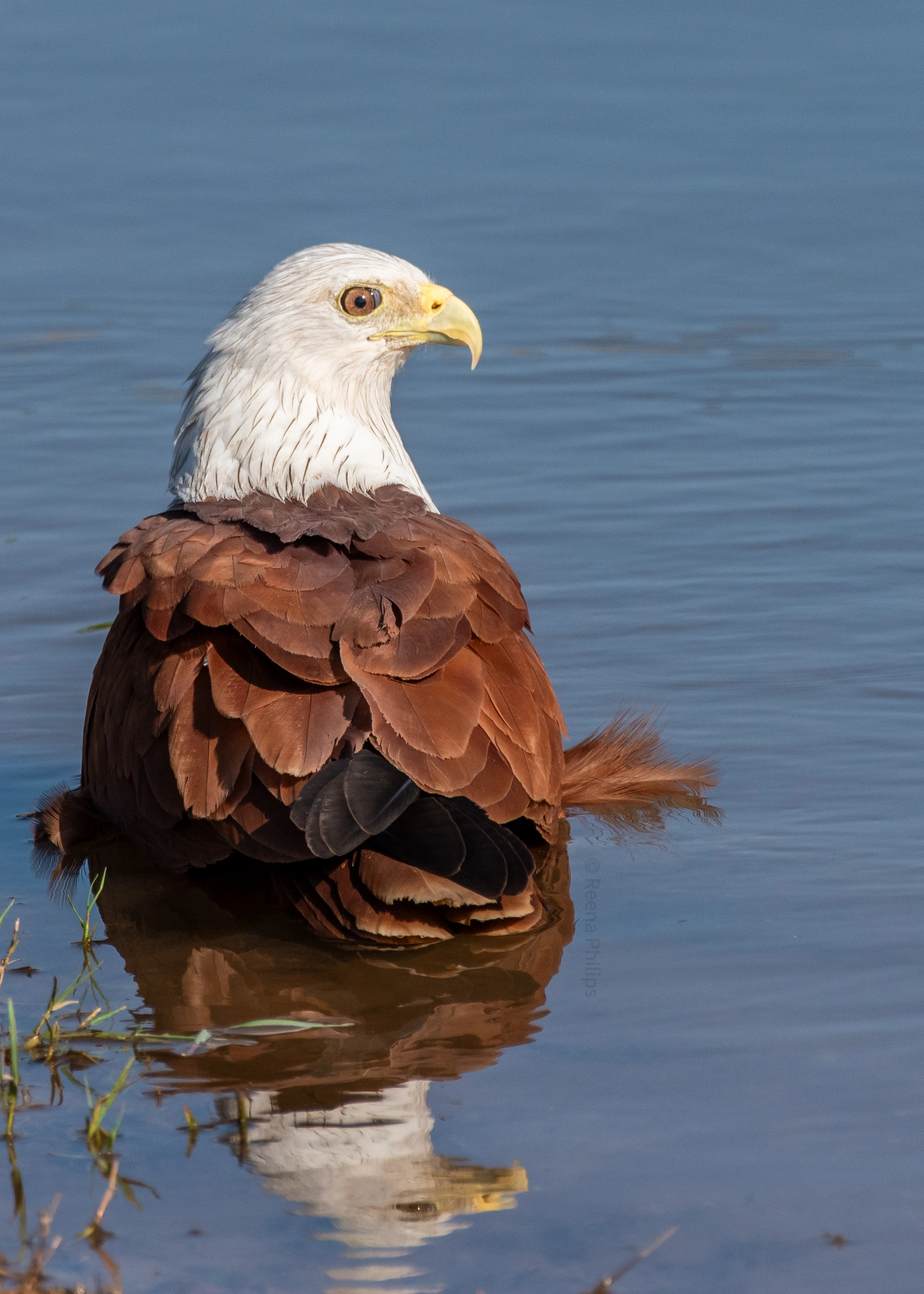
Brahminy Kite

Blue-tailed Bee-eater
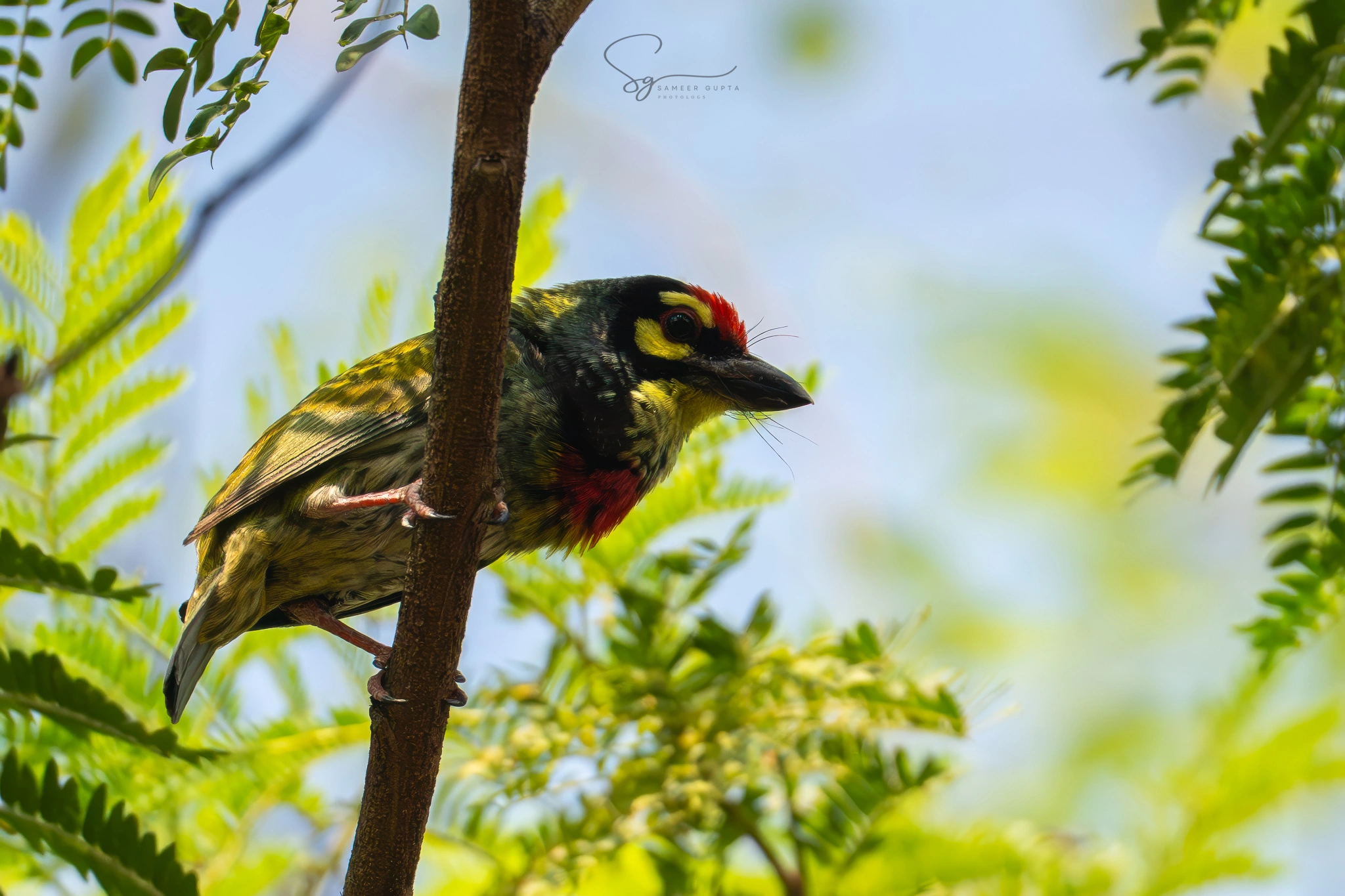
Coppersmith Barbet
White-cheeked Barbet
Rose-ringed Parakeet
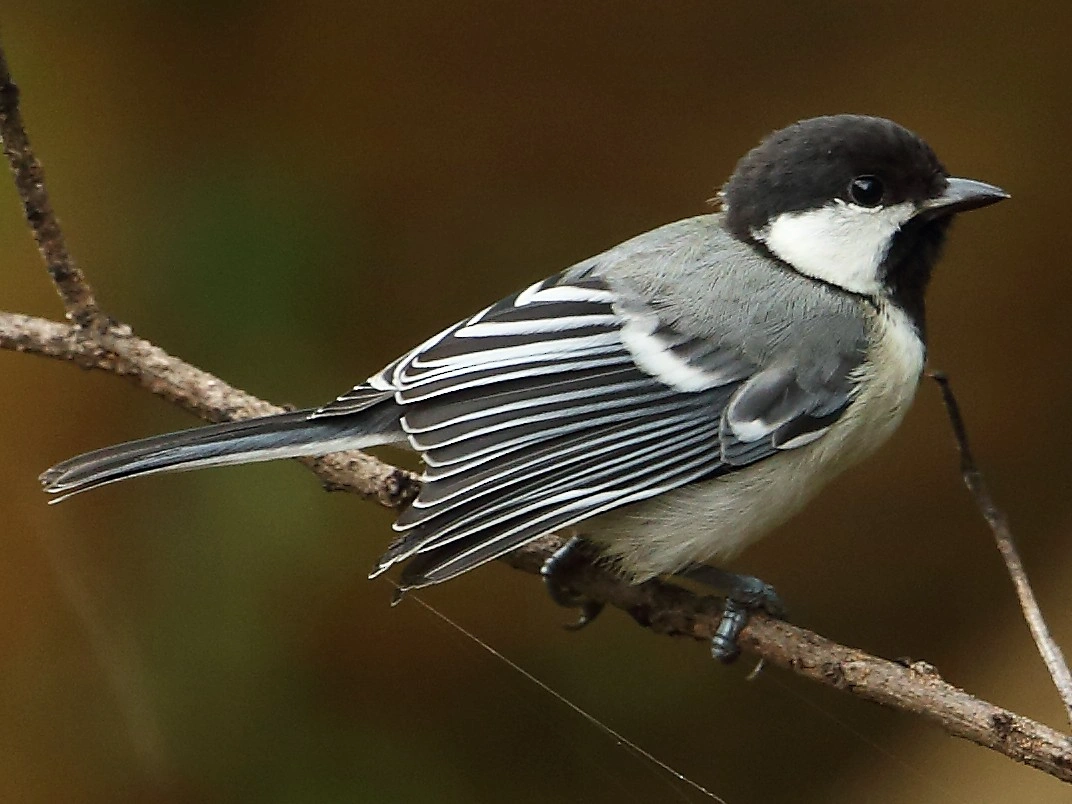
Asian Tit
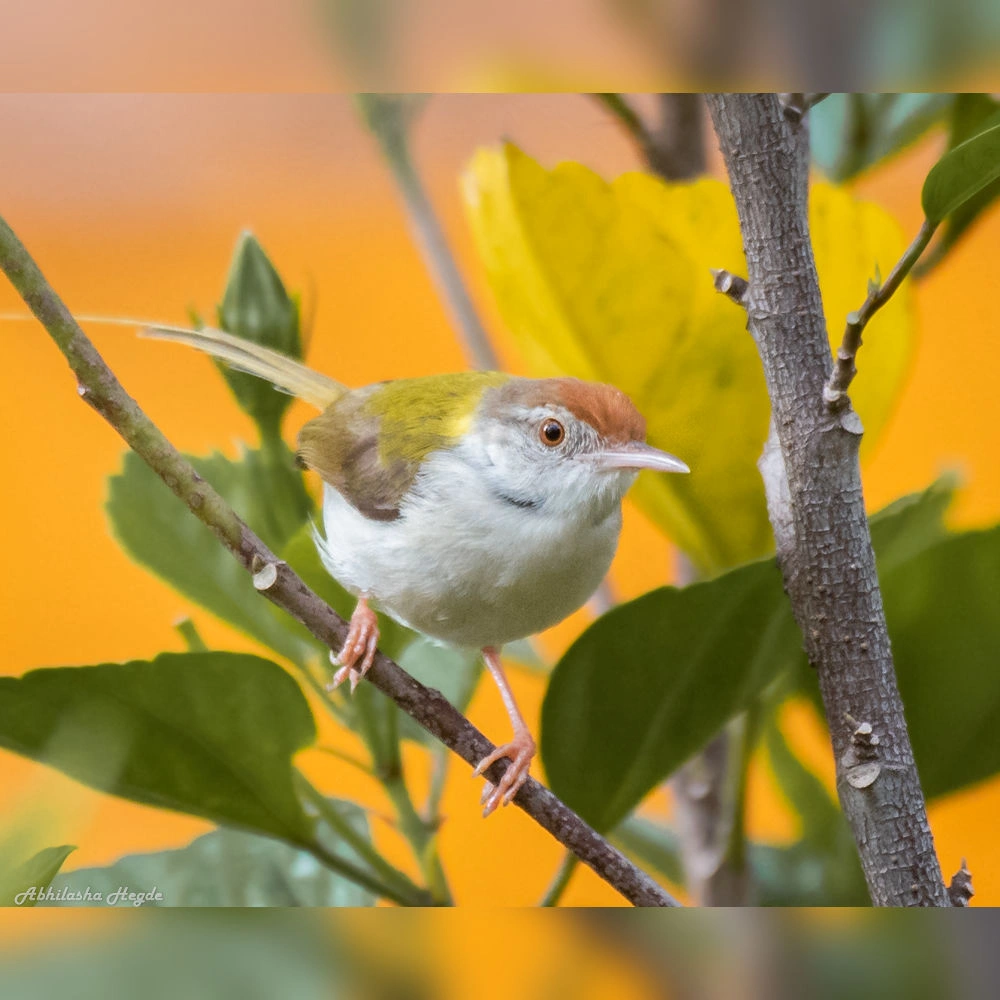
Common Tailorbird
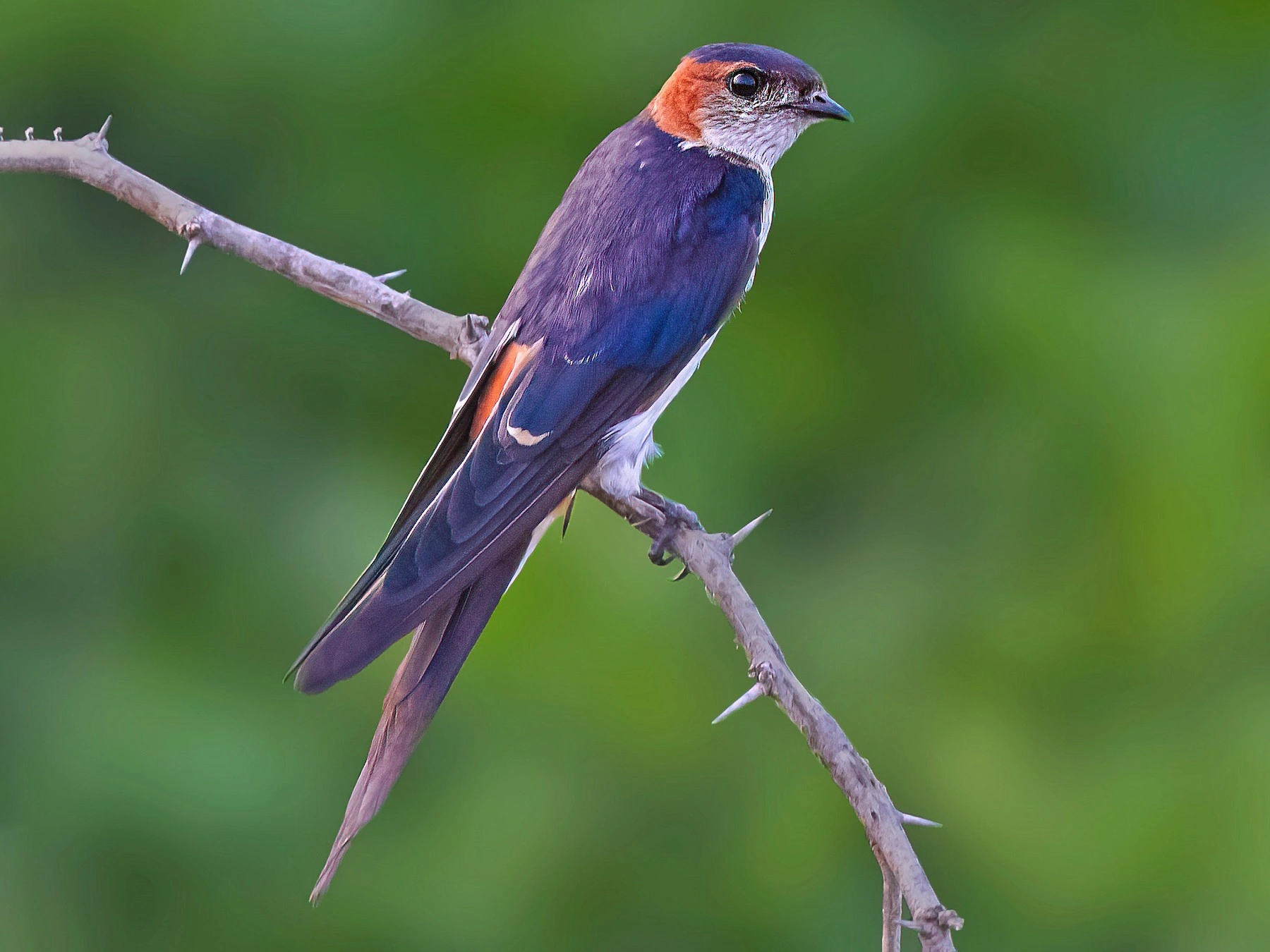
Eastern Red-rumped Swallow
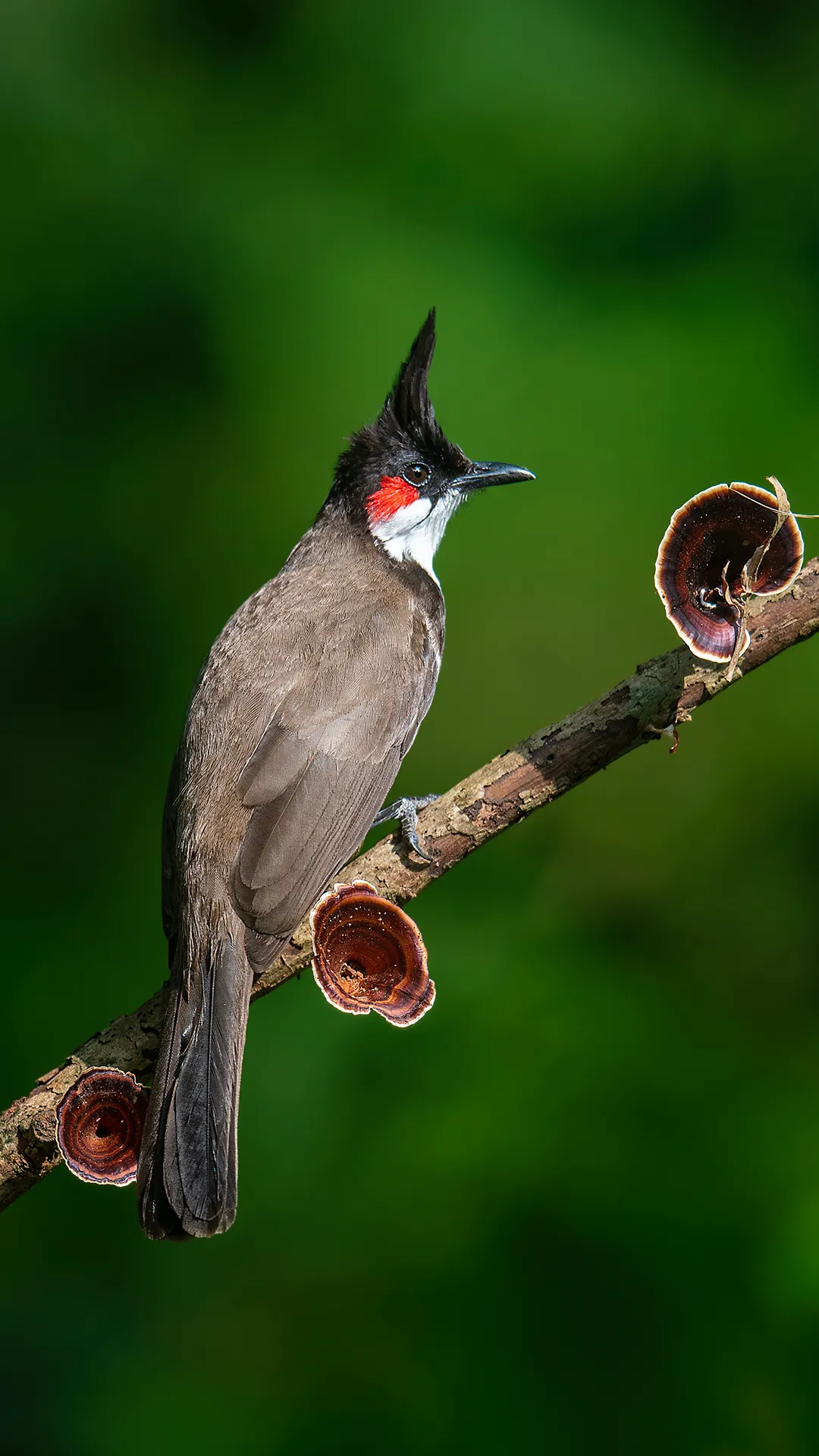
Red-whiskered Bulbul
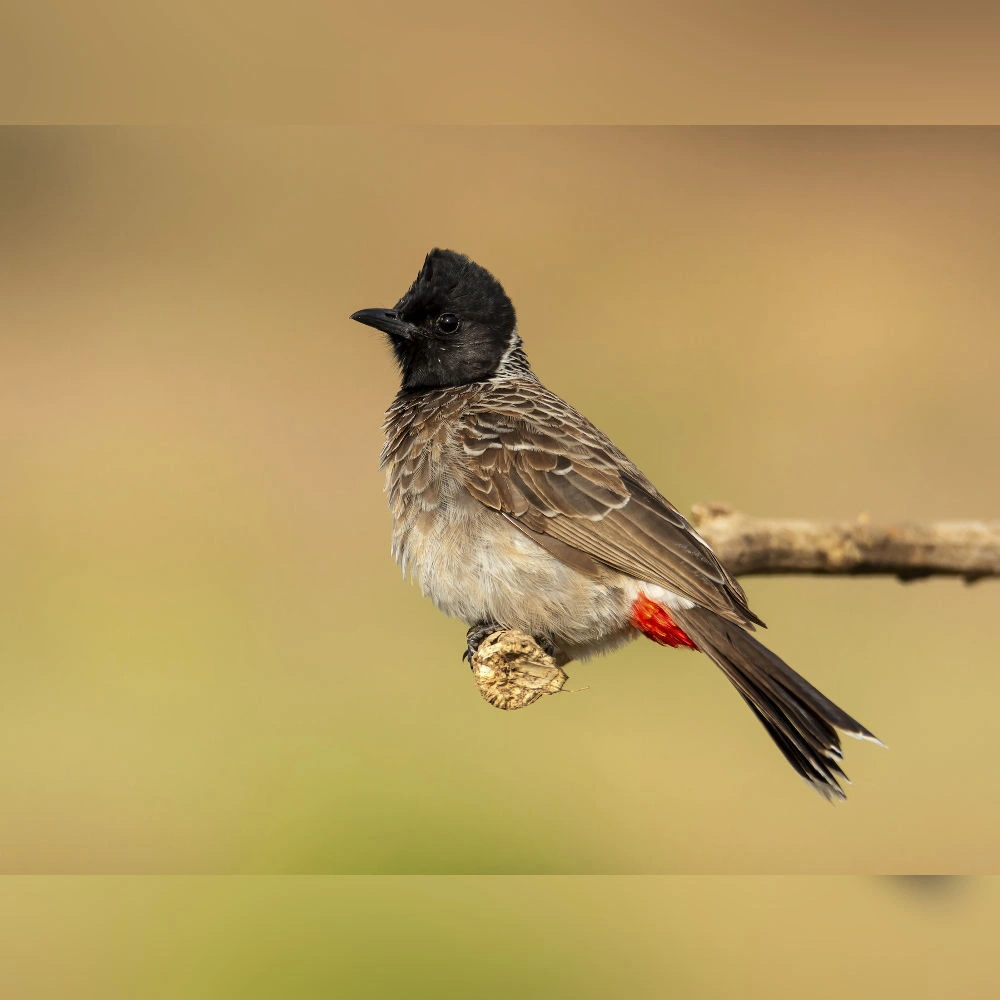
Red-vented Bulbul
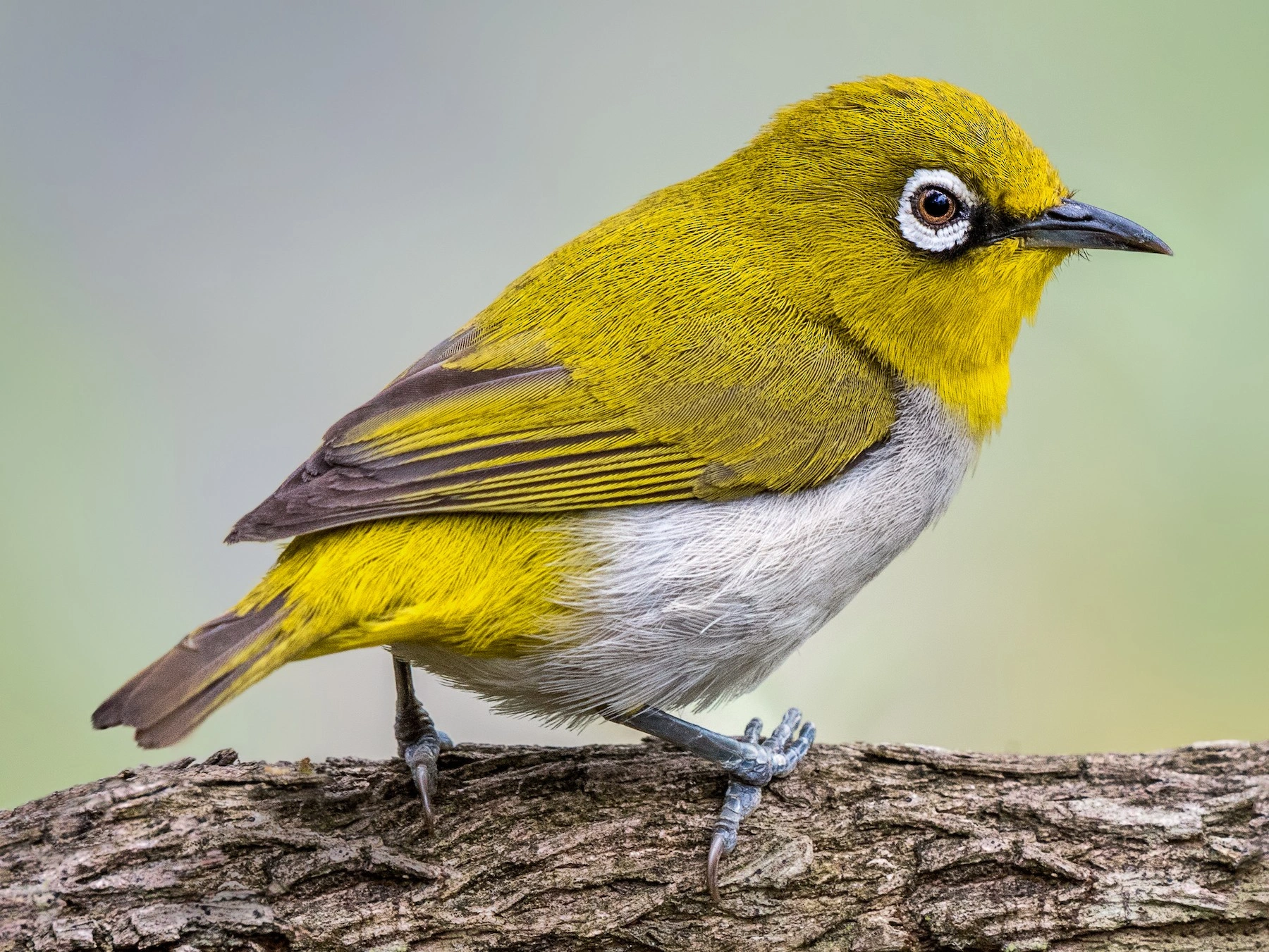
Indian White-eye
Common Myna
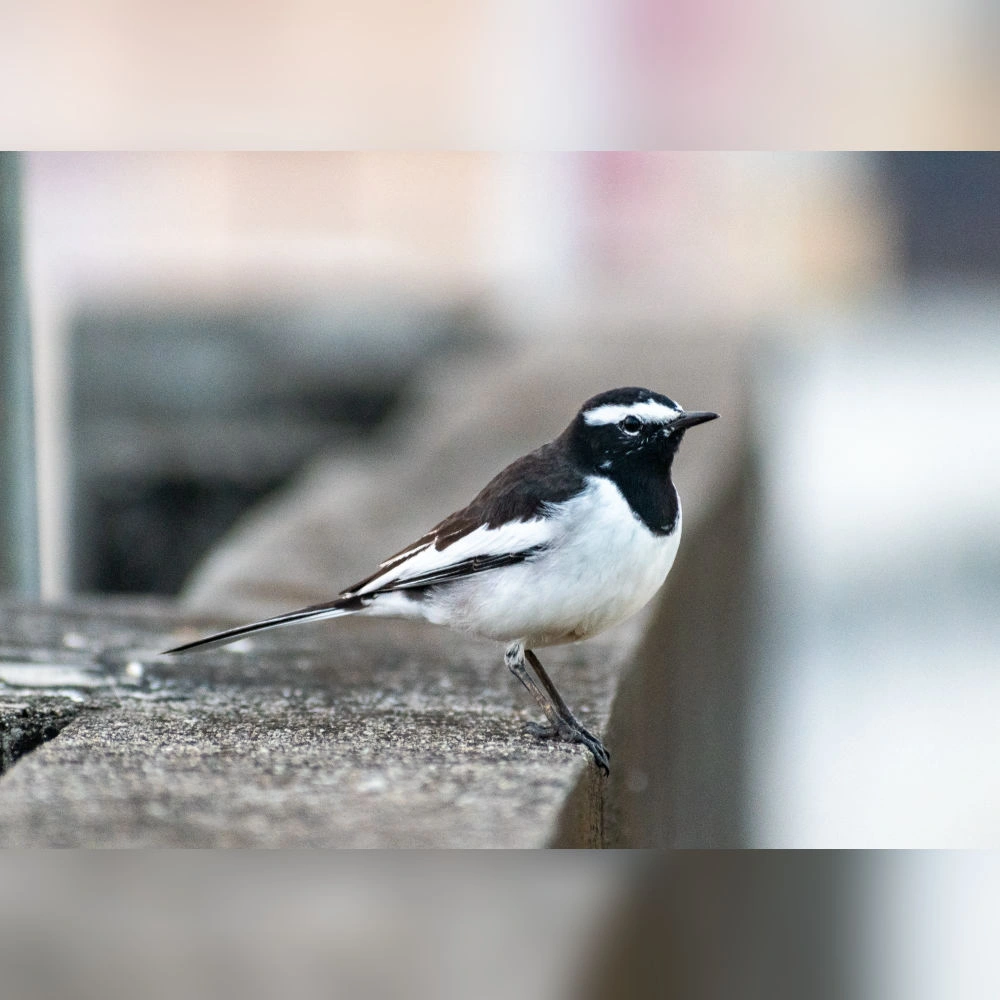
White-browed Wagtail

Oriental Magpie-Robin
Purple-rumped Sunbird
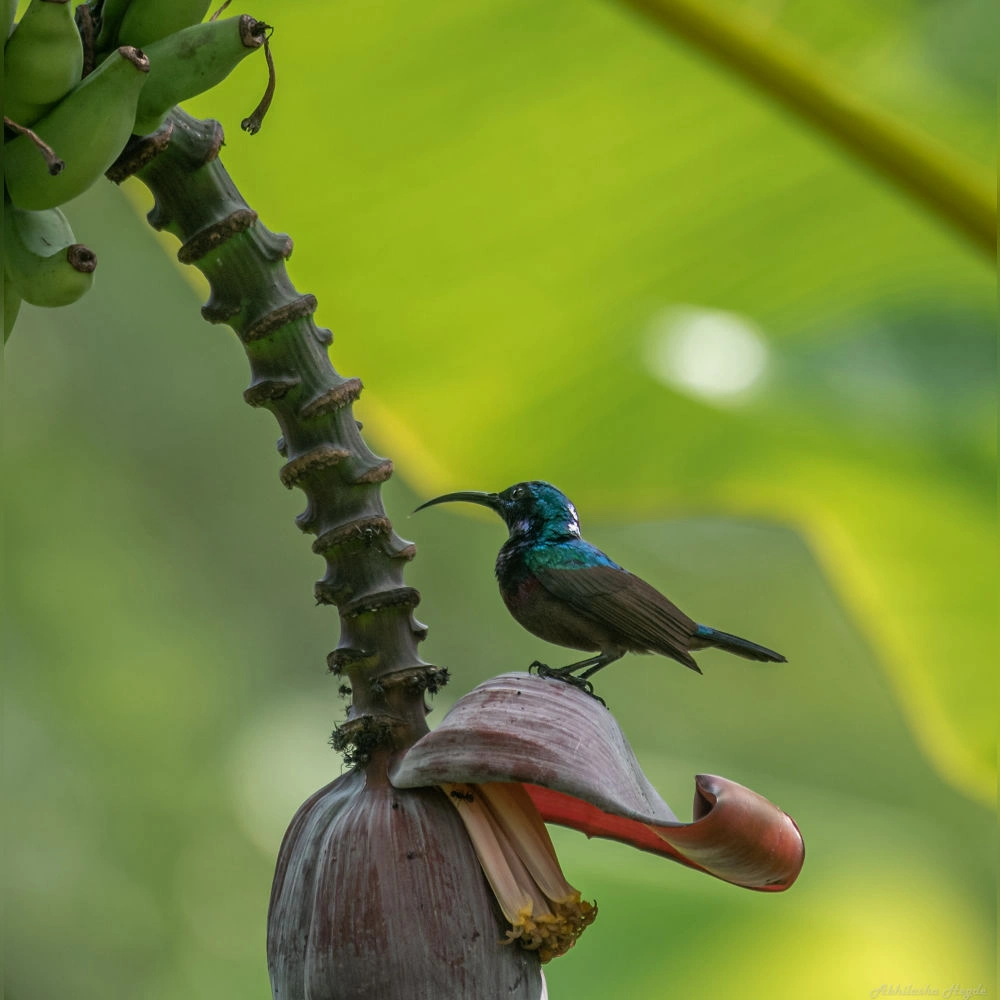
Purple Sunbird

Summary of Walk

A group of bird lovers joined guide Uma Vaijnath at Hesaraghatta Lake on the northern outskirts of Bengaluru on 14 November for a refreshing morning in one of the region’s most important open landscapes. The large lake and the vast grasslands around it are among the last remaining grassland habitats near the city, and they support a remarkable diversity of birds of water, scrub and open country. 

Hesaraghatta is known for birds such as the Spot-billed Pelican, Painted Stork, Bar-headed Goose in winter, Black-winged Stilt and River Tern on the water, and for grassland and scrub specialists such as larks, pipits, bushchats, Siberian Stonechats, bee-eaters, shrikes and the Indian Roller, along with raptors like harriers, Black-winged Kites and eagles soaring overhead. Uma led the walk with knowledge and warmth, helping participants scan both the lake and the grassland, distinguish similar-looking birds and understand why grasslands are such precious and threatened habitats. The wide skies, cool morning air and steady flow of sightings made it a memorable outing, and everyone left with new birds on their lists and a stronger sense of why places like Hesaraghatta deserve protection. 

Scroll to Top