Loading Events

Bird Walk at Bhandup Pumping Station, Mumbai, Maharashtra

About Bhandup Pumping Station Salt Pans

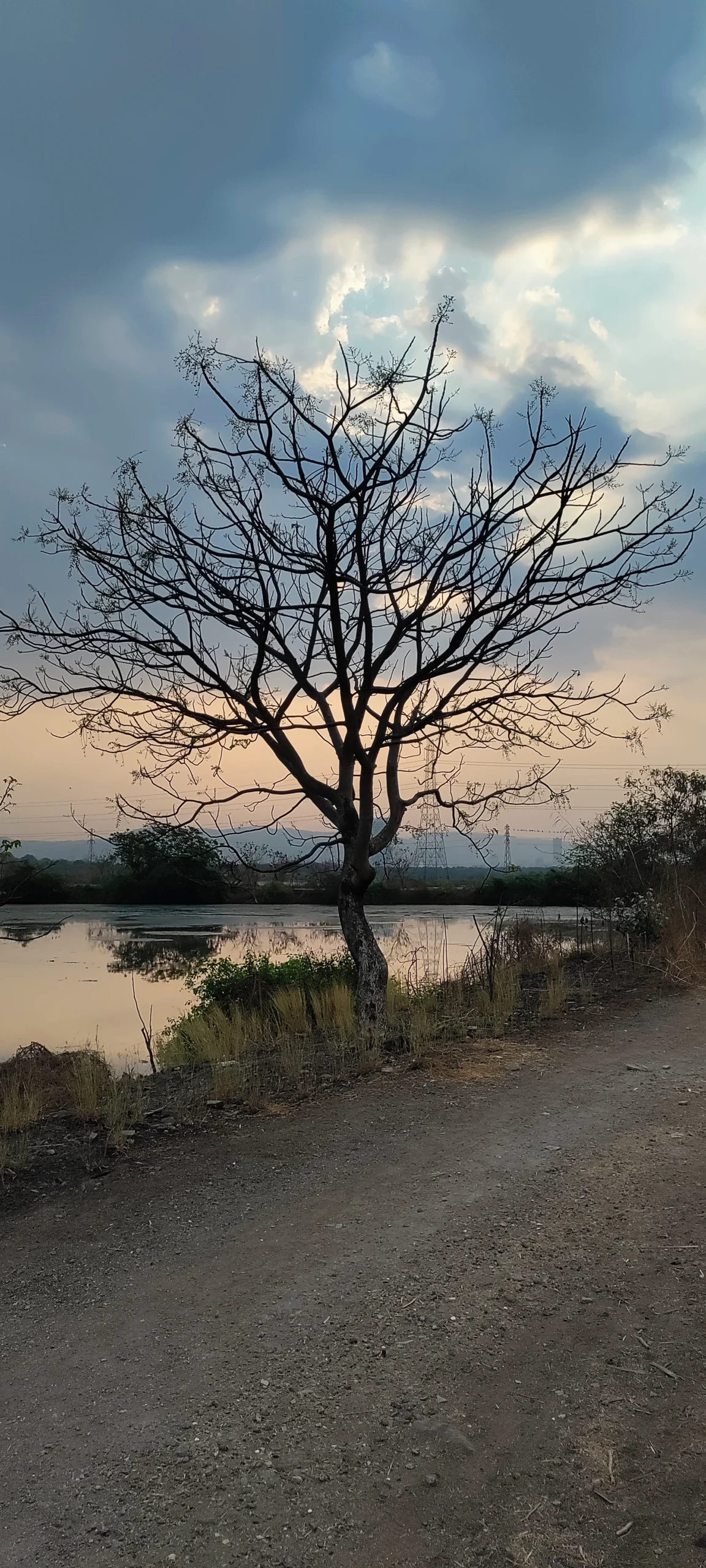
Fringing the eastern edge of Mumbai along Thane Creek, the Bhandup Pumping Station Salt Pans form one of the city’s most remarkable and unexpected wildlife habitats. Nestled around the Bhandup Pumping Station, this landscape is a mosaic of tidal mudflats, salt pans, mangroves, and shallow water channels that shift with the rhythm of the tides. Despite being set against an urban backdrop, the area supports a thriving web of life—salt-tolerant vegetation, crabs, molluscs, and a rich diversity of invertebrates that form the base of this dynamic ecosystem. These nutrient-rich wetlands act as a crucial feeding and resting ground, especially for migratory species traveling along the Central Asian Flyway.

For birders, the salt pans are nothing short of spectacular. Vast flocks of waders, gulls, and terns transform the landscape into a constantly moving canvas, while raptors patrol overhead and smaller passerines occupy the mangrove edges. Seasonal changes bring dramatic shifts in species composition, making every visit unique and rewarding. However, this fragile ecosystem faces mounting threats—from urban expansion, pollution, and waste dumping to hydrological changes and habitat disturbance. As pressures on Mumbai’s wetlands increase, conserving spaces like the Bhandup Salt Pans becomes critical, not only for migratory birds but for maintaining the ecological balance within an ever-growing city.

Bird Guide - Megha Gupta

Megha is an avid birder with over 6 years of experience, based on the IIT Bombay campus. An AI professional and educator at heart, she has led multiple bird walks and completed formal birding courses. Her approach goes beyond identification, focusing on understanding bird behavior, habitats, and their role in the larger ecosystem.
Bird walk Location

Common birds of Bhandup Pumping Station Salt Pans

The ever-changing wetlands of the Bhandup Salt Pans near Bhandup Pumping Station host a fascinating mix of waterbirds and urban-adapted species, creating a vibrant birding experience right within the city. Graceful waders like the Black-winged Stilt and Pacific Golden Plover move across the mudflats, while flocks of sandpipers forage along the shallow edges. Larger birds such as the Painted Stork and Black-headed Ibis add a striking presence, contrasting with the delicate movements of egrets and herons. Amidst this wetland activity, the surrounding shrubs and mangroves buzz with life—bulbuls call from hidden perches, Ashy Prinia flit through the grasses, and flashes of colour from Purple Sunbird and White-throated Kingfisher brighten the scene. Even familiar urban birds like crows and parakeets blend into this rich mosaic, highlighting how this unique habitat supports both migratory and resident species in a constantly shifting landscape.
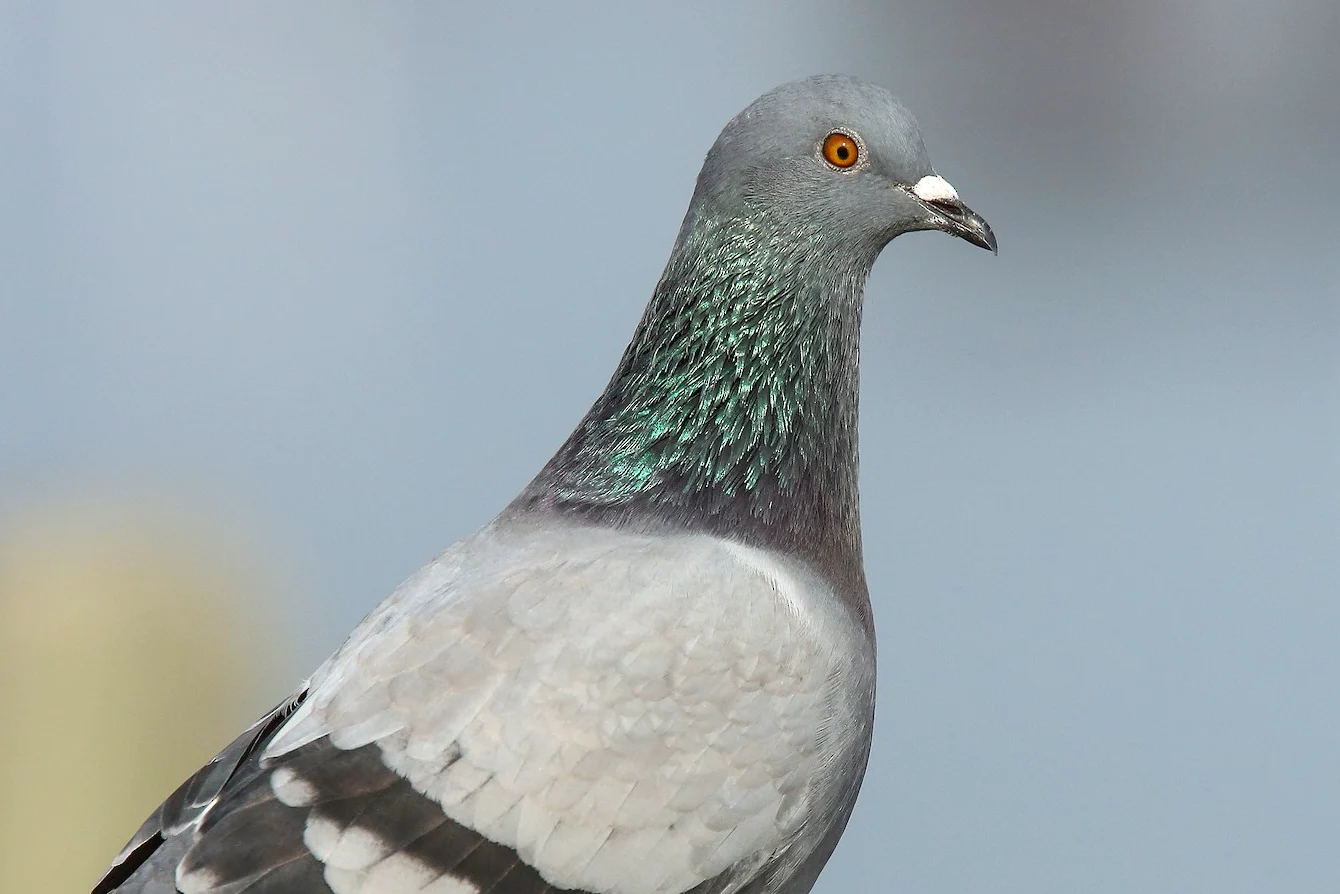
Rock Pigeon
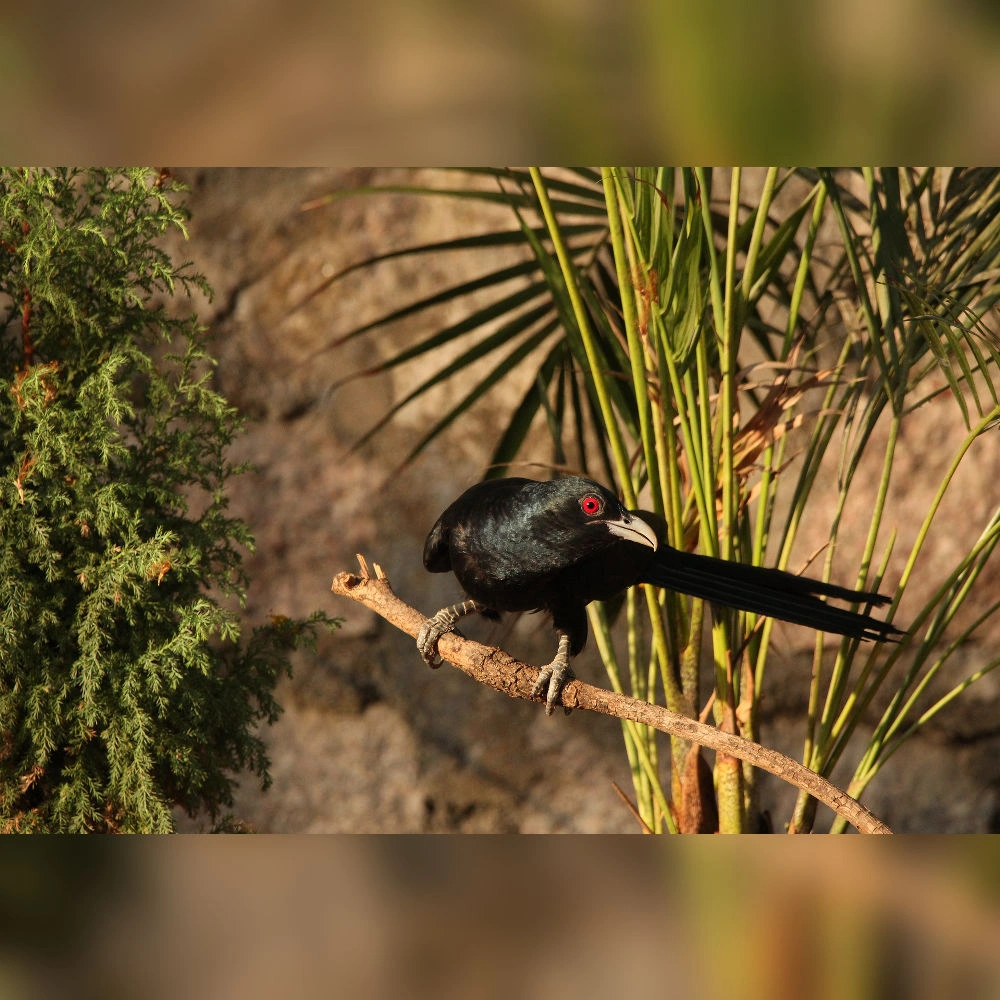
Asian Koel
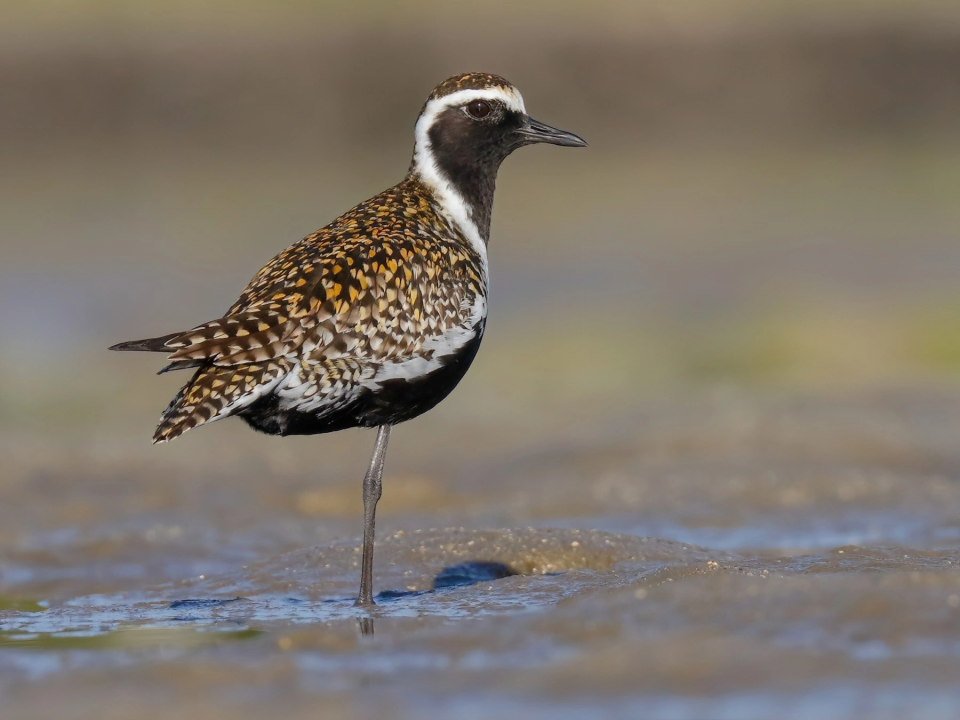
Pacific Golden Plover
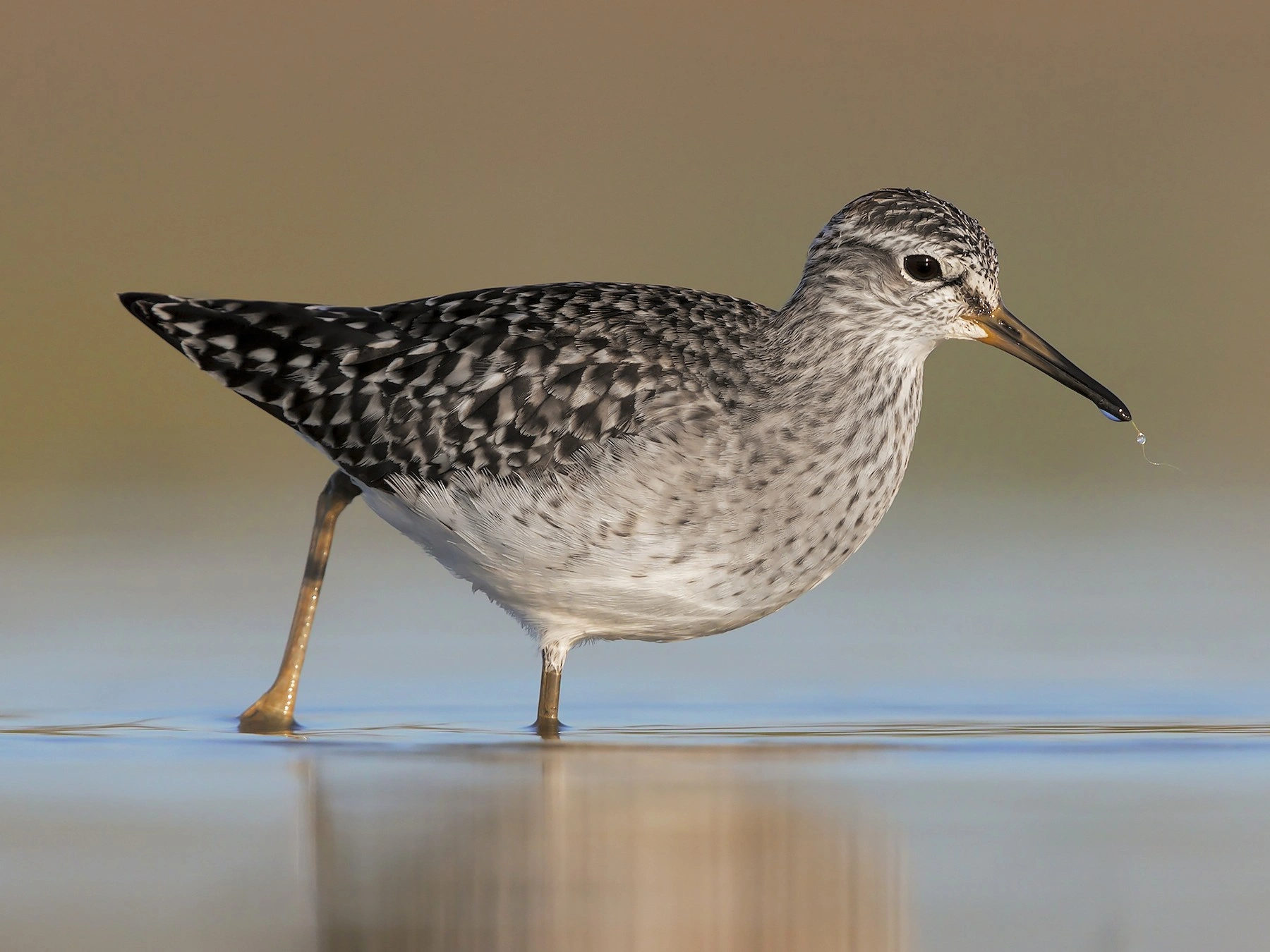
Wood Sandpiper
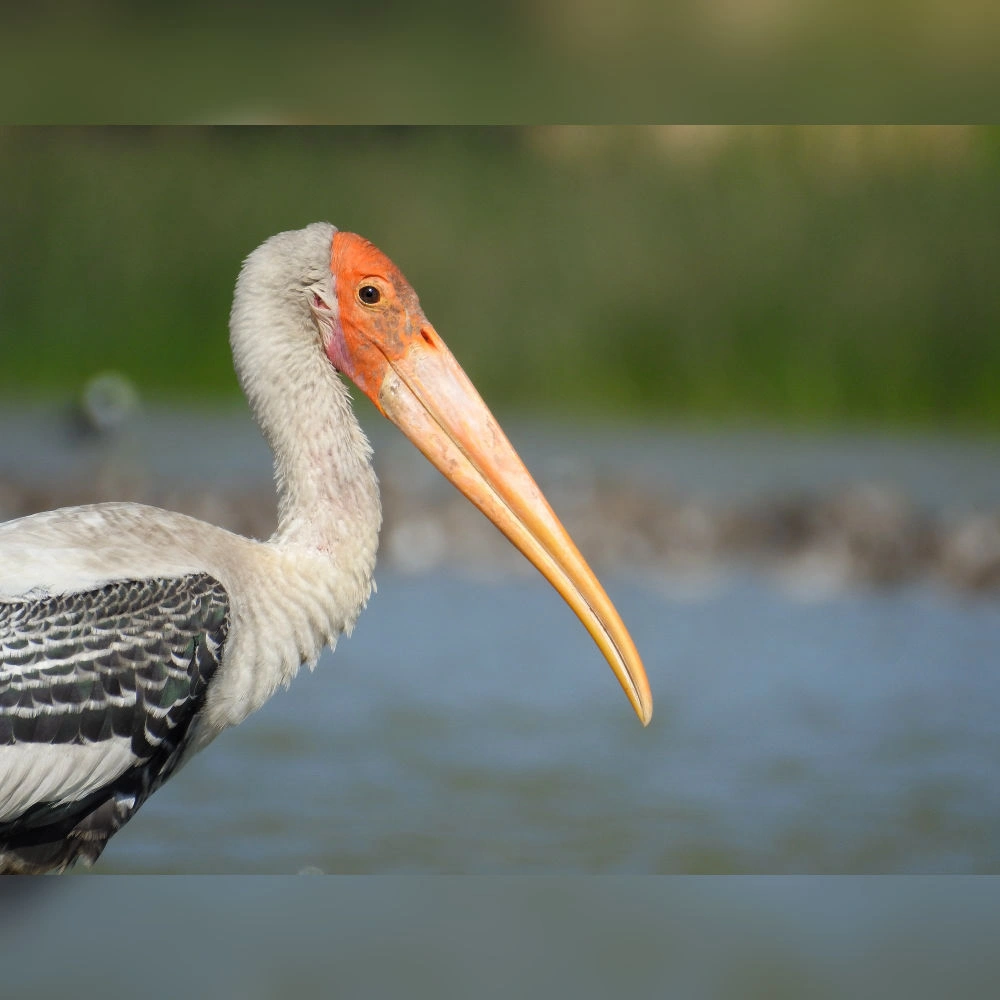
Painted Stork
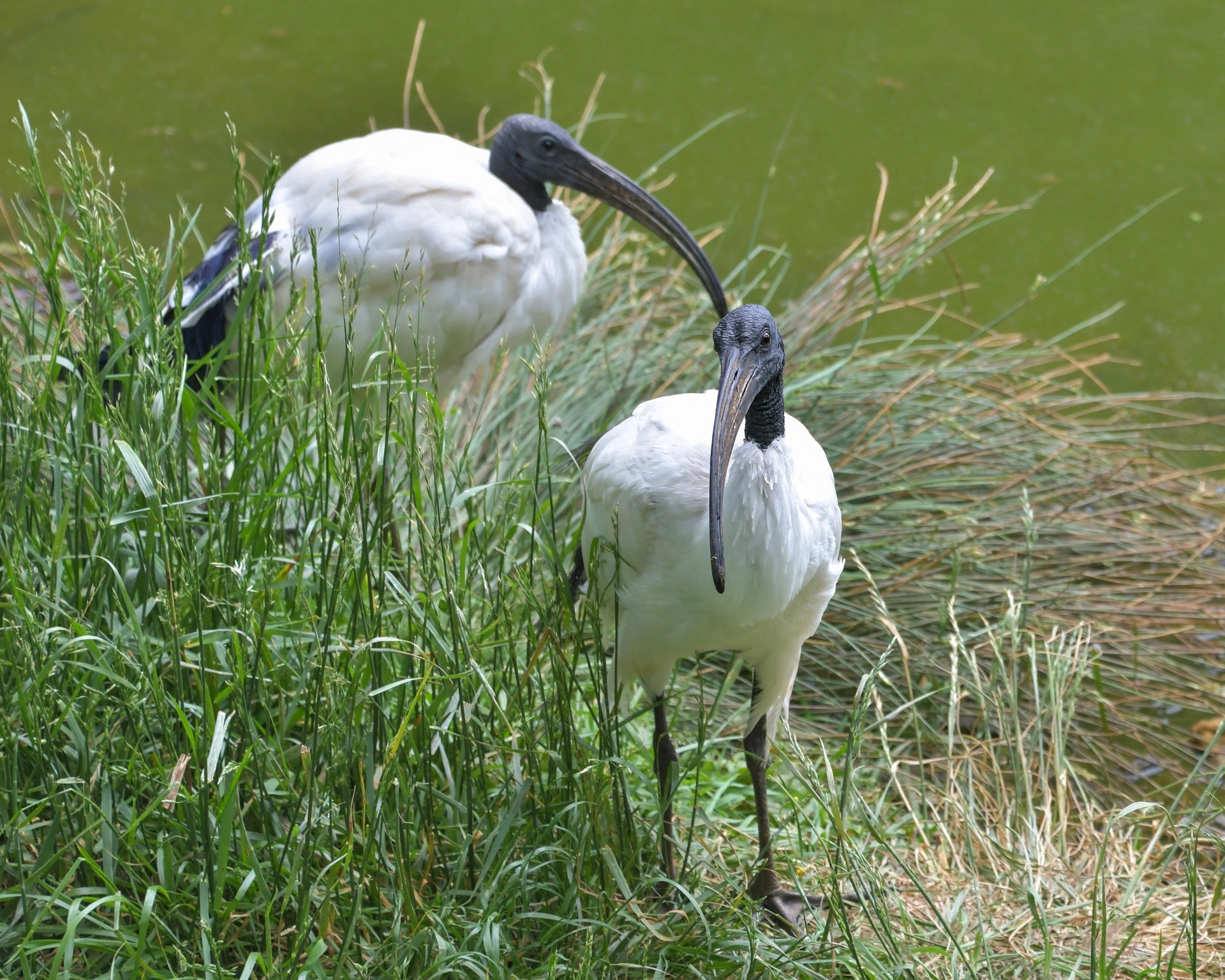
Black-headed Ibis
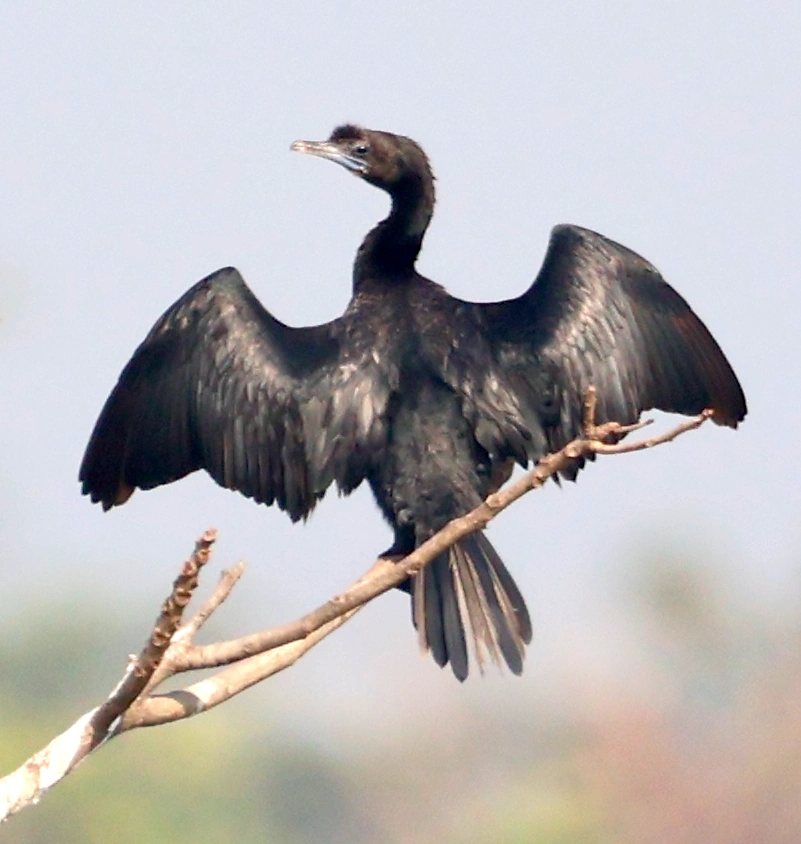
Little Cormorant
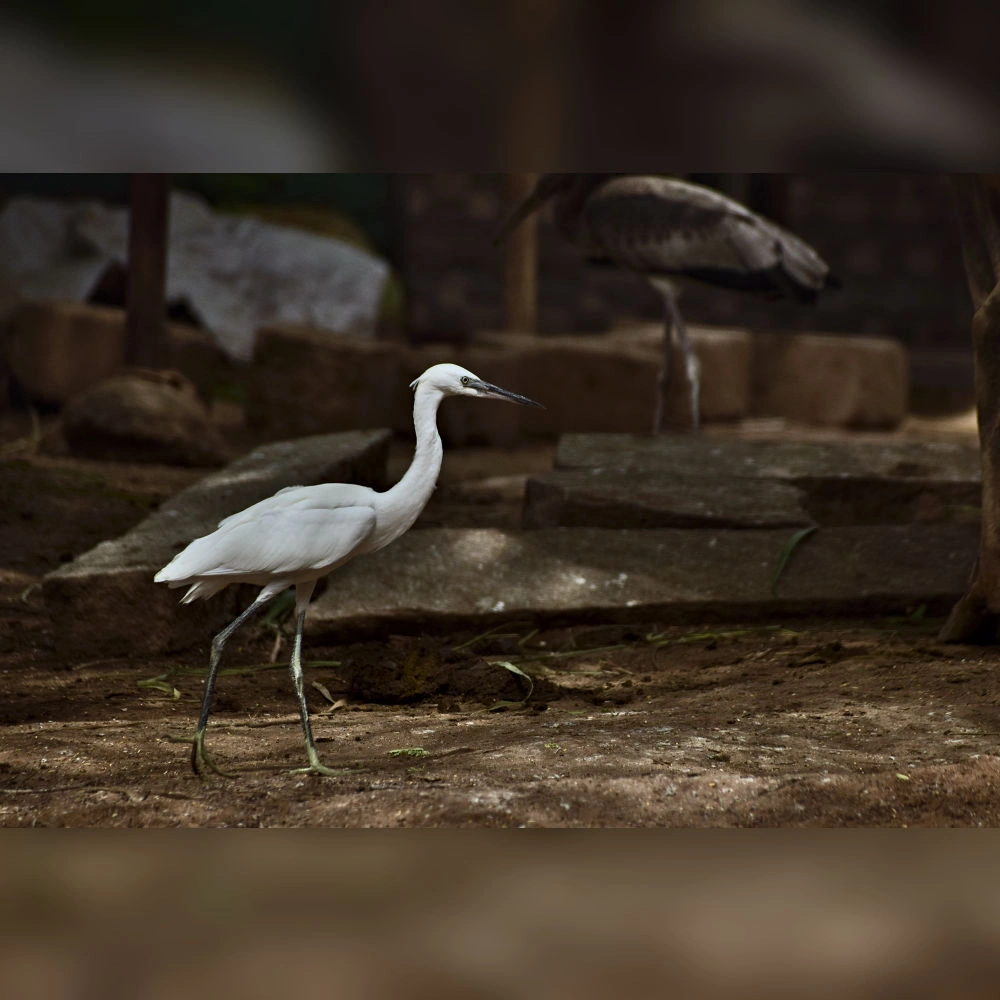
Little Egret
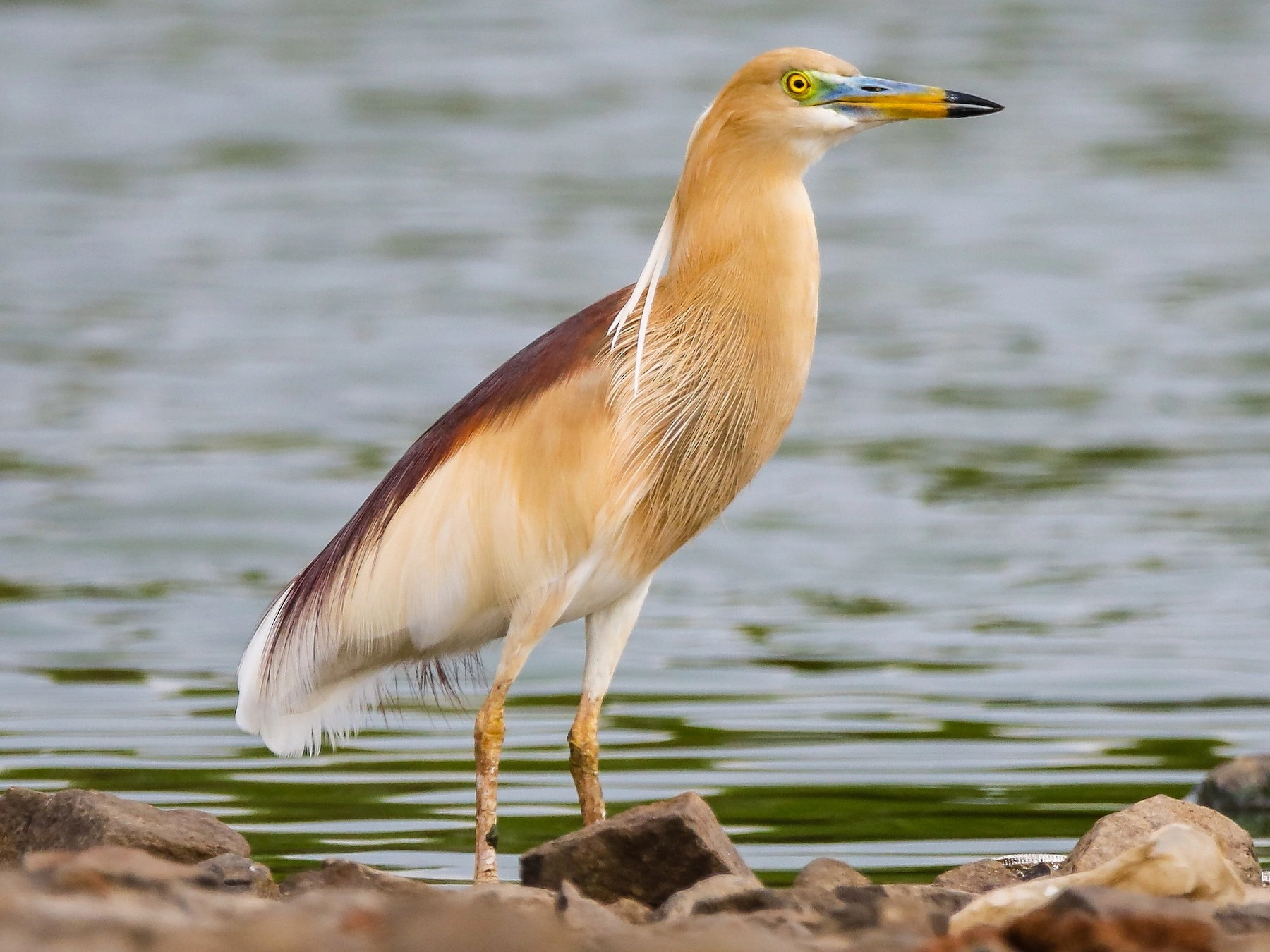
Indian Pond Heron
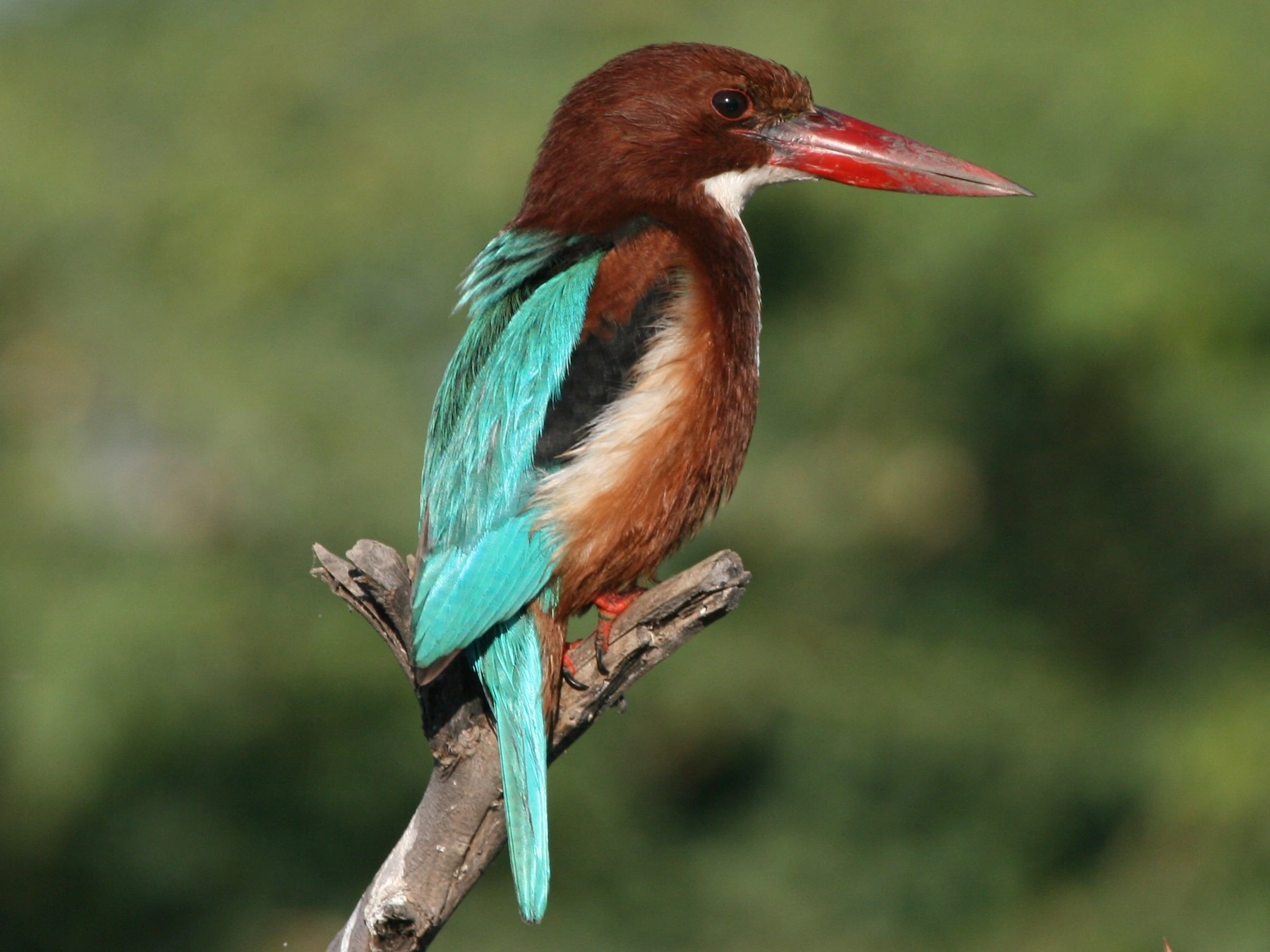
White-throated Kingfisher
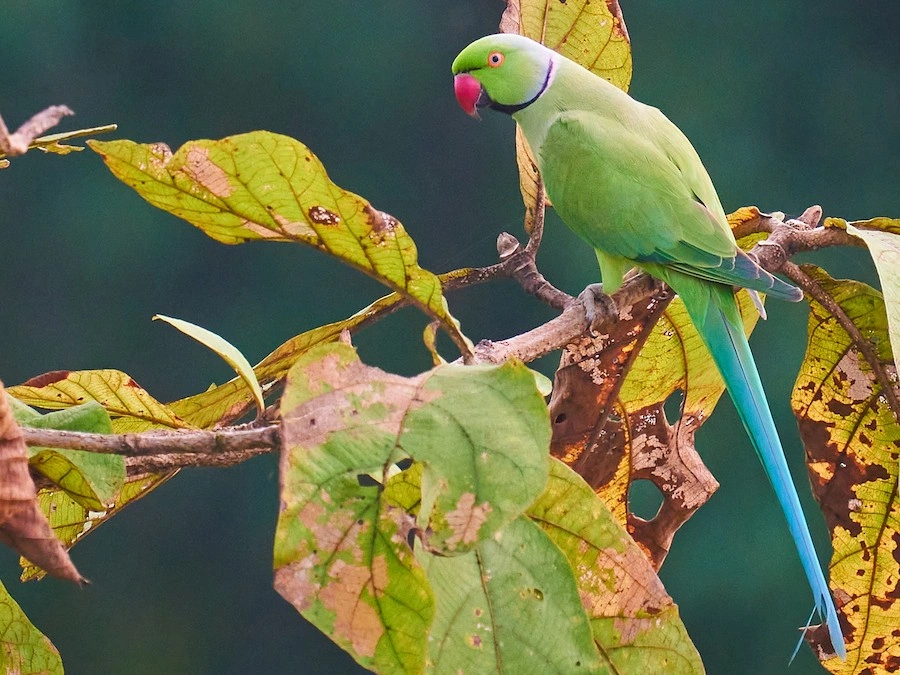
Rose-ringed Parakeet
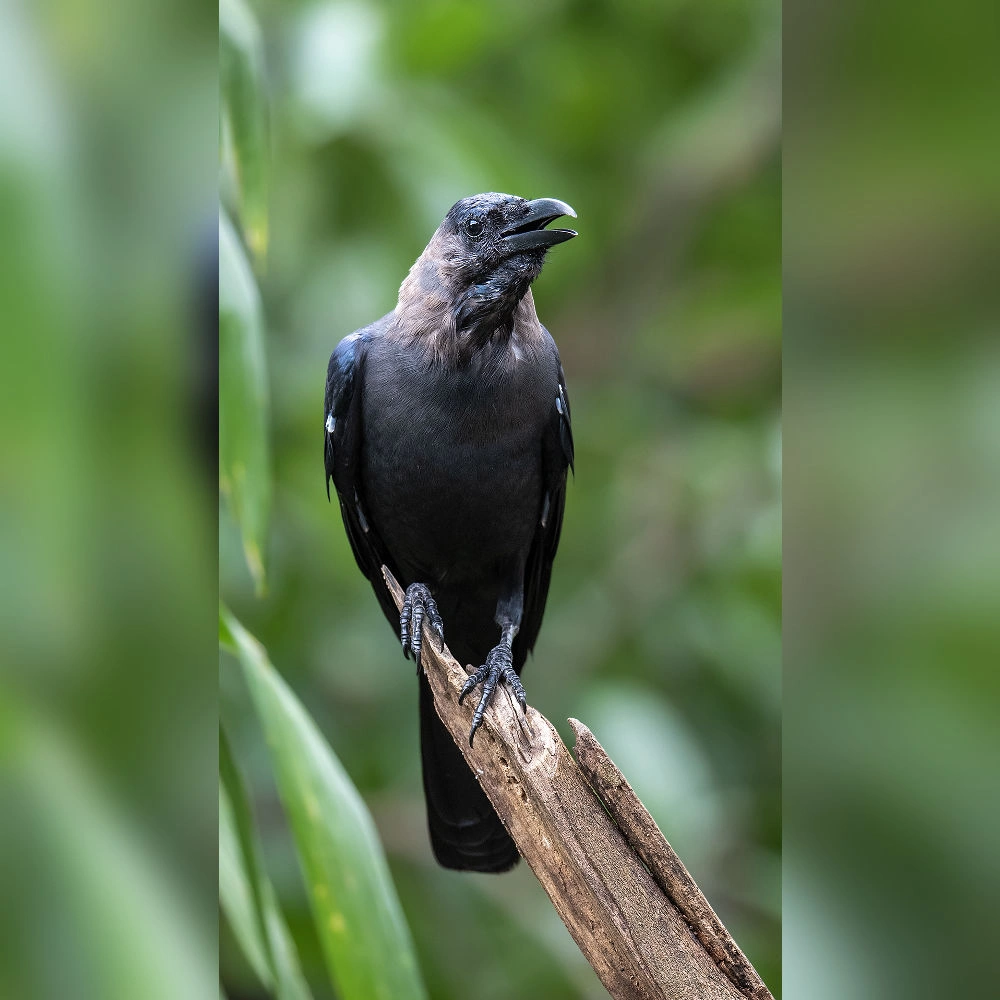
House Crow
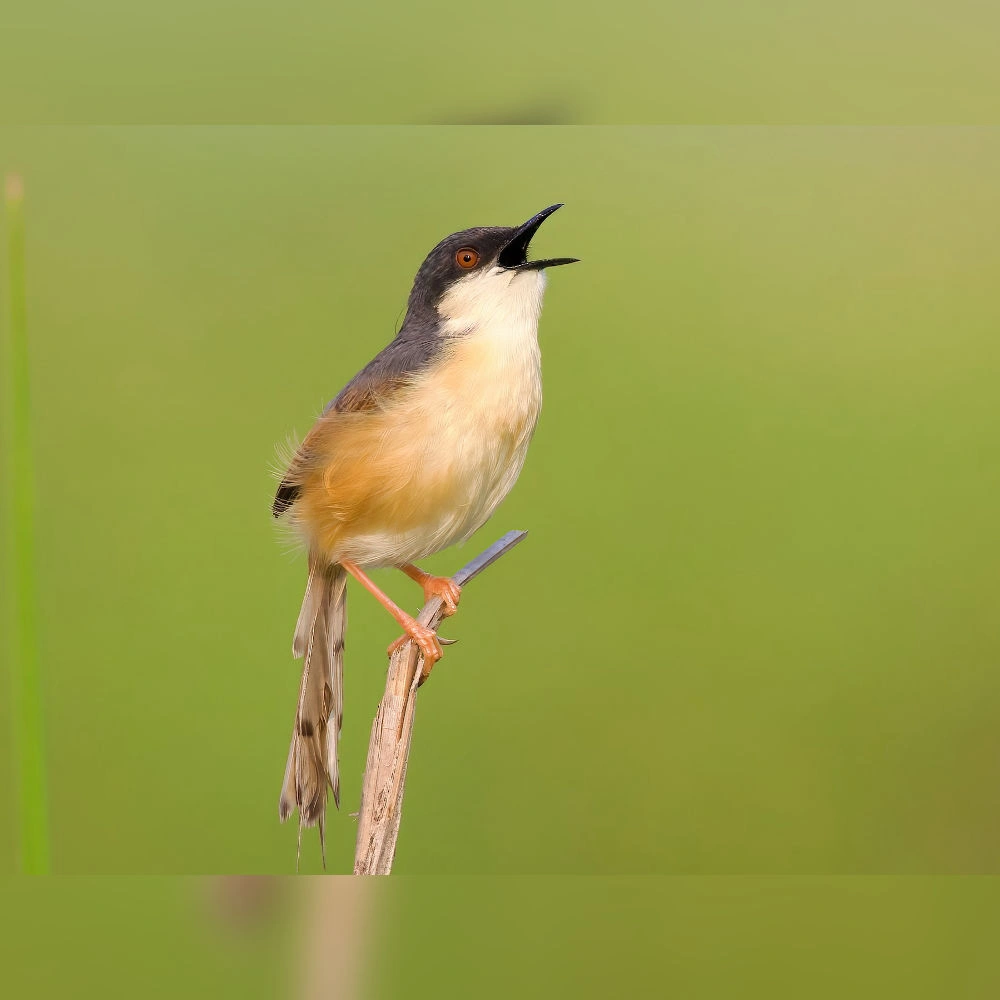
Ashy Prinia
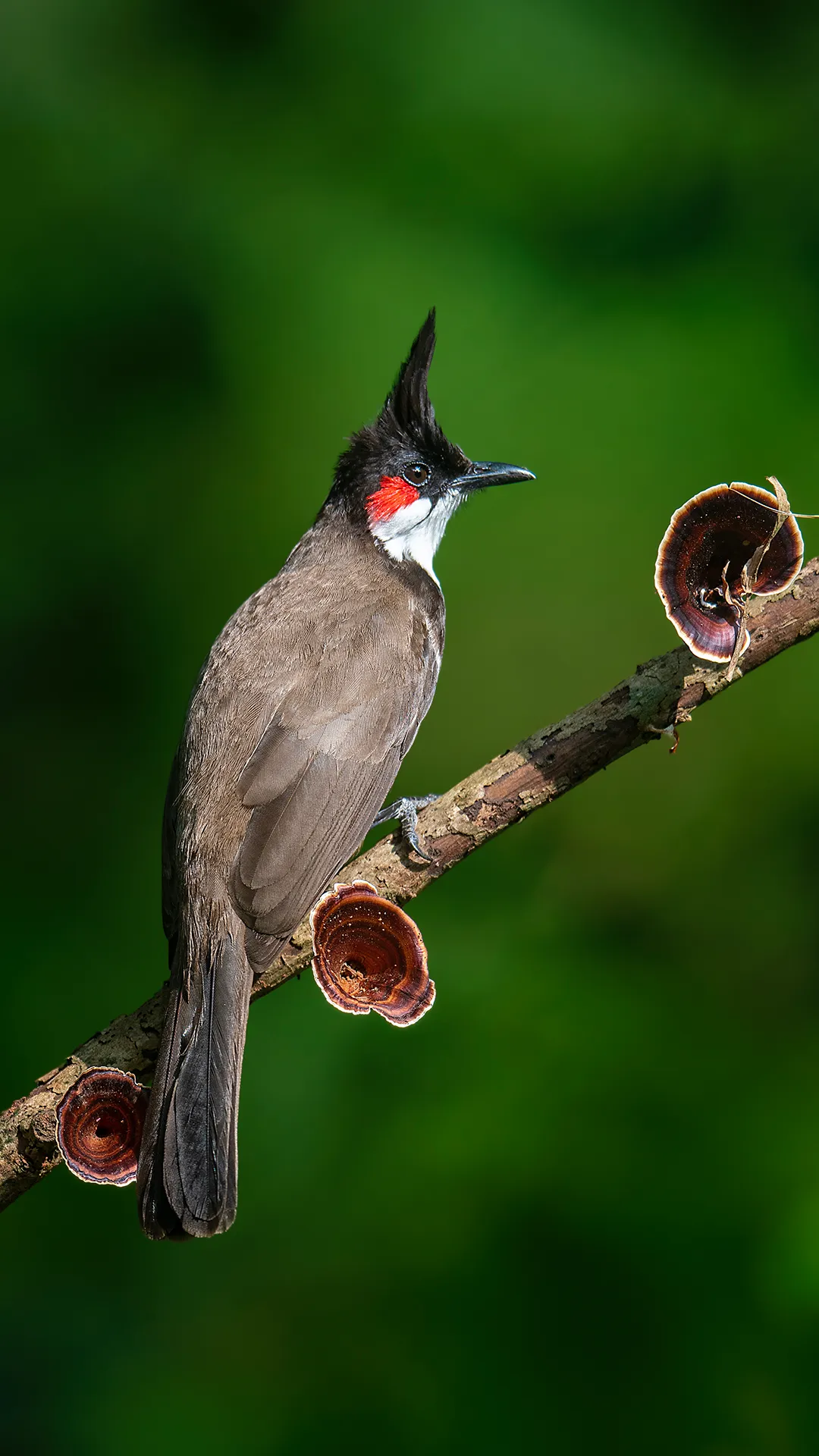
Red-whiskered Bulbul
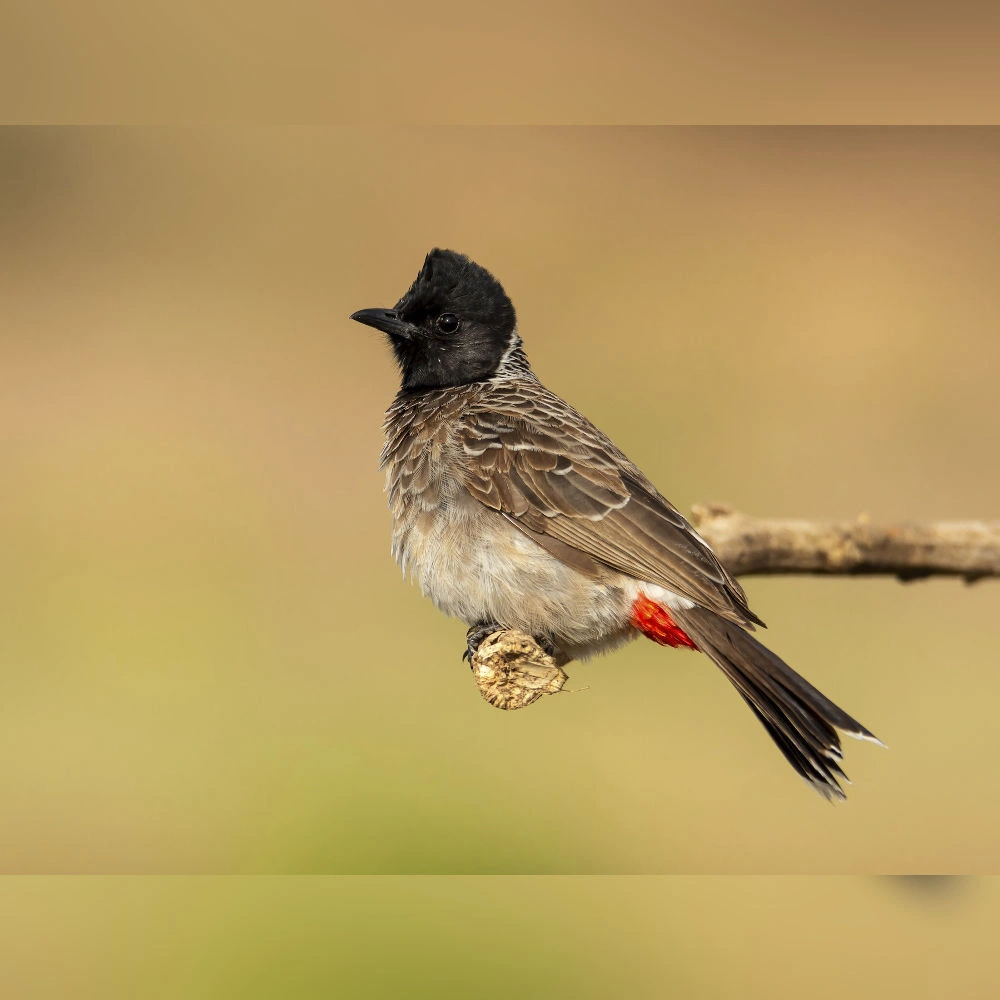
Red-vented Bulbul
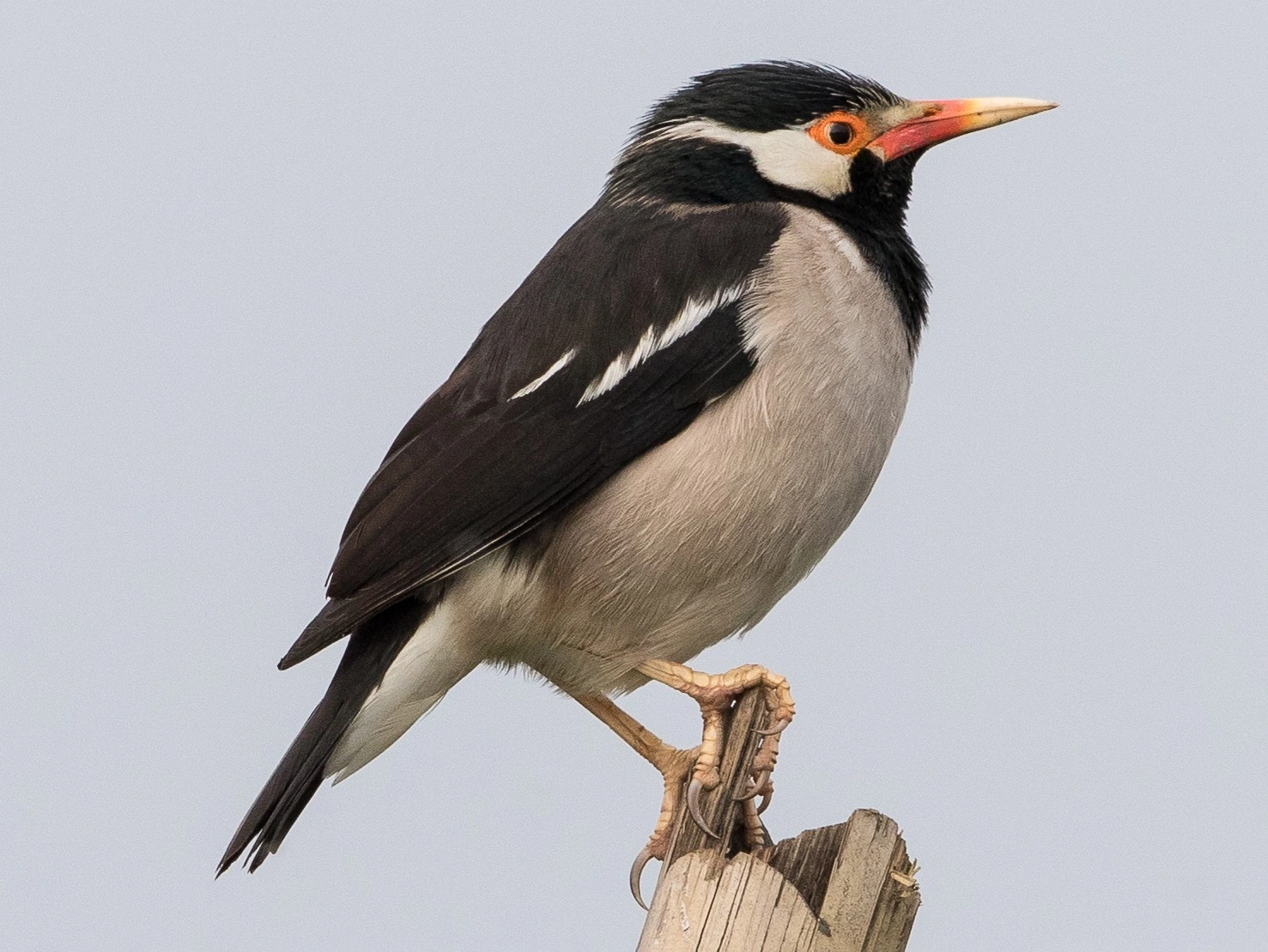
Indian Pied Starling
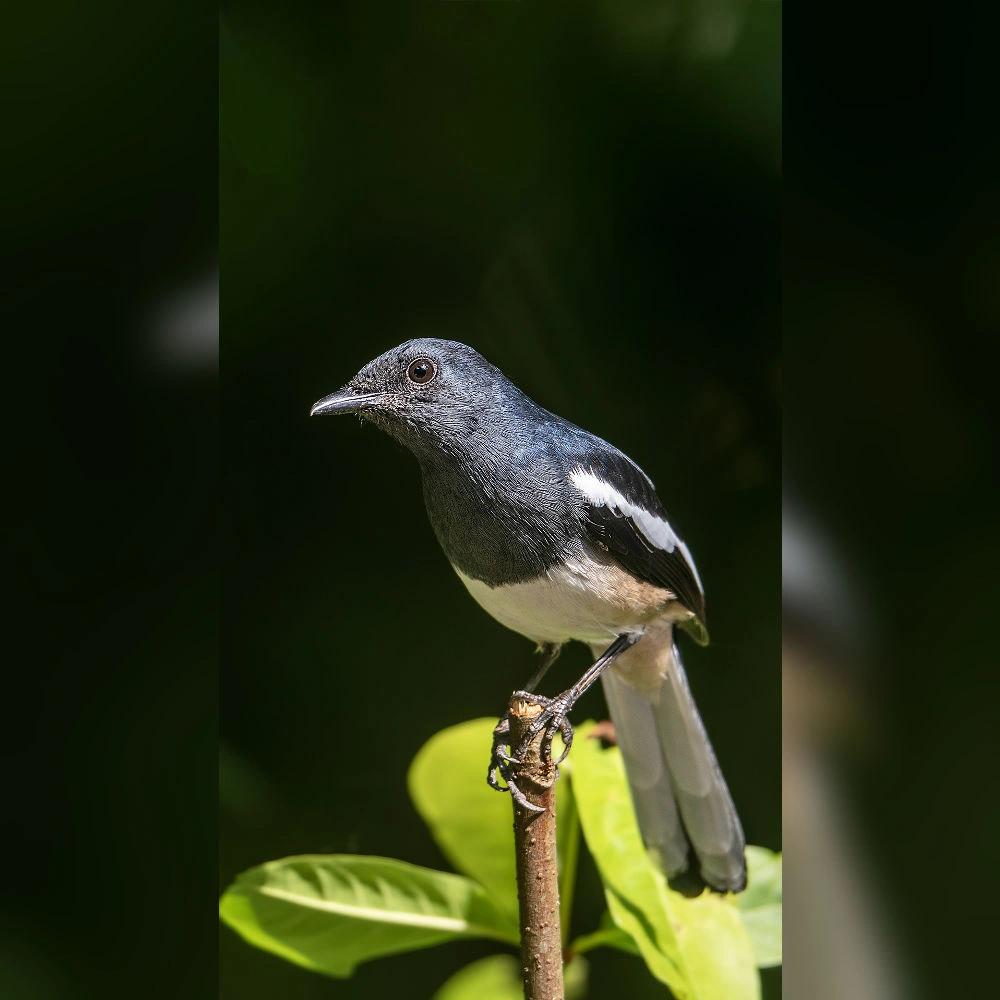
Oriental Magpie-Robin
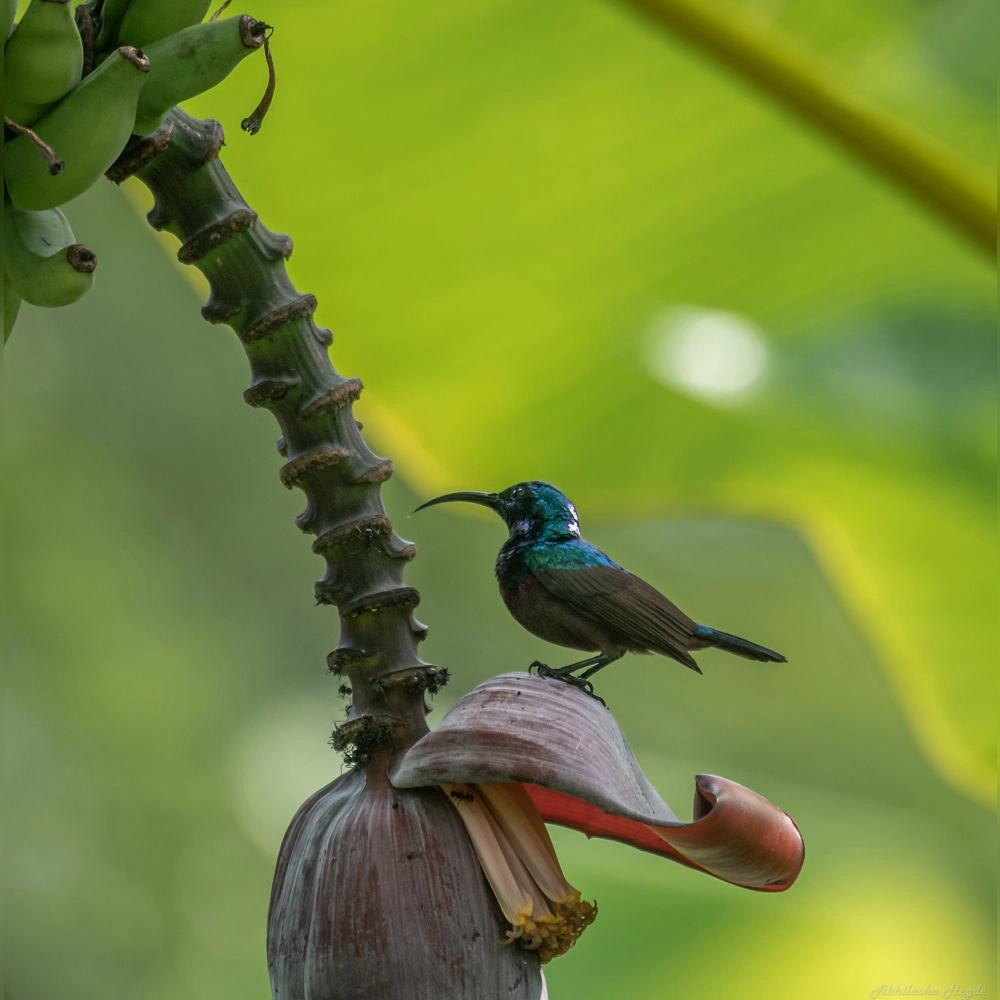
Purple Sunbird
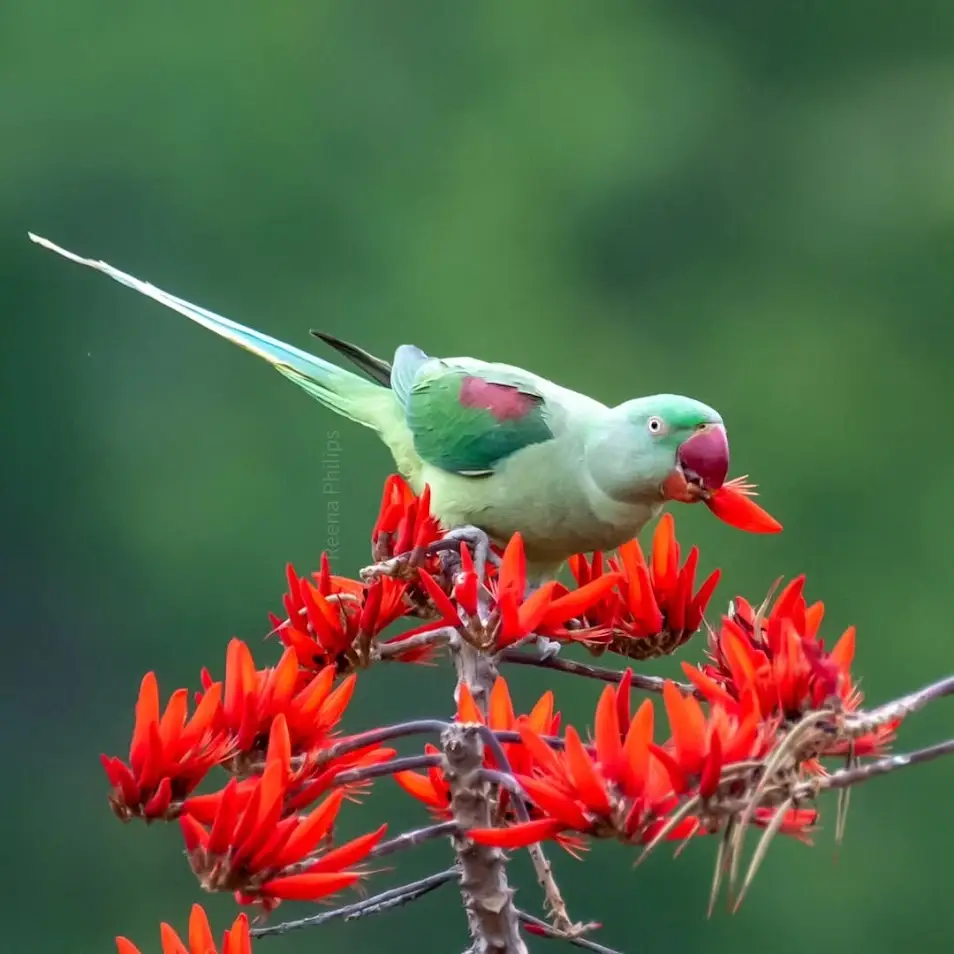
Alexandrine Parakeet
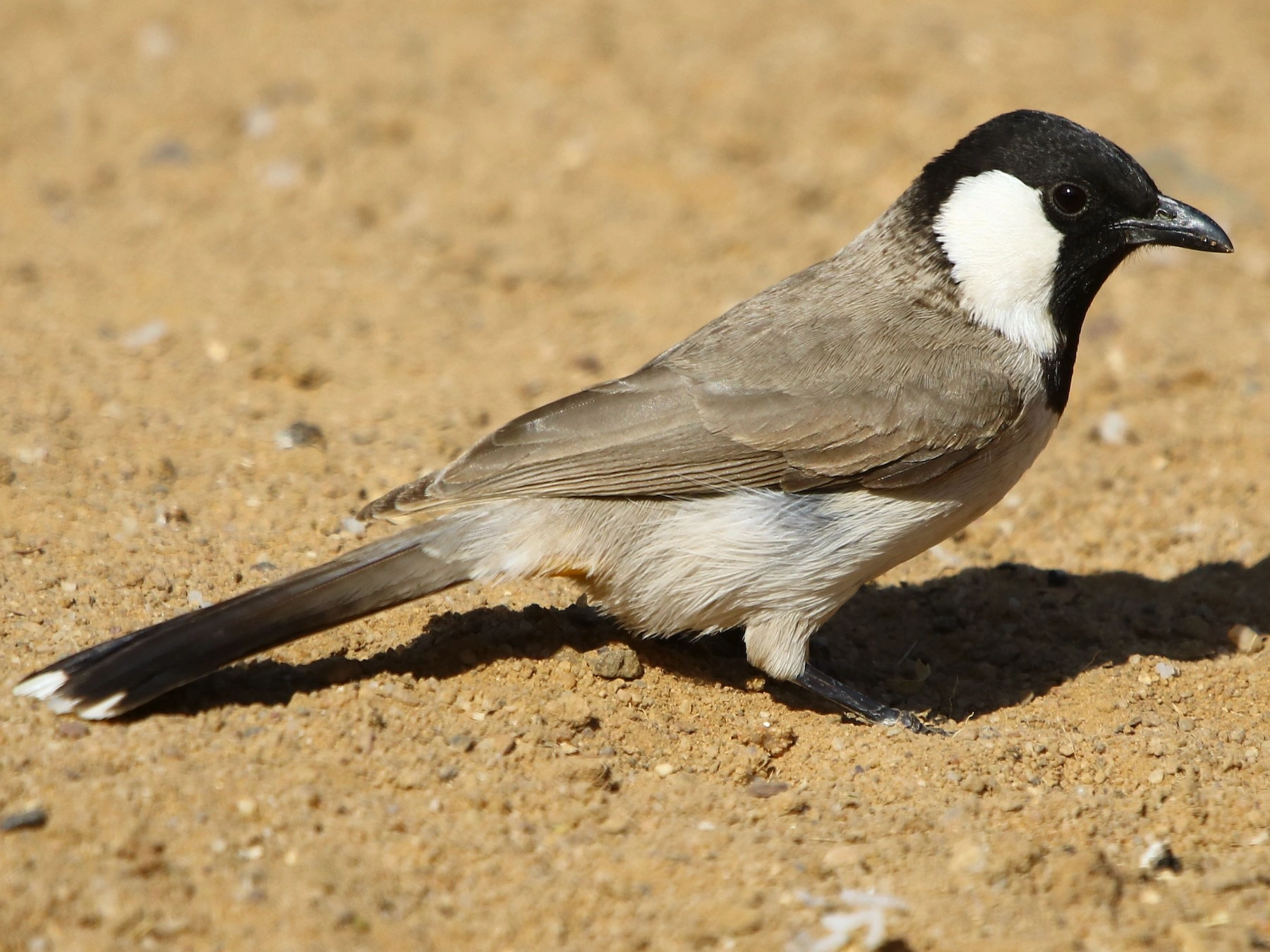
White-eared Bulbul

Summary of Walk

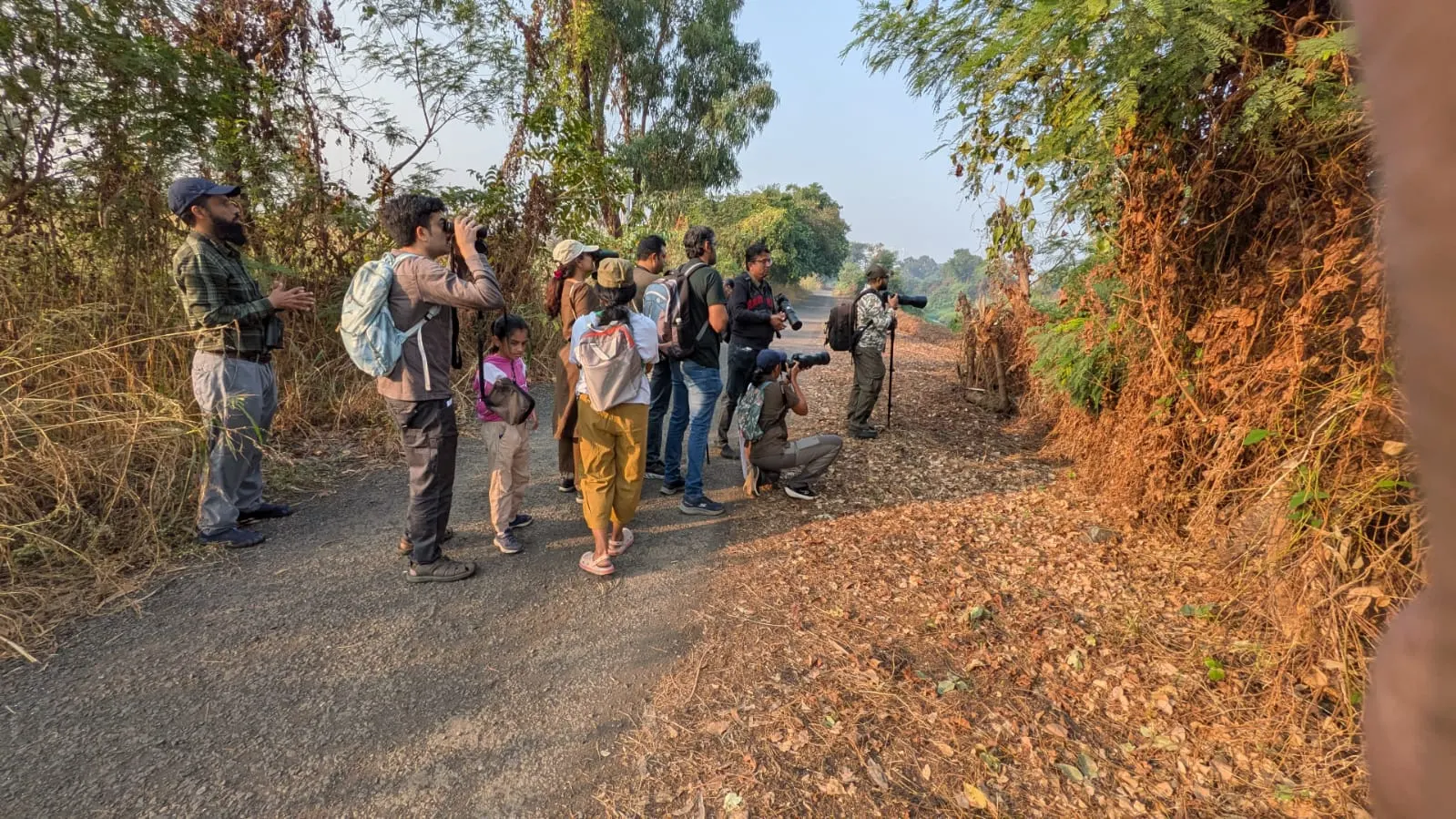
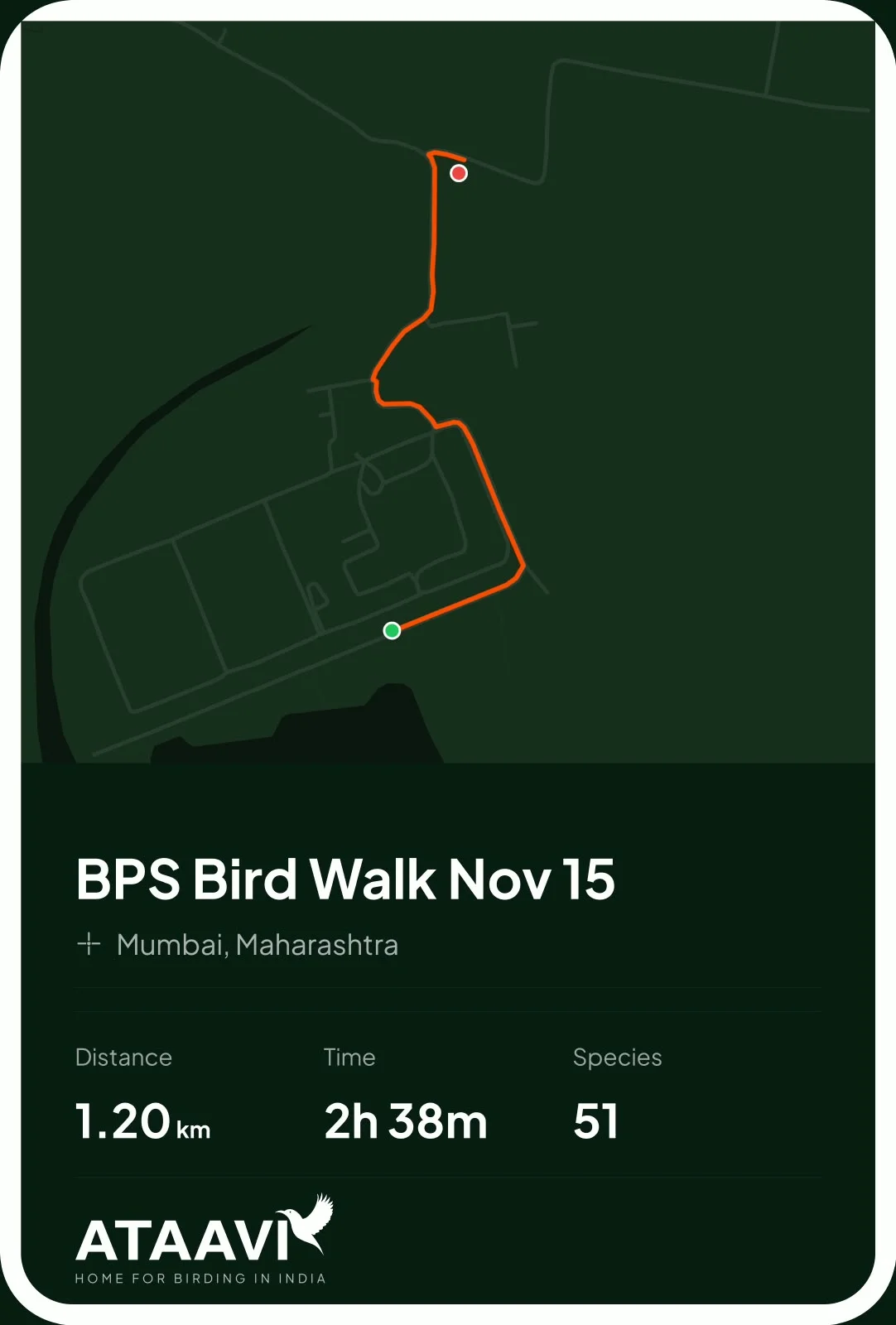
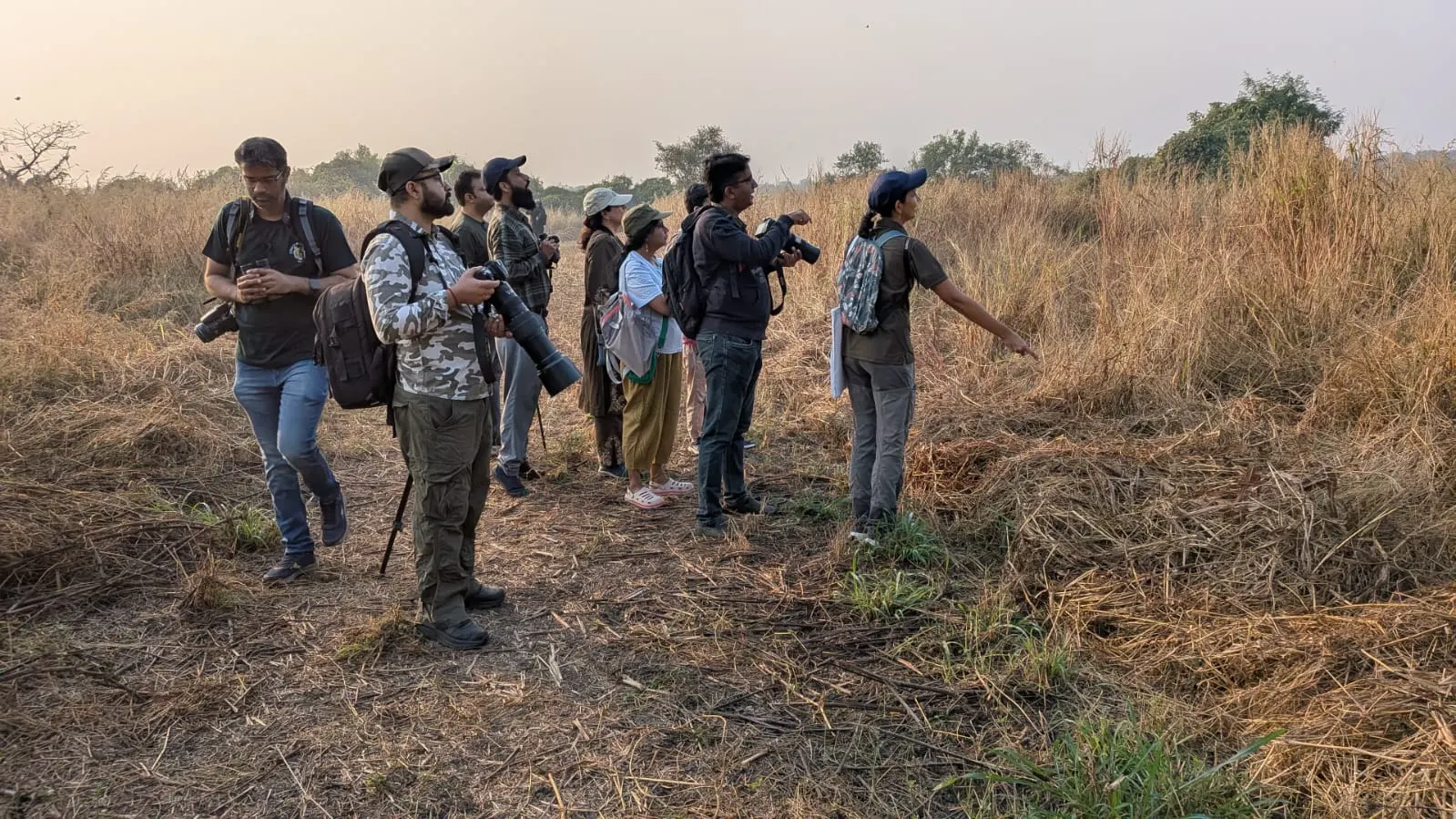
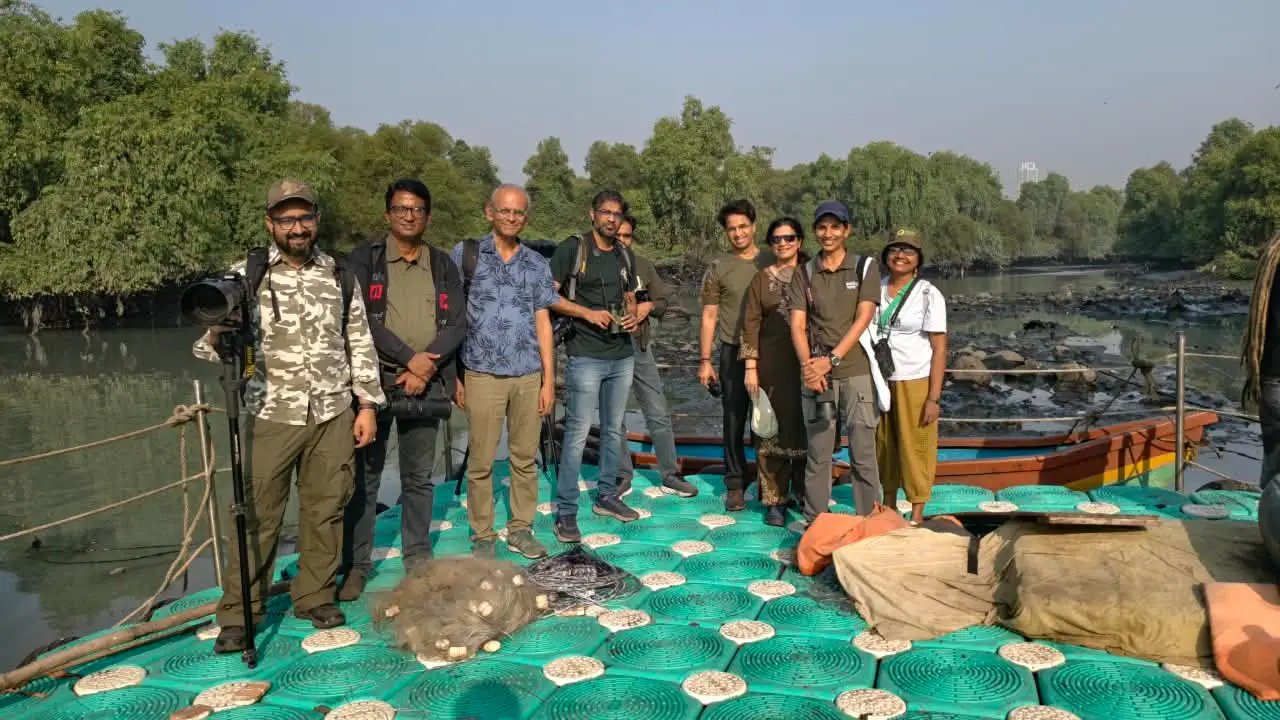
Twelve birders joined guide Megha Gupta at Bhandup Pumping Station in Mumbai on 15 November on a cool morning with a nip in the air, and the group recorded 52 species. Painted Storks flying overhead and a loudly calling Red-wattled Lapwing greeted everyone at the start, and the shallow waters of this Thane Creek wetland were alive with resident and migratory birds. Participants were thrilled by Greater Flamingos, Ruddy Shelducks, Brown-headed Gulls, Northern Shovelers, Northern Pintails and Black-tailed Godwits, while Pied Bushchats, Ashy Prinias, large flocks of Scaly-breasted Munias and Baya Weavers made sure the grassland and scrub birds were not ignored. A memorable highlight was a Western Marsh Harrier that stayed in one place long enough for plenty of photographs. At the jetty, the group enjoyed sandpipers, including a ringed and tagged Wood Sandpiper, along with Indian Golden Orioles, a Shikra, Black-headed Ibises and kingfishers. One participant later wrote to thank Megha, saying she had learned so much, including the mind-blowing fact that birds do not always sleep in nests, and praising her effort to connect with everyone, including the little girl in the group. It was an engaging and memorable morning on the edge of Mumbai.
Number of Participants
0
Scroll to Top