Loading Events

Bird Walk at Amrut Biodiversity Park, New Delhi

About Amrut Biodiversity Park

Amrut Biodiversity Park in New Delhi is an urban biodiversity space developed to conserve native vegetation and provide a natural refuge within the rapidly expanding city. The park represents an effort to restore and enhance local ecological habitats, with a landscape comprising native trees, shrubs, grasses, and other vegetation that support a variety of wildlife. Such biodiversity parks are important in Delhi as they help maintain green corridors, improve the urban microclimate, support pollinators, and provide opportunities for people to experience and learn about native ecosystems.
The park’s diverse vegetation and relatively natural setting provide suitable habitats for birds, butterflies, insects, and other small wildlife. Different layers of vegetation offer feeding, nesting, and roosting opportunities, while flowering and fruiting plants attract nectar-feeders and frugivorous species. The presence of an ecologically diverse green space within the city also makes Amrut Biodiversity Park useful for birdwatching, nature education, and documenting changes in urban biodiversity. Its value extends beyond recreation, demonstrating how restoration of native habitats can contribute to conservation even in a densely populated metropolitan landscape.

Bird Guide: Kashif

He has over 6 years of experience in bird photography and birdwatching. His passion for observing and photographing birds has strengthened his connection with nature and encouraged him to explore urban biodiversity.

Bird walk Location

Common birds of Amrut Biodiversity Park

Common birds observed around Amrut Biodiversity Park include Indian Peafowl, Rose-ringed Parakeet, Black Kite, Shikra, White-throated Kingfisher, Common Kingfisher, Indian Roller, Coppersmith Barbet, Brown-headed Barbet, Red-vented Bulbul, Red-whiskered Bulbul, Purple Sunbird, Oriental Magpie-Robin, Indian Robin, Black Drongo, Ashy Prinia, Common Tailorbird, Jungle Babbler, House Sparrow, Common Myna, Bank Myna, House Crow, Spotted Dove, Laughing Dove, Eurasian Collared Dove, and Brahminy Starling. The park may also attract seasonal and winter visitors, particularly insectivorous birds and other species that use Delhi’s network of urban green spaces during migration.
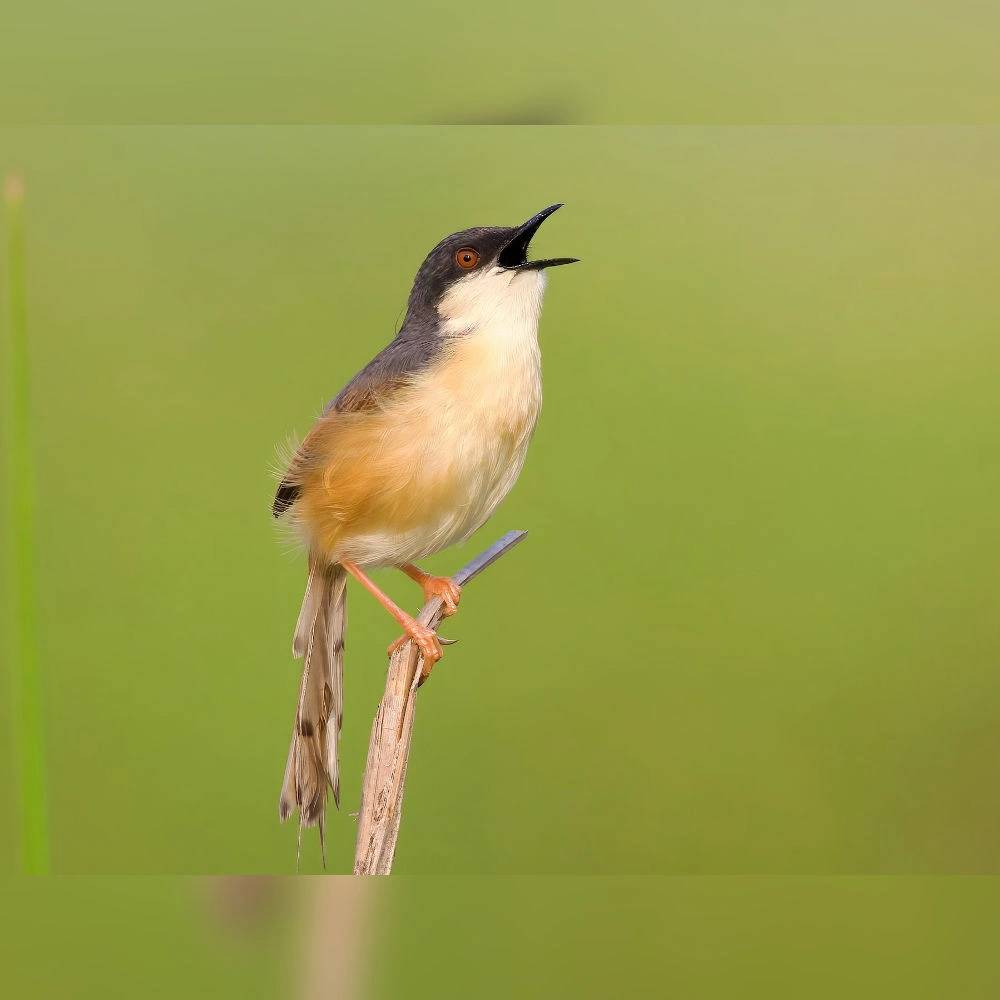
Ashy Prinia
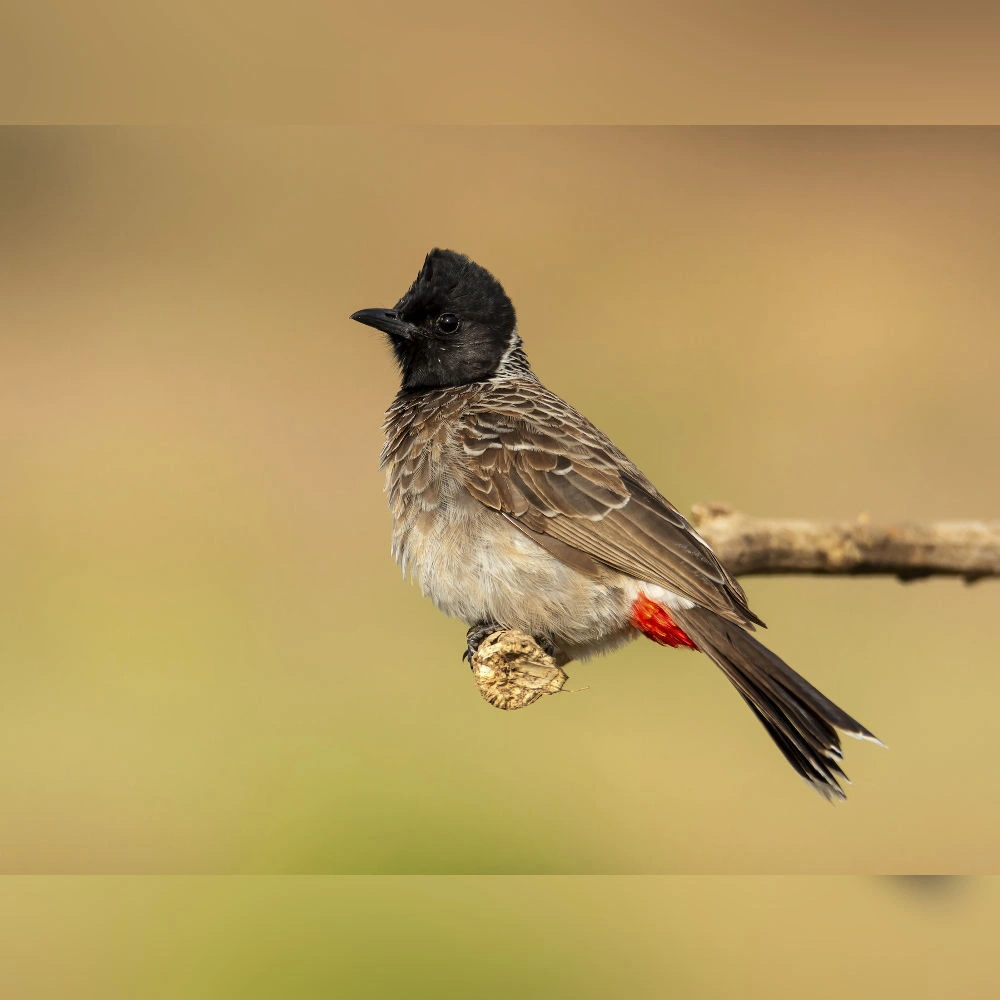
Red-vented Bulbul
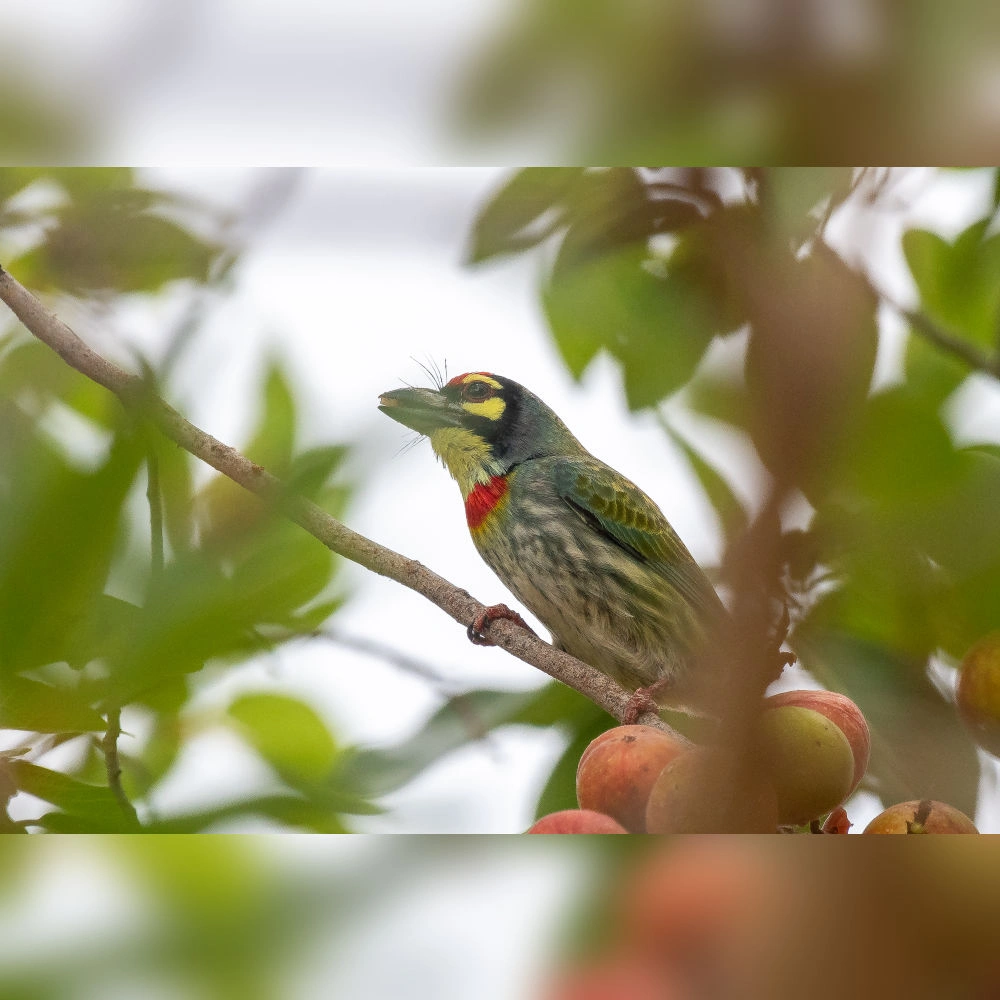
Coppersmith Barbet
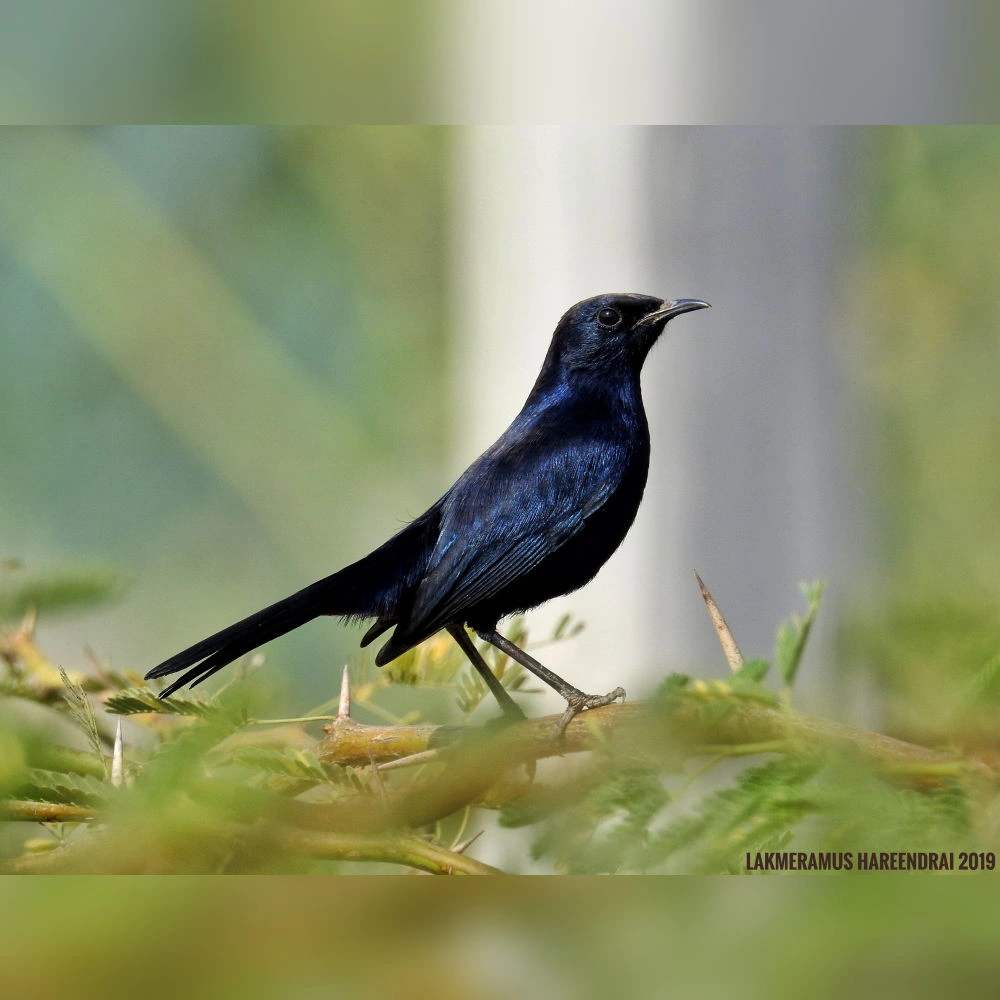
Indian Robin
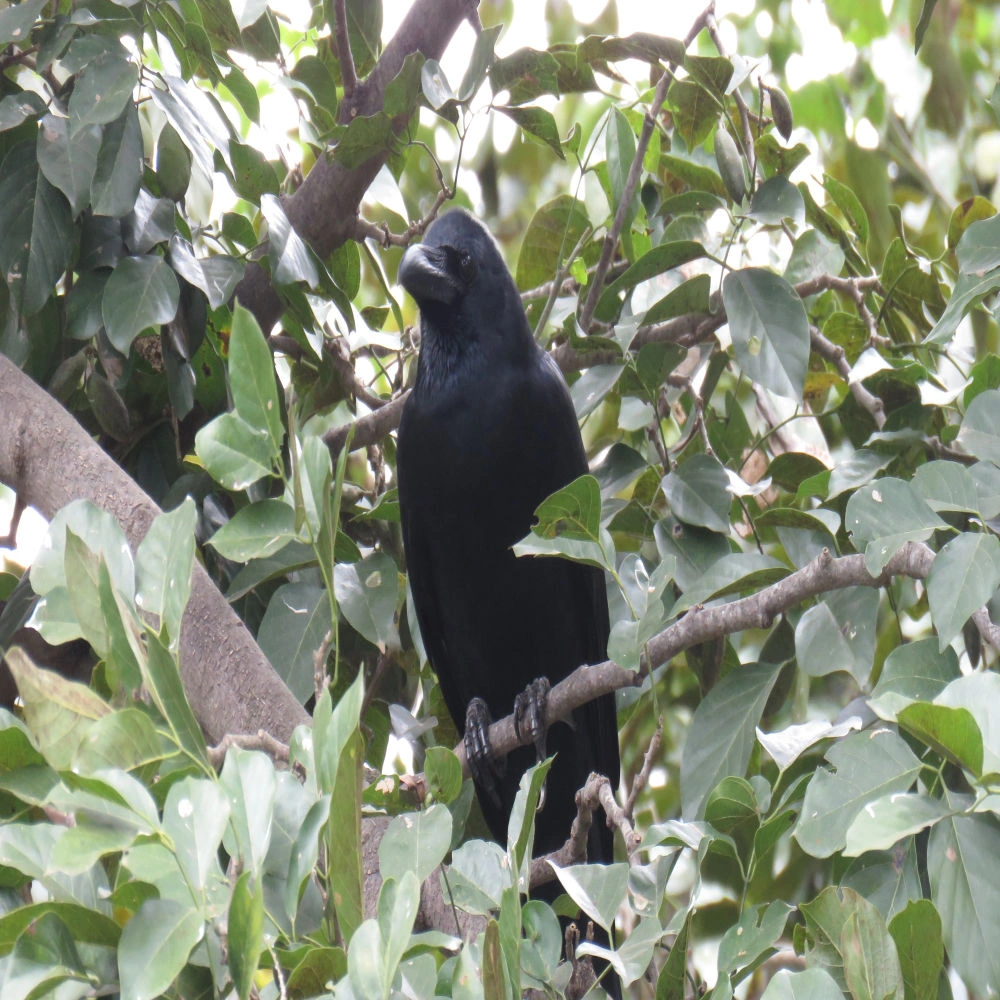
Large-billed Crow
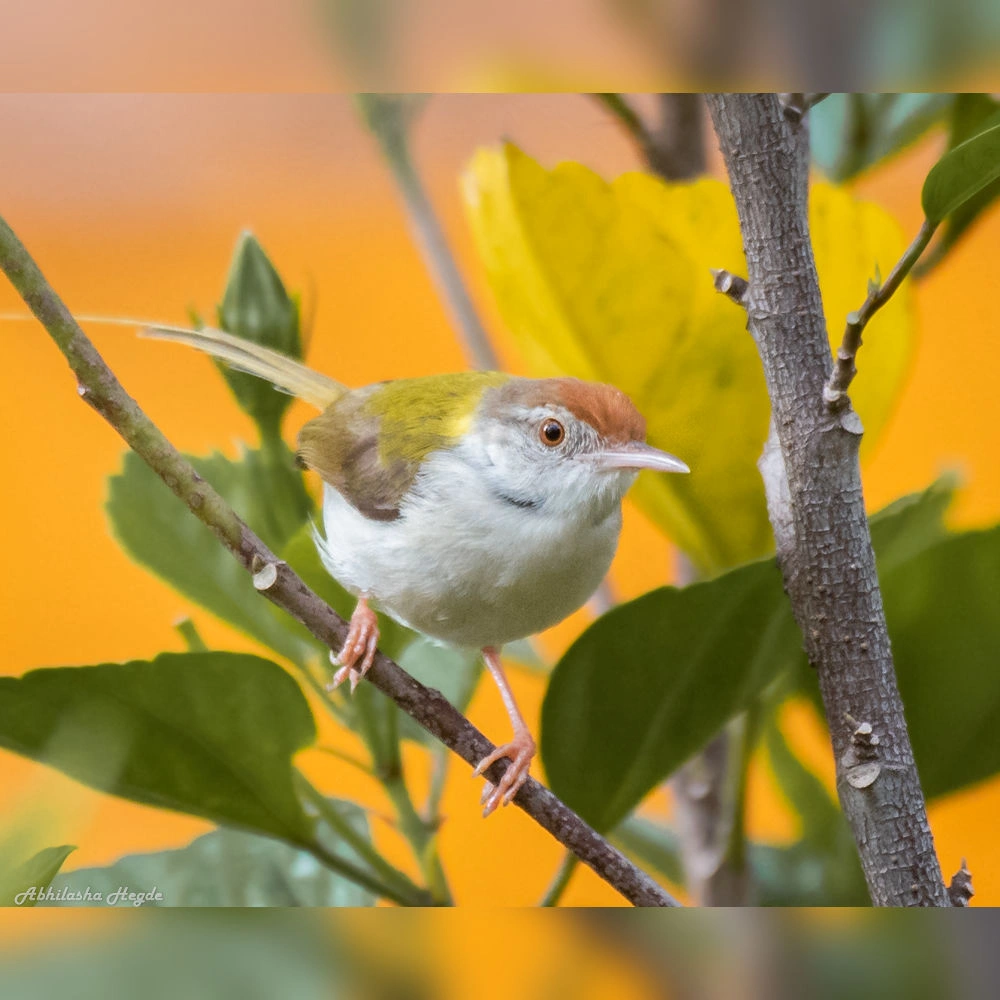
Common Tailorbird
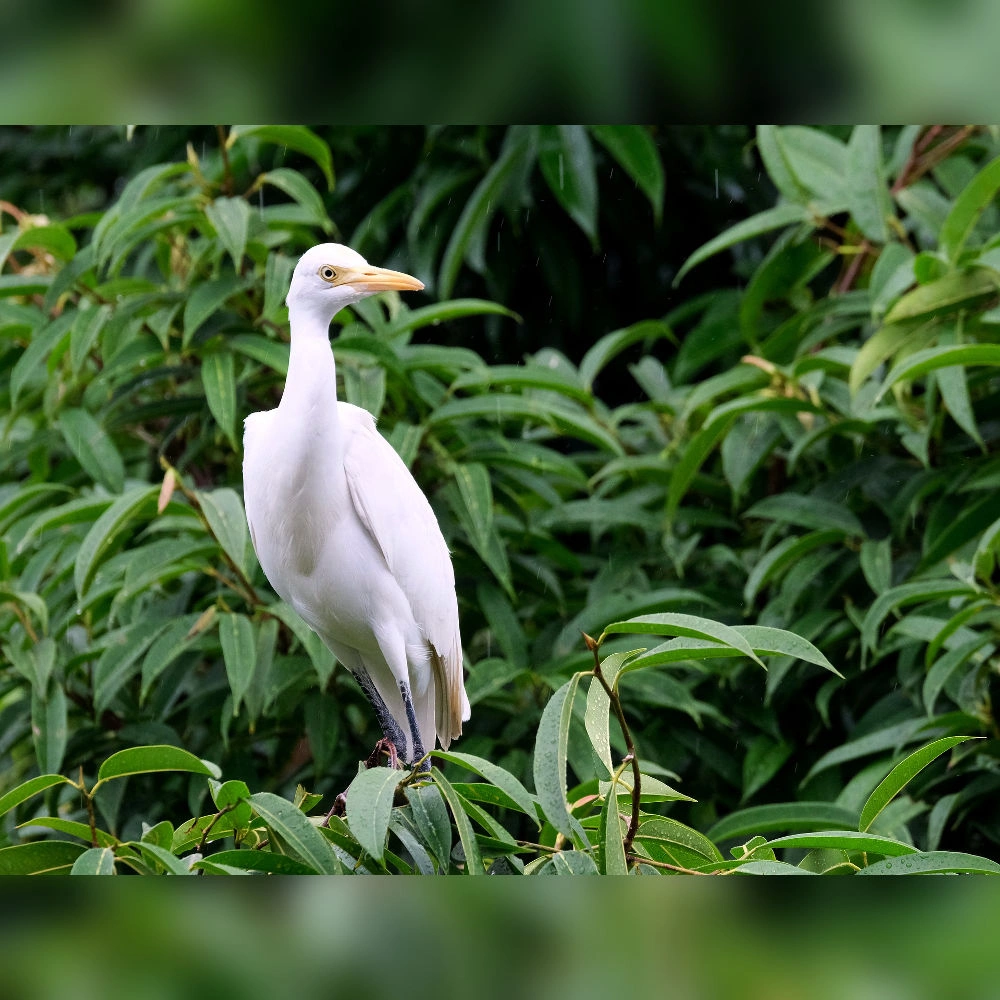
Eastern Cattle Egret
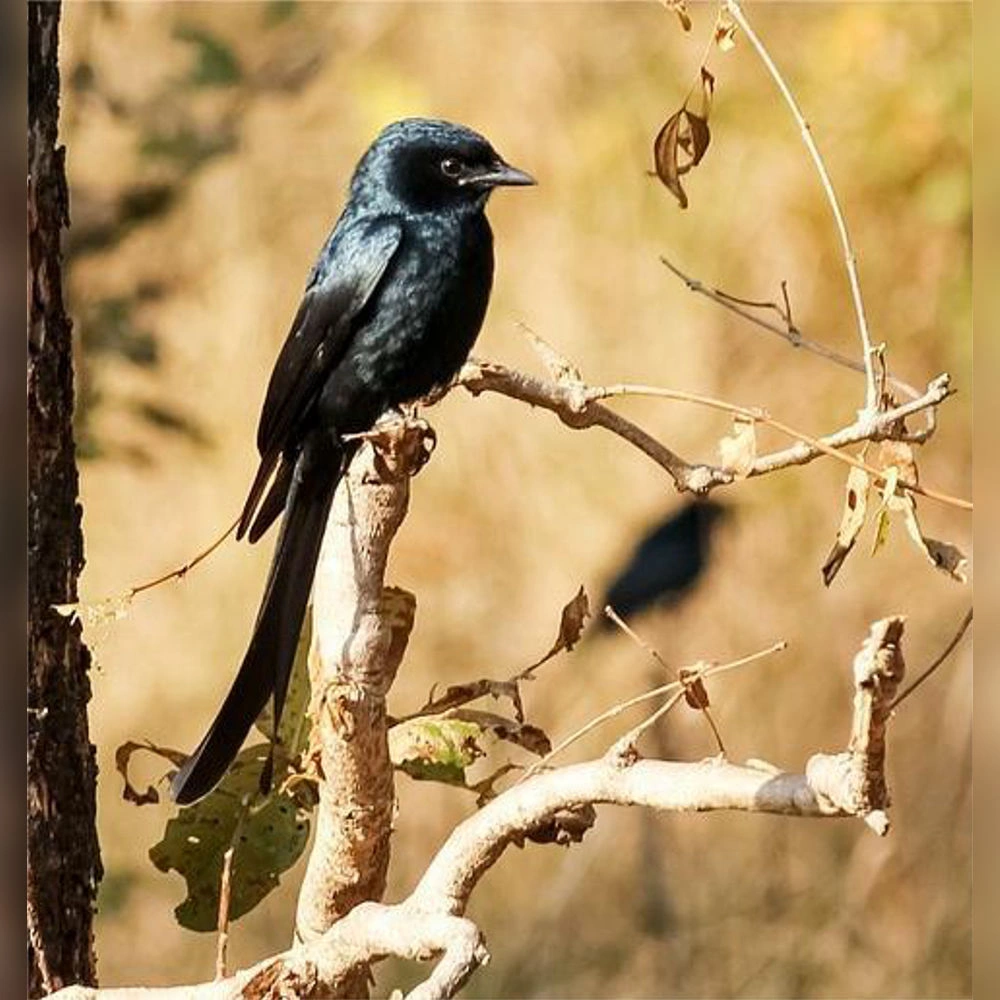
Black Drongo
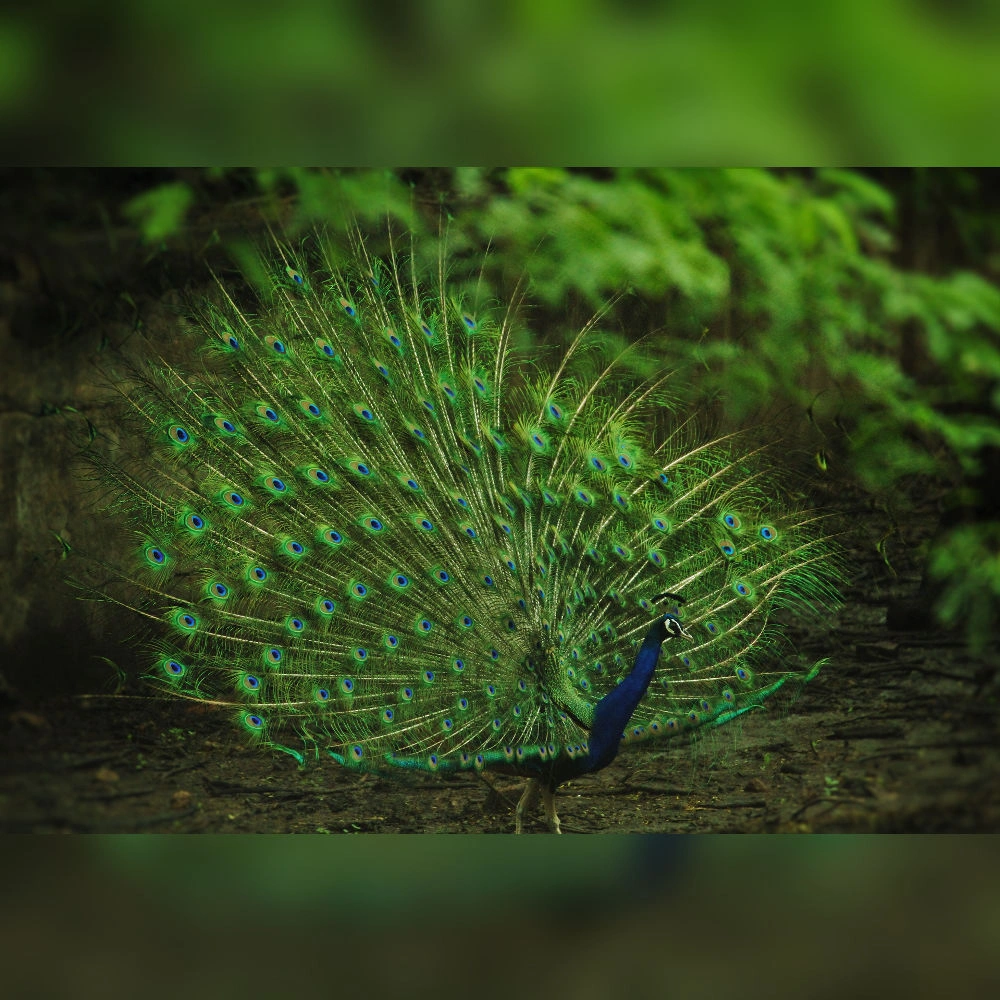
Indian Peafowl
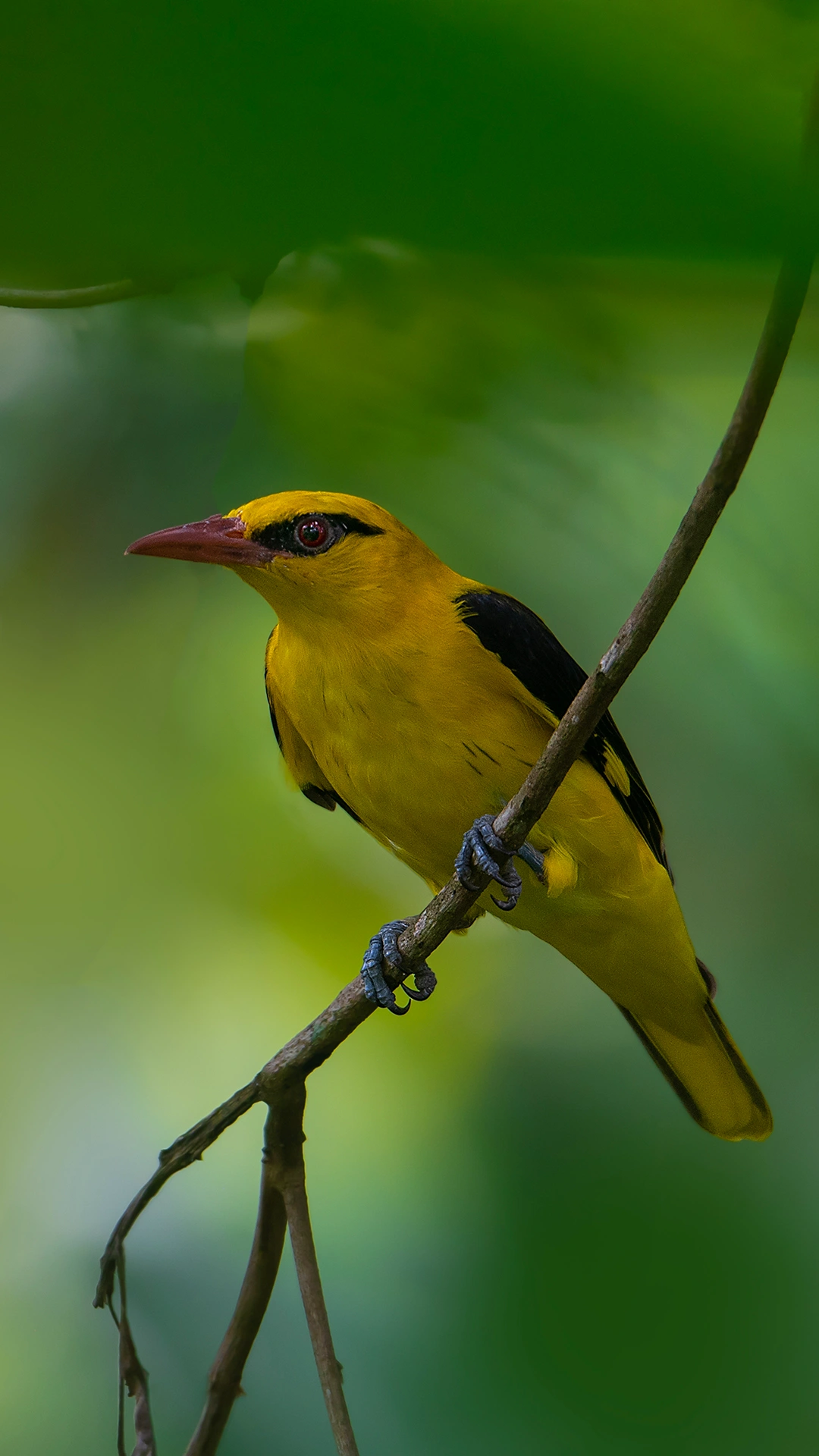
Indian Golden Oriole
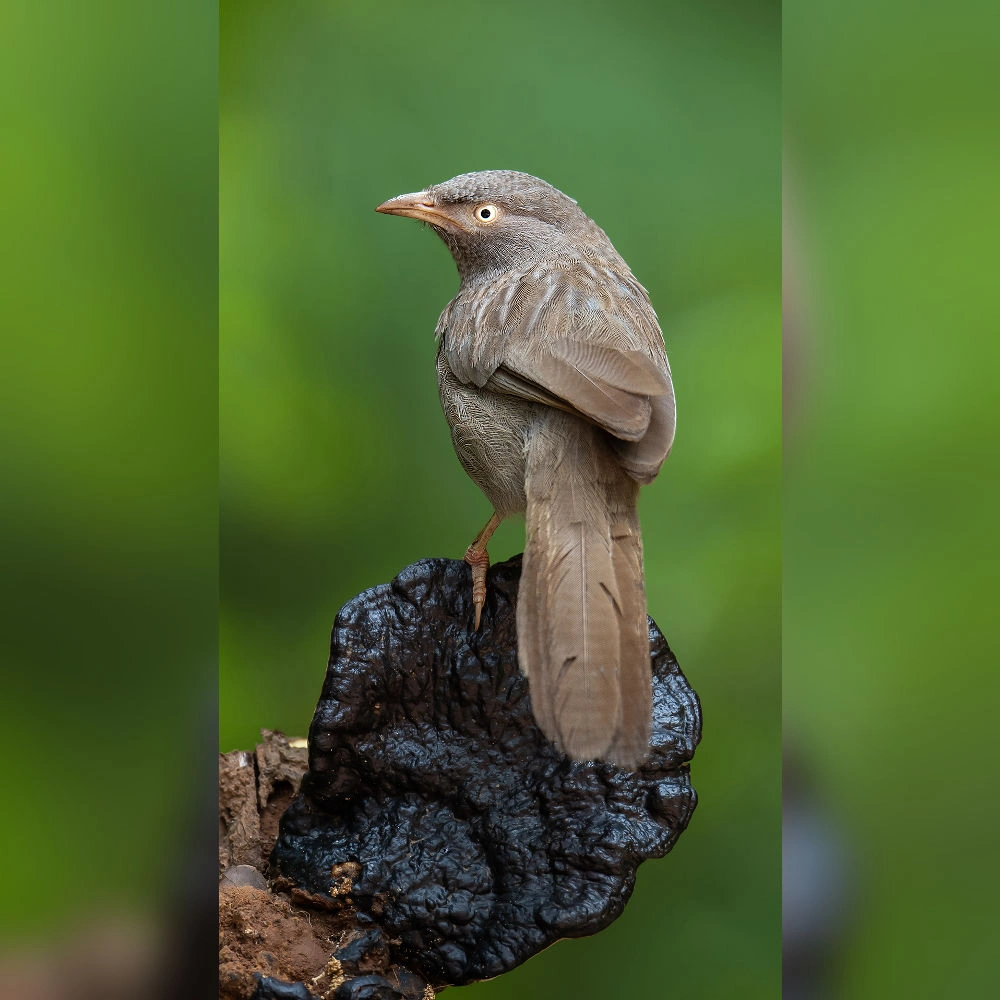
Jungle Babbler
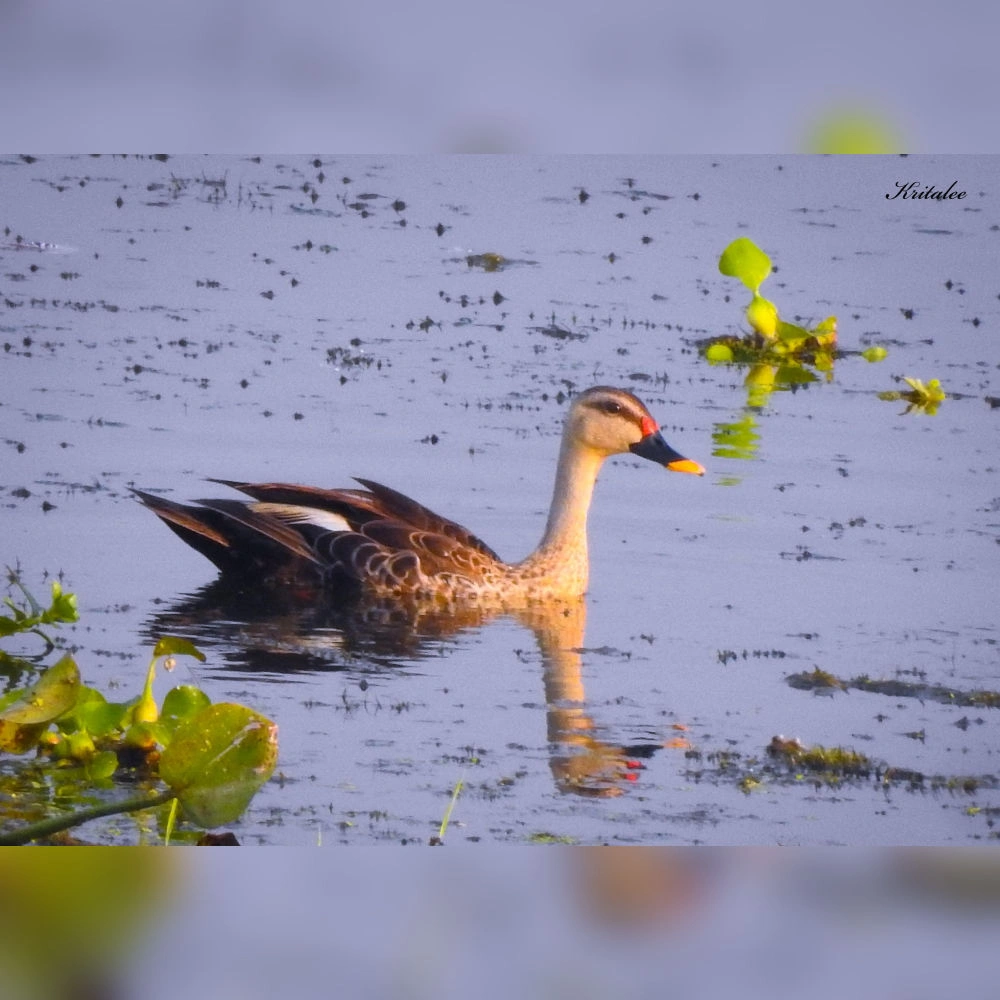
Indian Spot-billed Duck
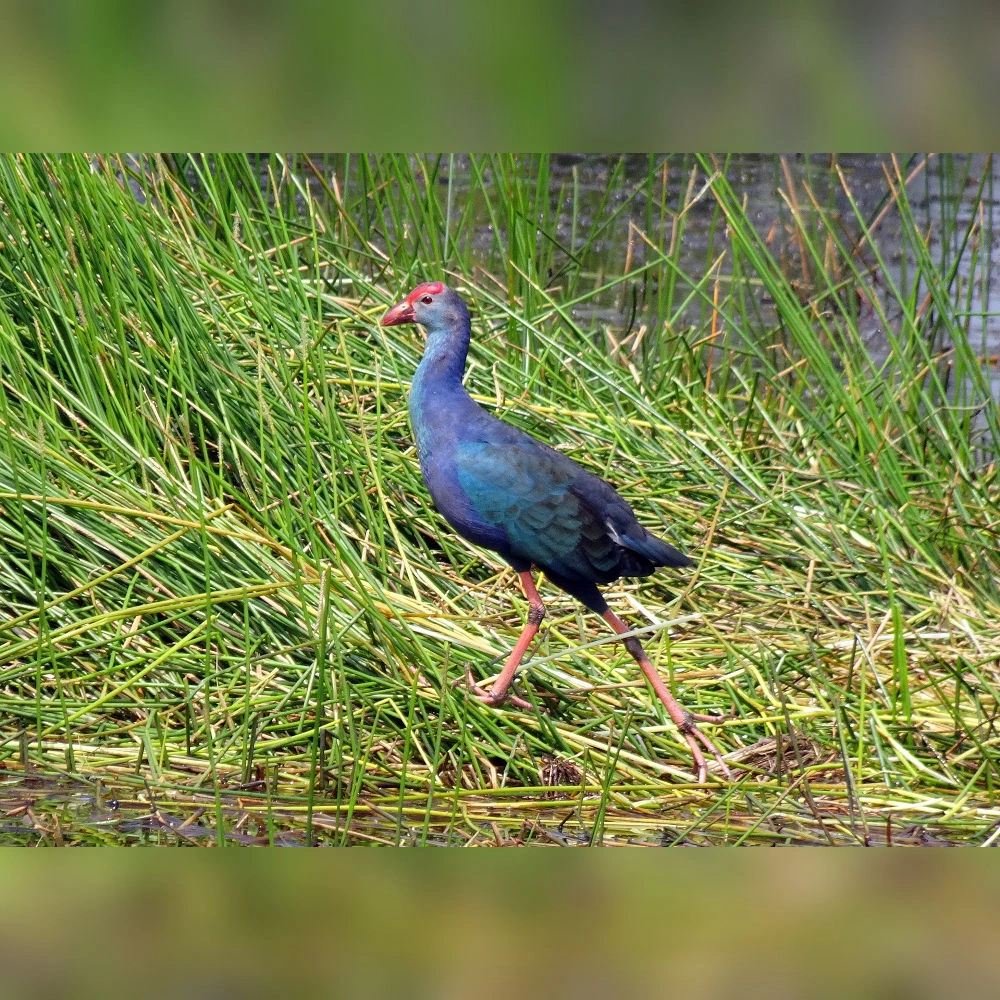
Grey-headed Swamphen
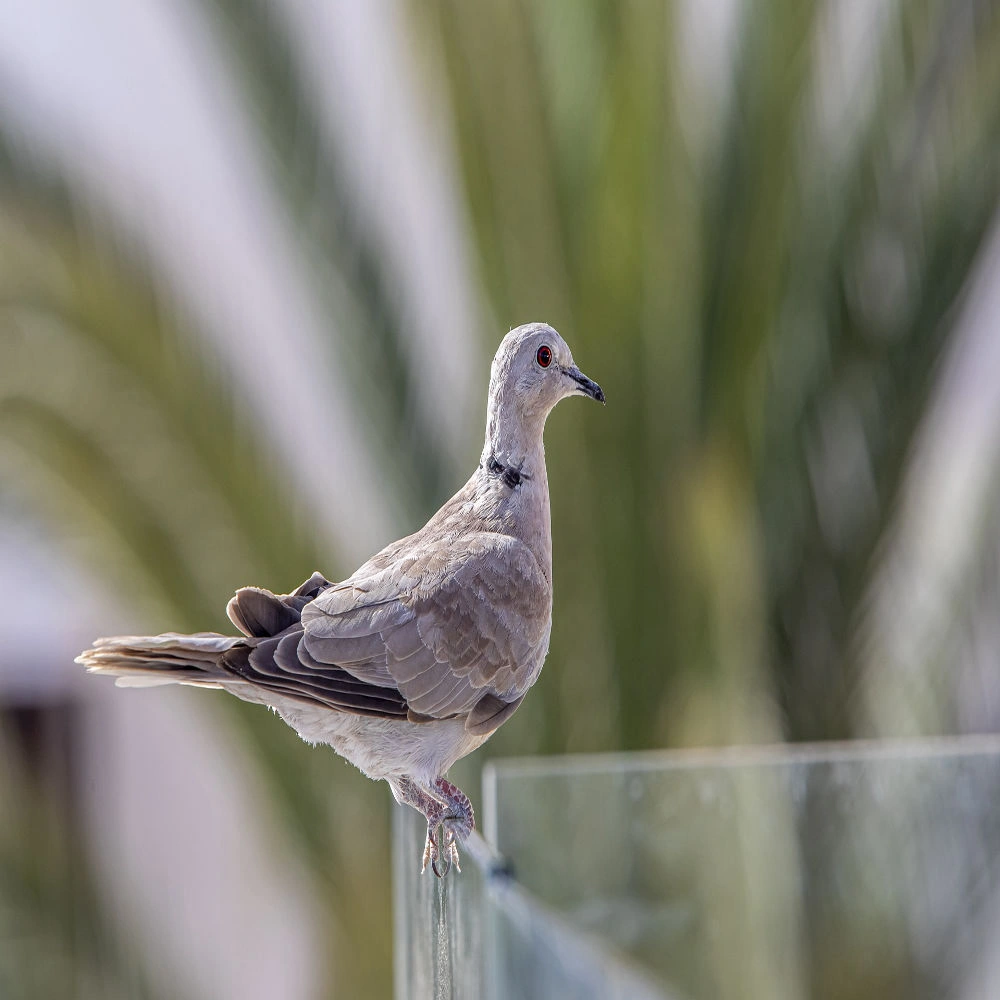
Eurasian Collared Dove
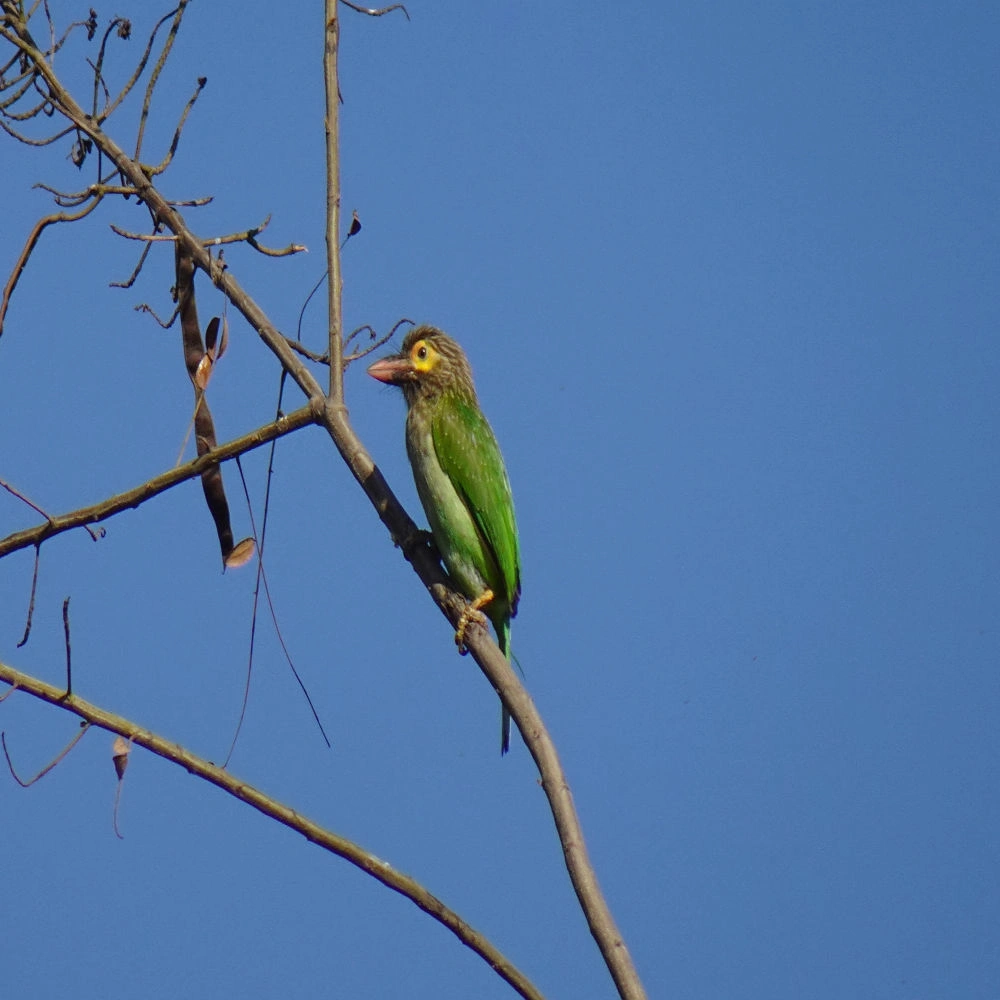
Brown-headed Barbet
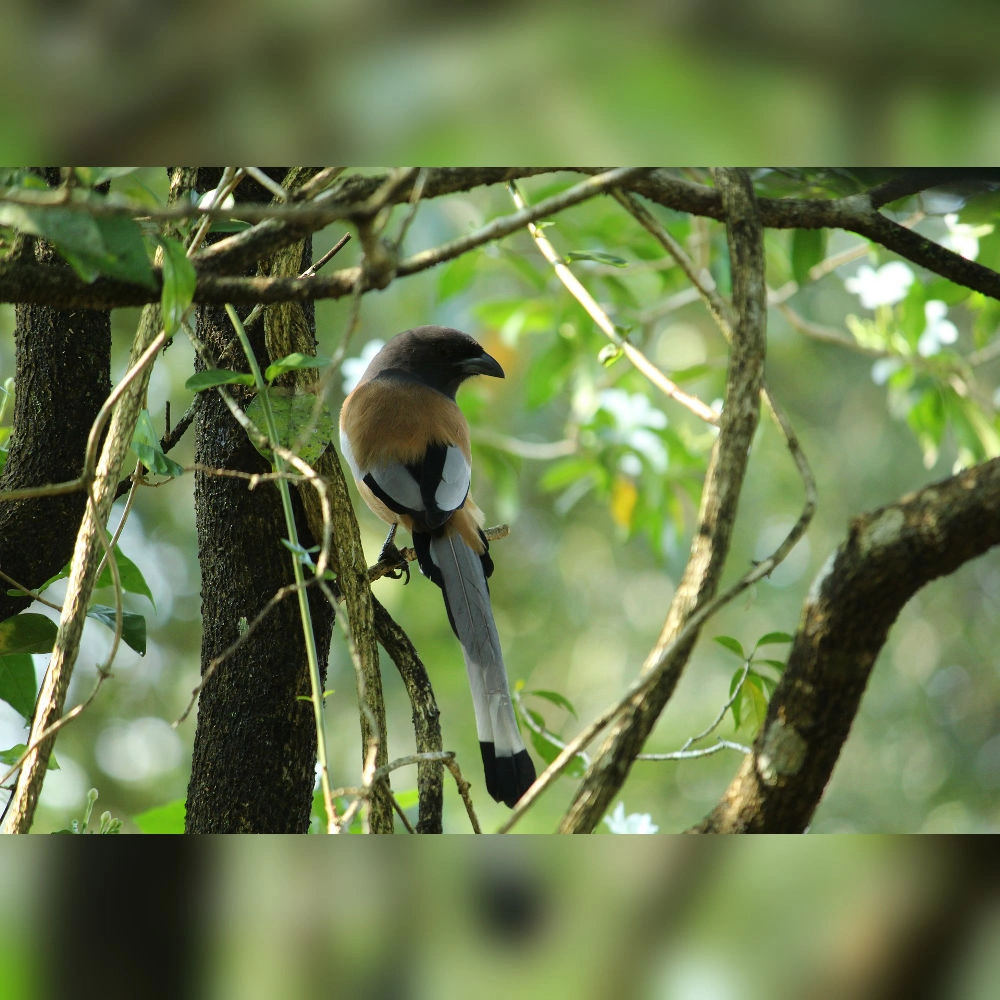
Rufous Treepie
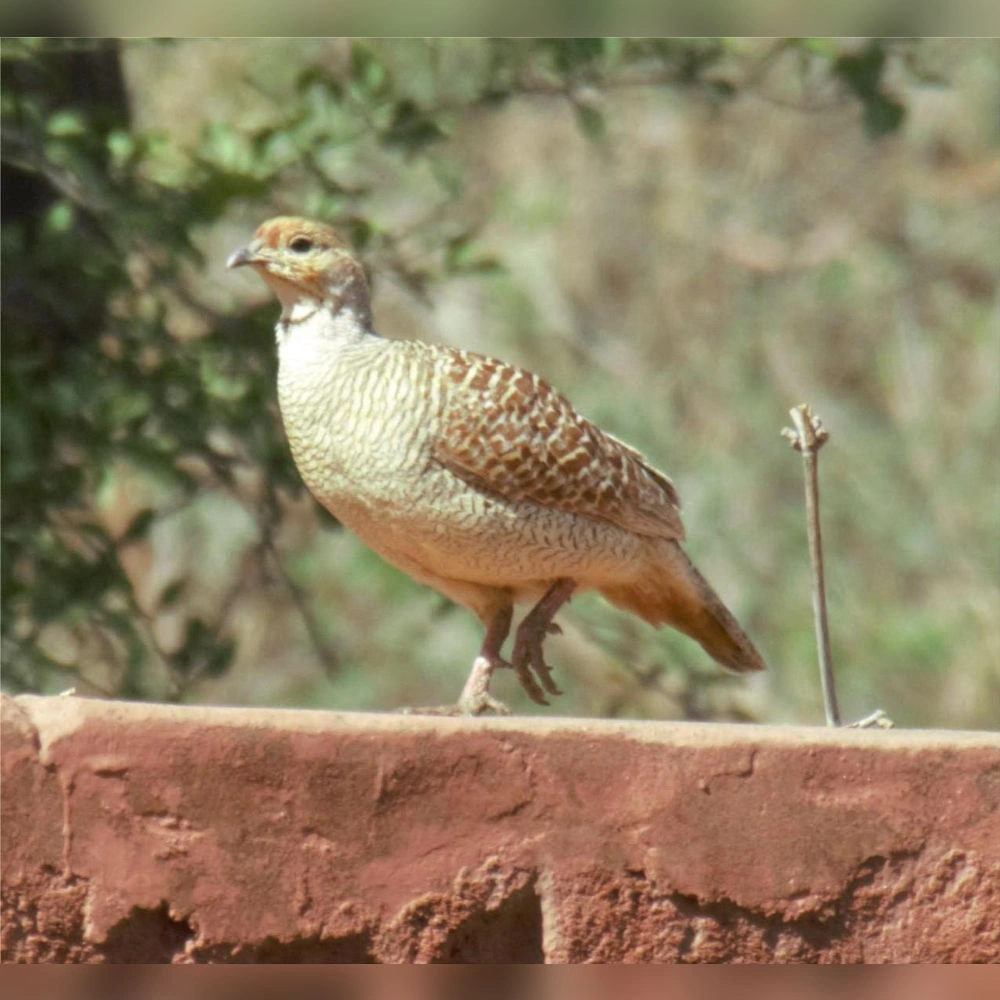
Grey Francolin
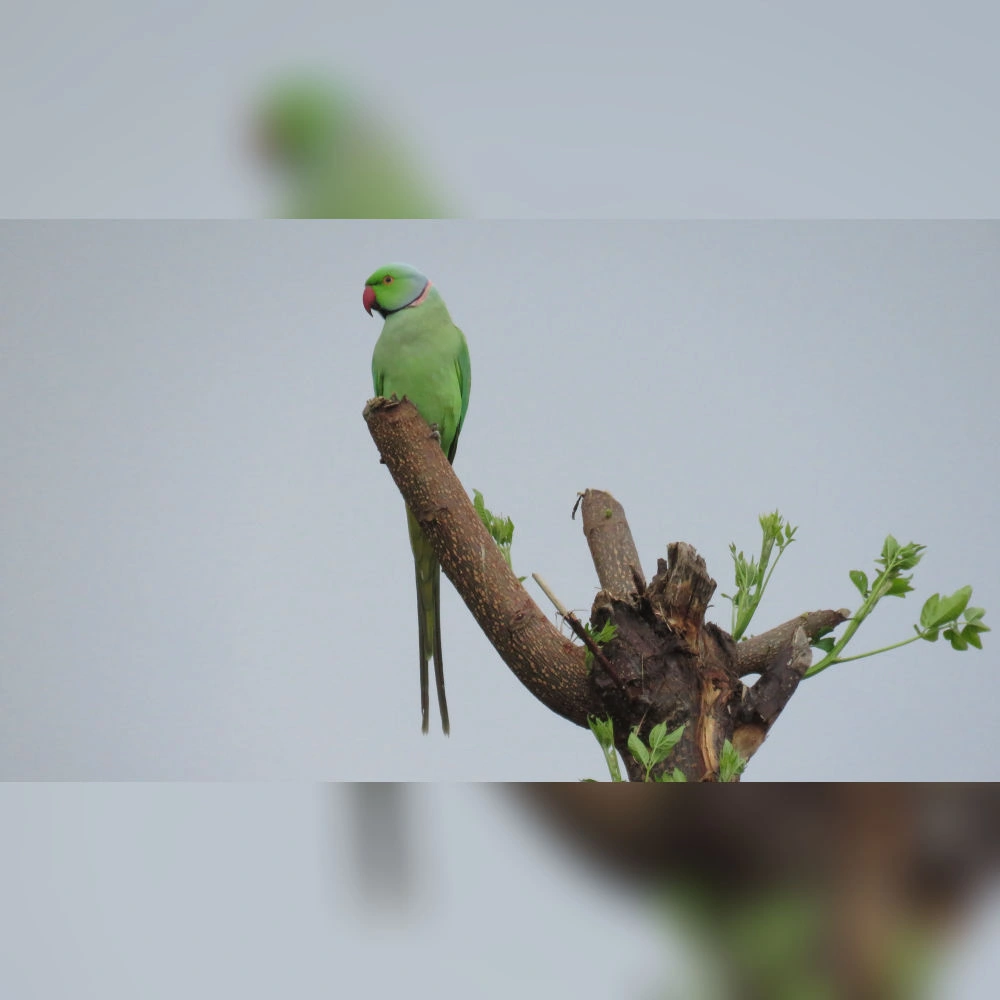
Rose-ringed Parakeet
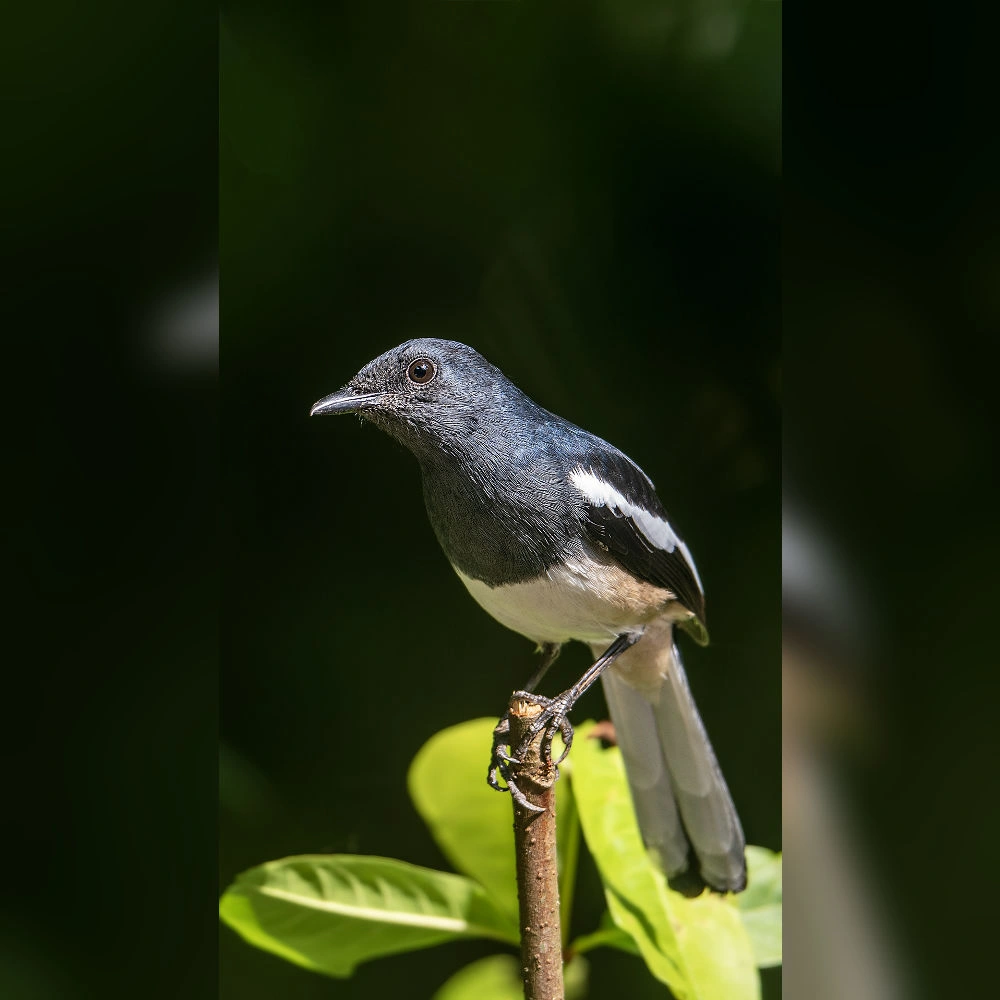
Oriental Magpie Robin
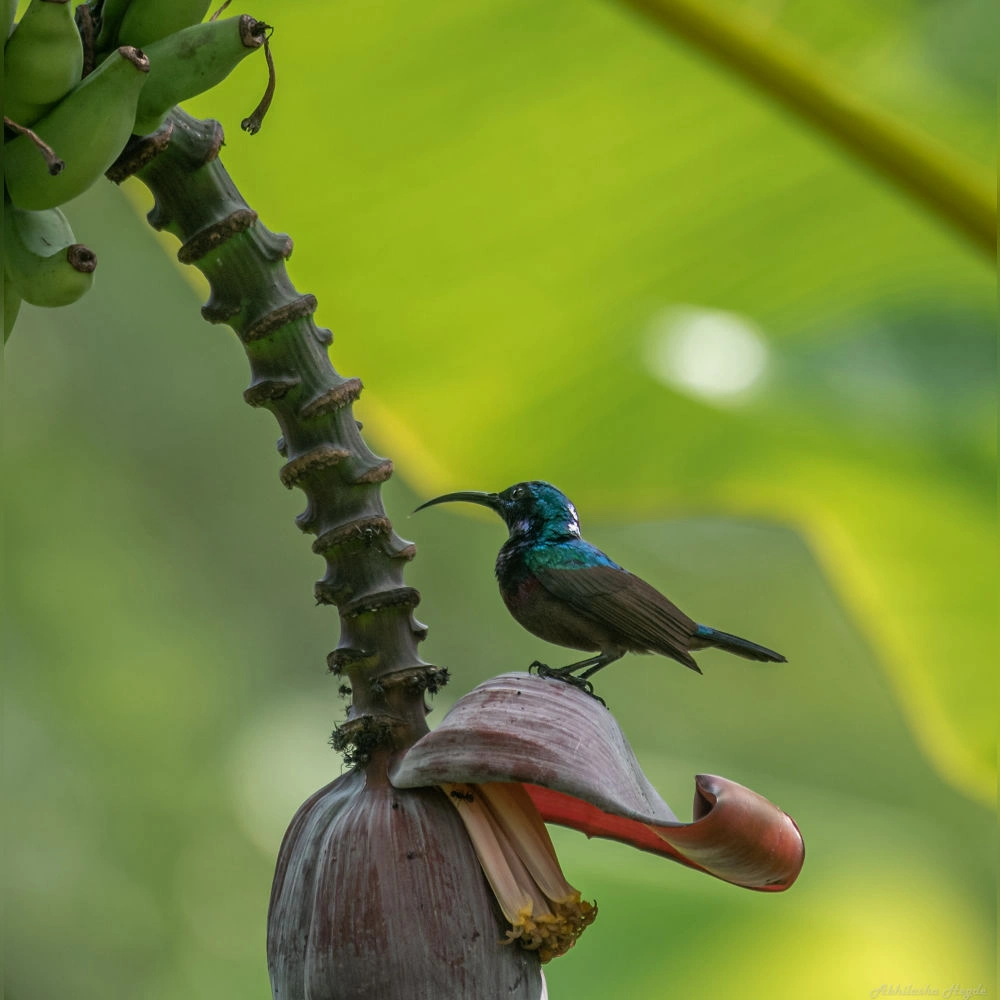
Purple Sunbird

Summary of Walk

A group of nature lovers joined guide Kashif at Amrut Biodiversity Park in New Delhi on 14 November for a refreshing morning of birding in one of the city’s lesser-known green spaces. Developed as a biodiversity park with native trees, shrubs, grassy patches and water features, it offers a quiet retreat from the city’s noise and a welcoming habitat for a variety of birds, butterflies and other small wildlife.

Parks like this in Delhi are home to birds such as the Indian Grey Hornbill, Coppersmith Barbet, Black-rumped Flameback, Rufous Treepie, Oriental Magpie Robin, Purple Sunbird, Indian Robin and several species of babblers and bulbuls, and in winter they welcome migrants such as warblers, wagtails, flycatchers and chiffchaffs that arrive from the north. Kashif led the walk with enthusiasm and care, showing participants how to use binoculars, how to follow movement in the foliage and how to recognise birds by their calls and behaviour. Every sighting sparked questions and discussion, and the group enjoyed learning how native plants help bring birds back to the city. The calm surroundings and steady flow of birdlife made it a memorable start to the weekend, and participants left with new species on their lists and a fresh appreciation of Delhi’s urban biodiversity.

Scroll to Top