

Loading Events

Bird walk at Ram – Mula Confluence and Devrai, Pune, Maharashtra

About Ram - Mula Confluence and Devrai

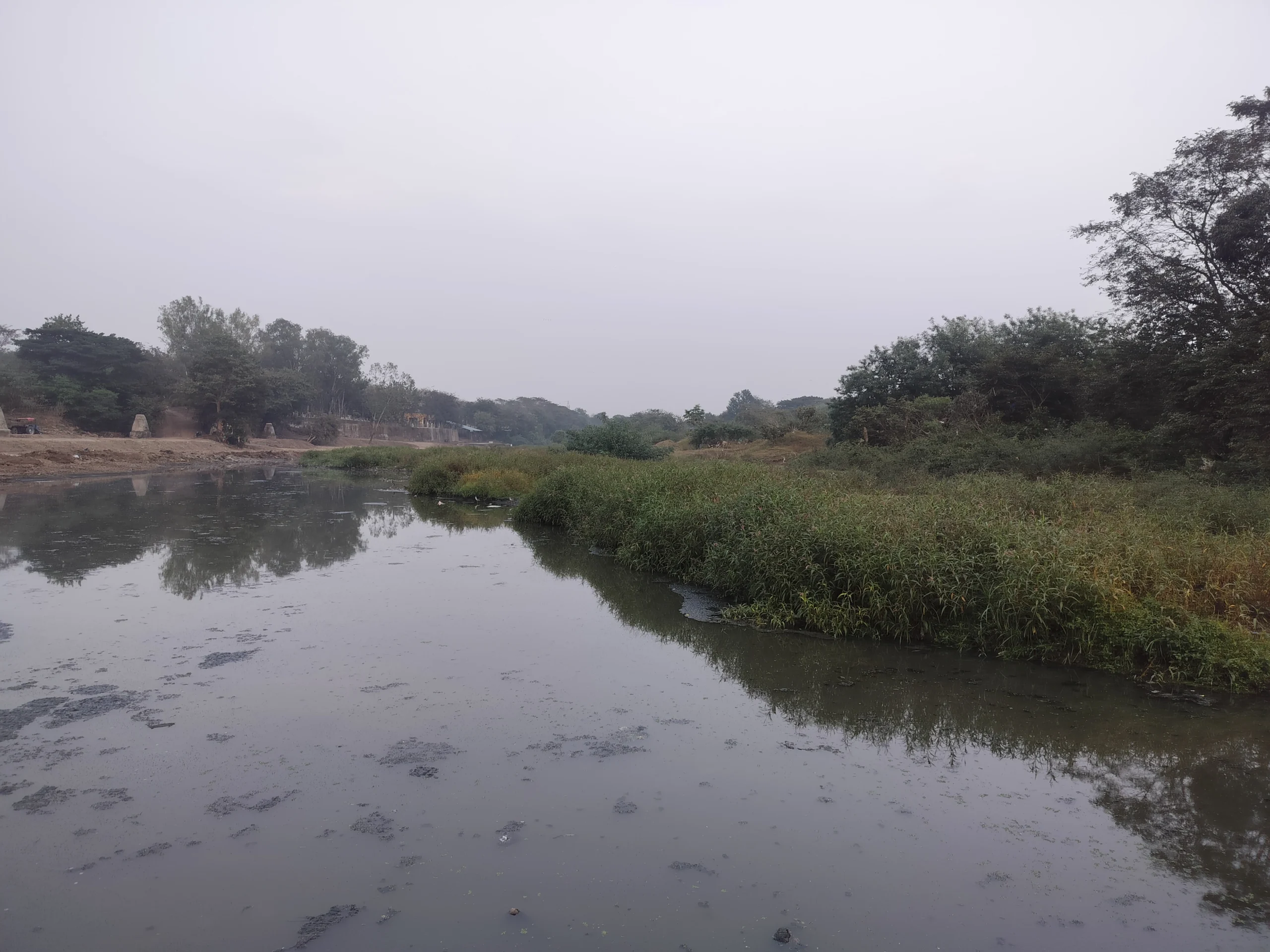
Where the Ram River gently merges with the Mula, the Ram–Mula Confluence creates a dynamic riverine landscape on the outskirts of Pune, complemented by a nearby Devrai—a traditional sacred grove that preserves native woodland in its most natural form. This mosaic of flowing water, sandy banks, riparian vegetation, and semi-evergreen tree cover supports a surprisingly rich diversity of life. The rivers attract fish, amphibians, reptiles, and aquatic invertebrates, while the Devrai shelters old-growth trees, climbers, and understory shrubs that provide nesting and foraging opportunities for woodland species. The blend of open river stretches and shaded forest patches makes this site ecologically layered and seasonally vibrant.

For birders, the confluence is particularly rewarding—kingfishers patrol the water edges, wagtails and sandpipers forage along exposed banks, and raptors soar overhead scanning for prey. Inside the Devrai, the calls of orioles, drongos, woodpeckers, and flycatchers echo through the canopy, creating a striking contrast to the river’s openness. However, increasing urban expansion, water pollution, sand mining, and habitat disturbance pose growing threats to this fragile ecosystem. Conservation awareness, protection of sacred groves, and responsible river management are essential to preserving this rare interface of culture and biodiversity making the Ram–Mula Confluence and Devrai not just a scenic natural space, but a living reminder of how traditional conservation values can safeguard modern ecosystems.

Partnered with

Bird Guide - Arijit Jere

An animal ecologist turned nature educator from Pune. He has been birding for research and education since half a decade. He enjoys engaging with public through these colorful marvels through bird walks.
Bird walk Location

Common birds of Ram - Mula Confluence and Devrai

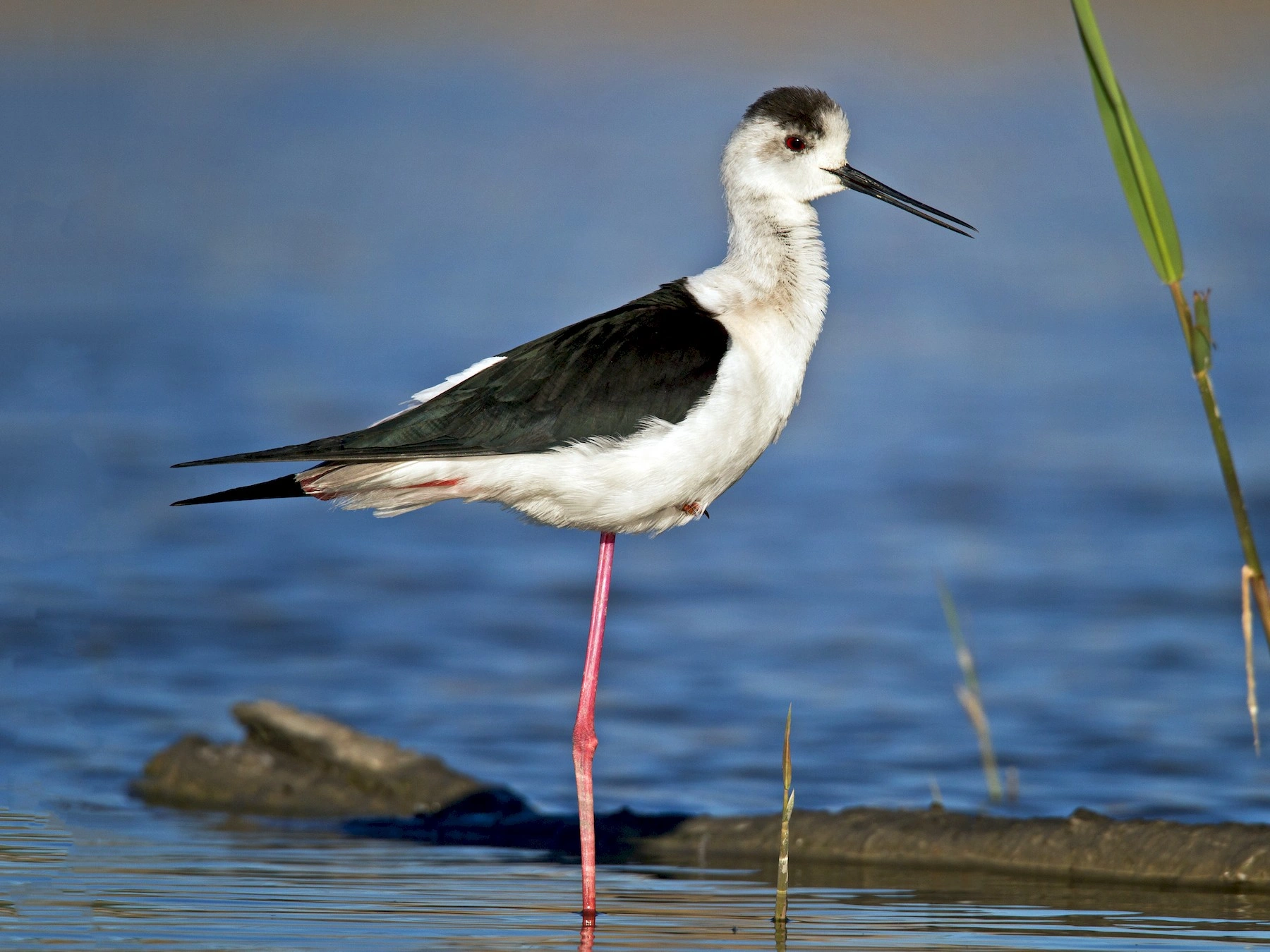
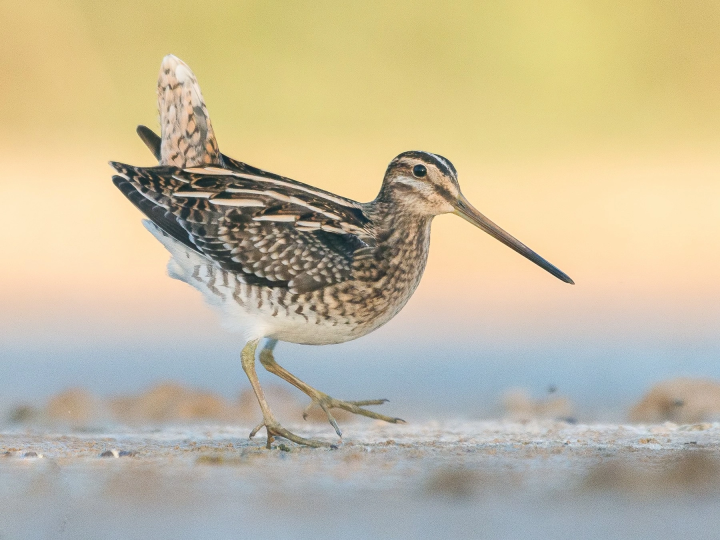
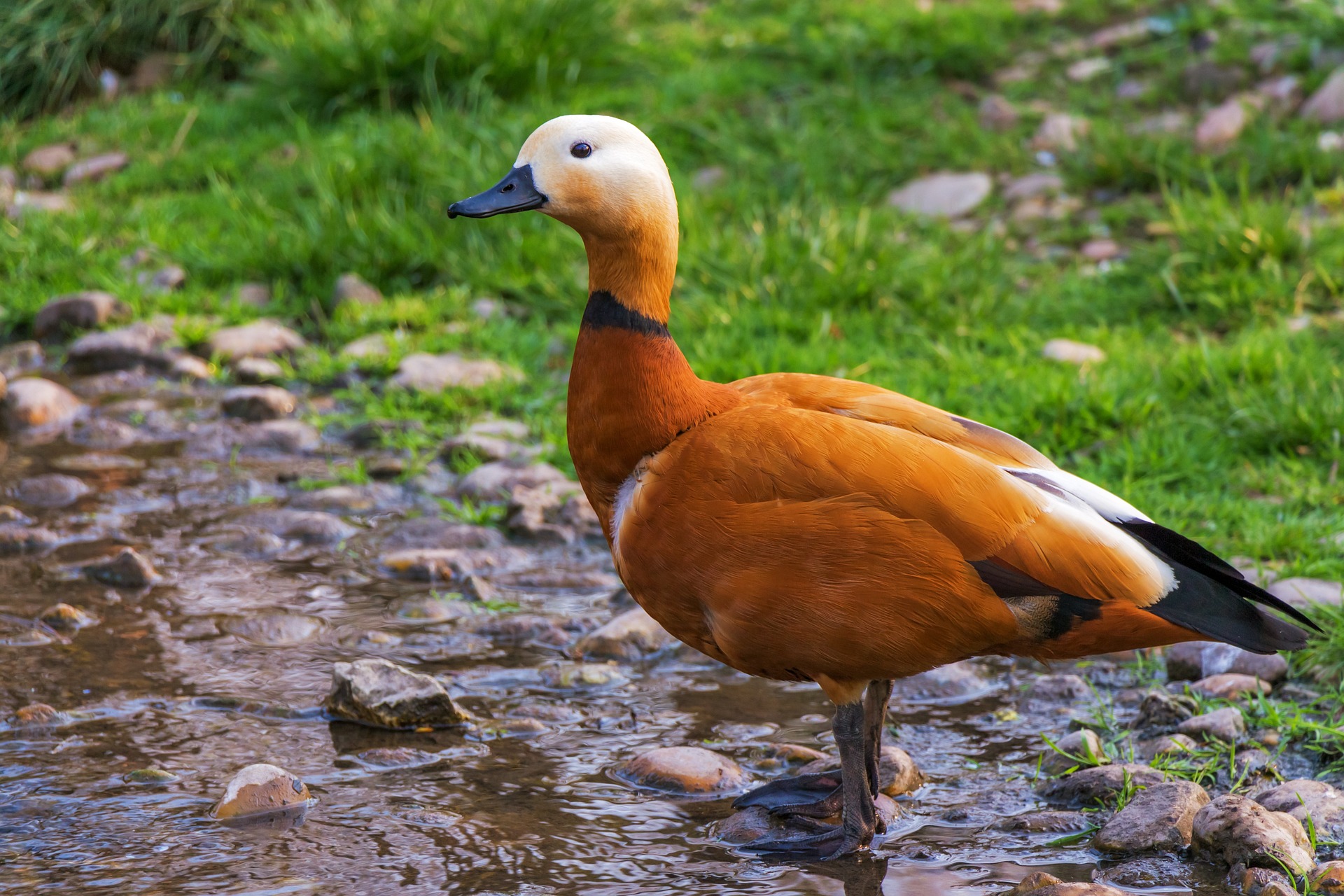
From vibrant wetlands to wooded edges, this remarkable mix of species paints a complete picture of a thriving, multi-layered ecosystem. The graceful Ruddy Shelduck adds a splash of warm orange to open waters, while elegant waders like the Black-winged Stilt, Common Snipe, Common Sandpiper, Green Sandpiper, and Wood Sandpiper probe the muddy edges with precision and patience. Along the shallows, Little Cormorant, Little Egret, Grey Heron, and Purple Heron stand poised in perfect hunting stillness, turning every ripple into opportunity. As dusk approaches, the charismatic Spotted Owlet may emerge, while the earthy calls of the Laughing Dove and the deep, resonant notes of the Greater Coucal echo from nearby scrub. Moving into tree canopies and open skies, the landscape comes alive with color and motion. The prehistoric-looking Indian Gray Hornbill glides between fruiting trees, while the electric flash of the White-throated Kingfisher brightens the waterside. Agile insect hunters like the Ashy Drongo, the ever-elegant Indian Paradise Flycatcher, and lively Asian Tits weave through branches, joined by the shimmering Purple Sunbird feeding on nectar. On open ground, the constantly wagging Eastern Yellow Wagtail adds movement and charm. Together, these birds represent the rich diversity of wetland, scrub, and woodland habitats—offering birders an immersive experience where every layer of the landscape tells a story.
Ruddy Shelduck
Black-winged Stilt
Common Snipe
Common Sandpiper
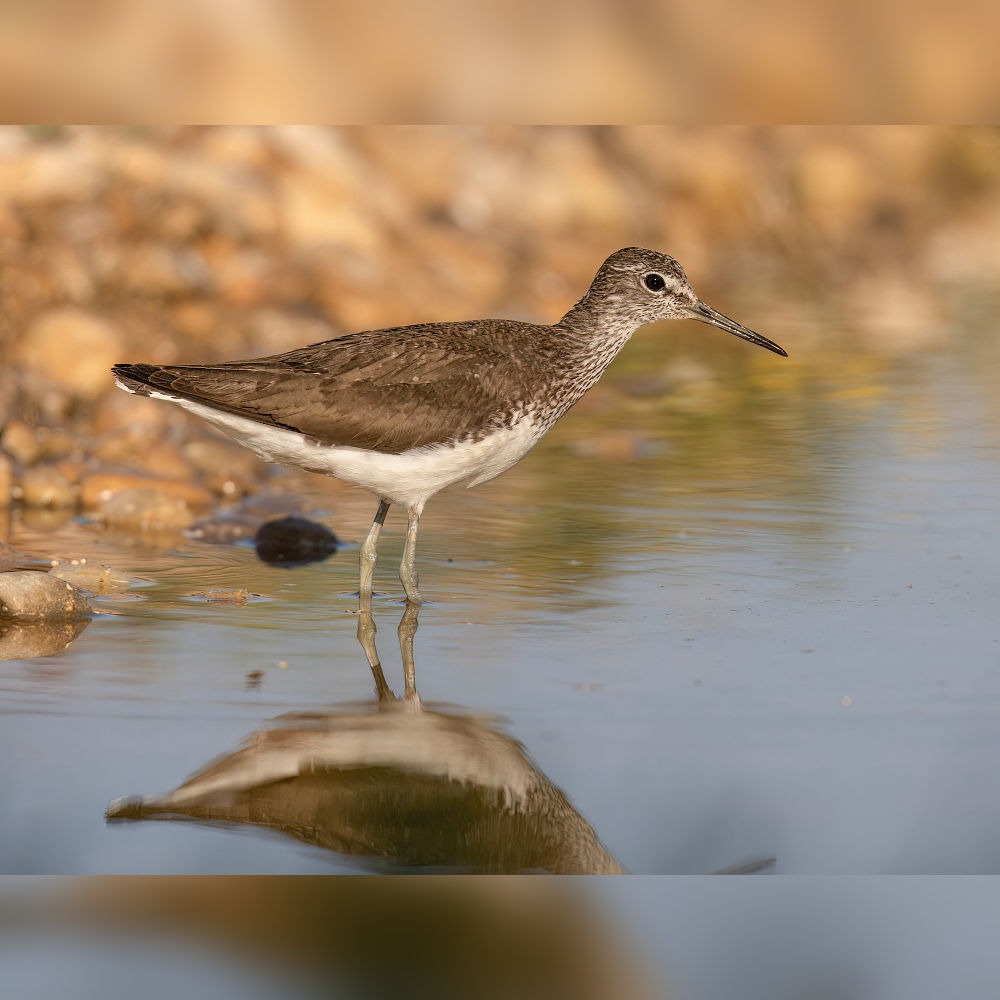
Green Sandpiper
Common Sandpiper
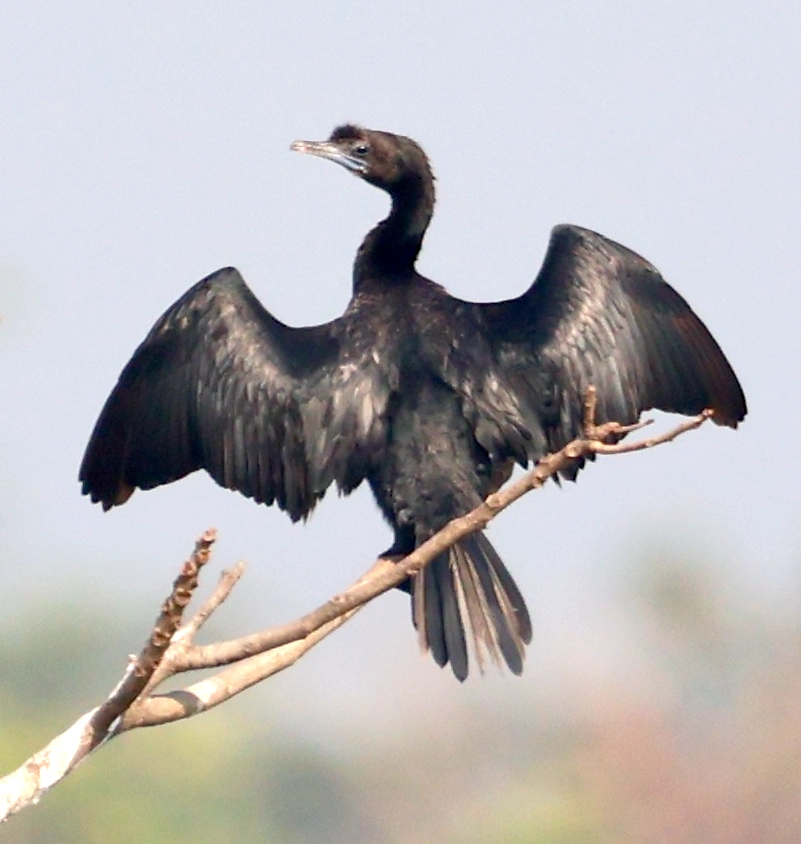
Little Cormorant
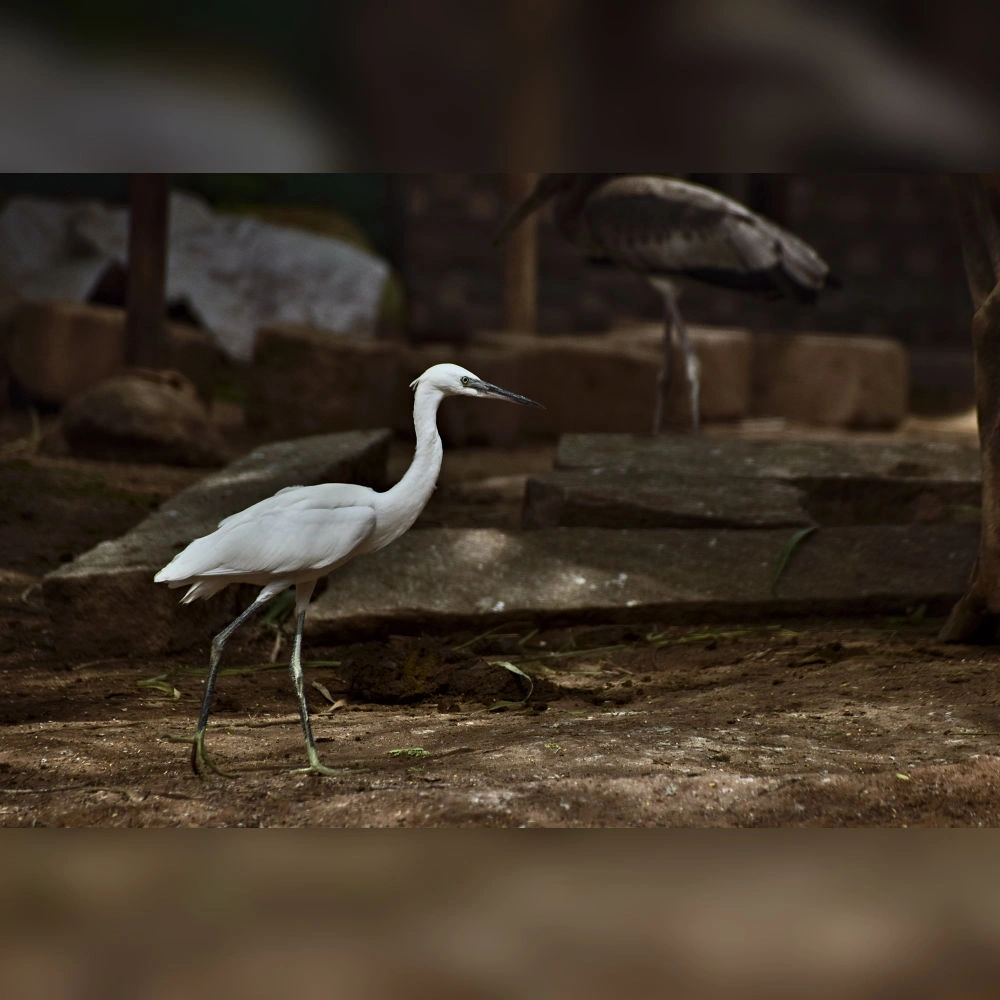
Little Egret
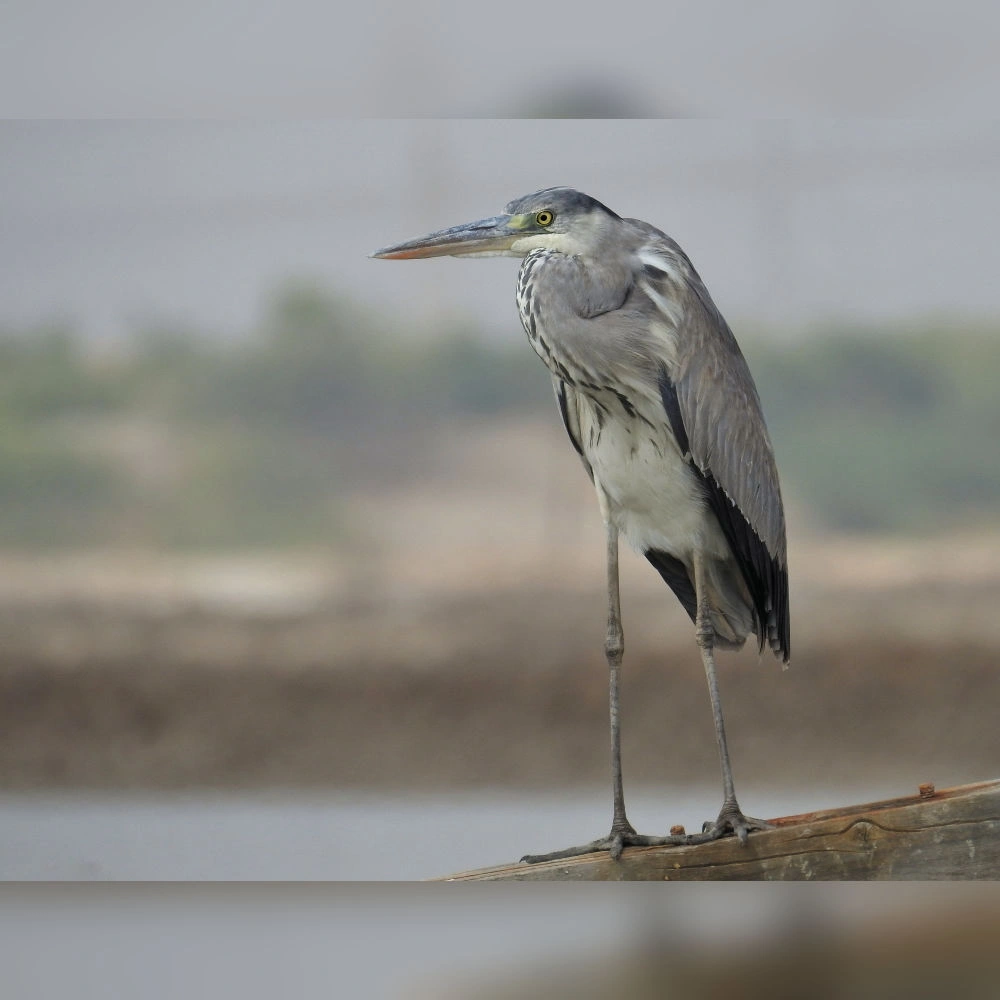
Grey Heron
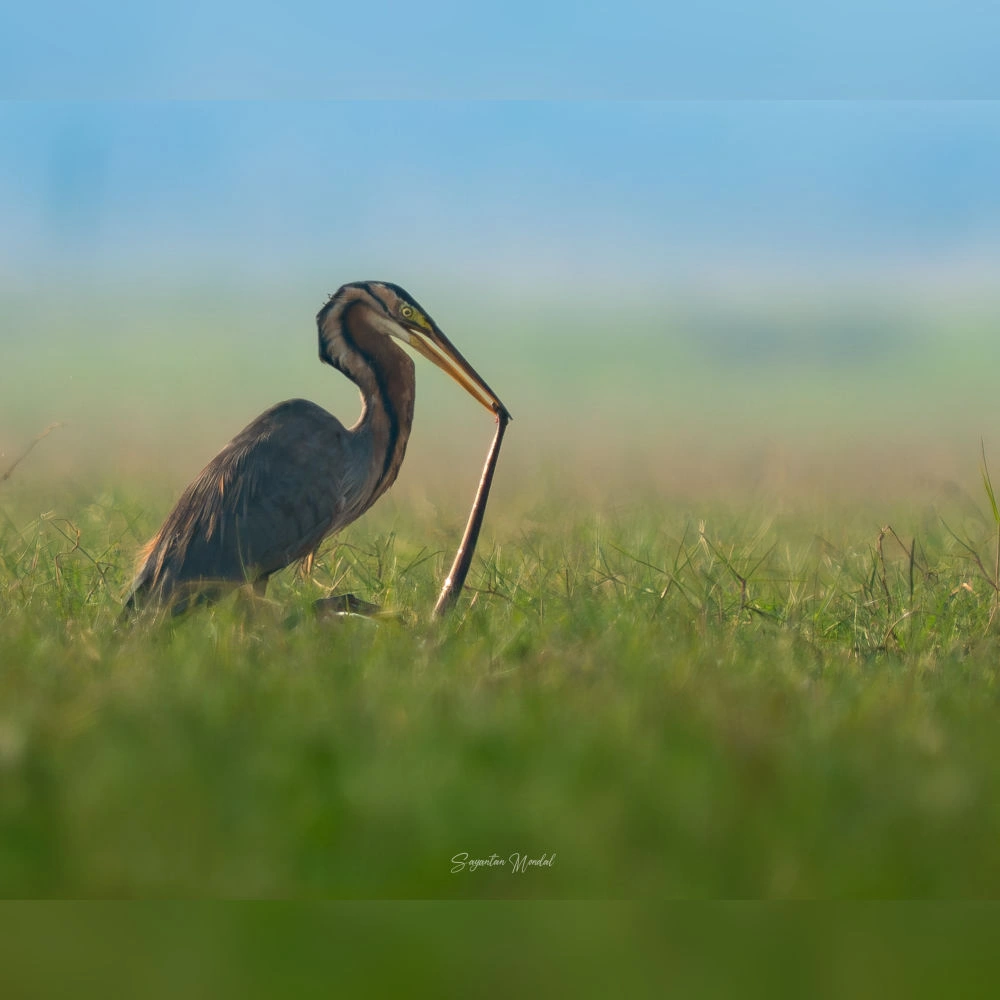
Purple Heron
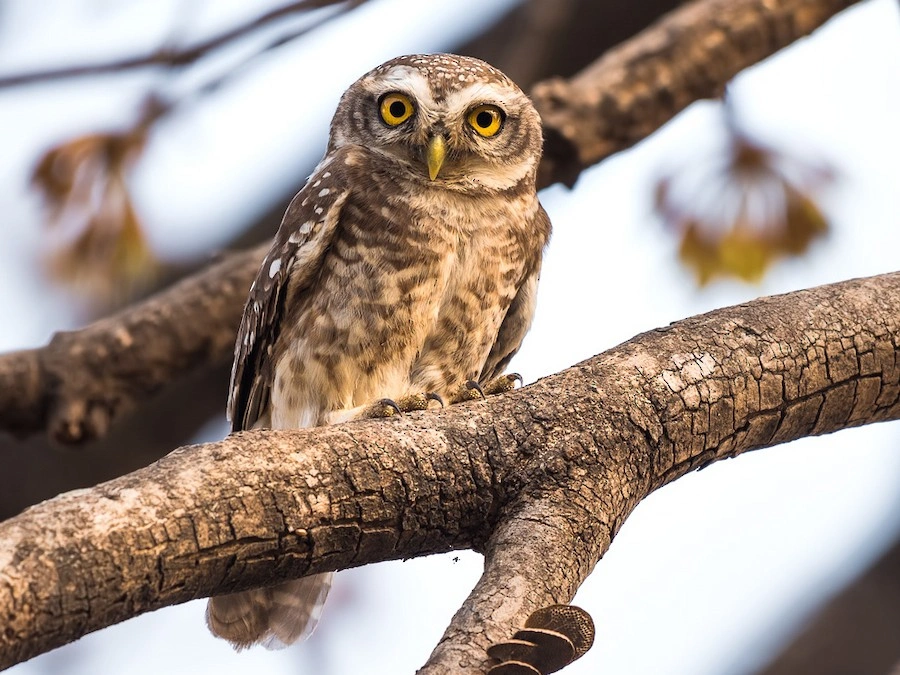
Spotted Owlet
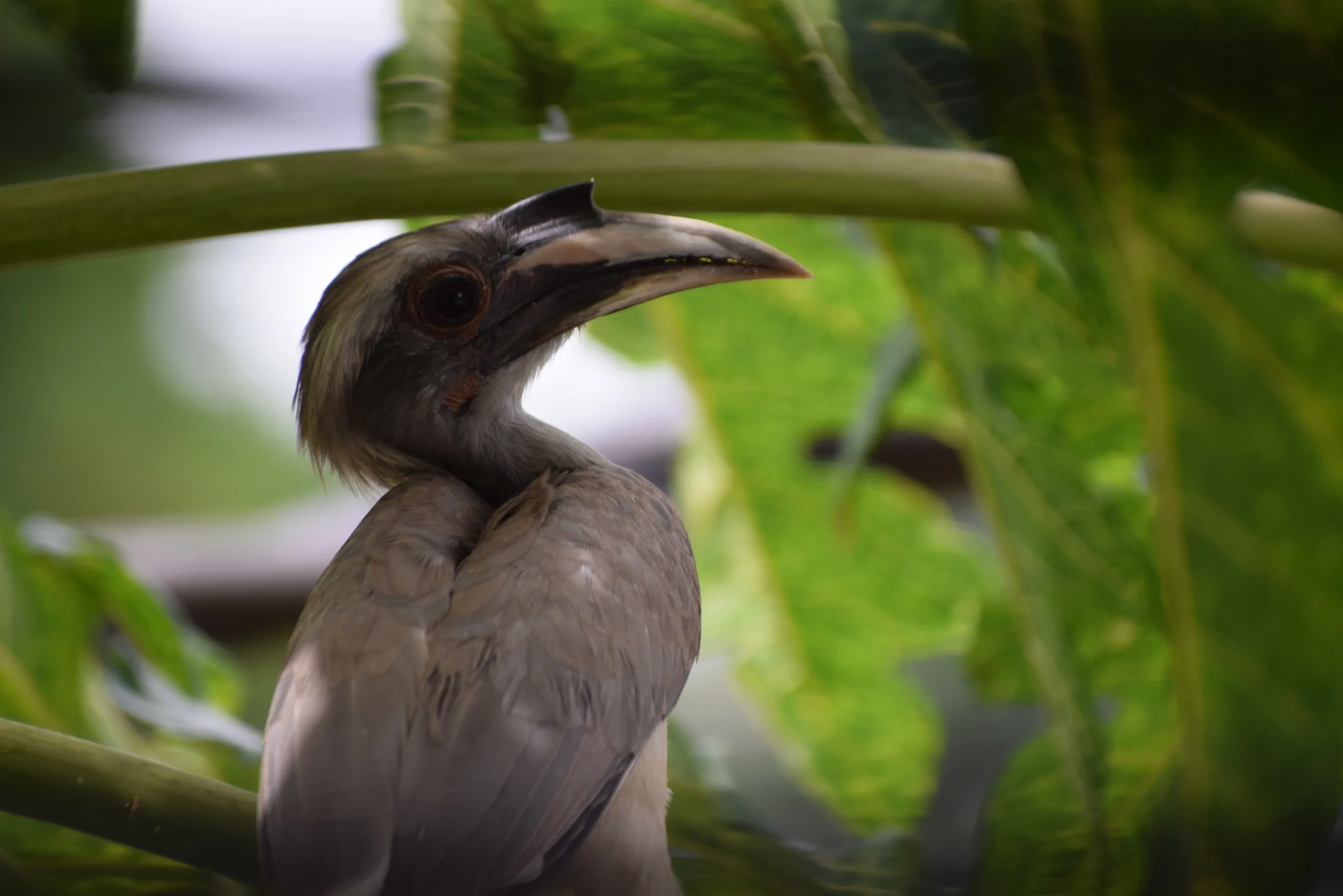
Indian Gray Hornbill
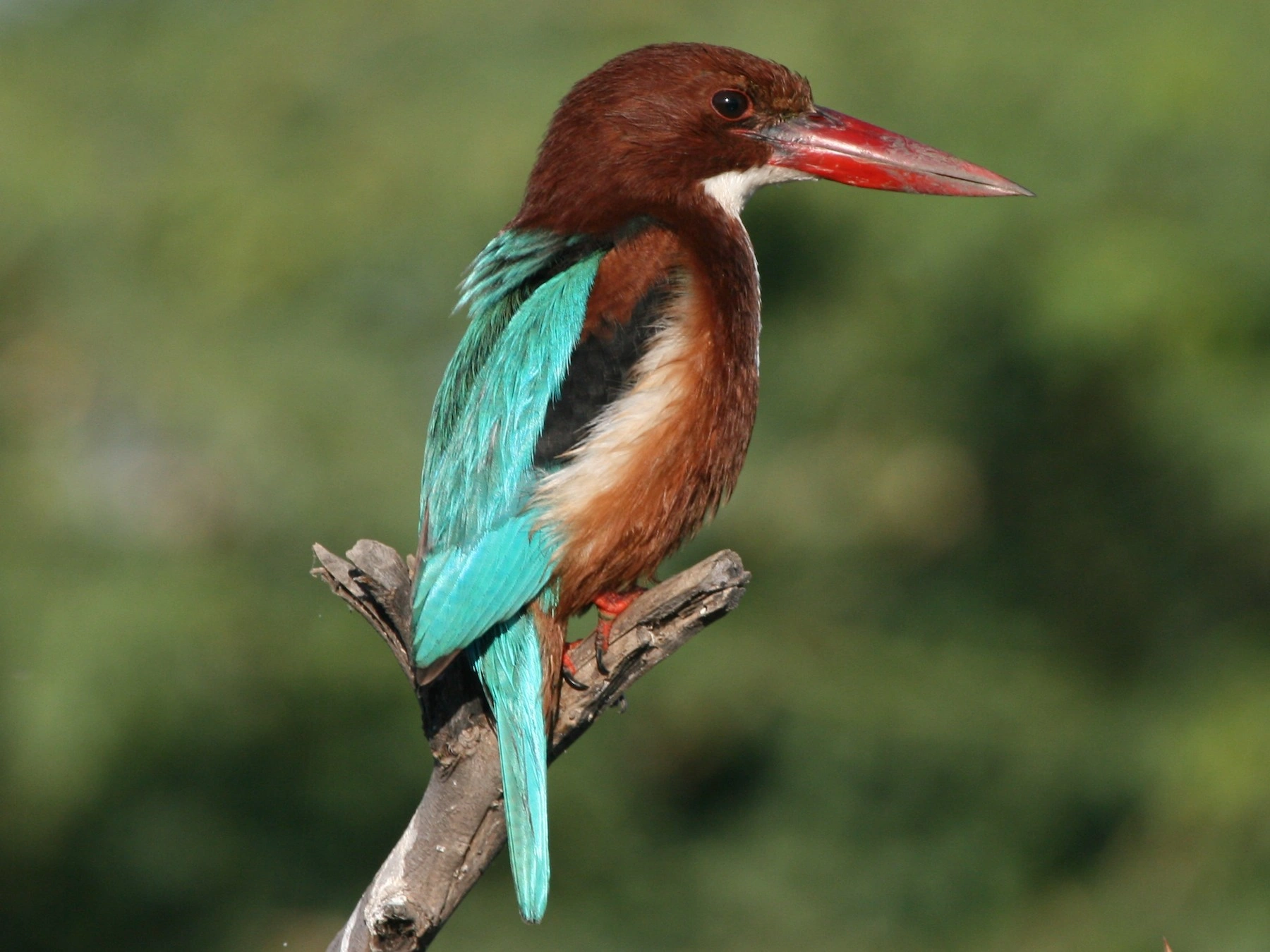
White-throated Kingfisher
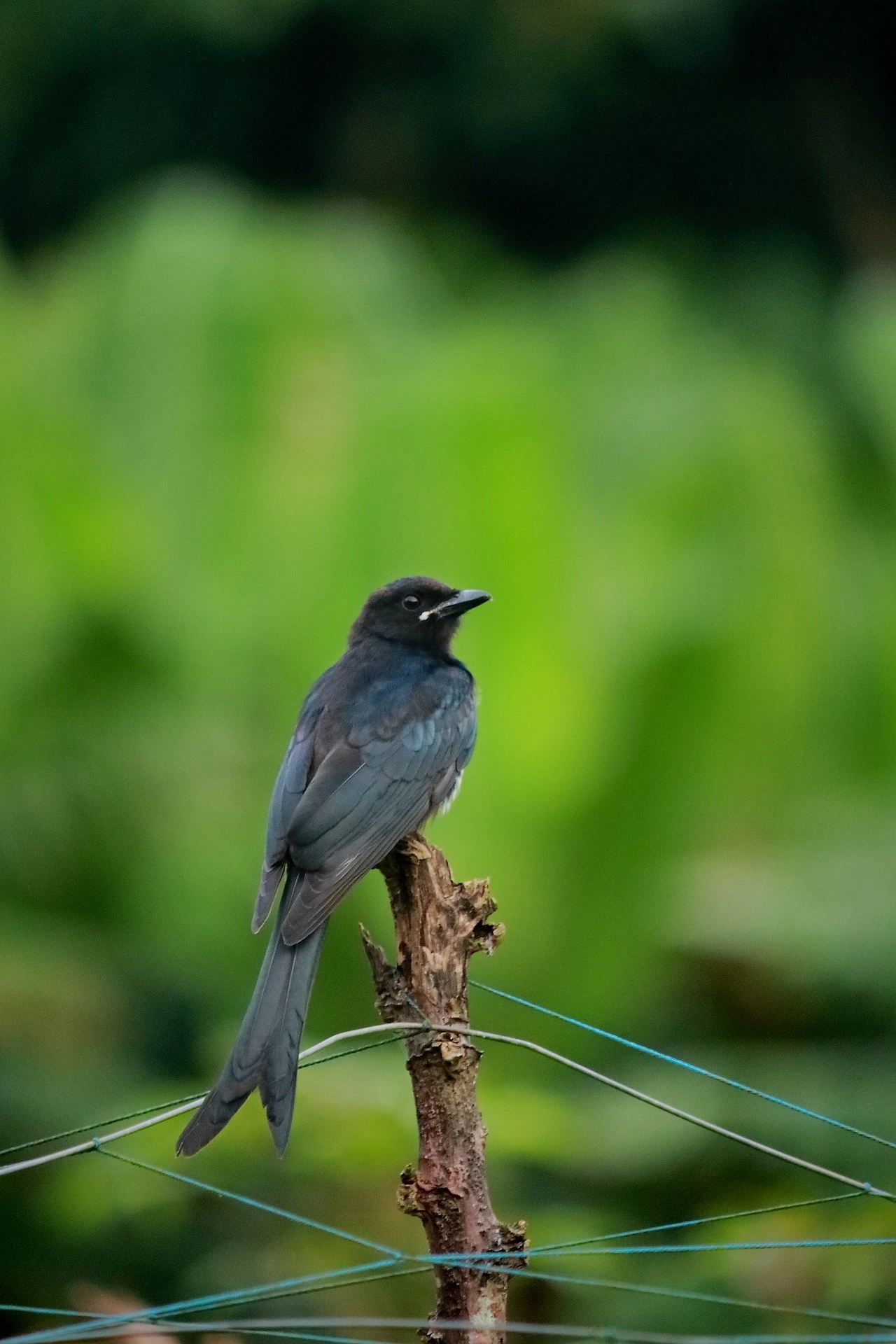
Ashy Drongo
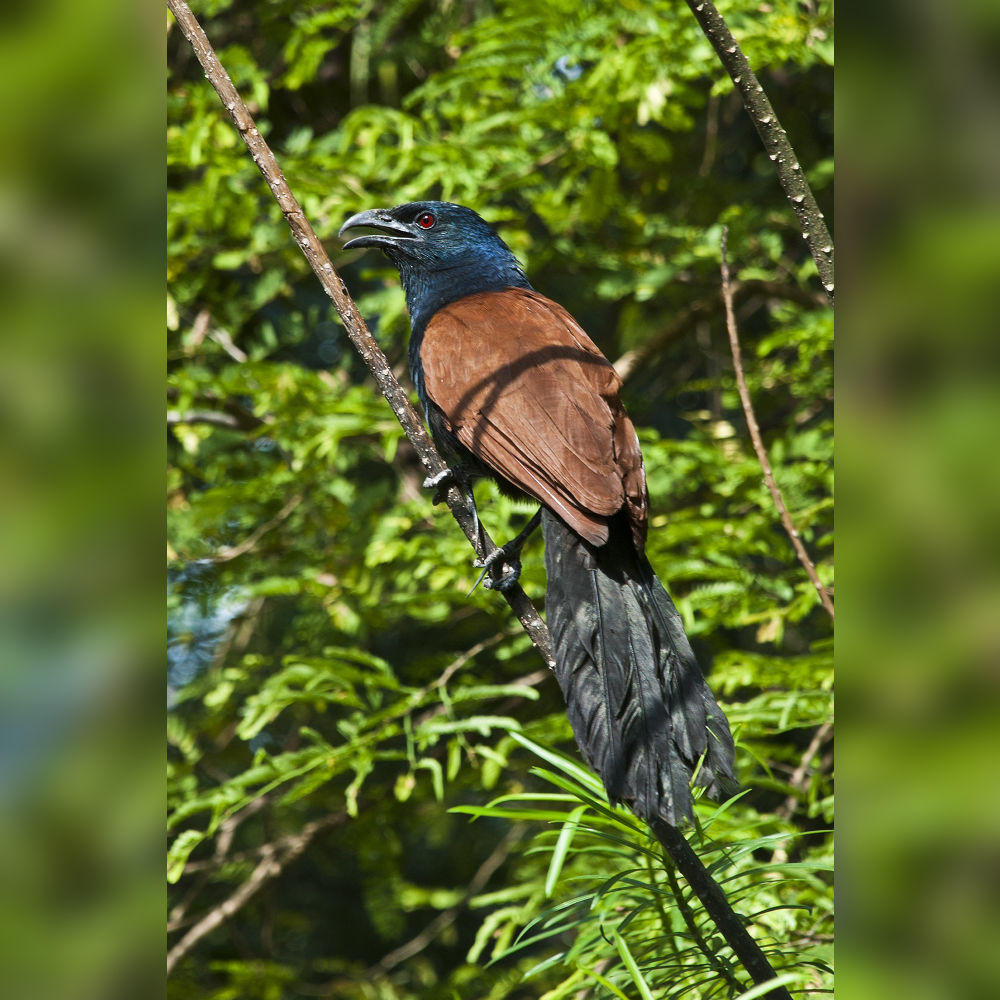
Greater Coucal
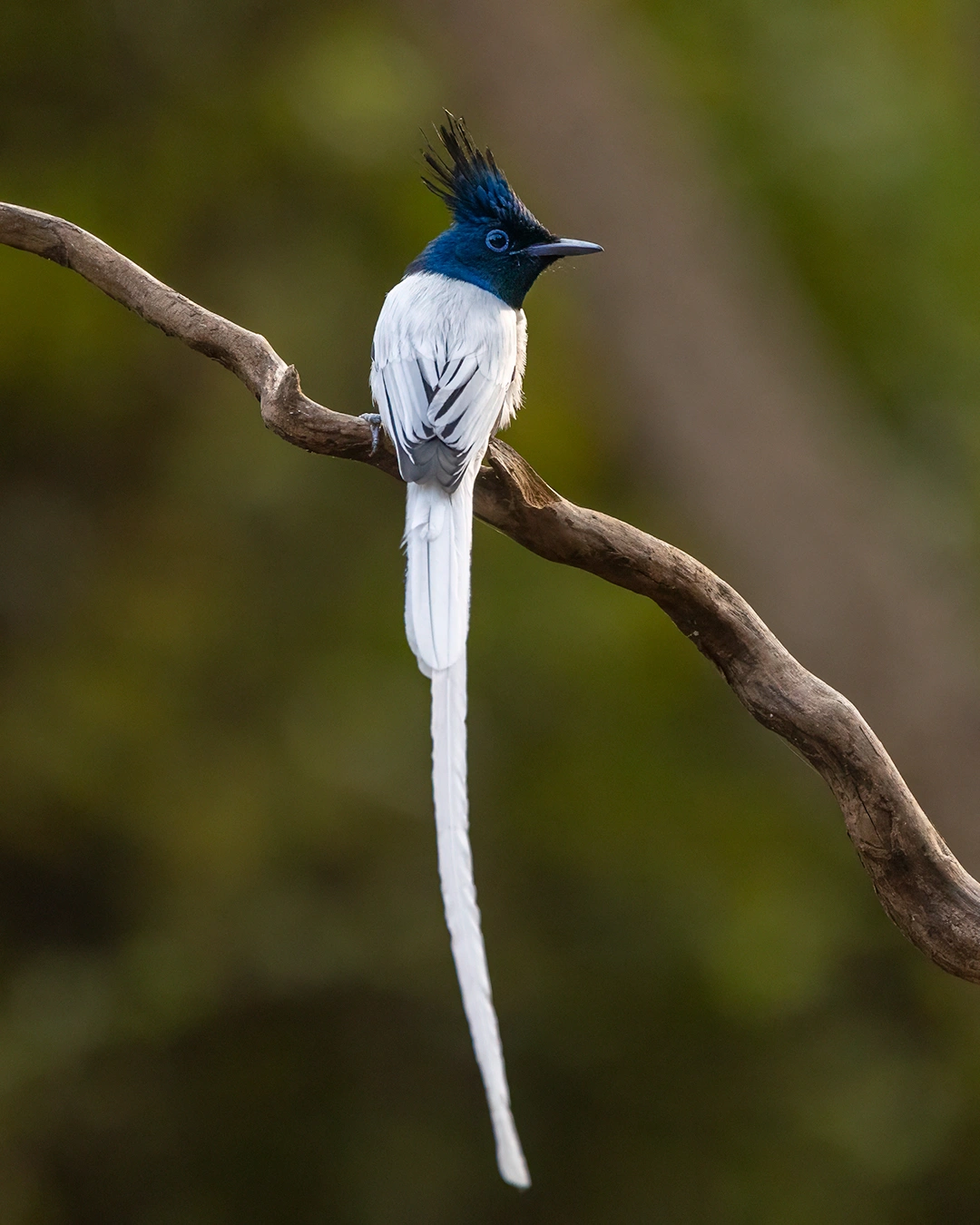
Indian Paradise Flycatcher
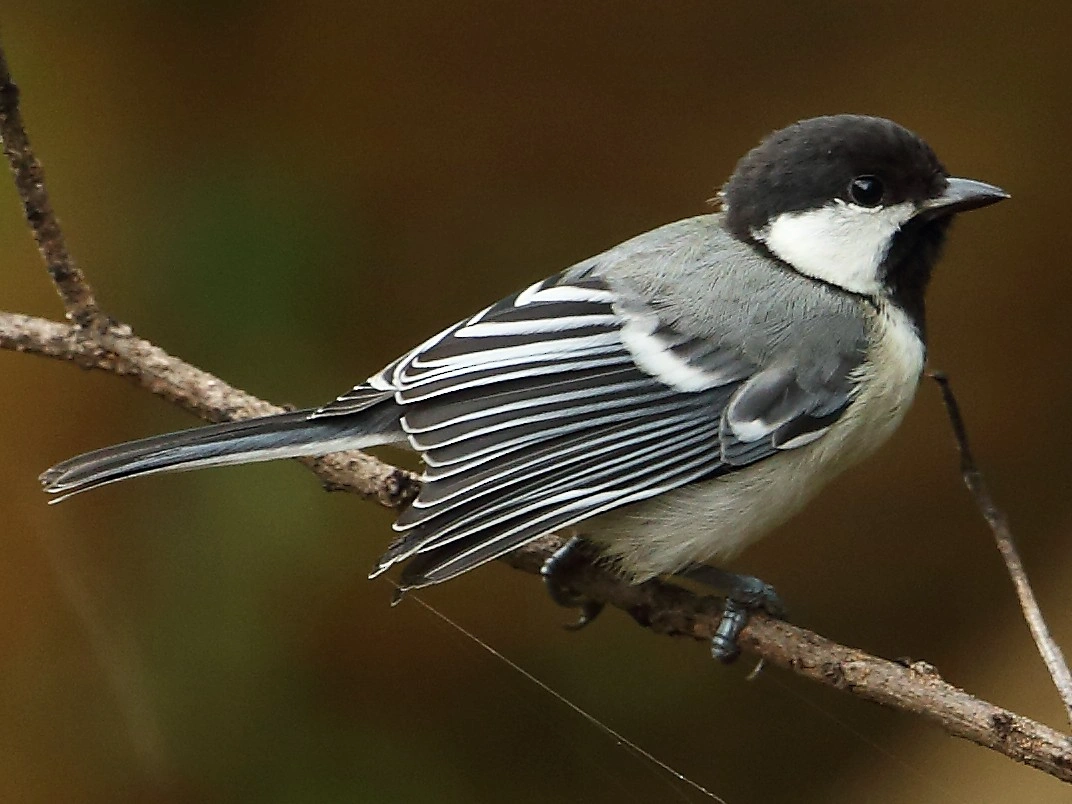
Asian Tit
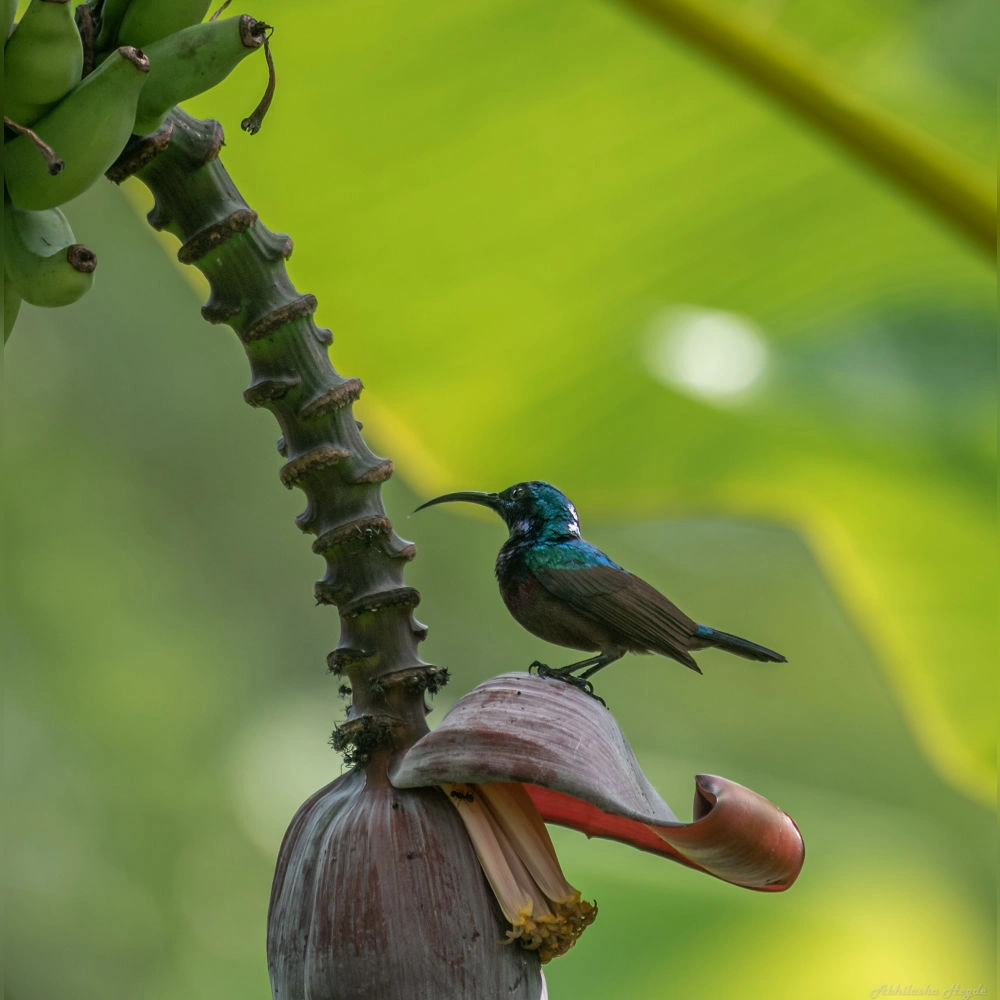
Purple Sunbird
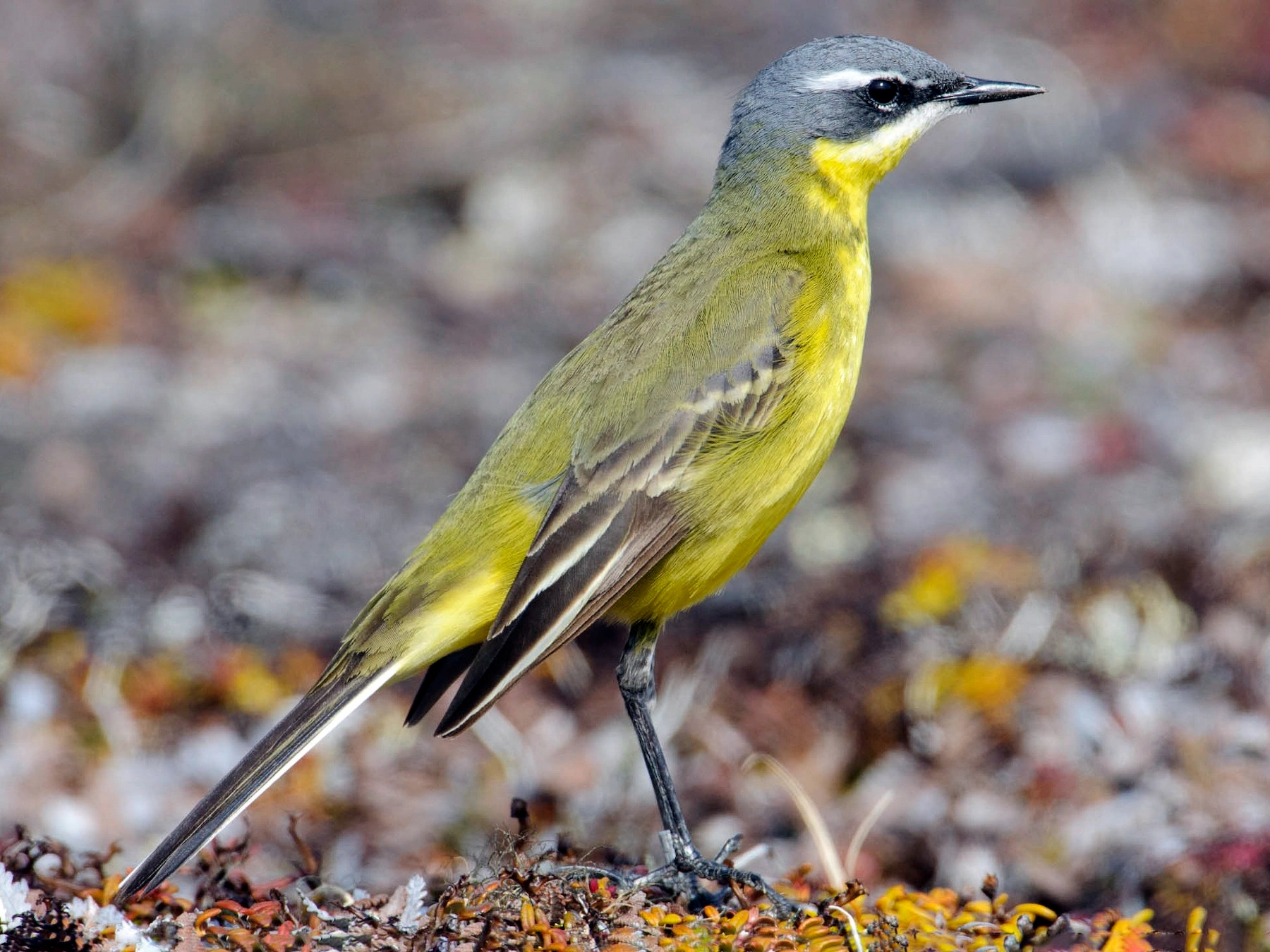
Eastern Yellow Wagtail
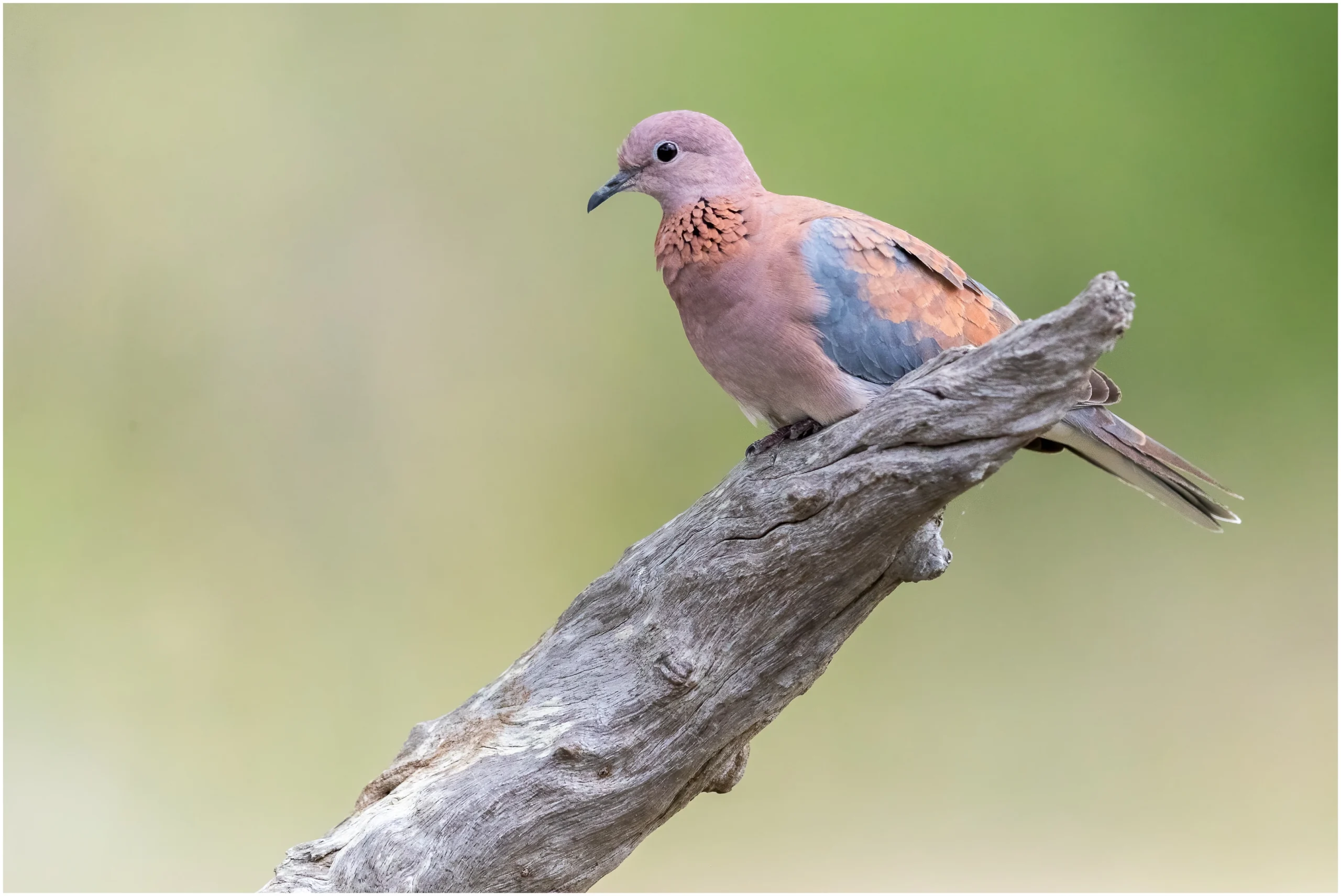
Laughing Dove

Summary of Walk

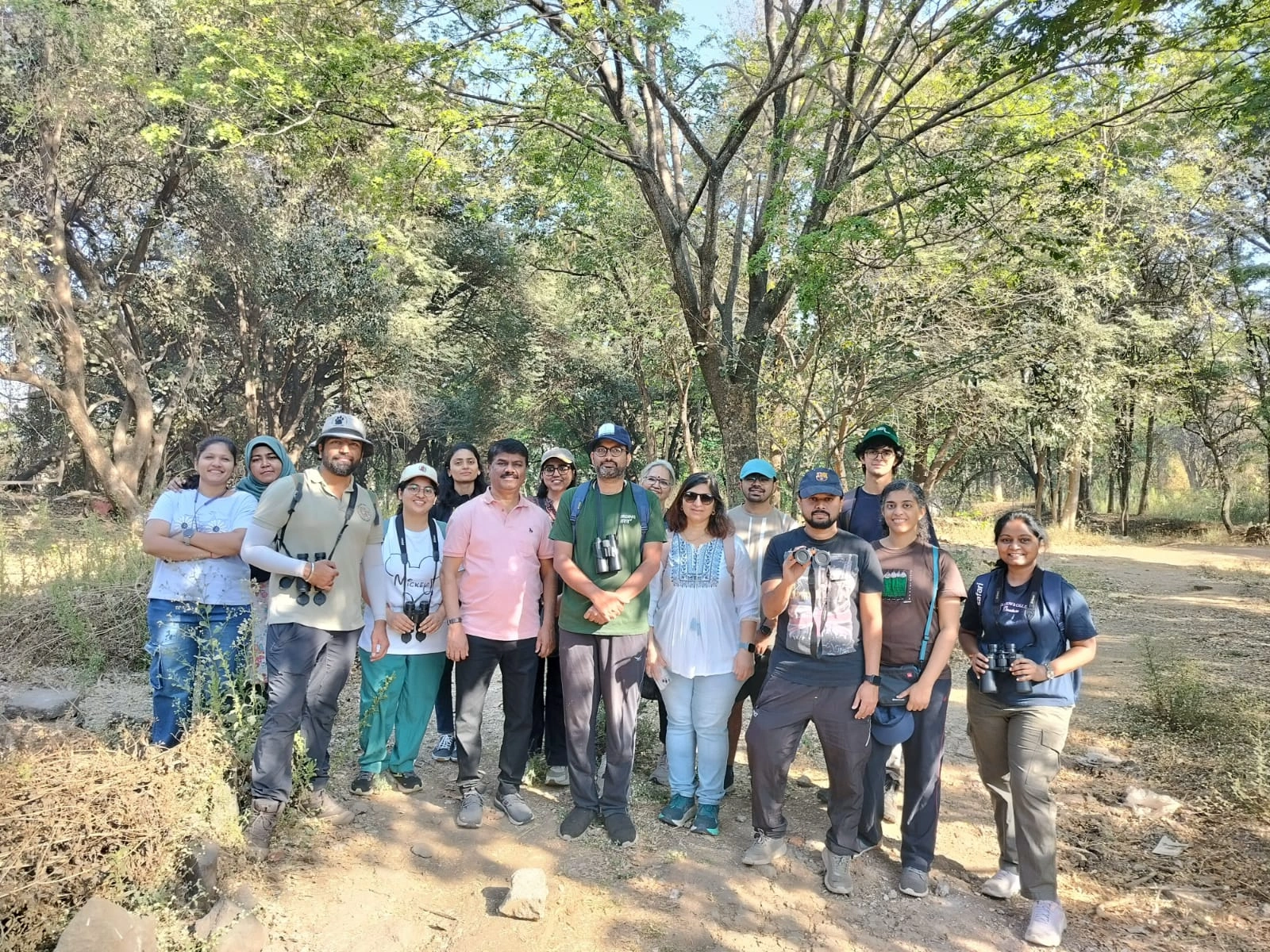
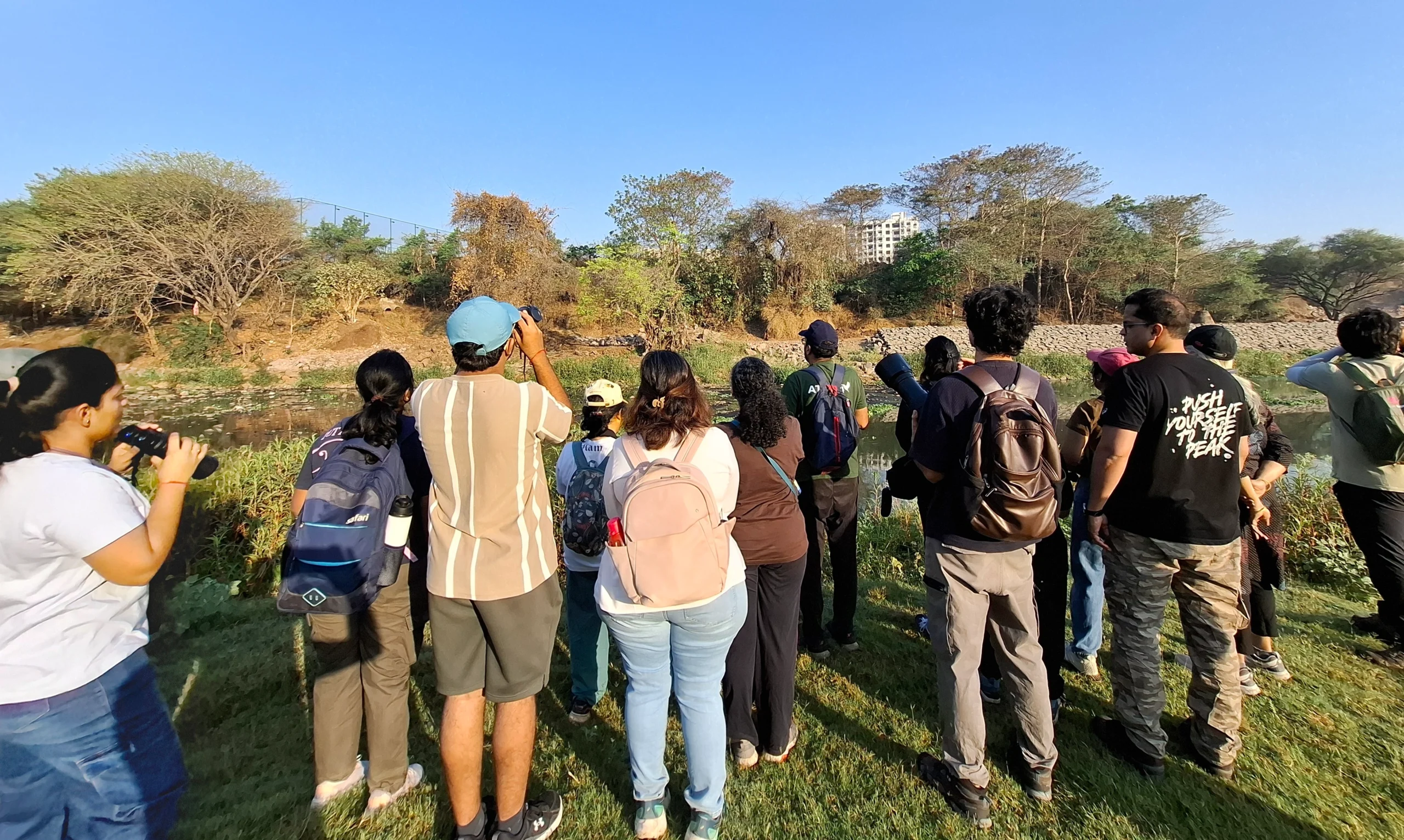
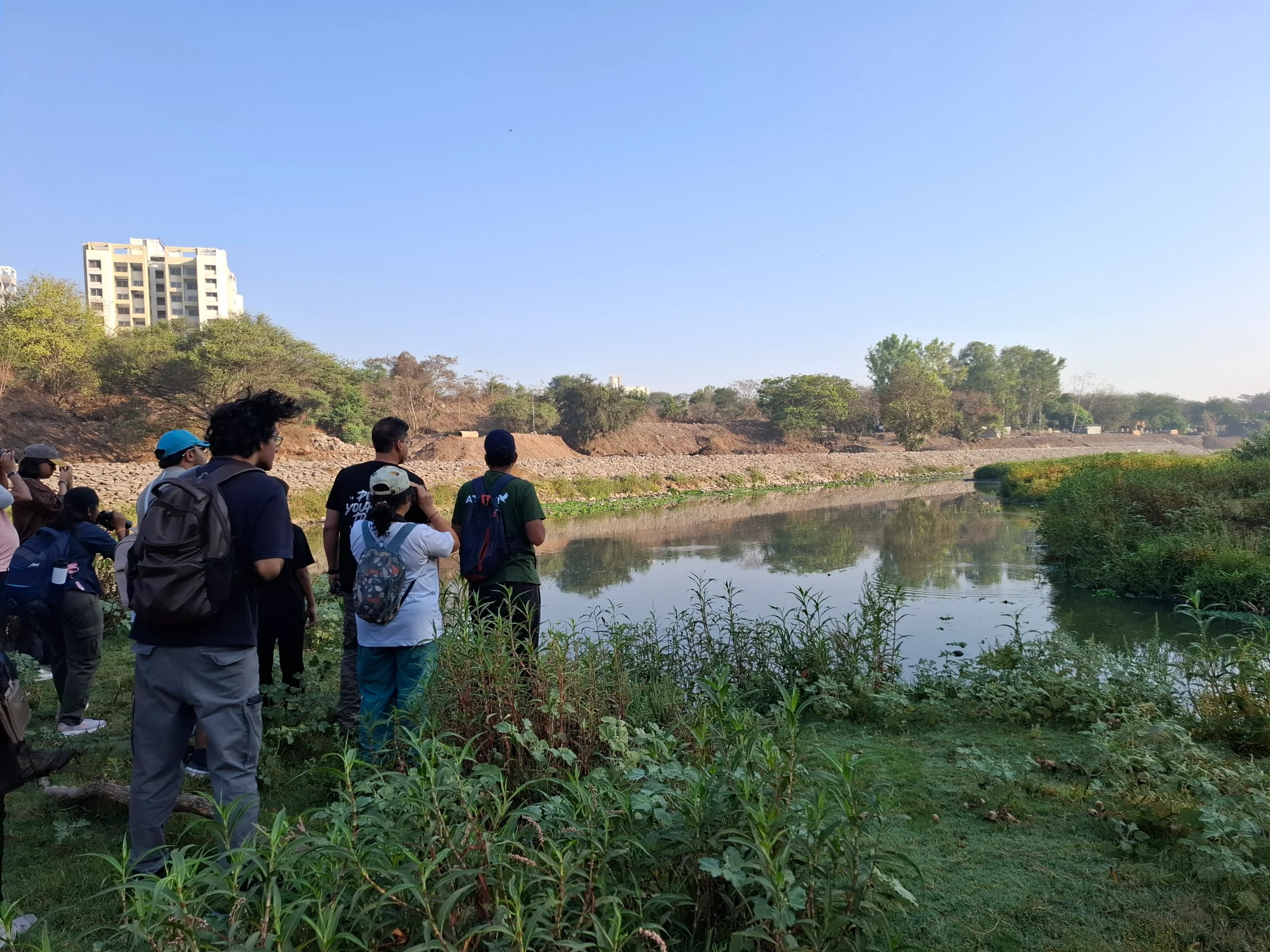
The bird walk at Ram-Mula Confluence Devrai, led by Arijit Jere, brought together 17 participants for a refreshing exploration of this beautiful riverside ecosystem. The group recorded 27 bird species while walking through the lush riparian forest, where the dense canopy and calm riverbanks created an ideal setting for birdwatching. Participants were particularly impressed by the pristine nature of the forest and the sense of tranquility that surrounded the confluence of the rivers.
Among the highlights were sightings of a pair of Grey Herons, a very active Grey Wagtail feeding along the riverbank, a perched Common Kingfisher, and three Ruddy Shelducks flying gracefully across the sky. A melodious Oriental Magpie Robin added a musical backdrop to the experience with its beautiful song. The walk also sparked meaningful discussions about conservation, as participants observed the ongoing construction and walling activities on the opposite riverbank and reflected on the importance of protecting such natural habitats.
Number of Participants
0
Scroll to Top