Bird Walk at Adyar Estuary, Chennai, TN
- Chennai
- 28 November, 2026
- Rs. 200 per head
- Fee collected goes entirely to the bird guide. Ataavi does not retain or profit from this amount.
About Adyar Estuary
Where the Adyar River makes its final journey into the Bay of Bengal, the Adyar estuary forms one of Chennai’s most important natural spaces. The estuary stretches from the Thiru Vi Ka Bridge to the river mouth, while the adjoining Adyar Creek extends from the San Thome Causeway to the sea, covering about 358 acres. Here, river and sea mix with every tide, creating a shifting world of mudflats, sandbars, small islands, mangroves and reedy channels. The neighbouring Theosophical Society has long been credited with helping shield this fragile ecosystem from development. Restoration of the creek has turned degraded land into a mosaic of mangroves, coastal scrub and habitat islands, and studies have recorded around 120 bird species there, along with fish, crabs, reptiles and mammals. In winter, the estuary draws pelicans, storks, terns and flocks of migrant shorebirds, and it occasionally turns up surprises, such as the first Greylag Geese recorded there in 2022.
Yet the estuary carries the scars of Chennai’s growth. Decades of sewage and garbage polluted the Adyar, and a veteran rower recalls that thirty years ago the water was clear and large bird flocks were common near the river. Restoration has brought some recovery, with over 57,000 mangrove and 35,000 land-plant saplings planted after invasive species, debris and plastic were removed. But pollution returns after floods, and long-time birders note that many shorebirds and ducks once common here are now rarely seen. Keeping the estuary clean, open and undisturbed is key to its future.

Bird Guide: Shri Ram M
Shri Ram M is a civil engineering graduate who has spent eight years working with NGOs on nature and wildlife conservation, including restoring water bodies with the Environmentalist Foundation of India (EFI). A wildlife rescuer, birder and keen observer of animal behaviour, he is currently preparing to join the Indian Forest Service. He hopes to give public volunteers a taste of what he has experienced and to spread awareness about birds, their habitats and the need to protect them.
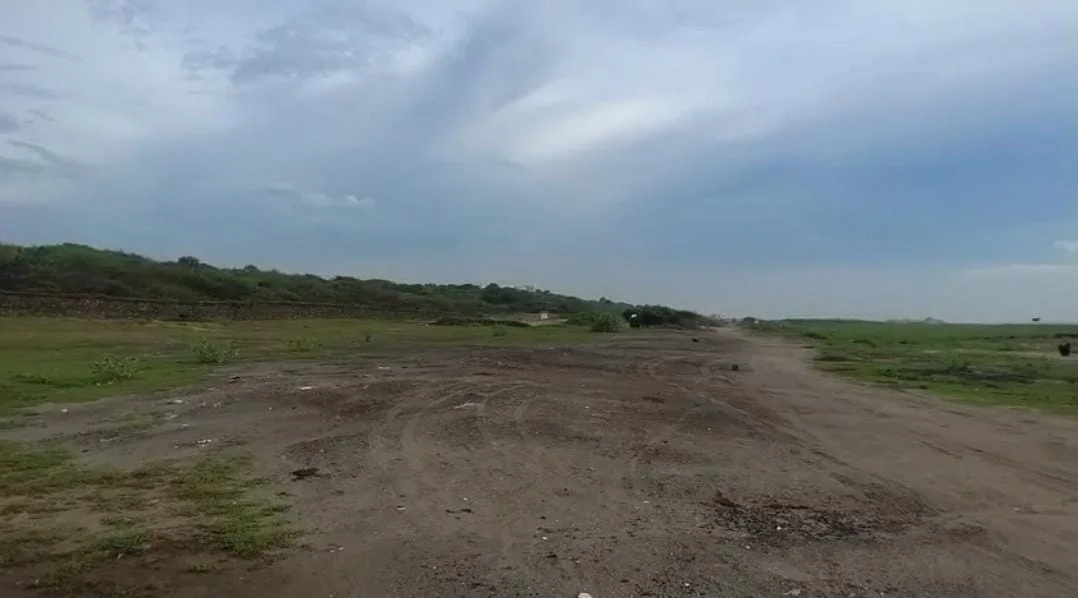
Bird walk Location
Common birds of Adyar Estuary
The Adyar Estuary supports a diverse mix of wetland, woodland, open-country, and urban-adapted birds. Water-associated species such as Black-crowned Night Heron, Little Egret, Indian Pond-Heron, Eastern Cattle-Egret, Medium Egret, Purple Heron, Eurasian Moorhen, Grey-headed Swamphen, White-breasted Waterhen, Red-wattled Lapwing, Common Sandpiper, and White-browed Wagtail make use of the river, wet margins, and surrounding habitats. Pied and Asian Green Bee-eaters, Blue-tailed Bee-eaters, White-throated Kingfisher, and Pied Kingfisher add variety to the riverine birdlife, while Black Kite represents the area’s raptors.
The surrounding vegetation supports species such as Coppersmith Barbet, Black-rumped Flameback, Rose-ringed Parakeet, Black Drongo, Common Tailorbird, Ashy Prinia, White-browed Bulbul, Red-vented Bulbul, Yellow-billed Babbler, Common Myna, Purple-rumped Sunbird, and Barn Swallow. Asian Koel, Pied Cuckoo, and Common Hawk-Cuckoo add to the diversity of cuckoos recorded along the trail. Together, these species reflect the varied habitats of the Adyar River landscape and its importance as an urban birdwatching area.

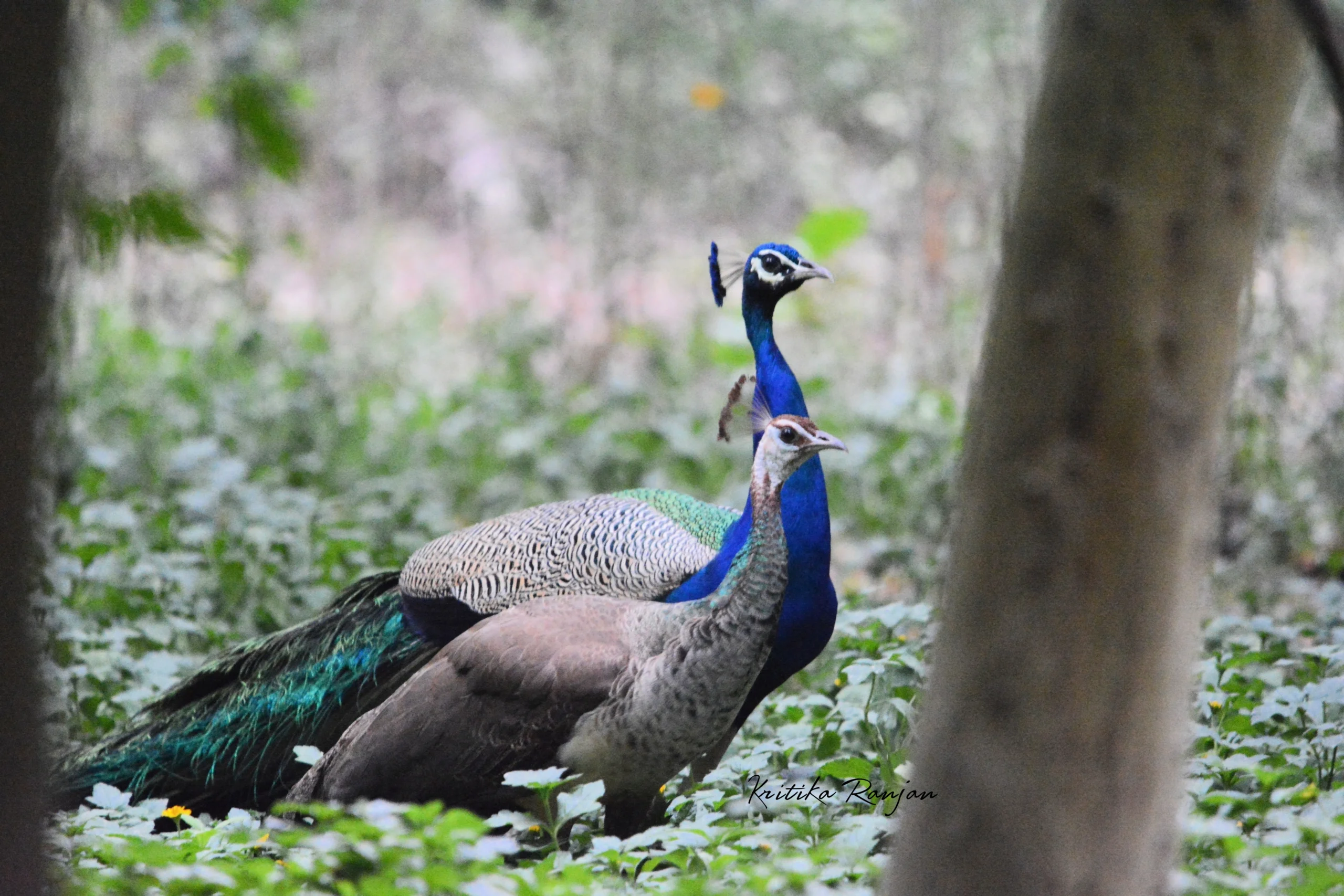
Indian Peafowl

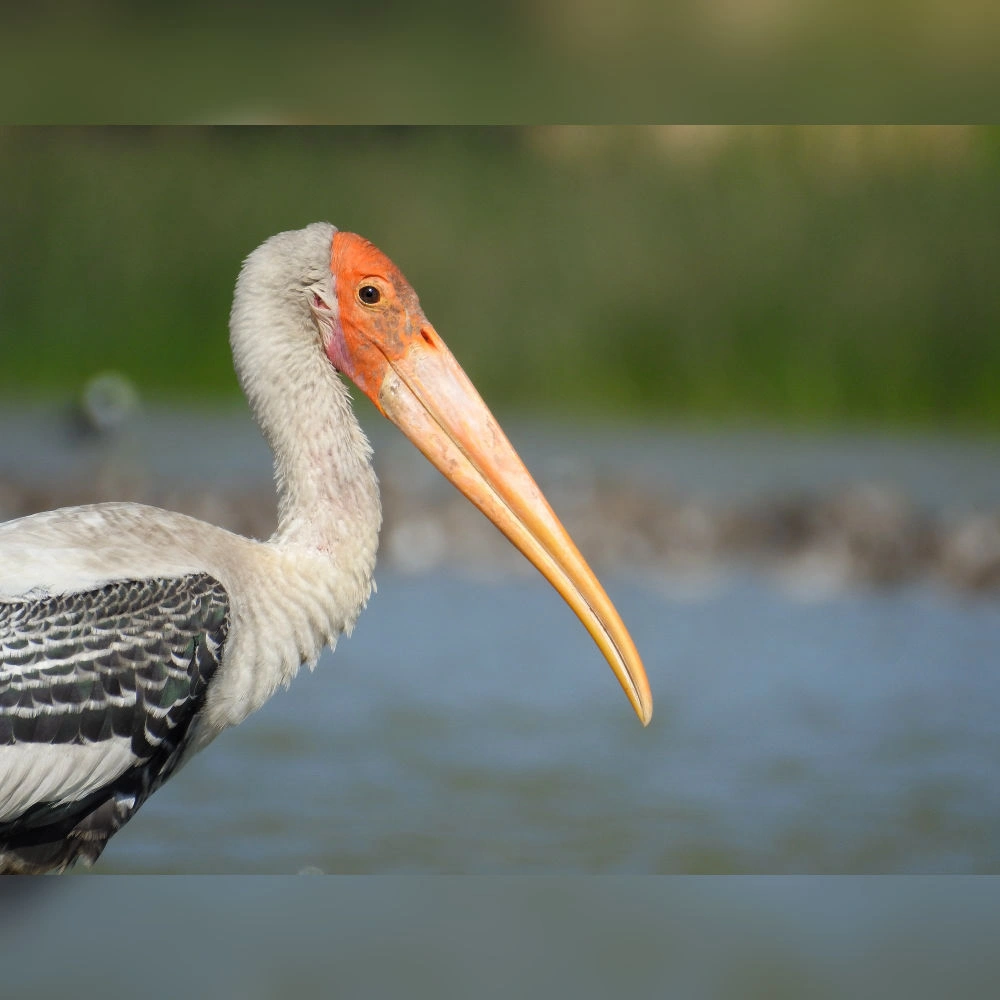
Painted Stork

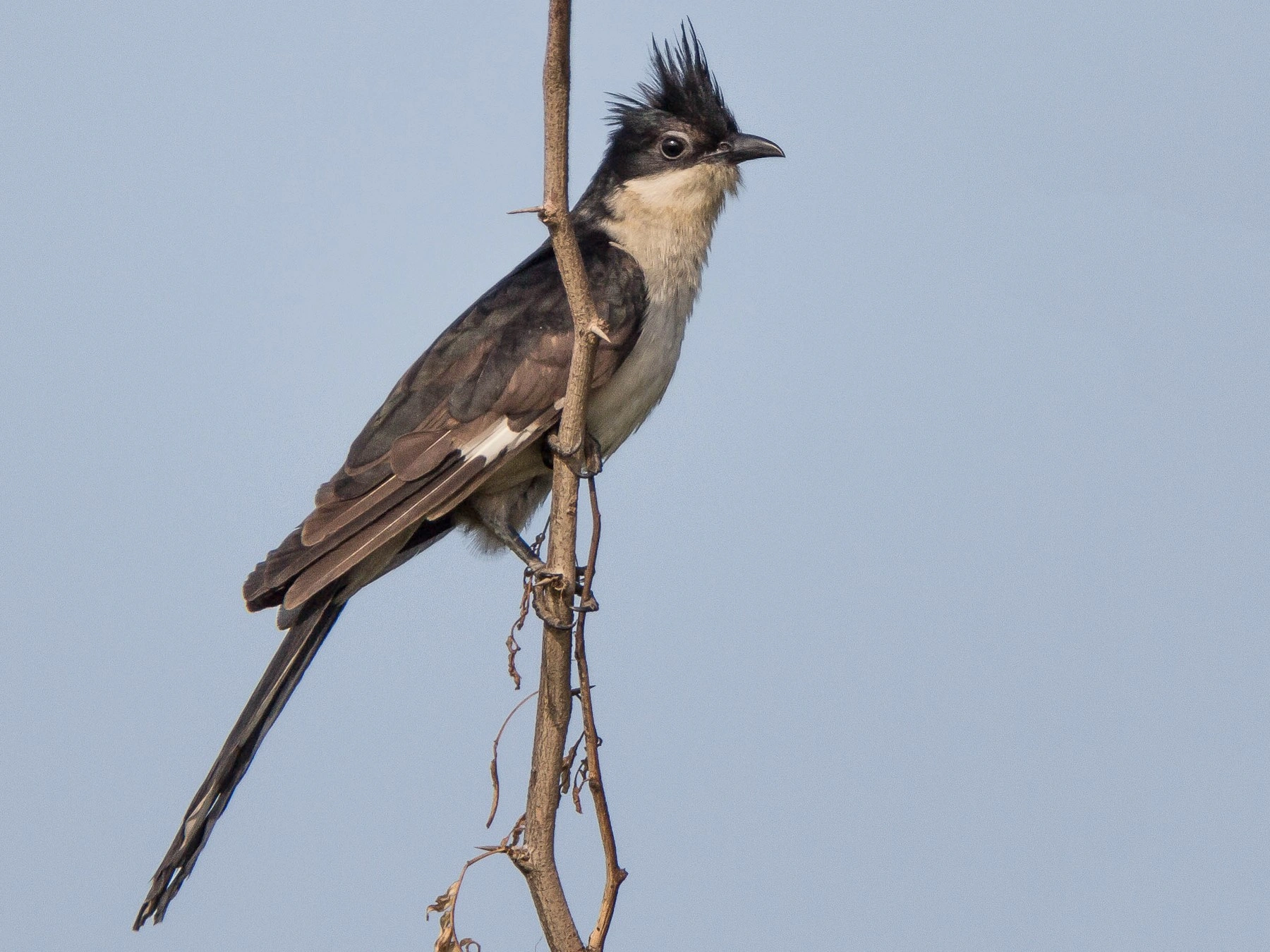
Pied Cuckoo
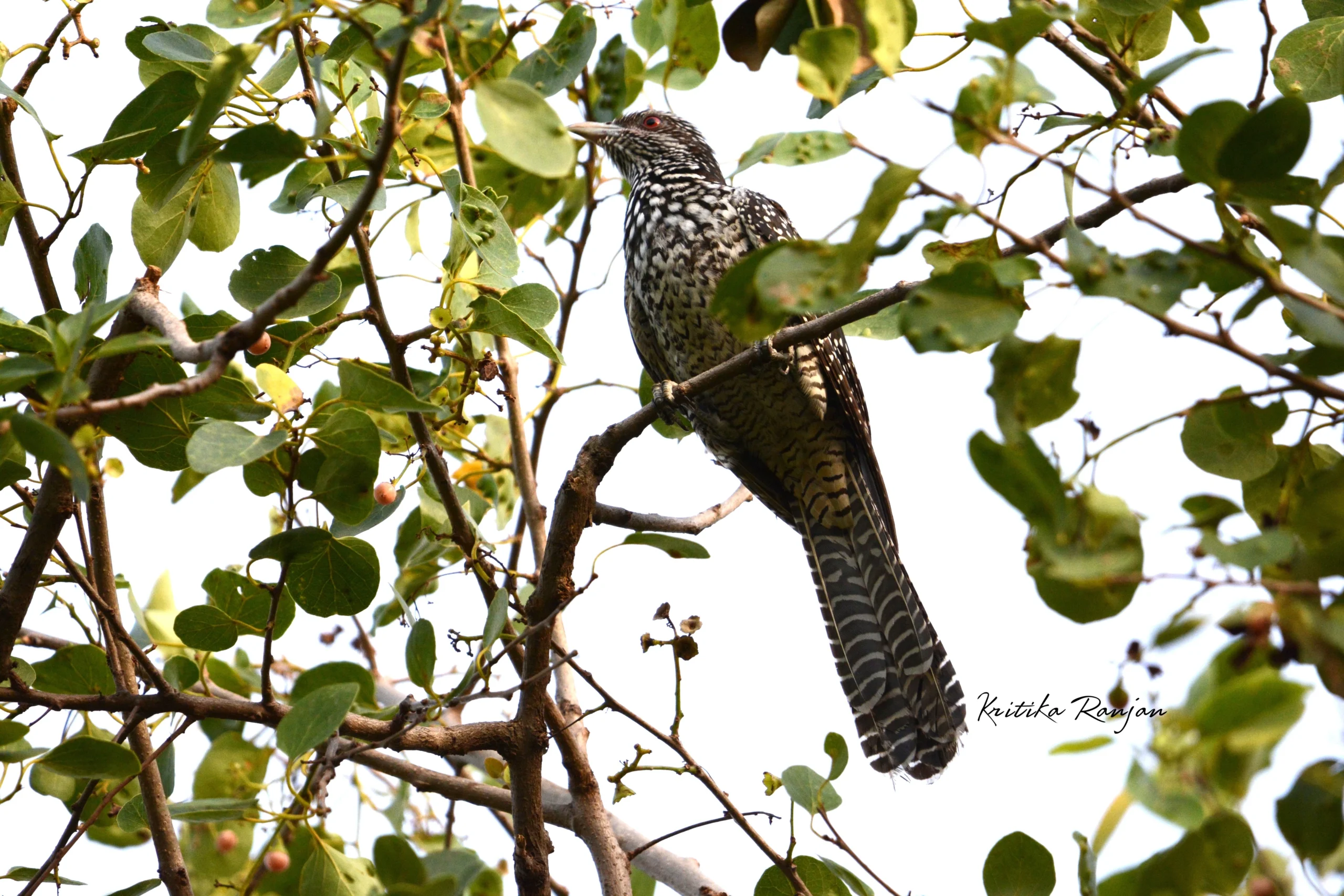
Asian Koel
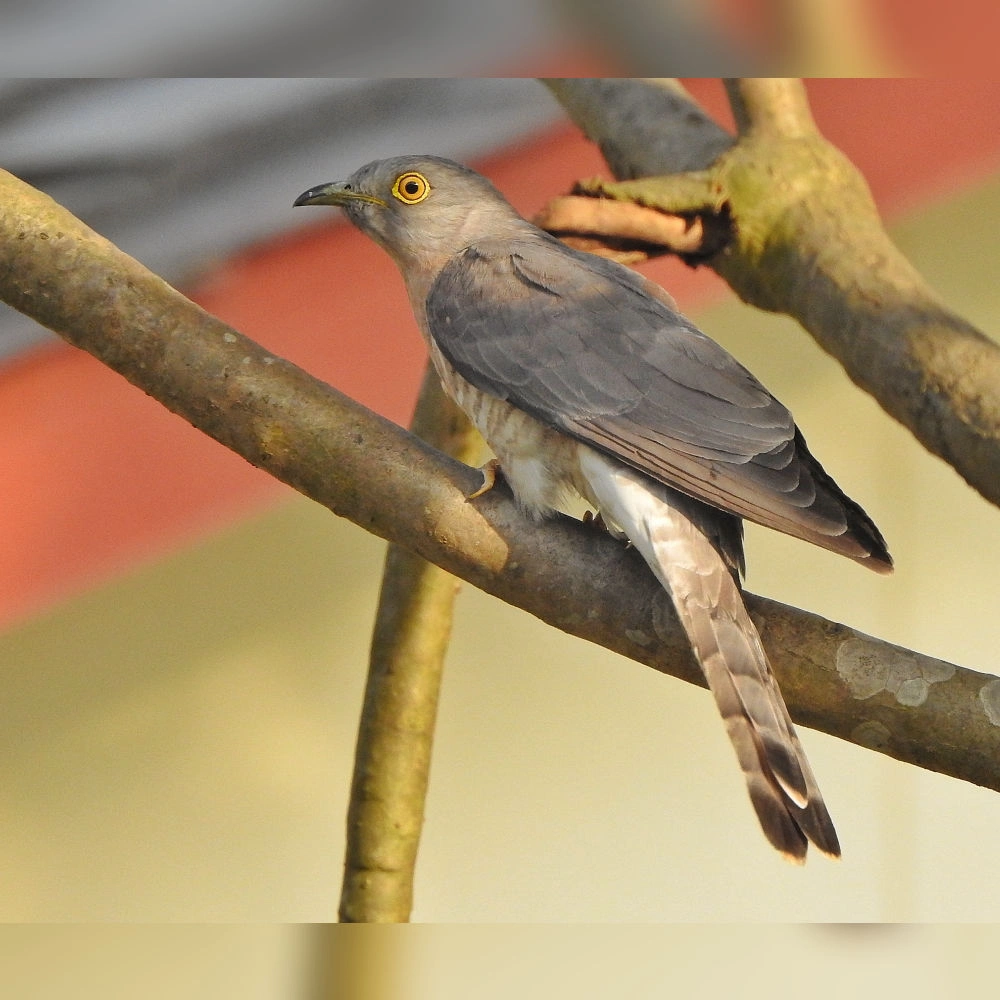
Common Hawk-Cuckoo
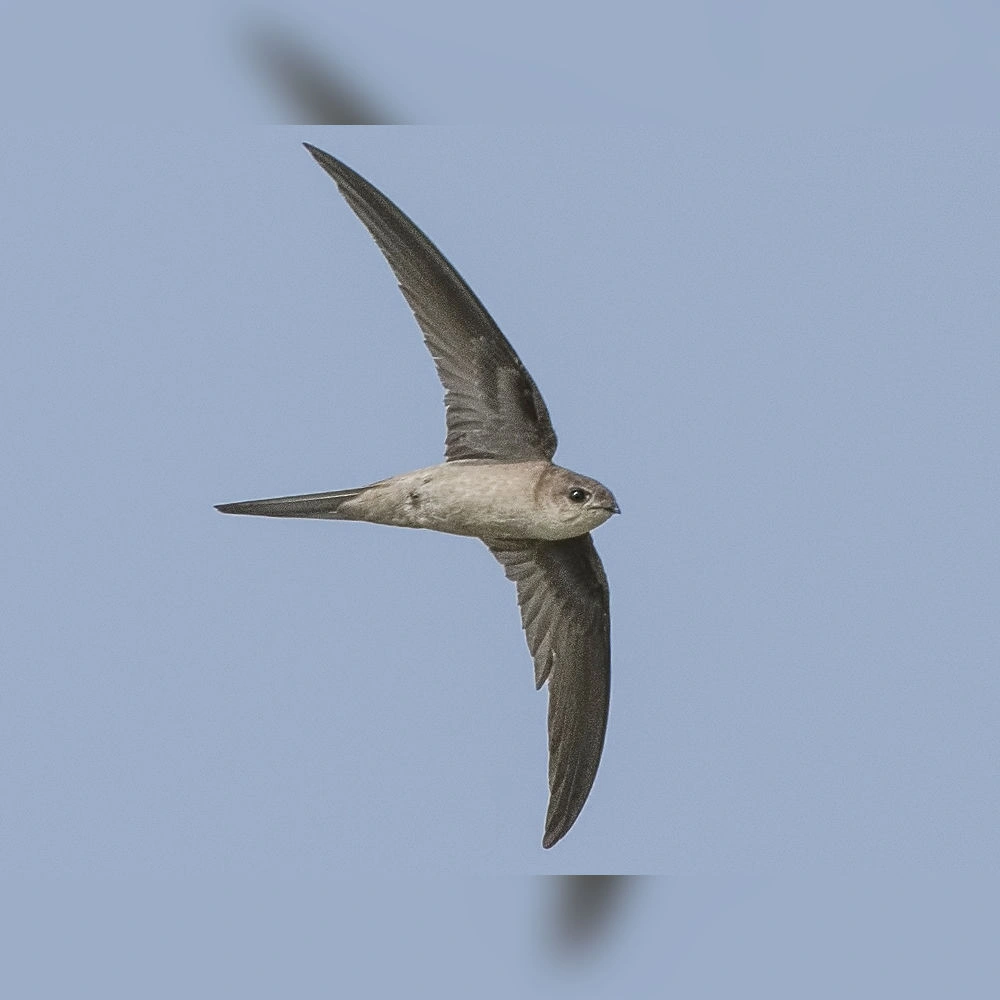
Asian Palm Swift
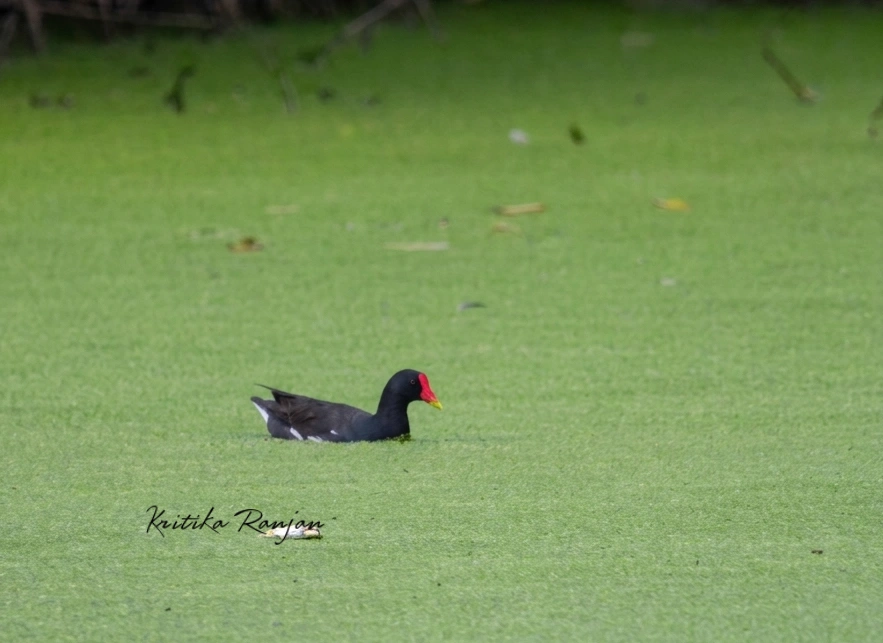
Eurasian Moorhen
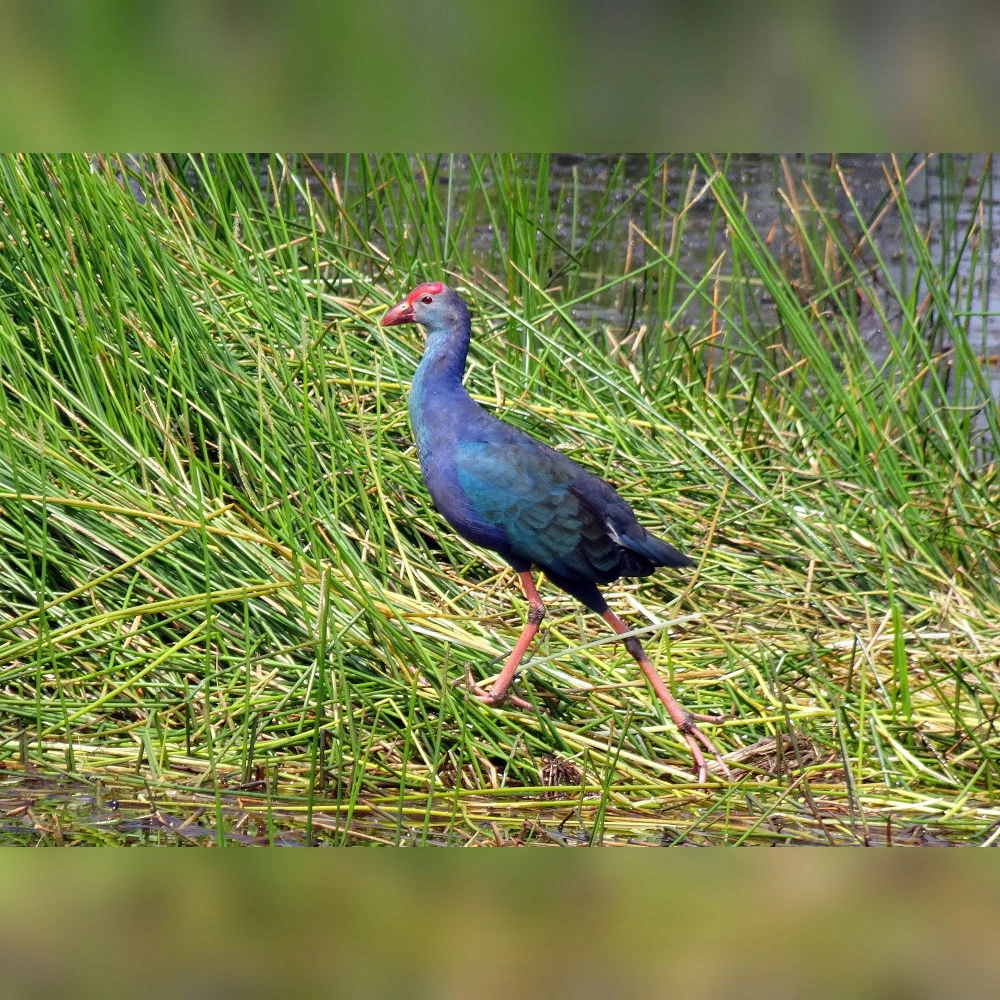
Grey-headed Swamphen
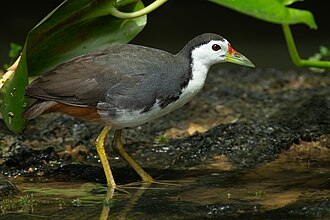
White-breasted Waterhen
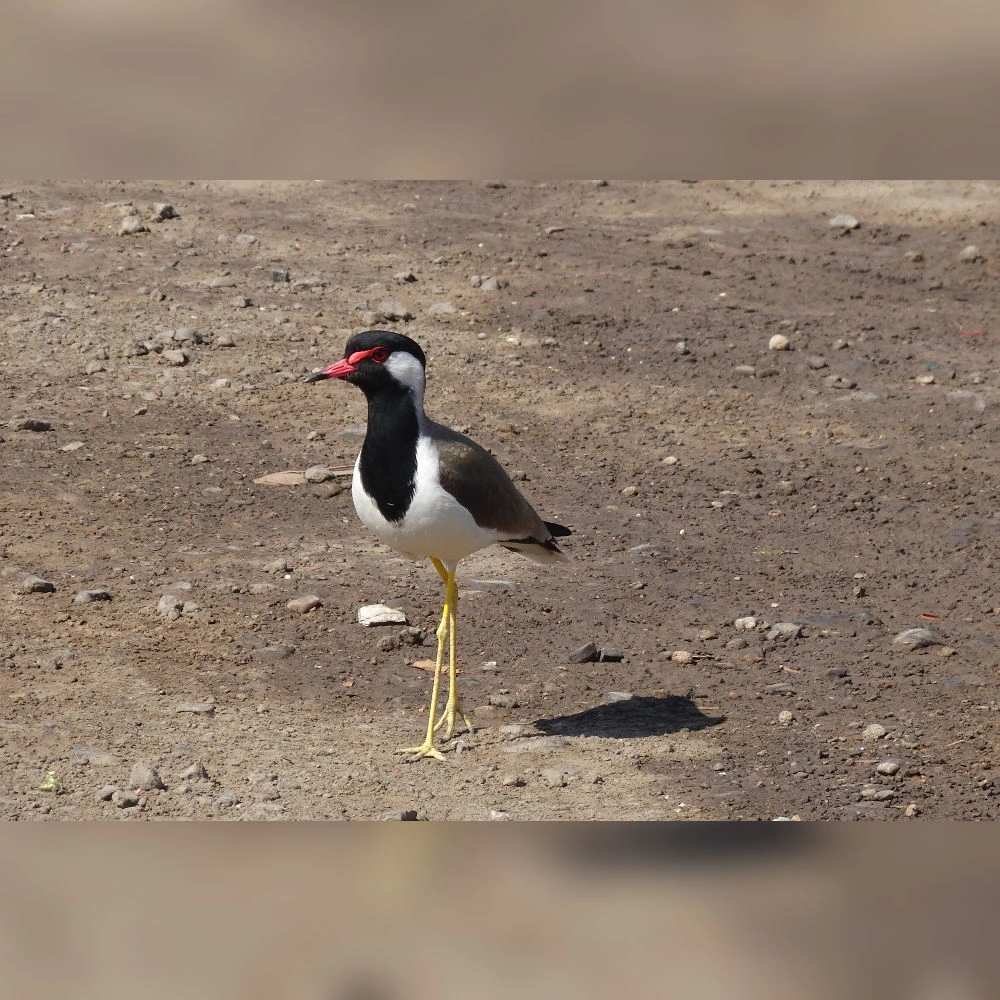
Red-wattled Lapwing

Common Sandpiper
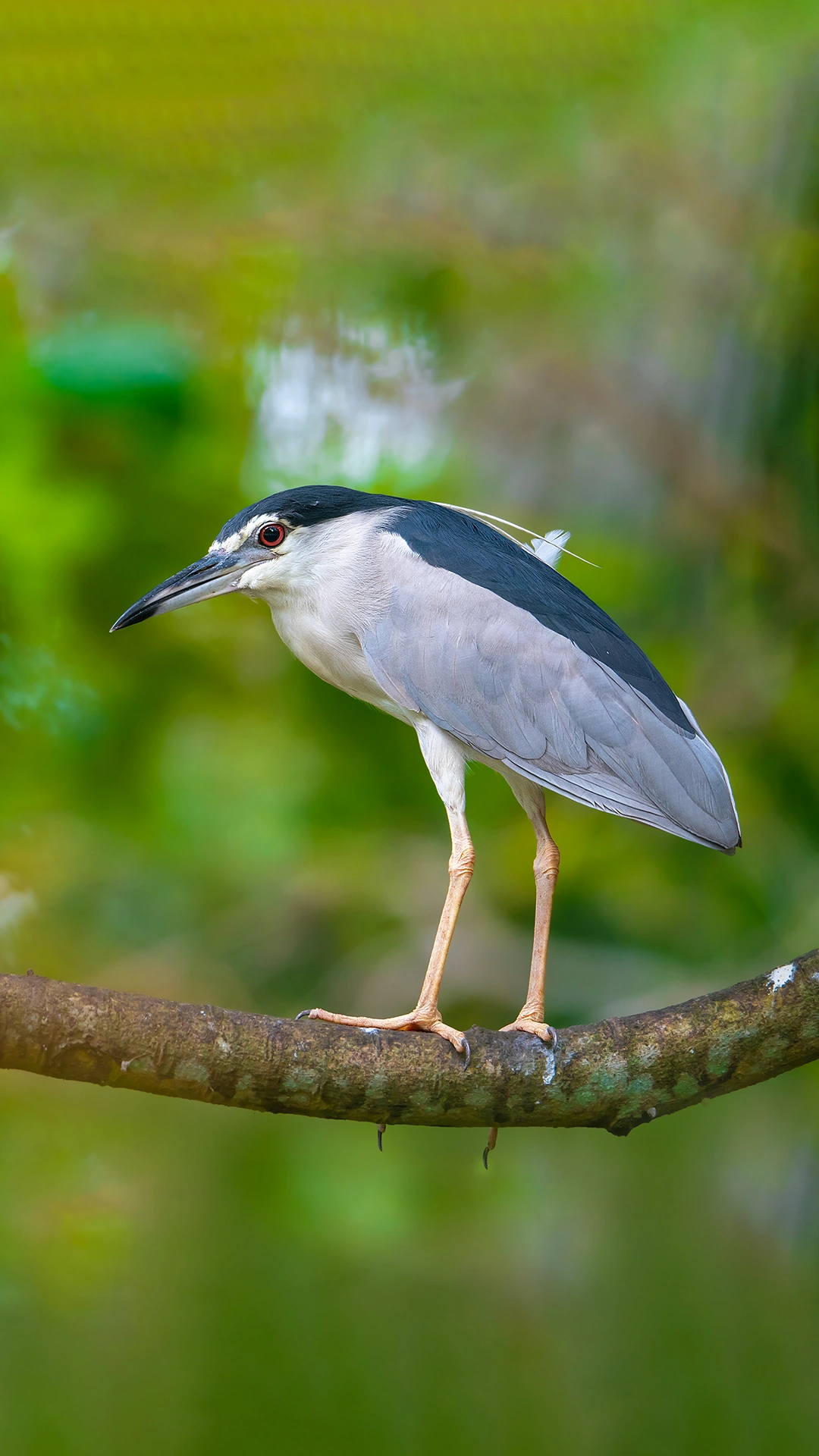
Black-crowned Night Heron
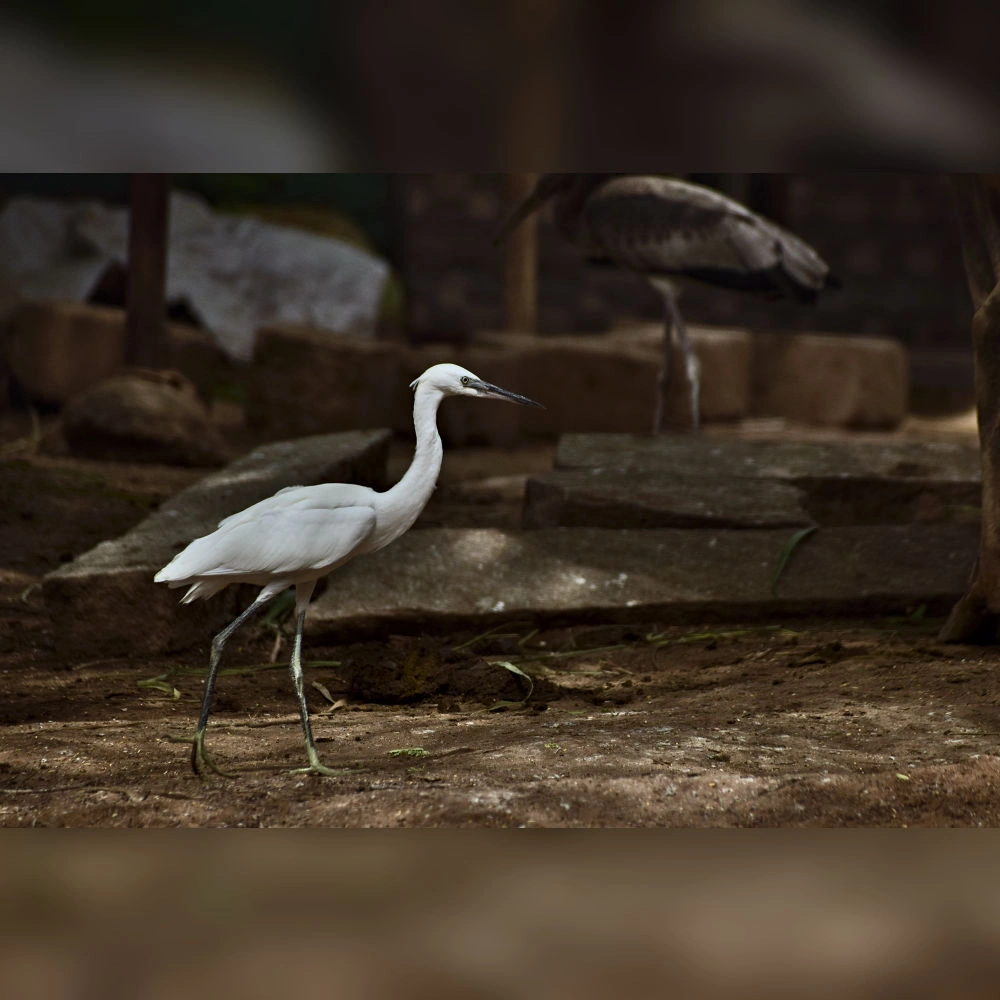
Little Egret
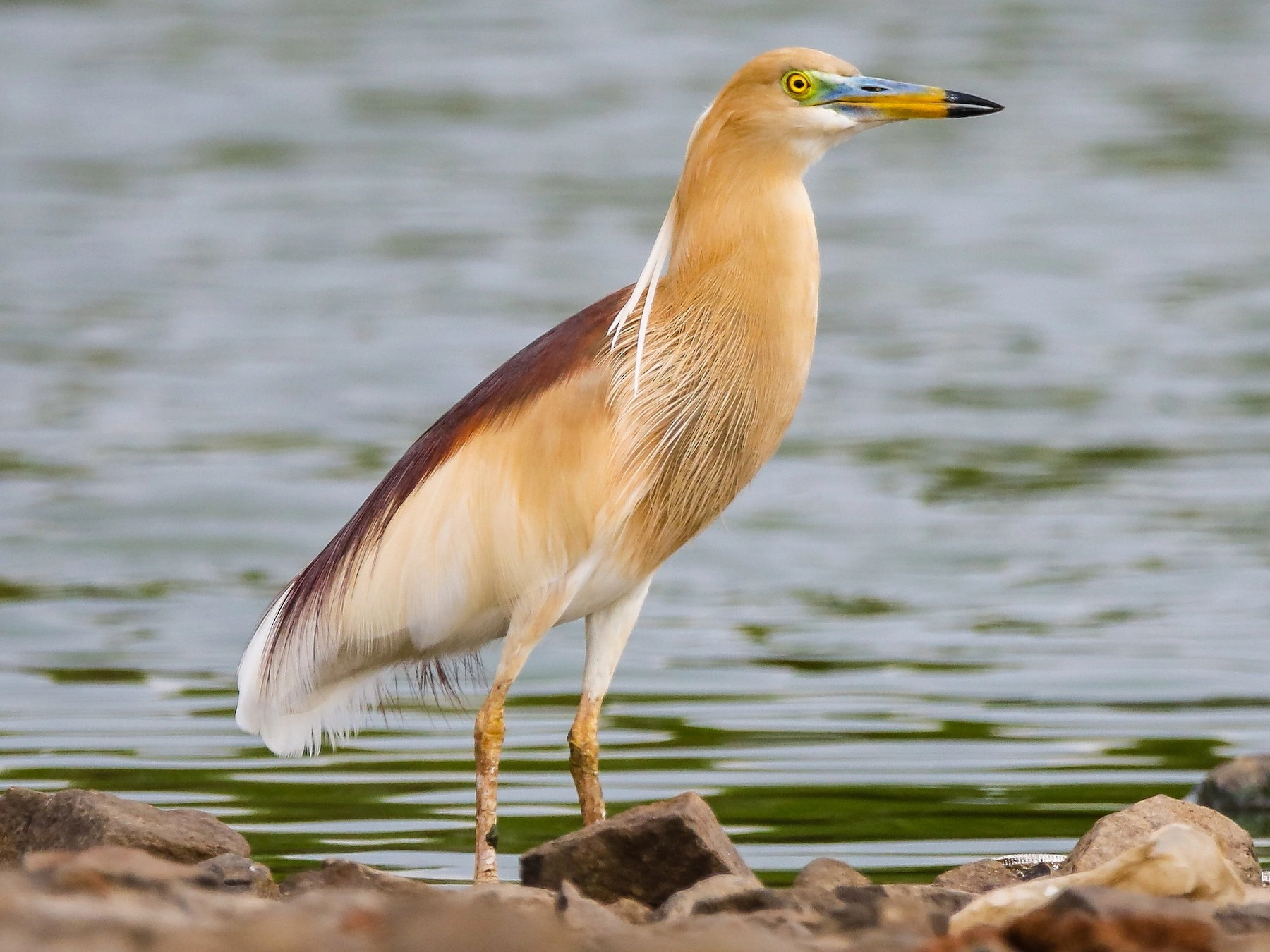
Indian Pond-Heron
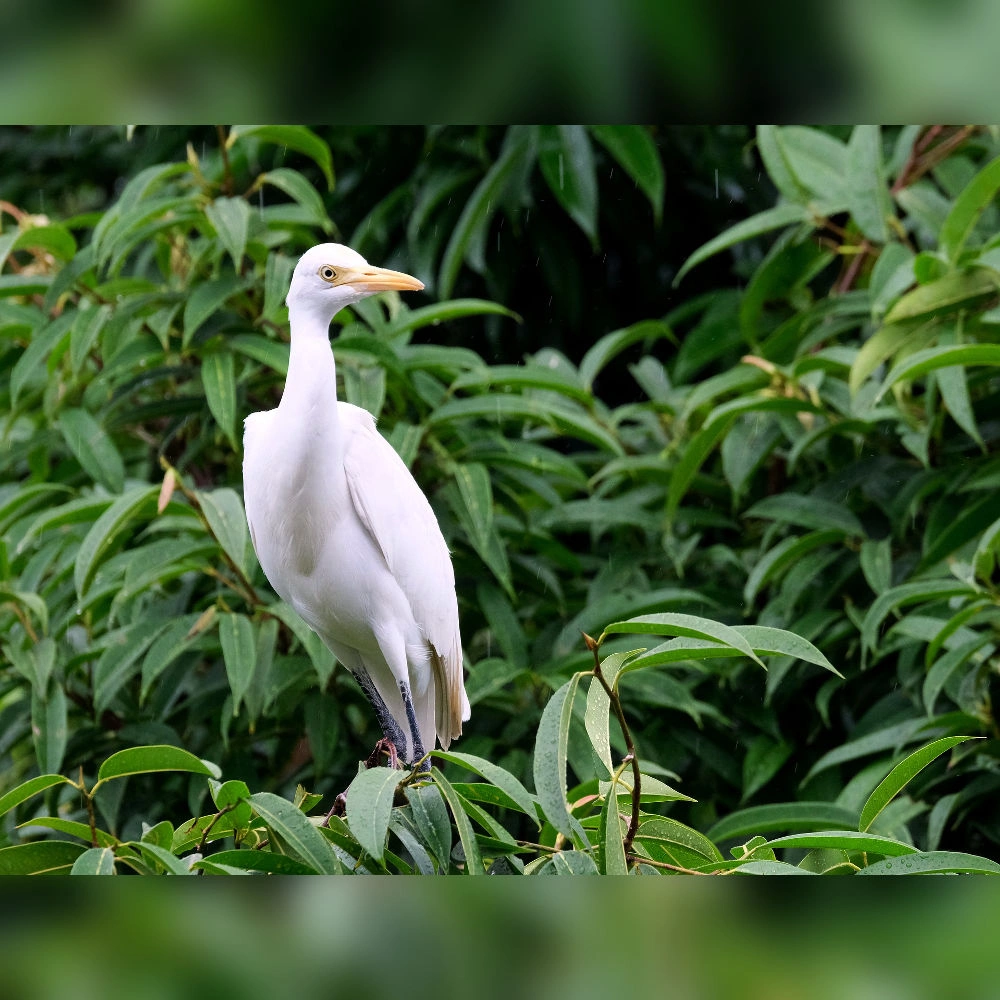
Eastern Cattle-Egret
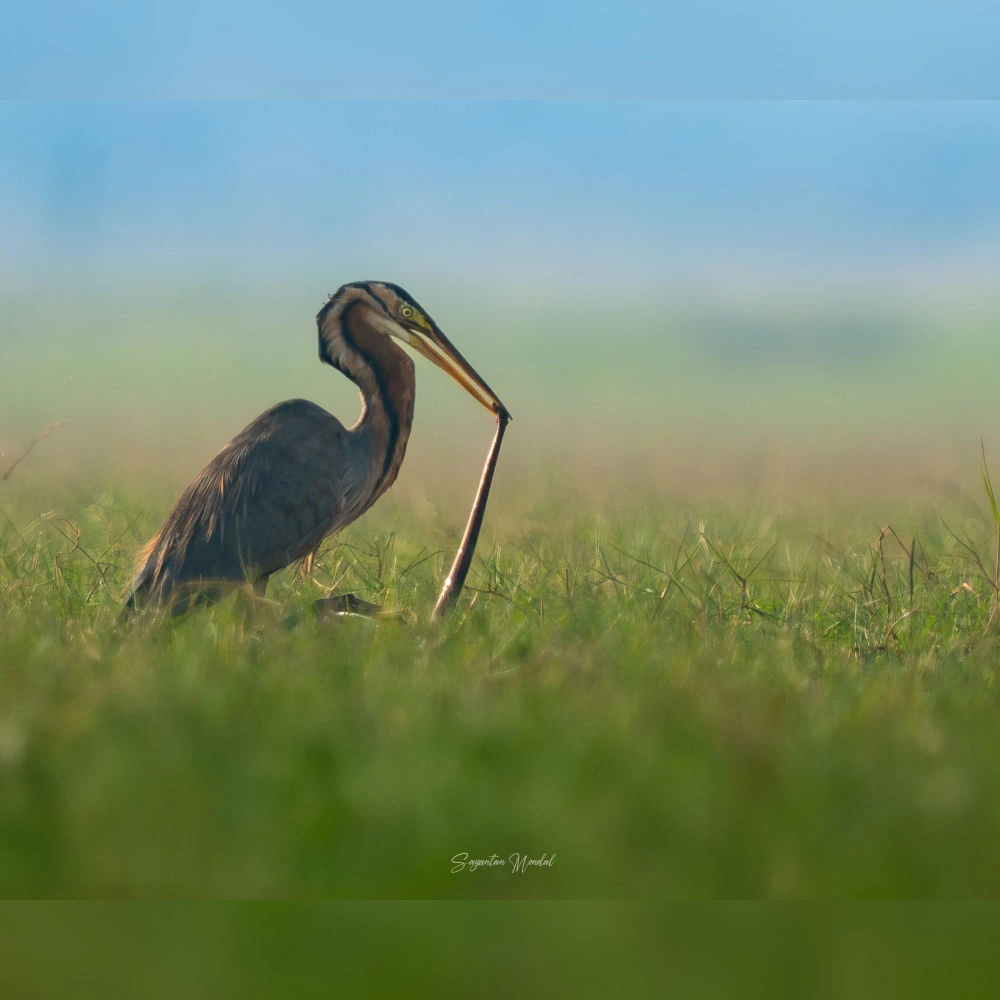
Purple Heron
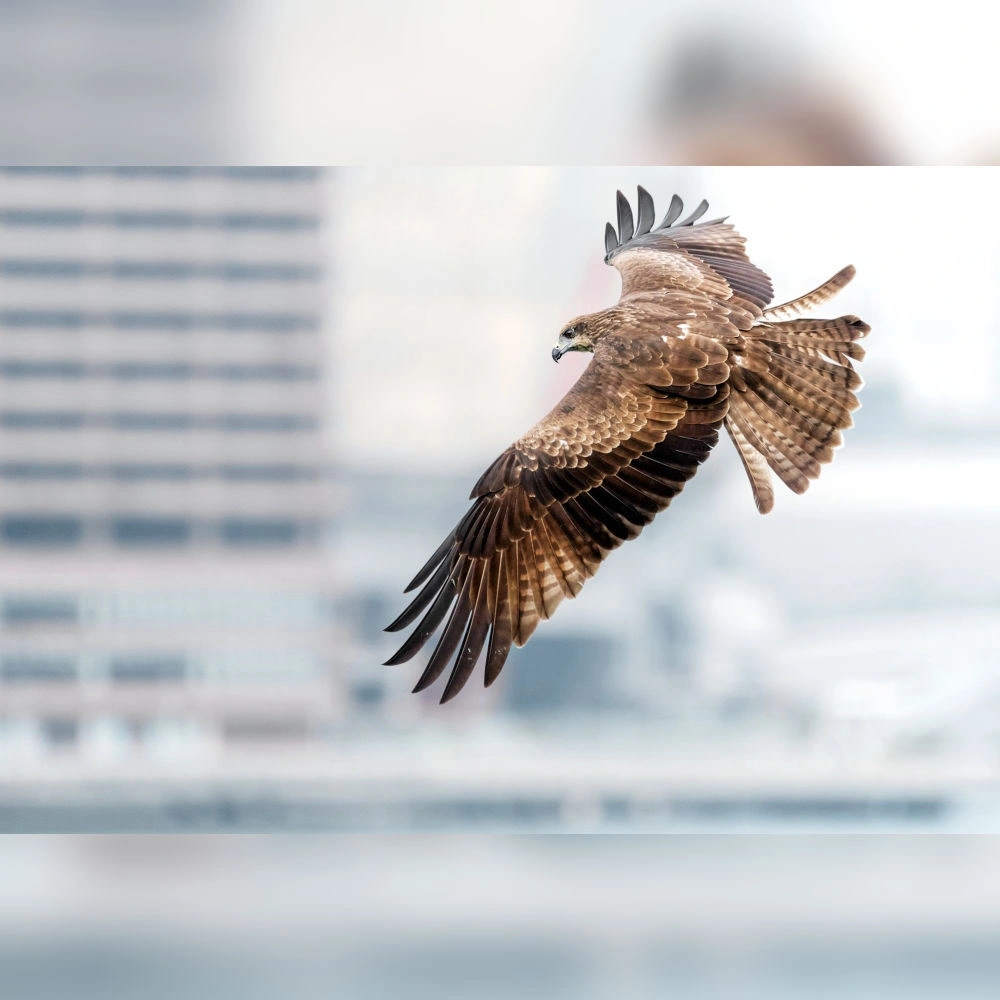
Black Kite
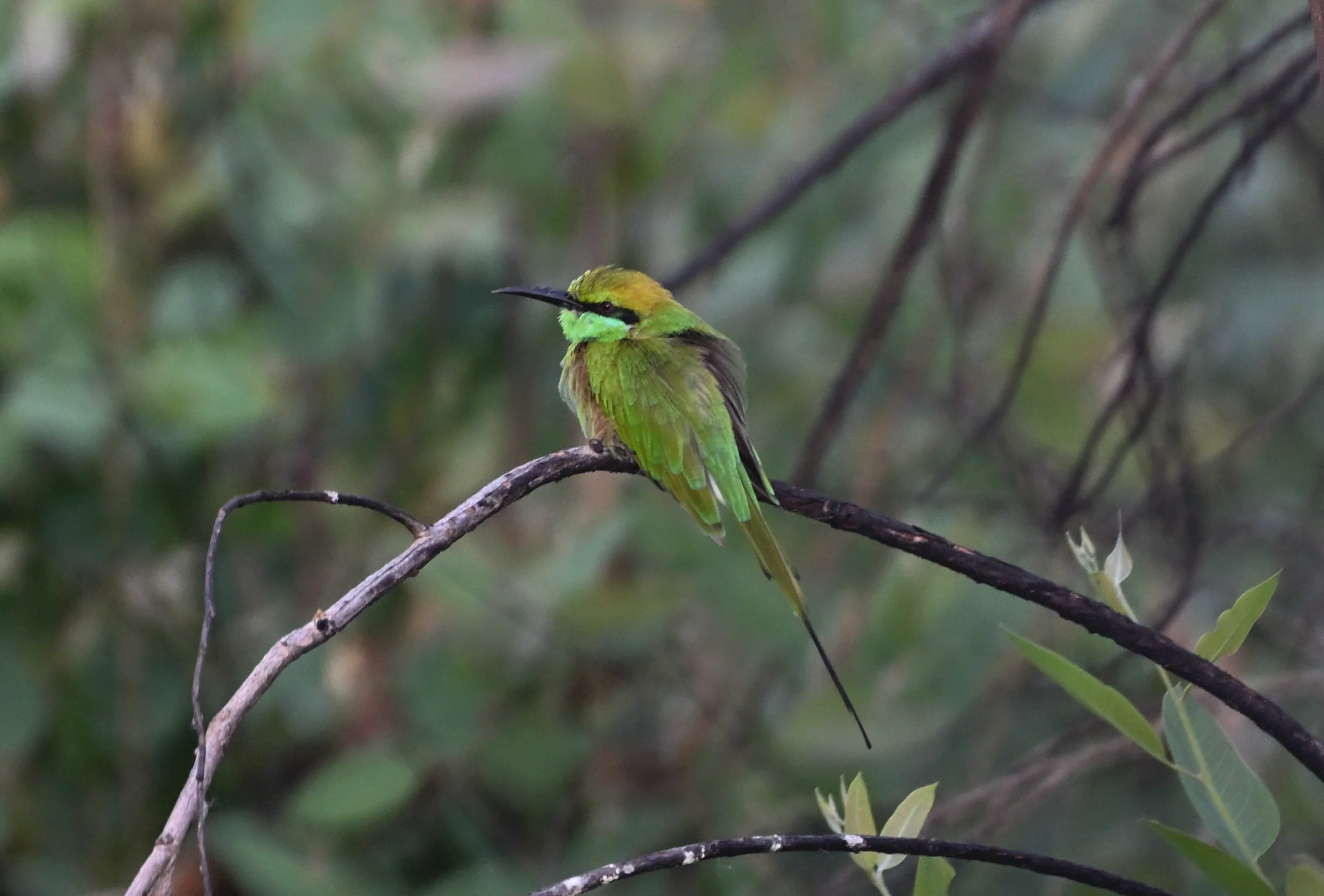
Asian Green Bee-eater
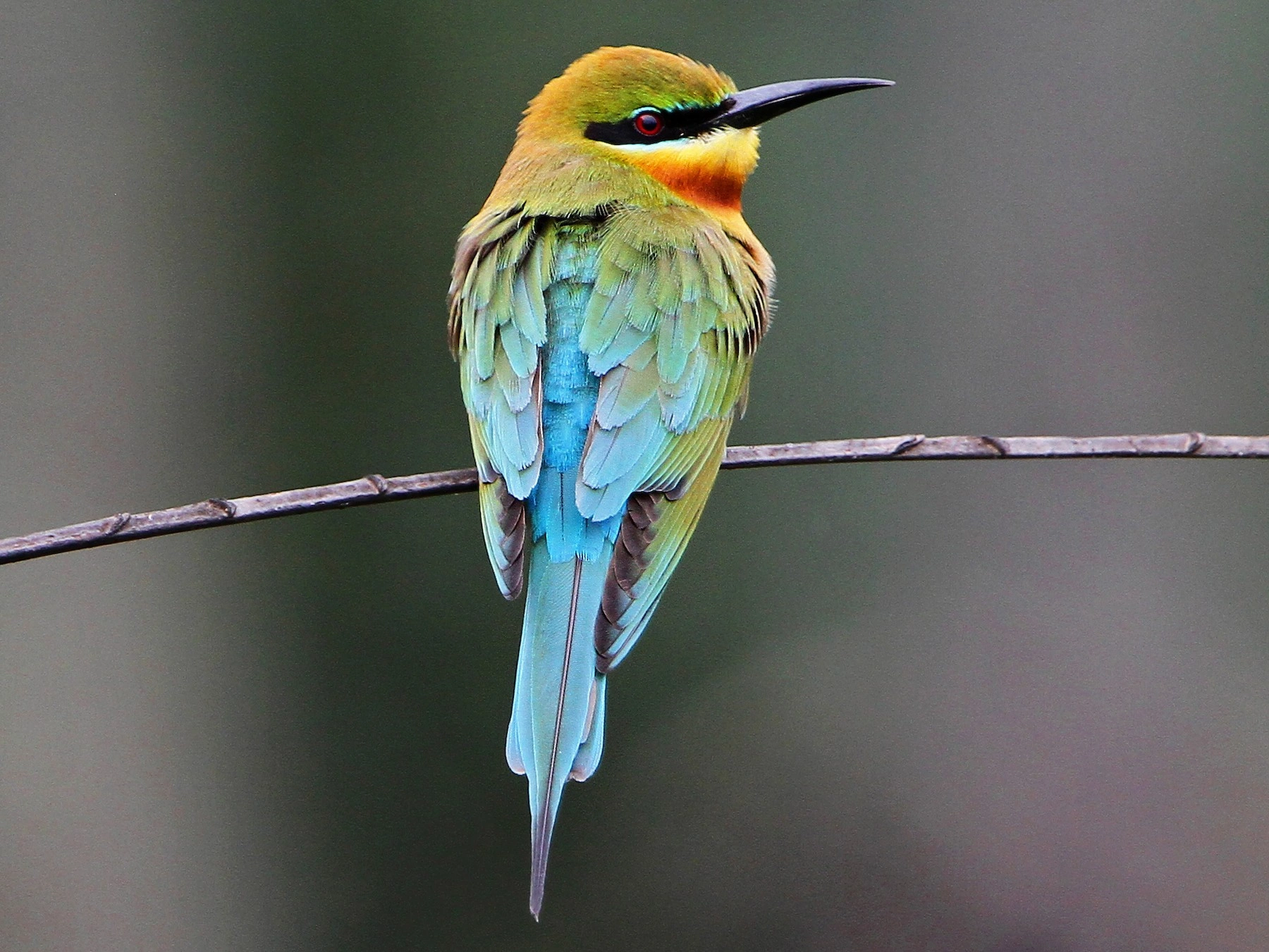
Blue-tailed Bee-eater
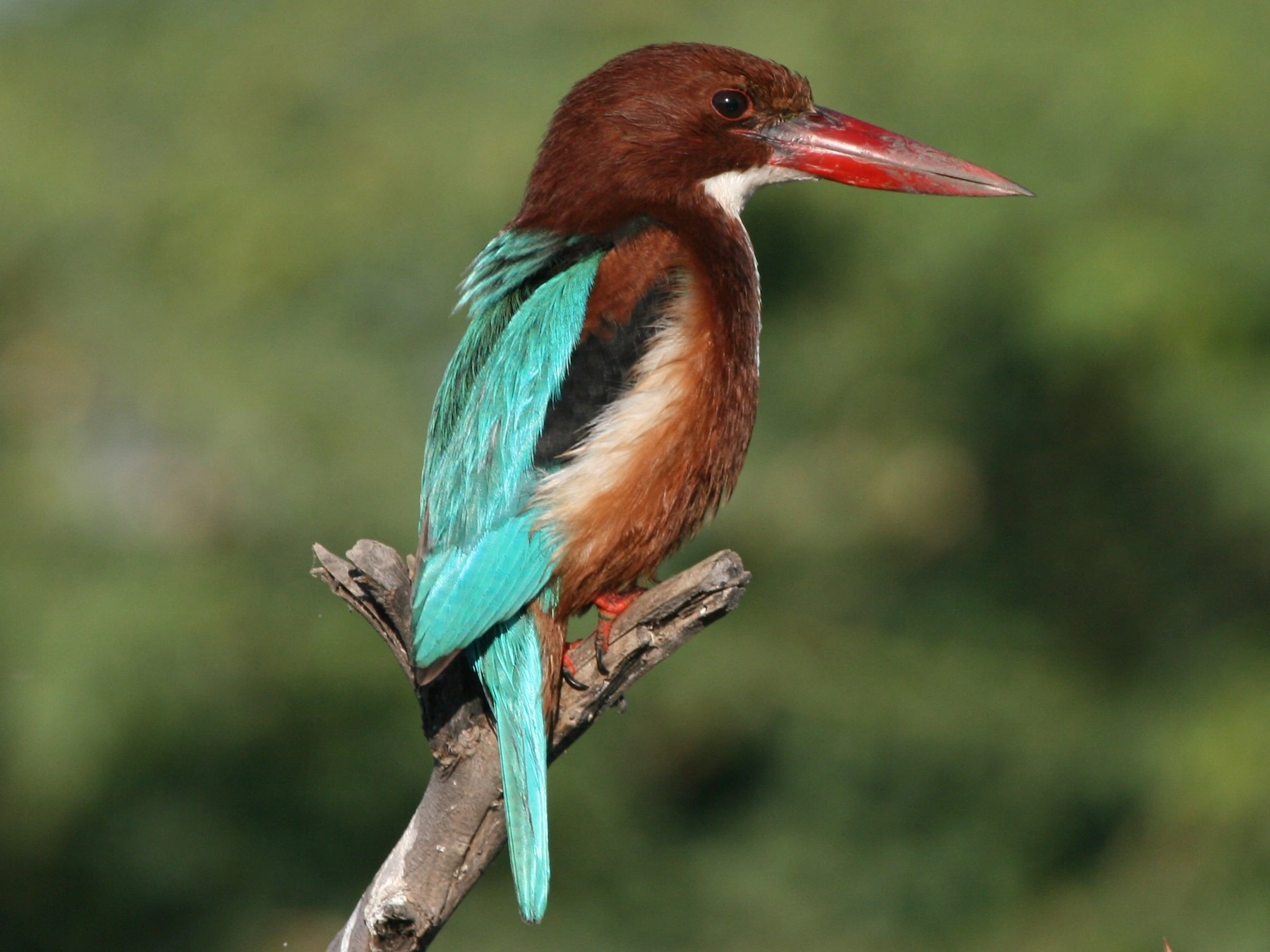
White-throated Kingfisher

- Fee collected goes entirely to the bird guide. Ataavi does not retain or profit from this amount.