Loading Events

Bird Walk at Siswan and Mullanpur, Mohali

About Siswan and Mullanpur

Located along the foothills of the Shivalik Range on the outskirts of Chandigarh, Siswan Forest is one of the region’s most important natural landscapes. The forest is a mosaic of dry deciduous woodland, riverine patches, seasonal streams, grasslands, scrub forests, and small wetlands, creating habitats for a remarkable diversity of birds and wildlife. The area’s proximity to the Siswan Dam and Sukhna Wildlife Sanctuary further enhances its ecological significance, supporting both resident and migratory species. Scenic trails, forest roads, and tranquil surroundings make Siswan a favourite destination for birdwatchers, photographers, and nature enthusiasts.

On the northern edge of the Chandigarh region, where the plains meet the Shivalik foothills, lies Mullanpur, the heart of the growing township of New Chandigarh. Just beyond its new roads and housing, the landscape turns wild. Nearby, the Siswan forest reserve, with its dam and tranquil lake, offers dense forests, clean water and rich biodiversity. Around Mullanpur, scrub-covered hills, seasonal streams (choes), farmland, mango orchards and pockets of open grassland create a patchwork of habitats. Leopards roam the nearby Siswan forests at night, along with sambar, barking deer and wild boar. For birders, this meeting point of hill and plain is especially rewarding: foothill species such as barbets, minivets and woodpeckers mix with farmland and wetland birds, while winter brings migrants down from the Himalayas.

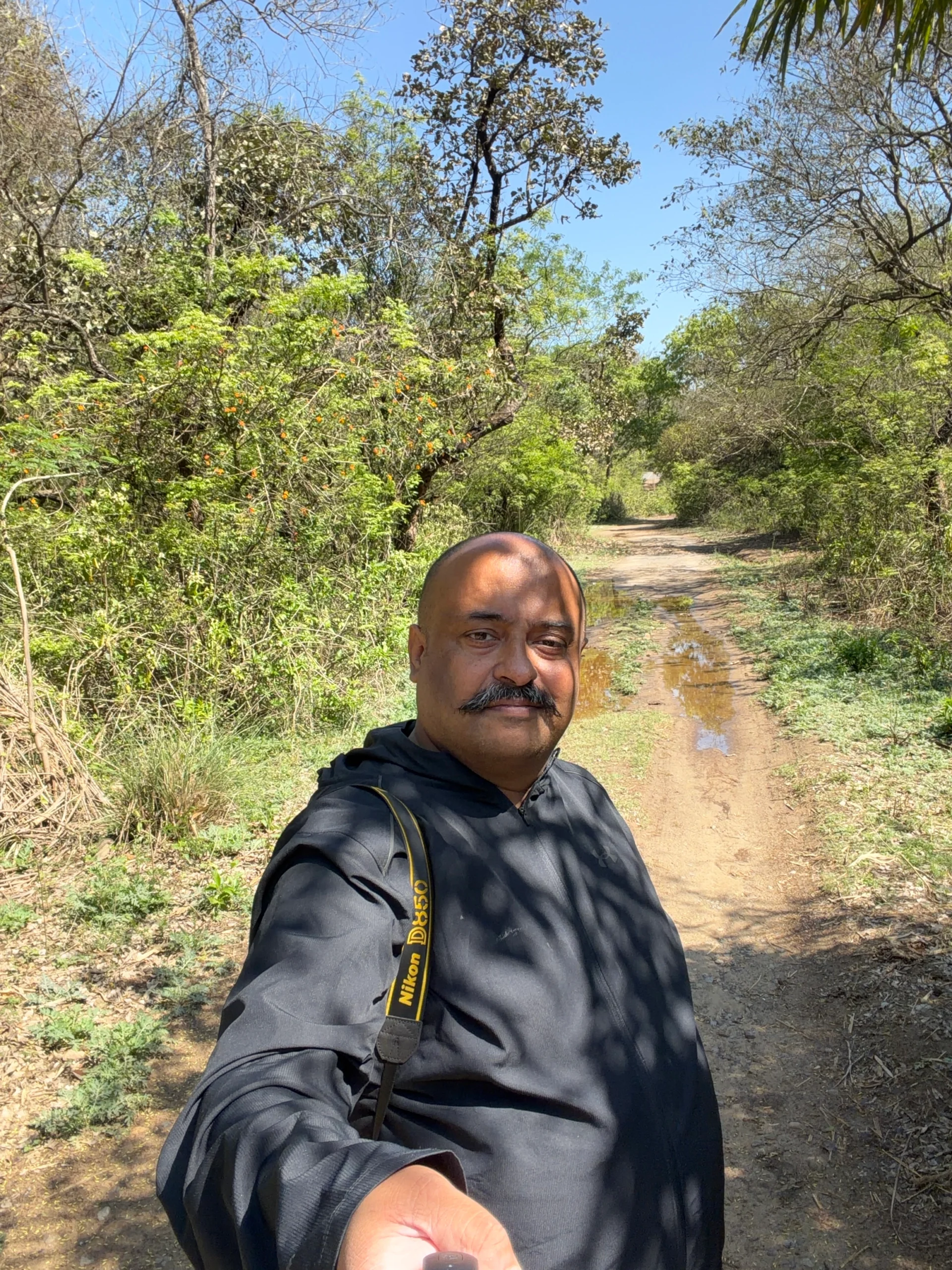
Bird Guide: Pushkar Bali

He is a passionate birder with over 10 years of birding experience and a keen interest in documenting rare and significant bird sightings. He has recorded six bird species for the first time in Punjab, including the Rufous-gorgeted Flycatcher, Black-throated Accentor, Greater Scaup, Falcated Duck, Pied Wheatear, and Himalayan Rubythroat, contributing valuable observations to the region's ornithological records.
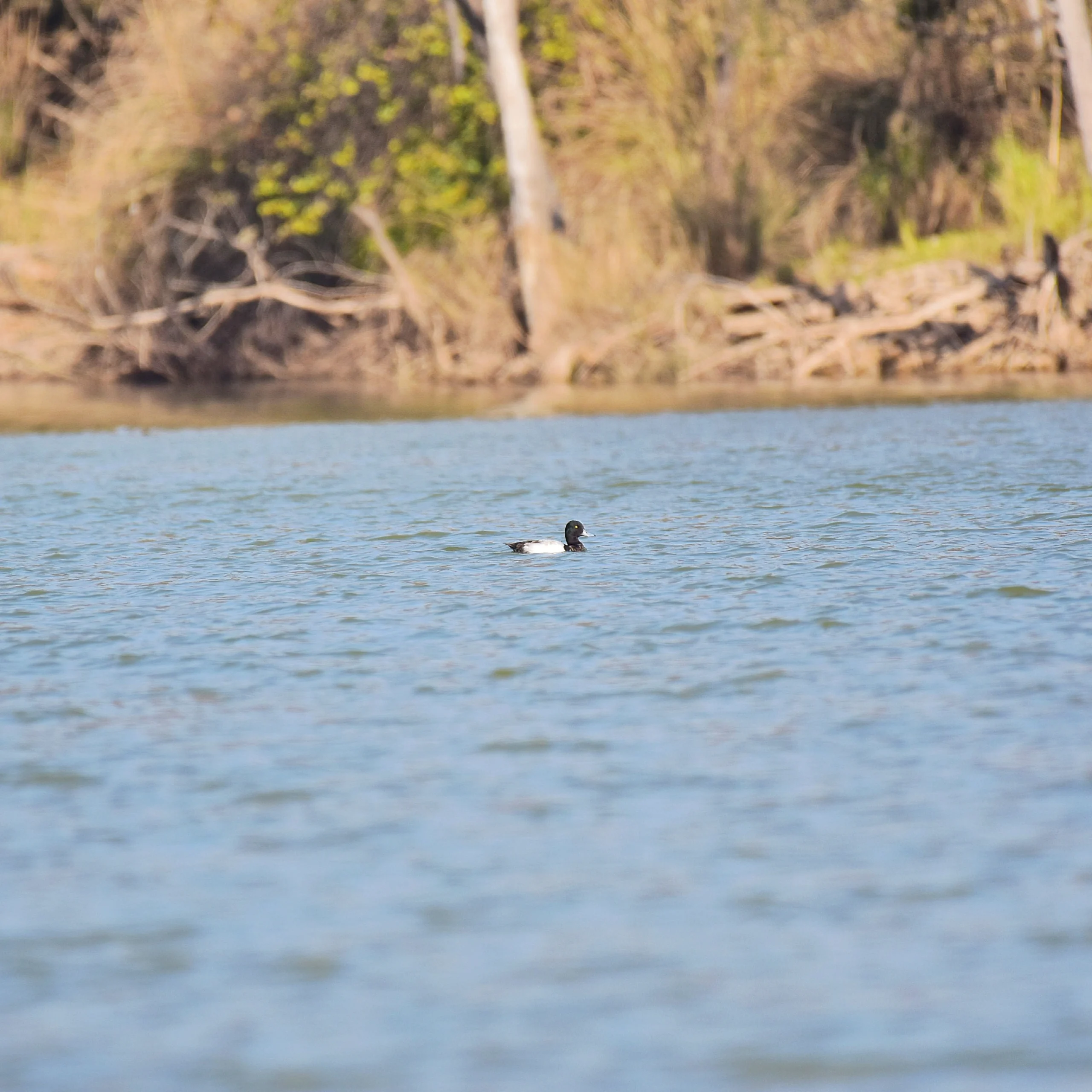
Bird walk Location

Common birds of Siswan and Mullanpur

Siswan and Mullanpur supports an exceptional variety of wetland, woodland, and foothill birds. Wetlands attract Lesser Whistling-Ducks, Knob-billed Ducks, Indian Spot-billed Ducks, Black-winged Stilts, Little Cormorants, Little Egrets, and Red-wattled Lapwings. Forest trails reveal colourful species such as Indian Pitta, Indian Golden Oriole, Blue-tailed Bee-eater, Chestnut-headed Bee-eater, Brown-capped Pygmy Woodpecker, Black-rumped Flameback, and Alexandrine Parakeet. The canopy is home to Indian Gray Hornbills and Rufous Treepies, while the undergrowth shelters Common Tailorbirds and Plain Prinias. Raptors like the White-eyed Buzzard patrol overhead, and elusive species such as the Square-tailed Drongo-Cuckoo add excitement for experienced birders. With its blend of forest and wetland habitats, Siswan Forest and Mullanpur is among the finest birdwatching destinations in northern India.

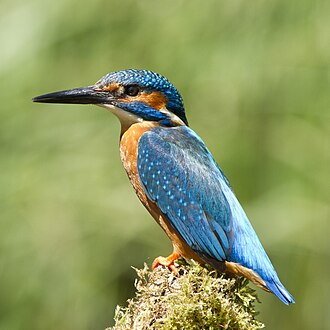
Common Kingfisher
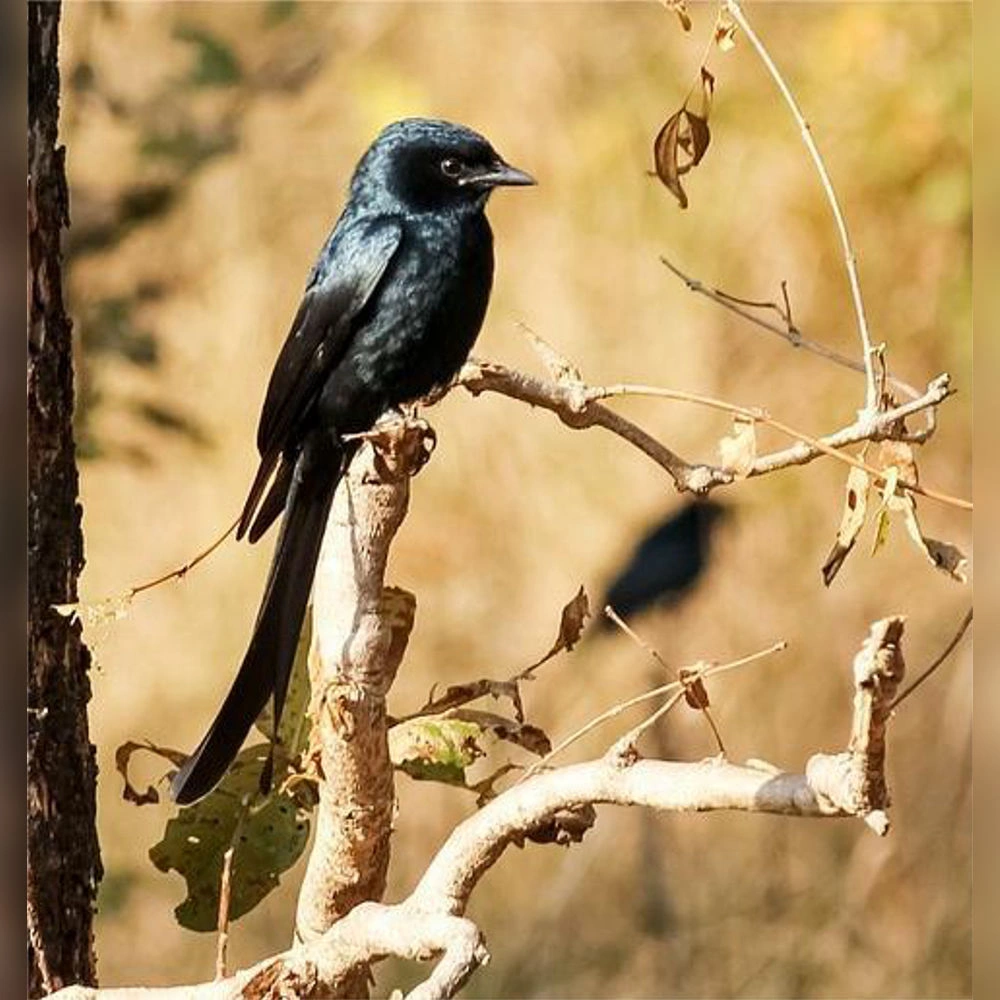
Black Drongo
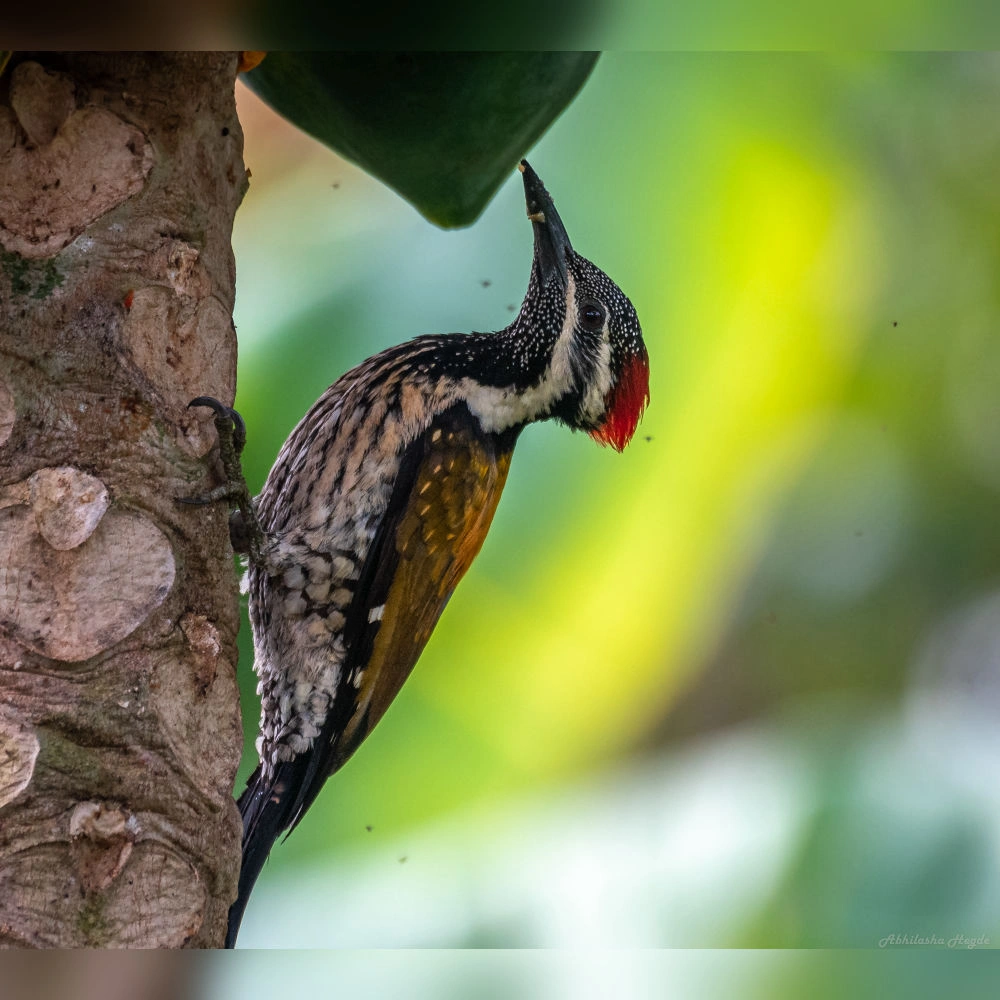
Black-rumped Flameback
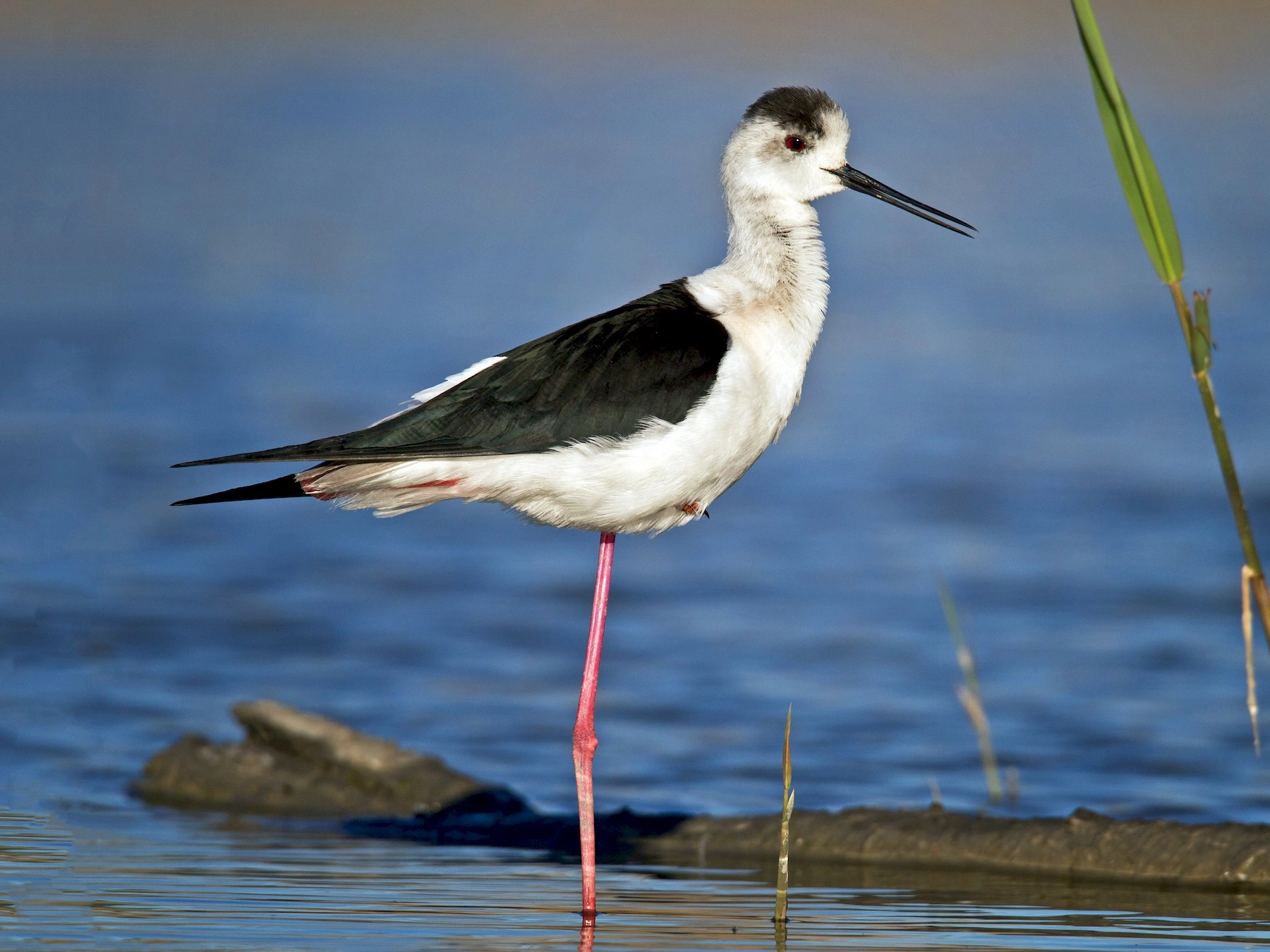
Black-winged Stilt
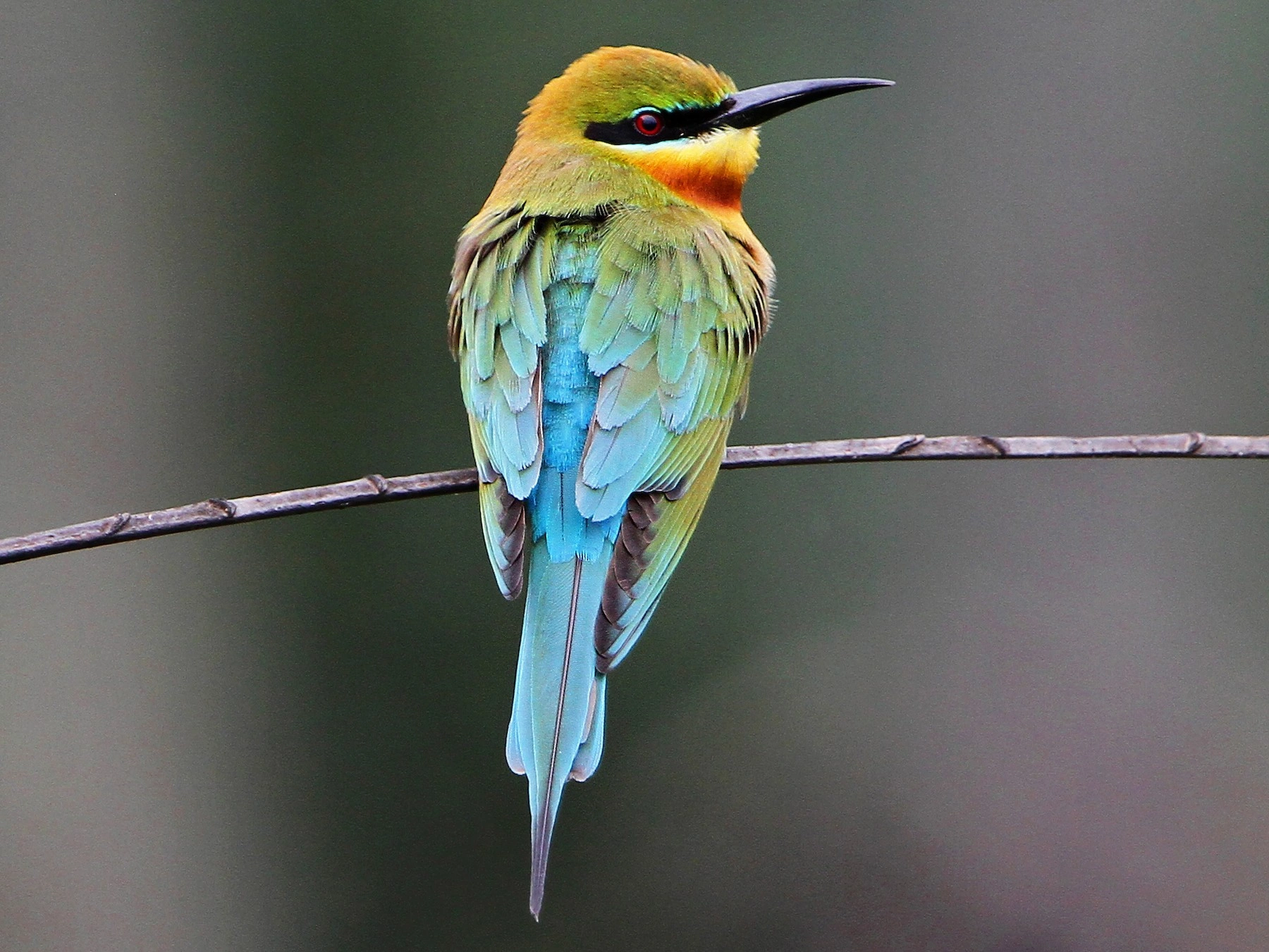
Blue-tailed Bee-eater
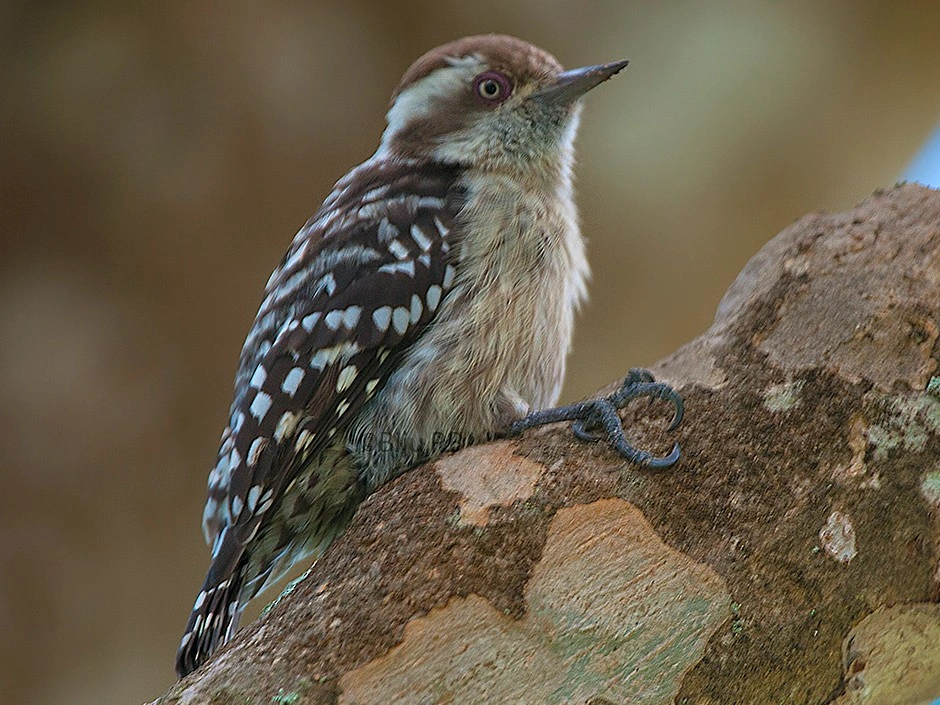
Brown-capped Pygmy Woodpecker
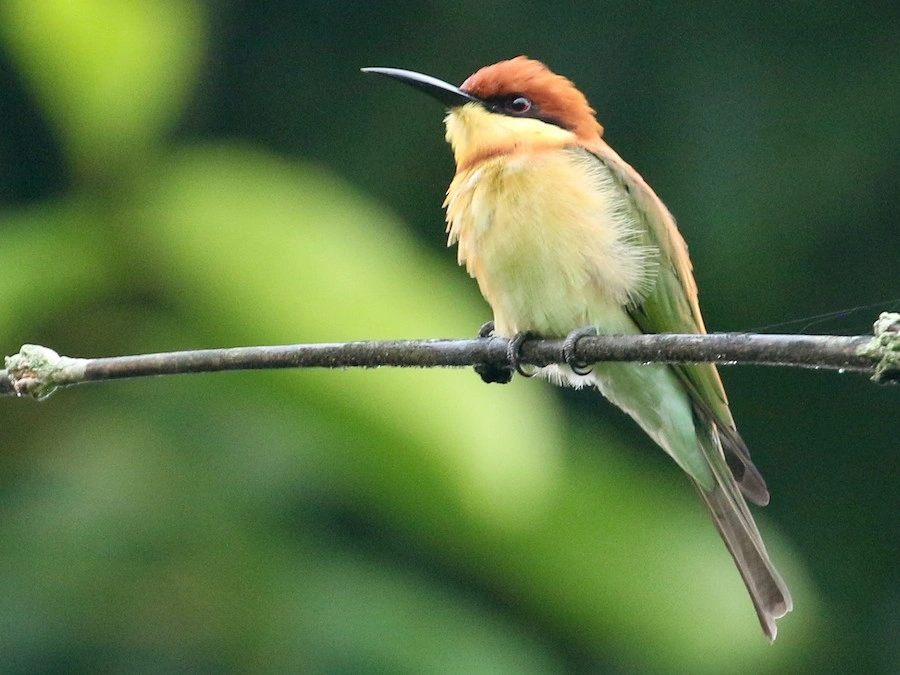
Chestnut-headed Bee-eater
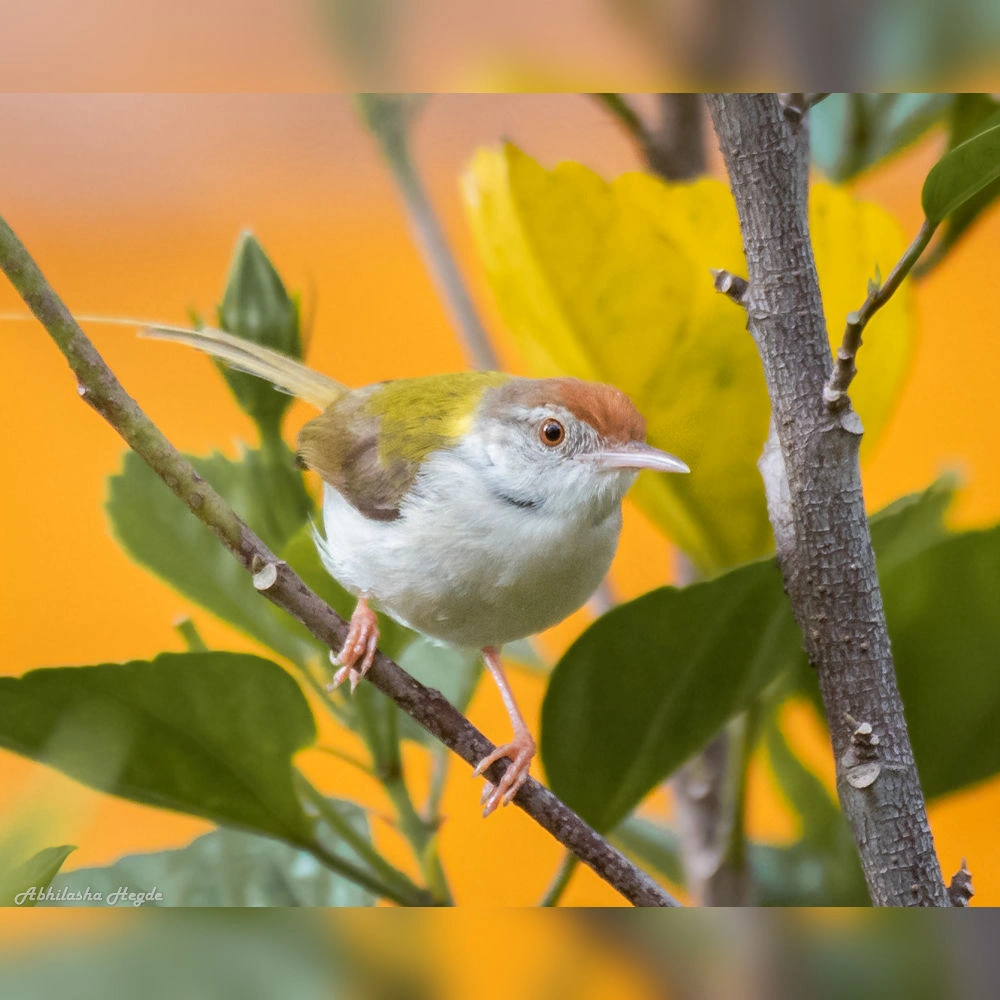
Common Tailorbird
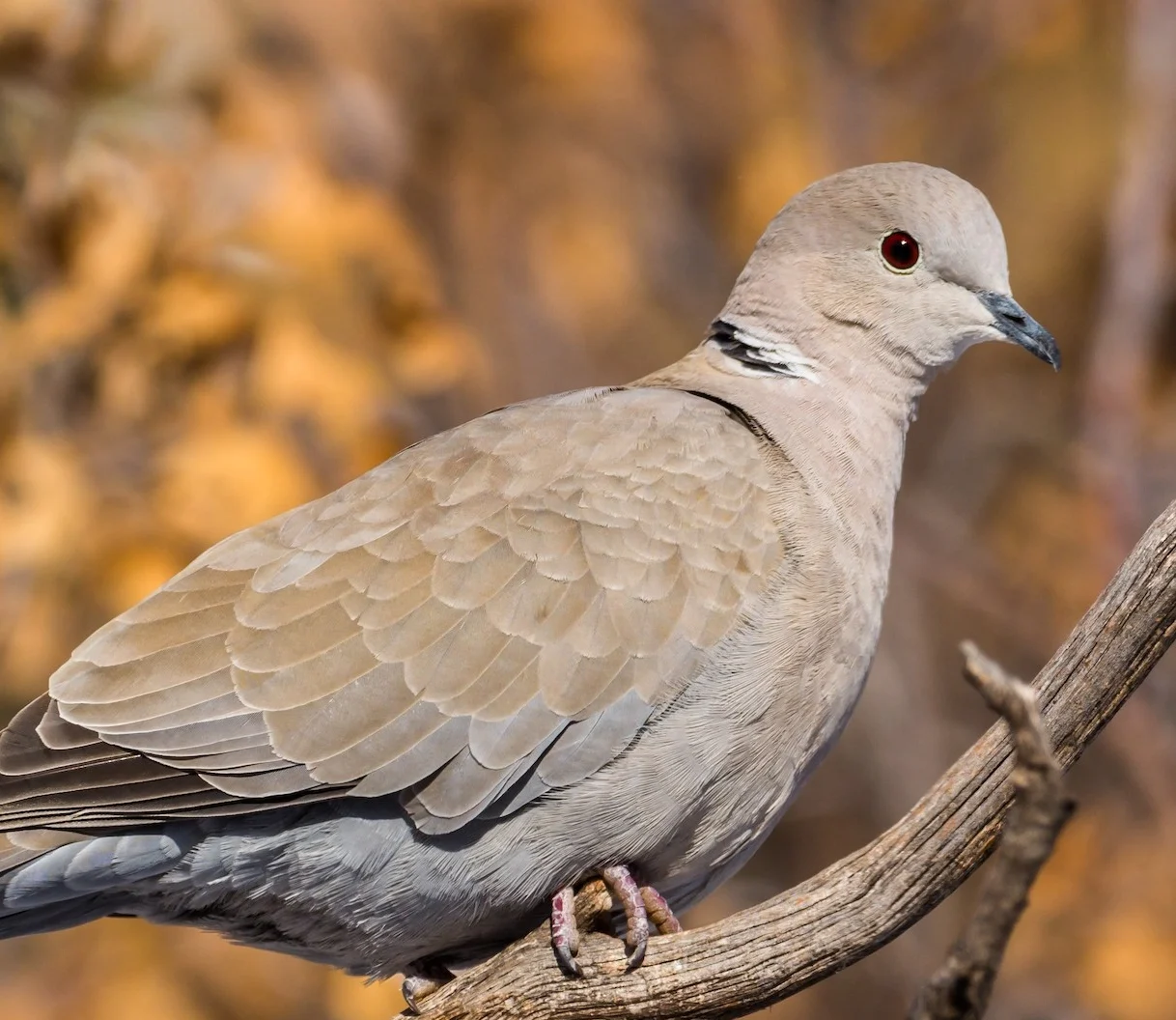
Eurasian Collared-Dove
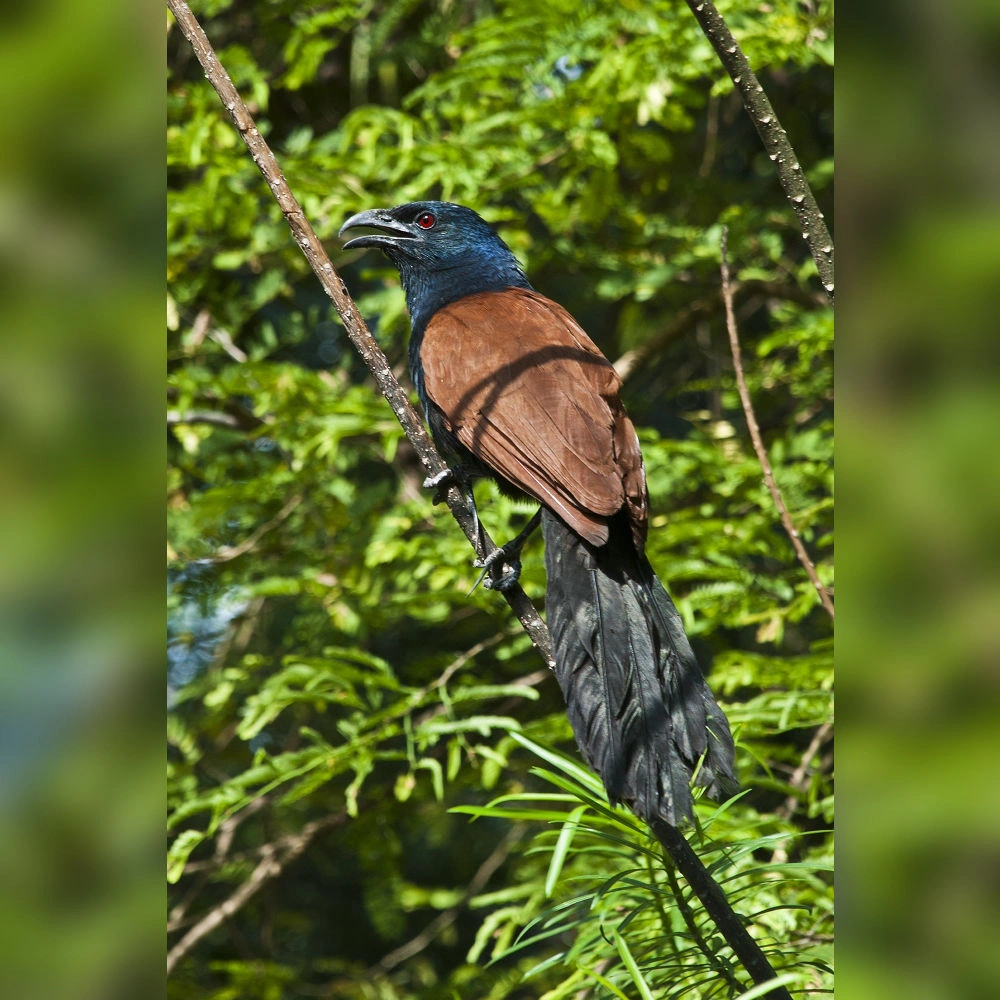
Greater Coucal
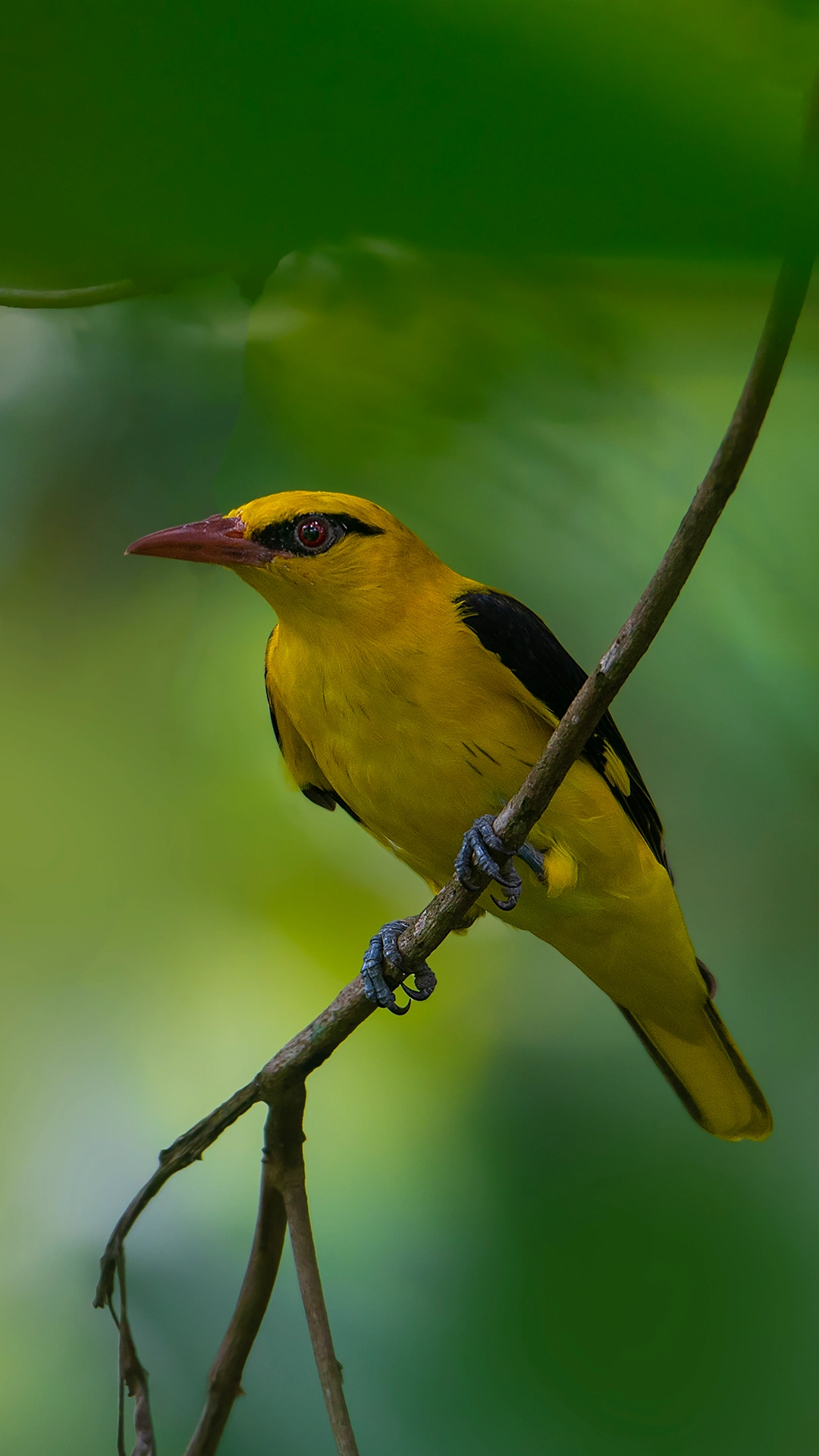
Indian Golden Oriole
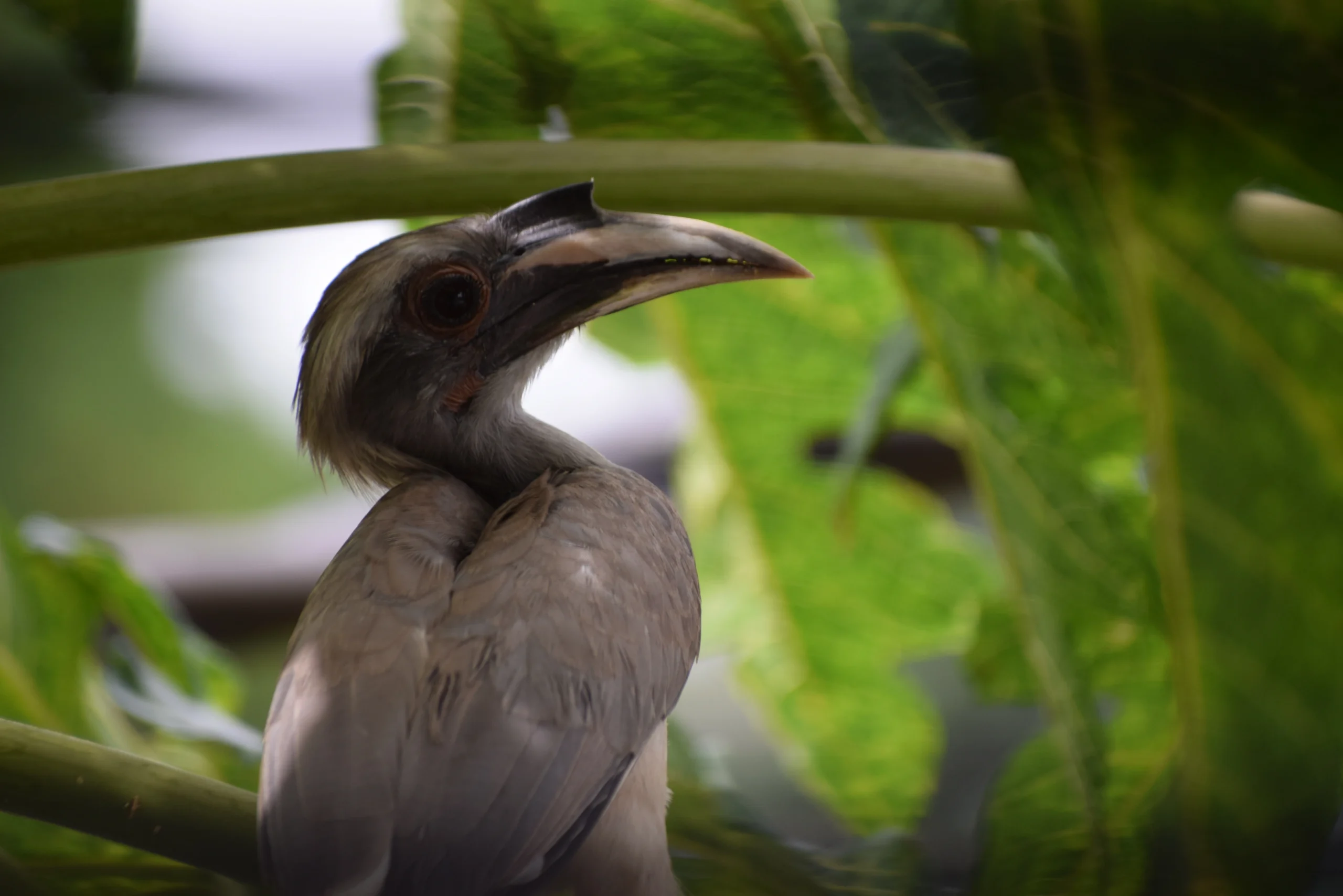
Indian Grey Hornbill
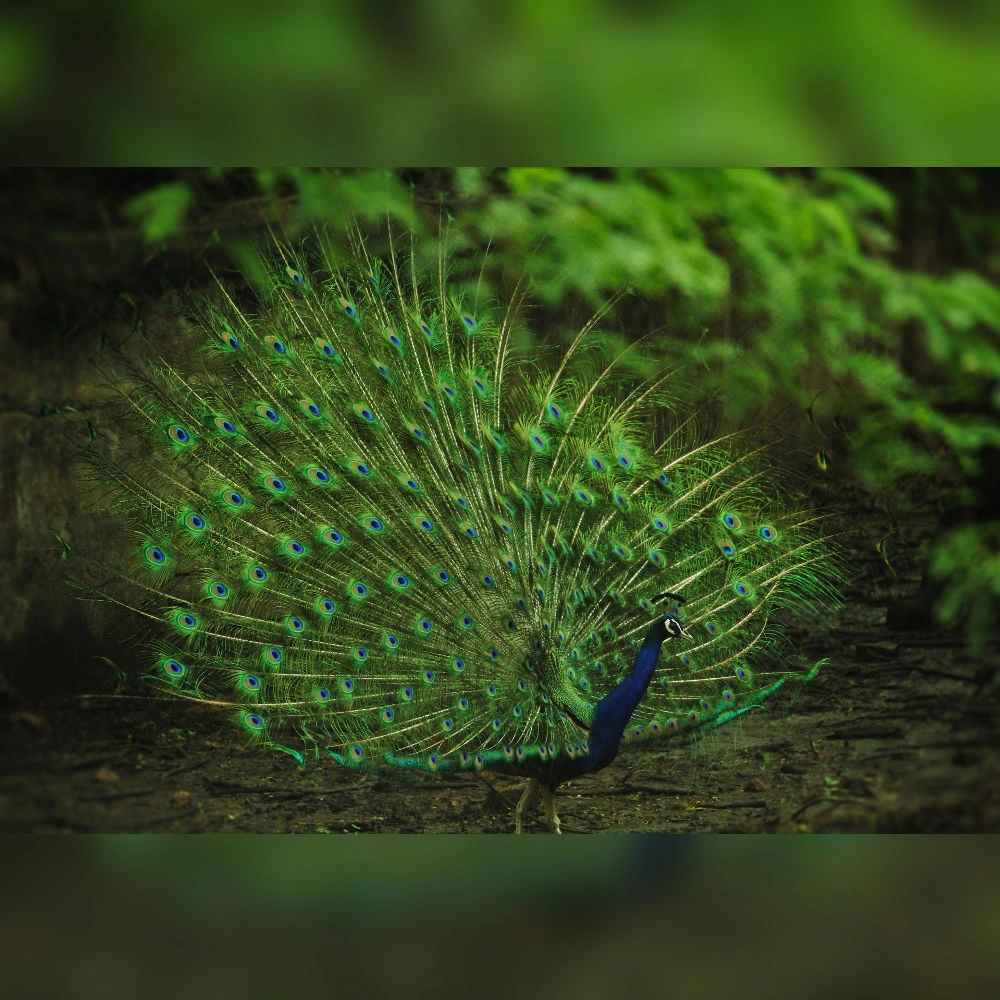
Indian Peafowl
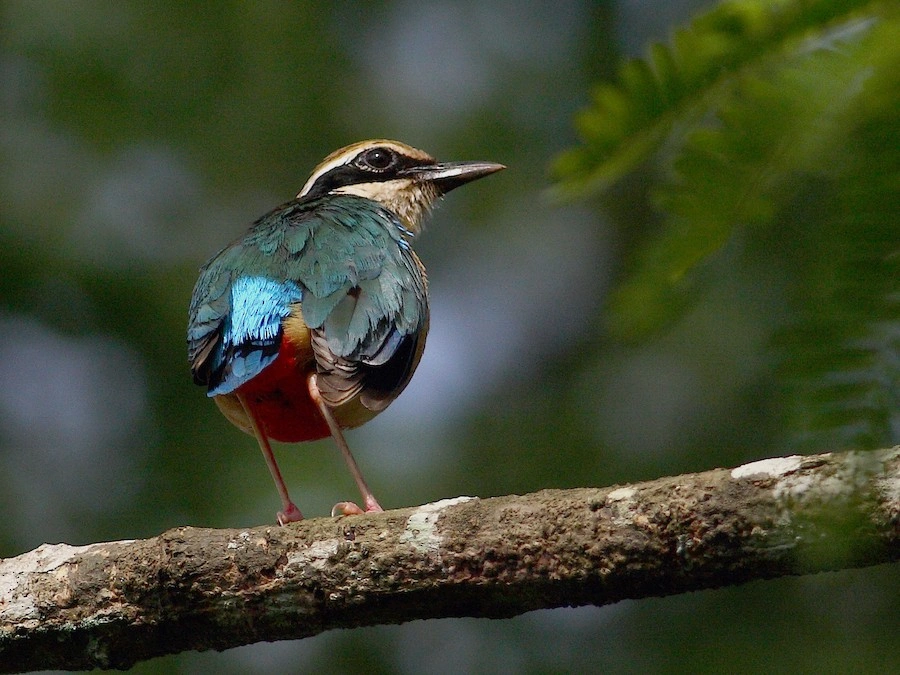
Indian Pitta
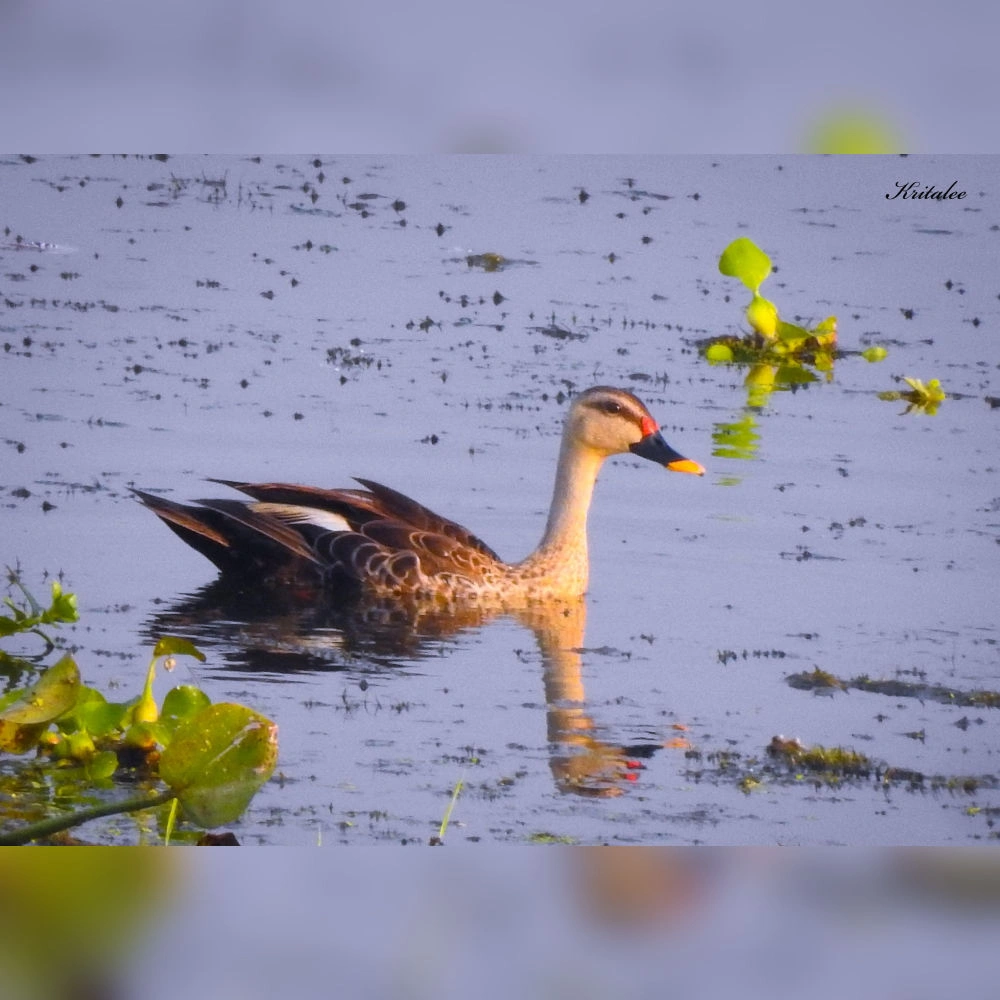
Indian Spot-billed Duck
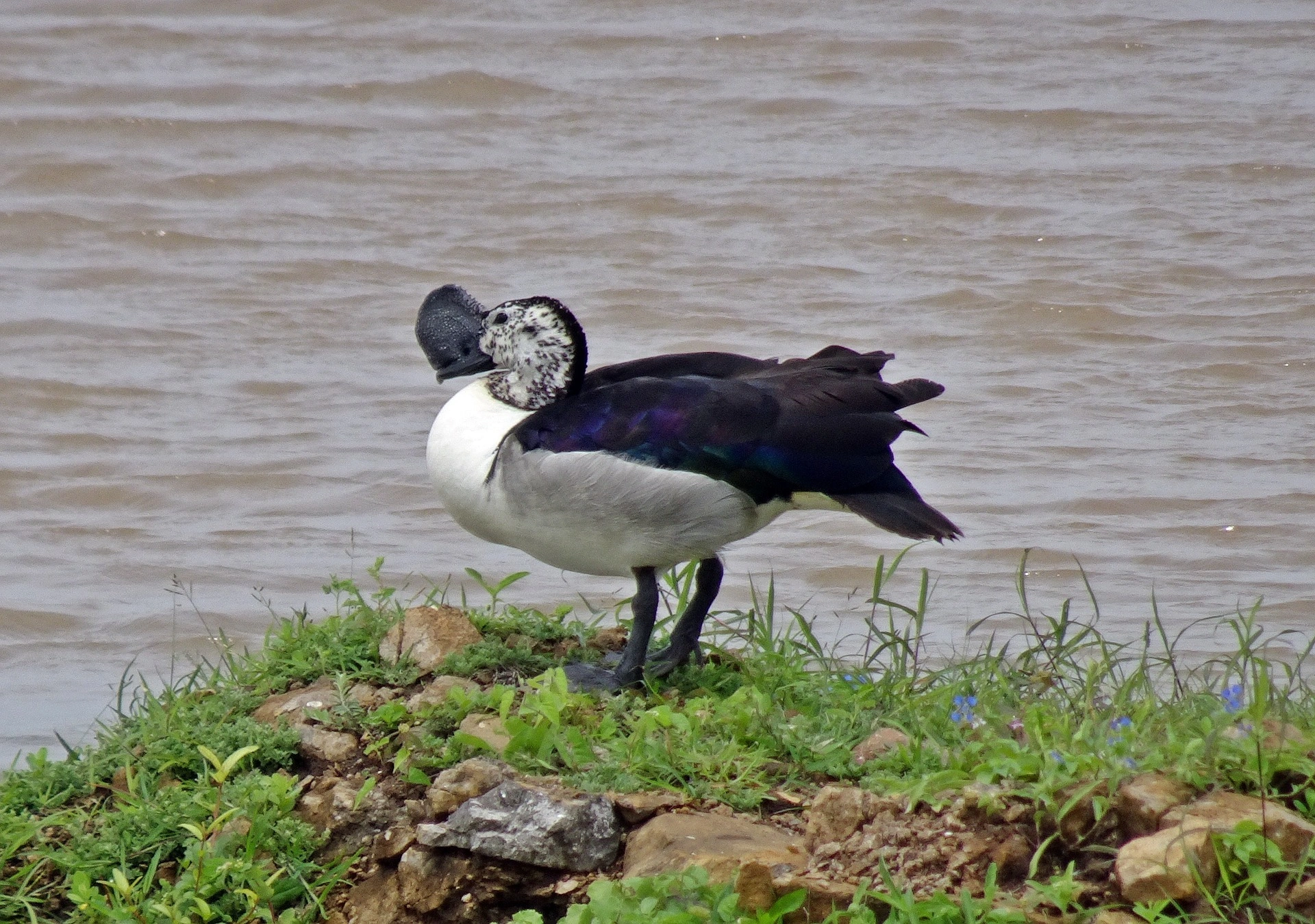
Knob-billed Duck
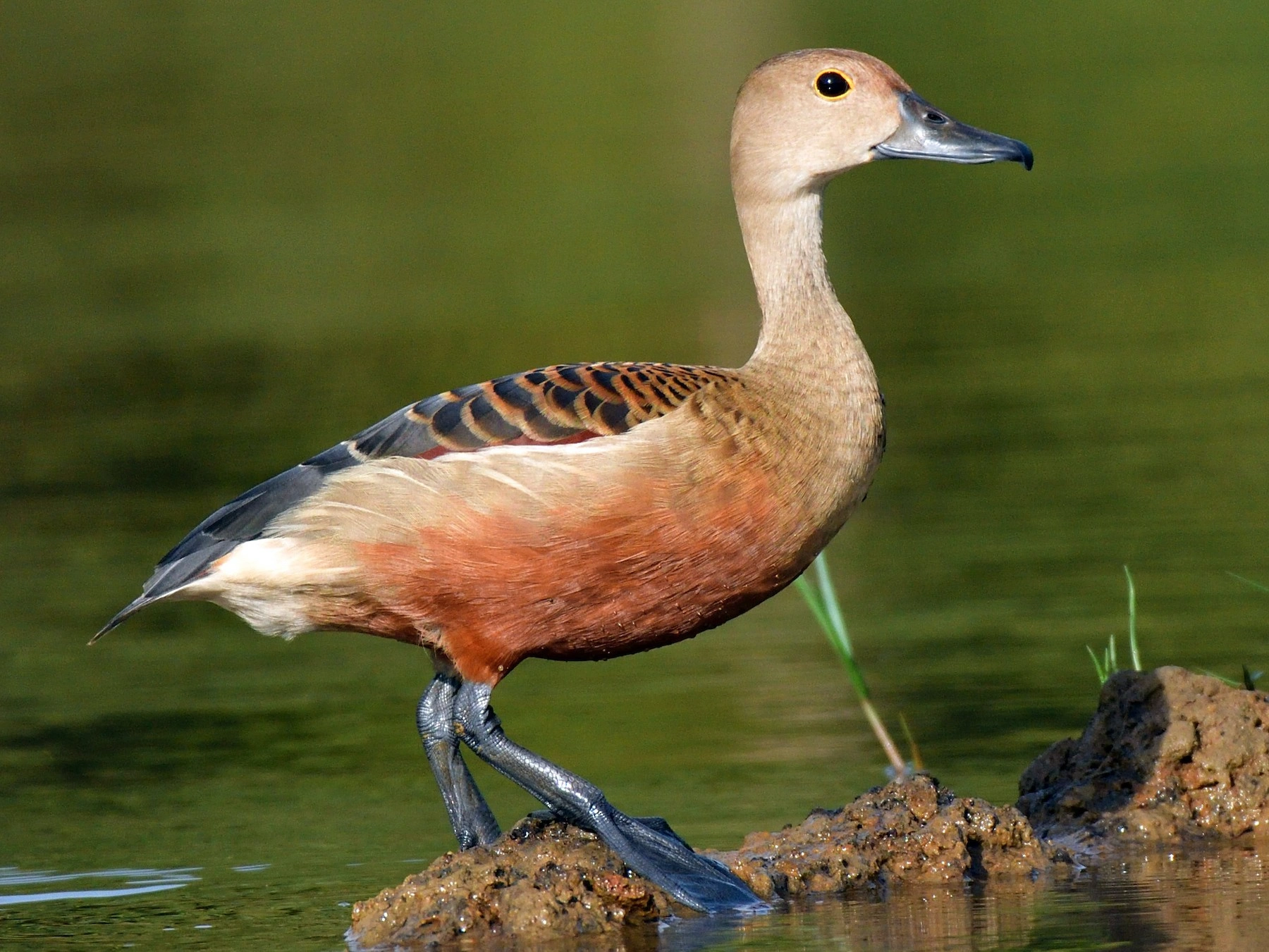
Lesser Whistling-Duck
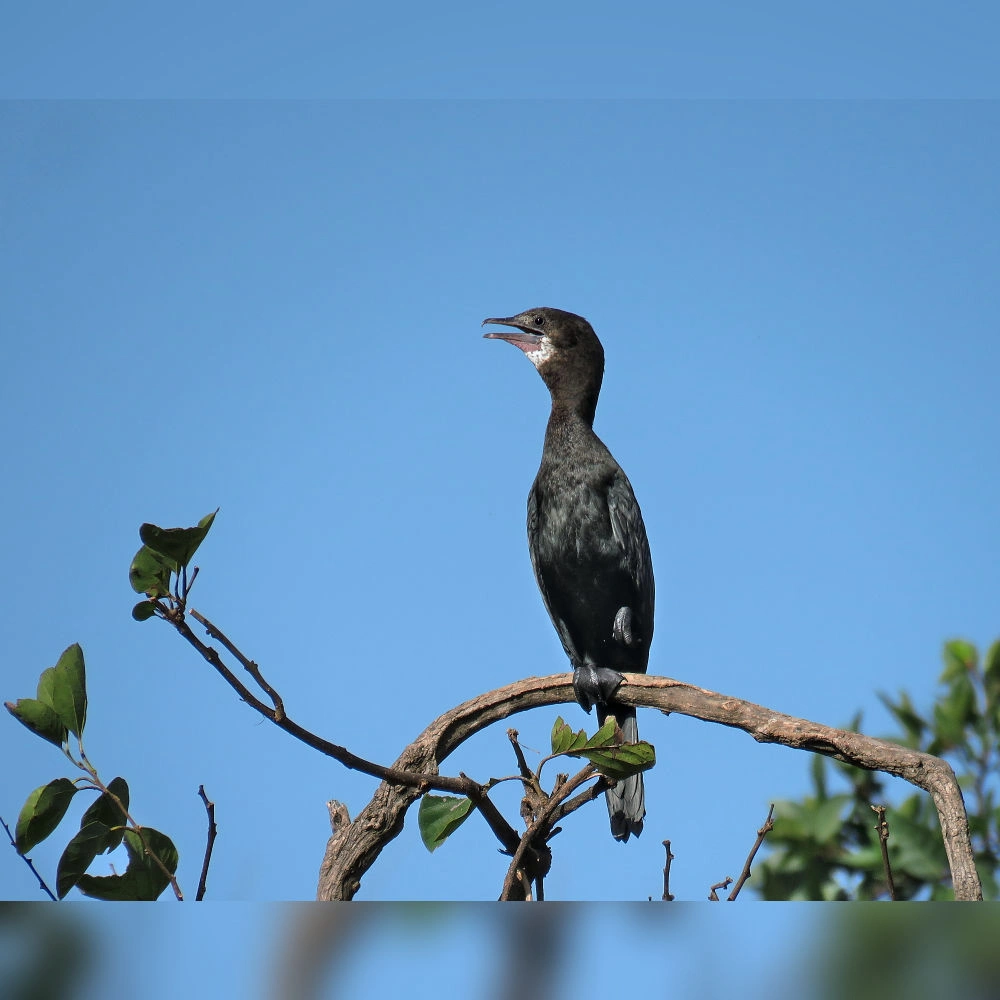
Little Cormorant
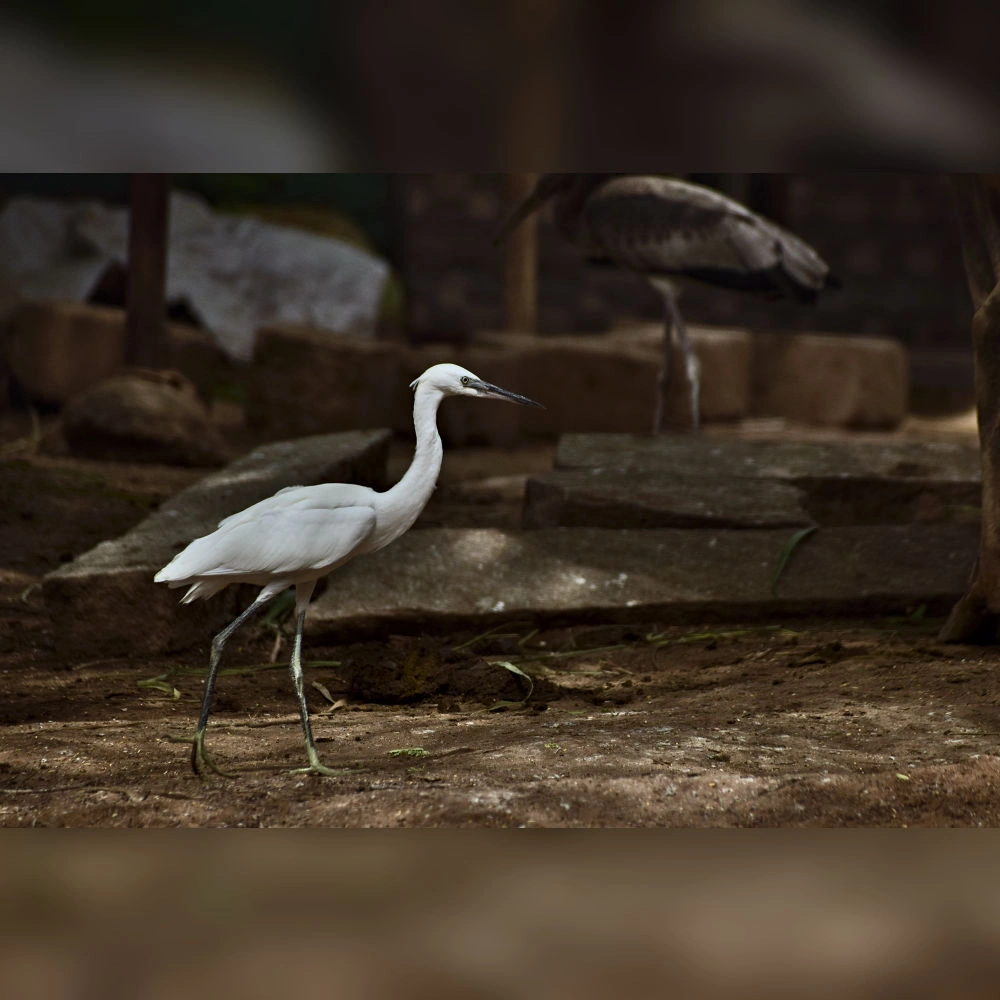
Little Egret
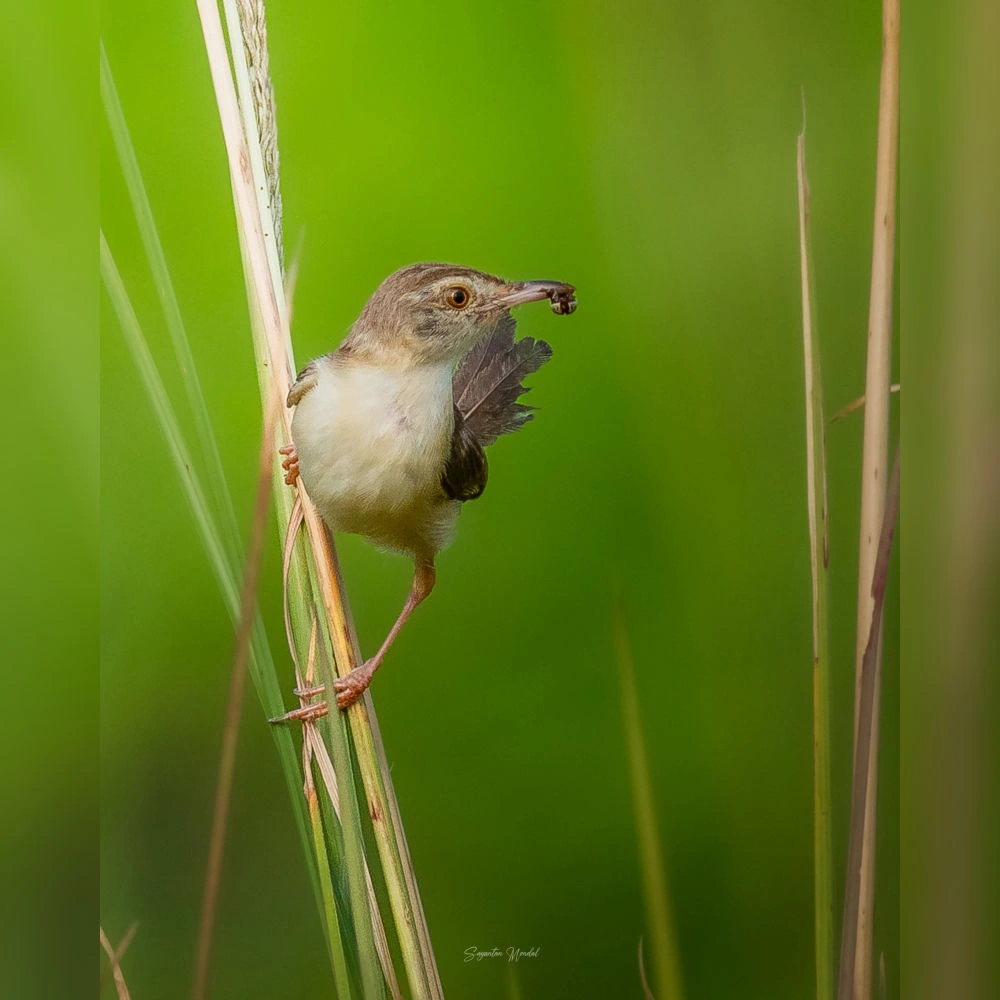
Plain Prinia

Summary of Walk

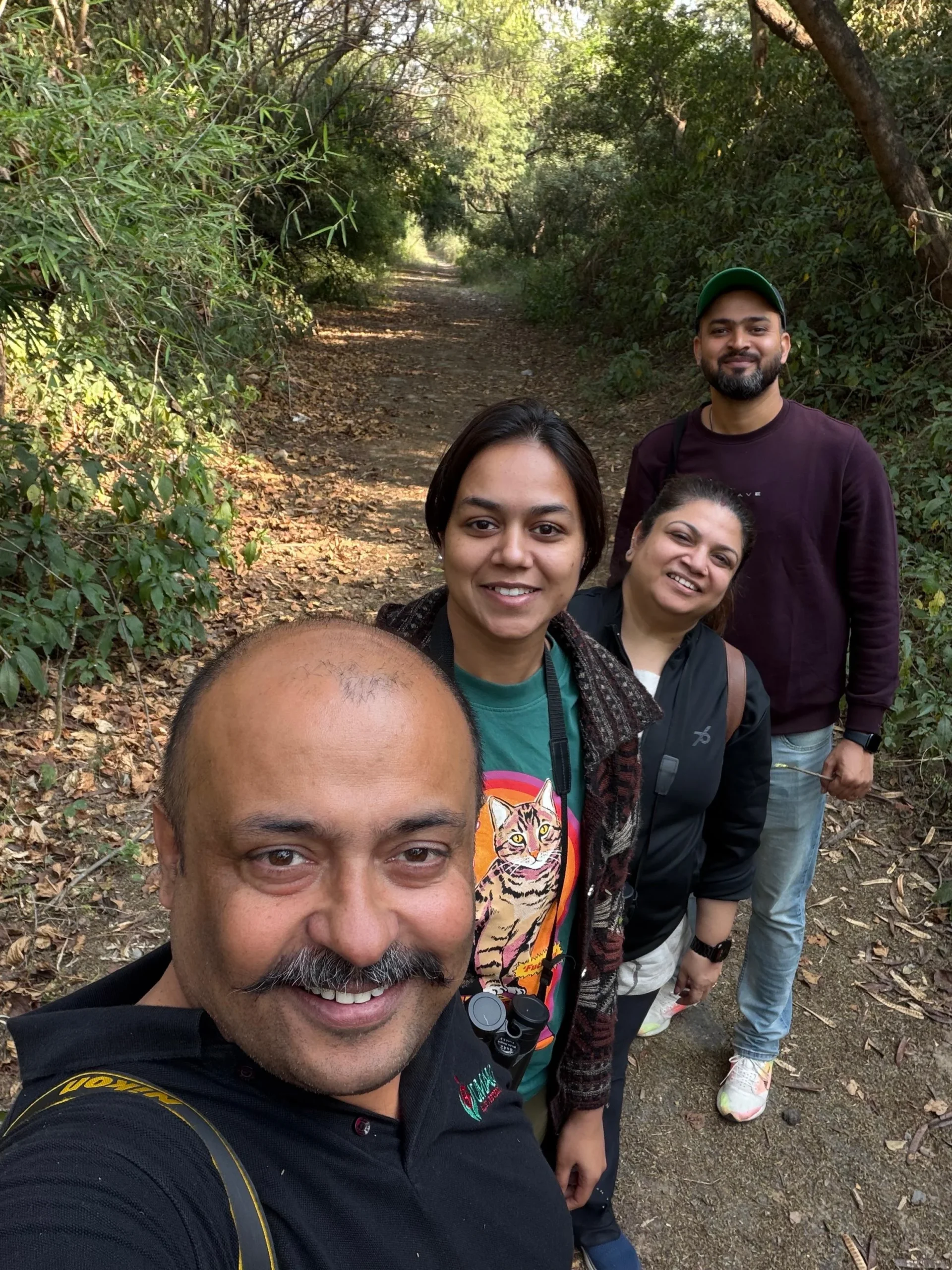
A group of birders joined guide Pushkar Bali for a walk through Siswan and Mullanpur near Mohali on 15 November, exploring the forested foothills of the Shivaliks and the countryside around them. This landscape of forest edge, scrub, farmland, streams and the waters near the Siswan dam is one of the richest birding areas near Chandigarh, and the cool November morning brought it to life. The area is known for birds such as the Red Junglefowl, Indian Grey Hornbill, Greater Coucal, Black-hooded Oriole, Crested Serpent Eagle, Brown-headed and Coppersmith Barbets, Yellow-crowned Woodpecker, Grey Francolin and Long-tailed Shrike, while winter brings flycatchers, warblers, wagtails, ducks and raptors to its forests and waters. Pushkar, who knows these foothills well, guided the group with deep knowledge, showing participants how to find birds by sound, how different habitats shape the birds they see and why the Shivalik forests are so important for wildlife in the region. The quiet trails, the forest air and the variety of sightings made it a rewarding morning, and participants left with new species on their lists and a wish to return soon.
Number of Participants
0
Scroll to Top