Loading Events

Bird Walk at Changaram Wetlands, Ernakulam, Kerala

About Changaram Wetlands

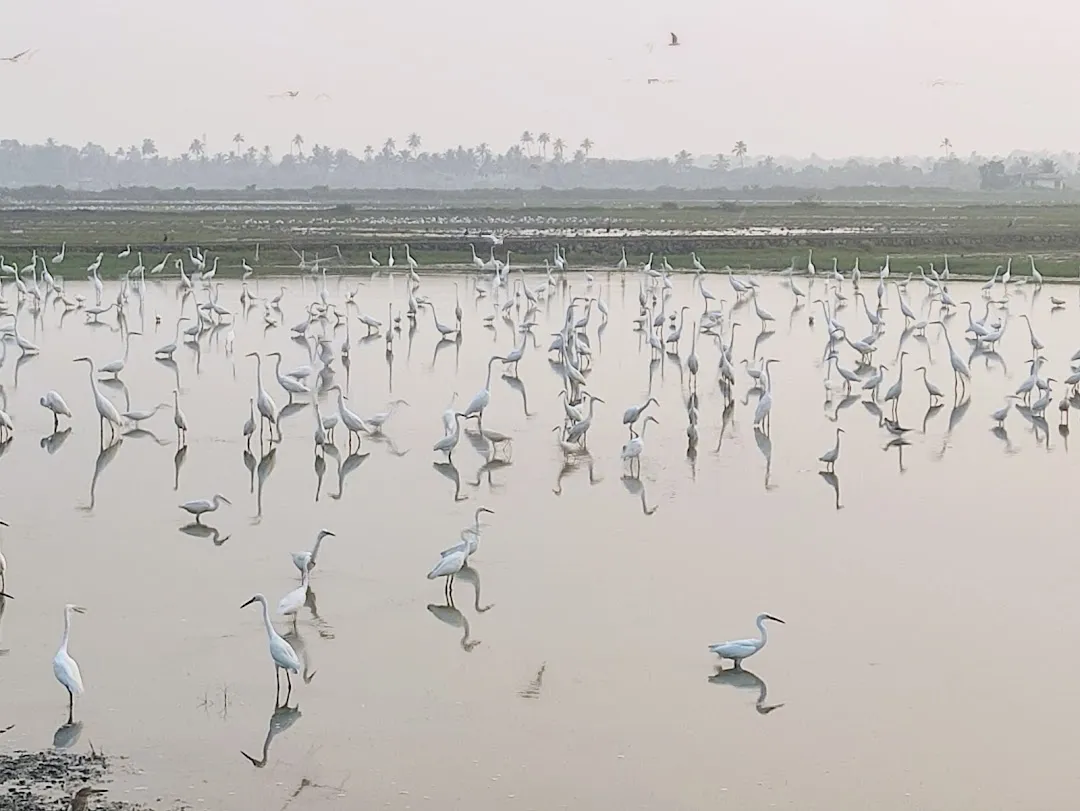
Changaram Wetlands are part of the intricate backwater ecosystem of Alappuzha district in Kerala, embedded within the larger Vembanad-Kol wetland landscape. Characterized by a network of shallow water bodies, paddy fields, canals, and marshes, these wetlands play a crucial role in sustaining local hydrology and livelihoods. Seasonal flooding and water level fluctuations shape the habitat, supporting traditional paddy cultivation systems such as the below-sea-level farming unique to this region. The wetlands also act as natural buffers against floods, help in groundwater recharge, and maintain nutrient cycling, making them ecologically and economically significant.
Changaram Wetlands are rich in biodiversity, especially avifauna, attracting a variety of resident and migratory waterbirds. Species such as egrets, herons, cormorants, kingfishers, and ducks are commonly observed, while migratory waders use the area as a feeding and resting ground during winter. The mosaic of aquatic vegetation, open water, and agricultural patches supports fish, amphibians, and invertebrates, forming a productive food web. The wetlands also provide habitat for reptiles and small mammals, contributing to overall ecological balance. Their scenic landscape combined with high bird activity makes Changaram an important yet relatively lesser-known site for birdwatching and wetland conservation in Kerala.

Bird Guide: Manju Muttathil

Bird walk Location

Common birds of Changaram Wetlands

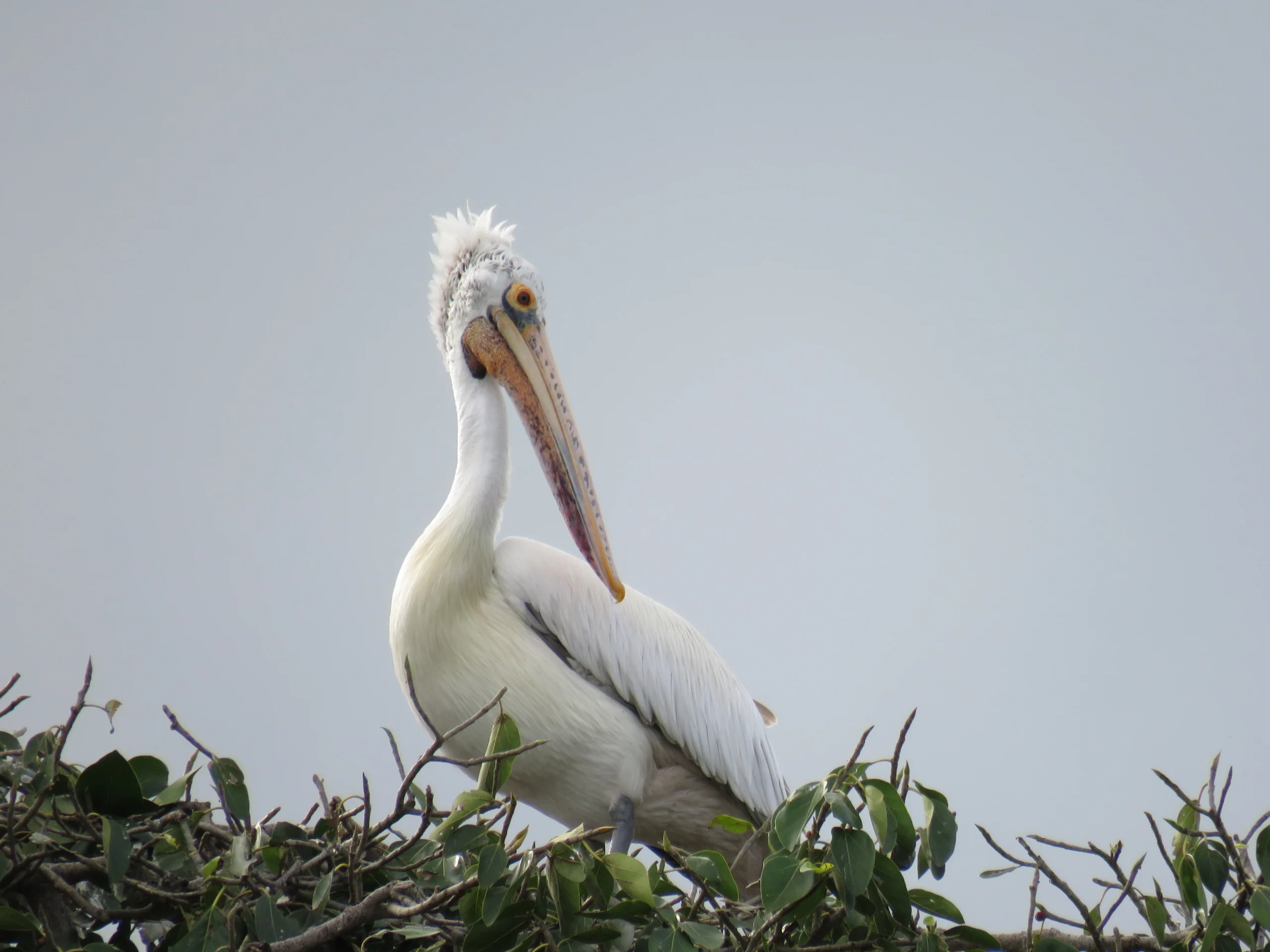
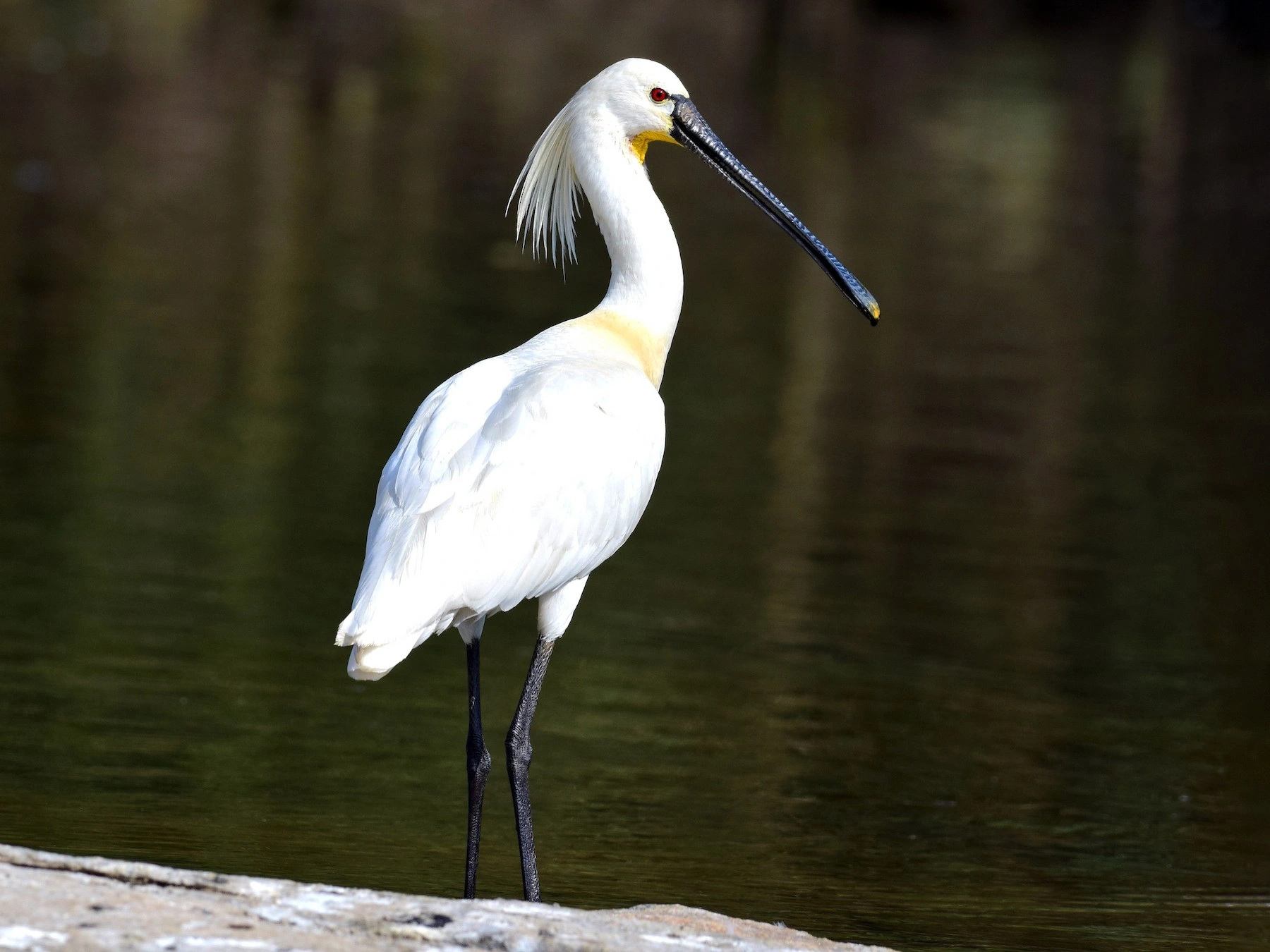
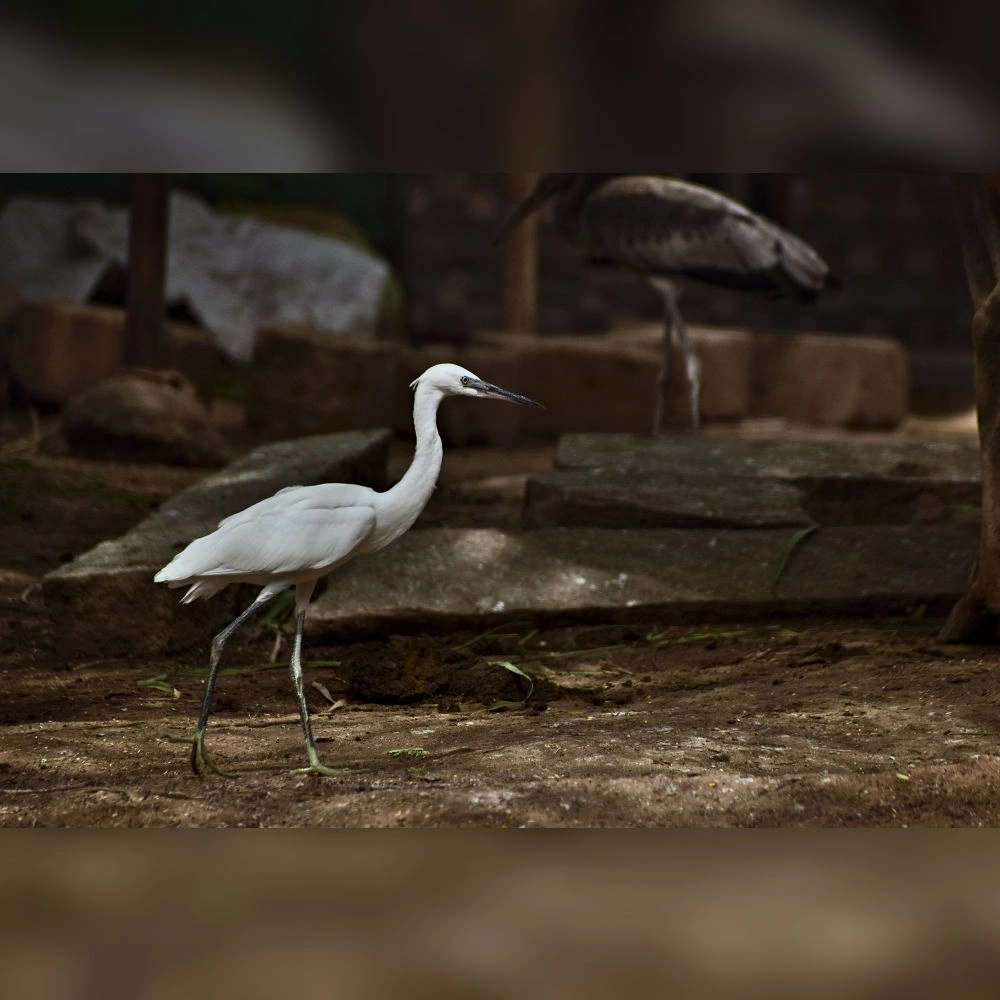
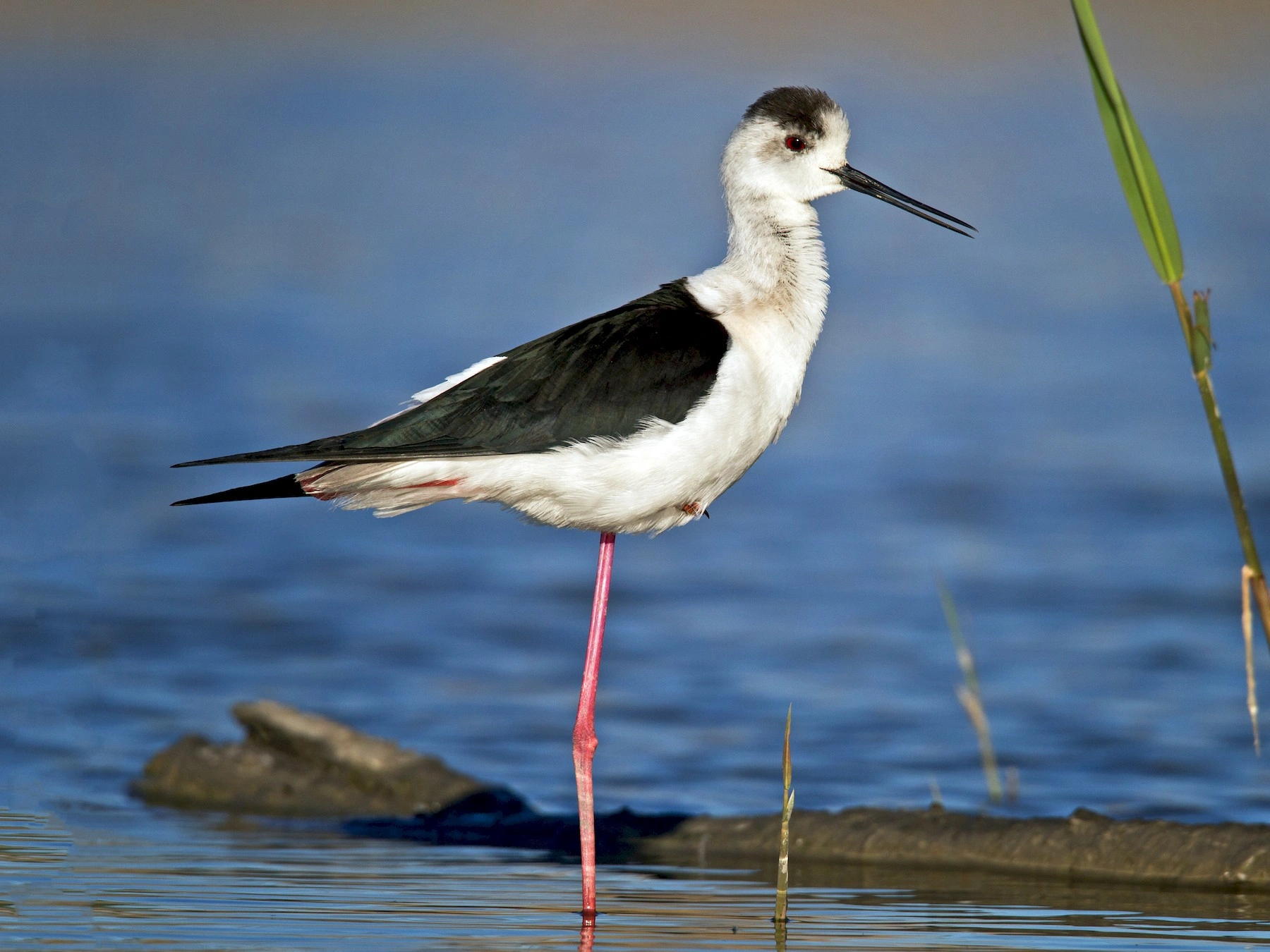
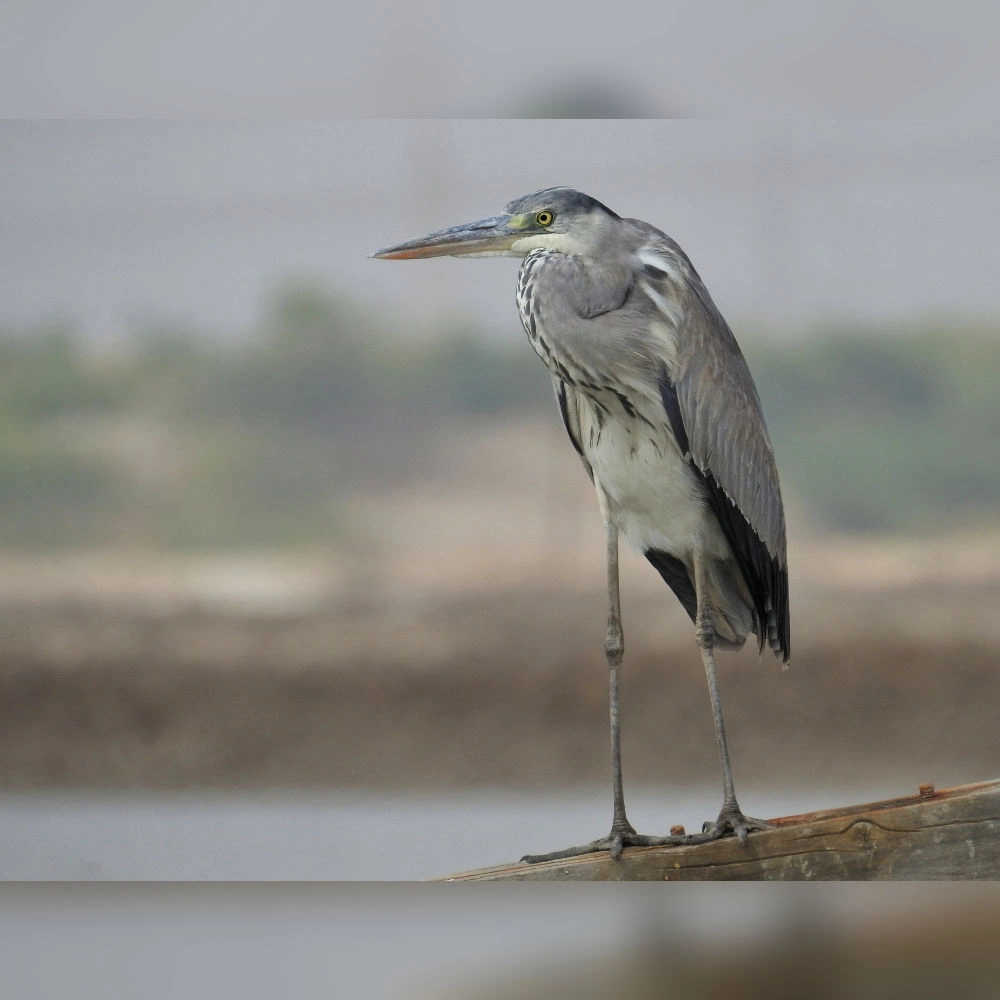
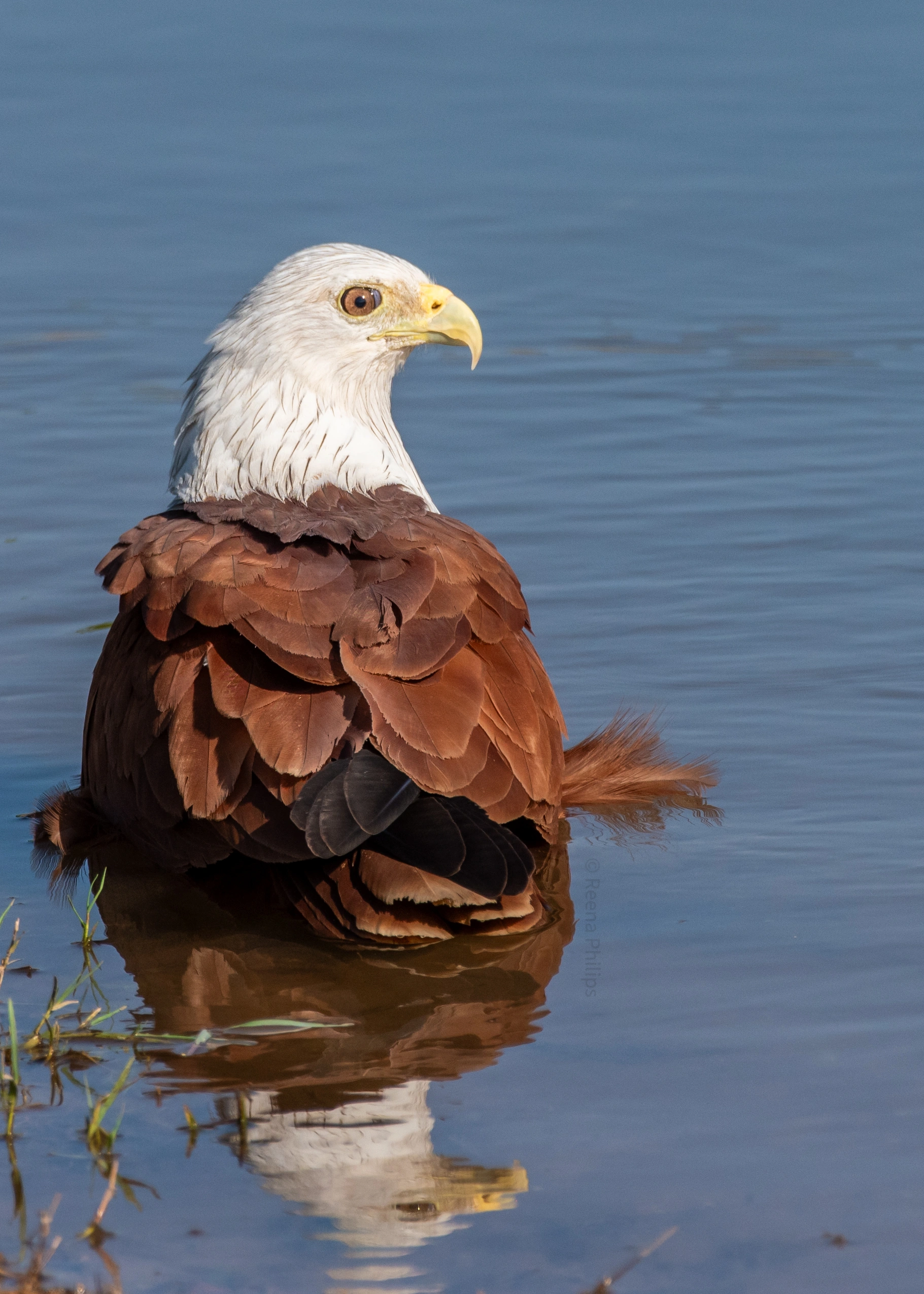
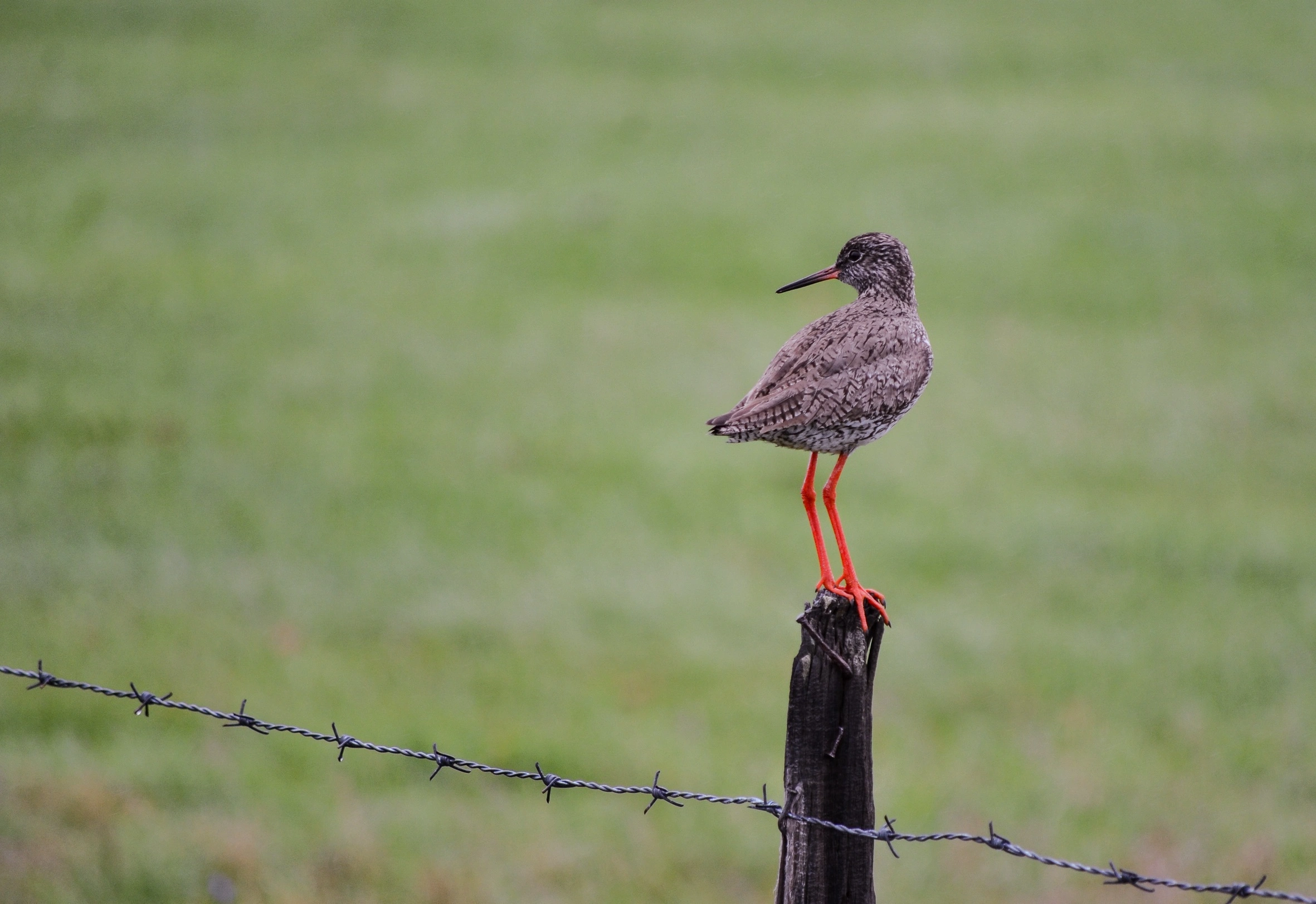
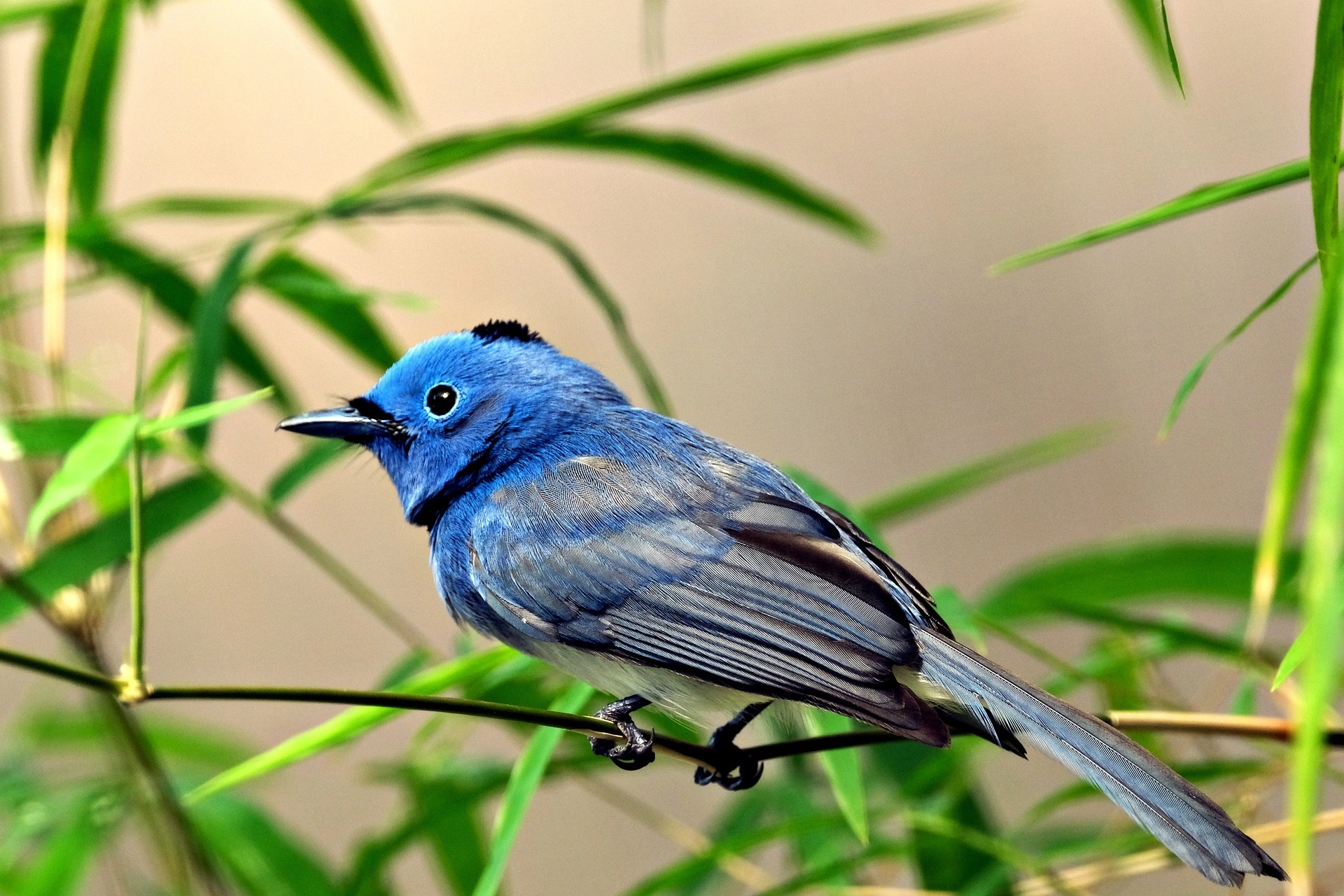
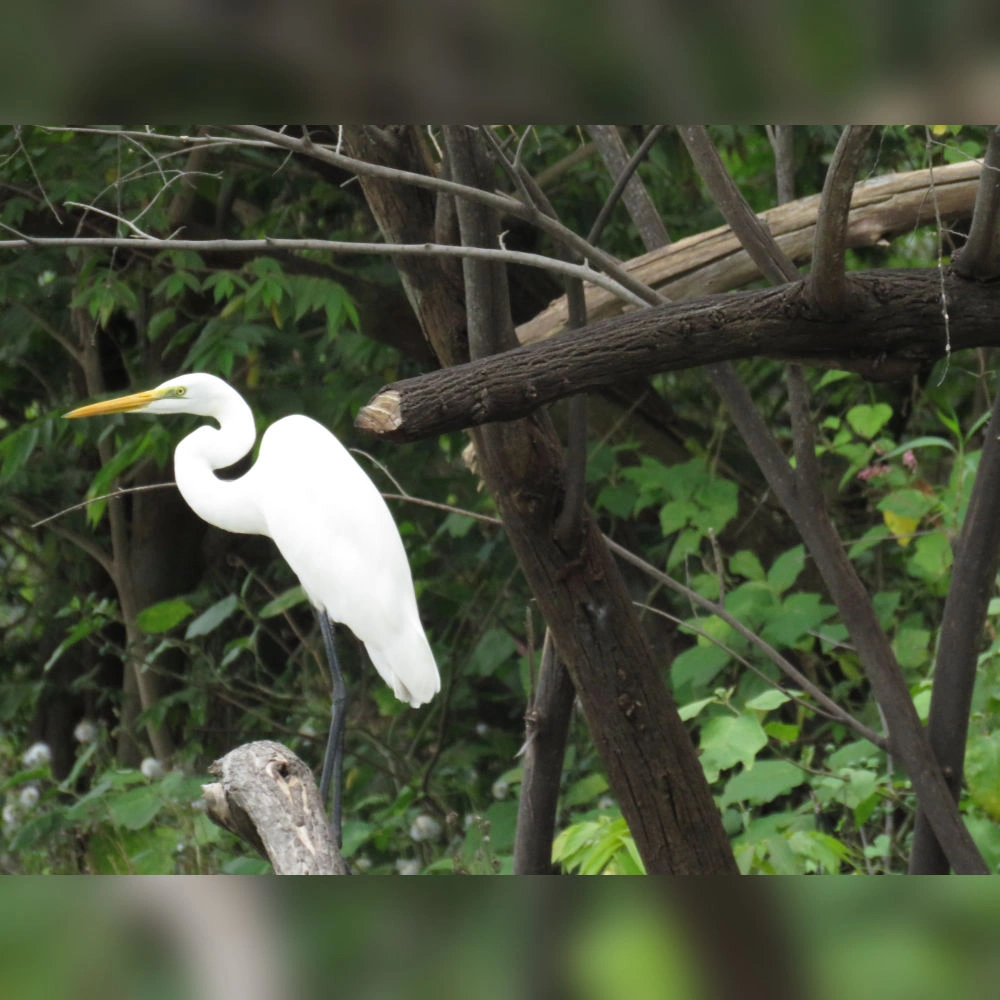
Changaram Wetlands host a vibrant assemblage of common wetland and associated bird species, reflecting the productivity of this backwater ecosystem. Large waterbirds such as Spot-billed Pelican, Eurasian Spoonbill, and Oriental Darter are frequently seen alongside waders like Black-winged Stilt, Common Redshank, Marsh Sandpipers including Green and Wood Sandpipers, and the striking Black-tailed Godwit. The wetlands also support a variety of herons and egrets, including Little Egret, Great Egret, Grey Heron, and Purple Heron, while species like Ruddy-breasted Crake thrive in dense marsh vegetation. Water-associated birds such as Indian and Little Cormorants, kingfishers, and Brahminy Kite are commonly observed, along with passerines like Ashy Woodswallow, prinias, Black-naped Monarch, and Clamorous Reed Warbler. Seasonal migrants like Garganey further add to the diversity, making the wetlands a dynamic habitat for both resident and migratory birdlife.

Spot-billed Pelican
Eurasian Spoonbill
Oriental Darter
Little Egret
Eastern Cattle - Egret

Black-winged Stilt
Grey Heron
Brahminy Kite
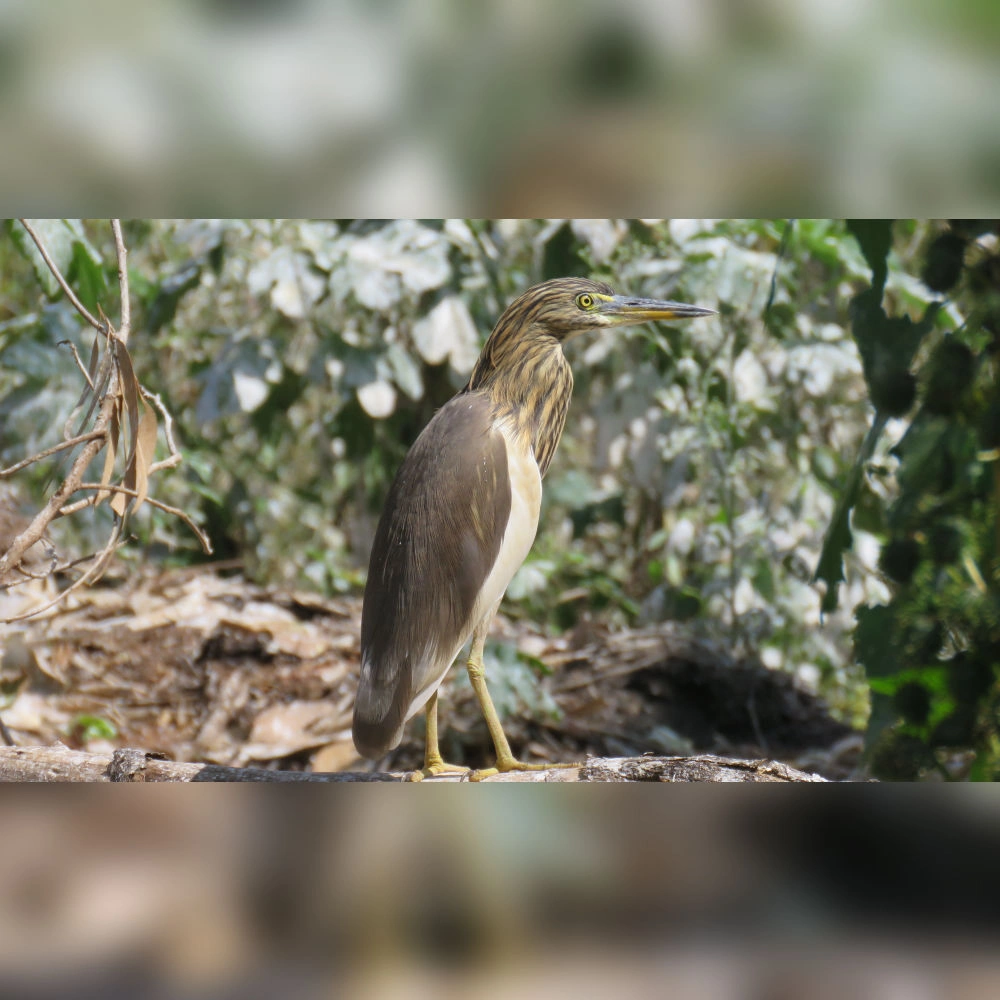
Indian Pond Heron
Common Redshank
Black-naped Monarch
Great Egret
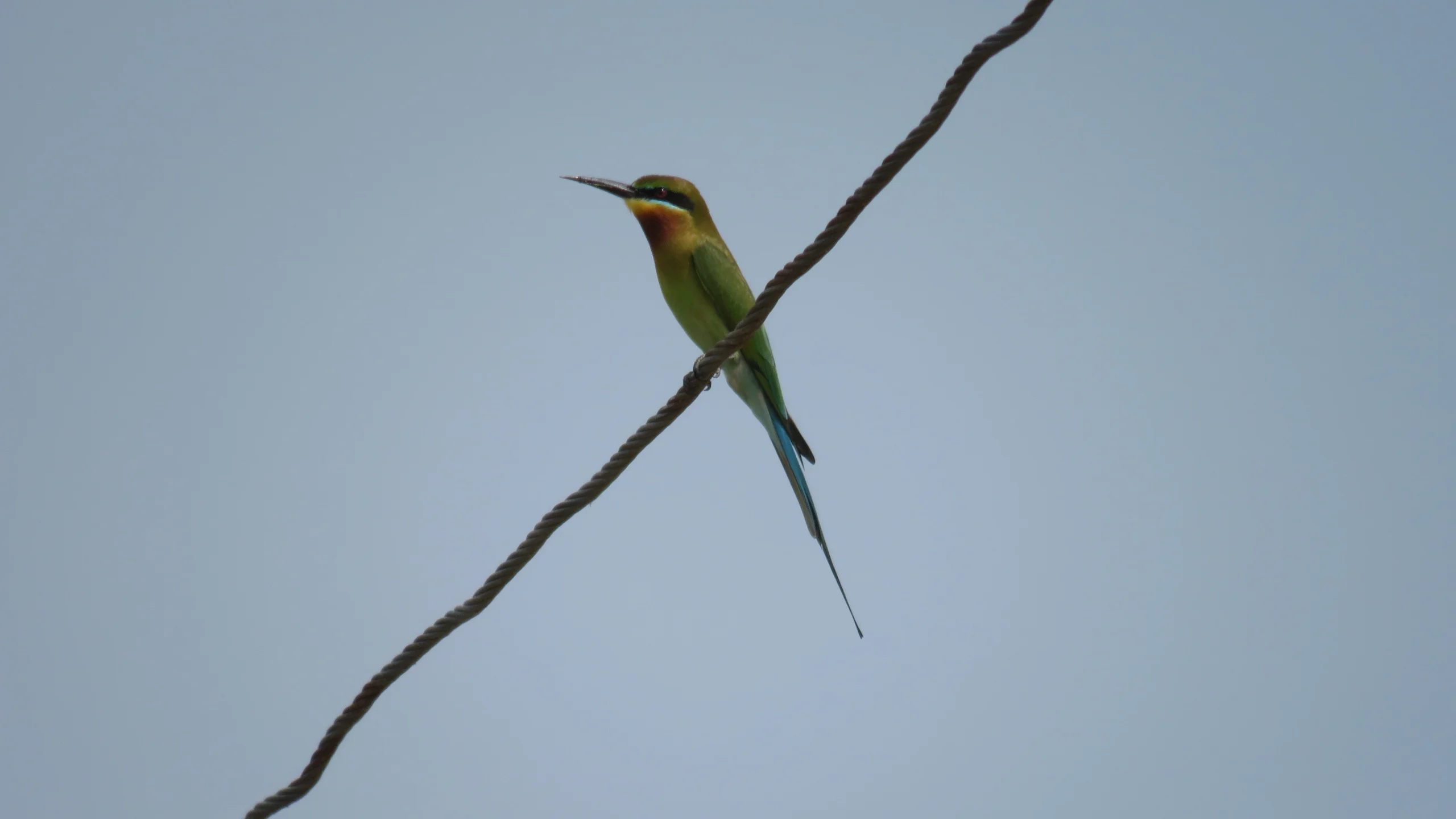
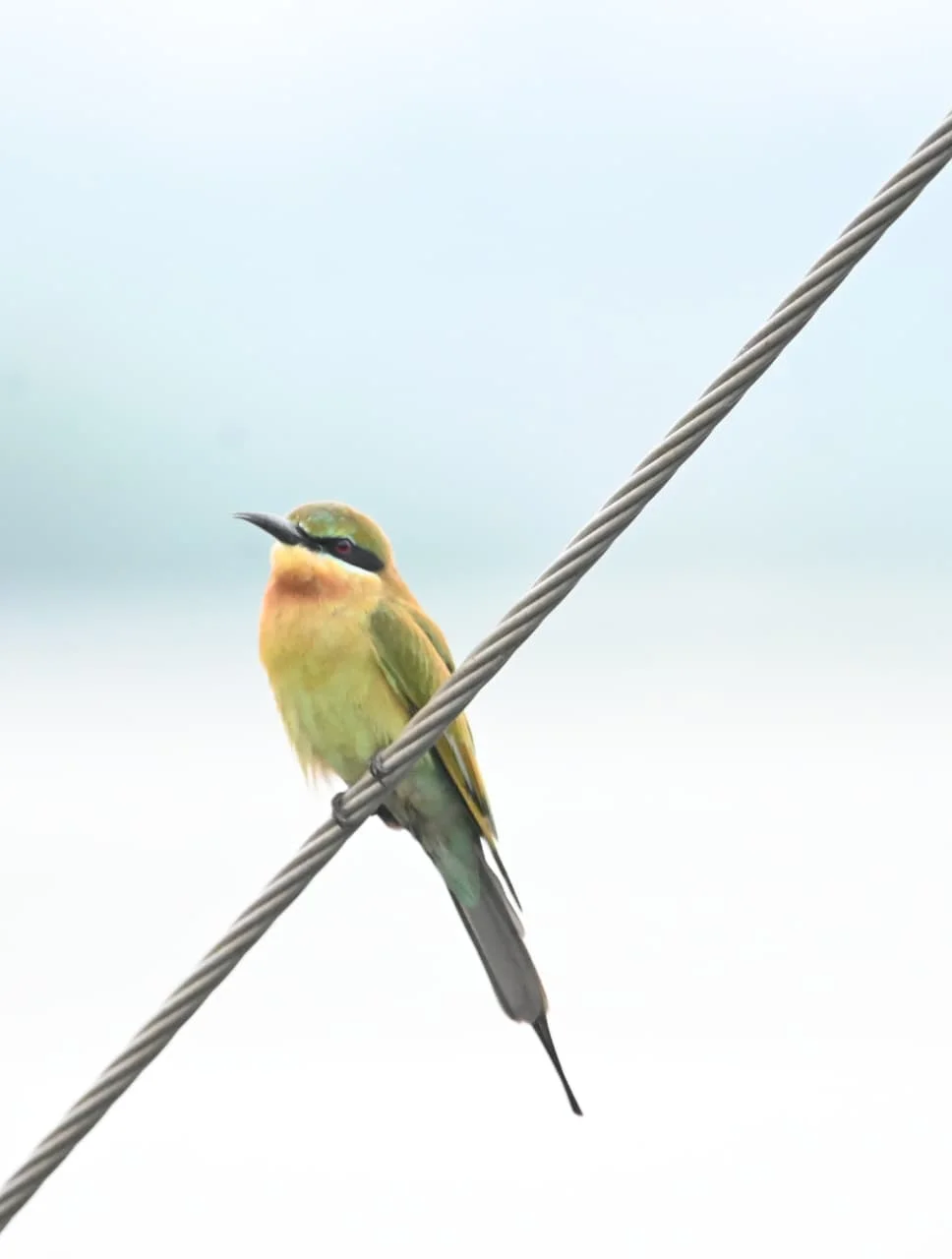
Blue-tailed Bee-Eater
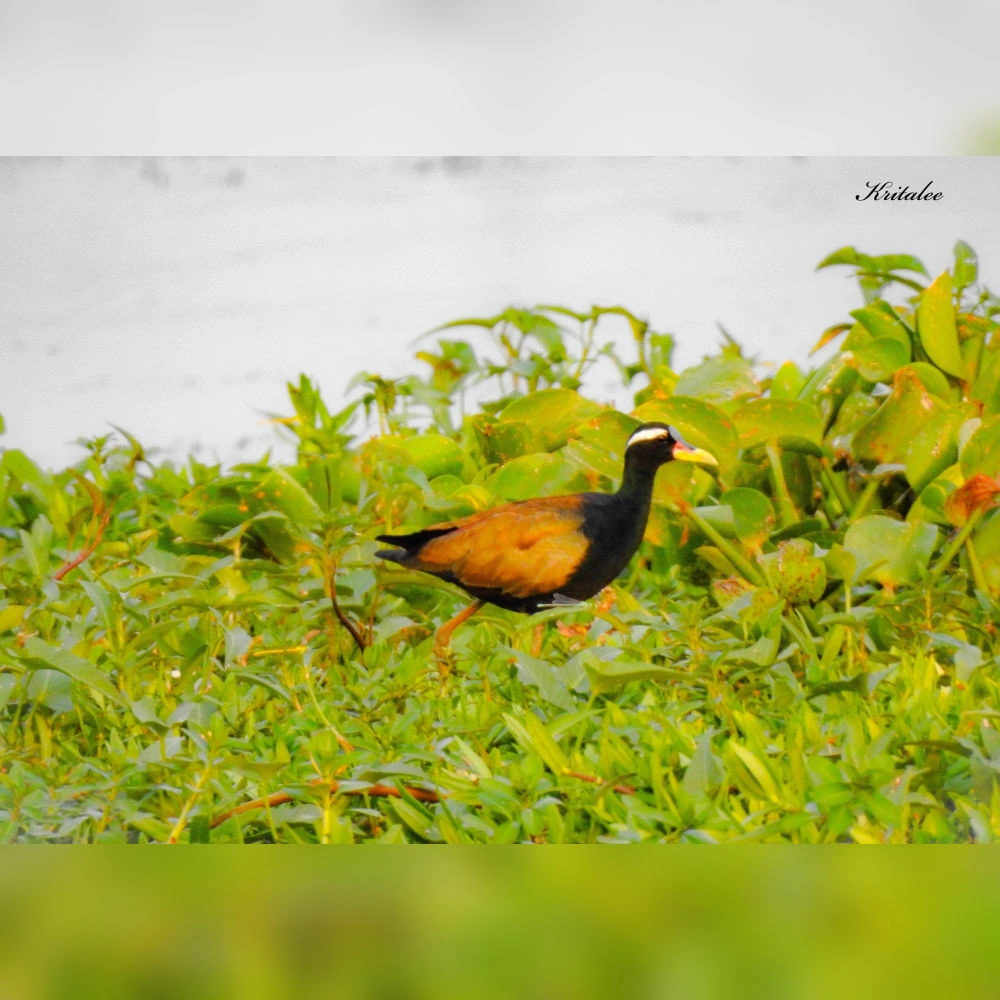
Bronze-winged Jacana
Black Drongo
Oriental Magpie Robin
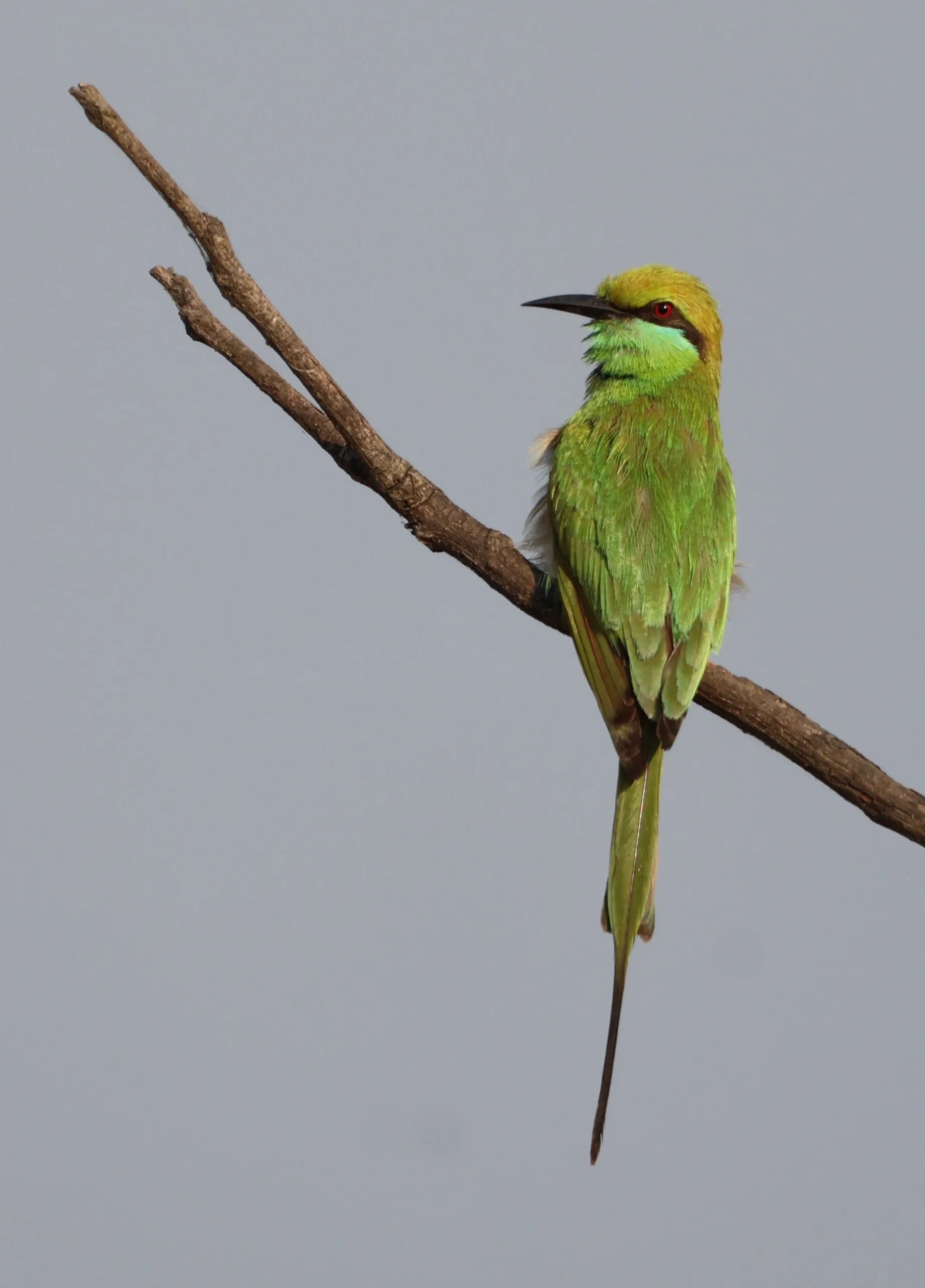
Asian Green Bee-eater
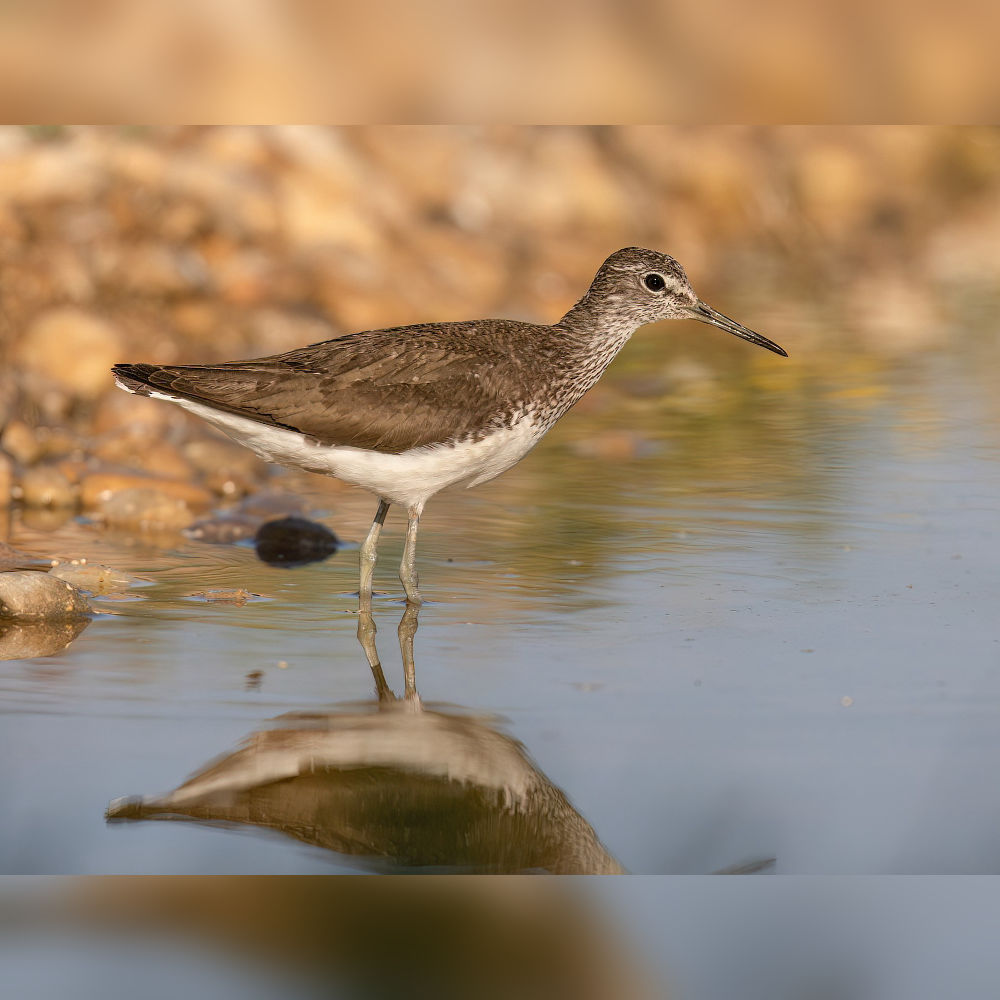
Green Sandpiper
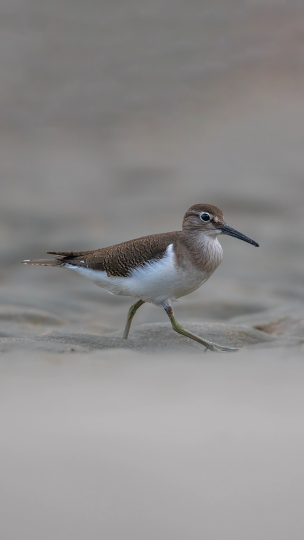
Common Sandpiper
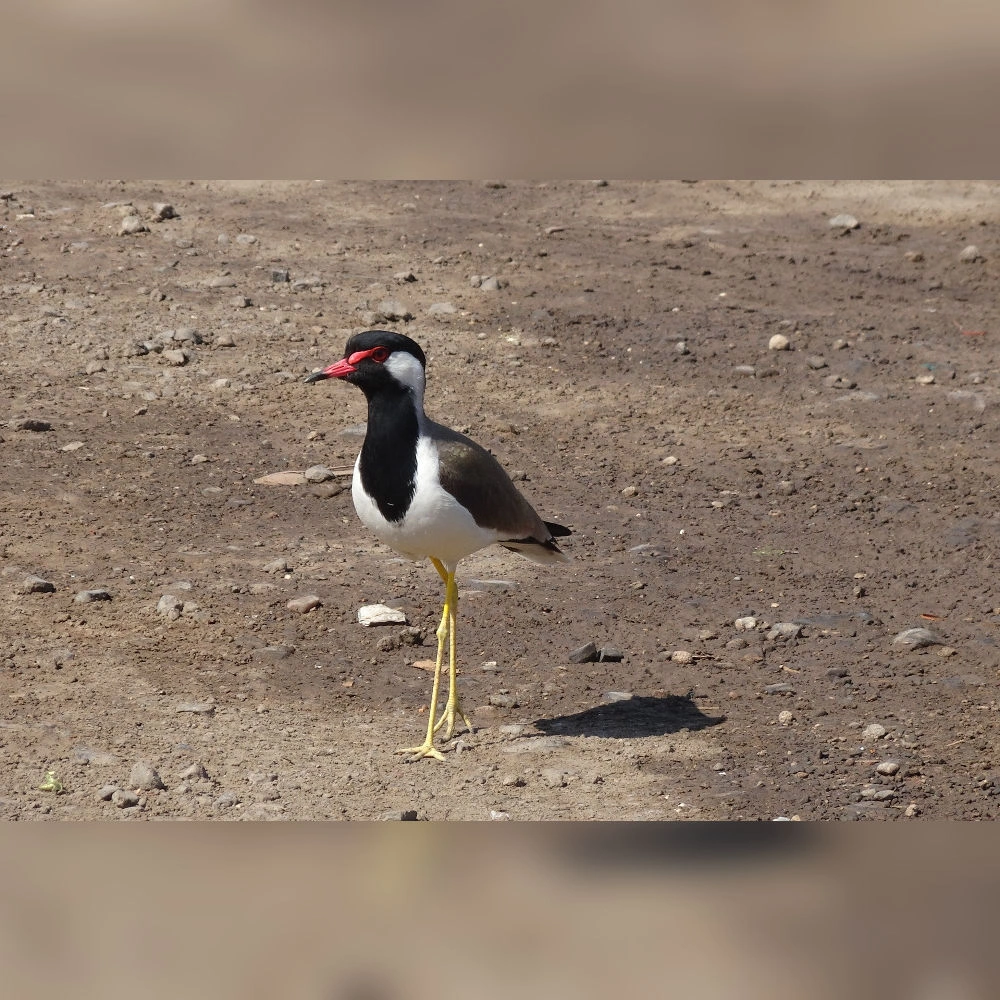
Red-wattled Lapwing

Summary of Walk

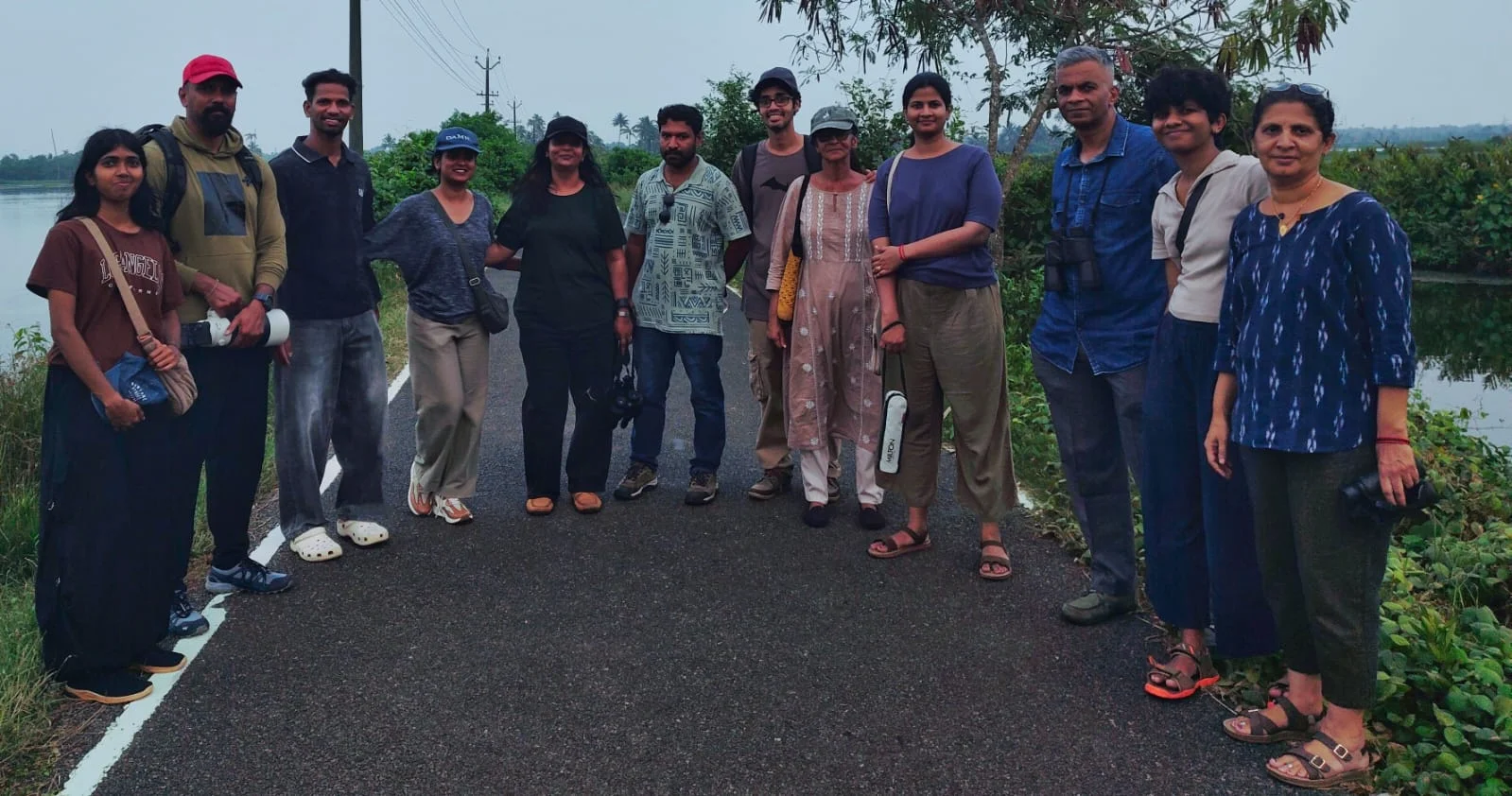
Eleven birders joined guide Manju Muttathil at the Changaram Wetlands near Ezhupunna and Cherthala on 14 November for a wonderful morning that recorded 35 species. Changaram is a scenic stretch of paddy wetlands and backwater-fed marshes in Alappuzha district, where open water, reeds and green fields create an ideal home for waterbirds and a rich feeding ground for winter visitors. 

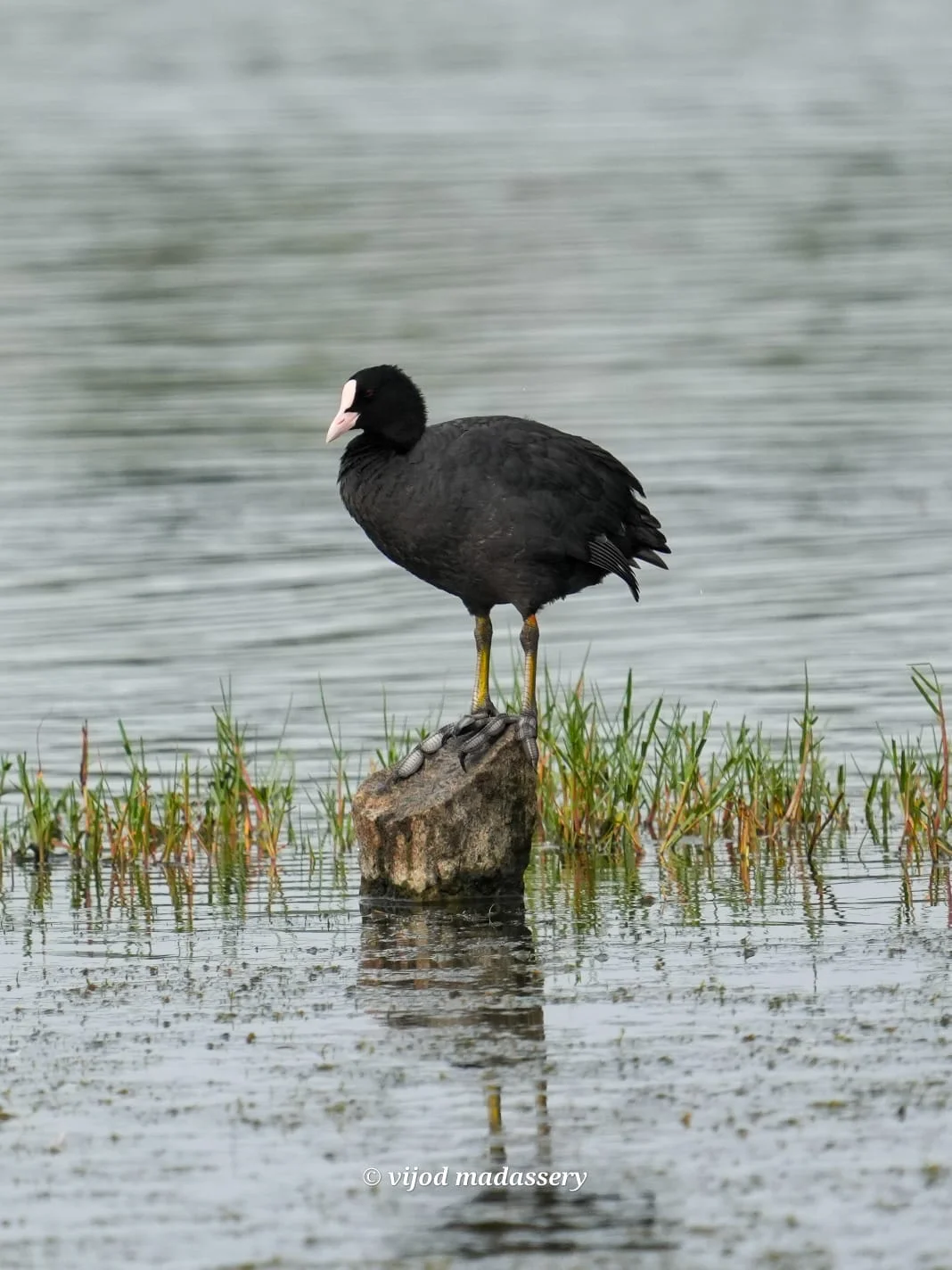
The group explored the wetlands and watched birds in their natural surroundings, with three special highlights. The Pheasant-tailed Jacana, elegant with its long tail and striking plumage, walked delicately over the floating vegetation; the Eurasian Coot, a winter visitor with its white bill and frontal shield, dotted the open water; and the Yellow Bittern, a shy and well-camouflaged heron, made a memorable appearance among the reeds. Participants enjoyed spotting birds and learning about their identification, behaviour and calls, and Manju explained how these wetlands support so many species and why their conservation matters so much. The walk was filled with curiosity, learning and photography, and everyone left with a deeper connection to nature and to the beautiful wetlands of their region. 

Number of Participants
0
Scroll to Top