Bird Walk at Chandu Budhera, Gurugram
- Gurugram
- 7 November, 2026
- SP Choudhary
About Chandu Budhera
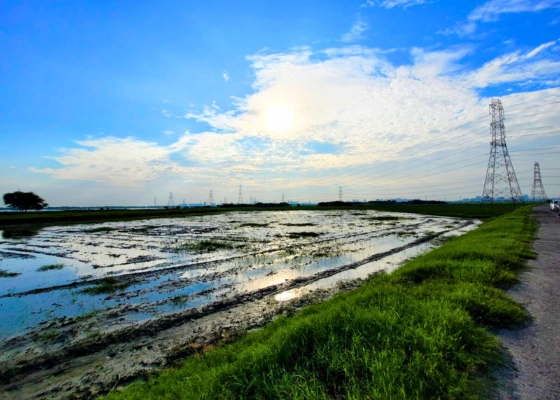
Chandu Budhera, a charming peri-urban landscape just about 11 km from central Gurugram, sits at the edge of the Aravalli foothills and the Sahibi floodplain, offering a surprisingly rich mosaic of habitats amid agriculture, wetlands and patches of scrubland that fringe expanding development. The area isn’t a formal protected reserve, but its reed beds, seasonal ponds and low hills create a lifeline for native flora and fauna, from hardy grasses and shrubs to resident mammals such as Indian hares, monitor lizards and foxes, and a vibrant cast of insects and amphibians that fuel the local food web. Birdwatchers have made Chandu Budhera famous in recent years with exciting sightings, from uncommon passage migrants like the rare little gull deep inland to impressive waterbirds such as Sarus cranes, drawing weekend twitchers and nature lovers alike to explore its hidden wetlands and reed fringes.
Despite this natural appeal, Chandu Budhera faces significant conservation pressures from rapid urbanisation, infrastructure expansion and the transformation of traditional village grazing lands into built-up and industrial areas, including water infrastructure like treatment plants that support Gurugram’s booming population. These changes fragment habitats and reduce the extent of wetlands and green corridors that migrating and resident birds depend on, especially during drought-prone months when water bodies shrink and food becomes scarce. Conservationists and birding communities stress the need to value and protect these peri-urban ecosystems, advocating for sensitive land-use planning and community-led stewardship so that the area remains a refuge for biodiversity rather than being lost entirely to the concrete sprawl of the NCR.

Bird Guide: SP Choudhary
He is a retired Indian Air Force warrior with a lifelong love for exploring nature and observing wildlife in its natural habitat. With an intimate knowledge of almost all habitat types across the Delhi NCR, he brings deep field experience and a keen naturalist’s eye to every birding walk.
Bird walk Location
Common birds of Chandu Budhera
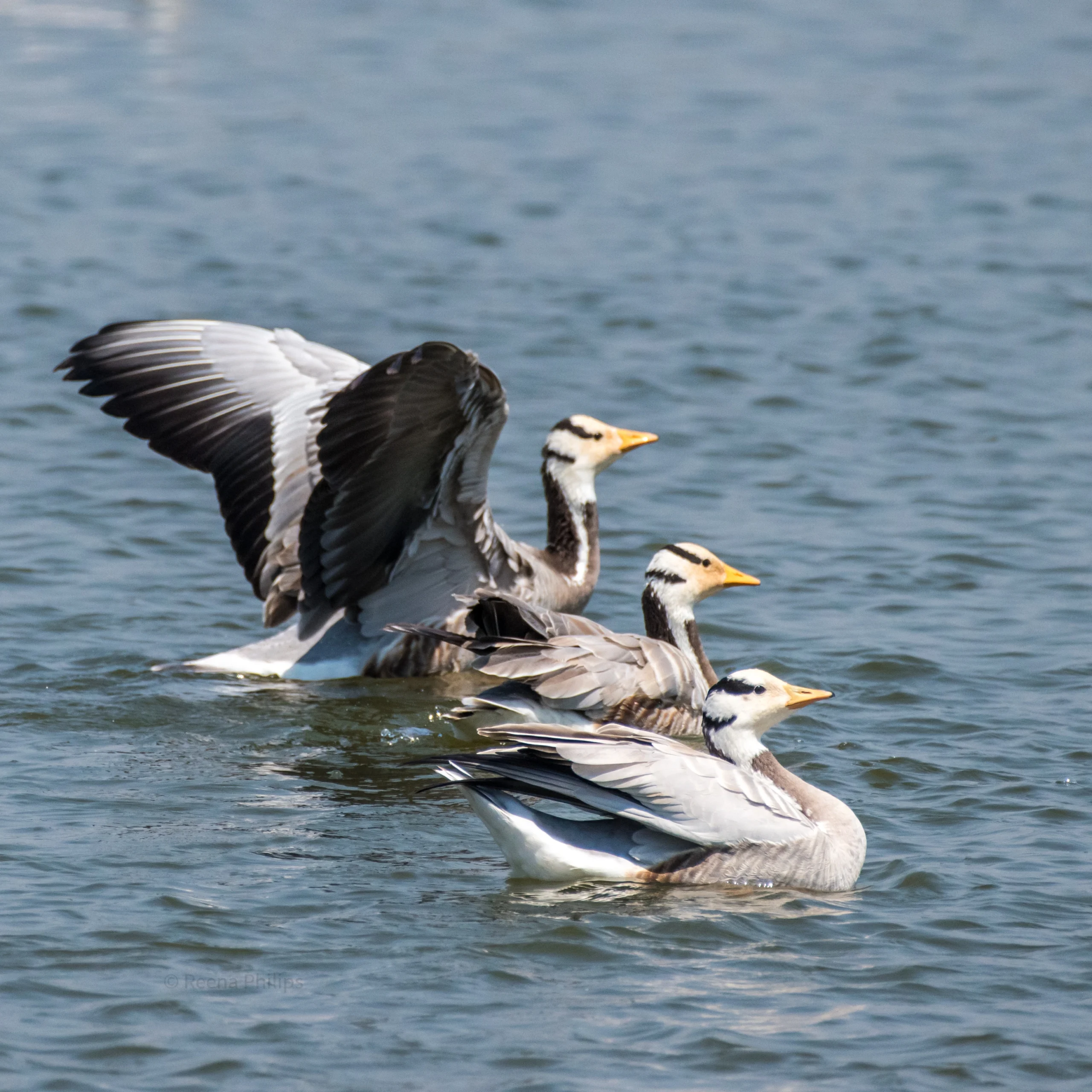
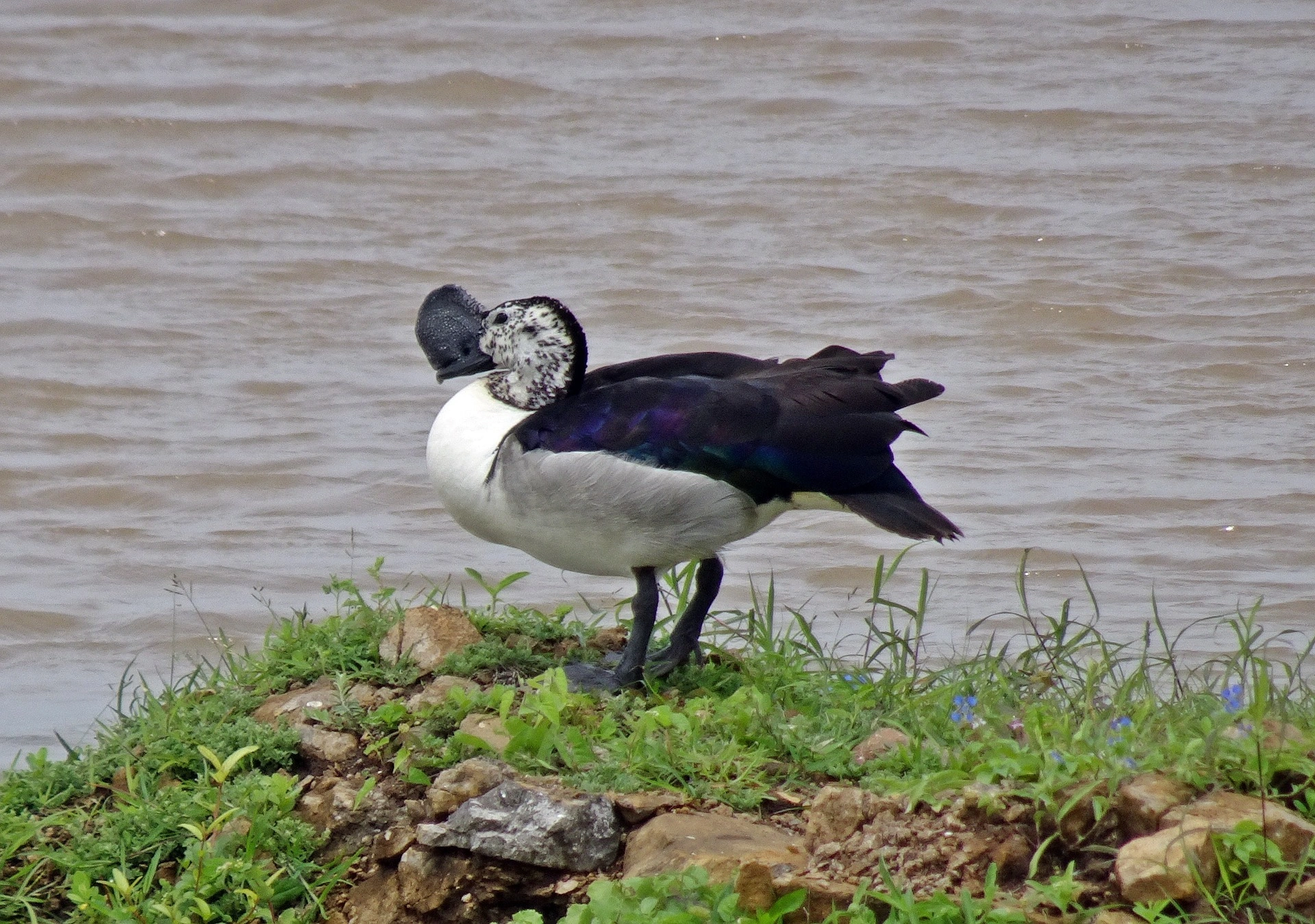
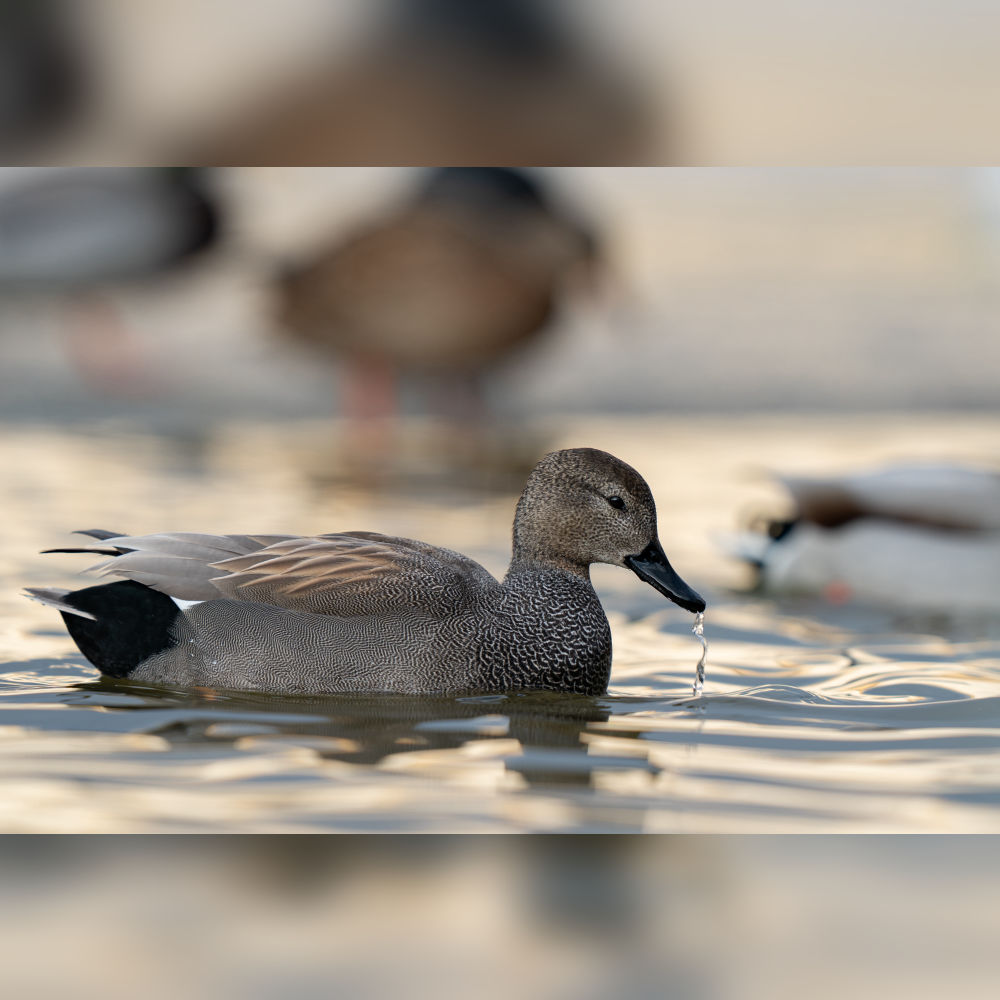
Chandu Budhera has emerged as one of Gurugram’s most exciting wetland birding destinations, with an impressive 320 bird species recorded, especially during the winter months when its shallow waterbodies come alive. Flocks of migratory waterfowl such as Bar-headed Goose, Greylag Goose, Knob-billed Duck, Northern Pintail, Gadwall and Green-winged Teal dominate the wetlands, while reed-lined edges host secretive birds like Grey-headed Swamphen, White-breasted Waterhen, Eurasian Moorhen and Eurasian Coot. The open mudflats are a spectacle, crowded with elegant waders including Black-winged Stilt, Pied Avocet, Kentish Plover, Eurasian Curlew, Ruff, Little Stint, Redshank, Green and Wood Sandpipers, alongside both Red-wattled and White-tailed Lapwings. Scrub and agricultural fringes add diversity with species such as Grey Francolin, Greater Coucal, Laughing Dove and Eurasian Collared Dove, while the graceful River Tern patrols open water. Together, this remarkable mix makes Chandu Budhera a magnet for birdwatchers, photographers and naturalists exploring biodiversity within the rapidly changing NCR landscape.

Bar-headed Goose

Knob-billed Duck

Gadwall

Indian Spot-billed Duck
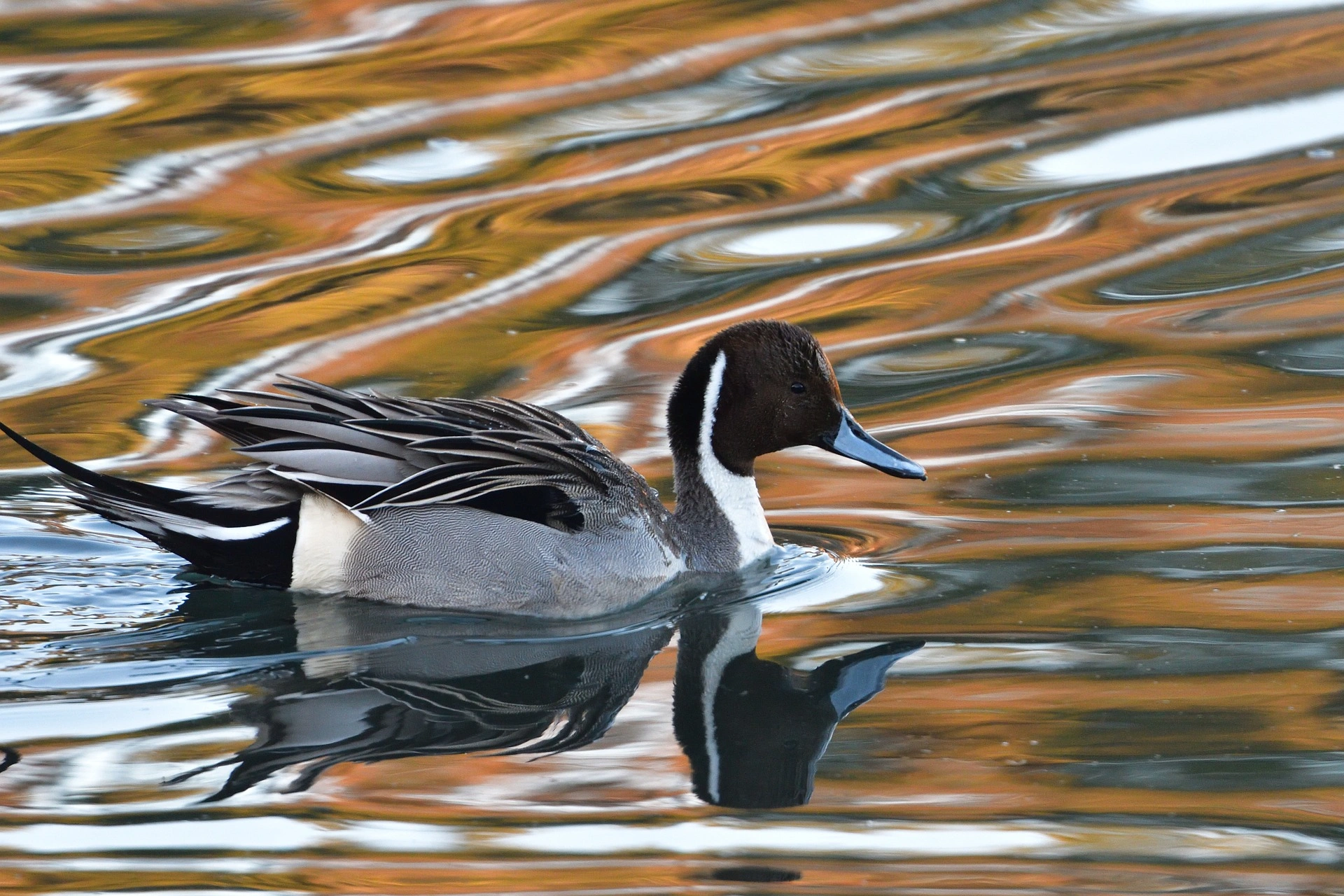
Northern Pintail
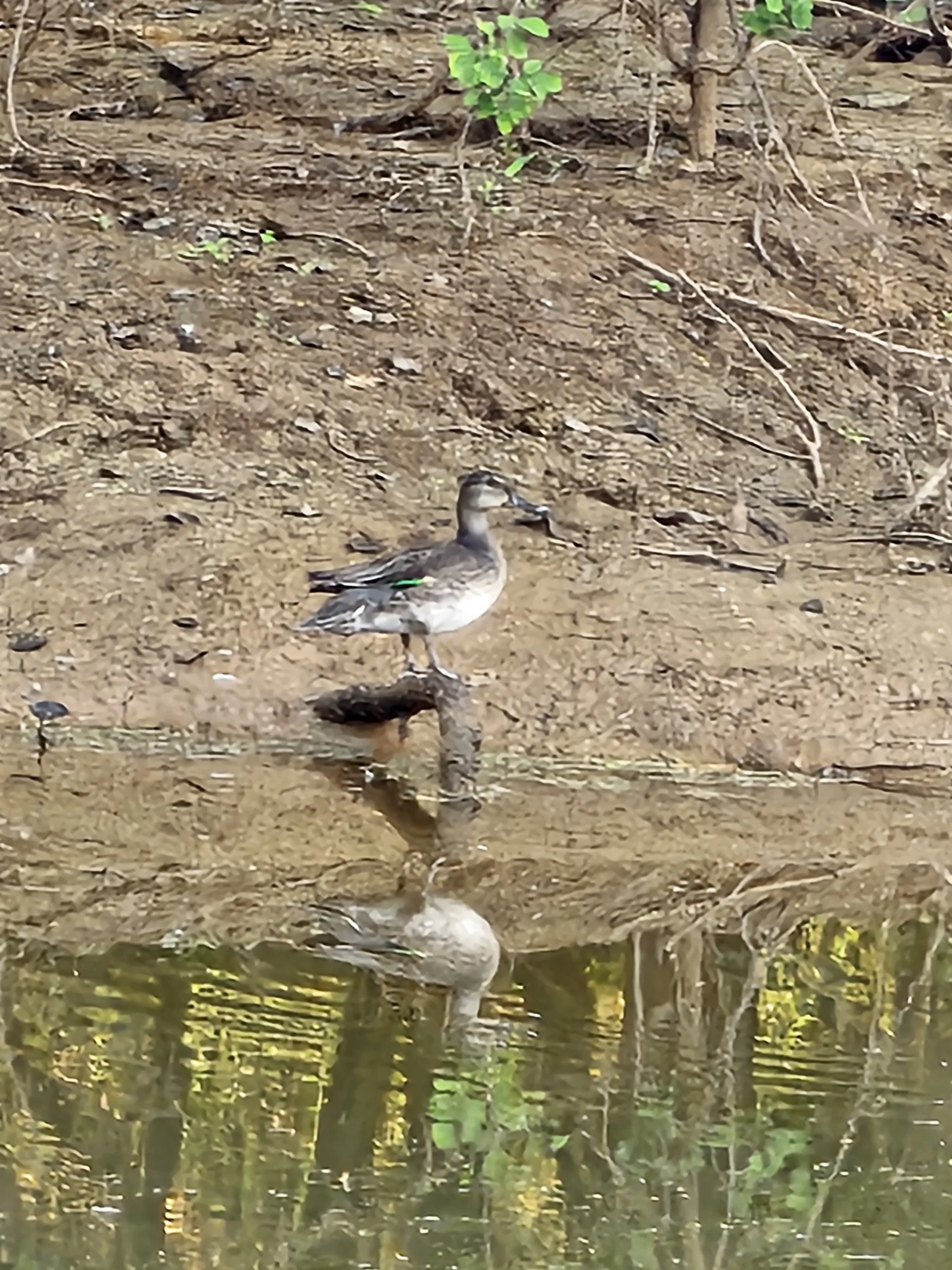
Green-winged Teal

Grey-headed Swamphen

Grey Francolin
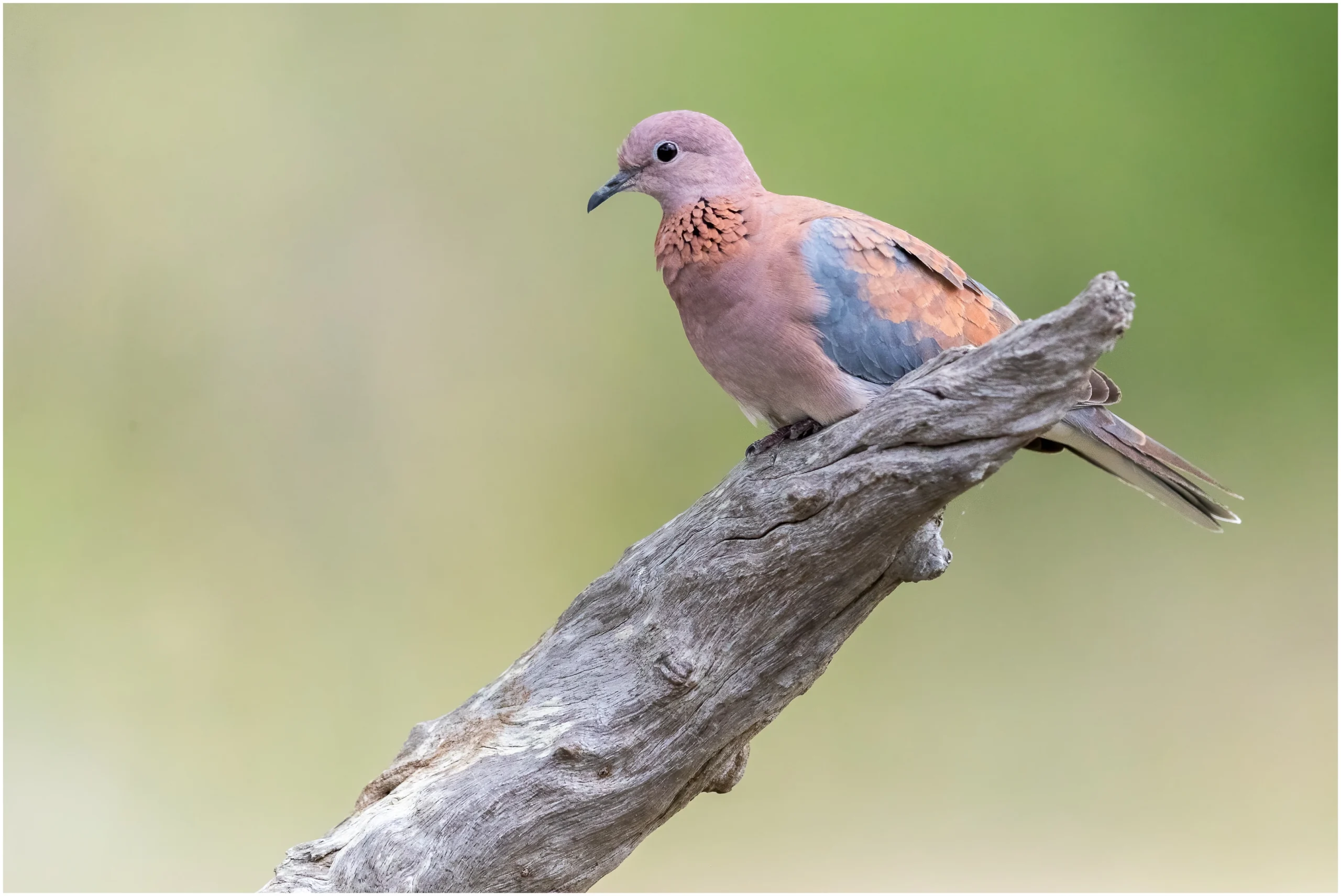
Laughing Dove
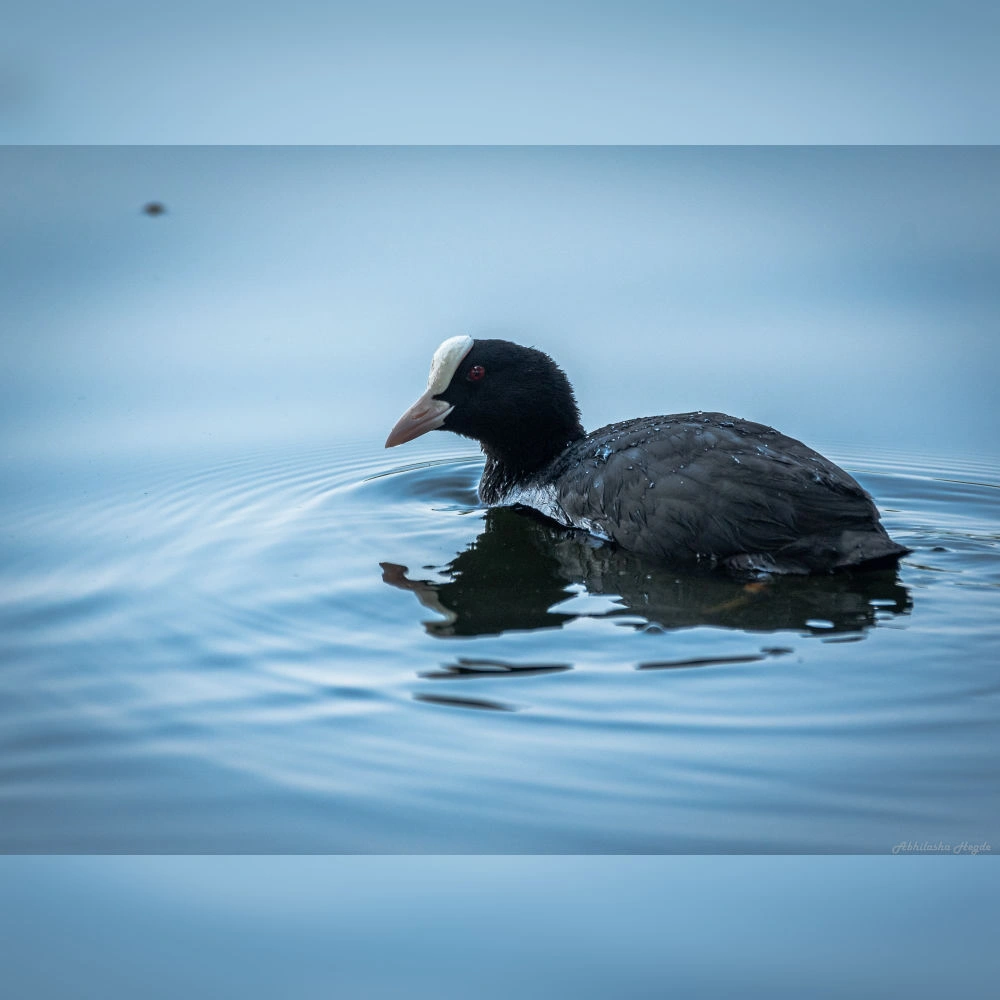
Eurasian Coot

Black-winged Stilt
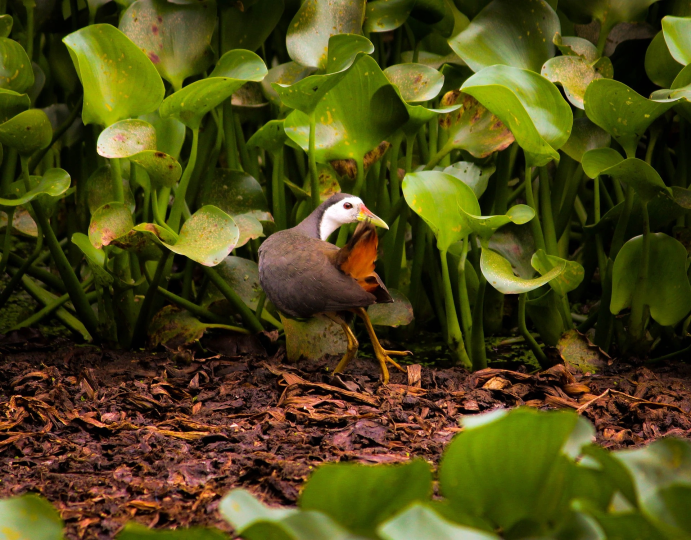
White-breasted Waterhen
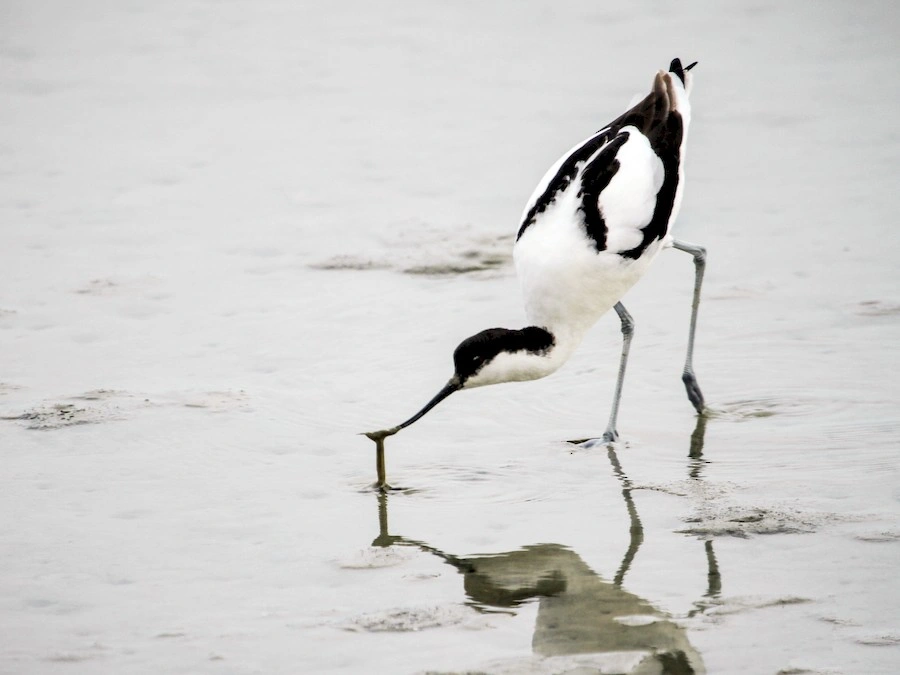
Pied Avocet
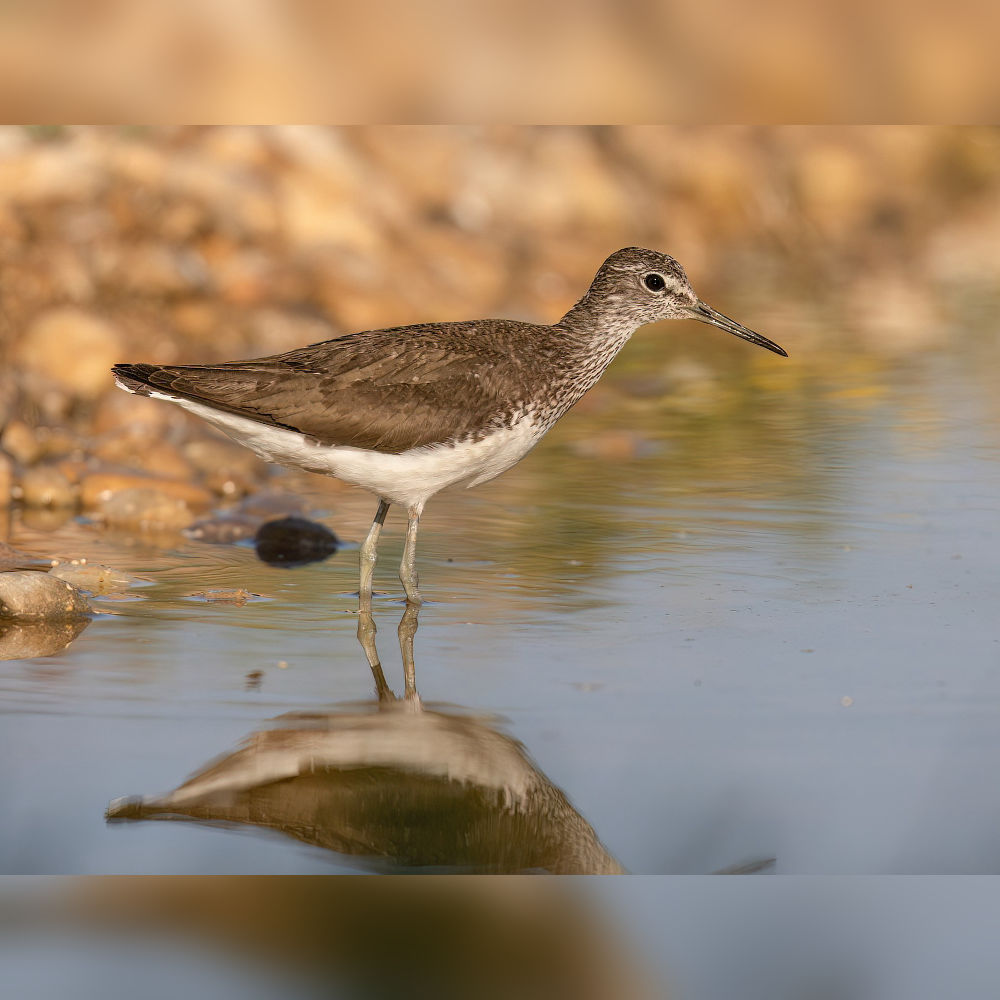
Green Sandpiper
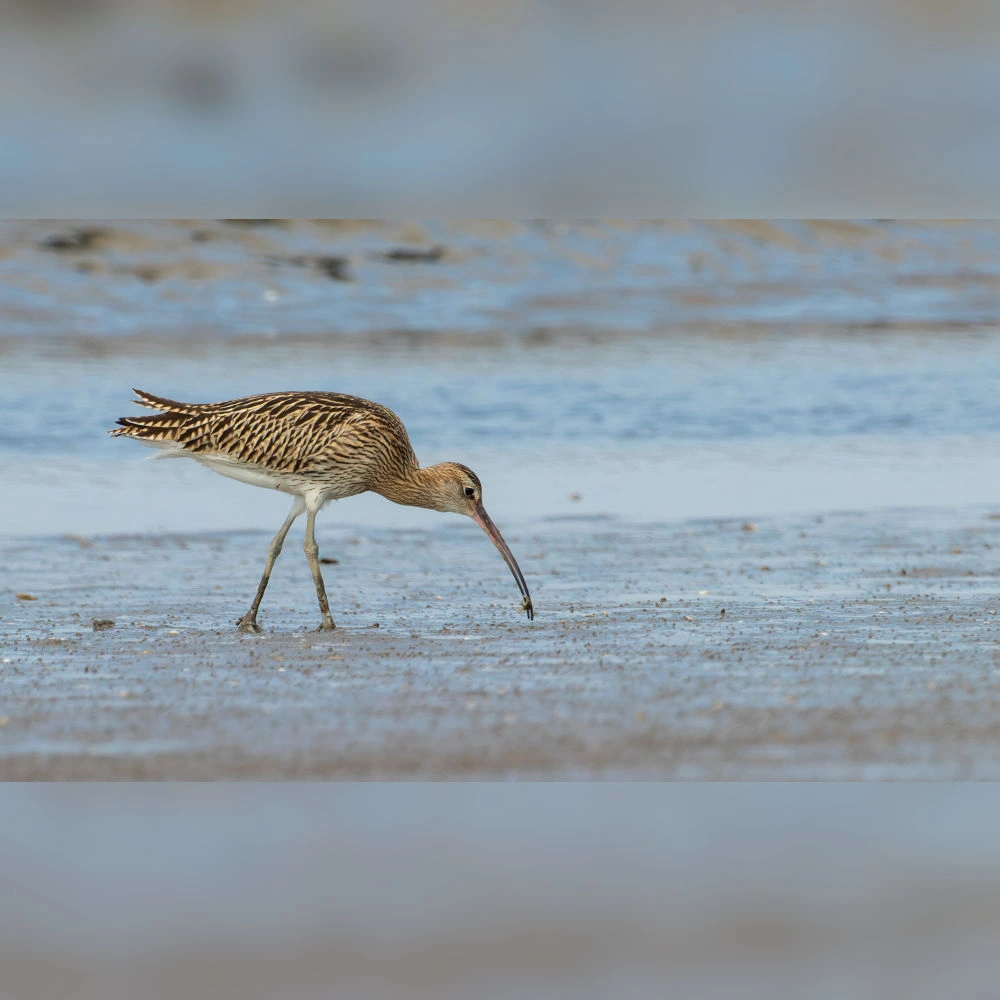
Eurasian Curlew

River Tern
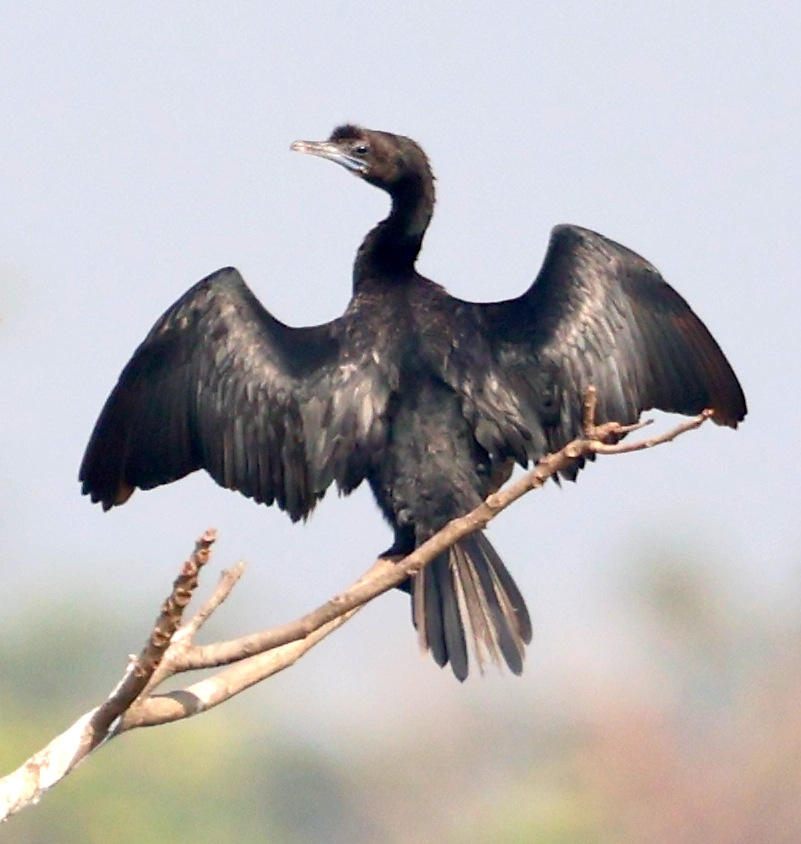
Little Cormorant
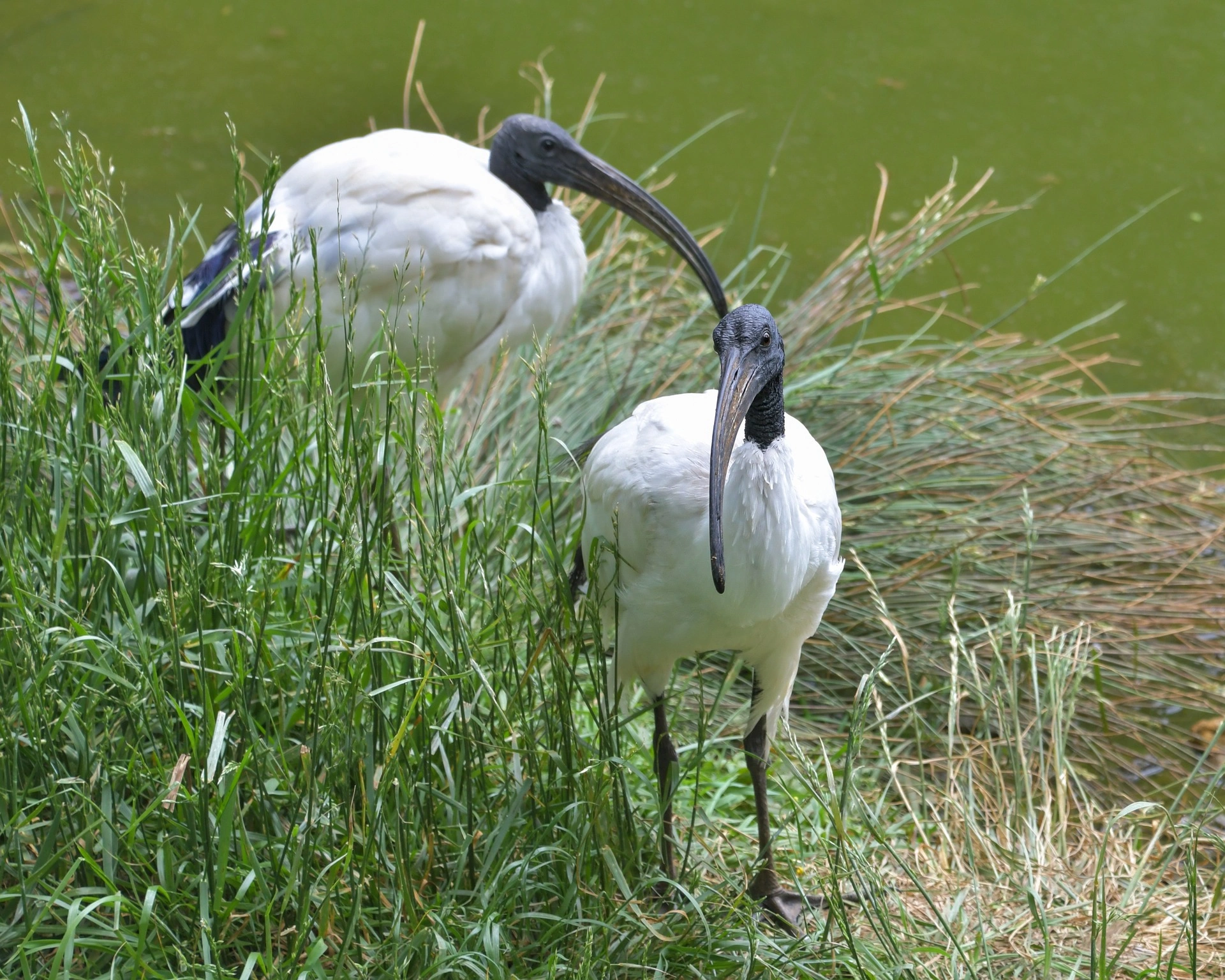
Black-headed Ibis
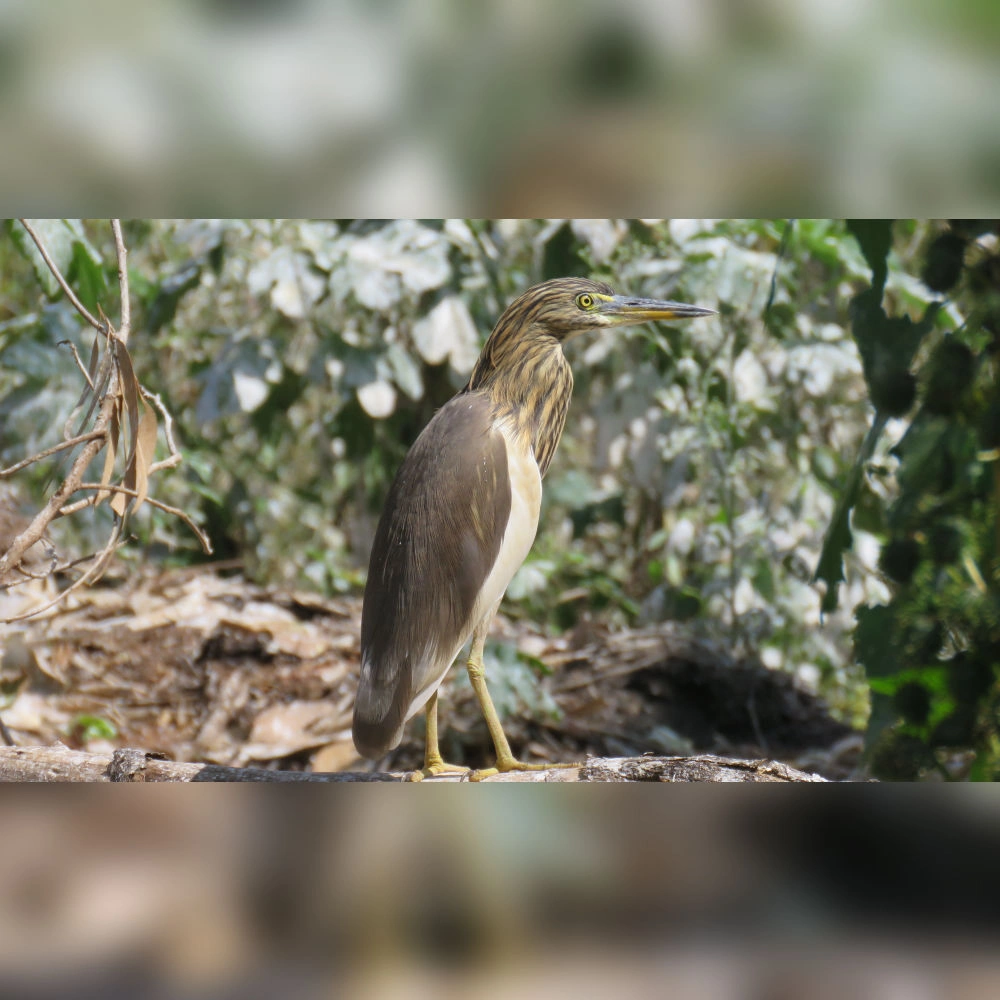
Pond Heron
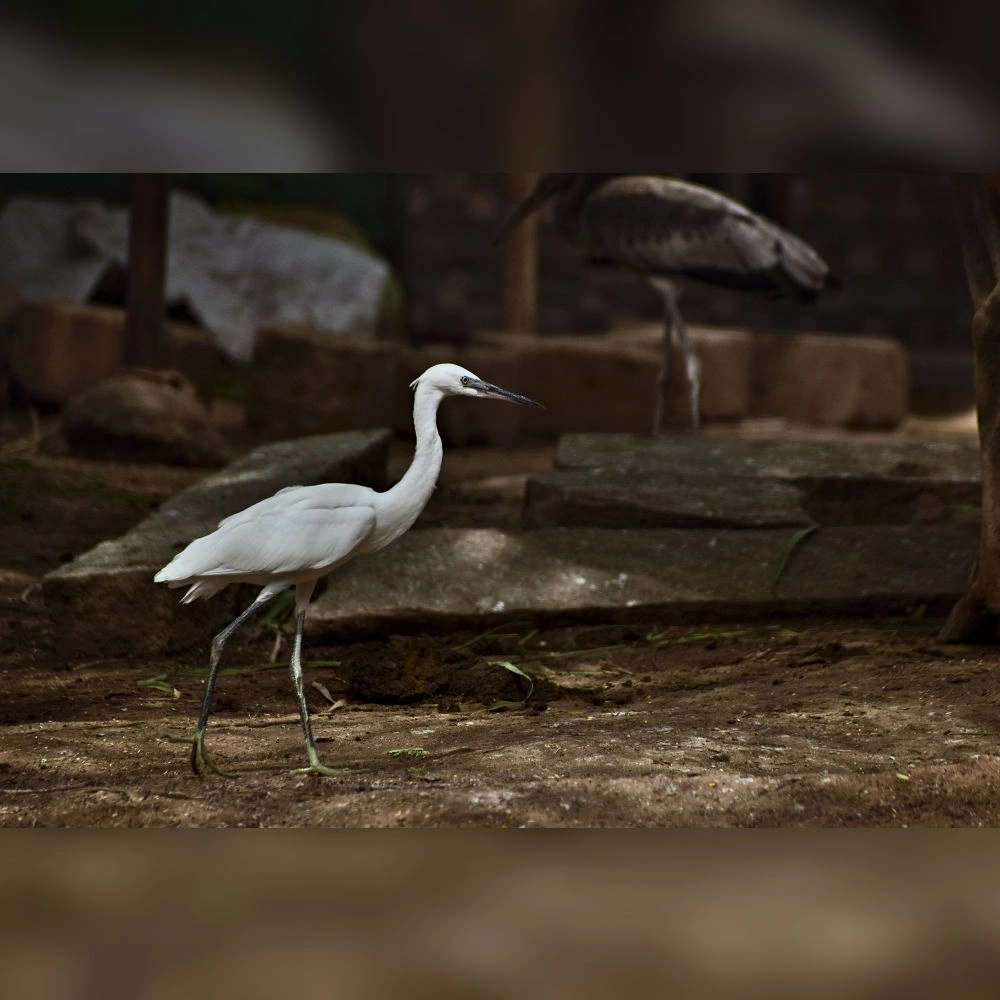

Little Egret
Summary of Walk
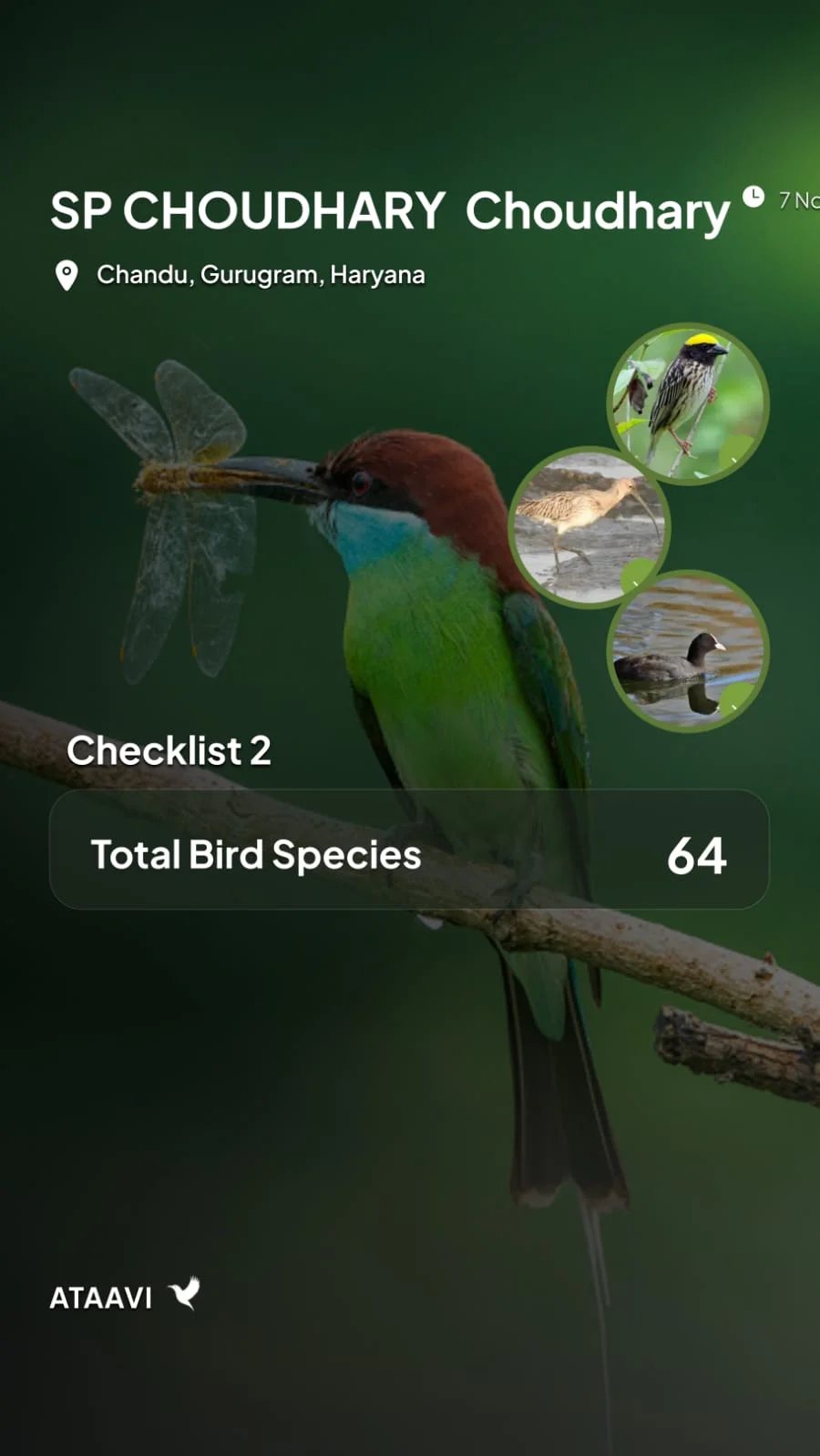
Two keen birders joined guide SP Choudhary at Chandu Budhera near Gurugram on 7 November for an exceptional morning that produced a remarkable 64 species. The walk began at 7 am as the misty winter fog lifted over the wetlands and farmland, giving the landscape a soft, atmospheric feel. Chandu Budhera’s mix of open water, marshy edges and fields makes it one of the best wetland birding spots in the Gurugram area, especially as the winter migrants arrive.
The highlights of the morning were the Oriental Honey Buzzard and the Ruddy Shelduck, a striking orange migrant from Central Asia. The group was also delighted to see Greater Flamingos on the water, along with a Crested Lark, Red Avadavats, Streaked Weavers, a Kentish Plover, Wood Sandpipers and kites, among many others. With such a small group, SP Choudhary was able to share detailed insights on every sighting, making the walk both personal and deeply informative. A tally of 64 species in a single morning is a wonderful showcase of how rich this wetland is in winter.
Number of Participants
0