Bird Walk at Daulat Baroda lake, Indore, MP
- Indore
- 1 November, 2026
- Yash Yadav
About Daulat Baroda lake
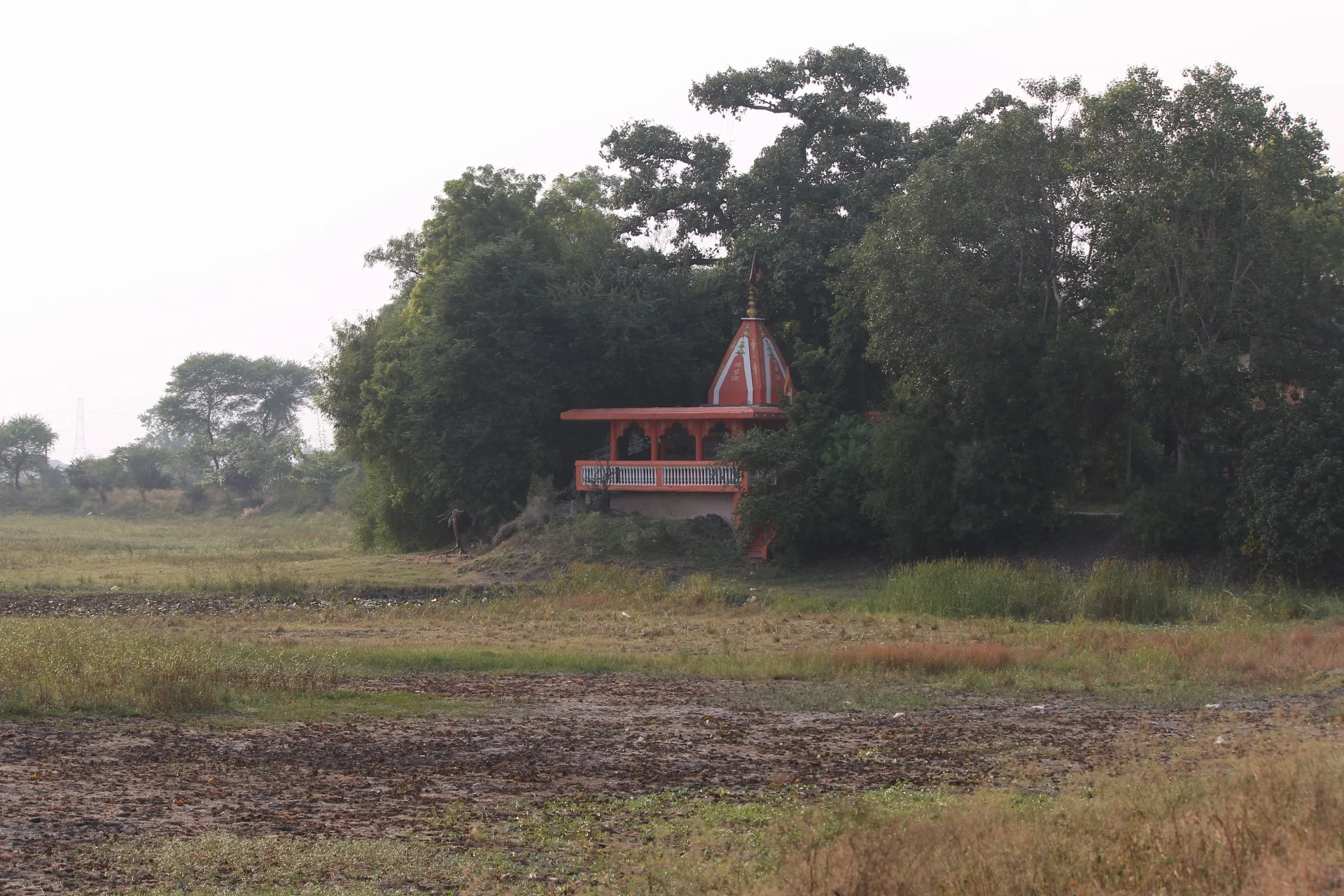
About 40 km from Indore, off the AB Road, Daulat Baroda Lake, known locally as Chhoti Gulawat, is a quiet water body on the black-soil plains of the Malwa plateau. Like nearby Gulawat, it is known for its lotuses. After the monsoon, pink and white blooms spread across the water, framed by marshy margins, wet grassland, babul scrub and surrounding wheat and soybean fields. Gardens, walking trails and picnic spots draw visitors from the city. Fish, frogs, turtles and dragonflies thrive in the warm shallows, and the open fields support nilgai, jackals and hares.
For birders, Daulat Baroda is an exciting mix of wetland and grassland. Sarus Cranes, the world’s tallest flying birds, feed in the fields. Knob-billed Ducks, Cotton Pygmy-Geese and whistling-ducks gather on the water, and painted storks wade the shallows. The grassy edges are alive with munias, silverbills and avadavats, and in winter the Bluethroat arrives in the reeds. As the lake grows more popular, it faces growing pressures. Visitor crowds, boating and litter disturb the birds, and lotus harvesting removes vital cover. Pesticide and fertiliser runoff from the farms pollutes the water, and changing water levels, encroachment and over-landscaping of the shoreline threaten the wetland. Keeping wild, reedy edges and protecting the surrounding fields will help Daulat Baroda remain a haven for its birds.

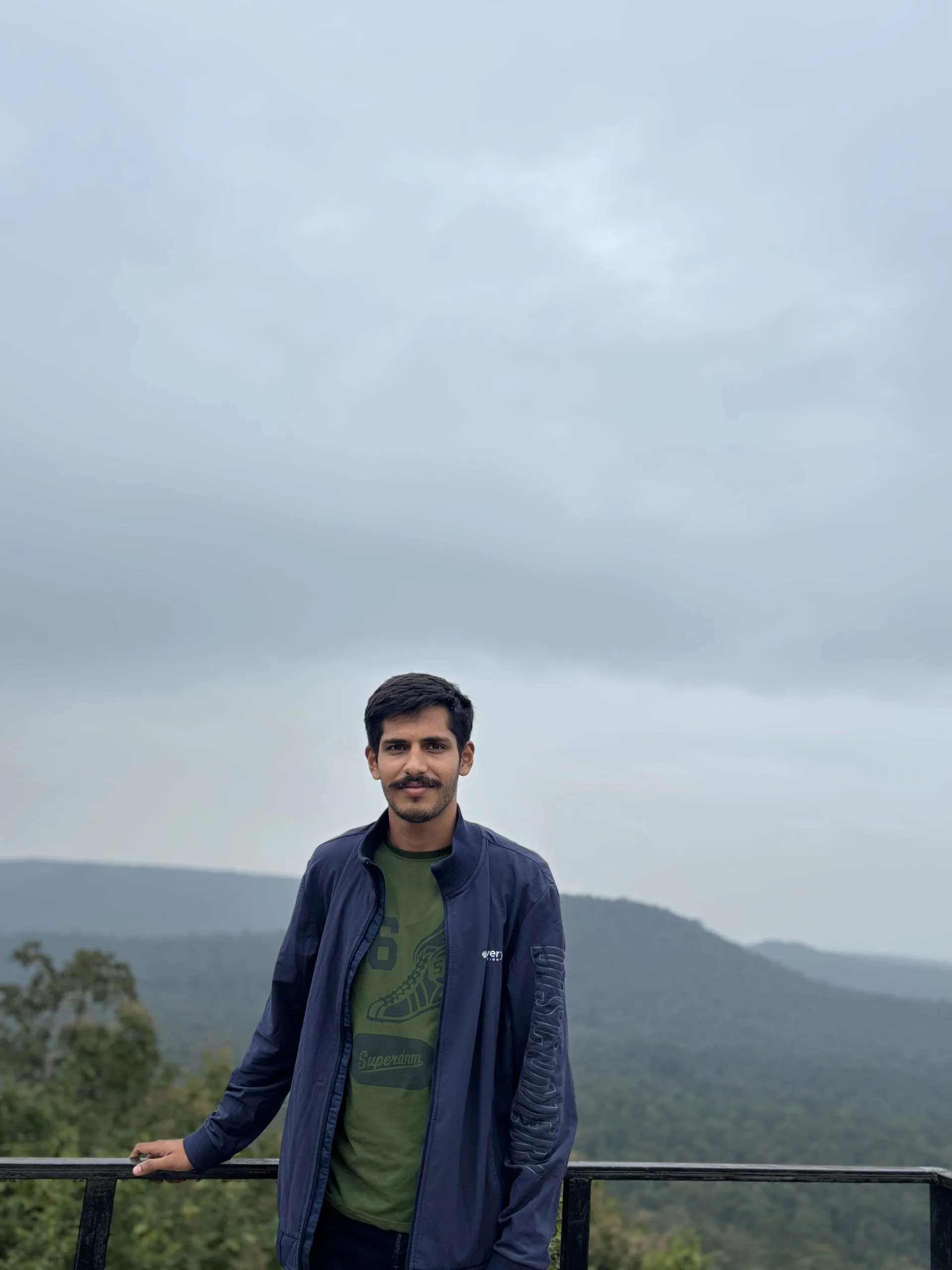
Bird Guide: Yash Yadav
With three years of birding experience and currently in the third year of a Zoology degree, he combines academic learning with hands-on field observation. Passionate about birds and nature, he enjoys sharing knowledge and encouraging others to explore birdwatching.
Bird walk Location
Common birds of Daulat Baroda lake
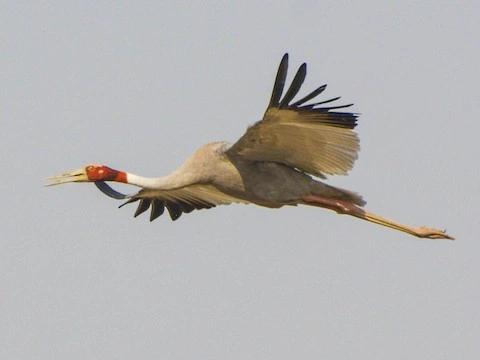
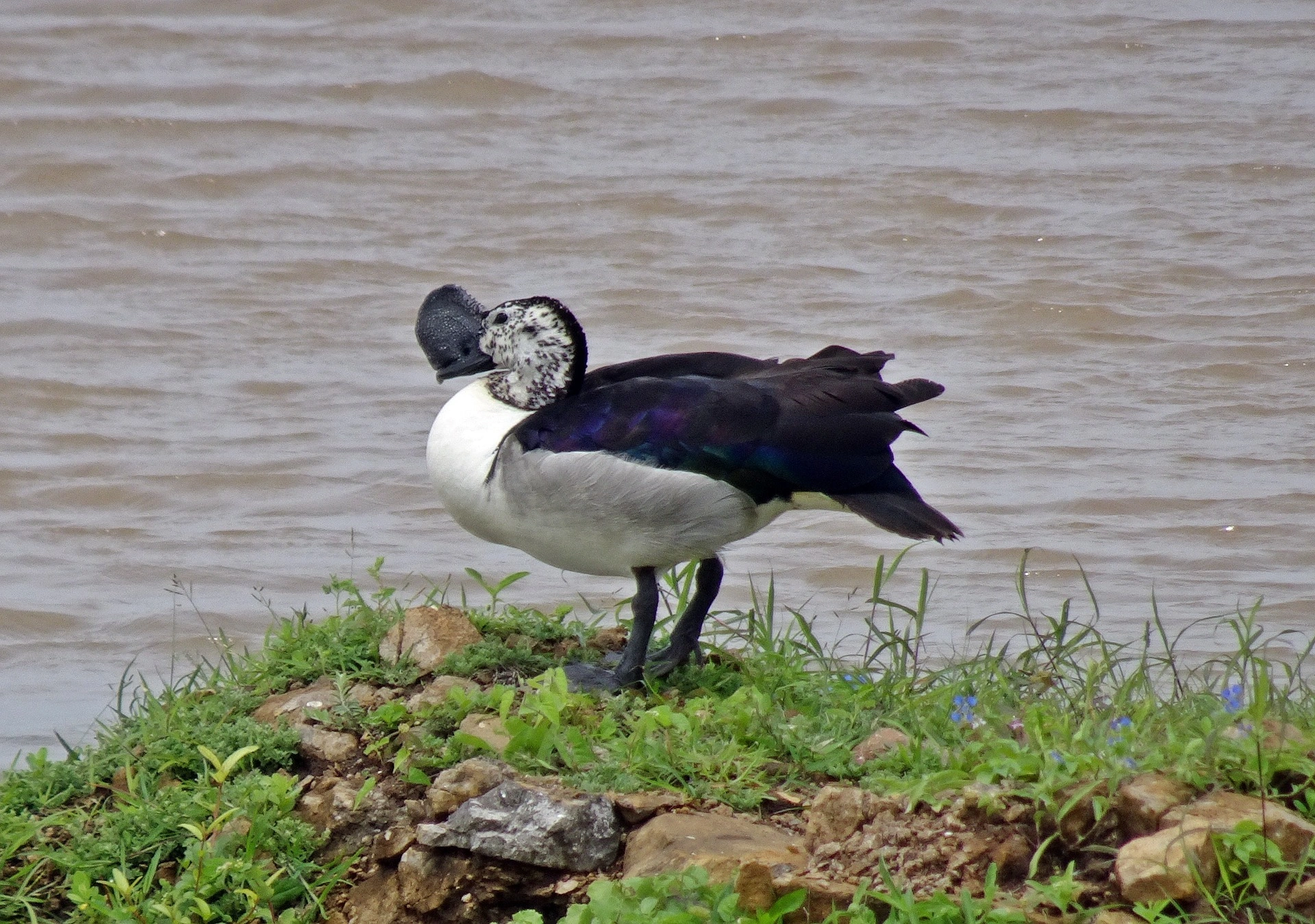
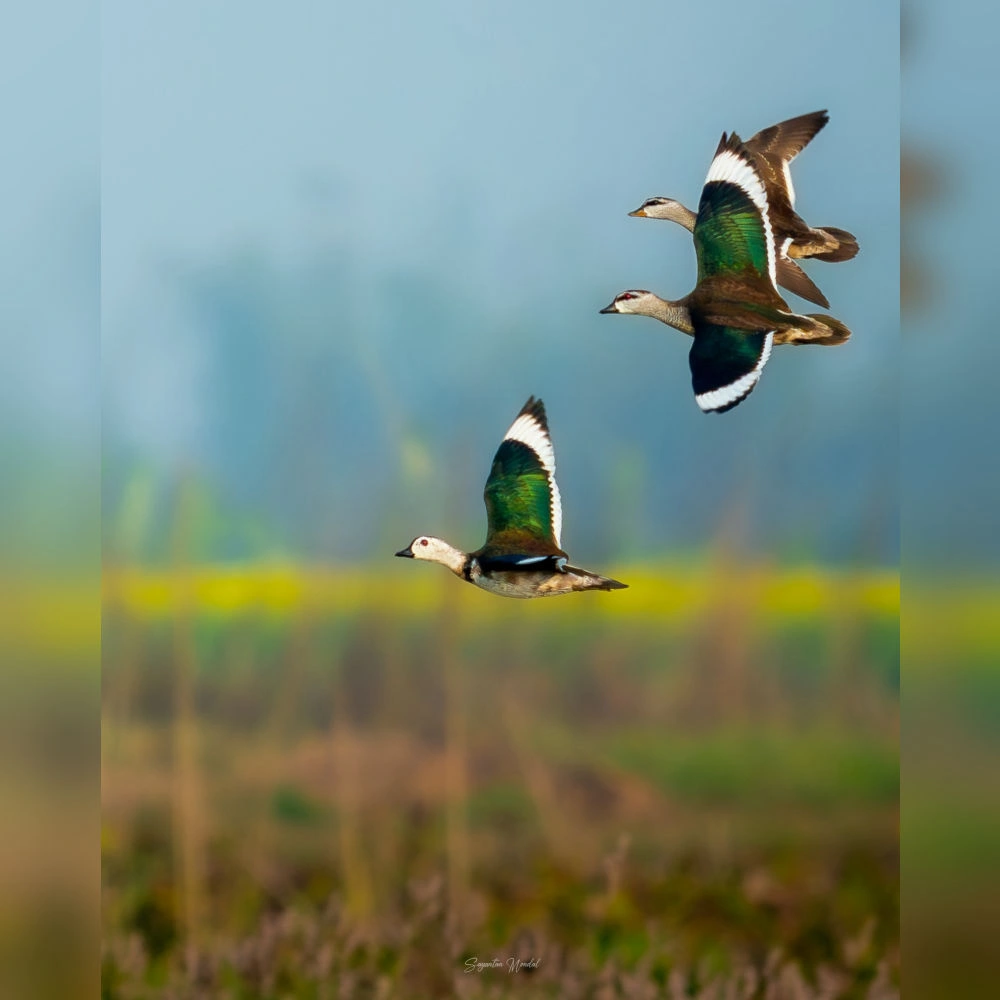
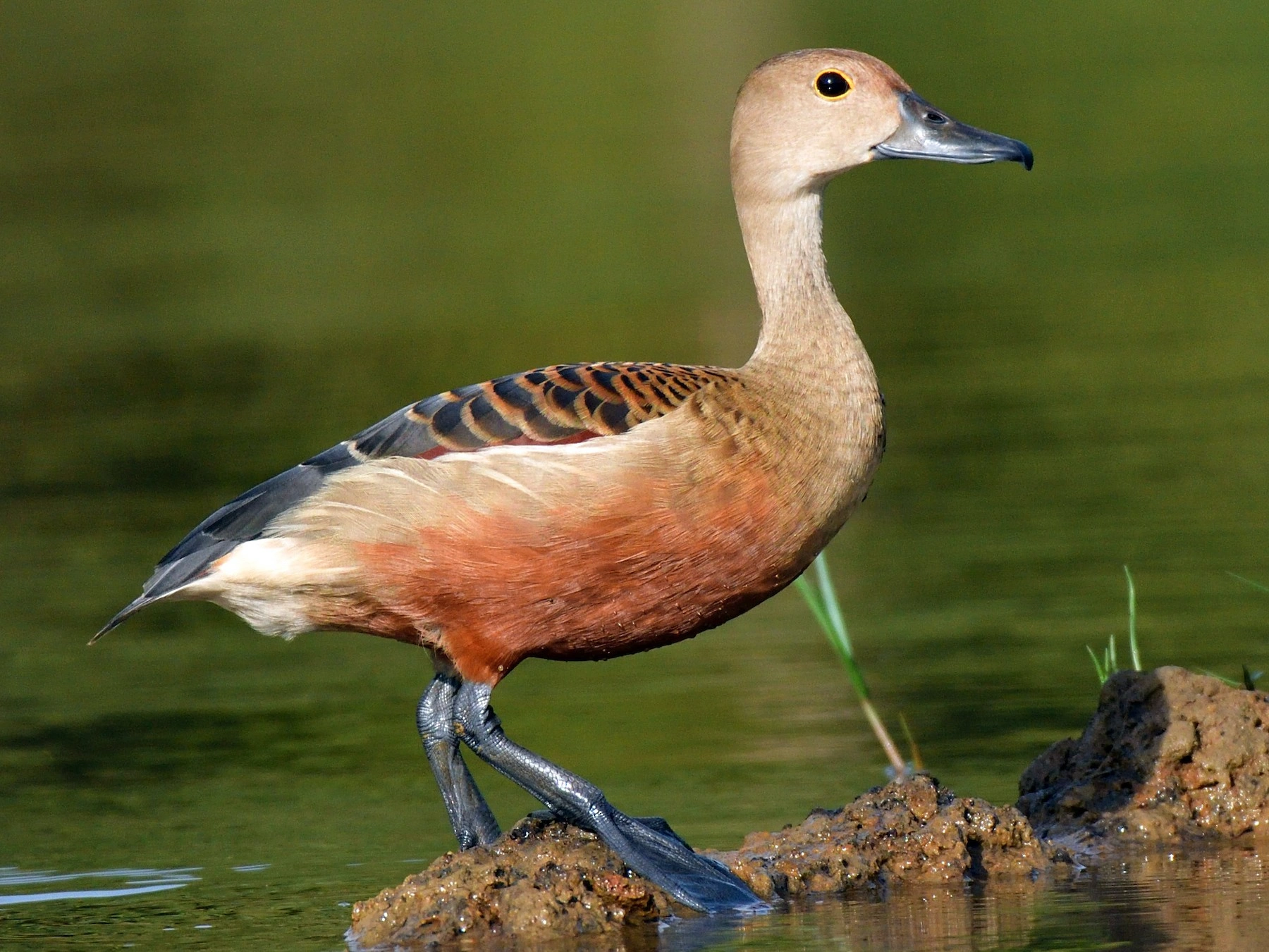
Daulat Baroda’s fields and marshes are home to the Sarus Crane, the tallest flying bird in the world. Pairs stay together for life and perform loud, trumpeting duets. On the water, the Knob-billed Duck stands out, as the male has a large black knob on its bill. The tiny Cotton Pygmy-Goose, India’s smallest waterfowl, rests among the lotus leaves, while Lesser Whistling-Ducks whistle softly in flight and Indian Spot-billed Ducks dabble nearby. Painted Storks wade through the shallows, their rosy wing feathers catching the light. Little Cormorants dive for fish, Gray-headed Swamphens pick through the weeds, and Little Ringed Plovers run along the muddy shore. In winter, the shy Bluethroat arrives from the north and creeps along the reed edges, the male flashing a brilliant blue throat. The grassy margins are full of small, colourful birds. The Red Avadavat sparkles crimson, Tricolored Munias show off their black, white and chestnut, and Indian Silverbills feed in tidy flocks. Plain and Ashy Prinias call from the grass. At dusk the Spotted Owlet peers out from a tree hollow. Indian Robins and Oriental Magpie-Robins, Black Kites and House Sparrows complete the scene.

Sarus Crane

Knob-billed Duck

Cotton Pygmy-Goose
Lesser Whistling-Duck
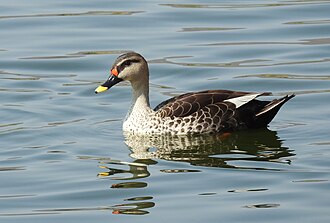
Indian Spot-billed Duck
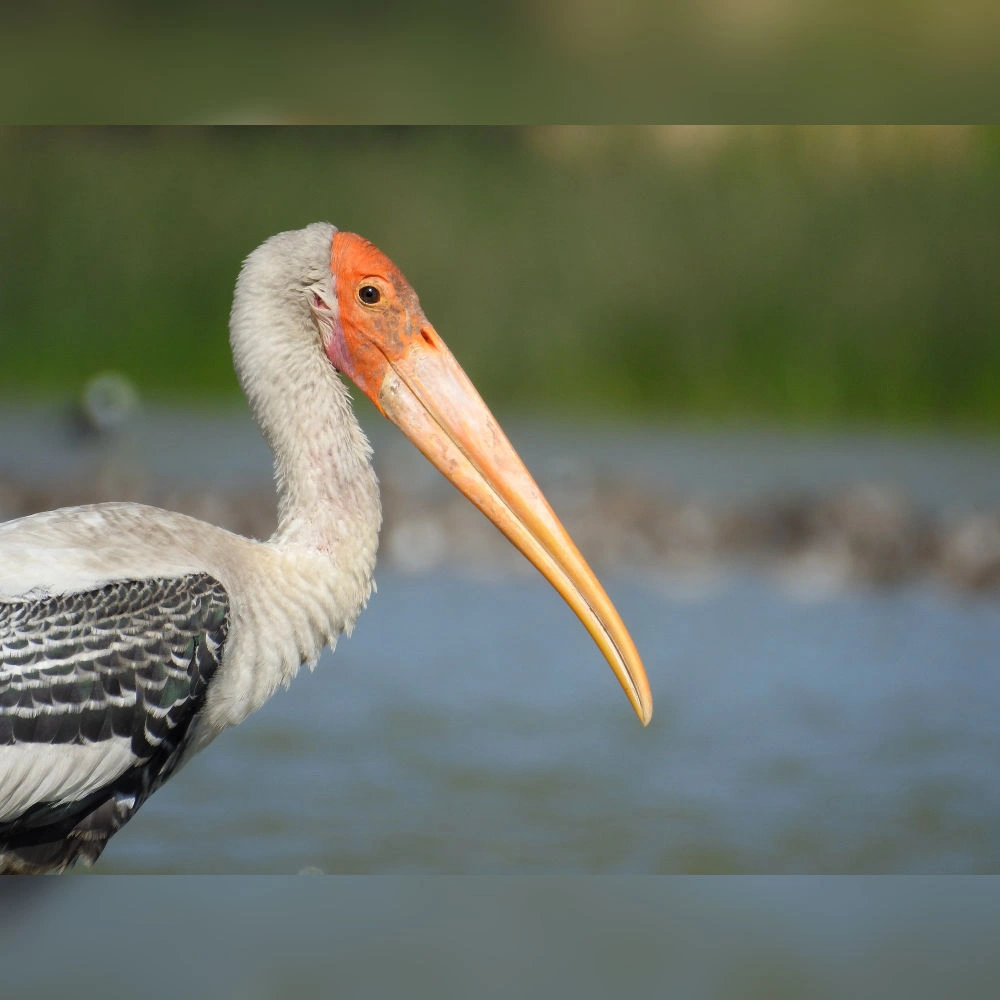
Painted Stork
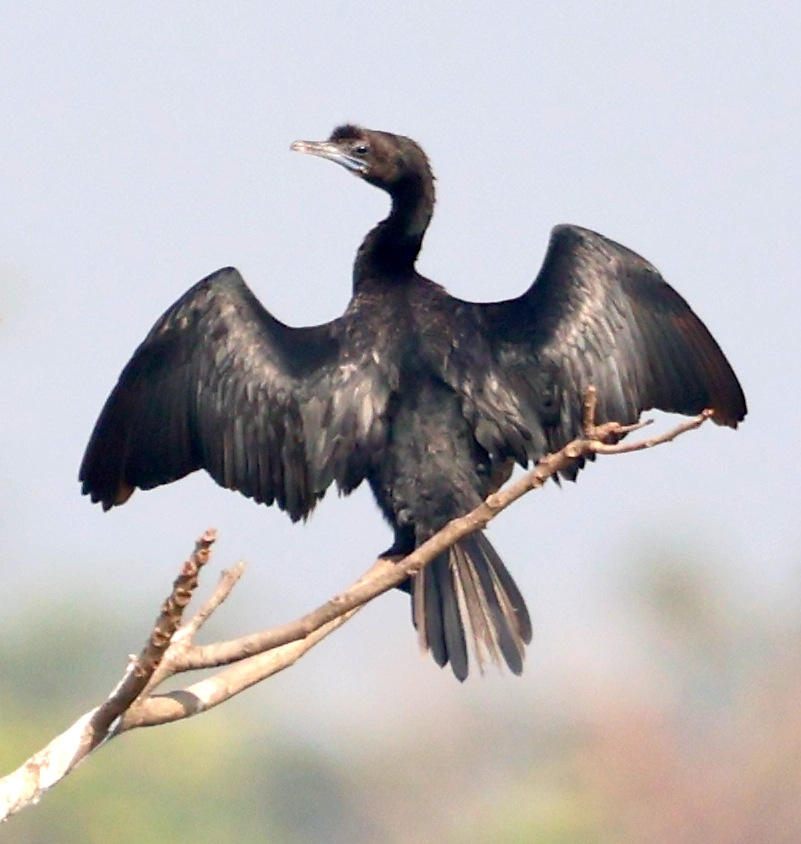
Little Cormorant
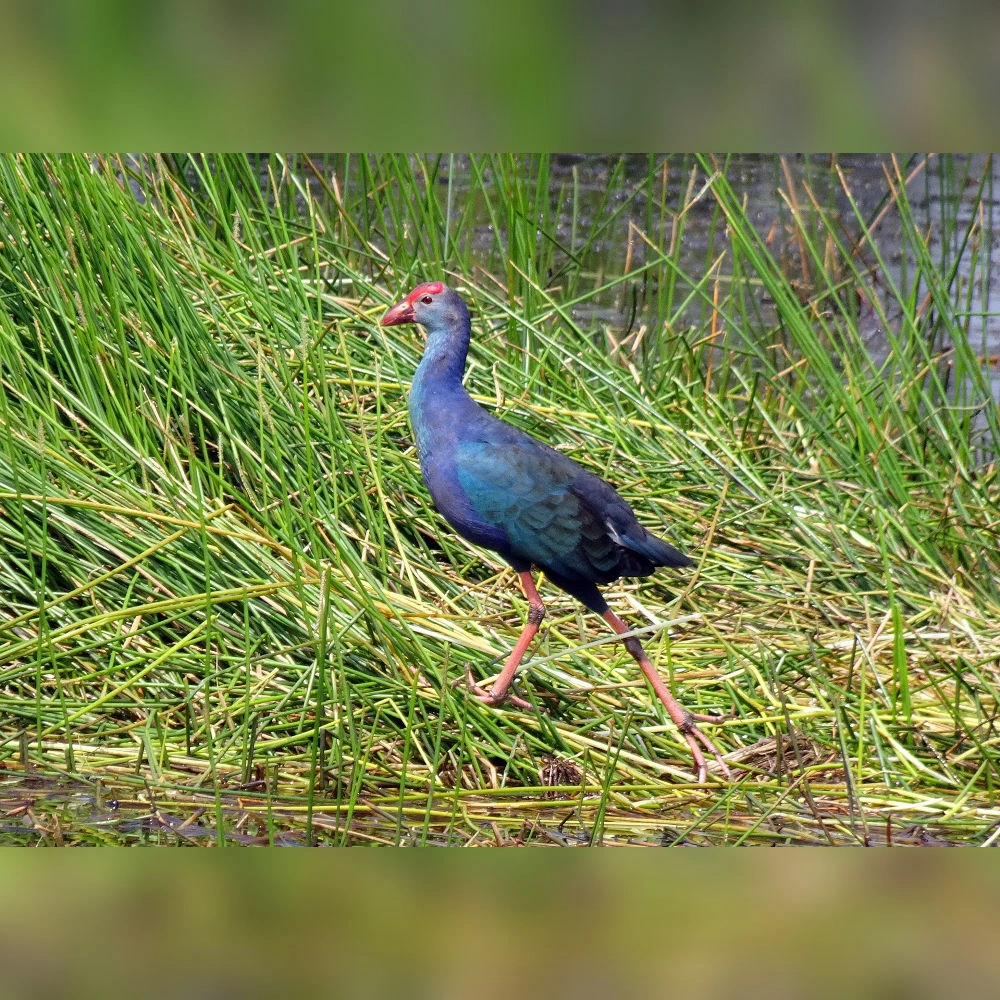
Grey-headed Swamphen
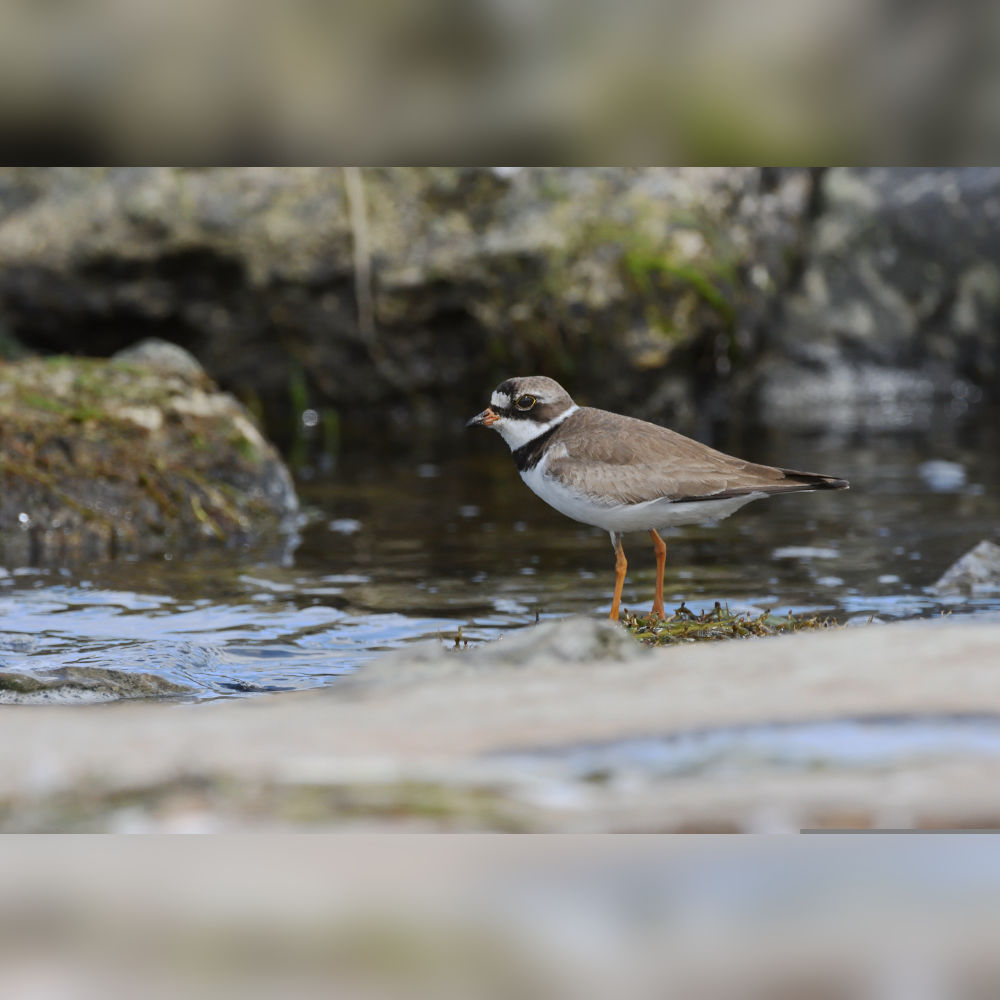
Little Ringed Plover
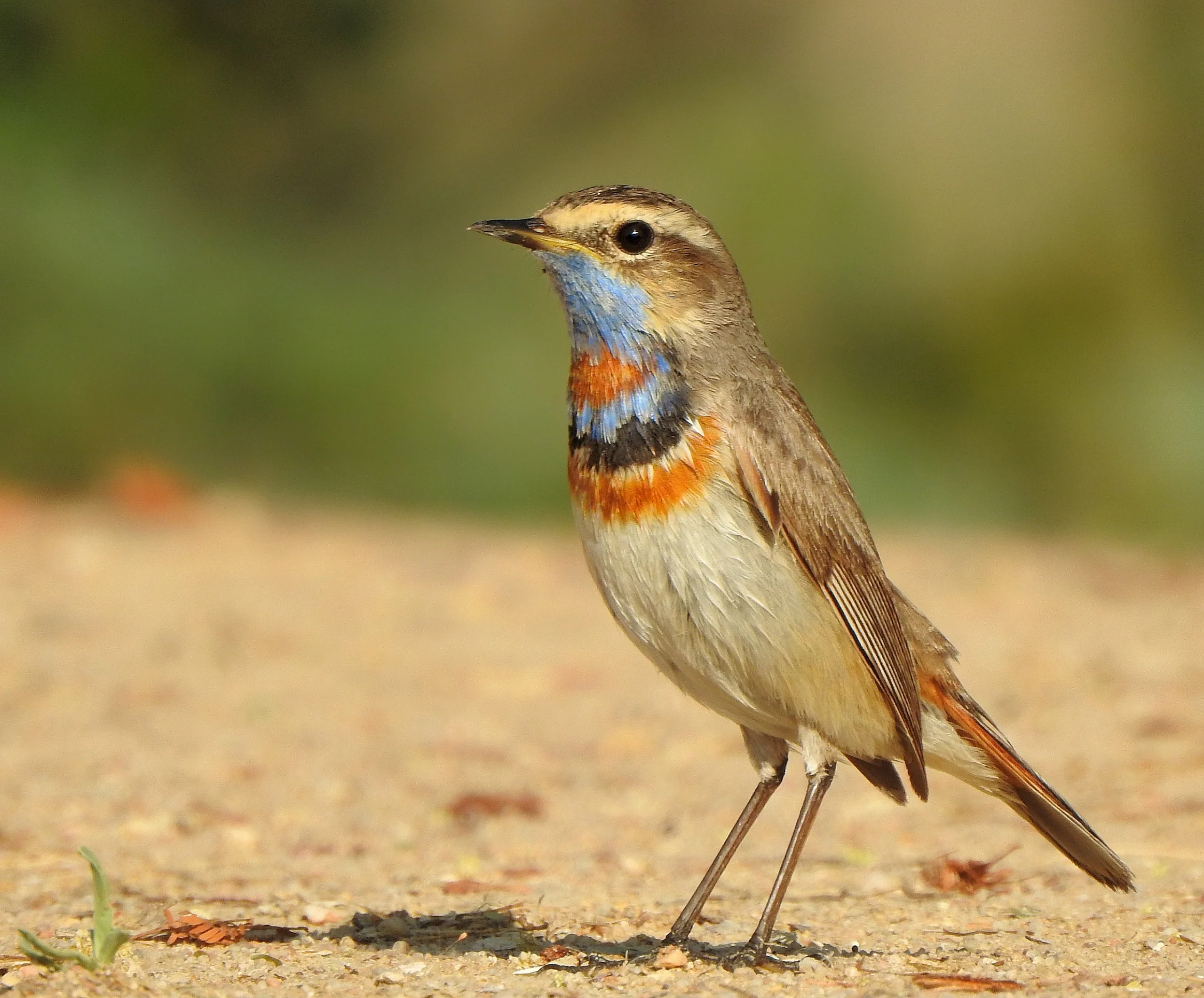
Bluethroat
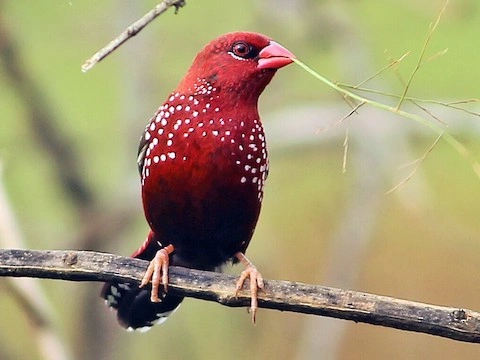
Red Avadavat
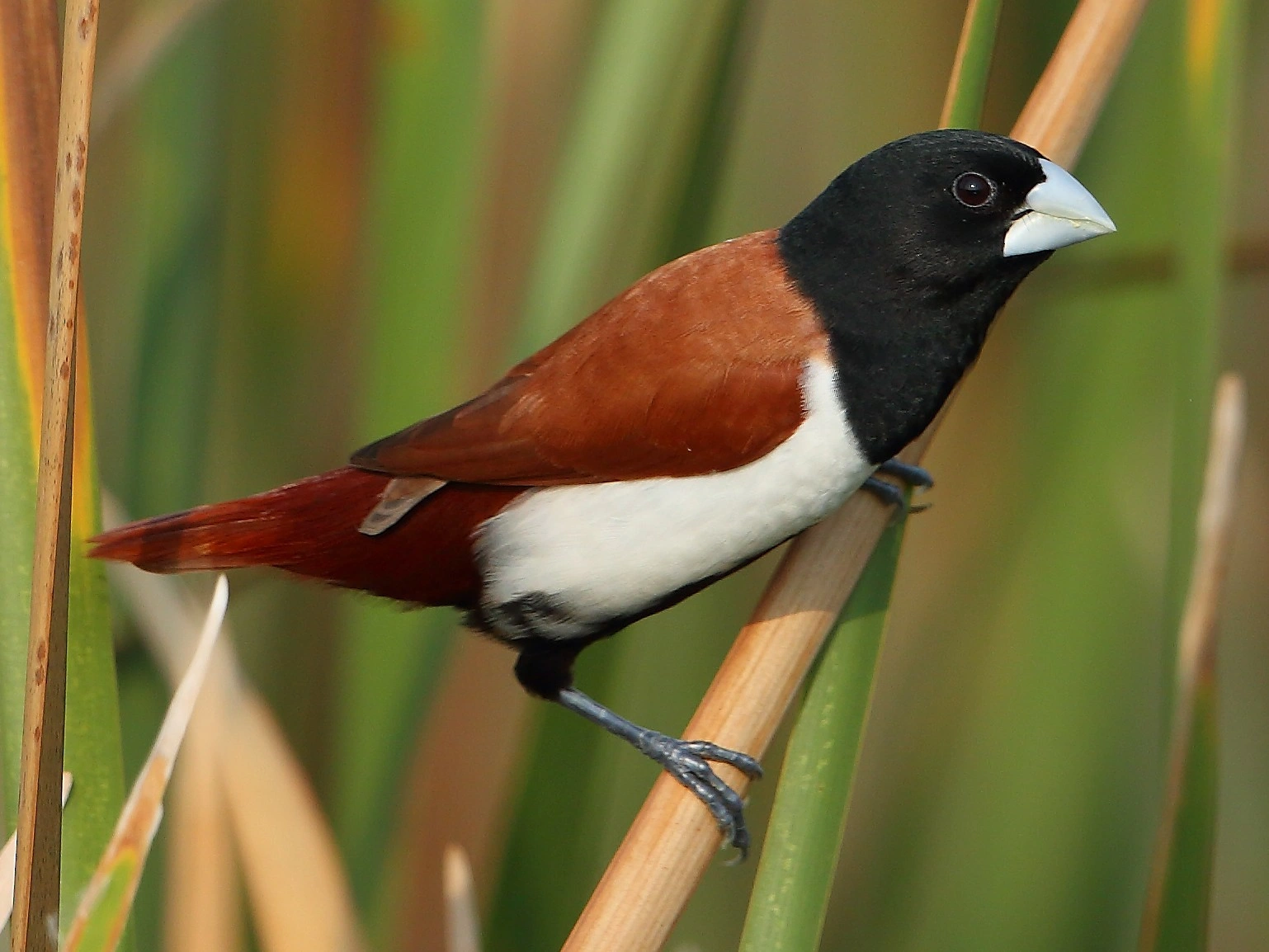
Tricolored Munia
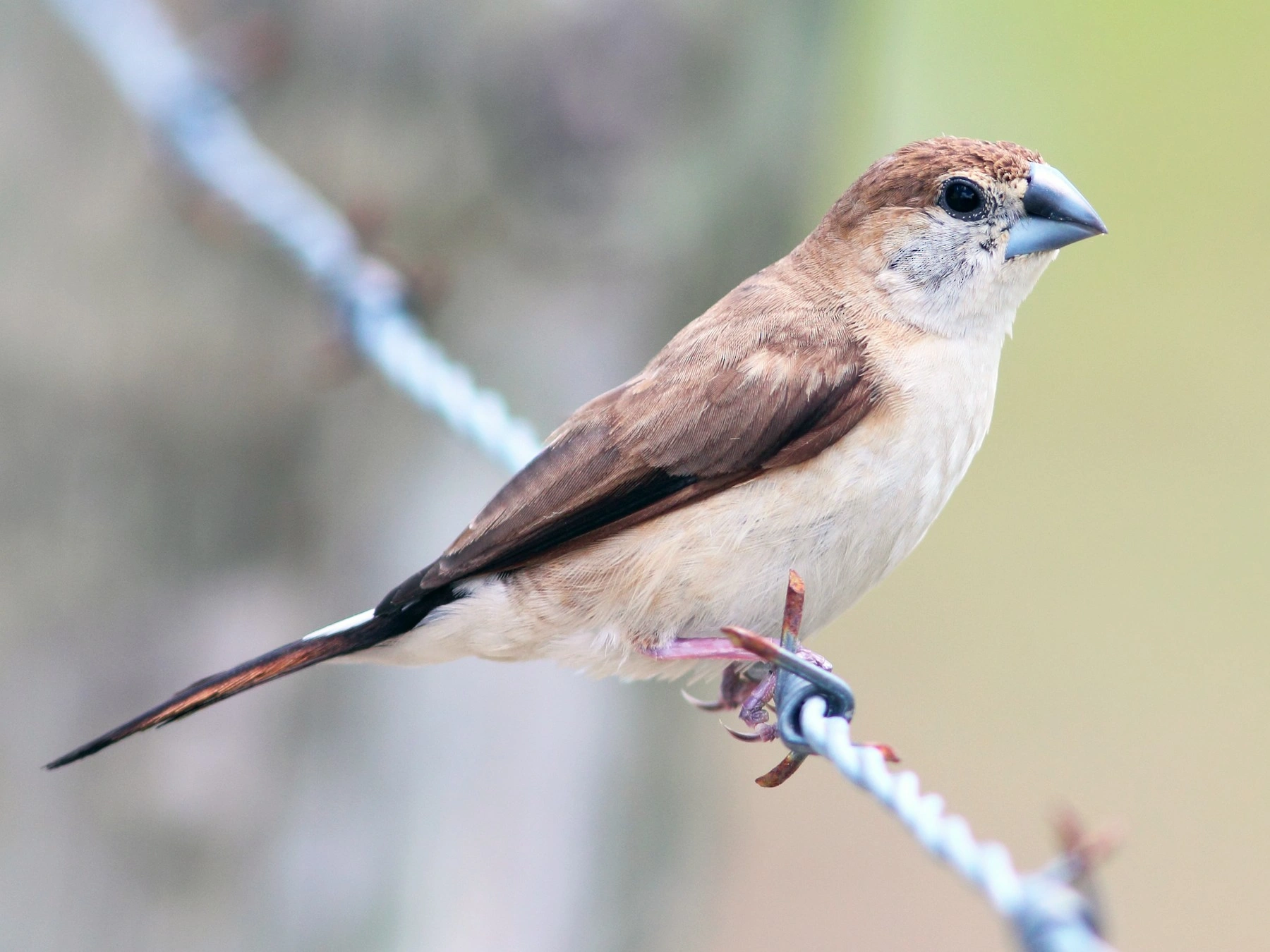
Indian Silverbill
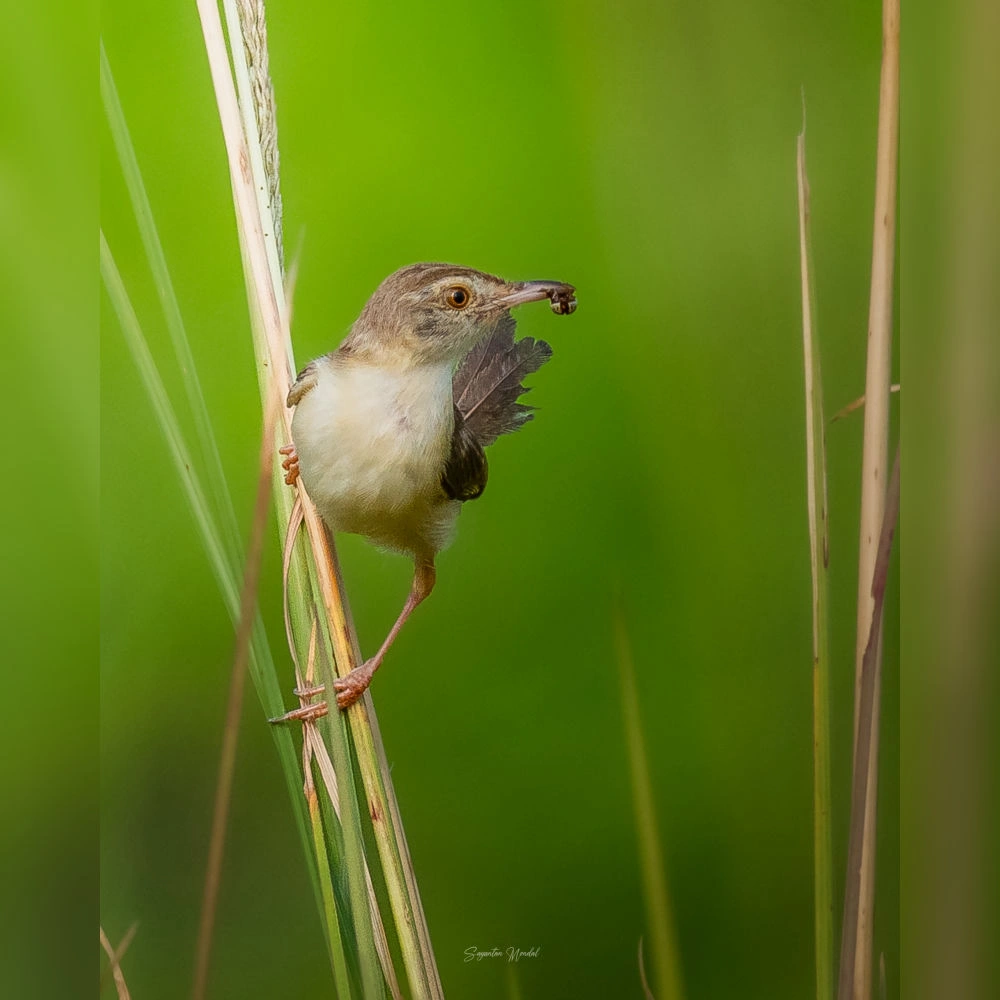
Plain Prinia

Ashy Prinia
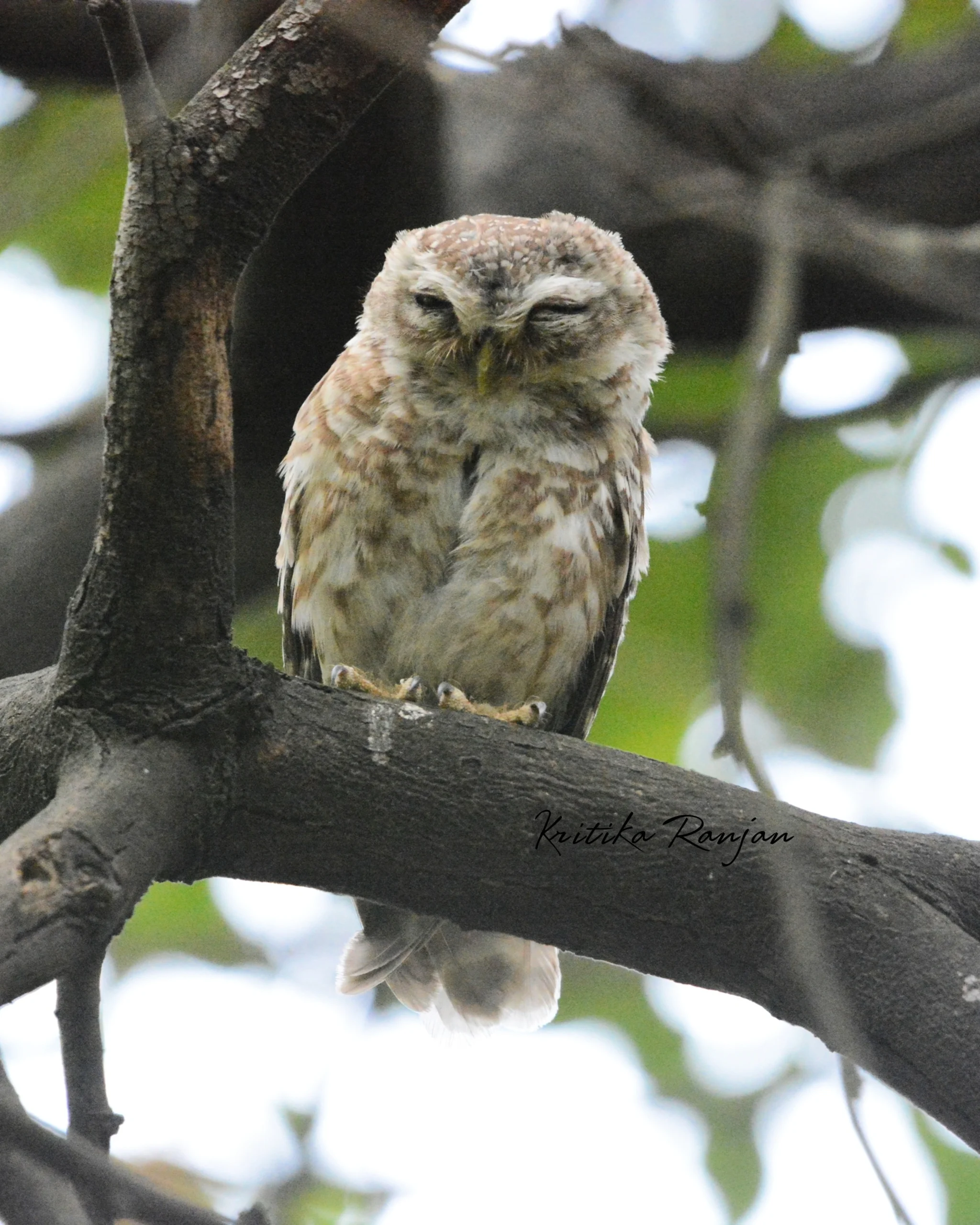
Spotted Owlet

Indian Robin

Oriental Magpie-Robin
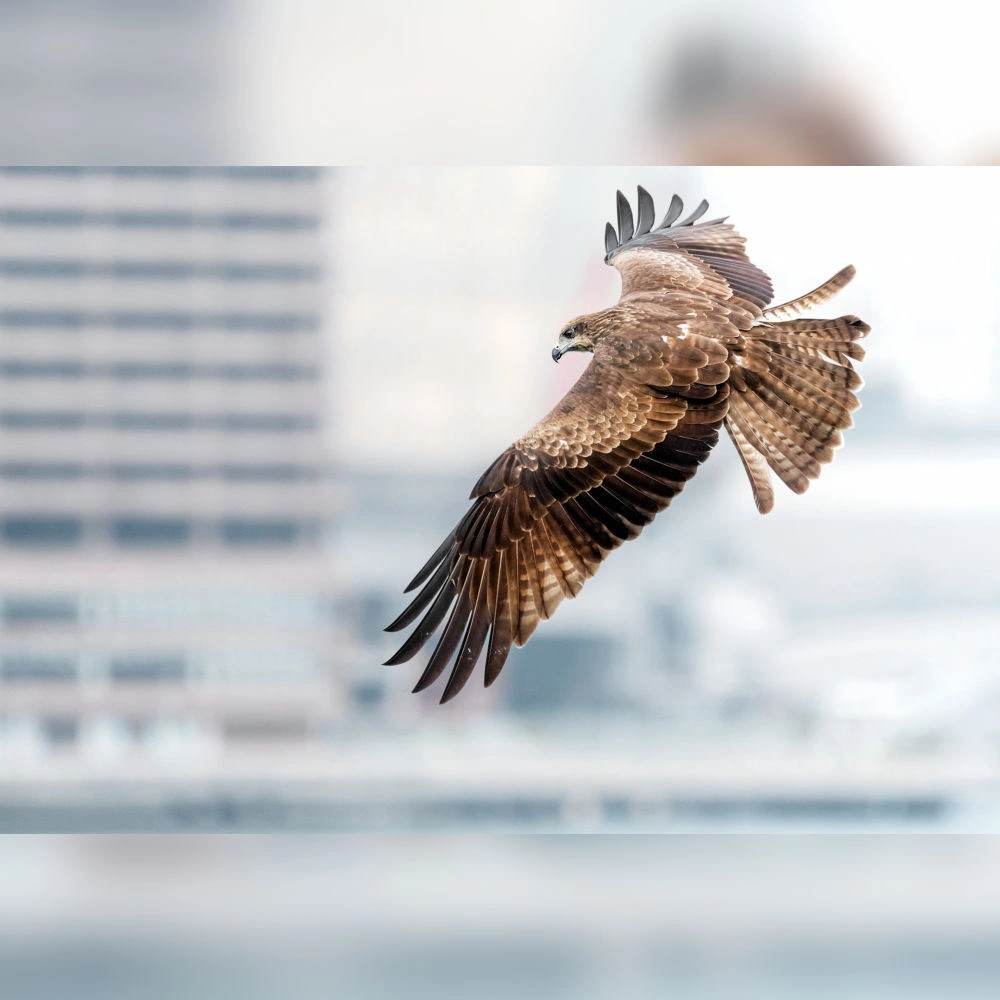
Black Kite


House Sparrow
Summary of Walk
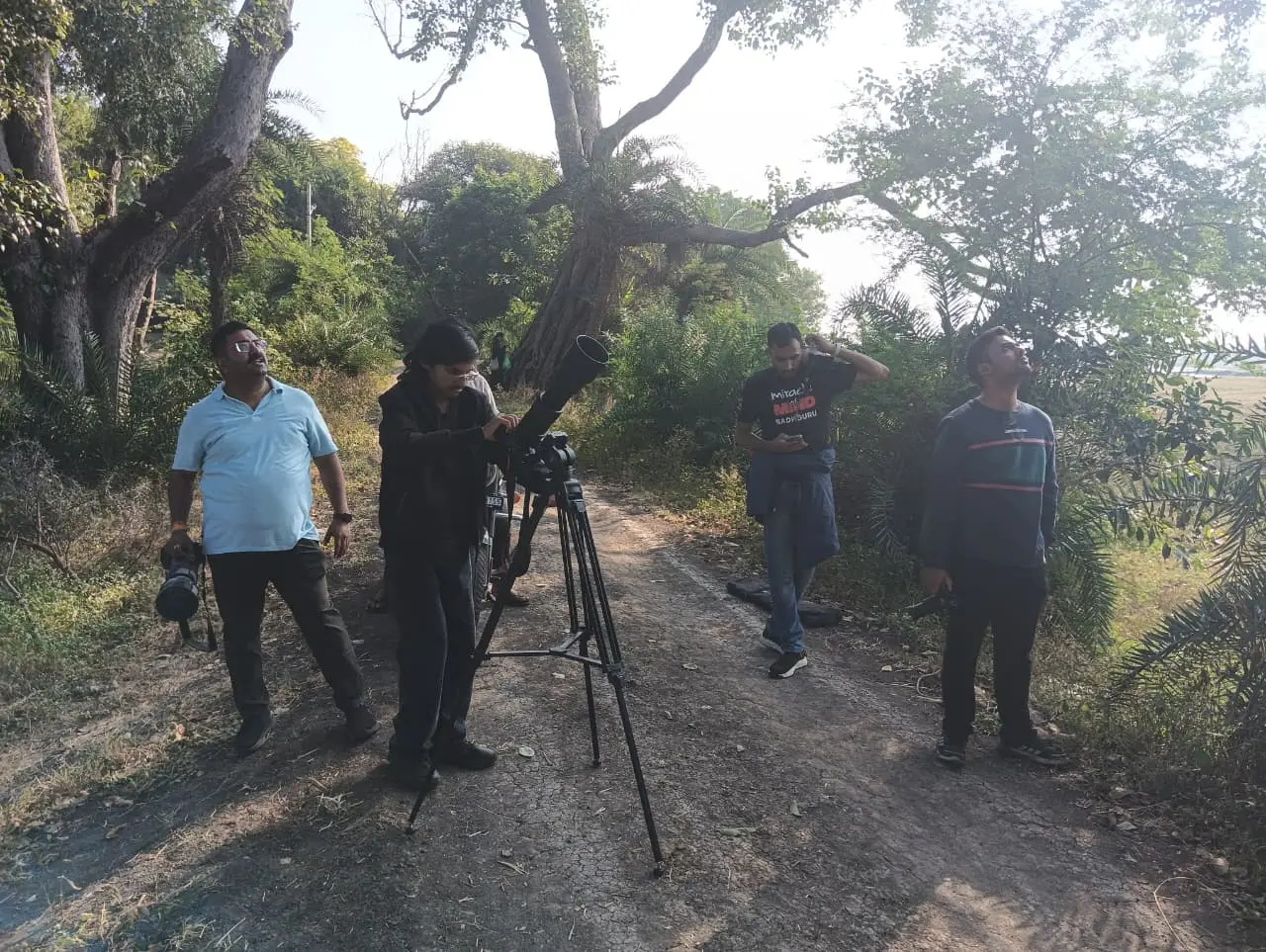
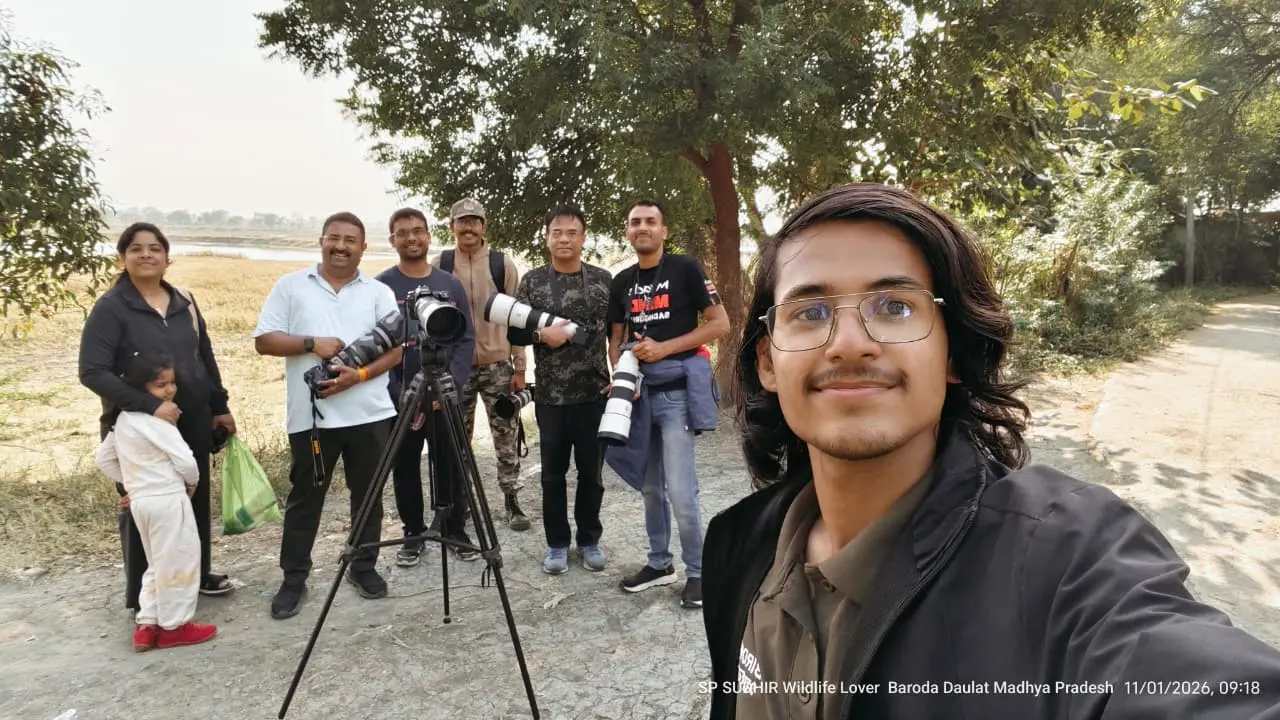
On 1 November 2026, 8 participants joined Yash Yadav for an amazing morning bird walk at Daulat Baroda Lake near Indore. Surrounded by farmland, grassy edges and scattered trees, this lake on the city’s outskirts is an inviting wetland for waterbirds, grassland birds and winter migrants, offering open views and a peaceful countryside setting. Like many wetlands of the Malwa plateau, it comes alive as the winter season approaches.
The group recorded 47 species, and the walk received many positive responses from the participants. The most extraordinary moment was spotting a Bluethroat and four Sarus Cranes on the same walk. The Sarus Crane, the world’s tallest flying bird and a symbol of wetland health, stood
tall and graceful in the fields, while the Bluethroat, a shy winter visitor with a brilliant blue-and-orange throat patch, delighted everyone with a rare glimpse. Spotted Owlets and the tiny, vibrant Red Avadavat were other highlights. Yash thanked the Ataavi Bird Foundation for promoting and supporting local birders and strengthening the link between wildlife and conservation. It was a memorable morning that showcased the rich bird diversity in and around Indore.
Number of Participants
0