Loading Events

Bird Walk at Nalagandla Lake, Hyderabad

About Nalagandla

Located in the rapidly growing western suburbs of Hyderabad, Telangana, Nallagandla Lake is an important urban wetland that provides a valuable green refuge amid the city’s expanding landscape. The lake and its surrounding vegetation create a mosaic of open water, wetland edges, scrub and tree cover, offering space for aquatic life as well as a variety of birds and other urban wildlife. Despite being surrounded by development, the lake remains an important natural feature for the local environment and provides residents with an opportunity to experience nature close to the city.
Urban wetlands such as Nallagandla Lake play an important ecological role by supporting biodiversity, retaining water and providing feeding and resting areas for birds. Their importance becomes especially clear as cities expand and natural habitats become increasingly fragmented. Protecting the lake, maintaining its vegetation and water quality, and managing pressures from surrounding development are essential to ensure that this small but valuable urban ecosystem continues to support wildlife and remains a place where people can connect with nature.

Bird Guide - Aakash Aggarwal

He is a bird watcher and wildlife photographer with 3 years of experience leading field expeditions, and he can identify over 250 bird species by sight and sound. He was the top eBird contributor for his local wetland in 2026 and has been featured on the Telangana Rare Bird Alert three times for waterfowl sightings. On walks, he enjoys breaking down bird behaviour and ecosystem dynamics into simple, engaging explanations, and he communicates fluently in both Hindi and English.

Bird walk Location

Common birds of Nalagandla

Nallagandla Lake supports a lively community of resident and wetland-associated birds, making it an interesting birding spot within Hyderabad. The surrounding trees and scrub attract colourful species such as the Purple-rumped Sunbird, Pale-billed Flowerpecker, Indian White-eye, Coppersmith Barbet, Asian Green Bee-eater and Small Minivet, while the lake itself provides habitat for Little Cormorant, Oriental Darter and White-breasted Waterhen. Other sightings, including the Tickell’s Blue Flycatcher, Yellow-billed Babbler, Red-vented Bulbul, White-browed Bulbul, Ashy Prinia, Common Tailorbird, Black Drongo, Common Iora, Black-headed Cuckooshrike, Rose-ringed Parakeet, White-throated Kingfisher, Asian Palm Swift, Common Hawk-Cuckoo, Asian Koel, Blue-faced Malkoha, Spotted Dove and Indian Peafowl, demonstrate the diversity of habitats around the lake. These observations highlight how even an urban wetland can provide important feeding, nesting and sheltering opportunities for a surprisingly rich bird community.
Purple-rumped Sunbird
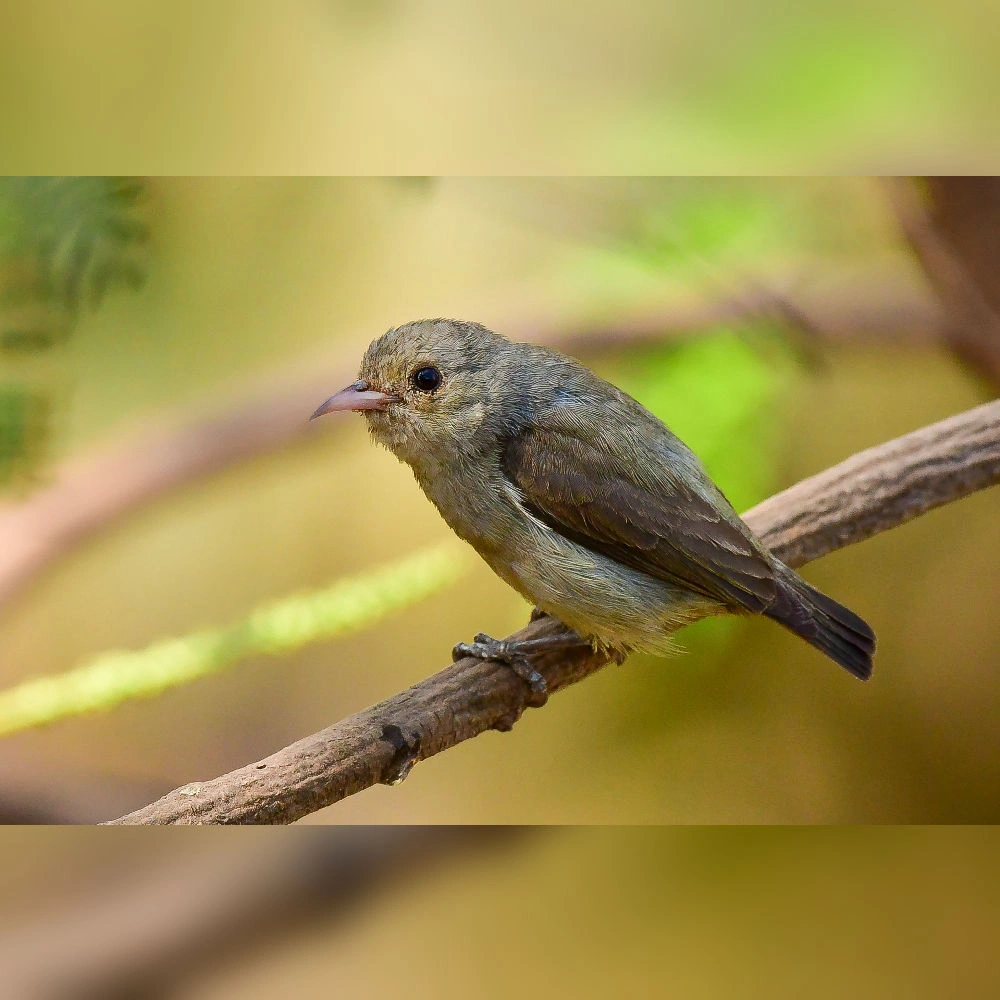
Pale-billed Flowerpecker
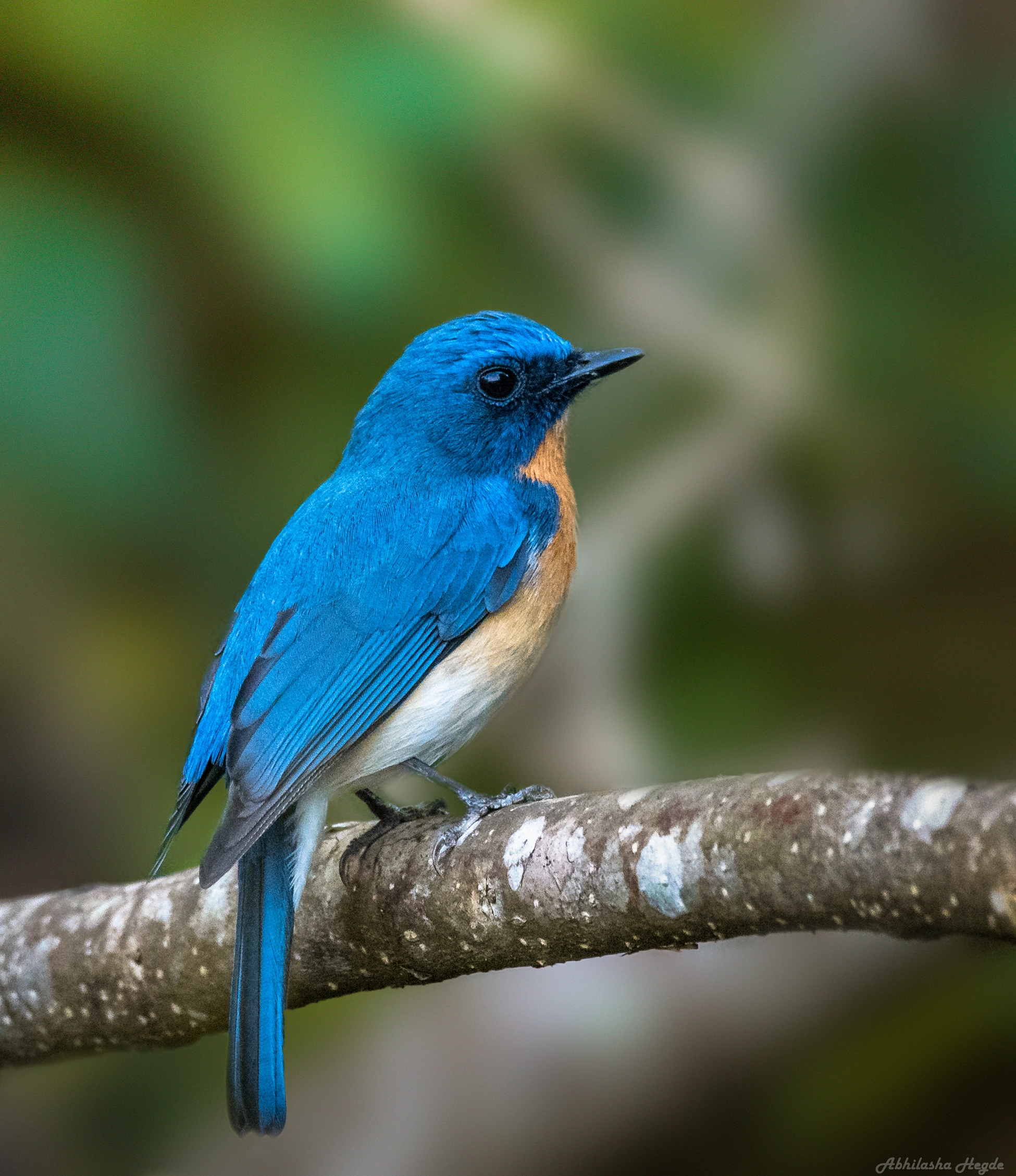
Tickell's Blue Flycatcher
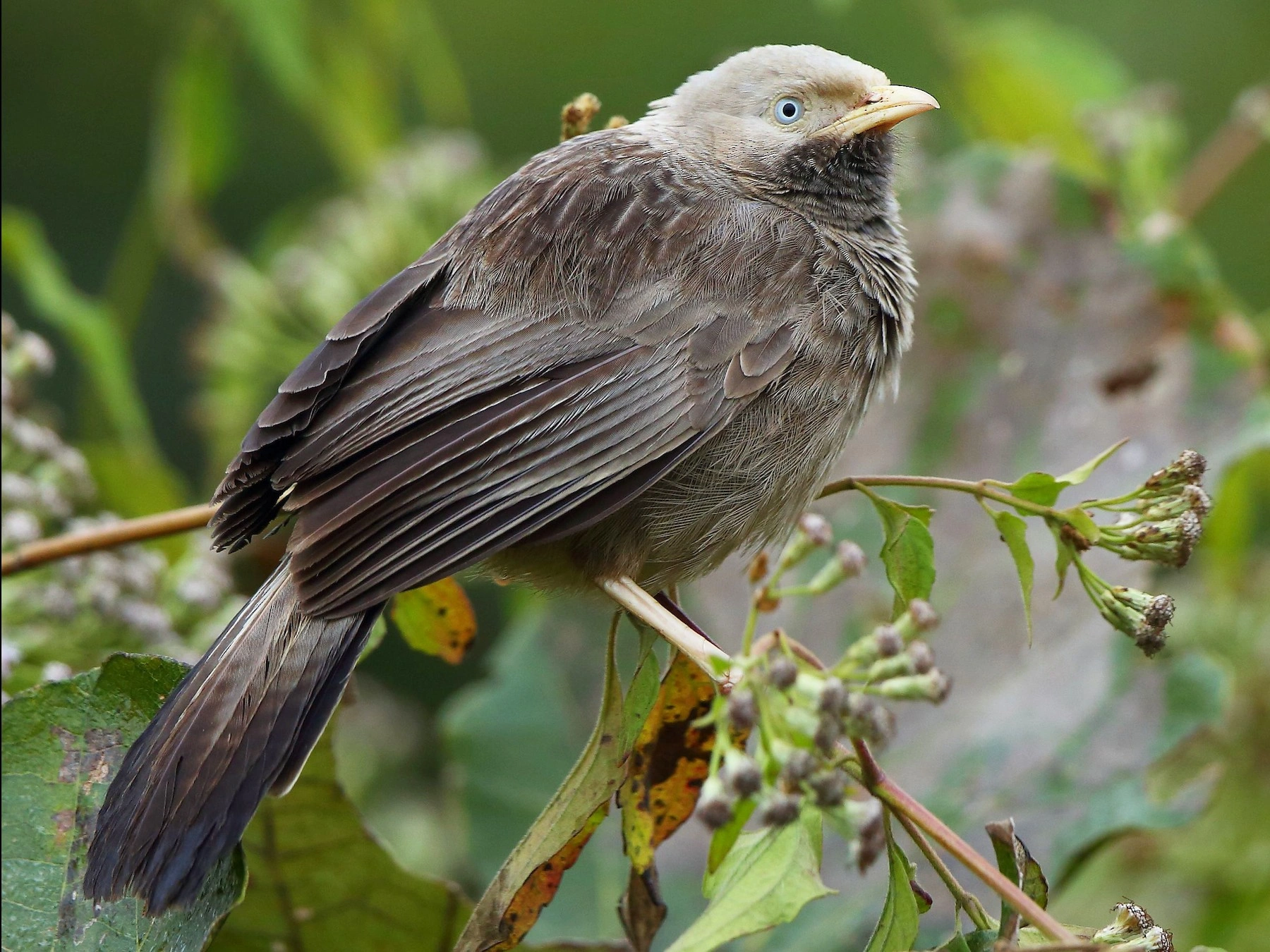
Yellow-billed Babbler
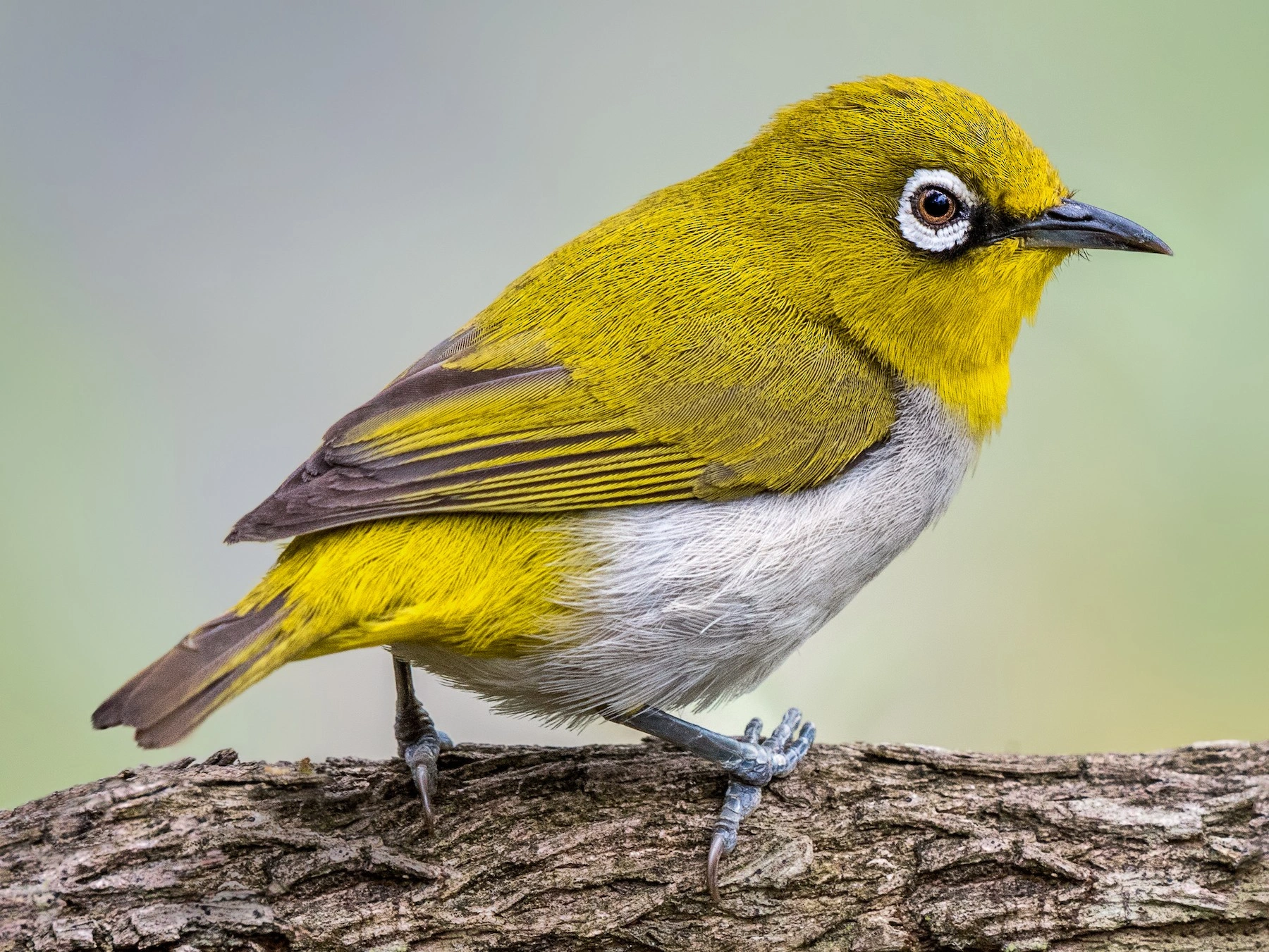
Indian White-eye
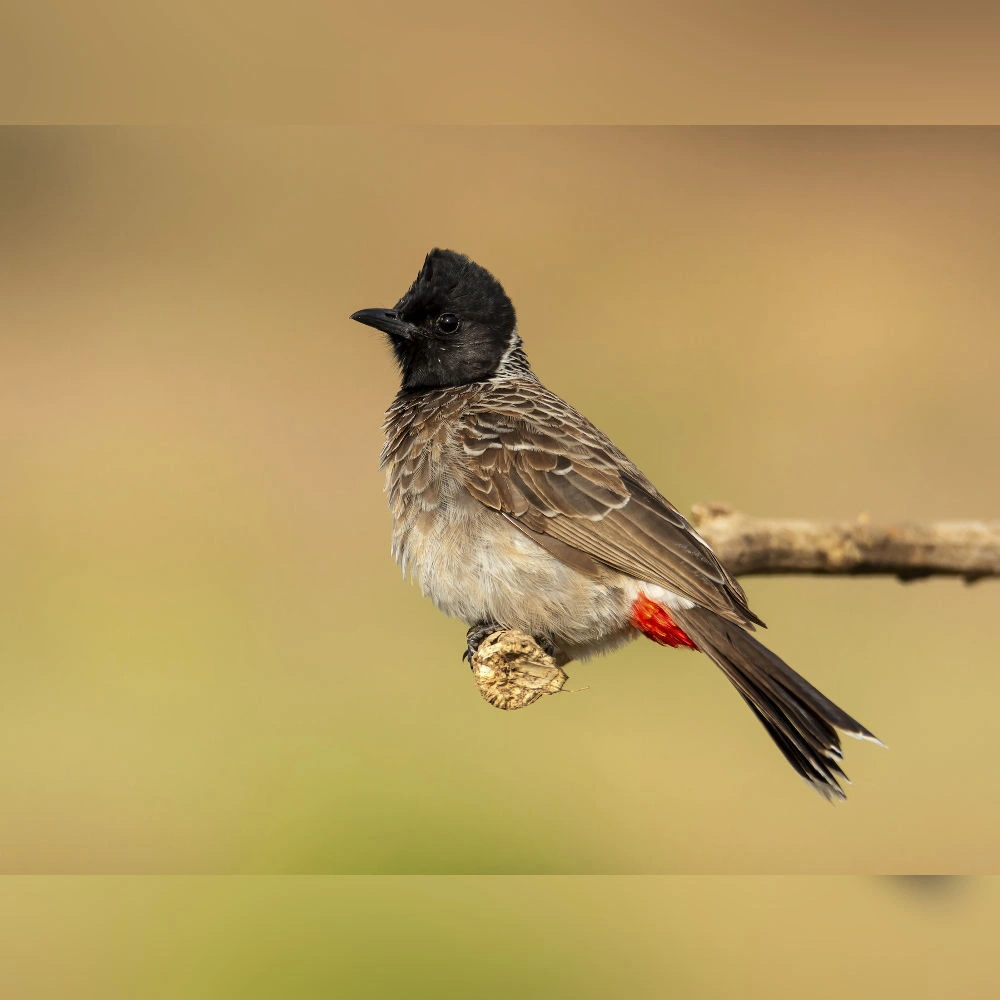
Red-vented Bulbul
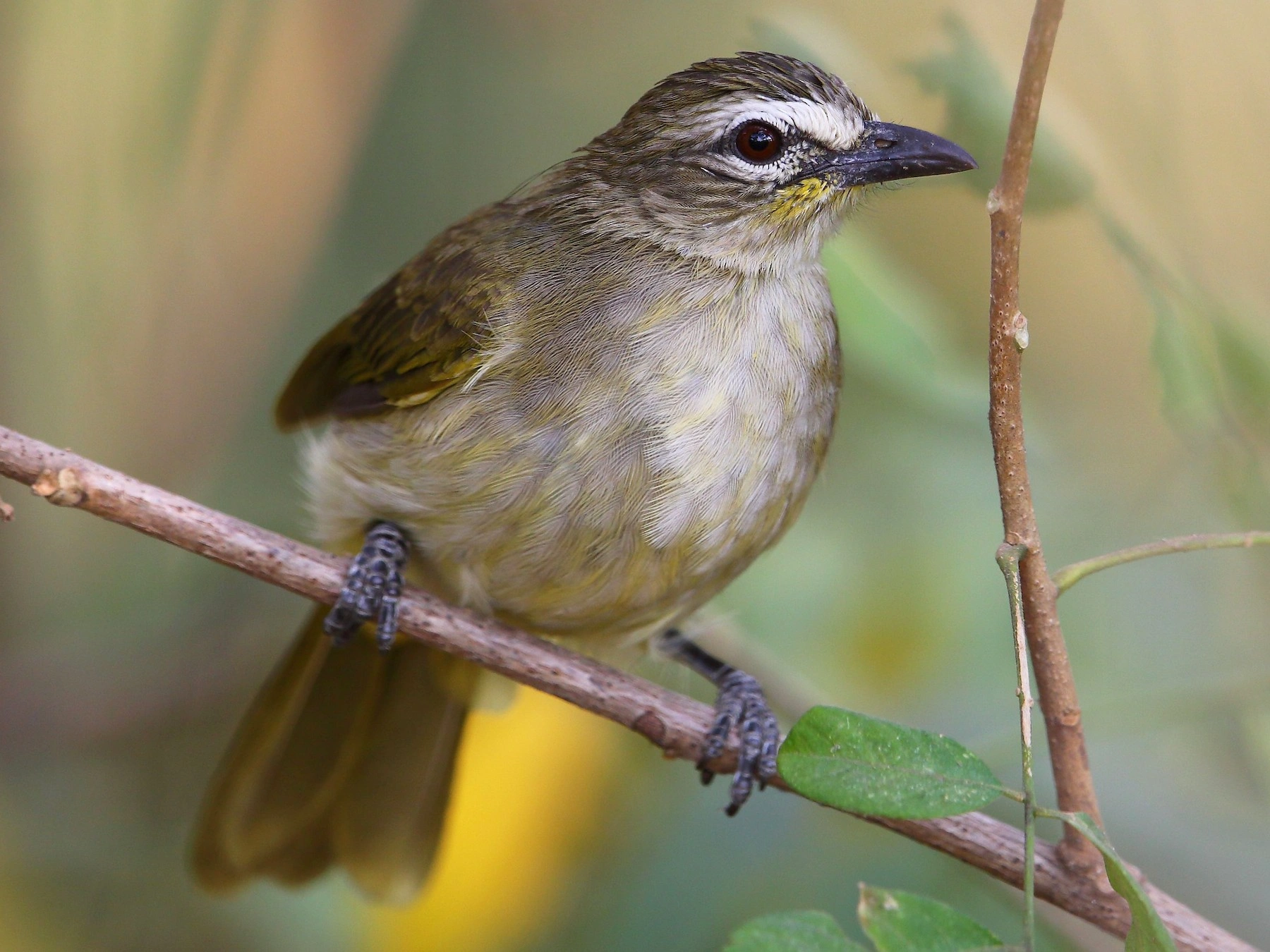
White-browed Bulbul
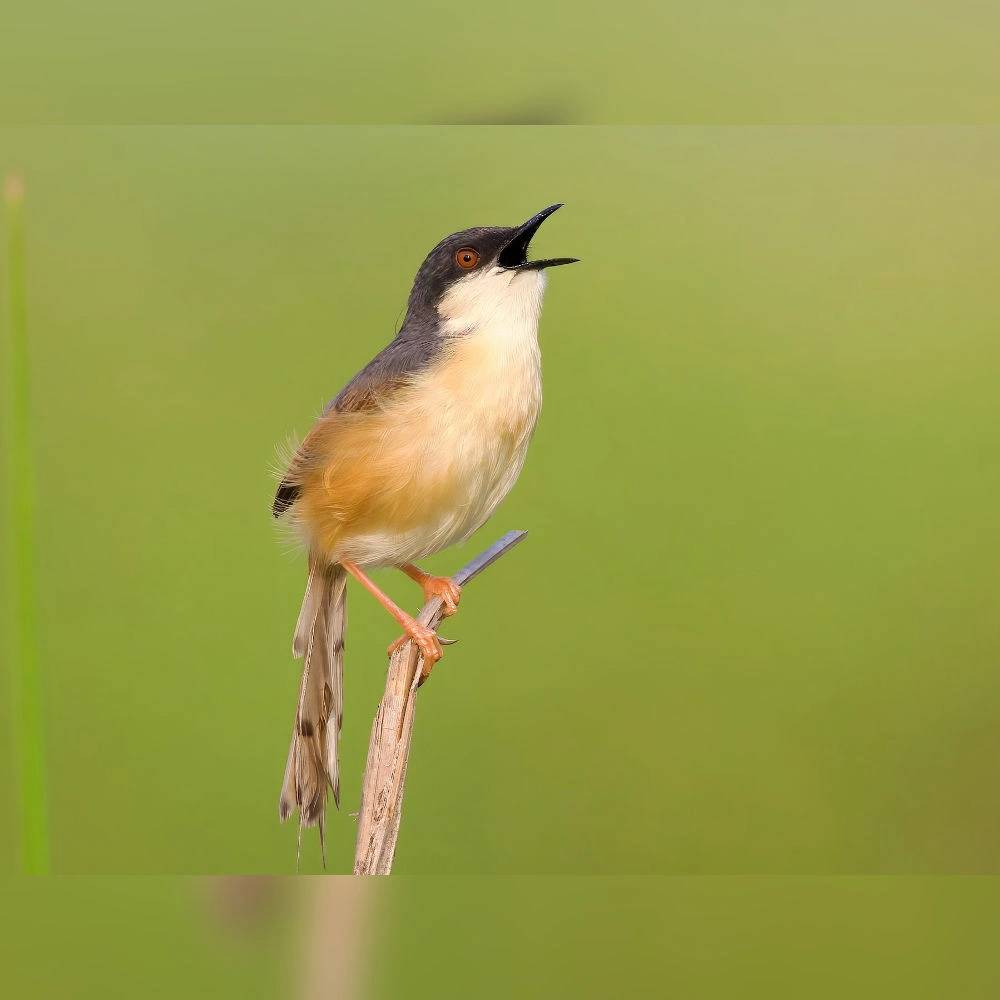
Ashy Prinia
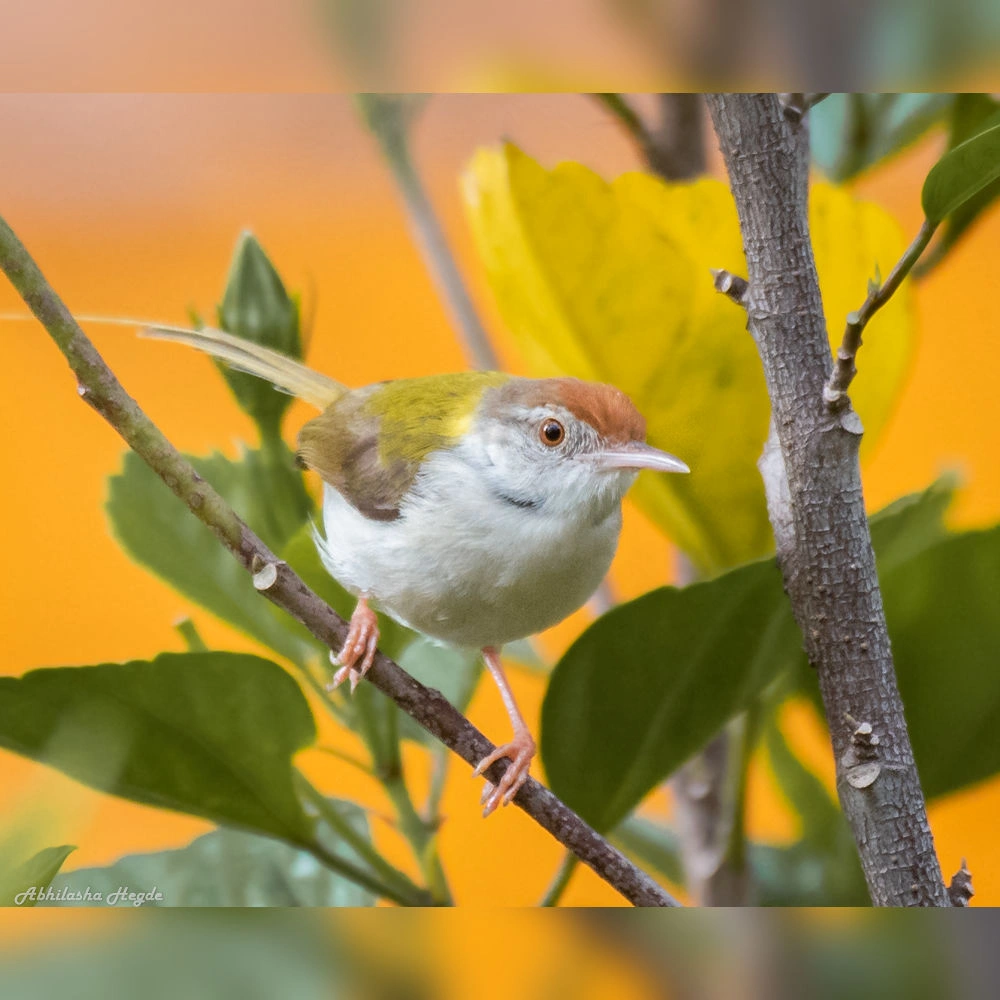
Common Tailorbird
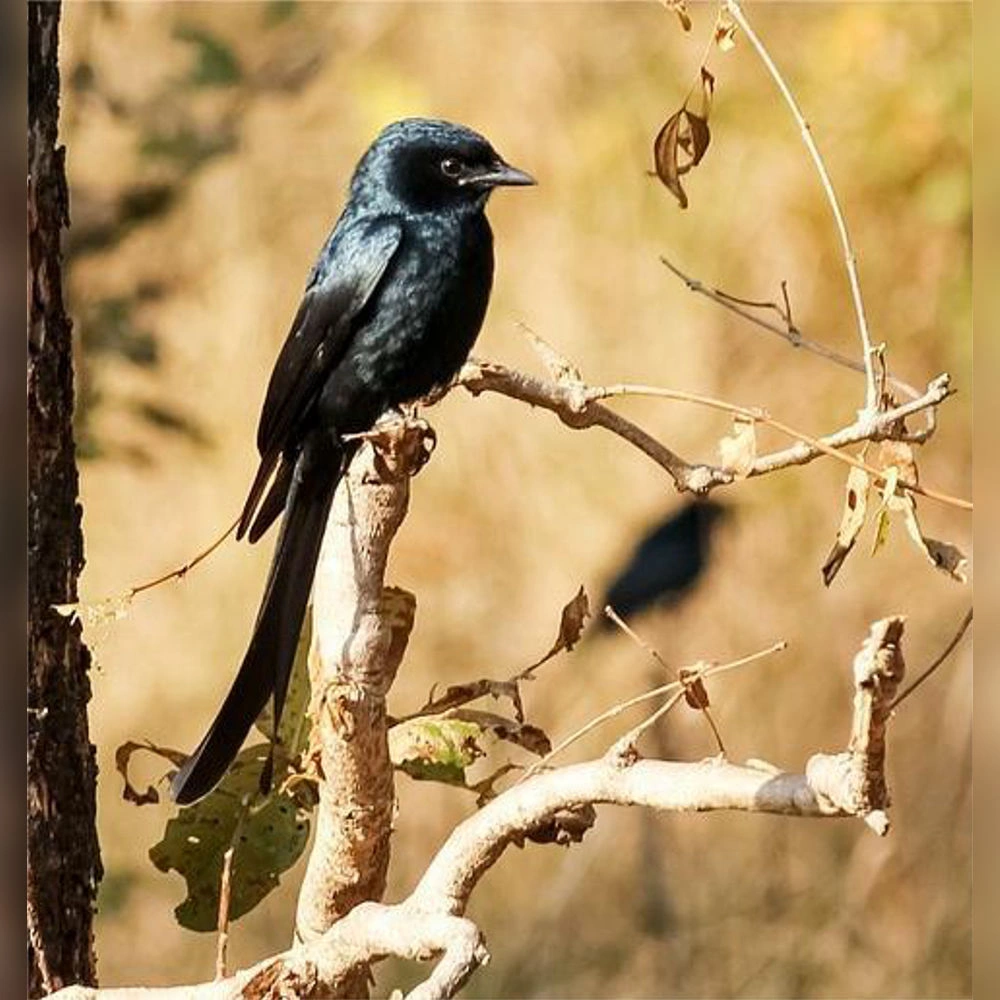
Black Drongo
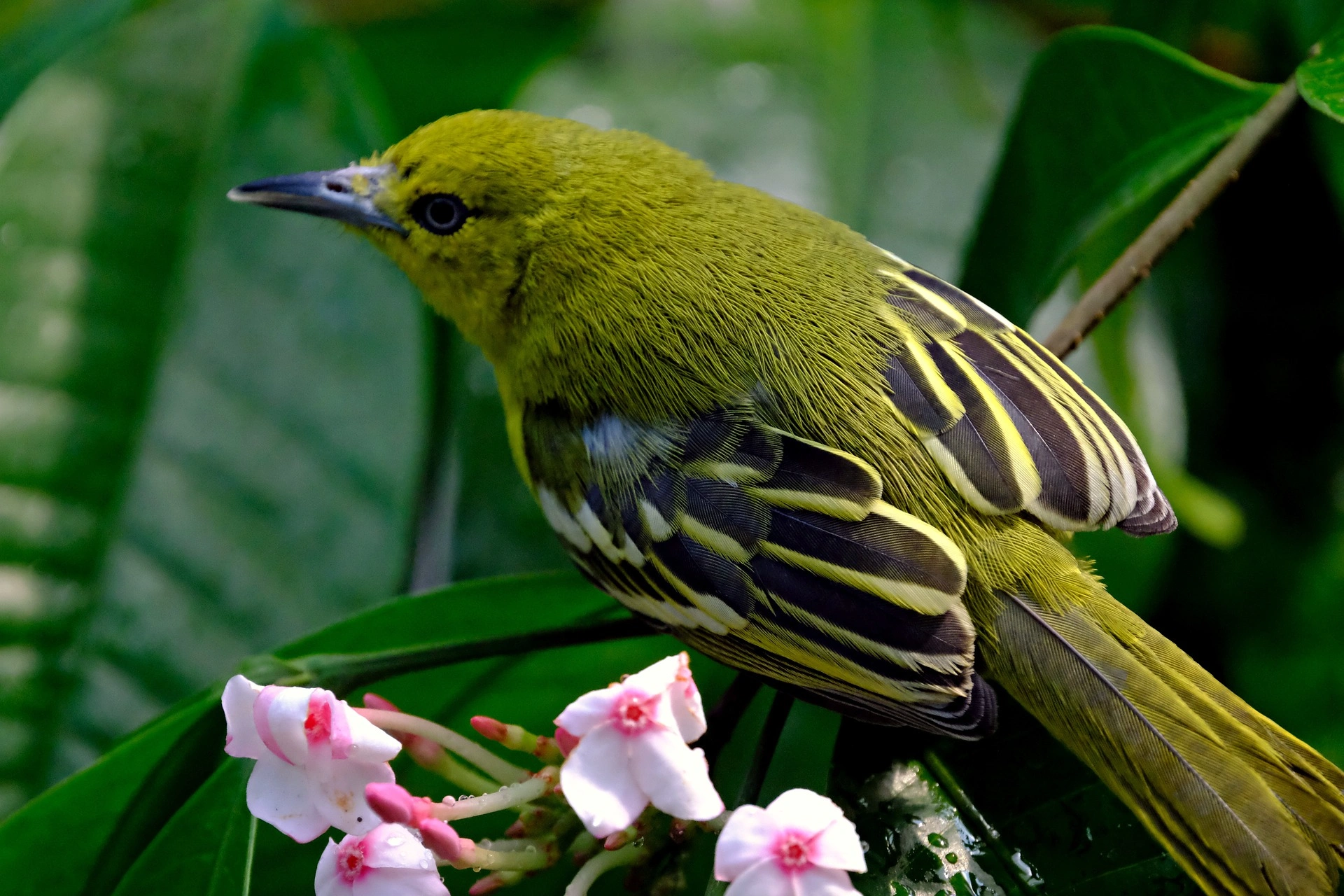
Common Iora
Black-headed Cuckooshrike
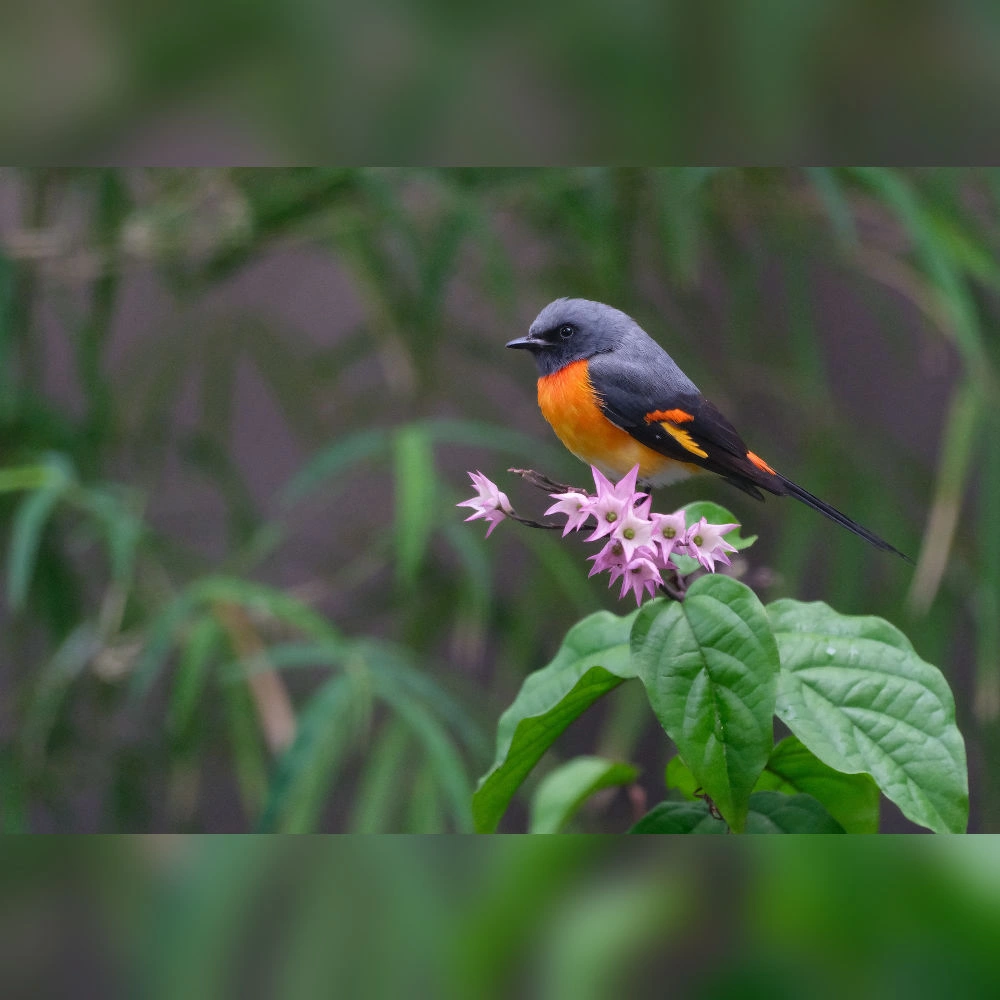
Small Minivet
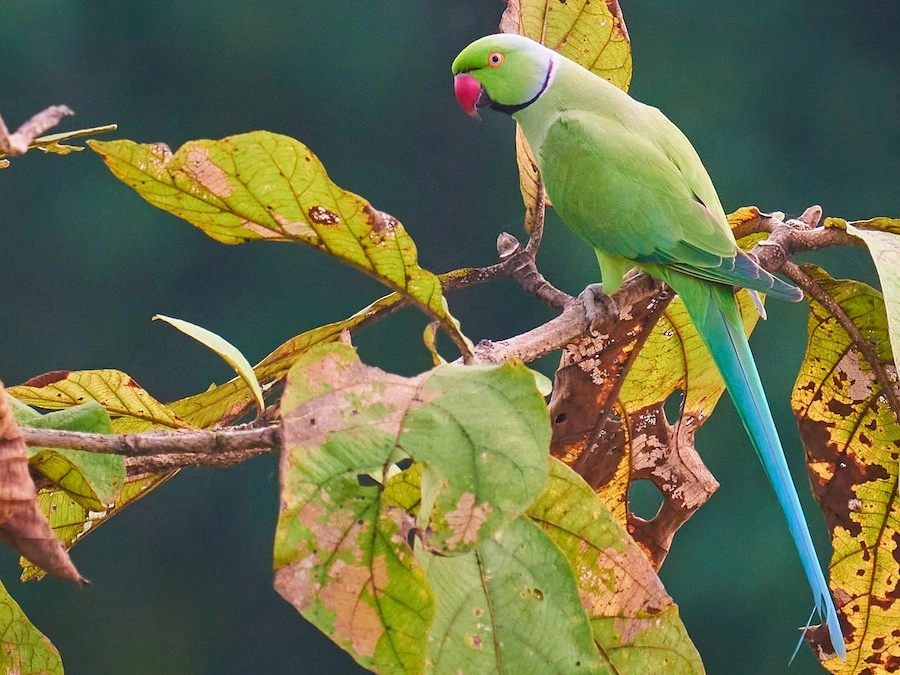
Rose-ringed Parakeet
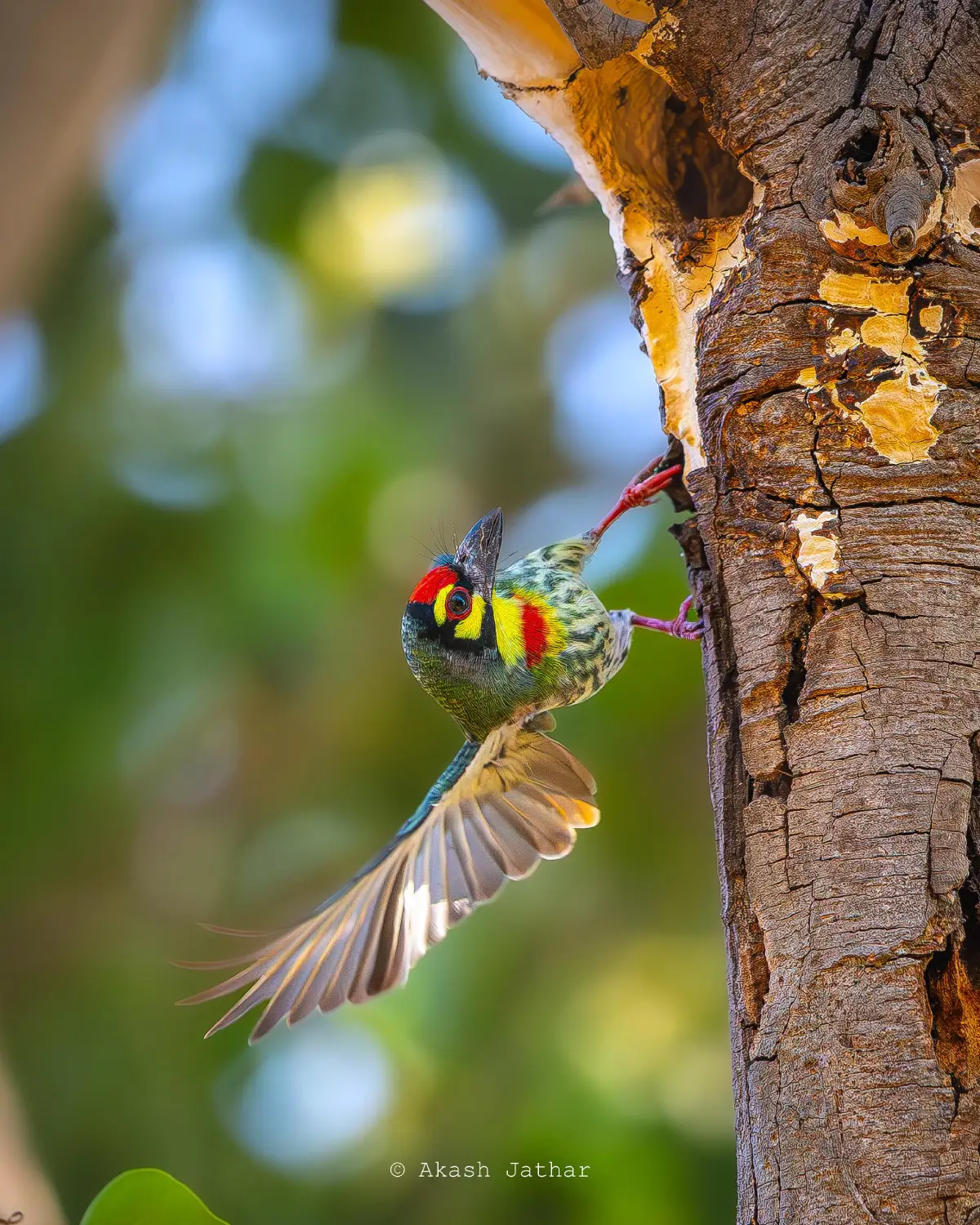
Coppersmith Barbet
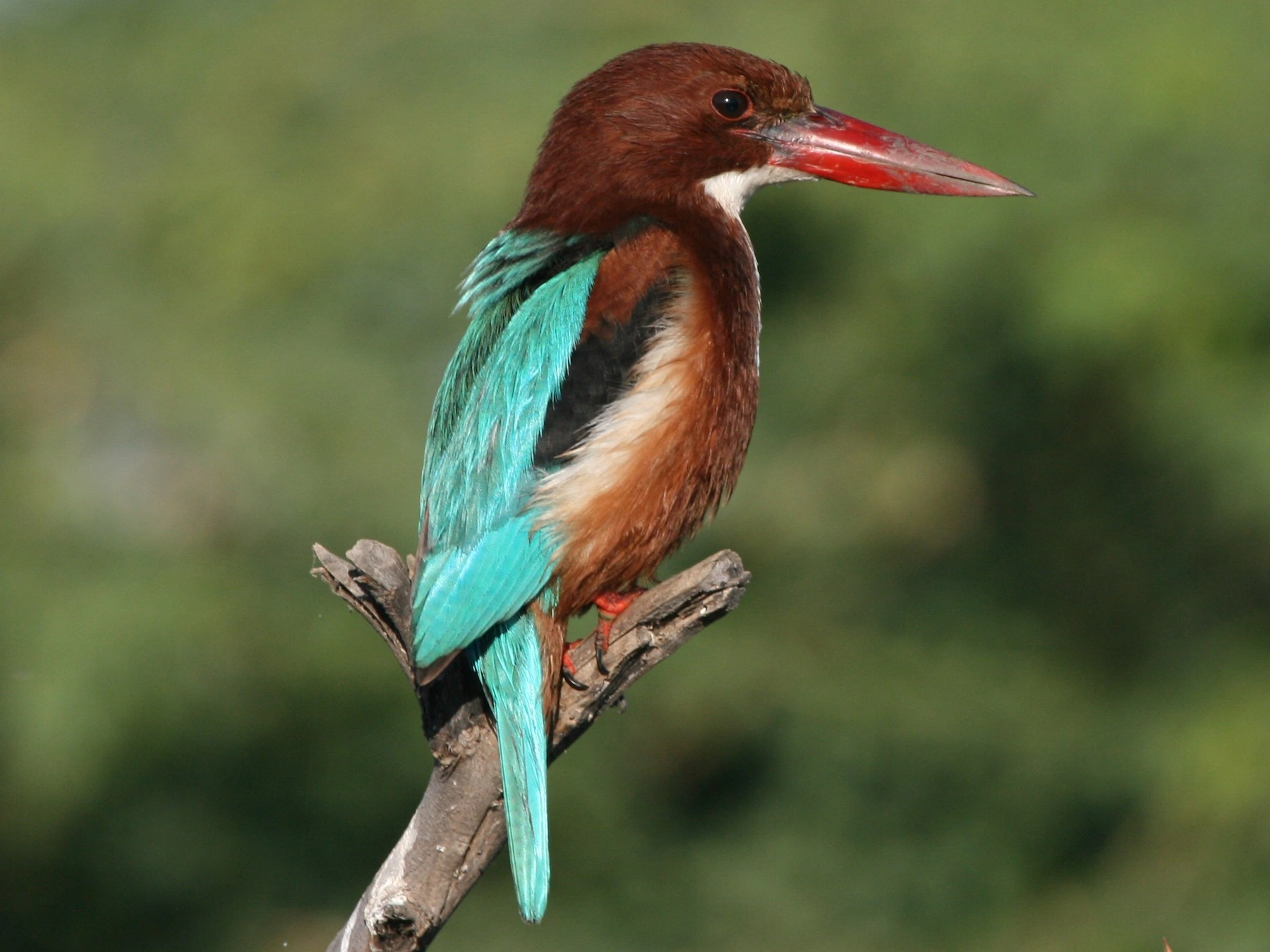
White-throated Kingfisher
Asian Green Bee-eater
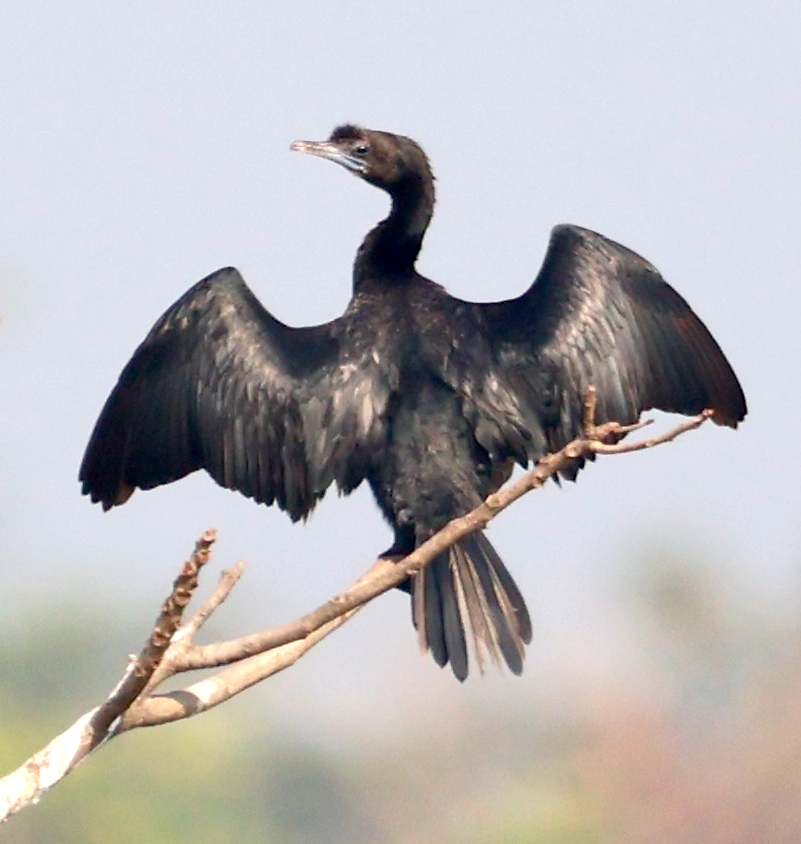
Little Cormorant
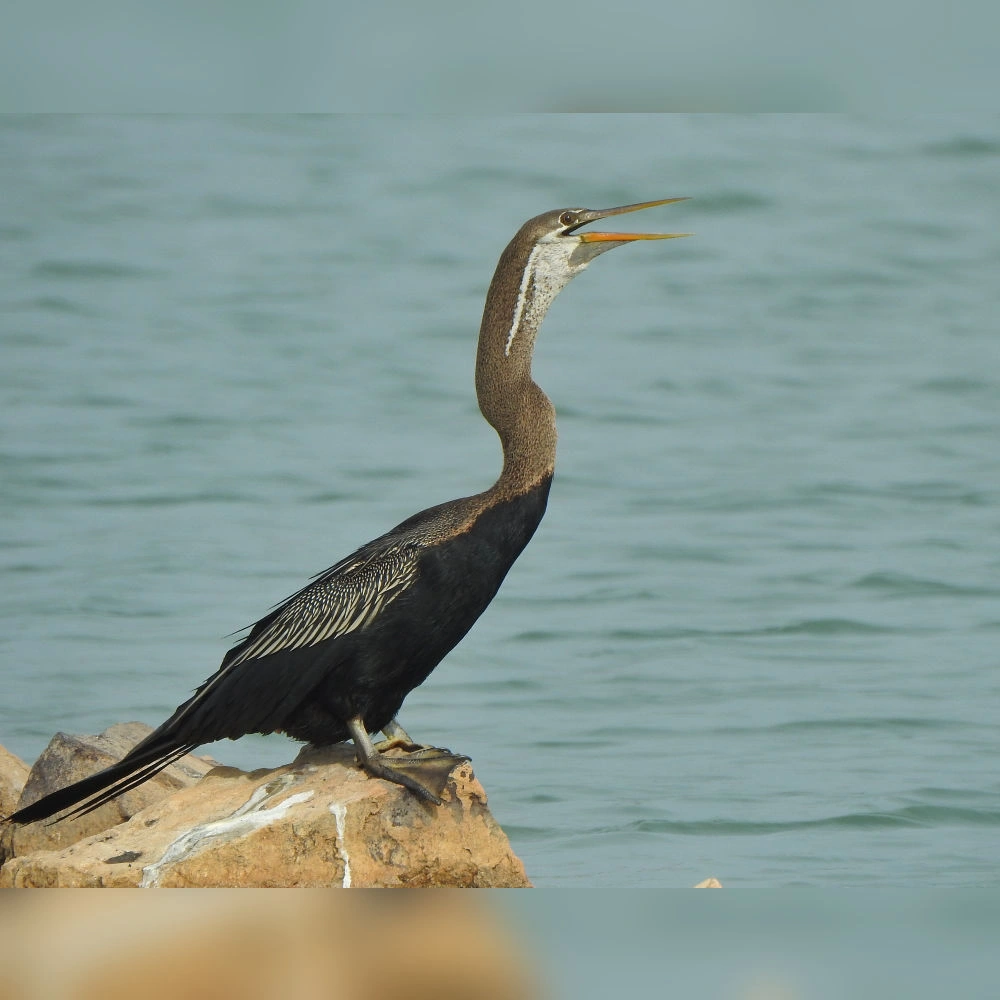
Oriental Darter
White-breasted Waterhen

Summary of Walk

On 31 October 2026, 23 participants joined Aakash Aggarwal for a lively morning bird walk at Nallagandla Lake in Hyderabad. Tucked amid the city’s growing western suburbs, this lake is a valuable urban wetland where open water, shallow edges and surrounding greenery attract a remarkable mix of resident birds and wintering waders. The pleasant weather made it a perfect morning to be outdoors, and the group set off eager to see what the lake had to offer. An impressive 47 species were recorded, including River Terns, Lesser Whistling-Ducks, Glossy Ibis, Common and Marsh Sandpipers, Purple Herons, Great Egrets, Blue-tailed and Asian Green Bee-eaters and Chestnut-tailed Starlings. The highlight moment came when a Painted Stork waded remarkably close to the group before taking a short, graceful flight. Participants were dazzled by the sheer size of the Painted Storks, the brilliant colours of the sunbirds and bee-eaters, and dozens of wintering waders packed tightly together on the mudflats. Everyone was pleasantly surprised to learn that swifts almost never land on the ground or trees, and how loud the call of a White-throated Kingfisher can be. Participants appreciated the pleasant weather and Aakash’s informative explanations of bird behaviour.
Number of Participants
0
Scroll to Top