Bird Walk at Asita East DDA Park, Delhi
- New Delhi
- 25 October, 2026
- Kashif
About Asita East DDA Park
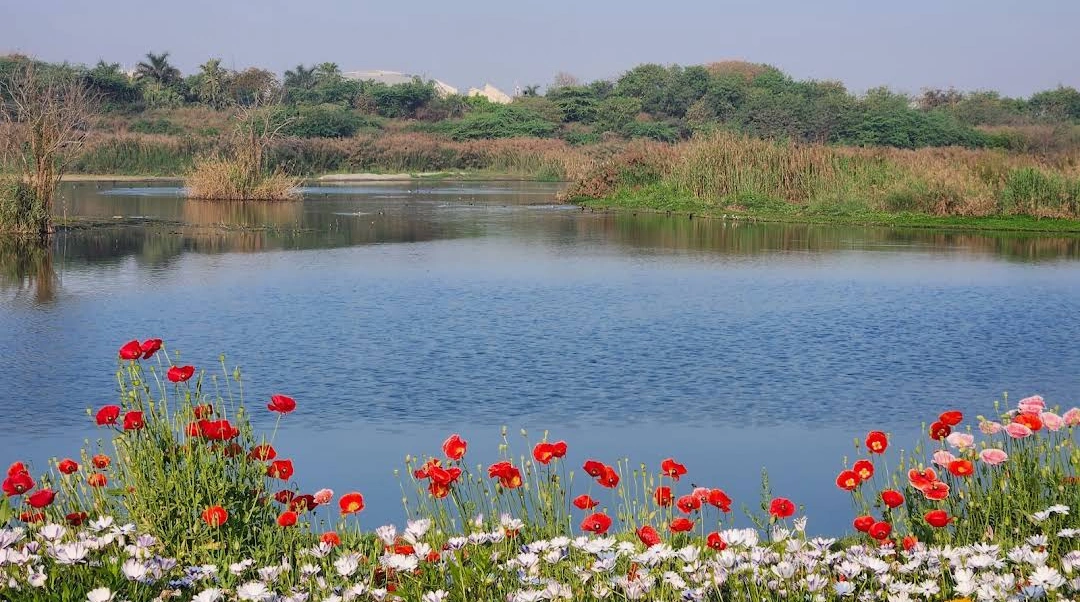
Asita East DDA Park is a large urban green space located along the floodplains of the Yamuna River in East Delhi. Developed by the Delhi Development Authority (DDA), the park was created to restore degraded floodplain habitat while providing recreational opportunities for city residents. The landscape comprises open grasslands, native tree plantations, wetlands, walking and cycling trails, and landscaped gardens that together enhance the ecological value of the area. Its proximity to the Yamuna River makes the park an important green corridor, contributing to groundwater recharge, habitat connectivity, and climate resilience within the city.
The park has emerged as a valuable biodiversity hotspot, attracting a wide range of birds, butterflies, insects, and other urban wildlife. The combination of wetlands, scrub vegetation, grasslands, and mature trees supports both resident and migratory species throughout the year. During the winter months, migratory waterbirds use the wetland habitats for feeding and resting, while the wooded sections provide nesting and roosting sites for numerous terrestrial birds. Asita East DDA Park has become a popular destination for birdwatchers, photographers, and nature enthusiasts, demonstrating how ecological restoration can enhance biodiversity within a densely populated urban landscape.

Bird Guide: Kashif
He has over 6 years of experience in bird photography and birdwatching. His passion for observing and photographing birds has strengthened his connection with nature and encouraged him to explore urban biodiversity.
Bird walk Location
Common birds of Asita East DDA Park
The diverse habitats of Asita East DDA Park support a rich bird community. Commonly observed species include the Indian Peafowl, Rose-ringed Parakeet, Black Kite, Shikra, White-throated Kingfisher, Common Kingfisher, Coppersmith Barbet, Brown-headed Barbet, Red-vented Bulbul, Red-whiskered Bulbul, Purple Sunbird, Indian Robin, Oriental Magpie-Robin, Black Drongo, Jungle Babbler, House Sparrow, Common Myna, Bank Myna, Spotted Dove, Laughing Dove, Cattle Egret, Indian Pond Heron, Little Egret, Purple Heron, Little Cormorant, White-breasted Waterhen, and Purple Swamphen. During winter, the wetlands also attract migratory ducks, wagtails, and waders, making the park one of the notable urban birding locations in Delhi.

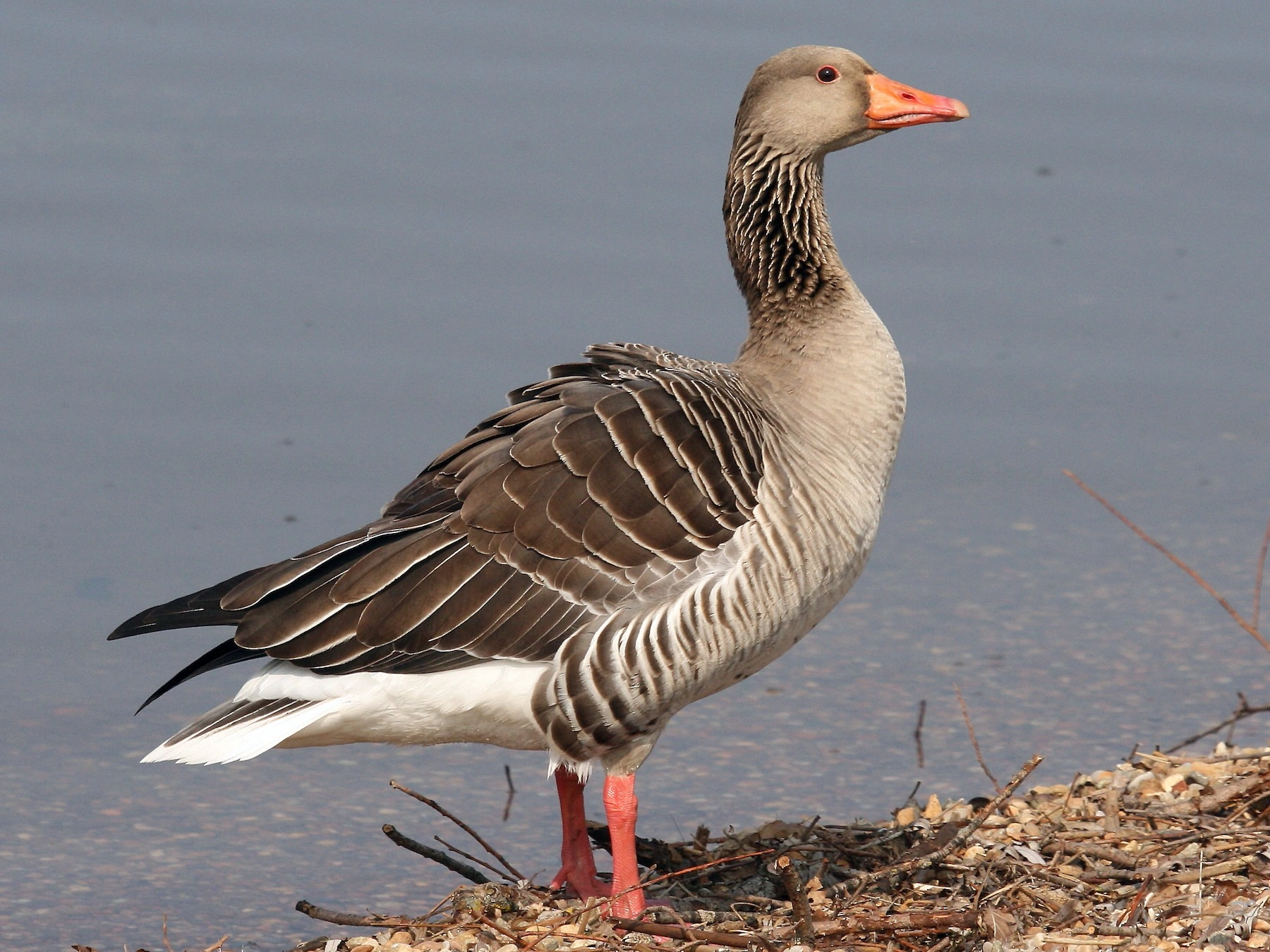
Graylag Goose

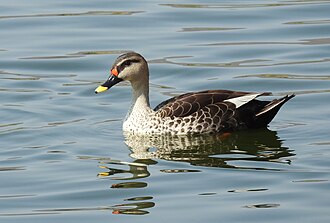
Indian Spot-billed Duck

Indian Peafowl
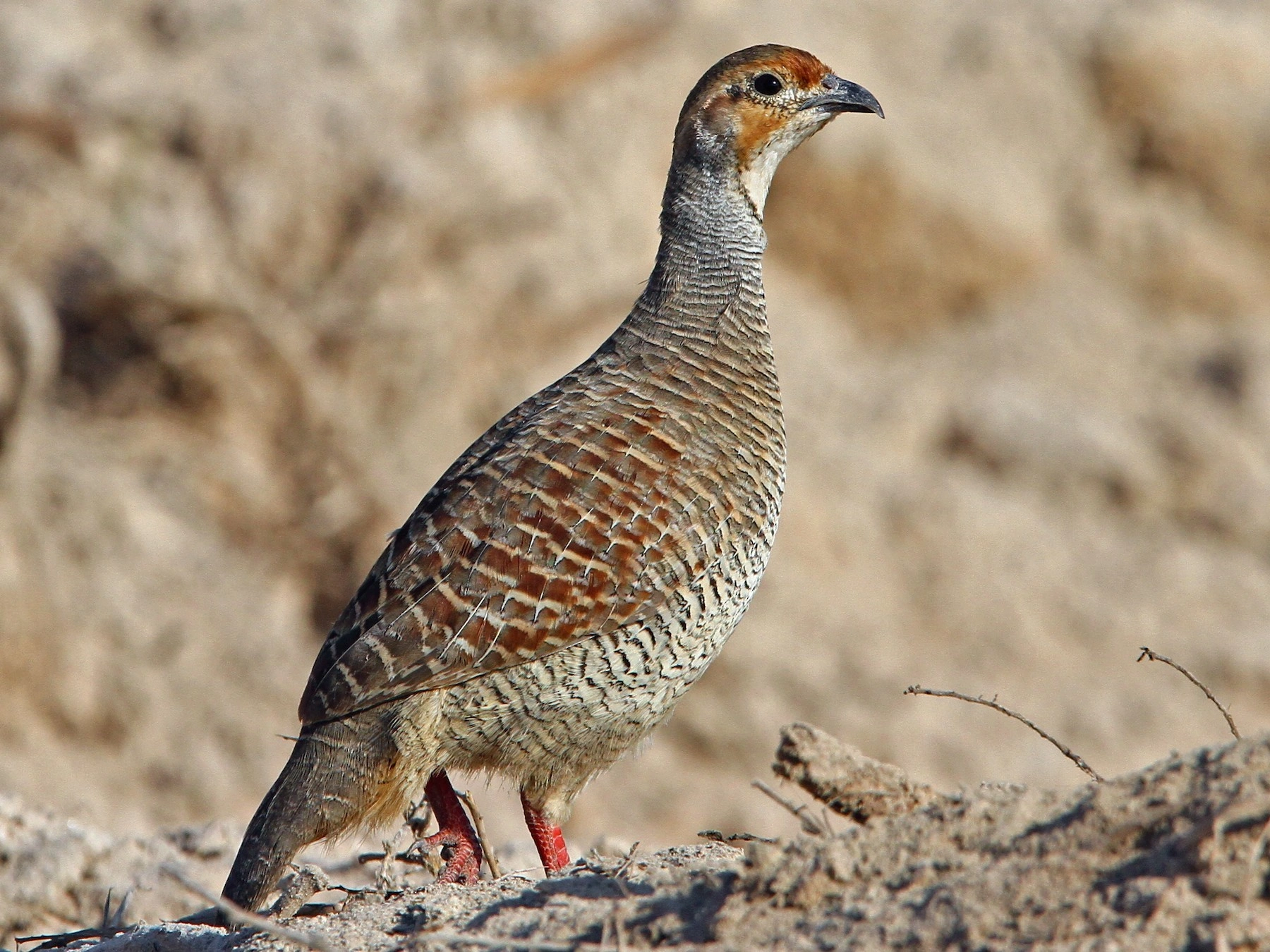
Gray Francolin
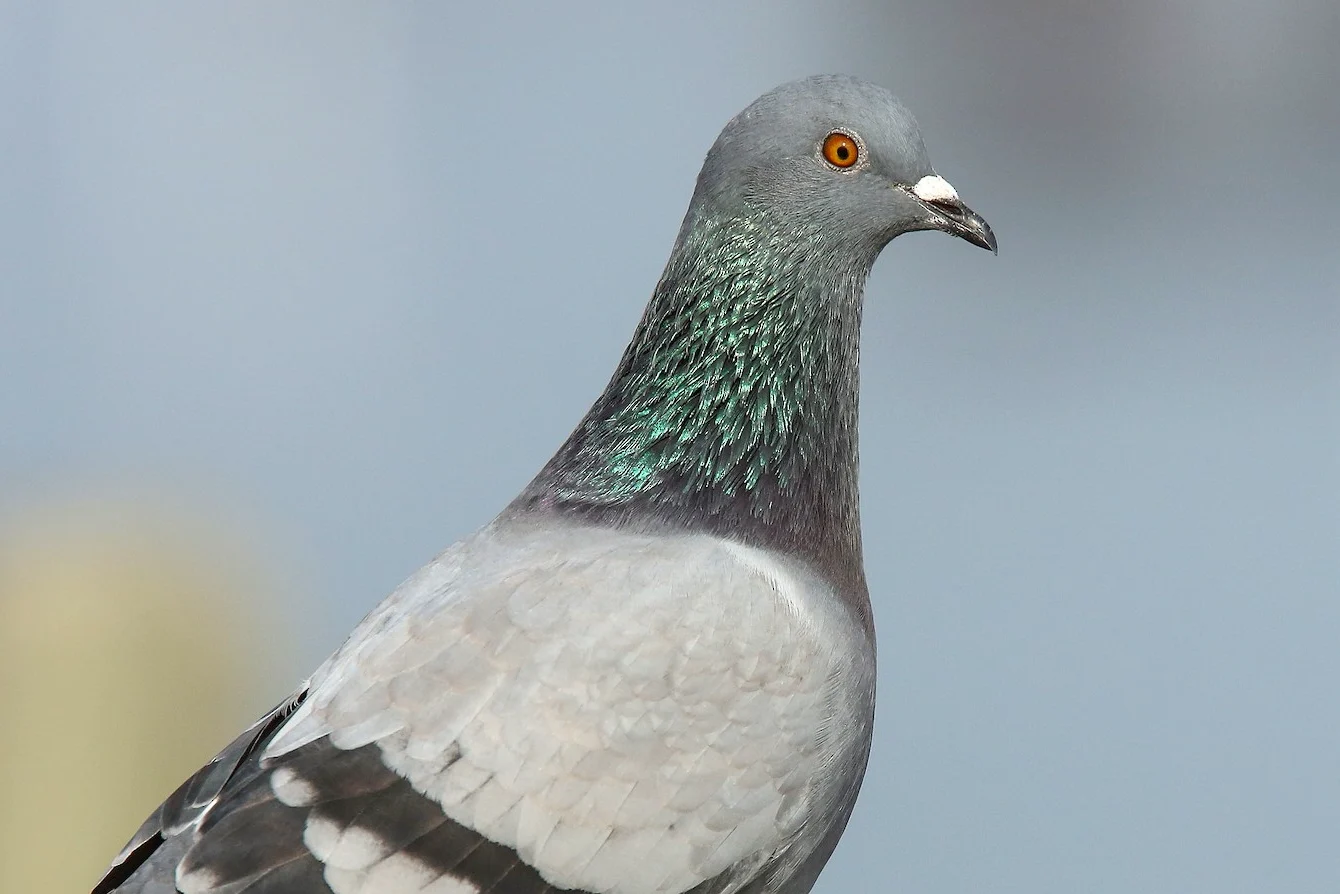
Rock Pigeon
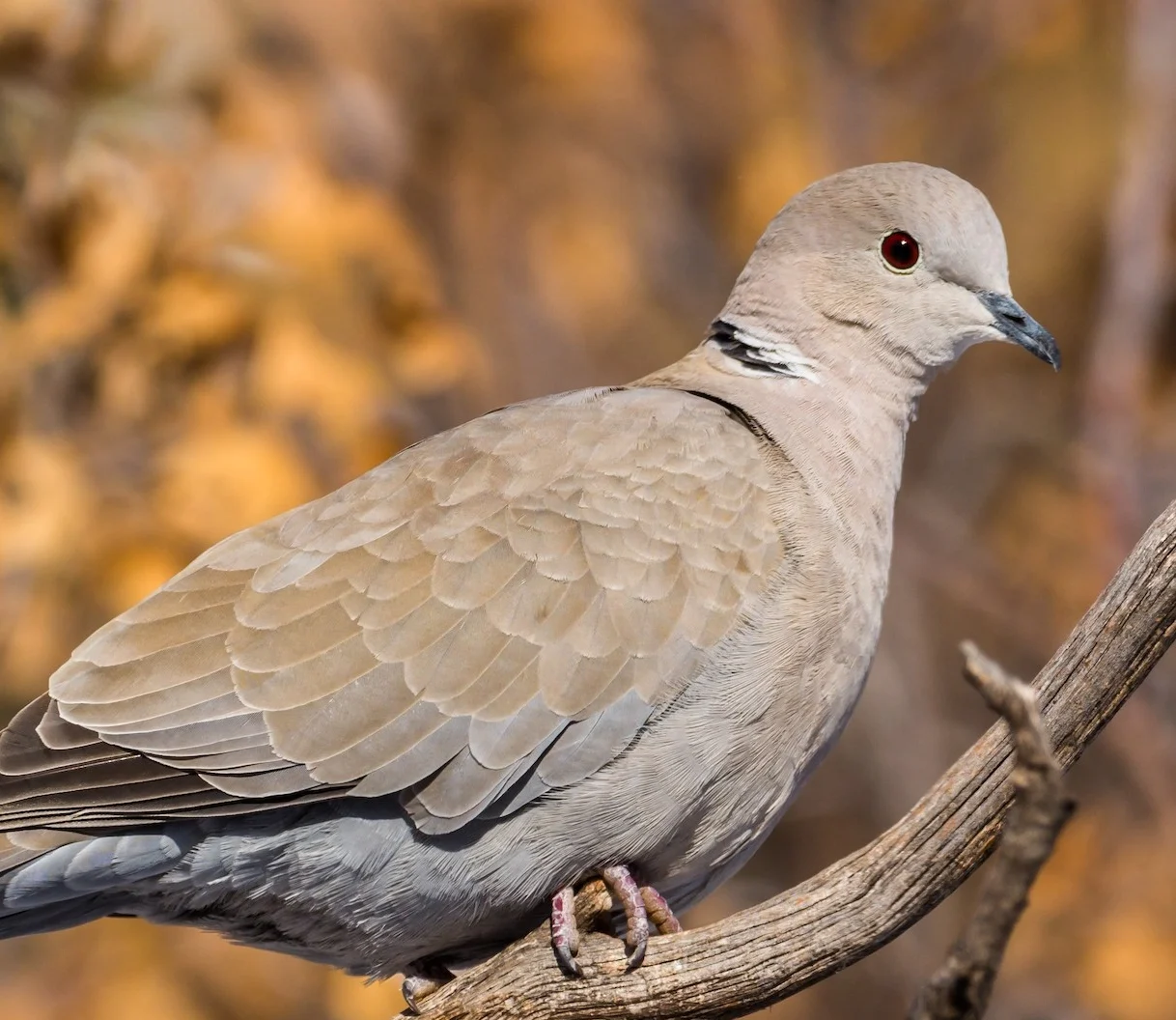
Eurasian Collared-Dove
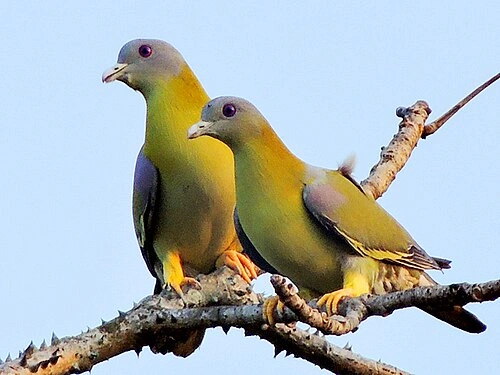
Yellow-footed Green-Pigeon
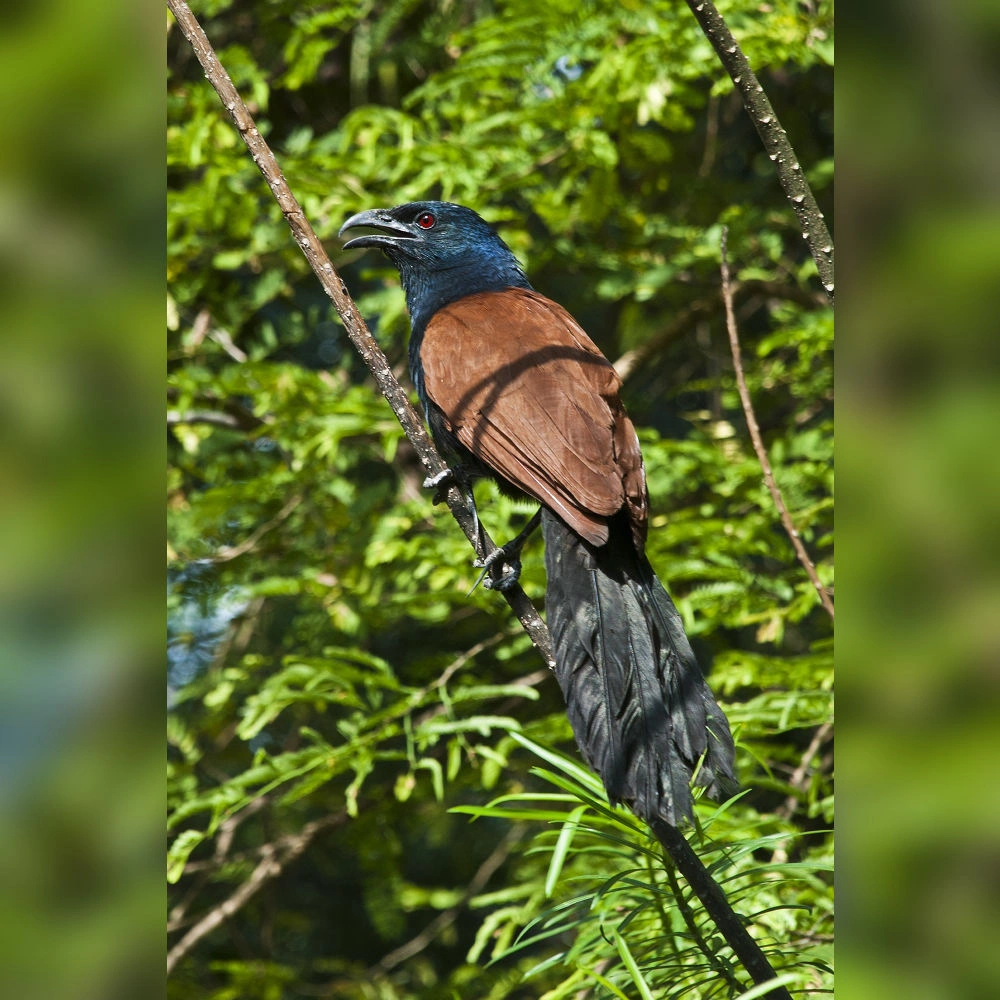
Greater Coucal
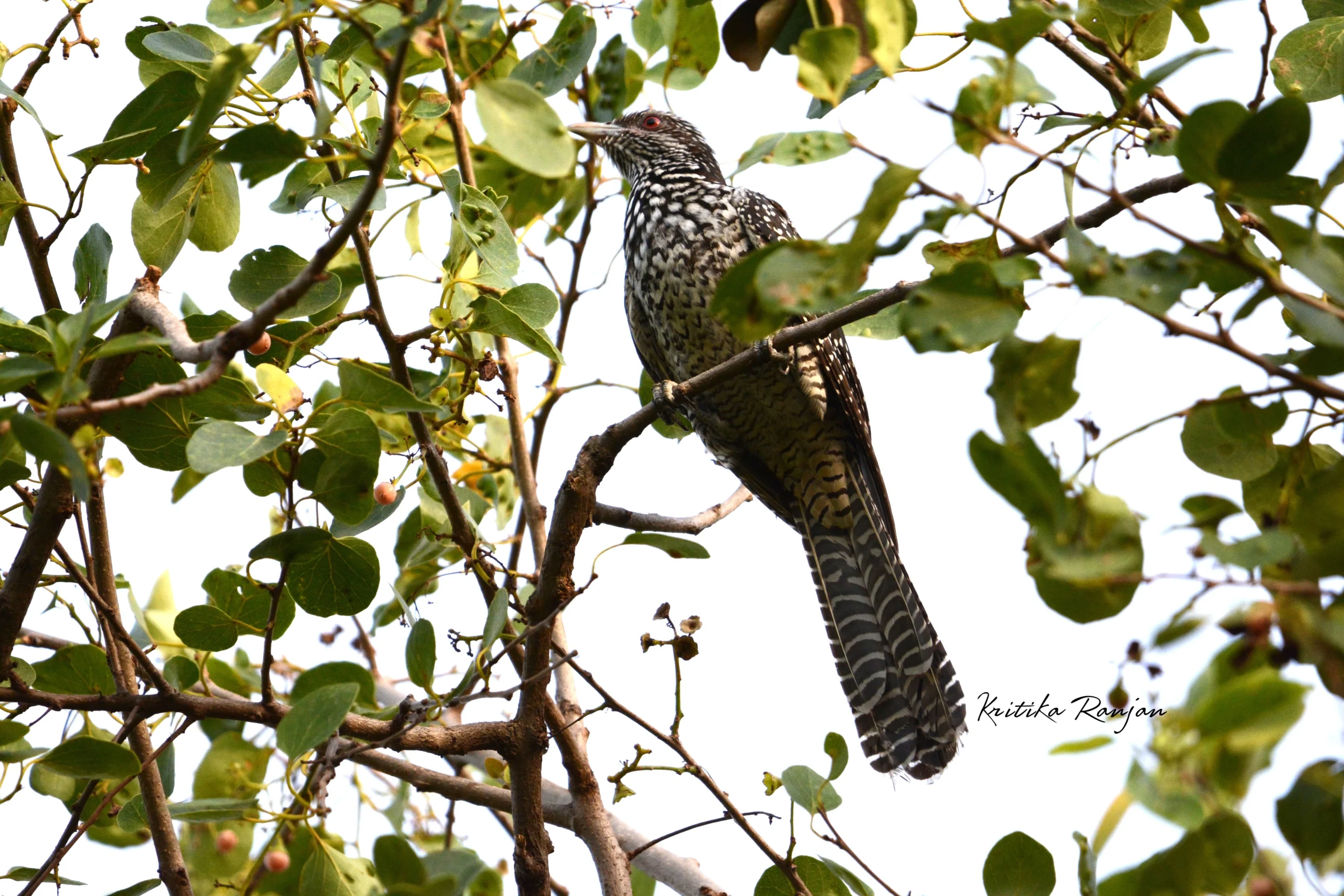
Asian Koel
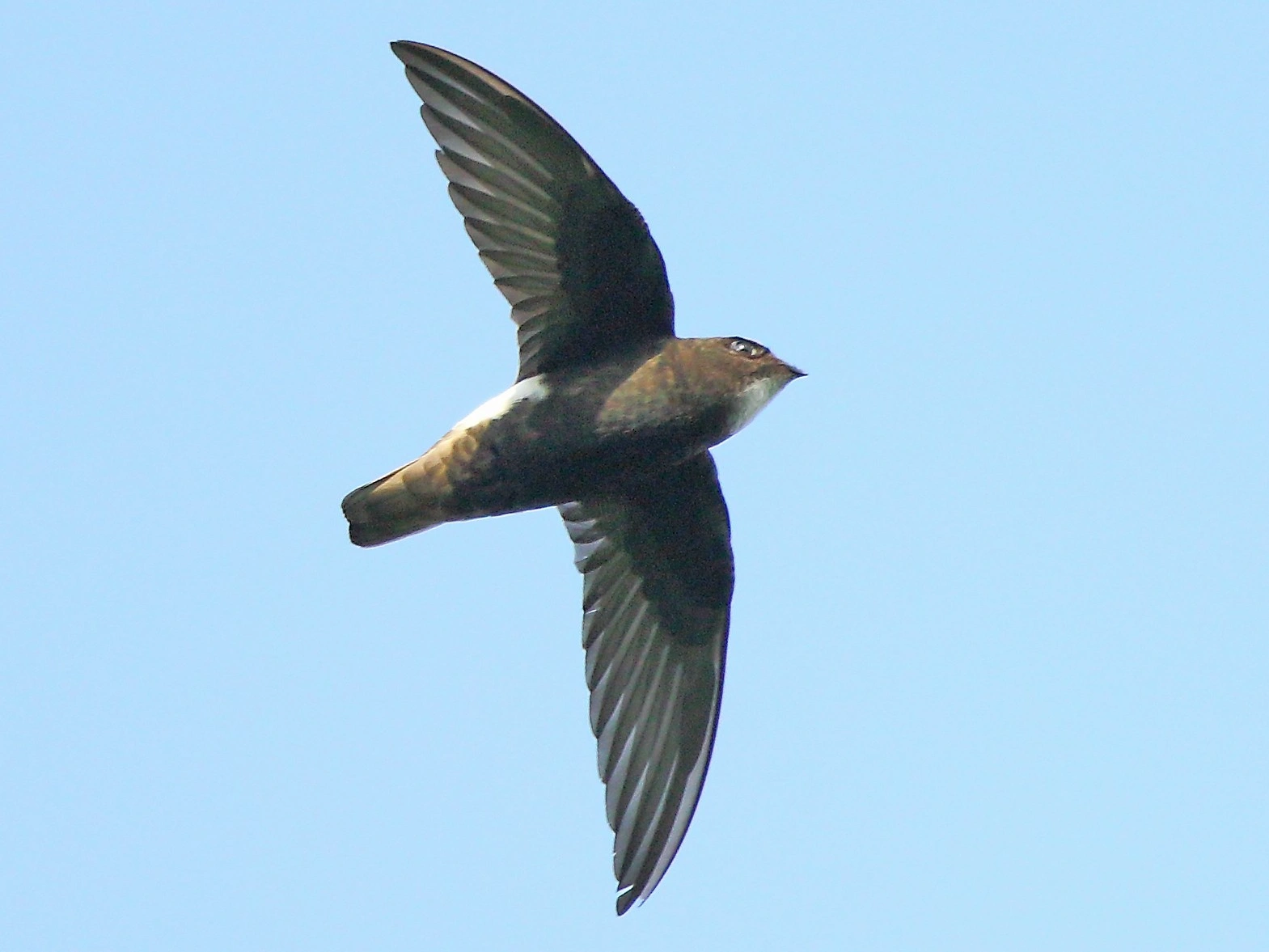
Little Swift
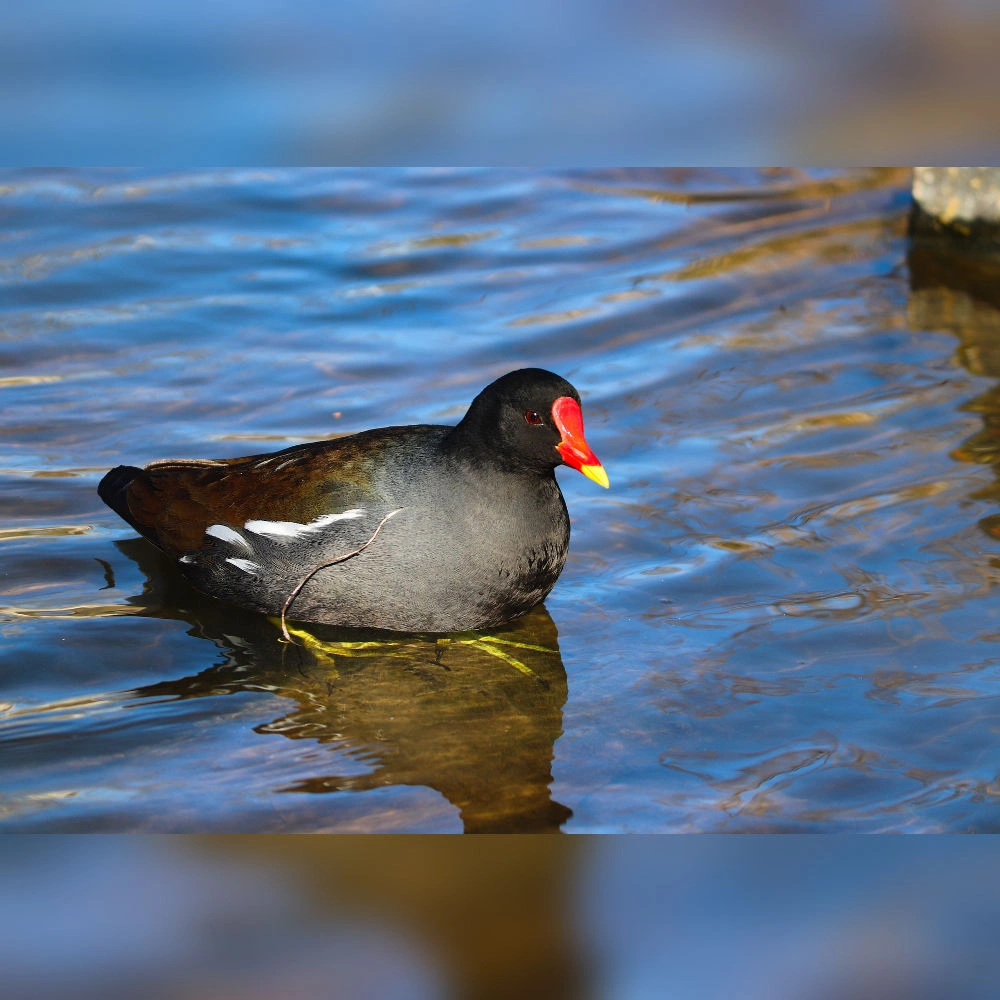
Common Moorhen
White-breasted Waterhen
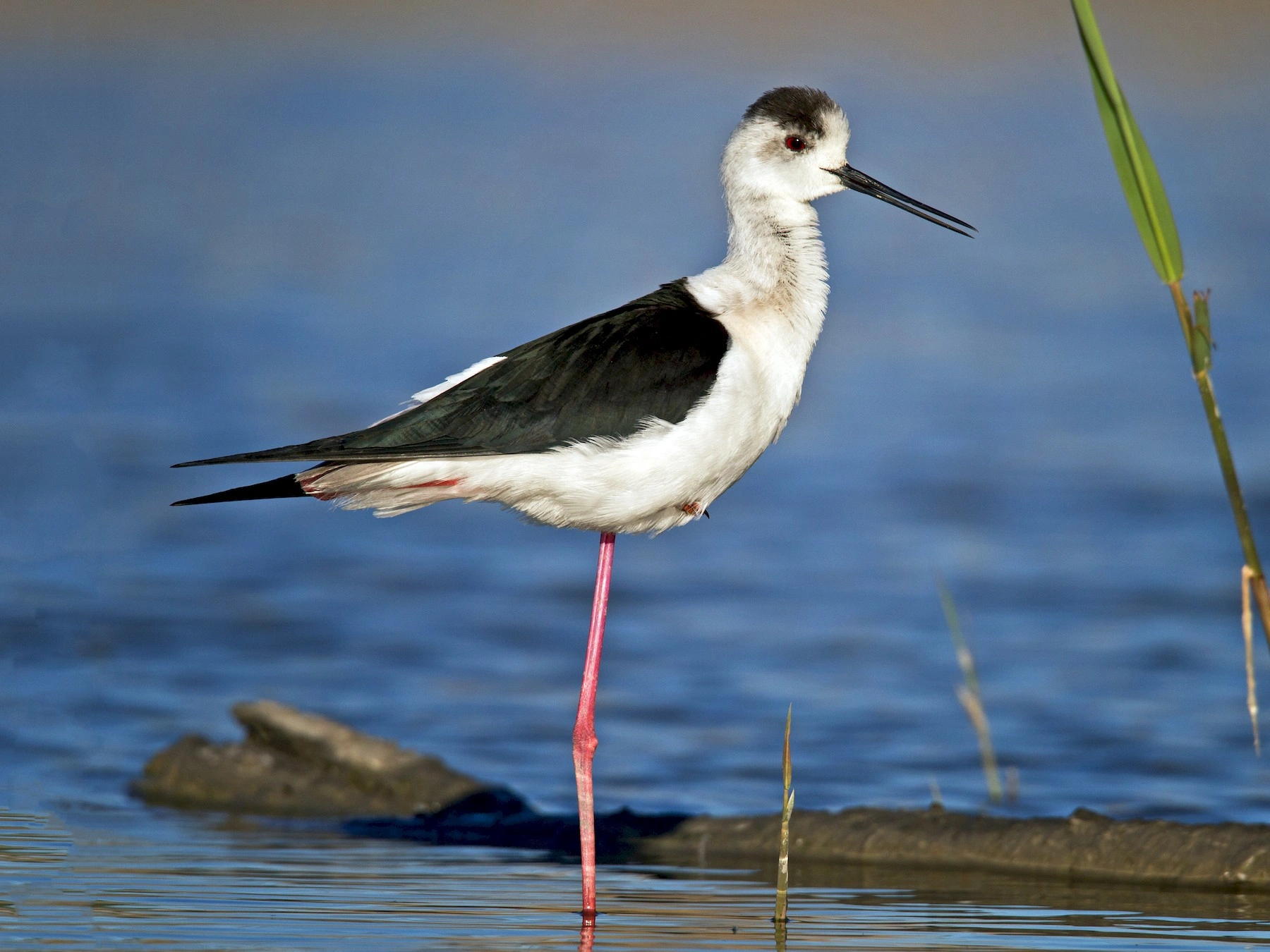
Black-winged Stilt
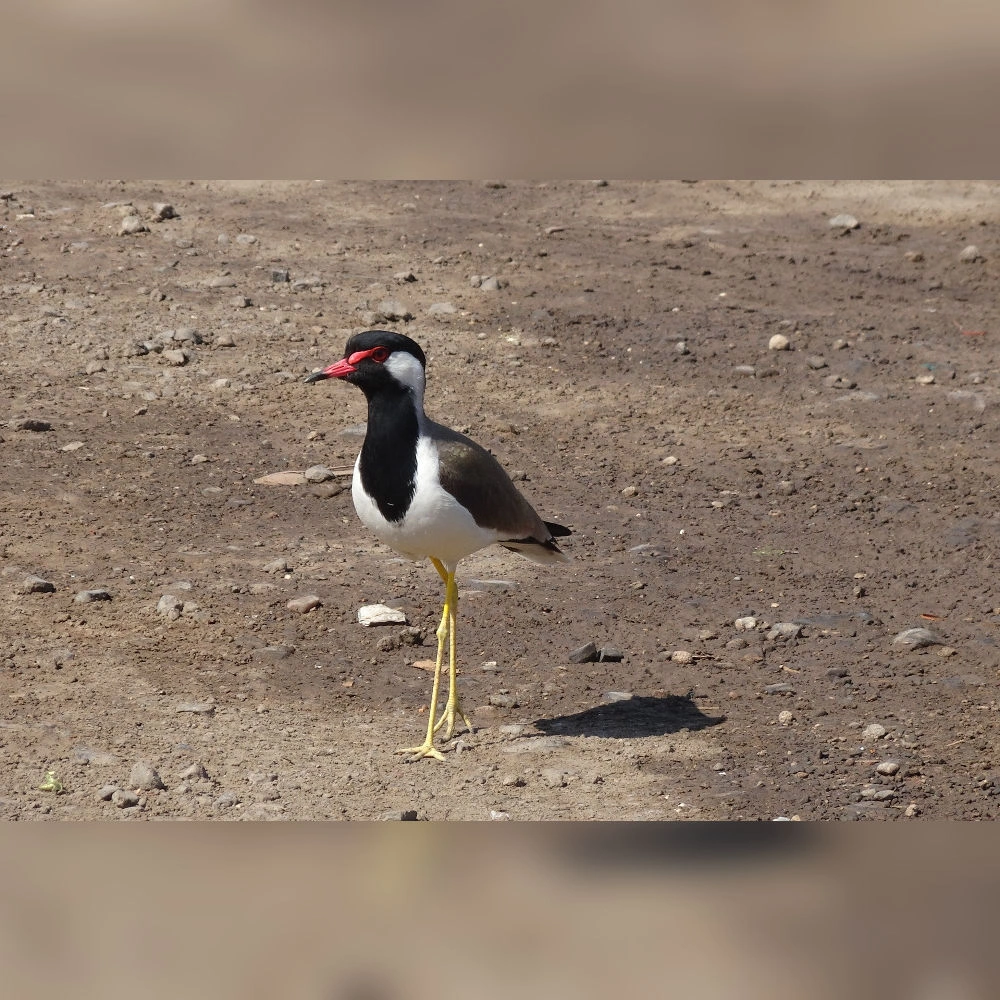
Red-wattled Lapwing
Little Grebe
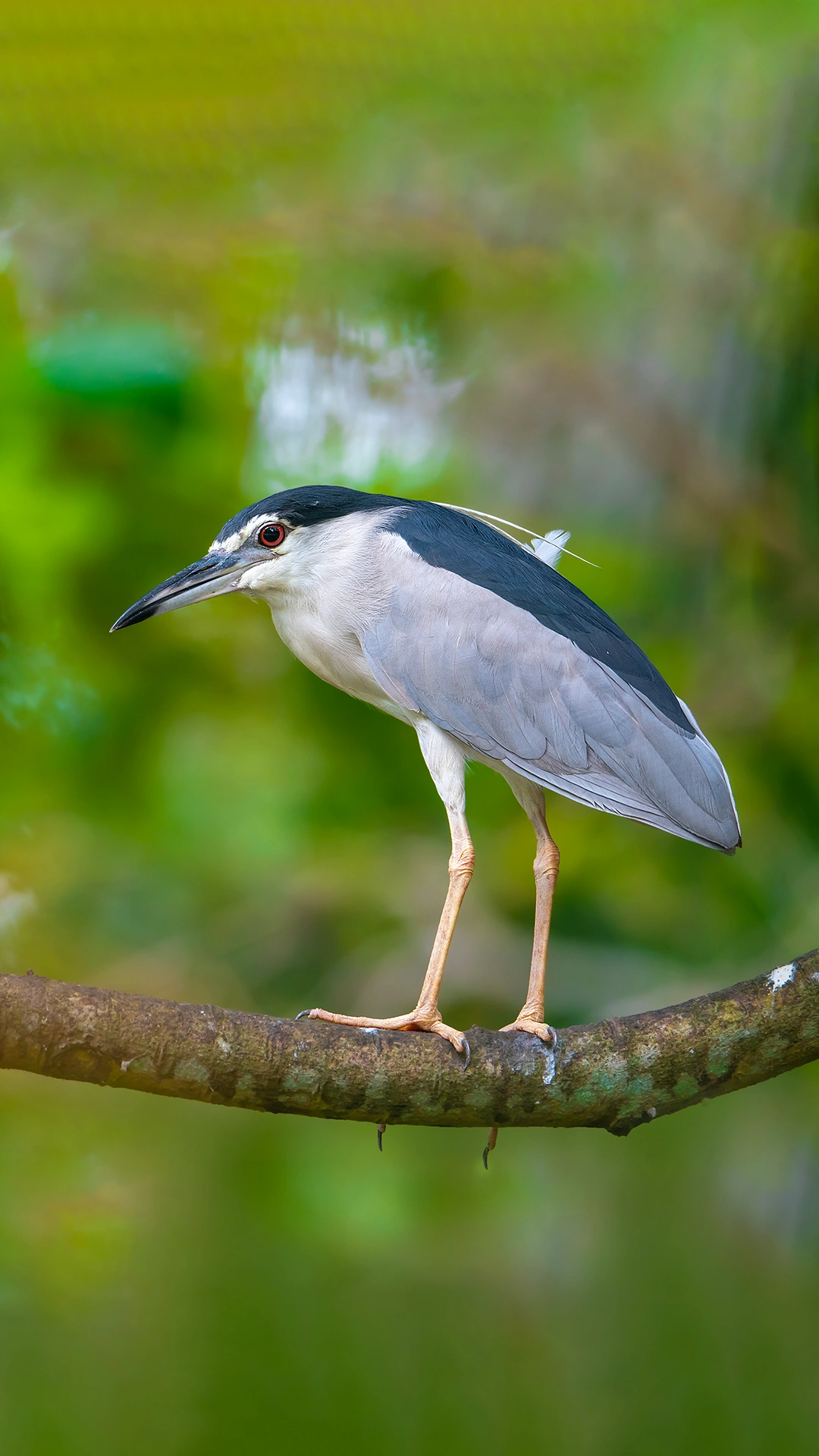
Black-crowned Night Heron
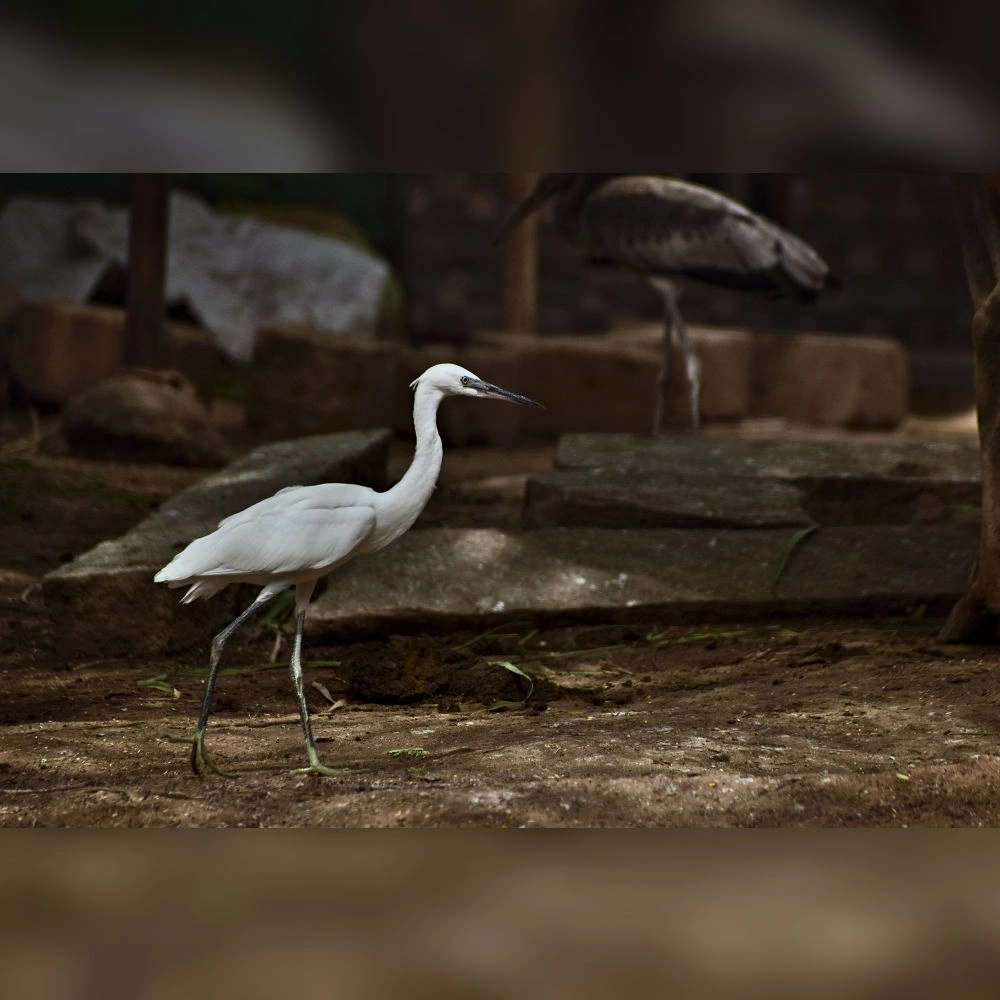
Little Egret

Black Kite
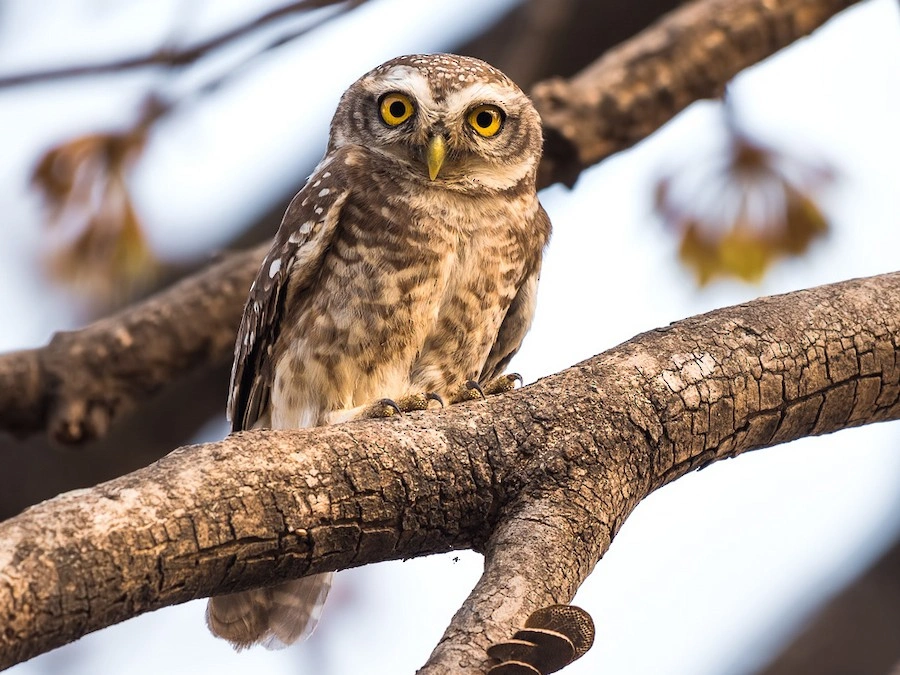
Spotted Owlet
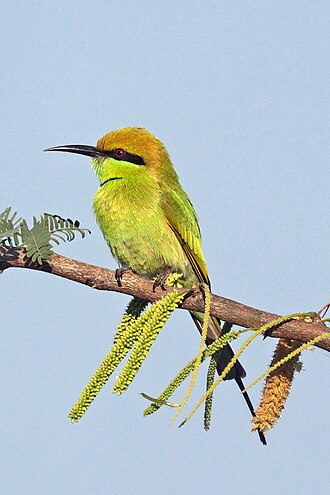

Asian Green Bee-eater
Summary of Walk
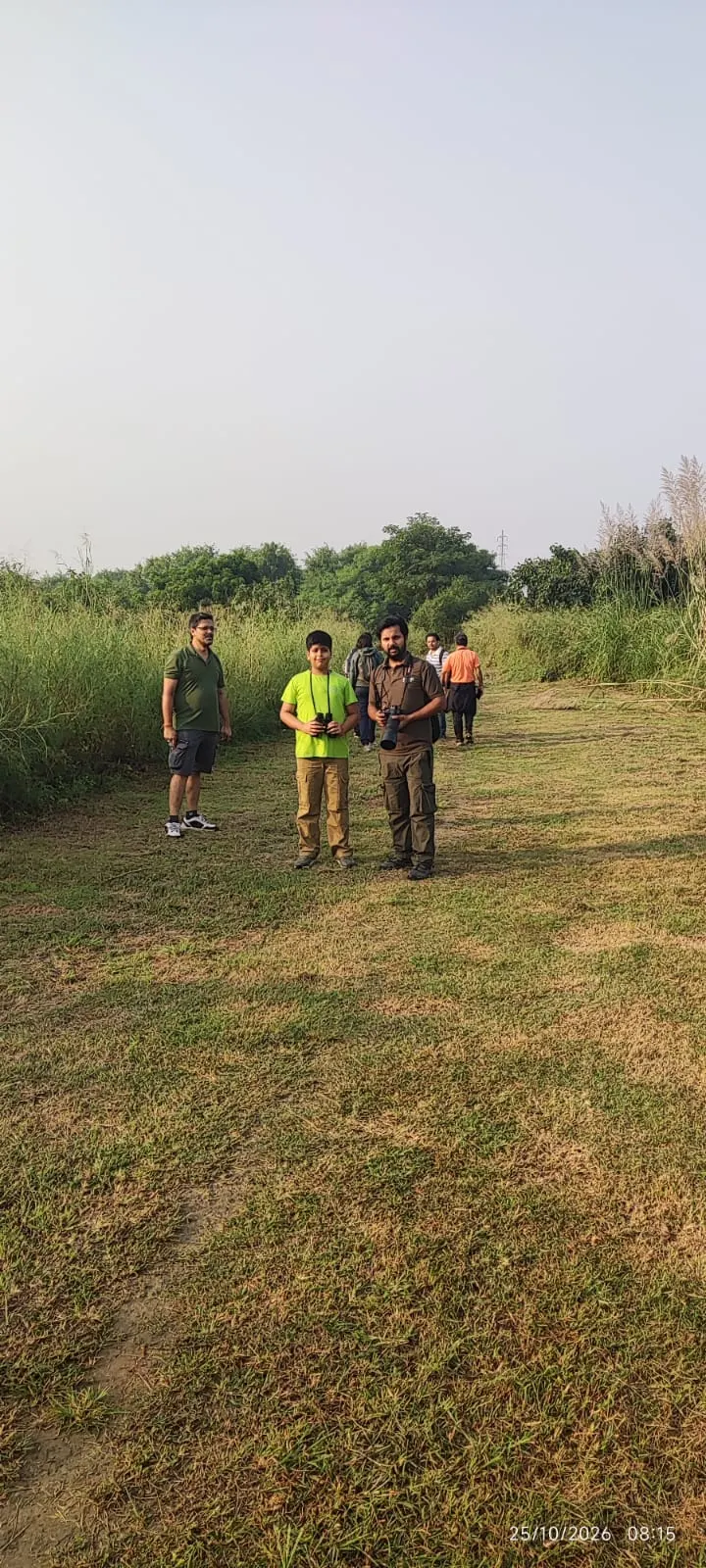
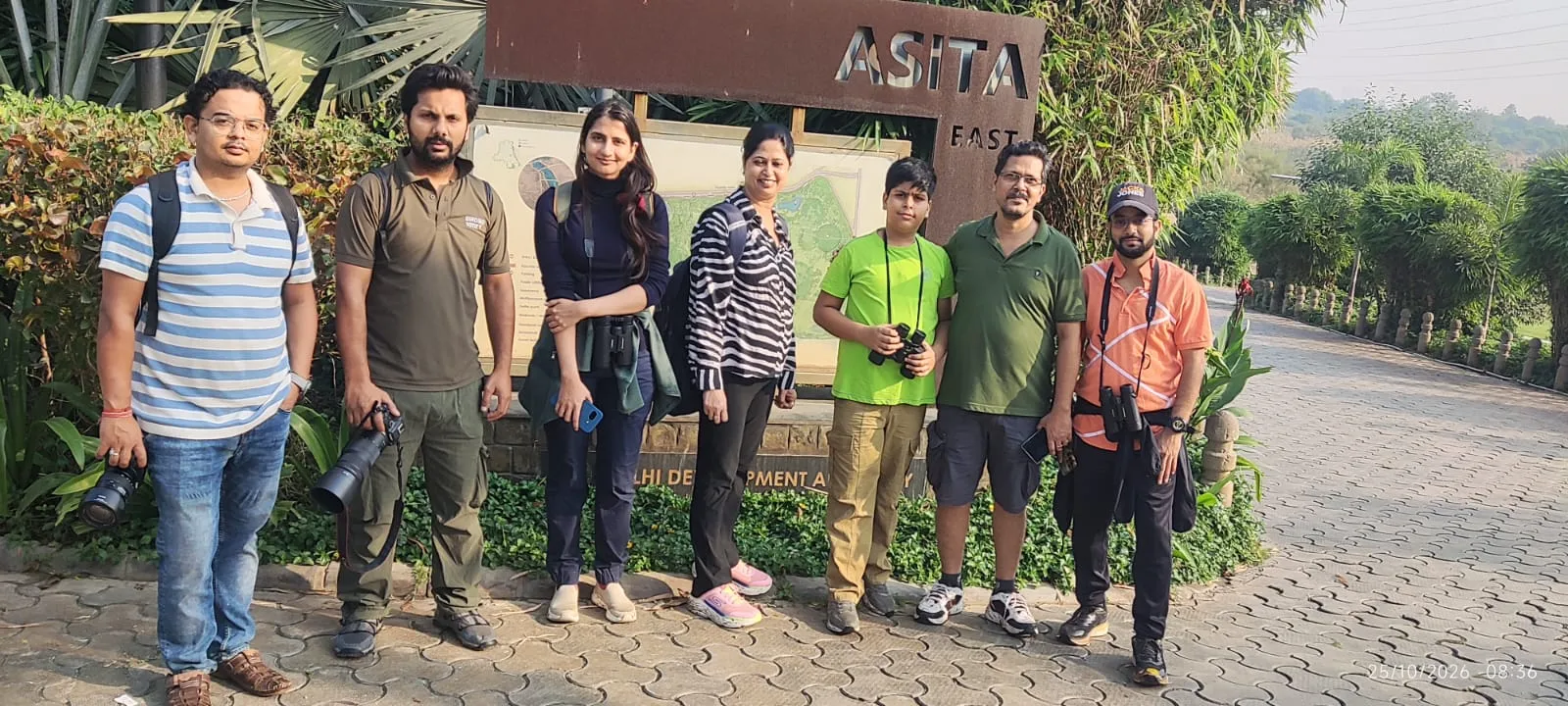
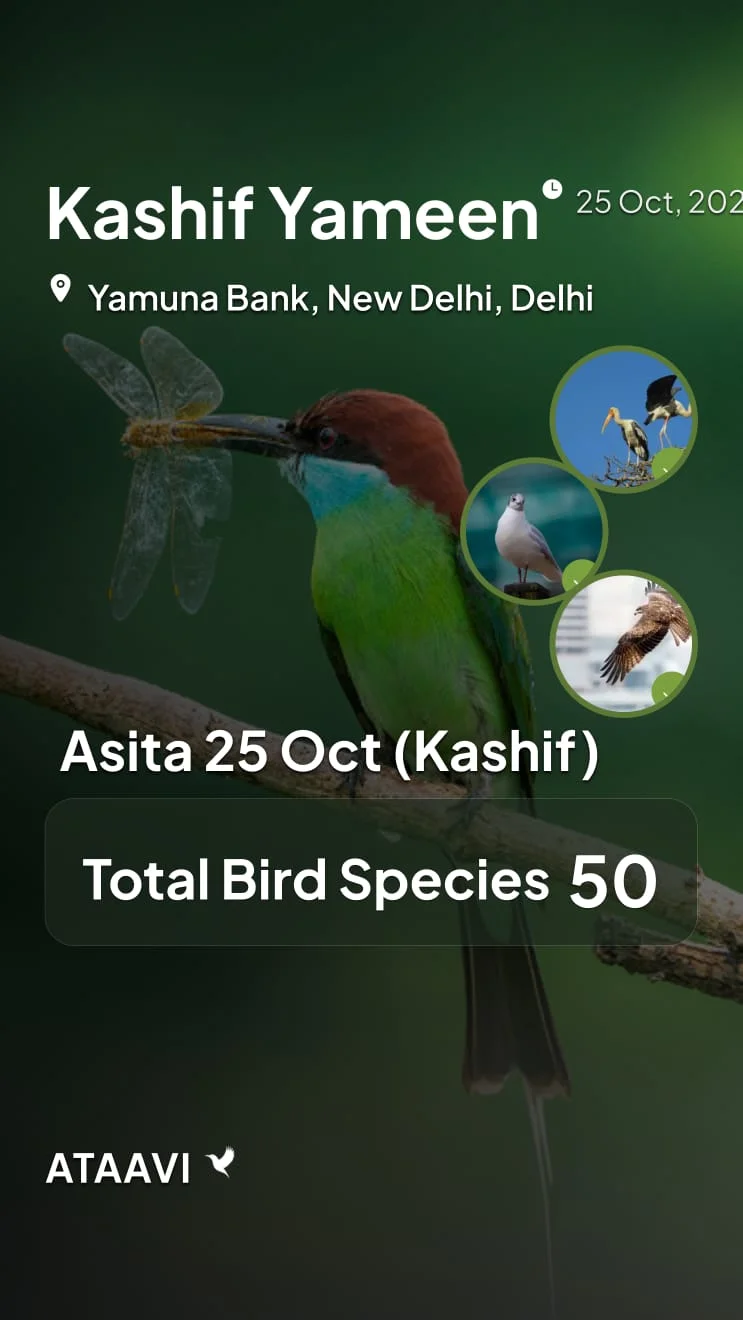
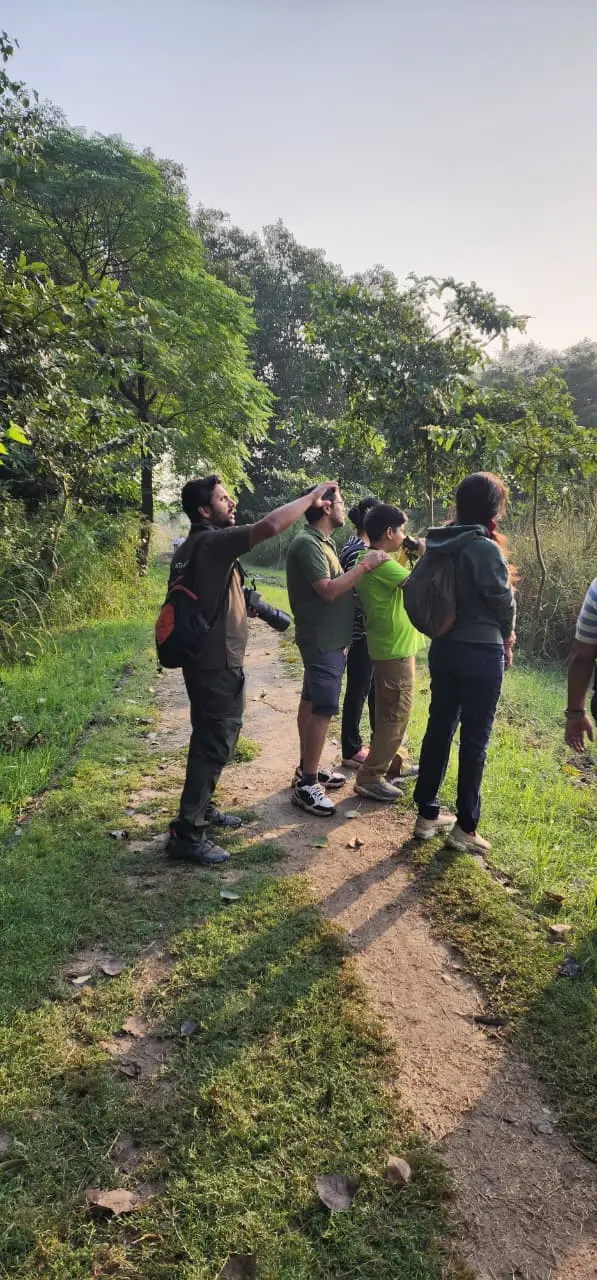
Six birders joined guide Kashif at Asita East Park in New Delhi on 25 October for a morning walk that was full of memorable moments, recording a splendid 50 species. The park, on the floodplain of the Yamuna, is a wonderful mix of riverbank, grassland, scrub and woodland, and the group moved through it with great curiosity. Migrating Black-headed Gulls announced the arrival of the winter season, and the River Tern, with its swift, graceful flight over the water, was another of the highlights. A Shikra was seen chasing Indian Pied Starlings, giving the group a thrilling glimpse of the hunter’s skill, and the Black-rumped Flameback, a golden-backed woodpecker, was seen twice during the walk, delighting everyone each time. The Hume’s Warbler, a tiny winter visitor from the Himalaya, and a Painted Stork also featured on the list. The most charming moment of the day came when a Jungle Babbler was seen feeding on a green dragonfly, a nice piece of behaviour that showed how these lively birds make use of every opportunity, and a Scaly-breasted Munia sat barely a metre away, giving the group a wonderful chance to photograph it at close range. Kashif guided the walk with energy and warmth, helping participants understand which birds were residents and which were winter visitors, and how to tell similar small birds apart by their calls and shapes. With a compact group, there was time to discuss every sighting in detail, and the morning felt friendly and relaxed. A tally of 50 species is a fine achievement, and the walk was a lovely reminder of how much life thrives along the banks of the Yamuna in the heart of the capital.
Number of Participants
0