Loading Events

Bird Walk at Salvador do Mundo, Goa

About Salvador do Mundo

In Bardez taluka, just inland from Porvorim, the village of Salvador do Mundo sits among the tidal backwaters of the Mandovi River system. Its great natural asset is its khazans. These are traditional coastal fields that Goan farmers reclaimed from the estuary centuries ago, protected by mud bunds and controlled by wooden sluice gates. Rice is grown on them during the monsoon, and the same channels fill with fish and prawns as the tides flow in and out. The landscape is a mosaic of paddy fields, brackish channels, mangrove fringes, muddy banks and village groves of coconut, mango and cashew. Crabs, mudskippers, fish, otters and countless insects live in this tidal world. It is a living example of how traditional farming and wetland wildlife can share the same land.
For birders, the khazans come alive after the monsoon. Flocks of migrant plovers and terns arrive on the mudflats, while herons, egrets, ibises and cormorants work the channels. Ospreys and harriers hunt over the open fields, and bee-eaters and cuckoos pass through on migration. But Goa’s khazans are under serious threat. Many fields have been abandoned as farming declines, and when bunds and sluice gates are not maintained, salt water floods in. Landfill, construction, roads and real estate projects are eating into the fields, while garbage dumping and pollution foul the channels. Reviving traditional khazan farming, repairing the bunds and keeping the fields free of construction are the best ways to protect Salvador do Mundo’s birds and its heritage.

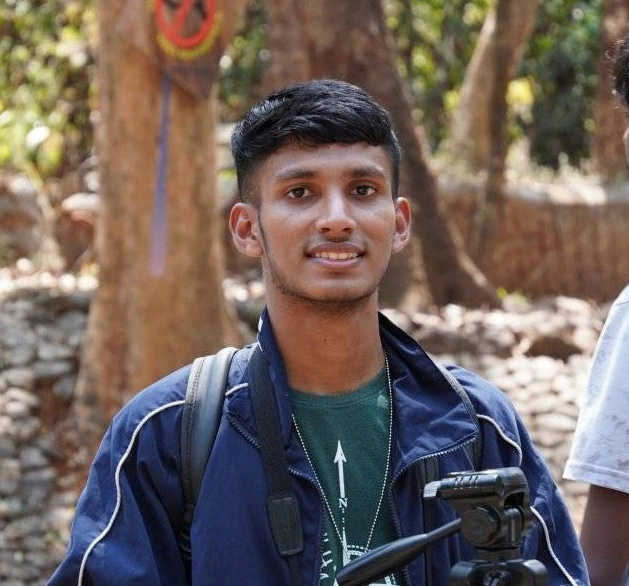
Bird Guide: Joel Fernandes

Birder with over a year of experience, having recorded around 270 species, including 258 on eBird (Goa), reflecting a growing passion for observing and documenting birds.

Bird walk Location

Common birds of Salvador do Mundo

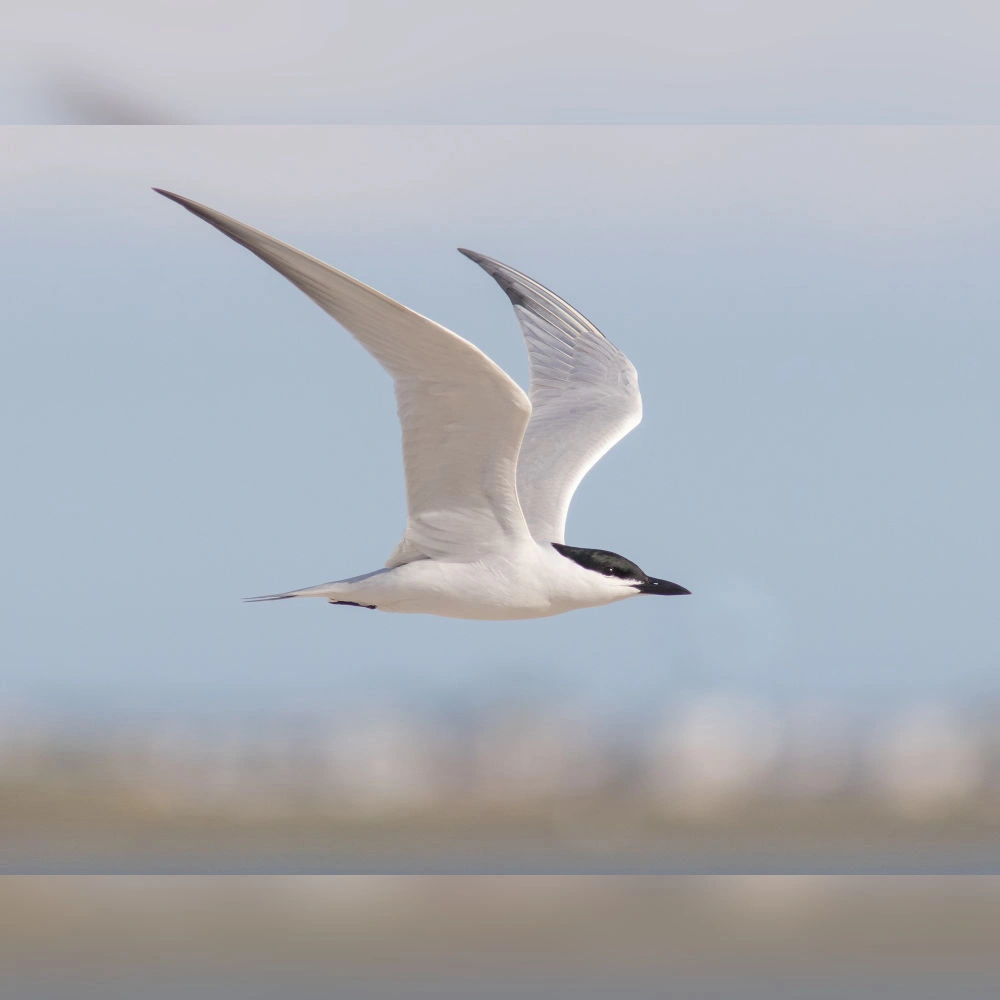
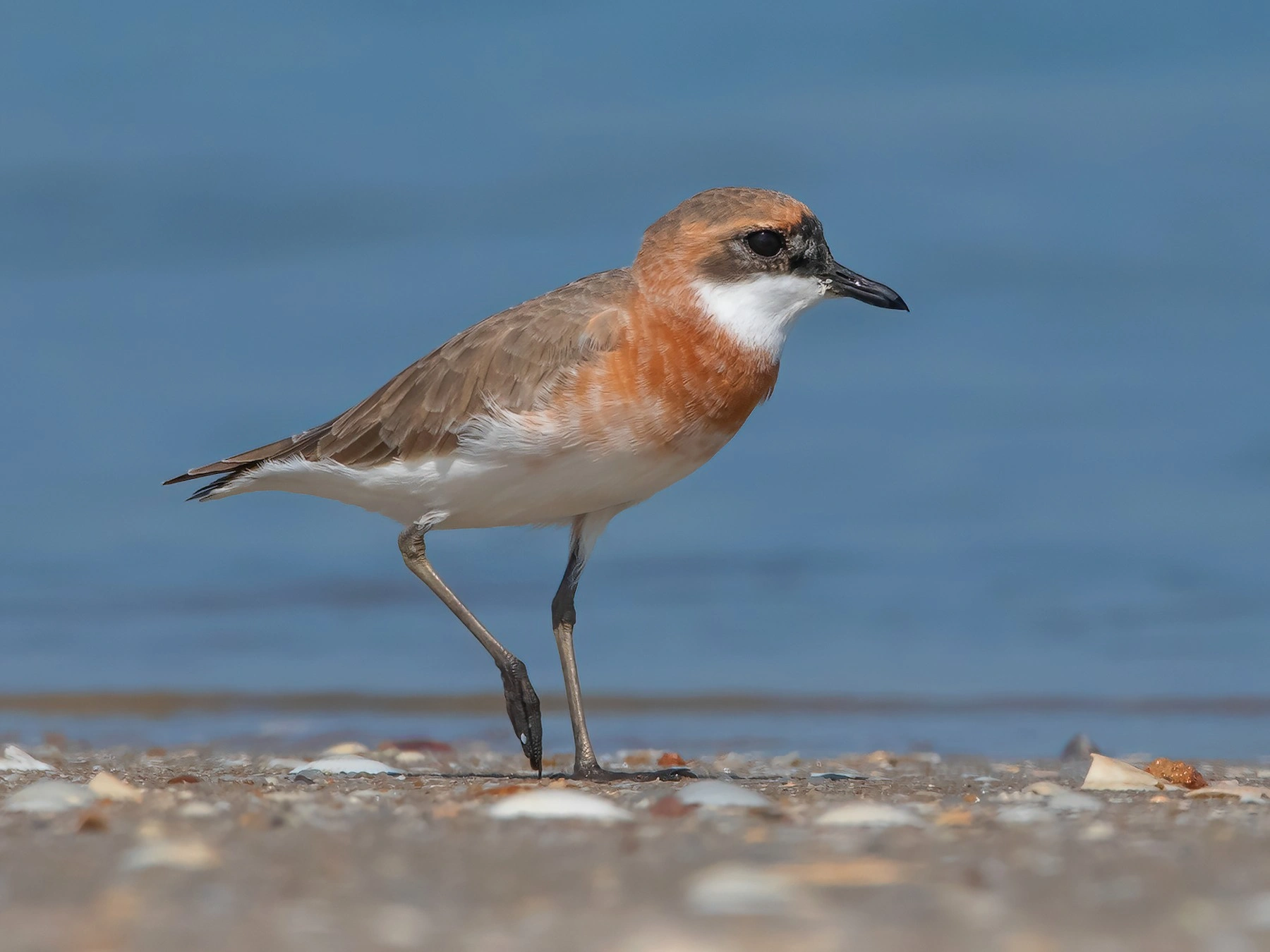
When the khazan fields at Salvador do Mundo drain, migrants arrive. Large flocks of Tibetan Sand-Plovers, which breed on the high plateaus of Central Asia, run across the mudflats in quick bursts. Gull-billed Terns, with their thick black bills, sweep low over the fields, snatching insects and crabs. The Osprey, a fish-eating raptor found worldwide, hovers over the channels before plunging feet-first into the water. The Western Marsh Harrier glides low over the paddies, and Brahminy Kites circle overhead on chestnut wings. Flocks of Glossy Ibises shine bronze and green as they probe the mud. The slender Purple Heron hides among the reeds, while the tall Gray Heron and Great and Medium Egrets hunt patiently in the shallows. Indian Pond-Herons crouch at the water’s edge. Indian and Little Cormorants dive for fish in the channels. Common Sandpipers bob along the bunds, Red-wattled Lapwings keep a noisy watch, and the White-breasted Waterhen slips through the mangrove edges. Blue-tailed Bee-eaters pass through in flocks, and the tiny Common Kingfisher flashes turquoise along the channels. Pied and Gray-bellied Cuckoos call from the village groves.
Tibetan Sand-Plover
Gull-billed Tern
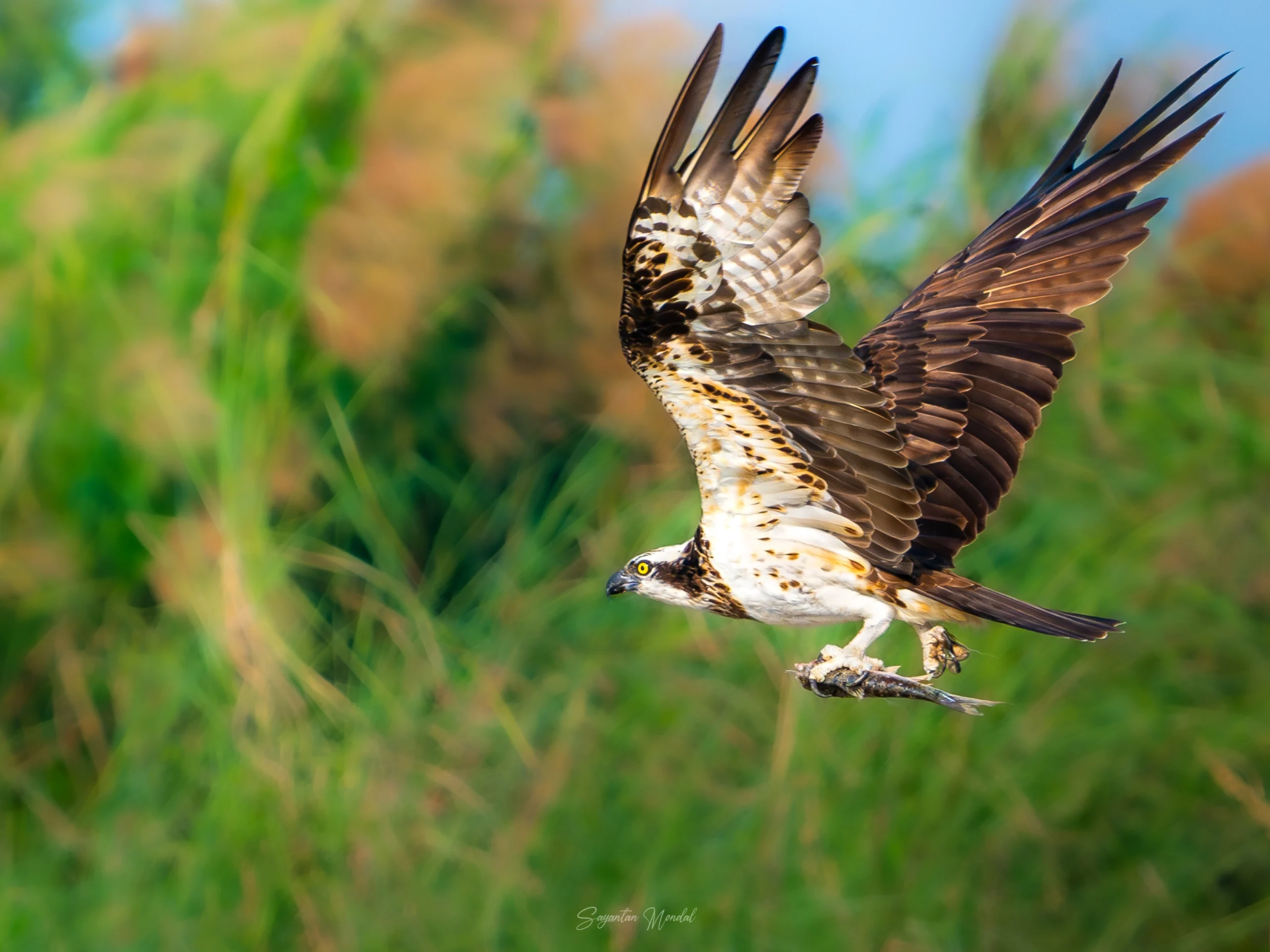
Osprey
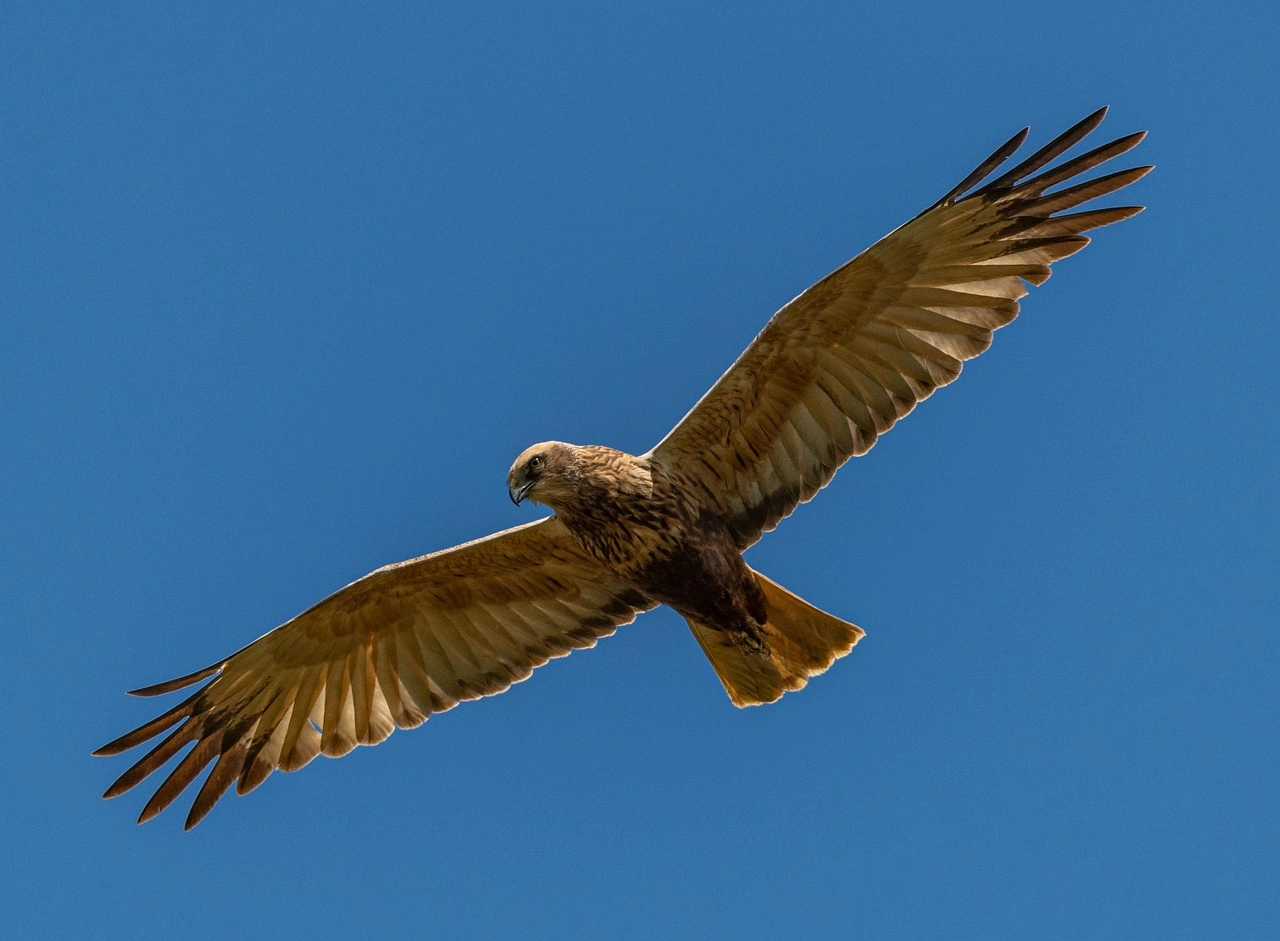
Western Marsh Harrier
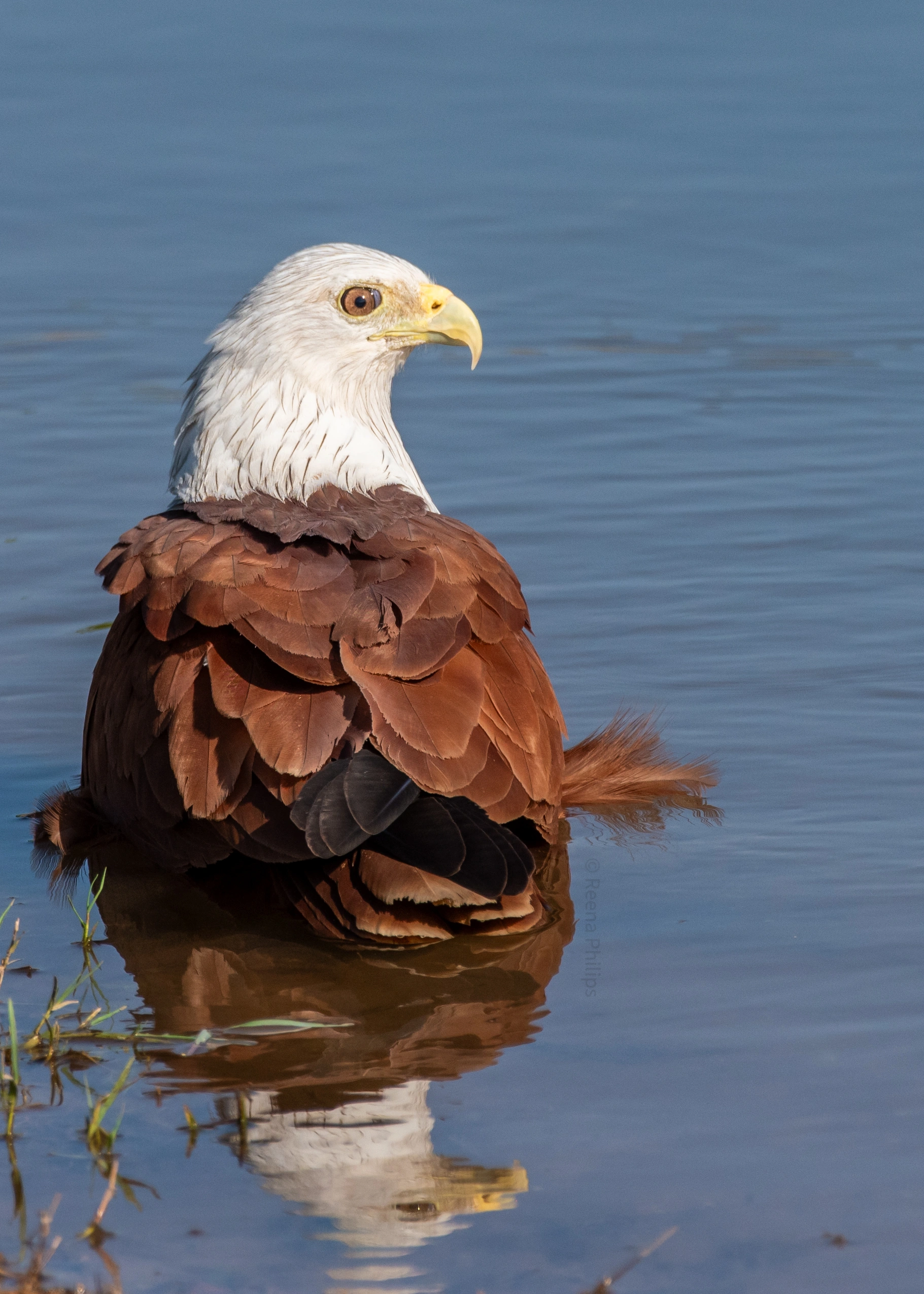
Brahminy Kite
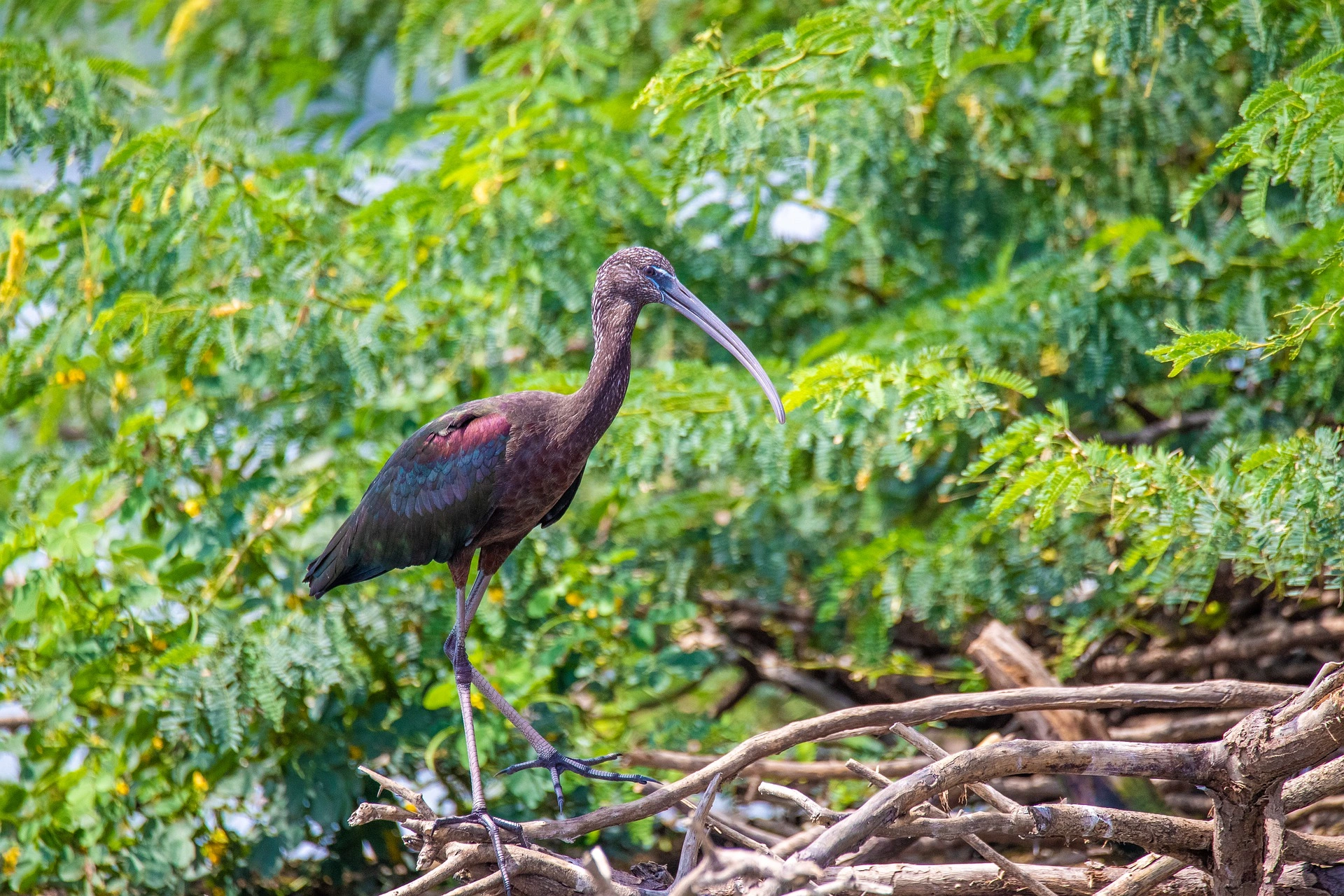
Glossy Ibis
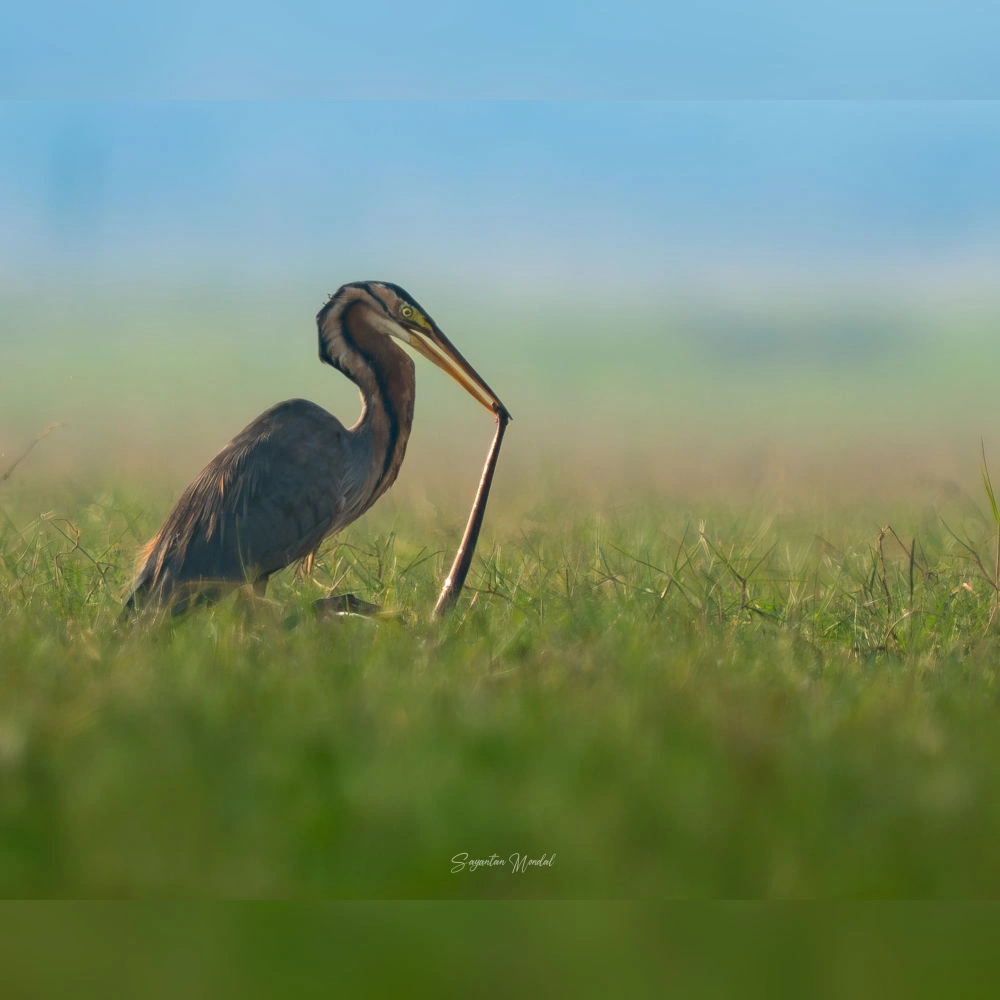
Purple Heron
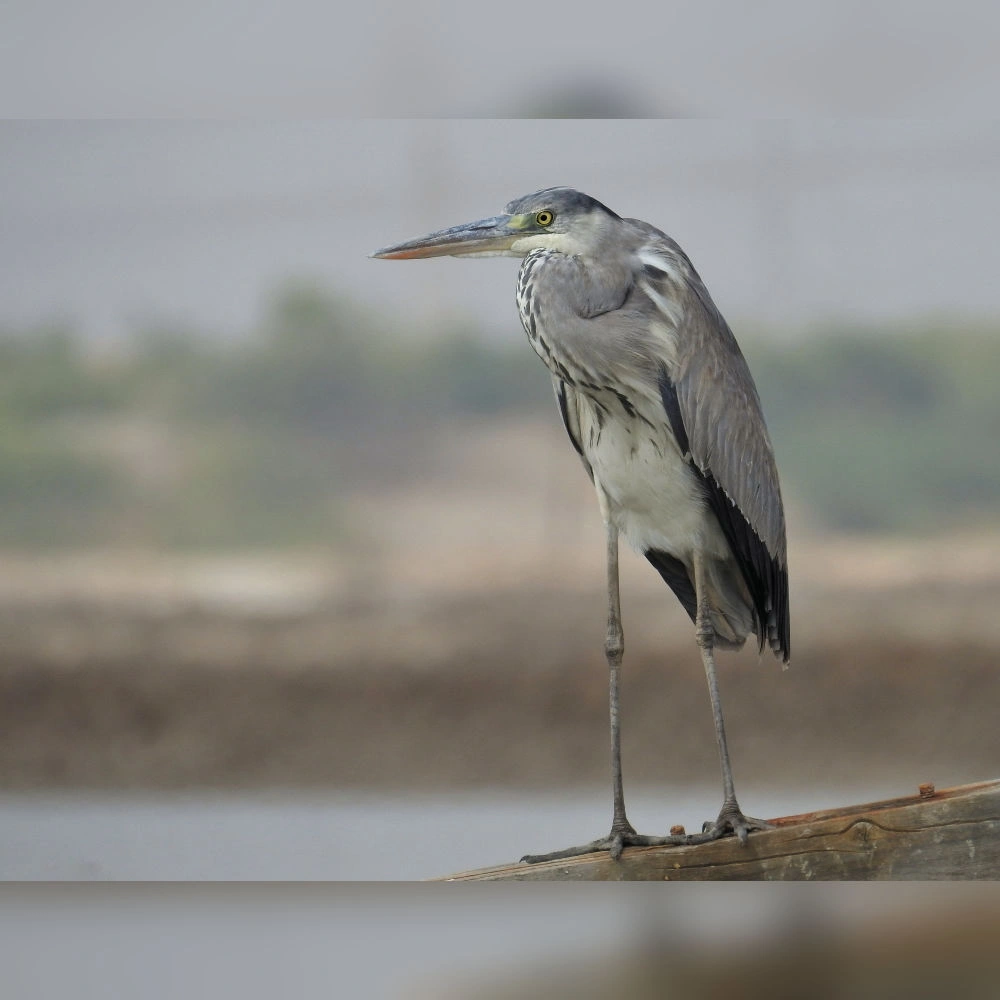
Grey Heron
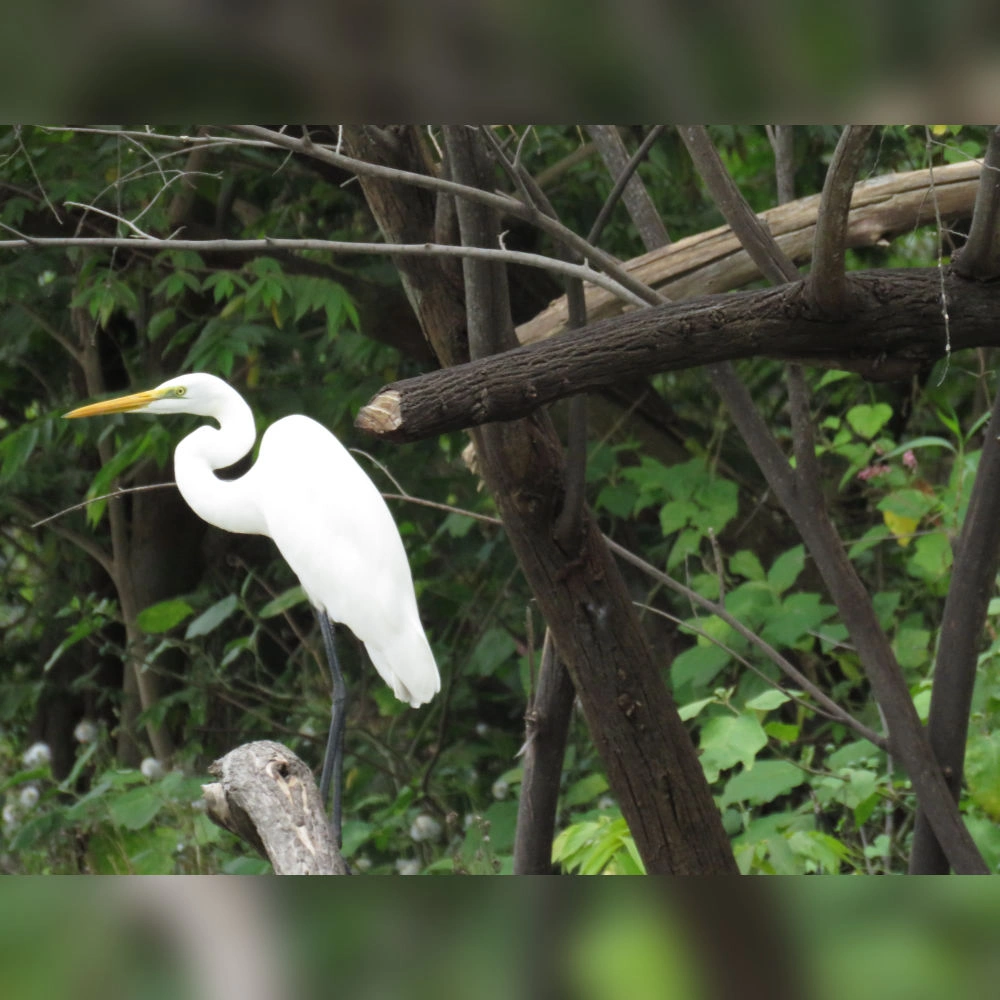
Great Egret
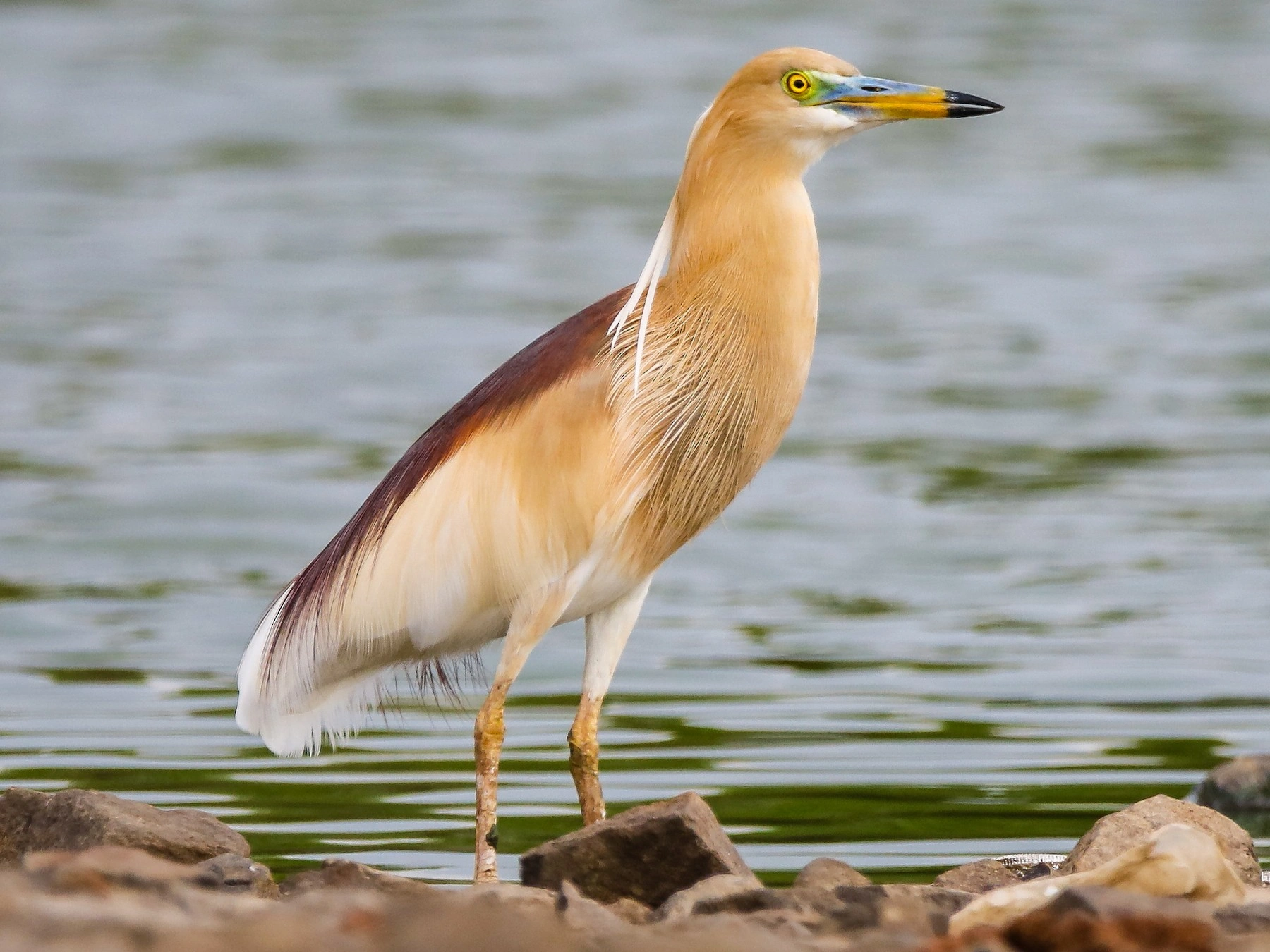
Indian Pond-Heron
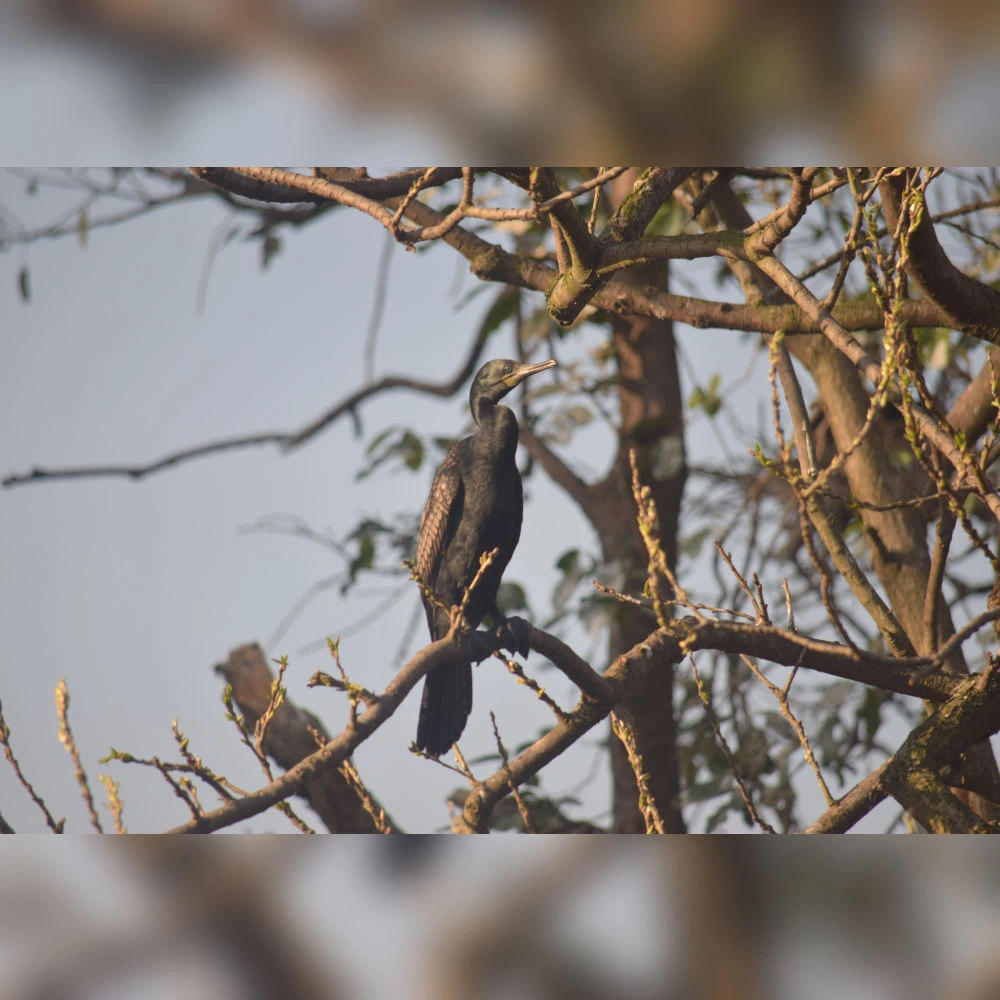
Indian Cormorant
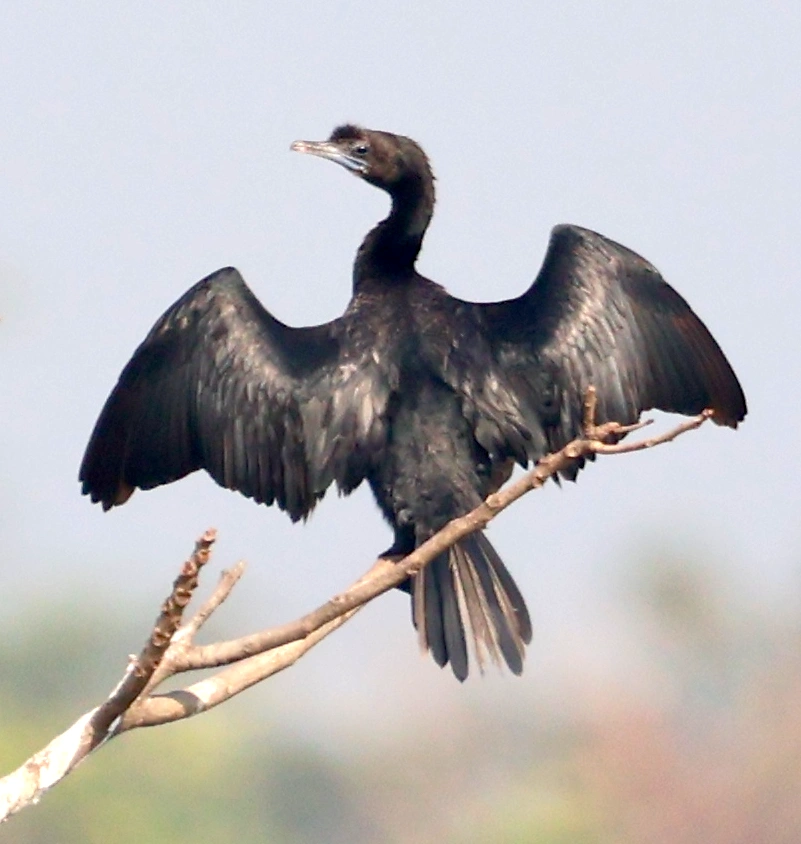
Little Cormorant
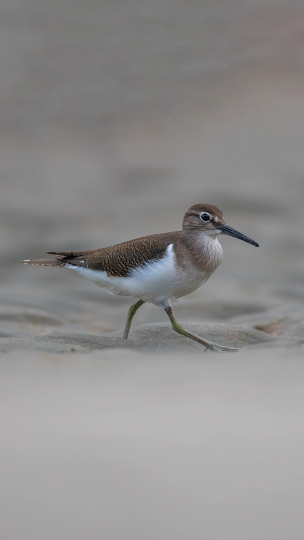
Common Sandpiper
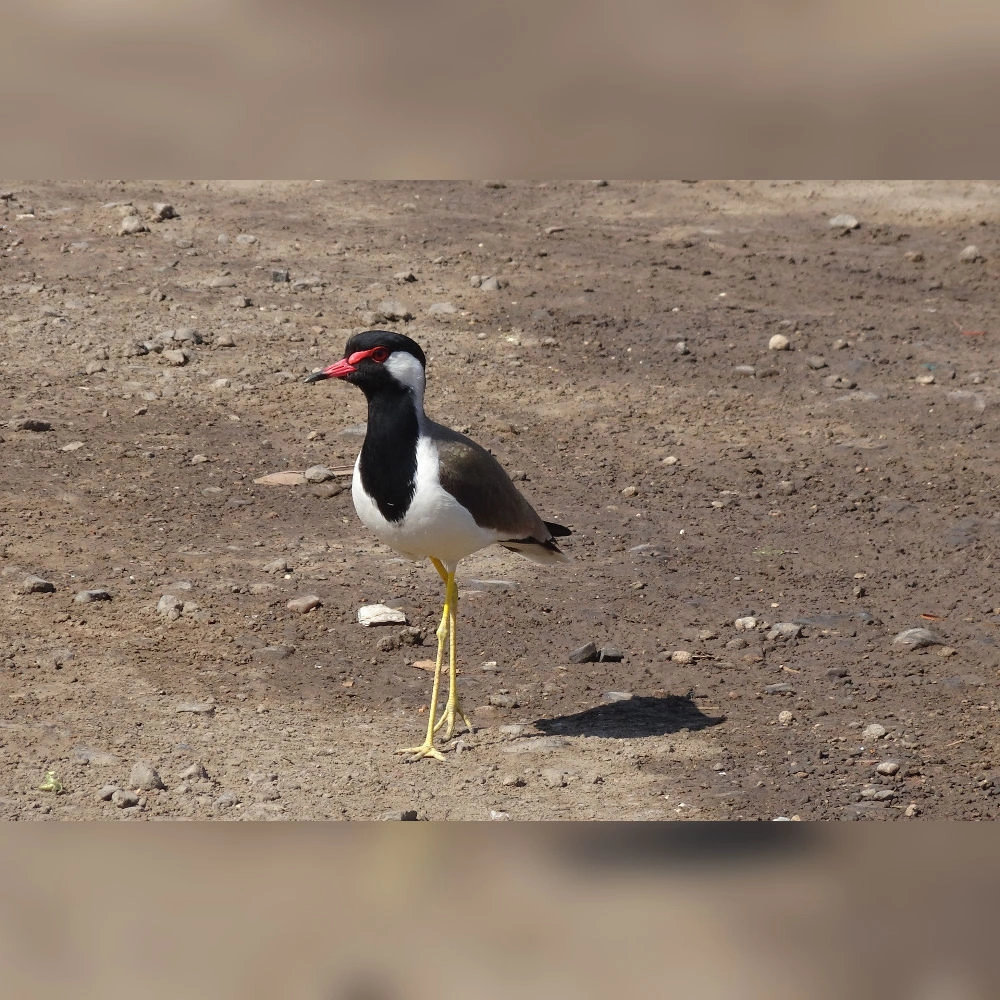
Red-wattled Lapwing
White-breasted Waterhen
Blue-tailed Bee-eater
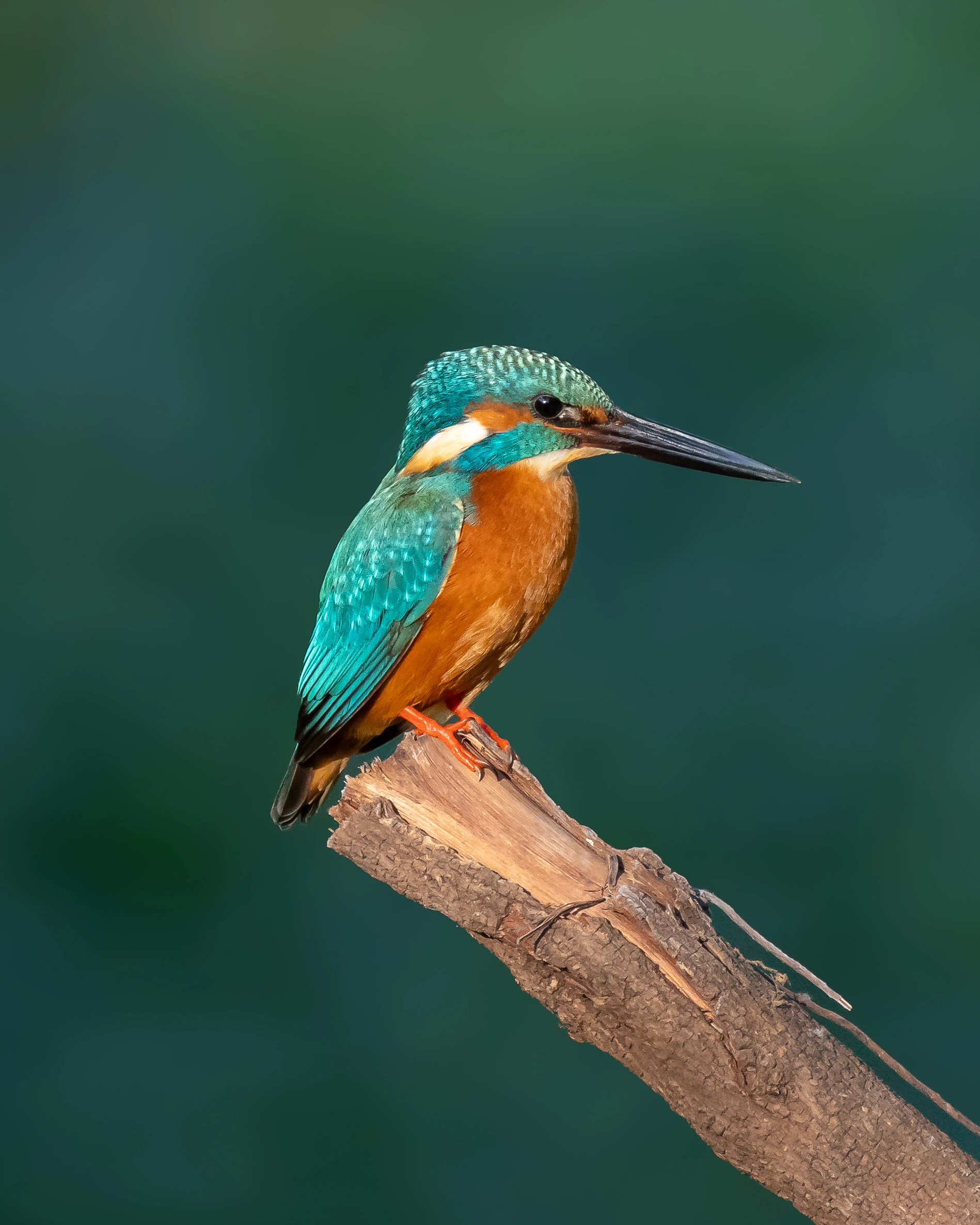
Common Kingfisher
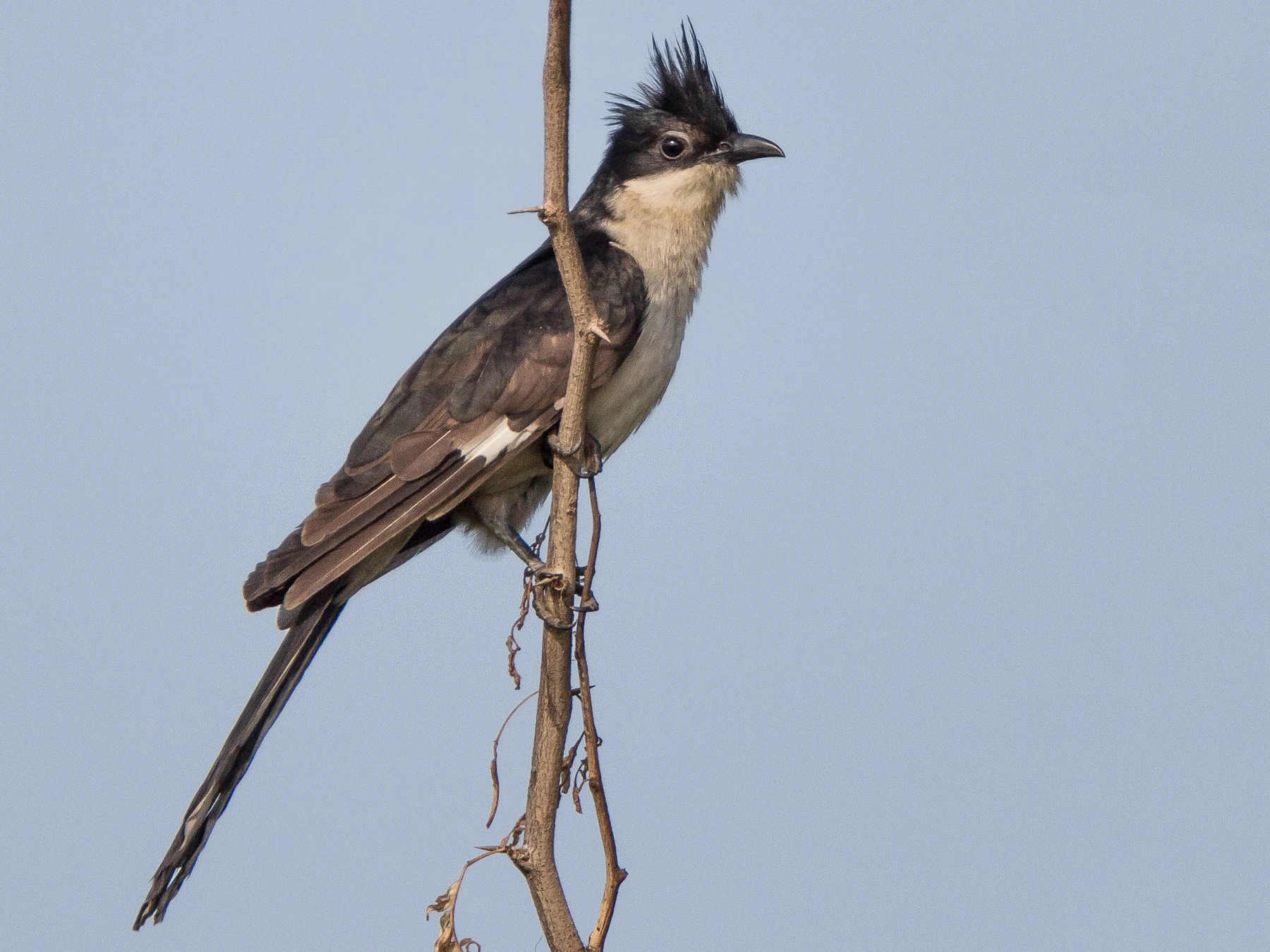
Pied Cuckoo
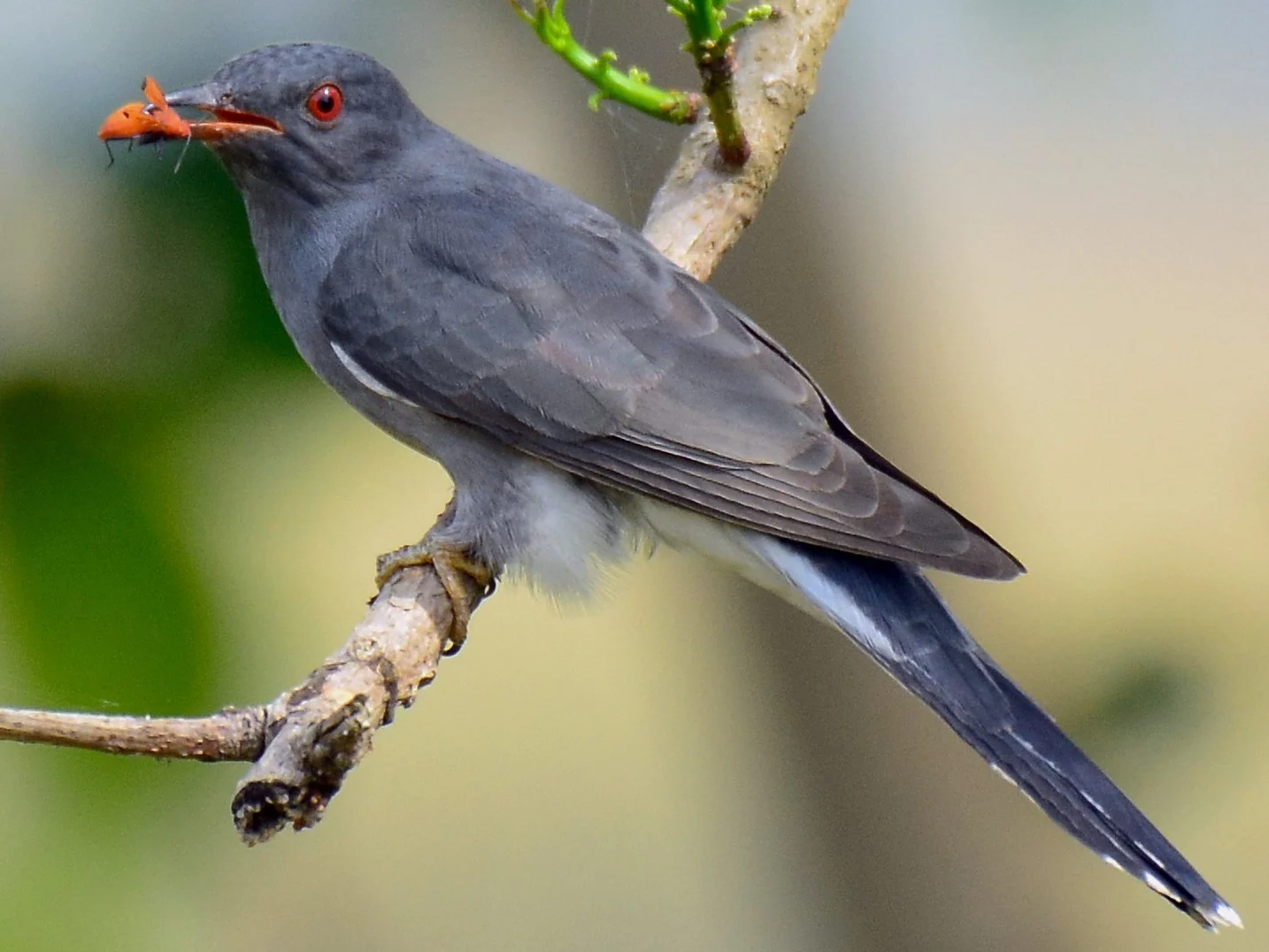
Grey-bellied Cuckoo
Asian Koel

Summary of Walk

Eighteen birders joined guide Joel Fernandes at Salvador do Mundo in Goa on Saturday, 24 October, for a walk that began at 7:15 am with introductions and a wholesome interaction, and everyone was excited to observe and learn about birds. The group first took the mangrove path and then moved onto the wetland-side walkway, recording a superb 61 species seen or heard along the way. Vagrant and migratory species mingled with generalists, and the highlights were wonderfully varied. The Indian Golden Oriole glowed like a lantern among the trees, and the Blue-tailed Bee-eater swooped over the water in a flash of green and turquoise. The Common Kingfisher, Gull-billed Terns, Tibetan Sand Plovers and Pacific Golden Plovers were all on show, along with the Painted Stork wading elegantly through the shallows. A Western Marsh Harrier quartered the wetland, and an Osprey, a skilled fisher among raptors, drew gasps of admiration as it surveyed the water, so the sky above the wetland was as rewarding as the shore below. Joel shared stories about the long journeys of the migrants and explained how mangroves and wetlands in Goa serve as stopovers for birds on their way across continents. The mix of mangrove, mudflat and open water gave the group a fine variety of habitats to explore, and every turn of the path delivered a new sighting. With eighteen participants, the walk had a lovely, cheerful energy and plenty of curious questions. A tally of 61 species is a fine achievement and a reminder that Goa’s wetlands offer birdwatchers a feast that goes far beyond its famous beaches.
Number of Participants
0
Scroll to Top