Loading Events

Bird Walk at Kolarampathi Lake, Coimbatore, Tamil Nadu

About Kolarampathi Lake

Kolarampathi Lake is a man-made wetland in Coimbatore that forms part of the city’s important network of traditional waterbodies. Spread across roughly 66 acres of water-spread area, the lake receives water through the Chitraichavadi Anicut Channel and supports surrounding agricultural land through its irrigation system. Its shallow margins, aquatic vegetation, trees and open water create a range of habitats that are particularly attractive to birds. Surveys have recorded an impressive diversity of avifauna at the lake, with 185 bird species recorded between 2011 and September 2022, highlighting its importance within the Coimbatore wetland landscape. Resident wetland birds such as Lesser Whistling Duck, Little Grebe, Eurasian Moorhen and Bronze-winged Jacana can use the lake for feeding and breeding, while suitable water conditions during autumn and winter can attract migratory ducks and other seasonal visitors. The lake’s surrounding vegetation also provides habitat for terrestrial and insectivorous species, making a walk around the wetland more diverse than simply observing the open water.

Kolarampathi is also an example of why urban and peri-urban wetlands need careful conservation. The lake supports biodiversity while simultaneously being connected to agriculture and the wider water-management system of the region. Its location near roads and settlements, however, exposes it to pressures including encroachment, dumping of domestic solid waste and building debris, and disturbance from surrounding development. Conservation concerns have also been raised about the removal of trees and vegetation around the lake, which can directly affect nesting and roosting birds. Maintaining the ecological character of Kolarampathy therefore requires balancing water management, agricultural needs and biodiversity conservation. For birdwatchers, the lake offers an excellent opportunity to experience Coimbatore’s wetland ecosystem and observe how waterbirds, woodland species and agricultural landscapes interact. Its diversity also makes it a valuable location for regular monitoring and citizen-science observations.

Bird Guide: Aparna- TREE NGO (Co-ordinator)

She is a wildlife photographer and passionate birdwatcher from Coimbatore with 6 years of experience observing and documenting birds in their natural habitats. Her work combines photography with a strong commitment to wildlife conservation, using visual storytelling to inspire appreciation for nature. She was recognized as a Young Conservationist by the Coimbatore Forest Division for her contributions to conservation awareness and environmental stewardship.

Bird walk Location

Common birds of Kolarampathi Lake

Kolarampathi is a rewarding wetland in Coimbatore, offering a mix of open water, marshy edges, vegetation and surrounding open landscapes that support a diverse range of birds. The wetland attracts good numbers of waterbirds, with Indian Spot-billed Ducks, Lesser Whistling-Ducks, Eurasian Coots, Eurasian Moorhens and Little Grebes among the highlights. Waders and wetland visitors such as Red-wattled Lapwing, Asian Openbill, Indian Pond-Heron, Eastern Cattle Egret and Grey Heron add further diversity. The surrounding areas also provide suitable habitat for raptors, with Black Kite, Brahminy Kite and Shikra recorded here.

Beyond the waterbody, Kolarampathi’s vegetation and open areas offer opportunities to observe a variety of terrestrial and insectivorous species. Blue-faced Malkoha, Greater Coucal, Asian Koel and Common Hawk-Cuckoo bring an interesting woodland element, while Asian Green Bee-eater, Blue-tailed Bee-eater, Common Hoopoe and Asian Palm Swift can be seen using the open landscape. The presence of Blue-faced Malkoha is particularly notable, adding a colourful and less frequently encountered species to the birding experience. With its combination of wetland, vegetation and open habitats, Kolarampathy provides an excellent setting for observing both resident and seasonal birdlife and highlights the importance of Coimbatore’s urban and peri-urban wetlands for biodiversity.

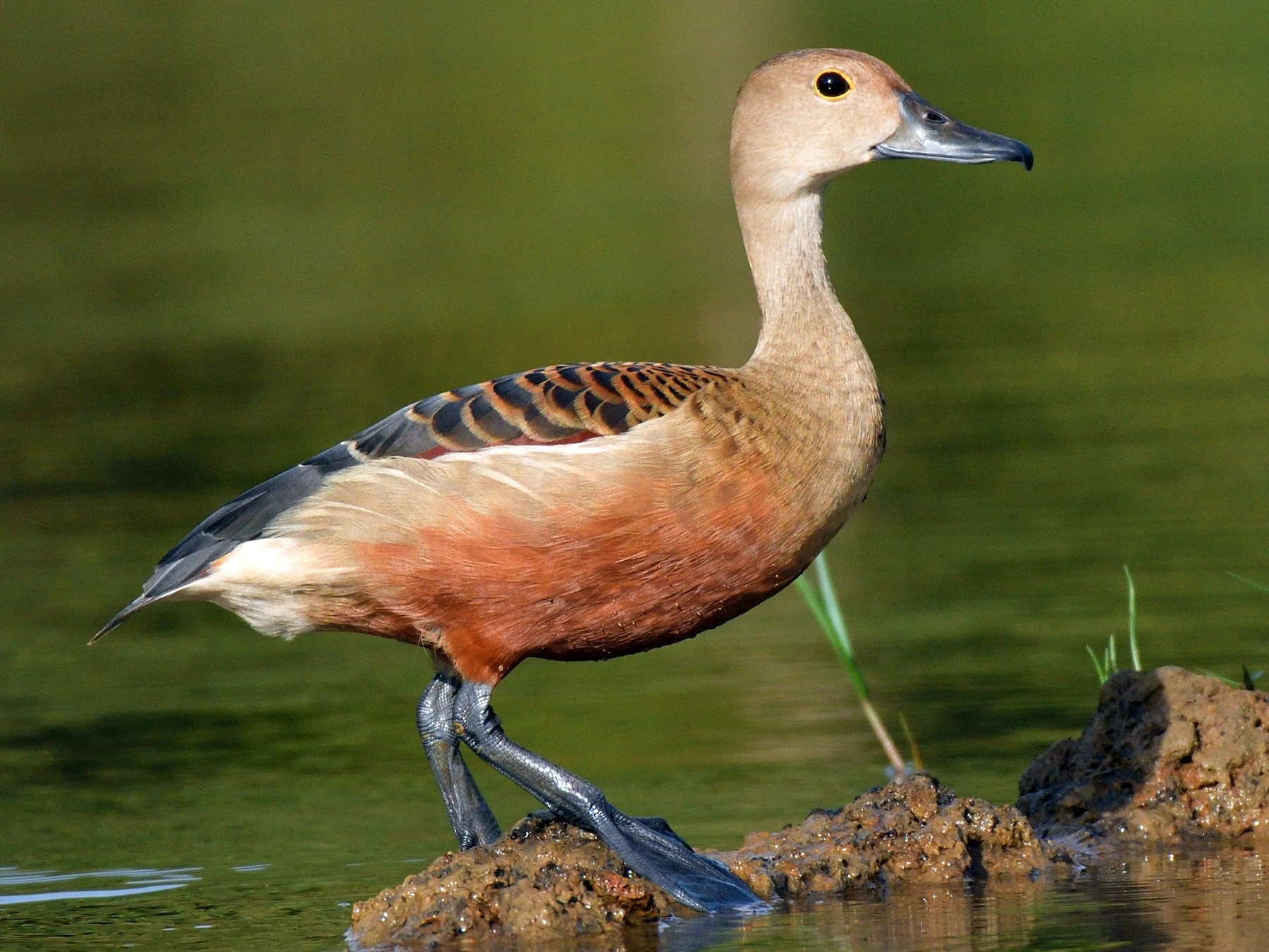
Lesser Whistling-Duck
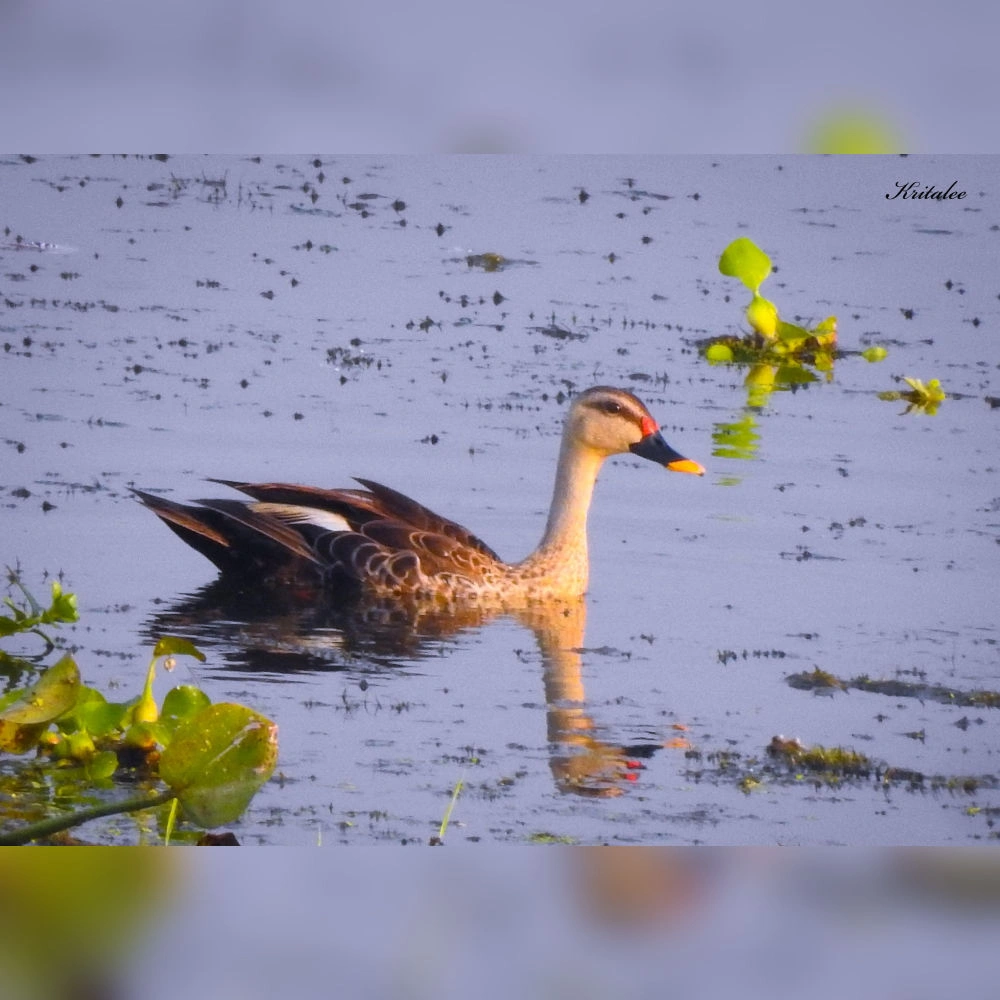
Indian Spot-billed Duck
Indian Peafowl
Eurasian Collared-Dove
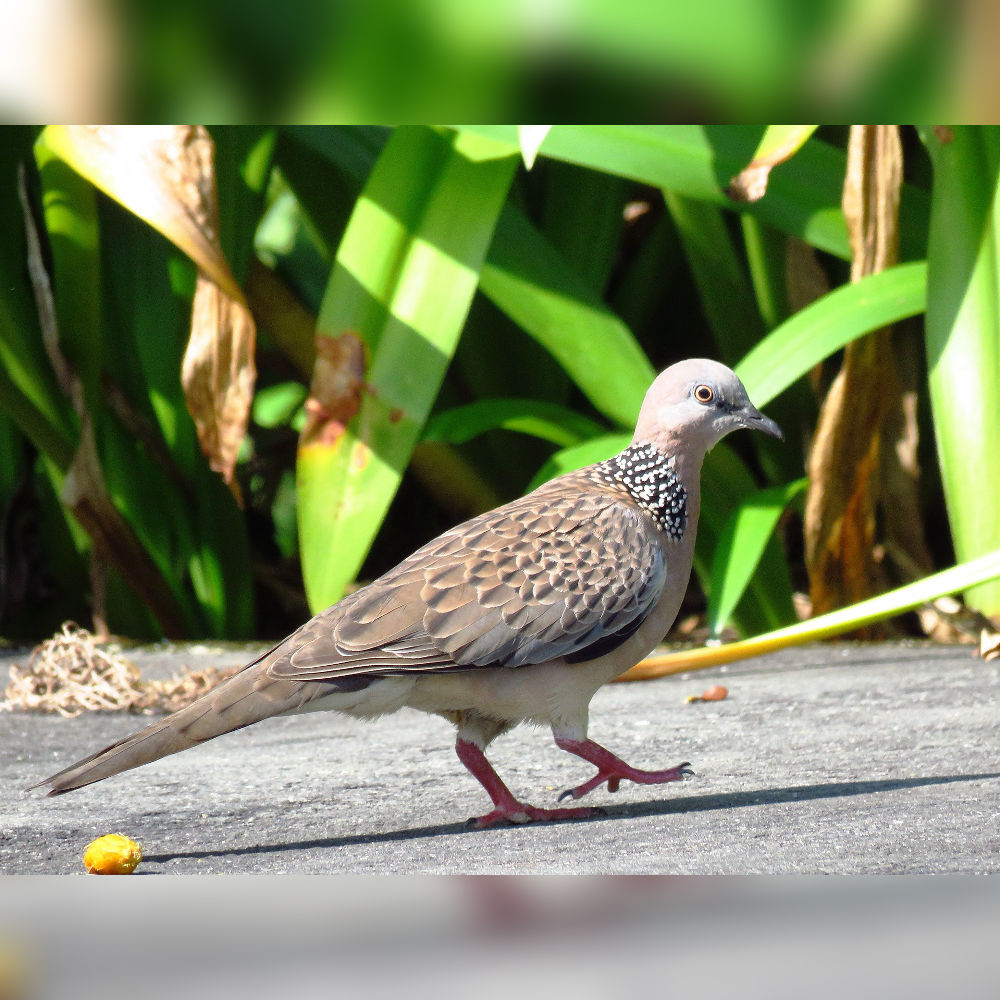
Spotted Dove
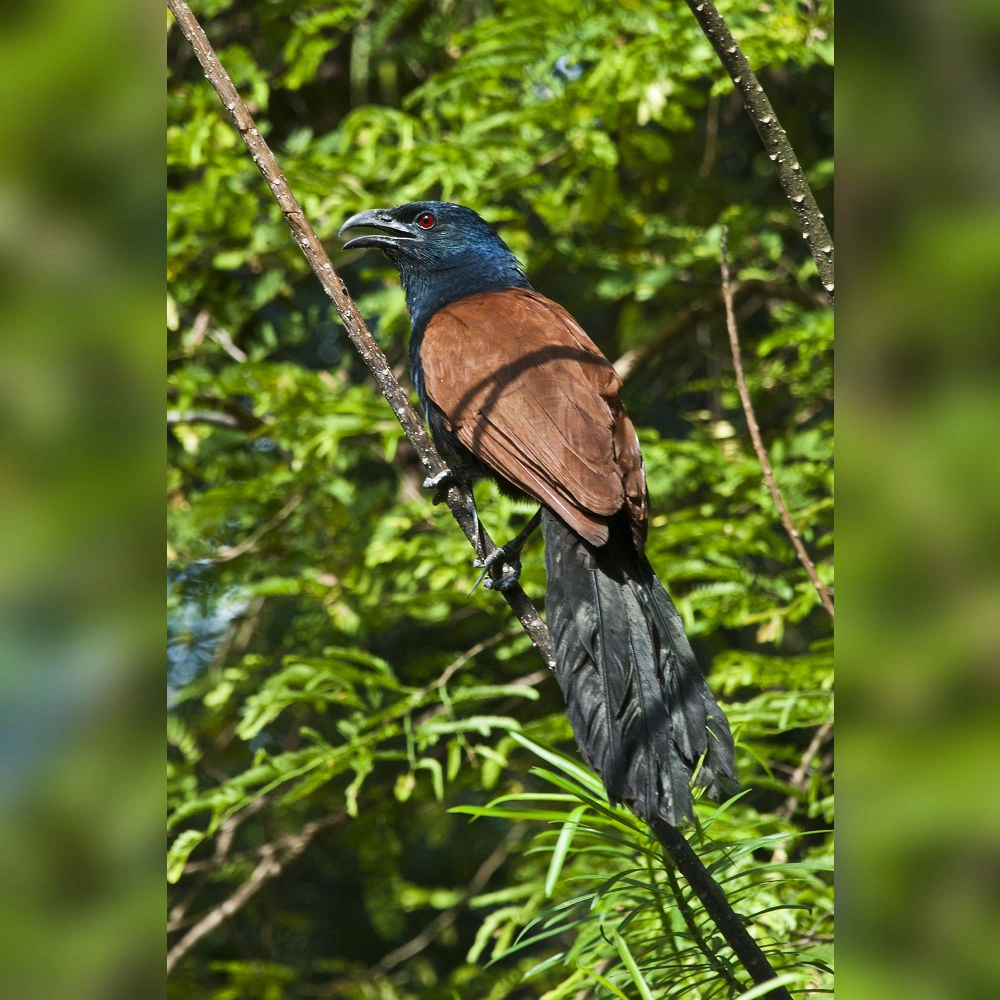
Greater Coucal
Blue-faced Malkoha
Asian Koel
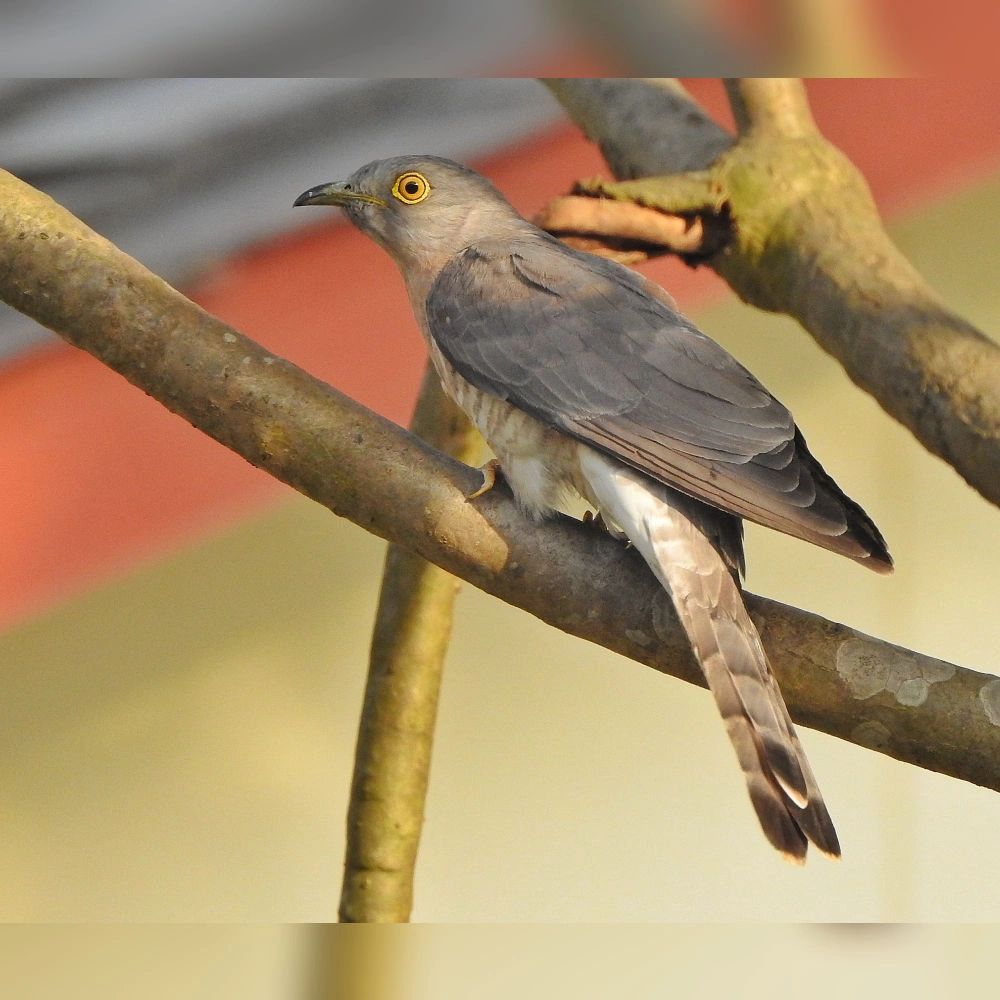
Common Hawk-Cuckoo
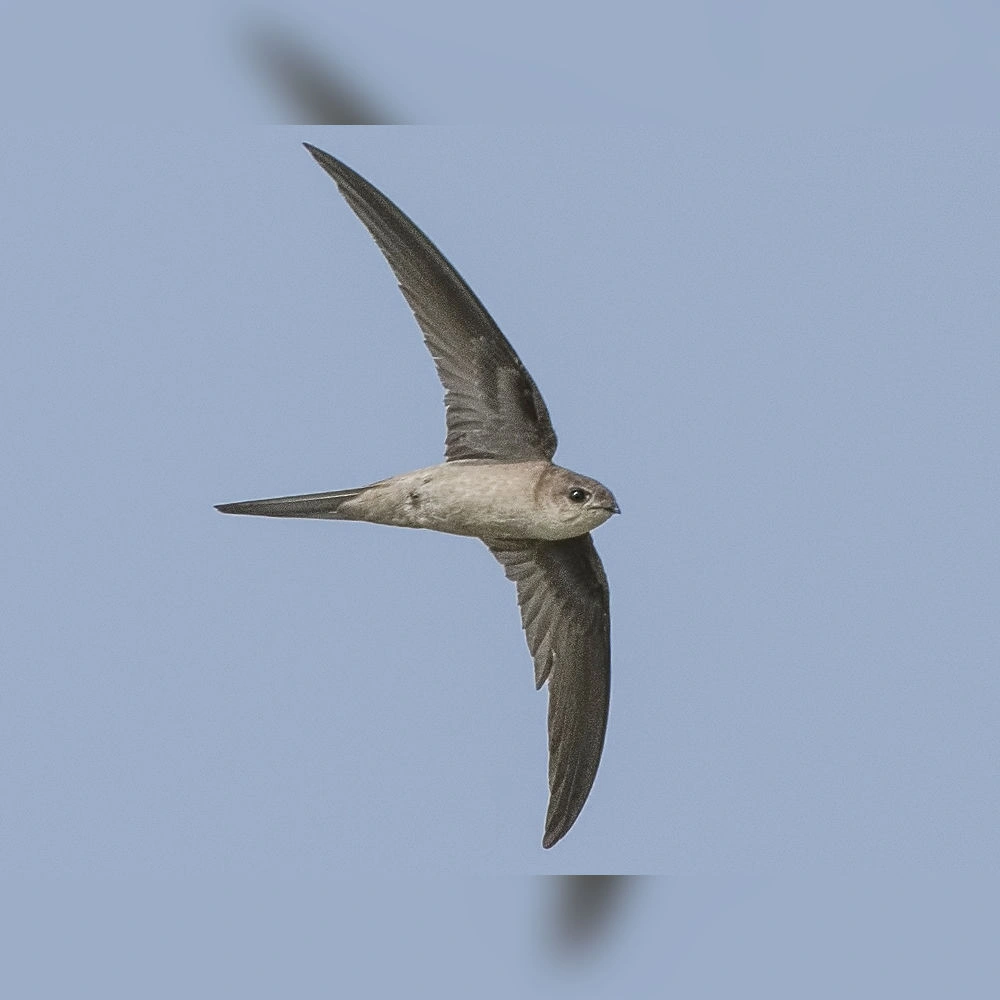
Asian Palm Swift
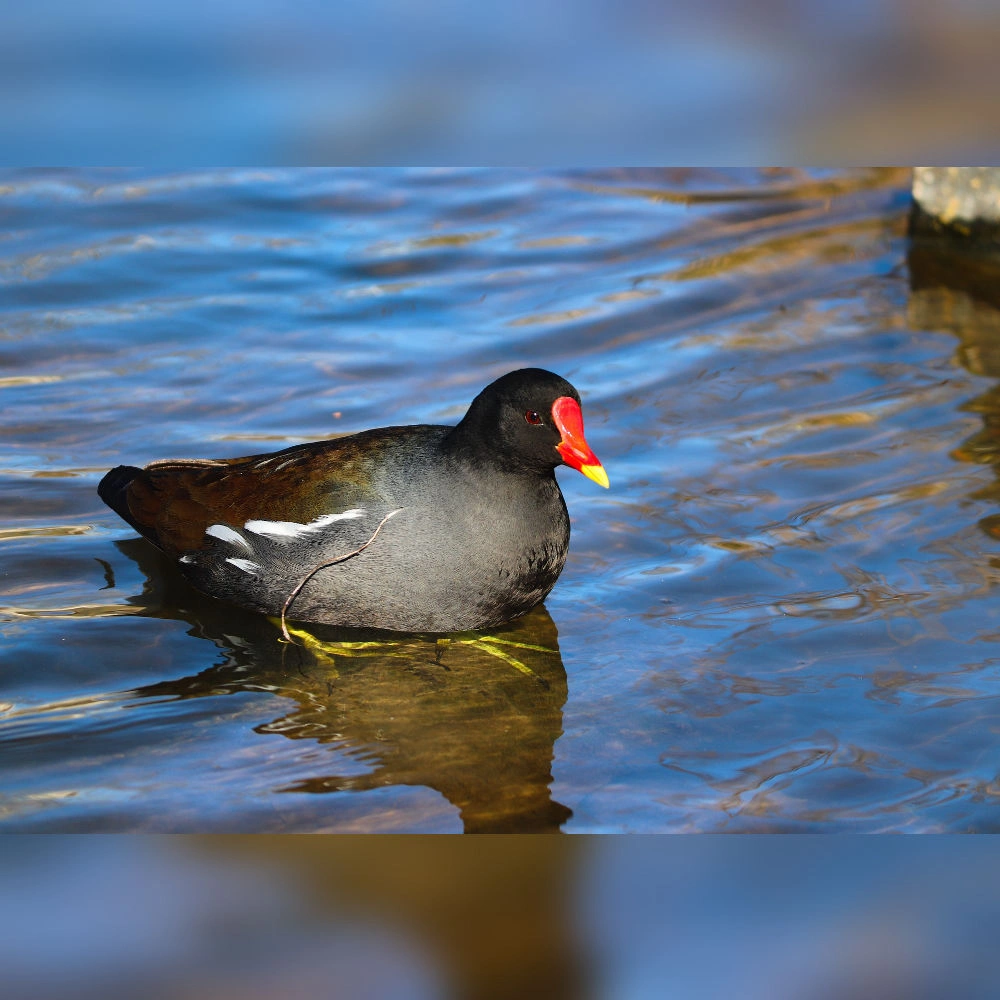
Eurasian Moorhen
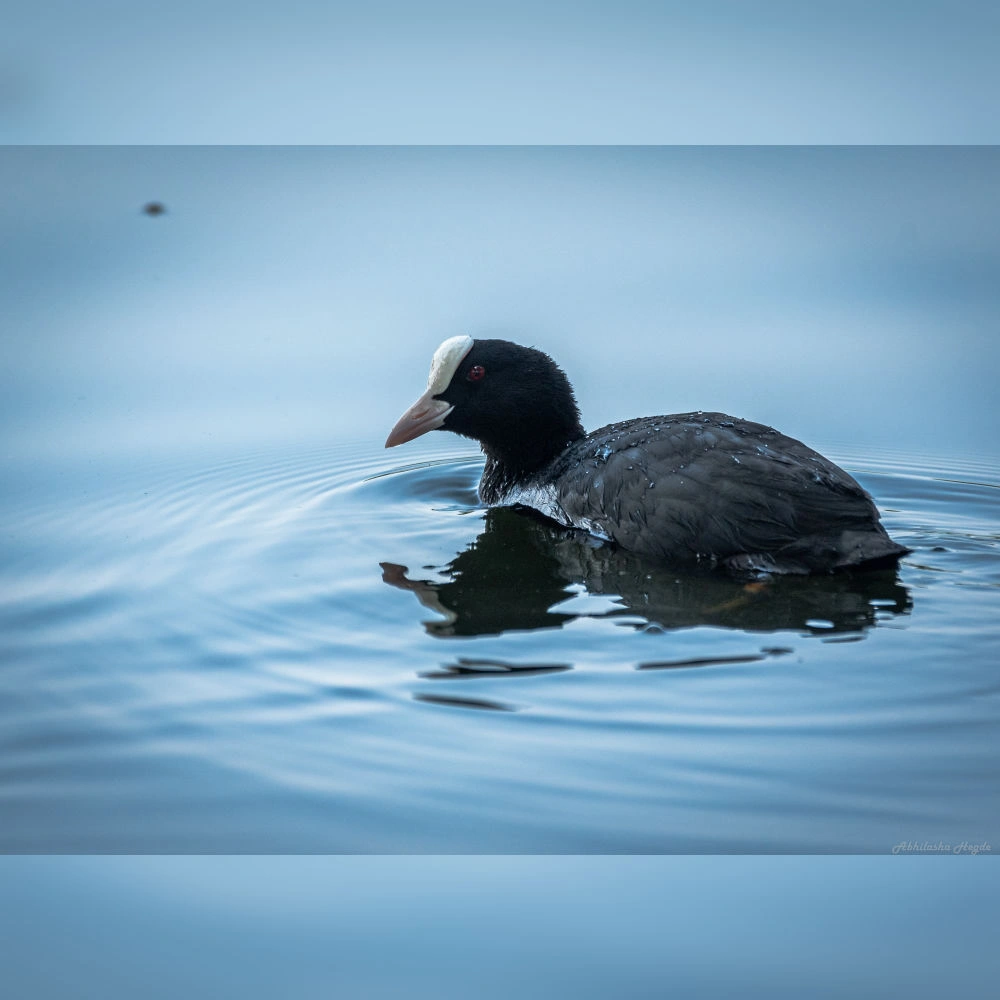
Eurasian Coot
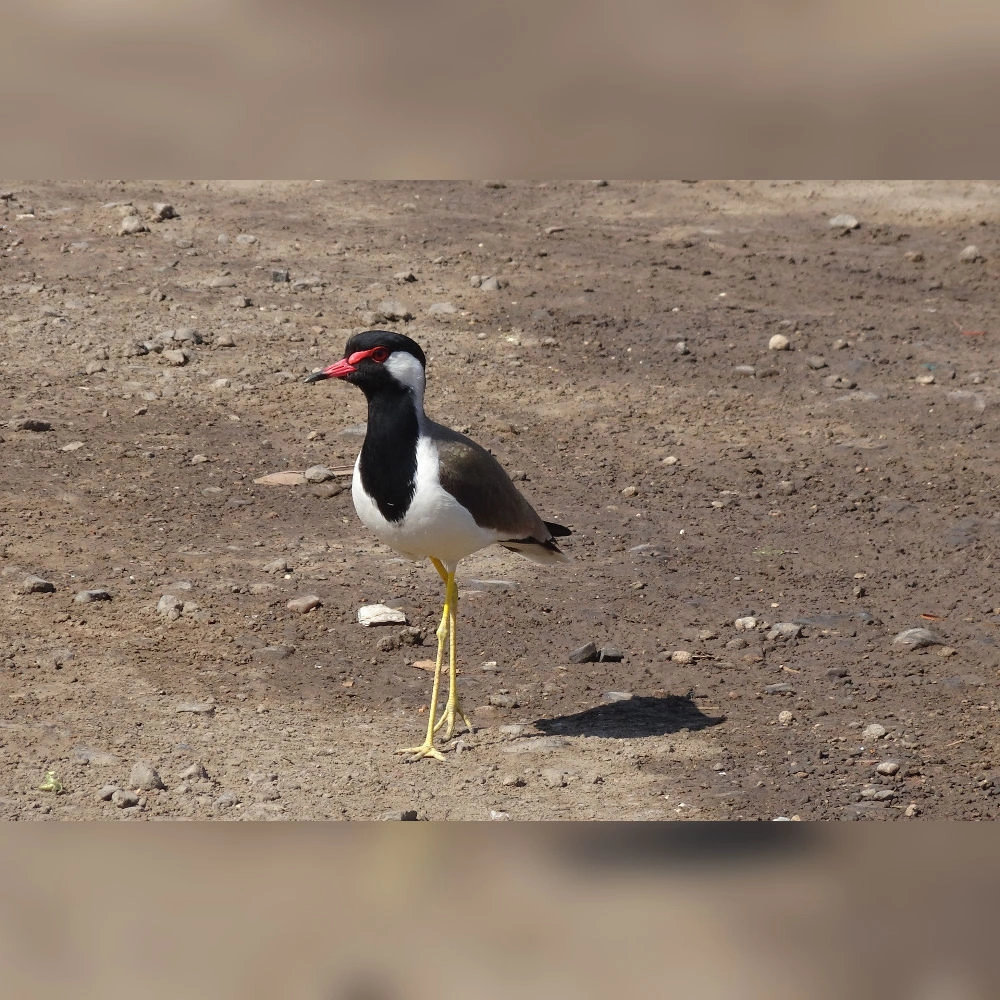
Red-wattled Lapwing
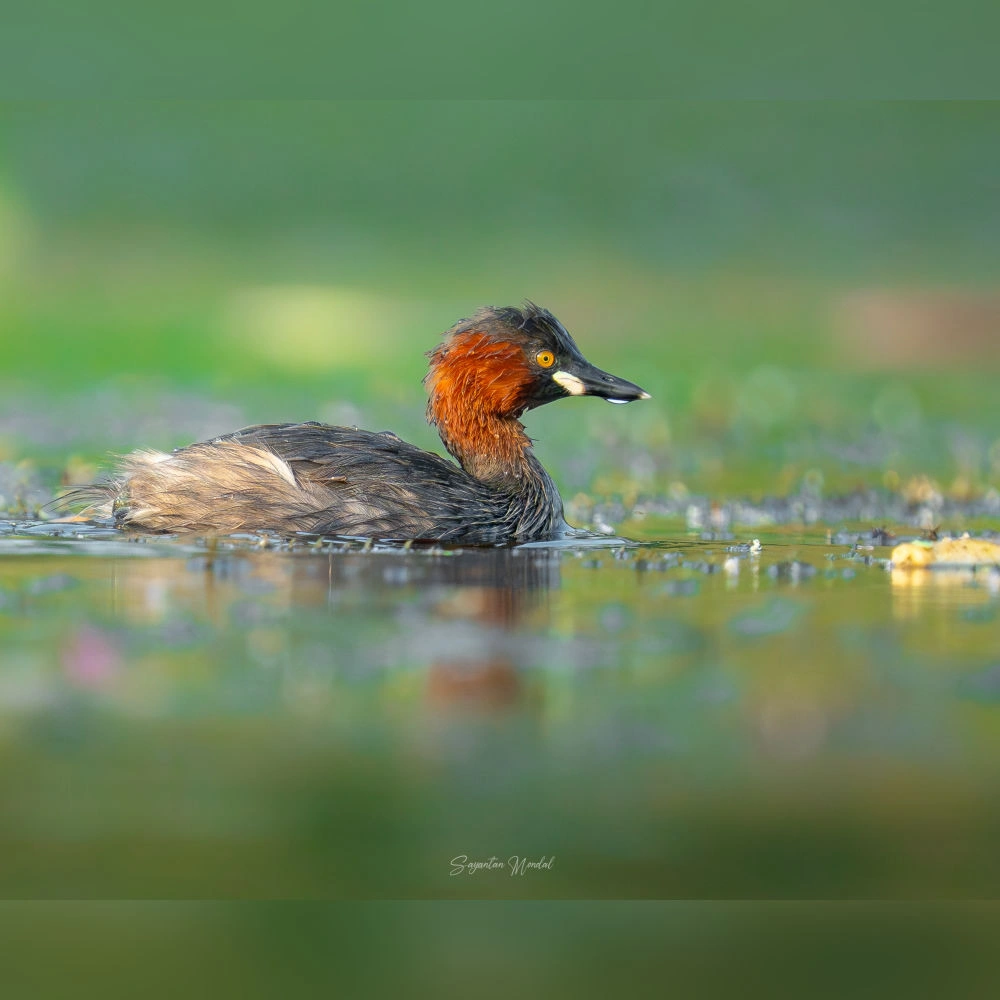
Little Grebe
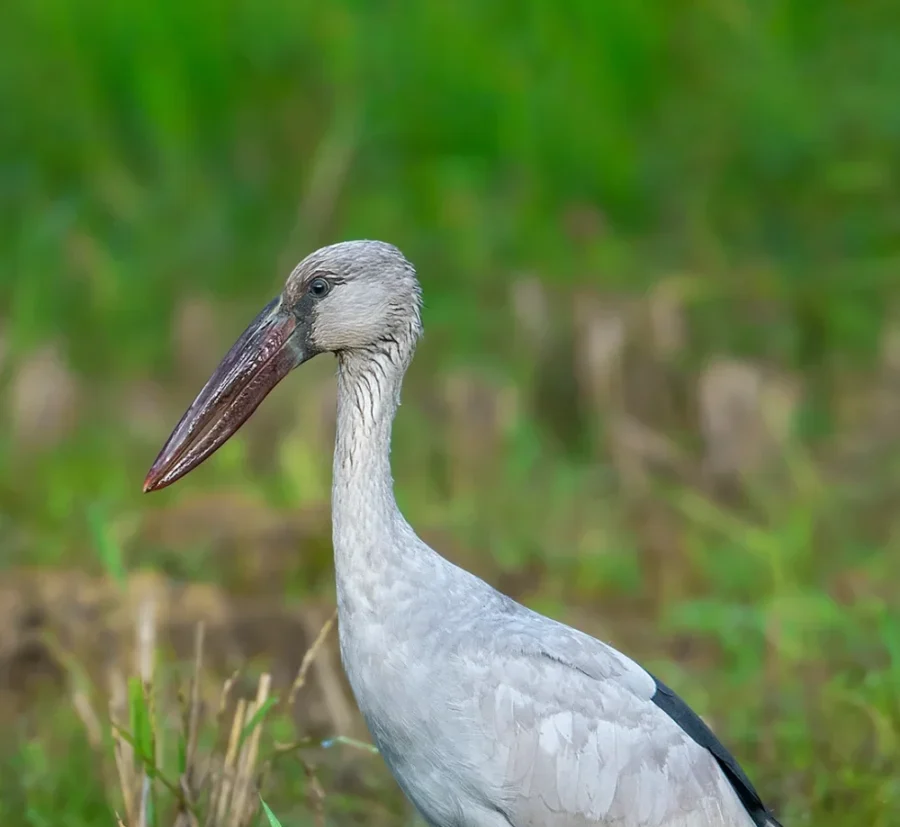
Asian Openbill
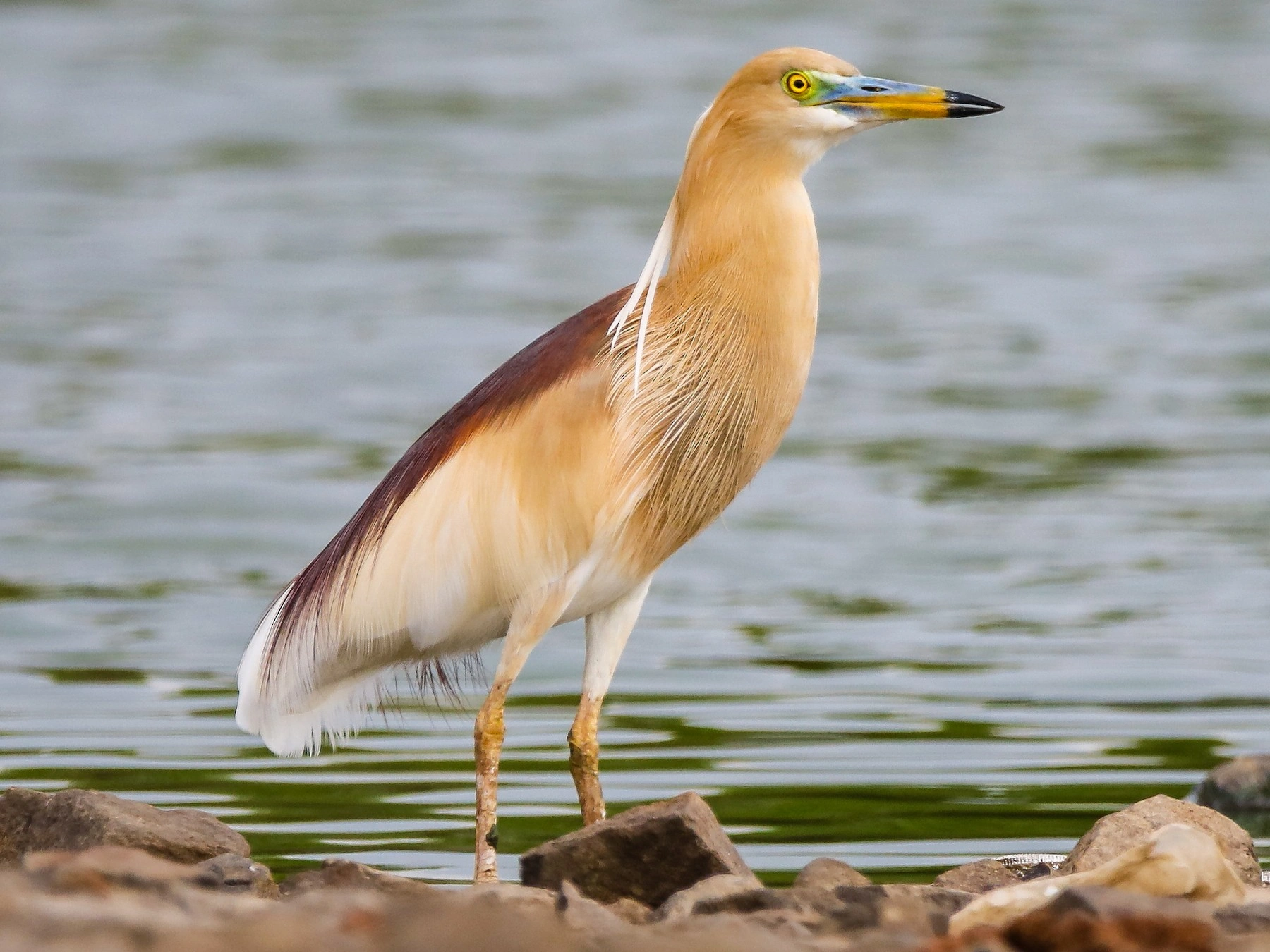
Indian Pond-Heron
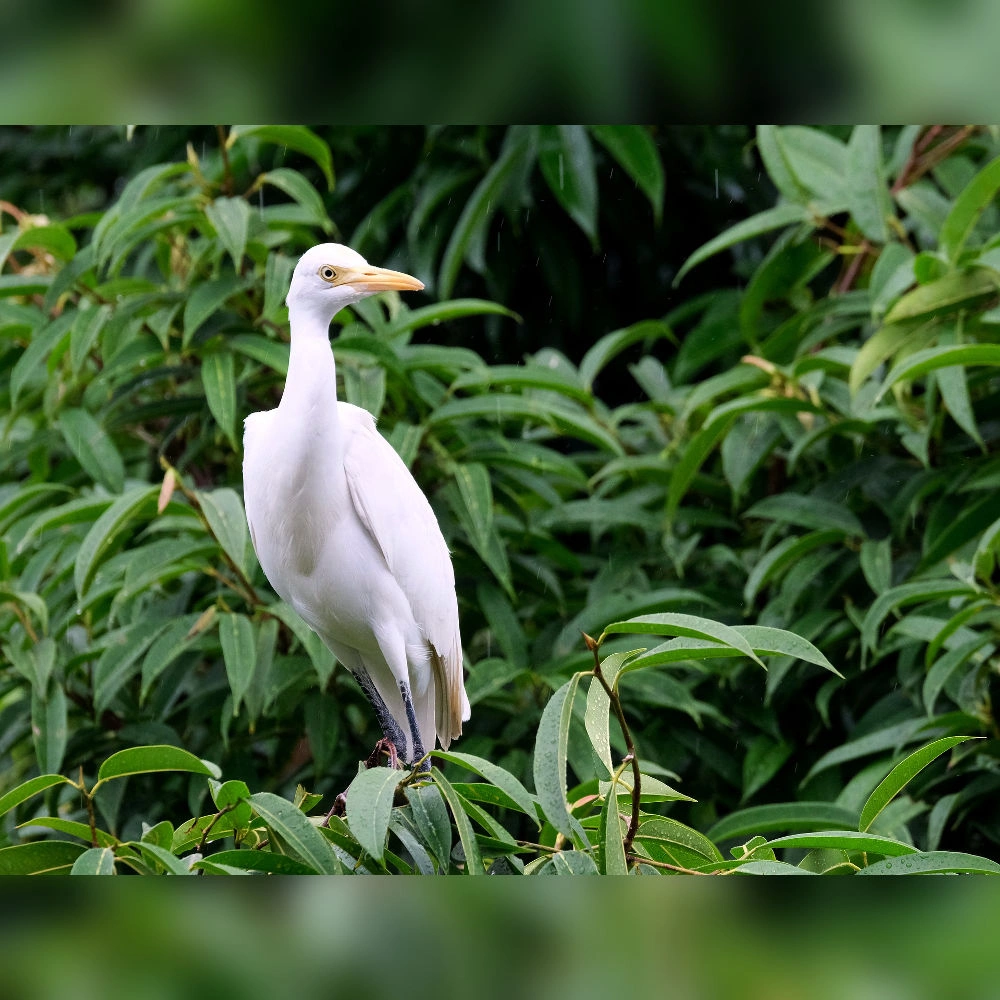
Eastern Cattle Egret
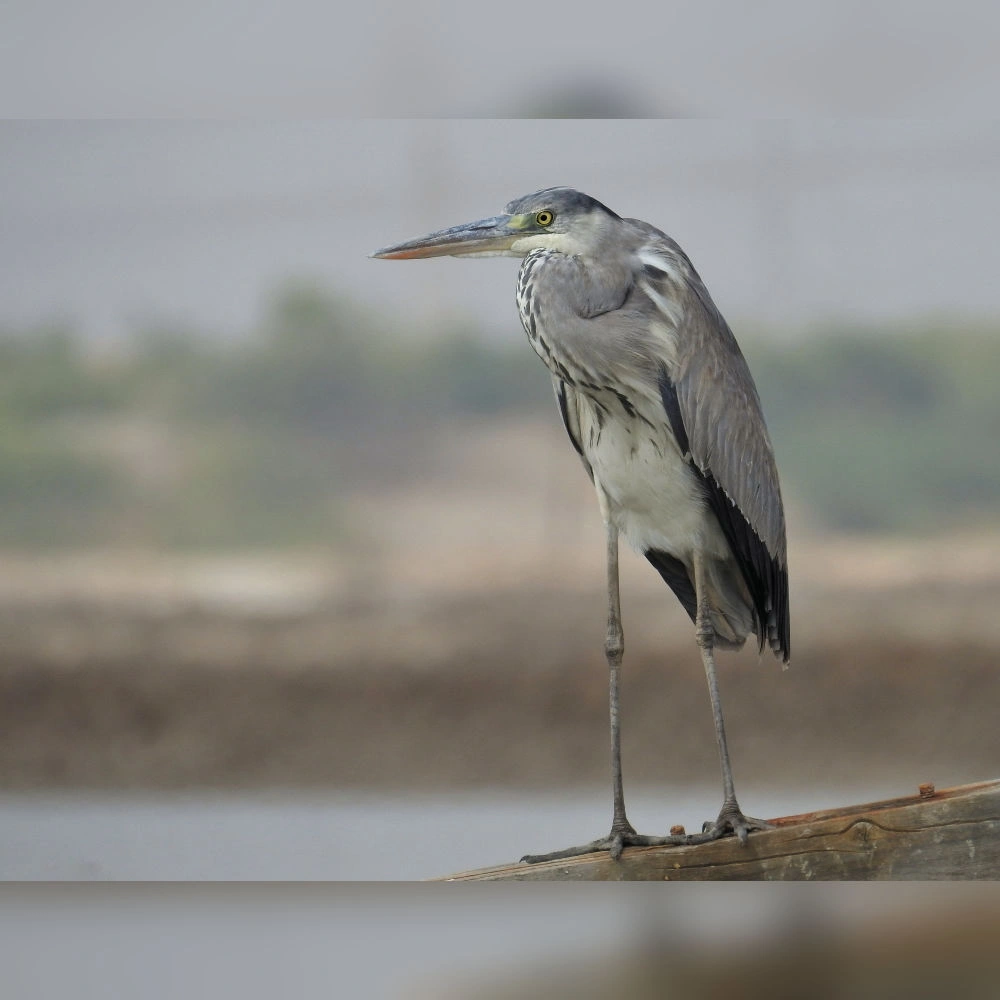
Grey Heron
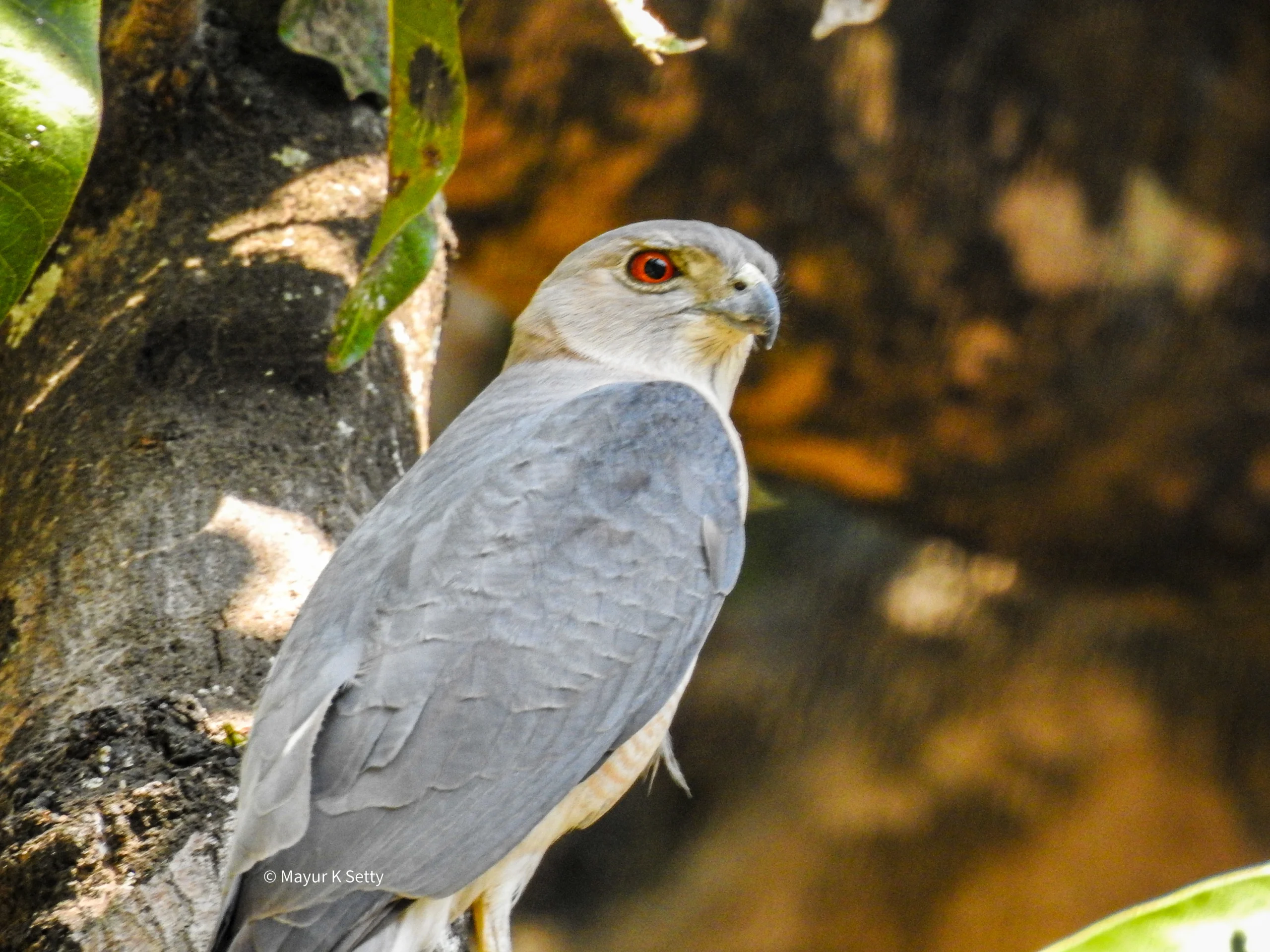
Shikra
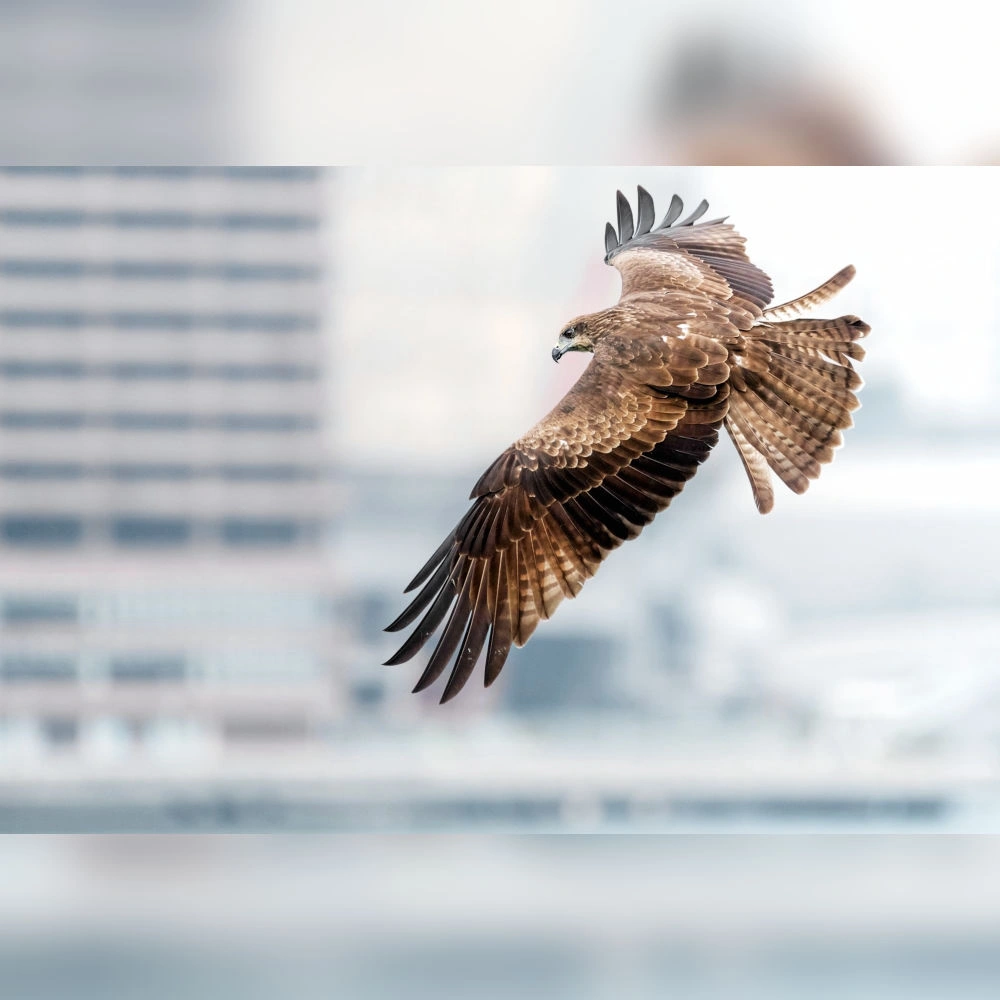
Black Kite

Summary of Walk

Fifteen birders joined guide Shakthi at Kolarampathy Lake in Coimbatore on 17 October to enjoy the natural beauty of the wetland as the season begins to change. With water levels starting to rise, the lake is showing signs of seasonal change and creating a refreshing environment for birdlife, and participants enjoyed exploring the surroundings and watching the diverse avian activity around the lake. The group recorded 35 species, and the sightings included a flock of Blue-tailed Bee-eaters, their green and turquoise plumage glowing as they swooped over the water, and a flock of Western Yellow Wagtails, which brought a flash of yellow along the shore. The Indian Golden Oriole, glowing like a lantern among the leaves, was another crowd favourite. The most special highlight of the day was the Citrine Wagtail, a migratory bird that travels across countries during its seasonal movements, which represented the first record for Coimbatore this year. The sighting sparked great interest among the participants and highlighted the importance of wetlands like Kolarampathy Lake as valuable habitats for migratory birds. Shakthi guided the walk with patience and enthusiasm, explaining how to separate wagtails by their head patterns and how to tell migrants from residents, and sharing the story of the long journeys these birds make each year. The group enjoyed the open views, the calm morning and the steady stream of sightings, and many participants said they were looking forward to seeing how the lake changes as the migratory season unfolds. It was a wonderful morning, full of learning and wonder, and a reminder of how much there is to protect in our local wetlands.
Number of Participants
0
Scroll to Top