
Loading Events

Bird Walk at Bhandup Pumping Station, Mumbai, Maharashtra

About Bhandup Pumping Station Salt Pans

Fringing the eastern edge of Mumbai along Thane Creek, the Bhandup Pumping Station Salt Pans form one of the city’s most remarkable and unexpected wildlife habitats. Nestled around the Bhandup Pumping Station, this landscape is a mosaic of tidal mudflats, salt pans, mangroves, and shallow water channels that shift with the rhythm of the tides. Despite being set against an urban backdrop, the area supports a thriving web of life—salt-tolerant vegetation, crabs, molluscs, and a rich diversity of invertebrates that form the base of this dynamic ecosystem. These nutrient-rich wetlands act as a crucial feeding and resting ground, especially for migratory species traveling along the Central Asian Flyway.

For birders, the salt pans are nothing short of spectacular. Vast flocks of waders, gulls, and terns transform the landscape into a constantly moving canvas, while raptors patrol overhead and smaller passerines occupy the mangrove edges. Seasonal changes bring dramatic shifts in species composition, making every visit unique and rewarding. However, this fragile ecosystem faces mounting threats—from urban expansion, pollution, and waste dumping to hydrological changes and habitat disturbance. As pressures on Mumbai’s wetlands increase, conserving spaces like the Bhandup Salt Pans becomes critical, not only for migratory birds but for maintaining the ecological balance within an ever-growing city.

Bird Guide - Megha Gupta

Megha is an avid birder with over 6 years of experience, based on the IIT Bombay campus. An AI professional and educator at heart, she has led multiple bird walks and completed formal birding courses. Her approach goes beyond identification, focusing on understanding bird behavior, habitats, and their role in the larger ecosystem.

Bird walk Location

Common birds of Bhandup Pumping Station Salt Pans

The ever-changing wetlands of the Bhandup Salt Pans near Bhandup Pumping Station host a fascinating mix of waterbirds and urban-adapted species, creating a vibrant birding experience right within the city. Graceful waders like the Black-winged Stilt and Pacific Golden Plover move across the mudflats, while flocks of sandpipers forage along the shallow edges. Larger birds such as the Painted Stork and Black-headed Ibis add a striking presence, contrasting with the delicate movements of egrets and herons. Amidst this wetland activity, the surrounding shrubs and mangroves buzz with life—bulbuls call from hidden perches, Ashy Prinia flit through the grasses, and flashes of colour from Purple Sunbird and White-throated Kingfisher brighten the scene. Even familiar urban birds like crows and parakeets blend into this rich mosaic, highlighting how this unique habitat supports both migratory and resident species in a constantly shifting landscape.
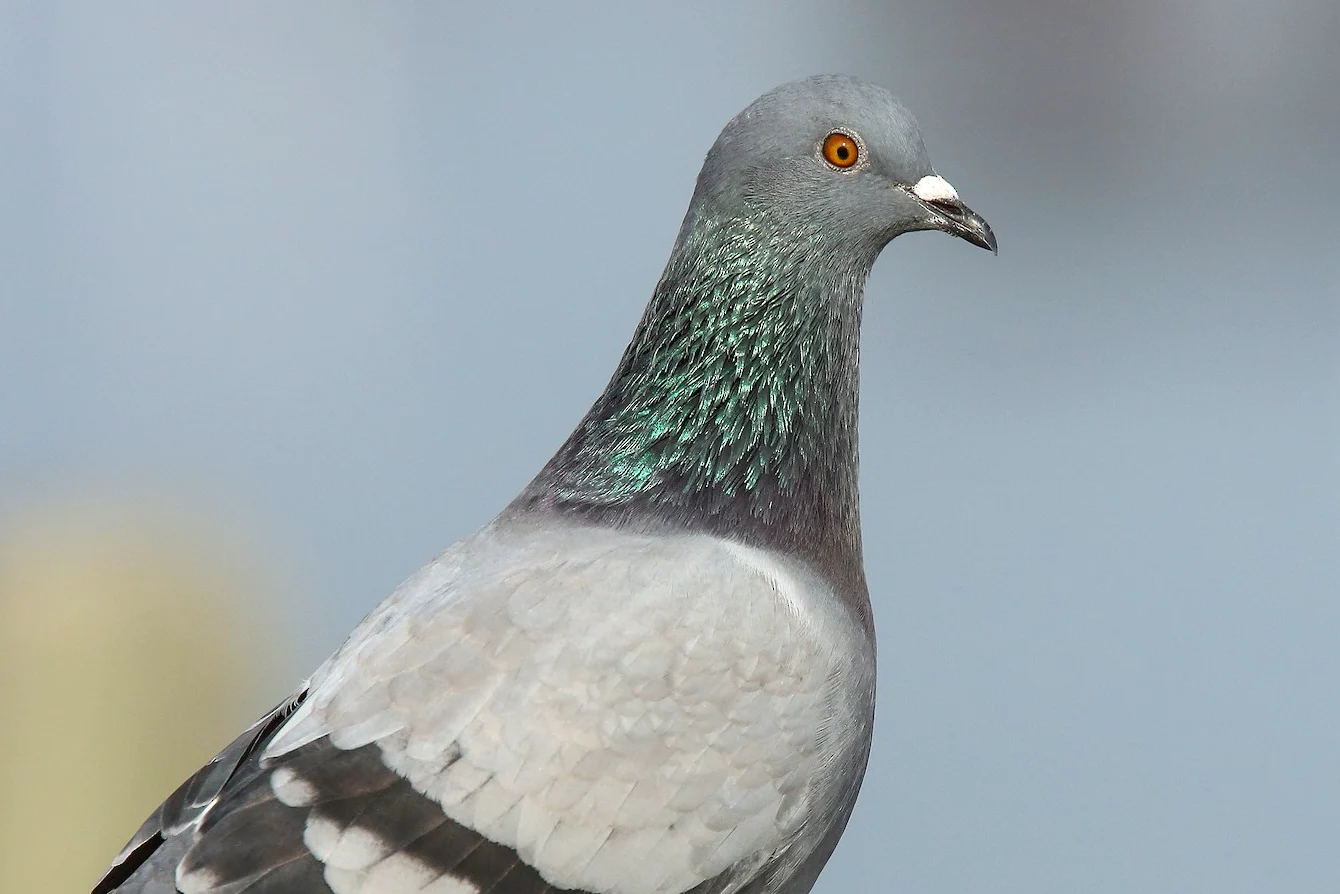
Rock Pigeon
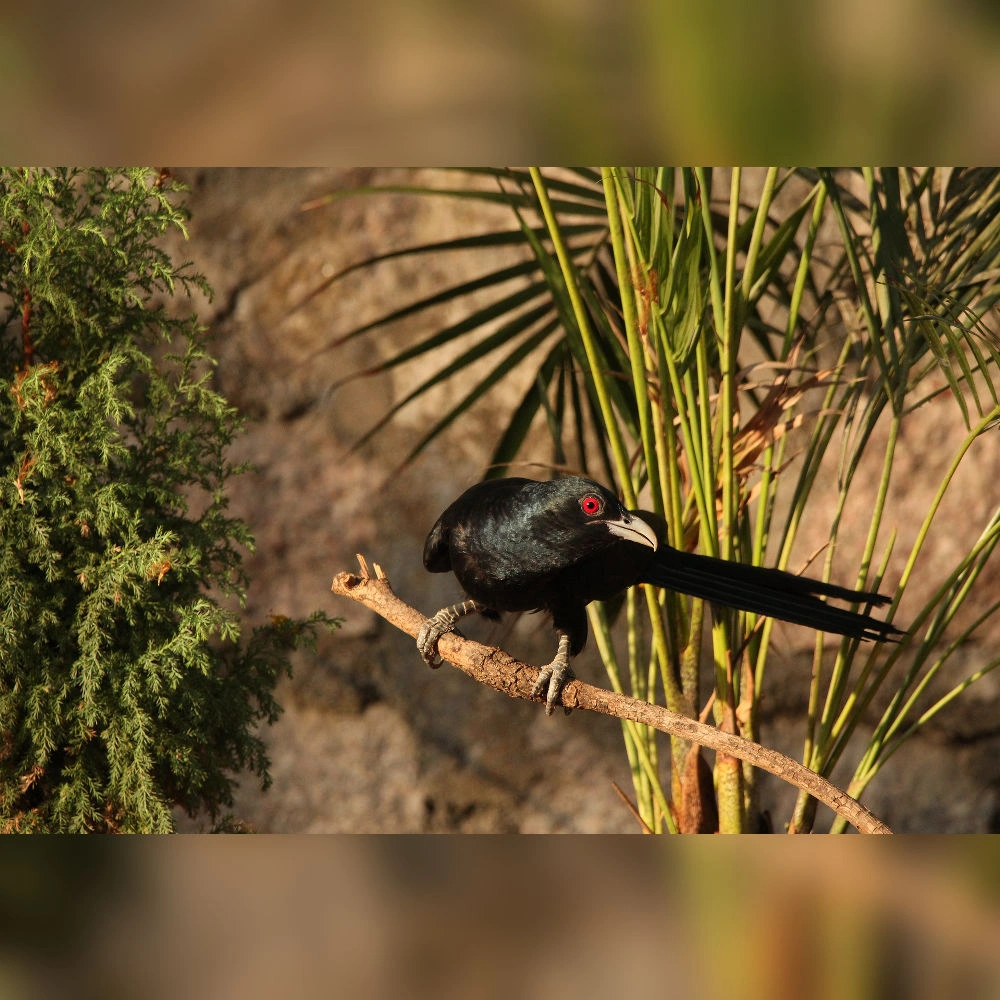
Asian Koel
Pacific Golden Plover
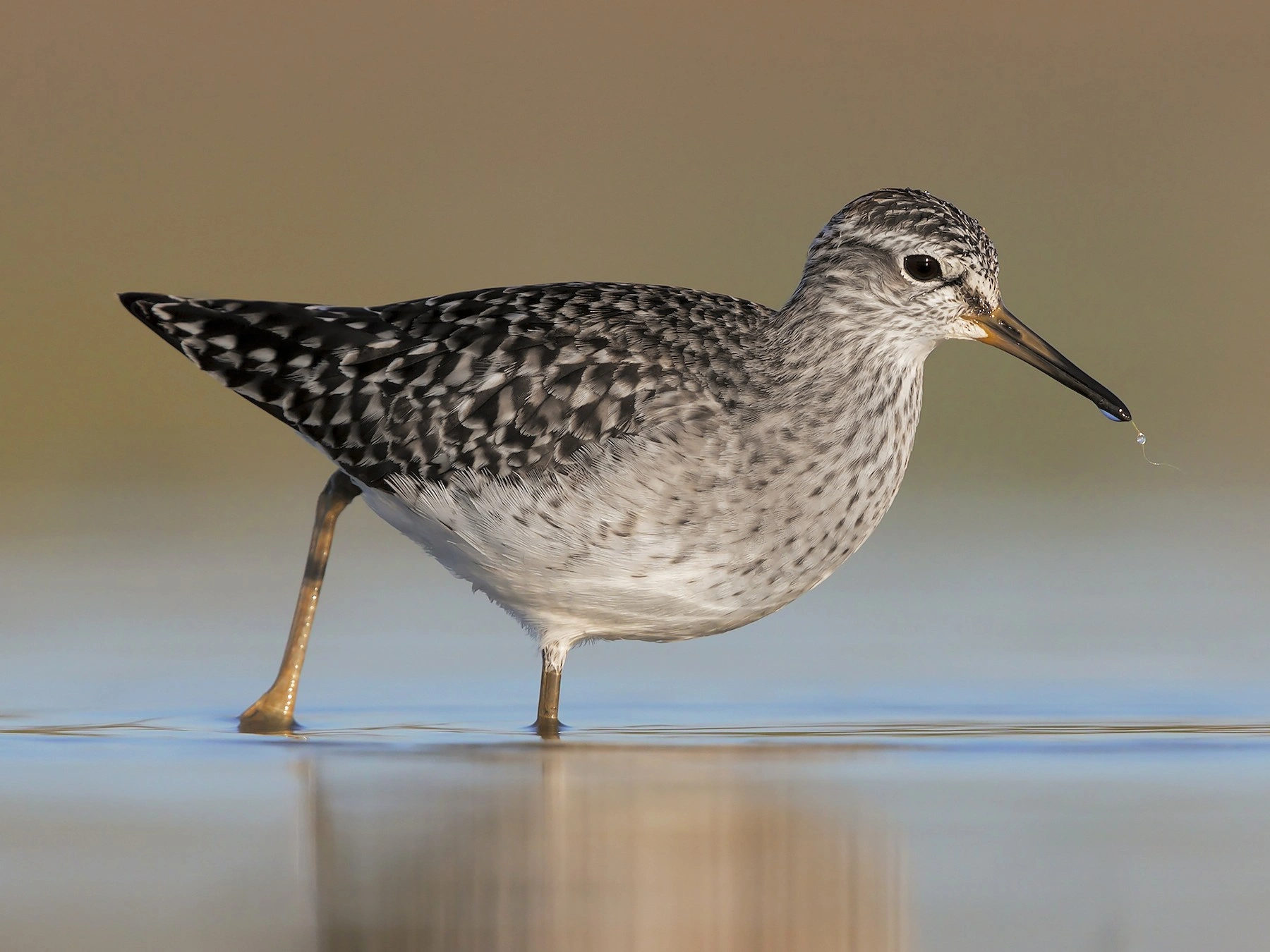
Wood Sandpiper
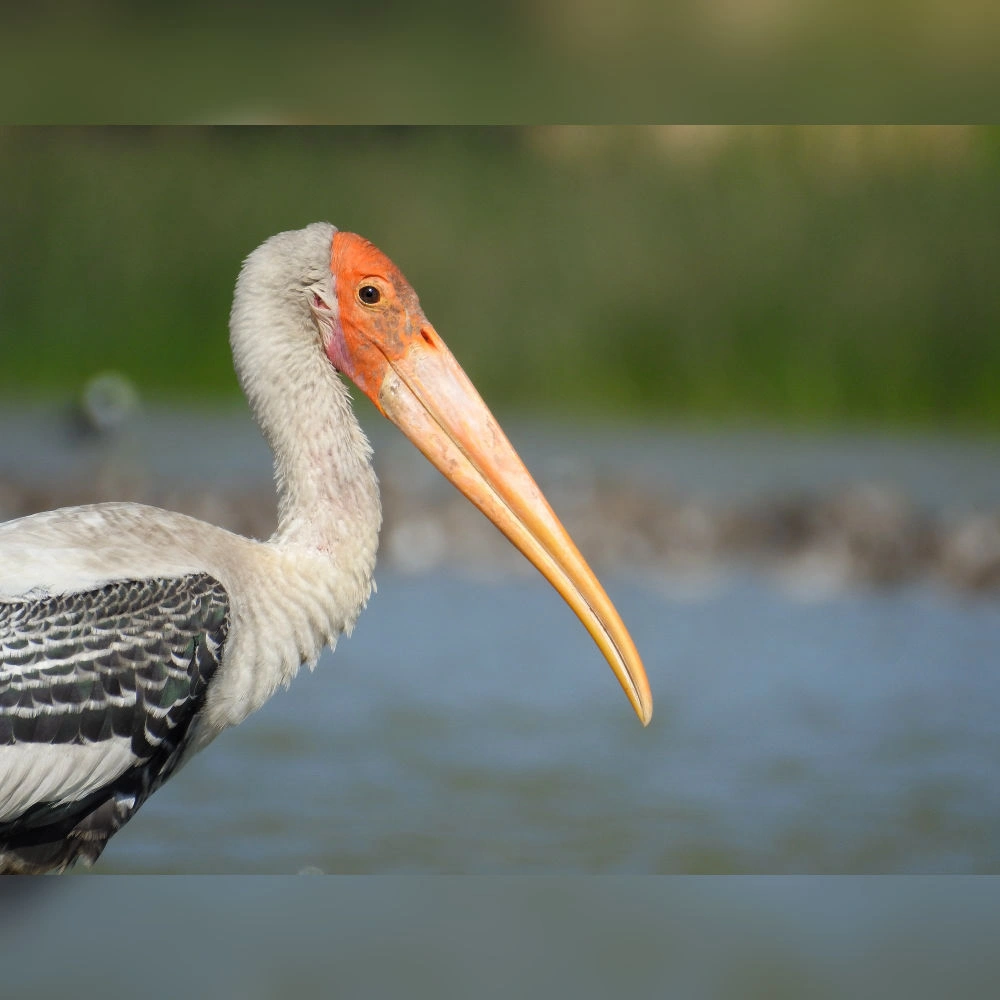
Painted Stork
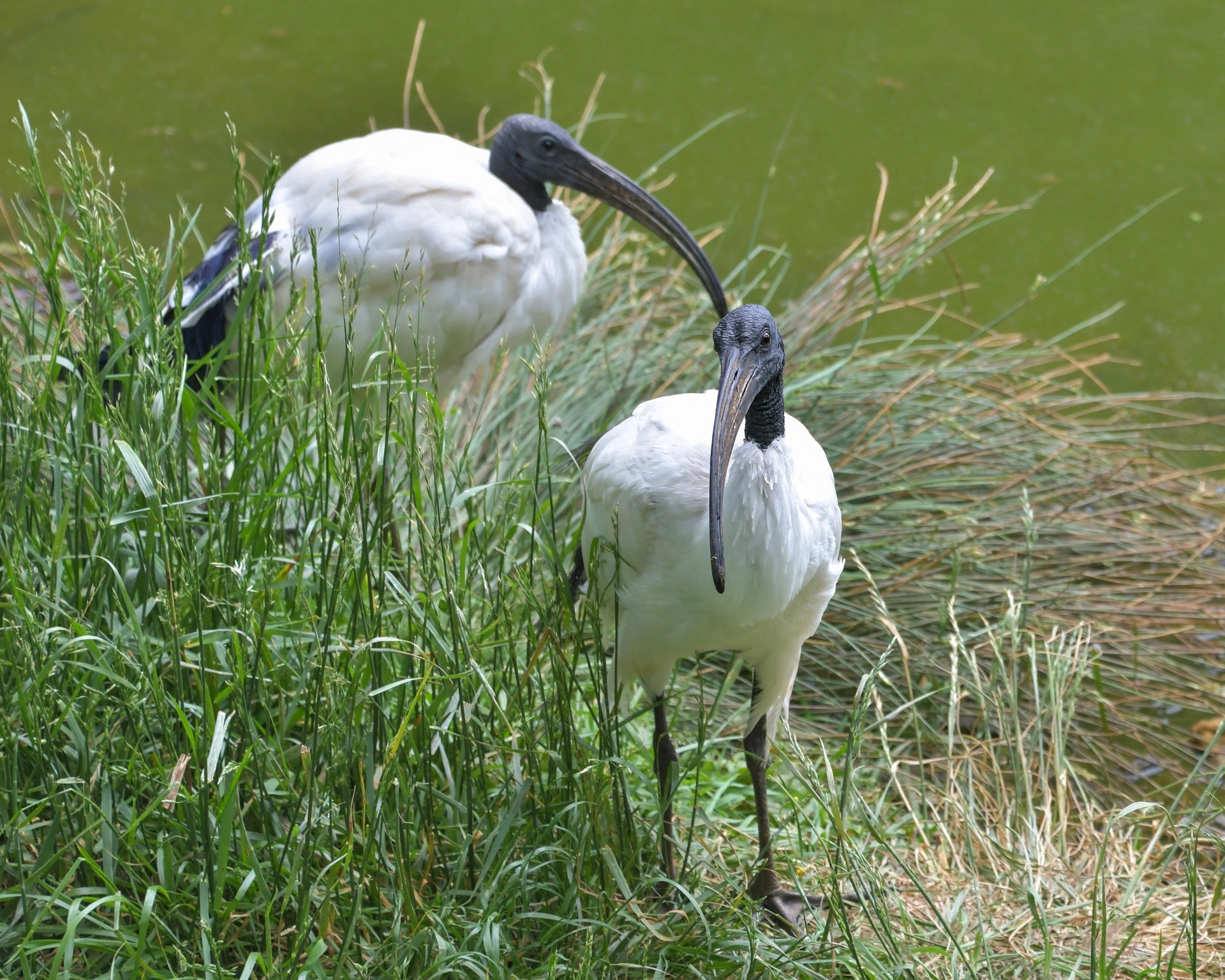
Black-headed Ibis
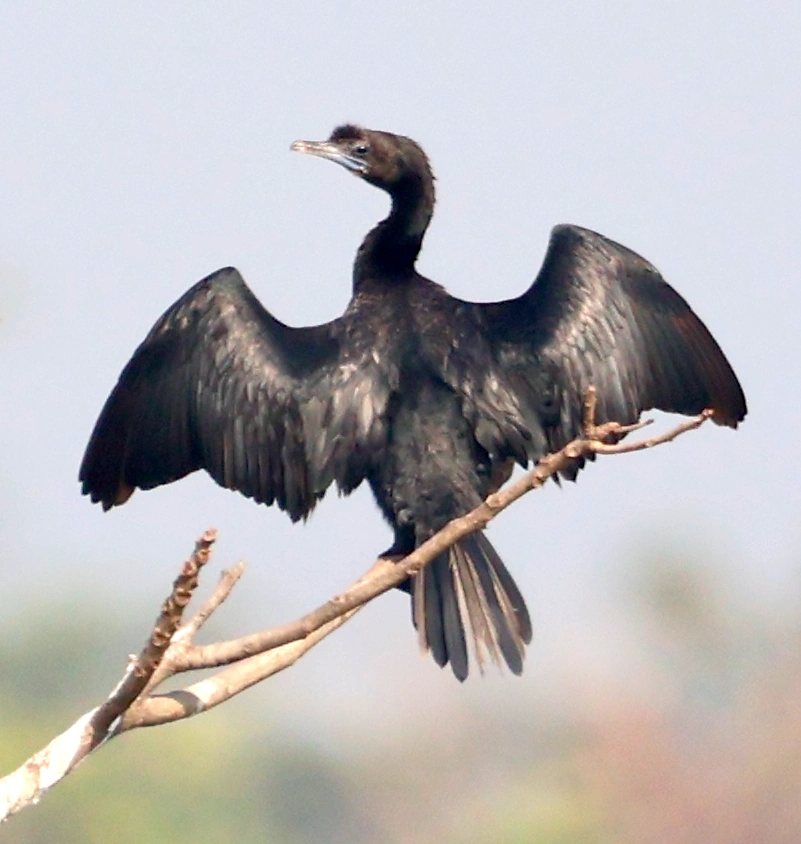
Little Cormorant
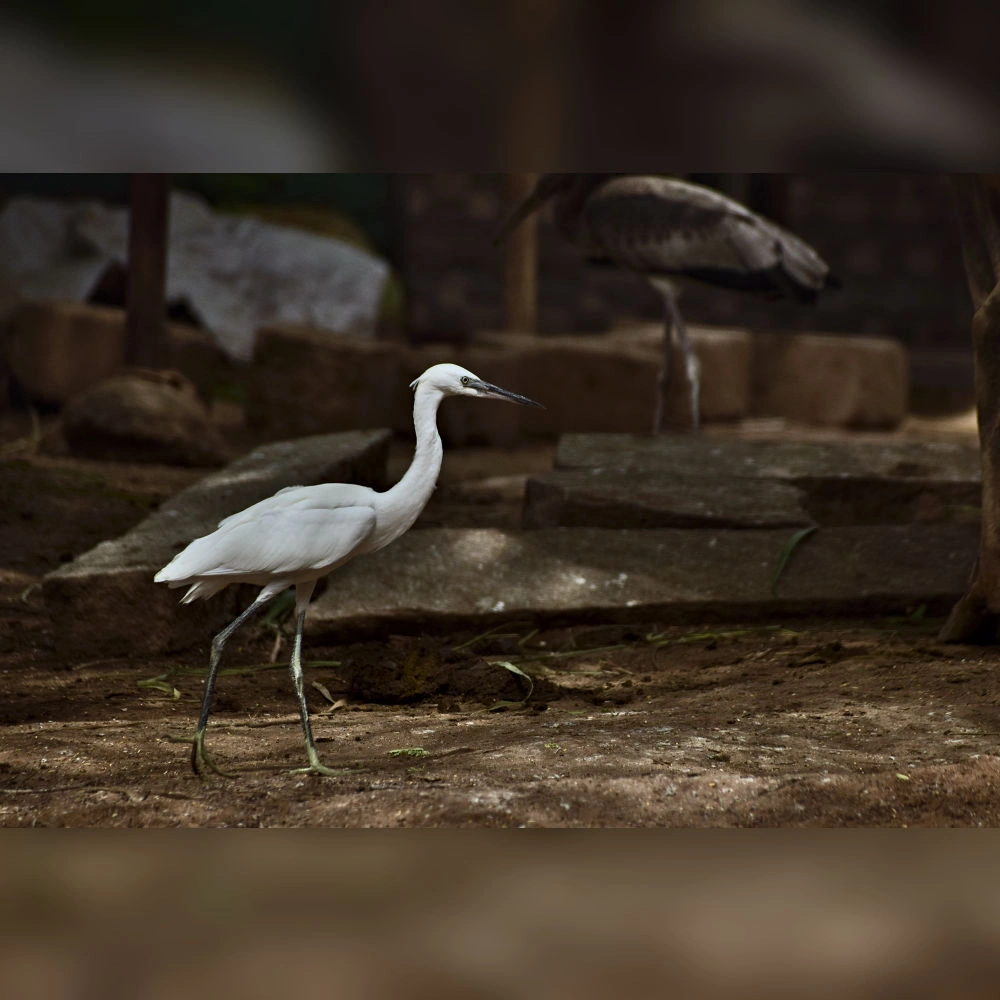
Little Egret
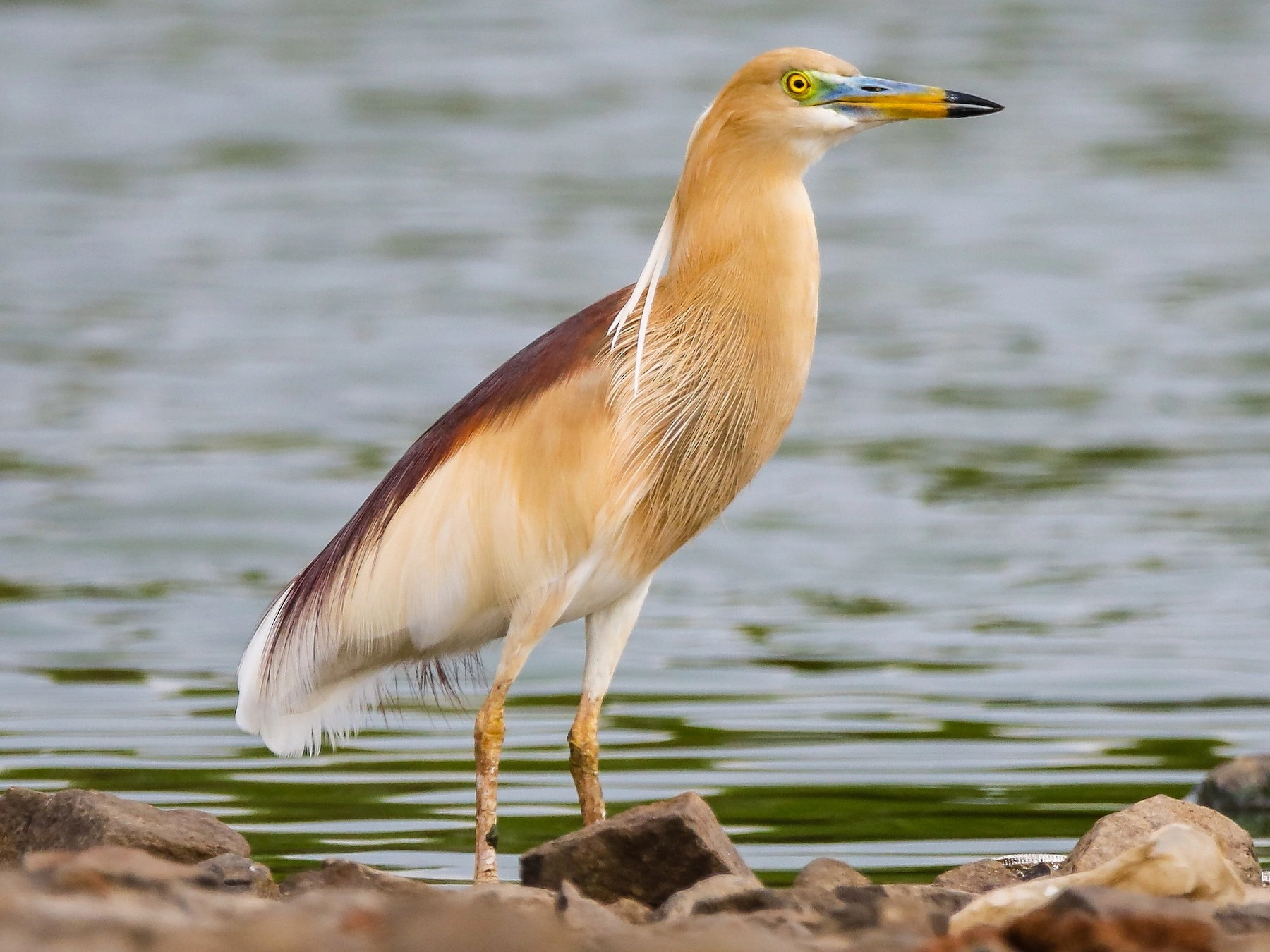
Indian Pond Heron
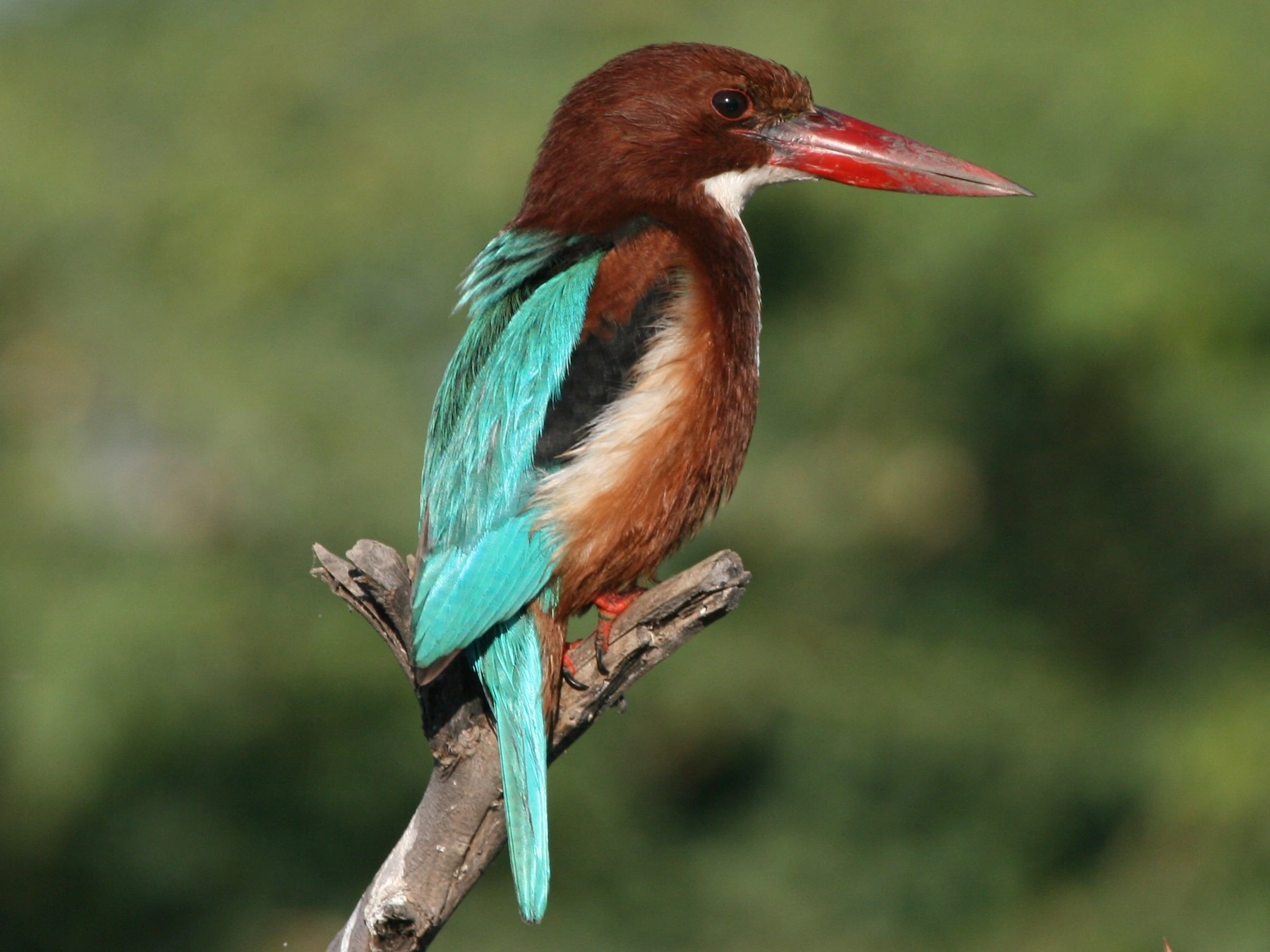
White-throated Kingfisher
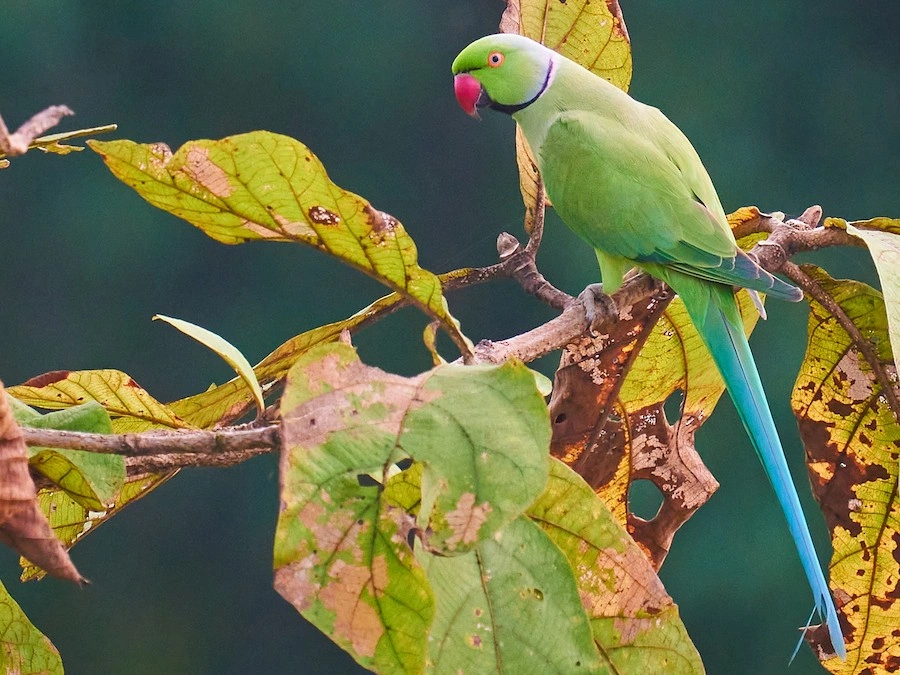
Rose-ringed Parakeet
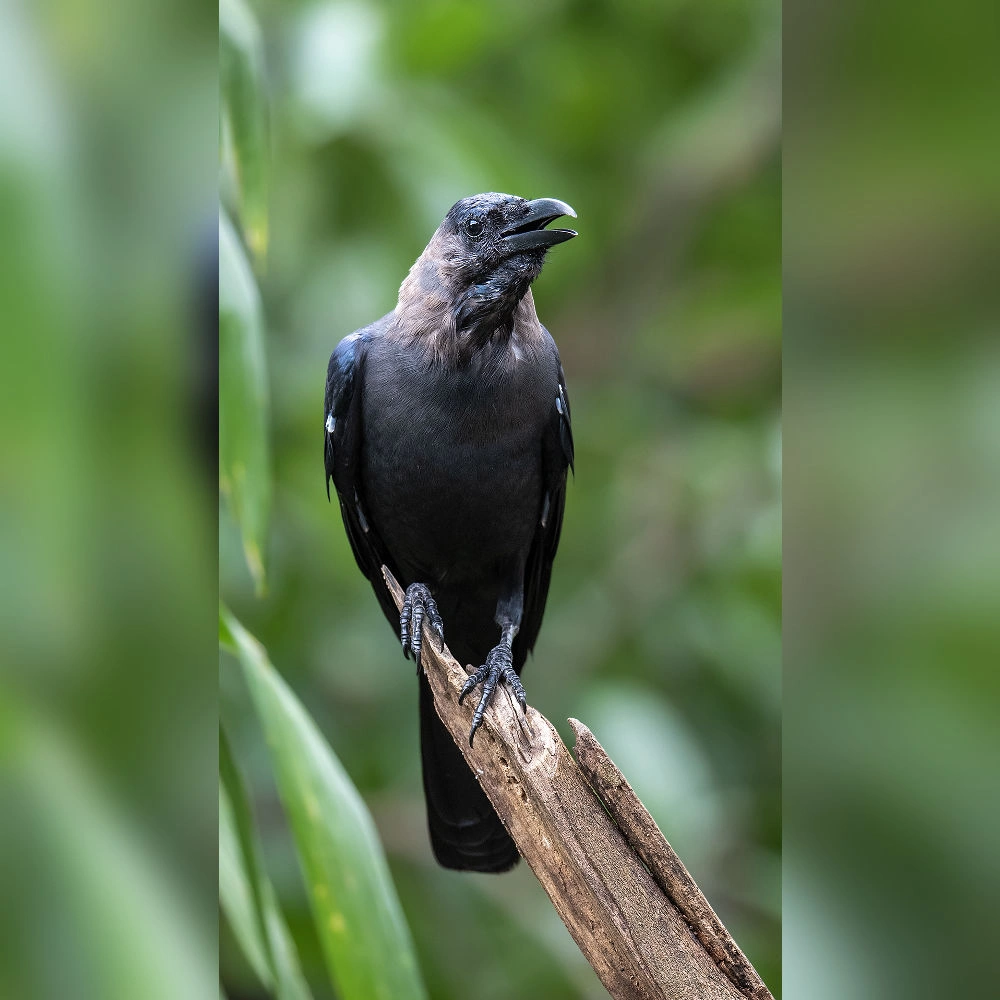
House Crow
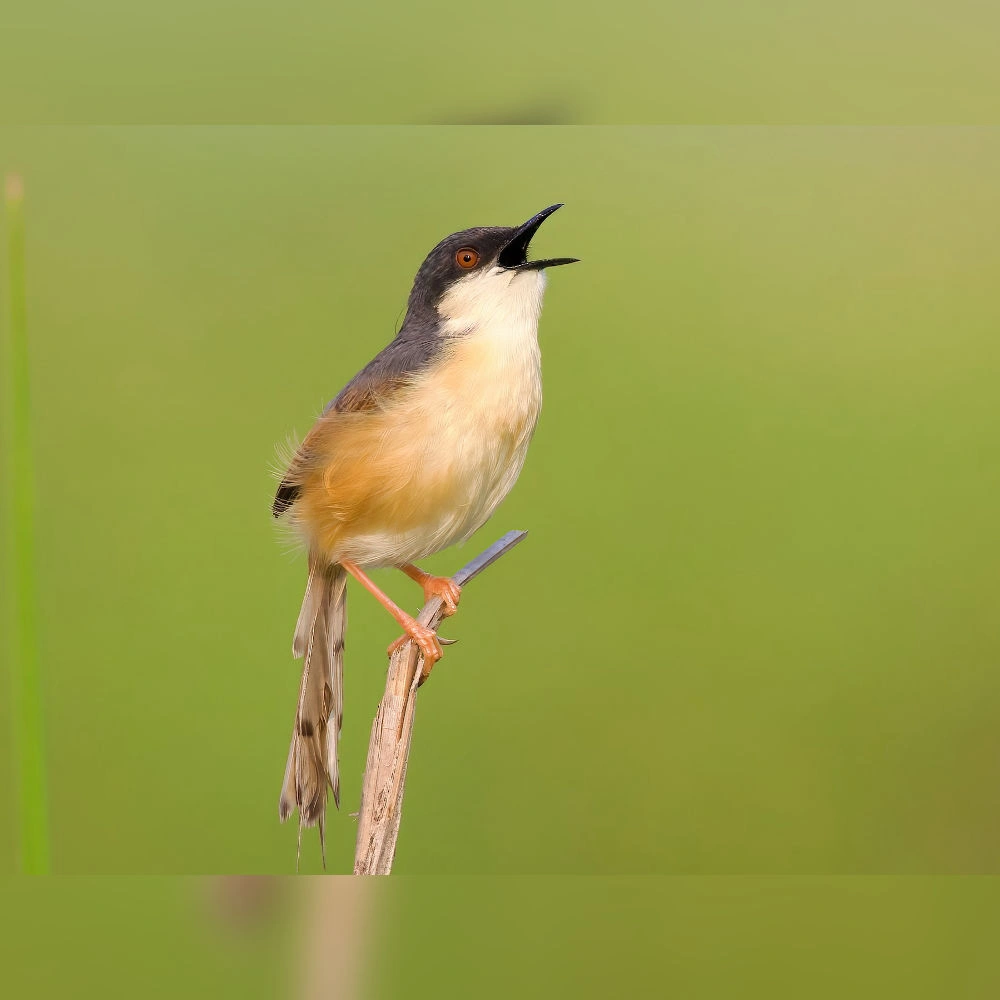
Ashy Prinia
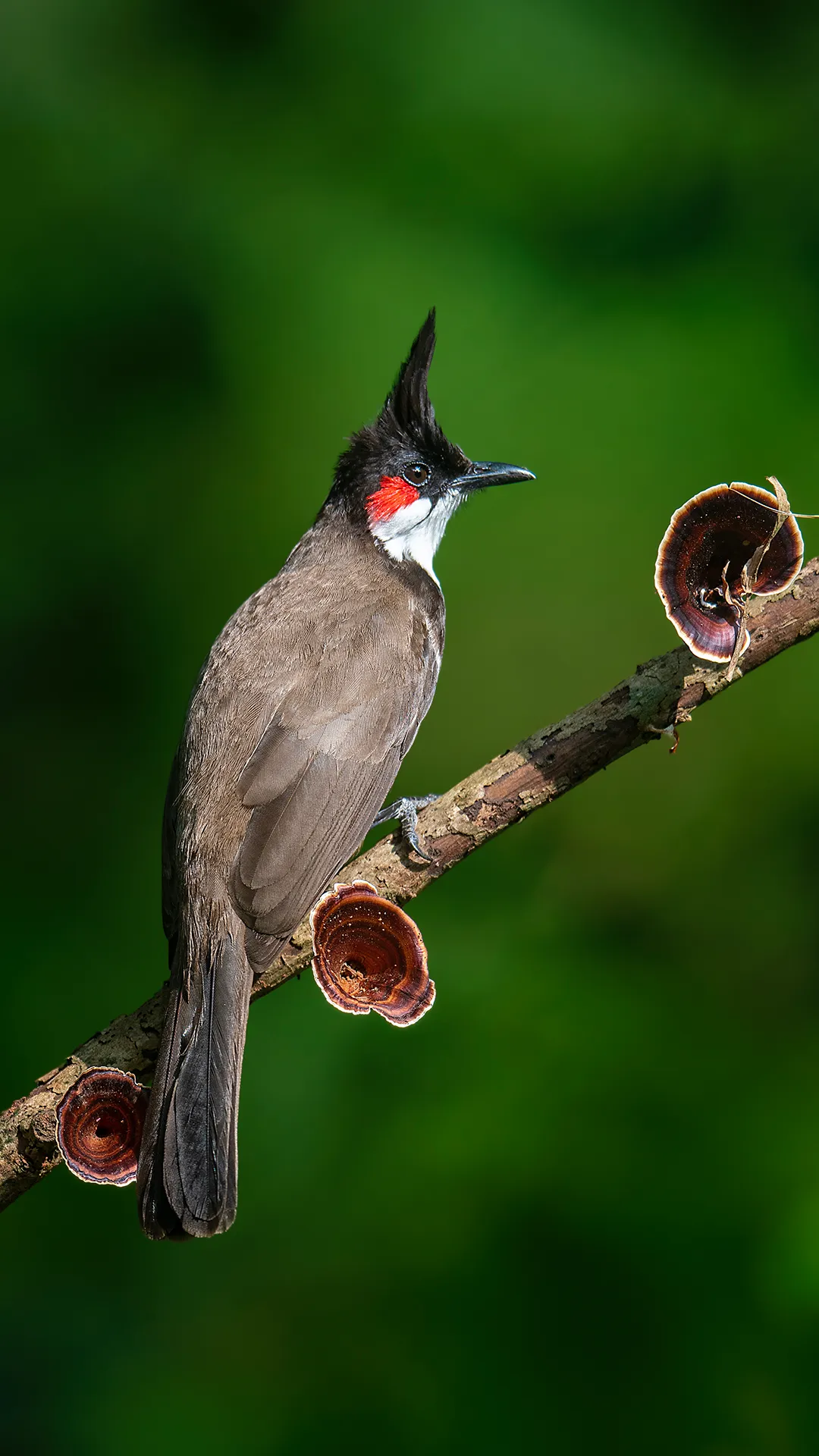
Red-whiskered Bulbul
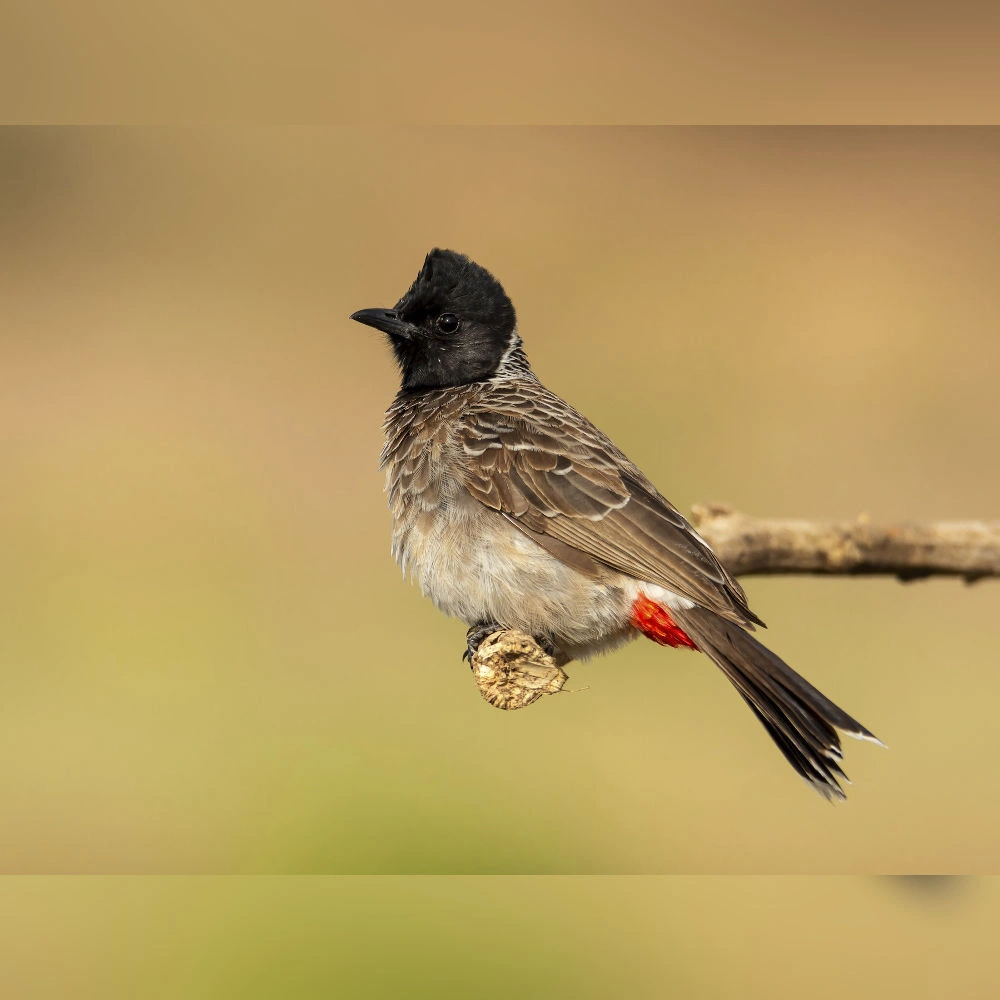
Red-vented Bulbul
Indian Pied Starling
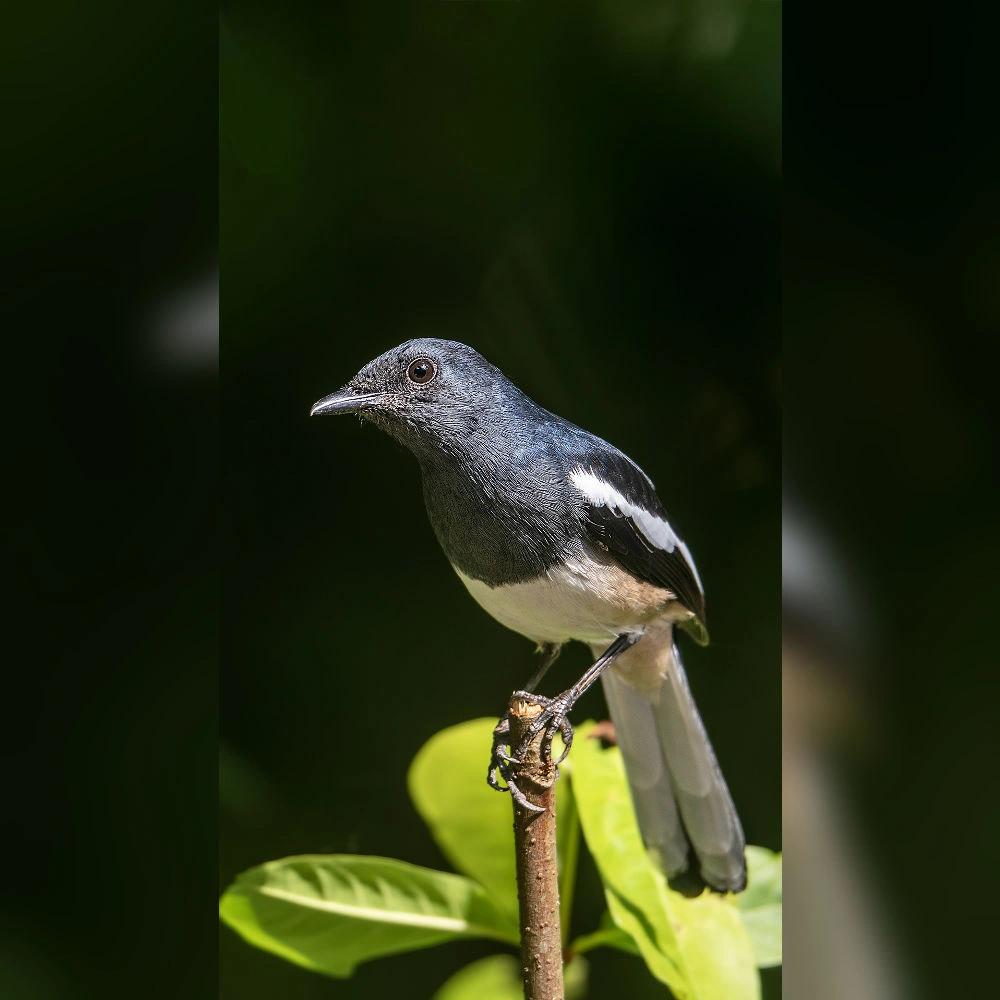
Oriental Magpie-Robin
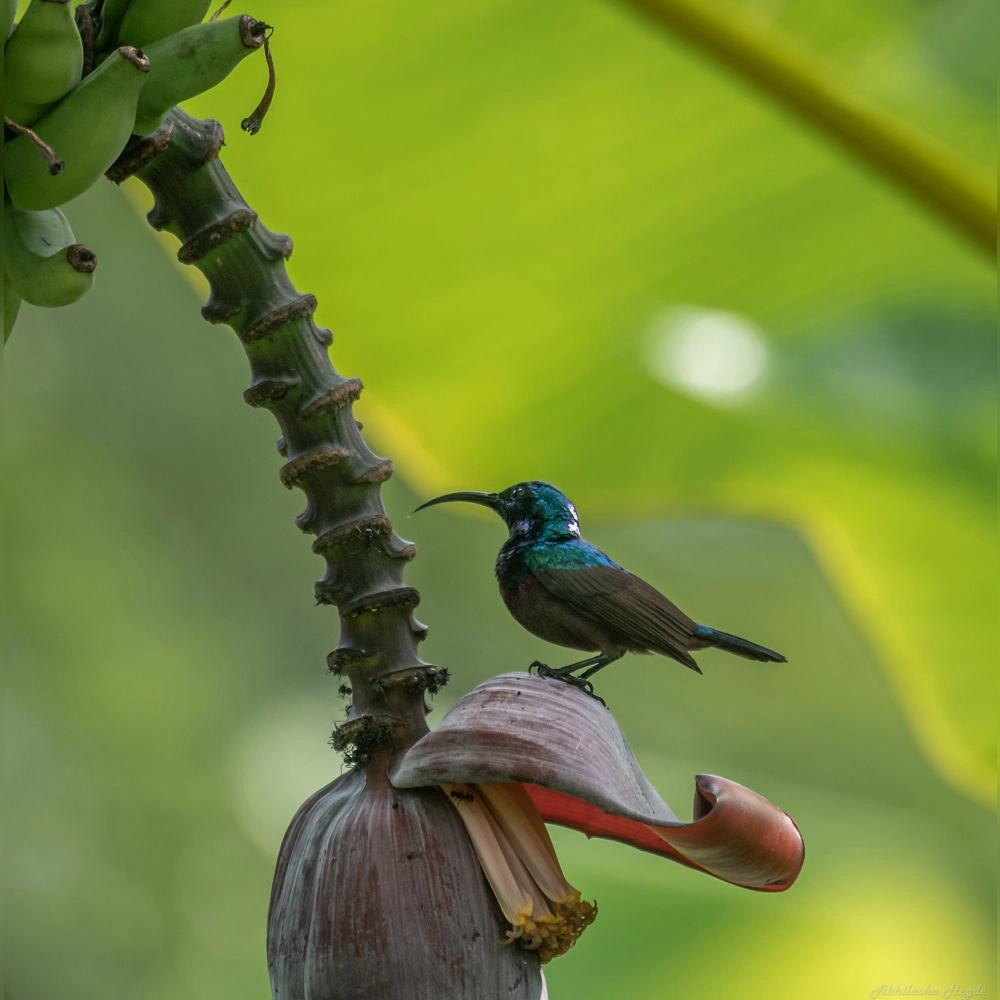
Purple Sunbird
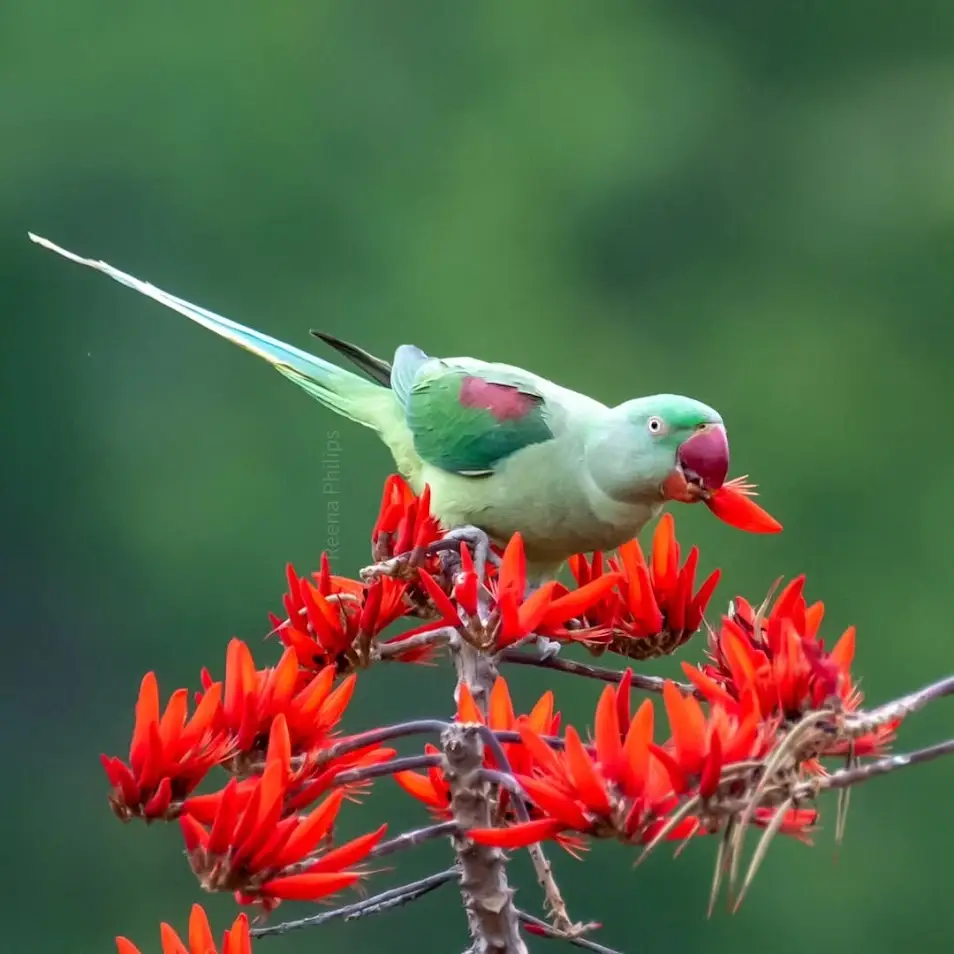
Alexandrine Parakeet
White-eared Bulbul

Summary of Walk

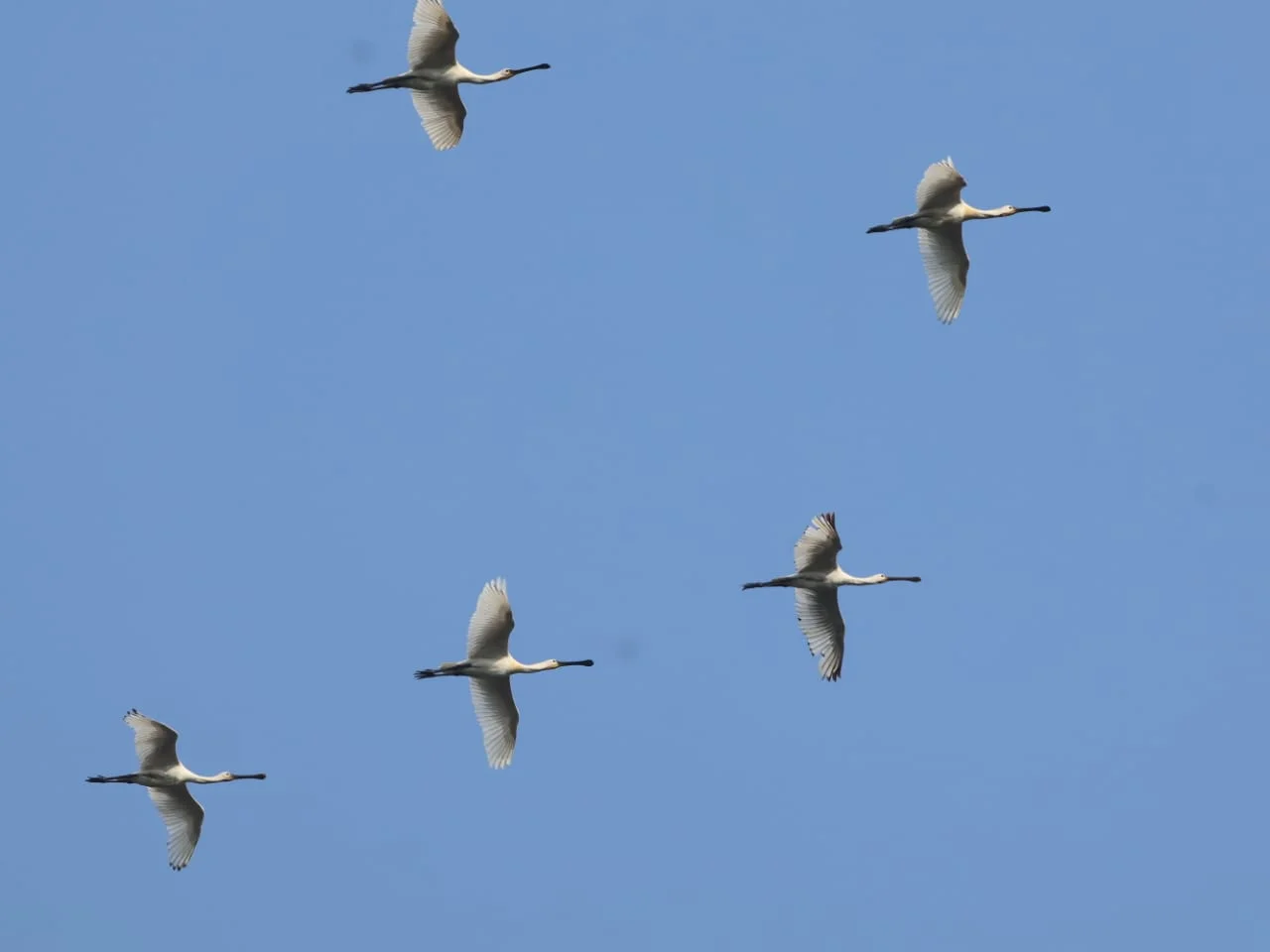
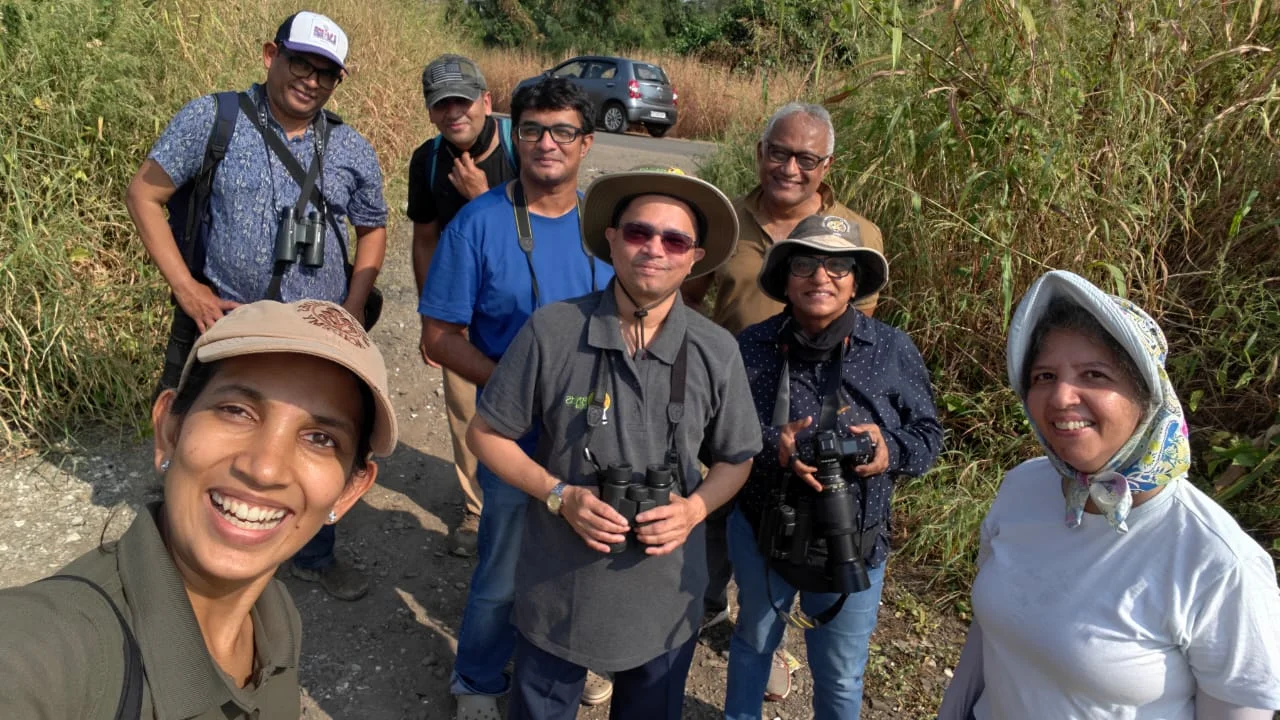
Fifteen birders joined guide Megha Gupta at Bhandup Pumping Station in Mumbai on 15 October to welcome the migratory birds back to the city, and the birds responded with a spectacular show. The group recorded 42 species, and the morning was full of memorable scenes. Fantastic murmurations of juvenile Rosy Starlings swirled across the sky, a crowd-pleaser that had everyone reaching for their cameras. A Western Marsh Harrier drifted over the salt pans and was mobbed by crows, giving the group a dramatic lesson in how birds of prey are treated by the locals. A Common Hoopoe appeared out of nowhere on the path just ahead of the group, strutting along with its crest raised, and majestic flocks of Eurasian Spoonbills and Painted Storks passed overhead against the morning sky. A Western Reef-Heron, with its sleek slate-grey plumage, stalked the shallows, and Blue-tailed Bee-eaters, glowing green and turquoise, swooped overhead in a lively display. A Jacobin Cuckoo, also known as the Pied Cuckoo, was another welcome highlight, a bird whose arrival is linked with the changing of the seasons. Megha guided the walk with her usual warmth, pointing out the different habitats of mangroves, salt pans and grass and explaining how each draws a different set of birds. The participants showed up before time, full of enthusiasm, and the whole group was so immersed in the walk and the bird activity around them that a planned two-hour outing stretched into three without anyone noticing. It was a lovely reminder of how much wildlife survives and thrives right in the heart of a great metropolis, and how rewarding it is to share those moments with a group of curious, eager birdwatchers.
Number of Participants
0
Scroll to Top