Loading Events

Bird Walk at Mavoor wetlands, Kozhikode, KL

About Mavoor Islands

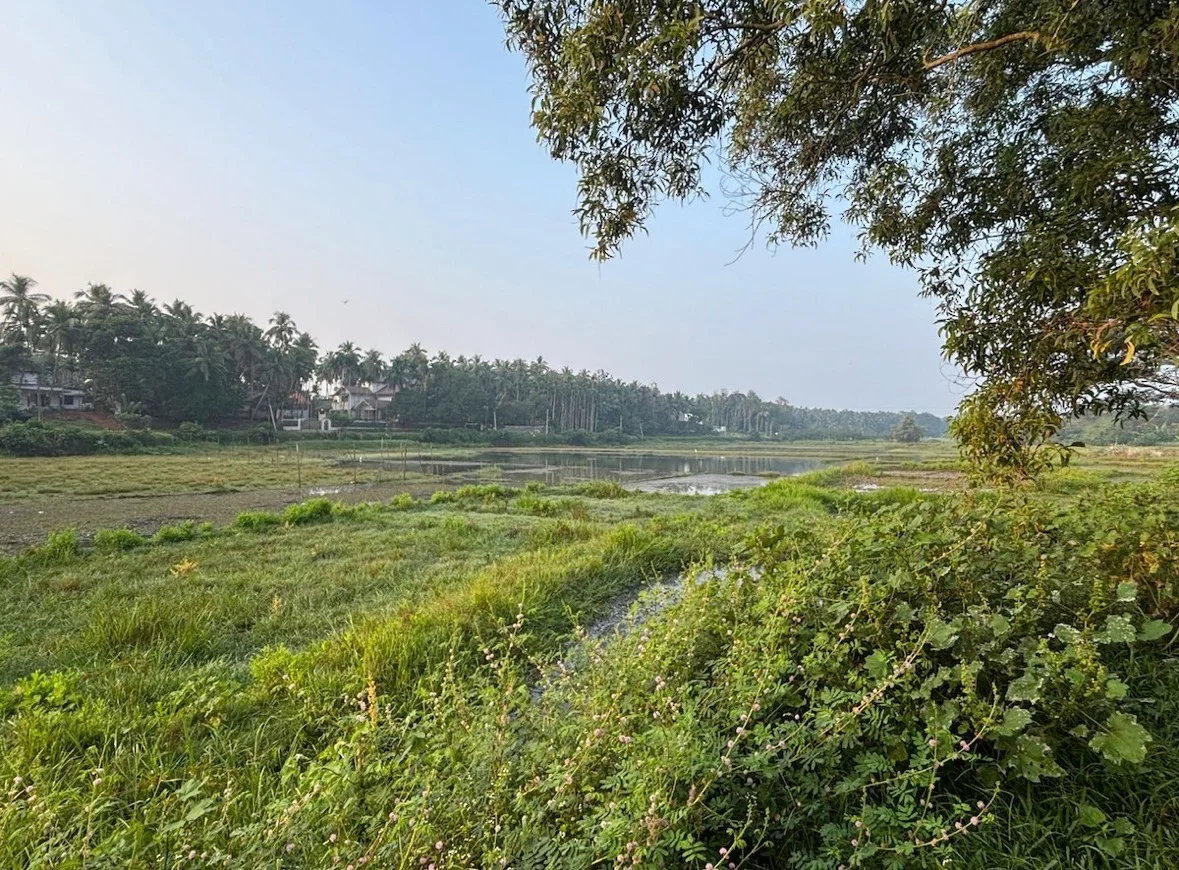
Mavoor Island, near Kozhikode in Kerala, is a scenic wetland and riverine landscape surrounded by waterways, vegetation, agricultural areas, and patches of trees. The island and its surrounding wetlands form part of the rich coastal and lowland ecosystem of northern Kerala, providing a mosaic of habitats for birds and other wildlife. The presence of water channels, muddy banks, grasses, shrubs, and tree cover creates suitable conditions for feeding, nesting, and roosting, making the area an interesting destination for nature enthusiasts and birdwatchers.
The diverse wetland and terrestrial habitats around Mavoor Island support both resident and seasonal bird species. Early mornings are particularly rewarding for birdwatching, when waterbirds can be seen feeding along the banks while kingfishers, bee-eaters, drongos, sunbirds, and other terrestrial species are active in the surrounding vegetation. Seasonal changes in water levels and vegetation can influence bird diversity, while winter and migration periods may bring additional waterbirds and waders. The relatively peaceful setting and proximity to Kozhikode make Mavoor Island a valuable local site for exploring Kerala’s wetland biodiversity.

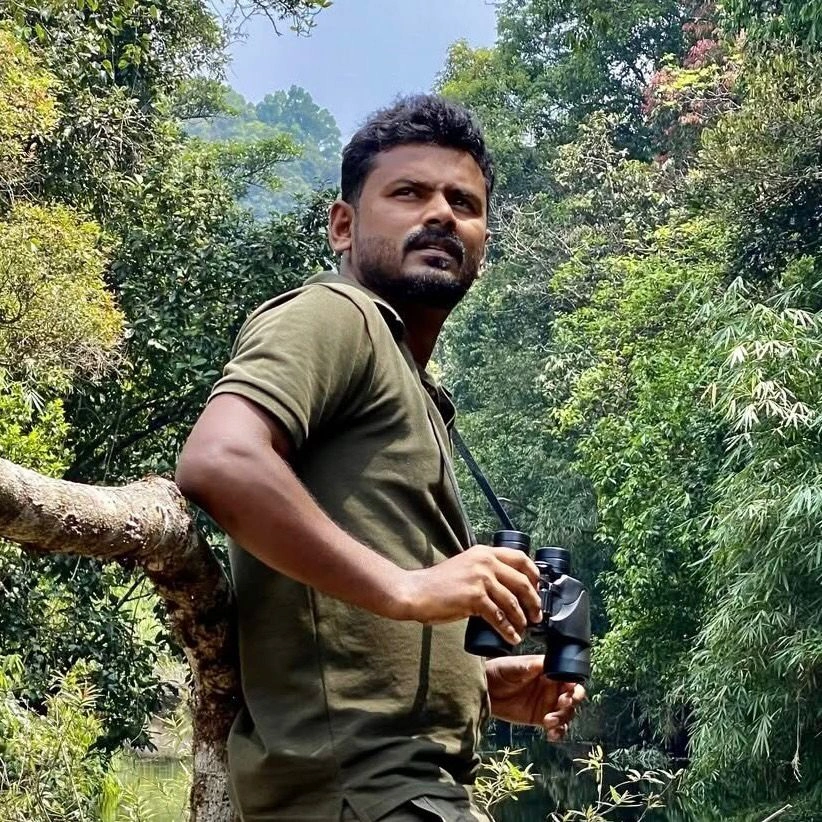
Bird Guide: Muhammed Rafi

He has been passionate about birding for over 8 years, exploring diverse habitats and documenting his observations. Having recorded 412 bird species, he actively contributes to citizen science and bird conservation while deepening his connection with nature.

Bird walk Location

Common birds of Mavoor Islands

Common birds that can be observed around Mavoor Island include Little Cormorant, Indian Cormorant, Oriental Darter, Indian Pond Heron, Grey Heron, Purple Heron, Little Egret, Great Egret, Cattle Egret, Black-crowned Night Heron, White-breasted Waterhen, Common Moorhen, Purple Swamphen, Red-wattled Lapwing, Black-winged Stilt, Bronze-winged Jacana, White-throated Kingfisher, Common Kingfisher, Stork-billed Kingfisher, Green Bee-eater, Black Drongo, Indian Roller, Rose-ringed Parakeet, White-cheeked Barbet, Red-vented Bulbul, Red-whiskered Bulbul, Purple-rumped Sunbird, Purple Sunbird, Ashy Prinia, Common Tailorbird, Oriental Magpie-Robin, Indian Robin, Common Myna, Jungle Myna, House Sparrow, Spotted Dove, and Black Kite. Depending on the season, the surrounding wetlands and agricultural areas may also attract migratory waders, ducks, wagtails, and other seasonal visitors.

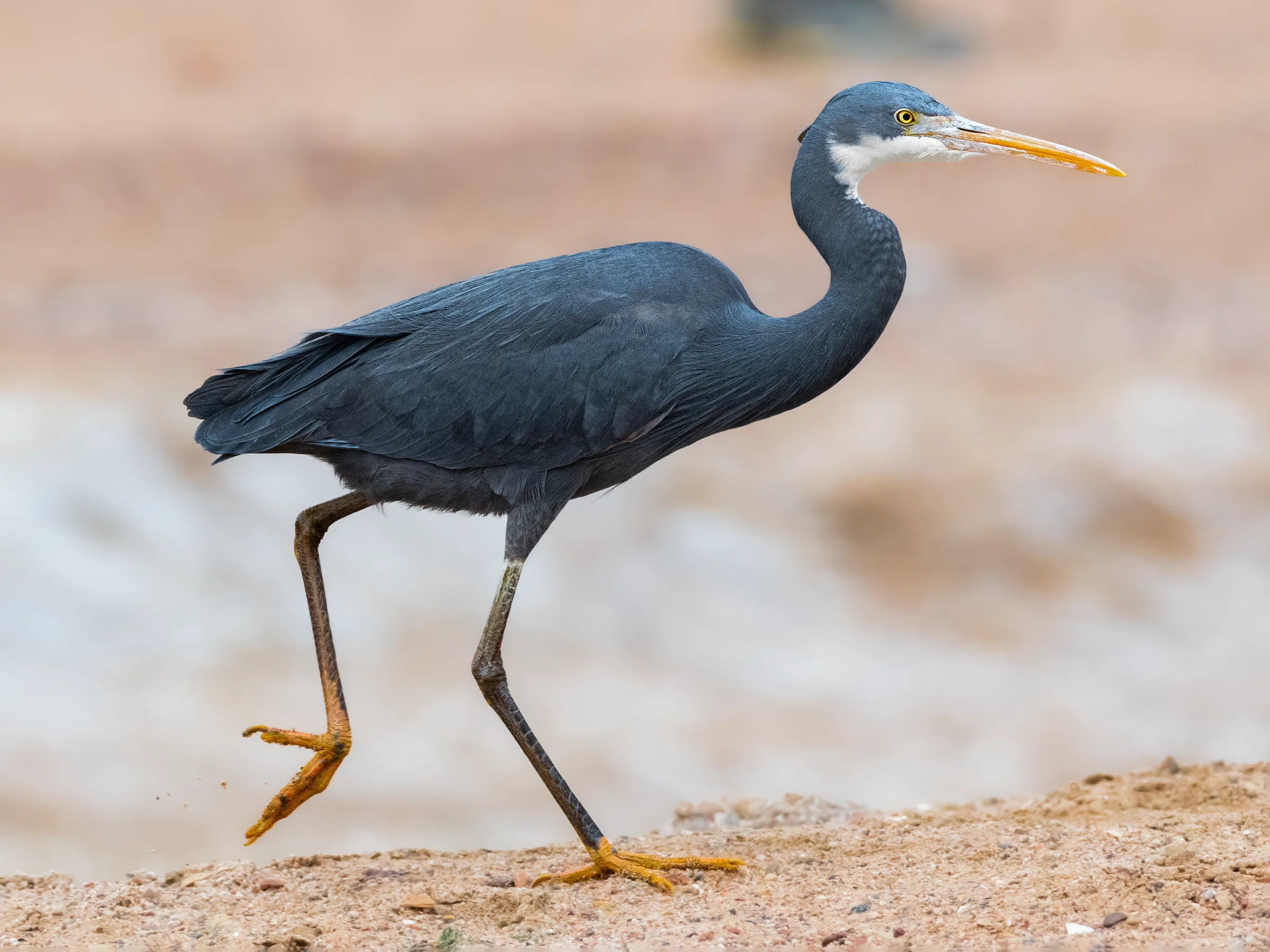
Western Reef Egret
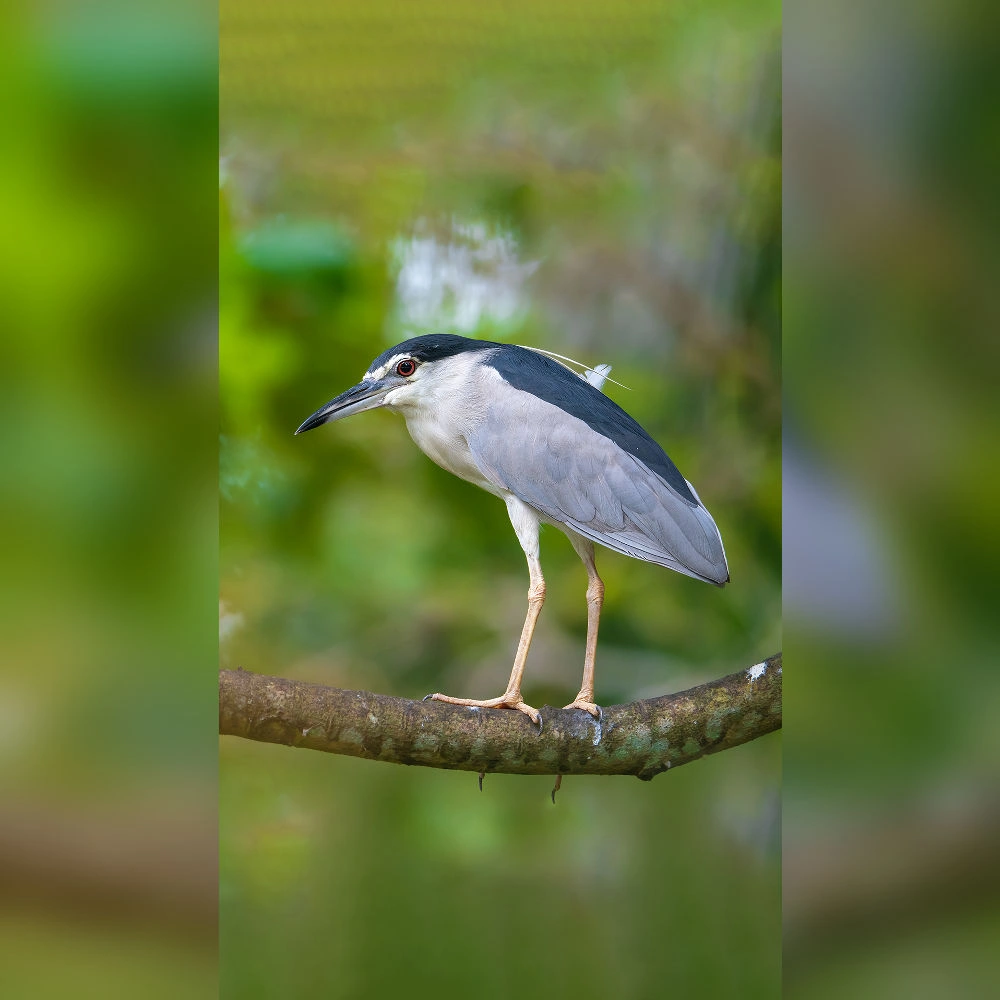
Black-crowned Night Heron
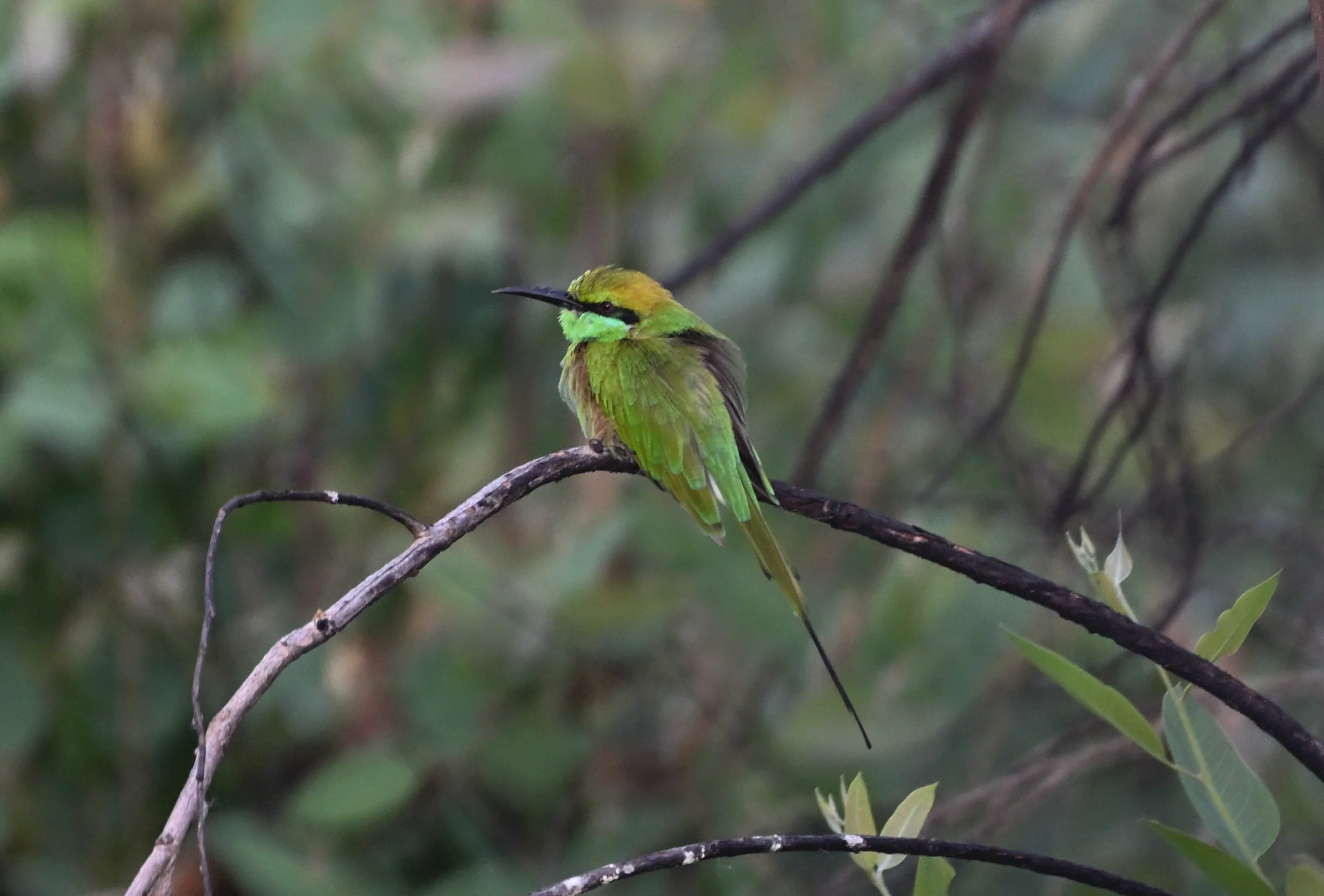
Asian Green Bee-eater
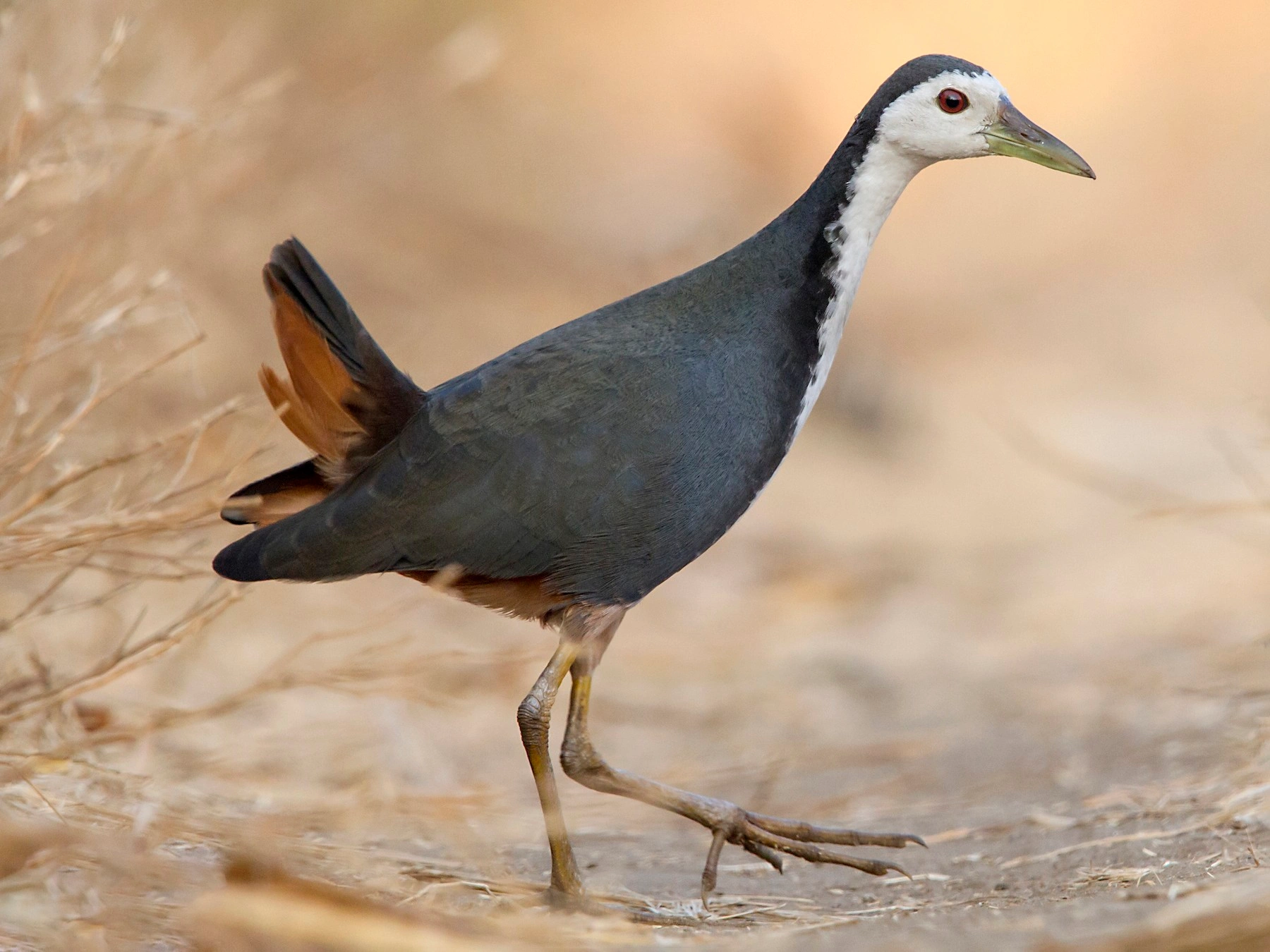
White-breasted Waterhen
Stork-billed Kingfisher

Great Cormorant
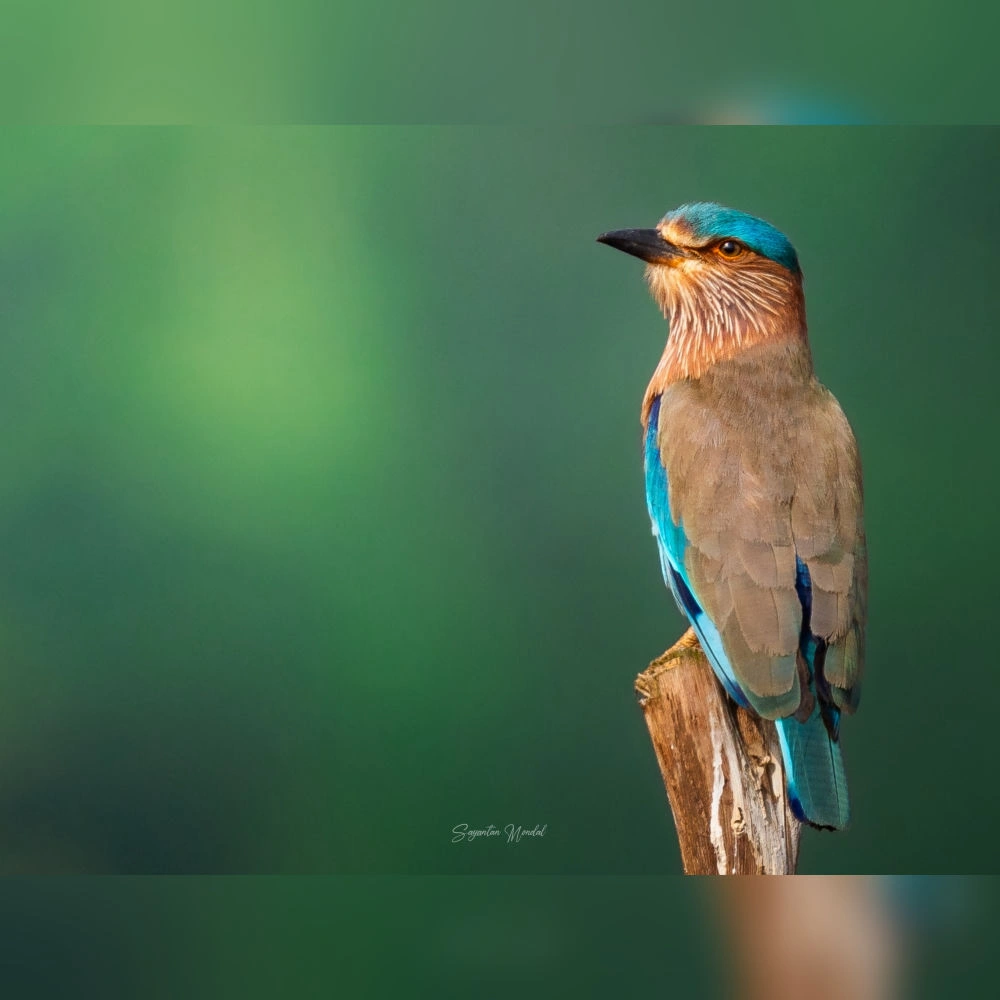
Indian Roller
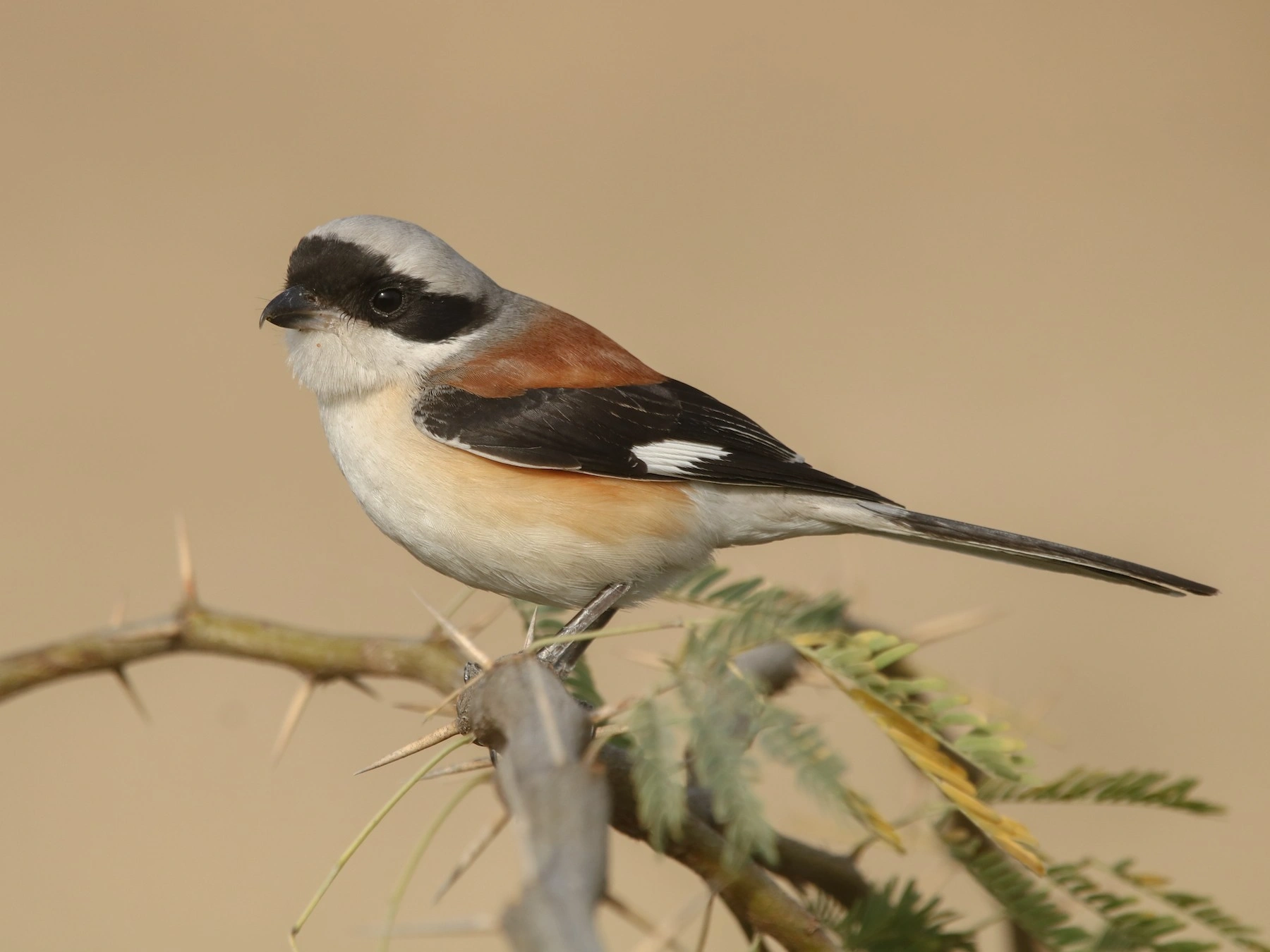
Bay-backed Shrike
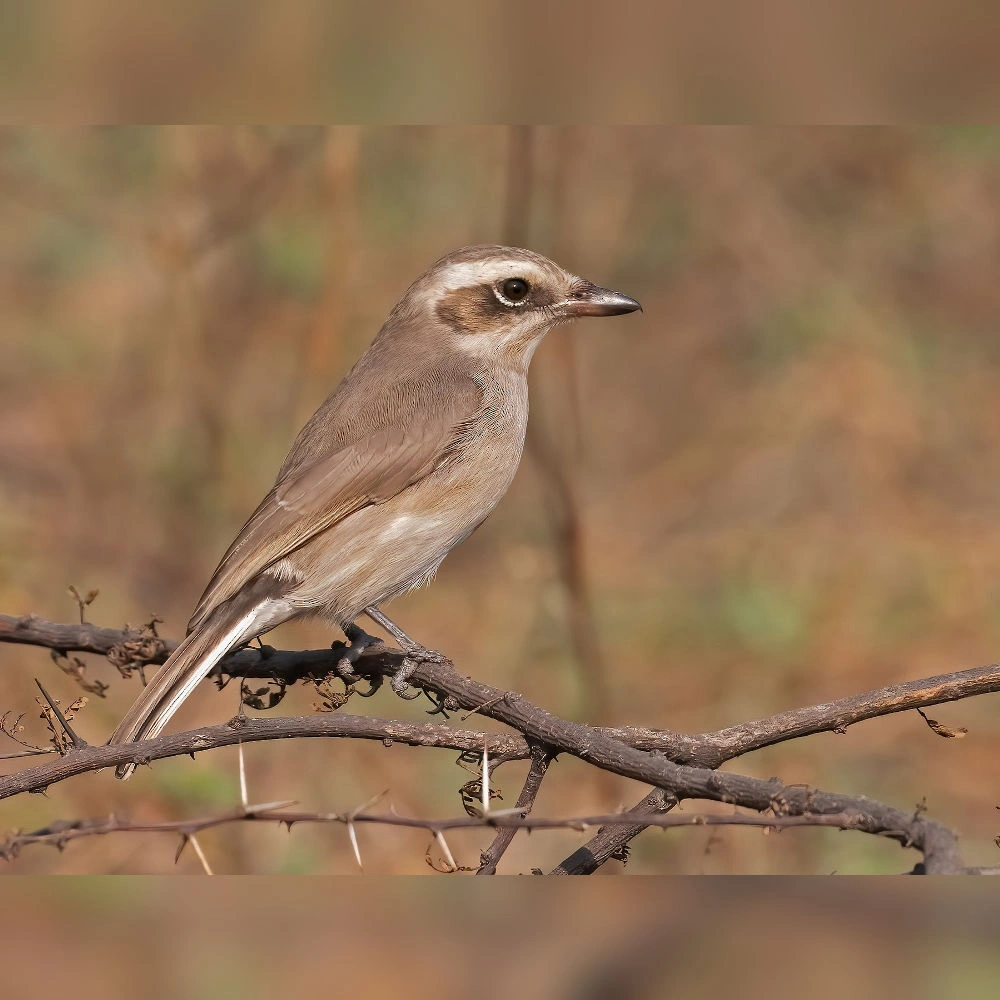
Common Woodshrike
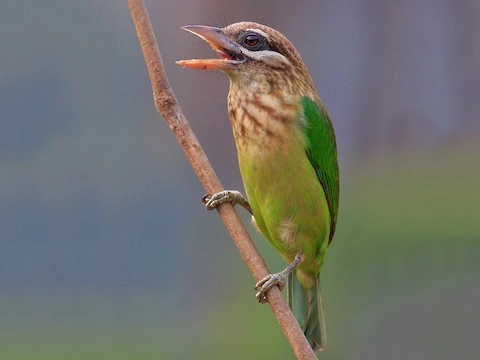
White-cheeked Barbet
Grey-headed Swamphen
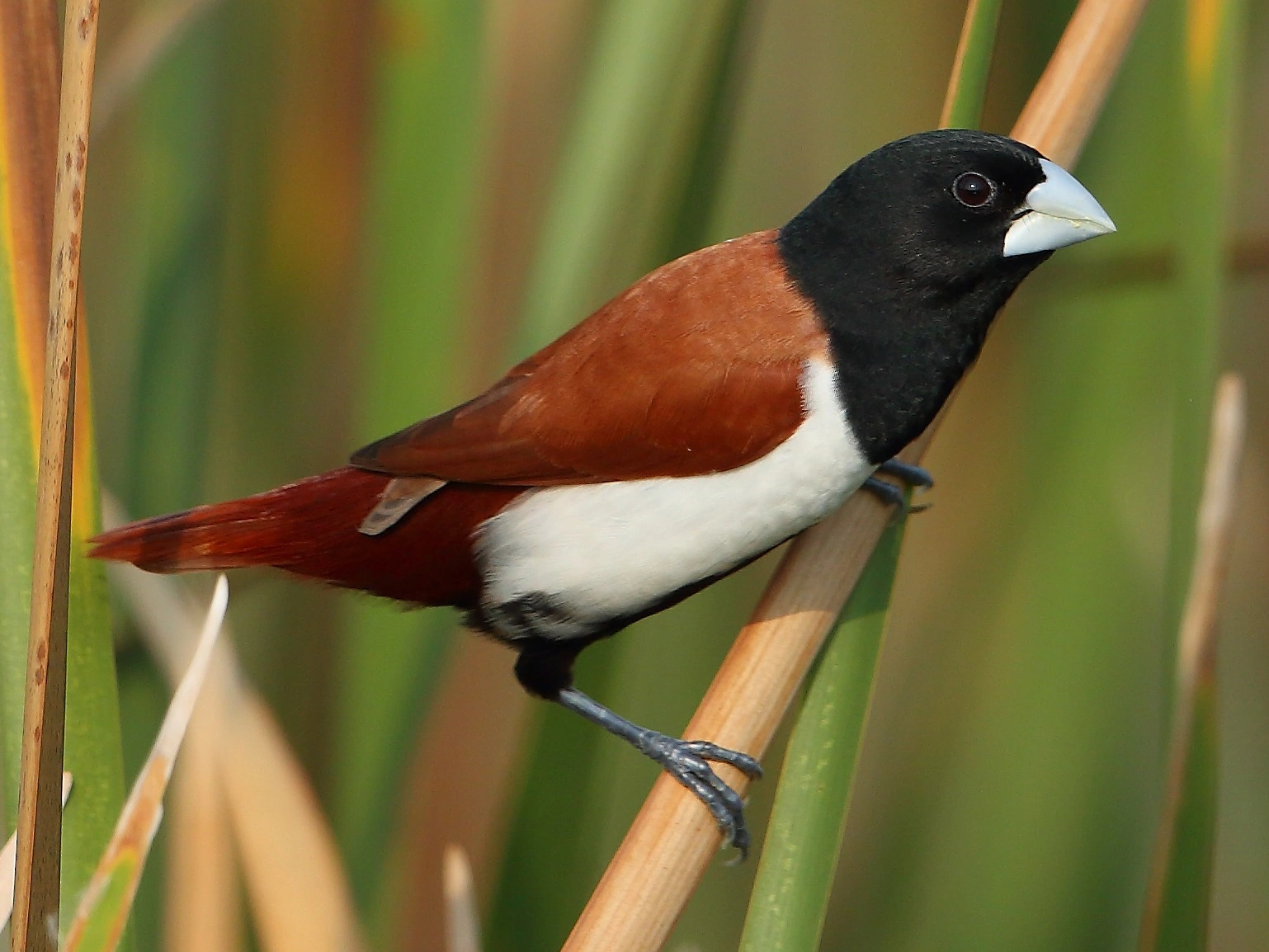
Tricolored Munia
Common Chiffchaff
Malabar Whistling-Thrush
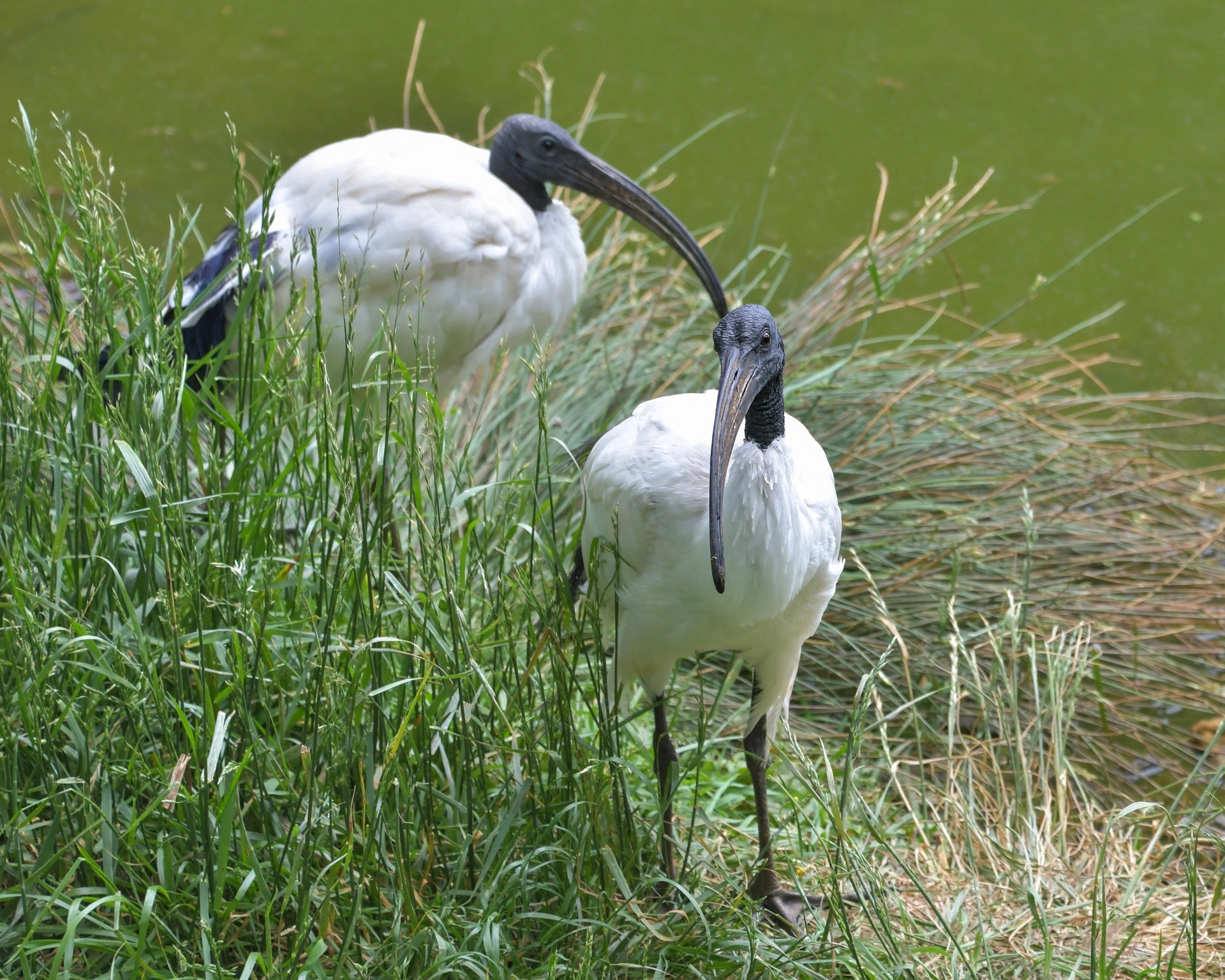
Black-headed Ibis
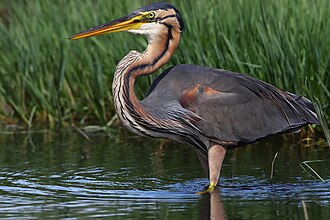
Purple Heron
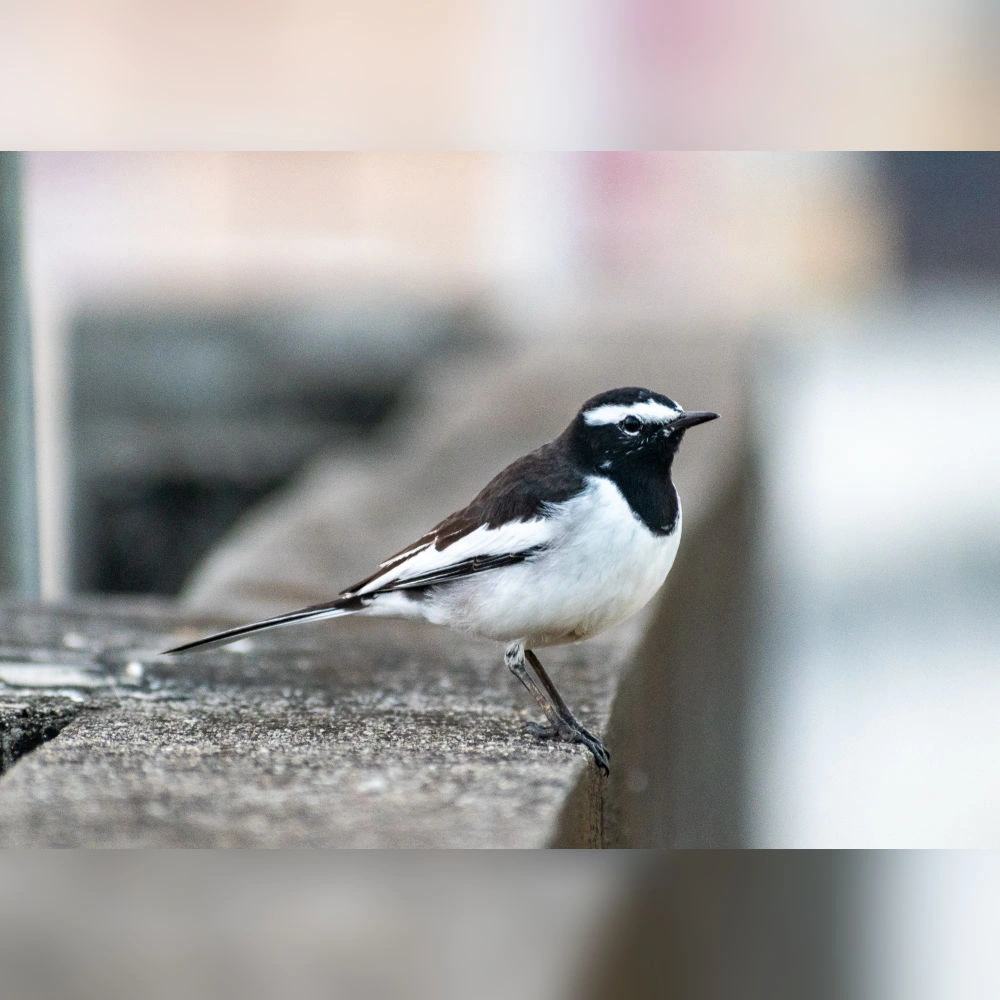
White-browed Wagtail
Indian Cuckoo
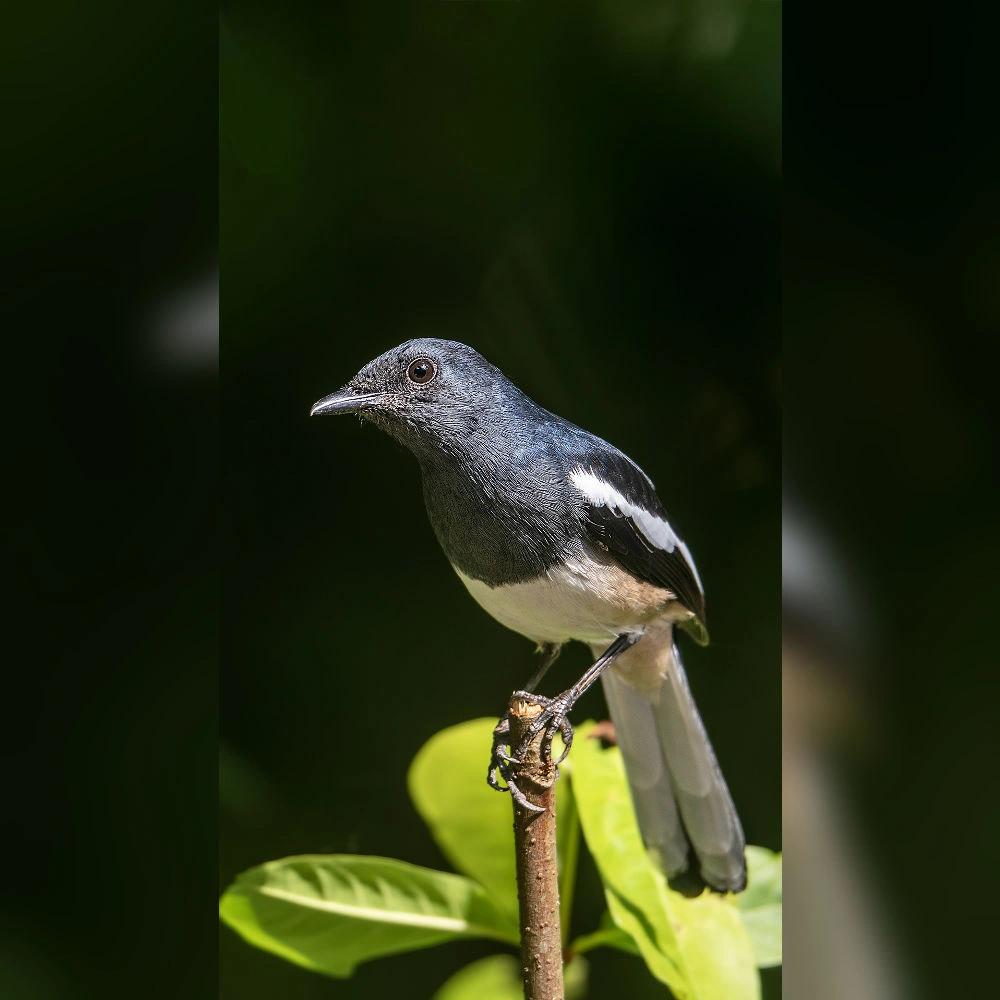
Oriental Magpie Robin
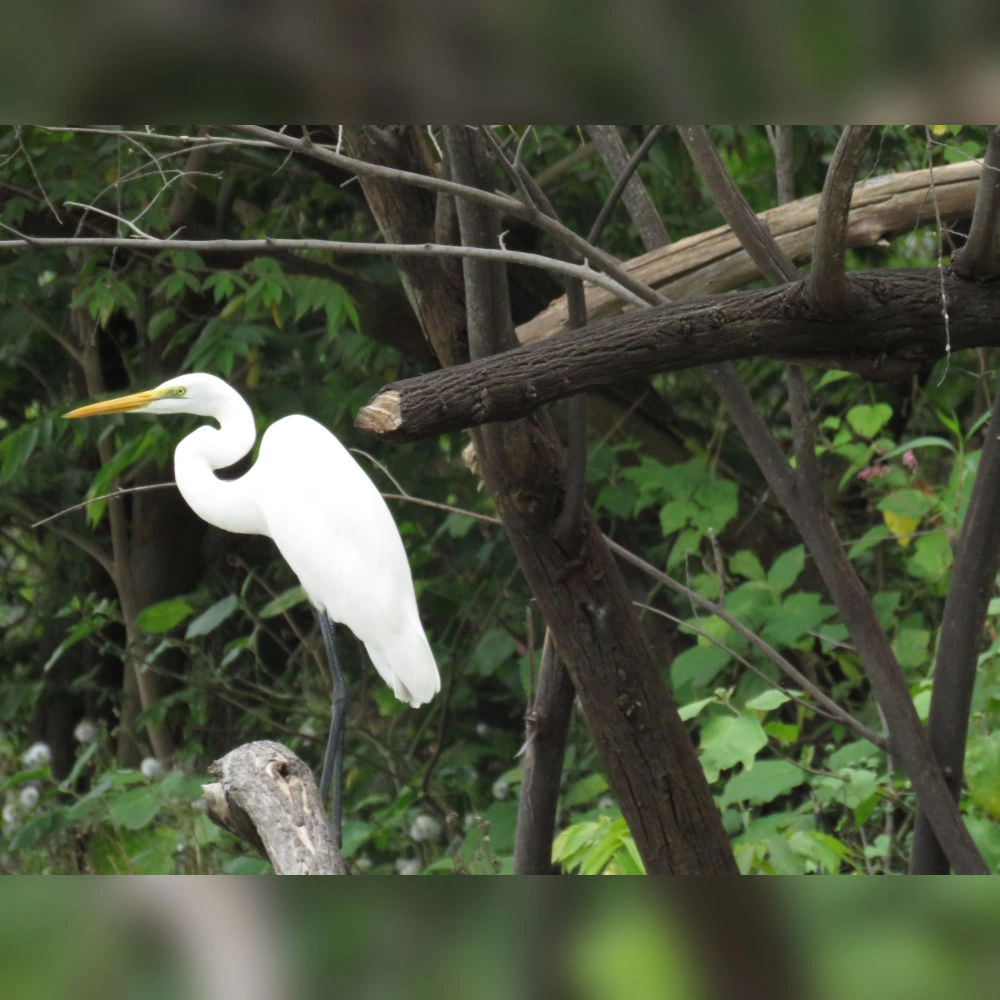
Great Egret

Summary of Walk

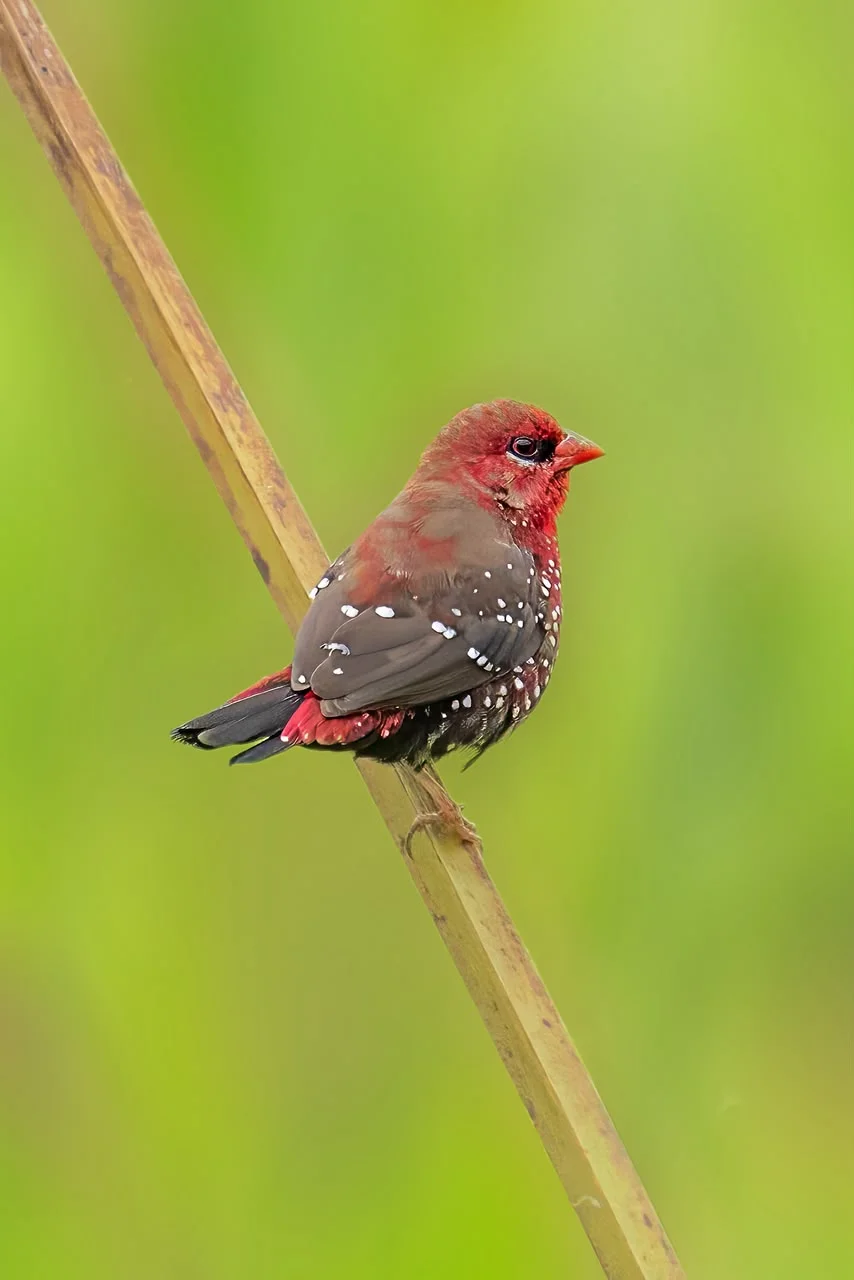
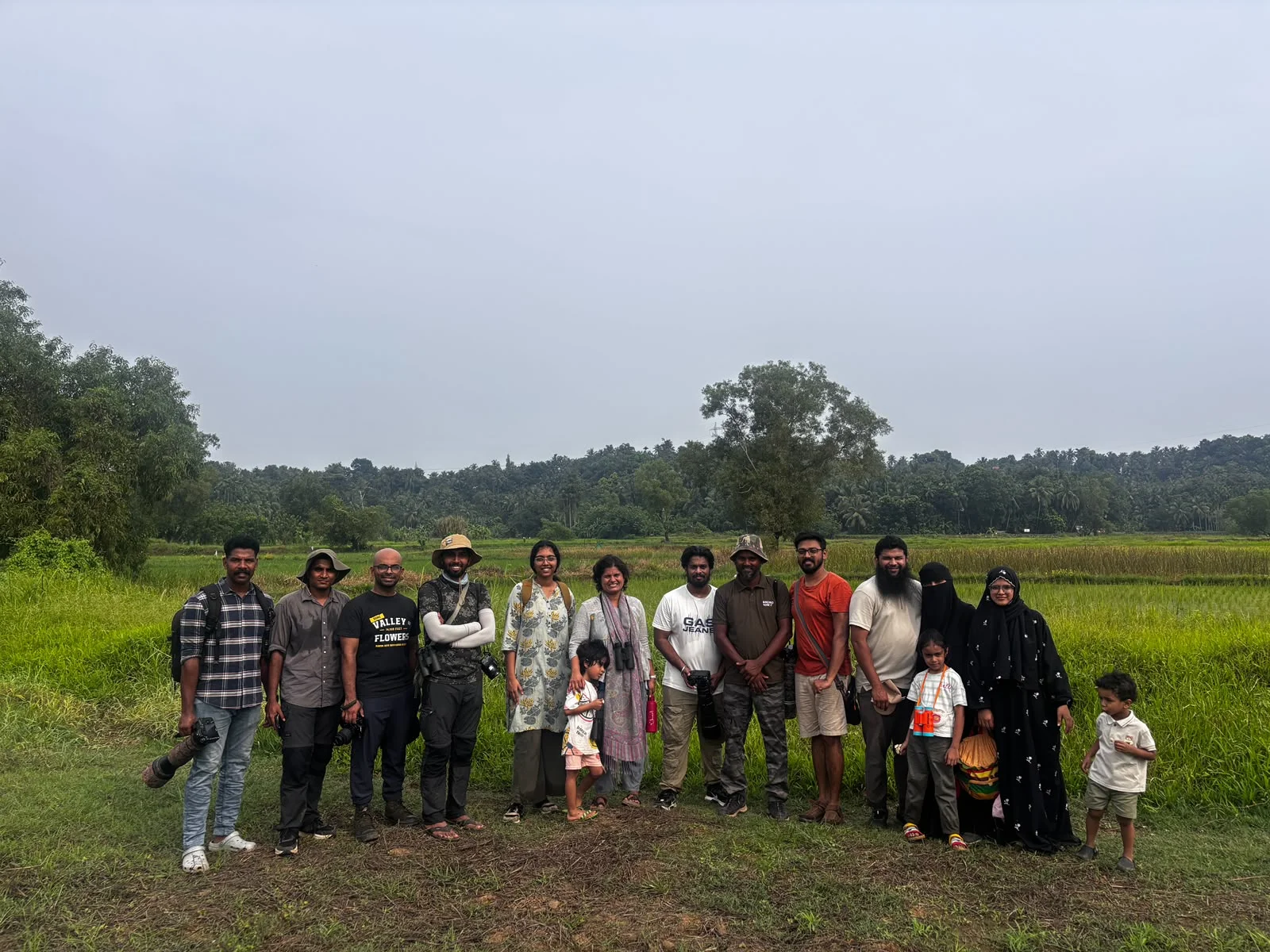
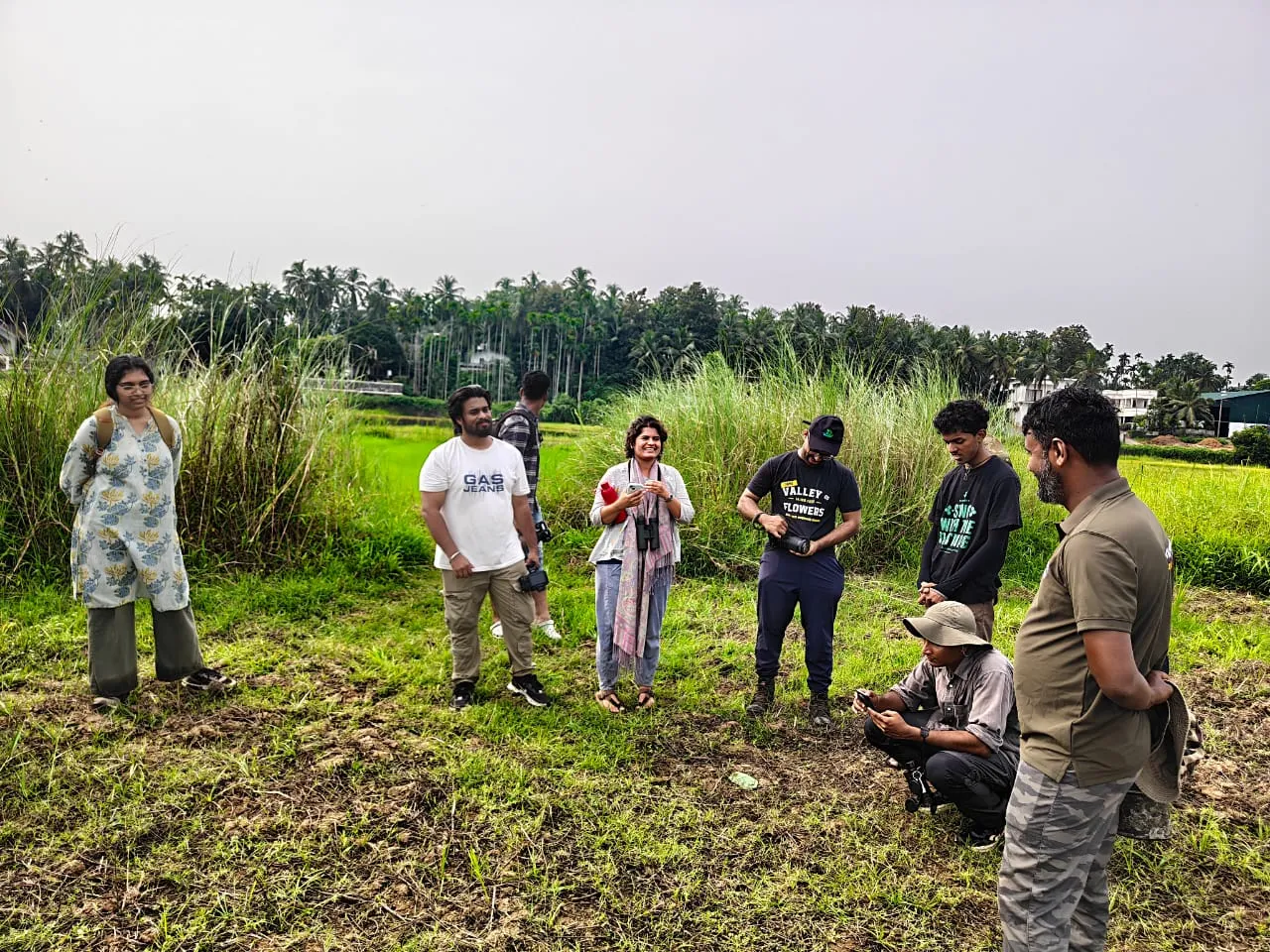
Eleven participants, many of them experiencing birdwatching for the very first time and including three children, joined guide Muhammad Rafi at Mavoor Wetlands in Kozhikode on 10 October for a walk organised in association with the Ataavi Bird Foundation, and it turned out to be wonderful and memorable. The group recorded an impressive 74 species, a figure that highlights the rich avian diversity of the wetlands and their importance as a habitat for both resident and migratory birds. The biggest news of the morning was the sighting of a Red-collared Dove, which is reported as the first record for Kozhikode district, a thrilling moment for the guide and participants alike. The Red Avadavat, glowing like a tiny ember in the grass, and the Loten’s Sunbird, with its long curved bill, were other crowd favourites, and a Paddy-field Warbler added to the wetland chorus. Muhammad guided the walk with patience and warmth, helping newcomers find their first birds through binoculars and explaining how wetlands support so many different species. It was encouraging to see how quickly the children got the hang of spotting and naming birds, and how most participants were enthusiastic about continuing their birdwatching journey. The walk was not only an opportunity to discover birds but also a meaningful step towards building interest in nature, biodiversity and conservation among new birdwatchers. With a tally of 74 species and a first district record to its name, Mavoor Wetlands proved once again that spectacular birding can be found close to home.
Number of Participants
0
Scroll to Top