

Loading Events

Bird Walk at Muhana grasslands and Nevta Dam, Jaipur, Rajasthan

About Muhana Grasslands

On the outskirts of Jaipur, Rajasthan, the Muhana Grasslands along with Nevta Dam unfold as a surprisingly rich mosaic of open fields, seasonal wetlands, and scrubby patches that support an incredible diversity of life. Often overlooked, this landscape is shaped by monsoon-fed water bodies and native grasses, interspersed with scattered trees and agricultural edges. This mix of habitats creates ideal conditions for a wide range of flora and fauna—from insects and amphibians in the wetlands to reptiles and small mammals in the grasslands—making it a dynamic and ever-changing ecosystem through the seasons.

For birdwatchers, Muhana Grasslands is a hidden gem, attracting everything from elegant waterfowl and waders to grassland specialists and soaring raptors. The open skies and shallow wetlands make it particularly rewarding for spotting migratory birds, while resident species thrive in the surrounding scrub and fields. However, rapid urban expansion, land-use change, and increasing disturbance pose serious threats to this fragile habitat. Protecting Muhana’s grasslands through awareness, responsible use, and conservation efforts is crucial to ensuring that this vibrant ecosystem continues to support its remarkable birdlife and remains a valuable natural escape for nature lovers.

Partnered with

Bird Guide - Punit Mehta

With sixteen years of birding across India, he has recorded more than 600 bird species. His extensive field experience and passion for birdwatching bring valuable insights and exciting sightings to every birding walk.

Bird walk Location

Common birds of Muhana Grasslands and Nevta Dam

The wetlands and open grasslands of Muhana create a vibrant stage for an impressive variety of birdlife, where waterbirds, waders, and raptors coexist in a dynamic natural setting. Graceful ducks such as the Northern Shoveler and the rarely spotted Green-winged Teal glide across the water, while elegant waders like the Black-winged Stilt, Black-tailed Godwit, and Common Sandpiper forage along the muddy edges. The wetlands are also frequented by striking birds including Glossy Ibis, Little Egret, Great Egret, Indian Pond Heron, Grey Heron, and Purple Heron, patiently hunting in the shallow waters. Across the surrounding grasslands, Grey Francolins, Red-wattled Lapwings, and doves bring life to the open terrain, while the presence of powerful raptors such as the Indian Spotted Eagle, Black-winged Kite, and Black Kite adds excitement to the skies. Colourful species like the Asian Green Bee-eater and the ever-alert White-throated Kingfisher provide flashes of movement and vibrant hues. Together, these birds highlight the ecological richness of Muhana Grassland, making it a rewarding destination for birdwatchers and nature enthusiasts.
Northern Shoveler
Grey-bellied Cuckoo
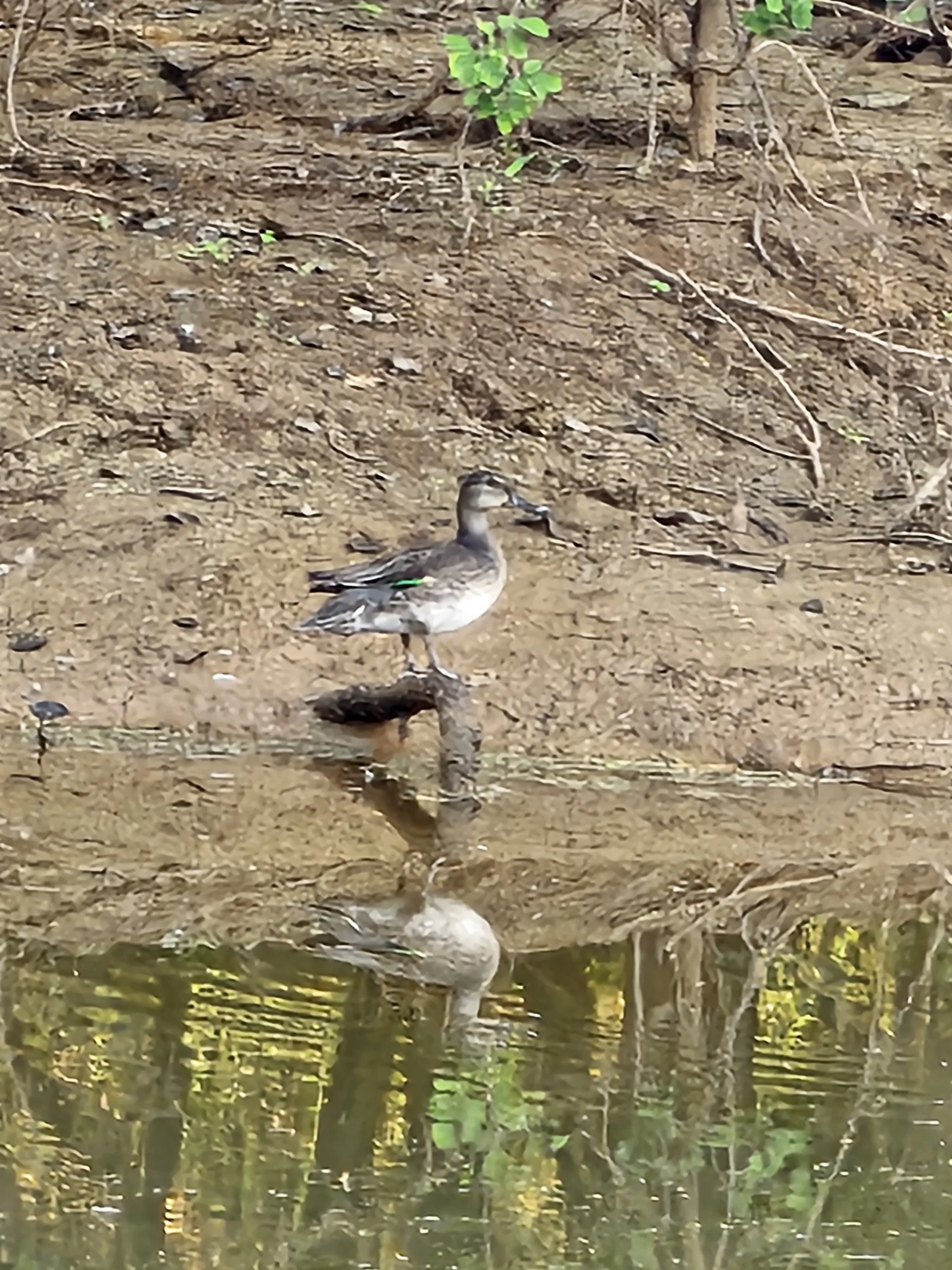
Green-winged Teal
Grey Francolin
Eurasian Collared Dove
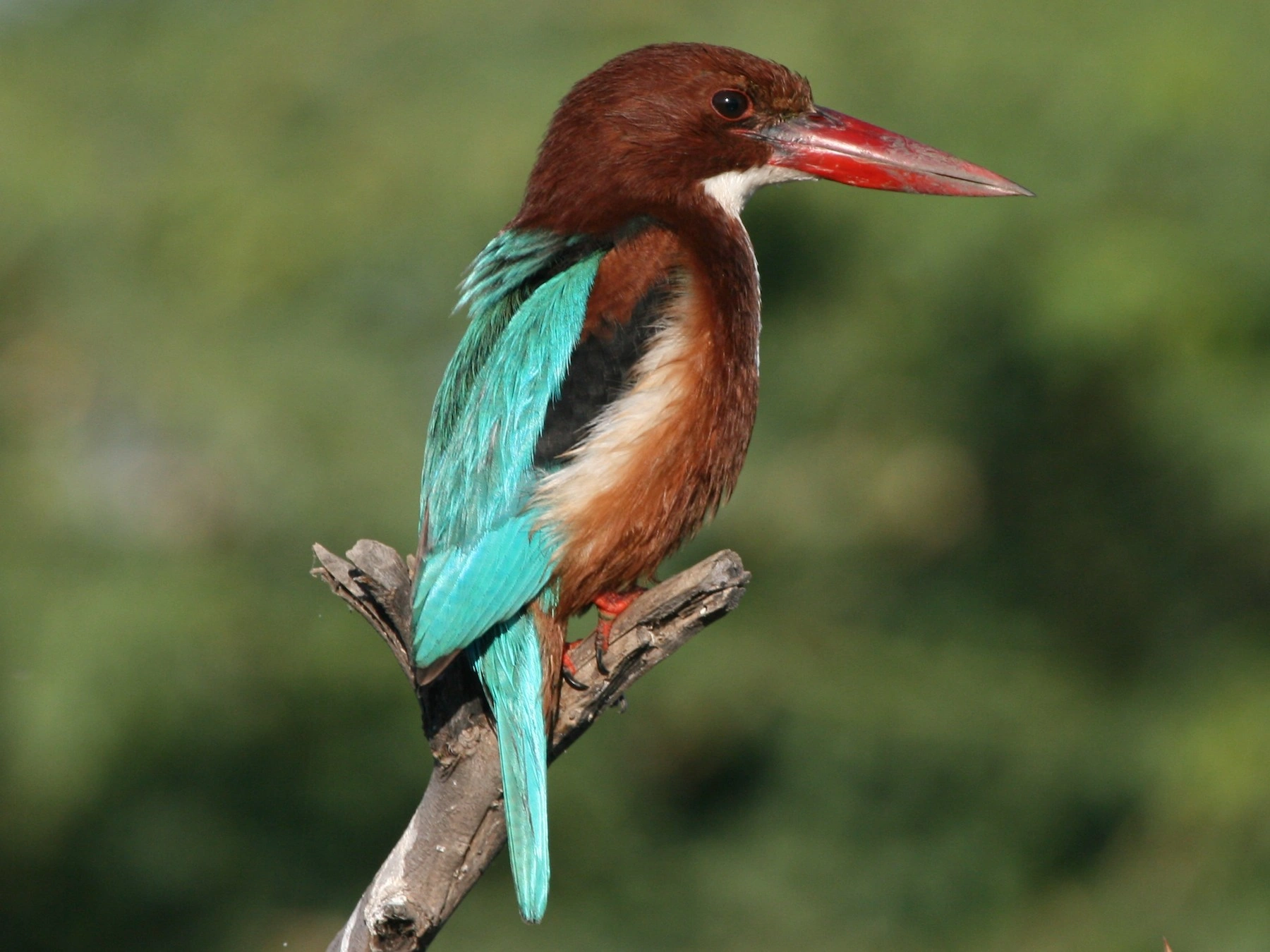
White-Throated Kingfisher
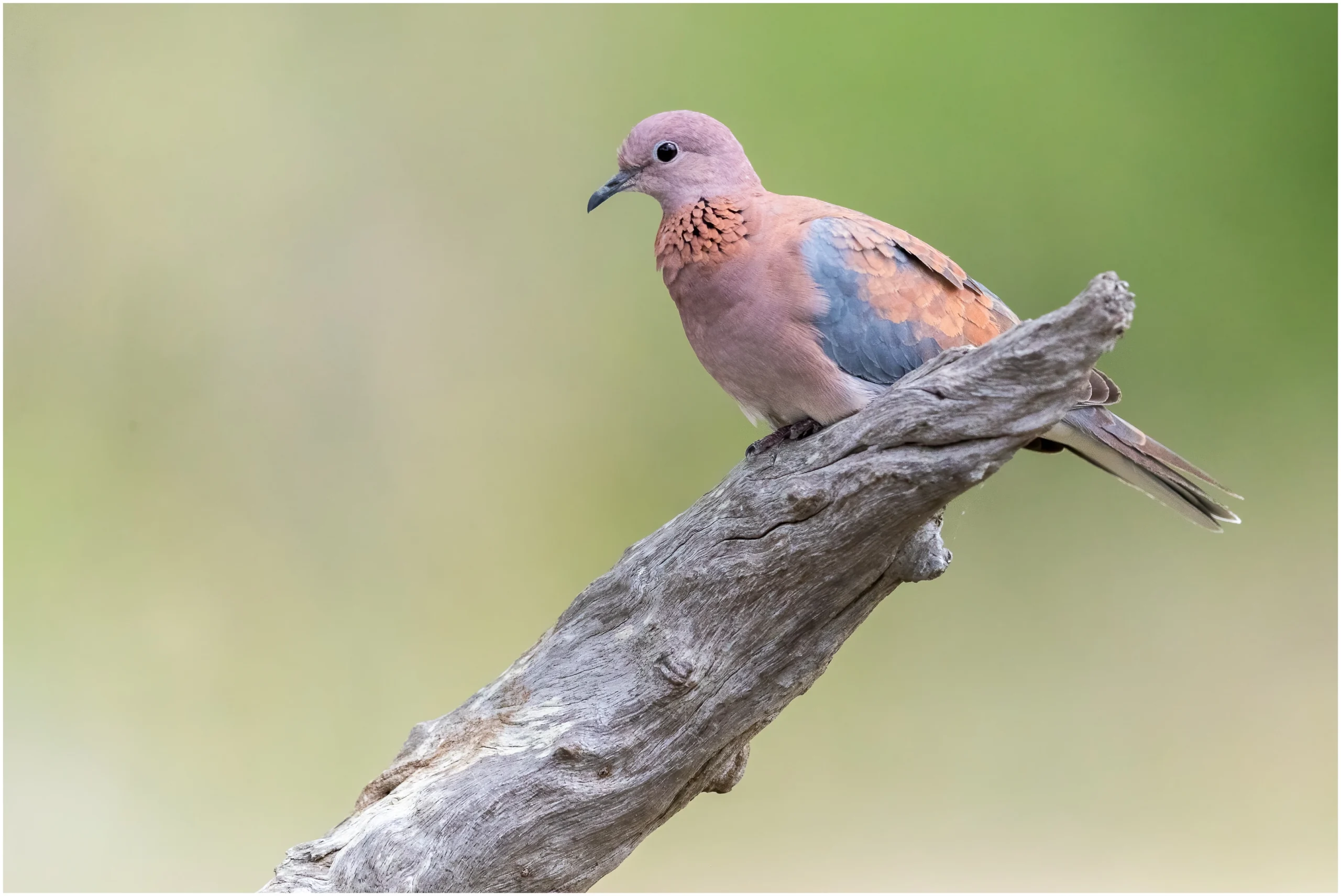
Laughing Dove
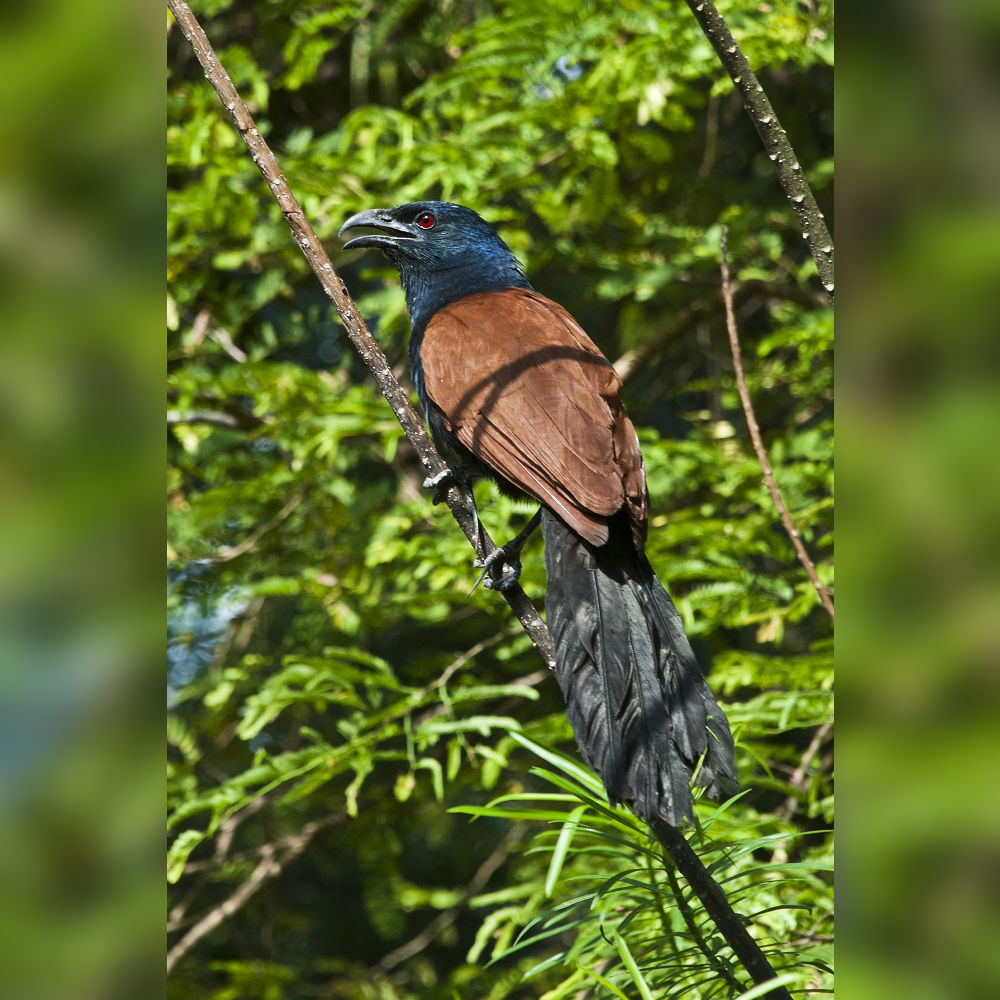
Greater Coucal

Eurasian Coot
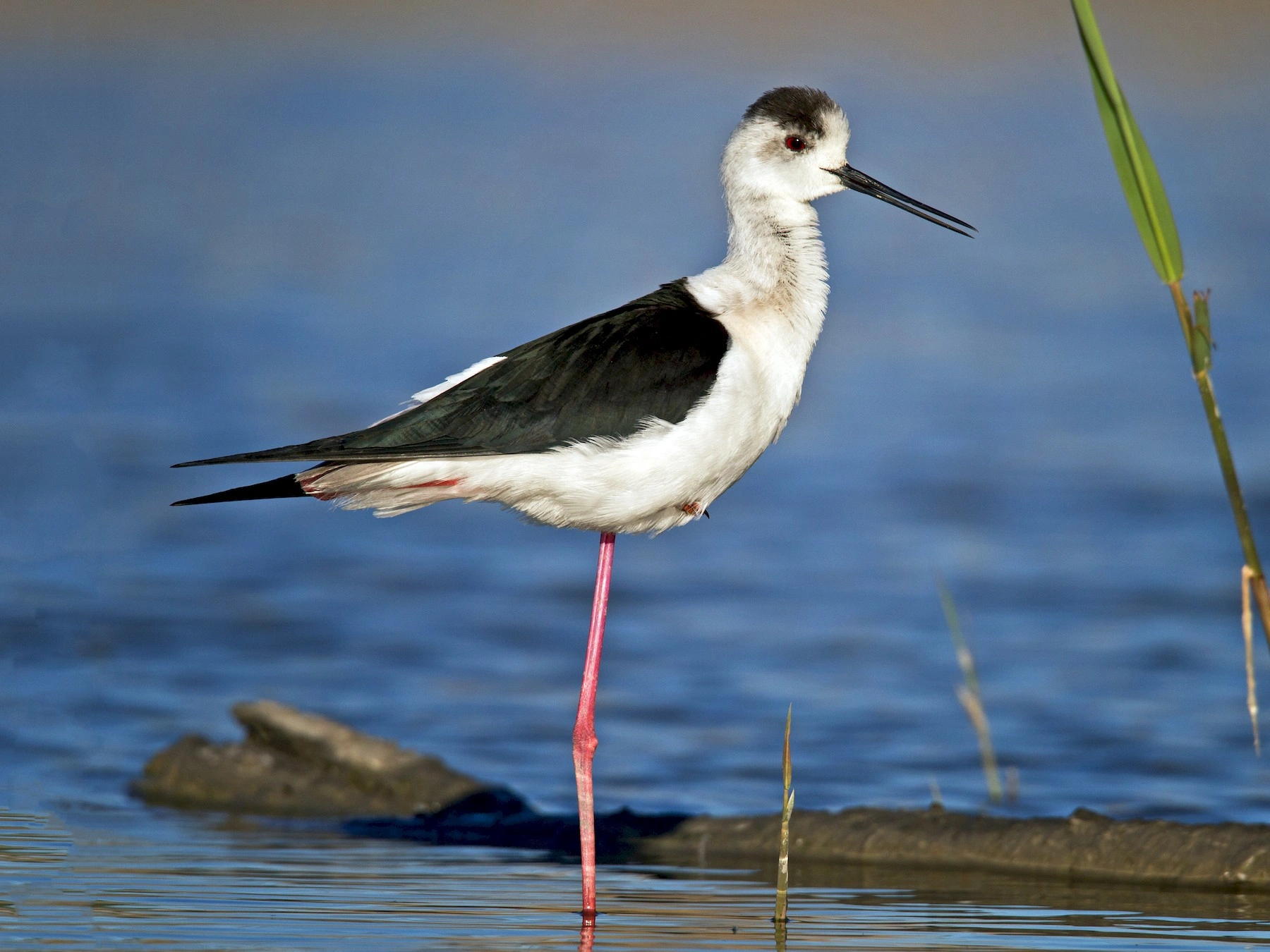
Black-winged Stilt
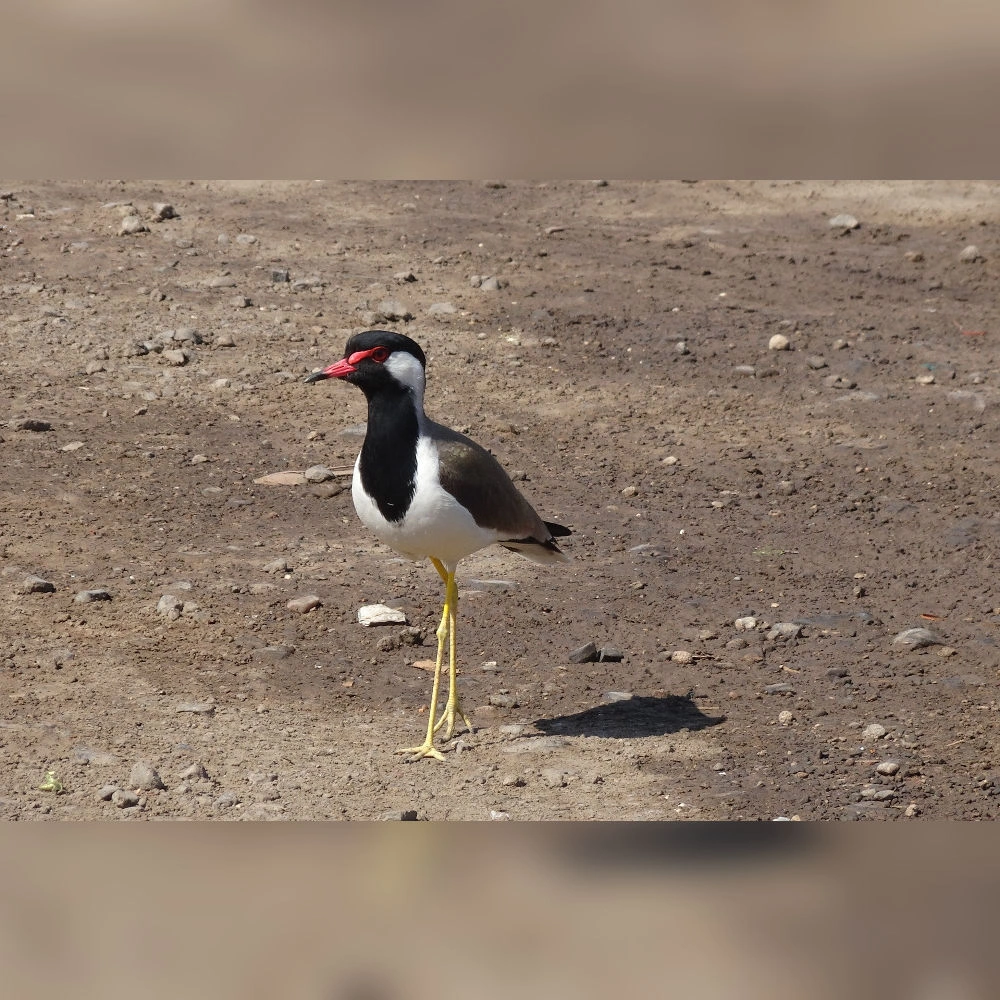
Red-wattled Lapwing
Black-tailed Godwit
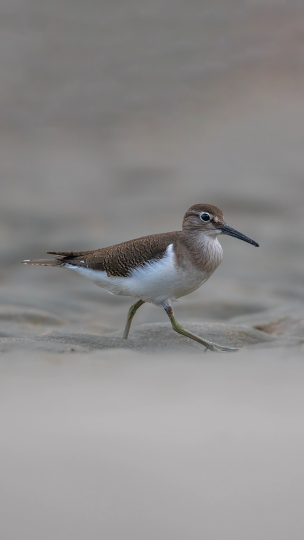
Common Sandpiper
Glossy Ibis
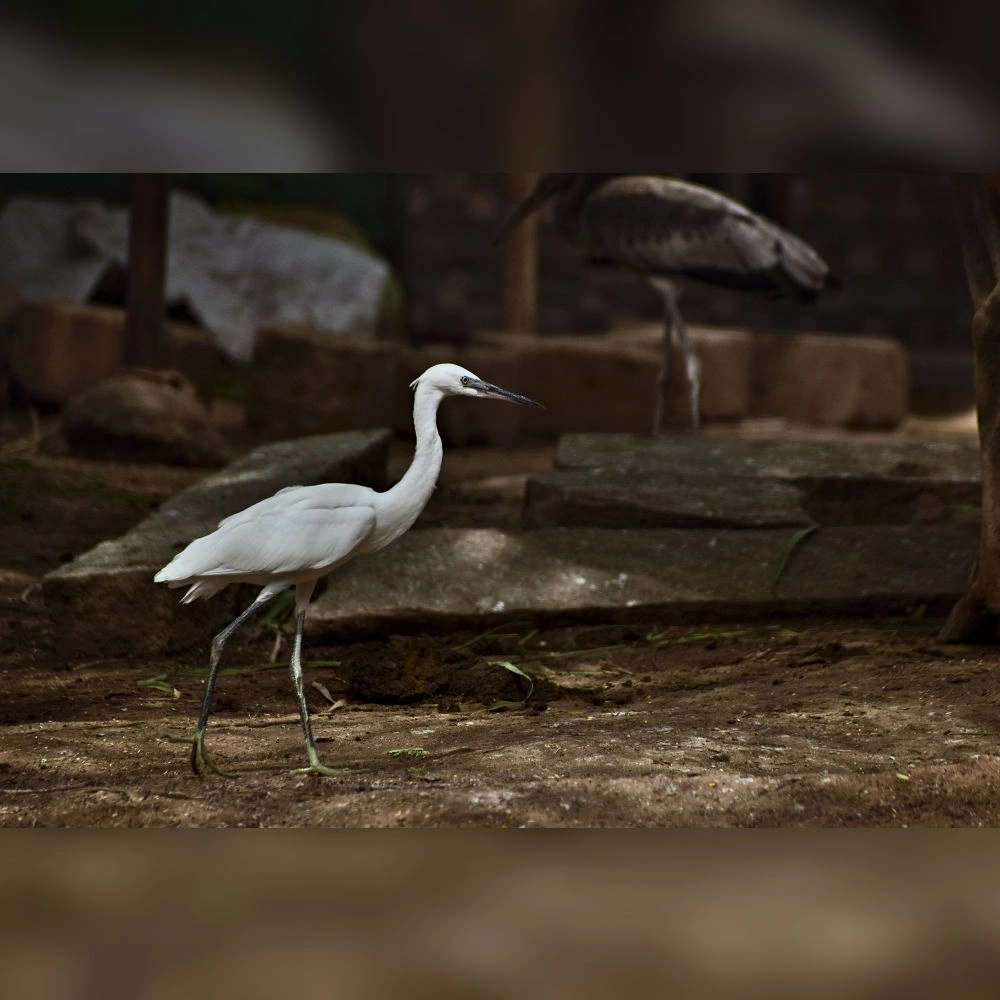
Little Egret
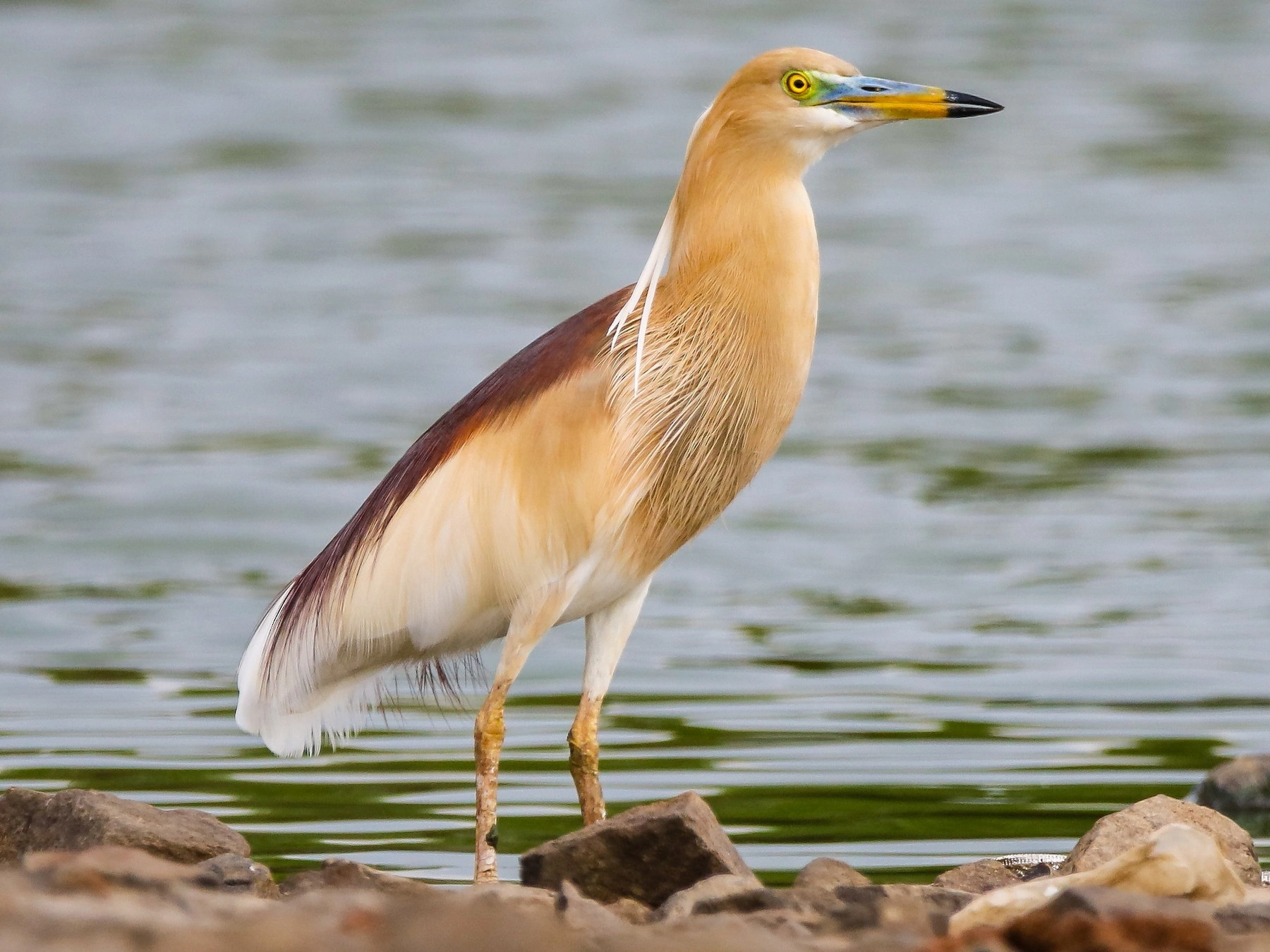
Indian Pond Heron
Great Egret
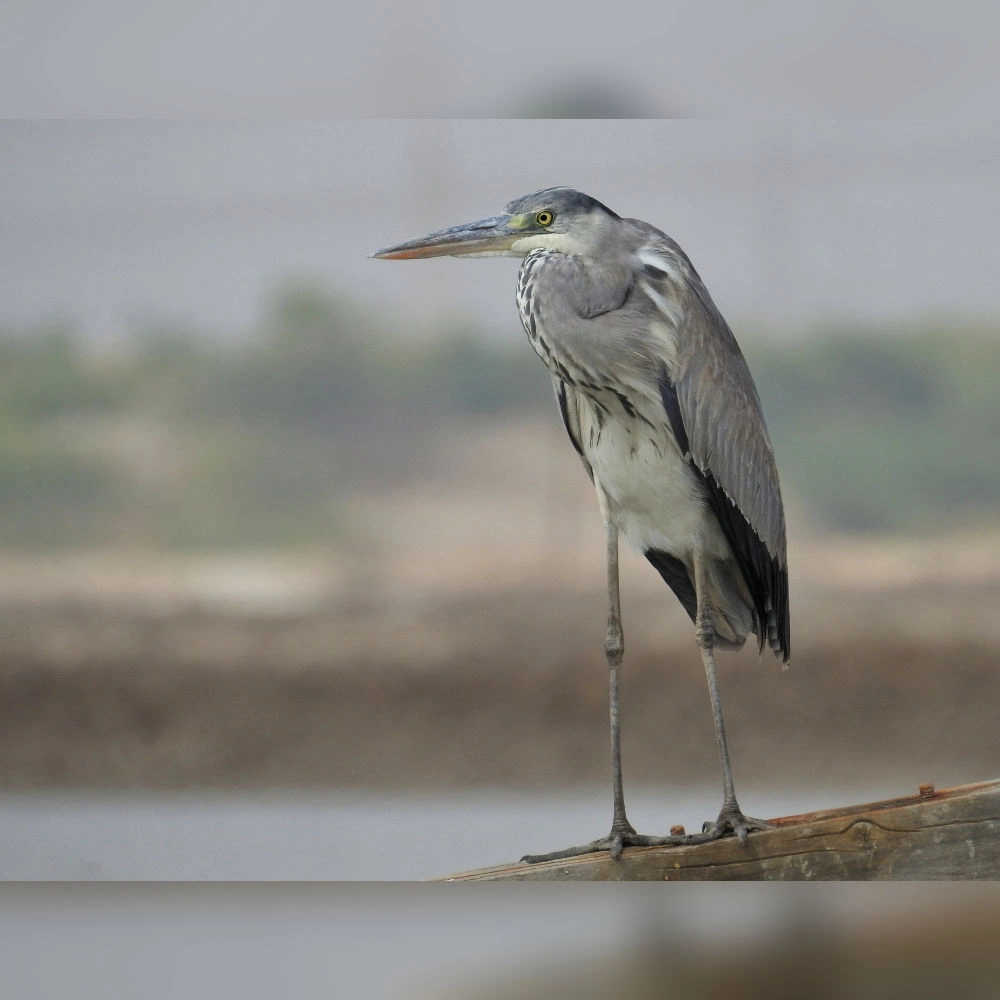
Grey Heron
Purple Heron
Black-winged Kite

Summary of Walk

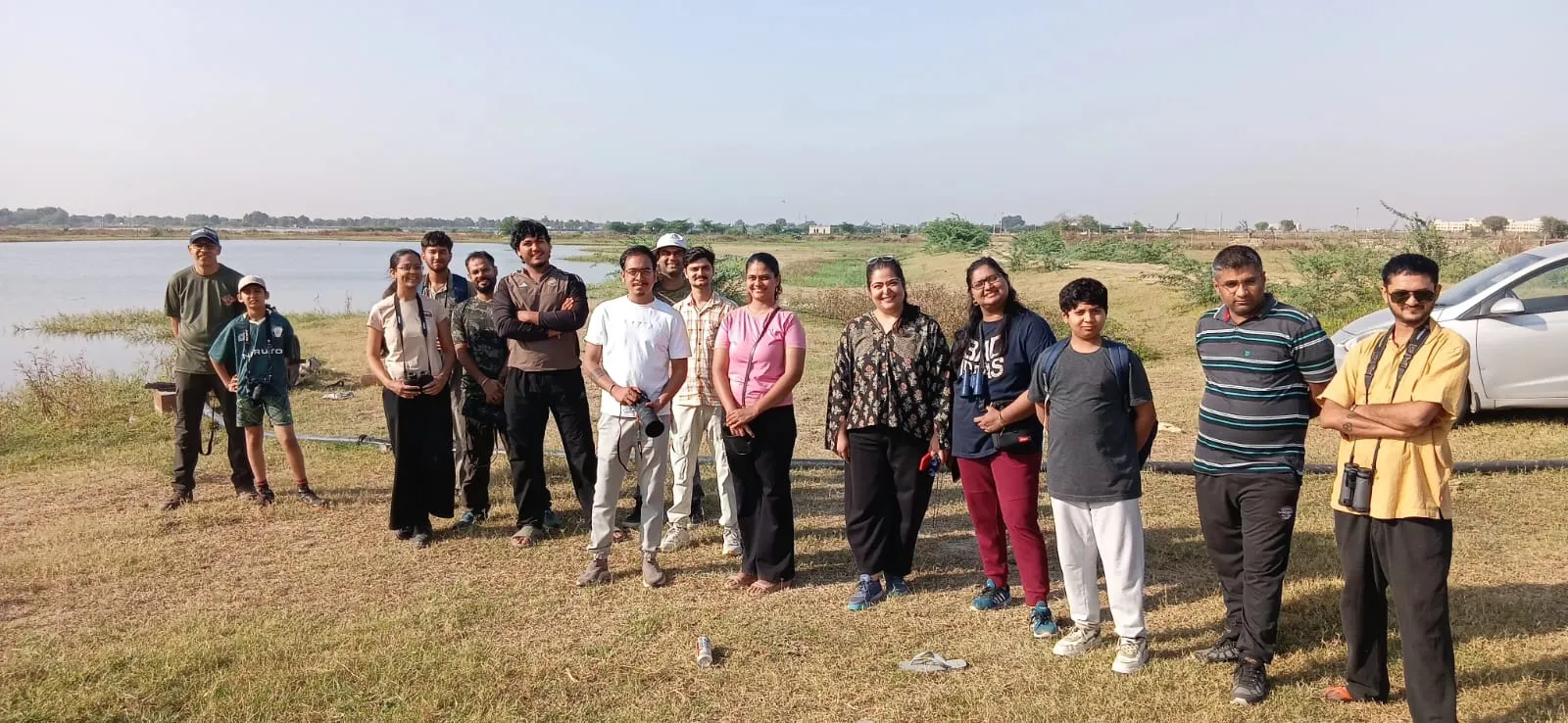
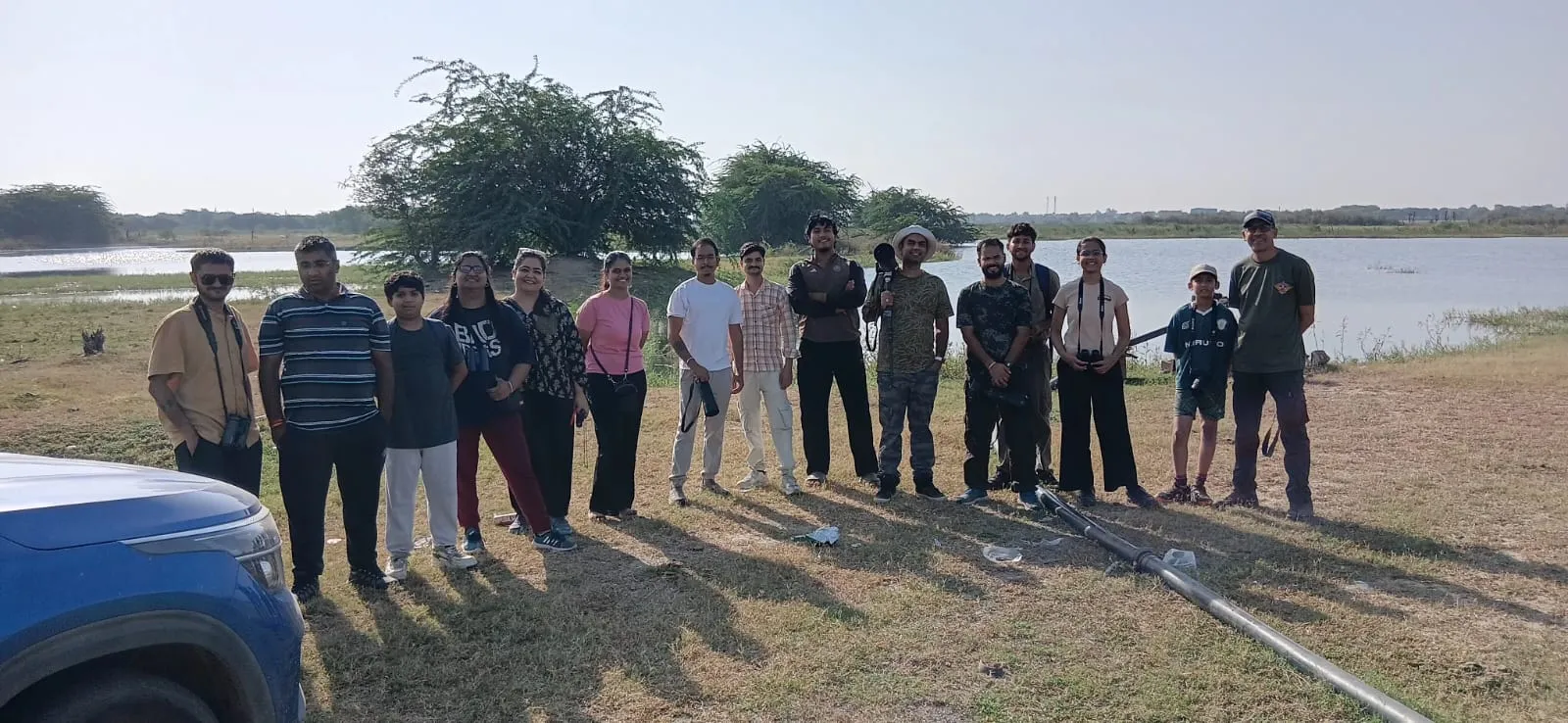
Thirteen birders joined guide Punit Mehta at the Muhana grasslands and Nevta Dam near Jaipur on 11 October for a walk that took in wide open spaces, scrub and water, and a rewarding 55 species recorded. Grasslands and reservoirs are some of the most productive habitats for birds in Rajasthan, and the group enjoyed exploring both, moving from the open fields to the shores of the dam. One of the stars of the walk was the Western Marsh Harrier, which quartered low over the grass in search of prey and gave the group a fine display of hunting flight, its pale head and tail clear against the morning sky. The Isabelline Shrike, a pale, sandy-coloured migrant that perches boldly on bushes and wires, was another highlight, and the discussion about how shrikes hunt from a lookout and store prey on thorns fascinated participants. The dam also drew its share of waterbirds, and the combination of grassland species and wetland birds gave the morning a lovely variety. Punit led the group with a friendly and knowledgeable style, helping everyone identify birds by silhouette, flight and behaviour, and explaining why grasslands, often overlooked, are such valuable habitats. The wide horizons and steady stream of sightings made the walk a joy for newcomers and seasoned birders alike, a reminder of how much a single morning can offer so close to the city. It was a wonderful way to celebrate the arrival of the migratory season and a reminder of how much natural beauty lies just beyond Jaipur’s edges.
Number of Participants
0
Scroll to Top