
Bird Walk at Chandu wetlands, Gurugram, Delhi NCR
- Gurugram
- 11 October, 2026
- Navneet Kaur Virk
About Chandu wetlands
Chandu and Najafgarh Jheel form part of one of northern India’s most significant wetland landscapes, straddling the Delhi–Haryana border. Comprising extensive marshes, shallow lakes, reed beds, mudflats, grasslands, and surrounding agricultural fields, the area provides a vital habitat for a remarkable diversity of birds and other wildlife. Seasonal fluctuations in water levels create a dynamic ecosystem that supports aquatic vegetation, fish, amphibians, reptiles, and countless insects, making the wetland an important refuge for both resident and migratory species.
Renowned as one of the premier birding destinations around Delhi, Najafgarh Jheel attracts thousands of migratory waterbirds during the winter, while its marshes and grasslands remain active with resident birds throughout the year. However, the wetland faces increasing threats from urban expansion, encroachment, pollution, habitat degradation, and changes in hydrology. Continued conservation efforts, wetland restoration, and responsible birding are essential to protect this internationally important habitat and its extraordinary biodiversity.

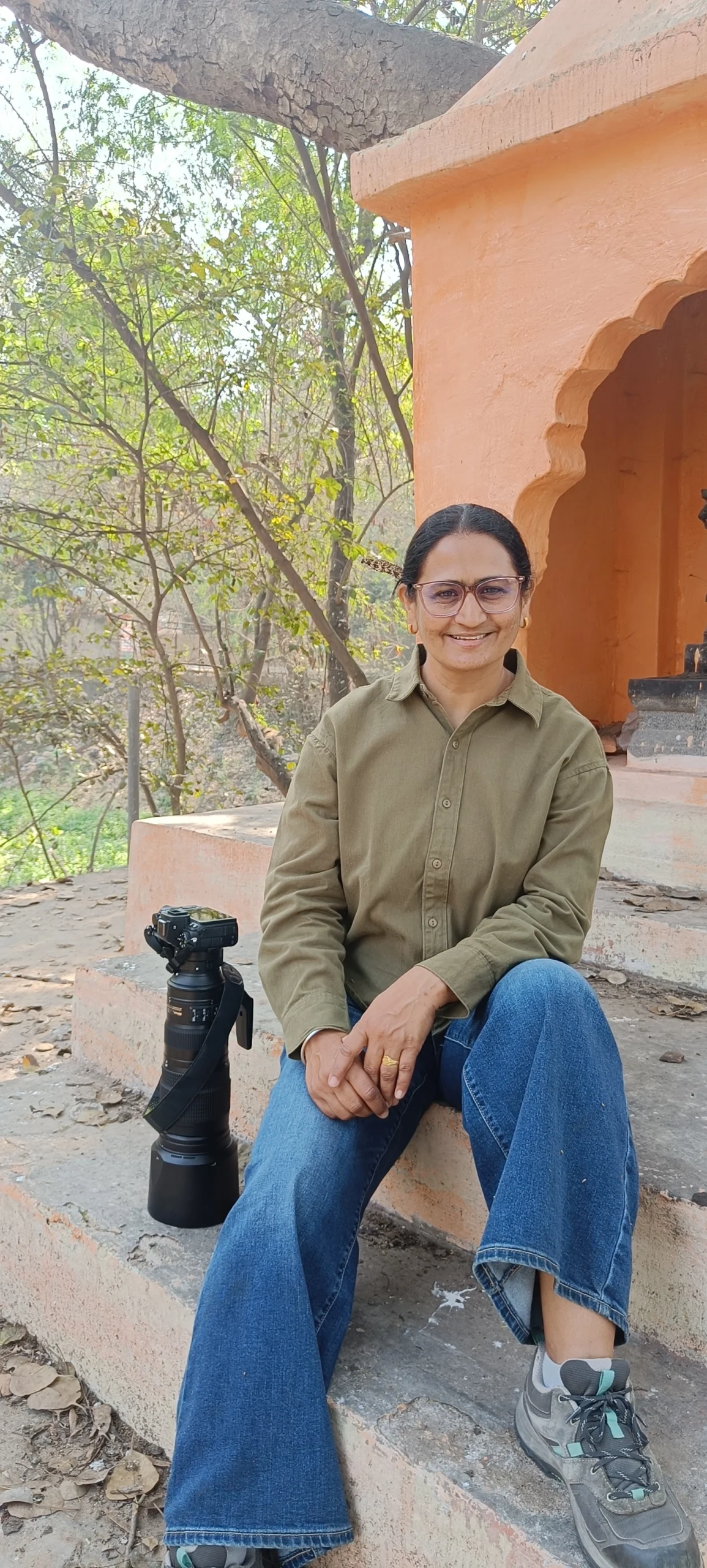
Bird Guide: Navneet Kaur Virk
A passionate birdwatcher since 2023, she spends her free time exploring the villages, wetlands, and agricultural landscapes around Gurgaon, documenting their rich birdlife through observation and photography. Her birding journey is driven by self-learning, field experience, and a growing interest in ornithology, with a strong focus on sharing nature and inspiring appreciation for local biodiversity.
Bird walk Location
Common birds of Chandu wetlands
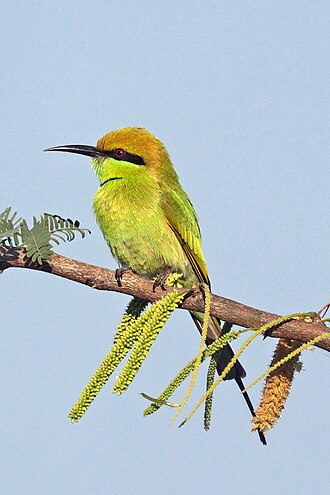
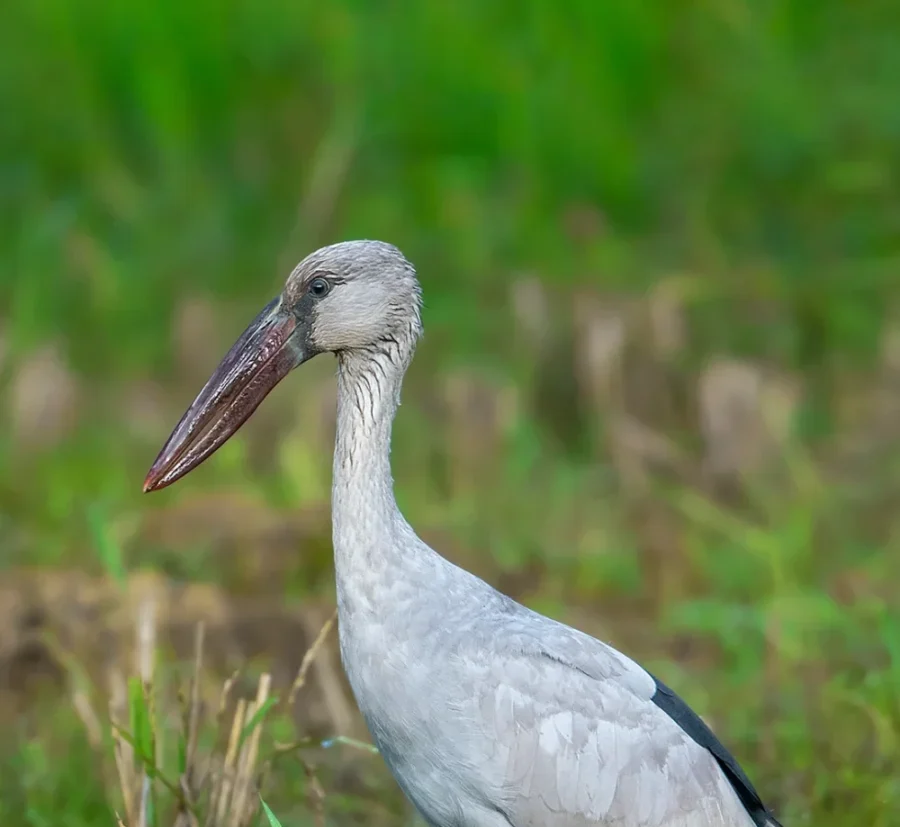
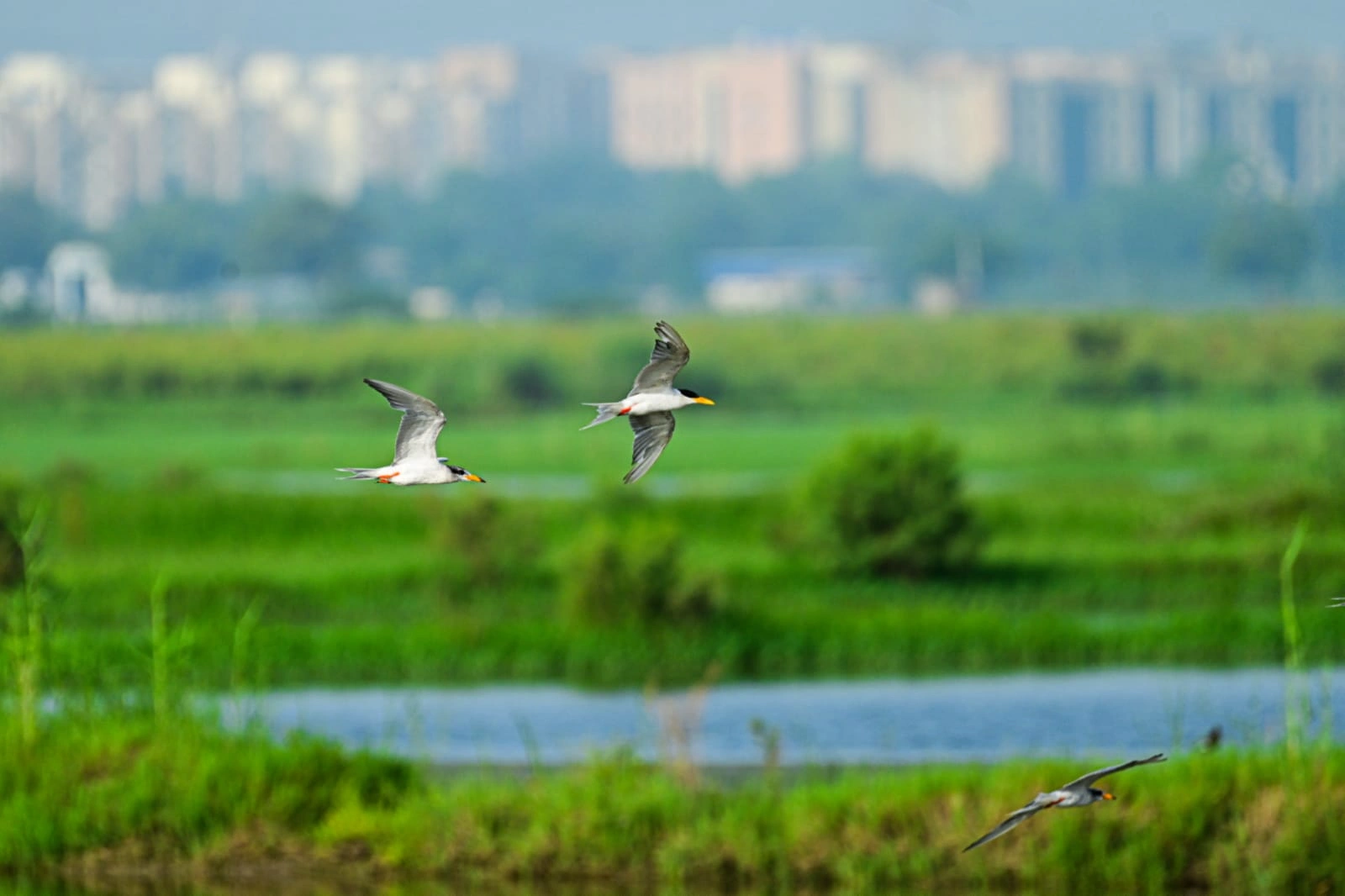
The wetlands of Chandu and Najafgarh Jheel offer exceptional birdwatching opportunities, with expansive open water and marshes supporting an impressive variety of waterbirds and grassland species. Visitors can encounter elegant Flamingos, Asian Openbill Storks, Black-winged Stilts, Indian Spot-billed Ducks, Eurasian Coots, Common Moorhens, Little Grebes, Little Egrets, Cattle Egrets, and the secretive Watercock among the reed beds. The surrounding grasslands and farmlands are equally rewarding, with Baya Weavers, Scaly-breasted Munias, Grey Francolins, Long-tailed Shrikes, Asian Green Bee-eaters, Greater Coucals, House Sparrows, and Red-wattled Lapwings adding to the area’s remarkable avian diversity. Whether during the peak winter migration or the breeding season, the wetlands provide unforgettable birdwatching experiences for nature enthusiasts.

Asian Green Bee-eater

Asian Openbill
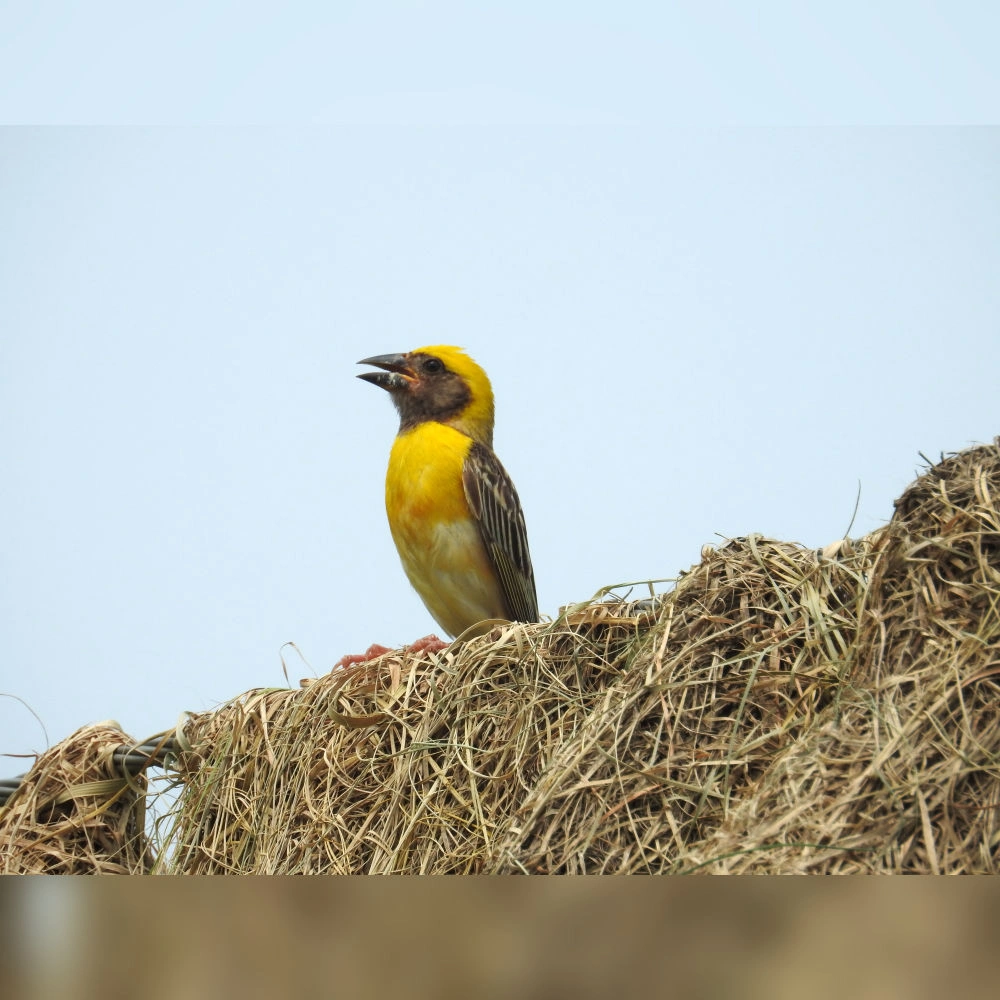
Baya Weaver
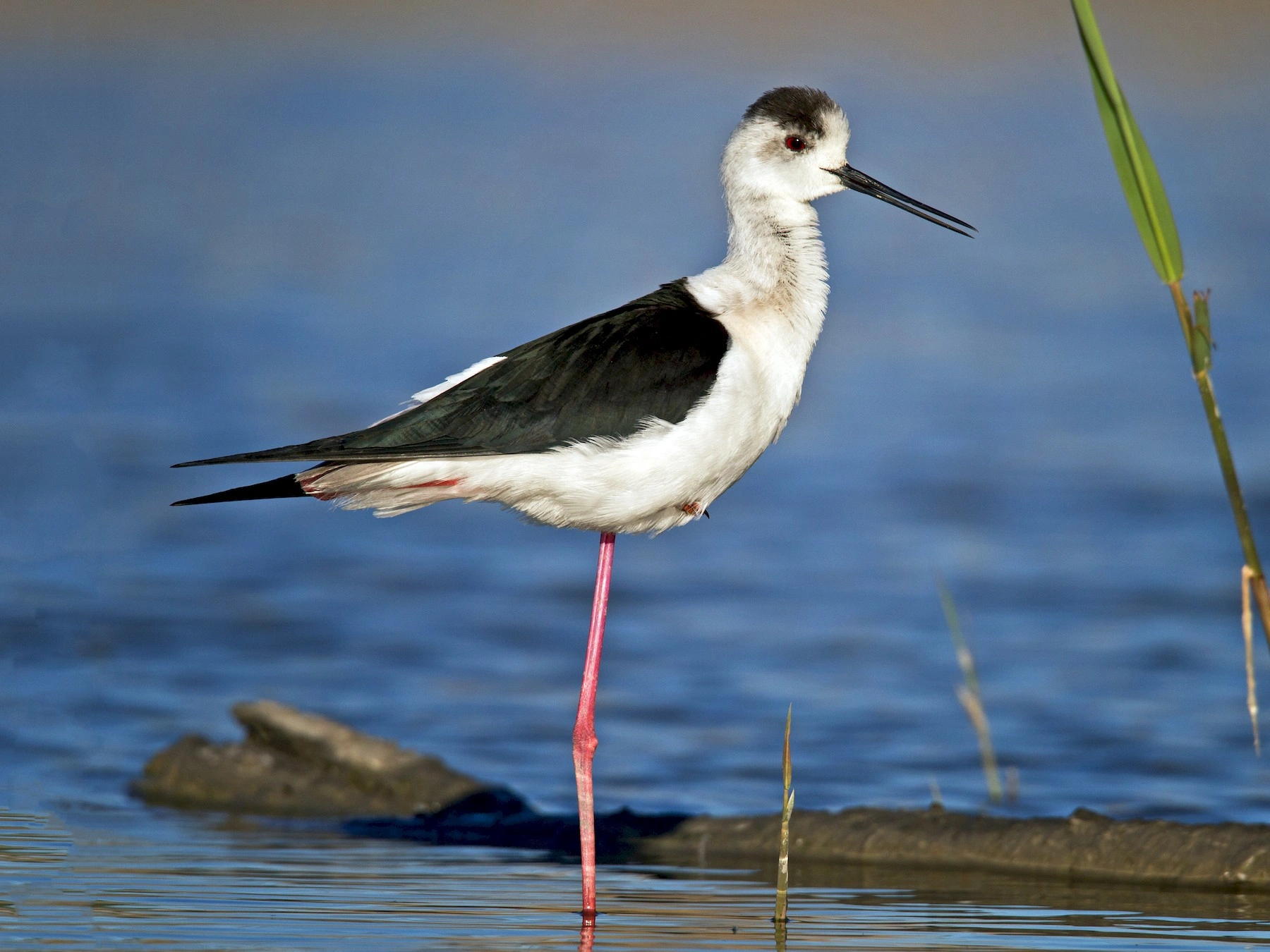
Black-winged Stilt

Cattle Egret
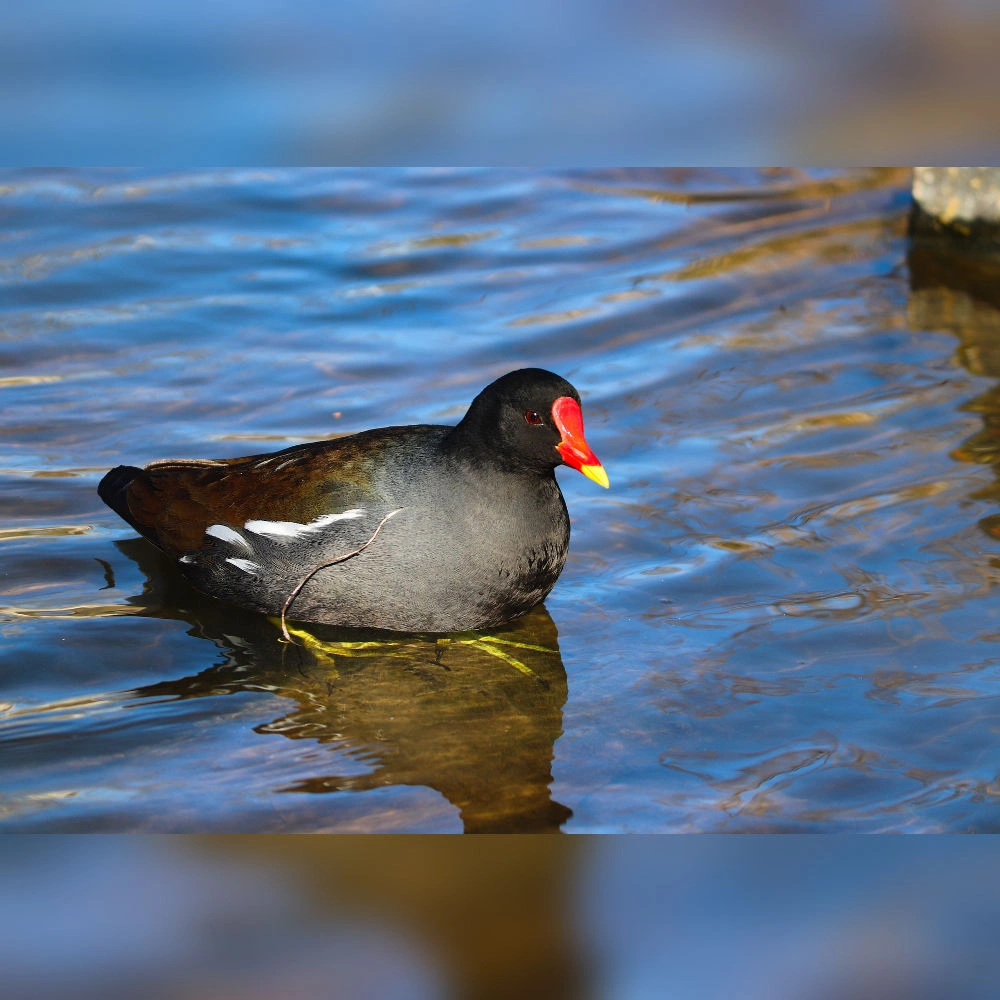
Common Moorhen
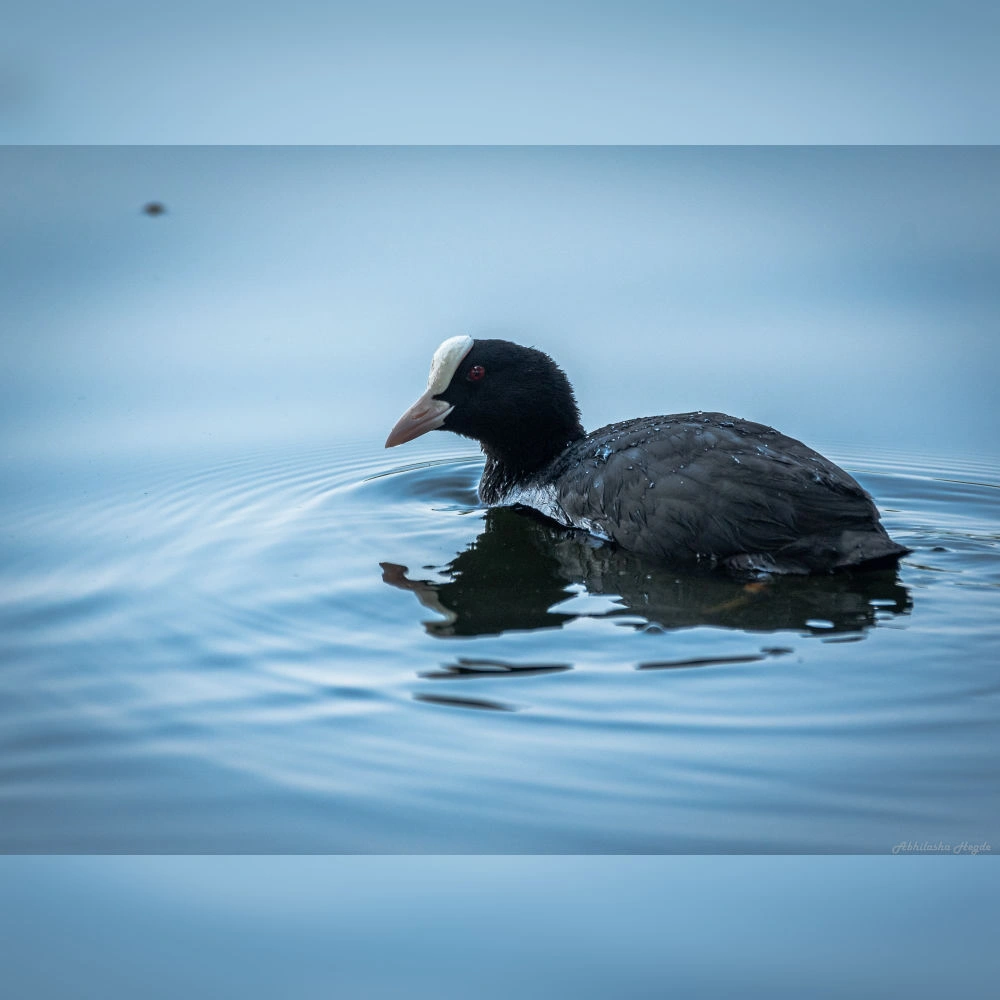
Eurasian Coot

Flamingo
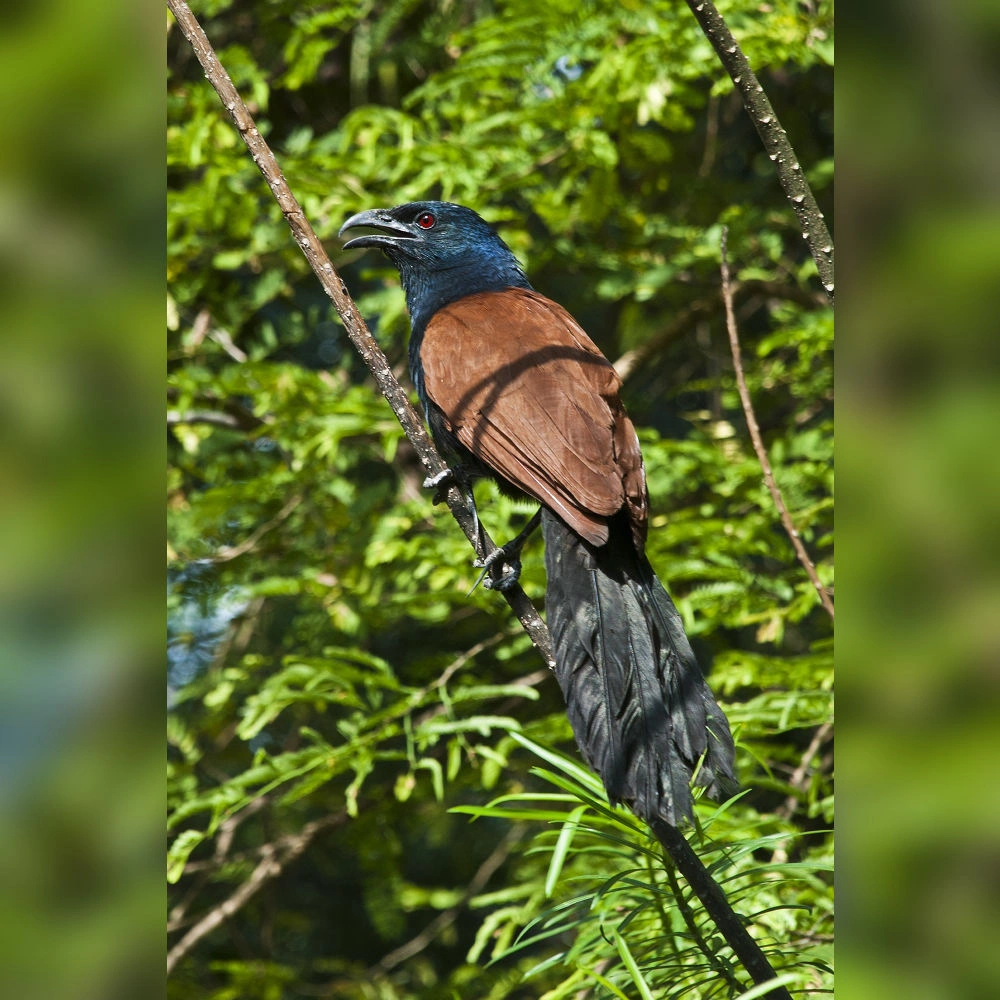
Greater Coucal

Grey Francolin

House Sparrow
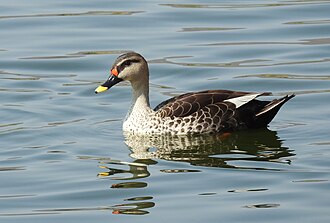
Indian Spot-billed Duck
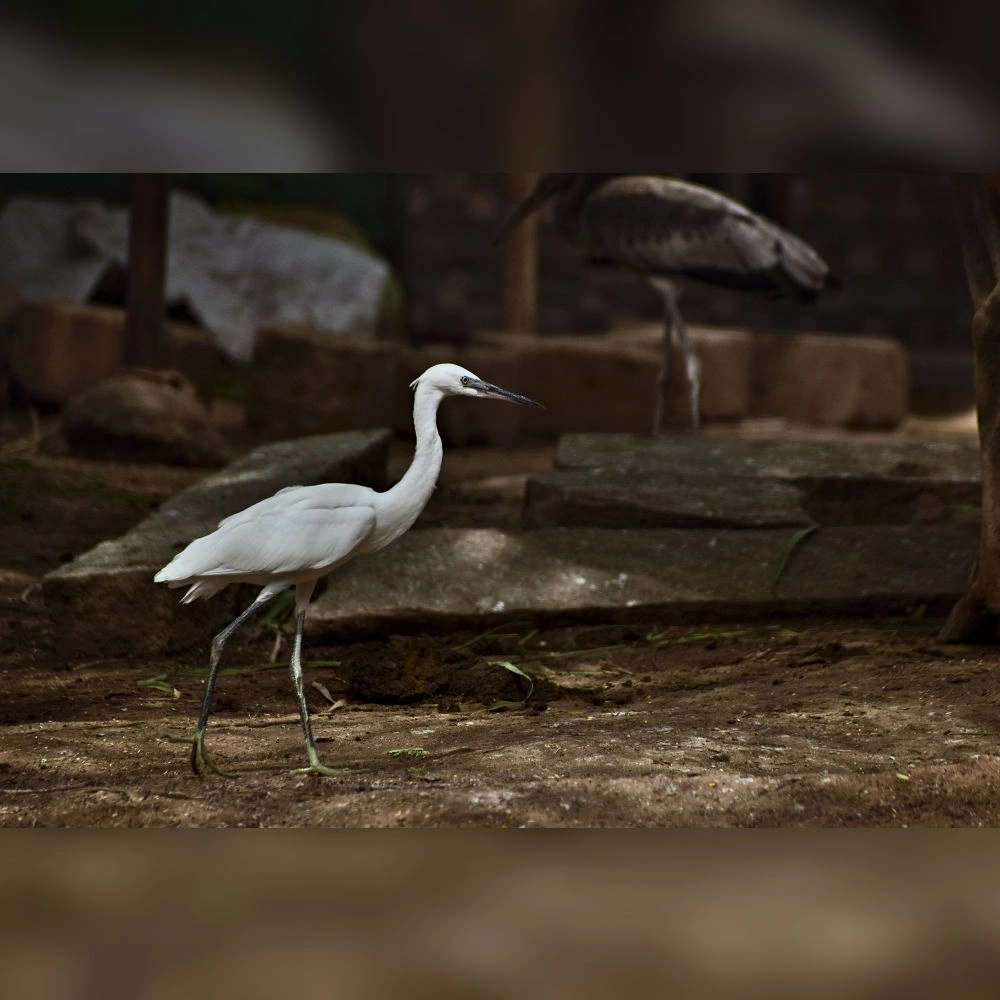
Little Egret

Little Grebe
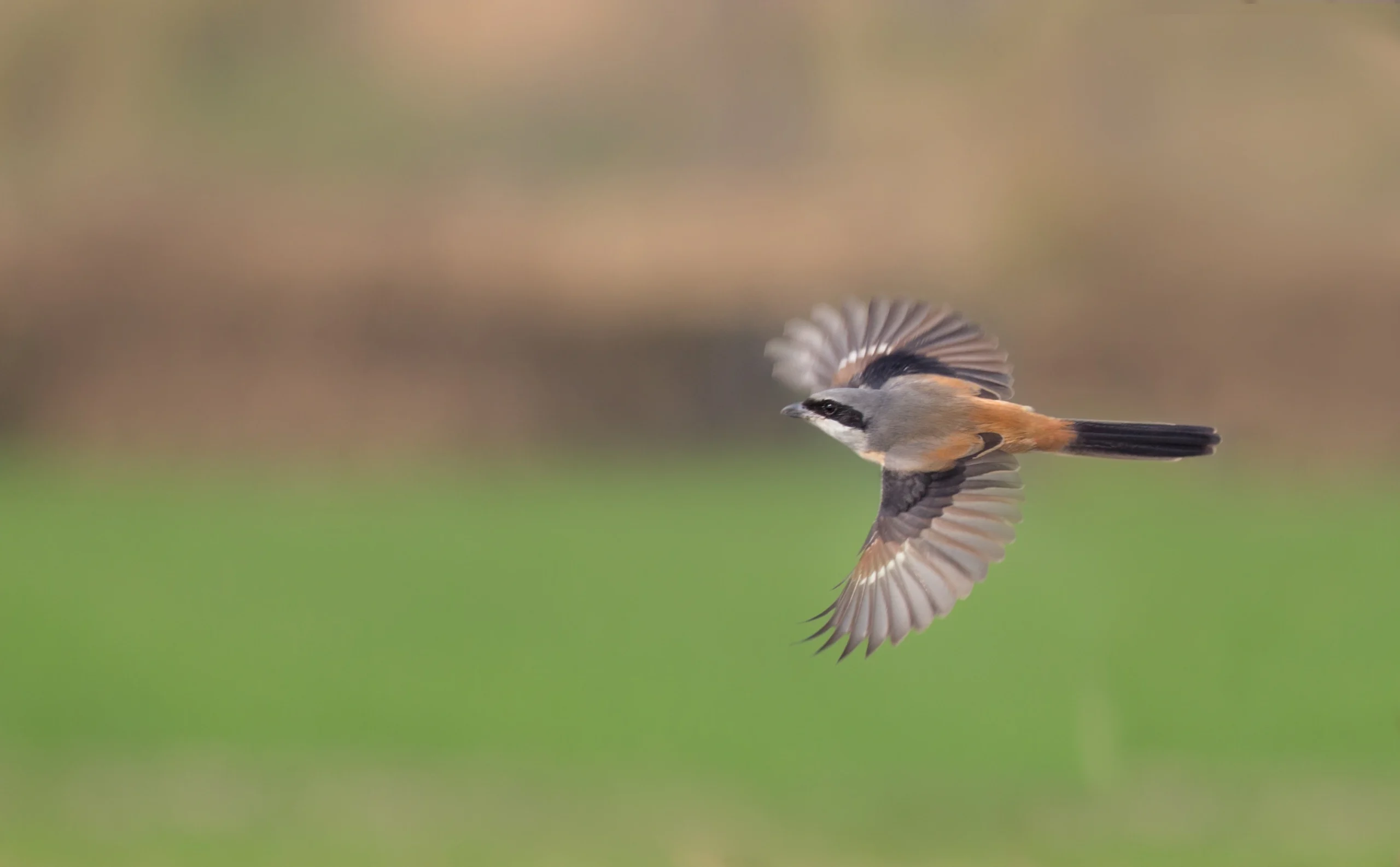
Long-tailed Shrike
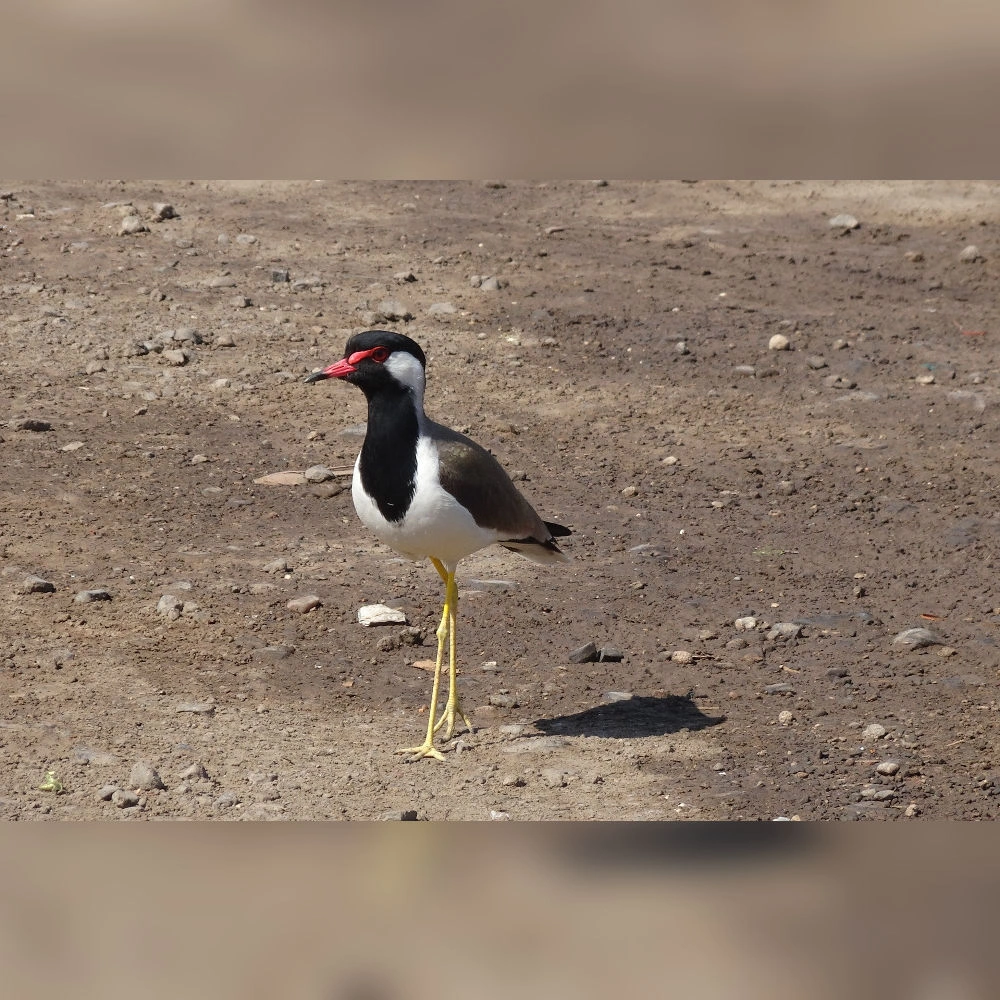
Red-wattled Lapwing
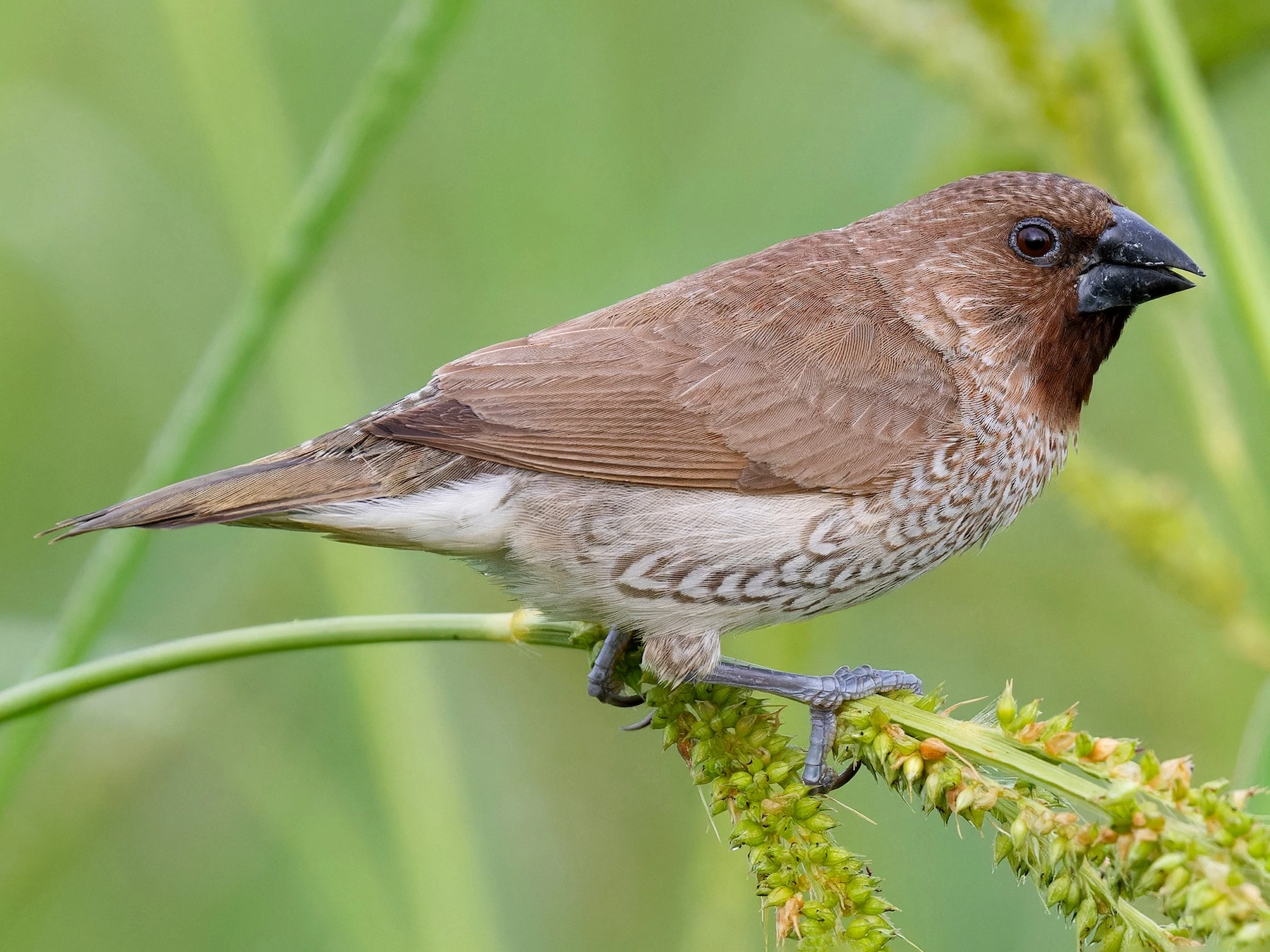
Scaly-breasted Munia
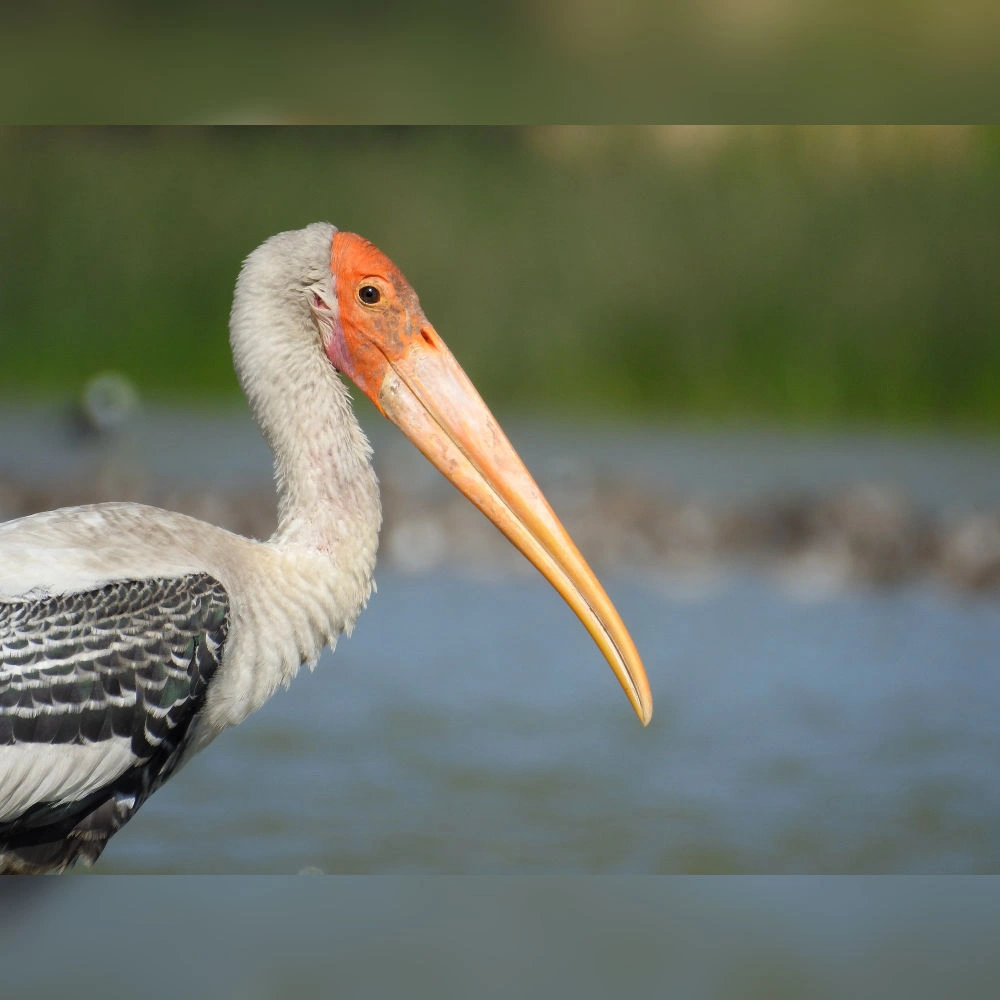
Painted Stork

Little Cormorant

Purple Heron
Summary of Walk
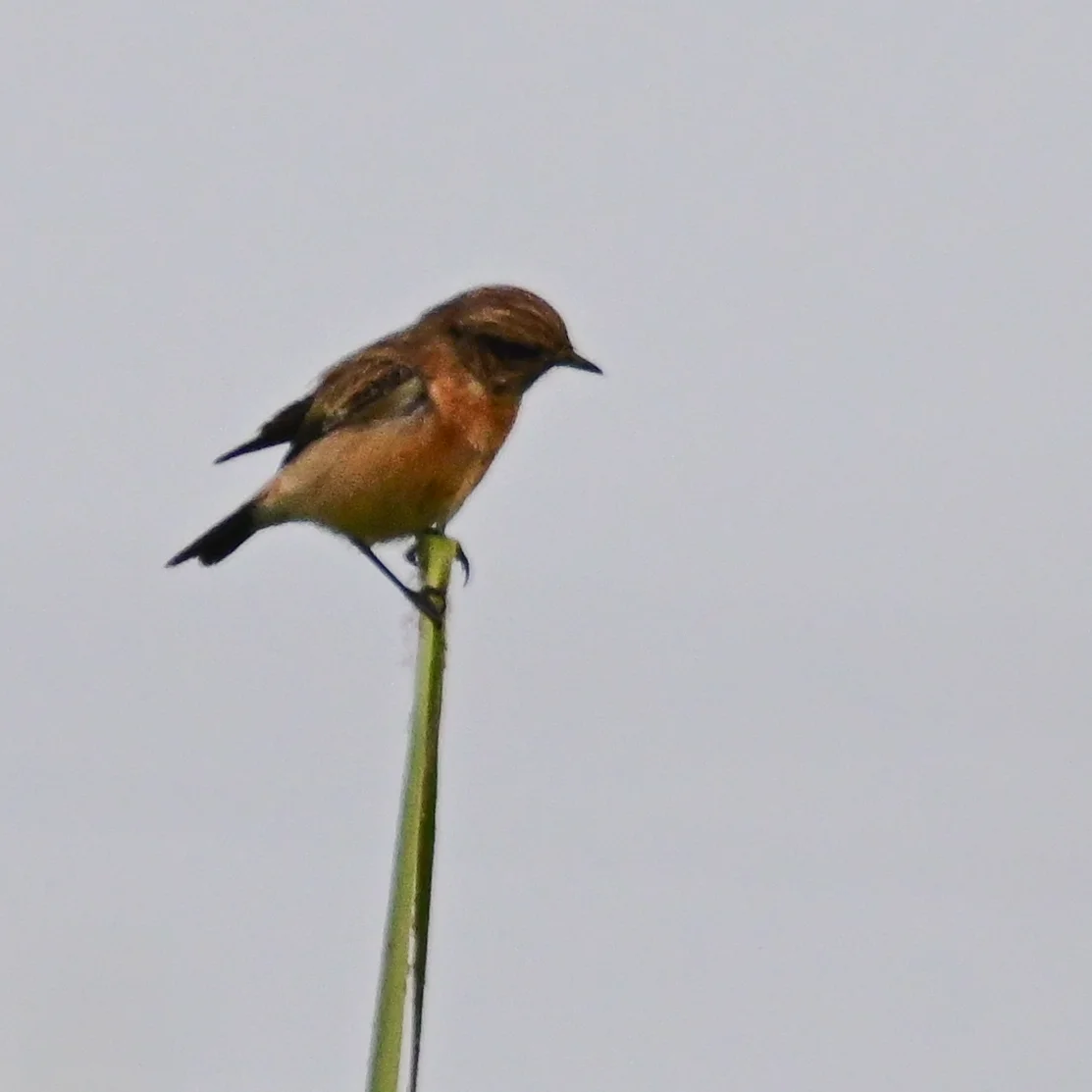
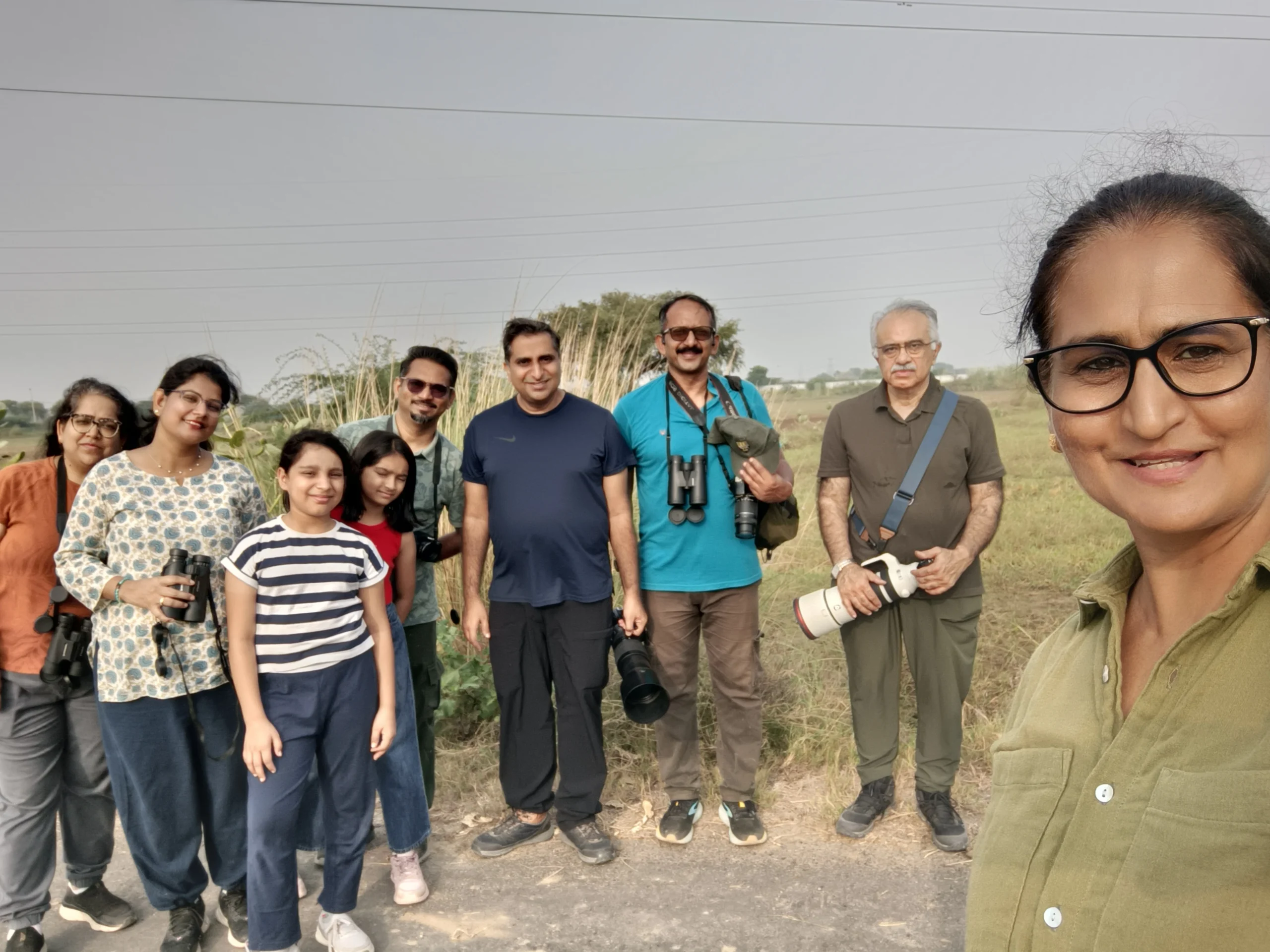
Another beautiful morning unfolded at Chandu Wetlands near Gurugram on 11 October, when guide Navneet Kaur Virk led six birders, including two young walkers, through nearly four hours of rewarding birdwatching. The day began under cloudy skies with a cool breeze and a warm welcome from a Crested Lark and a Siberian Stonechat, and it was wonderful to see the first-time birders pause in awe at the breathtaking landscape and the beauty of the birds around them. Those little moments of wonder are what make bird walks so special. The group recorded a fantastic 54 species, a rich tally that reflected the variety of wetland, grassland and scrub habitats here. One of the biggest highlights was the Red-tailed Shrike, a rare sighting for Chandu Wetlands, which perched in the open and gave everyone a good look. The vibrant Blue-cheeked Bee-eater, glowing green against the sky, was another crowd favourite, and a pair of Spotted Owlets peering from their roost drew many smiles. A large flock of egrets lit up the wetland with their white plumage, and a Western Marsh Harrier quartering low over the reeds kept every eye on the sky. Navneet shared stories and identification tips with great enthusiasm, patiently helping the young walkers and beginners find birds through binoculars and encouraging everyone to listen as well as look. With curious eyes, new discoveries and plenty of birding excitement, it was a morning that reminded everyone how nature always has something wonderful waiting to be discovered, whether you are a seasoned birder or arriving for the very first time.
Number of Participants
0