
Loading Events

Bird Walk at Mullur Lake (Sarjapur Road), Bangalore, Karnataka

About Mullur Lake

Nestled on the southeastern edge of Bangalore, Mullur Lake is a quiet mosaic of open water, marshy fringes, and scrubby grasslands that together create a surprisingly rich urban wilderness. The lake’s seasonal water levels shape its character—during monsoons, it expands into a thriving wetland, while in drier months, exposed mudflats and grassy patches attract a different suite of life. Native grasses, acacia scrub, and scattered trees provide habitat complexity, making it a haven not just for aquatic species but also for insects, reptiles, and small mammals. This layered habitat structure is what makes Mullur especially rewarding for birders.
For birdwatchers, Mullur Lake offers a dynamic checklist—waders probing the shallows, raptors scanning from above, and songbirds flitting through the scrub. It’s the kind of place where a morning walk can shift from spotting herons and jacanas to catching glimpses of bee-eaters and shrikes. However, like many urban wetlands, Mullur faces mounting pressures from encroachment, waste dumping, and habitat degradation. Fluctuating water quality and shrinking green buffers threaten its ecological balance. Yet, growing awareness among local communities and birding groups is slowly turning attention toward conservation—highlighting the urgent need to protect such pockets of biodiversity before they fade into the cityscape.

Bird Guide: Rahuldev Rajguru

With over 25 years in software and entrepreneurship, he now focuses on birding, wildlife photography, and conservation, while also writing to inspire people to connect with nature.

Bird walk Location

Common birds of Mullur Lake

Mullur Lake unfolds as a vibrant stage where waterbirds, grassland specialists, and urban adapters come together in a constantly shifting spectacle. Rafts of Eurasian Coot and Little Grebe ripple across the water, while elegant Black-winged Stilt pick their way through the shallows with striking precision. Along the edges, the calls of White-breasted Waterhen and Gray-headed Swamphen echo through dense vegetation, revealing the richness of the marsh. Overhead, flashes of movement from Little Swift and the occasional drama of lapwings chasing away predators add energy to the scene, while iconic species like Painted Stork and Black-headed Ibis bring a sense of grandeur. Even common birds—from the ever-adaptable Rock Pigeon to the melodious Asian Koel—play their part, making every visit feel alive with stories, behaviours, and seasonal surprises.
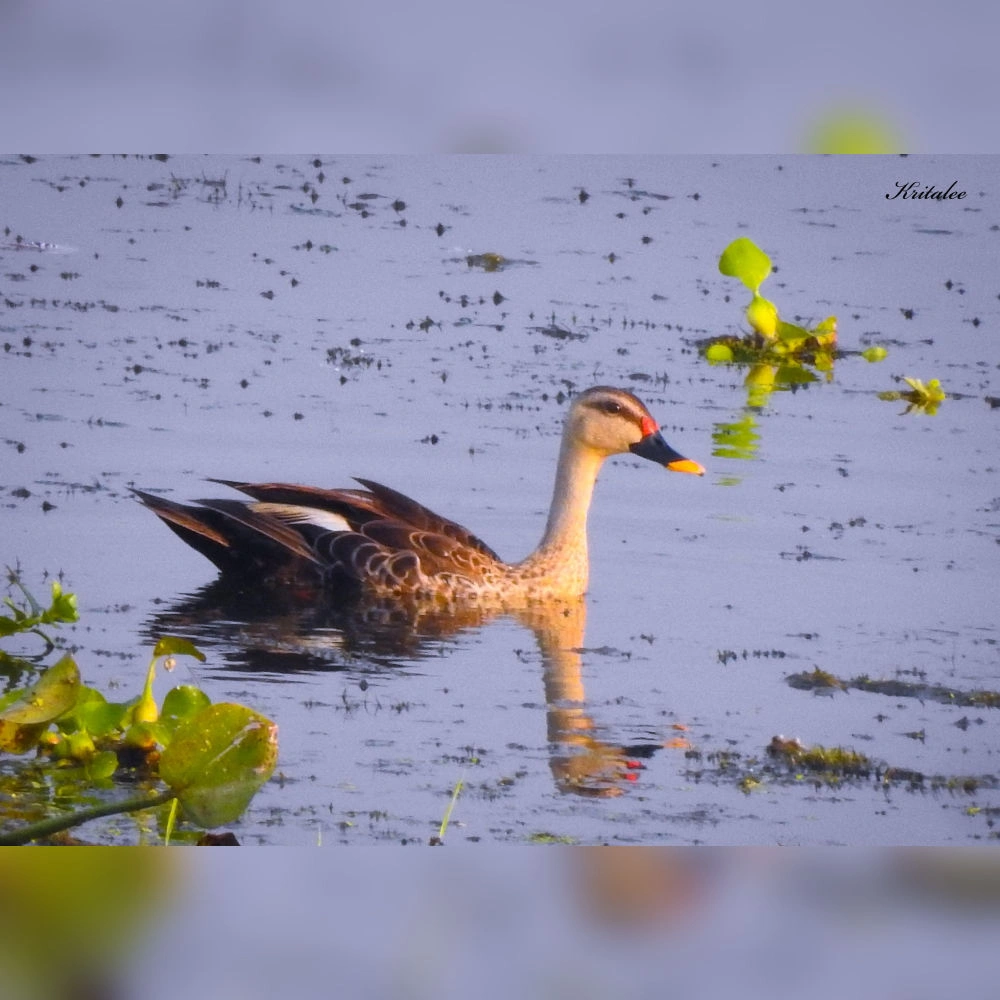
Indian Spot-Billed Duck
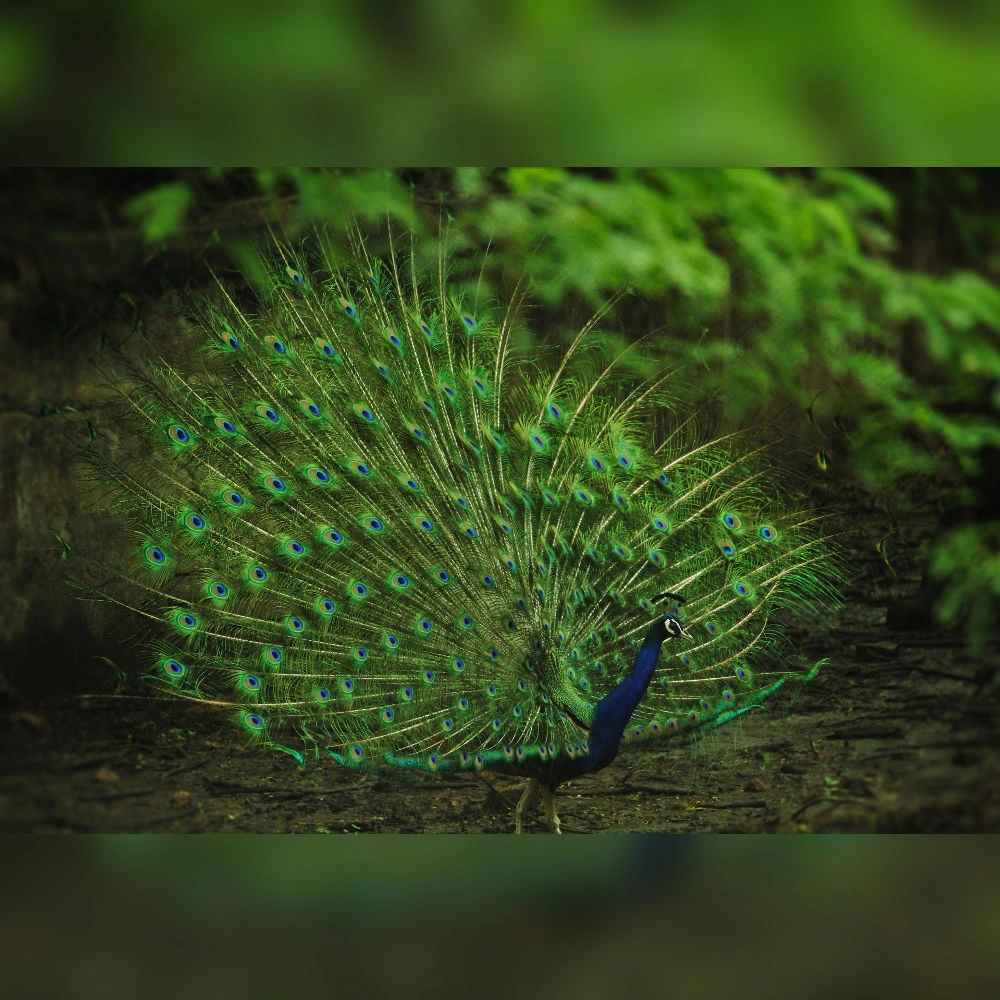
Indian Peafowl
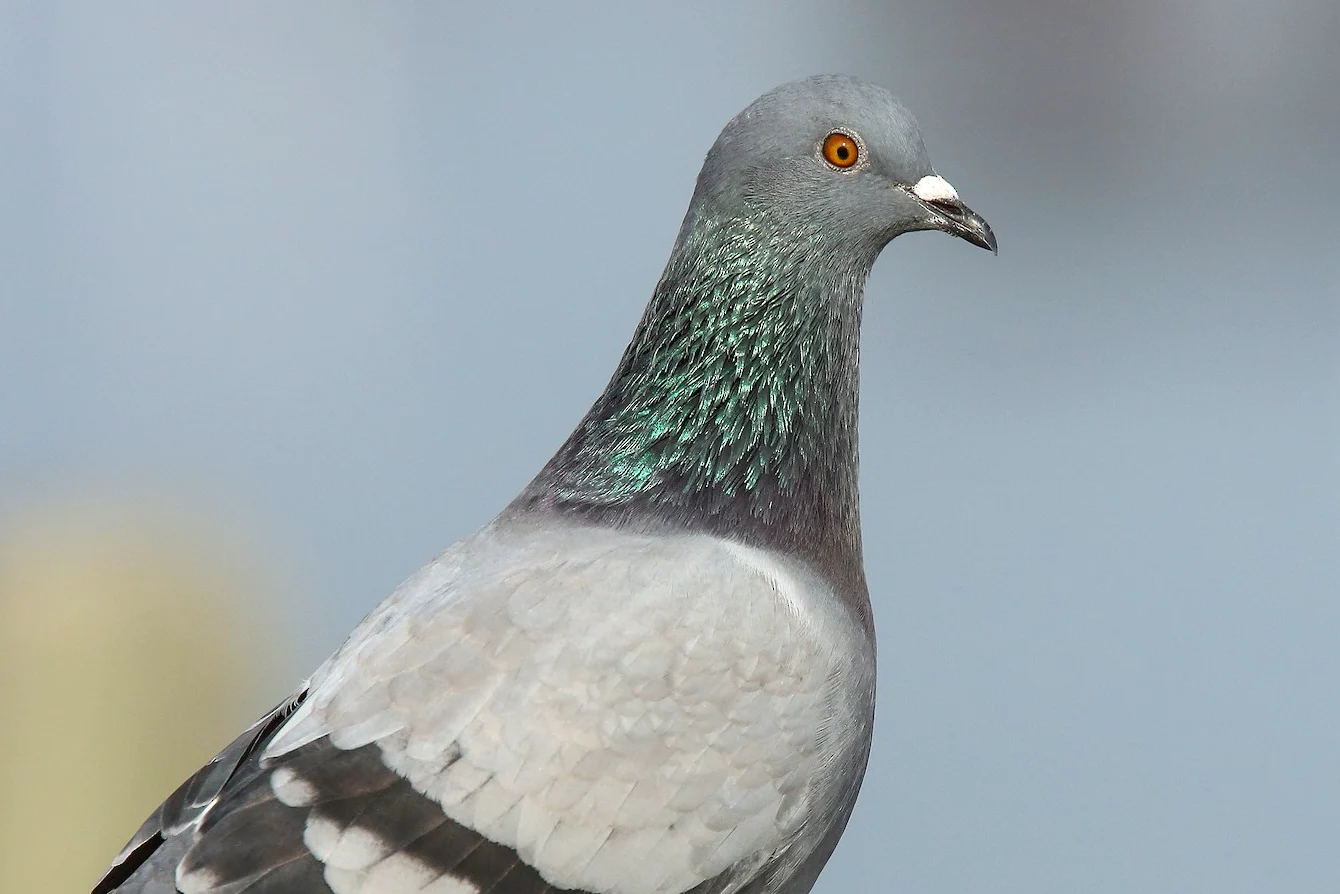
Rock Pigeon
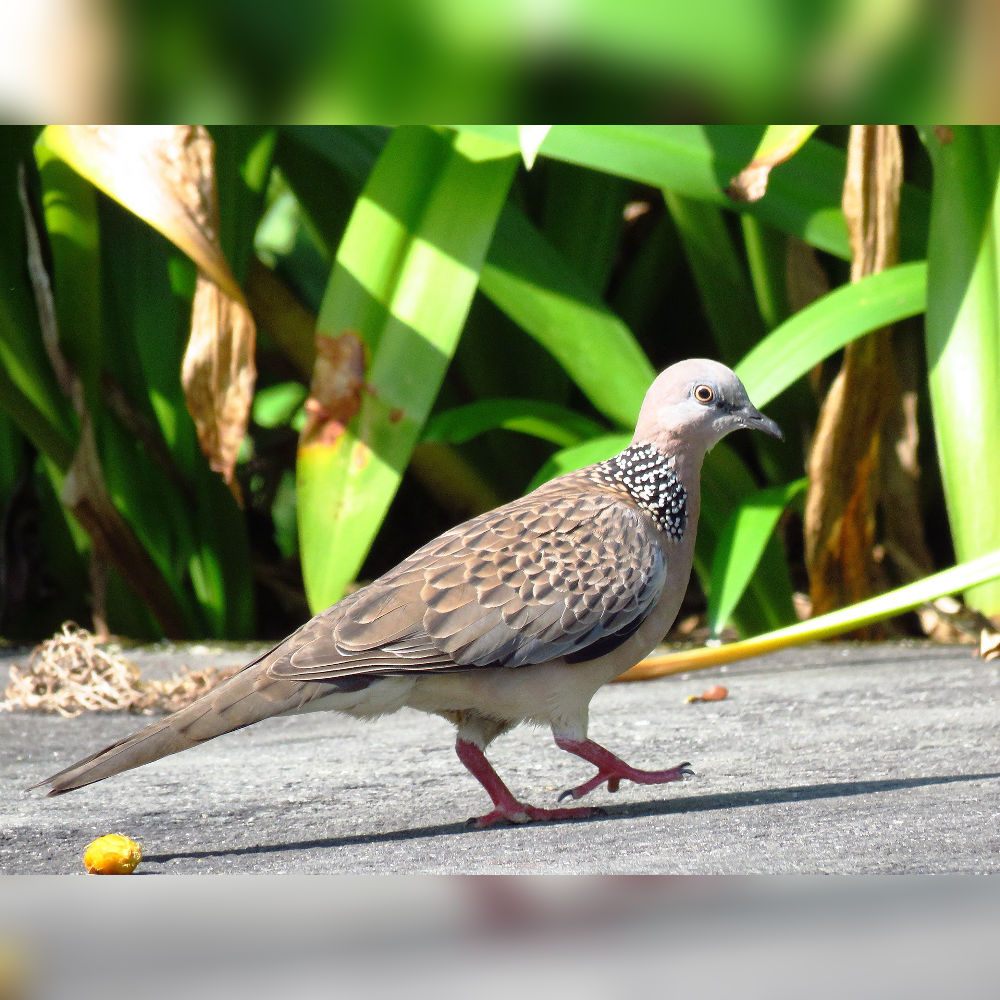
Spotted Dove
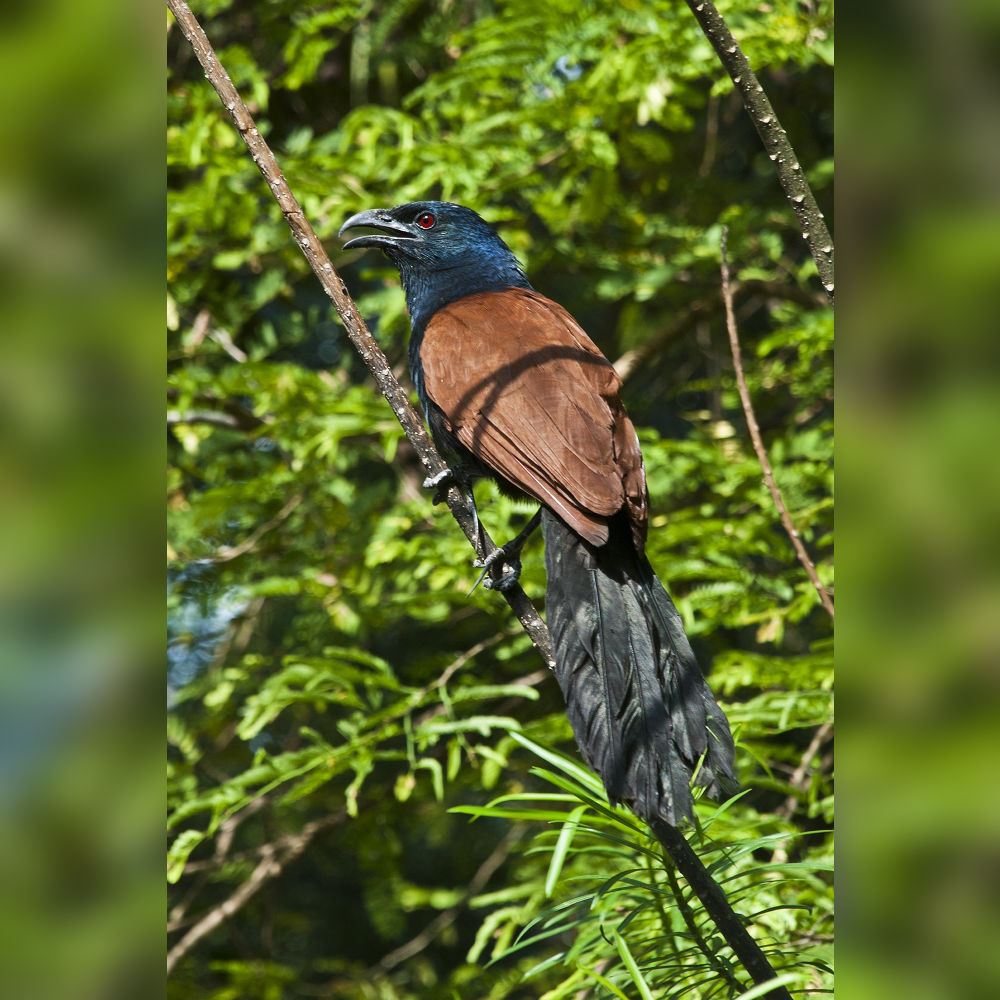
Greater Coucal
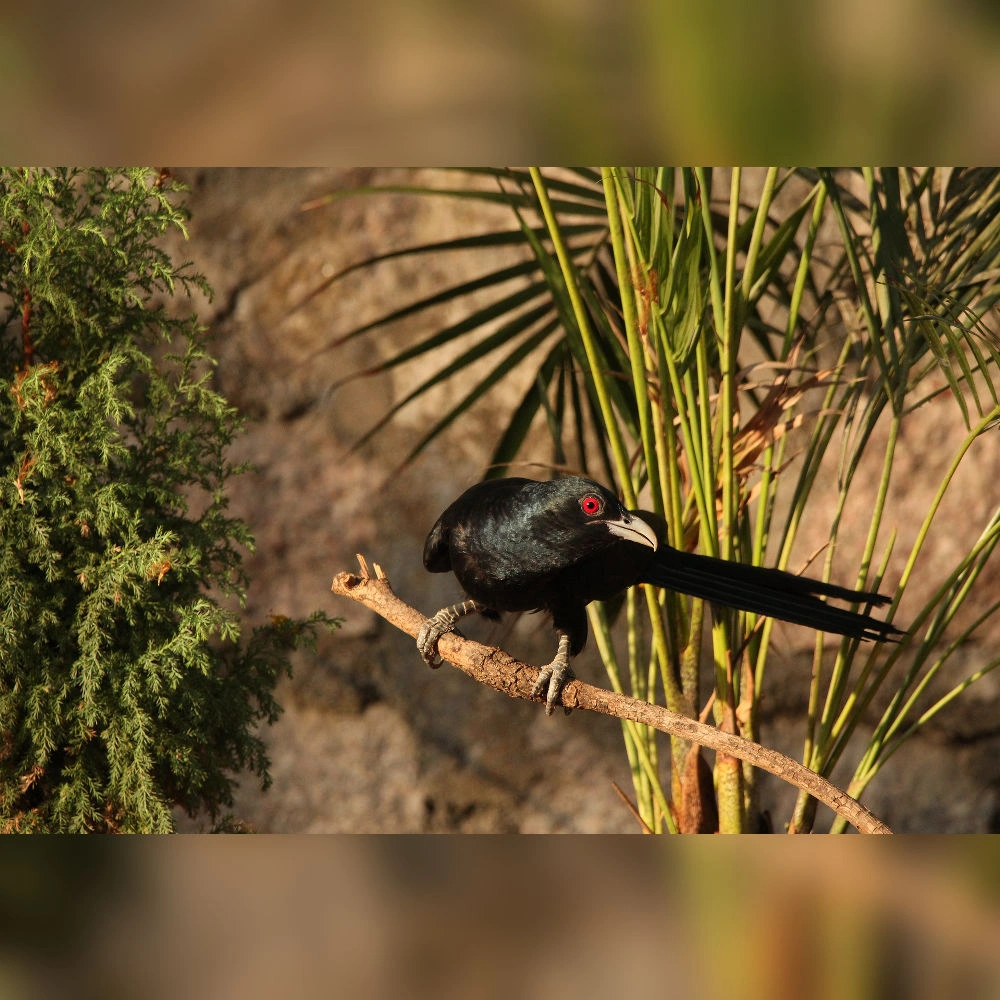
Asian Koel
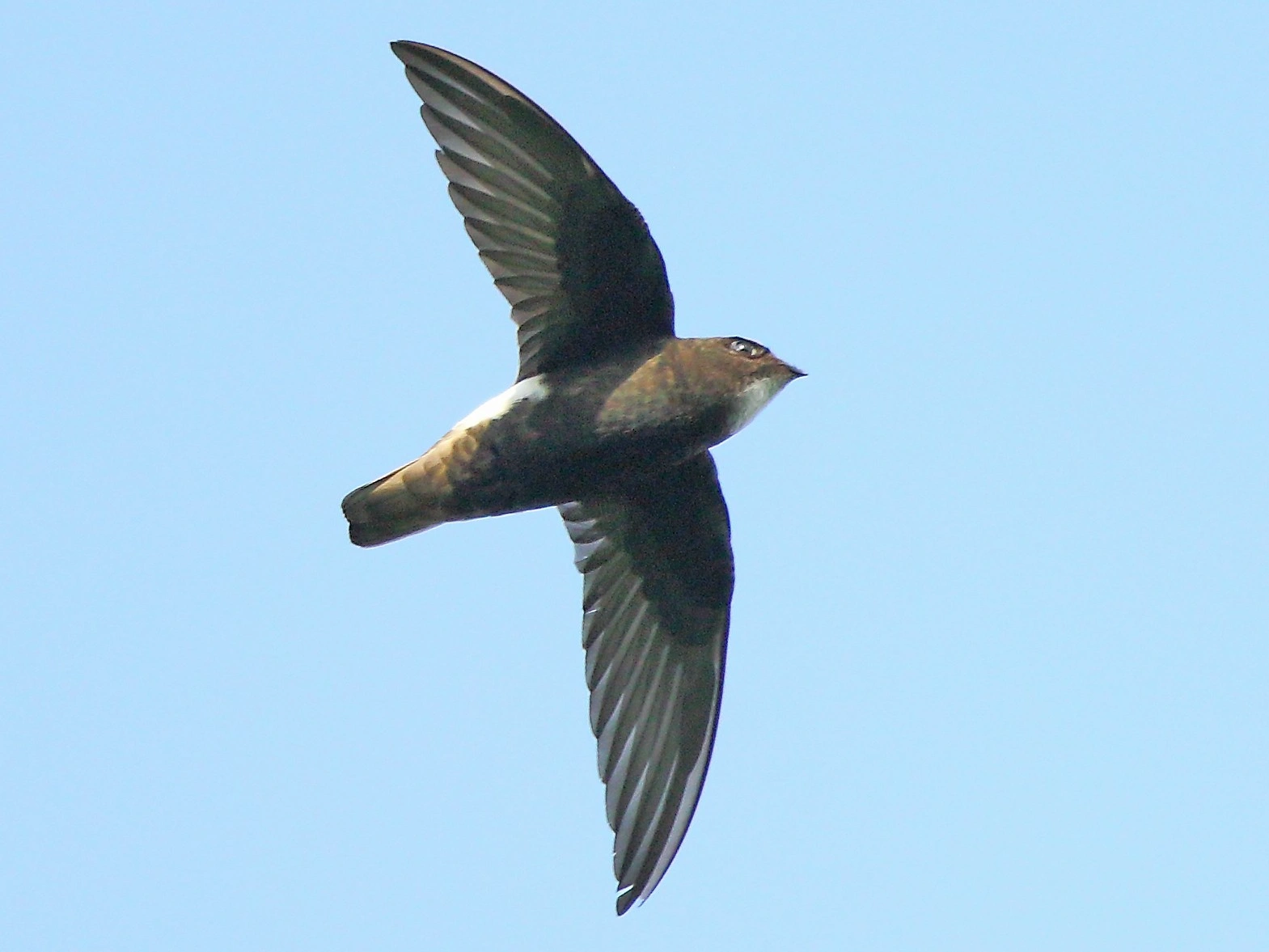
Little Swift
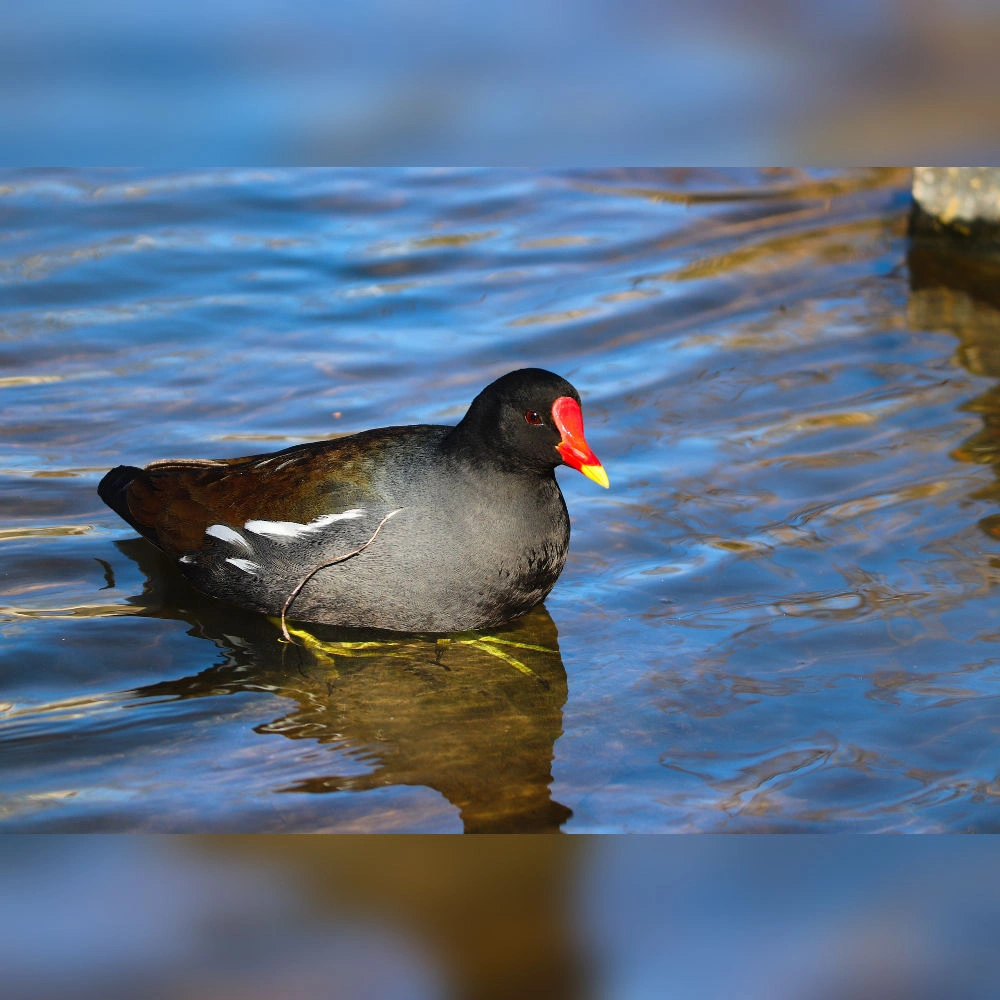
Eurasian Moorhen
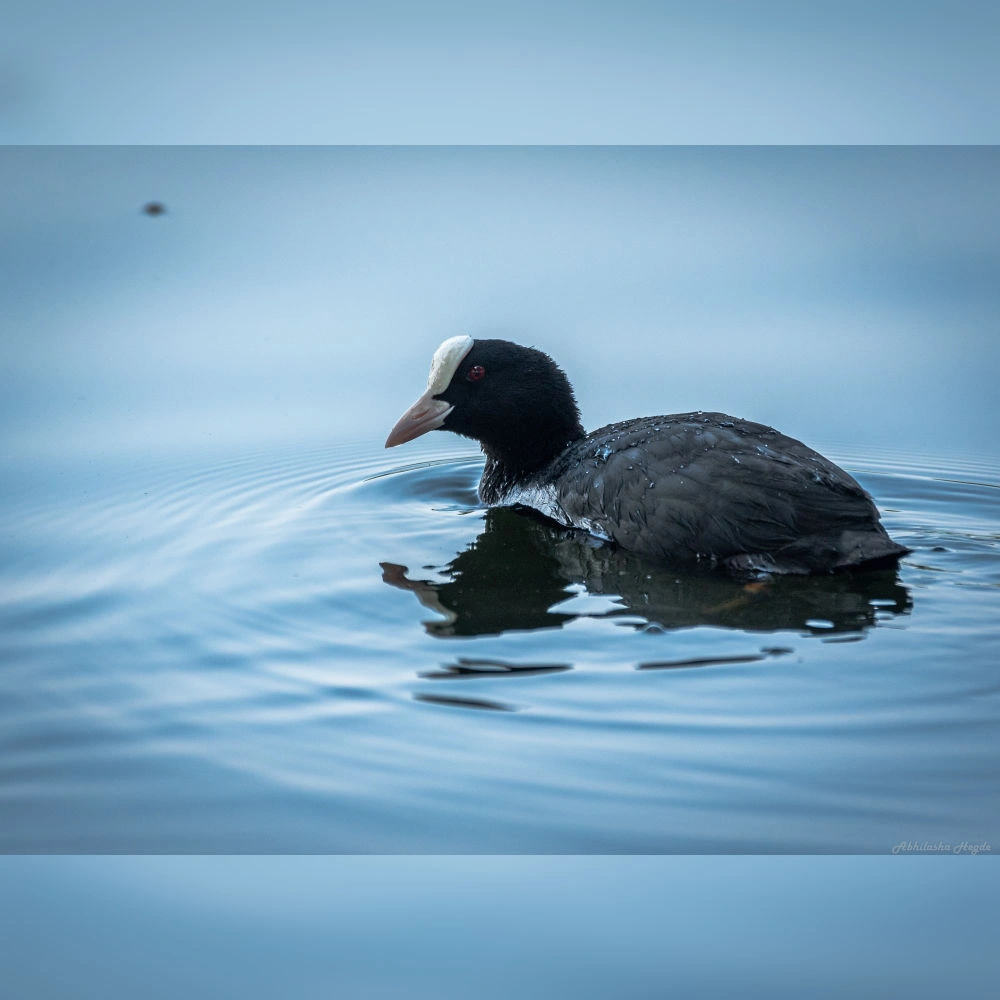
Eurasian Coot
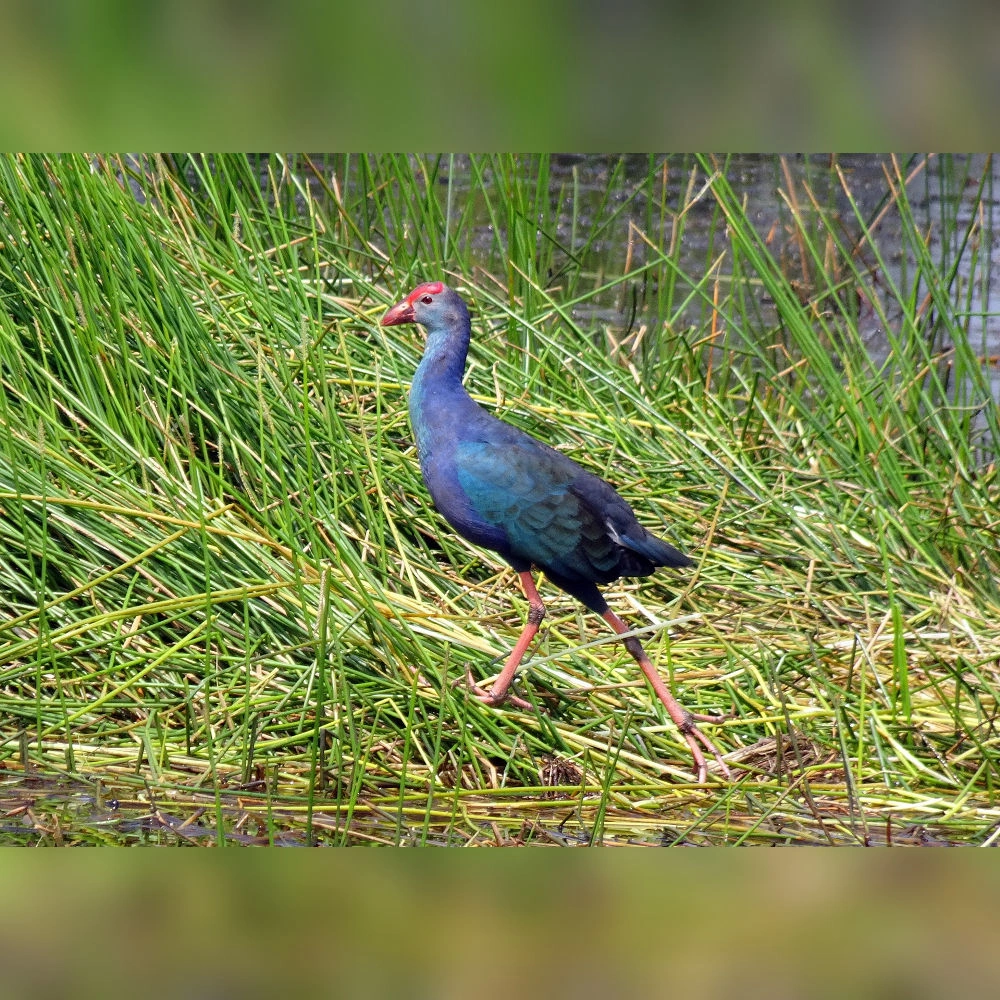
Gray-Headed Swamphen
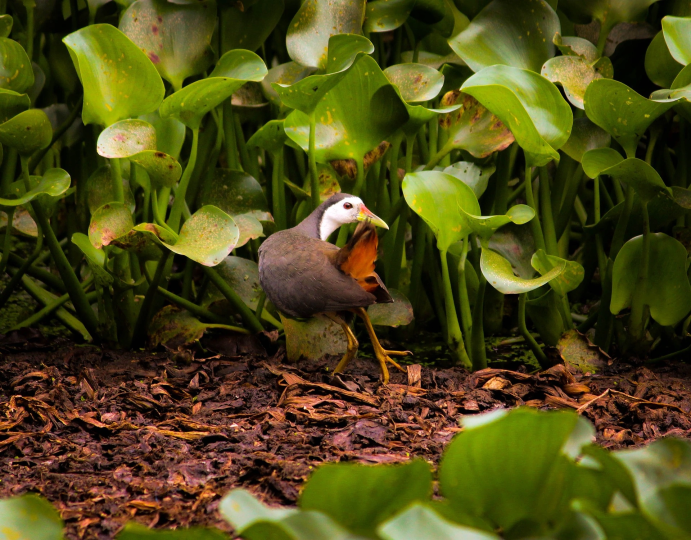
White-Breasted Waterhen
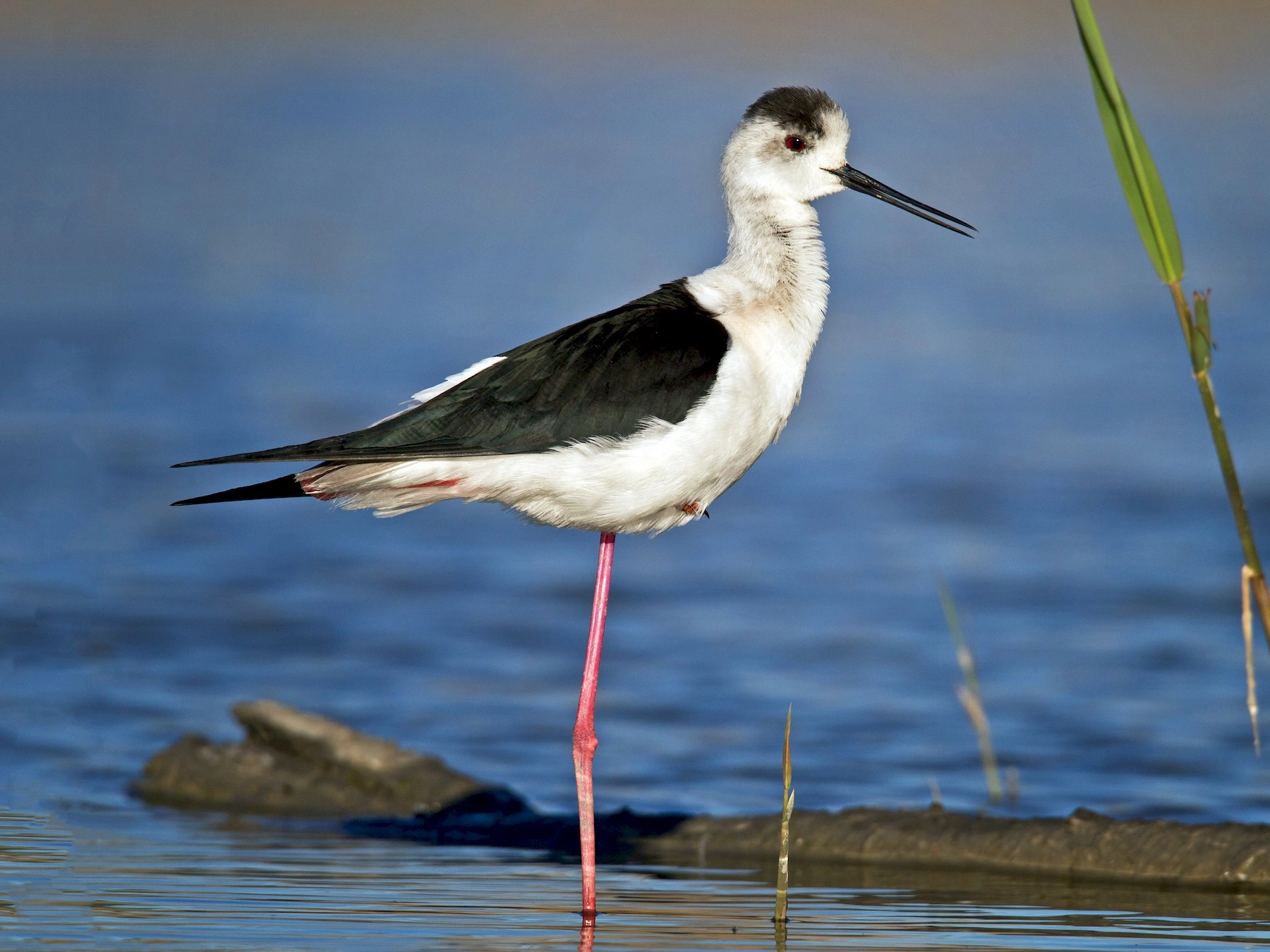
Black-Winged Stilt
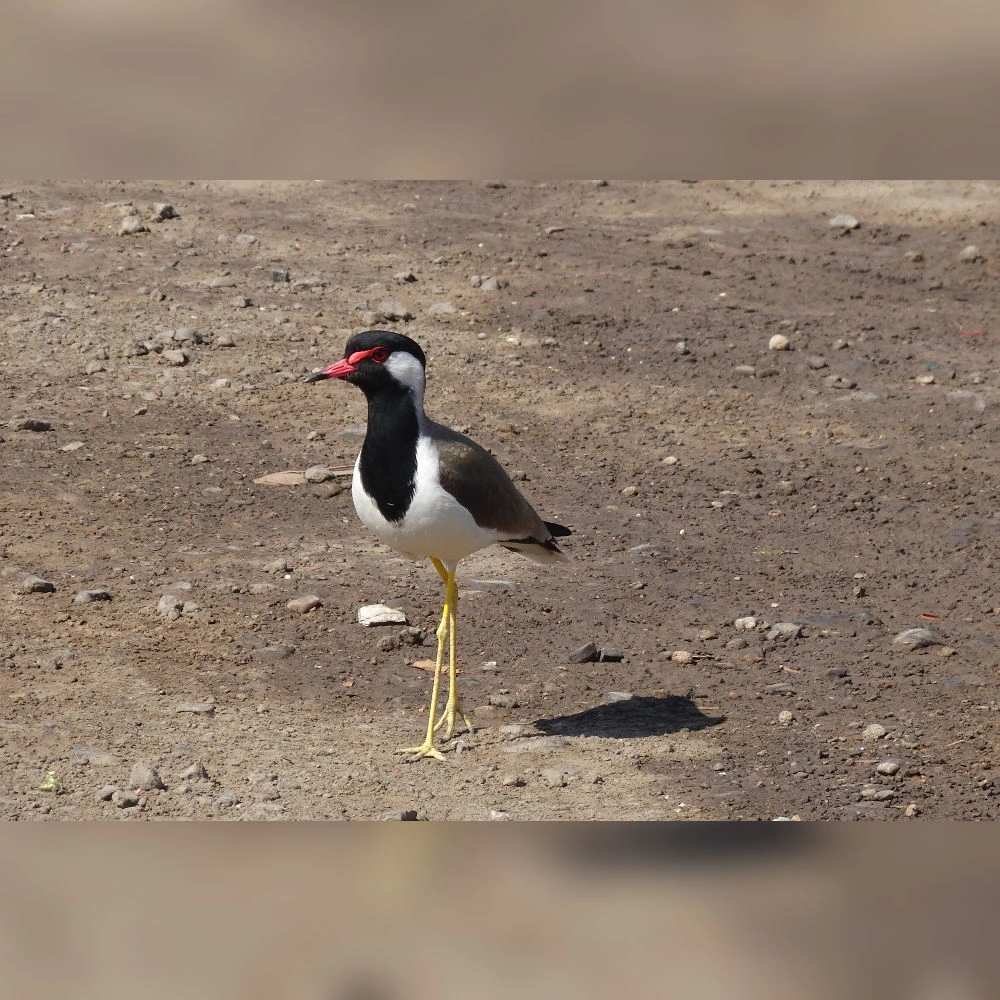
Red-Wattled Lapwing
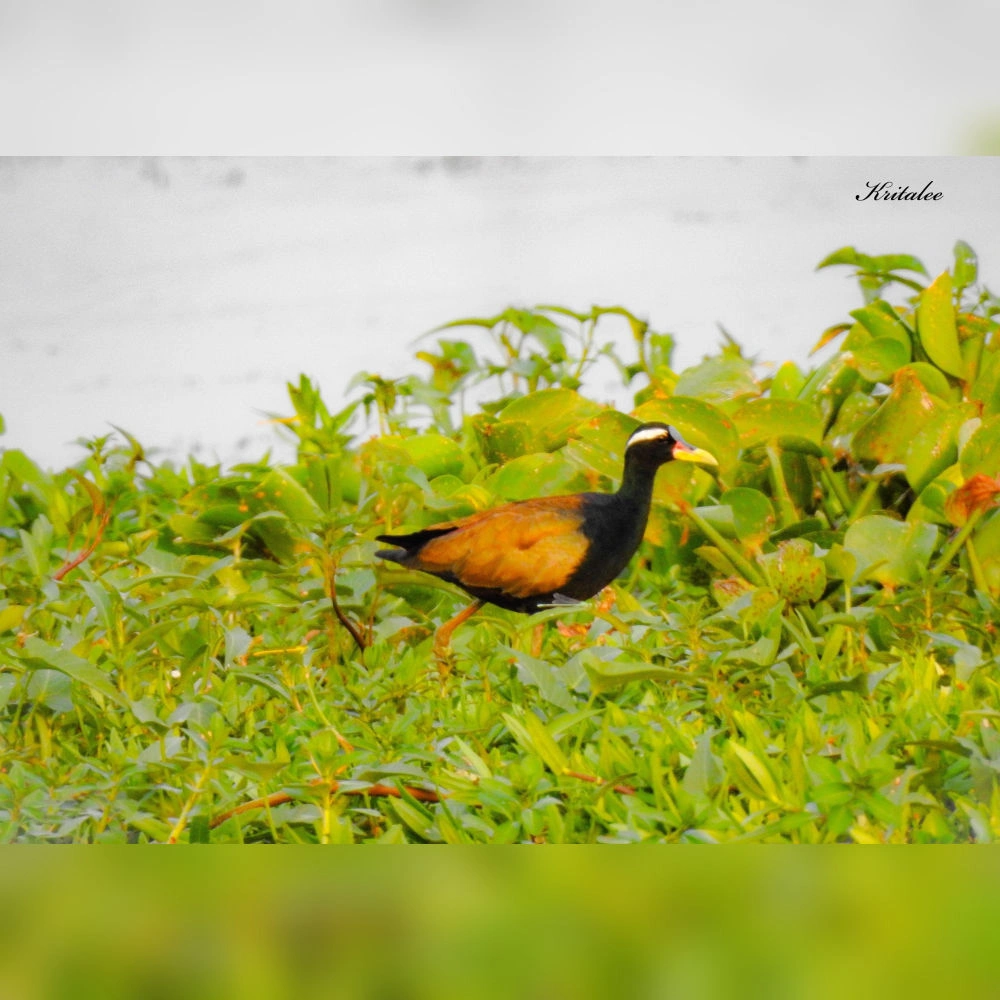
Bronze-Winged Jacana
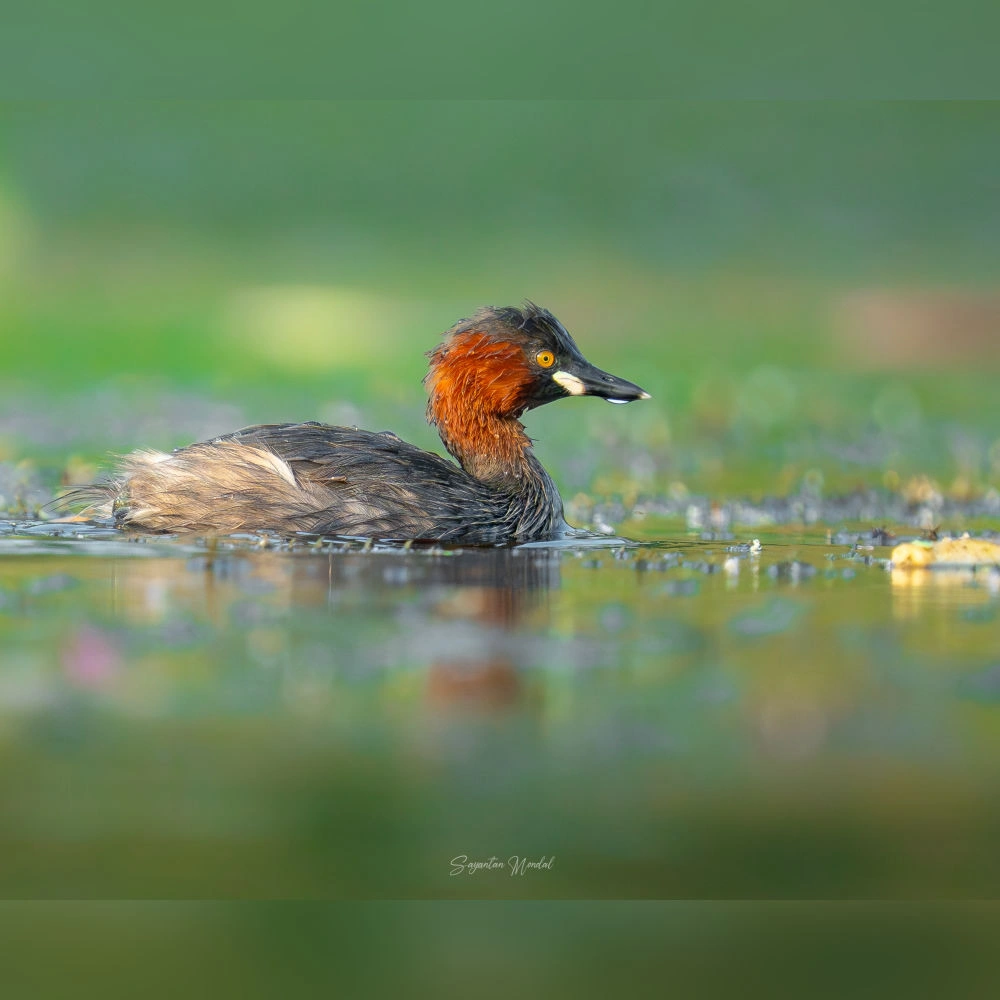
Little Grebe
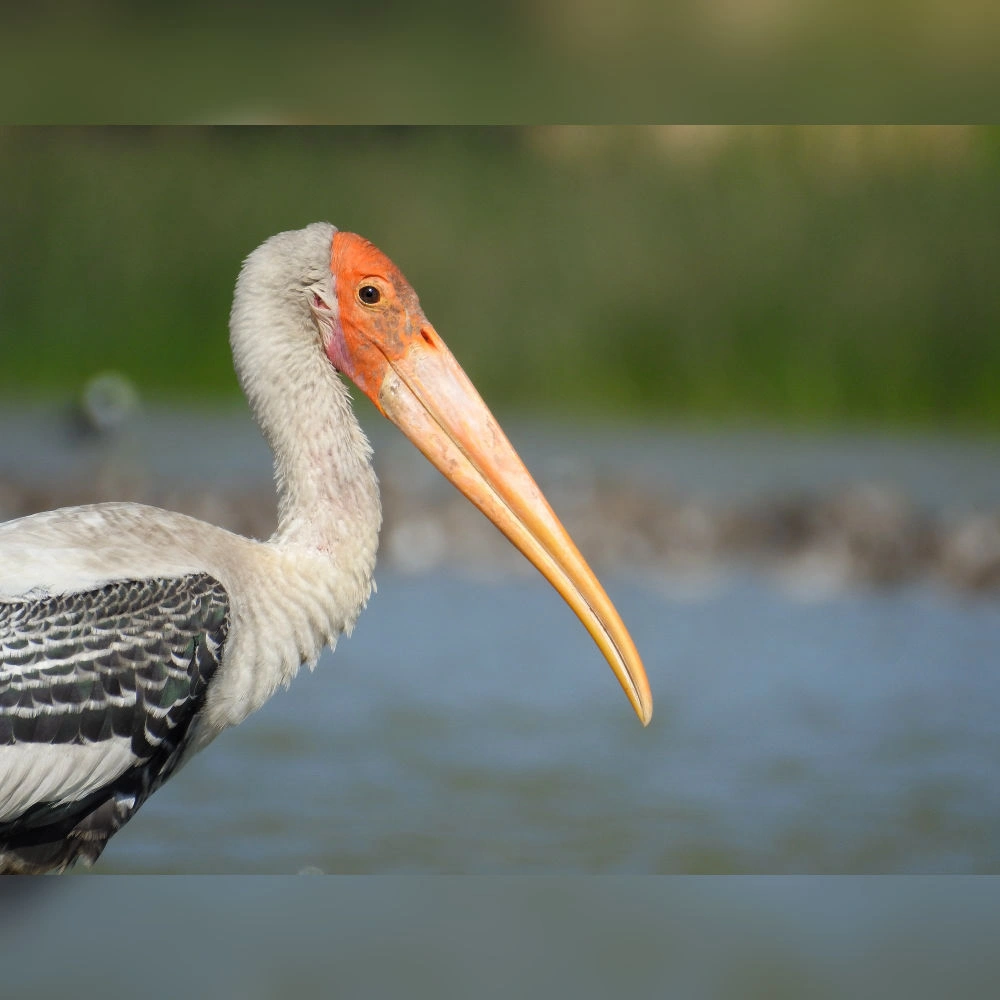
Painted Stork
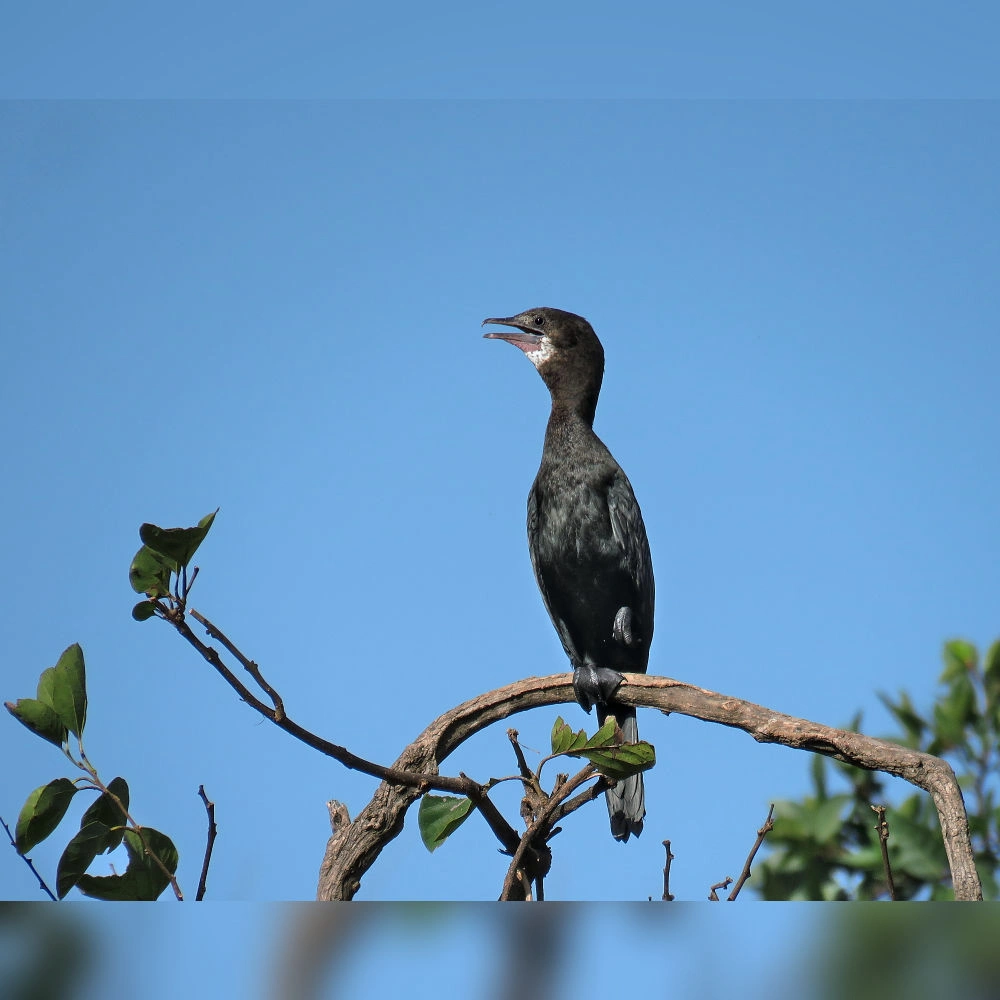
Little Cormorant
Glossy Ibis
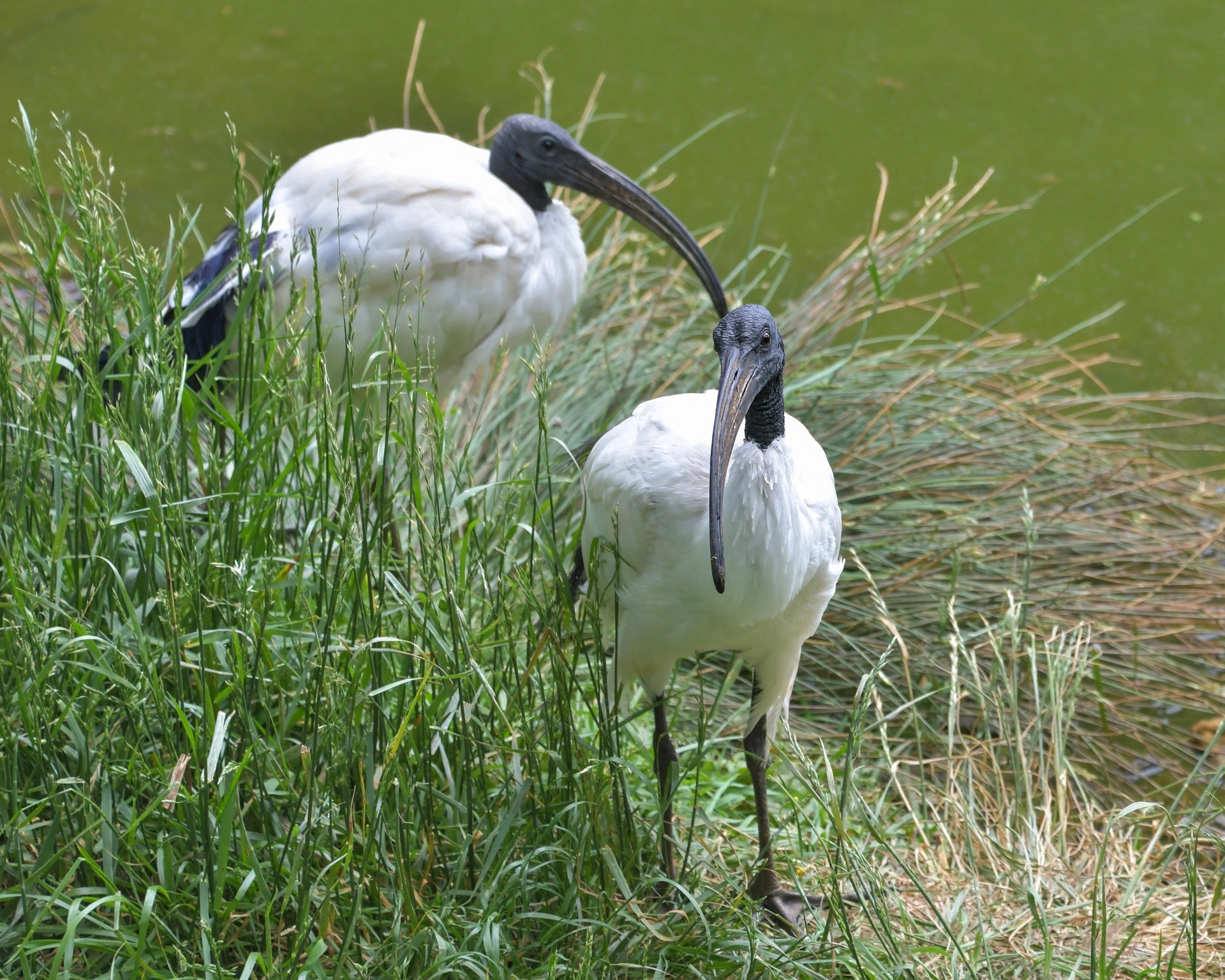
Black-Headed Ibis
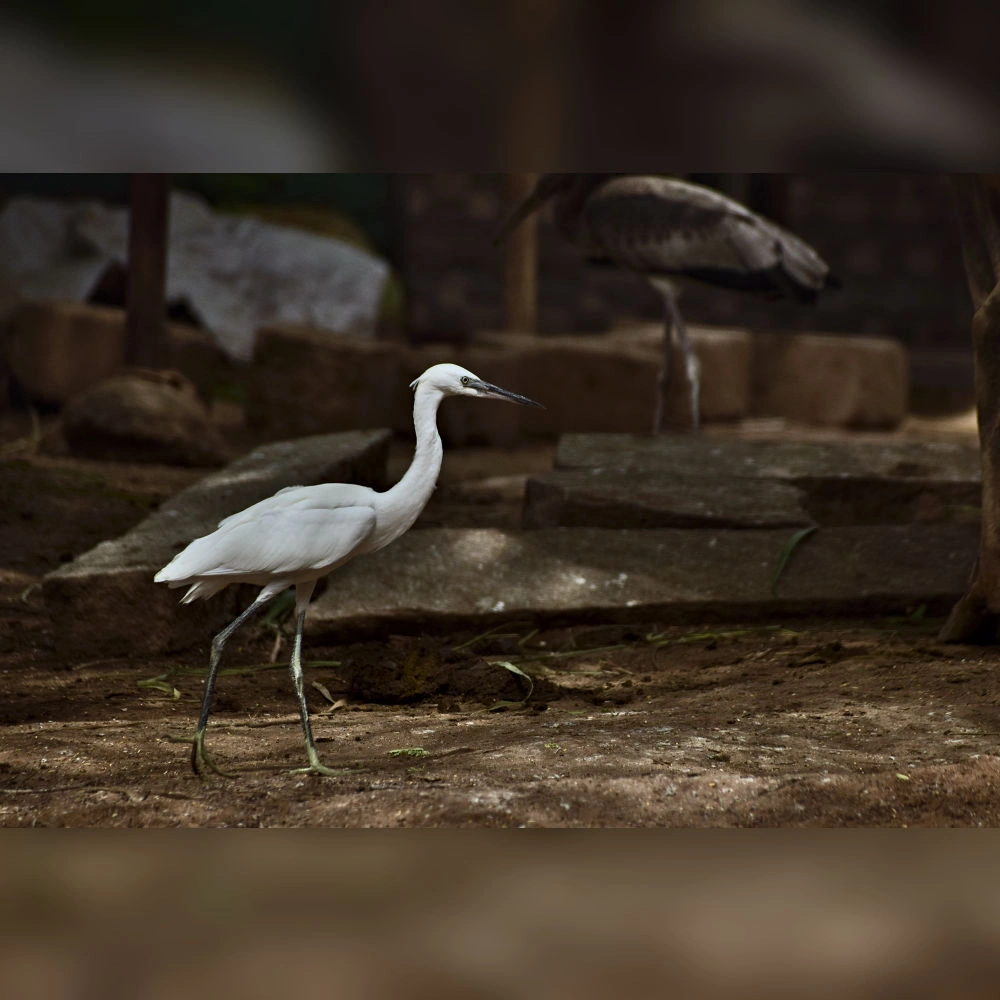
Little Egret

Summary of Walk

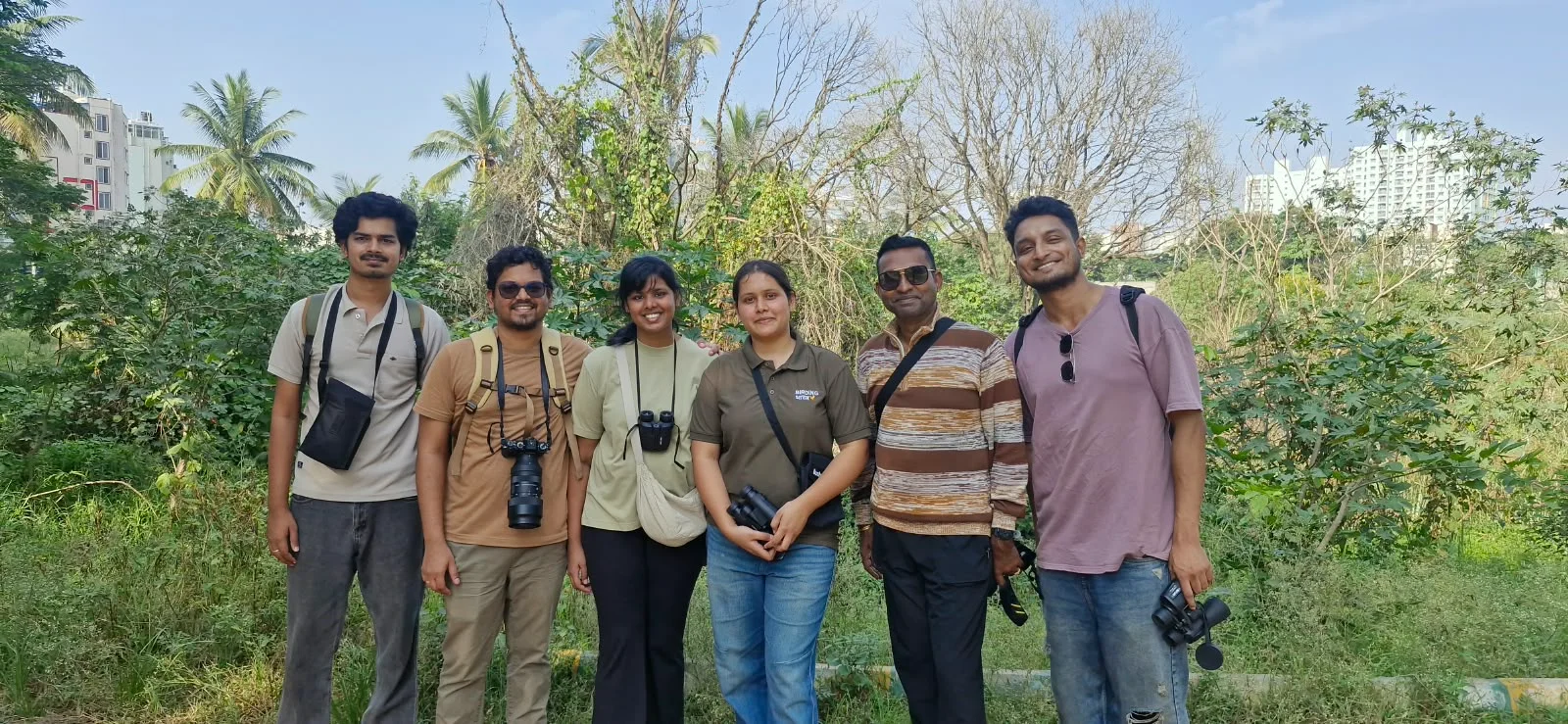
Five birders joined guide Mehvish Khan at Mullur Lake on Sarjapur Road in Bengaluru on 10 October for a walk that turned out to be one of the richest of the weekend, with a remarkable 66 species recorded. The lake’s open water, reedy margins and surrounding grassland and scrub create a wonderful mosaic of habitats, and the small group had time to explore each of them carefully, scanning the shore, the grass and the sky. One of the highlights was the Siberian Stonechat, a handsome little winter visitor that perches on grass stems and fence posts, a welcome sign that the migratory season is in full swing. Overhead, the Oriental Honey-buzzard, a striking migratory raptor, gave the group an exciting view and reminded everyone of the long journeys birds undertake each year. Wetlands and grasslands like these are often home to herons, egrets, waders, bee-eaters, barbets and a variety of weavers, and the group enjoyed spotting them one by one and comparing their habits. Mehvish led the walk with a friendly and attentive style, pointing out identification clues, explaining how habitats shape bird communities and encouraging every participant to ask questions. With a compact group, the conversation flowed easily and every sighting could be discussed in detail, which made the learning especially rewarding. The calm of the lake, the sounds of birdsong and the steady stream of new species made the morning a pleasure from start to finish. A tally of 66 species in a single walk is a fine achievement and a lovely reminder of how much life flourishes around a well-loved lake.
Number of Participants
0
Scroll to Top