Bird Walk at Jakkur Lake Bengaluru
- Bengaluru
- 4 October, 2026
- Uma Vaijnath
About Jakkur Lake
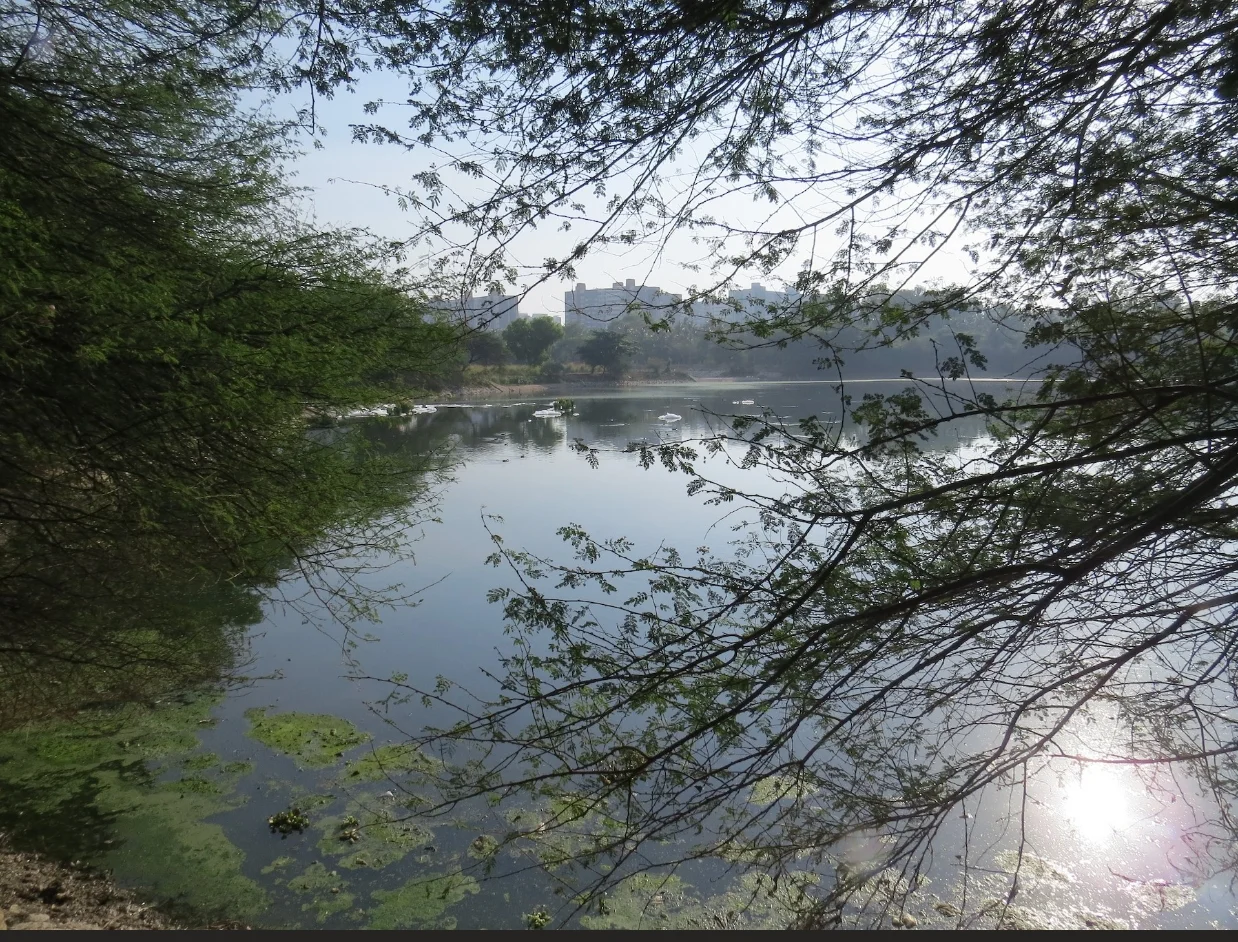
In north Bengaluru, near Yelahanka and the old Jakkur aerodrome, Jakkur Lake spreads across about 160 acres. It is one of the city’s best-known examples of a lake that has been restored. Here, treated water from a sewage plant passes through a constructed wetland of reeds and marsh plants before it flows into the lake. That natural filter helps clean the water and recharges groundwater in the surrounding neighbourhoods. The lake mixes open water, reedbeds, shallow muddy edges, grassy bunds and tree-lined walking paths. It supports fish, frogs, turtles and dragonflies, and local fisherfolk still depend on it. For years, a citizens’ group has worked alongside the authorities to look after the lake.
For birders, Jakkur is one of the best wetlands in north Bengaluru. Large flocks of cormorants, darters and grebes fish the open water. Ibises, herons, egrets and stilts feed along the shallows, and Brahminy Kites circle over the lake in impressive numbers. The trees along the bund are full of barbets, ioras, treepies and prinias, and winter brings migrant ducks, waders and warblers. The pressures are growing, though. Untreated sewage still enters the lake at times, and weeds spread quickly. The catchment is being built over, and heavy construction, dumping and concrete along the edges threaten the reeds and marshes that birds depend on. Jakkur’s recovery shows what community care can achieve. Keeping the wetland buffers, the reeds and the water quality intact will keep this lake a haven for Bengaluru’s birds.

Bird Guide: Uma Vaijnath
Uma Vaijnath is a Bengaluru-based avid birdwatcher, photographer and partial ornithologist from over half a decade. After a career as a software professional, she transitioned into environmental community work and creative arts. She is a prominent figure in the Bengaluru birding community, frequently leading and organizing nature walks and birding events.
Bird walk Location
Common birds of Jakkur Lake
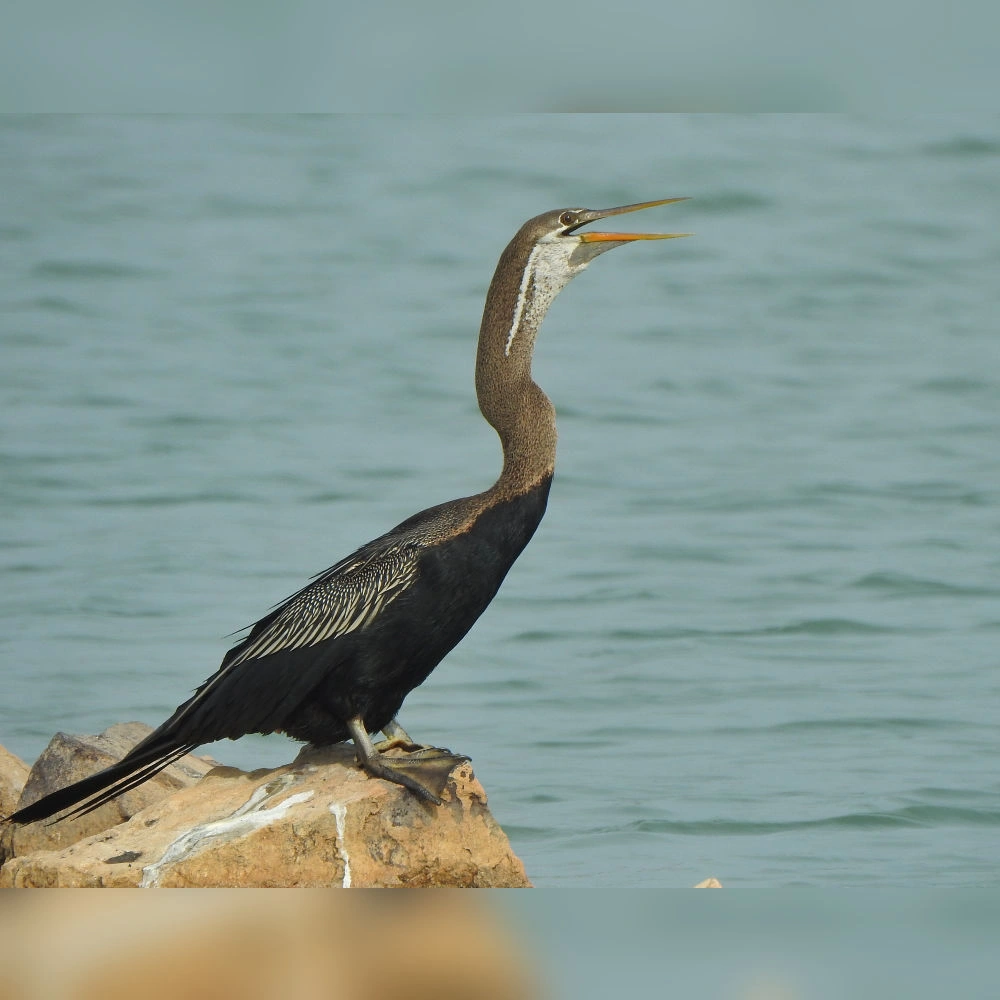
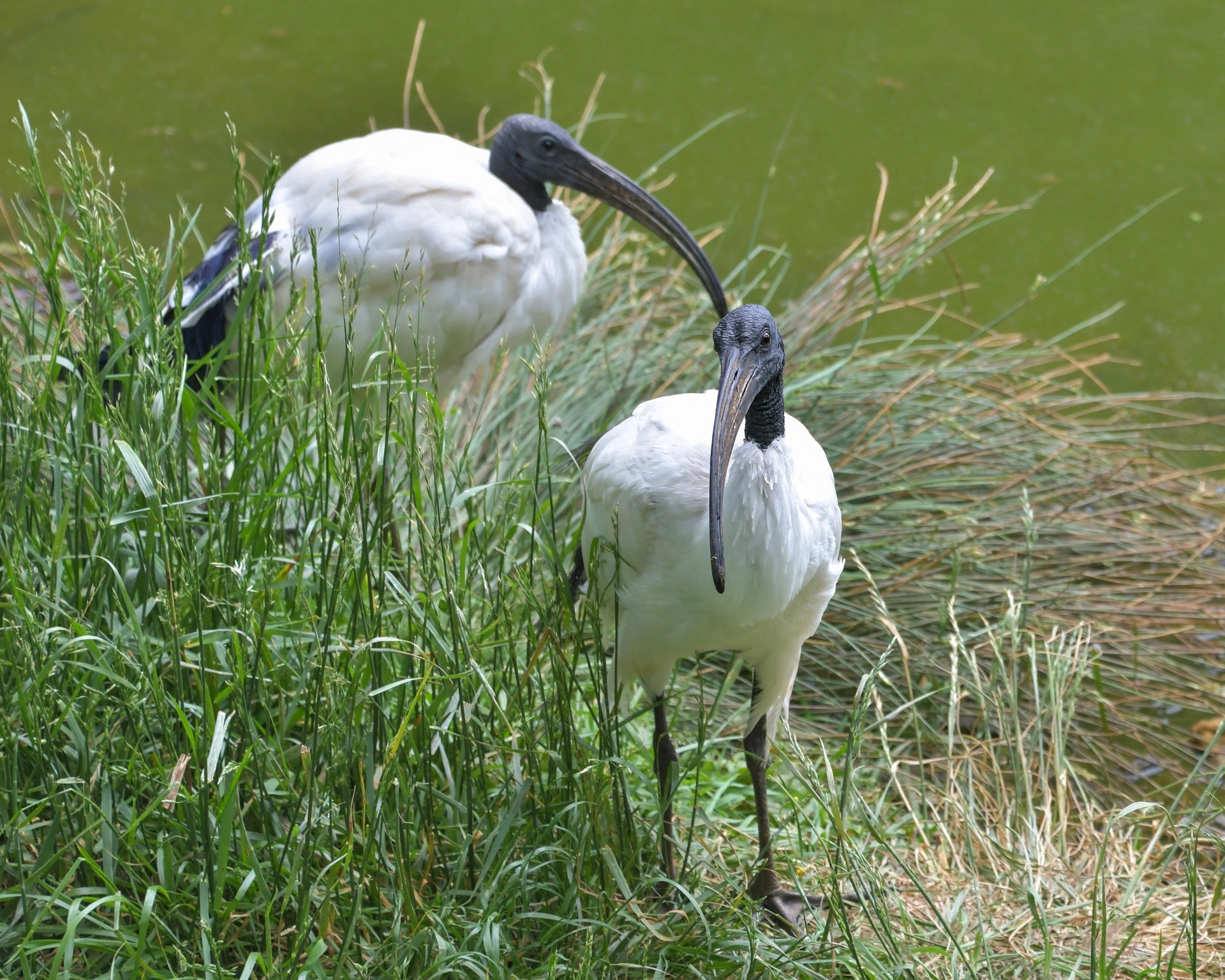
At Jakkur Lake, the Oriental Darter, often called the “snakebird”, swims with only its thin, snake-like neck showing above the water. It then perches with its wings spread wide to dry. Great, Indian and Little Cormorants gather in big fishing parties. Dozens of Little Grebes dive and pop back up across the lake, and rafts of Indian Spot-billed Ducks and Eurasian Coots float on the open water. Glossy Ibises, shining bronze and green, probe the shallows beside Black-headed Ibises with their long, curved bills. Black-winged Stilts step delicately on pink legs, and Red-wattled Lapwings keep a noisy watch on the bunds. The reeds hide the more secretive birds. The Little Heron waits motionless at the water’s edge, the Black-crowned Night Heron sleeps until dusk, and Gray-headed Swamphens and White-breasted Waterhens move through the marsh. Gray Herons and Little Egrets hunt patiently, while a tiny Common Kingfisher streaks past in a flash of turquoise. Overhead, Brahminy Kites circle in remarkable numbers, and a Shikra hunts from the trees. On the bund, the White-cheeked Barbet calls steadily and the Common Iora whistles from the leaves.

Oriental Darter

Glossy Ibis

Black-headed Ibis
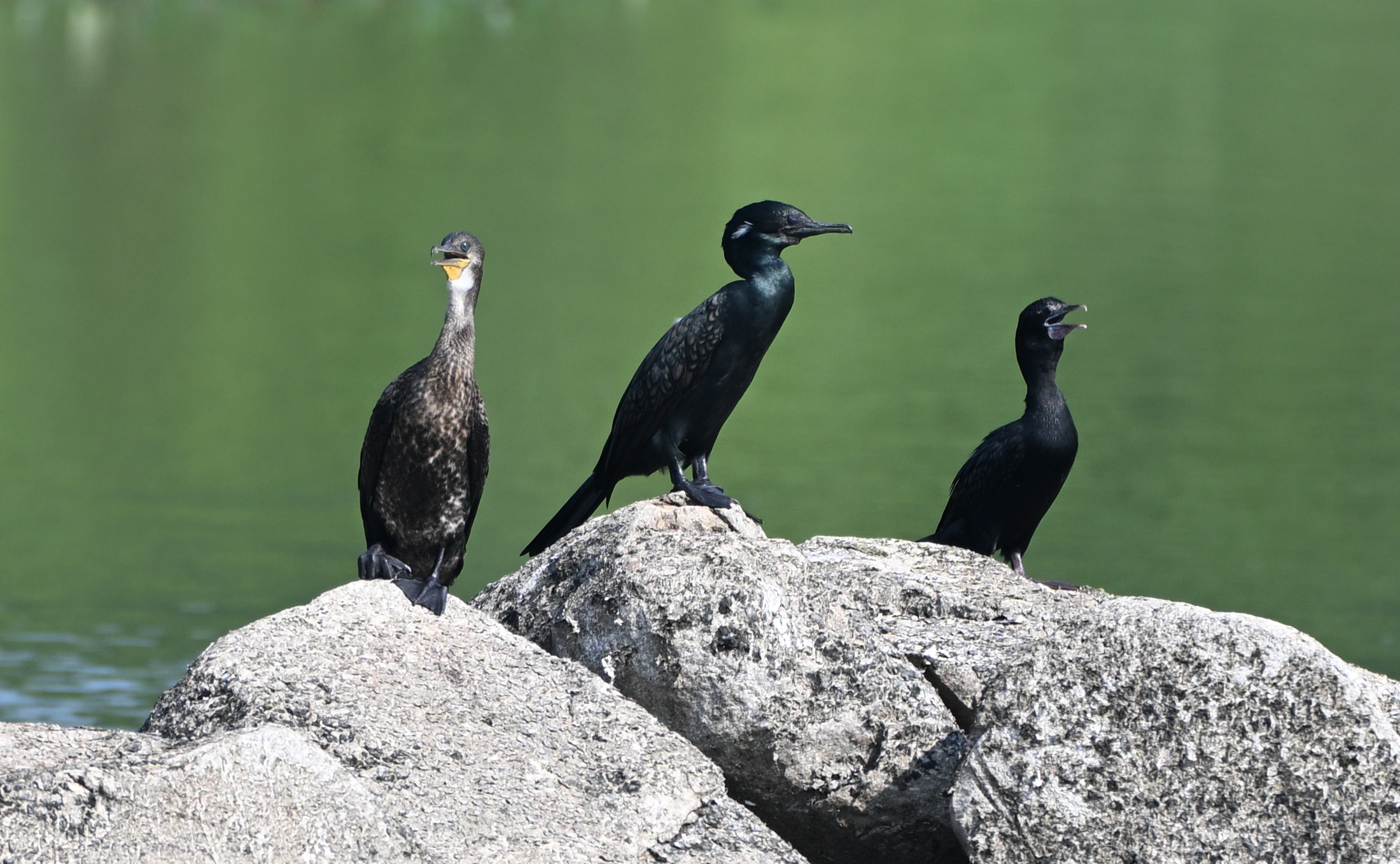
Great Cormorant
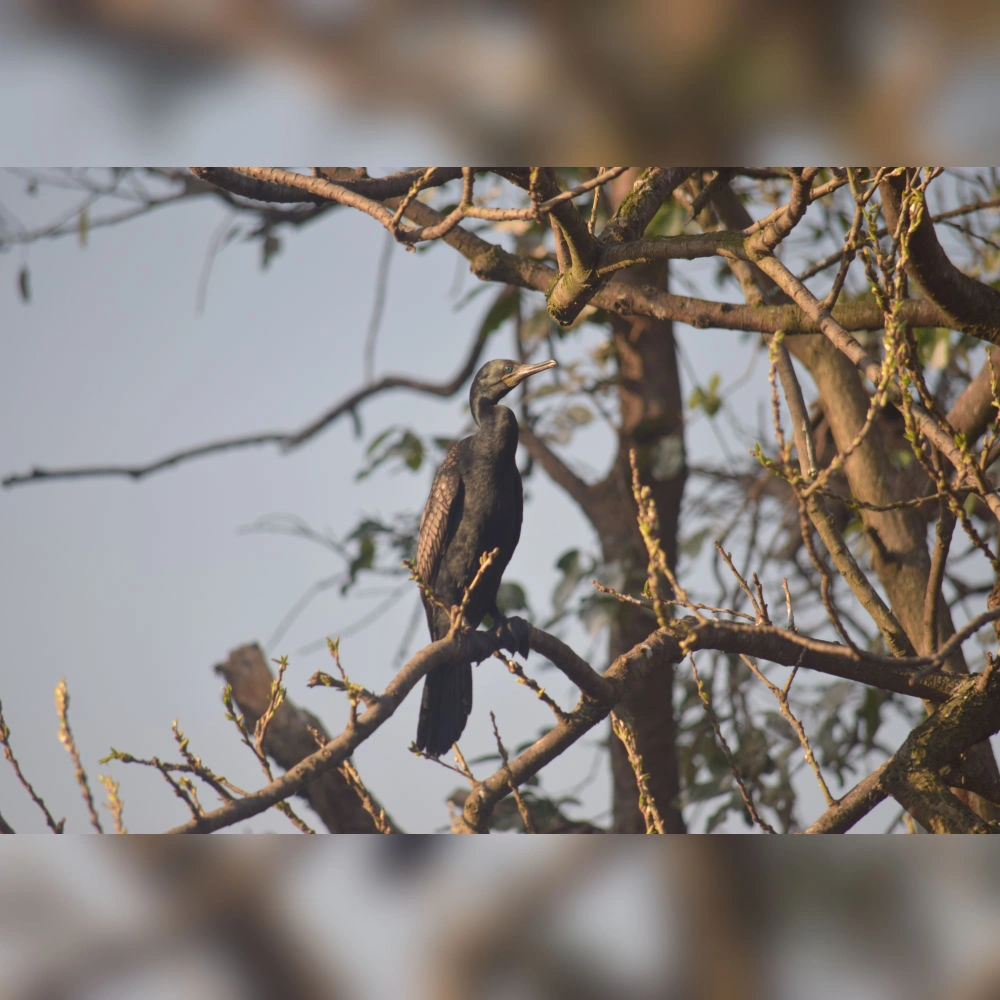
Indian Cormorant
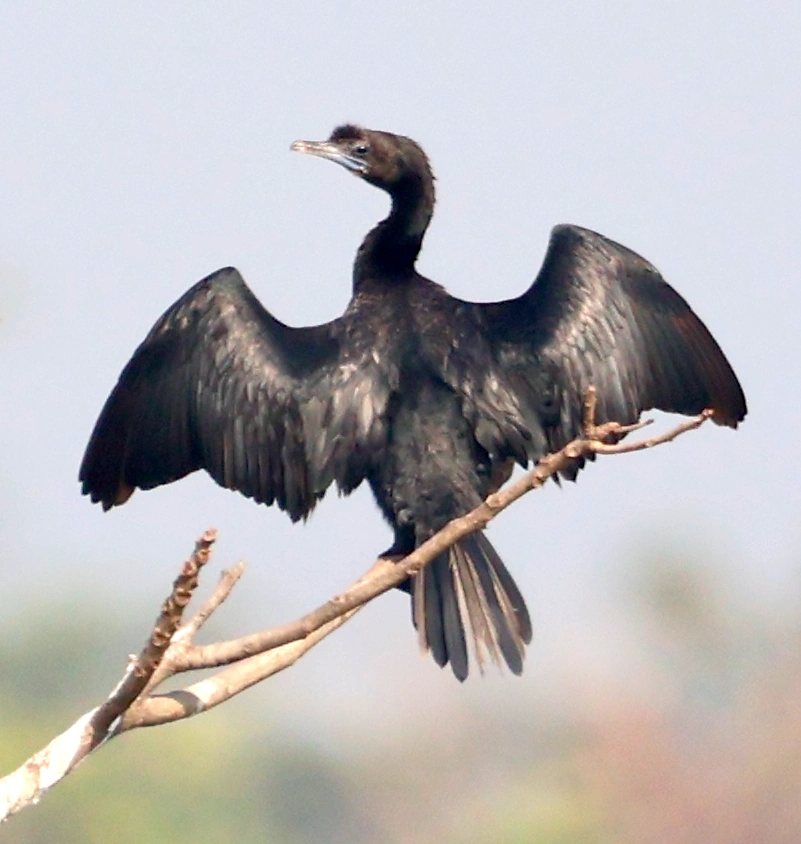
Little Cormorant
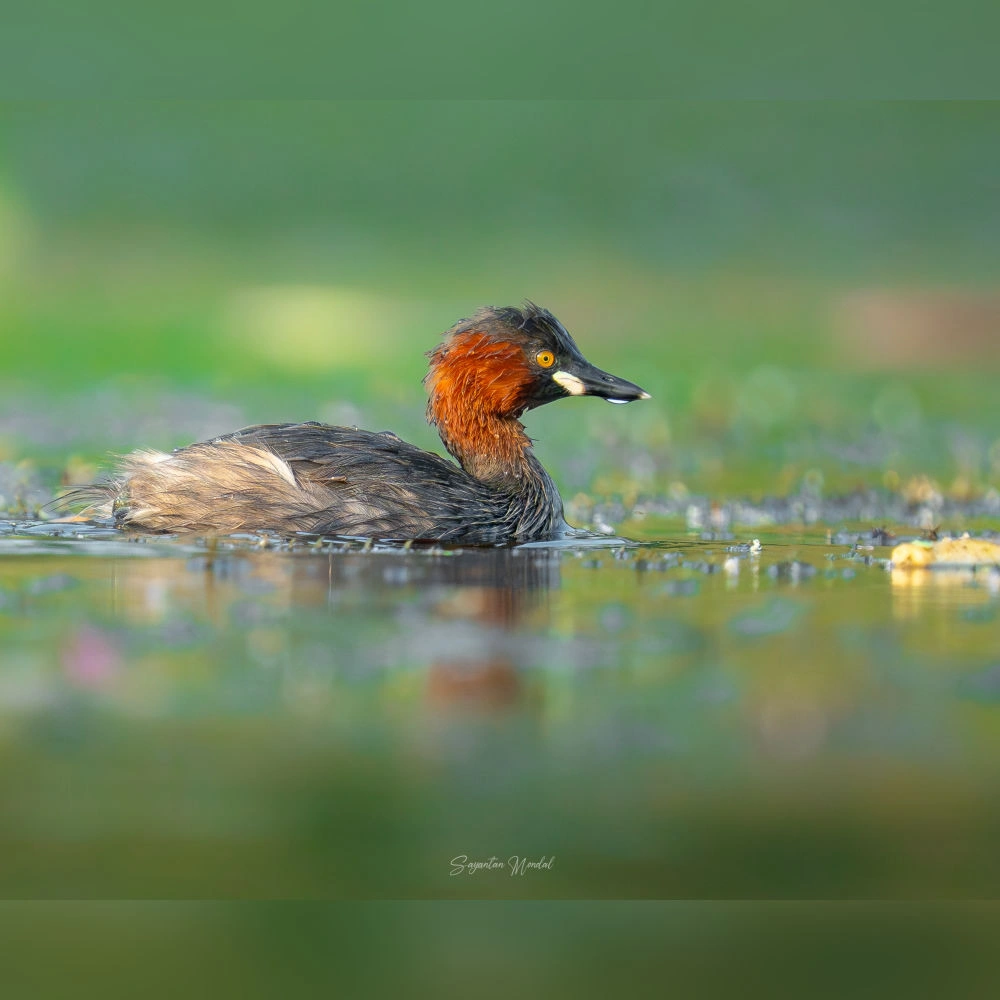
Little Grebe
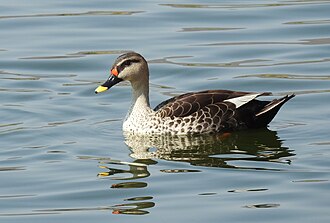
Indian Spot-billed Duck
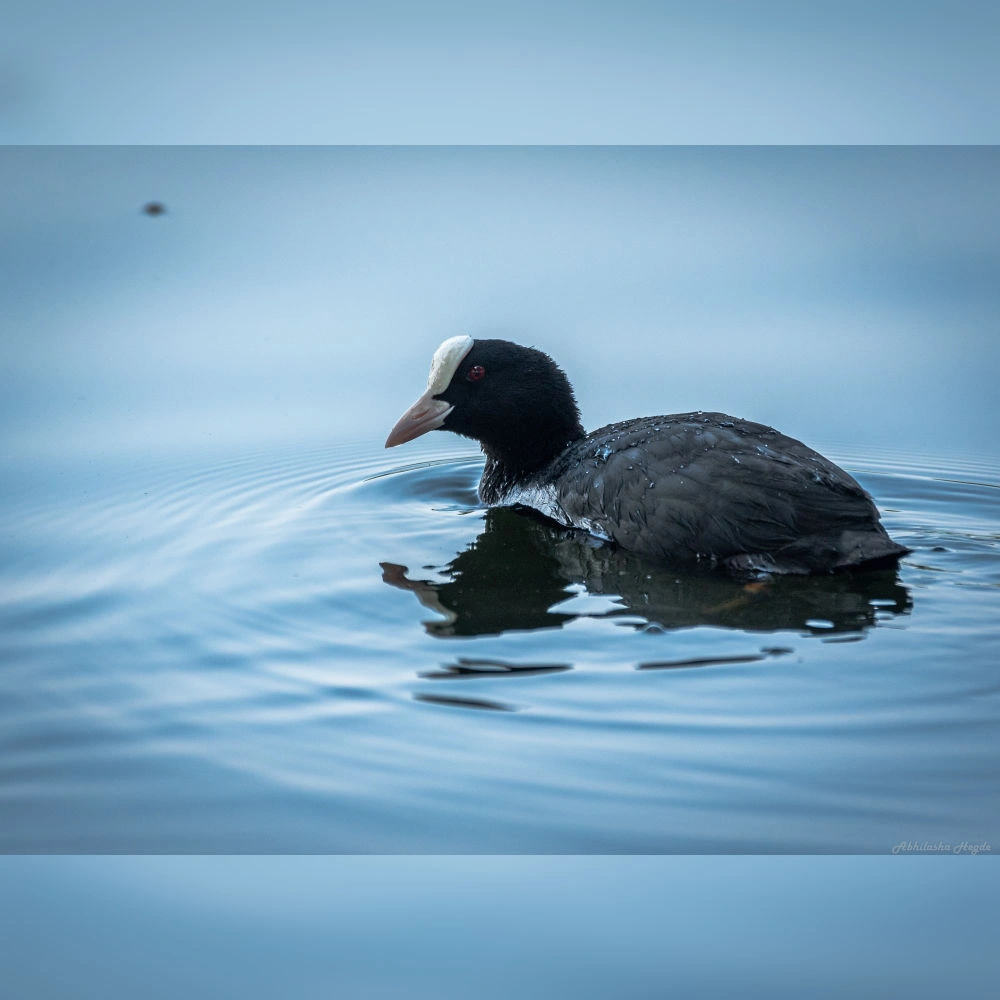
Eurasian Coot
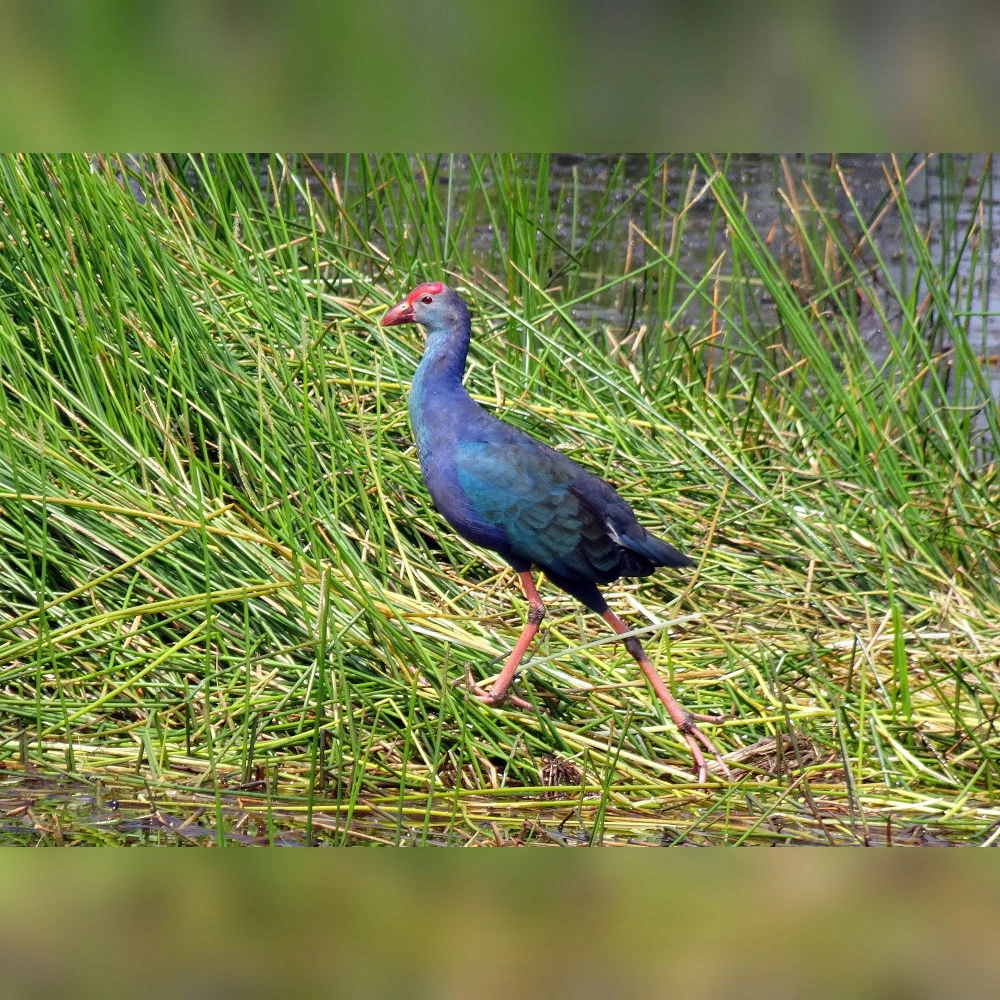
Grey-headed Swamphen
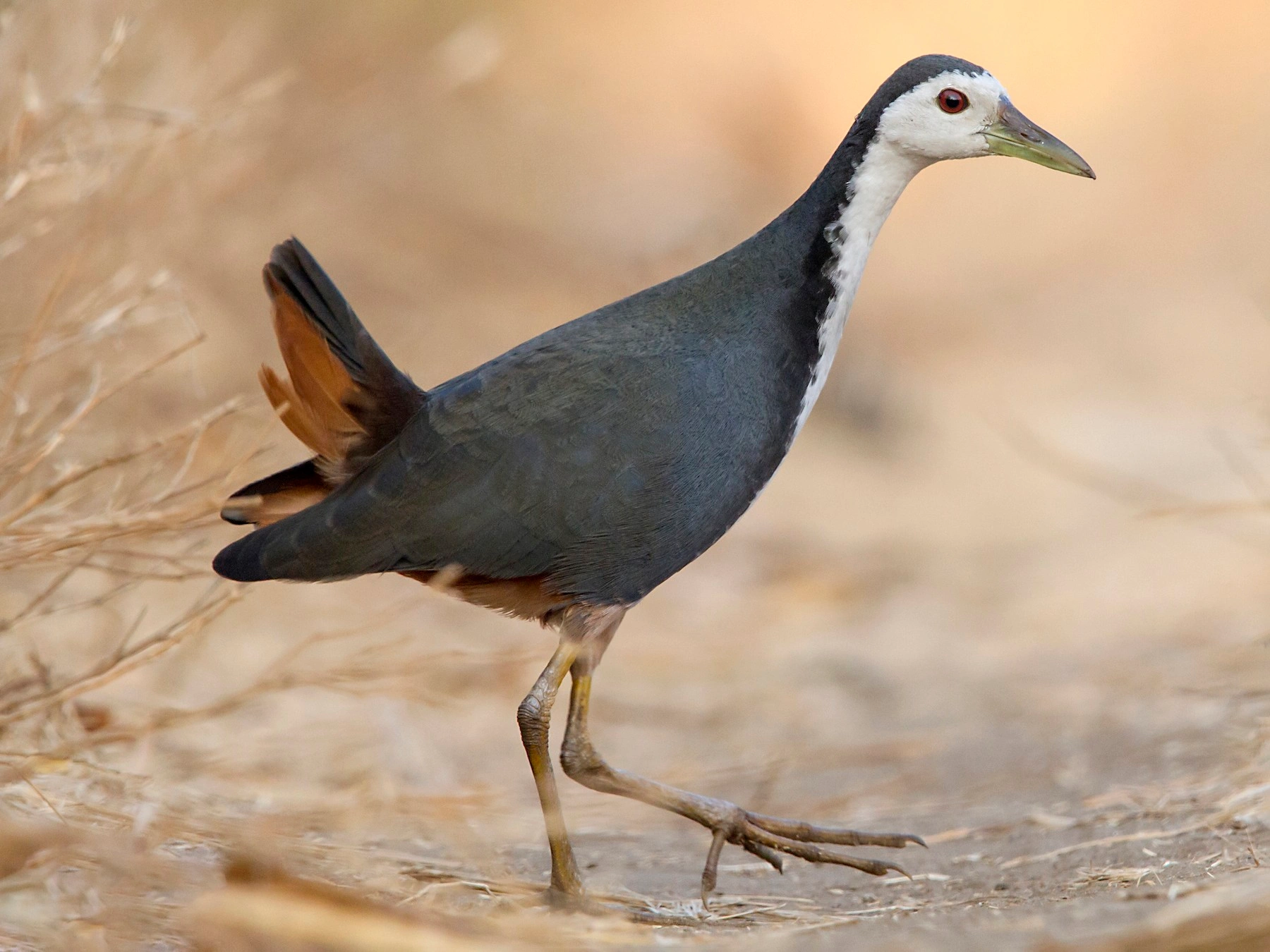
White-breasted Waterhen
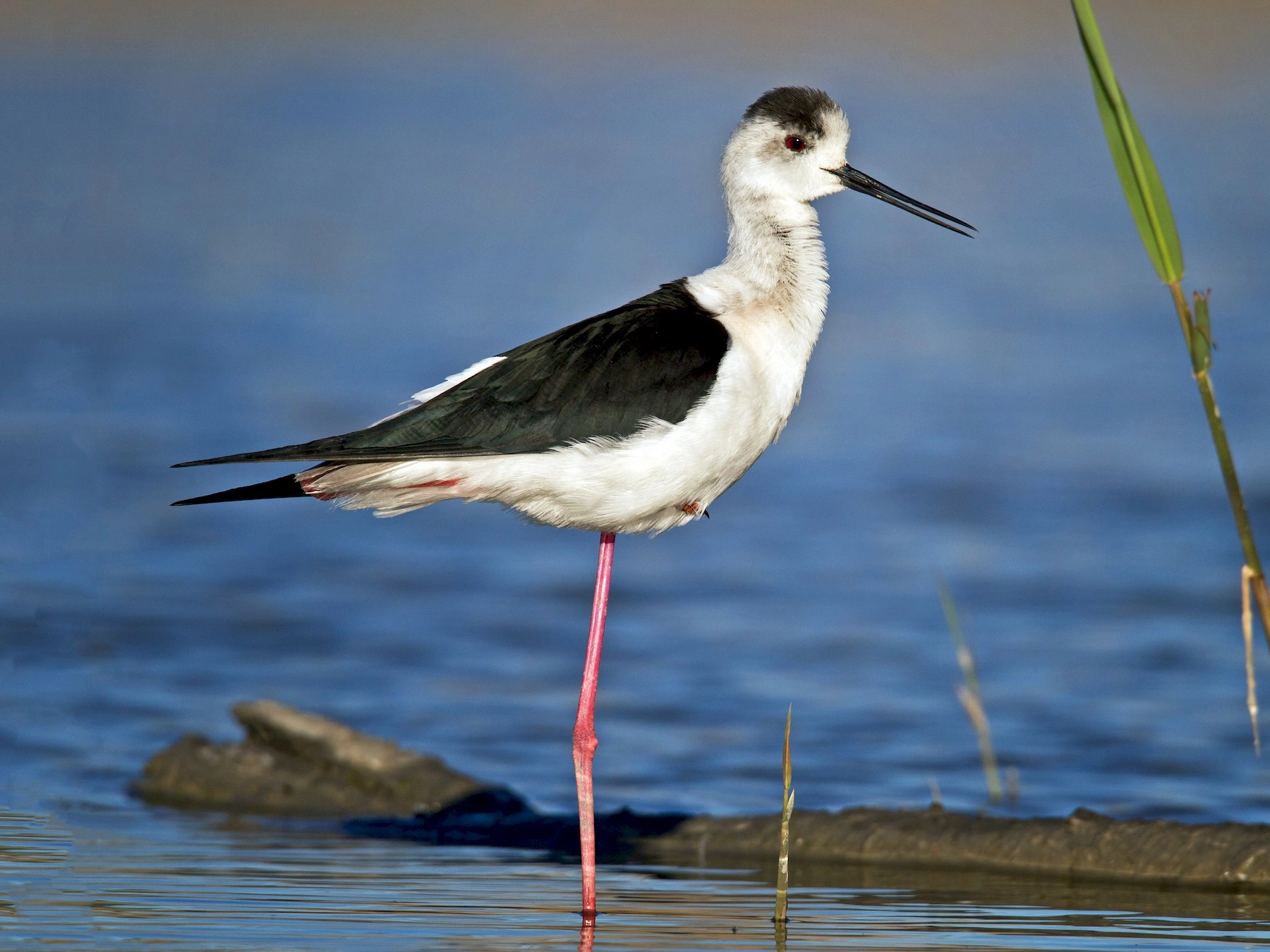
Black-winged Stilt
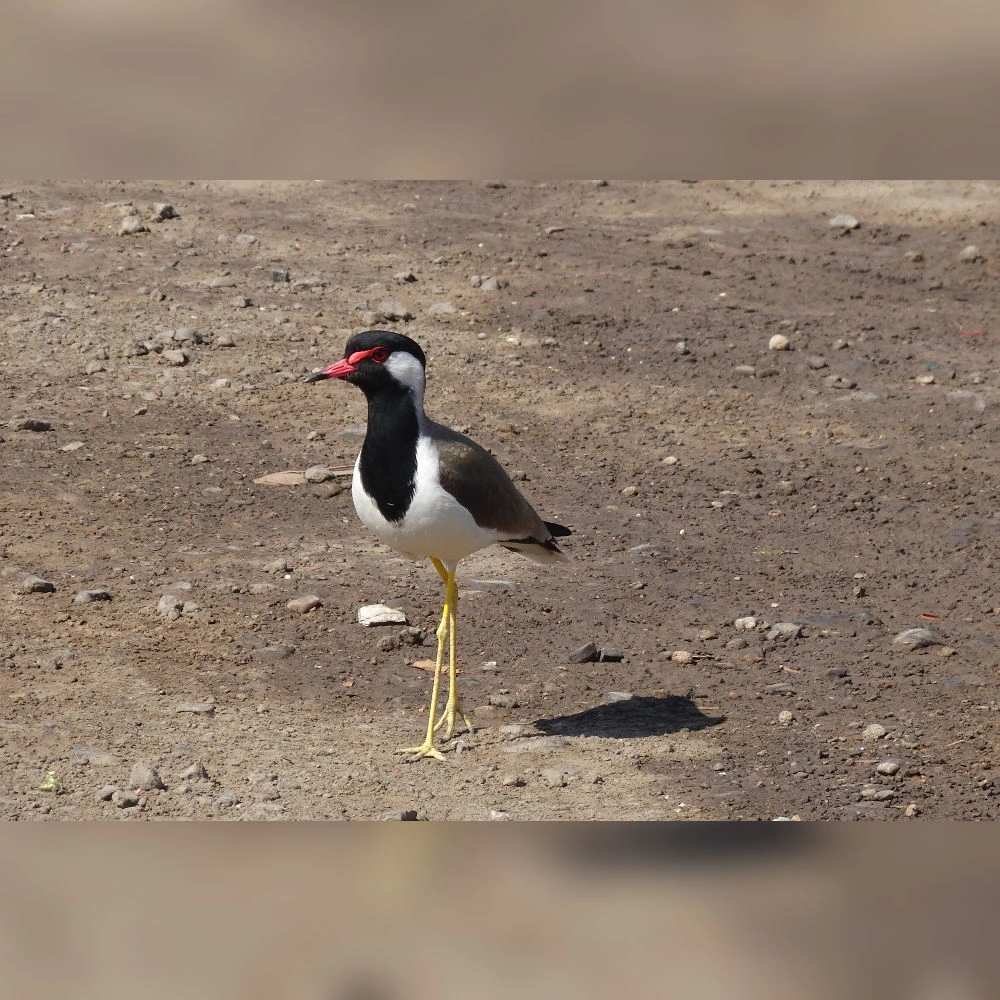
Red-wattled Lapwing
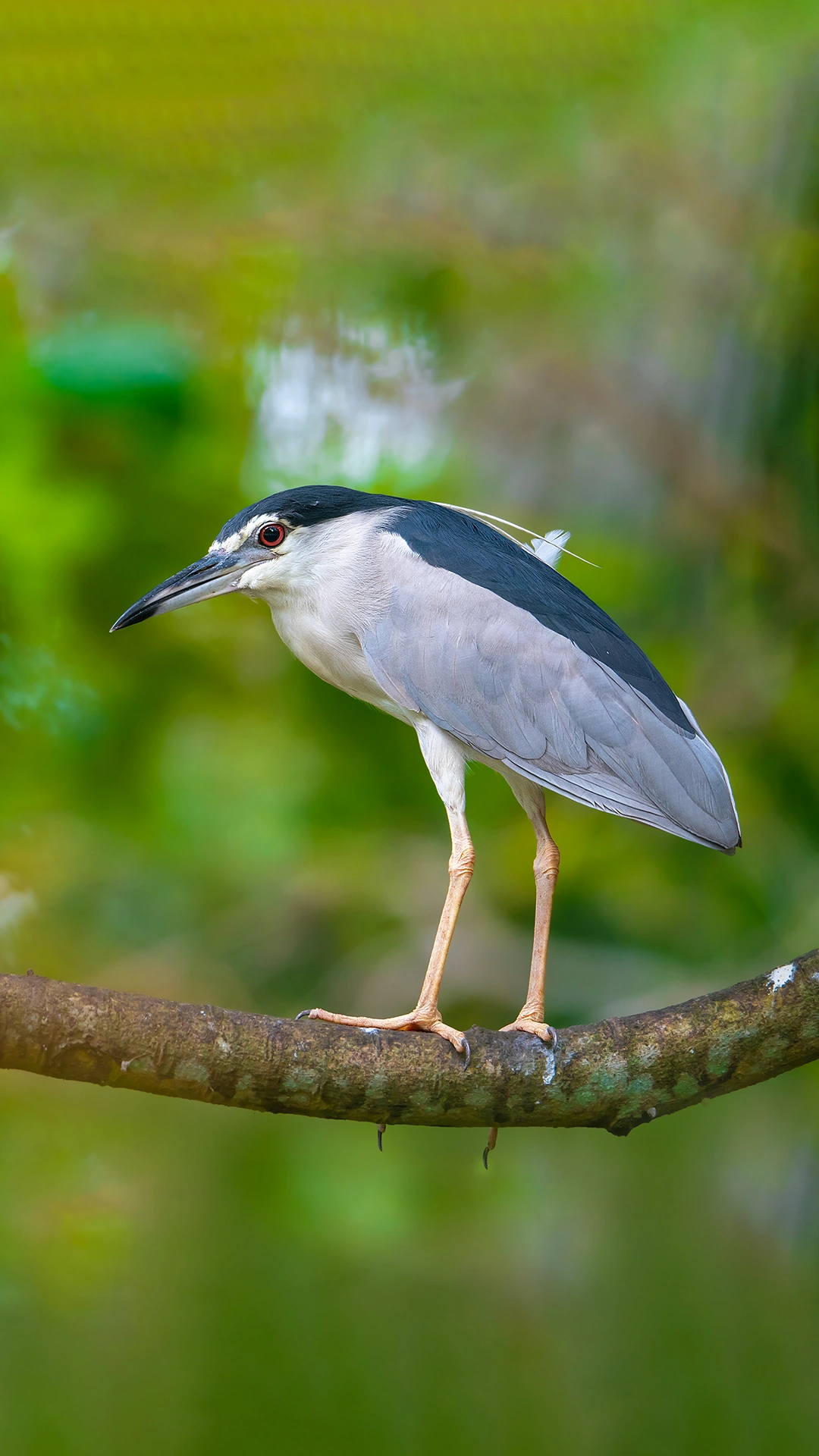
Black-crowned Night Heron
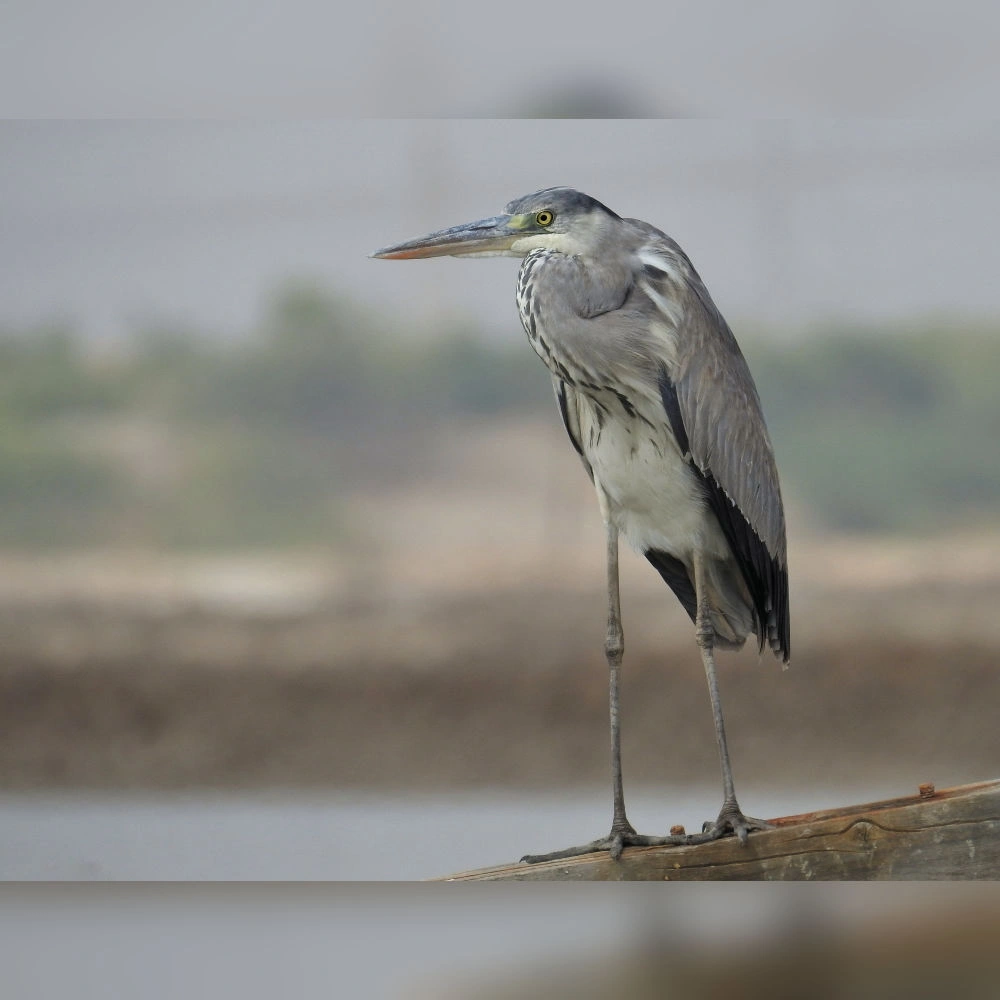
Grey Heron
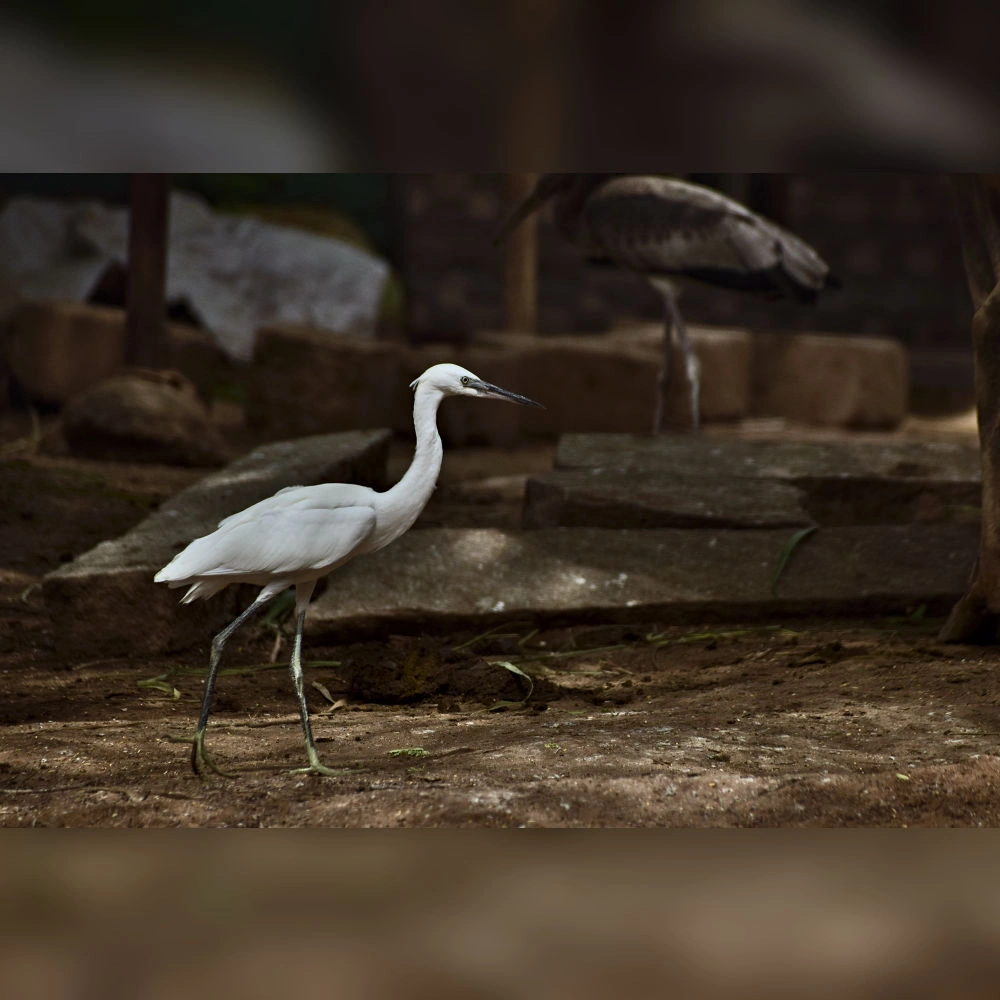
Little Egret
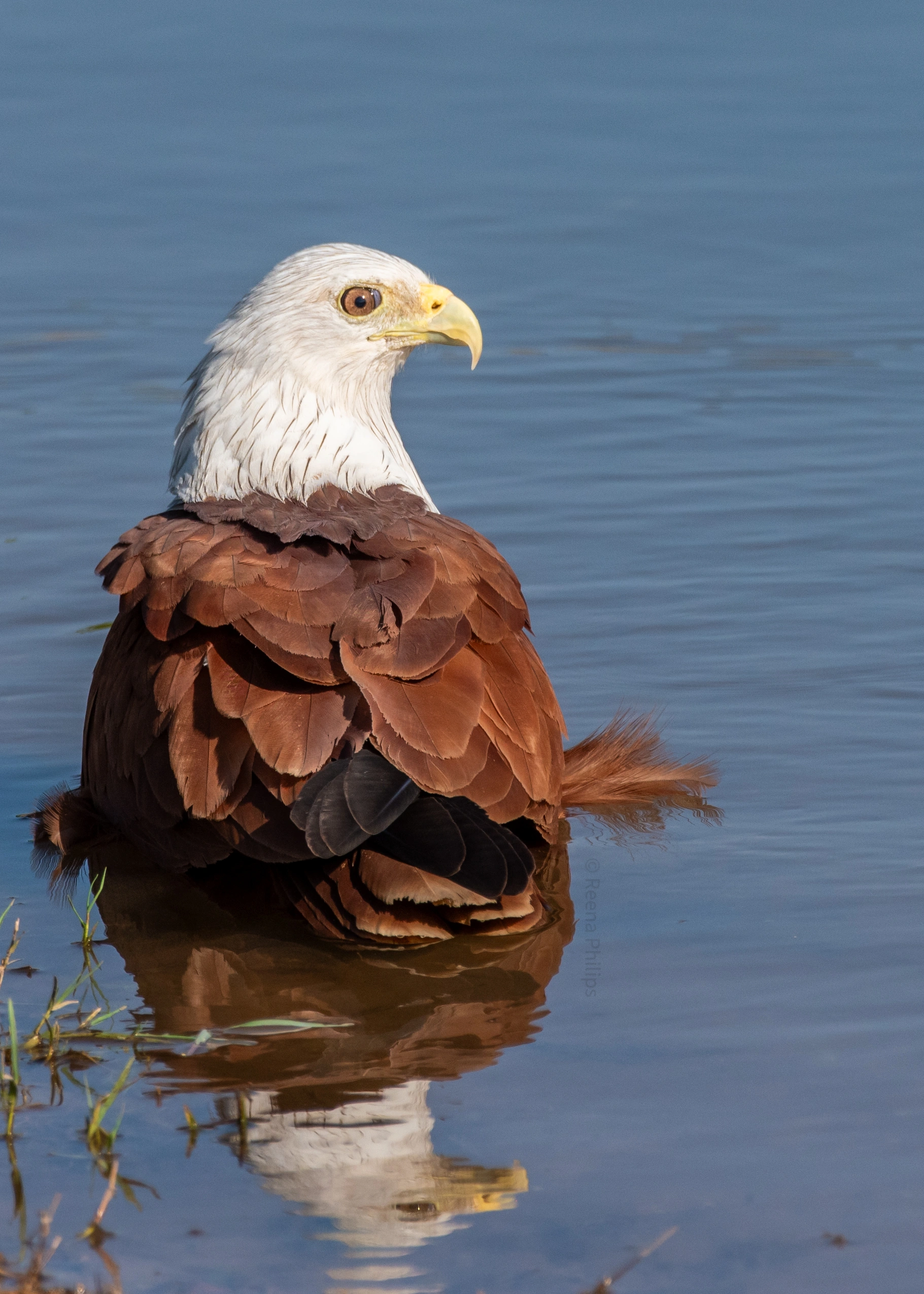
Brahminy Kite
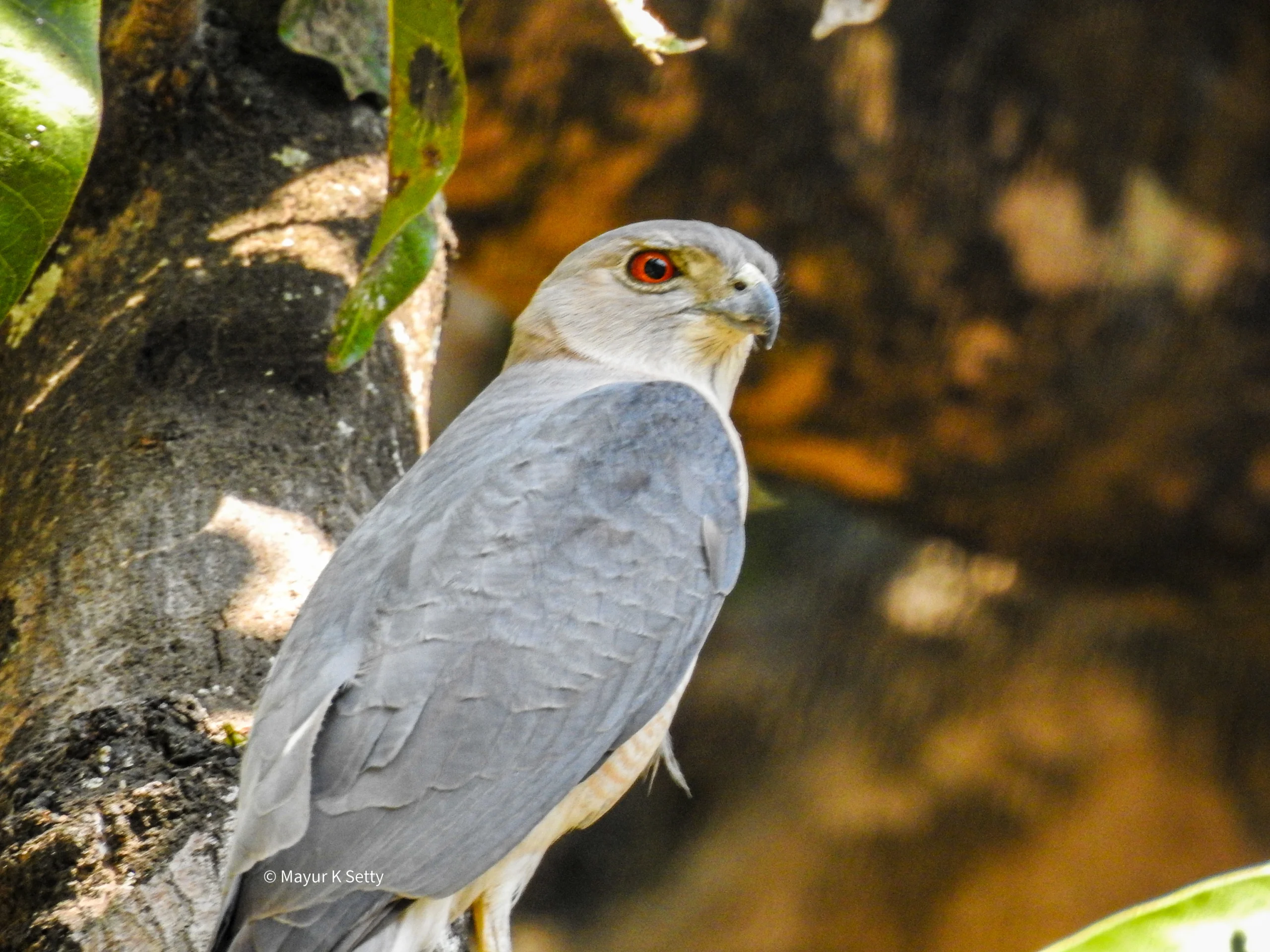
Shikra
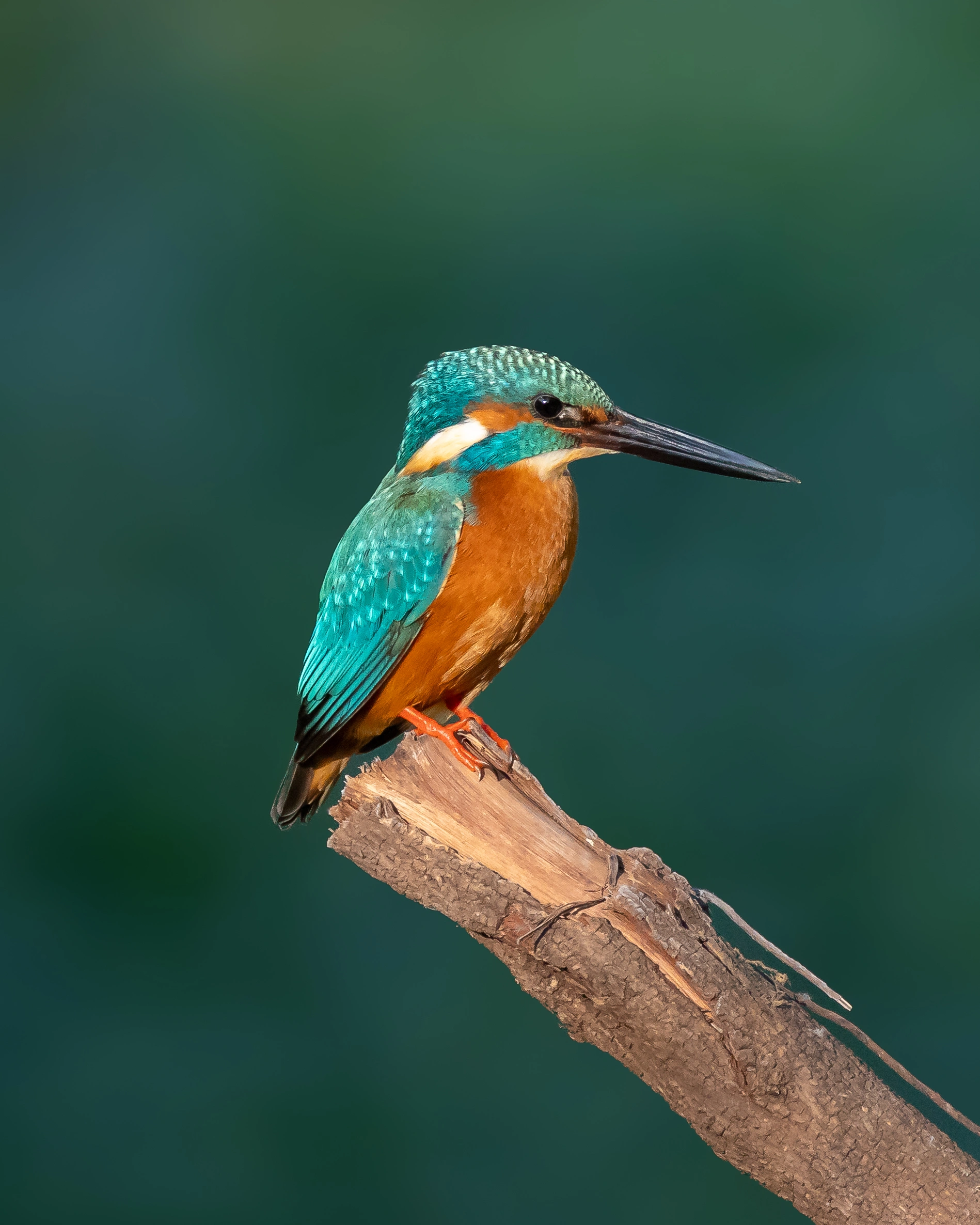
Common Kingfisher
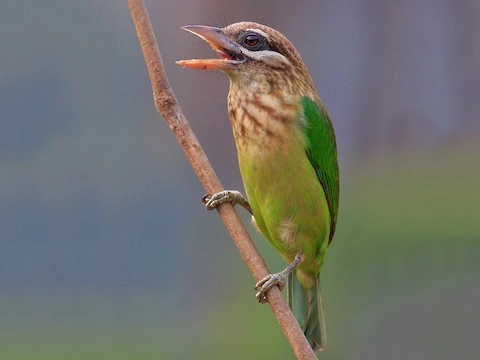

White-cheeked Barbet
Summary of Walk
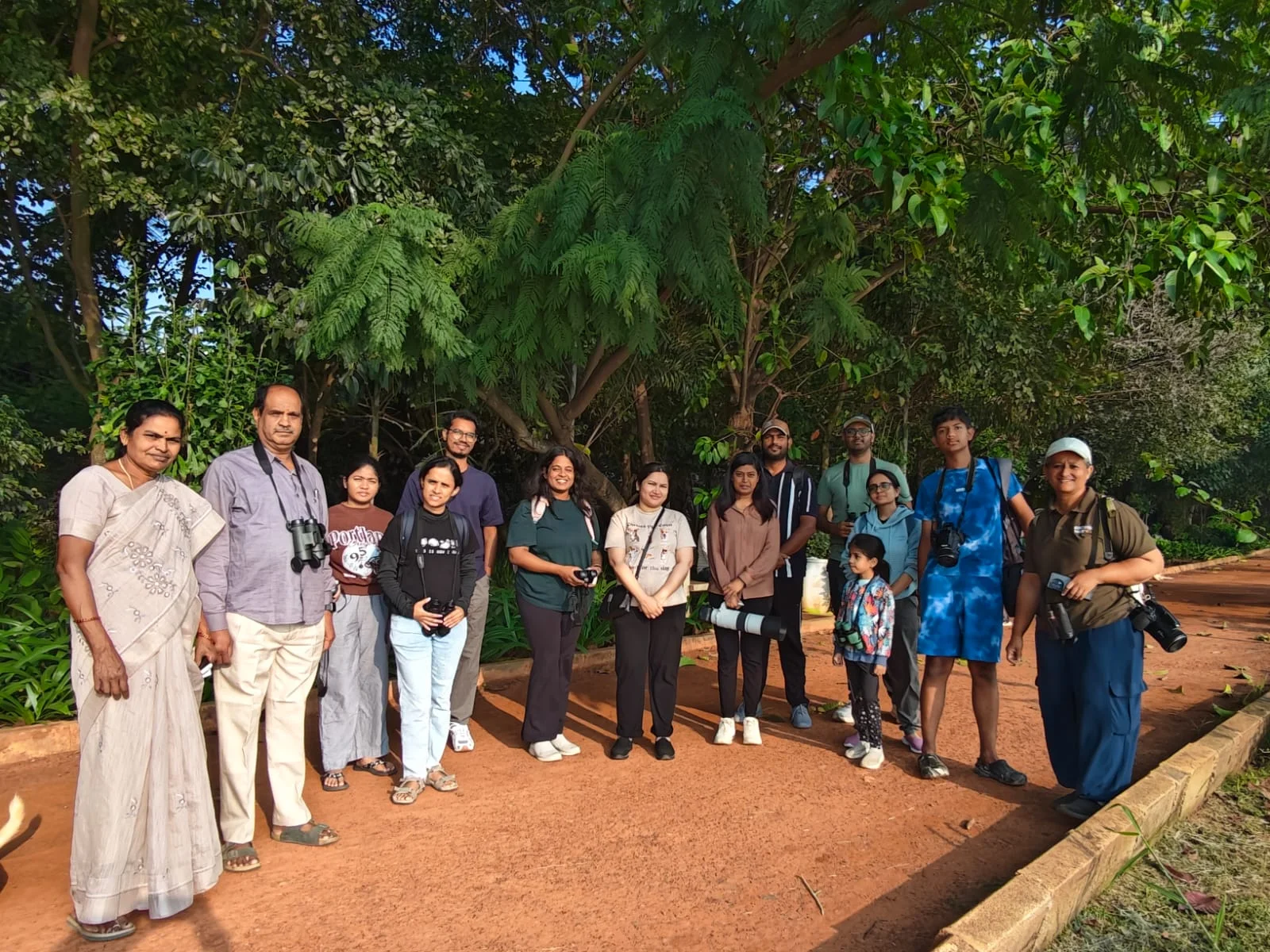
Twenty birders joined guide Uma Vaijnath at Jakkur Lake in Bengaluru on 4 October for a morning on one of the city’s largest and most beautiful lakes, a place that Uma was delighted to revisit after a long time. The sheer size of the lake offered wide horizons and plenty of room for birds, and together the group recorded an impressive 46 species. One of the most striking sights was the healthy population of Oriental Darters, or Snakebirds, in the heart of the city, with many of them perched with wings outstretched to dry, and a huge number of cormorants added to the spectacle across the water. The Loten’s Sunbird, a small and brilliant nectar-feeder with its curved bill and glossy plumage, was a highlight for the sharp-eyed, and the Shikra made a thrilling appearance as it surveyed the lake’s edge. Near the end of the walk, treepies showed up unexpectedly, a delightful bonus that gave the group a lively finish. What made the morning especially heartwarming was the presence of young birders: a seven-year-old and a participant named Madhu, who brought her parents along to share the experience, were a joy to watch, and their enthusiasm lifted the spirits of the whole group. Uma encouraged every participant to take a turn at the binoculars, to ask questions and to describe what they saw, building confidence and curiosity with each sighting. The morning was a beautiful illustration of how a large urban lake can serve as a sanctuary for birds and a classroom for people of every age, and the group left with wide smiles and many memories.
Number of Participants
0