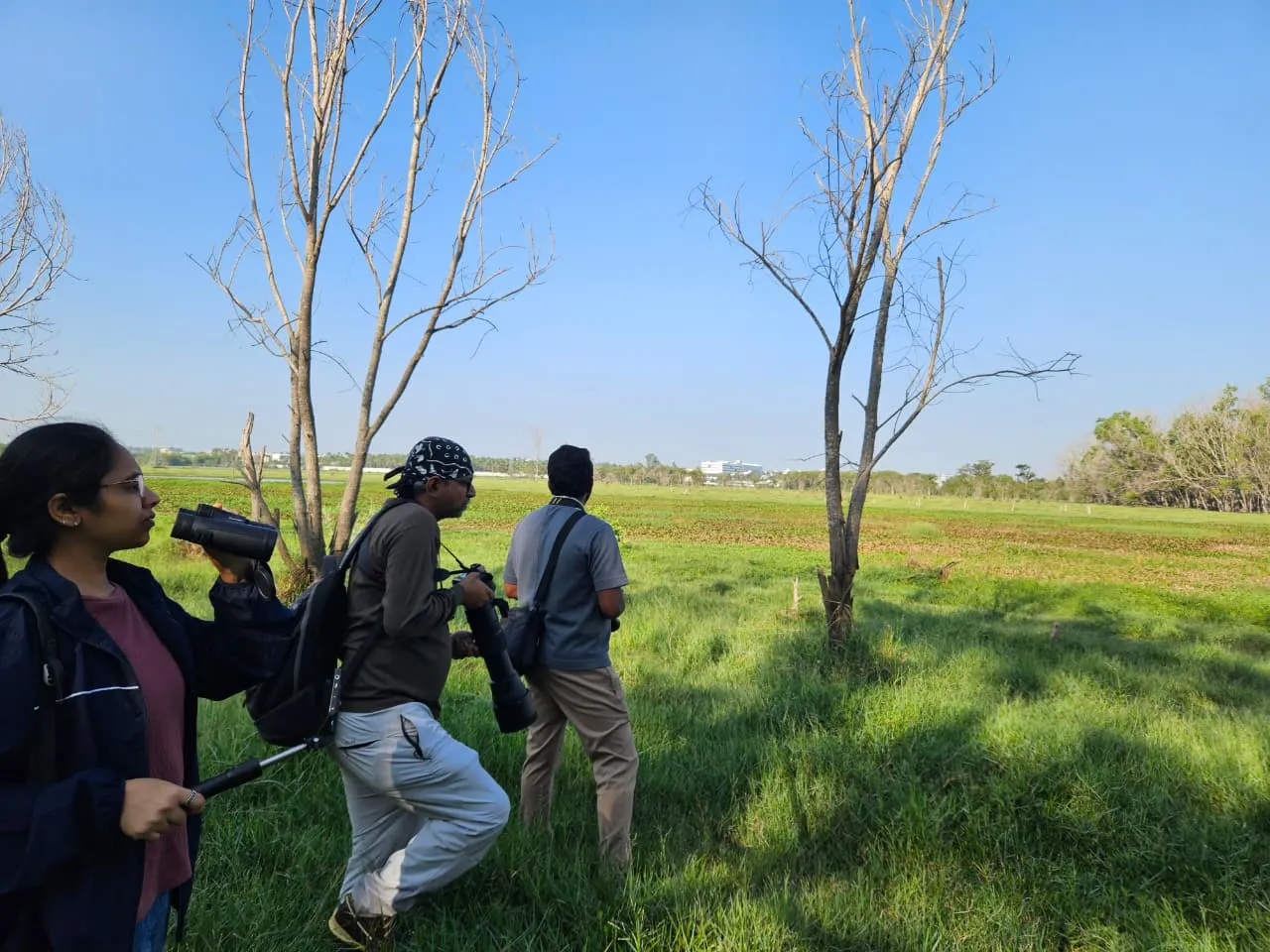
Bird Walk at Jigani Lake, Bengaluru
- Bengaluru
- 4 October, 2026
- Samarth Kedilaya
About Jigani Lake
Jigani Lake is a wetland in Anekal taluk, in the southern part of Bengaluru. Located within a landscape of agricultural land and expanding urban development, the lake provides an important open-water and shallow wetland habitat amid the changing surroundings. Its shallow, grass-covered areas become more prominent as water levels fluctuate through the year, with some sections drying during summer while the deeper part of the lake retains water. This seasonal variation creates a changing mosaic of open water, wetland vegetation, and exposed ground that adds to the ecological character of the site.
The lake forms part of the network of wetlands in and around southern Bengaluru and is recognised as an eBird hotspot, with long-term observations documenting substantial bird diversity. Its location within a rapidly developing part of the city also makes it vulnerable to changes in land use and increasing human pressure. Protecting the lake’s water spread, shallow wetland areas, surrounding vegetation, and natural drainage is important for maintaining its ecological value. As development continues around Jigani and the wider Anekal region, conserving remaining wetland habitats can help retain important spaces for wildlife and provide opportunities for people to experience Bengaluru’s natural biodiversity.

Bird Guide - Samarth Kedilaya
Samarth is a passionate birder with nearly a decade of field experience and is currently pursuing his Master’s in Wildlife Conservation Action. With a strong interest in endemic species and their adaptations, he aspires to build his future research around birds or reptiles.
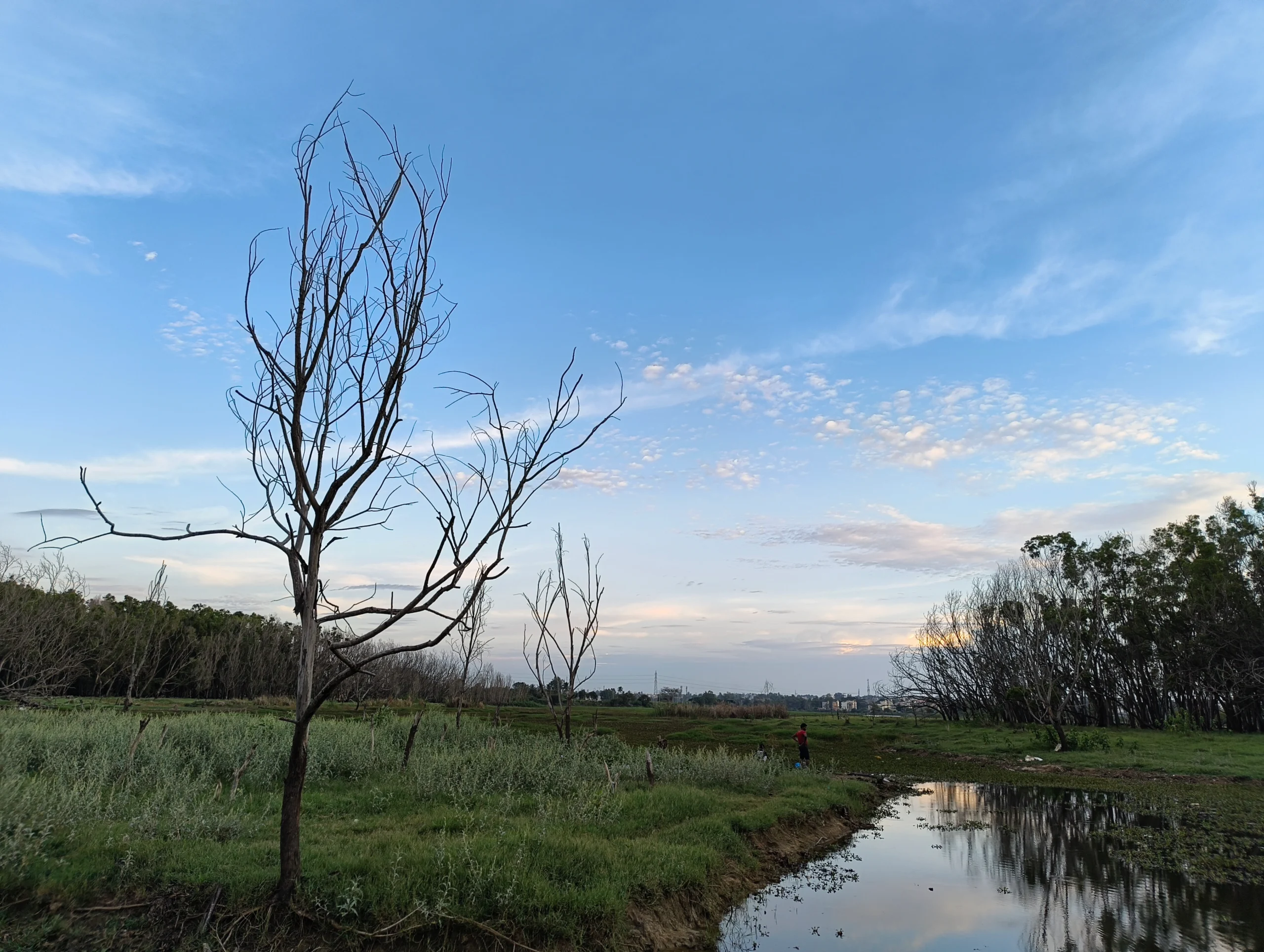
Bird walk Location
Common birds of Jigani Lake
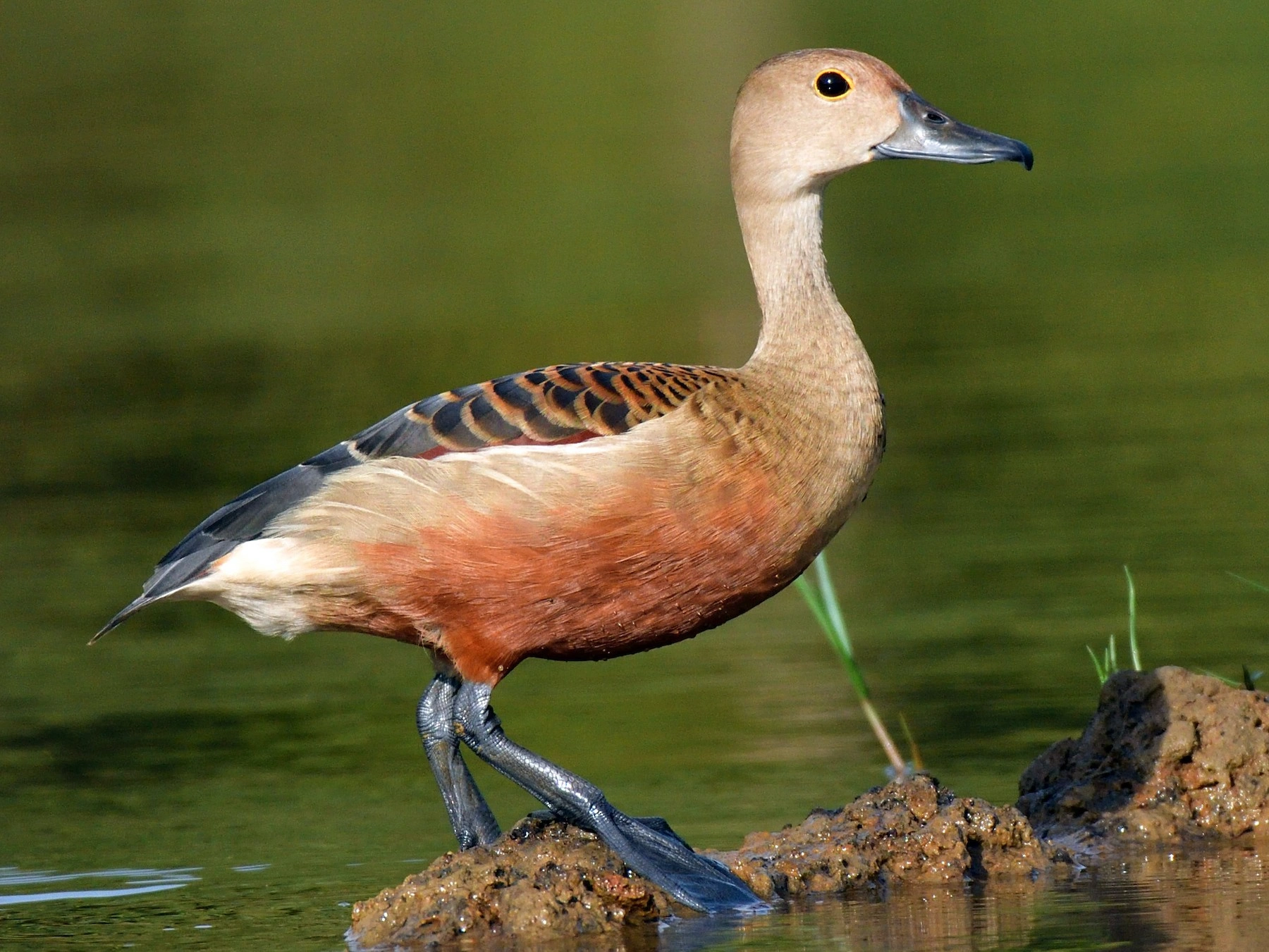
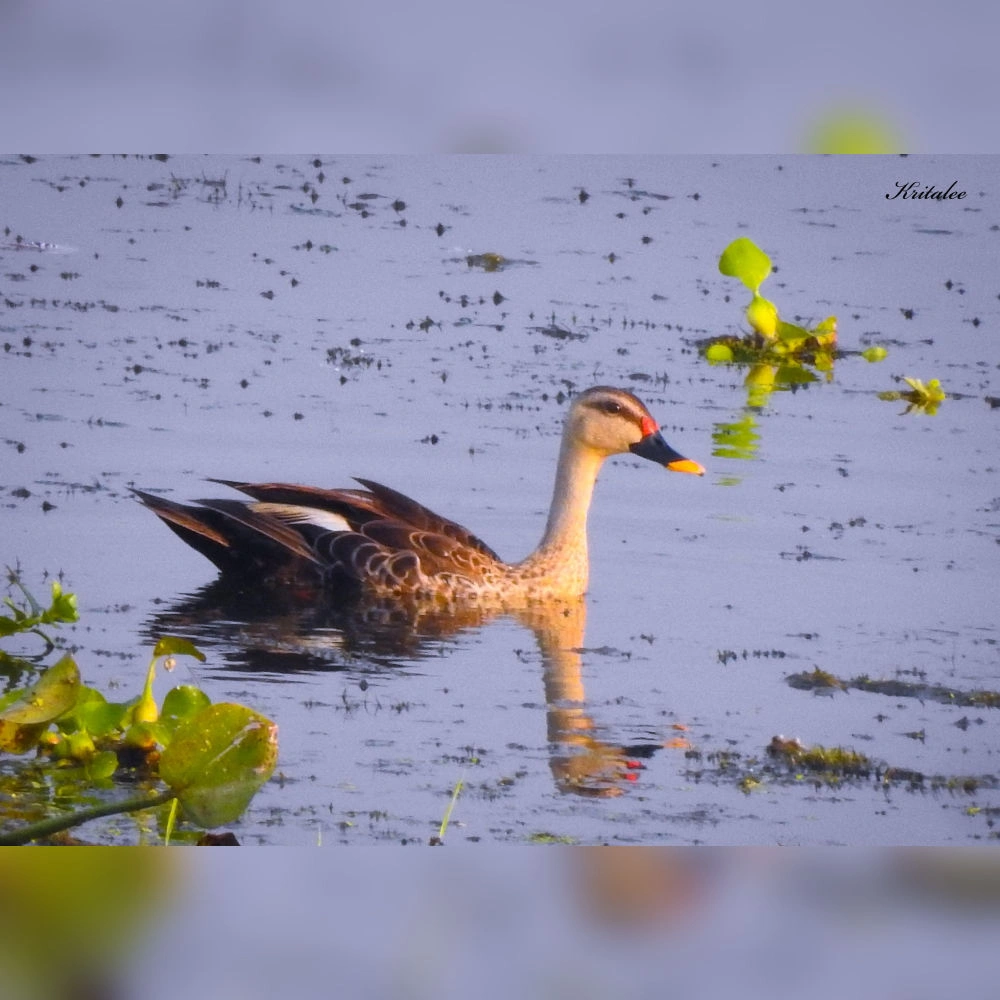
Jigani Lake supports a diverse assemblage of wetland, grassland, and woodland birds. Waterfowl such as Lesser Whistling-Duck and Indian Spot-billed Duck use the open water, while Grey-headed Swamphen and White-breasted Waterhen are associated with the lake’s vegetated edges. Red-wattled Lapwing is also well represented around the wetland margins and open areas. The lake attracts a variety of waterbirds, including Asian Openbill, Painted Stork, Oriental Darter, Little Cormorant, Great Cormorant, Glossy Ibis, Black-headed Ibis, Black-crowned Night Heron, and Little Egret. The surrounding terrestrial habitats support Indian Peafowl, Grey Francolin, Spotted Dove, Greater Coucal, Common Hawk-Cuckoo, and Little Swift. Together, these species reflect the variety of wetland and terrestrial habitats around Jigani Lake and its importance for birdwatching.

Lesser Whistling-Duck

Indian Spot-billed Duck
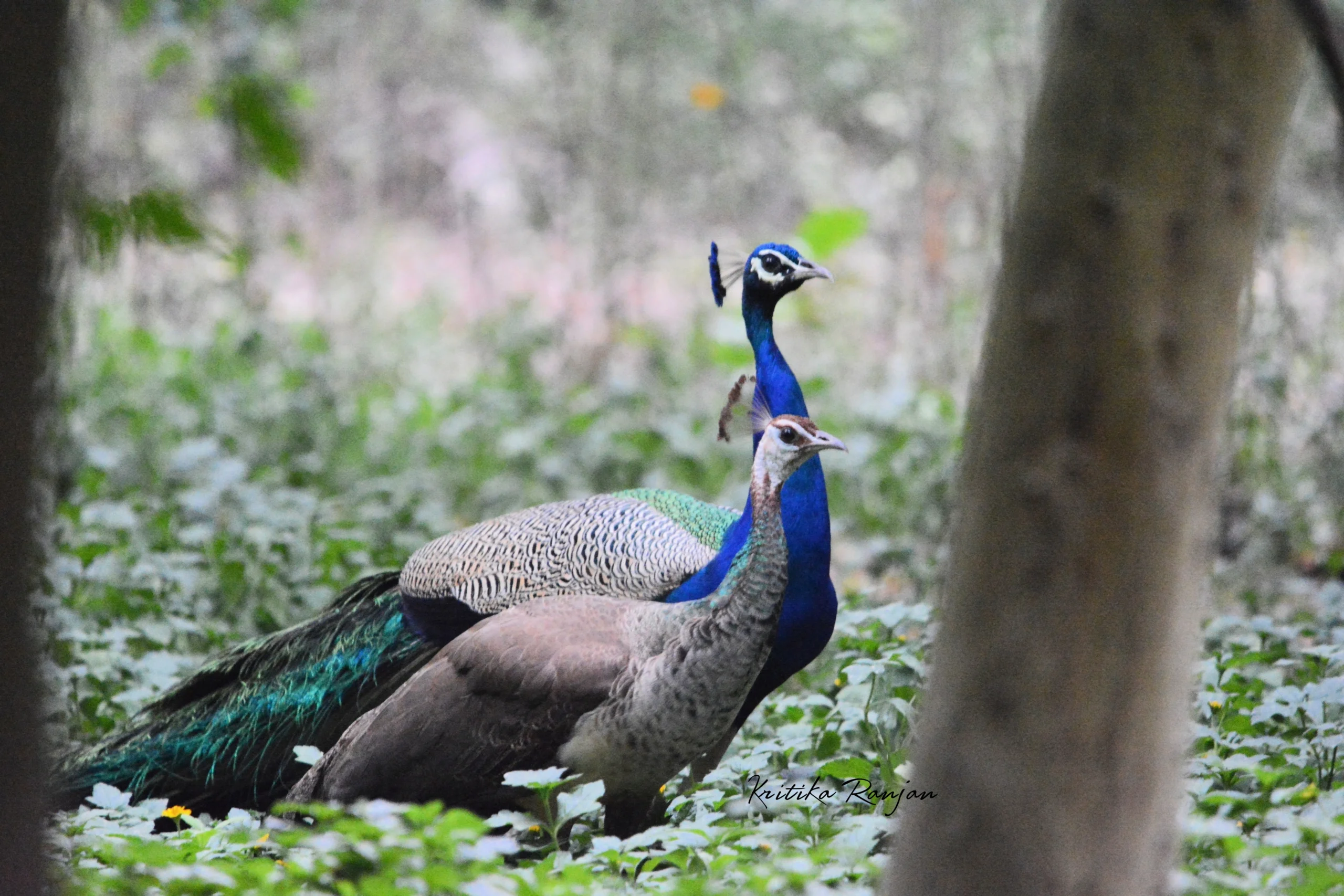
Indian Peafowl
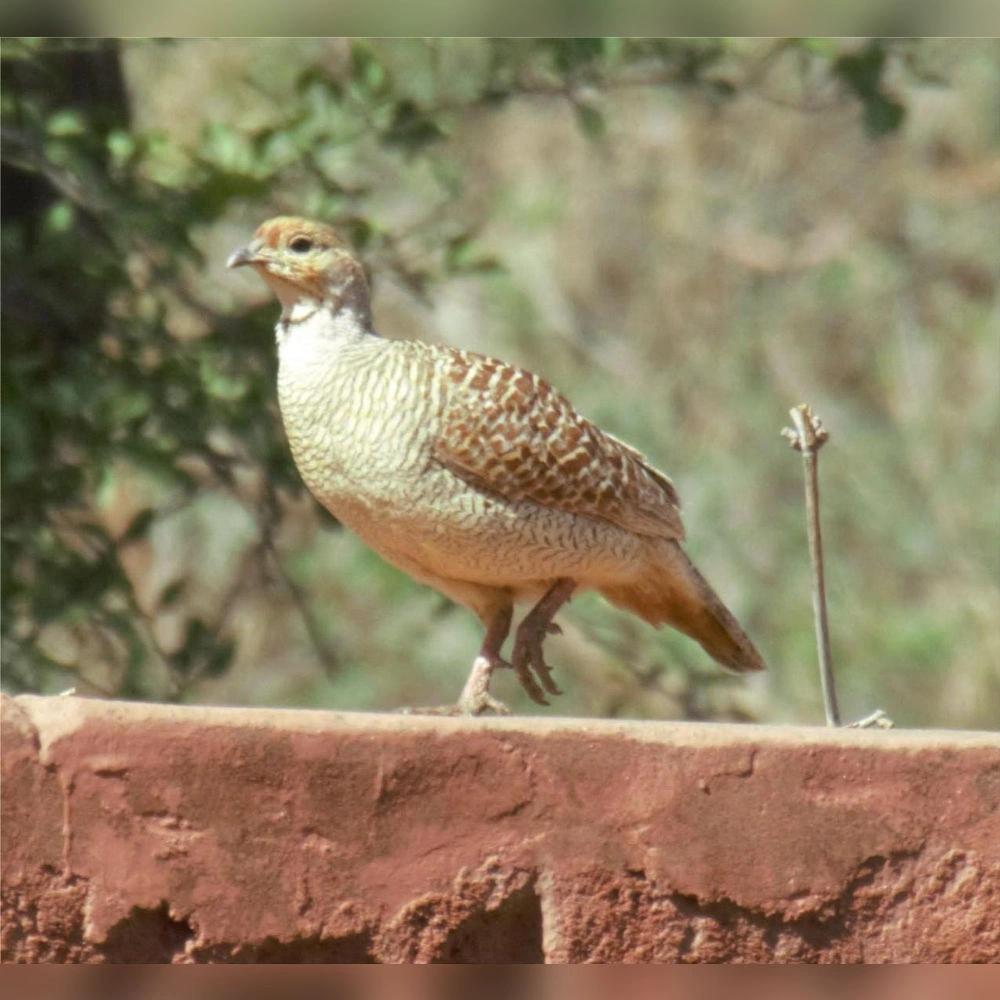
Grey Francolin
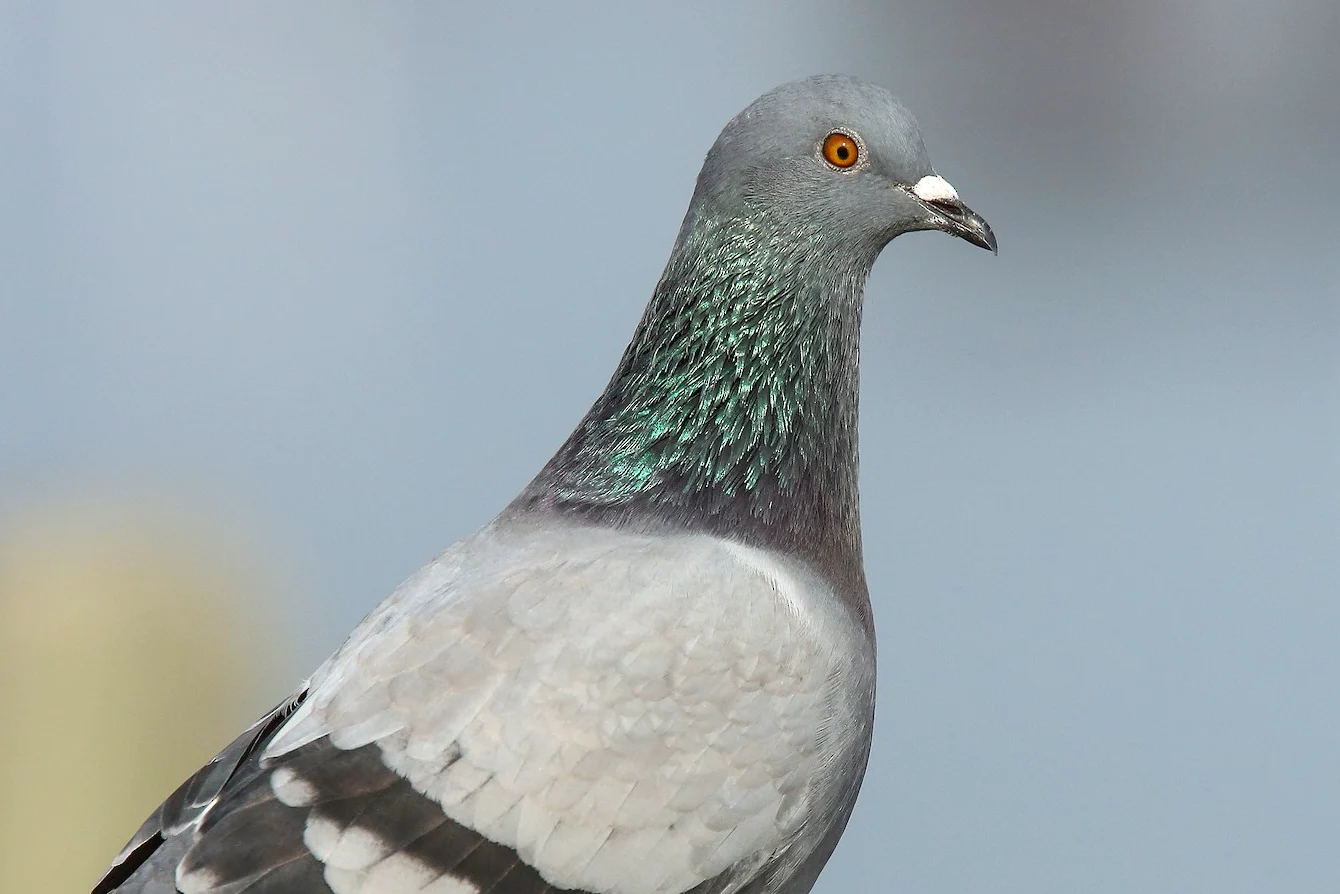
Rock Pigeon
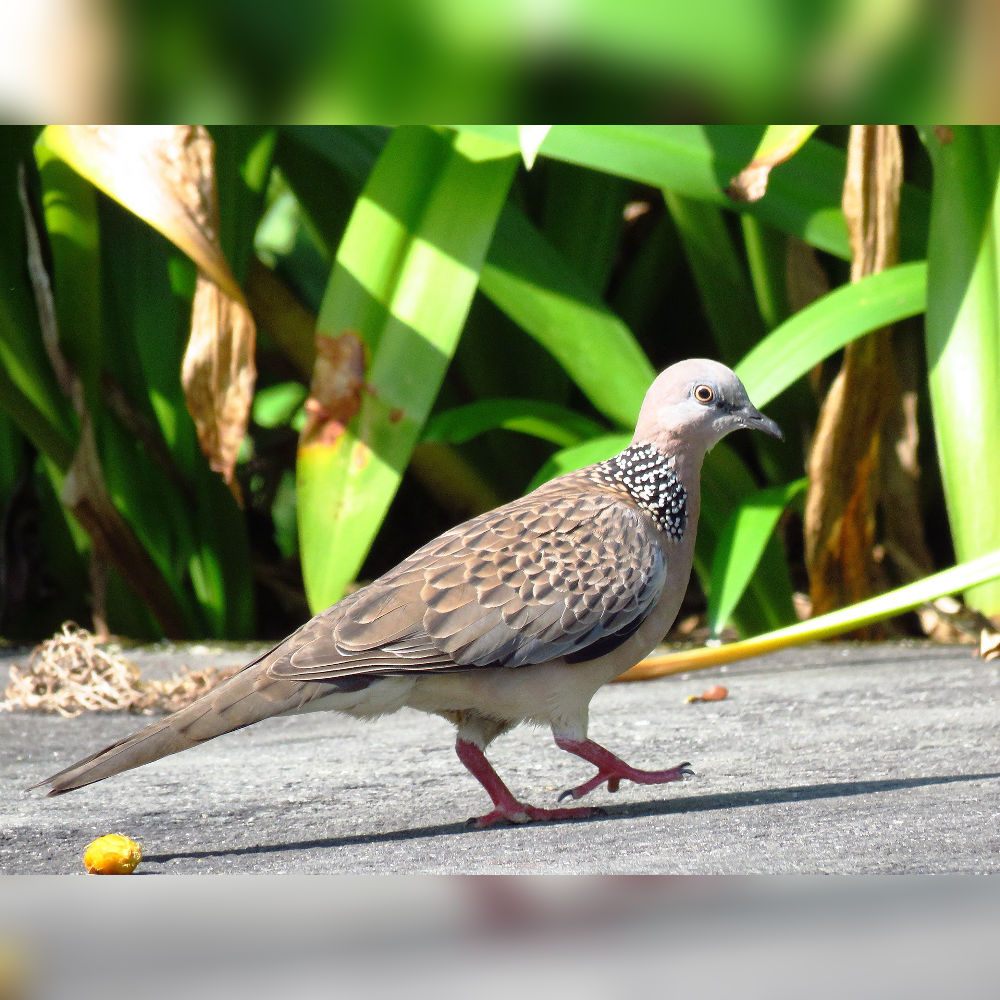
Spotted Dove
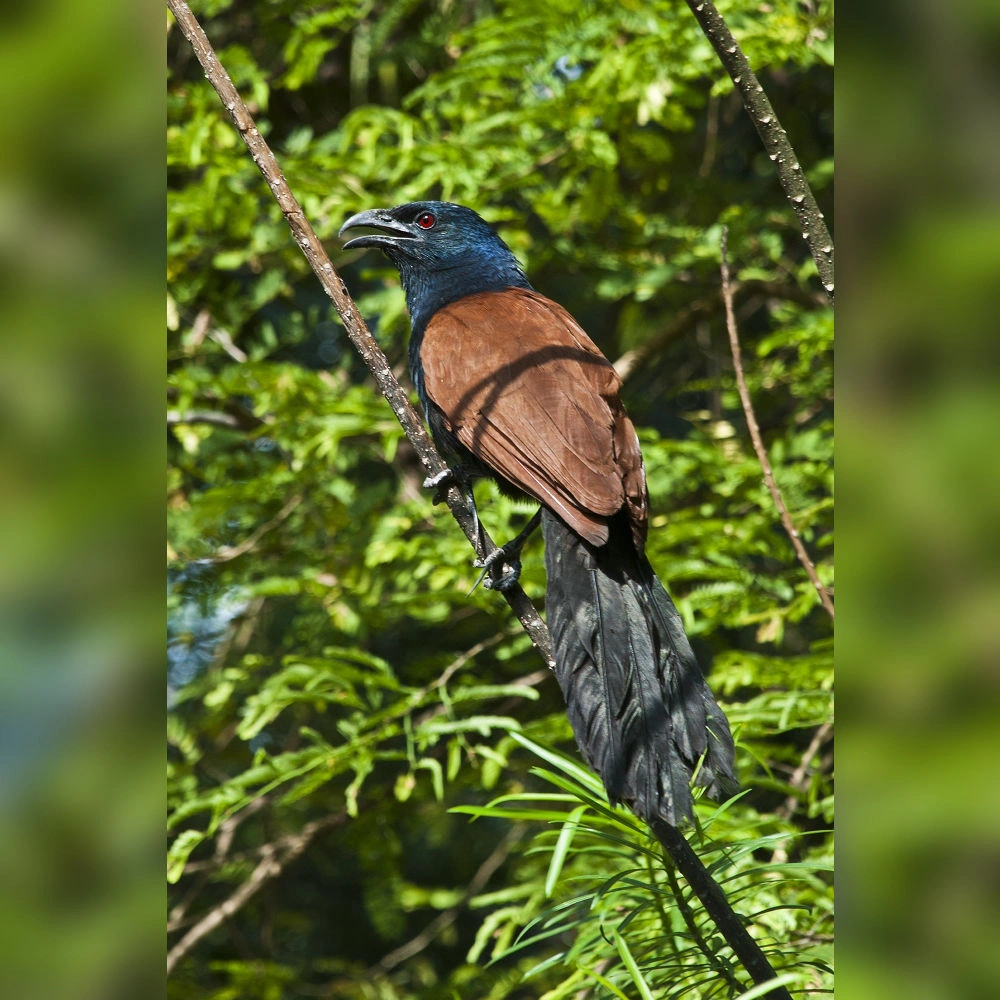
Greater Coucal
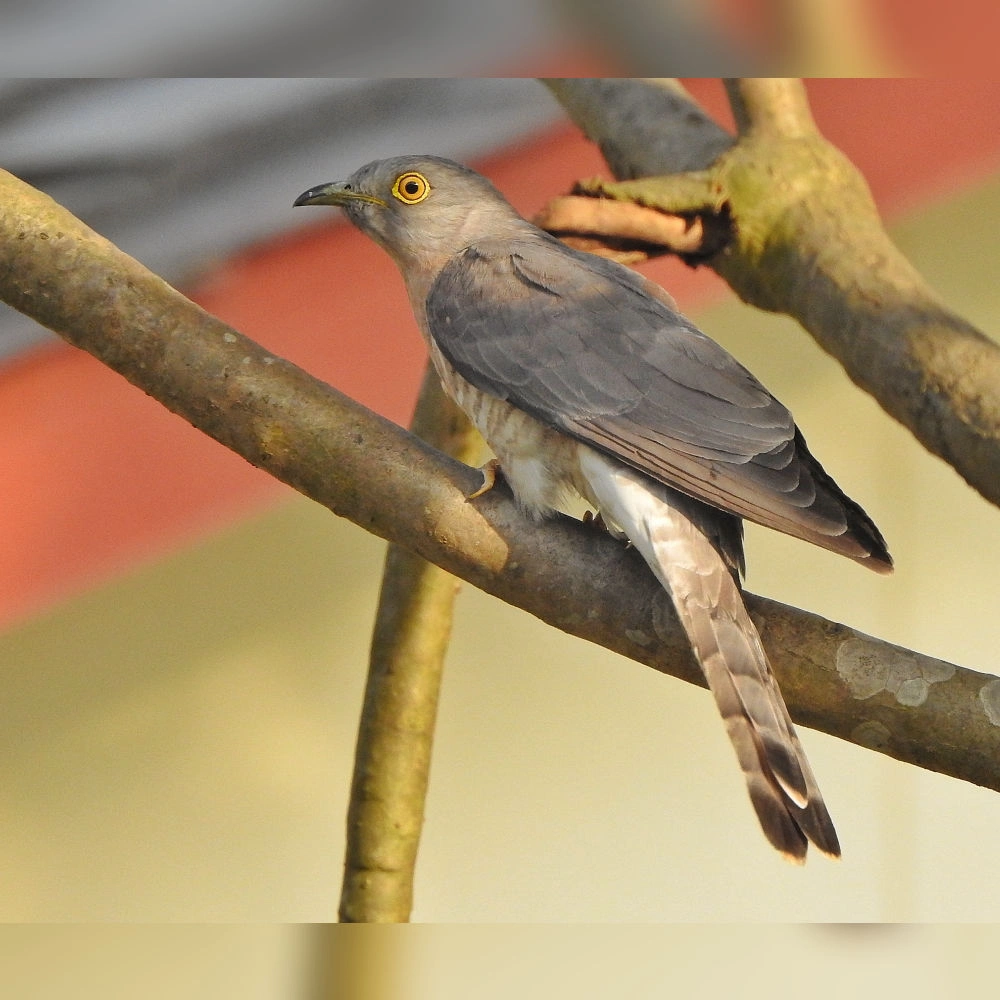
Common Hawk-Cuckoo
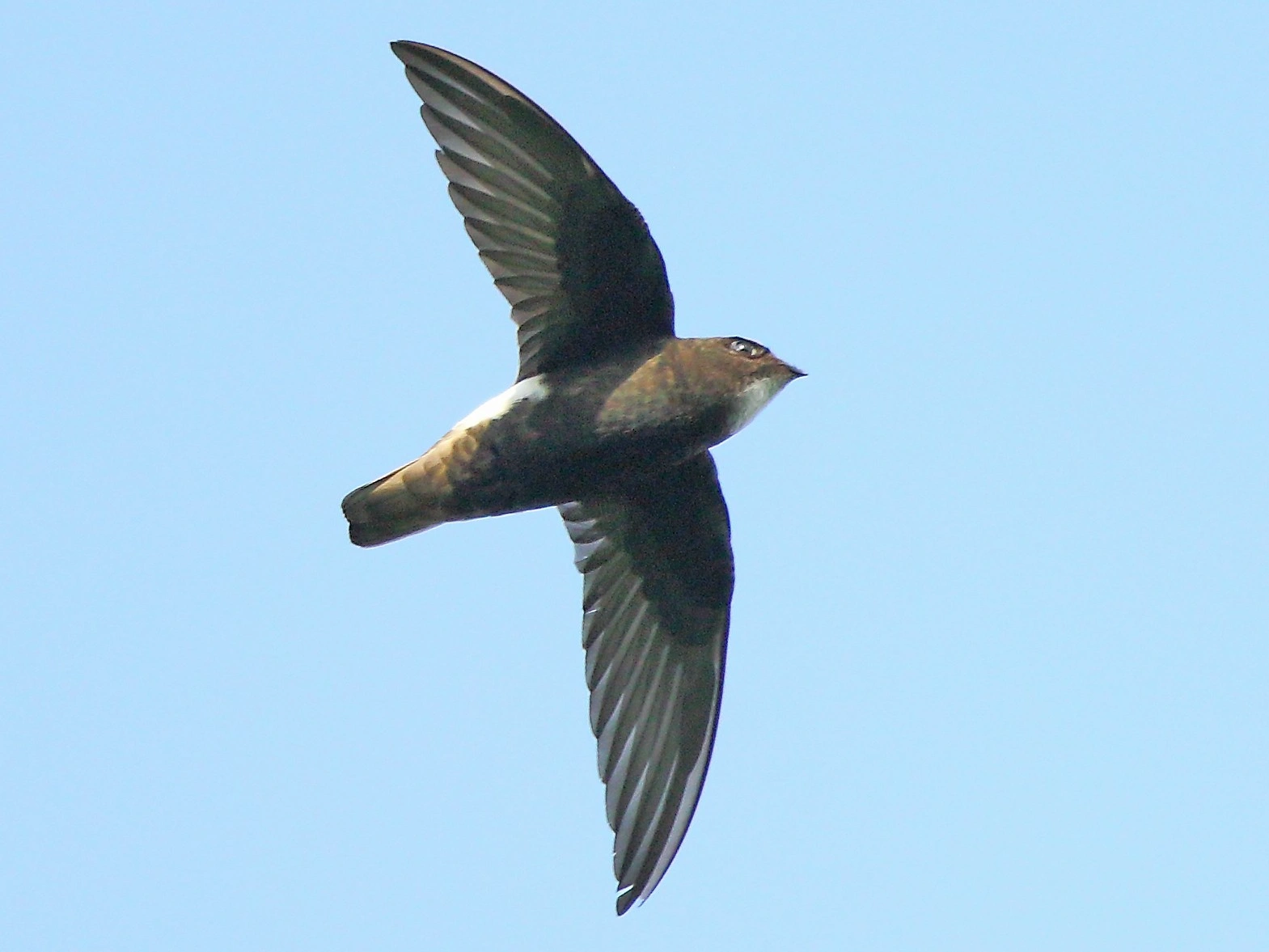
Little Swift
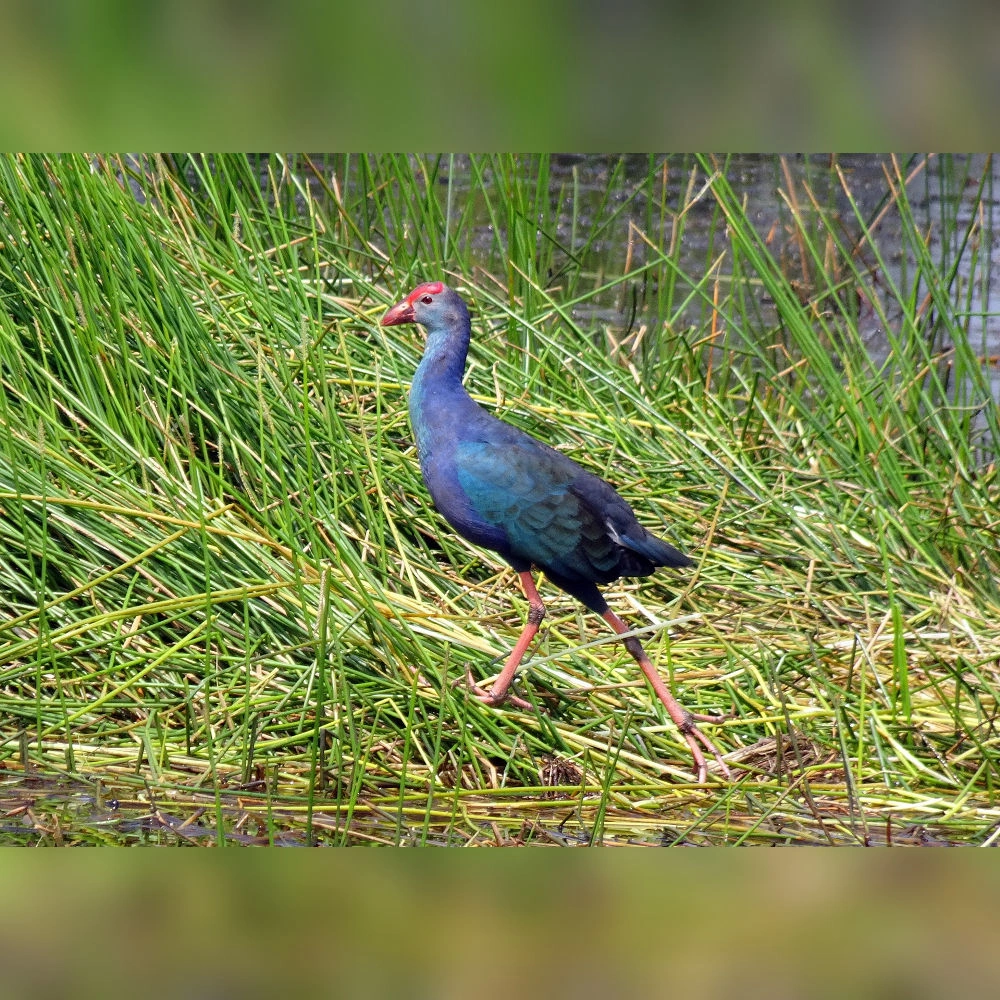
Grey-headed Swamphen
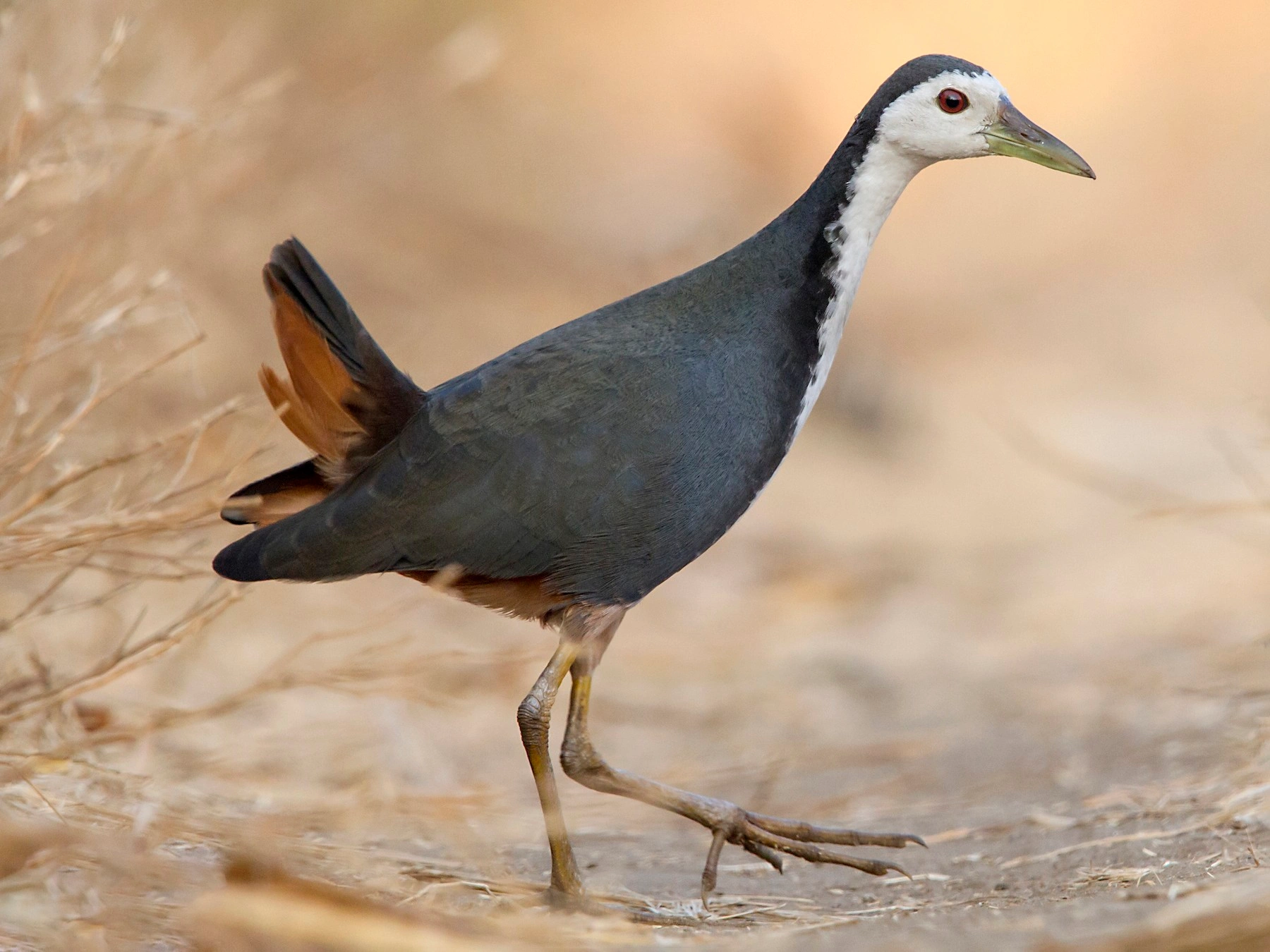
White-breasted Waterhen
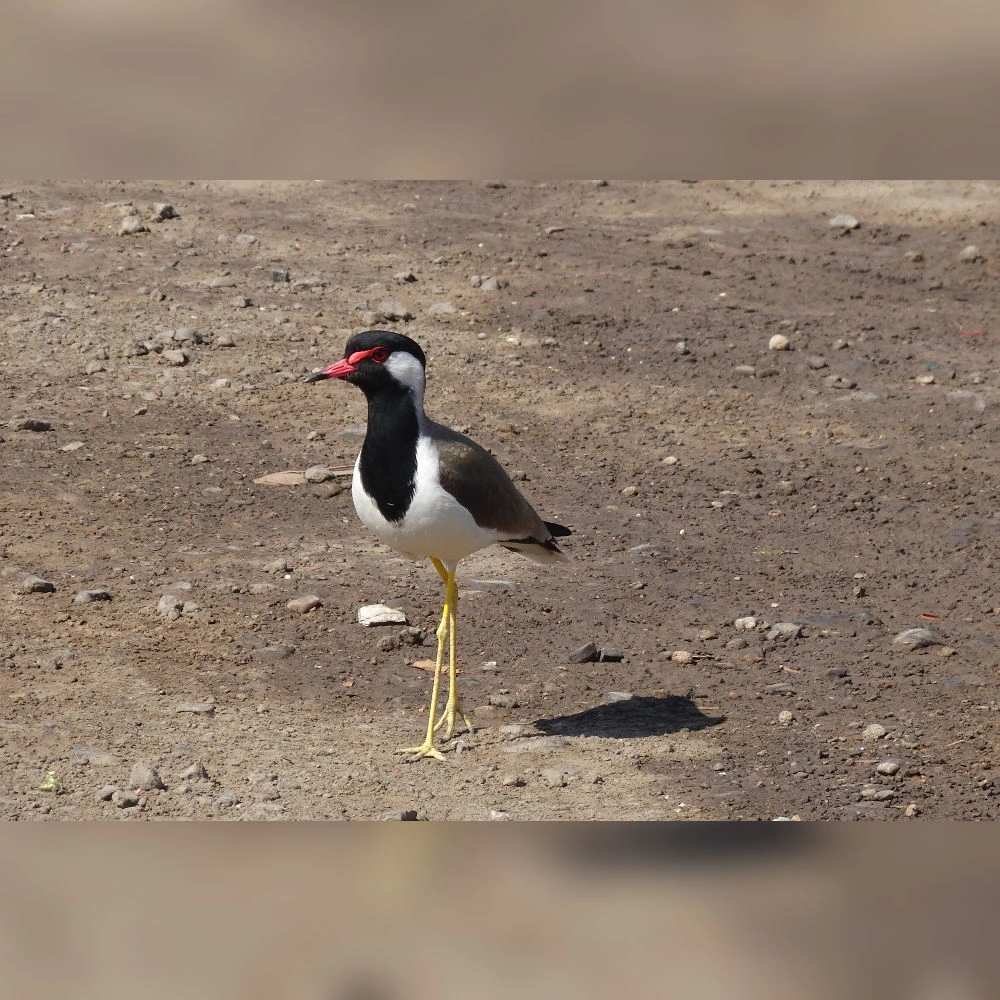
Red-wattled Lapwing
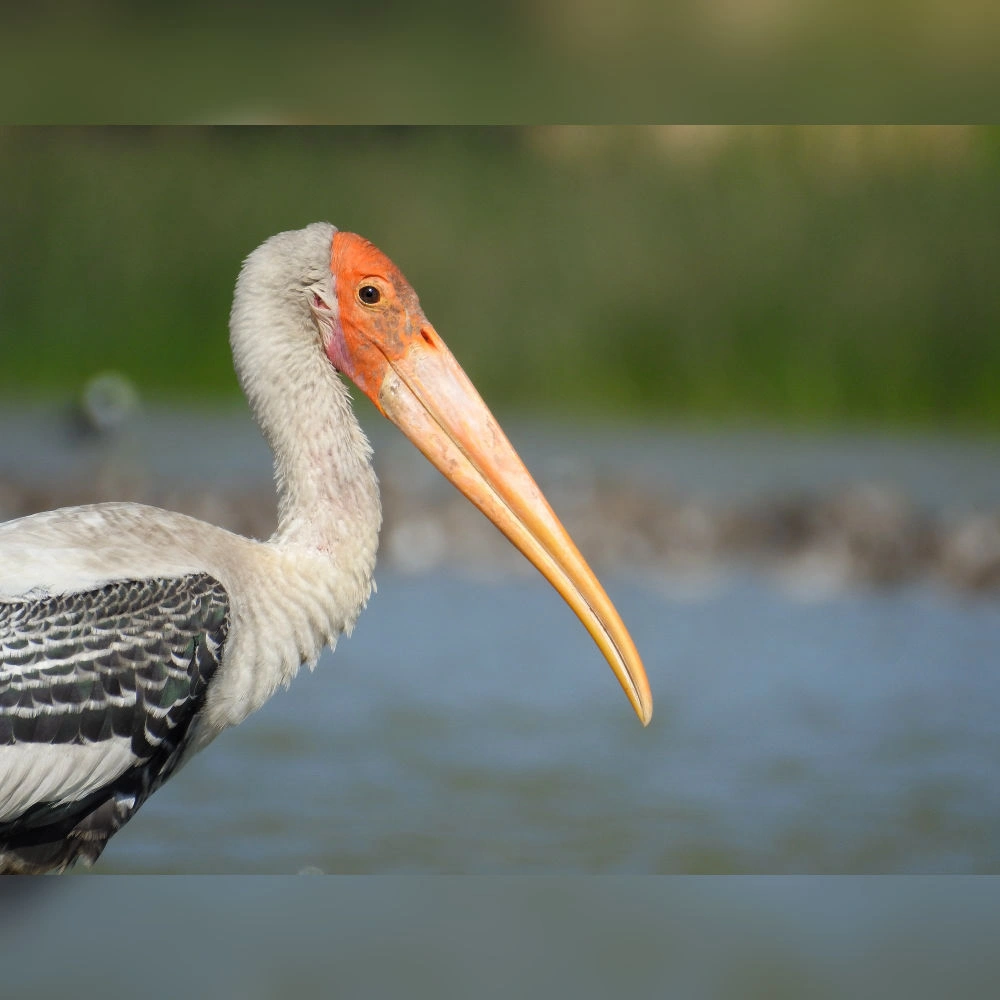
Painted Stork
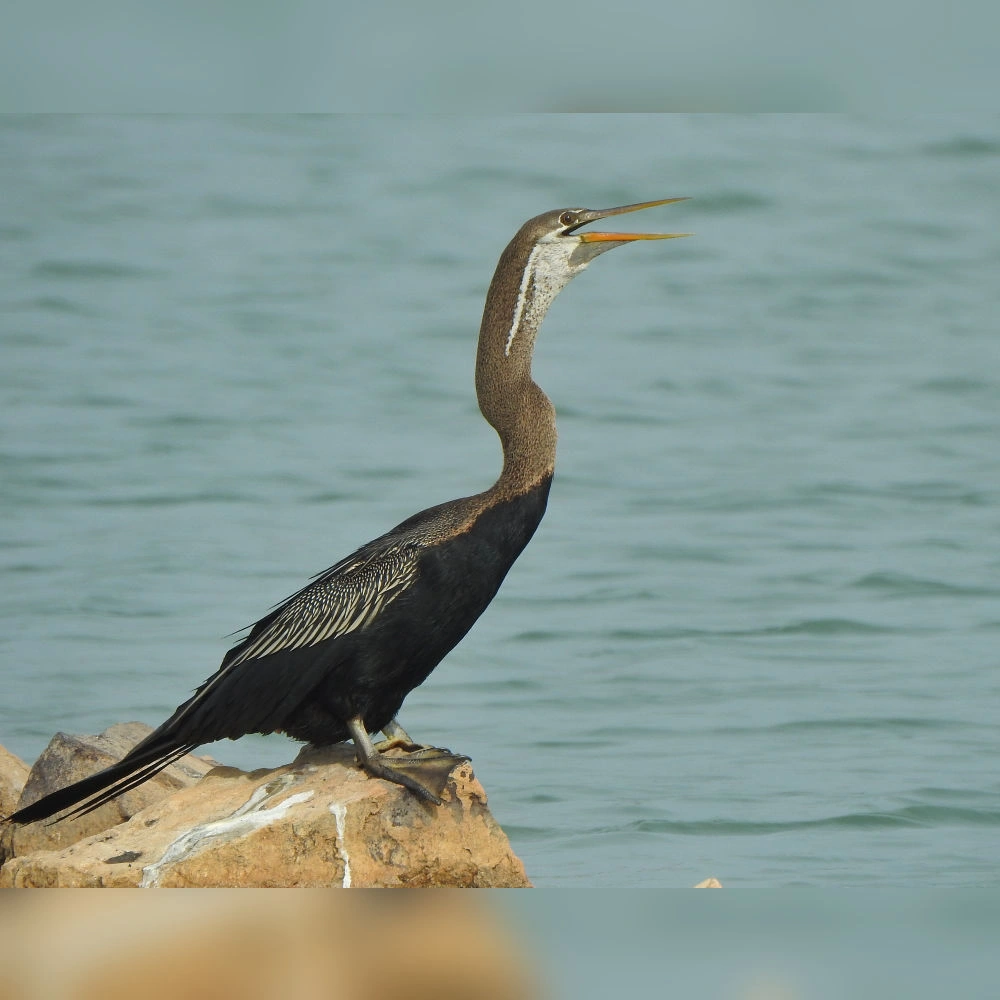
Oriental Darter
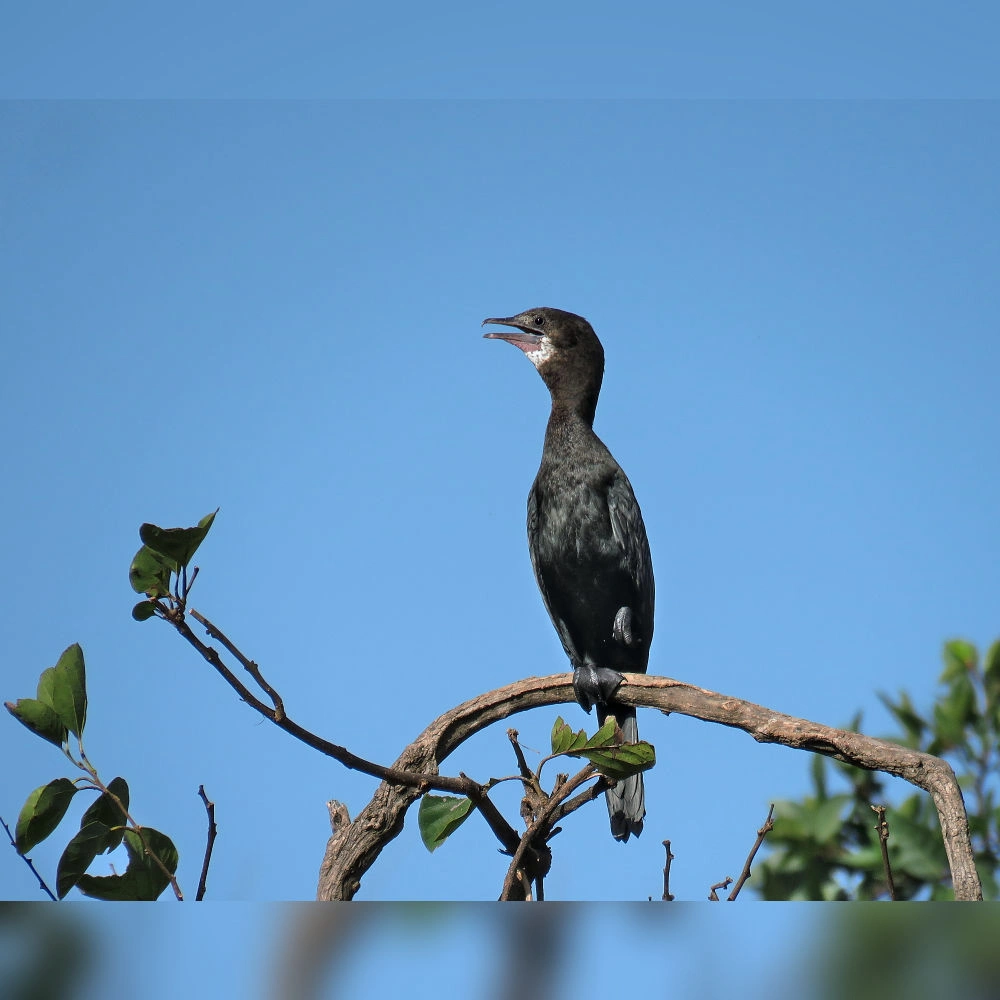
Little Cormorant
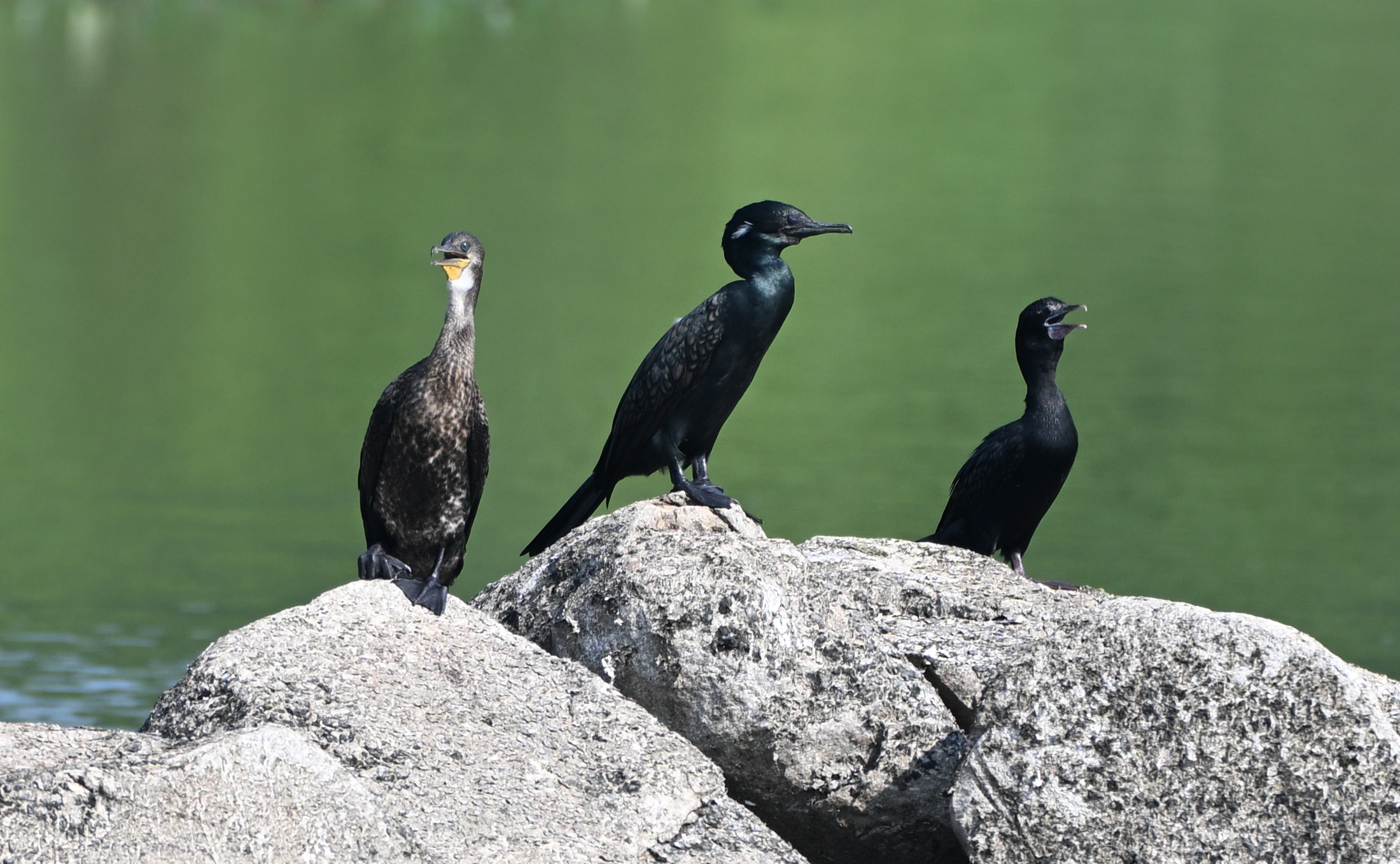
Great Cormorant

Glossy Ibis
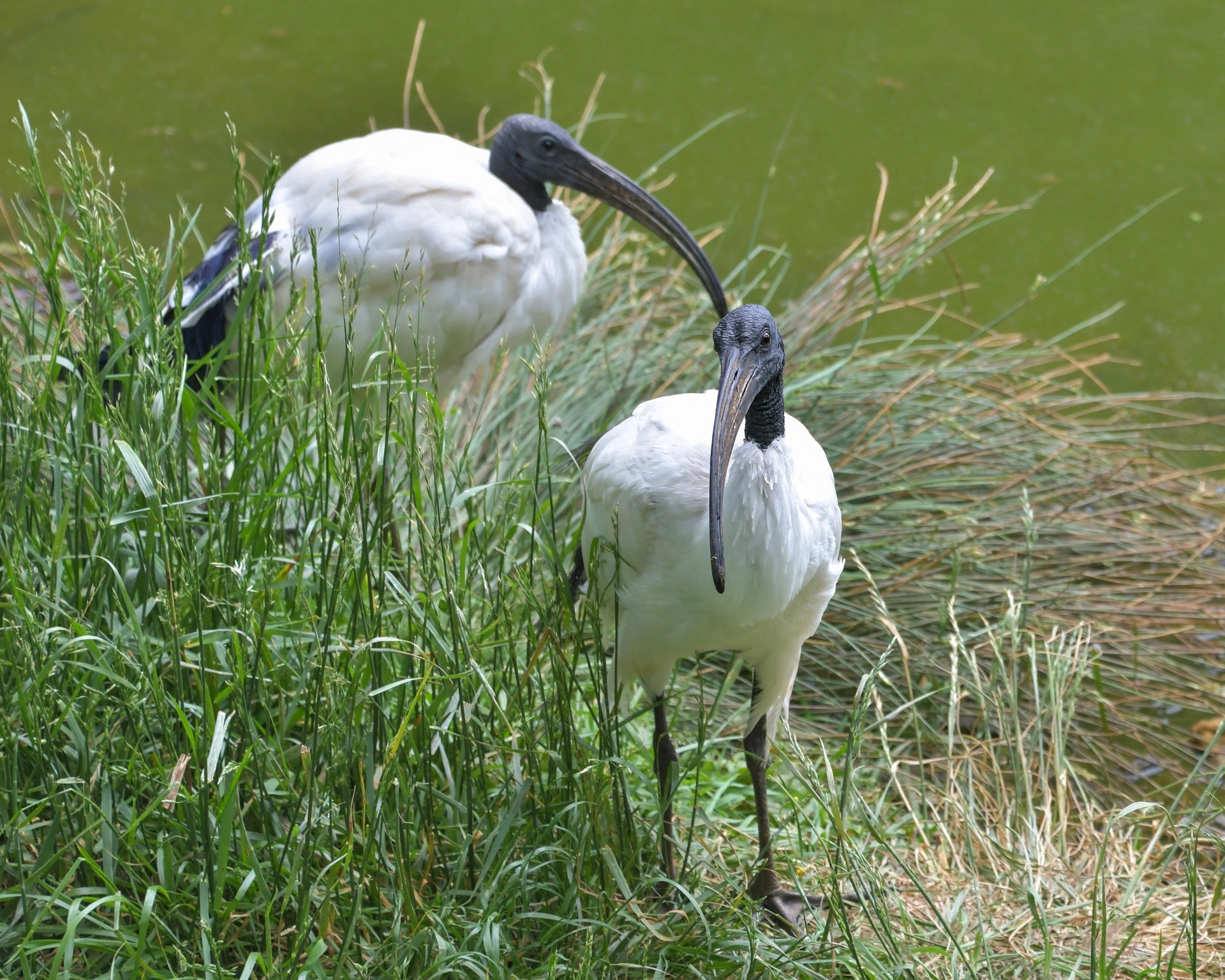
Black-headed Ibis
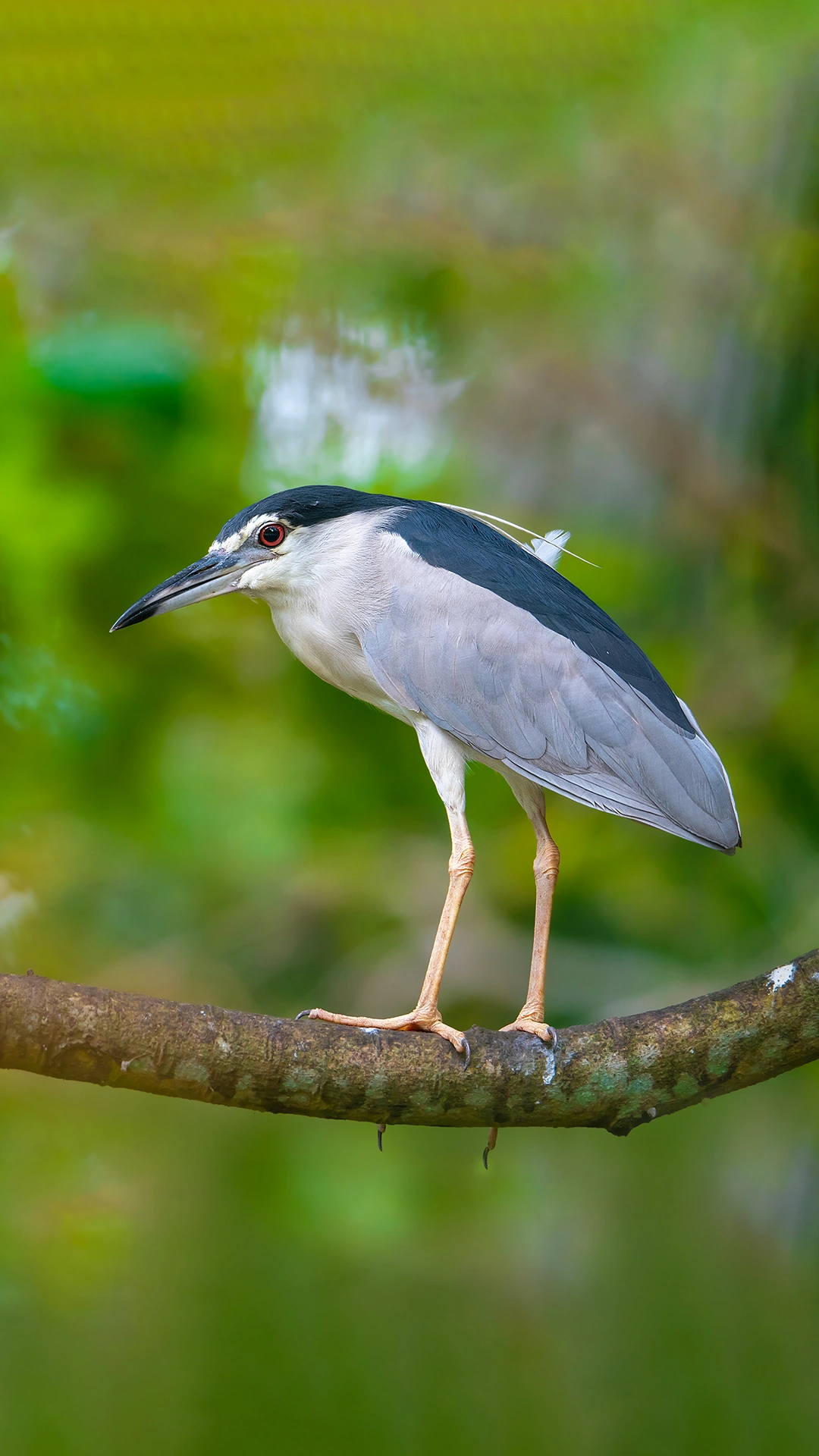
Black-crowned Night Heron
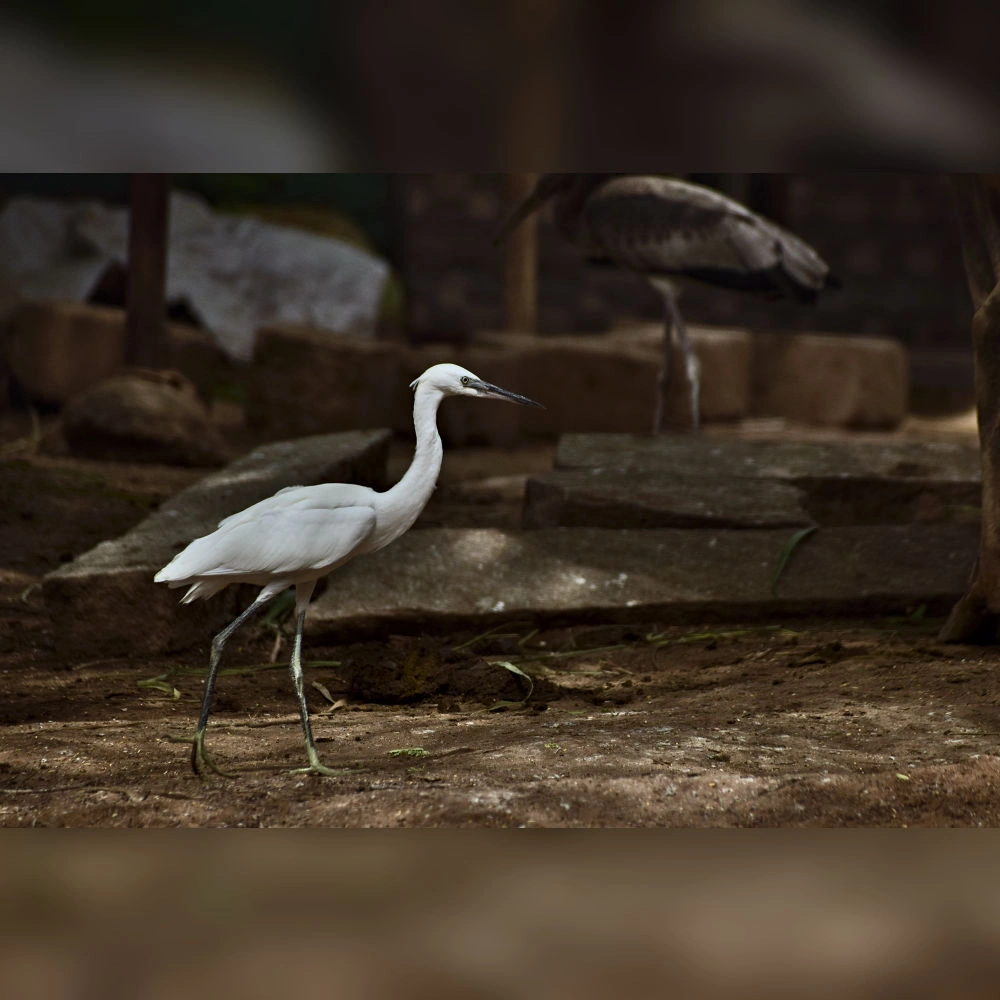

Little Egret
Summary of Walk
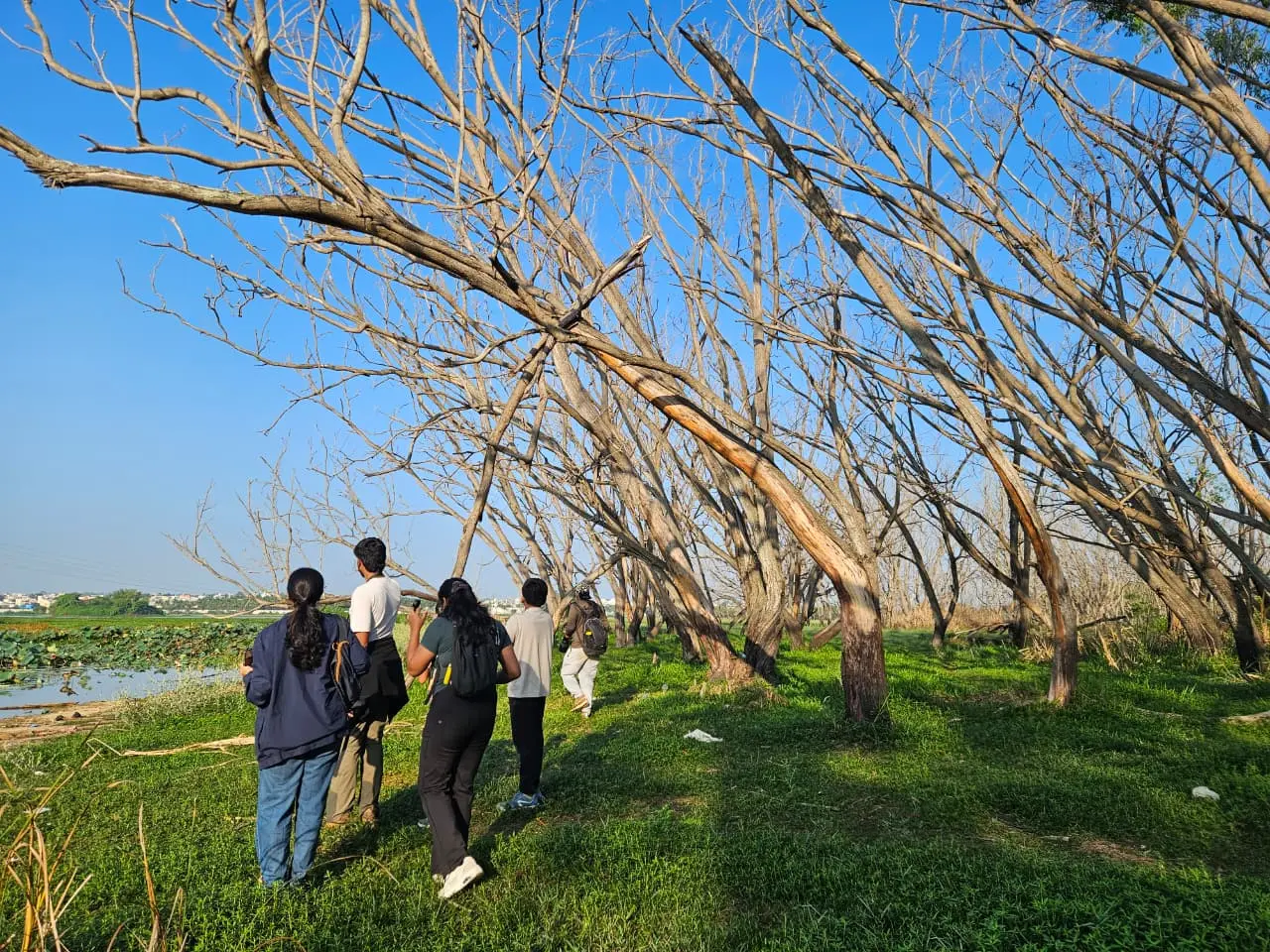
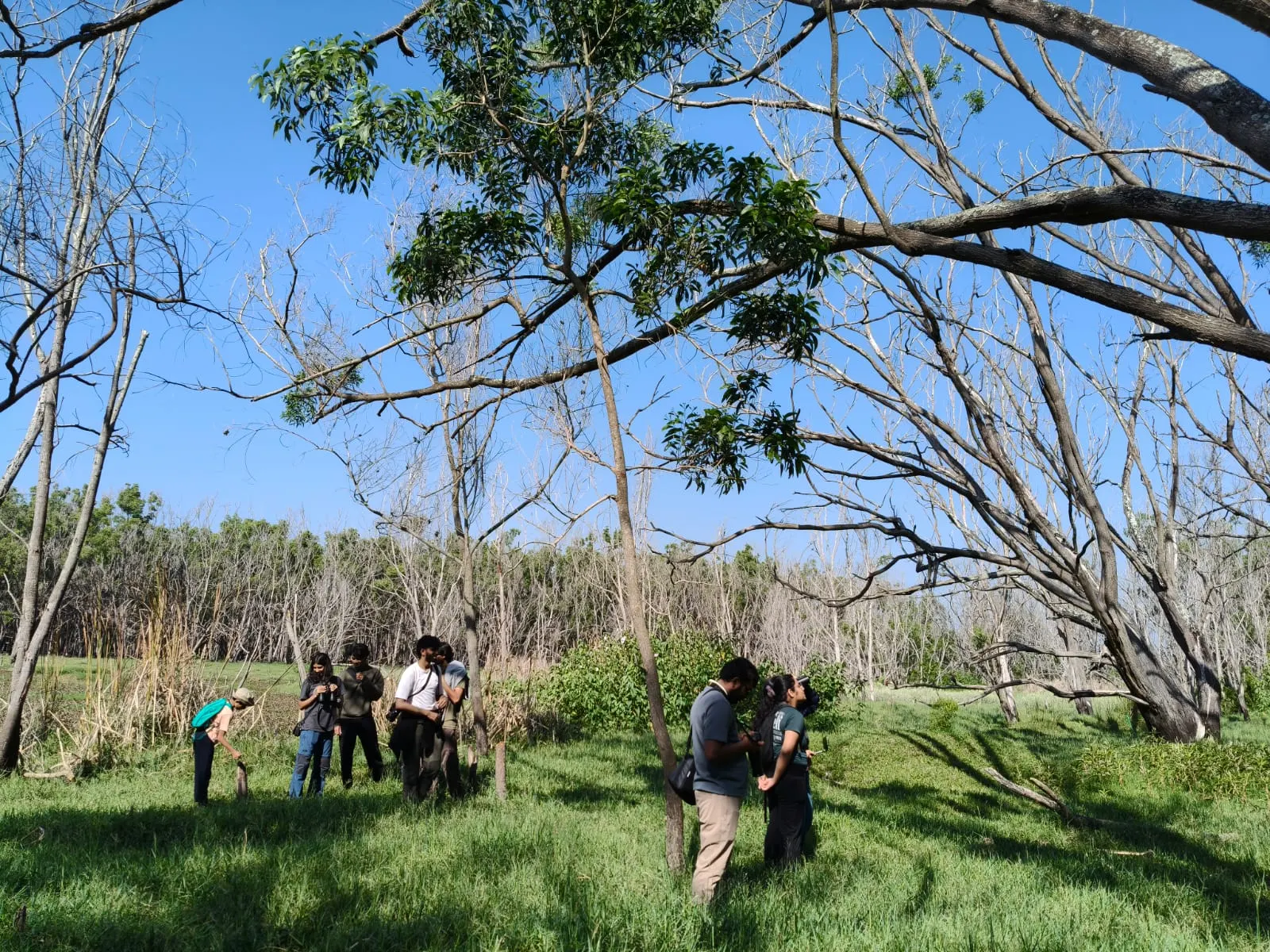
Fourteen participants joined guide Samarth Kedilaya at Jigani Lake in Bengaluru on 4 October for a walk that celebrated Wildlife Week with birds, behaviour and a thoughtful conversation about nature. The morning began with Jacanas and swamphens at the water’s edge, and then the kingfishers followed, with each of them putting on a fine display. A Brahminy Kite appeared carrying a kill, and the group watched it with fascination as it flew across the lake. Moving through the woodlands, Samarth paused often to explain different calls and the behaviour that goes with them, helping participants understand how birds communicate, defend their territories and find food. The group recorded 37 species, and the highlights included the Oriental Honey-buzzard, a striking migratory raptor that was a prize find, as well as the Blue-tailed Bee-eater and the Asian Green Bee-eater, whose brilliant green plumage flashed in the sunlight. The Zitting Cisticola, tiny and streaked, delighted the group with its characteristic display flight over the grasses. As part of Wildlife Week, Samarth also introduced the theme of connecting habitats and thriving wildlife, explaining how it relates to birds and how a network of lakes, woodlands and grasslands allows species to move, feed and breed across a landscape. This was followed by an interactive discussion in which participants shared their own ideas and observations, making the session thoughtful and engaging. The walk was a lovely blend of enjoyment and learning, and the participants returned home with fresh knowledge, a deeper sense of connection and a clearer picture of why every habitat matters.
Number of Participants
0