
Bird Walk at BNHS Conservation Education Centre, Mumbai, Maharashtra
- Mumbai
- 2 October, 2026
- Sukhpreet Kohli
About BNHS CEC
Located in the leafy outskirts of Goregaon (East), the Bombay Natural History Society (BNHS) Conservation Education Centre (CEC) is a 33-acre green refuge dedicated to nature education and biodiversity conservation. Abutting the dense forests of Sanjay Gandhi National Park, the centre is spread across a landscape of regenerating deciduous forest, freshwater waterholes, and rocky trails.The centre supports a rich variety of flora and fauna typical of the Western Ghats’ foothills. Native trees like Teak and Silk Cotton create a thriving habitat for butterflies, reptiles (including the Indian Rock Python), and mammals like the Leopard and Barking Deer.
For birdwatchers, BNHS CEC offers a rewarding experience, with forest specialists like the Greater Racket-tailed Drongo, Malabar Whistling Thrush, and various raptors frequently spotted along its quiet trails and the famous Salim Ali Point.
Beyond being a birding hotspot, the centre plays a crucial role in environmental awareness through guided walks, online-hybrid certification courses, and research. However, the surrounding ecosystem faces pressures from urban expansion and habitat fragmentation. By promoting responsible nature appreciation, BNHS CEC continues to inspire visitors to protect the fragile forest corridors that support Mumbai’s wild neighbors.

Bird Guide: Sukhpreet Kohli
He is a passionate birder from Mumbai, has been exploring the city’s rich avian life for many years. He enjoys sharing his knowledge and leading engaging bird walks that connect people with nature.
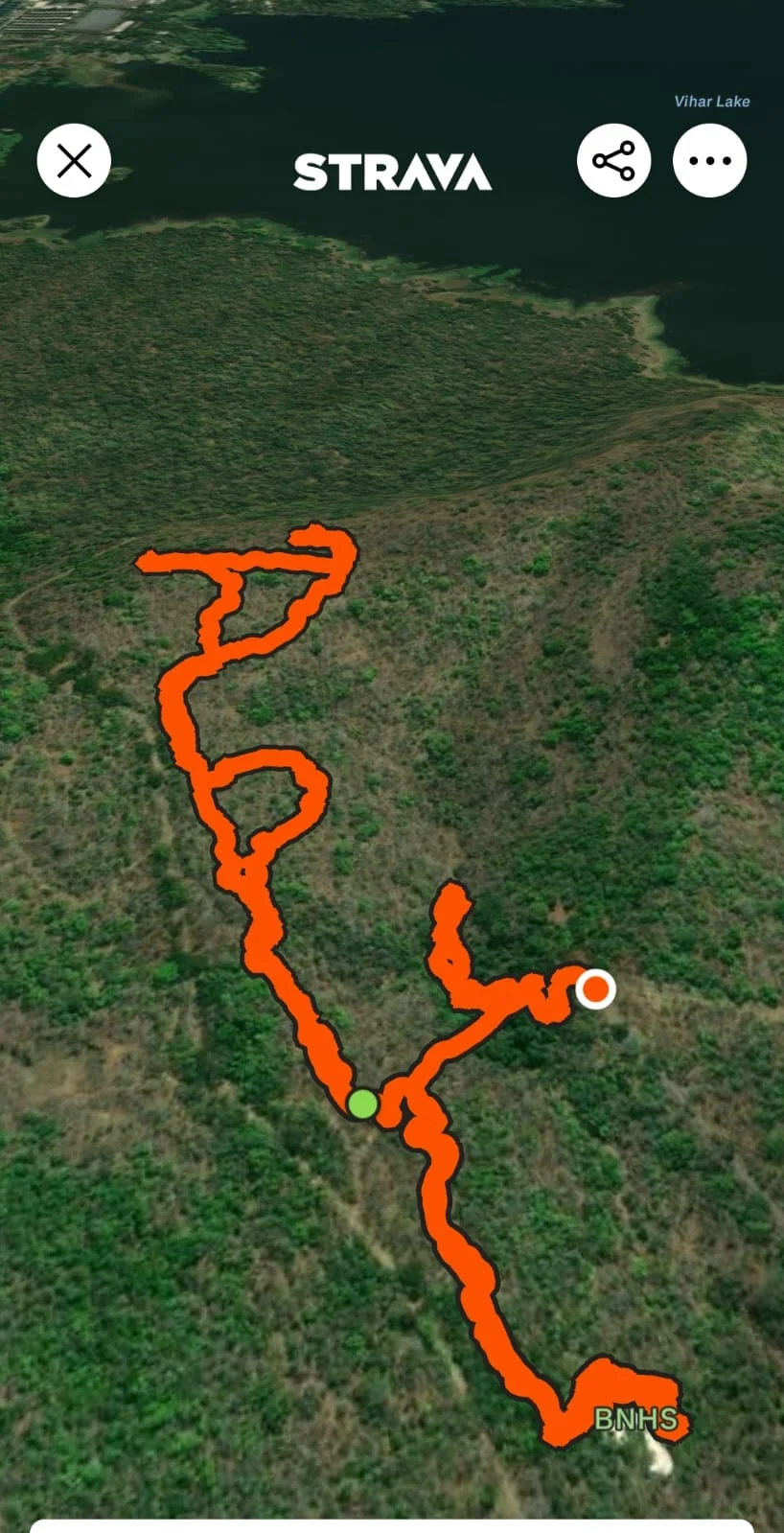
Bird walk Location
Common birds of BNHS CEC
The lush forest of the BNHS Conservation Education Centre (CEC) provides a vital refuge for specialized woodland birdlife. Moving quietly through the leaf litter are shy species like the Asian Emerald Dove, Red Spurfowl, and the Puff-throated Babbler.
The canopy is alive with color and sound; the Indian Golden Oriole, Rose-ringed Parakeet, and the striking Greater Racket-tailed Drongo are common sights. The persistent “tonk-tonk” of the Coppersmith Barbet and the loud calls of the Brown-headed Barbet provide a constant soundtrack. Small, energetic birds like the Common Iora, Tickell’s Blue Flycatcher, and the Thick-billed Flowerpecker flit through the bamboo and flowering trees.
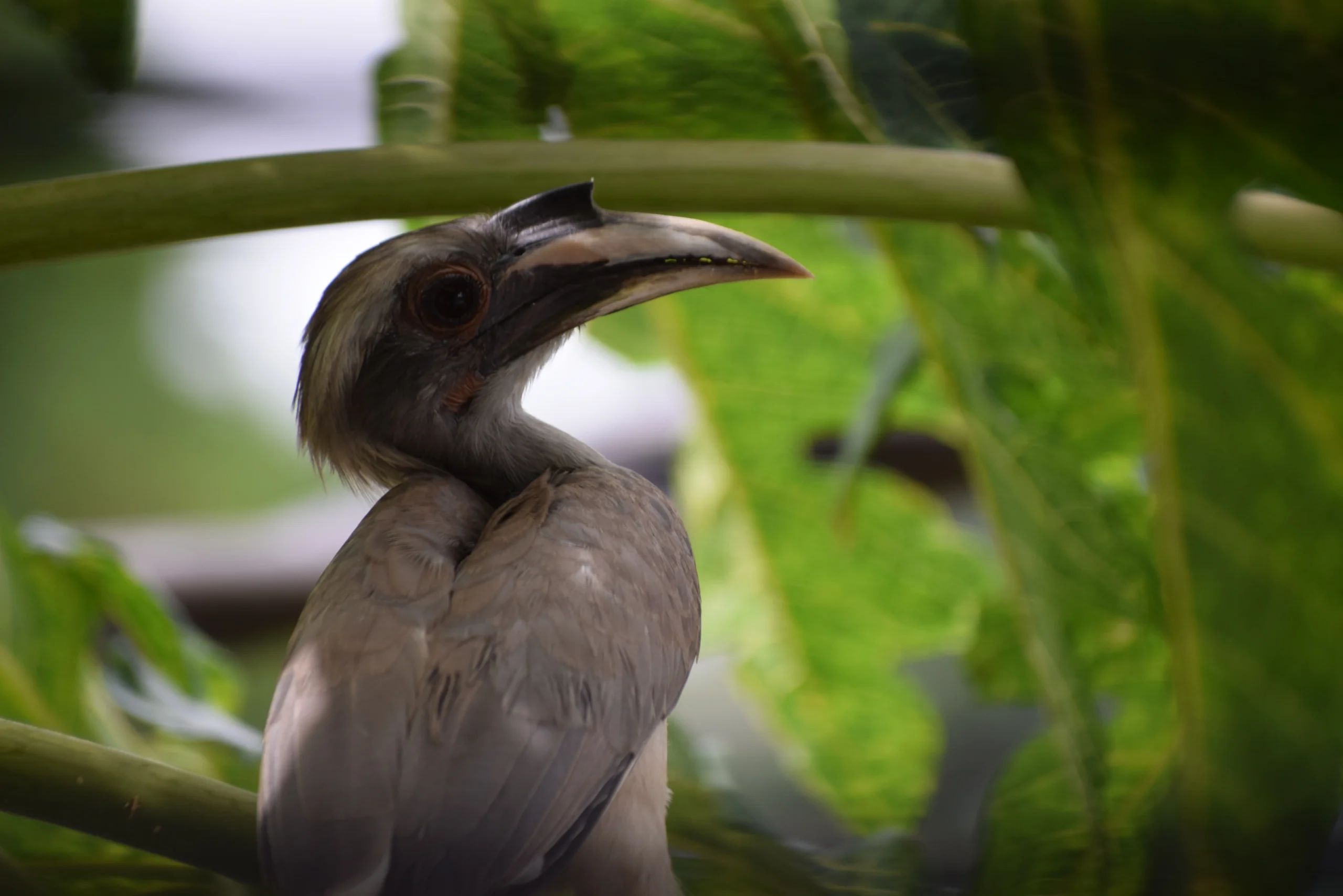
High above, the Shikra and the Crested Serpent Eagle patrol the skies. The trails also reveal charismatic residents like the Indian Grey Hornbill, Oriental Magpie-Robin, and the seasonally visiting Indian Paradise Flycatcher. Near the seasonal waterholes, the vibrant White-throated Kingfisher and Asian Green Bee-eater add flashes of brilliant color, showcasing the rich forest biodiversity thriving on the edge of the city.

Asian Emerald Dove

Shikra

Indian Grey Hornbill
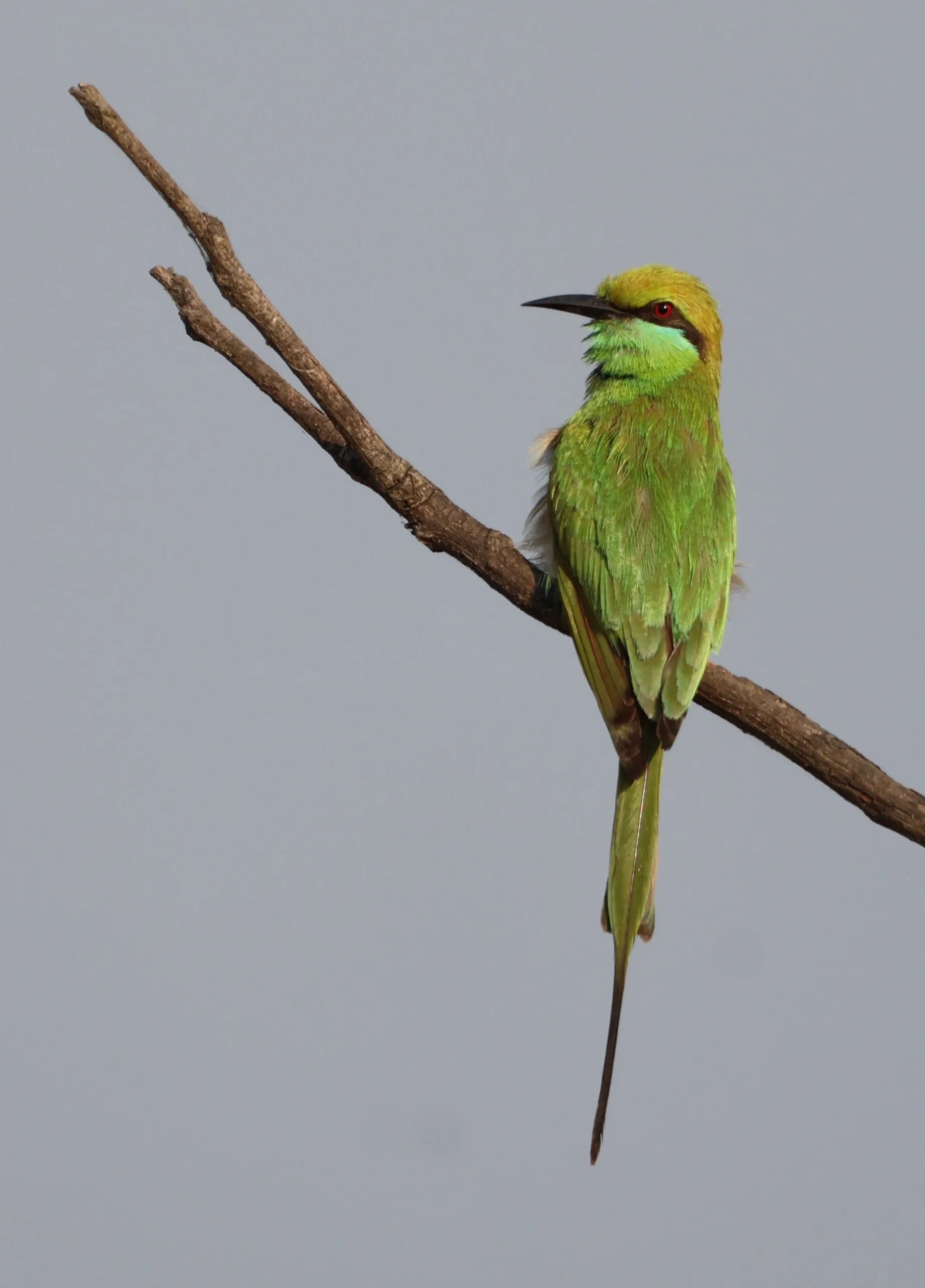
Asian Green Bee-eater

Brown-headed Barbet

White-throated Kingfisher
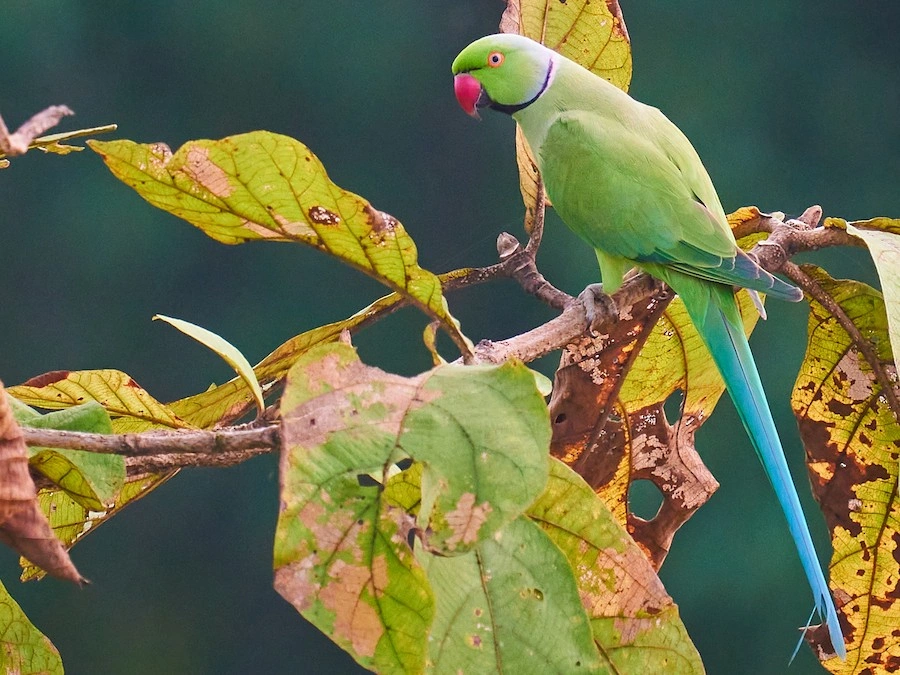
Rose-ringed Parakeet

Common Woodshrike
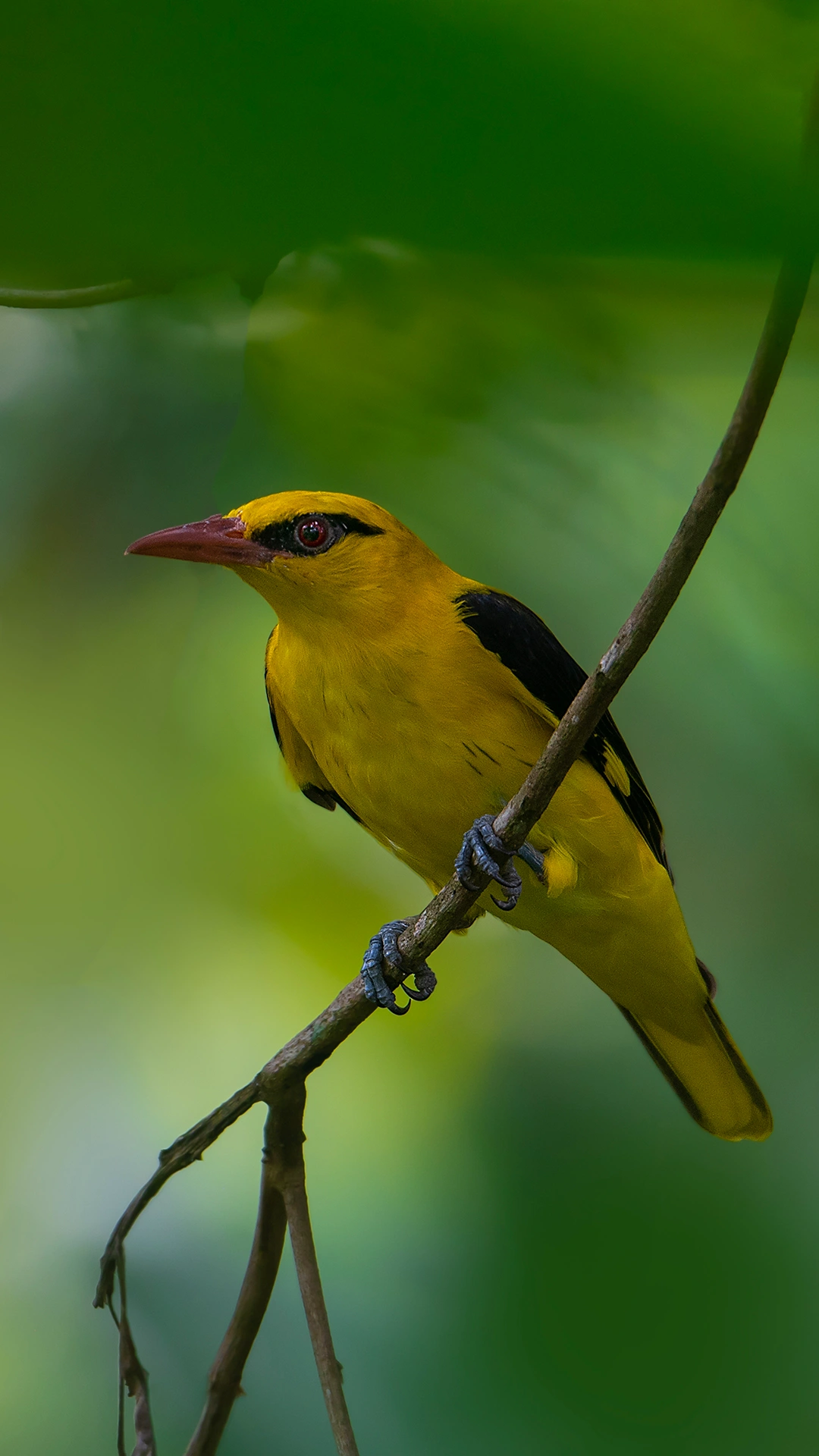
Indian Golden Oriole
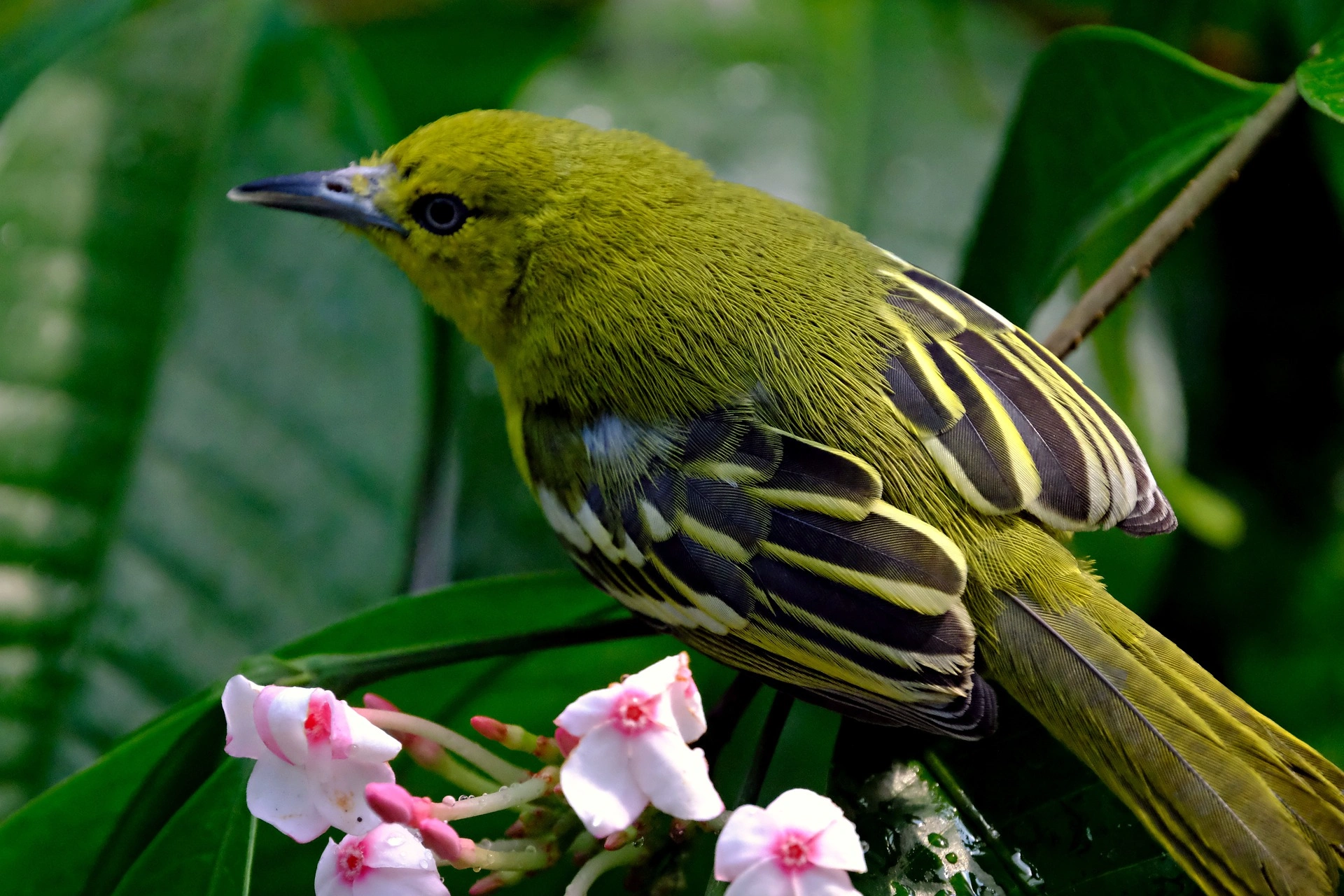
Common Iora
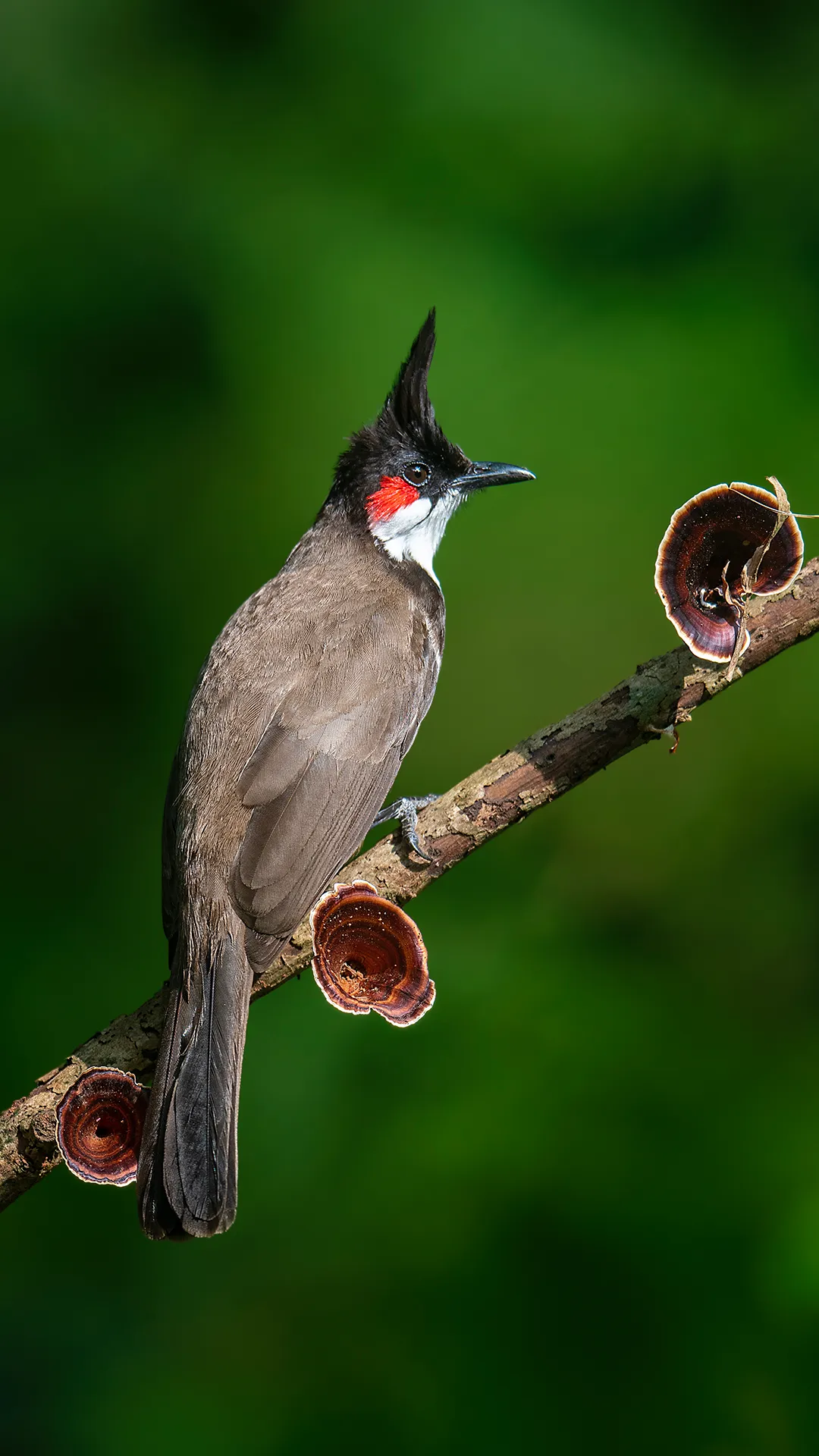
Red-whiskered Bulbul

Oriental Magpie Robin
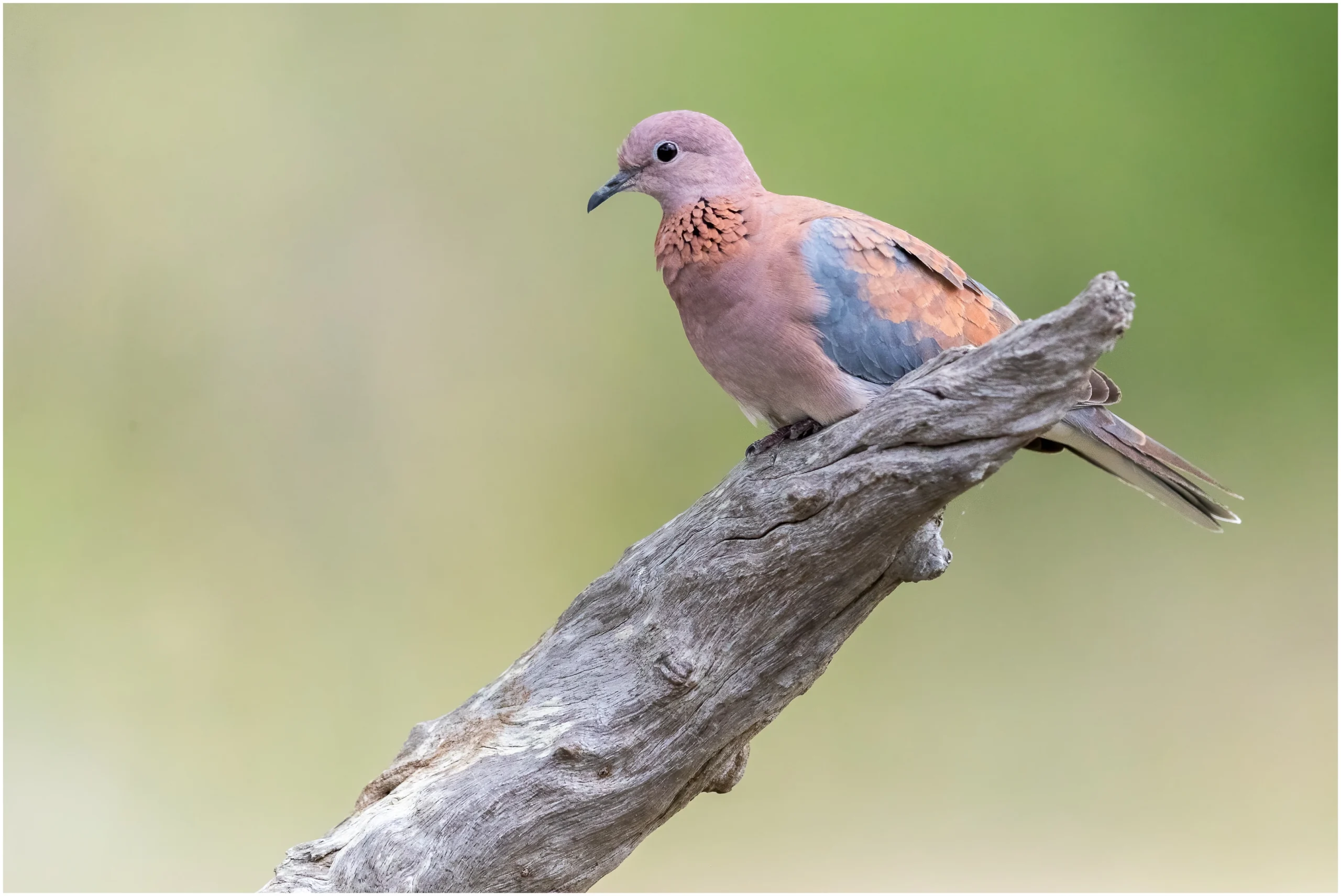
Laughing Dove
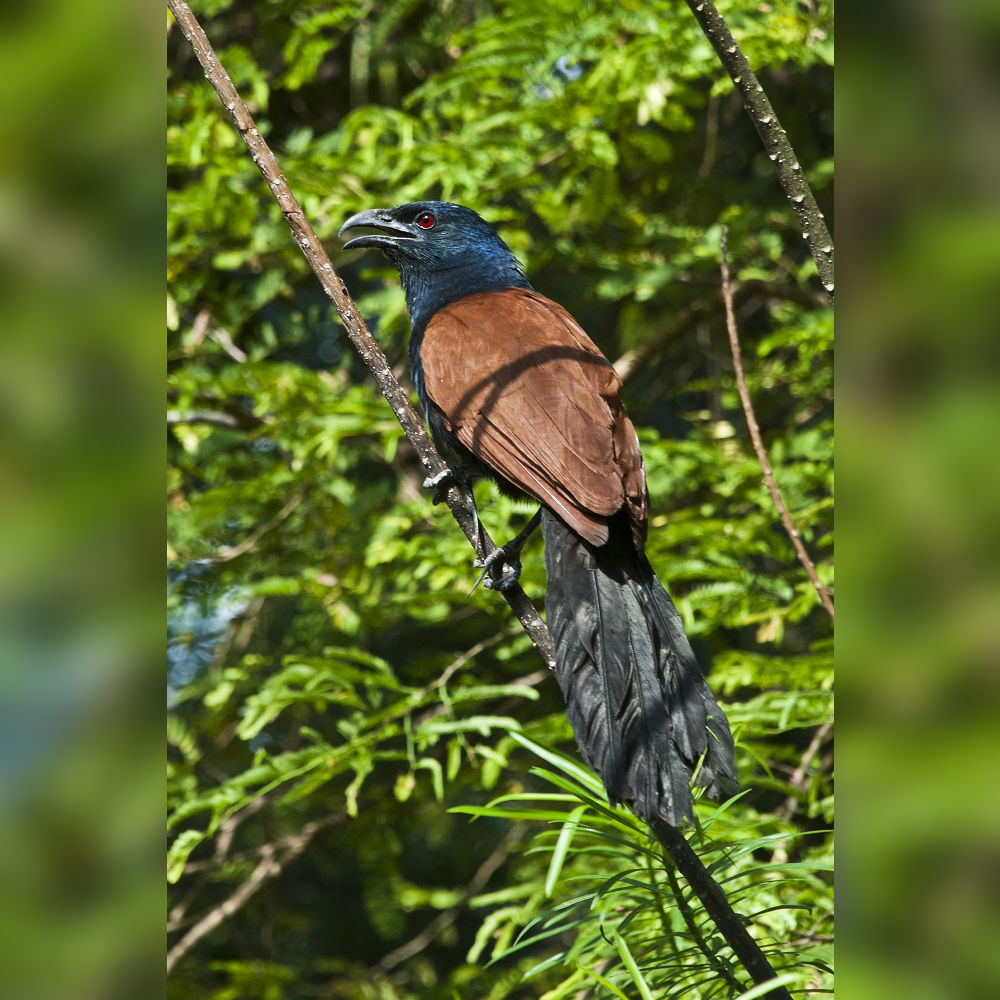
Greater Coucal
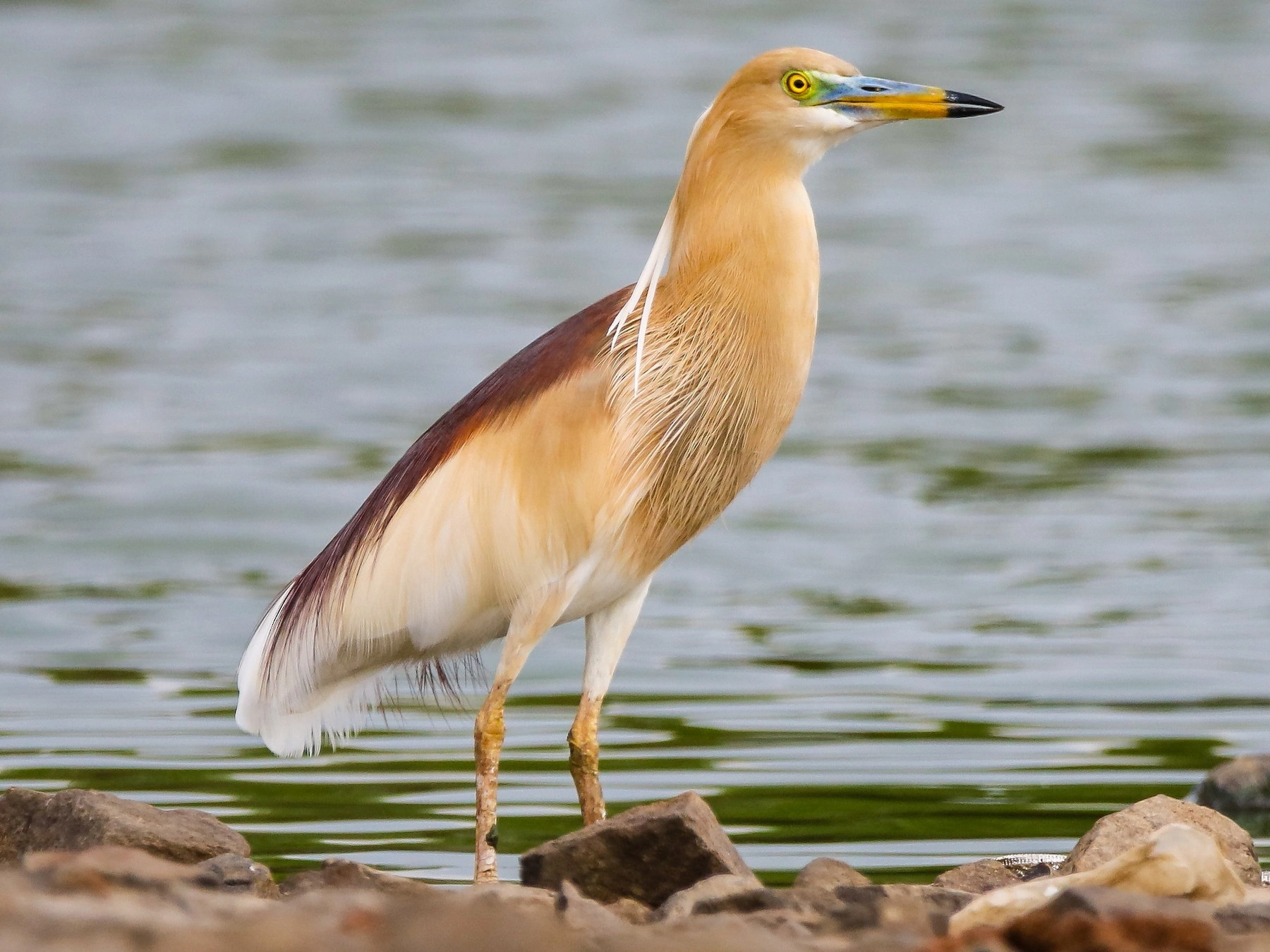
Indian Pond Heron

Black Kite
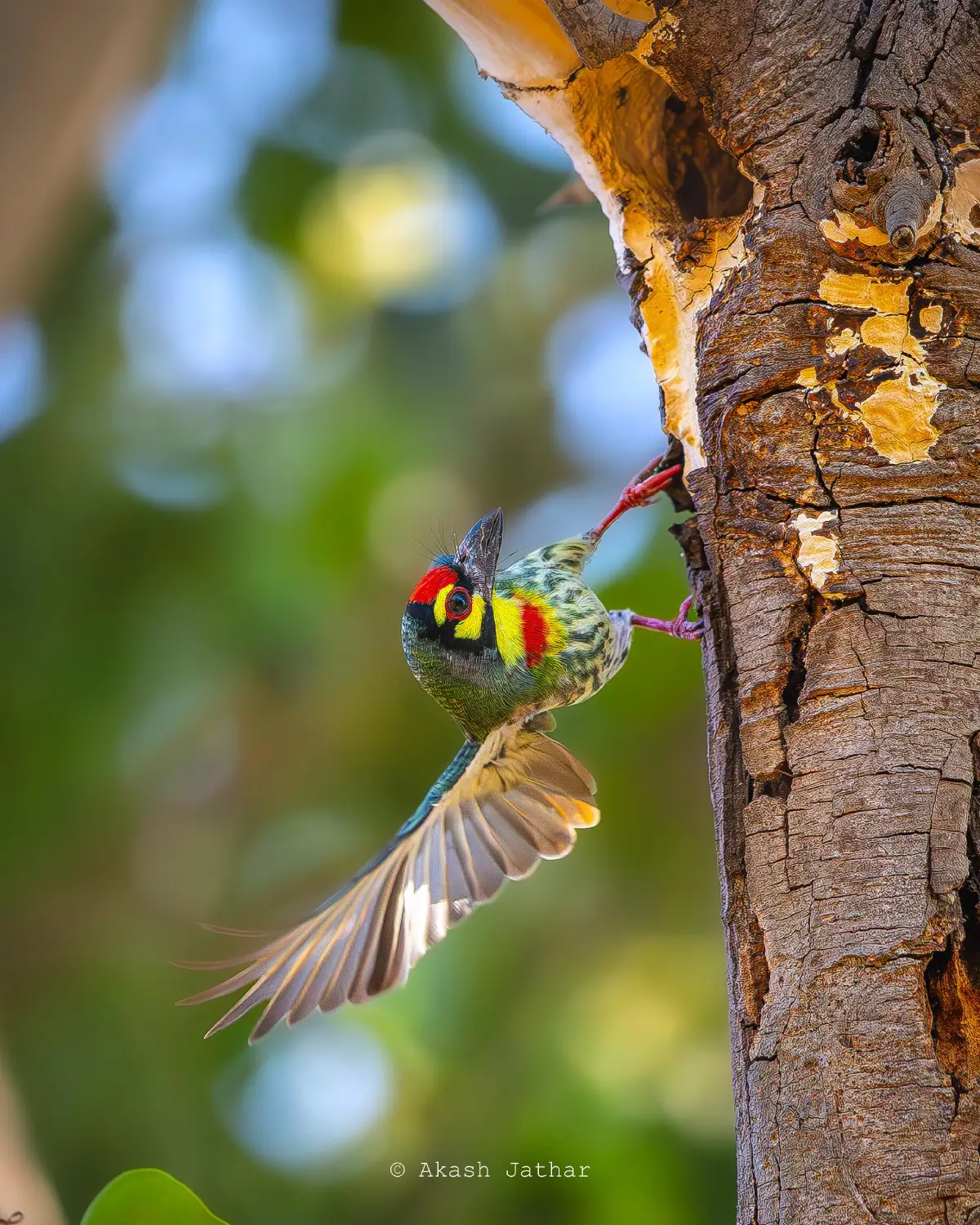
Coppersmith Barbet

Blue-capped Rock Thrush

Red Spurfowl

Oriental Honey Buzzard
Summary of Walk
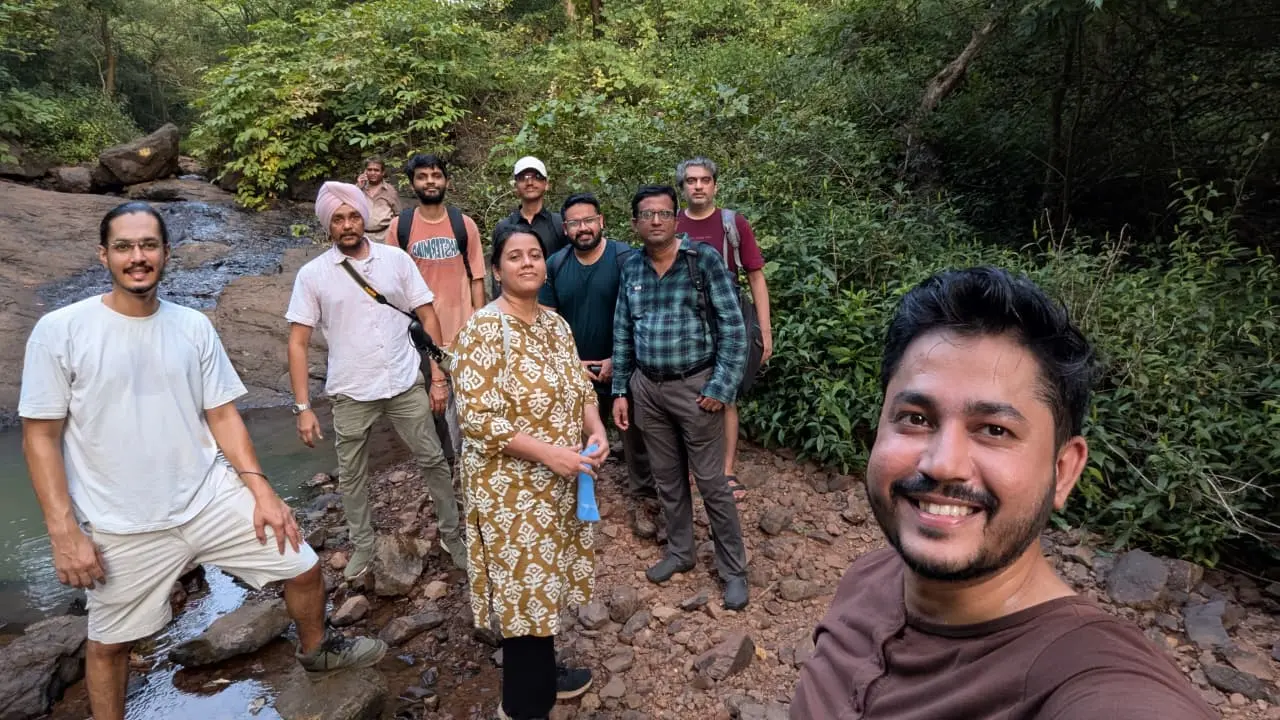
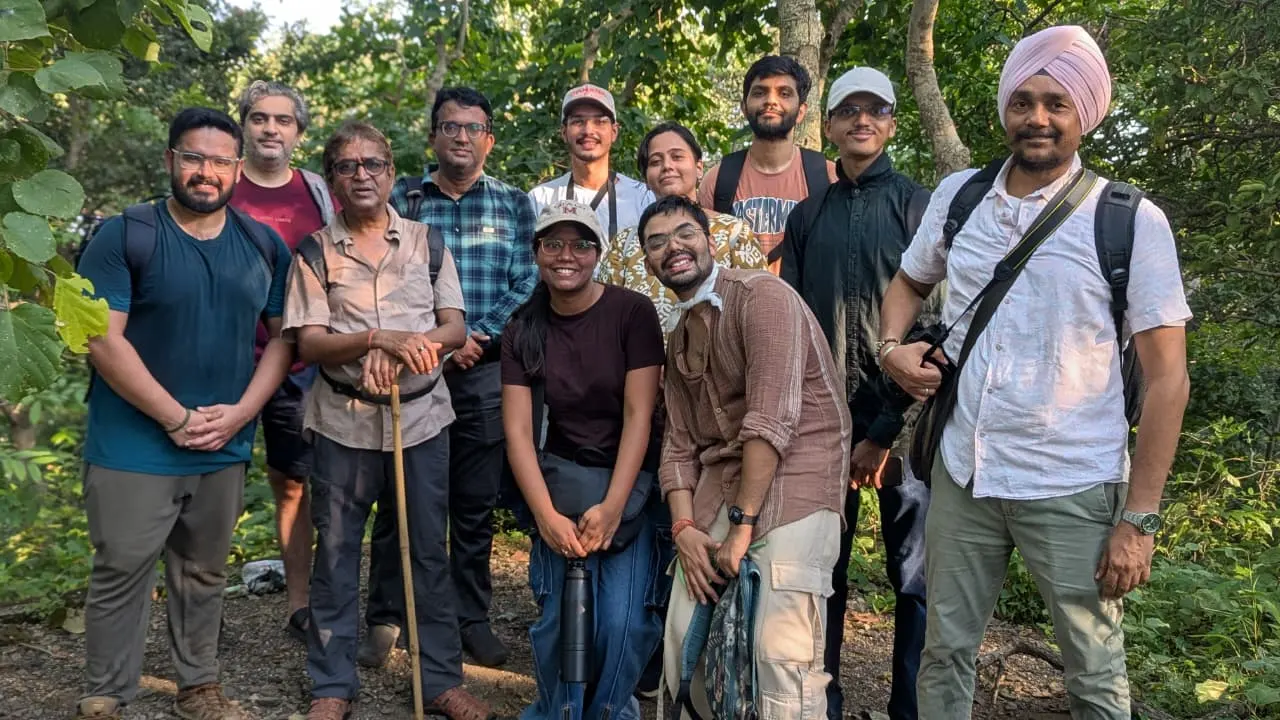
Seven nature lovers gathered at the BNHS Conservation Education Centre in Film City, Goregaon, on 2 October, celebrating Wildlife Week with a morning among the trees under the guidance of Sukhpreet Kohli. After picking up tickets and sharing a warm round of introductions, the group buzzed with anticipation as they headed onto the Karvi Trail, where the forest canopy welcomed them almost immediately. Troops of Hanuman Langurs swung overhead while the calls of Indian Grey Hornbills, Crested Serpent-Eagles and Shikras echoed through the trees, setting the tone for a walk that was as much about listening as looking. The group recorded 15 species in total, with the Crested Serpent-Eagle and the radiant Loten’s Sunbird standing out as highlights of the morning. Continuing up the trail all the way to Salim Ali Point, the highest spot within BNHS, participants soaked in panoramic views of Vihar Lake and paused for fun group photos and selfies to mark the occasion. On the way down, the distinctive calls of hornbills accompanied the group once more, and a stop at the bird hide near the ticket office added to the sense of exploration. As a few participants wandered over to the Leopard Trail near the main gate, a lovely surprise arrived: three Indian Grey Hornbills flew directly overhead and disappeared into the canopy, a perfect closing moment. Documenting canopy dwellers and forest birds right on the edge of a bustling metropolis was a wonderful reminder of the vibrant biodiversity thriving in Mumbai’s green pockets, and of why it matters so much to protect, conserve and cherish our urban ecosystems and wildlife.
Number of Participants
0