Loading Events

Bird Walk at Pasumamula Cheruvu, Hyderabad

About Pasumamula Cheruvu

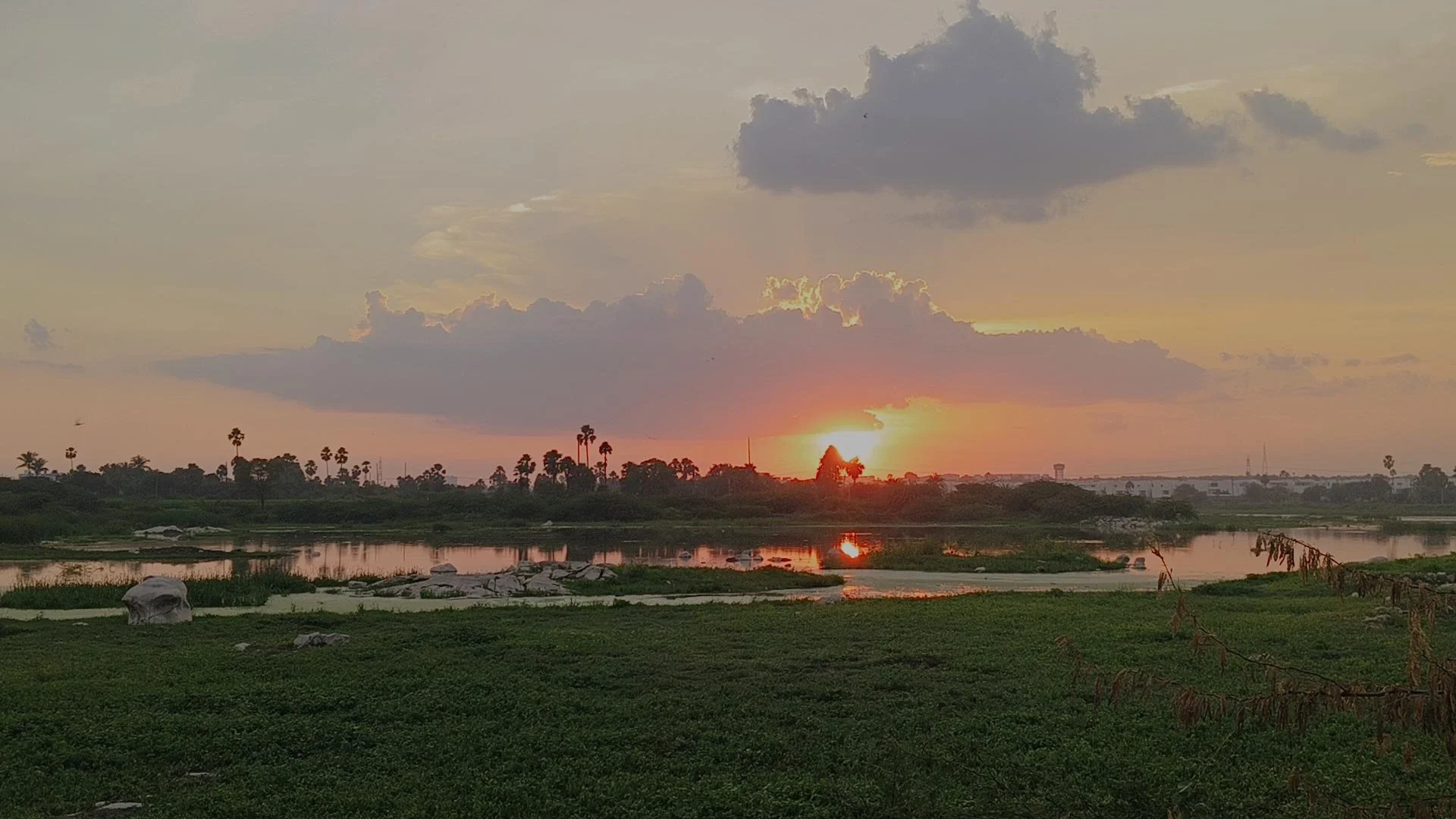
Pasumamula Cheruvu is a wetland located in Pasumamla village of Hayathnagar, on the outskirts of Hyderabad. The lake forms part of the network of waterbodies in the Hyderabad Metropolitan Region and is surrounded by a landscape of open areas, village settlements, agricultural land, trees, and seasonal drainage channels. The combination of open water, vegetated edges, and surrounding rural landscape creates a varied habitat that can support aquatic and terrestrial wildlife. Seasonal rainfall and changes in water levels further influence the character of the lake and its surroundings, making the area particularly interesting for nature and birdwatching.
The relatively open setting of Pasumamula Cheruvu provides a contrast to the rapidly urbanising landscape of Hyderabad. Maintaining the lake’s water spread, natural drainage, vegetation, and designated buffer area is important for retaining its ecological value. HMDA’s lake survey specifically maps a 30-metre buffer around the lake’s full-tank-level boundary, highlighting the importance of protecting the surrounding zone along with the waterbody itself. As development continues around Hyderabad’s peripheral areas, protecting such wetlands from encroachment, pollution, excessive disturbance, and changes to natural water flow will be important for sustaining their habitat value.

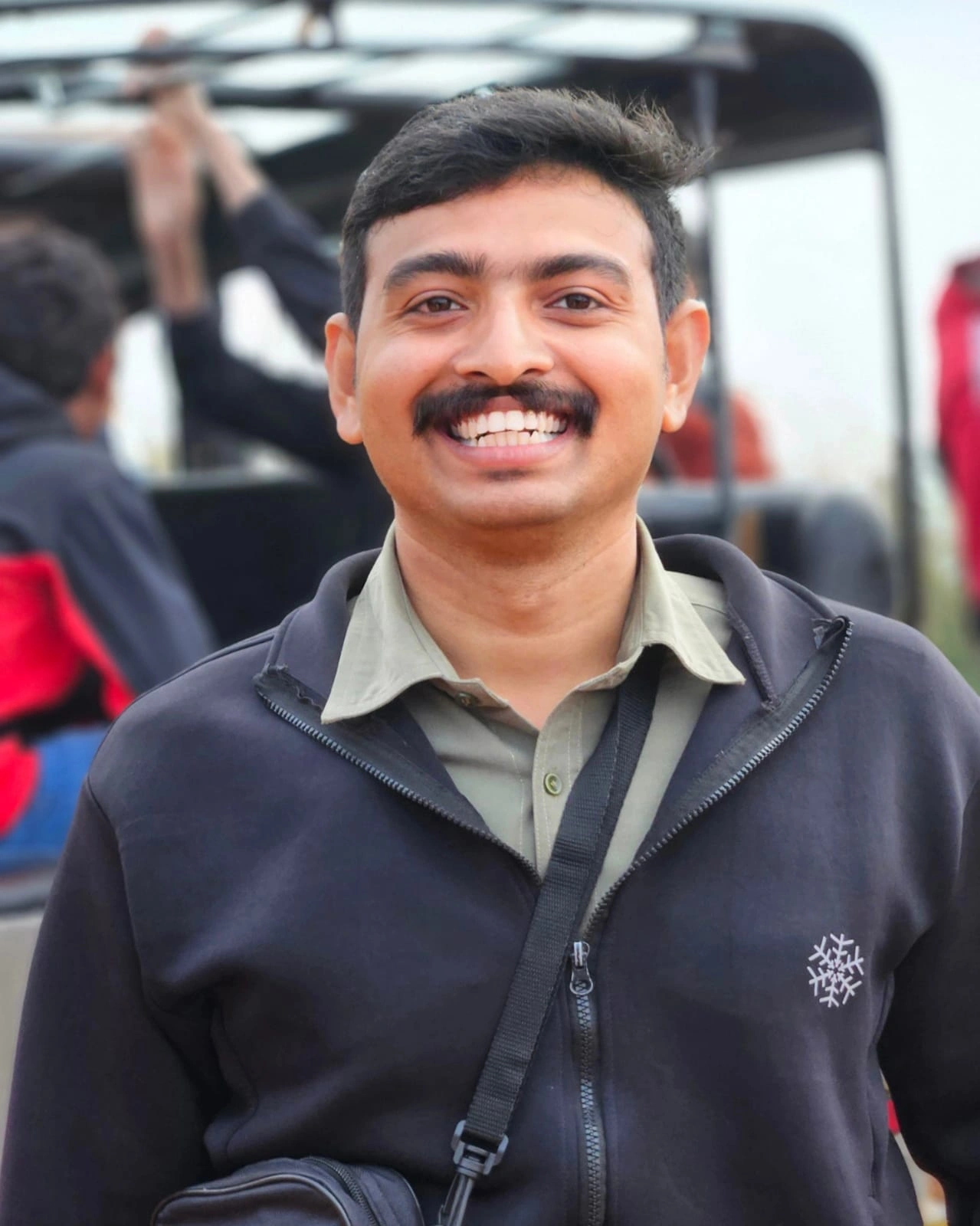
Bird Guide: Ashly Biji

He has over 4 years of experience as an official birder and has led nearly 500 nature walks across the Periyar Tiger Reserve and various parts of Telangana. His extensive field experience has deepened his understanding of birds, wildlife, and their habitats, while his work as a nature guide reflects his passion for connecting people with the natural world.
Bird walk Location

Common birds of Pasumamula Cheruvu

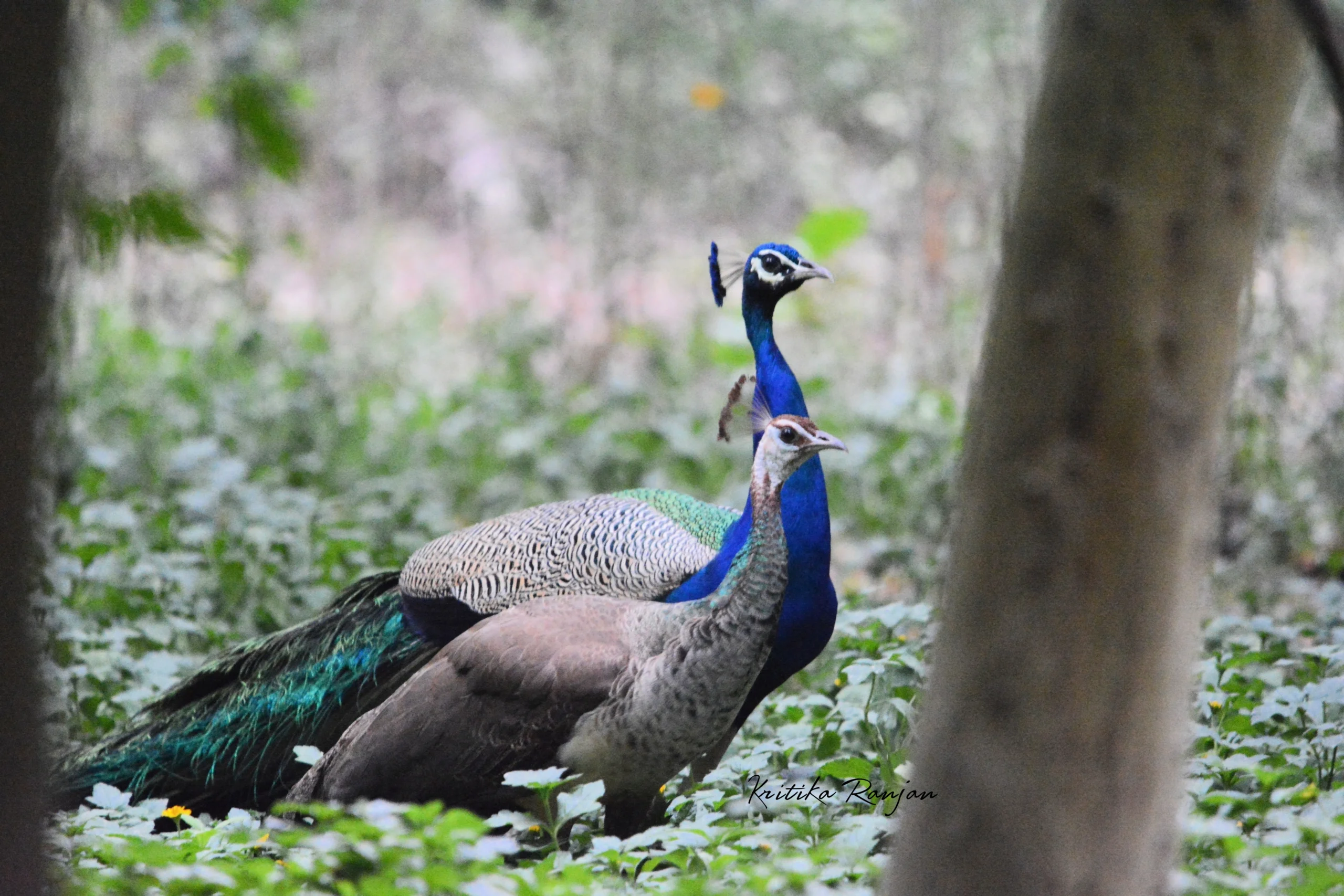
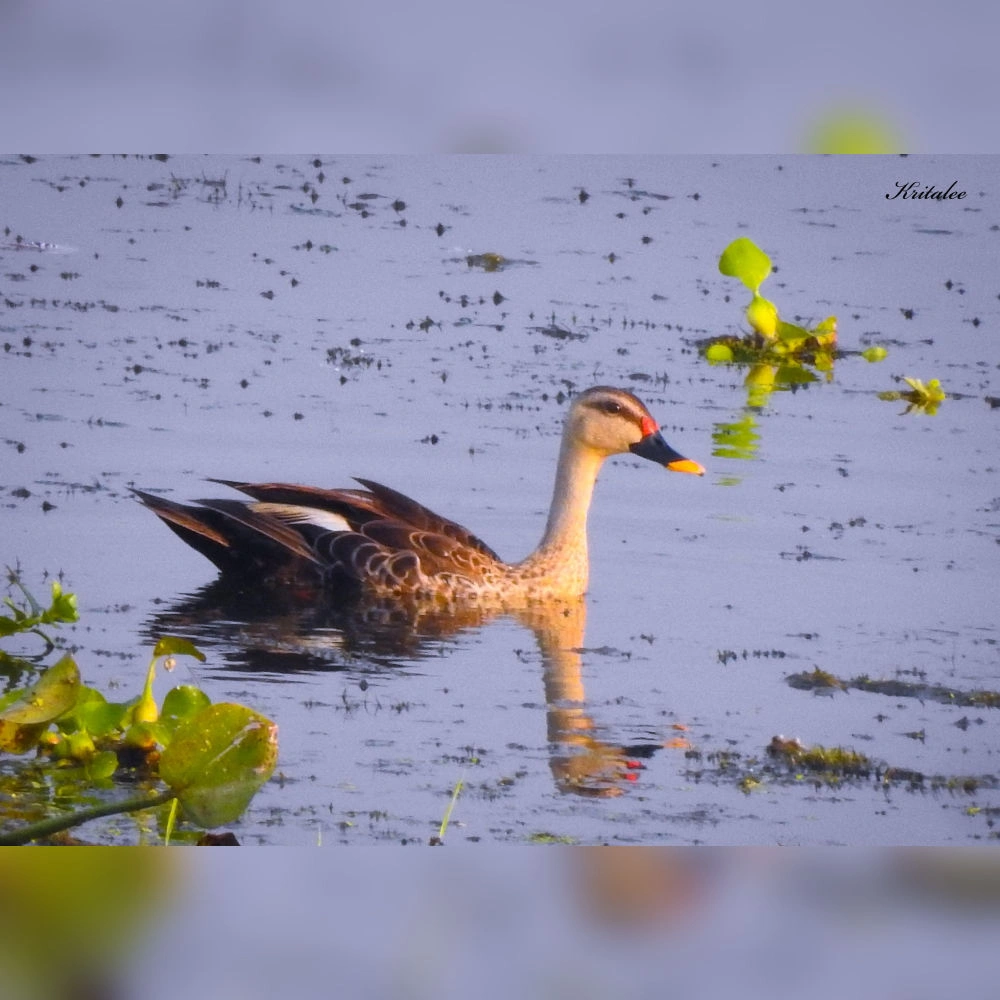
Pasumamula Cheruvu supports a diverse assemblage of wetland, grassland, scrub, and open-country birds. The lake attracts several waterbirds, with Eurasian Coot, Black-winged Stilt, Eurasian Moorhen, Grey-headed Swamphen, White-breasted Waterhen, and Indian Spot-billed Duck making use of the open water and wetland margins. Black-winged Stilt was particularly well represented in the observations, while Yellow-wattled Lapwing, Red-wattled Lapwing, and Indian Thick-knee add to the diversity of birds associated with open and sparsely vegetated areas. The surrounding vegetation and drier habitats support Indian Peafowl, Grey Francolin, Spotted Dove, Laughing Dove, Greater Coucal, Blue-faced Malkoha, and several cuckoo species, including Asian Koel, Grey-bellied Cuckoo, and Common Hawk-Cuckoo. Indian Nightjar adds a nocturnal species to the area’s birdlife, while Little Swift and Asian Palm Swift represent the aerial insectivores. Together, these species highlight the variety of habitats around Pasumamula Cheruvu and its importance as a birdwatching site.
Indian Spot-billed Duck
Indian Peafowl
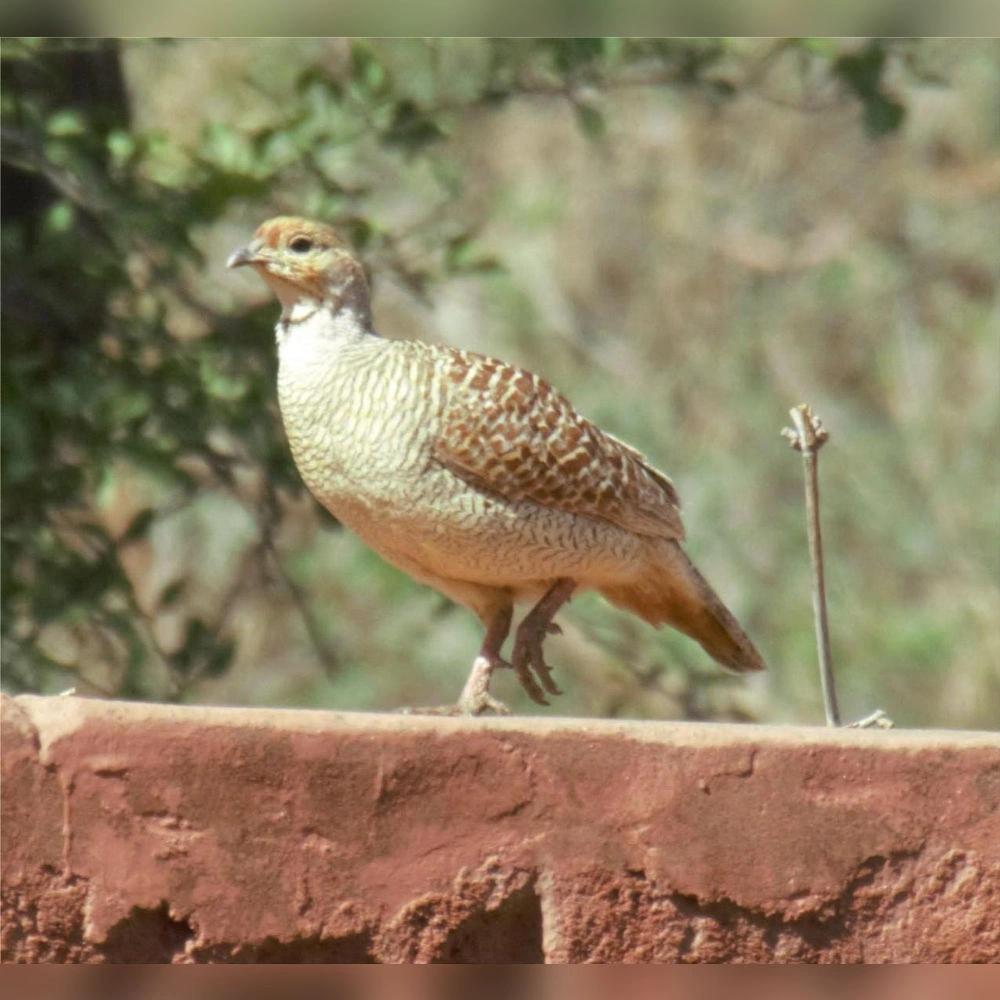
Grey Francolin
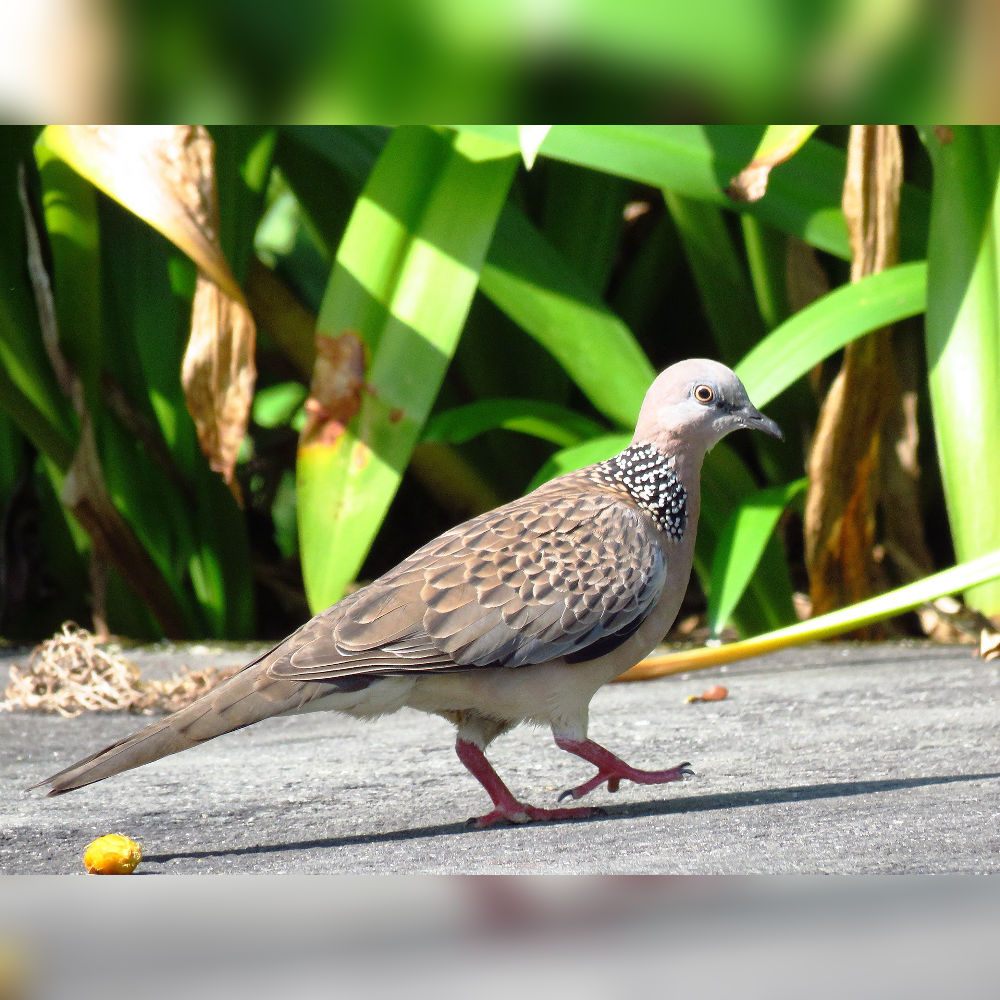
Spotted Dove
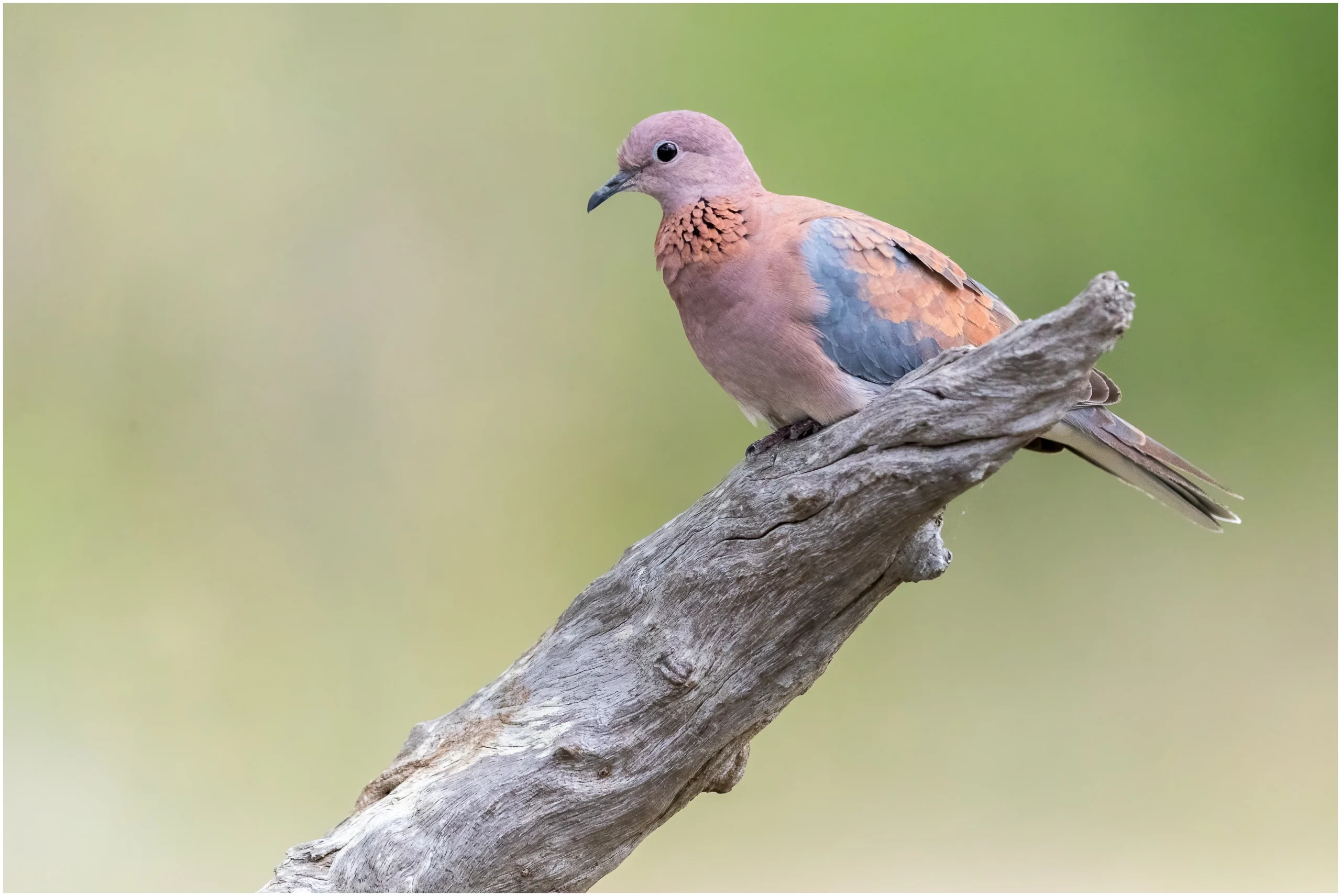
Laughing Dove
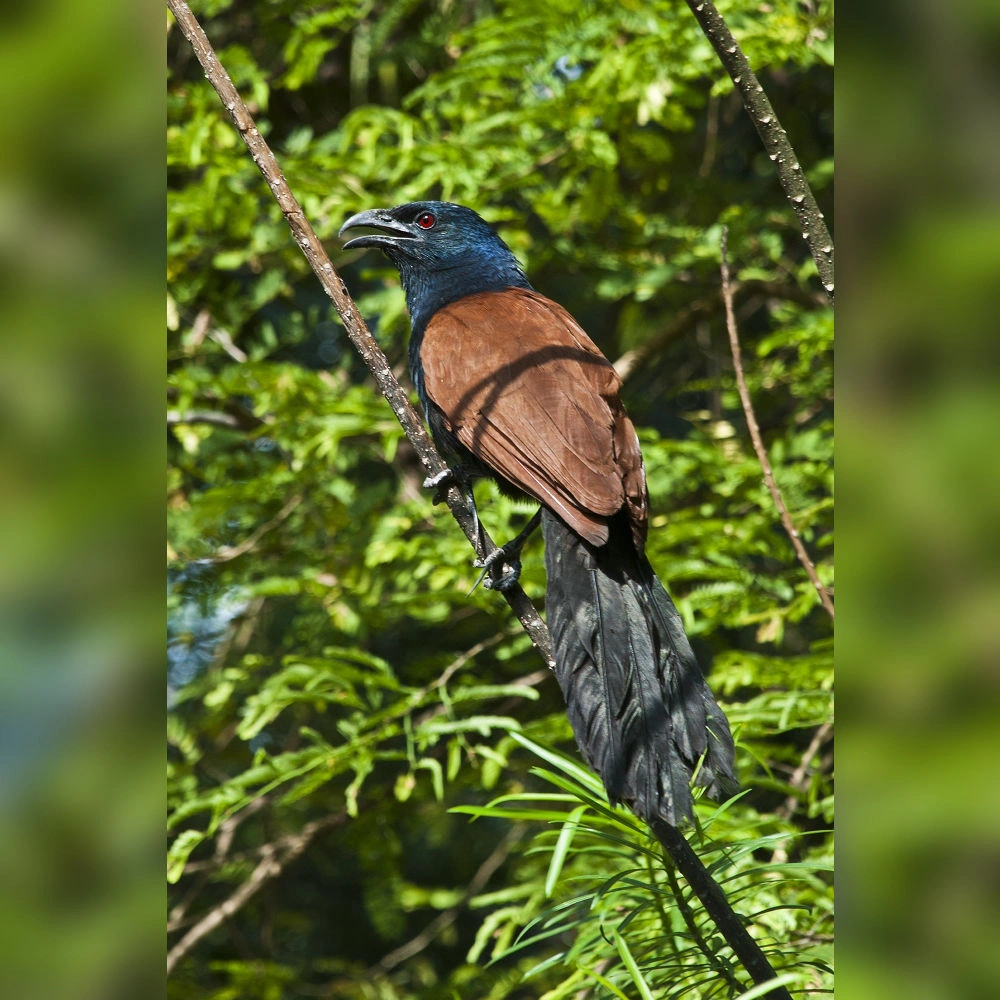
Greater Coucal
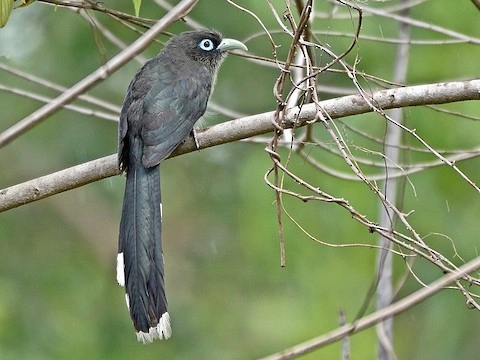
Blue-faced Malkoha
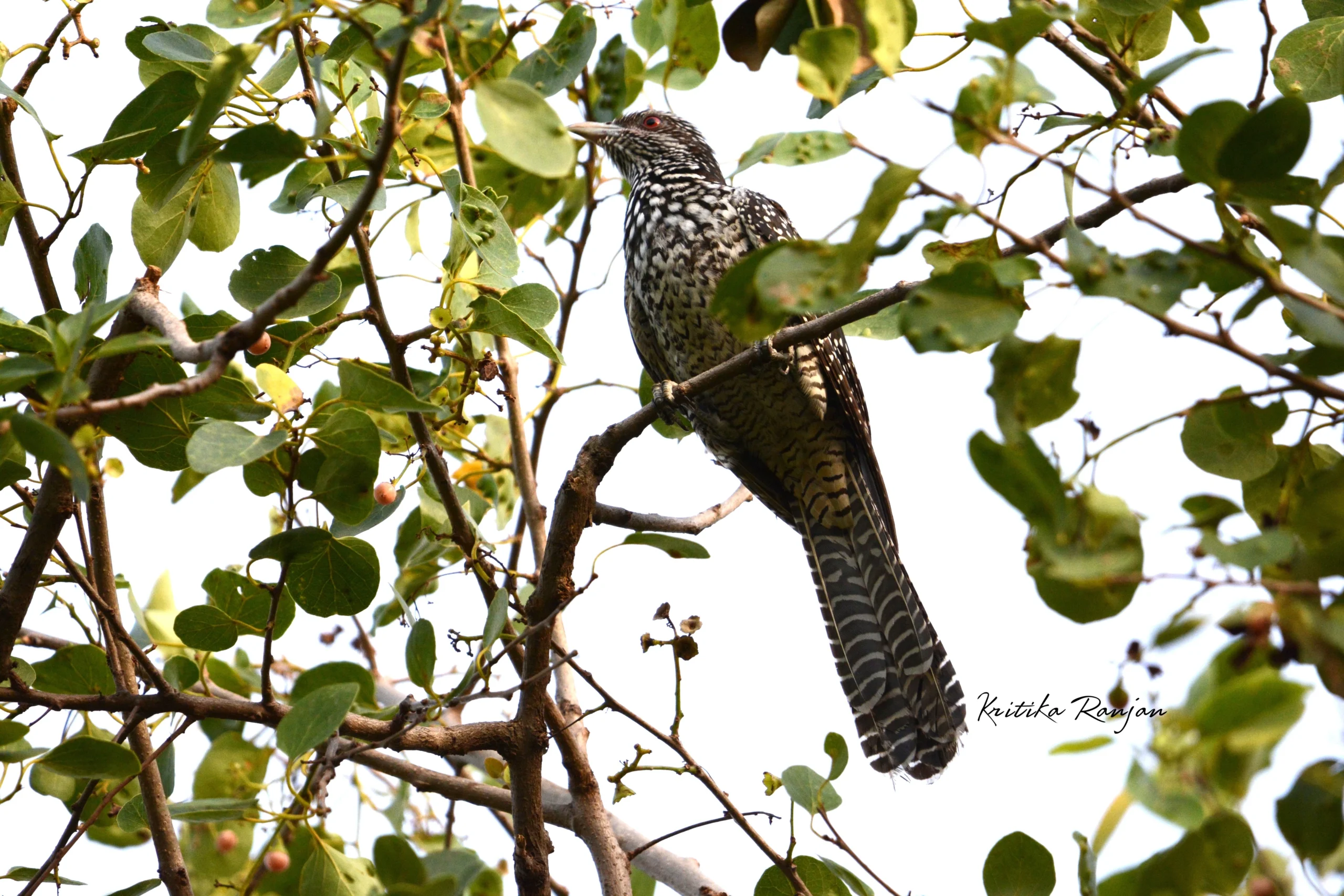
Asian Koel
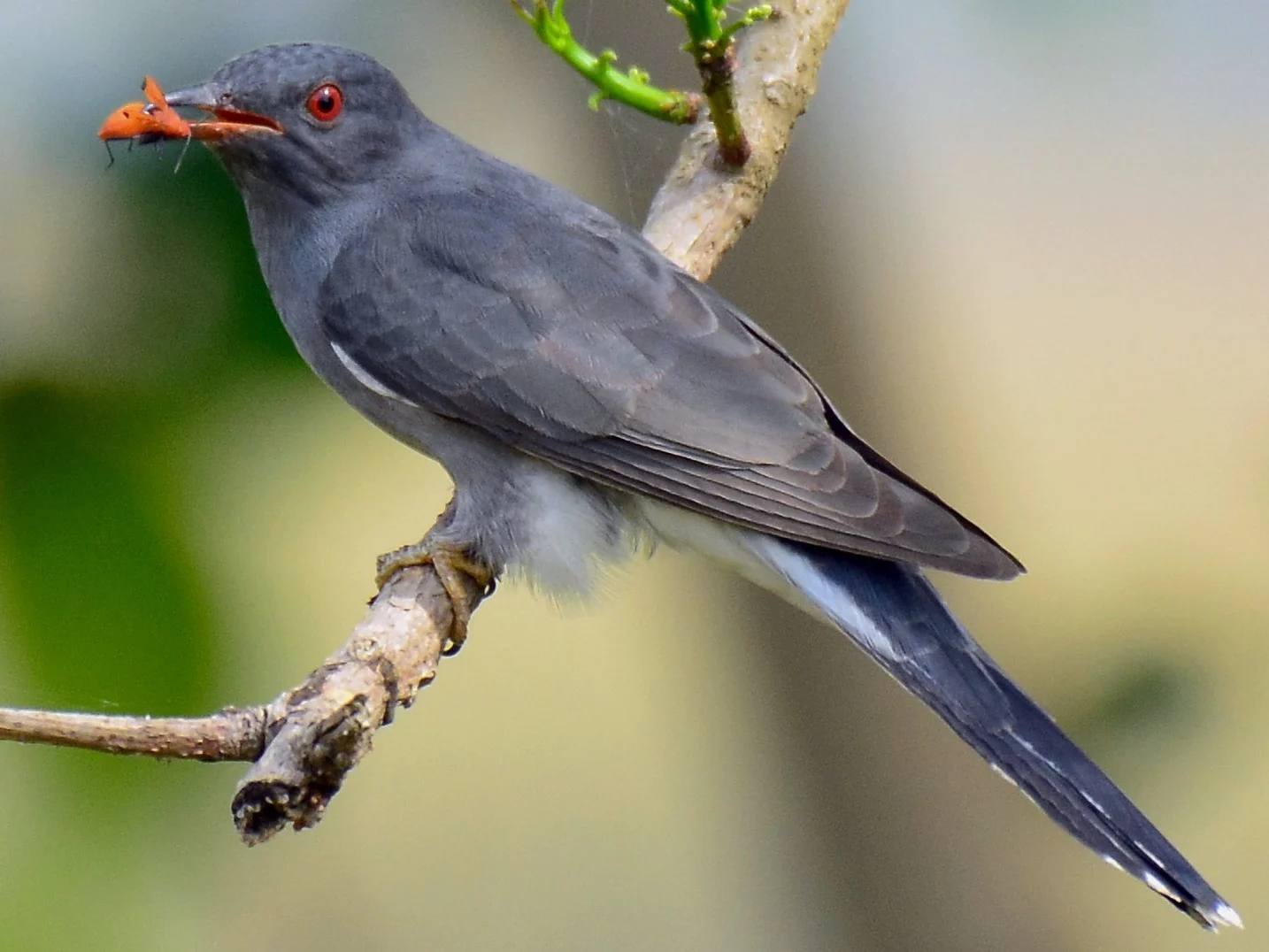
Grey-bellied Cuckoo
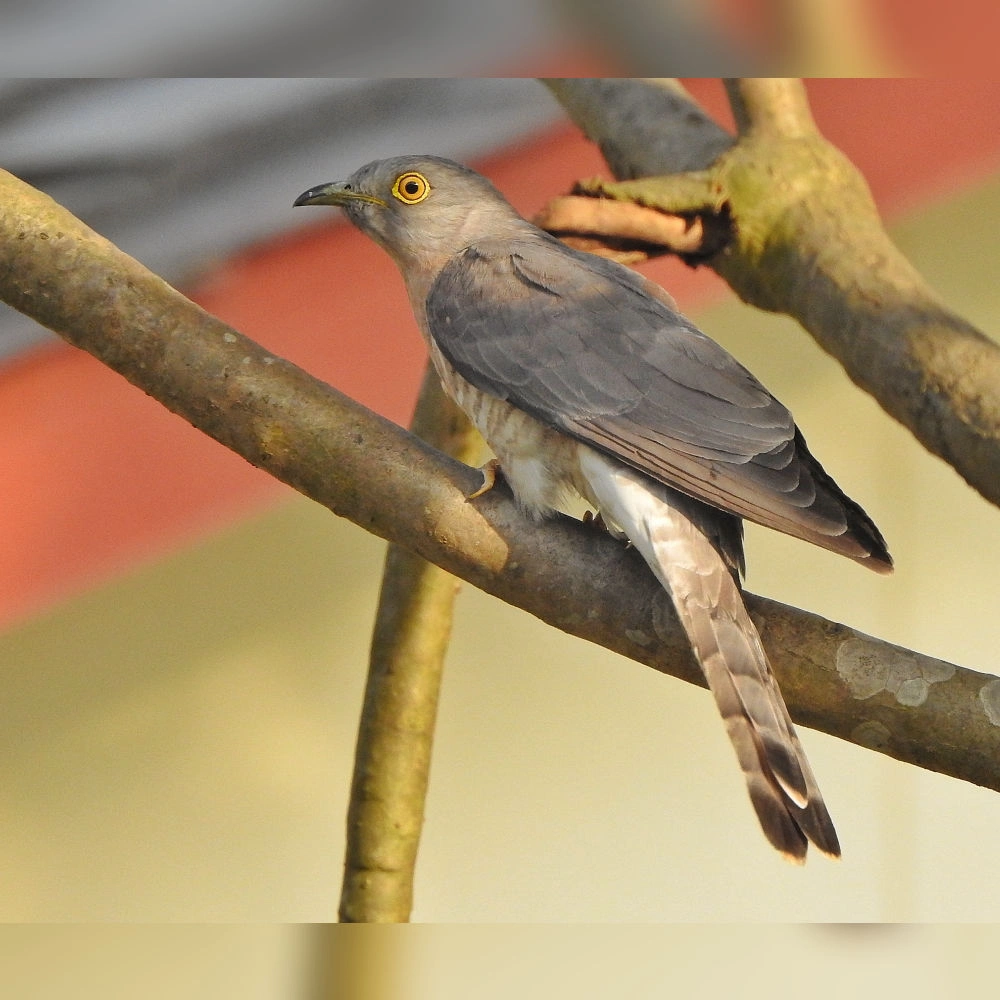
Common Hawk-Cuckoo
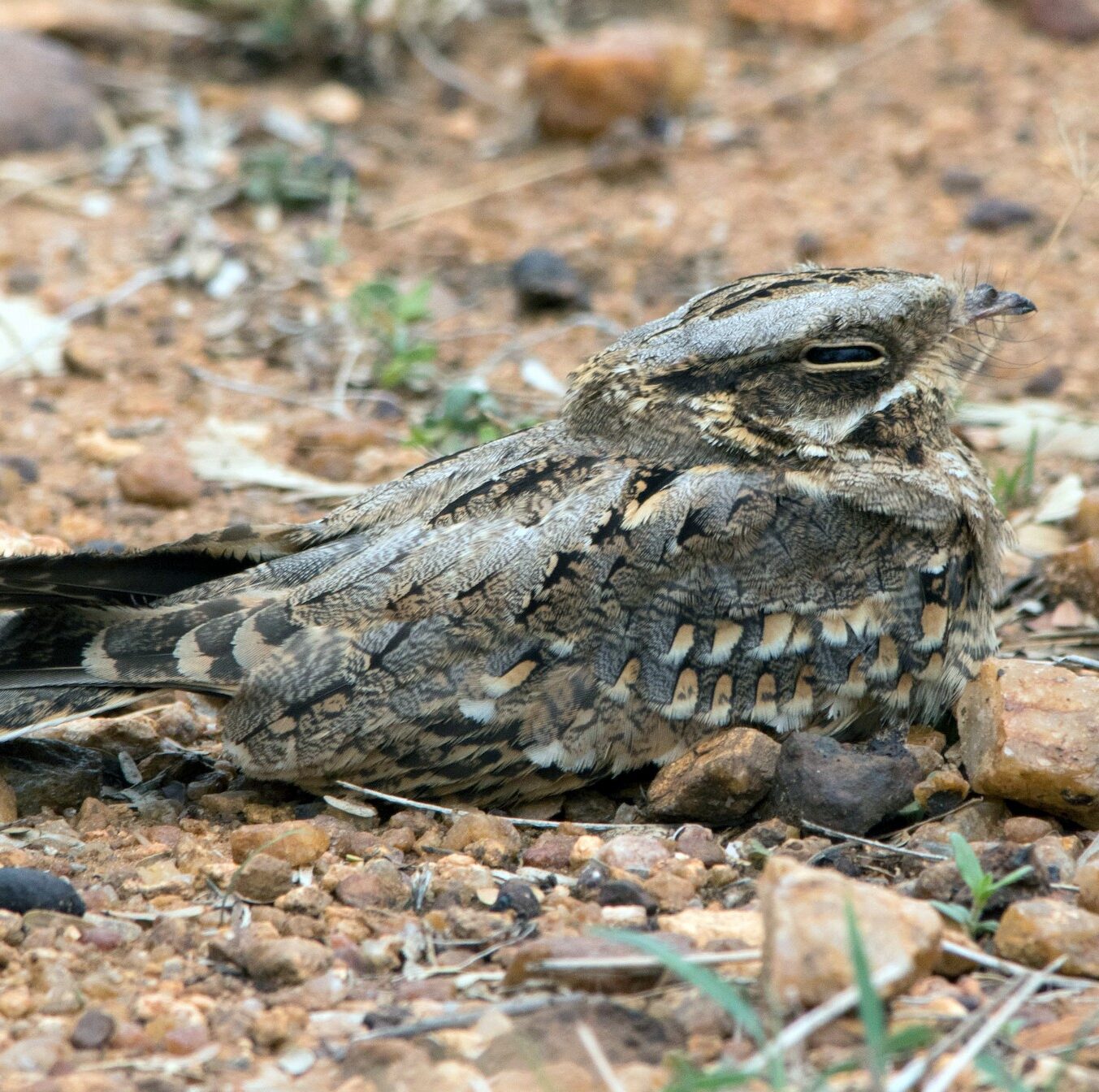
Indian Nightjar
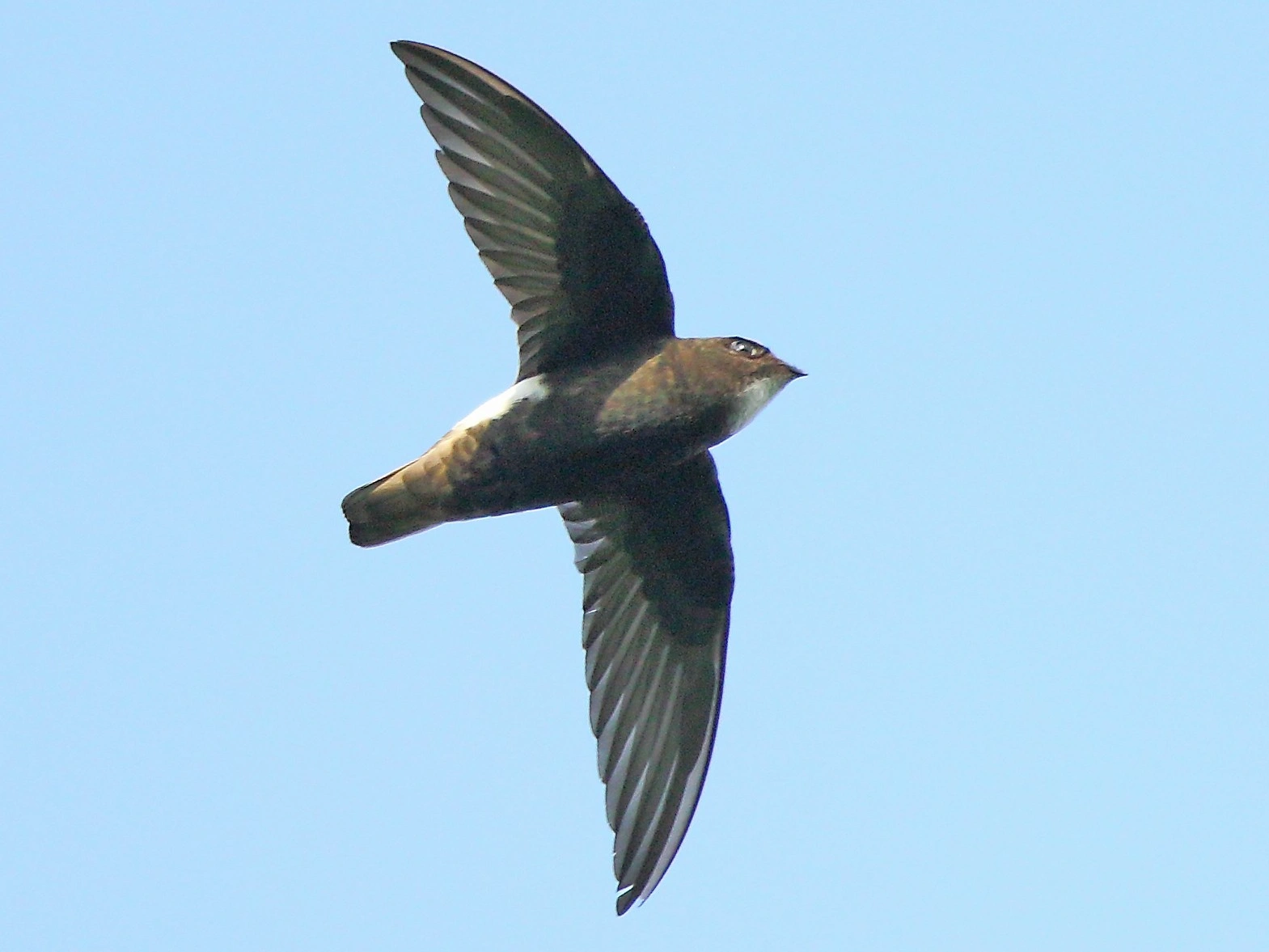
Little Swift
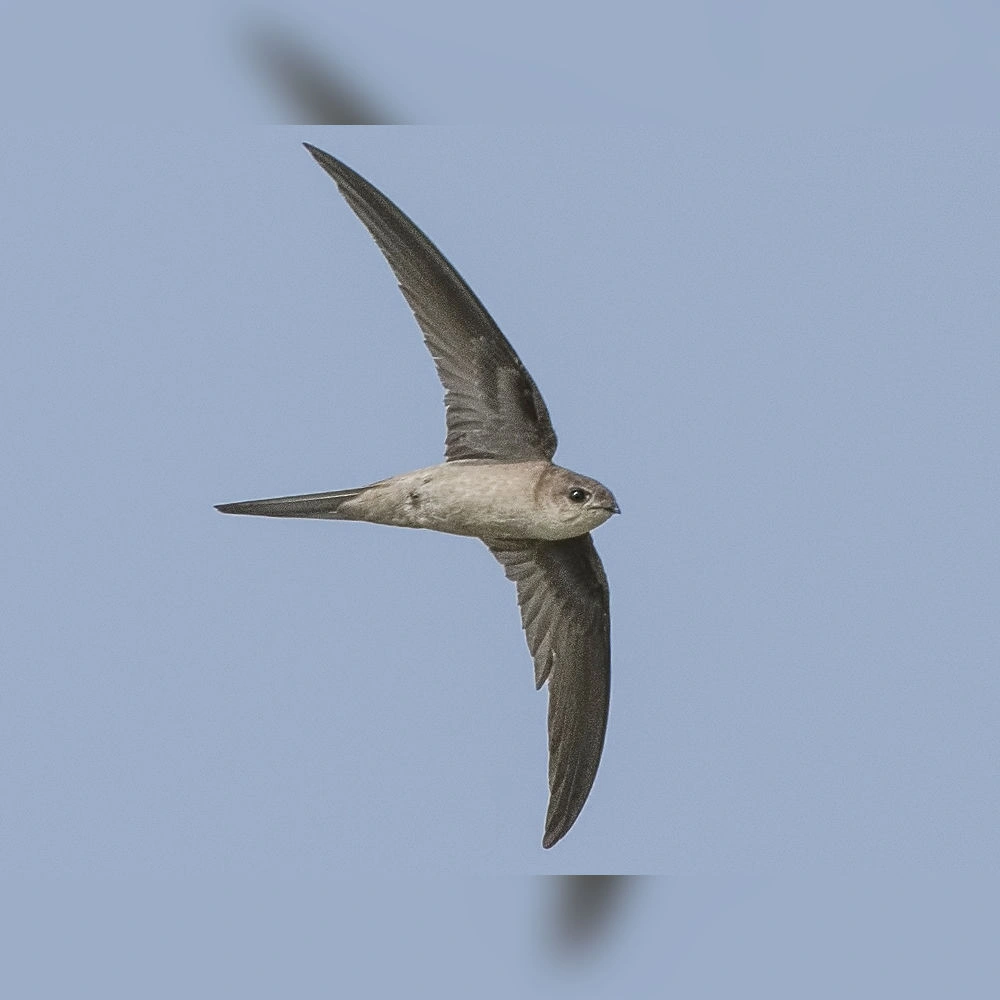
Asian Palm Swift
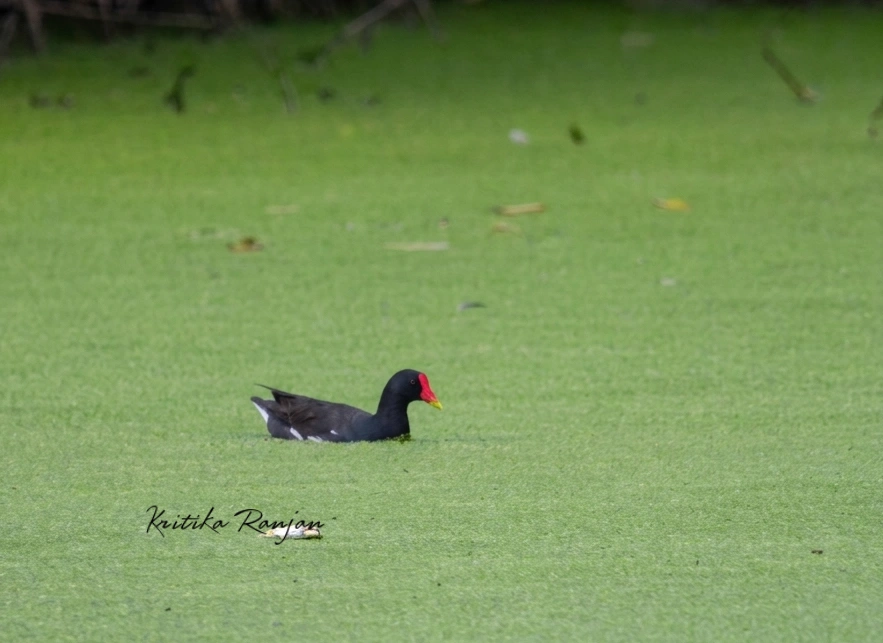
Eurasian Moorhen
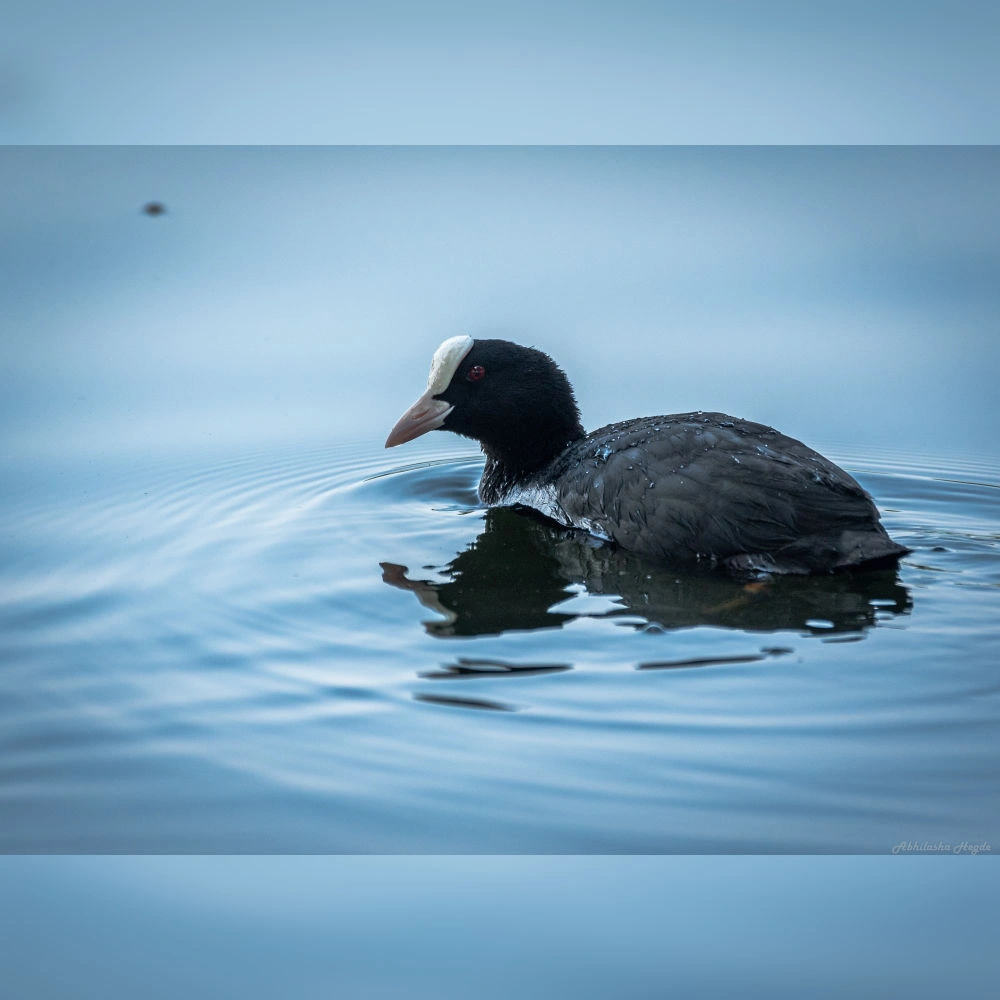
Eurasian Coot
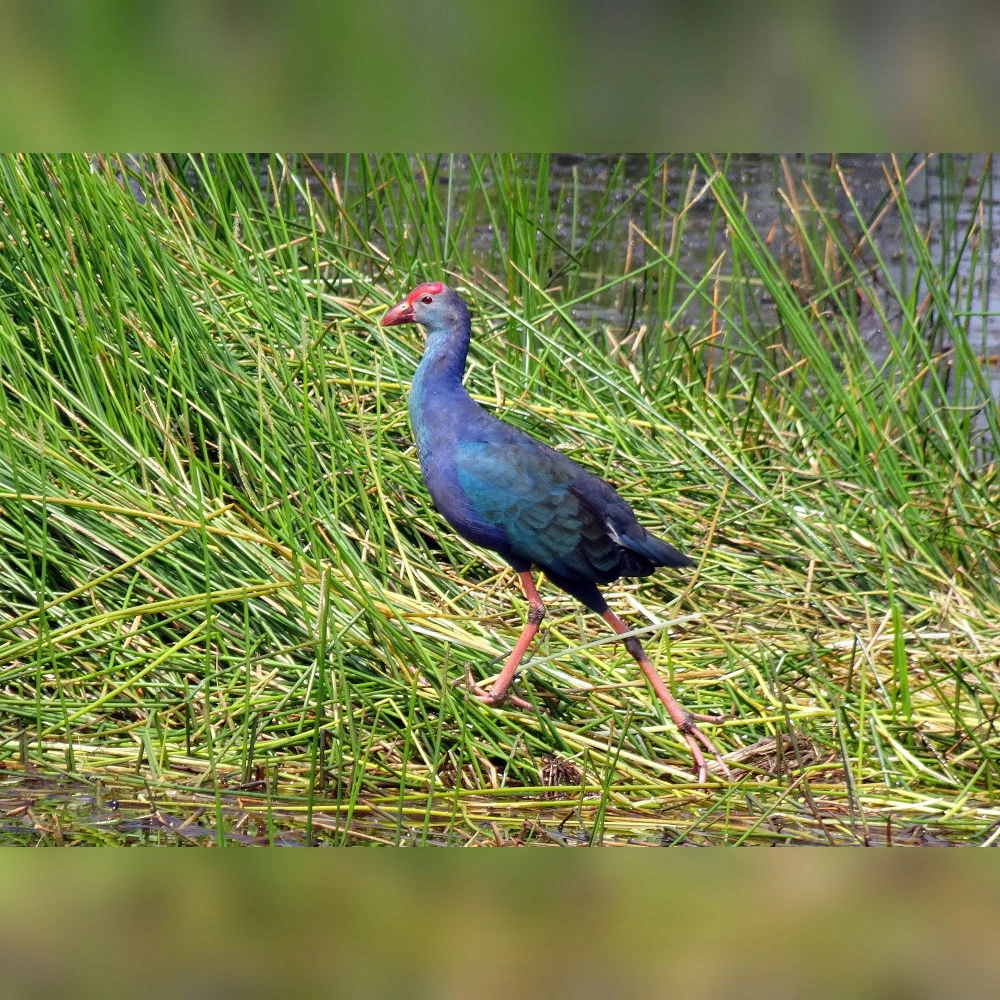
Grey-headed Swamphen
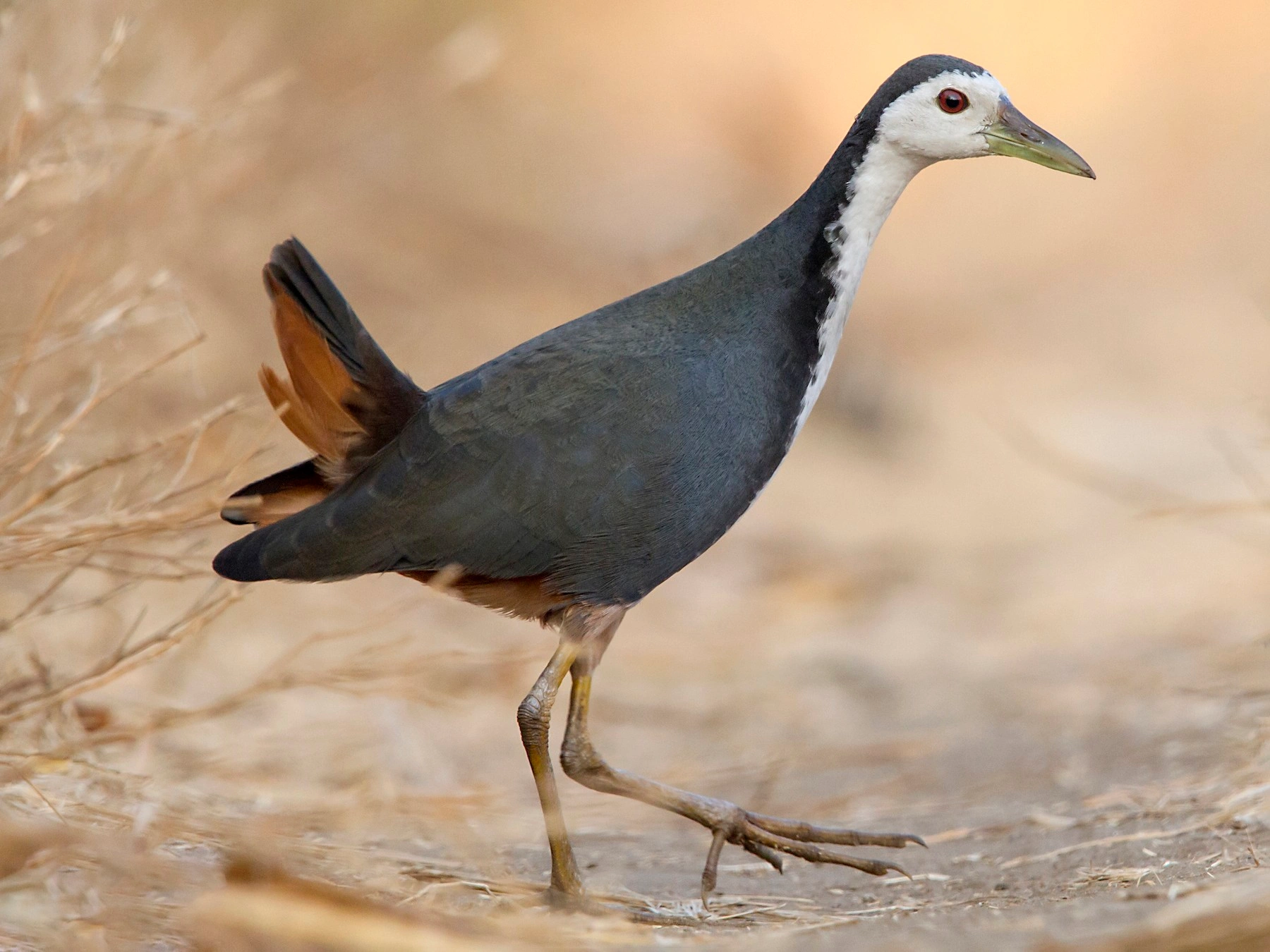
White-breasted Waterhen
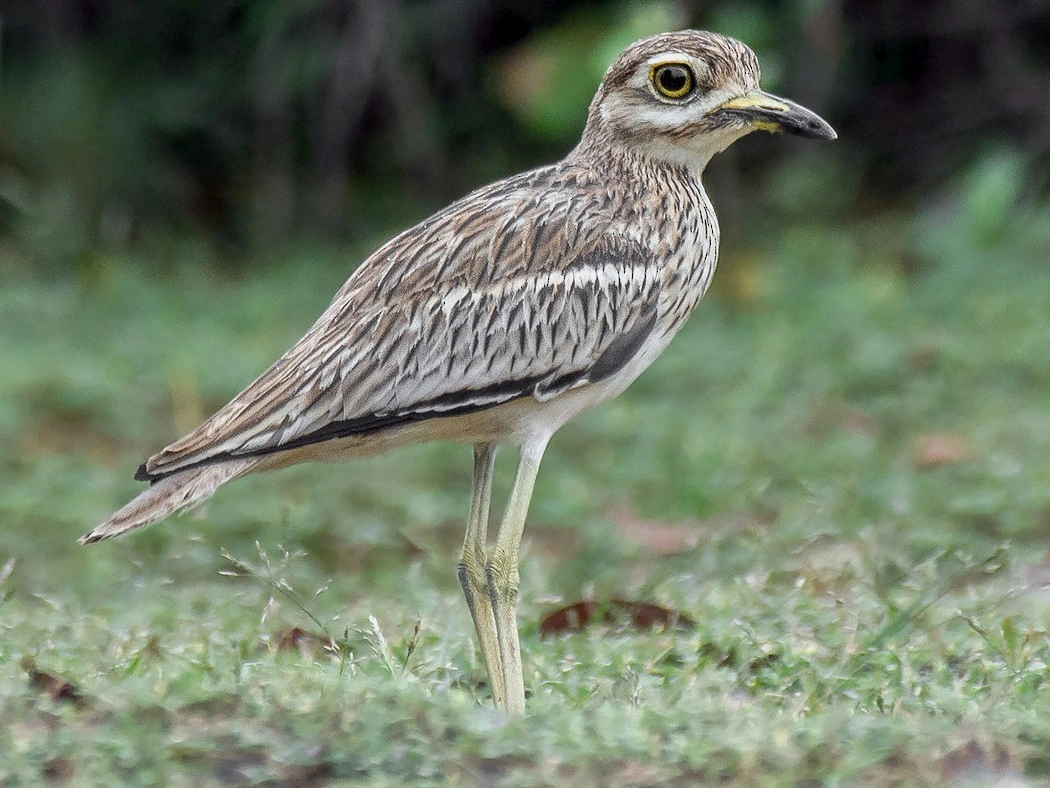
Indian Thick-knee
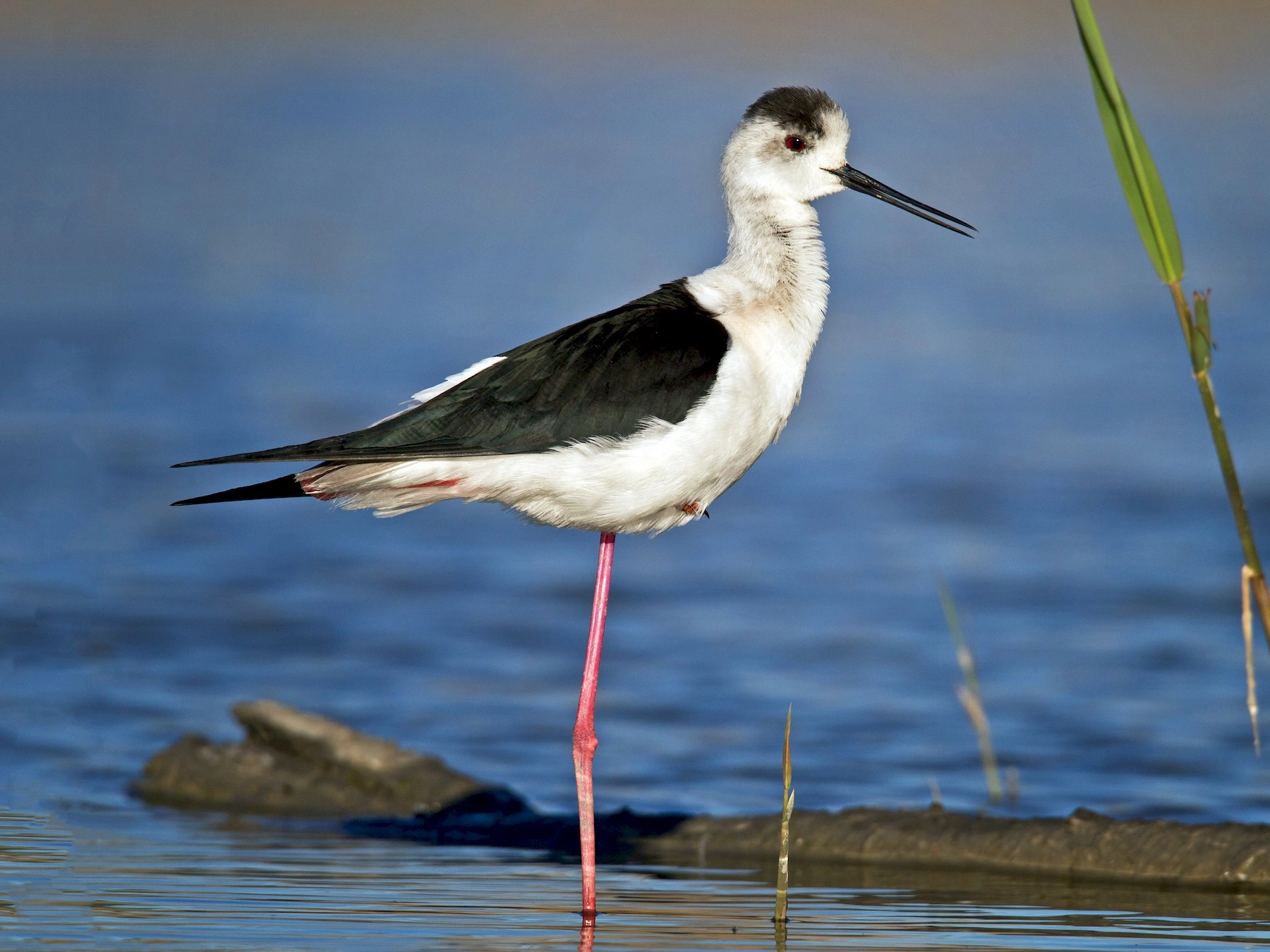
Black-winged Stilt
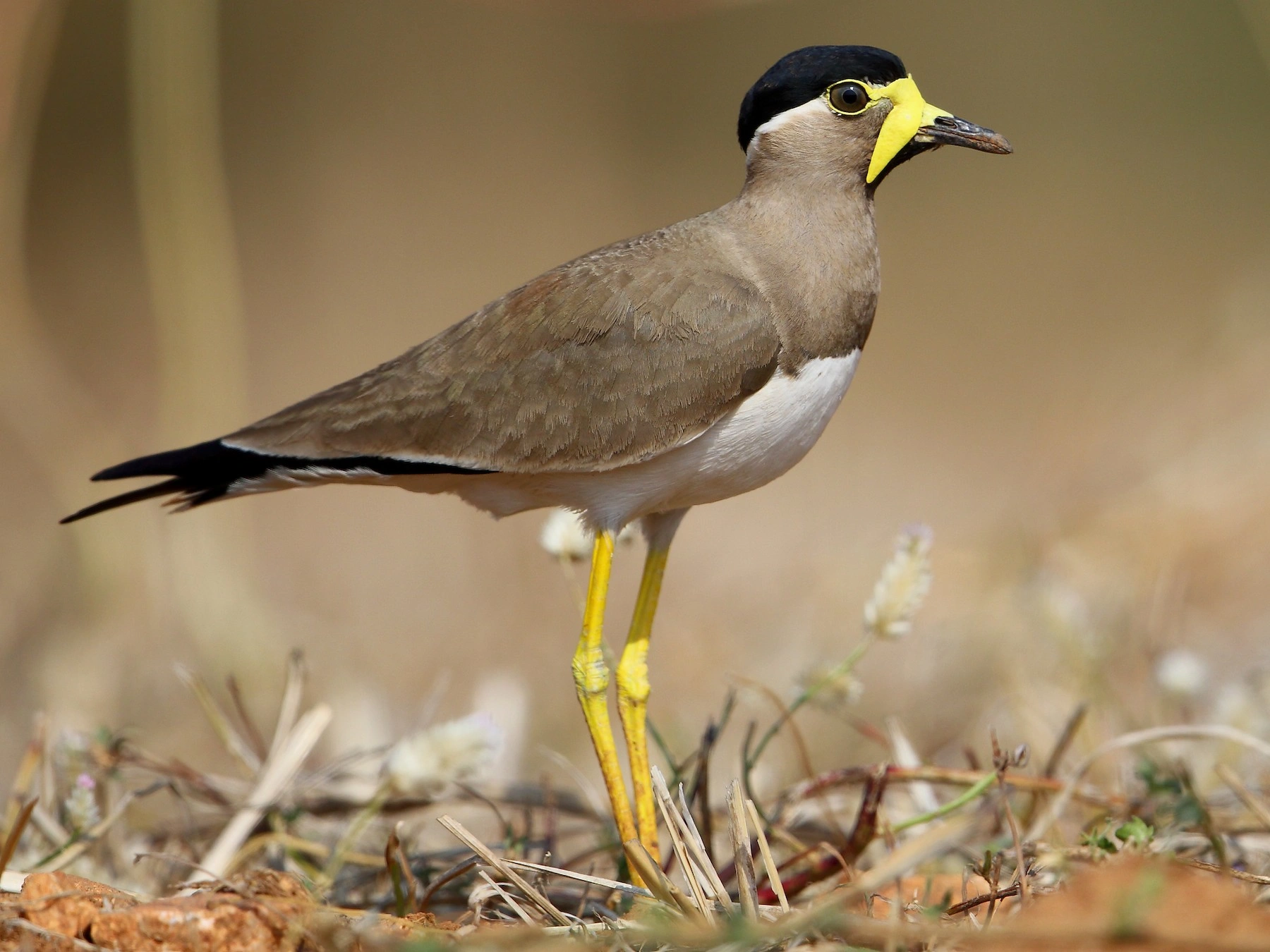
Yellow-wattled Lapwing

Summary of Walk

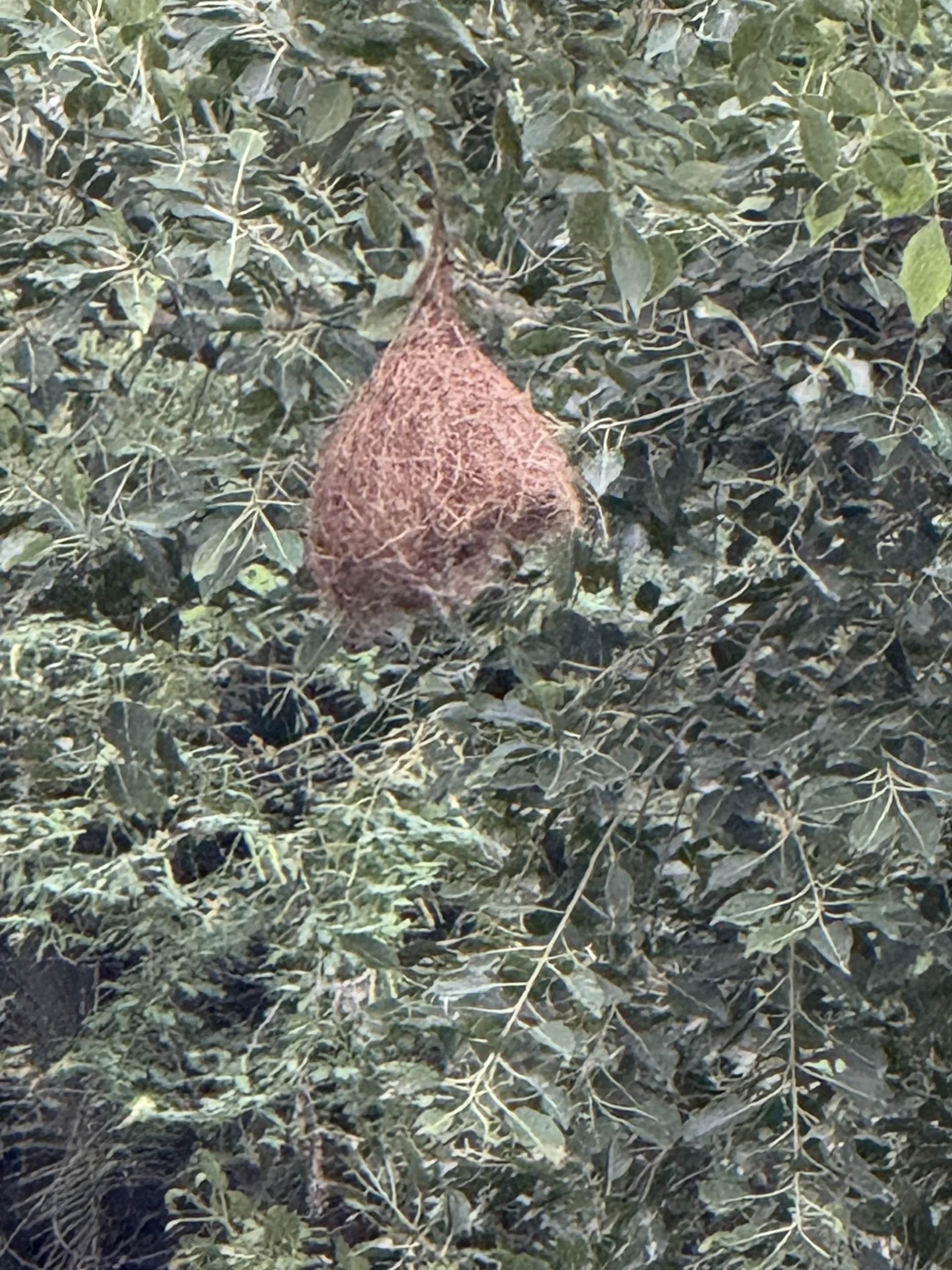
Eight birders joined guide Ashly Biji at Pasumamula Cheruvu in Hyderabad on 4 October for a gentle and enjoyable walk beside the lake. The water, reeds and grassy margins make this a welcoming habitat for a broad range of birds, and the group moved along at an easy pace, watching the shore, the shallows and the branches overhead. By the end of the morning, they had recorded 25 species, a pleasing list that reflected the character of the wetland. One of the highlights was the Glossy Ibis, a bird whose dark feathers shine with bronze, purple and green when the sunlight strikes them at the right angle, and the group enjoyed watching it probe the mud with its long curved bill. The Baya Weaver, famous for its beautifully woven hanging nests, was another favourite, and the group admired the skill and patience that go into building such an intricate structure. Lakes like this one are frequently visited by herons, egrets, cormorants, kingfishers and bee-eaters, and the participants had the chance to compare how each species hunts and moves around the water. Ashly led the walk with a friendly and encouraging style, offering tips on identification, explaining behaviour and inviting every participant to share what they saw. With a small and curious group, conversation flowed naturally, and the morning felt warm and personal. The calm of the water, the rustle of the reeds and the sound of birdsong made the walk a refreshing break from the pace of city life, and the participants left with new knowledge, new species on their lists and a plan to return soon.
Number of Participants
0
Scroll to Top