
Loading Events

Bird Walk at Korattur Lake, Chennai, Tamil Nadu

About Korattur Lake

Korattur Lake (Korattur Aeri) covers about 990 acres in western Chennai and is one of the city’s largest water bodies. It works as part of a three-lake chain with the Ambattur and Madhavaram lakes, and during the water shortages of the late 1970s it even supplied drinking water to the city. Palmyra and date palms line its long bund, and water hyacinth and wetland rushes grow thick in the shallows. The result is a big mix of open water, marsh and reedbed set inside a dense industrial and residential landscape.
For birders, Korattur is a large, easy-to-reach urban wetland. Herons, egrets, cormorants and kingfishers are on the water, Common Tailorbirds and Purple-rumped Sunbirds are in the palms, and Spot-billed Pelicans, Painted Storks and Asian Openbills visit to feed. The lake is also a warning about what Chennai’s wetlands face. Sewage and industrial effluent from Ambattur, Pattaravakkam and Athipet have badly polluted the water, and water hyacinth spreads fast. Encroachment has shrunk its edges, and hundreds of structures were removed only after a major rejuvenation drive. Stopping untreated waste at the source, protecting the full lake bed and managing the weeds sensitively are vital if Korattur is to stay a thriving refuge for birds in the heart of the city.

Bird Guide: Pradeeshwar R J

He is a wildlife ecologist specializing in the field of ornithology, community ecology, fire ecology and bioacoustics. Being a researcher, he is trying to understand the patterns and processes of the system.

Bird walk Location

Common birds of Korattur Lake

Korattur’s wide waters draw some of the most impressive birds of South India’s wetlands. Spot-billed Pelicans glide in on huge wings to fish in the open lake. Painted Storks, with their rosy wing feathers and yellow bills, wade through the shallows. The black-and-white Pied Kingfisher hovers in the air before plunging after fish, while the tiny, jewel-bright Common Kingfisher darts low along the bank. Purple and Gray Herons stand hidden among the reeds, Black-crowned Night Herons wait for dusk, and Indian Pond-Herons and Little Egrets hunt patiently at the water’s edge. Black-winged Stilts step delicately on pink legs. Little Grebes, Eurasian Coots and Moorhens dot the water, and White-breasted Waterhens slip in and out of the rushes. The White-browed Wagtail bobs along the bund. Along the palm-lined bunds, Asian Green Bee-eaters sally out after insects, Common Tailorbirds call from the bushes, and White-browed Bulbuls chatter in the scrub. Rose-ringed Parakeets, Large-billed Crows and the Asian Koel complete a lively scene at this busy city lake.
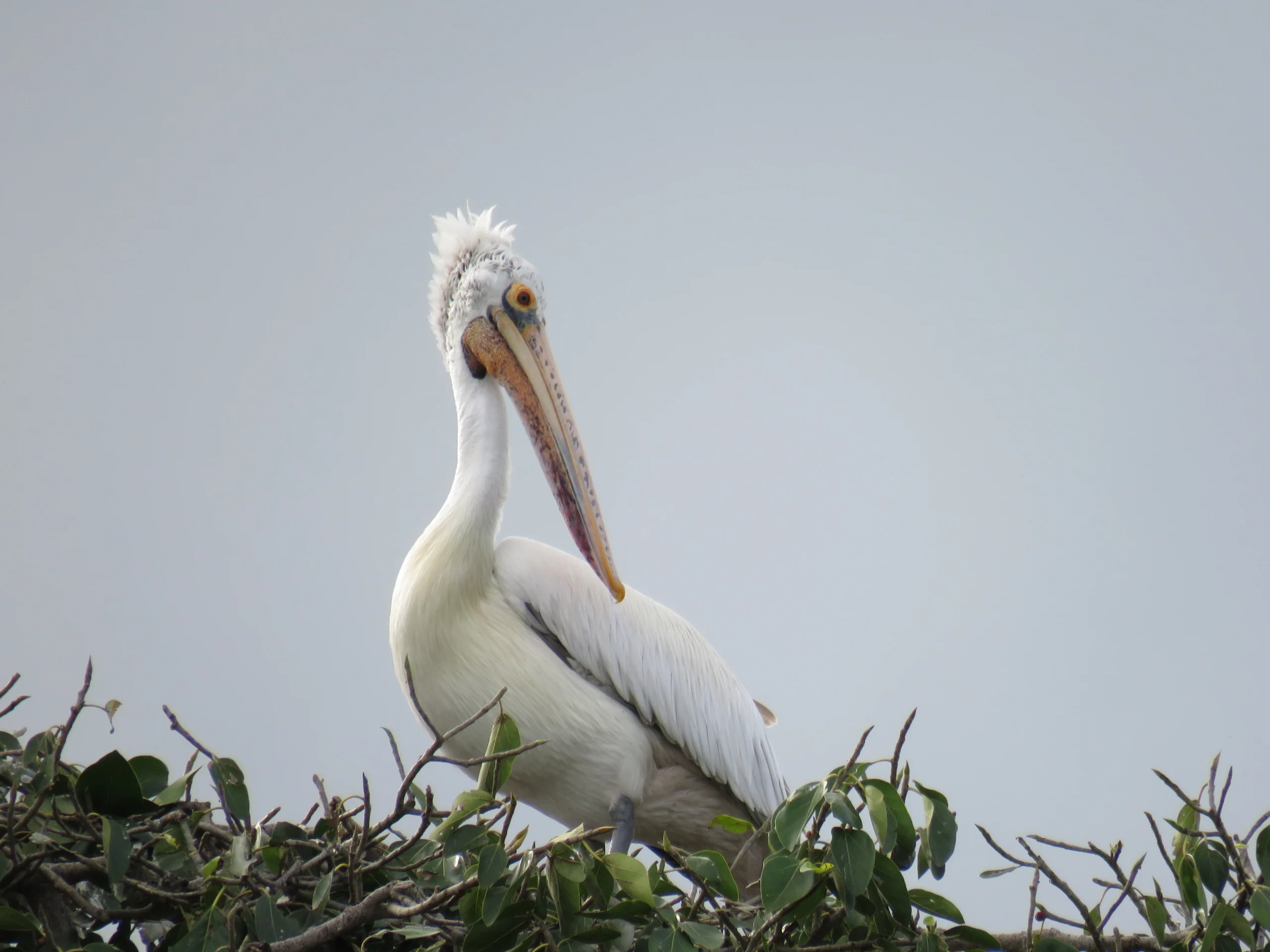
Spot-billed Pelican
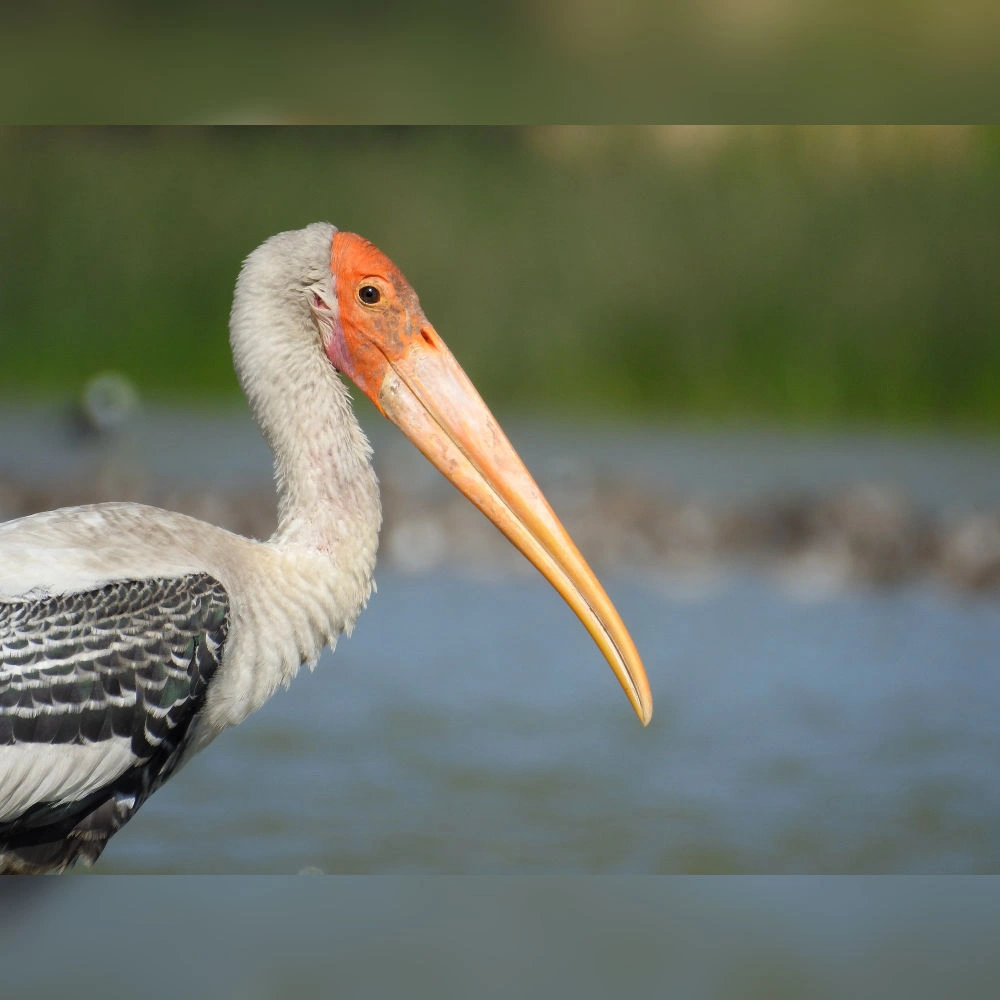
Painted Stork
Pied Kingfisher
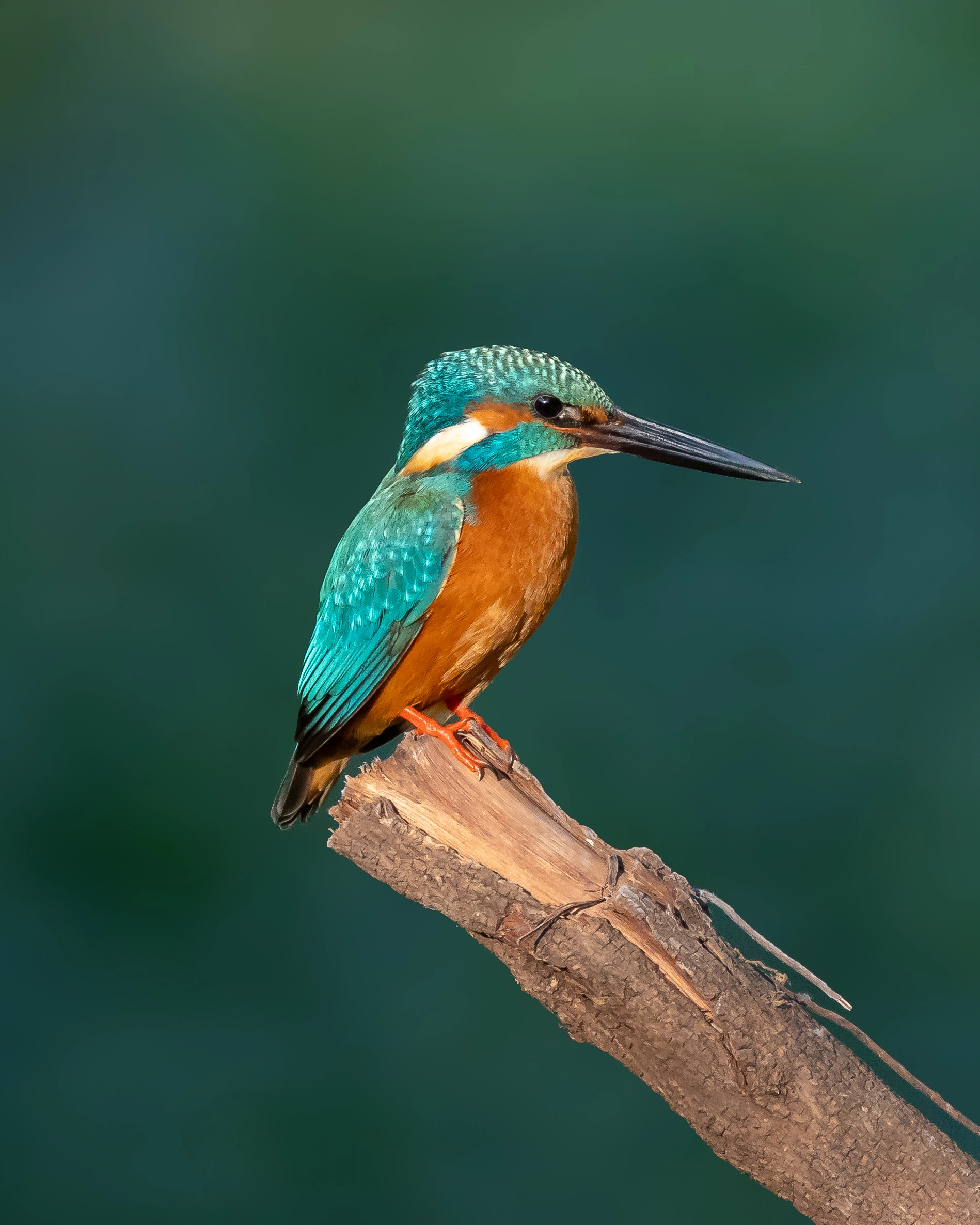
Common Kingfisher
Purple Heron
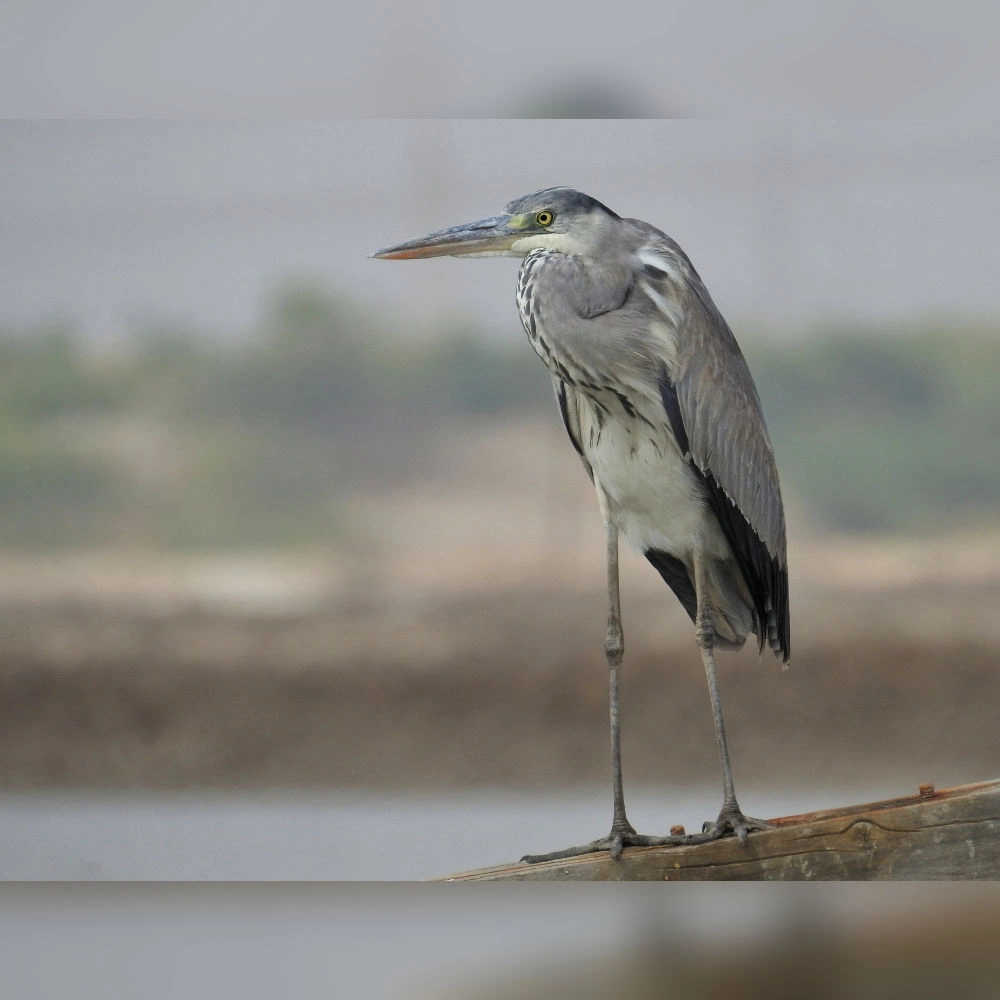
Grey Heron
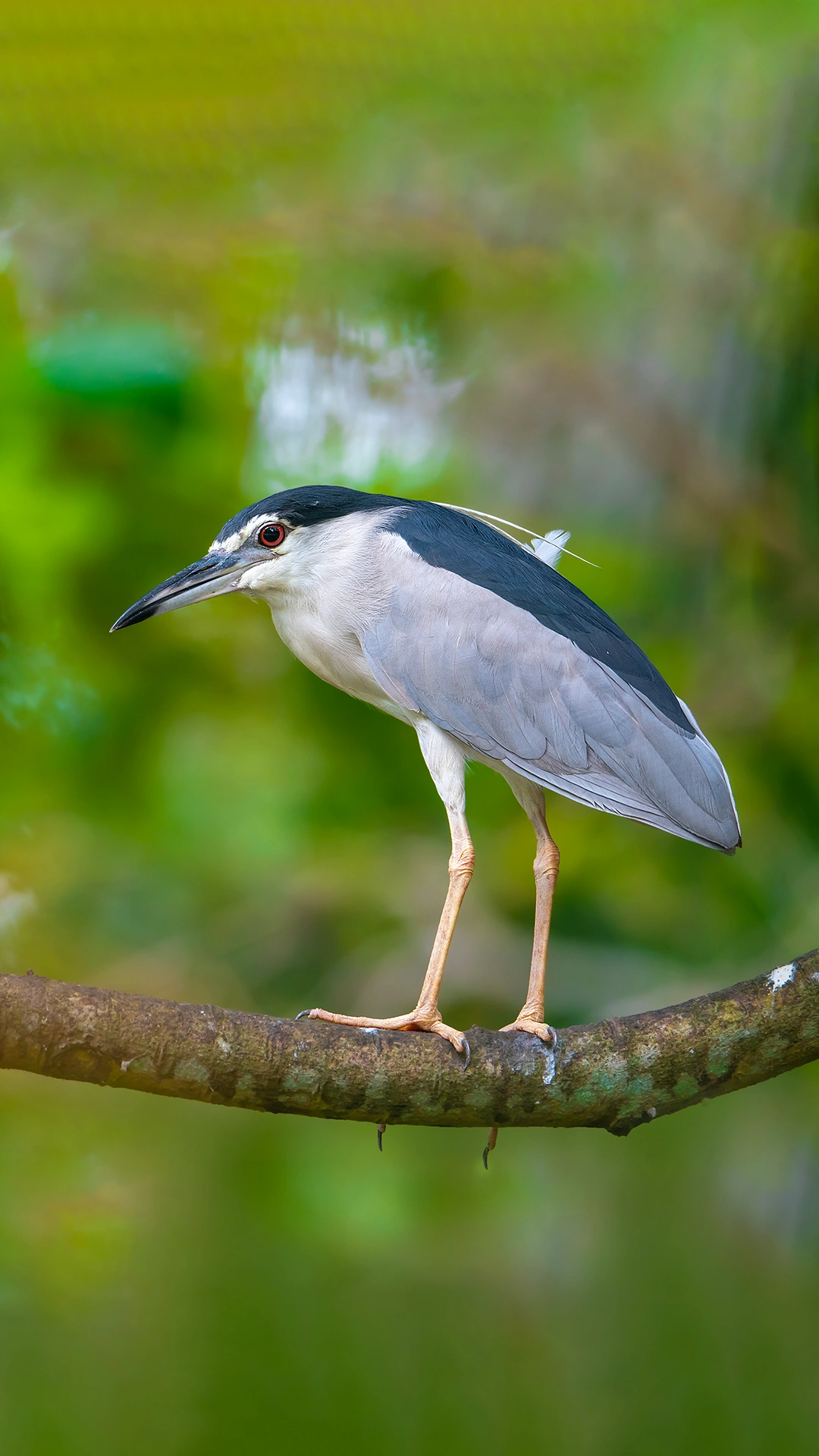
Black-crowned Night Heron
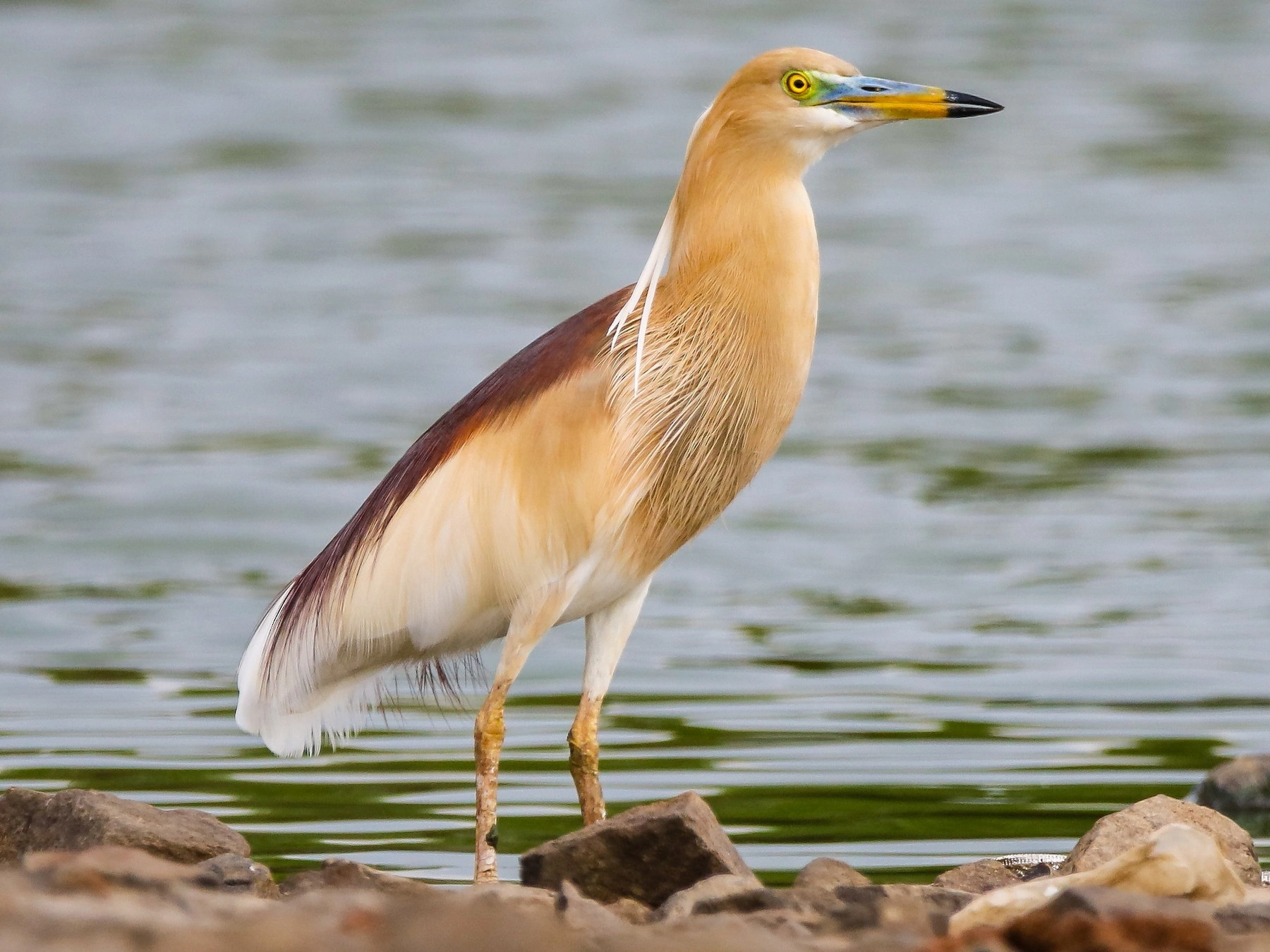
Indian Pond-Heron
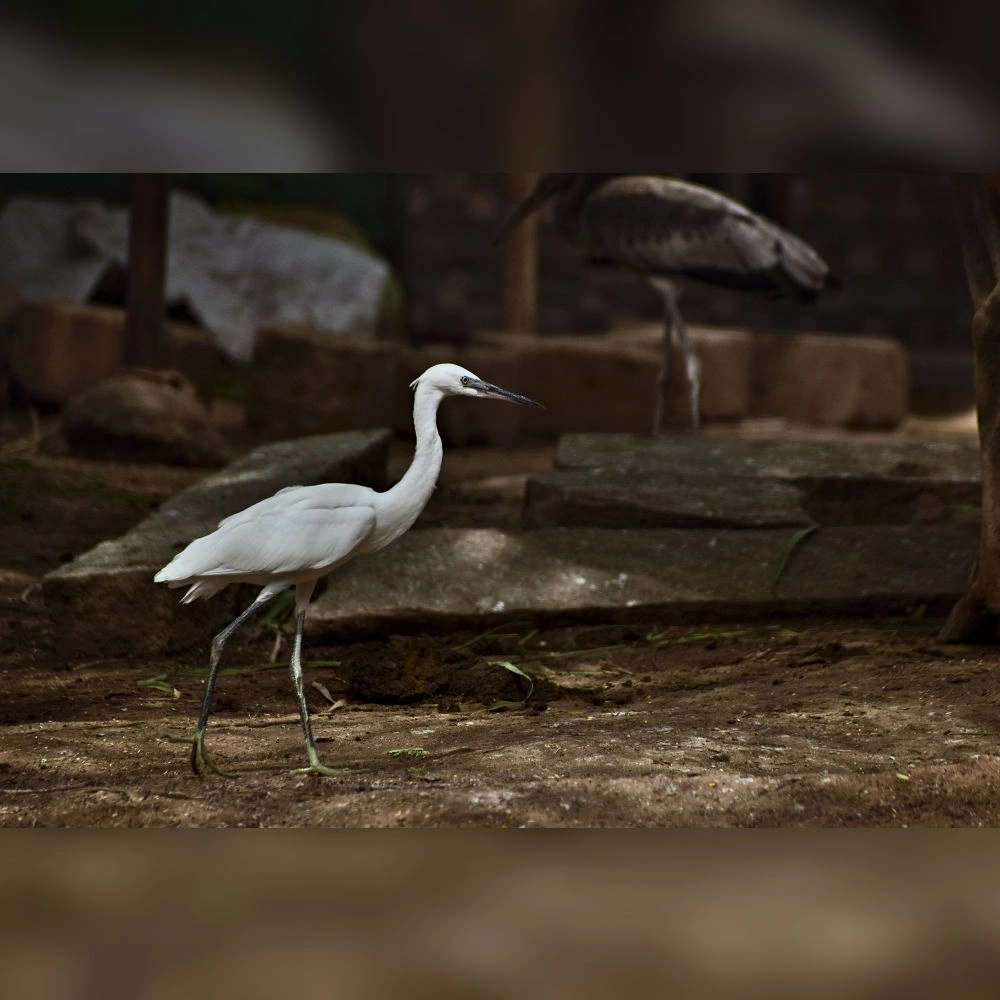
Little Egret
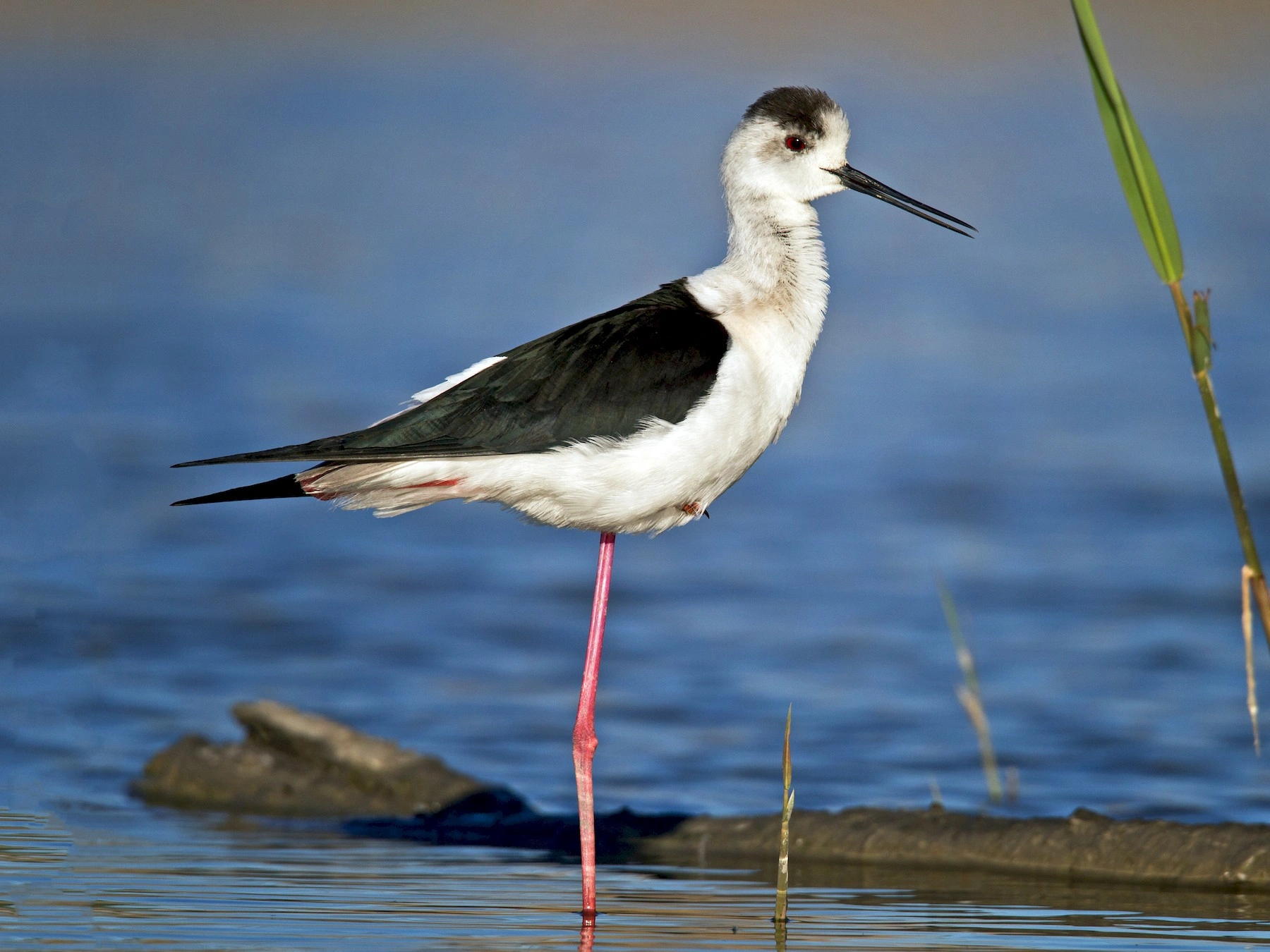
Black-winged Stilt
Little Grebe
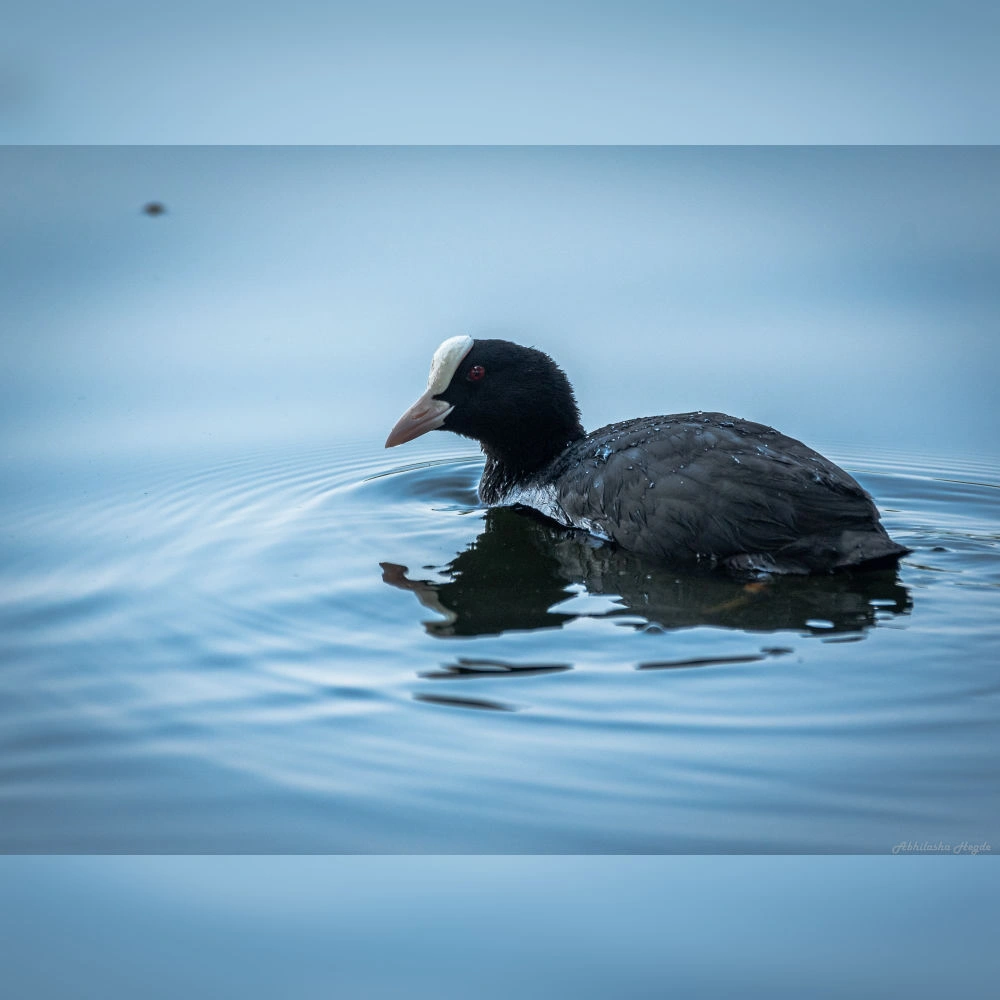
Eurasian Coot
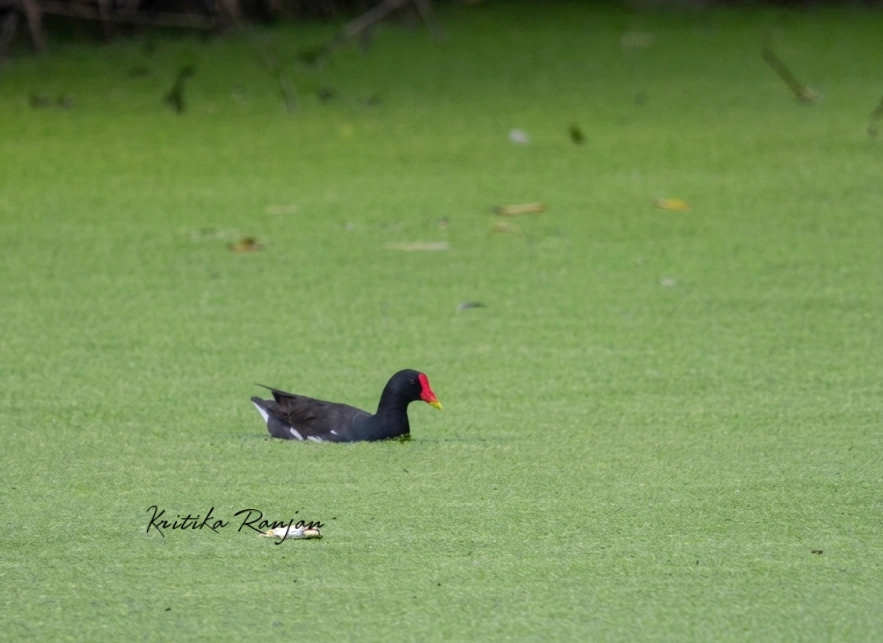
Eurasian Moorhen
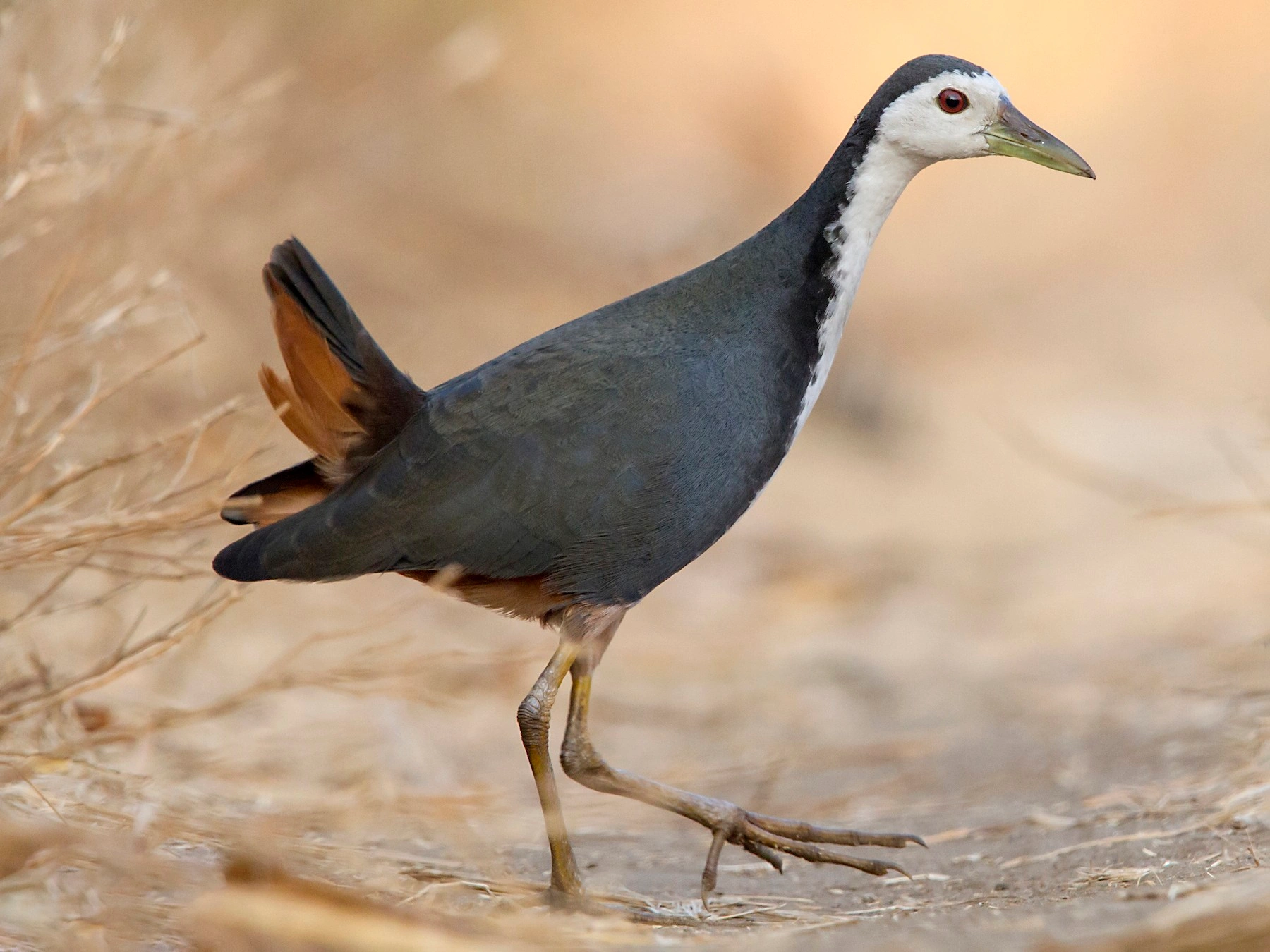
White-breasted Waterhen
White-browed Wagtail
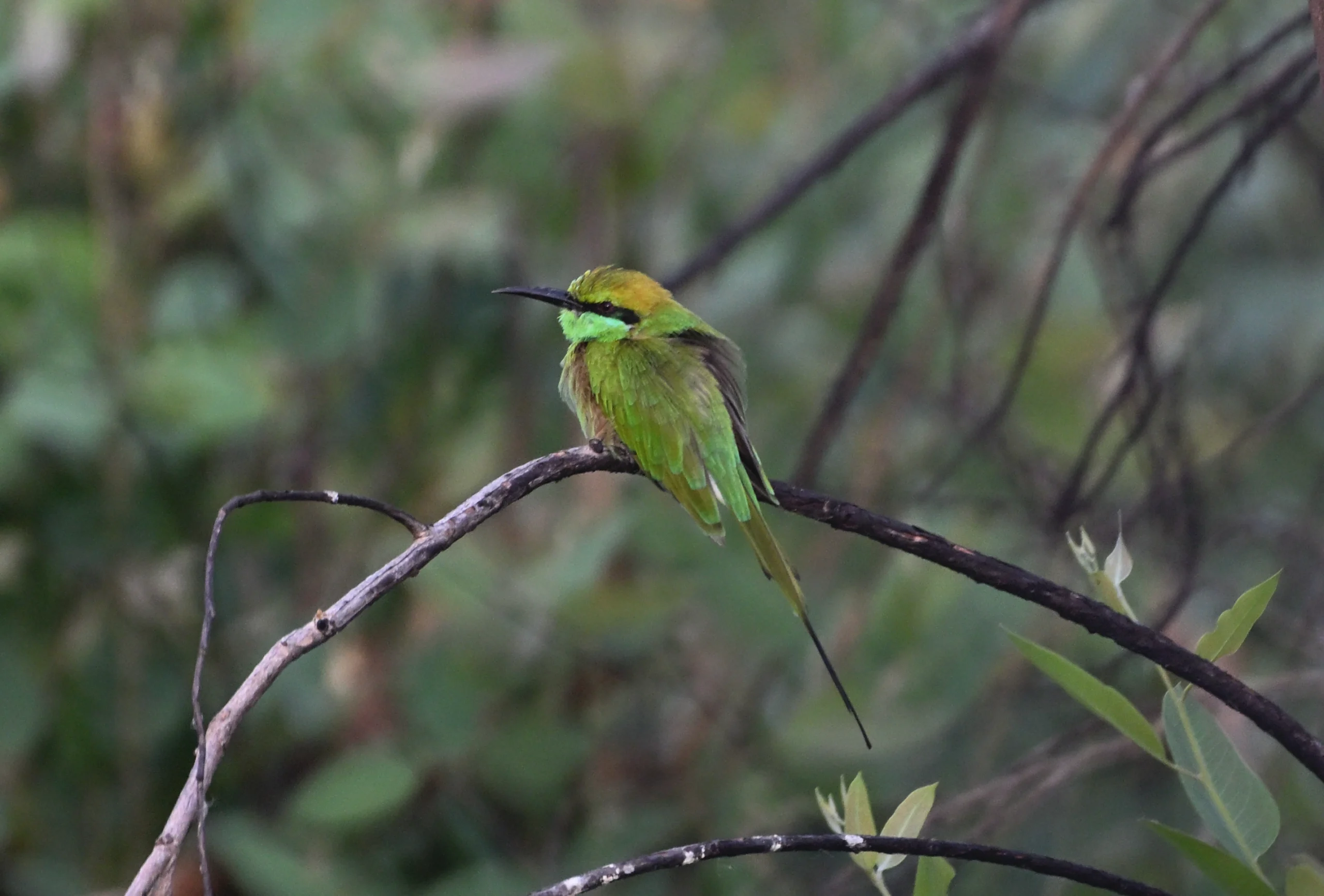
Asian Green Bee-eater
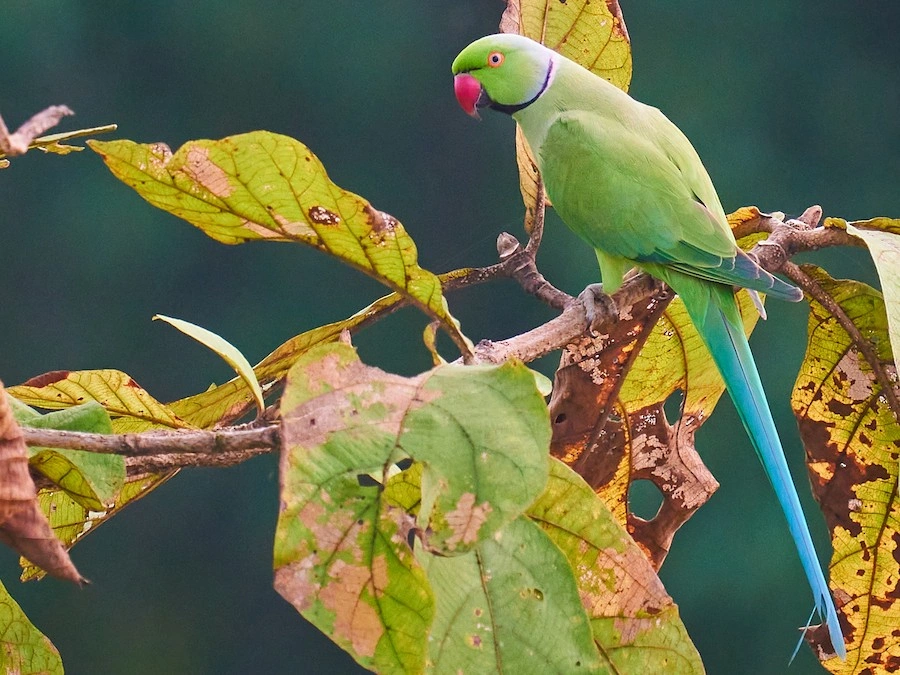
Rose-ringed Parakeet
Large-billed Crow
Common Tailorbird
Red-vented Bulbul

Summary of Walk

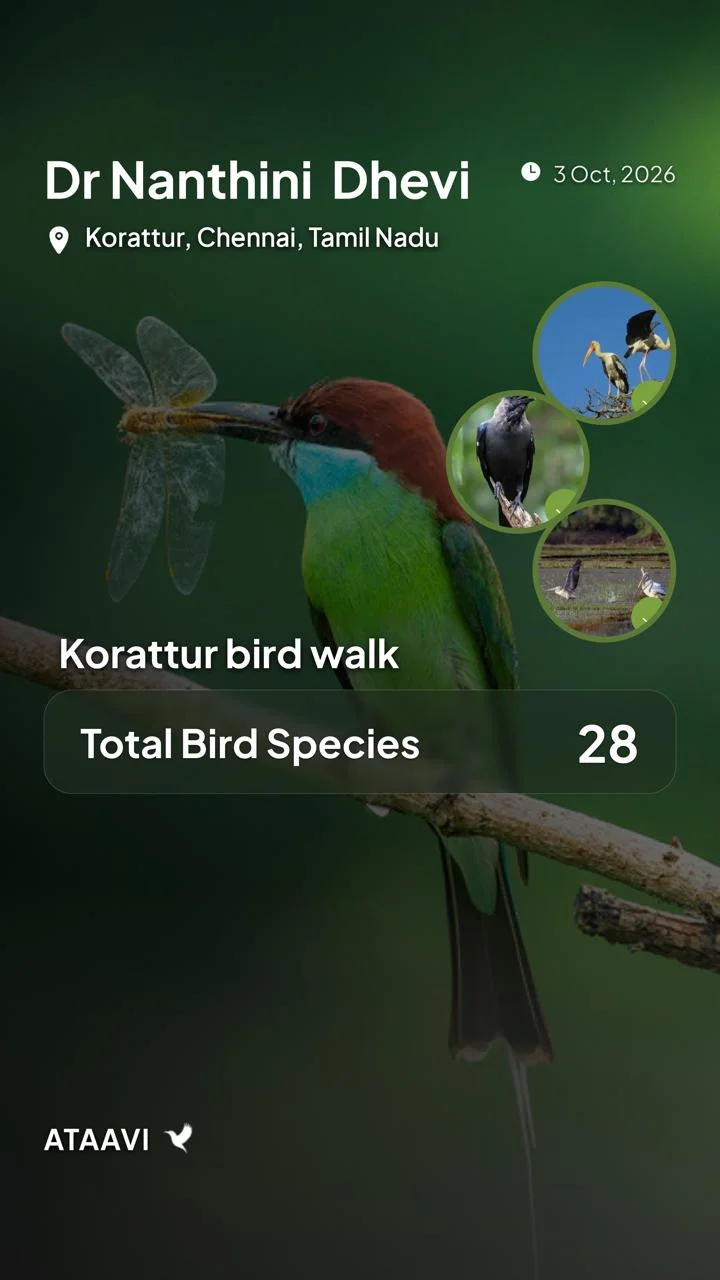
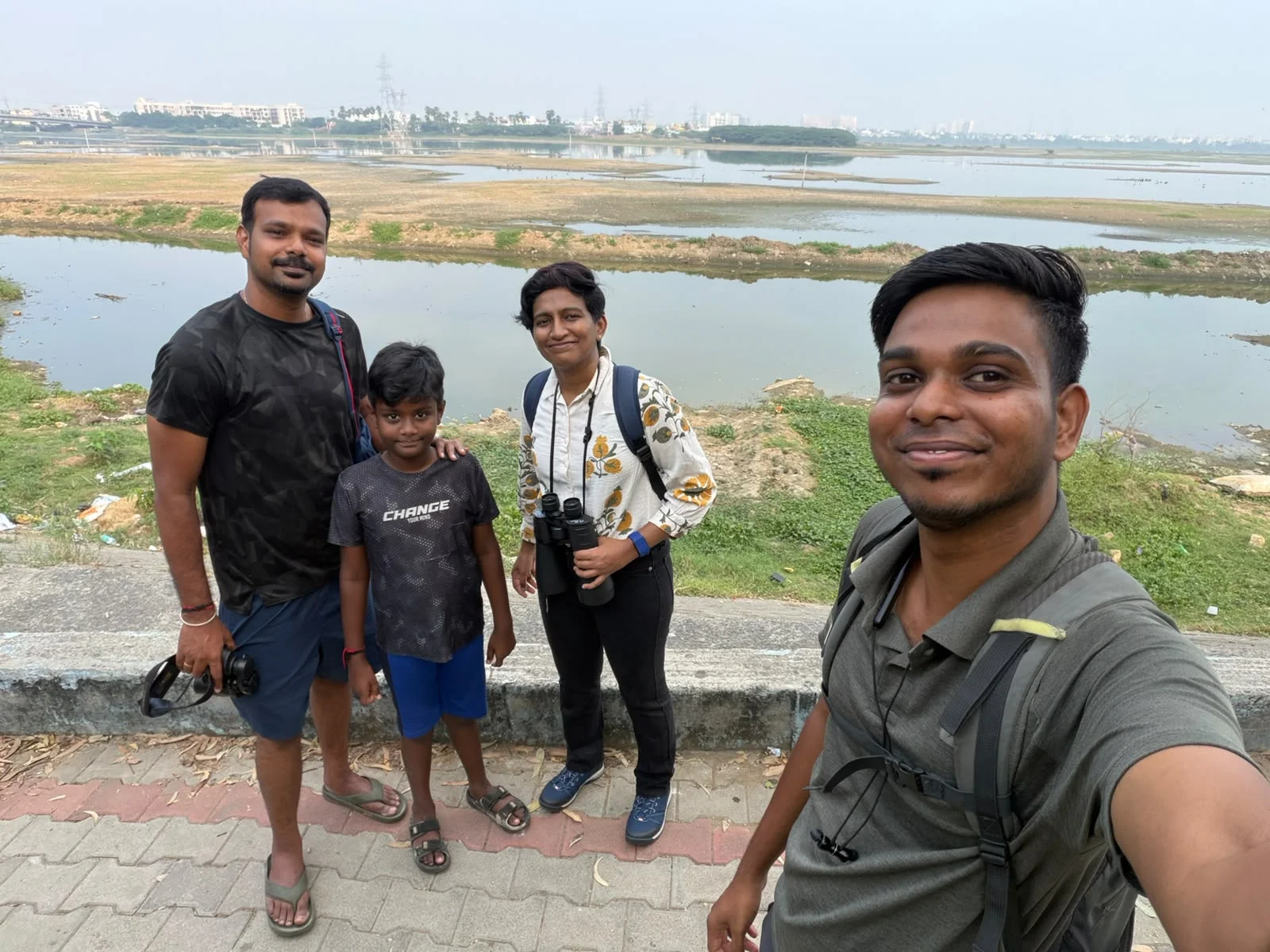
Five birders joined guide Pradeeshwar R J at Korattur Lake in Chennai on 3 October for a wonderfully focused morning among the wetland birds. With the lake’s water level shallow, the birds gathered in the open, and the group was treated to some truly impressive views. In total they recorded 30 species, and the variety of waterbirds on display kept everyone busy with binoculars and cameras. A large number of wetland birds stood out, notably the Painted Stork, Spot-billed Pelican, Little Cormorant and Glossy Ibis, and the shallow water allowed the Painted Storks to forage together in a beautiful group, their pink-tinged feathers and long yellow bills standing out against the water. The Spot-billed Pelican, drifting gracefully across the lake, was one of the day’s highlights. Another wonderful moment came near the end of the walk, when a flock of Caspian Terns appeared, the largest tern in the world, with their heavy red bills and powerful flight impressing everyone in the group. The Blue-tailed Bee-eater, a bright green migrant that sallies out from perches to catch insects in the air, added a flash of colour to the morning, and a single Common Kingfisher was seen repeatedly along the lake throughout the walk, almost like a loyal companion on the journey. Pradeeshwar’s calm guidance and clear explanations helped the group understand how water levels affect feeding behaviour and why shallow wetlands are so valuable for waterbirds. It was a beautiful morning that showed how a city lake can host an incredible gathering of birds, and the participants left with great photographs and renewed appreciation for Chennai’s wetlands.
Number of Participants
0
Scroll to Top