

Loading Events

Bird Walk at Nehru Rose Garden, Ludhiana, Punjab

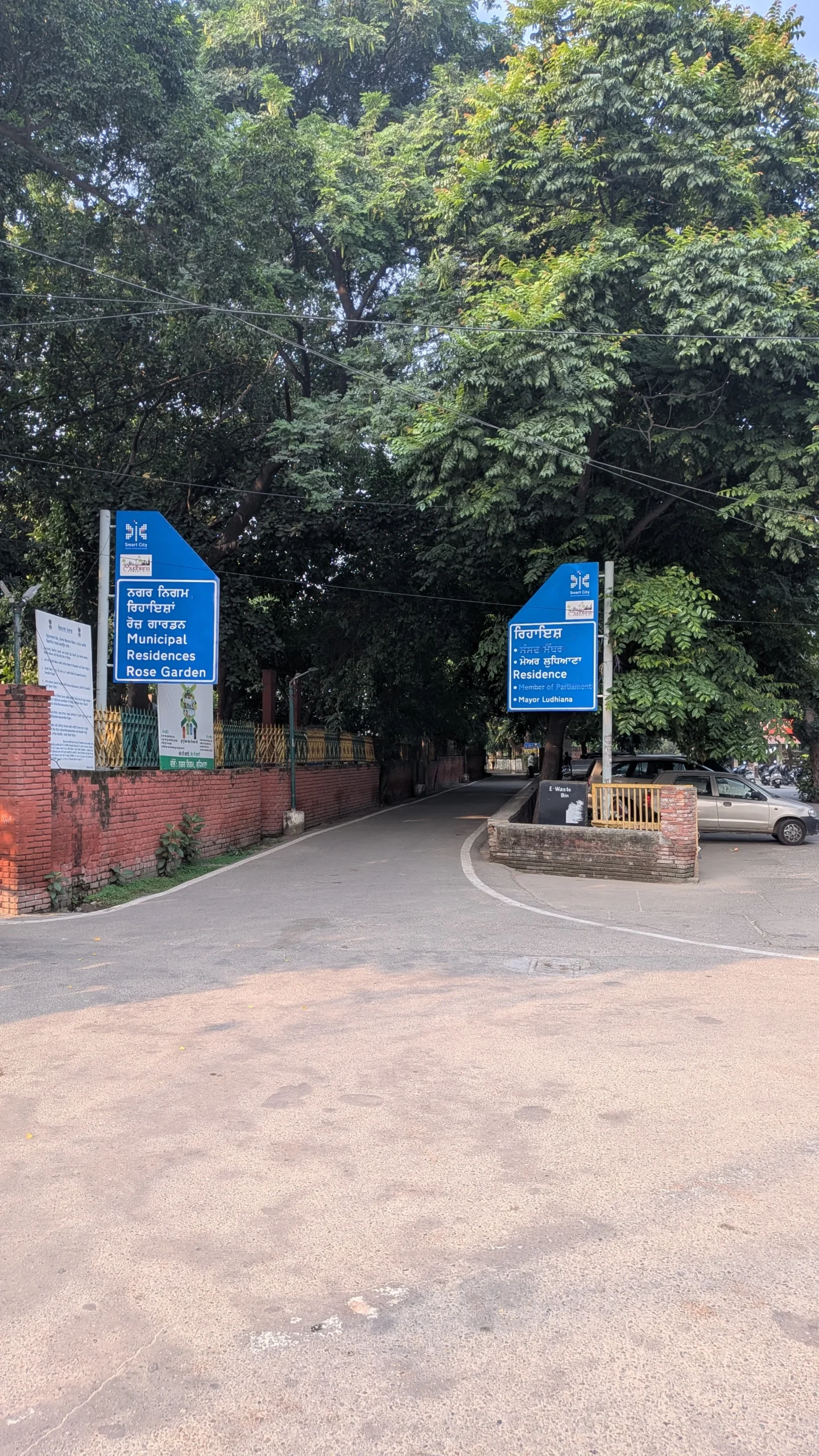
About Nehru Rose Garden

Nehru Rose Garden opened in 1967 and covers about 30 acres. It’s one of Asia’s largest rose gardens, with more than 1,600 rose varieties and over 17,000 plants. Every spring the flower beds explode into colour for Ludhiana’s famous Rose Festival. Around them are wide lawns, tall shade trees, hedges, a boating pond and fountains. That makes the garden a rare green lung in one of Punjab’s busiest industrial cities, used by morning walkers and wildlife alike.
The mature trees and dense hedges attract a wide range of birds. Shade trees such as peepal, neem, jamun and silk cotton provide fruit, nectar and nest sites. Open lawns attract ground feeders, and raptors hunt from above. In winter, warblers and whitethroats arrive from the northwest, adding variety to the resident flocks. The garden still faces problems. Heavy pesticide use on the roses cuts down insect prey. Hedges and leaf litter are often cleared, crowds and events add noise, and the city’s poor air quality affects everything living here. Planting native, fruiting trees, leaving some untidy undergrowth, and using flower care that is kinder to birds would help keep this garden alive with birdsong.

Bird Guide: Sandeep Sharma

He has been birding for over 5 years and is certified in Basic Bird Identification and Ornithology through GSDP, WWF-India. He has volunteered with various projects involving WWF-India and Bird Count India, and has participated in bird surveys including winter migratory bird counts near Noida, the Delhi Bird Atlas, and a Campus Bird Count near Ludhiana. His experience in these citizen-science initiatives has strengthened his knowledge and passion for birdwatching and conservation.
Bird walk Location

Common birds of Nehru Rose Garden

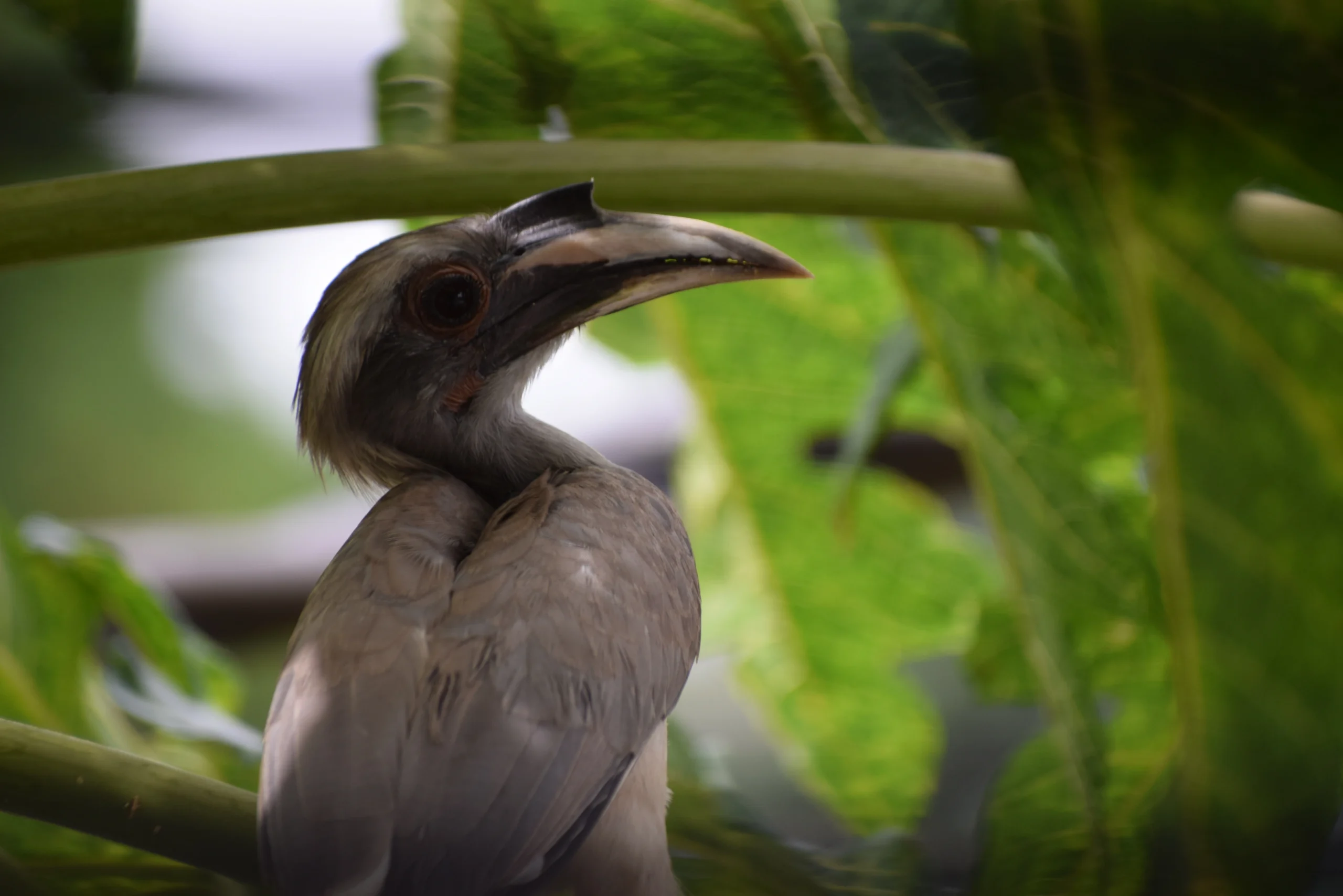
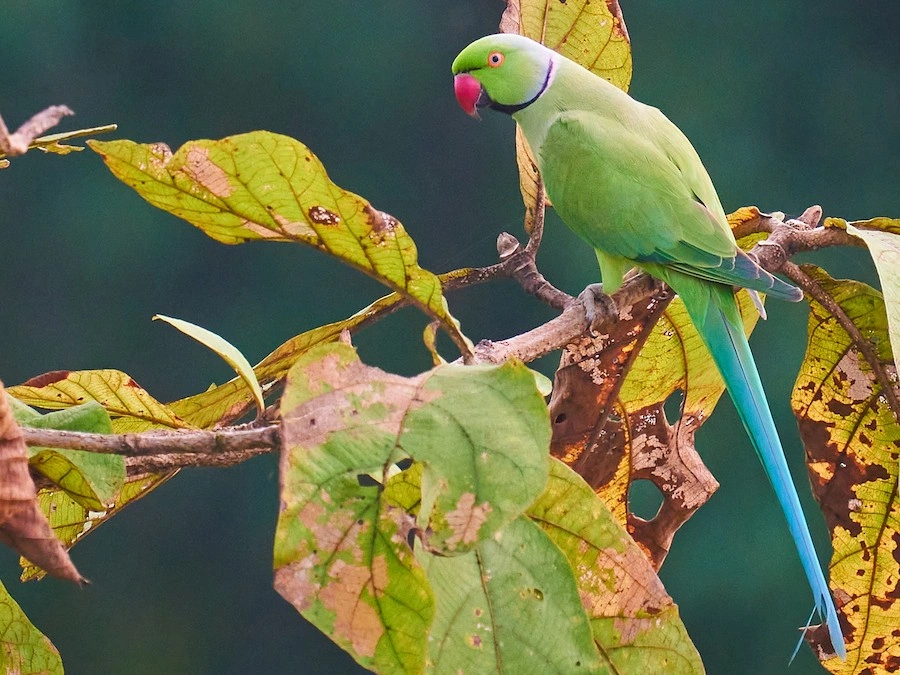
Among the roses, one of the most eye-catching sights is the Indian Gray Hornbill. It’s a big, curved-billed bird that flies from tree to tree in pairs, looking for figs. Noisy flocks of Rose-ringed Parakeets streak green across the lawns. Jungle Babblers, often called “seven sisters”, fuss through the leaf litter in chattering groups. The Eurasian Hoopoe, with its striking crest, probes the grass for grubs. The White-throated Kingfisher, a flash of electric blue, is as likely to catch a lizard as a fish. Common Tailorbirds, which stitch leaves together to make their nests, call loudly from the hedges. In winter, the Lesser Whitethroat and Hume’s Warbler arrive from far-off breeding grounds. The Brown Rock Chat bobs on walls and ledges, and the Rufous Treepie, a long-tailed crow relative, glides between the trees. Watch the sky for hunters: the Shikra and Eurasian Sparrowhawk dash in low after small birds, while Black Kites circle above. Seeing House Sparrows here is a small treat, since they have become far scarcer in Indian cities.
Rose-ringed Parakeet
Indian Grey Hornbill
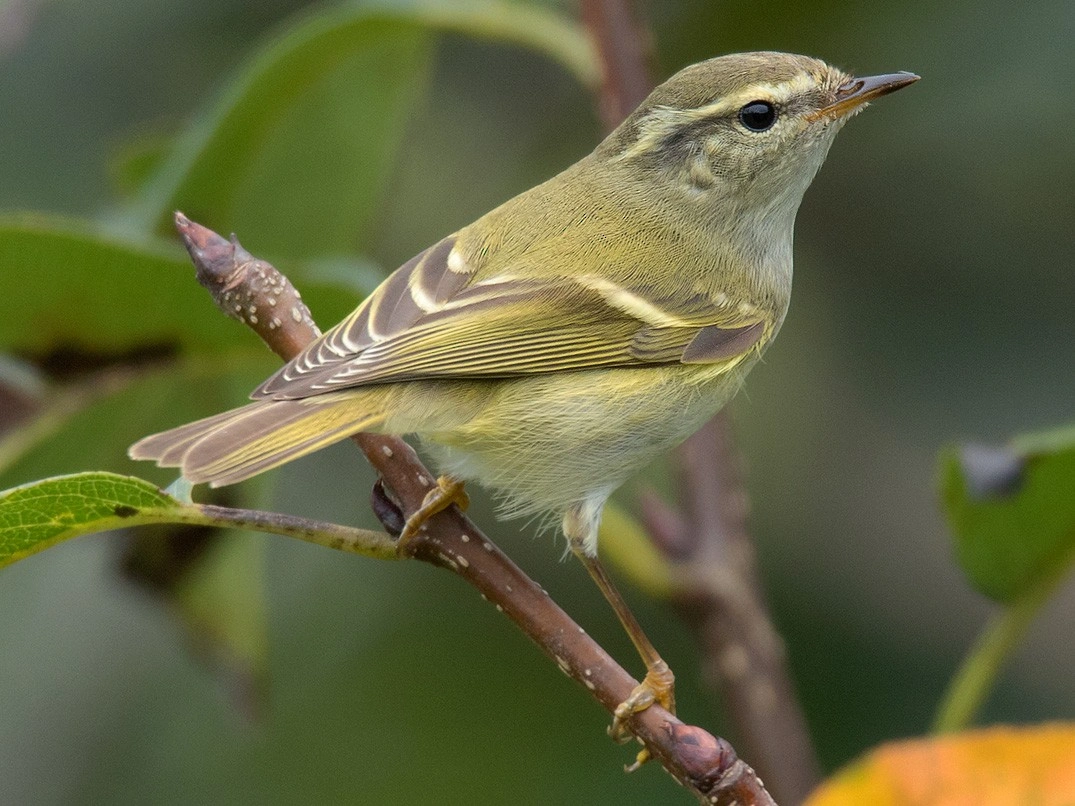
Hume's Warbler
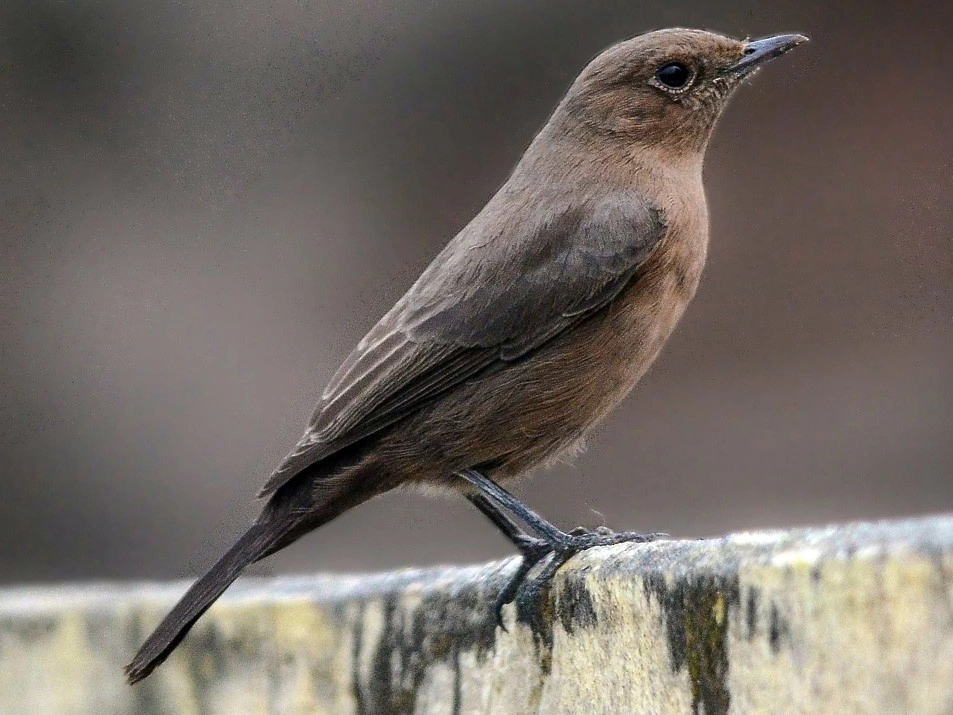
Brown Rock Chat

Black Kite

Jungle Babbler
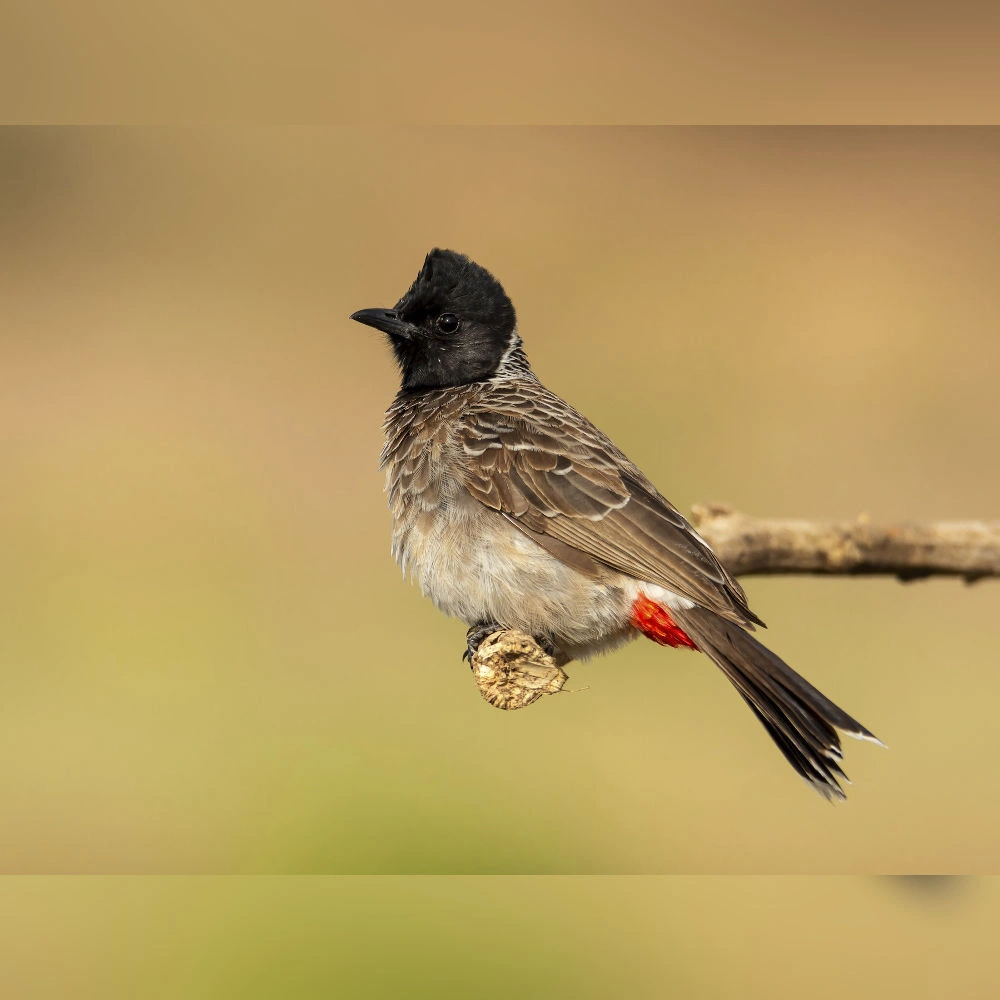
Red-vented Bulbul
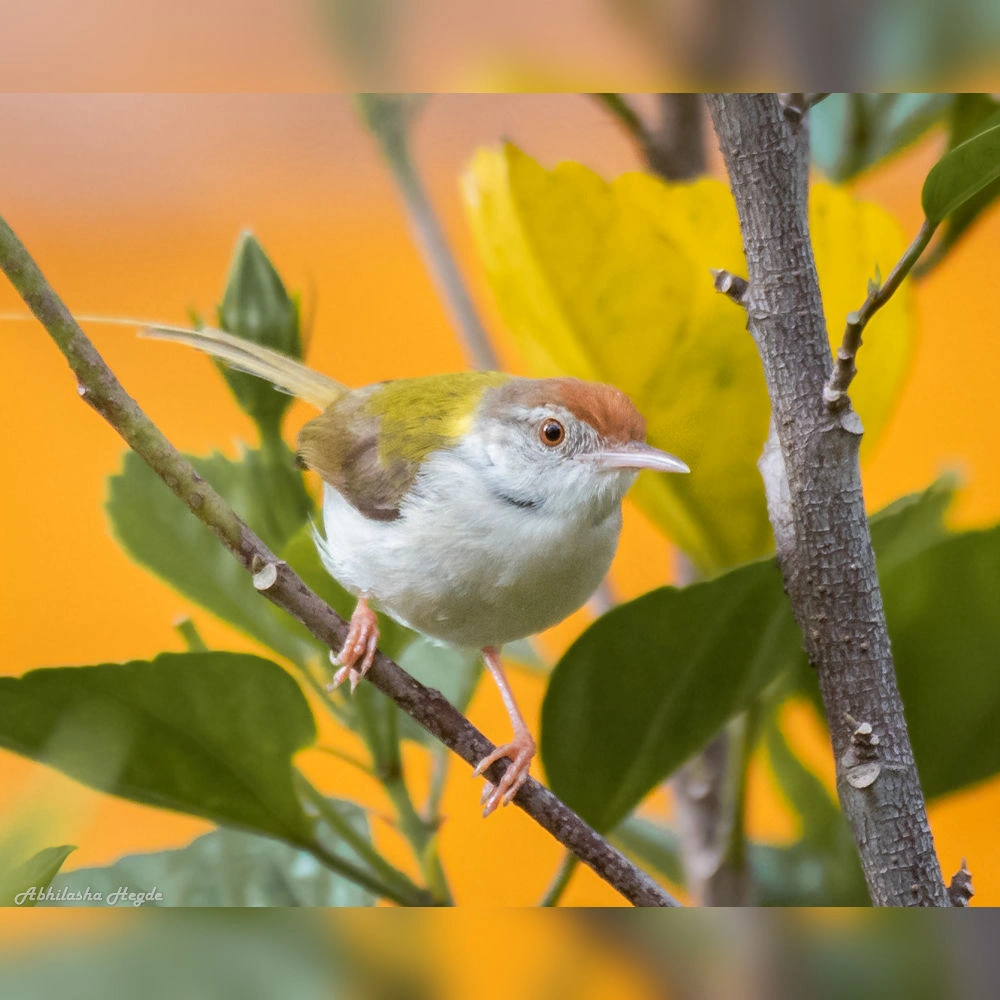
Common Tailorbird
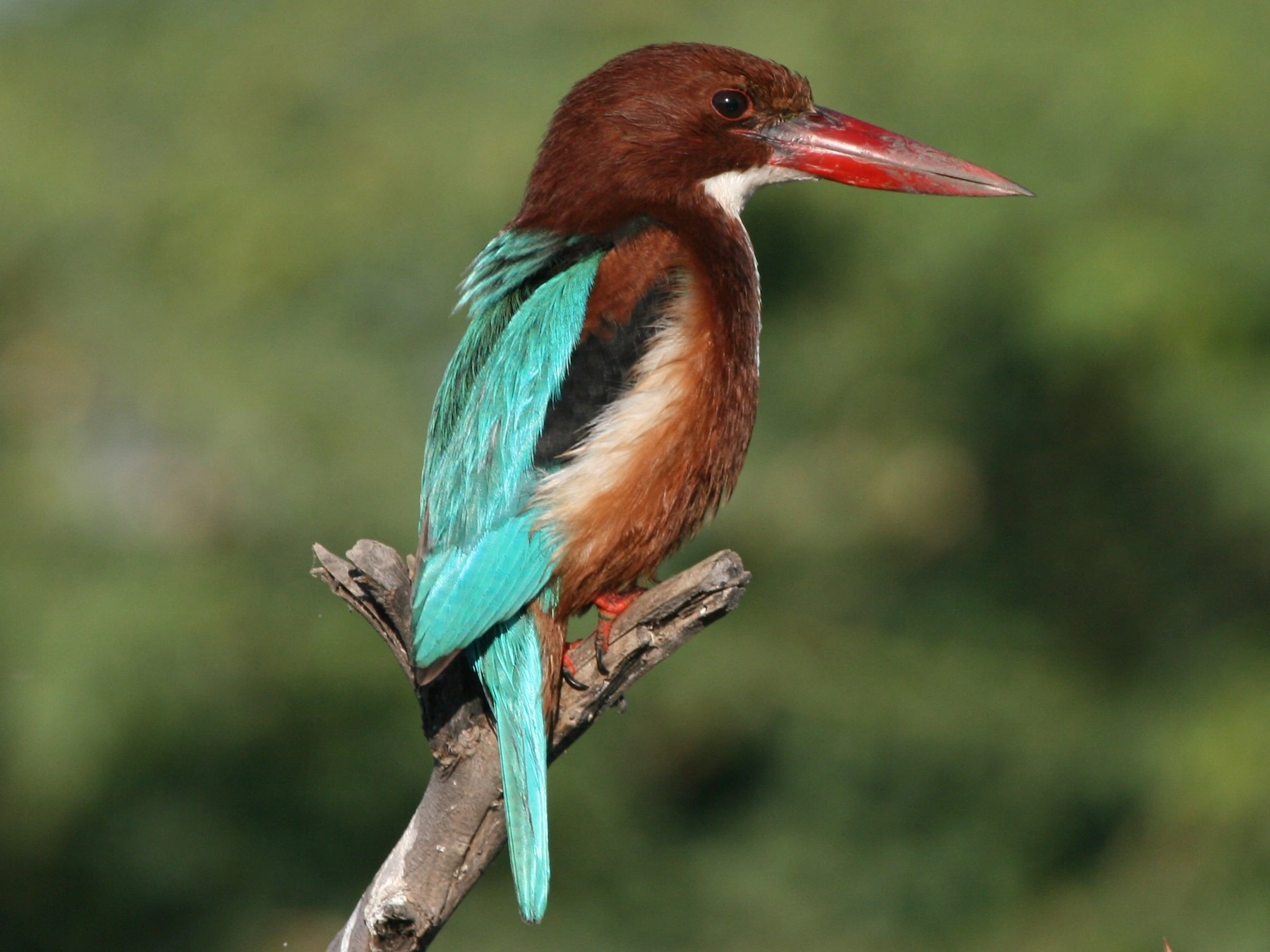
White-throated Kingfisher
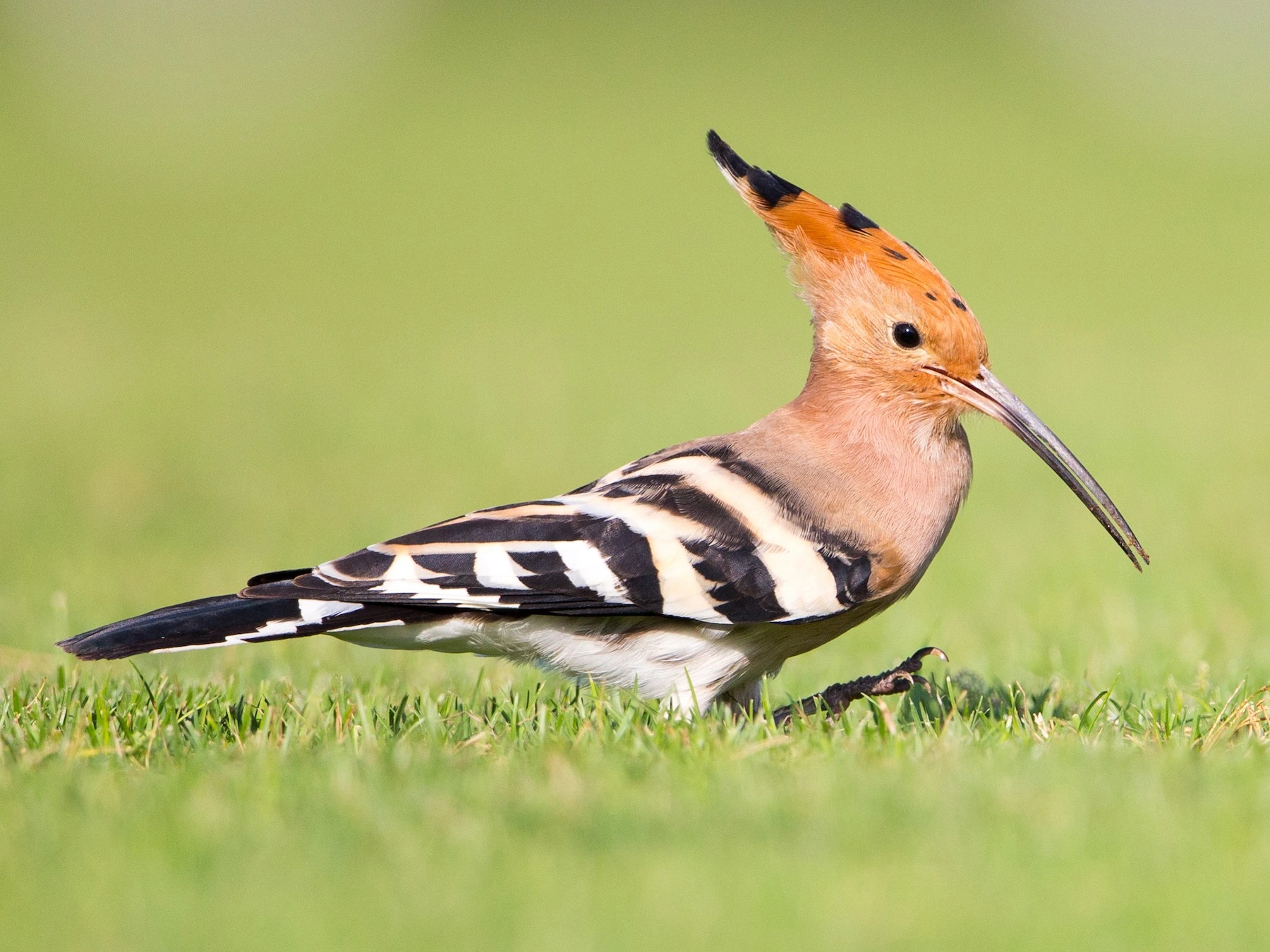
Eurasian Hoopoe
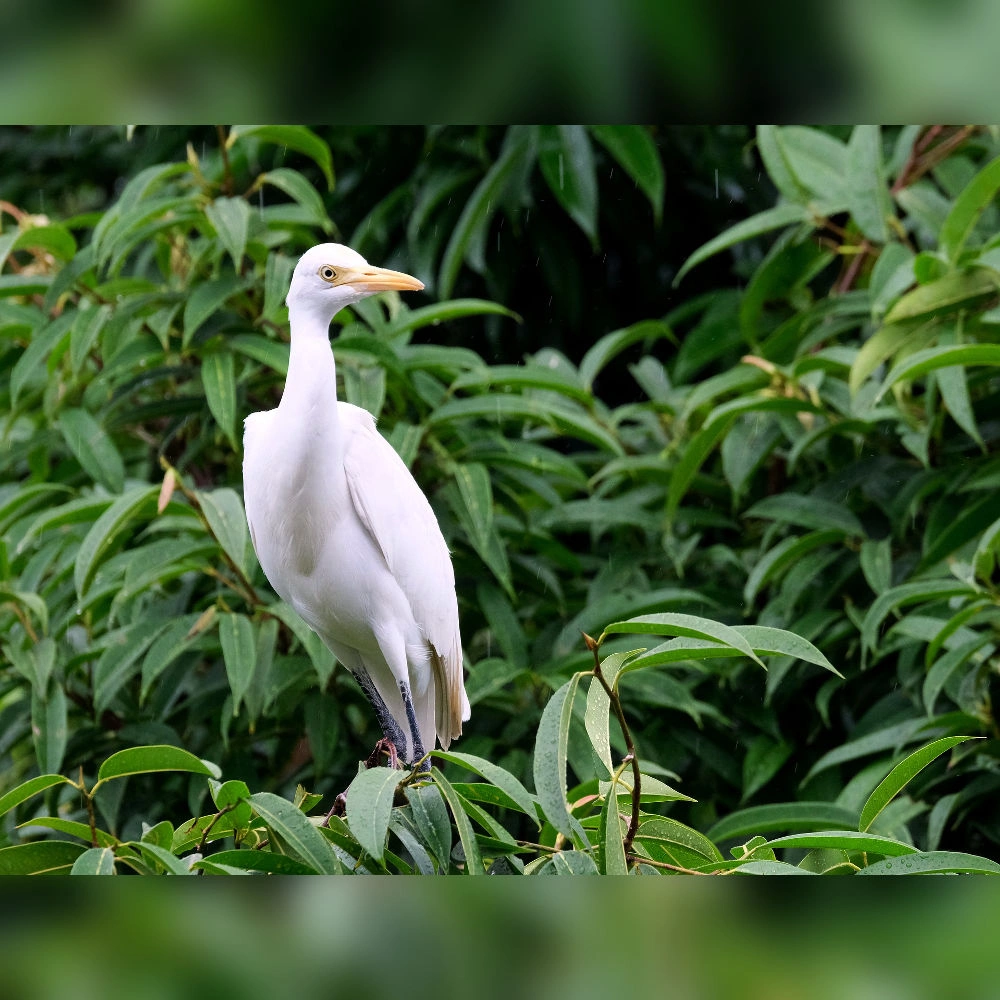
Eastern Cattle Egret
House Sparrow
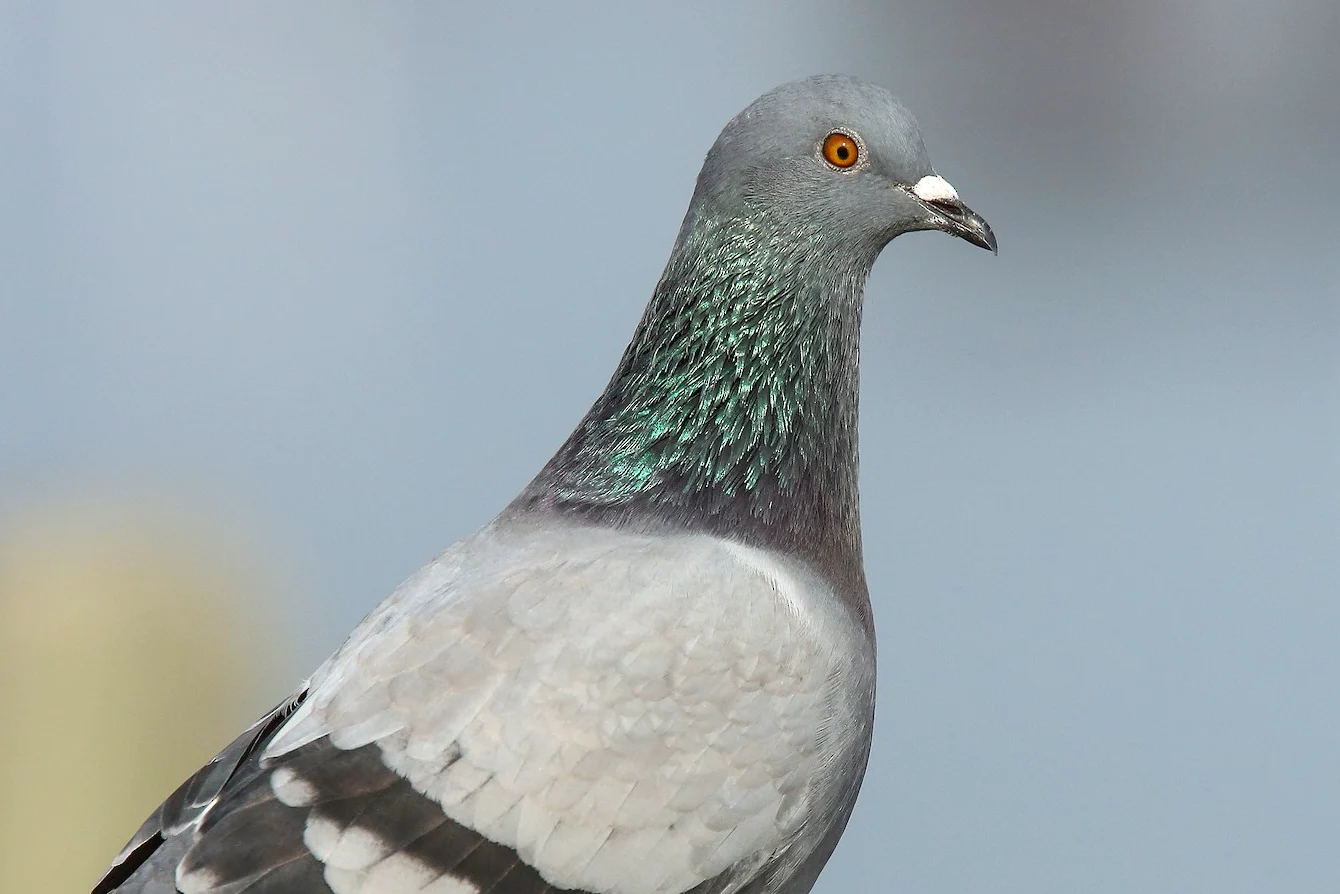
Rock Pigeon
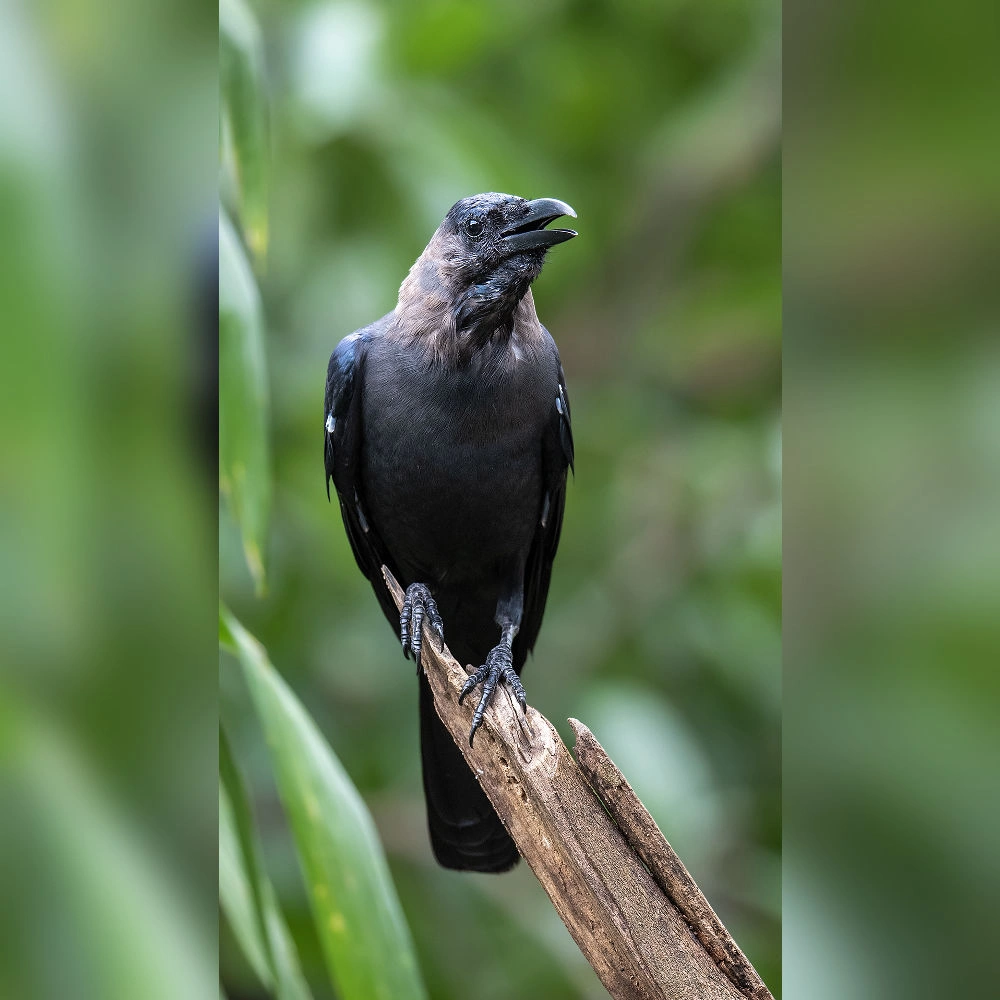
House Crow
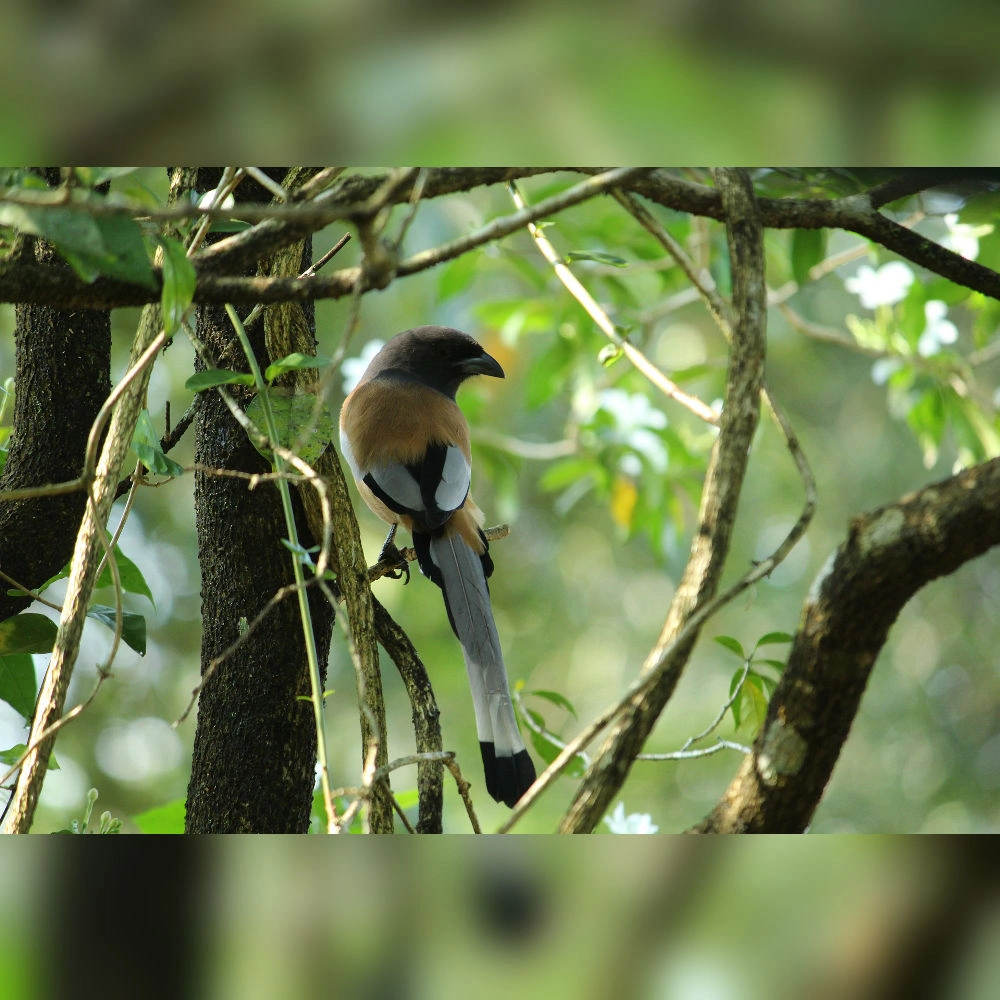
Rufous Treepie
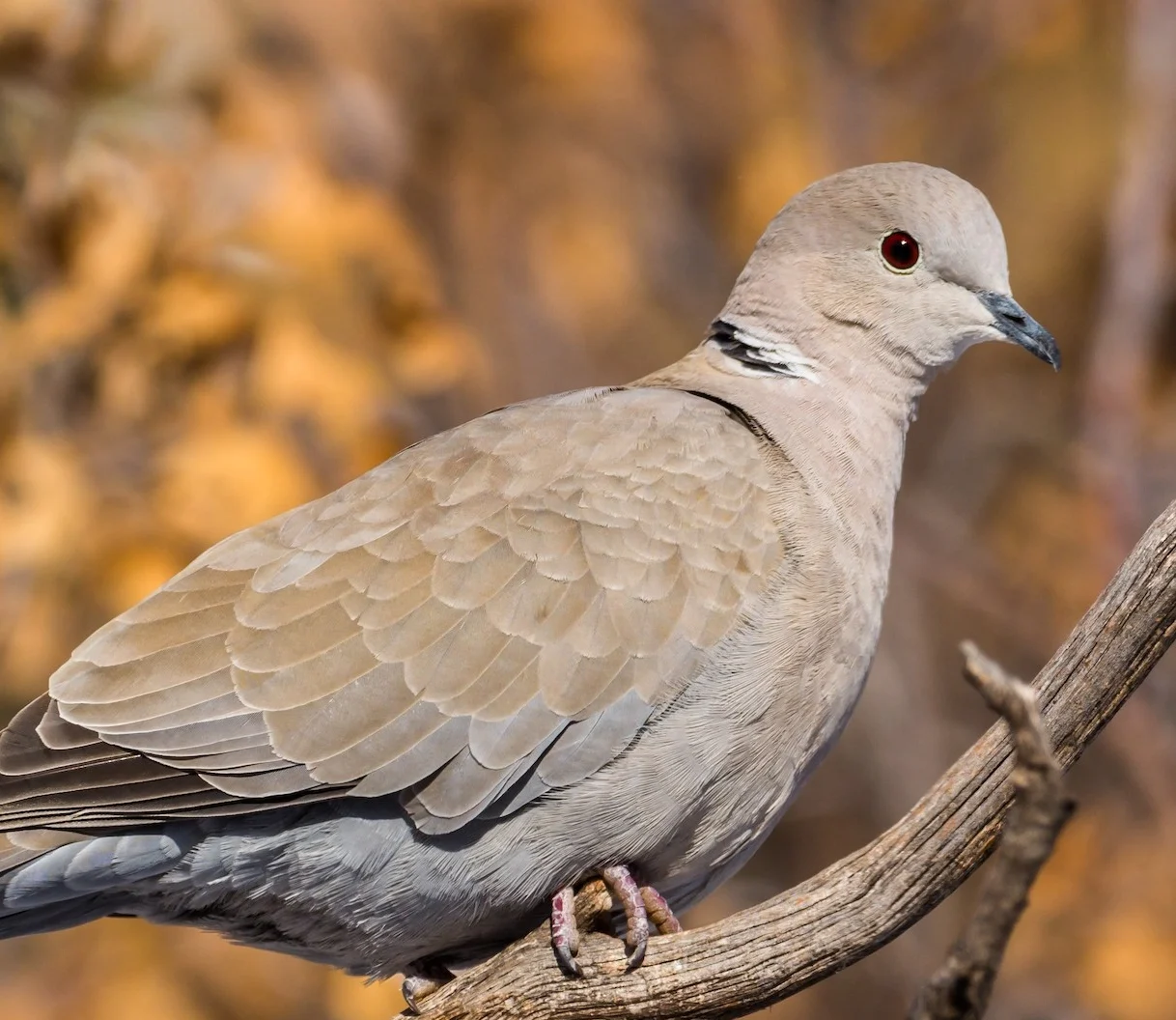
Eurasian Collared-Dove
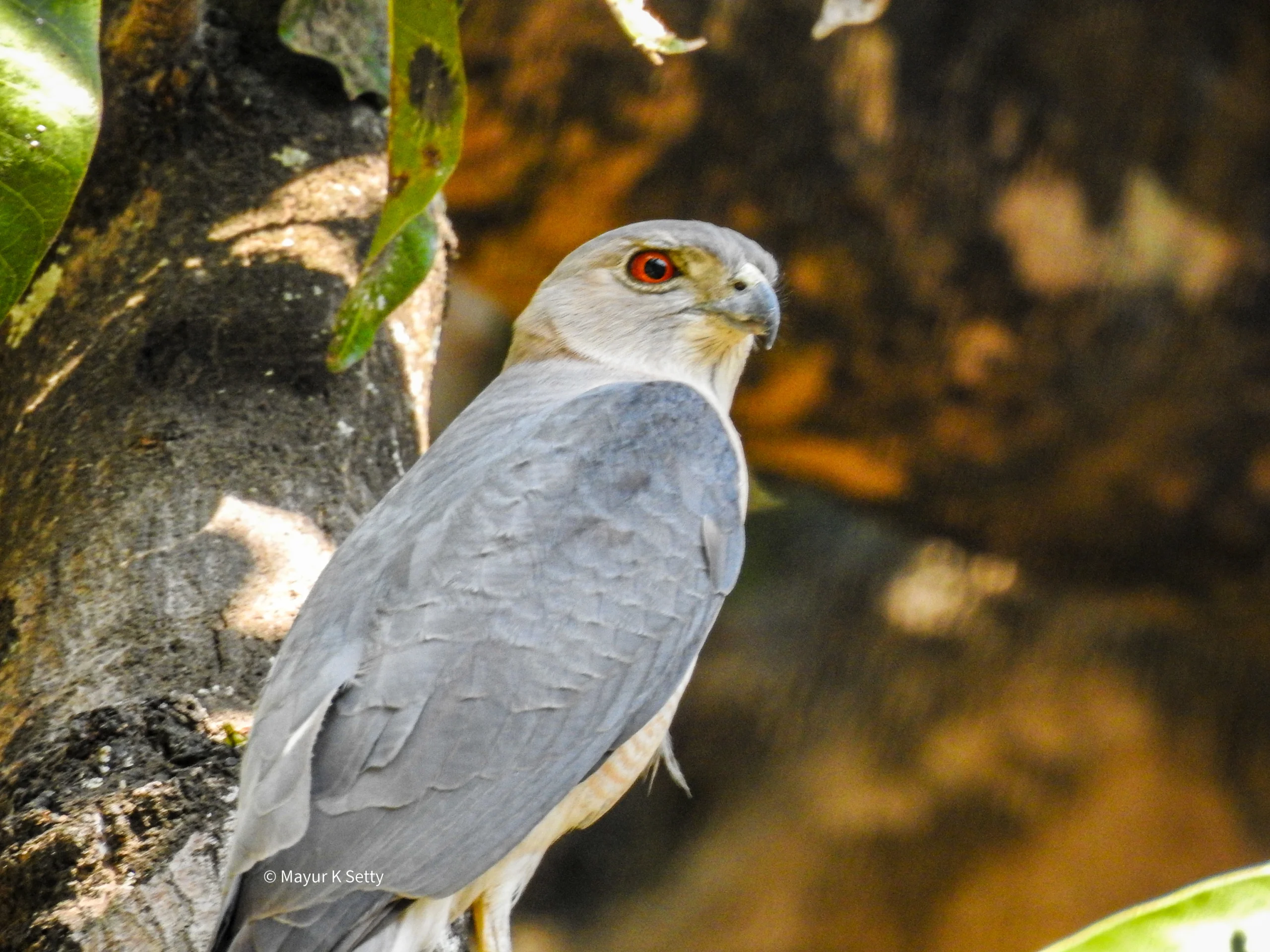
Shikra
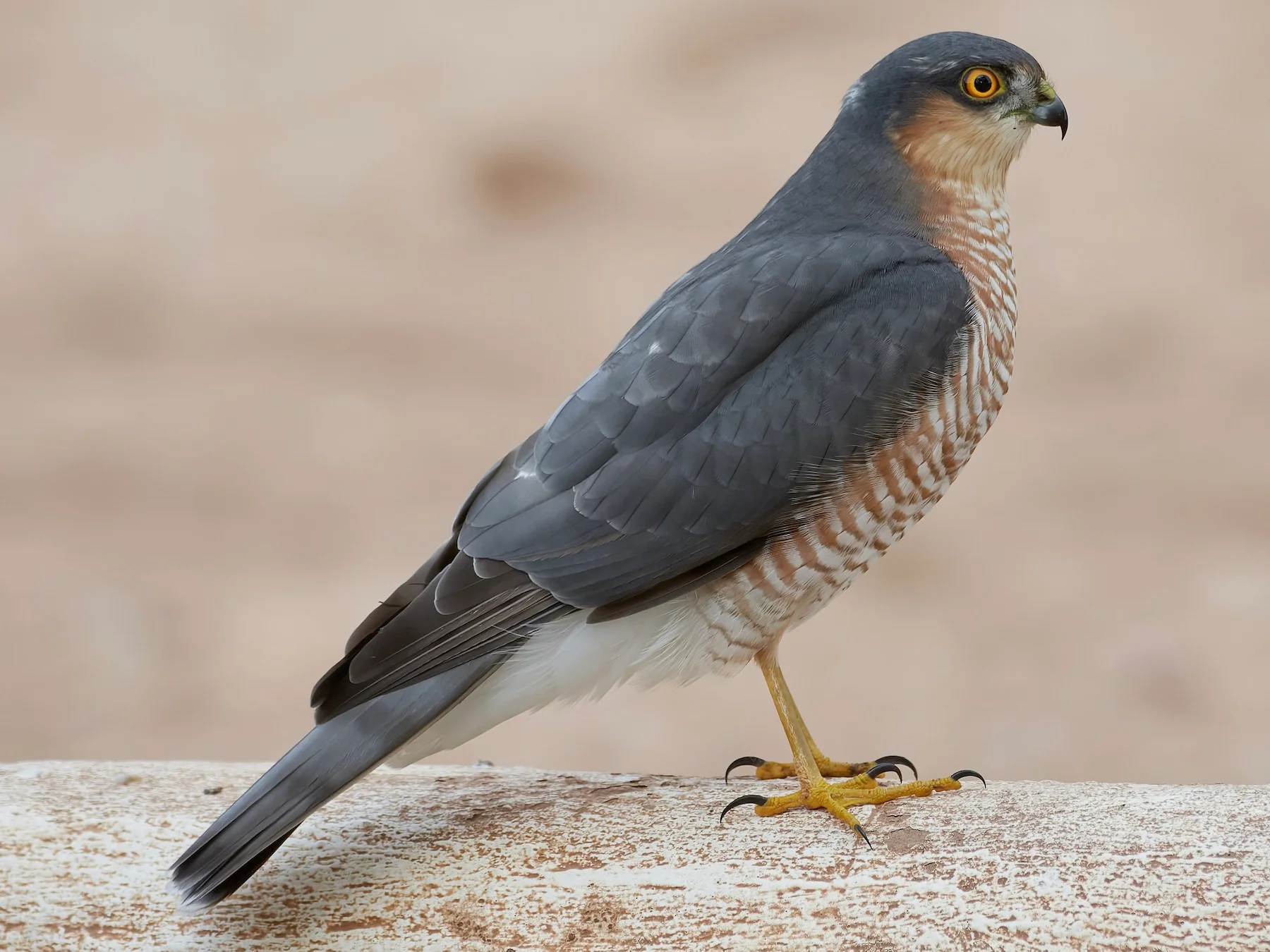
Eurasian Sparrowhawk
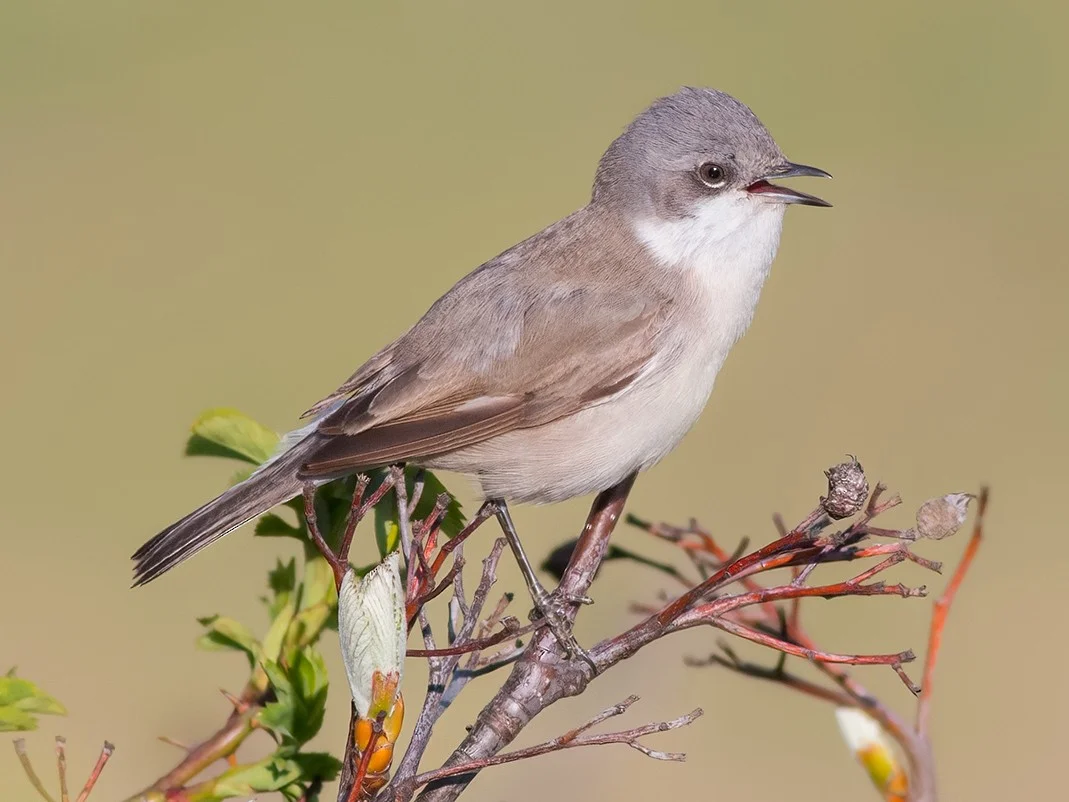
Lesser Whitethroat
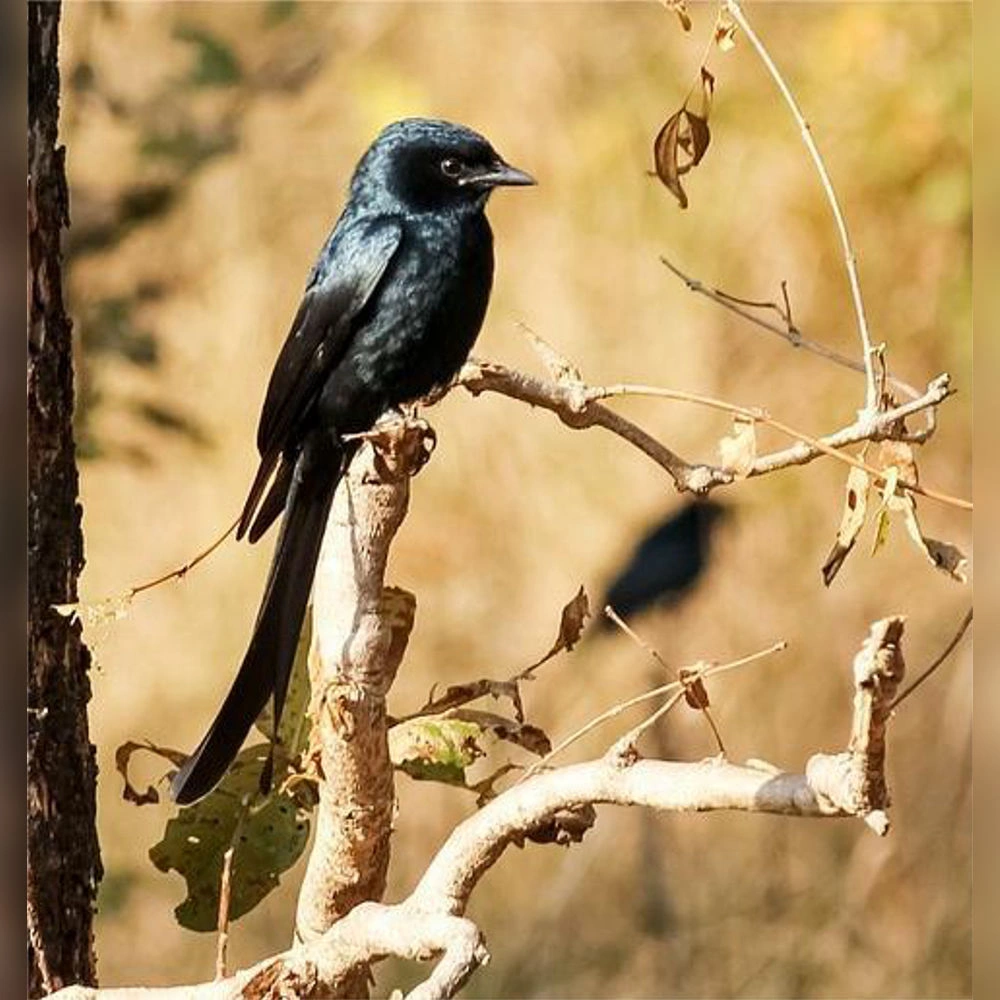
Black Drongo

Summary of Walk

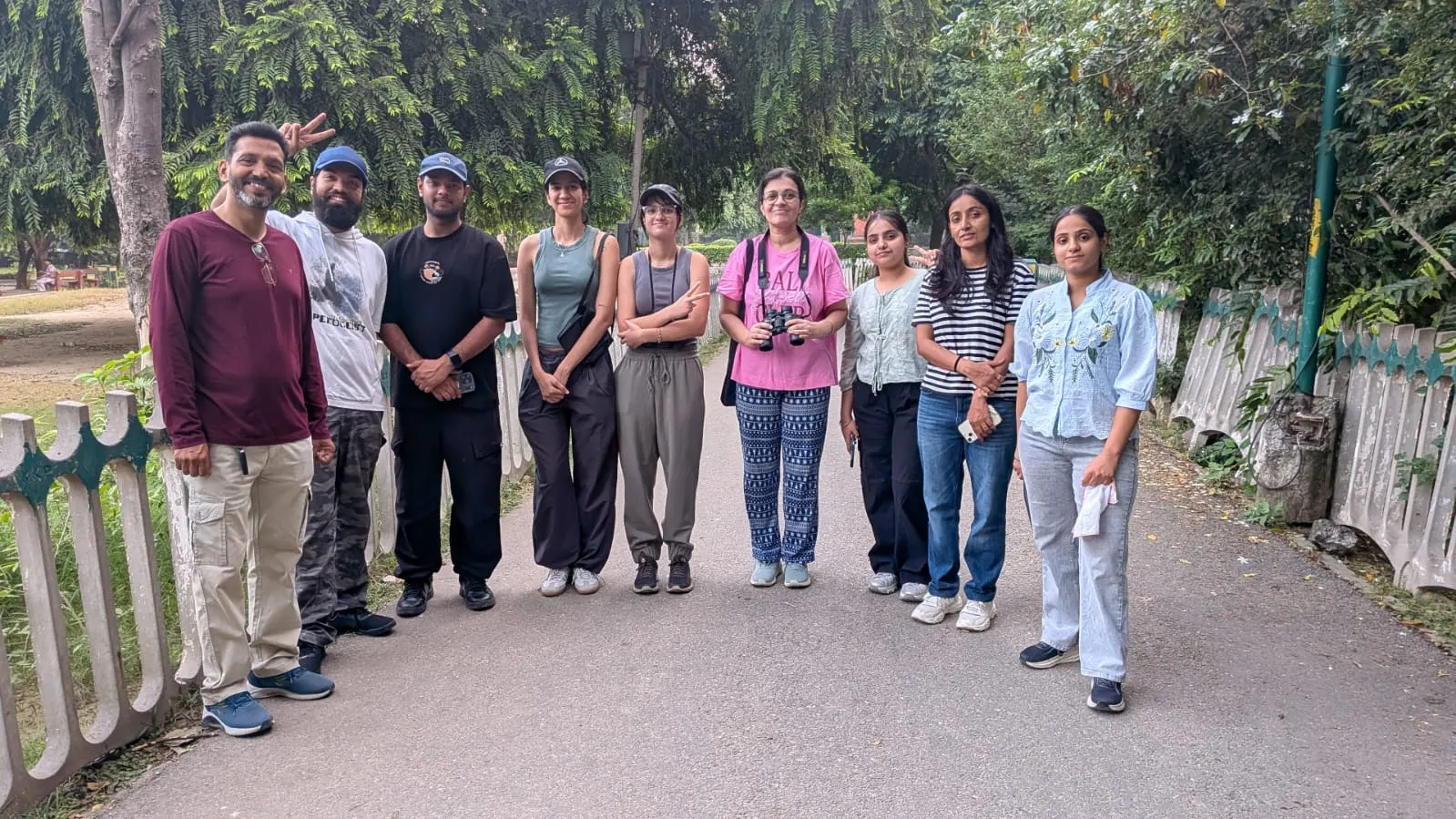
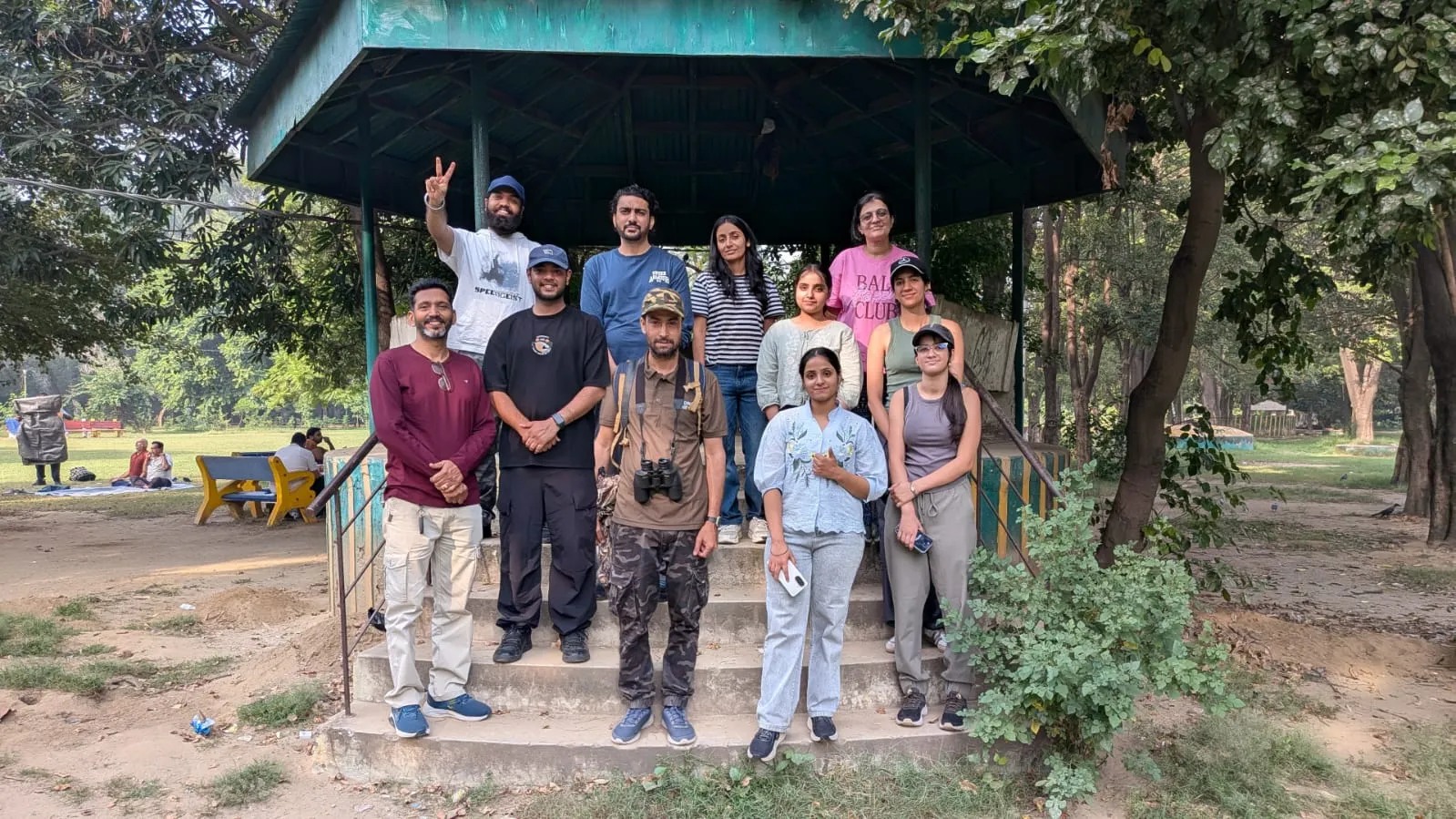
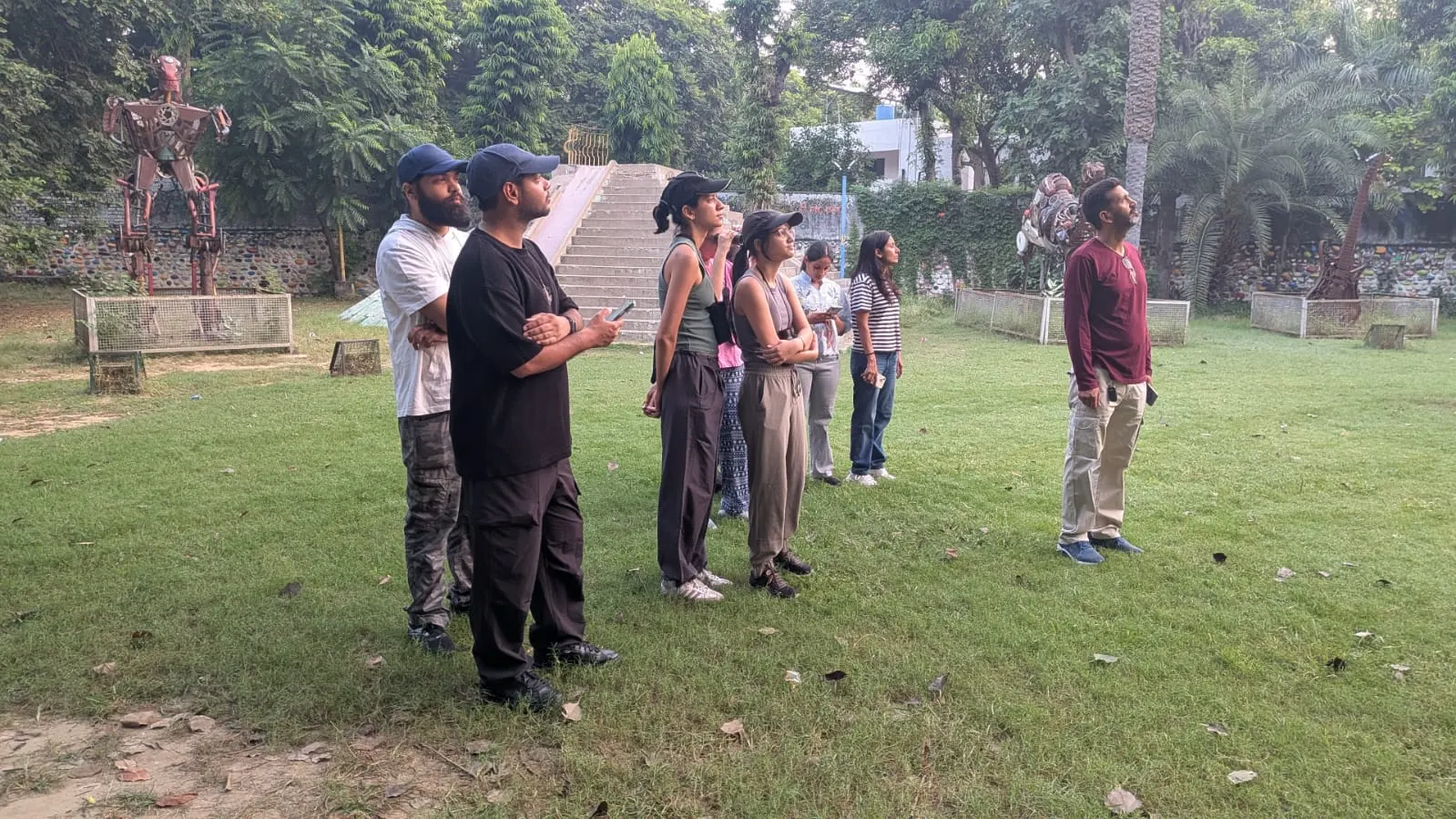
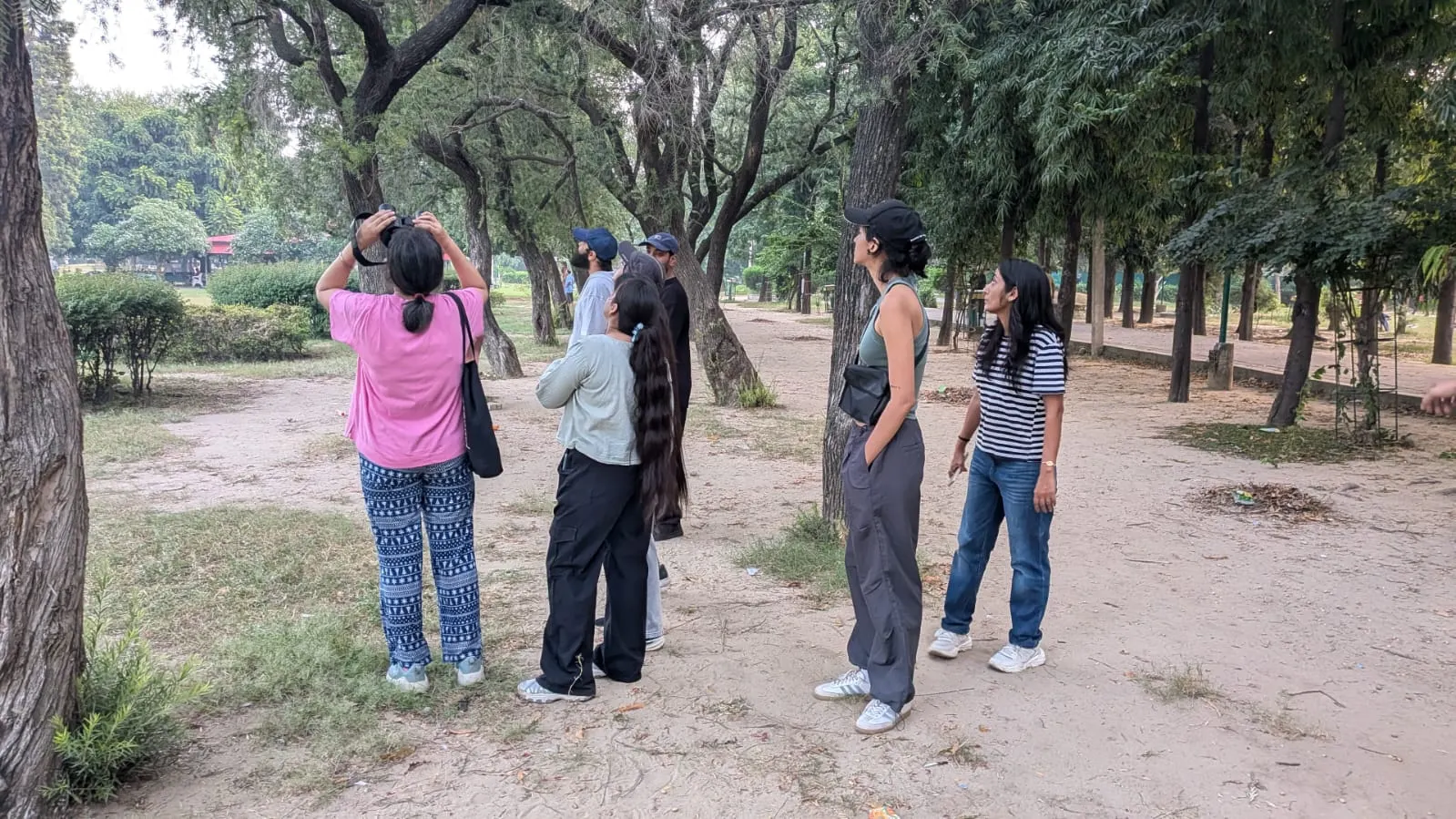
Twelve participants gathered at the Nehru Rose Garden in Ludhiana on 3 October for a bird walk led by guide Sandeep Sharma, and the morning turned out to be a delightful discovery of how much life shares the city’s gardens. The group recorded 21 species, and it was clear from the first few minutes that everyone was enjoying the experience and learning plenty of new things. The most dramatic moment came courtesy of a Shikra, which was out on the hunt and kept the group captivated as it scanned the garden with fierce focus, an intense reminder of the drama that unfolds in even the most peaceful spaces. A Rose-ringed Parakeet was seen defending its territory with noisy determination, and a Rufous Treepie busily searched for food among the branches, offering participants a close look at its long tail and bold black and rust plumage. Sandeep also drew attention to the Common Chiffchaff, a tiny and restless winter visitor that is easy to miss but fascinating to watch as it flits through the foliage, and many in the group were delighted to learn about this long-distance migrant. Participants asked thoughtful questions about behaviour, identification and migration, and Sandeep answered each with patience and clarity, making the walk interactive from start to finish. Because this was a new city for Ataavi walks, the excitement of the group was especially infectious, and everyone left feeling inspired to keep exploring. The walk was a lovely reminder that a garden can be a vibrant habitat when we take the time to look closely, and it set a wonderful tone for future bird walks in Ludhiana.

Number of Participants
0
Scroll to Top