Bird Walk at Sipat, Bilaspur, Chhattisgarh
- Bilaspur
- 4 October, 2026
- Ratnesh and Rahul Gupta
About Sipat
Sipat is a landscape in Bilaspur district of Chhattisgarh, surrounded by a mix of agricultural fields, village settlements, open scrub, grasslands and patches of vegetation. The area also includes water bodies and seasonal wetlands that add habitat diversity to the predominantly rural landscape. These varied habitats create suitable conditions for a range of birds and other wildlife, particularly around agricultural fields, open areas and water sources.
The combination of farmland, scrub, grassland and wetland habitats makes Sipat an interesting area for birdwatching. Open landscapes provide opportunities to observe raptors, lapwings, bee-eaters and other grassland species, while water bodies attract ducks, herons, egrets, storks and other wetland birds. The surrounding vegetation also supports smaller woodland and garden birds. As part of the broader Bilaspur landscape, Sipat offers a valuable example of how agricultural and semi-natural habitats can support local biodiversity and provide important refuges for birds within a human-dominated environment.

Bird Guide: Ratnesh Gupta
Nature lover & bird watcher spreading awareness one chirp at a time. Discover, learn, and connect with the wild around you.

Bird Guide: Rahul Gupta
Electrical Engineer by profession, bird guide by passion — blending circuits and songbirds with equal precision.
Bird walk Location
Common birds of Sipat
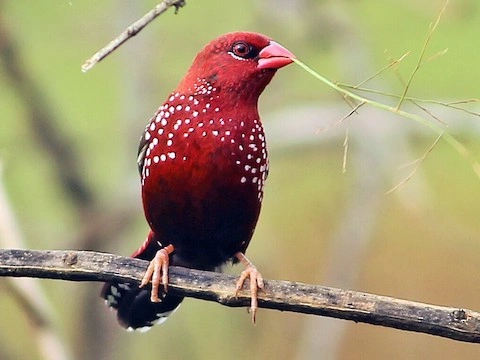
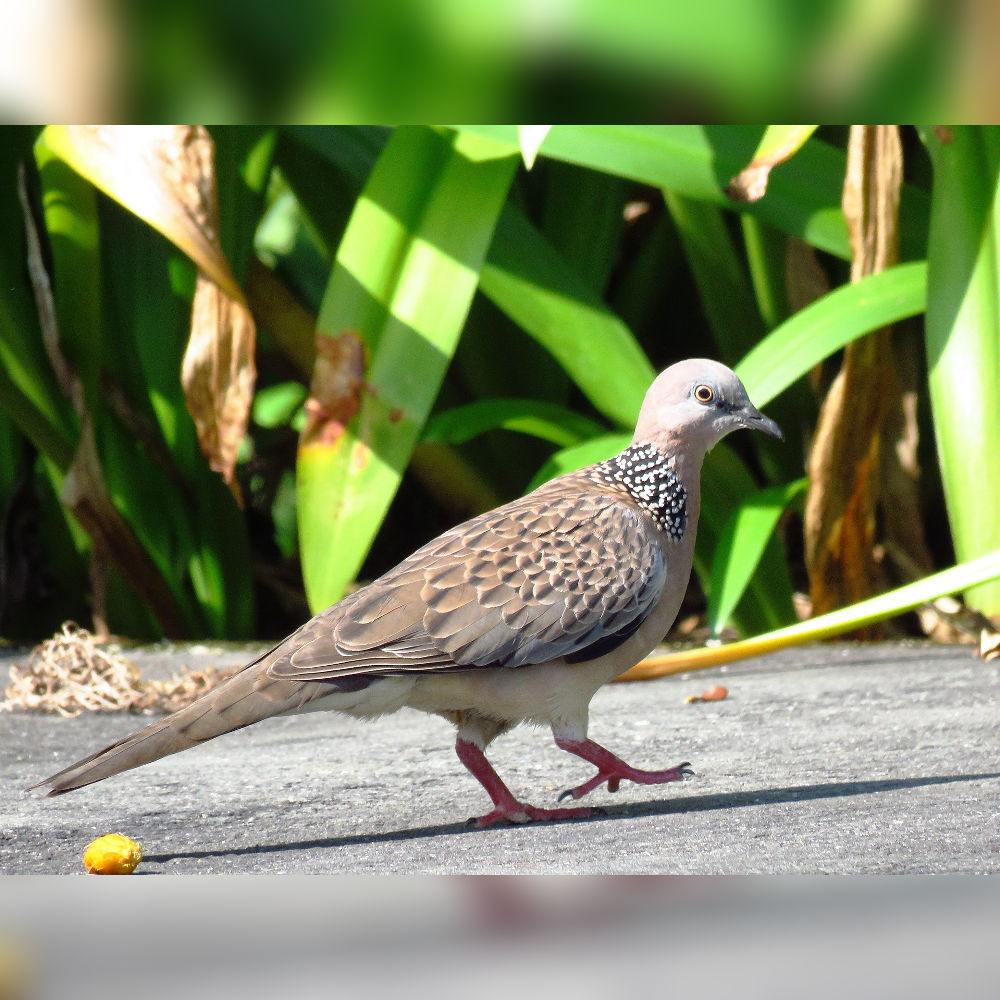
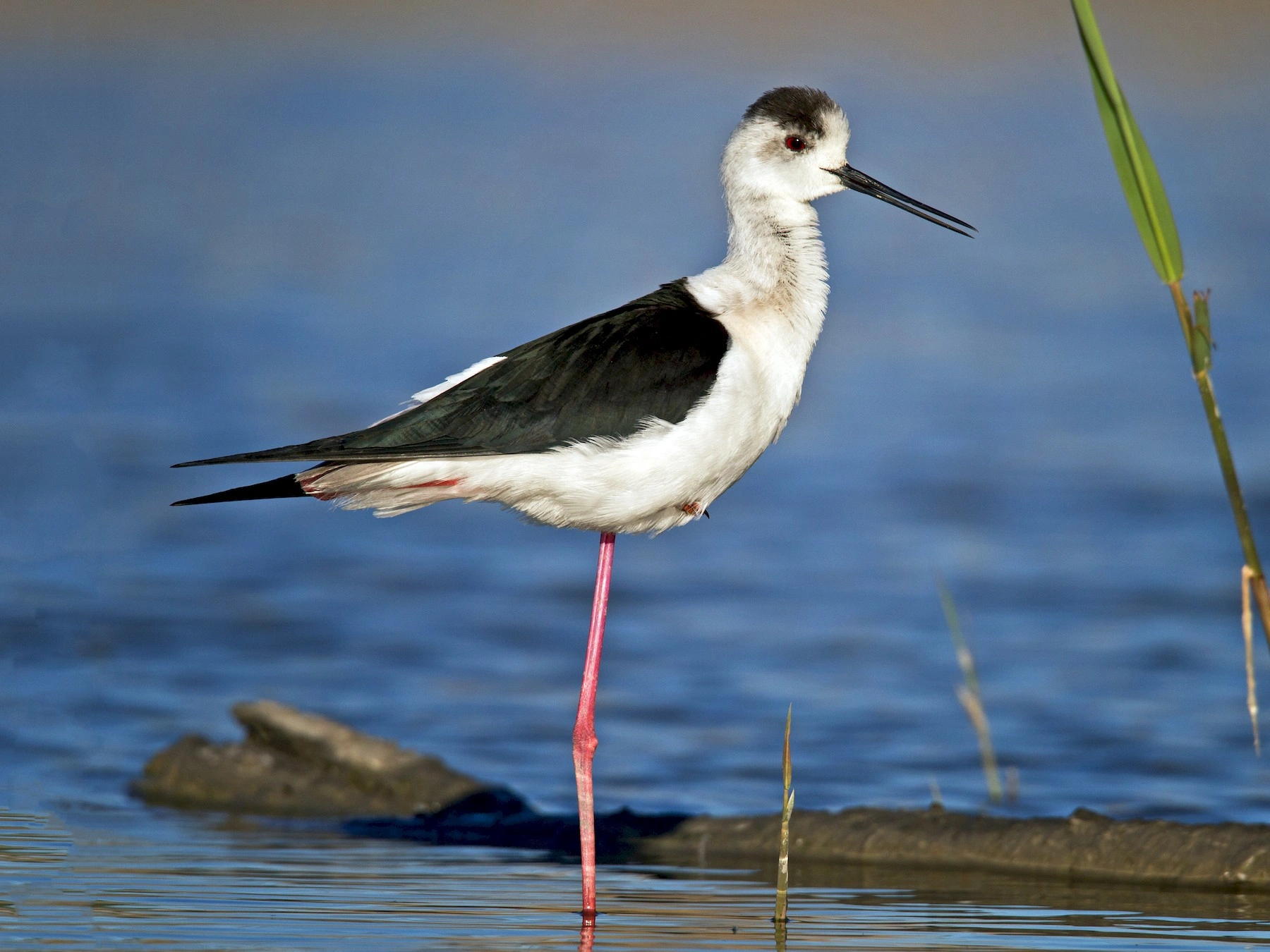
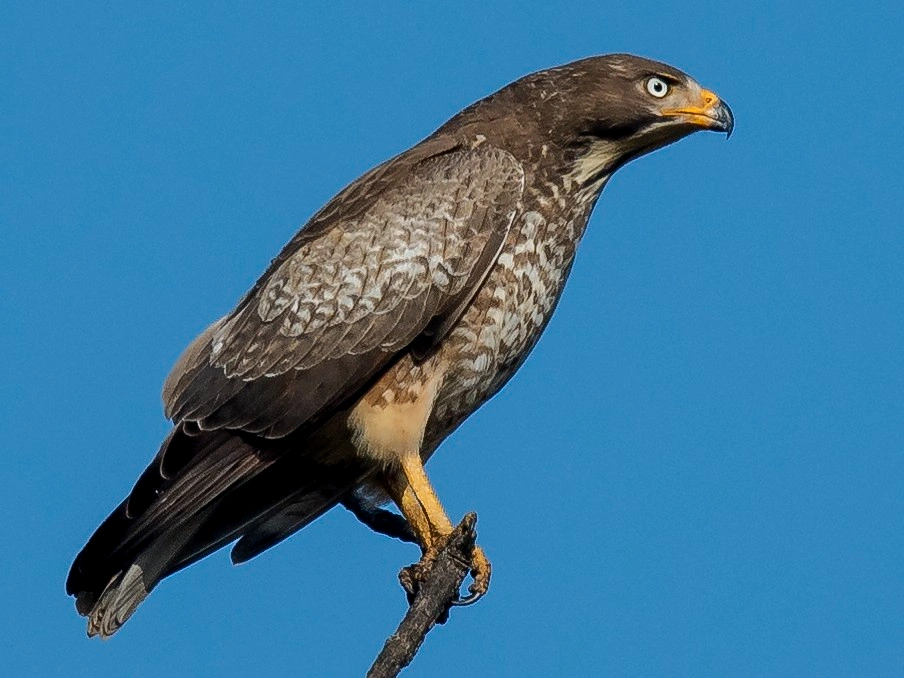
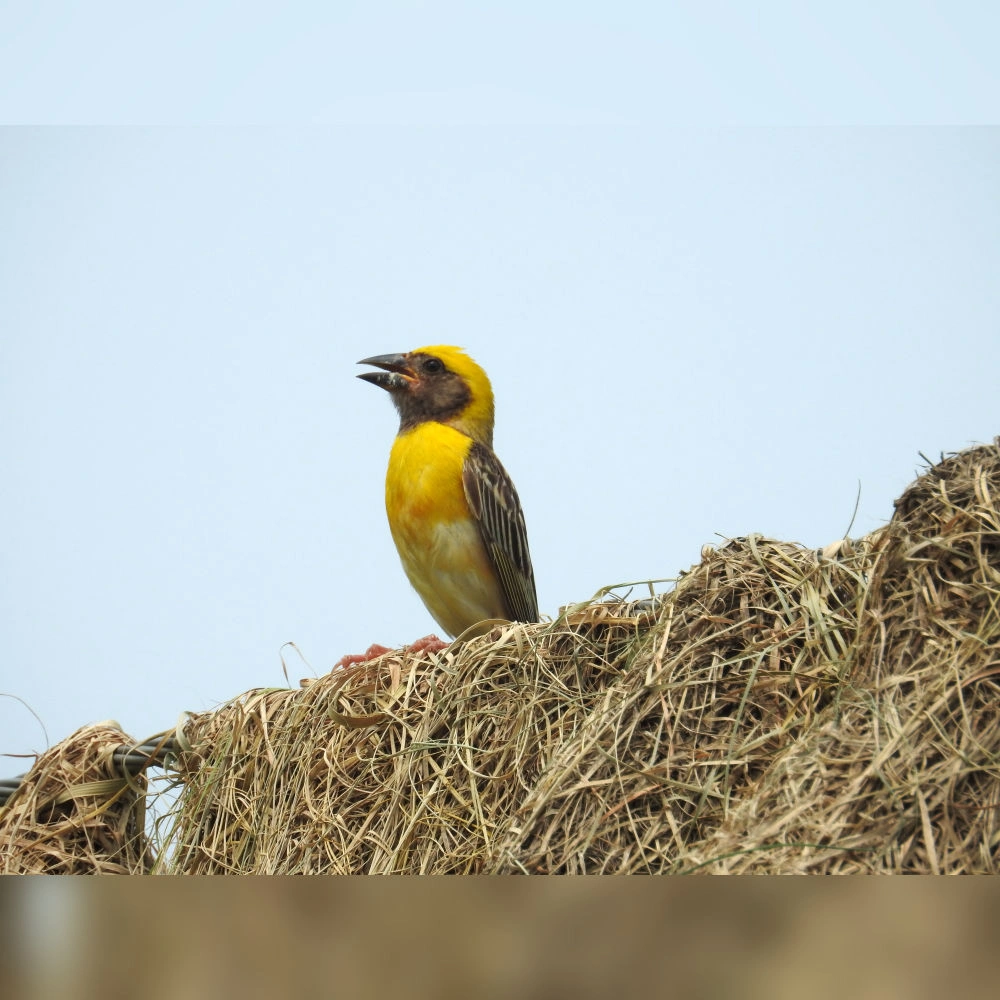
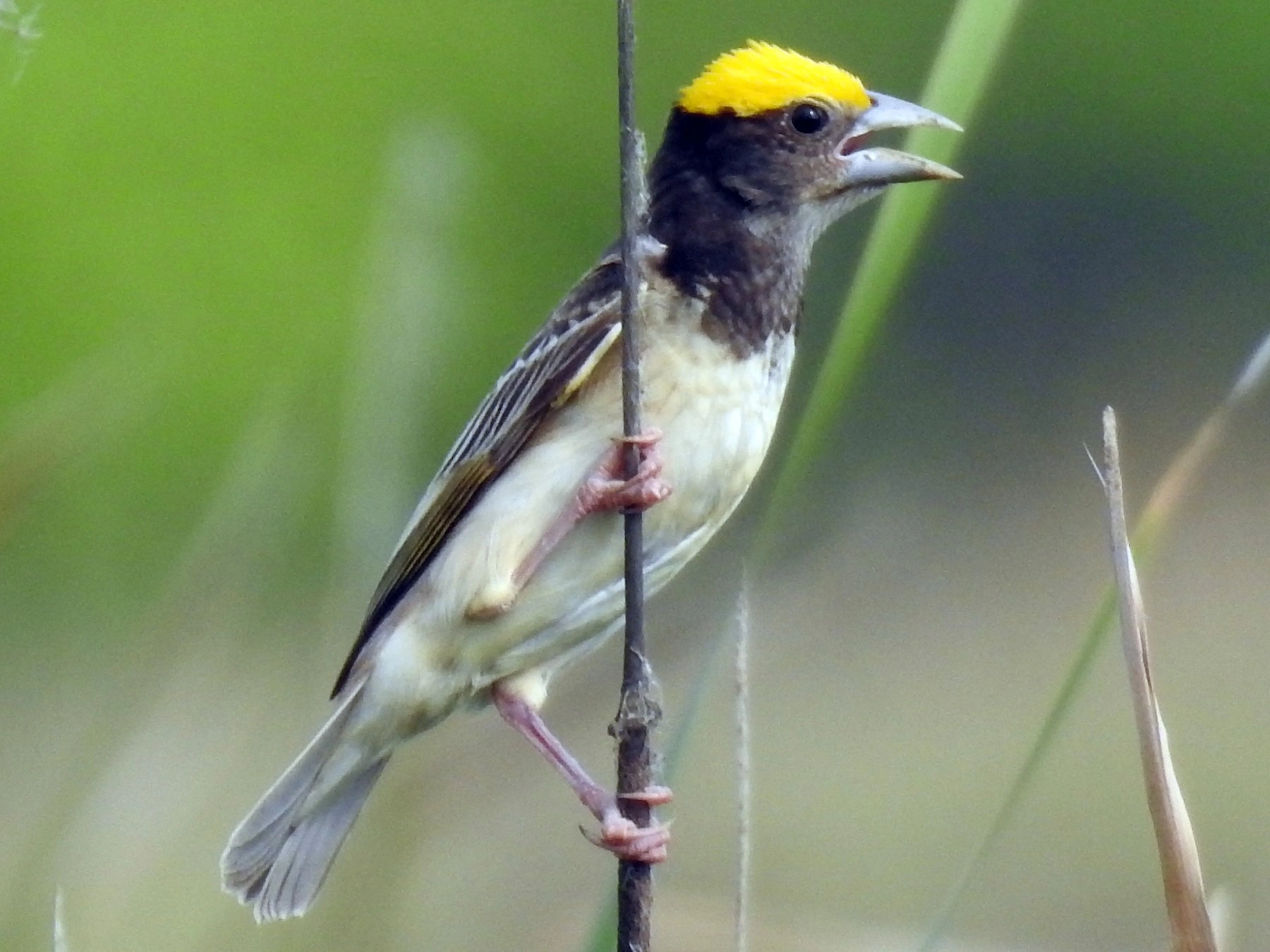
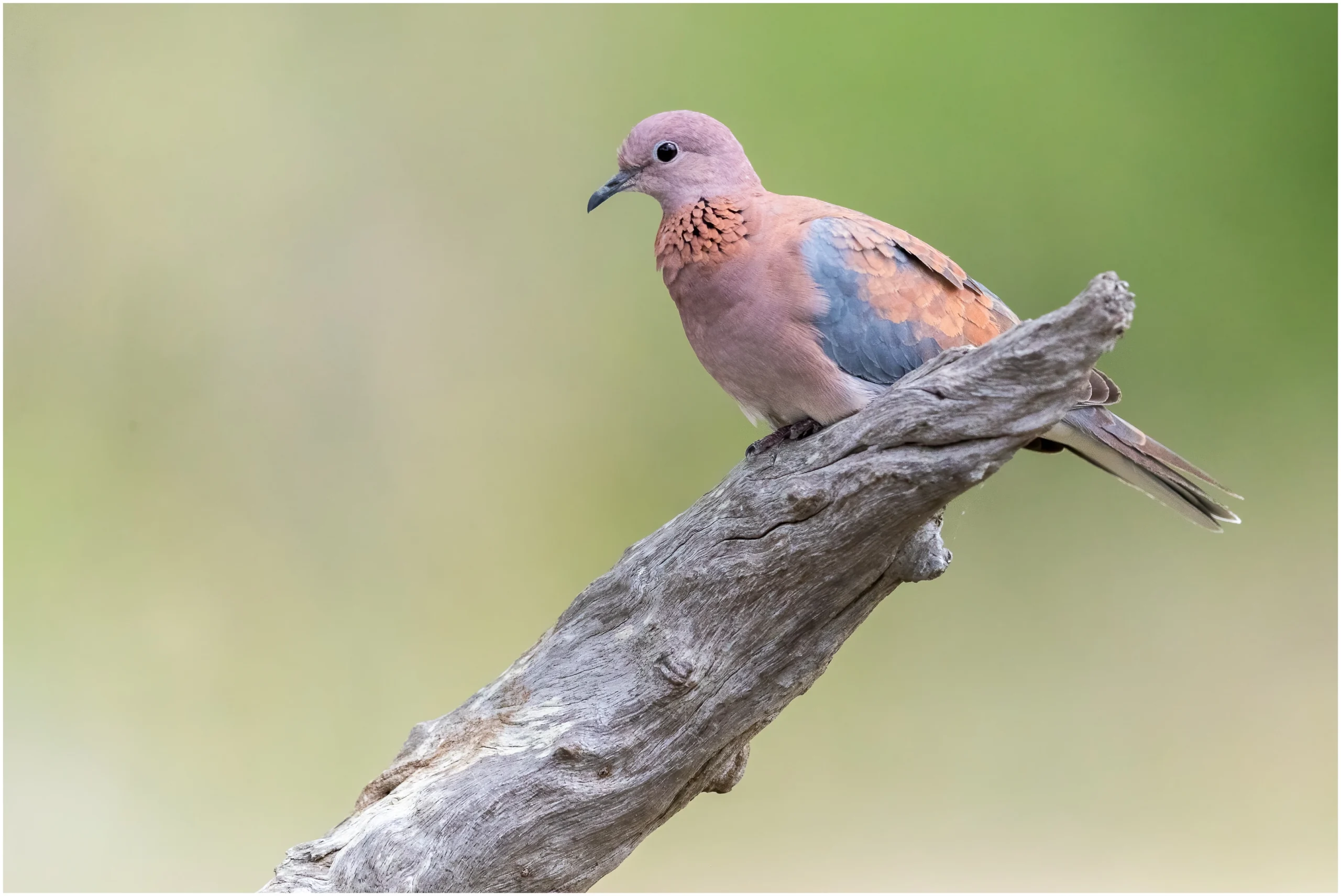
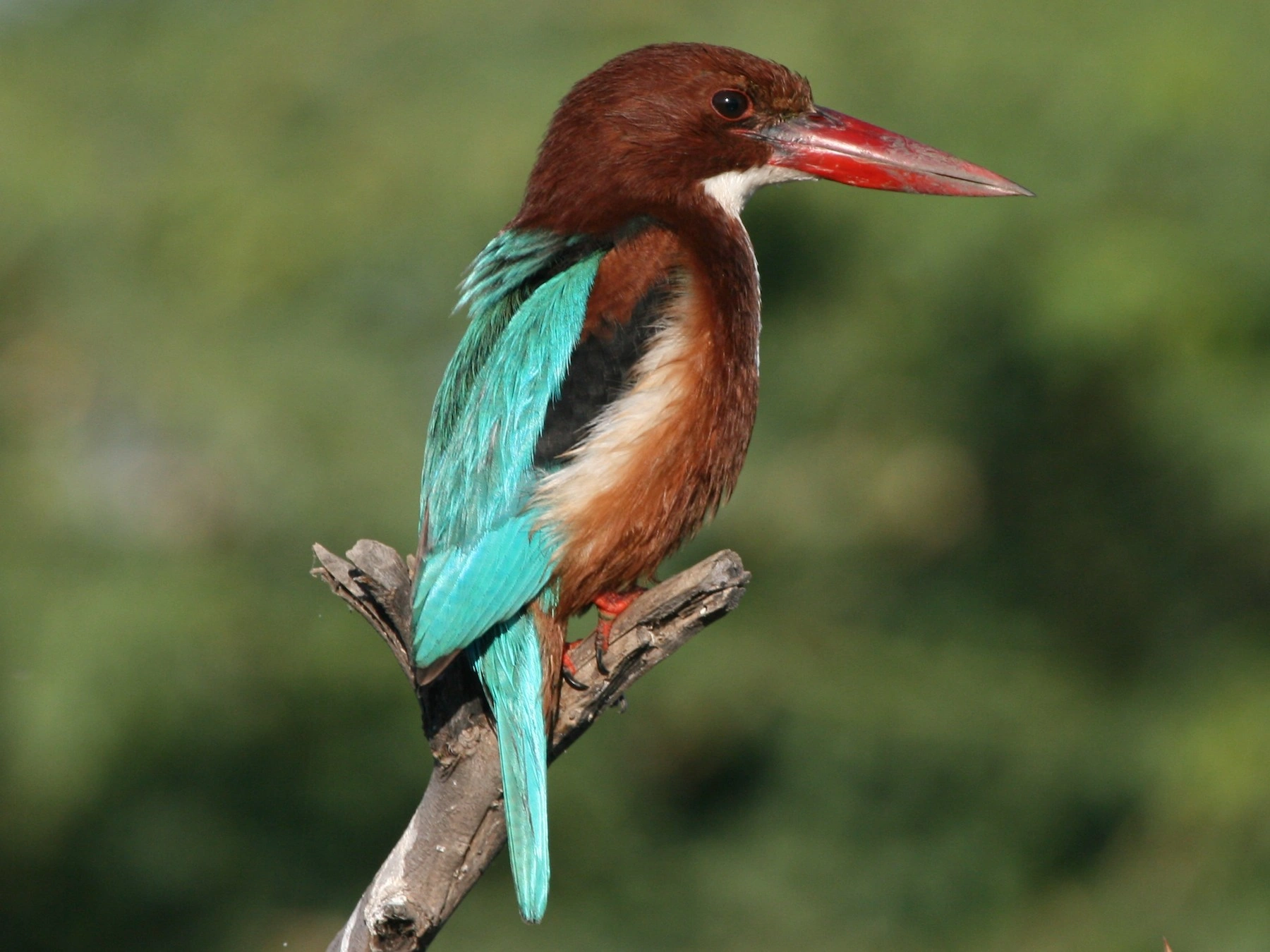
The birdlife recorded around Sipat reflects the diversity of its wetlands, grasslands, agricultural fields and scrub habitats. Wetland and mudflat areas support several migratory and resident waders, including Curlew Sandpiper, Kentish Plover, Little Stint, Temminck’s Stint, Black-winged Stilt and Glossy Ibis. Brown Crake adds to the wetland diversity, while White-throated Kingfisher is commonly associated with water bodies and surrounding vegetation. Open habitats support Ashy Prinia, Common Prinia, Red Avadavat, Baya Weaver, Black-breasted Weaver and Tricolored Munia. Raptors such as White-eyed Buzzard, Shikra and Black Kite add another dimension to the bird community. Spotted Dove and Indian White-eye further represent the birds found around the surrounding vegetation and human-modified areas. Together, these records highlight Sipat as a valuable landscape for both wetland birds and species associated with open grassland and agricultural habitats.

Red Avadavat

Ashy Prinia

Spotted Dove

Curlew Sandpiper

Black-winged Stilt

White-eyed Buzzard

Baya Weaver

Black-breasted Weaver

Tricolored Munia

Black Kite

Brown Crake

Black Drongo

Kentish Plover

Common Myna

Laughing Dove

White-throated Kingfisher

Little Stint

Shikra

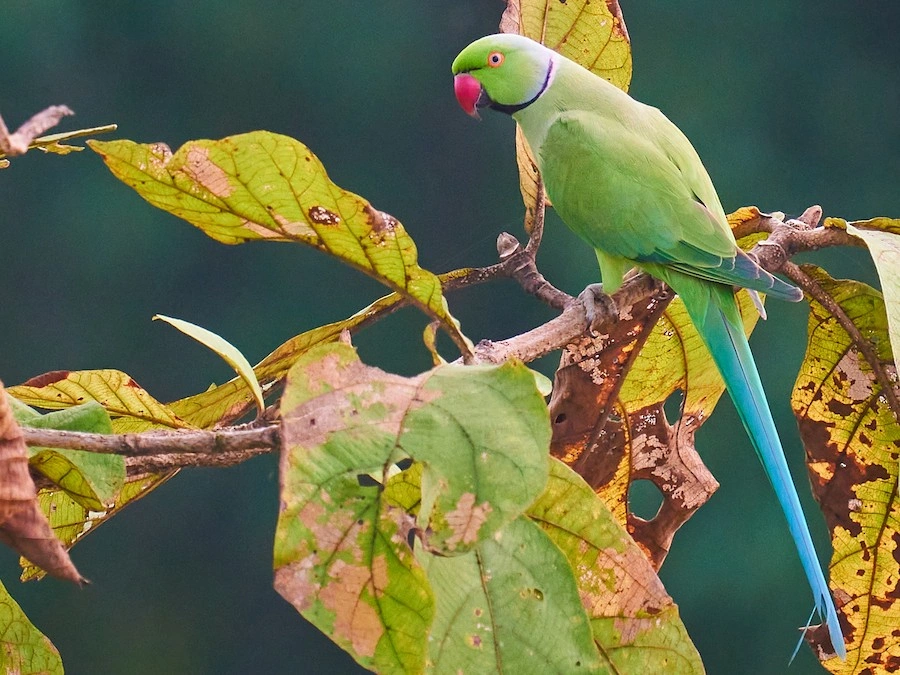
Rose-ringed Parakeet

Glossy Ibis
Summary of Walk
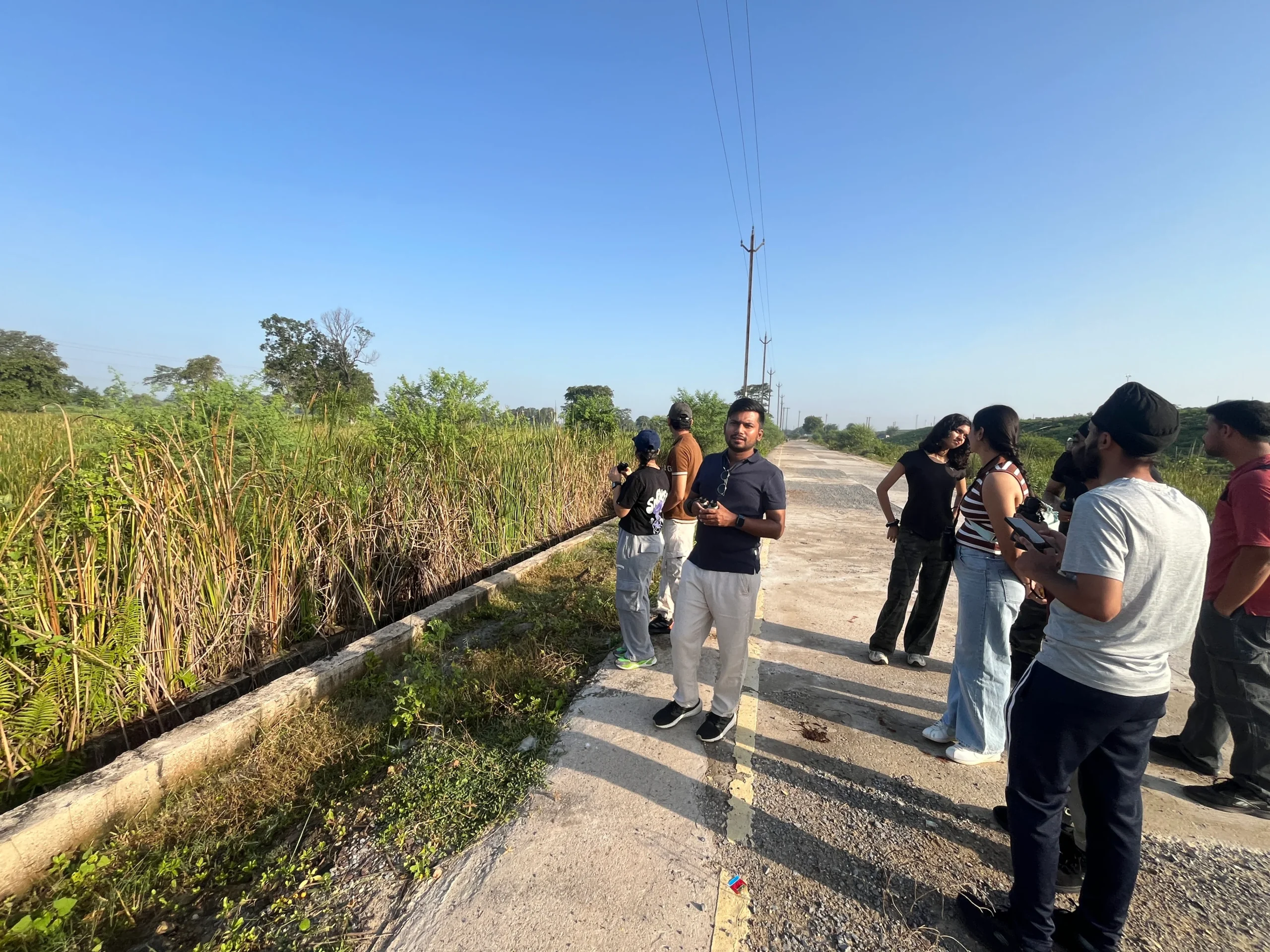
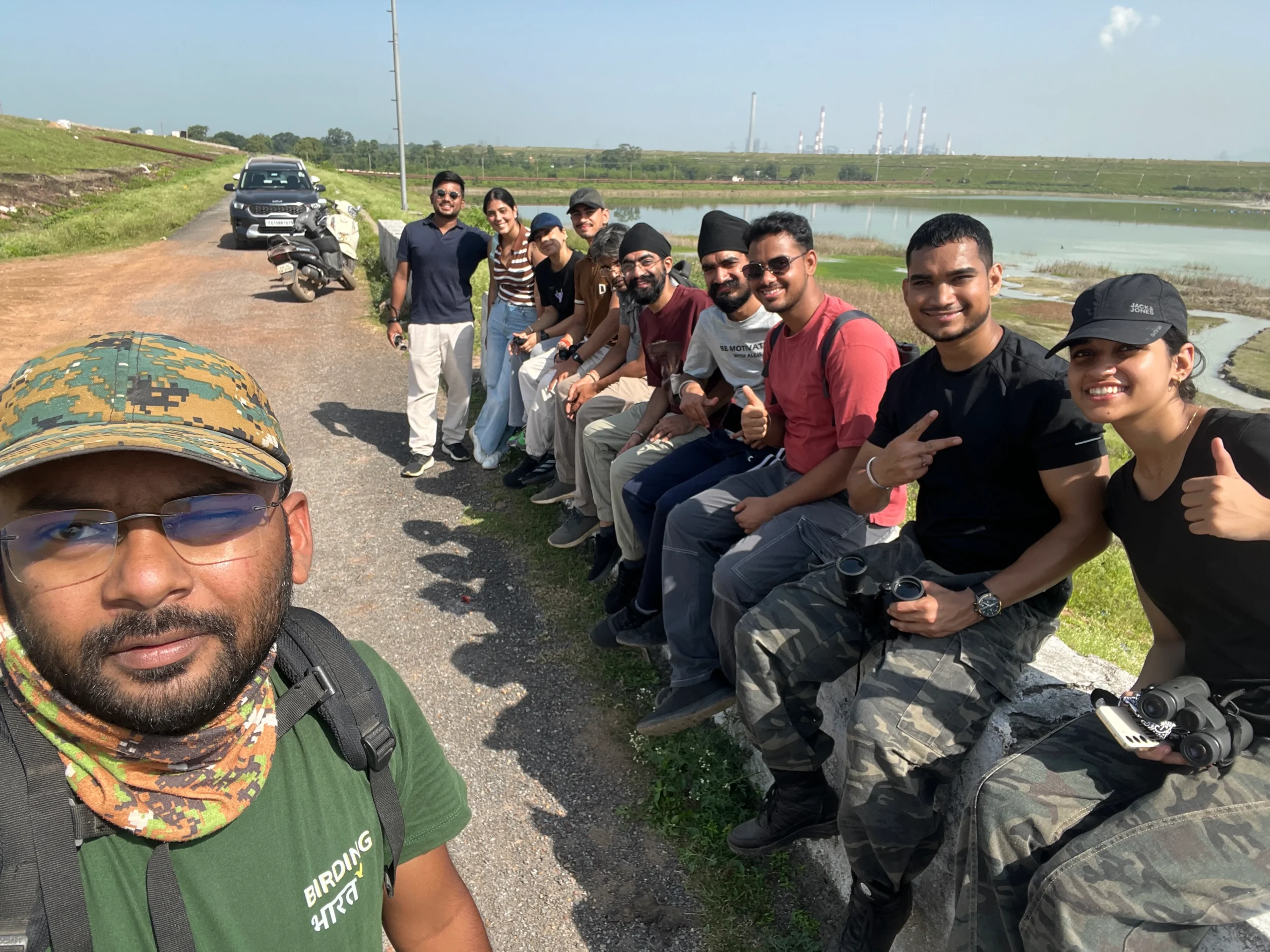
Ten birders joined guides Rahul and Ratnesh Gupta at Sipat NTPC in Bilaspur on 4 October for a morning rich with wetland species and a memorable raptor sighting, with 29 species recorded. The reeds, ponds and open grasslands of the area attract a lovely diversity of birds, and the group enjoyed moving through each habitat in turn. The headline sighting was an Osprey, an uncommon and impressive fish-eating raptor with big claws, which gave the group a wonderful view and a real sense of occasion. The Lesser Whistling-Duck, with its upright stance and whistling call, was a highlight on the water, and the Cinnamon Bittern, a secretive reed-dweller in rich chestnut colour, was a prized find for the group, as was a sighting of the Black Bittern. Baya Weavers were weaving their nests, and watching the males work at their intricate creations was another highlight of the walk. The group also saw Red Avadavat, Indian Silverbill, Black-breasted Weaver, Indian Roller, Black Drongo, Grey Heron, Purple Heron, Black-winged Stilt, Red-wattled Lapwing, Black Kite and Green Bee-eater, a rich mixture of wetland and open-country birds that kept everyone busy with cameras and binoculars from the first minute to the last. Rahul and Ratnesh led the walk with great enthusiasm, helping participants tell herons from bitterns, explaining weaver behaviour and encouraging careful observation. The variety of sightings made for a fascinating morning, and the participants returned home with excellent photographs, new knowledge and a heightened appreciation of the birdlife that thrives around the wetlands of Bilaspur, a landscape that continues to surprise even experienced birders and to prove how much life depends on well-kept water and reeds.

Number of Participants
0