

Bird walk at Nehru Park, New Delhi
- Delhi
- 3 October, 2026
- Ankit Aryan
About Nehru Park
Nehru Park is a prominent urban green space in New Delhi, offering a welcome natural setting within the city’s dense built environment. The park features extensive lawns, mature trees, landscaped areas, flowering plants, shrubs, and open spaces that create a variety of habitats for urban wildlife. The combination of tree cover and open ground provides opportunities for observing birds and other small fauna, while the changing vegetation through the seasons adds to the park’s ecological character. Its location within the central Delhi landscape also makes it an accessible green refuge for residents and visitors.
As with many urban parks, Nehru Park experiences regular human activity, including recreation, walking, and other forms of public use. Maintaining mature trees, native vegetation, understory cover, and quieter sections can help preserve habitat value alongside recreational functions. Managing litter, excessive disturbance, invasive vegetation, and other pressures associated with intensive urban use is important for maintaining the park’s biodiversity. With thoughtful management, Nehru Park can continue to serve both as a significant public green space and as a valuable urban habitat within New Delhi.

Bird Guide - Ankit Aryan
He is a Mechanical Engineer with 3 years of experience in birdwatching and a strong passion for environmental conservation. He enjoys exploring nature, observing and documenting birds, and deepening his understanding of their behaviour and habitats. Through his interest in birding, he hopes to encourage greater awareness and appreciation for wildlife and the natural environment.

Partnered with Magadh Nature Conservation Trust
Bird walk Location
Common birds of Nehru Park
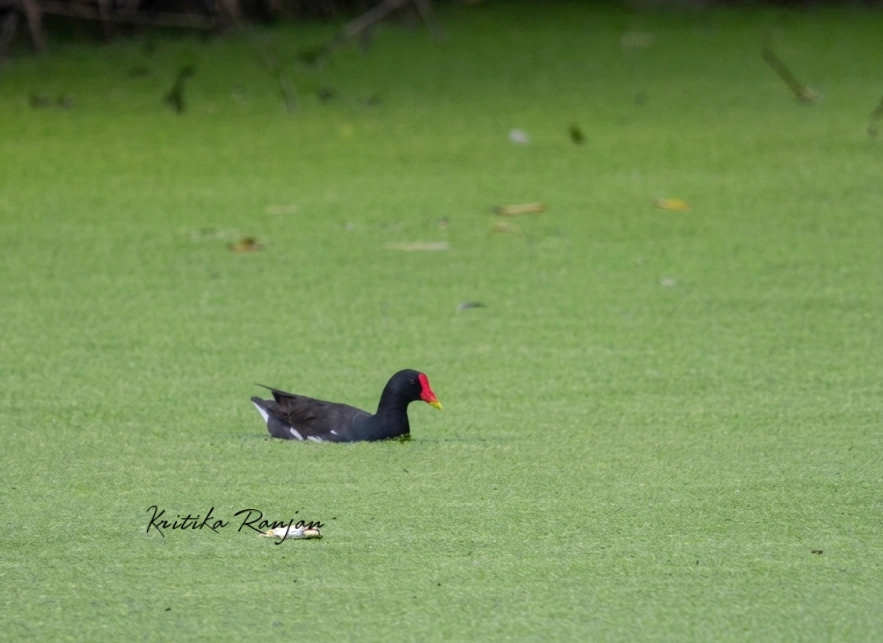
Nehru Park supports a diverse mix of wetland, woodland, garden, and urban-adapted birds, reflecting the variety of habitats within this large green space. Wetland-associated species such as Indian Spot-billed Duck, Eurasian Moorhen, Eurasian Coot, Indian Pond-Heron, and Red-wattled Lapwing make use of the park’s waterbodies and open areas. Red-naped Ibis is particularly notable among the larger wetland and open-ground birds recorded here. The park’s mature trees and vegetation support species such as Indian Gray Hornbill, Brown-headed Barbet, Black-rumped Flameback, Rose-ringed Parakeet, Alexandrine Parakeet, Indian White-eye, Purple Sunbird, Common Tailorbird, Jungle Babbler, and Asian Koel.
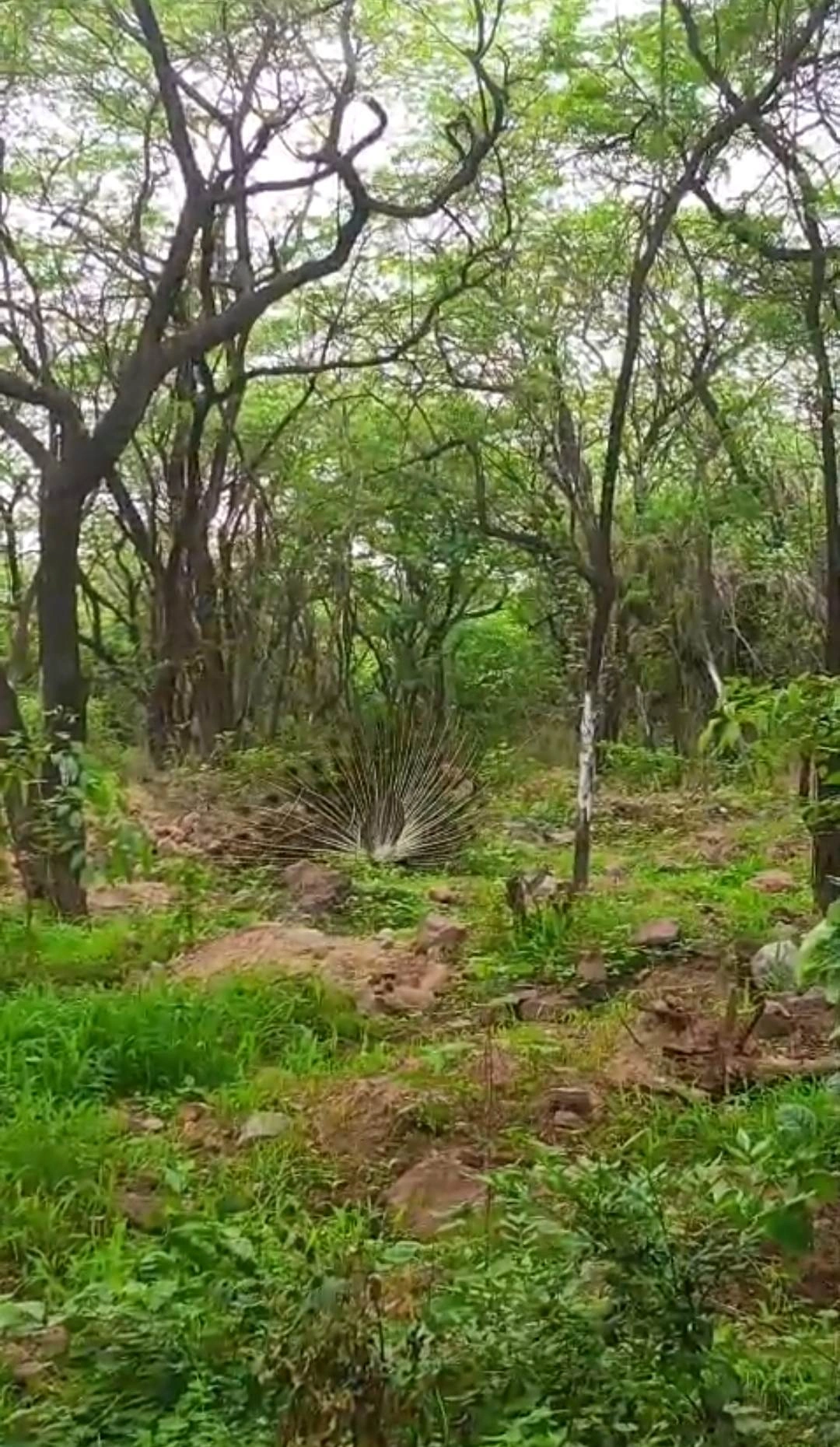
The open lawns and wooded areas also provide habitat for Indian Peafowl, Shikra, Black Kite, Yellow-footed Green-Pigeon, Eurasian Collared-Dove, Rock Pigeon, Common Myna, House Crow, and Large-billed Crow. Together, these records demonstrate the value of Nehru Park as an urban green space supporting birds across several habitat types, from waterbodies and open lawns to mature trees and denser vegetation.

Indian Spot-billed Duck

Eurasian Moorhen

Red-naped Ibis

Black Kite
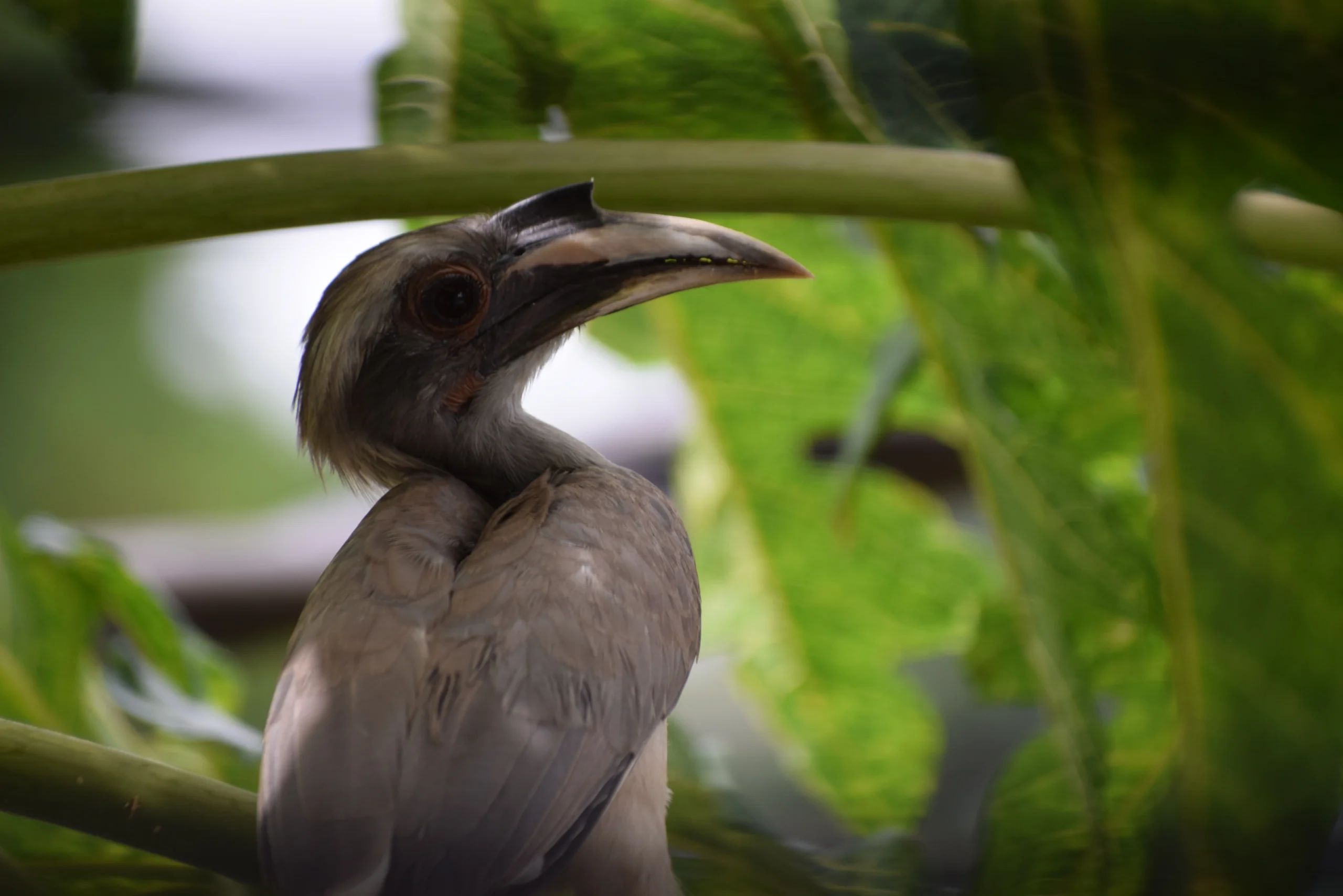
Indian Grey Hornbill

Brown-headed Barbet
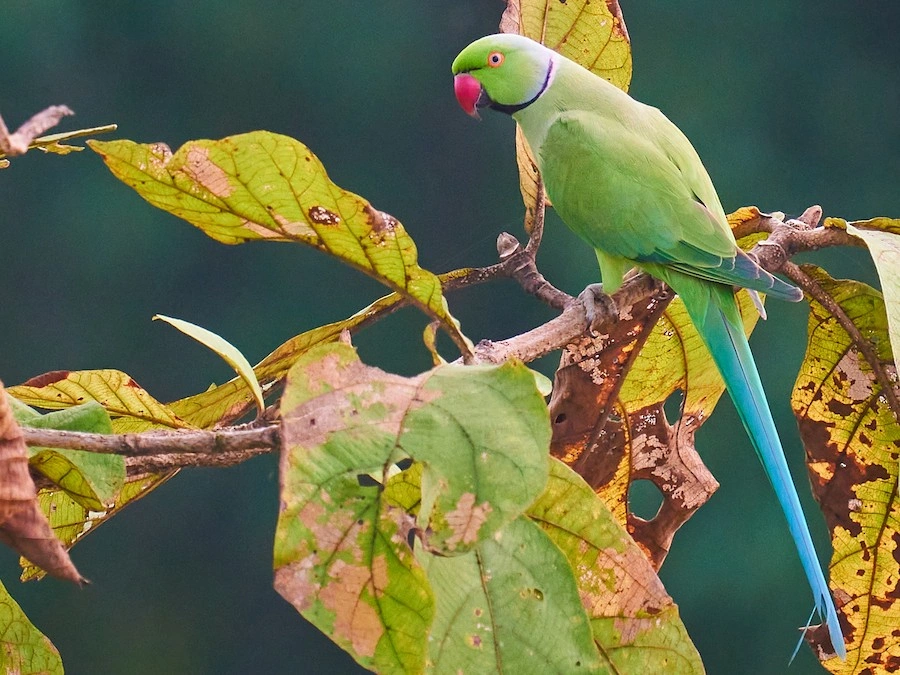
Rose-ringed Parakeet

House Crow

Jungle Babbler

Common Myna
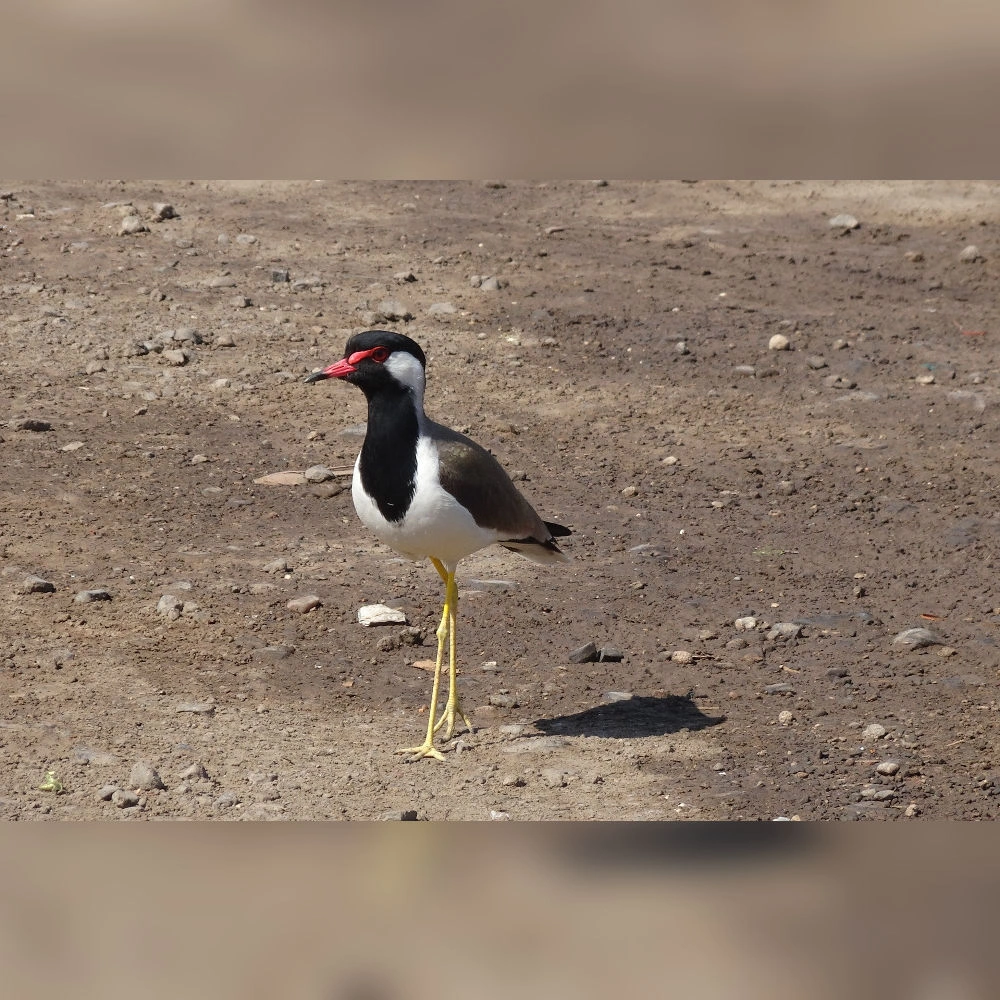
Red-wattled Lapwing

Eurasian Collared-Dove
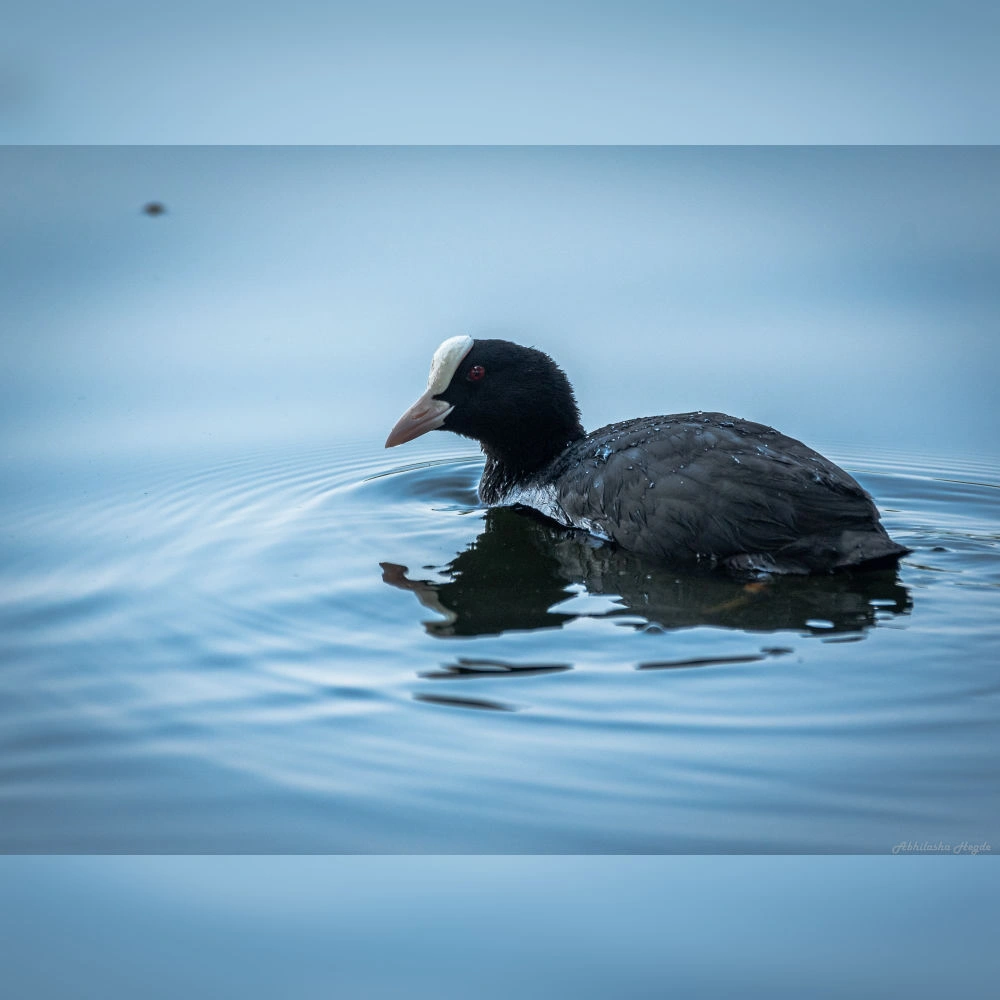
Eurasian Coot
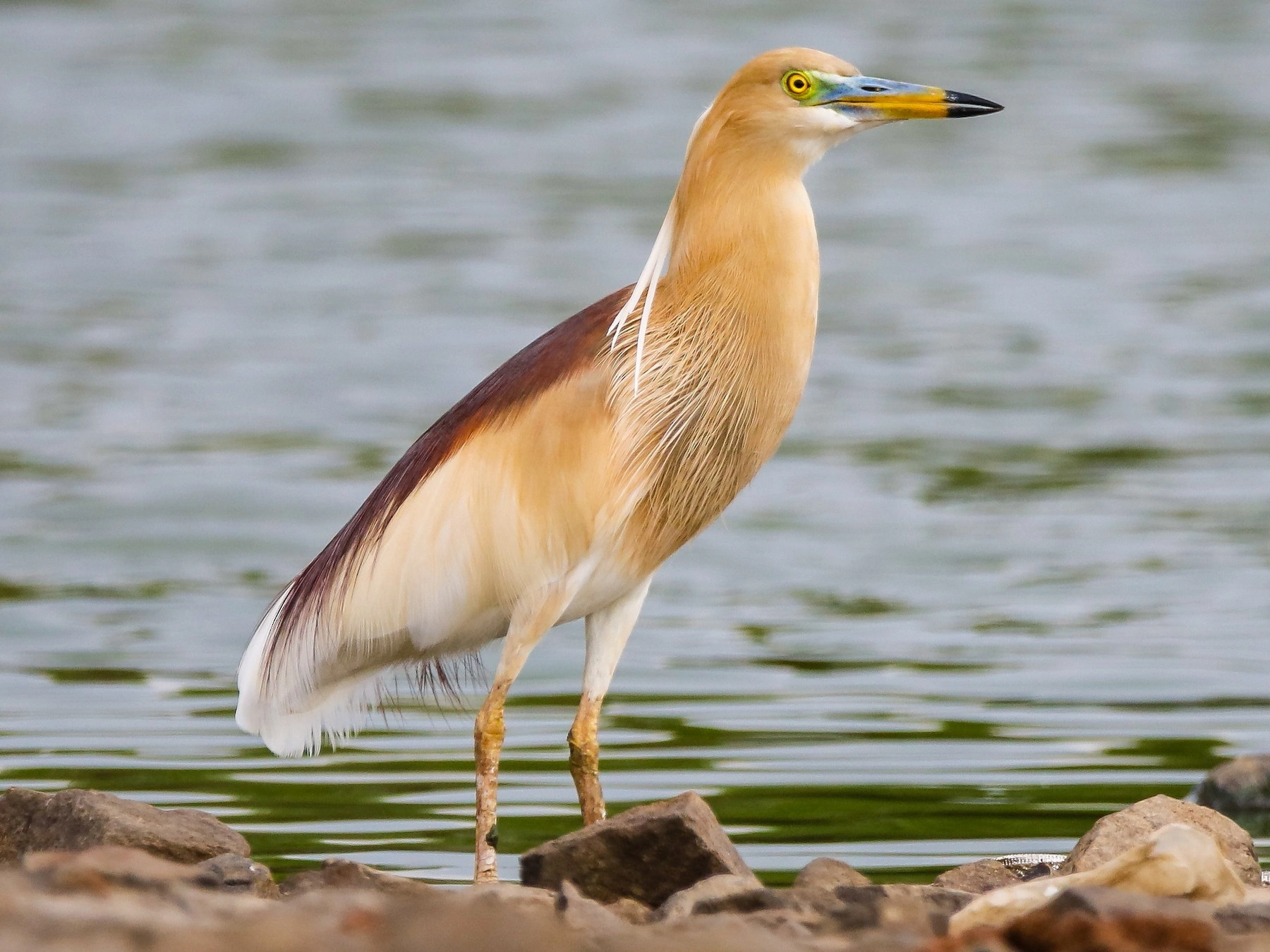
Indian Pond-Heron
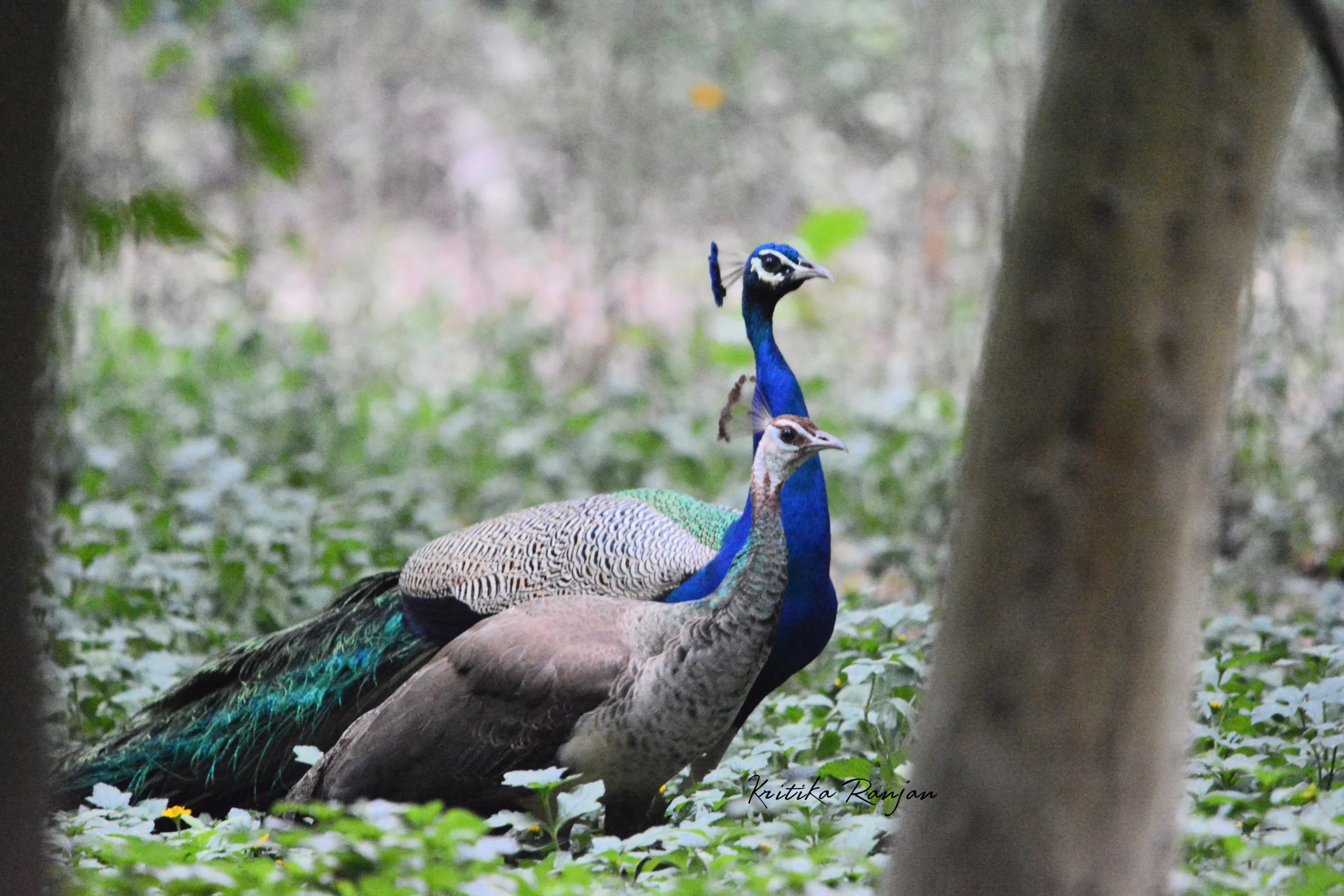
Indian Peafowl
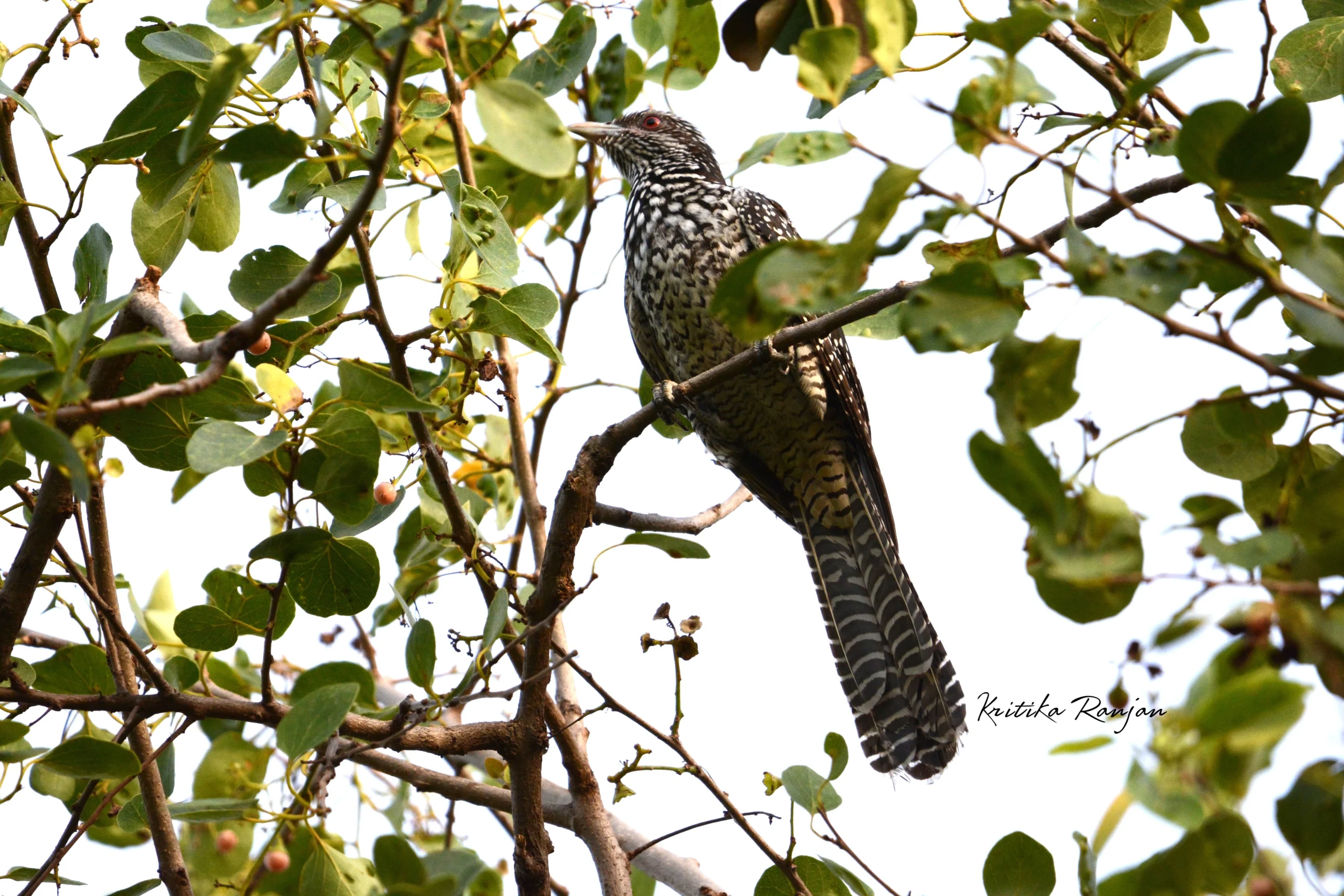
Asian Koel

Shikra
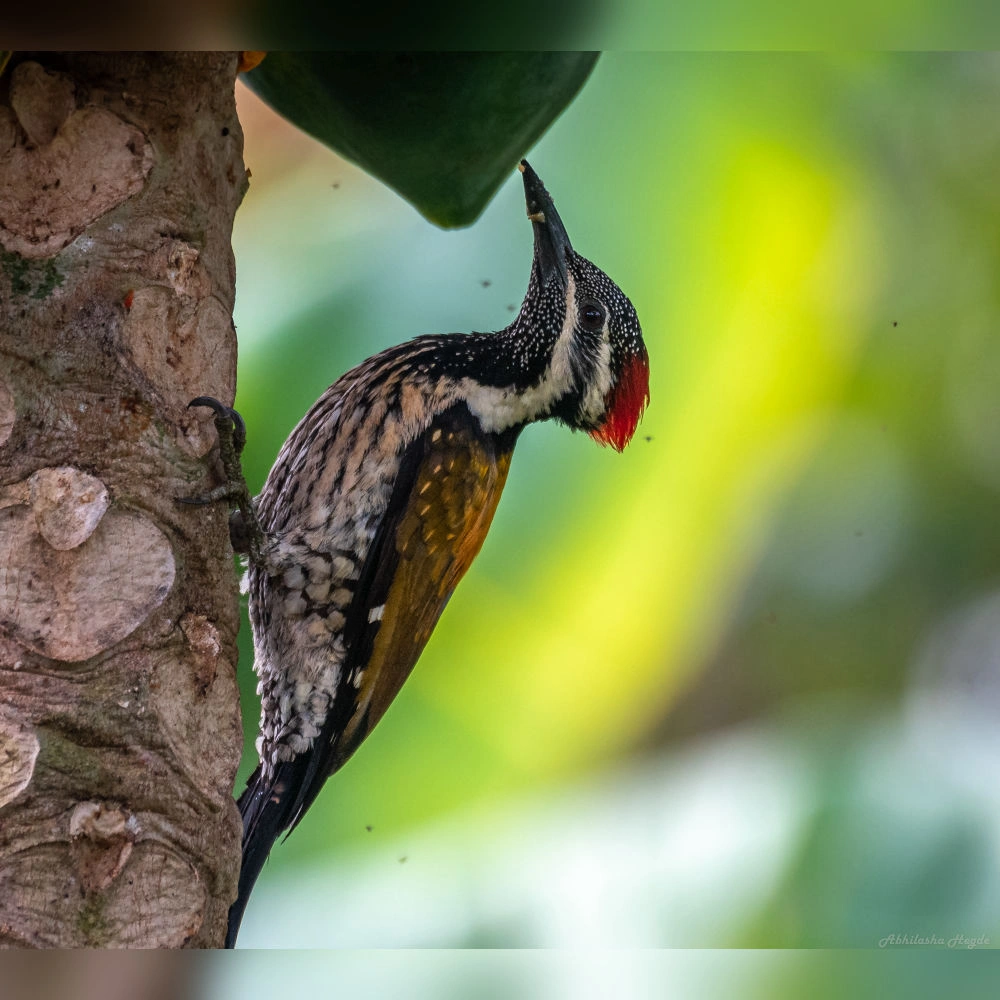
Black-rumped Flameback

Alexandrine Parakeet

Common Tailorbird
Summary of Walk
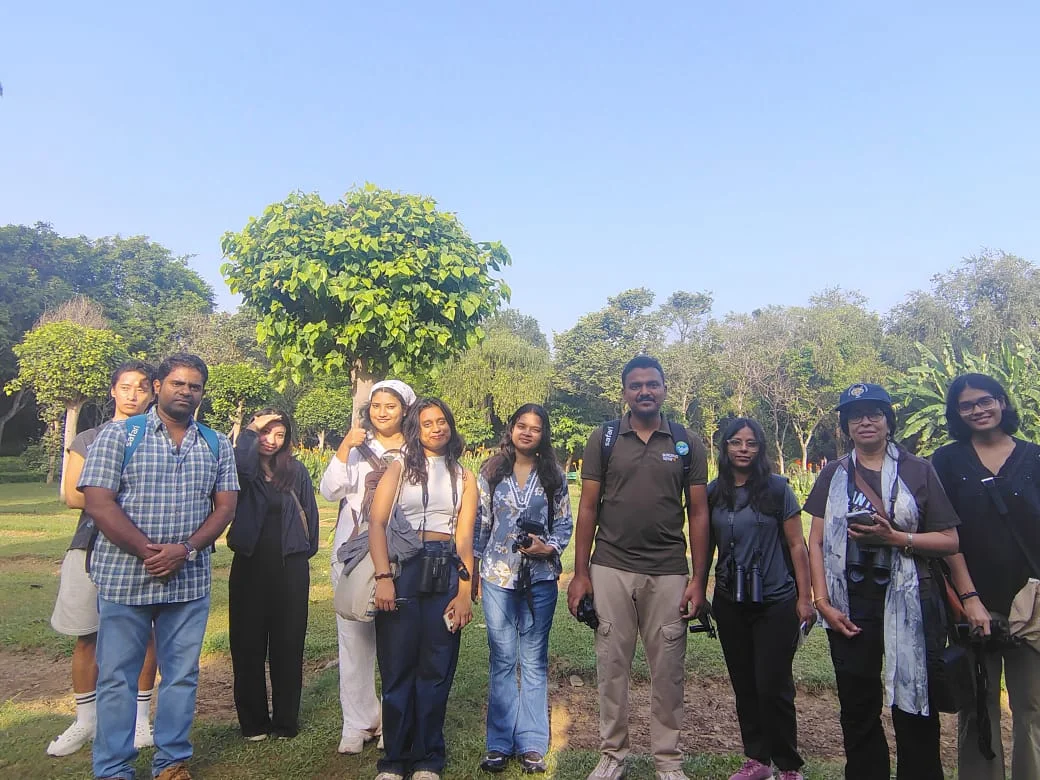
Ten birders joined guide Ankit Aryan at Nehru Park in New Delhi on 3 October for a lively morning that proved how much wildlife can be found in the heart of the capital. The park’s shady trees, open lawns and quiet corners created plenty of opportunities for sightings, and the group recorded 29 species before the walk came to a close. The most dramatic moment came from a Shikra, the compact and fierce hawk that is always a thrill to watch, and the group followed its movements with fascination. Alongside it, the Yellow-footed Green-Pigeon drew admiring glances, its soft yellow-green plumage blending so perfectly with the leaves that finding it felt like solving a puzzle. The White-throated Kingfisher flashed its brilliant blue back and white throat from a perch, and the Alexandrine Parakeet, with its deep red shoulder patch and heavy bill, called noisily overhead. The group also discovered a Rose-ringed Parakeet nest, a delightful reminder that these colourful birds make their homes in the hollows of the park’s older trees, and spotted Eurasian Moorhen chicks adding a charming touch of young life to the scene. Ankit shared helpful tips on identifying birds through their calls and behaviour, and encouraged participants to look closely at the way different species move, feed and interact. The relaxed pace and friendly atmosphere made the walk accessible for beginners and enjoyable for seasoned birders alike. By the end of the morning, everyone agreed that the park held far more surprises than expected, and they left with fresh enthusiasm for exploring the birdlife that shares the city with us every single day.
Number of Participants
0