Bird Walk at Sal Forest Trail, Dehradun
- Dehradun
- 27 September, 2026
- Ashika Talreja
About Sal Forest Trail
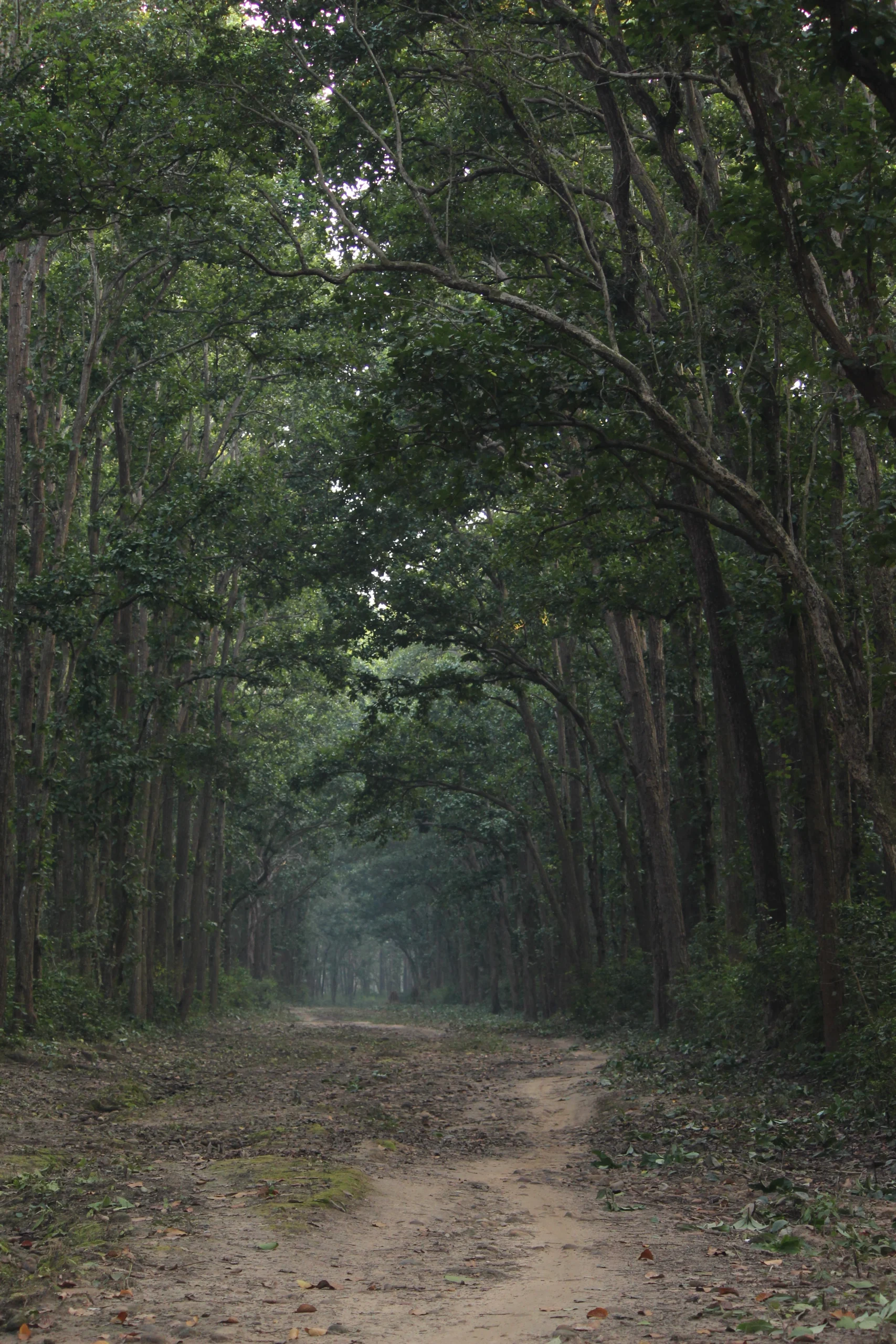
Tucked within the green outskirts of Chandrabani, the Sal Patch is a tranquil stretch of forest dominated by towering Sal (Shorea robusta) trees, forming a dense canopy that filters sunlight into a soft, golden glow. This patch represents the classic foothill habitat of the Himalayan terai, where moist deciduous forests blend with undergrowth, shrubs, and seasonal streams. The forest floor is alive with insects and small mammals, while the mid and upper canopy host a variety of birds, making it an ecologically rich and layered habitat.
For birders and nature enthusiasts, Sal Patch offers a peaceful yet rewarding experience, with every trail echoing with calls, songs, and movement. From vibrant canopy dwellers to shy understorey species, the diversity here reflects the health of this forest ecosystem. However, increasing urban expansion around Dehradun, habitat fragmentation, and human disturbance pose growing threats to such pockets. Preserving areas like Sal Patch is crucial—not just for biodiversity, but for maintaining green buffers that sustain both wildlife and the human communities around them.

Bird Guide: Ashika Talreja
Ashika Talreja is a Project Associate with the Birds Component of the WII–NMCG project at the Wildlife Institute of India, with over 7 years of experience in avian research and conservation. She specializes in bird monitoring and habitat assessment, combining field expertise with a strong focus on conservation.
Bird walk Location
Common birds of Sal Forest Trail
The birdlife of Sal Patch, Chandrabani, showcases a delightful mix of forest specialists and edge species, making every walk dynamic and engaging. The canopy often reveals flashes of colour with Rosy Minivets moving in small flocks, while the striking Black-hooded Oriole adds bursts of yellow against the green backdrop. Woodpeckers such as the Gray-capped Pygmy and Gray-headed Woodpecker bring life to tree trunks, and the elegant Indian Paradise-Flycatcher glides gracefully through the forest, often becoming a highlight sighting.
In the undergrowth and mid-storey, species like White-browed Scimitar-Babbler and Gray-breasted Prinia remain active yet elusive, while the cheerful White-crested Laughingthrush moves in noisy groups. Bee-eaters, drongos, and parakeets add movement to open patches, and the familiar calls of Oriental Magpie-Robin and Spotted Dove provide a comforting background chorus. Together, these birds paint a vivid picture of a thriving Sal forest ecosystem, making Sal Patch a must-visit for anyone looking to experience the richness of Himalayan foothill birdlife.

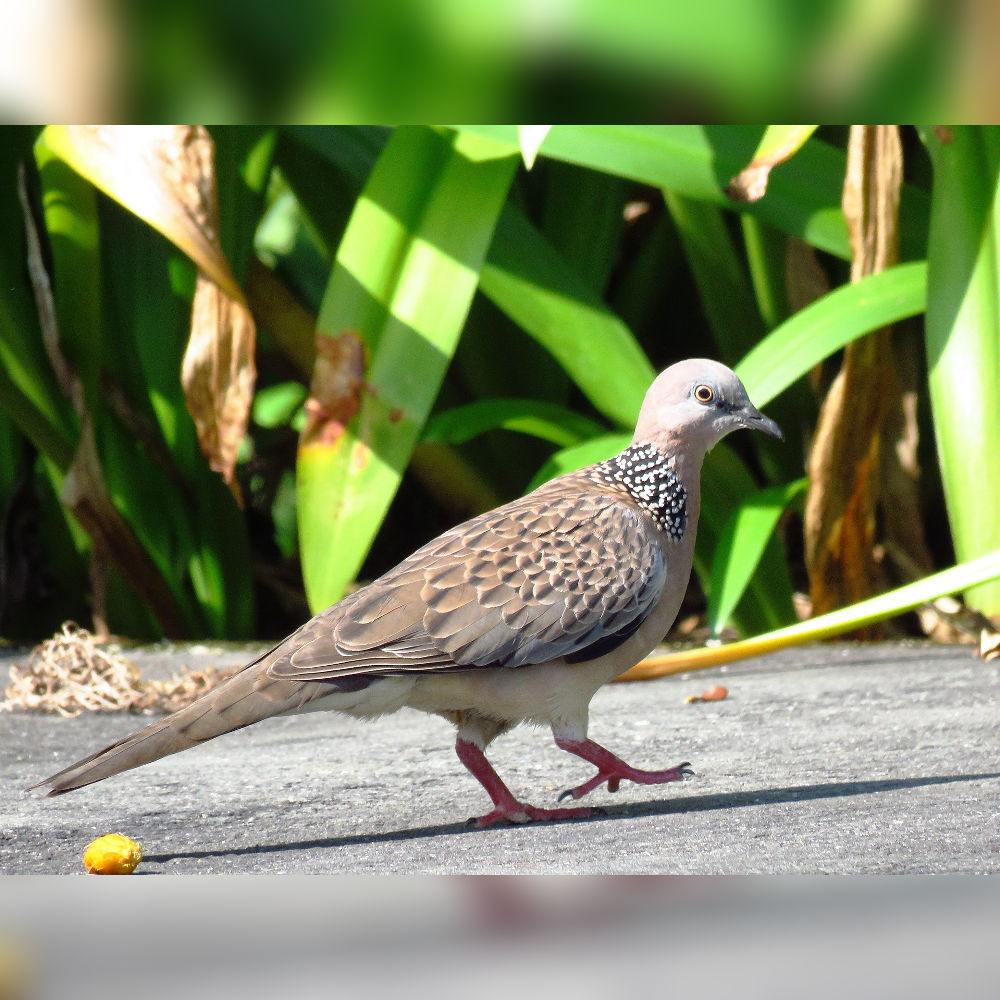
Spotted Dove

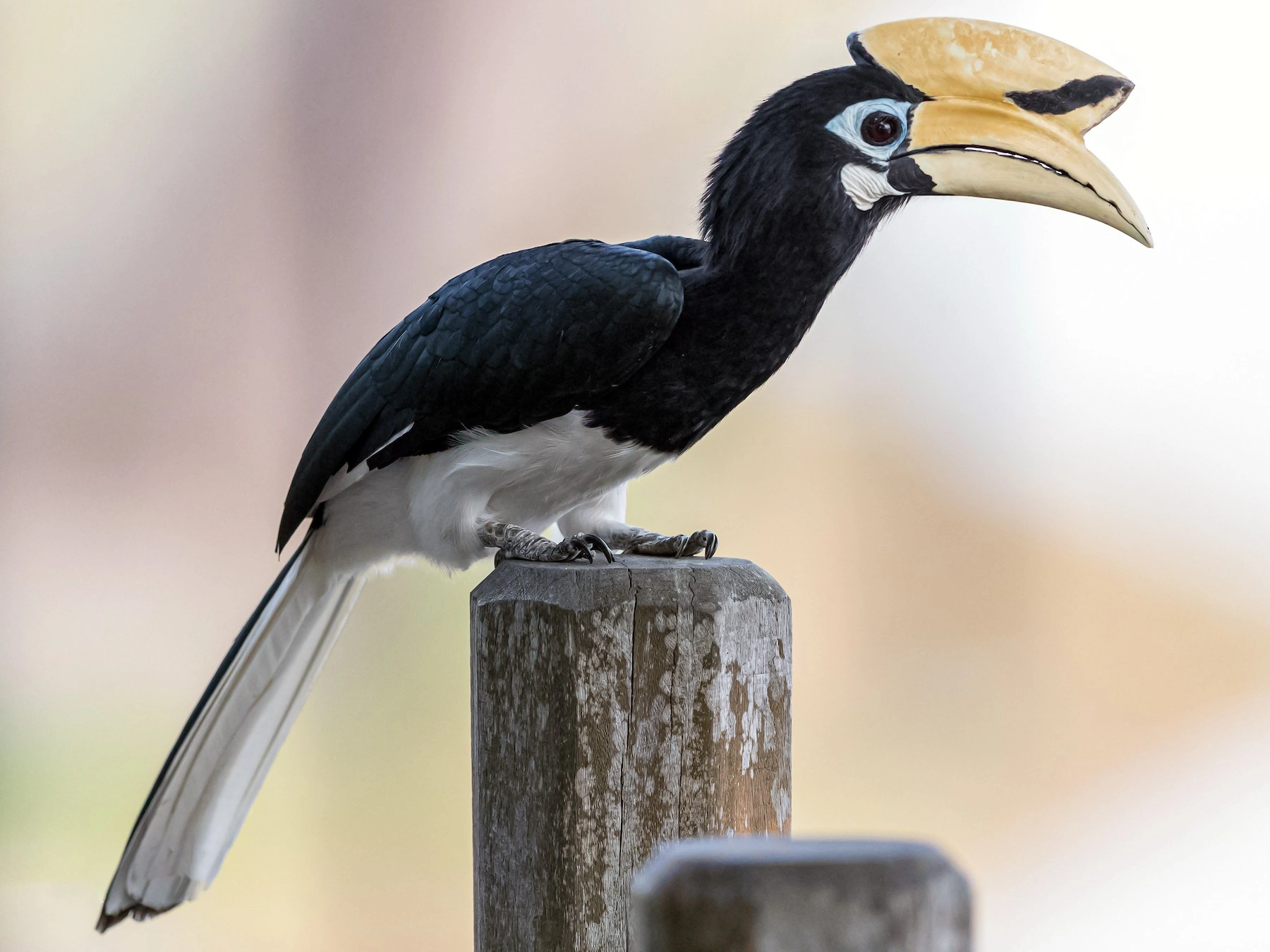
Oriental Pied Hornbill
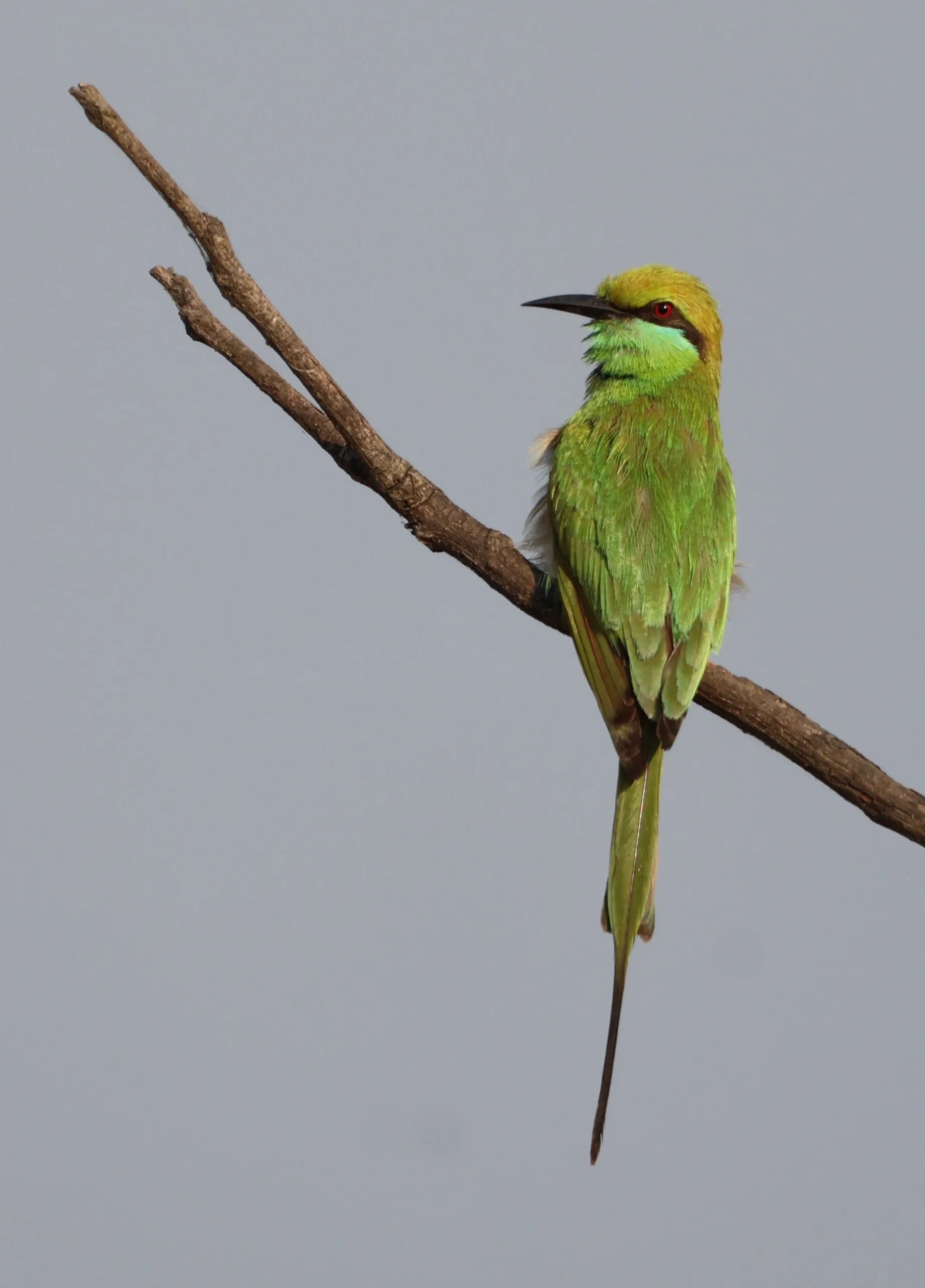
Asian Green Bee-eater
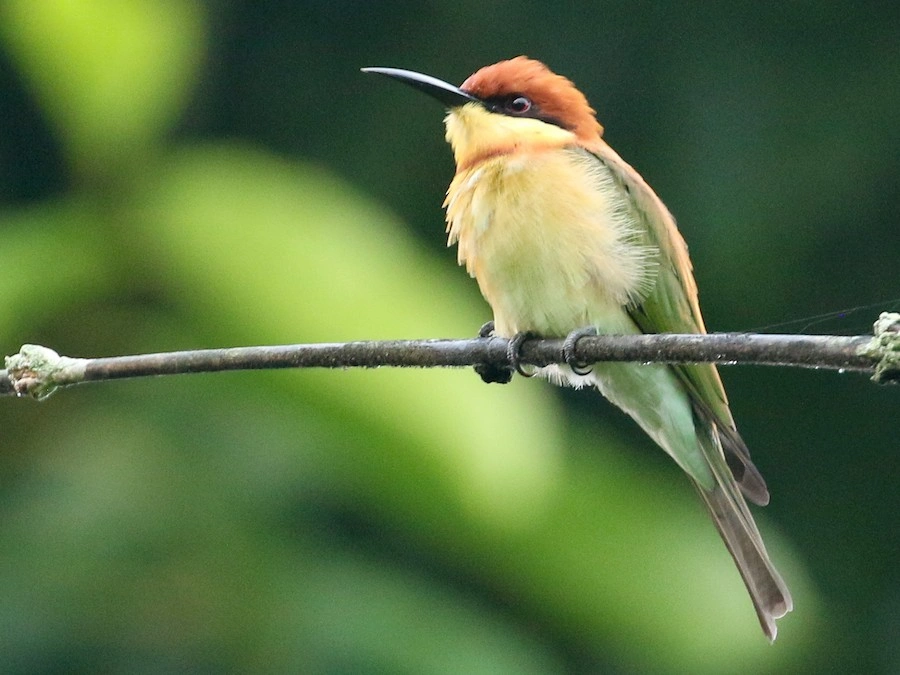
Chestnut-headed Bee-eater
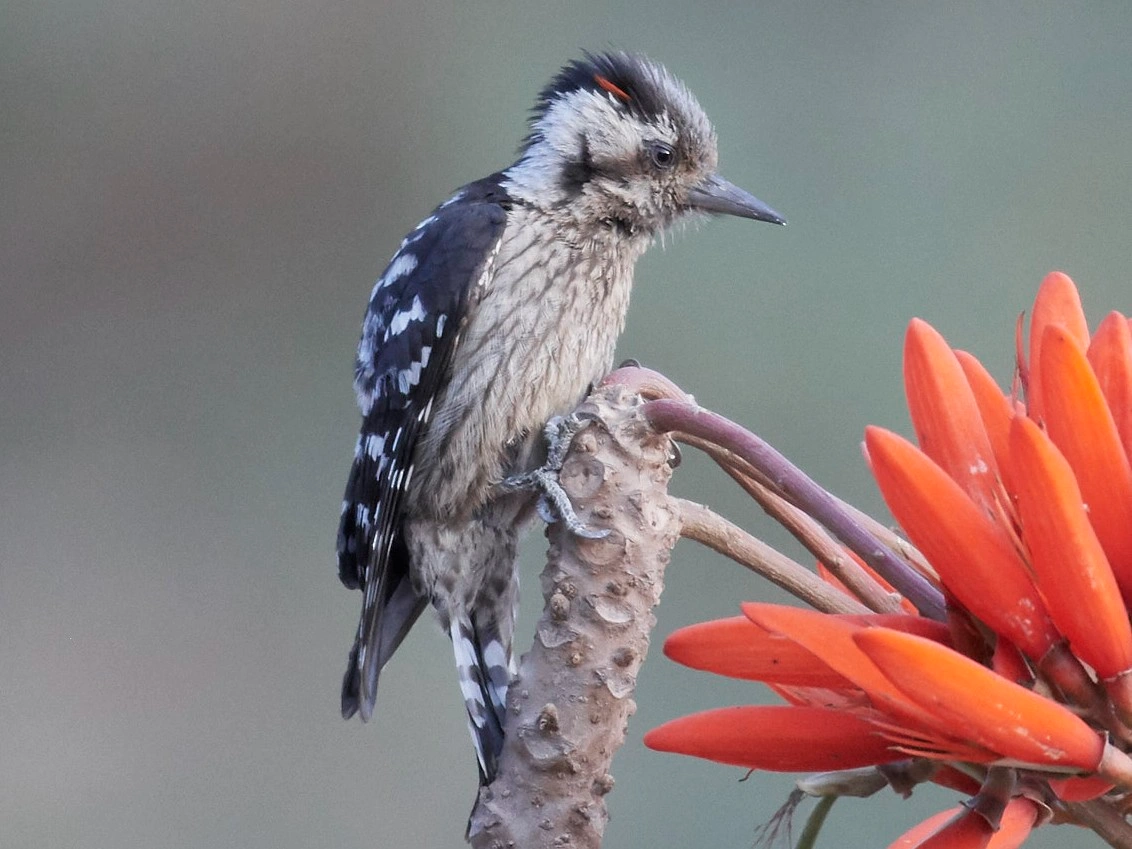
Gray-capped Pygmy Woodpecker
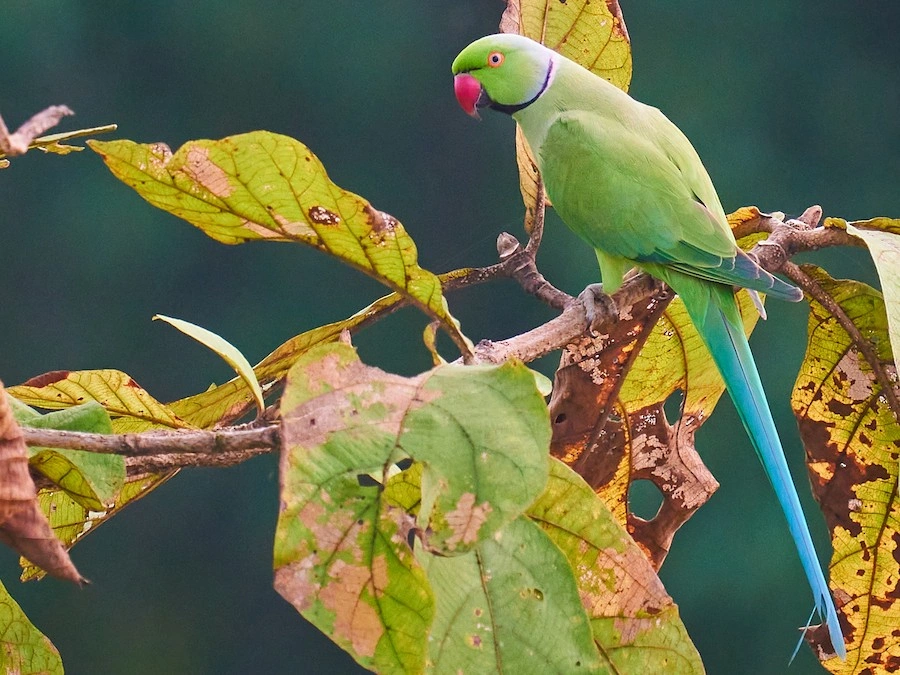
Rose-ringed Parakeet
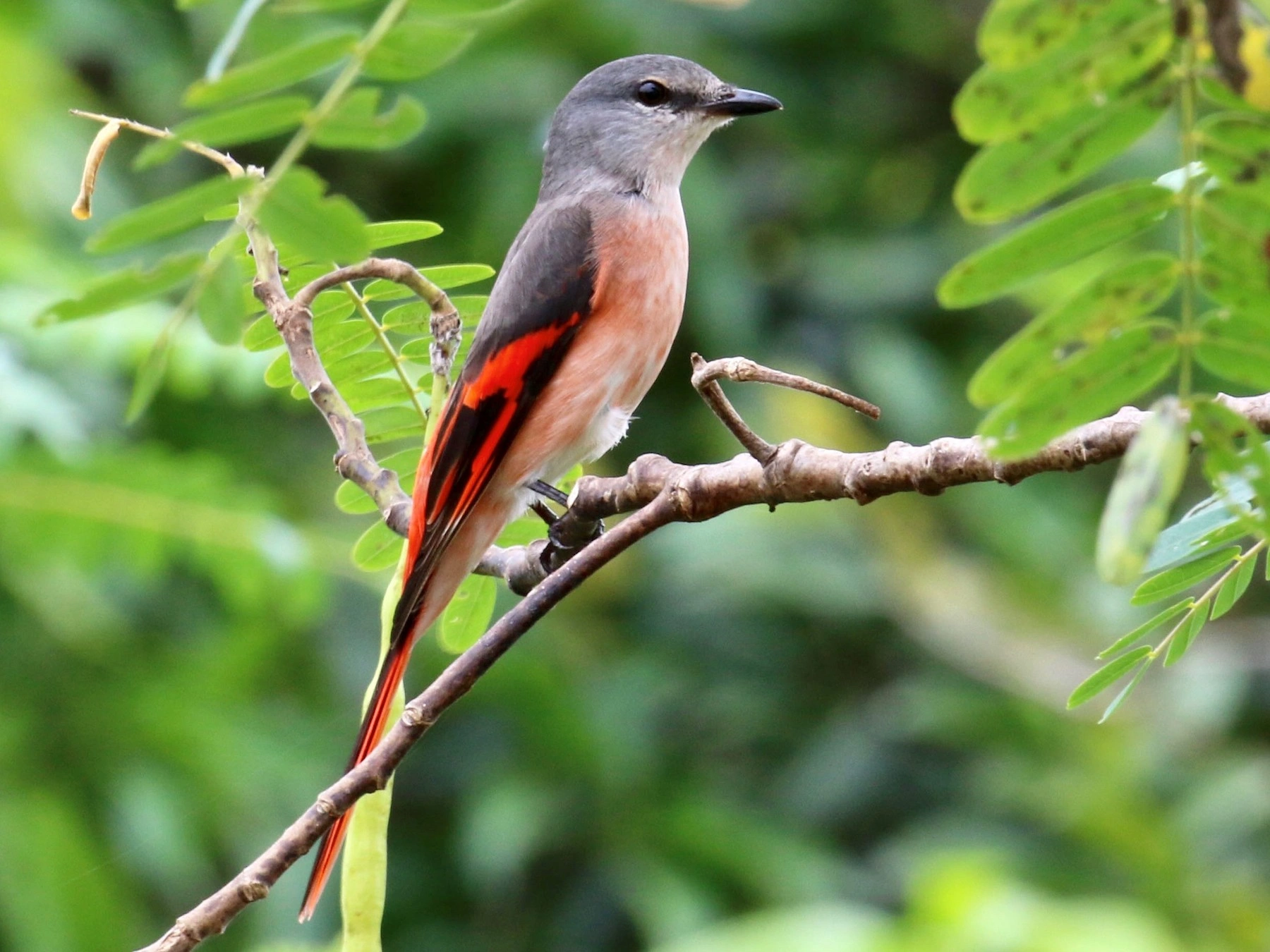
Rosy Minivet
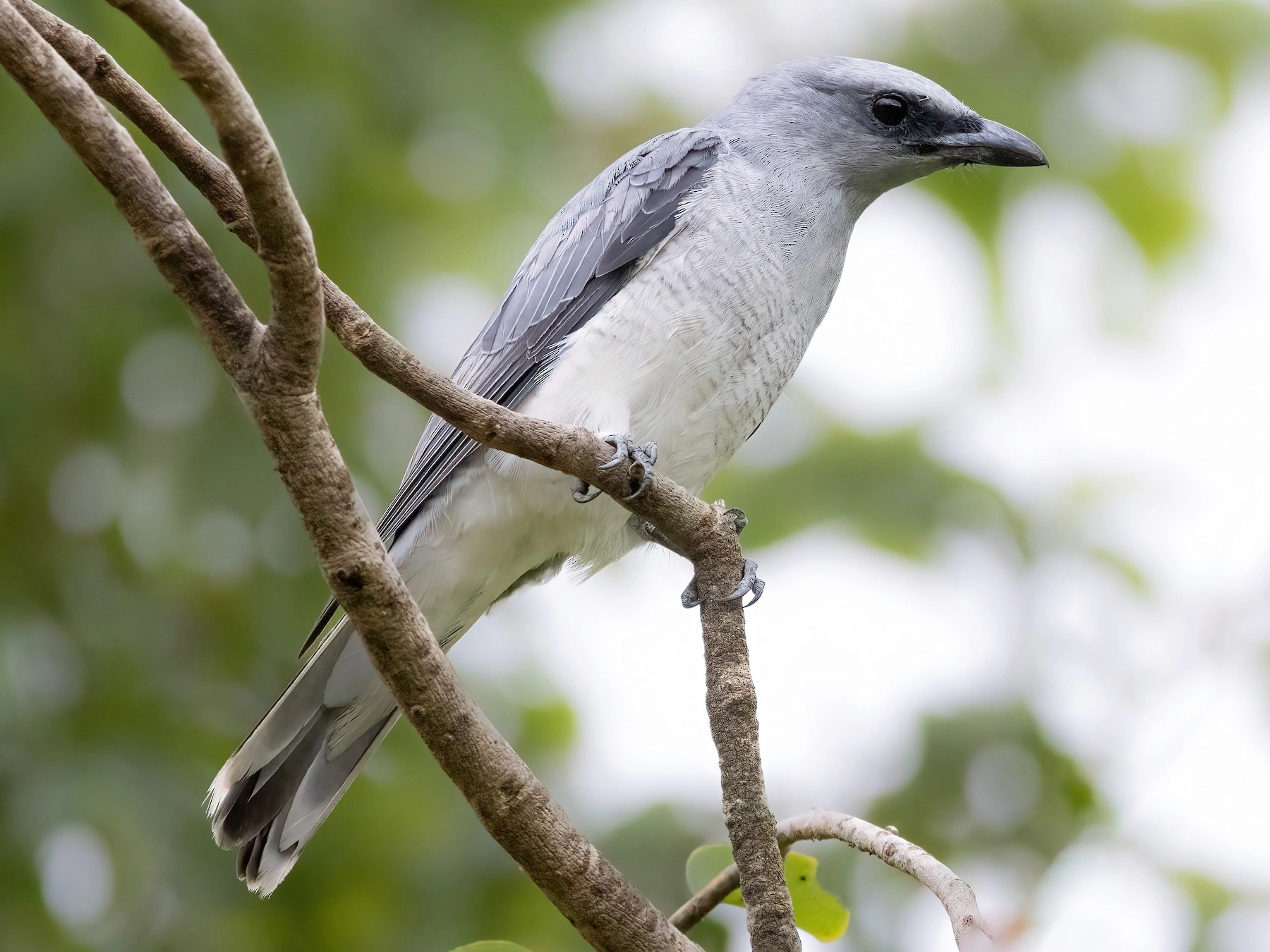
Indian Cuckooshrike
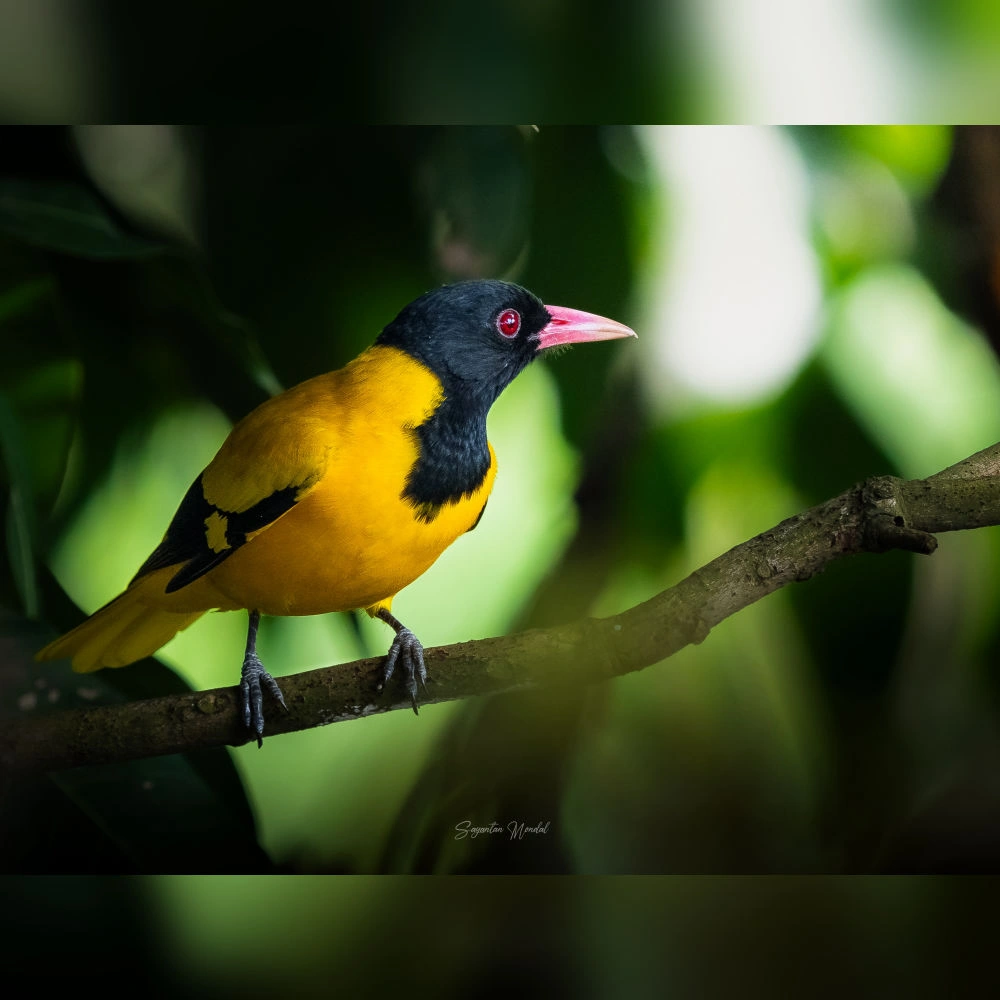
Black-hooded Oriole
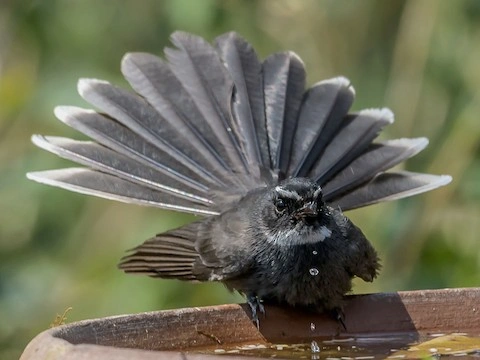
White-throated Fantail
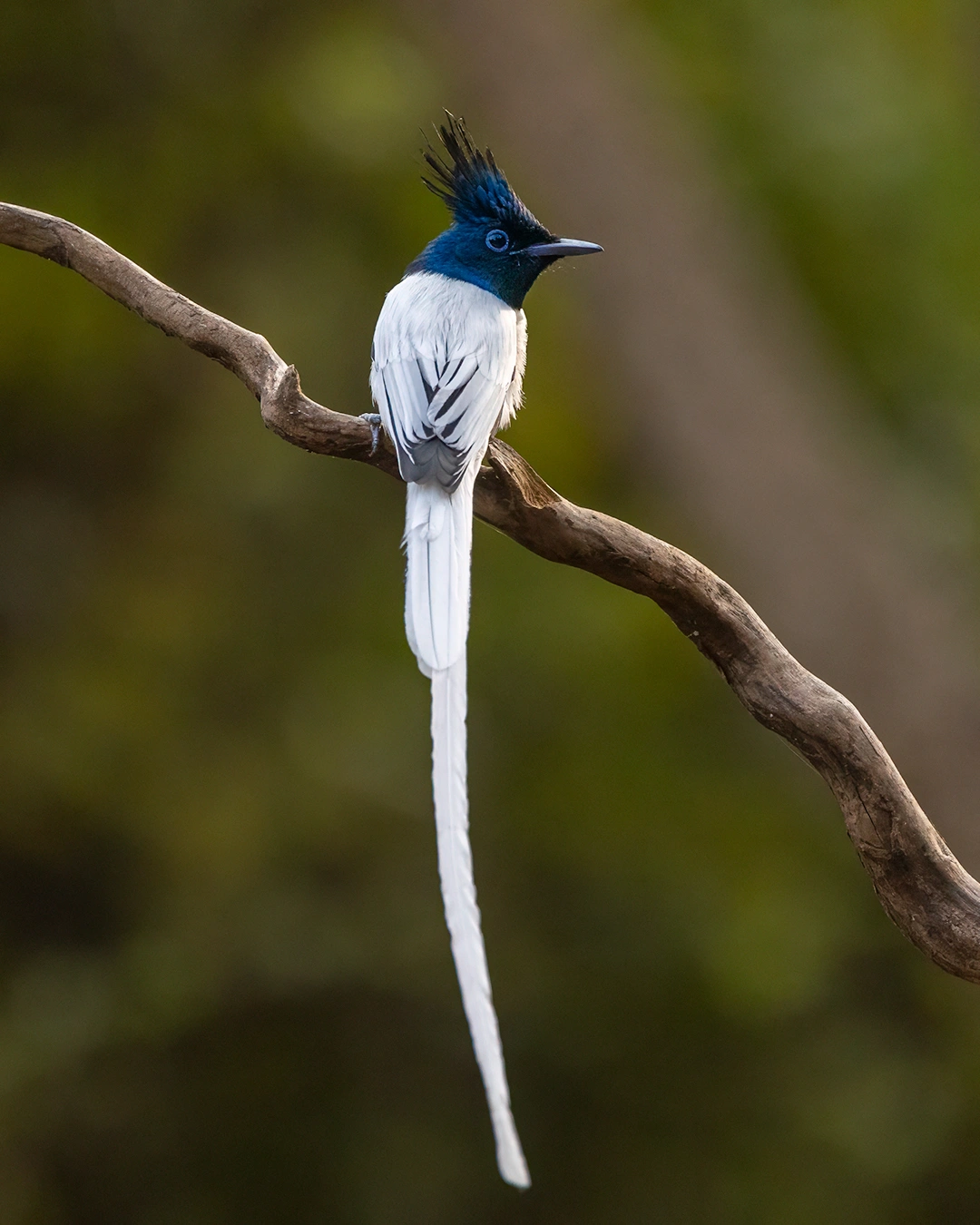
Indian Paradise Flycatcher
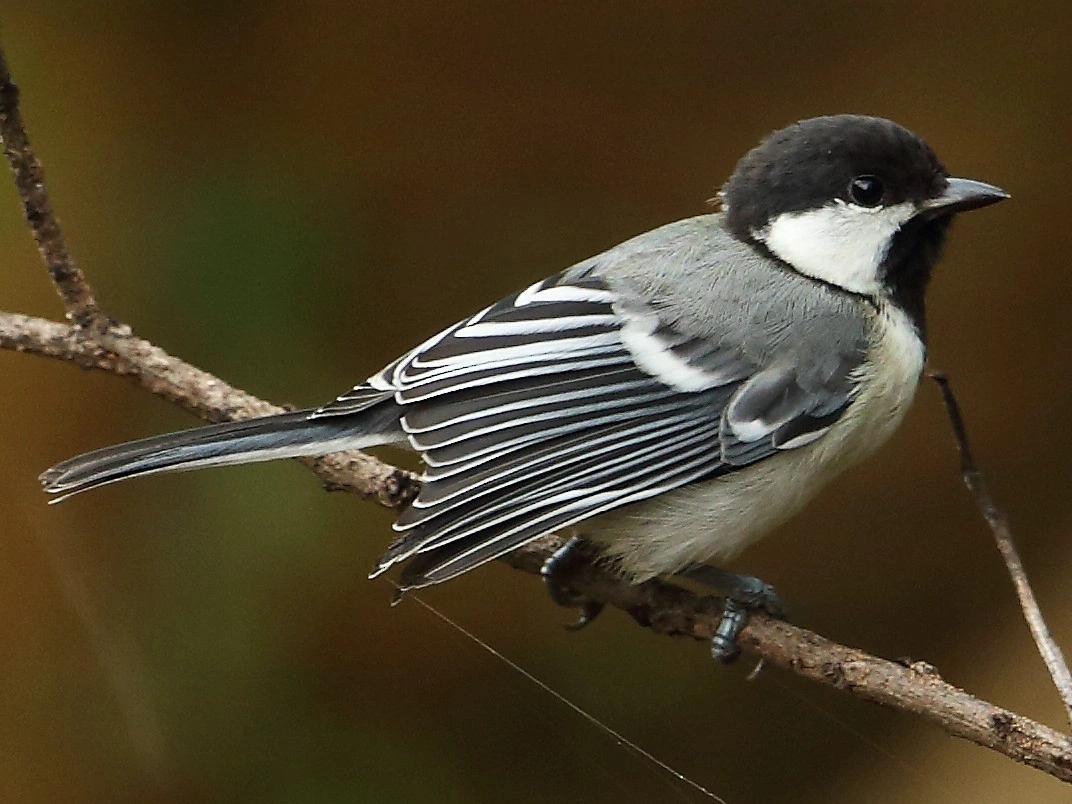
Asian Tit

Gray-breasted Prinia
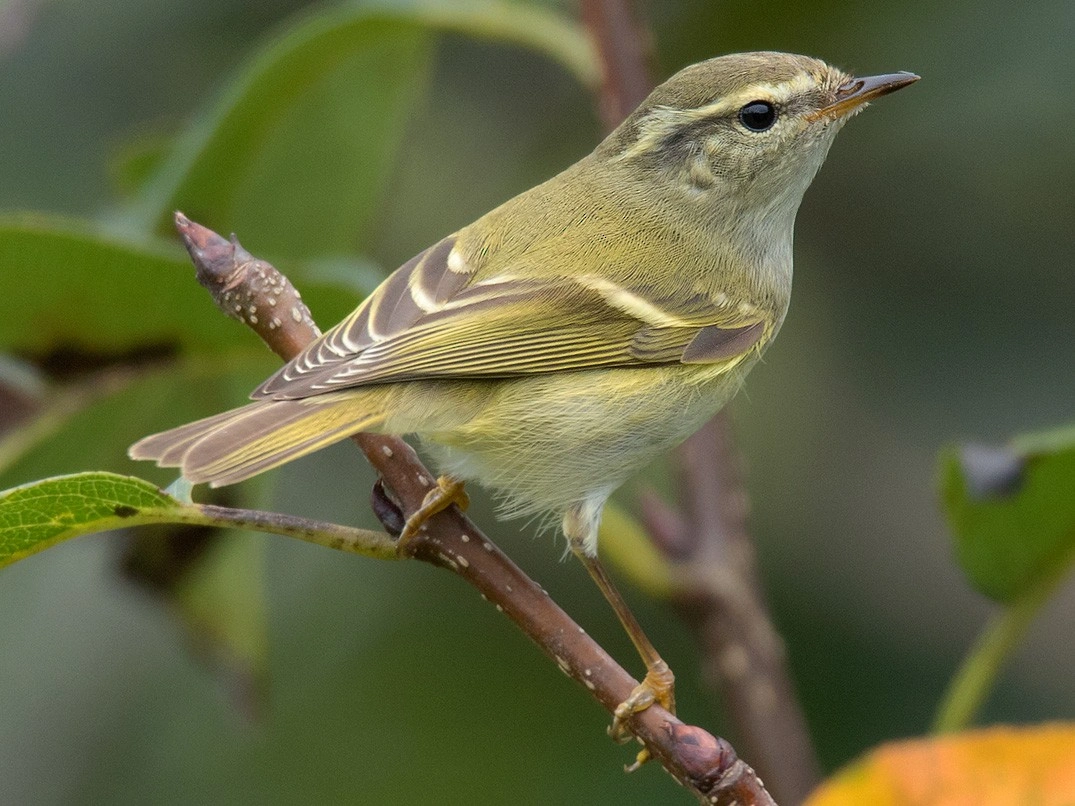
Hume’s Warbler
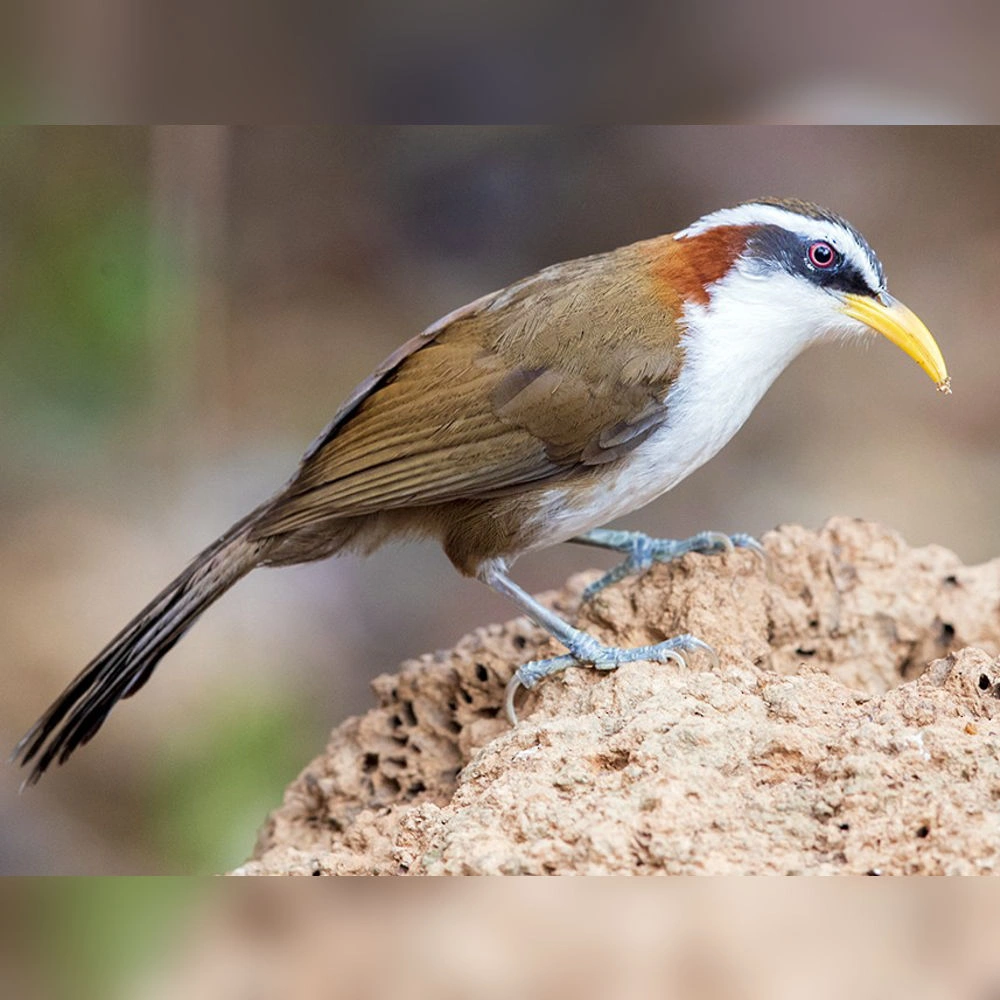
White-browed Scimitar Babbler
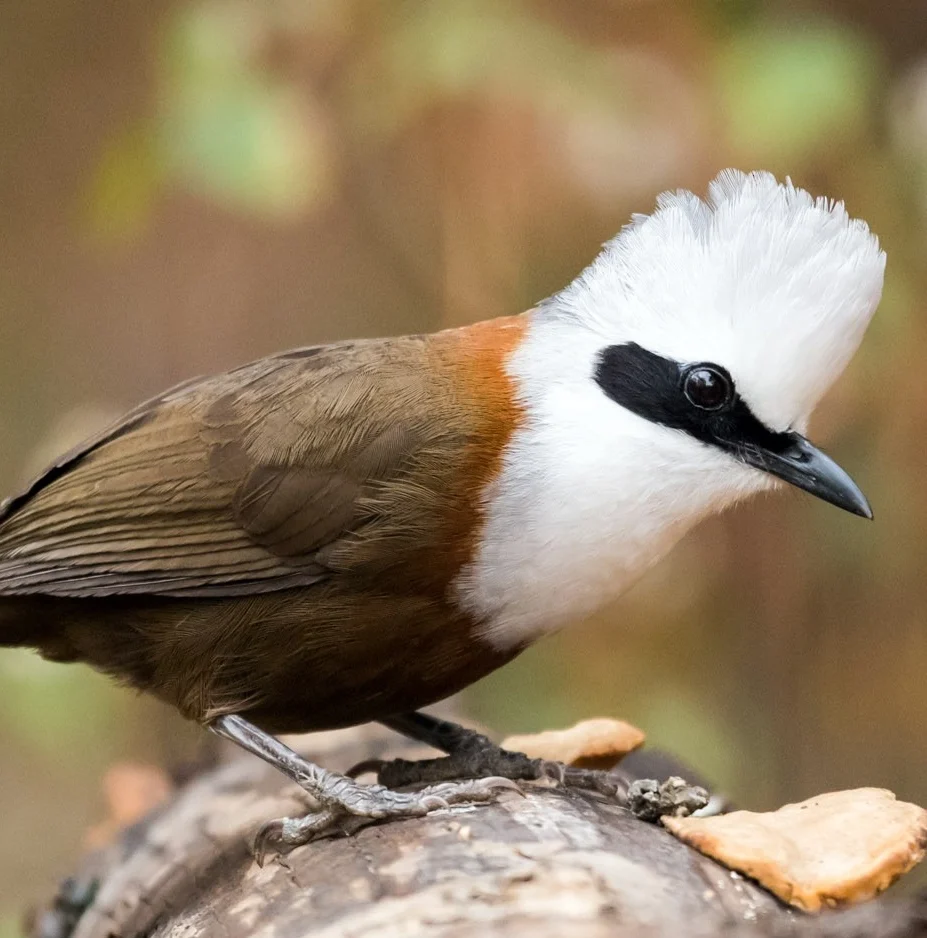
White-crested Laughingthrush
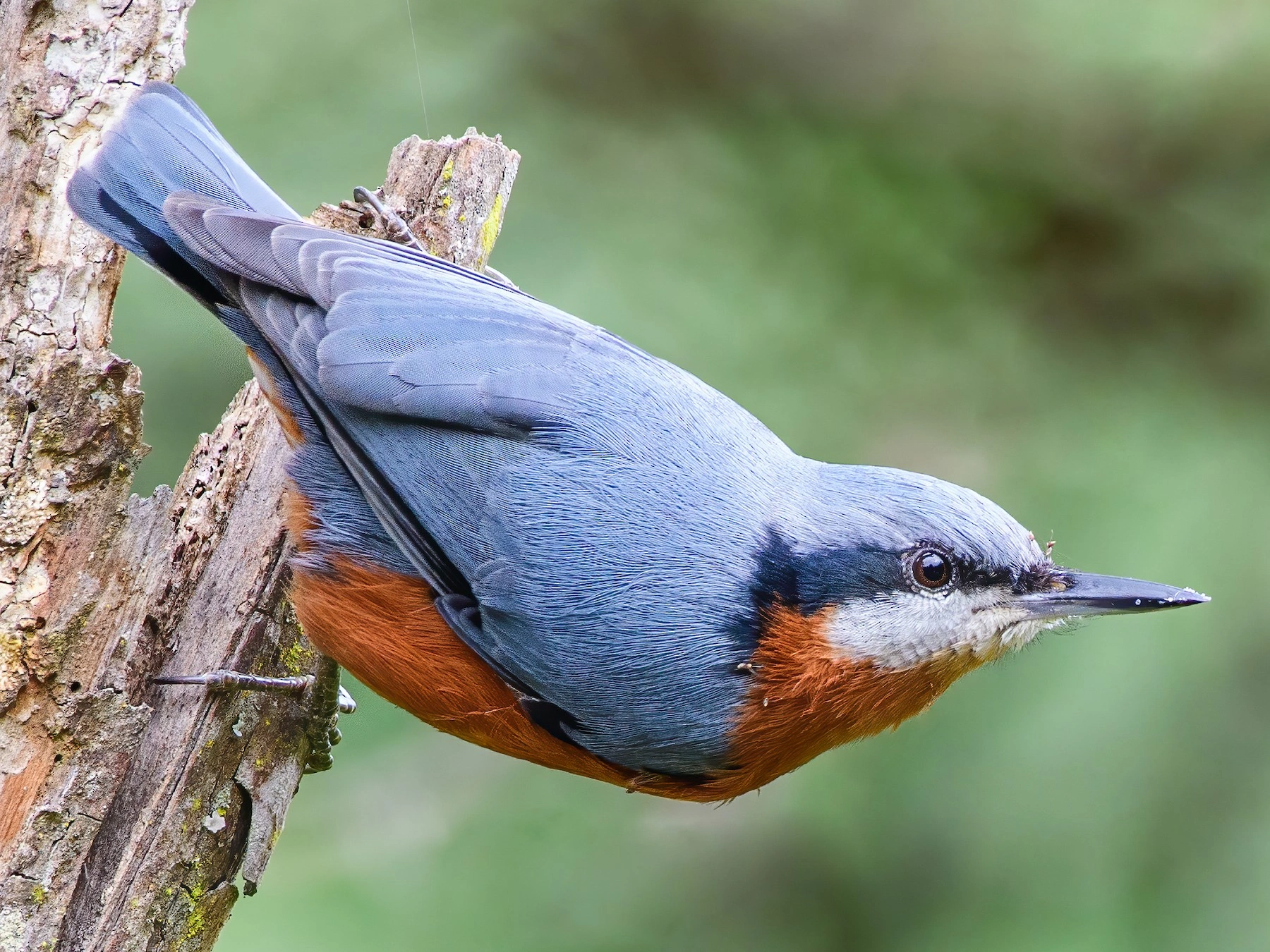
Chestnut-bellied Nuthatch
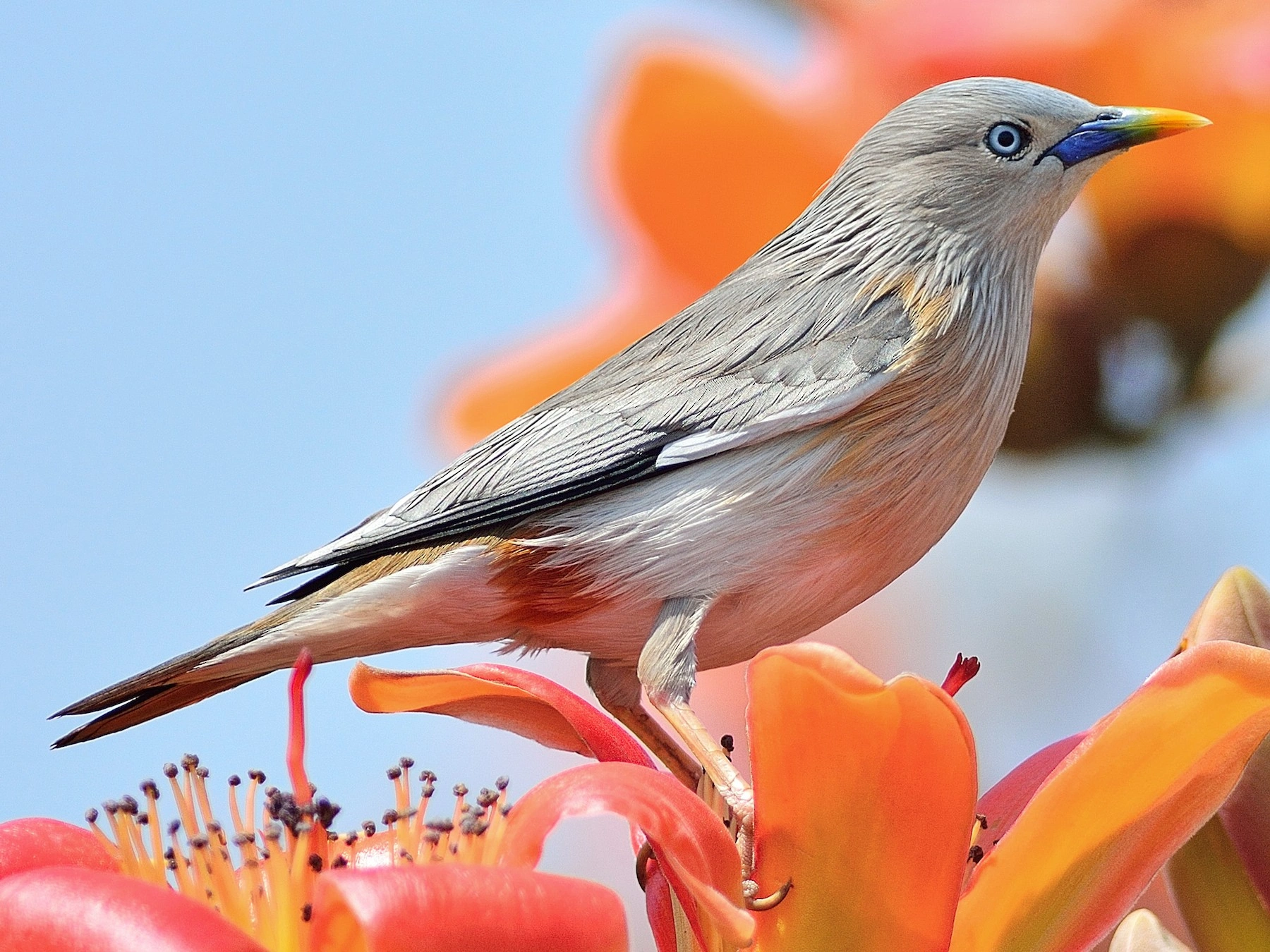
Chestnut-tailed Starling

Oriental Magpie Robin
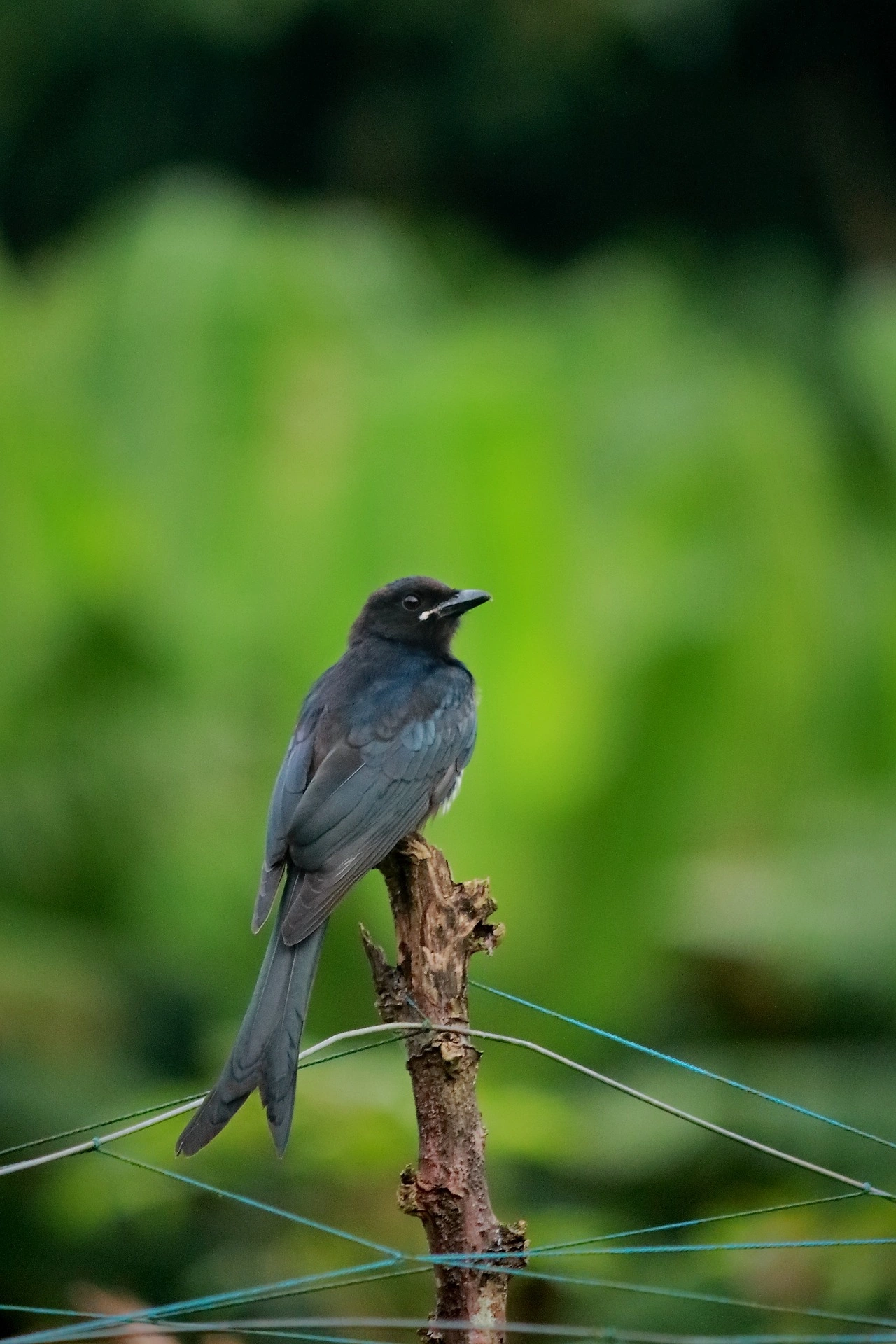

Ashy Drongo
Summary of Walk
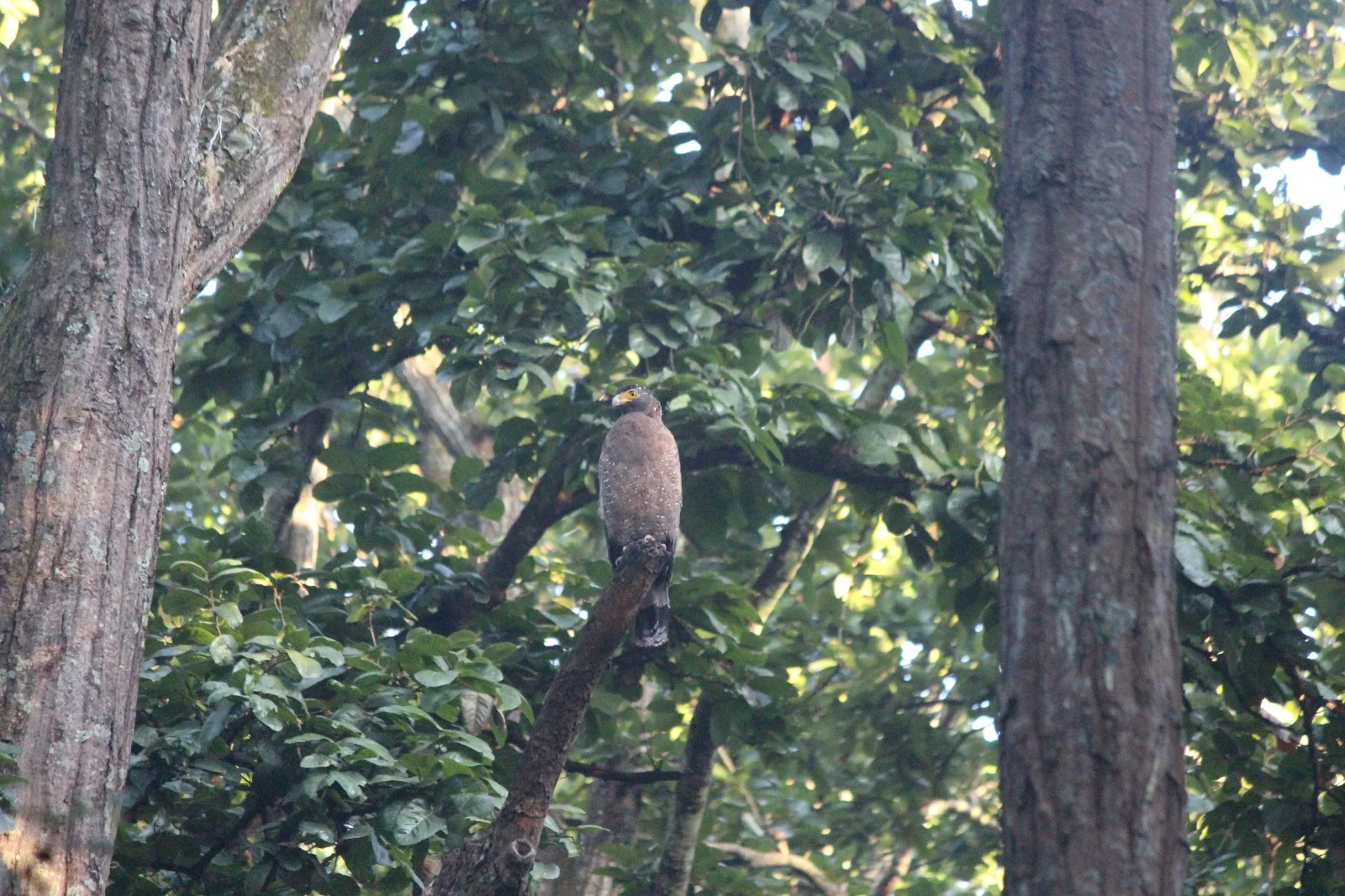
On a bright and sunny morning, four forest lovers joined guide Ashika Talreja for a rescheduled walk along the Sal Forest Trail in Dehradun on 2 October, and the woodland delivered a memorable welcome. As they stepped in among the tall sal trees, a pair of Grey-headed Woodpeckers was the first to greet them, setting a cheerful tone for the hours ahead. The small group moved slowly through the lush green forest, listening closely and scanning the canopy, and together they recorded 16 species. Among the highlights were the White-crested Laughingthrush, a sociable and noisy forest bird that is always a thrill to find, along with the Blue Whistling-Thrush, the Bronzed Drongo and the Lesser Yellownape, each adding colour and character to the morning. Then came an unexpected moment that left everyone amazed: the deep call of a Barking Deer echoed through the trees, briefly breaking the silence and reminding the group that the forest holds many more secrets than the birds alone. A little later, a Crested Serpent-Eagle settled quietly on a perch, watching the walkers as closely as they were watching it, and giving everyone a wonderful long look at this impressive raptor. Ashika’s calm and attentive guidance helped the group tune in to the sounds of the forest, from woodpecker drumming to distant calls, and to appreciate how much can be discovered by simply slowing down. Moments like these make forest birding so special, not only for the birds we see but for the sounds, surprises and quiet encounters along the way, and this walk was a beautiful example.
Number of Participants
0